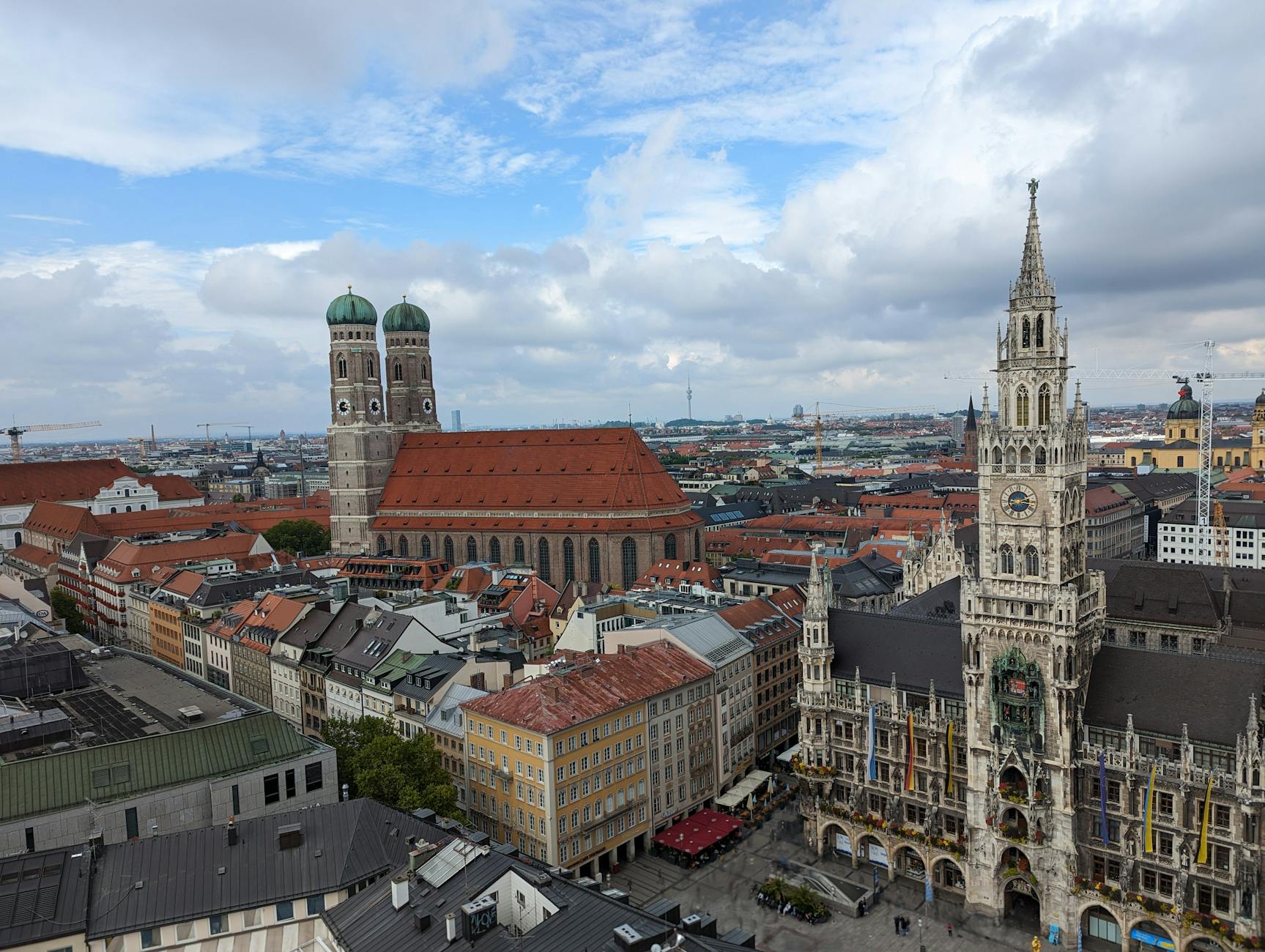
Munich is one of Europe's easiest cities to underestimate because it does not work very hard to convince you. It is orderly, affluent, calm, and highly usable, and those qualities can cause first-time visitors to mistake it for a city that is merely efficient. That reading misses the pleasure of the place. Munich is not a city of constant spectacle. It is a city of sequence, quality, and completion.
Start Here
The first mistake many travelers make is demanding a different Germany from it. They want Berlin's edge, Cologne's looseness, or a fairy-tale Bavaria that belongs more to castles and mountain postcards than to a real city. Munich is something else: measured, cultivated, green, cleanly run, and socially more relaxed than it first appears. Its beauty is not always loud, but it is real. Its pleasures are not improvised, but they land very well.
The second mistake is using Munich only as a base. That is understandable. The transport is good, the airport works, the onward regional logic is clean, and Bavaria pulls at the itinerary. But when Munich becomes just the place where you sleep before Neuschwanstein or Salzburg or a train south, the city never gets the chance to explain itself. A stronger trip allows Munich to be urban on its own terms: one old-town chapter, one museum or residence chapter, one serious park or beer-garden chapter, one evening where the city turns from polished daytime order to social ease.
This is a city that likes coherence. A good base matters. The quality of the first airport or station move matters. The difference between staying near Hauptbahnhof because it is convenient and staying somewhere that lets the city feel whole matters. Munich is not difficult. But it does reward people who align the city with the kind of trip they are actually taking rather than the one they vaguely imagined.
Munich also improves the moment you stop apologizing for liking its strengths. This is a place where public transport works, where parks matter, where beer gardens are not cliches but structure, where museums and palace interiors still feel integrated into a living city, and where a short trip can feel finished without becoming frantic. That is rarer than it sounds.
The city in one sentence: Munich is a polished, green, and highly usable city where the best first trip comes from embracing district quality, beer-garden rhythm, airport-and-rail efficiency, and urban calm rather than chasing nonstop drama or using the city only as a Bavaria base.
Quick Verdict
Best for: couples, solo travelers, first-time Germany trips, city-and-region combinations, beer-garden travelers, museum travelers, and anyone who likes a composed urban break with low friction.
Not ideal for: travelers who need every hour to feel edgy or theatrically historic, people who only want medieval drama, or anyone who resents a city for being orderly.
Ideal first visit: 2 to 3 full days.
Minimum worthwhile stay: 2 full days, if one belongs to Munich itself and not only to regional logistics.
Best overall months: May, June, September, and early October.
Best winter case: late autumn through winter for markets, museums, shopping, and a denser, more interior-led city break.
Biggest planning mistake: treating Munich as if efficiency were its only virtue and then never giving the city enough time to show its quality.
One thing to prioritize: the base. In Munich, slightly better district choice changes the whole trip.
One thing to leave flexible: how much of the stay belongs to the city versus the wider region. Munich is strong enough to deserve more city time than many first-timers initially allocate.
The blunt version: Munich is one of Europe's cleanest high-quality short city breaks if you let it be calm, polished, and complete, and one of the easiest places to undervalue if you keep waiting for louder drama.
Who Will Love Munich?
Munich suits travelers who like cities that feel finished. Some cities are exciting because they are unruly. Munich is attractive because it feels composed. The streets are legible, the transport is reliable, the central city is walkable in a satisfying rather than exhausting way, and the wider urban mood is one of confidence rather than strain.
It works especially well for couples because the city supports a particularly good kind of short break: strong hotels, easy parks, museums that do not require cultural overexertion, beer gardens that turn an afternoon into a structure rather than just a stop, and evenings that can be social without becoming chaotic.
Solo travelers also do very well here. Munich is readable, safe-feeling in the ordinary practical sense, and flexible enough that different kinds of solo trips can work. A traveler can lean into museums, parks, old-town walking, food, or transport-smart day-trip combinations and still feel the city is helping rather than resisting.
It is also excellent for travelers who care about the relationship between urban calm and urban quality. Munich is one of the clearest examples in Europe of a prosperous city where order has not drained all the life out of the place. If anything, the order makes the pleasures easier to use.
It is less ideal for visitors who need visible friction to feel that a city is interesting. Munich can seem too easy to those people. That is their loss more than the city's.
Munich at a Glance
| Question | Practical Answer |
|---|---|
| Main airport | Munich Airport |
| Best airport public move | S1 or S8 into the city |
| Airport-to-centre timing | Around 35 minutes to the city centre[1] |
| Best airport ticket product for visitors | Airport-City-Day-Ticket |
| Best first-time base | Old-town edge, central Altstadt seam, or a strong central district near the core |
| Best social district | Glockenbach / Isar edge or selected old-town-adjacent zones |
| Public transport backbone | U-Bahn, S-Bahn, trams, and walking |
| Signature urban square | Marienplatz |
| Signature palace/museum anchor | Munich Residenz |
| Best outdoor corrective | English Garden or larger green-space Munich |
| Biggest practical variable | whether you are on a city break or a city-plus-Bavaria route |
| Car needed? | No |
| Currency | Euro |
| Emergency number | 112 |
| Tap water | Safe to drink |
| Power plugs | Type C and F |
2026 Visitor Notes
The Airport Link Is Better Than Many City Breaks Get
MVV's official air-travellers page says the S1 and S8 run from Munich Airport to the city centre, alternating every 10 minutes, with the trip taking around 35 minutes.[1] That matters because it means your first decision is not whether Munich is usable. It is whether you will use that usability intelligently.
The Airport-City-Day-Ticket Is Often The Smartest Short-Stay Move
MVV's official Airport-City-Day-Ticket page describes it as a day ticket covering zones M-5, including the airport and the city area of Munich, valid until 6 a.m. the following day. The current fares listed are €16.30 for a single and €30.50 for a group ticket.[2] For many first-time visitors, this is cleaner than piecing things together.
Standard Day Tickets Are Straightforward Once You Know The Basic Logic
MVV's day-ticket pages remain admirably plain: the single-day ticket is valid for unlimited travel within the selected zones until 6 a.m. the following day, and zone M alone covers the city while M-5 covers airport-to-city travel.[3] Munich is not a place where ticket confusion should dominate the stay.
Marienplatz Is Still The City’s Urban Heart, But Not The Whole Story
The city's official portal is right to describe Marienplatz as the central square of Munich's old town.[4] The mistake is not going. The mistake is thinking one square and the nearest pedestrian streets have explained Munich in full.
The Residenz Deserves More Than Overflow Attention
The Bavarian Palace Administration's official material describes the Residence as the largest inner-city palace in Germany.[5] That is the sort of scale people tend to underplay when Munich is being treated too quickly. If the Residenz matters to you, give it real time.
The English Garden Is A Structural Part Of The Trip, Not A Bonus
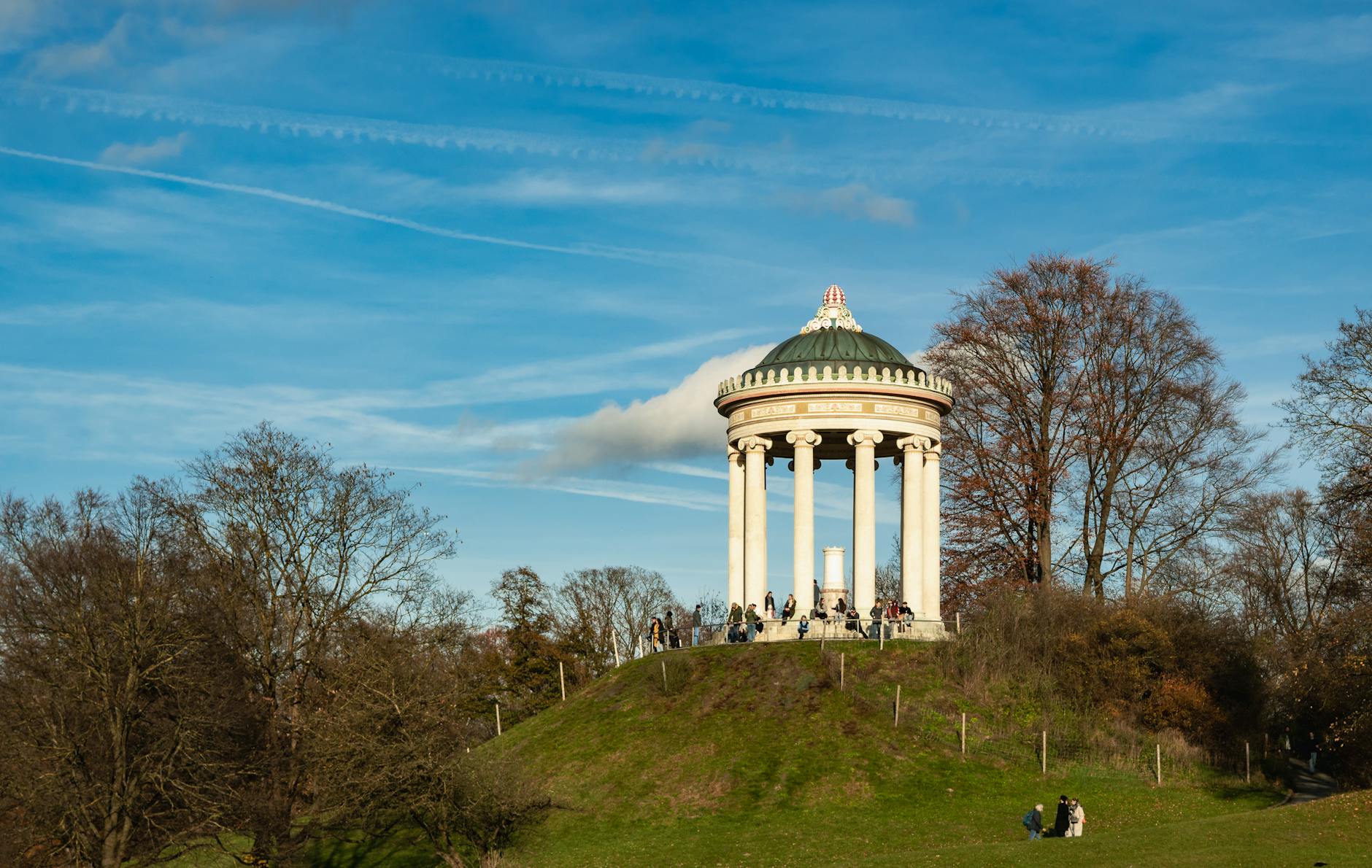
Munich's official city portal makes the English Garden sound exactly as it should: a huge, varied urban park whose beer gardens, paths, water, and open spaces are integral to city life.[6] This matters because Munich is one of those cities that improves when you let green space do real work in the itinerary.
How to Understand Munich
Munich works through five forces.
The first is urban calm. This is a city that does not need to agitate you to hold your attention.
The second is green correction. Parks, the Isar, and outdoor social life stop the city from becoming merely polished.
The third is Bavarian identity without provinciality. Munich feels unmistakably Bavarian, but it is also a major, competent European city.
The fourth is mobility clarity. Airport, rail, and inner-city movement are part of Munich's strength, not just background conditions.
The fifth is social ease. Beer gardens, squares, markets, and evening life create a version of the city that is more relaxed than outsiders often expect.
The Five Munichs A Visitor Actually Meets
Old-Town Munich: Marienplatz, pedestrian streets, central churches, and the city of first impressions.
Residenz-and-museum Munich: palace interiors, old power, and a more ceremonial cultural register.
Green Munich: the English Garden, river edges, park life, and the city’s outdoor breathing space.[6]
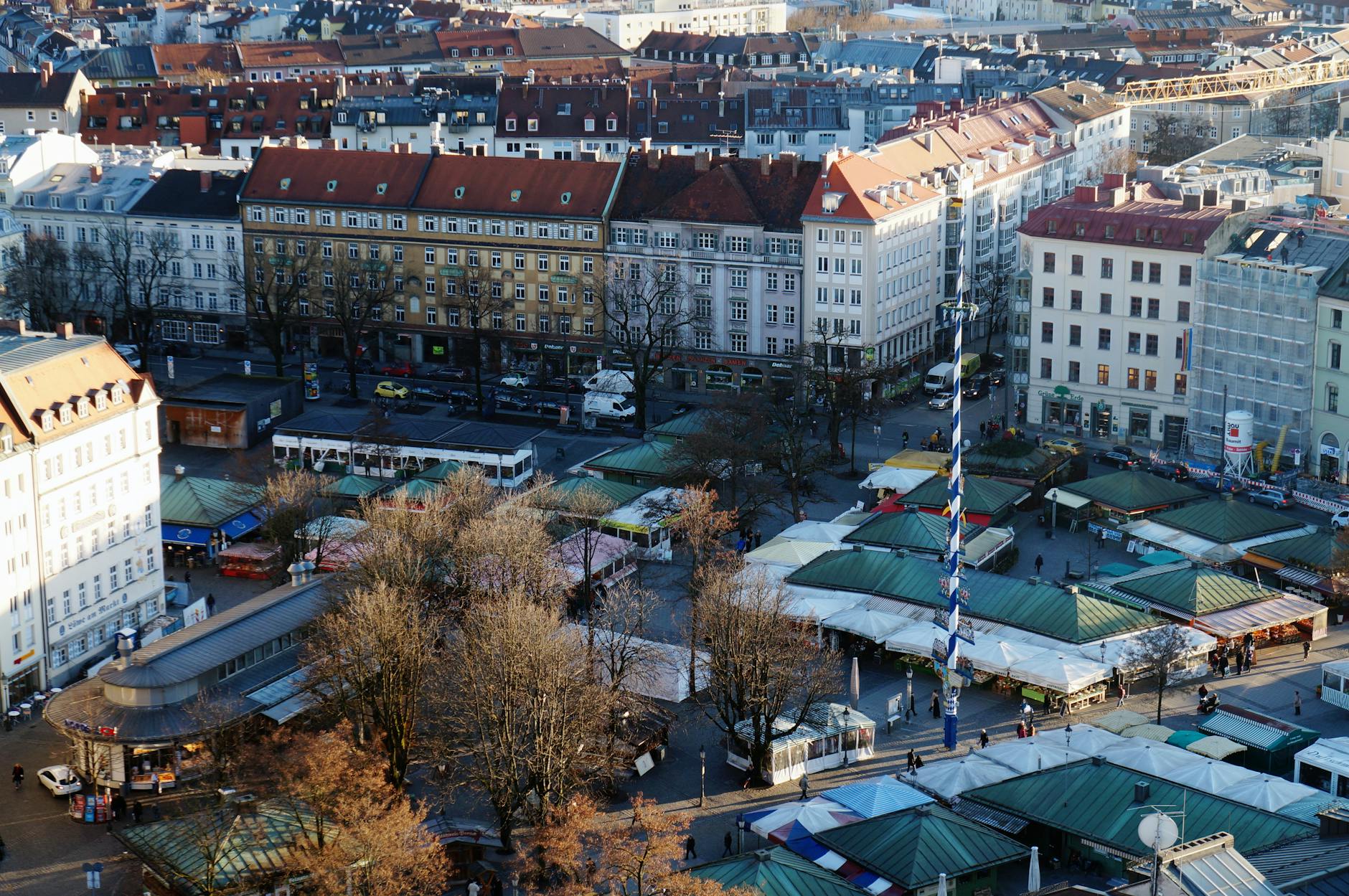
Social Munich: beer gardens, Viktualienmarkt, aperitivo-adjacent evenings, and a version of the city that softens its professional image.[7]
Transit-smart Munich: the airport link, Hauptbahnhof, S-Bahn logic, and the city that makes wider Bavaria flow.
The Main Mental Shift
Do not ask, "What are Munich's top attractions?" Ask, "Which Munich am I using today?" Old-town Munich, green Munich, palace Munich, beer-garden Munich. The city gets much better once that question replaces the generic checklist.
What Munich Does Better Than People Think
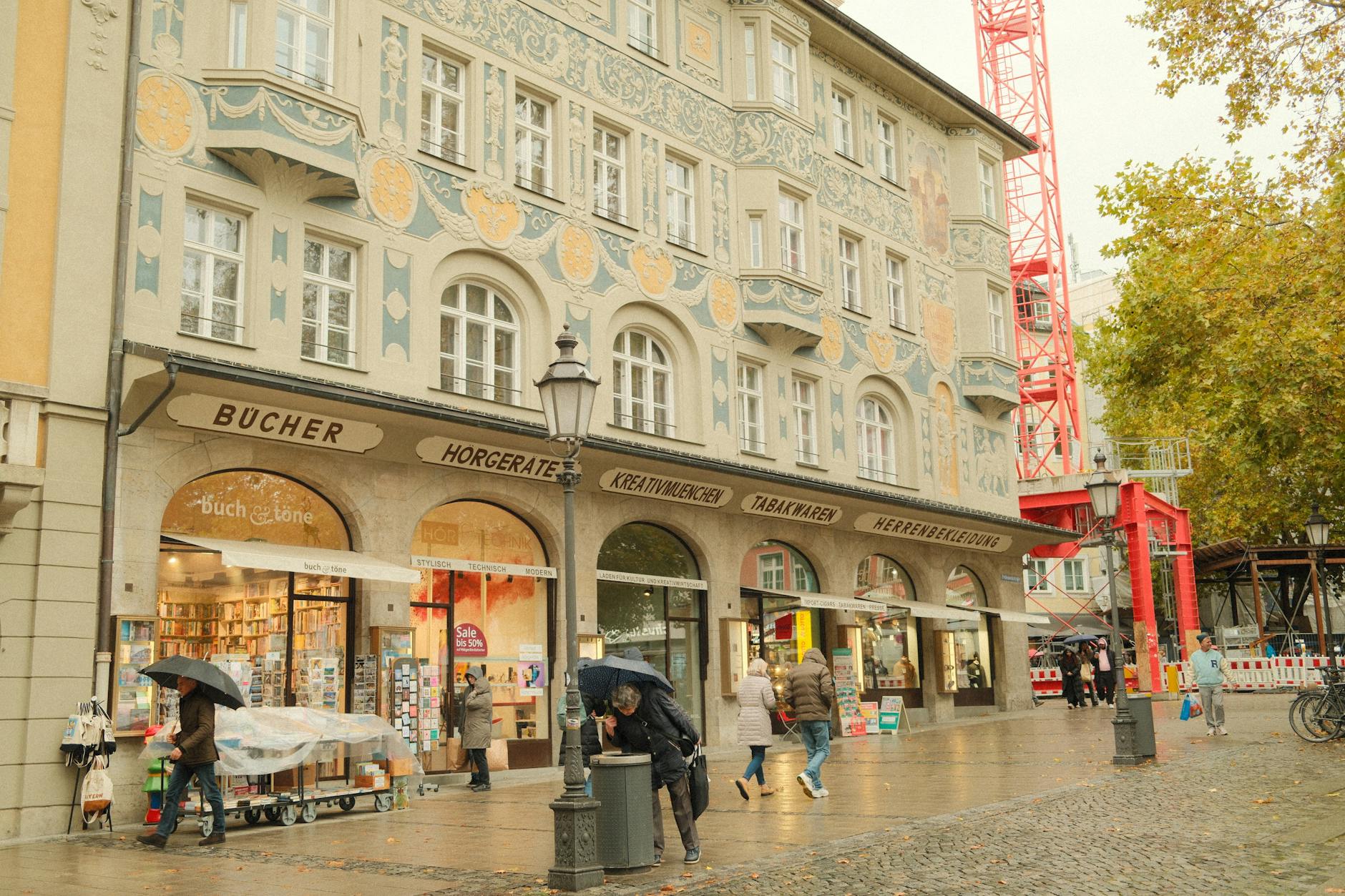
Munich is unusually good at turning order into pleasure. In weaker cities, order can feel sterile. Here it often feels liberating. It lets the trip breathe.
It is also better than many first-time visitors expect at combining urban polish with actual warmth. The beer gardens, markets, and outdoor social life matter because they stop Munich from feeling merely efficient.
Another underrated strength is how complete a short stay can feel. Munich does not need theatrical overload to justify two or three days. It simply needs a well-shaped plan.
The city is also very strong at making regional travel easier without reducing itself to utility. That is a rare combination.
Finally, Munich does quiet confidence better than almost anywhere. It rarely begs to be loved. It often ends up being loved anyway.
Where Munich Fits in a Germany Trip
Munich fits a Germany trip best as the city that proves polish can still have personality.
That matters because many first-time Germany itineraries still classify cities too crudely: Berlin for energy, the Rhine for romance, Bavaria for castles and scenery, and Munich as the efficient but perhaps slightly boring place in between. That reading badly undersells the city. Munich is not just tidy. It is deeply self-assured, green, social in its own way, and unusually good at making a short stay feel complete.
Used properly, Munich works in four especially strong ways.
The first is as a standalone city break. You can build two or three full days around old town, museums, parks, and beer-garden logic without strain.
The second is as a first Germany city. It introduces transport clarity, public order, museum quality, and a strong urban center in a form that is easy for visitors to use.
The third is as a city-plus-region anchor. Munich can support one or two selective regional excursions without losing its own identity.
The fourth is as a repeat-Europe city. Once you stop demanding that every destination sell itself through visible chaos or monumental overload, Munich becomes more and more appealing.
What it is not is only the hotel attached to a Bavarian day-trip plan. The city itself is too good for that.
Munich Versus Vienna
This comparison matters because both cities can attract travelers who want order, culture, palace interiors, strong public transport, and a high-functioning Central European short break.
Vienna is more ceremonial. Its imperial scale is broader, its formal beauty more continuous, and its cultural identity more overtly monumental.
Munich is easier, greener, and a little less performative. It does not try to overwhelm through grandeur. It tends to persuade through comfort, proportion, and how well daily life and visitor life fit together.
If you want the more overtly imperial city, Vienna usually wins. If you want the more relaxed and park-corrected one, Munich may be better.
First-Time Visitors Versus Repeat Visitors
First-time visitors often make one of two mistakes in Munich. Either they treat the city as too calm to be important, or they use it so aggressively as a base that they never let the city itself become the point.
Repeat visitors usually do better because they stop asking Munich to be louder than it is. They know the old town is only one register. They know the English Garden is structural rather than optional. They know that one strong beer-garden afternoon can explain more than another rushed side trip. They trust the city’s quality rather than evaluating it against more theatrical places.
This is one reason Munich often improves on a second visit. The first may still be comparing. The second begins using.
Best Time to Visit Munich
Munich is a year-round city, but not a season-neutral one. The difference is less about survival than about tone.
Best Overall Months
May, June, September, and early October are usually the strongest first-visit windows. The city and the outdoor life work at once, and the rhythm of walking, parks, and beer gardens makes immediate sense.
Summer
Summer is easy to like. Beer gardens, longer evenings, parks, and city-plus-day-trip combinations all benefit. The only real risk is assuming a pleasant city automatically needs no structure.
Autumn
Early autumn suits Munich very well. The city remains social and green enough, but often feels a bit more composed and a bit less purely visitor-facing.
Winter
Winter Munich is a more interior city: markets, restaurants, museums, shopping, and warmer public spaces. This can be excellent if that is the version you actually want.
Spring
Spring is arguably the easiest season in which to understand why Munich works so well. The outdoor and indoor sides of the city balance beautifully.
Month-by-Month Guidance
January: dense, city-first, museum-friendly. February: still wintry, often elegant. March: transitional and increasingly open. April: very strong for first-timers. May: one of the best overall choices. June: excellent. July: lively, green, and easy to enjoy. August: relaxed, but sometimes more hotel- and park-weighted. September: one of the smartest times to go. October: often excellent, especially early in the month. November: quieter and more interior-led. December: strong for markets and polished winter atmosphere.
Warm-Weather Munich Versus Cold-Weather Munich
Warm-weather Munich is easier to like quickly. Parks, beer gardens, riverside movement, and longer days make the city’s calm feel generous rather than merely orderly.
Cold-weather Munich is more interior and more polished. Museums, markets, restaurants, and palace rooms begin doing more of the work. The city still functions beautifully, but it asks you to lean more into culture and less into green correction.
How Many Days You Need
One Day
Enough to see why Munich is better than the stereotype, not enough to let the city fully settle.
Two Days
The minimum respectable stay. One day should belong to central and old-town Munich. The other should bring in green space, a palace or museum, and social Munich.
Three Days
Ideal for a first visit. This gives enough room for one serious cultural anchor, one park-and-beer-garden rhythm, and enough city time that Munich stops feeling like a transit hinge.
Four To Five Days
Very good if you want a day trip or a more generous Bavaria route without reducing Munich itself.
One Week
Excellent if Munich anchors a wider southern Germany journey, provided the city itself still gets several direct days.
Why One Proper City Day Matters
Travelers sometimes assume Munich is so competent that it will simply explain itself around whatever else they are doing. That is not quite true.
One proper city day means a day where Munich itself carries the argument. The old town gets time, but does not monopolize it. One serious cultural anchor matters. One park or beer-garden block changes the tone. Evening belongs to the city rather than only to sleep before a train. Without that day, Munich can remain merely efficient. With it, the city becomes distinct.
Where to Stay in Munich
Where you stay matters because Munich’s usefulness can either sharpen or flatten the whole trip.
Fast Answer
For most first-time visitors, stay on the old-town edge, in a central district near Marienplatz / Odeonsplatz / Sendlinger Tor logic, or in a strong hotel zone that keeps both walking and rail access clean. Stay directly by Hauptbahnhof only if that convenience solves a real problem.
Neighborhood Decision Table
| Traveler Type | Best Area |
|---|---|
| First-time couple | old-town edge or elegant central district |
| Museum-and-culture traveler | central near Residenz / Kunstareal access |
| Better rail logic traveler | station-adjacent but carefully chosen |
| Park-and-social traveler | central with easy Isar or garden access |
| Repeat visitor | Glockenbach, Schwabing, or quieter central seams |
| Bavaria-base traveler | central rail-friendly district |
Old-Town Edge
This is often the best first answer. You get access to the symbols without being trapped in their most obvious version all day.
Hauptbahnhof Area
Sometimes useful, rarely the most charming answer. Choose it when it is functionally right, not merely because the station name feels reassuring.
Brighter Central Districts
These are where Munich often becomes most satisfying: a good room, a clean walk, and a city that feels broader than the postcard core.
Why The Base Matters More Than Visitors Expect
Munich is one of those cities where “central enough” is not a good enough hotel strategy. The exact district decides what version of the city keeps appearing around you.
An old-town-edge base makes the city feel ceremonial and walkable. A station-adjacent base may simplify onward travel while weakening atmosphere. A greener or more residential central seam can make the city feel calmer and more lived. Because Munich is so coherent, these differences register quickly.
This is why the base matters. In Munich, hotel choice is one of the main ways you decide whether the city will feel like a destination or a transport system.
Area Profiles
Altstadt
Essential, well-structured, and best used as part of the city rather than the whole of it.
Residenz / Odeonsplatz Side
One of the clearest expressions of cultured, formal Munich.
Schwabing / Garden-Linked Munich
A different register: greener, looser, and more outwardly lived-in.
Hauptbahnhof / Transit Munich
Operationally strong, emotionally variable.
Neighborhood Guide: Where to Explore, Not Just Sleep
Marienplatz and the core pedestrian zone: important, but not enough on their own.[4]
Residenz and nearby streets: where palace Munich and polished central Munich overlap.[5]
Viktualienmarkt and its orbit: strong for the social and edible city.[7]
English Garden south section: essential for understanding how green Munich really is.[6]
Beer-garden Munich: one of the city’s great corrective experiences.[8]
Day Munich Versus Evening Munich
Daytime Munich is about clarity. Squares, palace interiors, museums, shopping streets, and the old center’s urban order all explain themselves cleanly.
Evening Munich is where the city relaxes into itself. Beer gardens, markets, and calmer social streets start doing more of the work. The place feels less formal, less demonstrative, and often more likable. This is one reason weak Munich trips underperform: they understand the city in checklist mode but never let it become socially legible.
Why Bavaria Should Not Own The Whole Trip
Bavaria is one of Munich’s great temptations. The region is close, beautiful, and full of names that seem harder to postpone than city time.
But if every conversation immediately drifts outward toward castles, lakes, and alpine fantasies, Munich begins shrinking into infrastructure. A better trip allows the regional pull to exist without erasing the city’s own authority. Munich is strongest when Bavaria remains part of the story and not the whole explanation.
The Best Things to Do in Munich
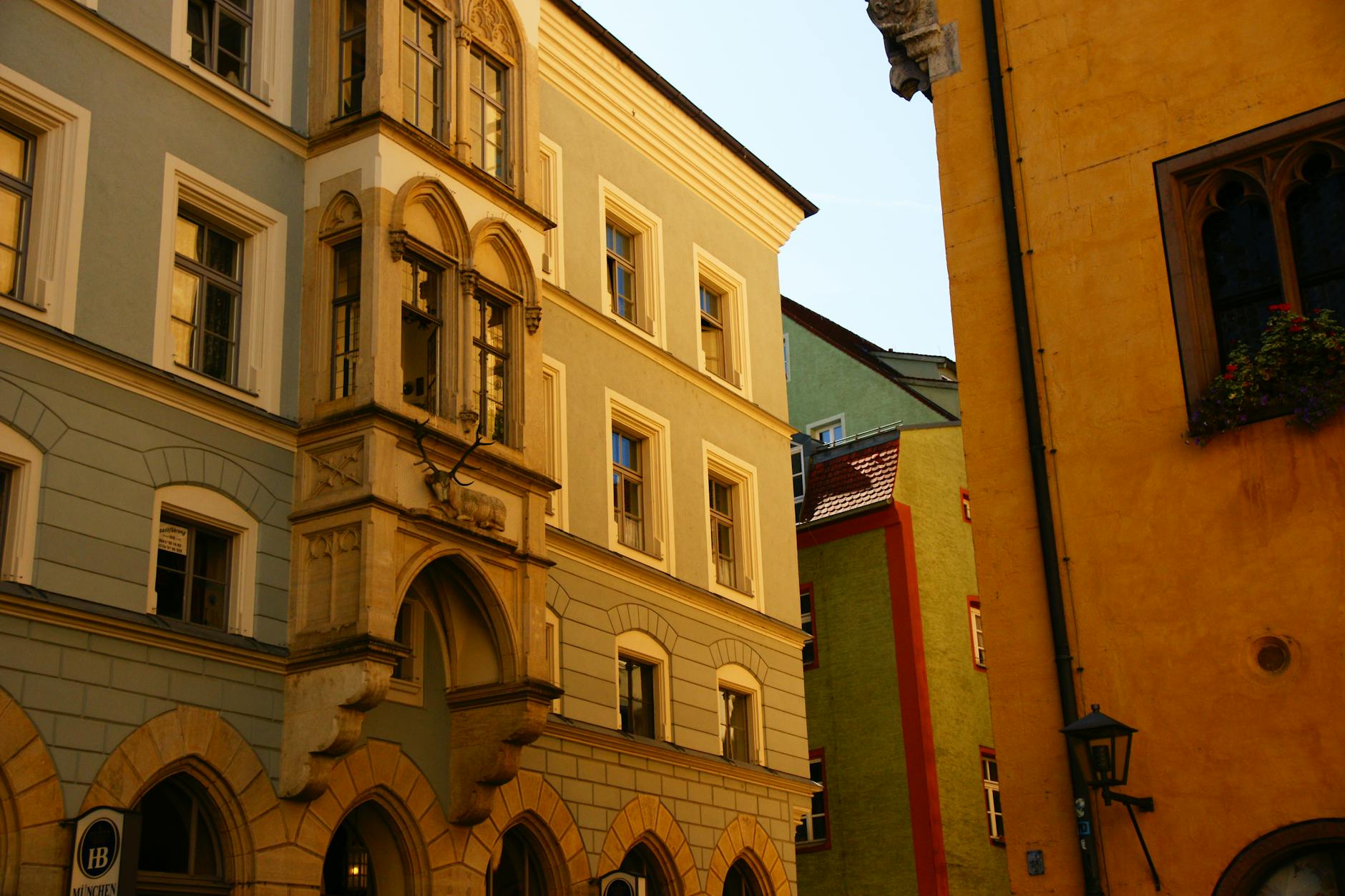
Use The Old Town Properly
See Marienplatz, but do not imagine the city ends there.[4]
Give The Residenz Real Weight
Munich’s Residence is not decorative overflow. It is one of the city’s great explanatory spaces.[5]
Build In The English Garden
This is not a filler park. It is part of why the city feels so complete.[6]
Let One Beer Garden Structure The Day
Munich becomes more itself when you stop treating beer gardens as tourist symbols and start using them as social infrastructure.[8]
Keep Regional Temptation Under Control
A day trip can be excellent. Five half-day fantasies usually weaken the city.
Itineraries
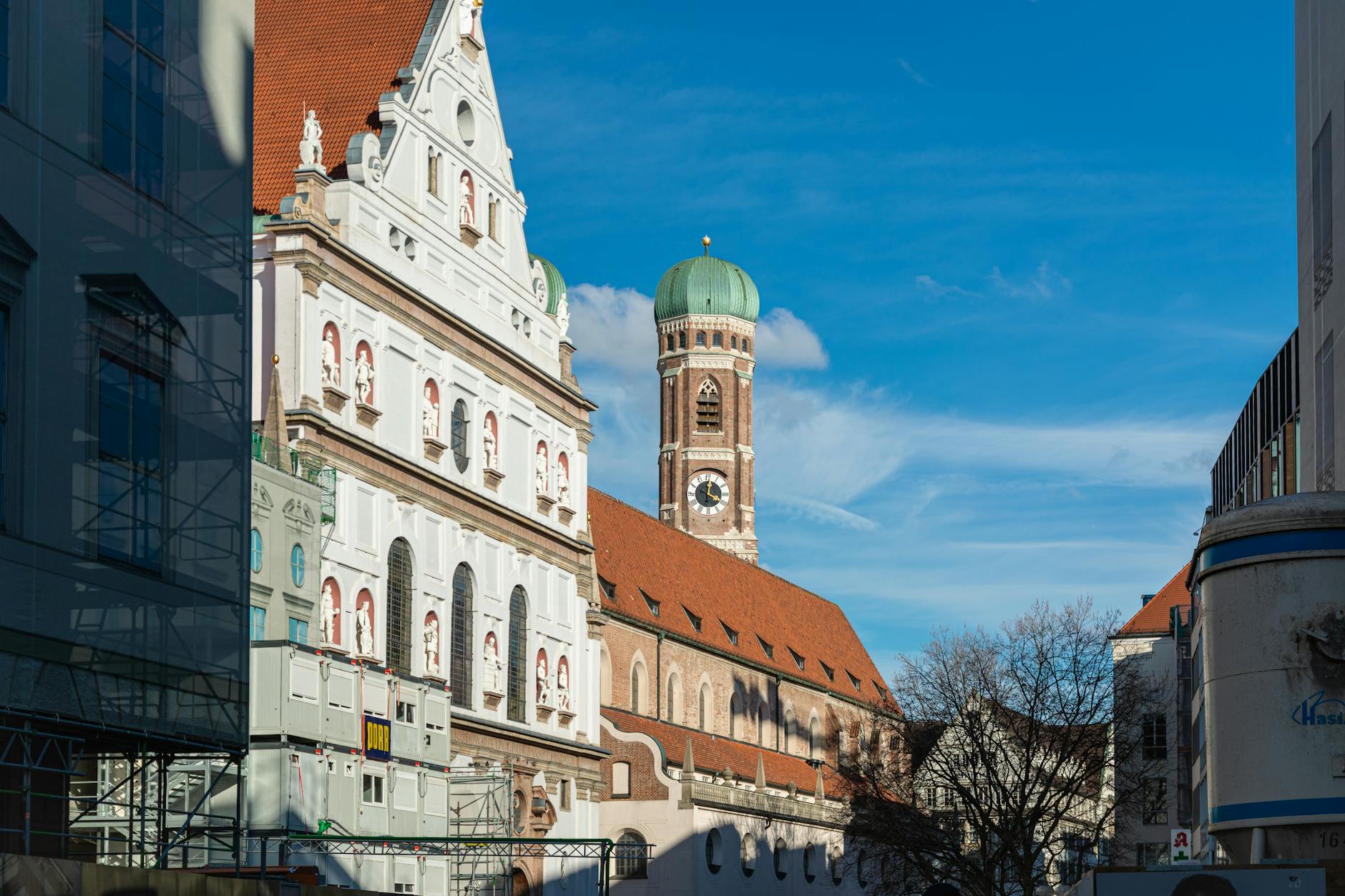
The Best First 48 Hours
Day 1: old-town Munich, Residenz or another central cultural anchor, then Viktualienmarkt or beer-garden rhythm into evening.
Day 2: English Garden or broader green Munich, then a district-led afternoon and dinner.
The Best First 72 Hours
Day 1: central Munich. Day 2: green and social Munich. Day 3: museum or regional-extension Munich, depending your trip.
If You Only Have One Full Day
Do the old town and one strong cultural anchor, then give the late afternoon and evening to the city’s social ease rather than more checklist pressure.
Itineraries By Traveler Type
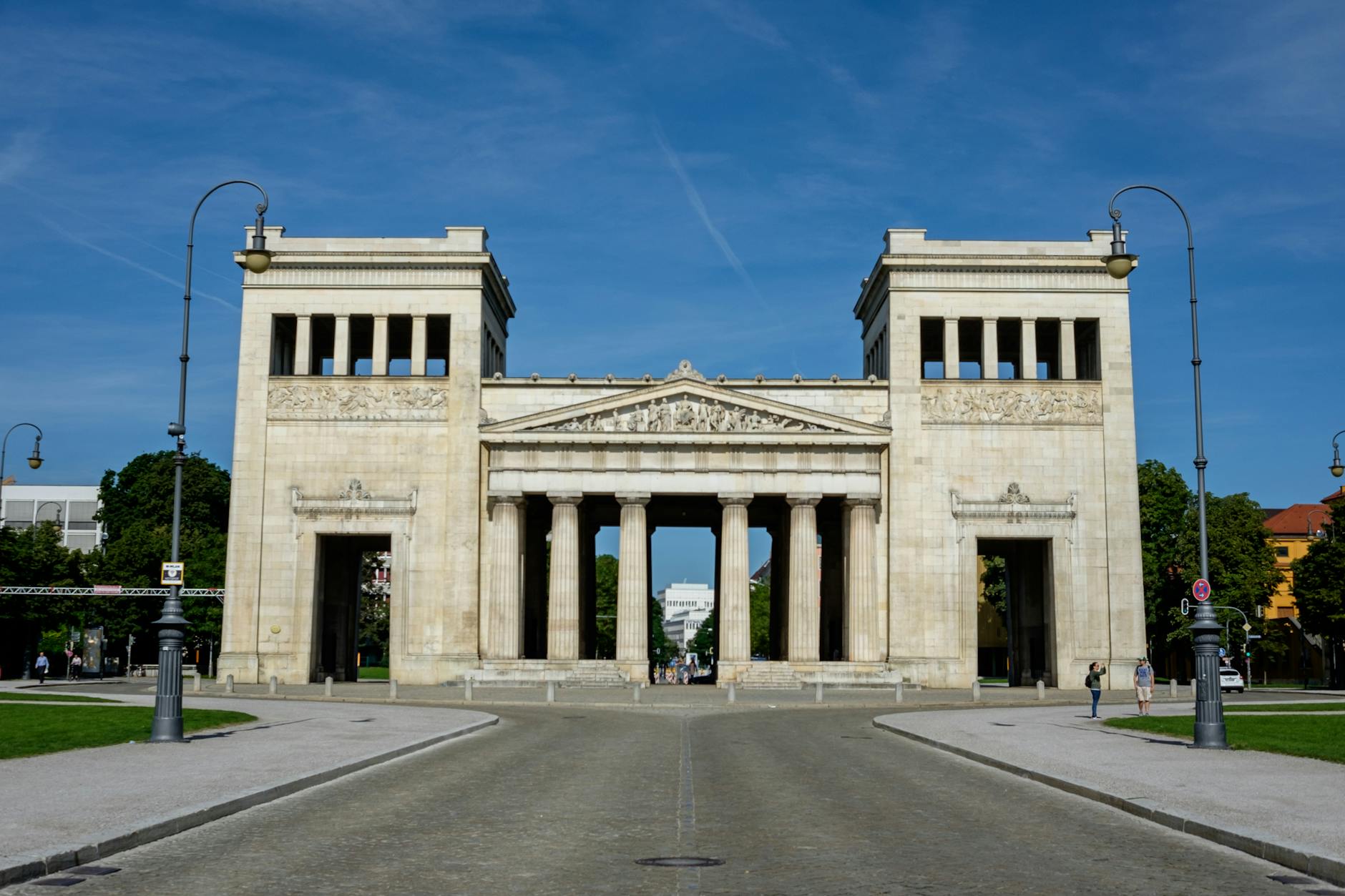
For First-Time Germany Travelers
Use Munich as a city first, Bavaria base second. The city deserves that order.
For Couples
Stay central, protect one beer-garden or market-led afternoon, and let one evening feel relaxed rather than overly productive.
For Museum And Palace Travelers
Anchor around the Residenz and one additional institution, then let the city breathe.[5]
For Bavaria-Route Travelers
Use Munich’s ease, but do not let ease turn the city into a hotel lobby with monuments nearby.
Food and Drink
Munich is better at food and drink than travelers who reduce it to sausages and beer often realize. The city’s social life is organized through places that feel public without being chaotic: markets, beer gardens, polished restaurants, and bars that let the evening loosen slowly rather than explode.
Beer gardens are part of this story, but not the whole of it. They matter because they reveal the city’s ease with itself. A city that can structure pleasure around shade, tables, conversation, and a few very specific rituals is usually a strong one.
Munich also benefits from pacing. Lunch can be long. An afternoon stop can reset the day. Evening can be calmer and more adult than in louder cities, and that is part of the pleasure here.
Why Food Is Structural, Not Decorative
In Munich, meals are not simply breaks between attractions. They help determine whether the city feels inhabited or merely administered.
A lunch in the right market or beer-garden corridor can make the old town or park chapter feel complete. A poorly placed meal can make the day feel like logistics. Dinner, meanwhile, is often where Munich’s social ease becomes most visible. This is why food matters structurally here: it helps turn urban order into pleasure.
Getting Around
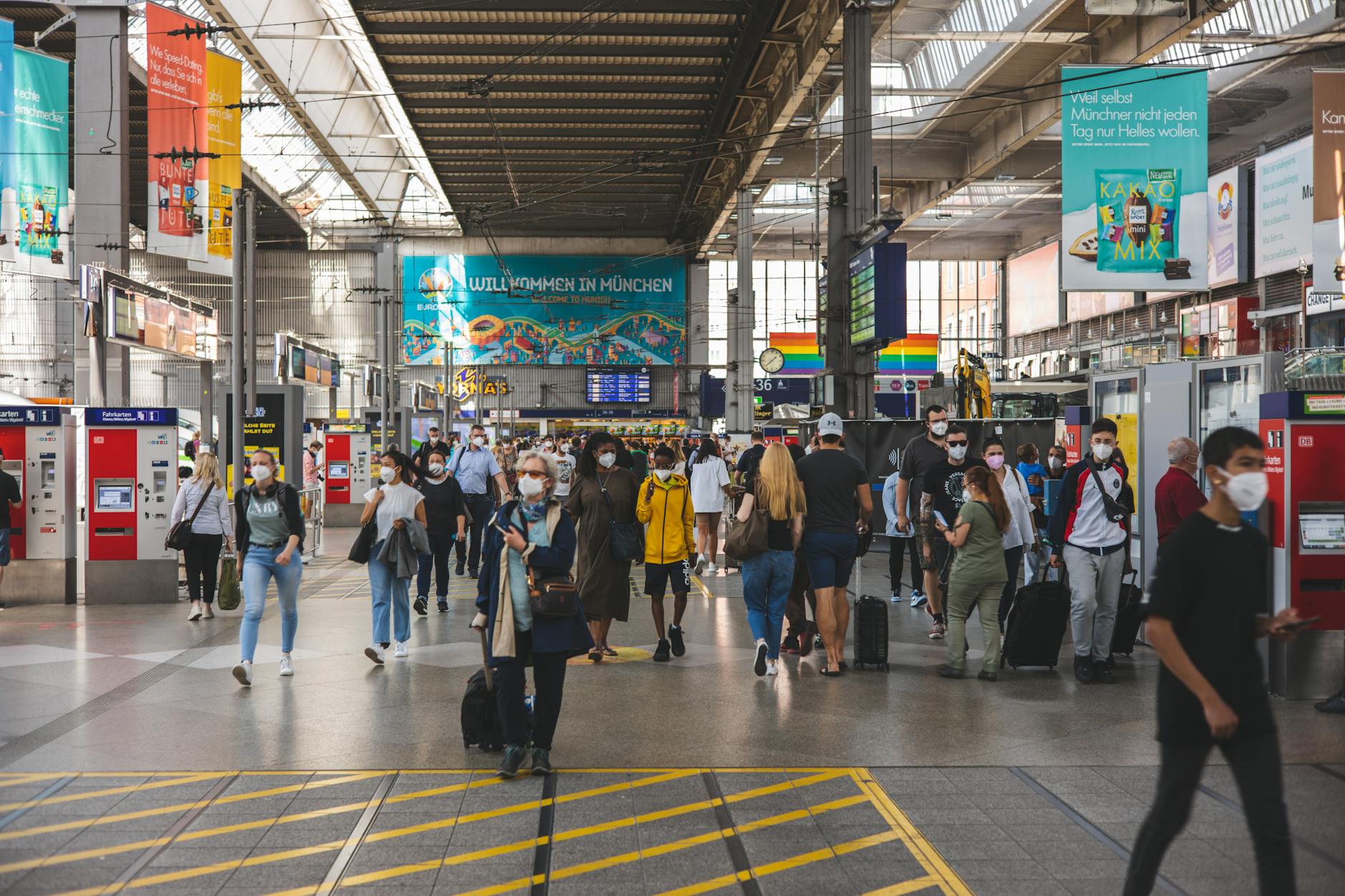
Munich is one of the most usable cities in Europe once you understand the airport and zone logic. MVV’s own pages make the basics clear: airport-to-city travel sits inside a simple ticket framework, and the Airport-City-Day-Ticket is often the cleanest visitor product for a short stay.[1][2][3]
Inside the city, the point is not to prove you can walk absolutely everything. The point is to let a very good transport network and a very walkable center support each other. Munich improves when you use the city’s competence instead of resisting it.
Why Munich Often Works Better Than It Sounds
If you describe Munich lazily, it can sound like a clean rich city with a famous square, some museums, a palace, and a lot of beer. That summary misses what makes it excellent.
Munich works because its elements reinforce one another. The airport link reduces friction. The old center gives the city a ceremonial spine. The Residenz gives it historical weight. The parks keep it breathing. Beer gardens make order sociable. The whole thing is unusually complete for how little it needs to force itself on you.
Why Munich Often Improves On The Second Visit
On a first visit, many travelers are still deciding whether Munich is too calm, too rich, too base-like, or too orderly to be memorable. That evaluative frame weakens the city.
On a second visit, the pressure drops. You know which base suits you. You stop overusing the station. You know that one beer-garden chapter can matter more than another attraction. You begin trusting the city’s consistency as a strength rather than a lack.
How Munich Changes Over The Course Of A Stay
On arrival, Munich can seem almost too easy. The airport works, the transport is clear, the center is legible, and the city begins delivering quickly. Some travelers conclude too fast that easy means shallow.
By the second day, if the trip is shaped well, the city begins separating into clearer personalities. The old town stops being the whole story. The park and river side matter more. The Residenz and museum layer add depth. Meals and beer gardens begin to make the city feel less ceremonial and more inhabited.
By the third day, Munich often feels more persuasive precisely because it has stopped trying to impress. Its strengths are quality, sequence, and calm used well.
Why Movement Changes The Meaning Of Munich
In Munich, movement is not just logistics. It is one of the ways the city proves its quality. Walking from the old town into the Residenz side, then out toward a market, then later into the English Garden or river edge changes the emotional register each time. The city reveals itself through sequence.
That is why Munich weakens when everything gets flattened into transit efficiency. If every move serves only the next destination, the city can seem smoother and thinner than it really is. If movement is allowed to expose the differences between ceremonial center, green correction, and social Munich, the whole stay becomes stronger.
Why Munich Should Not Be Overprogrammed
Because Munich is so efficient, travelers can be tempted to overload it. One palace, one museum, one market, one beer garden, one day trip, one more district, one more church. On paper, all of it looks feasible.
In practice, overprogramming weakens one of Munich’s best qualities, which is composure. The city works when each day has a clear shape and enough room for a long lunch, a slower park chapter, or a second pass through the same area in better light. The stronger stay is edited, not maximal.
Why Munich Rewards A Chosen Lane
Munich does not require every traveler to want the same city. In fact, it becomes stronger once you admit that different visits should privilege different versions of it.
A palace-and-museum traveler may want the Residenz, old town, and more formal cultural Munich to dominate. A beer-garden-and-park traveler may care more about social ease, green space, and long afternoons. A first-time Germany traveler may want the city to feel archetypally orderly and complete. A Bavaria-route traveler may need one strong city day before giving any time away to the region.
The point is not to build the perfectly balanced Munich. The point is to choose your lane and let the city support it. Once that happens, Munich stops feeling merely well run and starts feeling like one of Europe’s most satisfying urban breaks.
Beer Gardens, Bavaria, And The Problem Of Using Munich Too Thinly
Munich’s most common travel error is thinness. People skim the old town, rush a beer hall, run to a castle day trip, maybe return late, and call that Munich. What they actually experienced was a transport-efficient framework around other ideas.
The city is stronger than that. Its beer-garden culture, its parks, its palace logic, its polished neighborhoods, and its unusually calm urban quality all deserve direct time. Munich does not plead for that attention because it does not need to. But when you give it that attention, the city becomes far more memorable.
That is the real correction for first-timers: Munich is not only where Bavaria starts. It is a city good enough to justify itself before Bavaria even enters the conversation.
Common Mistakes
- Using Munich only as a base.
- Staying by the station without a real reason.
- Treating Marienplatz as the whole city.
- Ignoring the English Garden because it looked like “just a park.”
- Turning beer gardens into one photo stop instead of part of the day’s structure.
- Overbuilding regional excursions too early in the stay.
- Asking Munich to be louder than it wants to be.
My Blunt Advice
Stay in a better district than your logistics instincts first suggest. Use the airport link intelligently. Let the old town speak, but not monopolize. Give the Residenz real time. Build in the English Garden. Sit down in a beer garden and stop performing efficiency for a while. If you do a day trip, do one, not three fantasies in disguise.
That is when Munich gets good. Not as a checklist city, not as a transit platform, but as a calm, complete, deeply usable urban break with far more personality than its stereotype allows. On those terms, it is excellent.
Source Notes
- 1. MVV, "Air travellers." https://prod-www.mvv-muenchen.de/en/mobility/air-travellers/index.html
- 2. MVV, "Airport-City-Day-Ticket." https://www.mvv-muenchen.de/en/tickets-and-fares/tickets-daytickets/airport-city-day-ticket/index.html
- 3. MVV, "Single Day Ticket." https://www.mvv-muenchen.de/en/tickets-and-fares/tickets-daytickets/single-day-ticket/index.html
- 4. muenchen.de, "Marienplatz: the central square of Munich's old town." https://www.muenchen.de/en/sights/attractions/marienplatz-munichs-old-town
- 5. Bavarian Palace Administration, "Munich Residence | Overview." https://www.residenz-muenchen.de/englisch/residenc/index.htm
- 6. muenchen.de, "English Garden: Information about Munich's largest park." https://www.muenchen.de/en/sights/attractions/english-garden
- 7. muenchen.de, "Viktualienmarkt: A top sight in Munich." https://www.muenchen.de/en/sights/attractions/viktualienmarkt-top-sight-munich
- 8. muenchen.de, "Classic beer gardens in Munich you need to visit." https://www.muenchen.de/en/restaurants/classic-beer-gardens-munich-you-need-visit