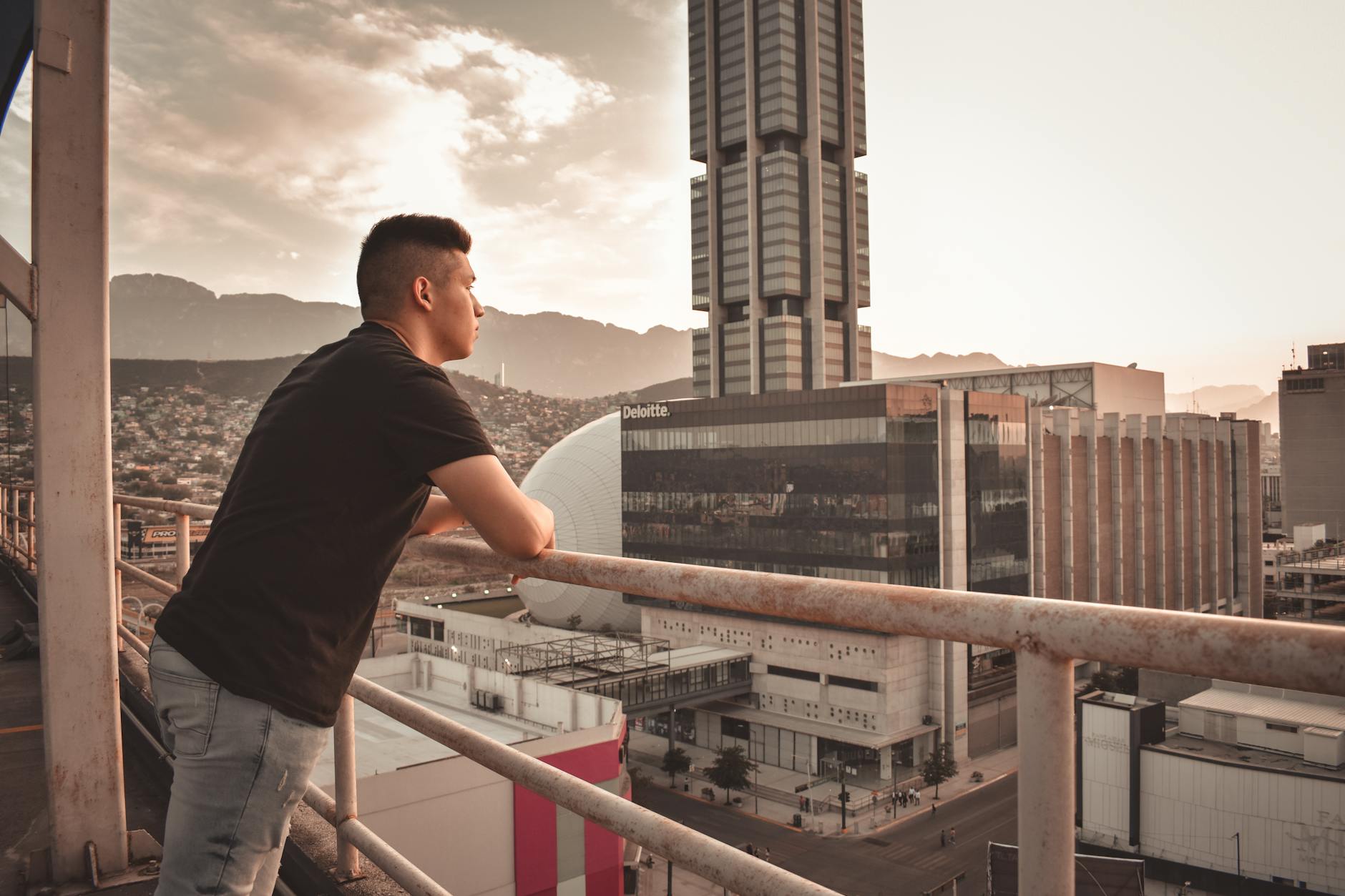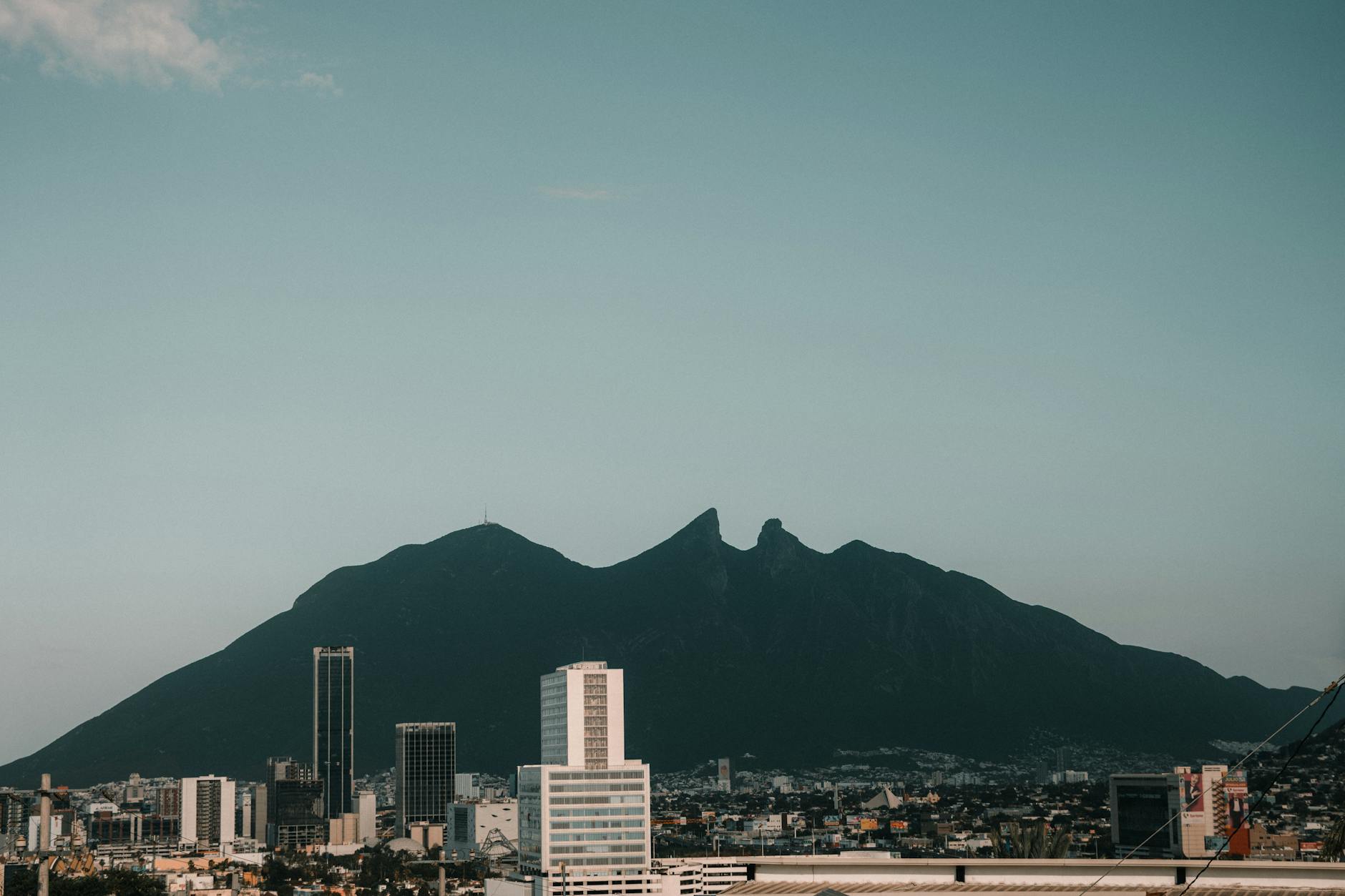
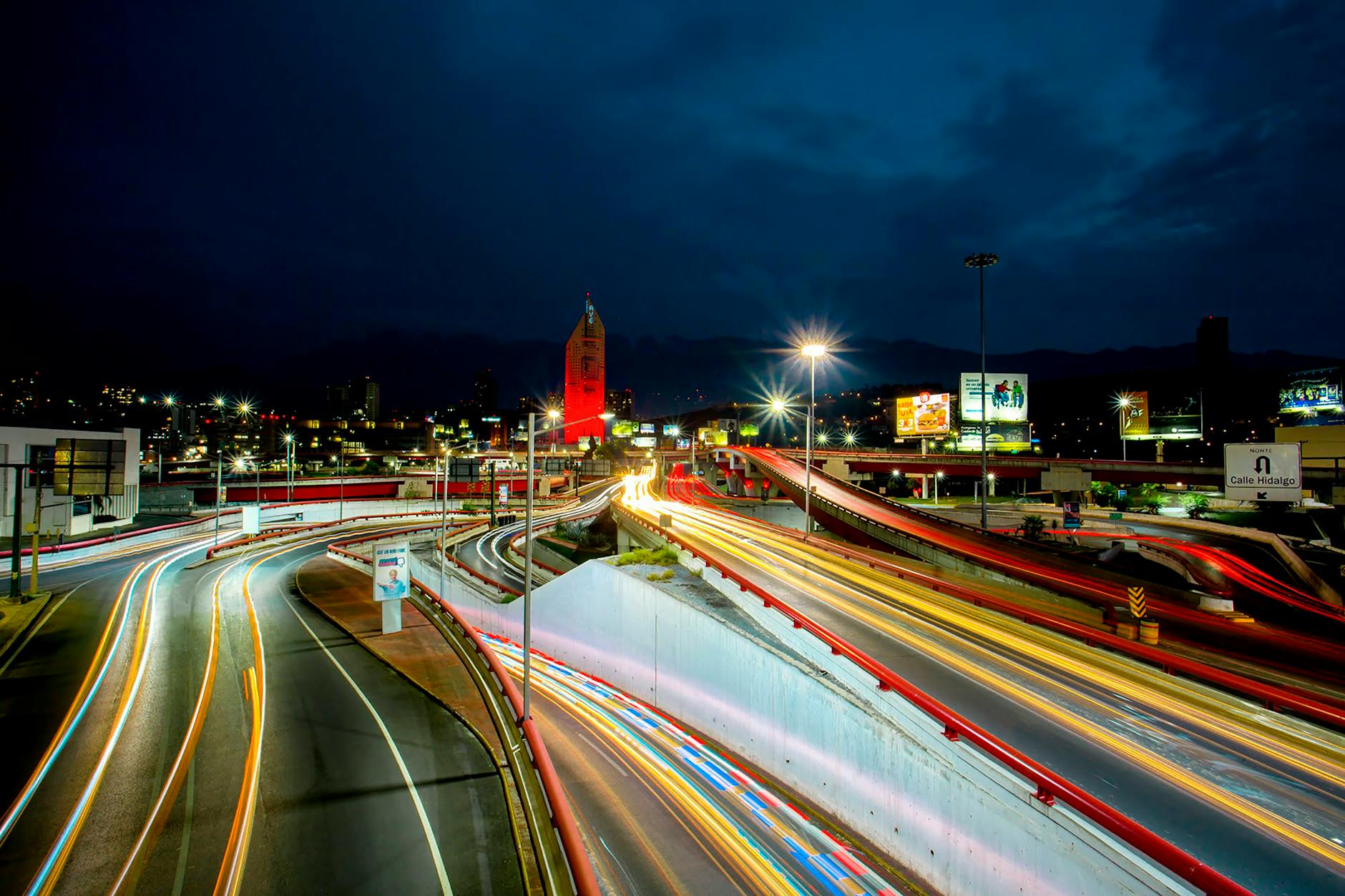
Monterrey is often flattened into a business city with mountains in the background. That is too thin to be useful. The city can support a very good short stay, especially for executives, conferences, polished business travel, or a more controlled urban trip in northern Mexico, but it only starts working once the traveler accepts that district fit matters more here than tourist mythology. Monterrey is not really offering romance through drift. It is offering capability through structure. This is a city where a strong hotel, a clean route, the right commercial corridor, and a clear sense of what the trip is for all make an enormous difference. Used well, Monterrey can feel sharp, adult, and high-functioning. Used lazily, it can feel like traffic plus towers.
How Monterrey works
Monterrey works as a district-and-function city where a better base can make the entire trip feel more controlled, safer, and more polished. The city is useful, but it is not uniform, and that is where many first-timers go wrong. Business-heavy Monterrey, upscale leisure Monterrey, and more local Monterrey are not the same product. The city does not explain itself through one central tourist core. It explains itself through fit: where you sleep, what corridors you use, what the trip is for, and how much unnecessary movement you eliminate.
- Monterrey becomes much cleaner when the district is right.
- A stronger base sharpens both tone and utility.
- The city rewards a precise route more than a generic sightseeing mentality.
Best time to visit
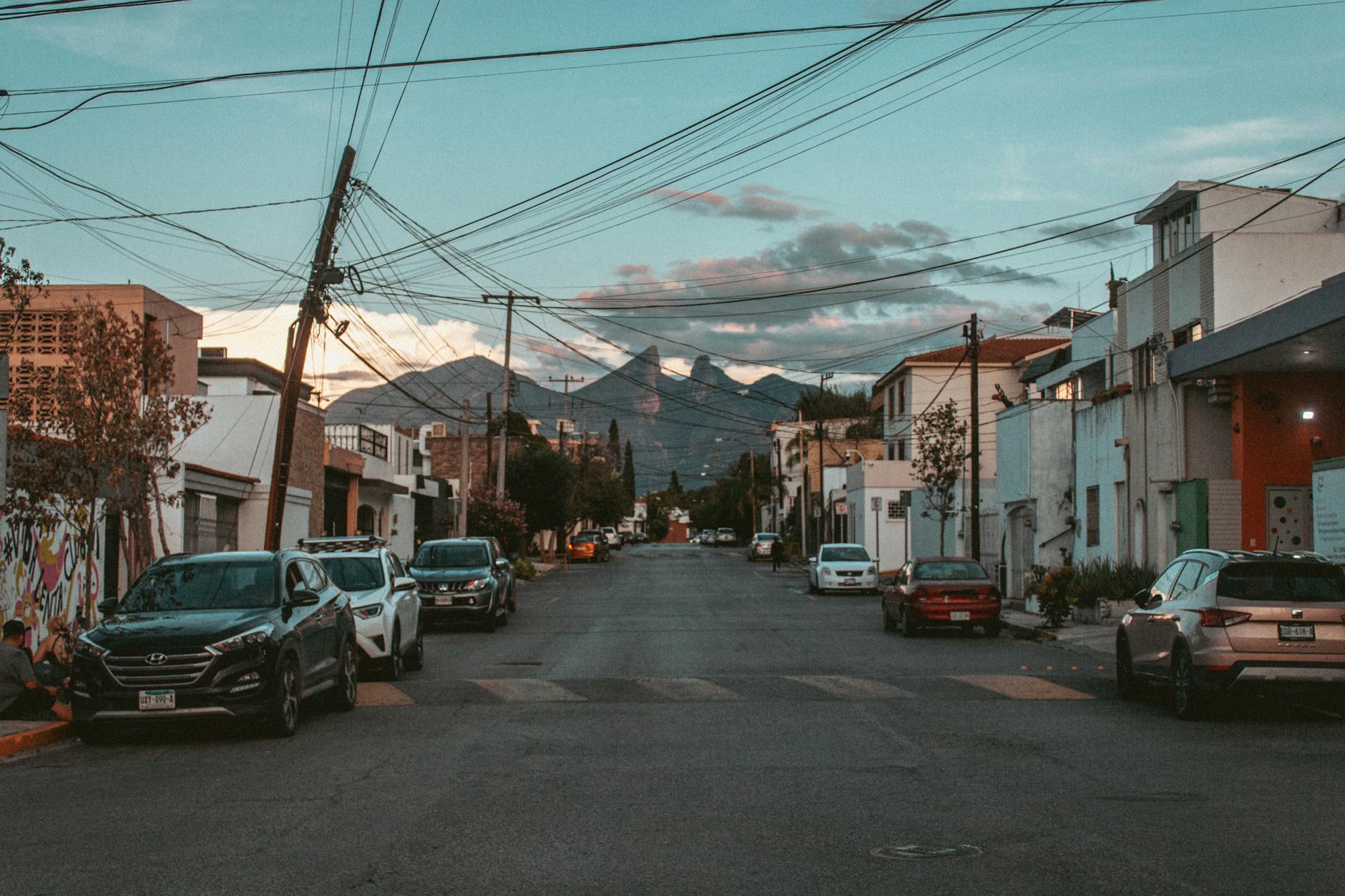
Milder periods are generally easiest because Monterrey is a city where heat can quickly turn practical movement into drag. In better weather, the city feels more breathable, meals and meetings land more cleanly, and the mountain-backed urban setting becomes part of the experience instead of just scenery from a car. Hotter stretches can still work, but they increase the value of a strong hotel, tighter routing, and more honest expectations around how much the traveler will actually want to do between fixed commitments.
- Milder periods usually give Monterrey its best operating conditions.
- Heat raises the value of a better hotel and more disciplined routing.
- Season shapes energy and comfort more than first-timers often assume.
Arriving and getting around
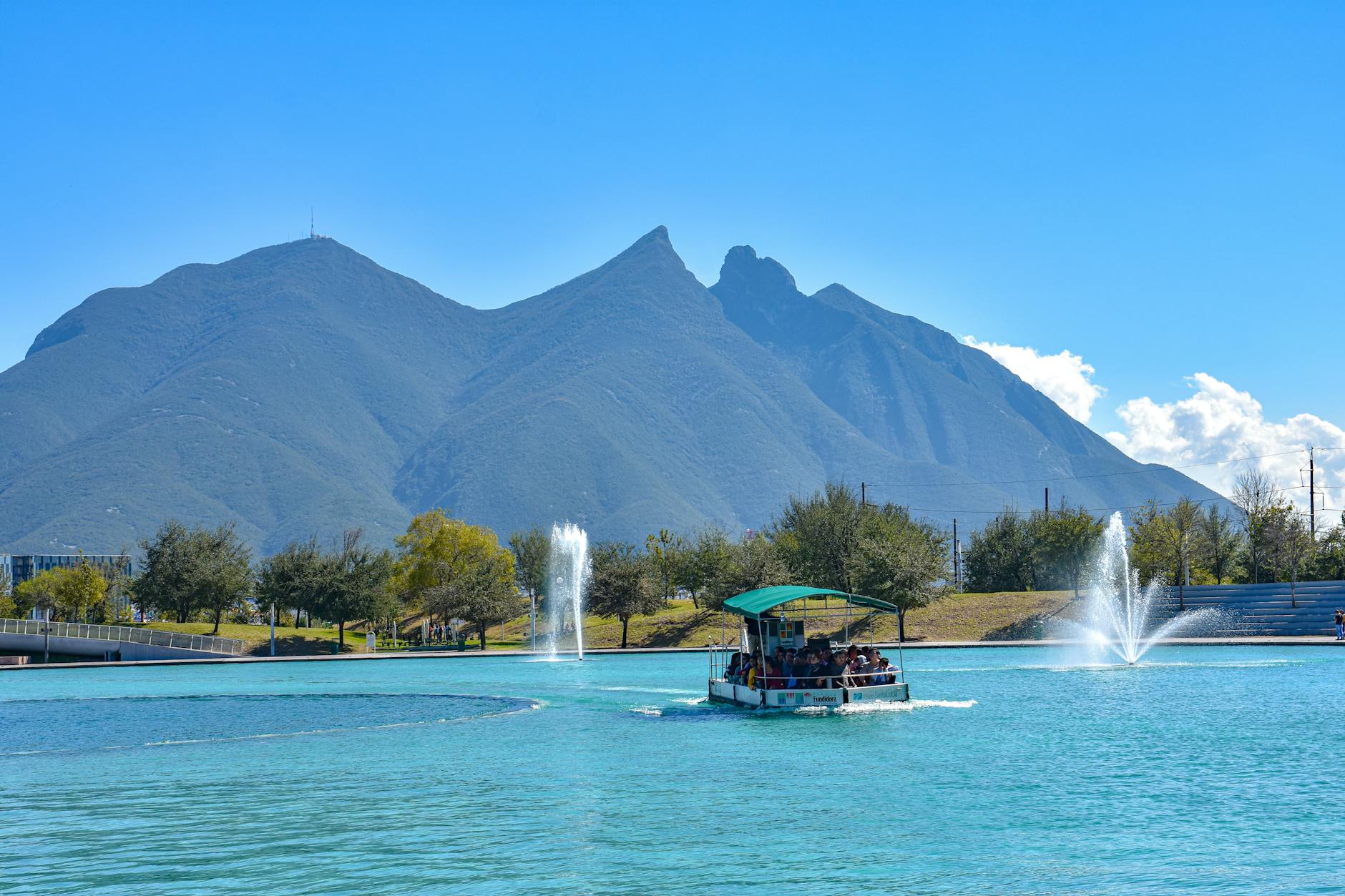
Arrival into Monterrey should stay clean, especially on short executive or business-heavy trips where the first impression of competence matters. Once in the city, the strongest version comes from coherent daily clusters rather than unnecessary crosstown movement. Monterrey is much better when used as a city of purposeful corridors instead of one broad urban field to roam casually. The more the traveler can align hotel, meetings, dinners, and any leisure with each other, the more the city starts to feel sharp instead of merely large.
- Treat the first leg seriously and keep the arrival professional.
- Keep the city in coherent daily clusters.
- Do not overcomplicate a destination that rewards practical clarity.
Where to stay
The hotel decision in Monterrey depends heavily on the real purpose of the trip. Some districts support a more executive, polished, and secure-feeling stay. Others fit a more social or local rhythm. The wrong move is assuming that any decent-looking tower solves the same problem. In Monterrey, the hotel is often what turns the city from a demanding urban environment into a very usable one. A better base buys cleaner movement, more predictable evenings, and a stay that feels intentional rather than improvised around traffic and distance.
- District choice is the real hotel decision in Monterrey.
- A better base improves tone, movement, and energy management.
- Choose around the actual trip shape, not around vague centrality.

The Monterreys that matter most
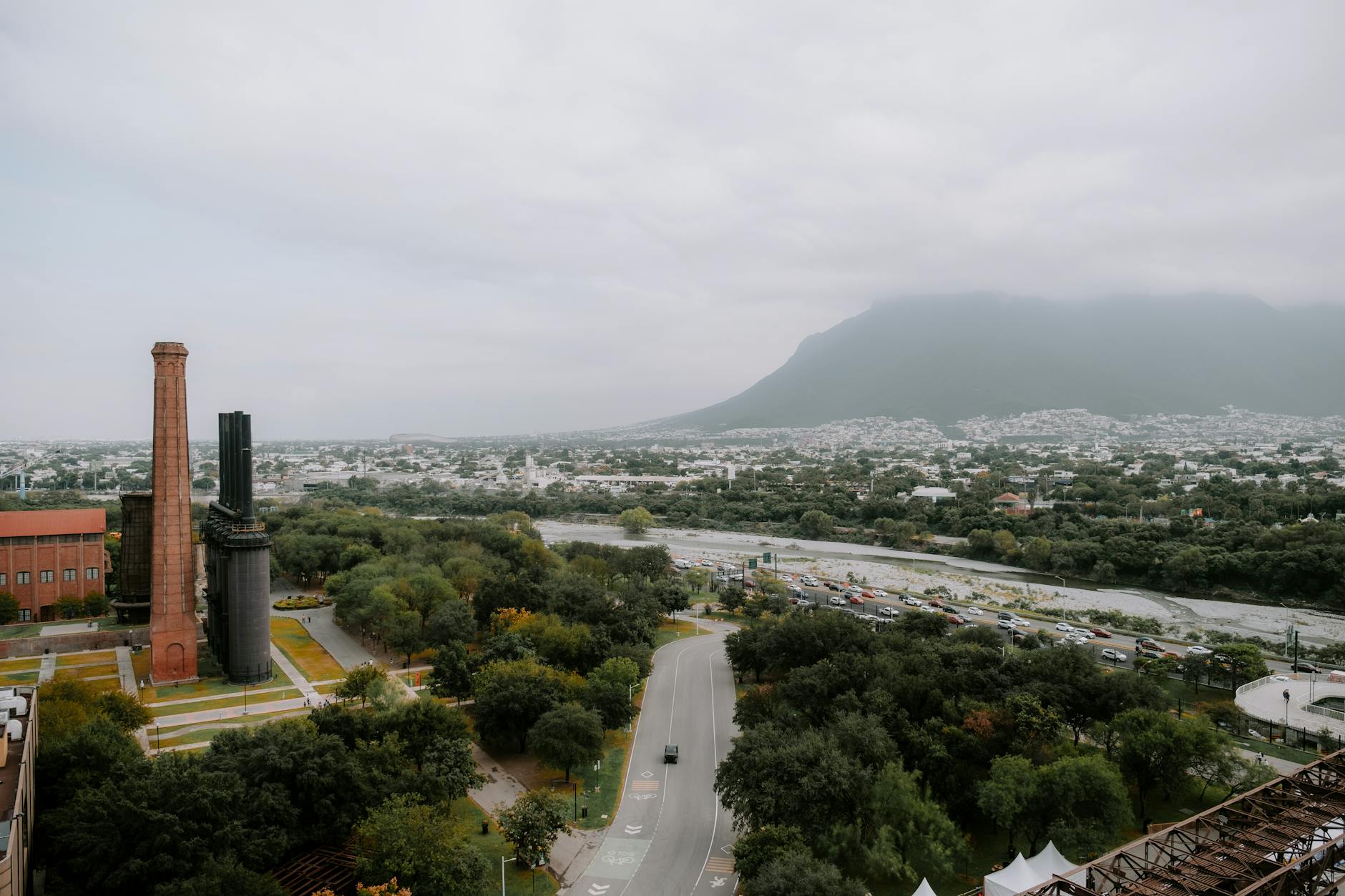
There is executive Monterrey, where meetings, business dinners, and polished hotels define the trip. There is lifestyle Monterrey, where the traveler wants more dining, shopping, and a cleaner social rhythm. There is also a more locally textured Monterrey that can be rewarding but usually asks more of the traveler in terms of context and movement. These are not interchangeable versions of the city. Monterrey becomes more impressive once the traveler stops asking it to be everything at once and chooses the version that matches the reason for being there.
- Each district creates a different Monterrey.
- Neighborhood tone and operating style matter materially.
- Pick the version of the city you actually want rather than asking one base to cover all cases.
What Monterrey does best
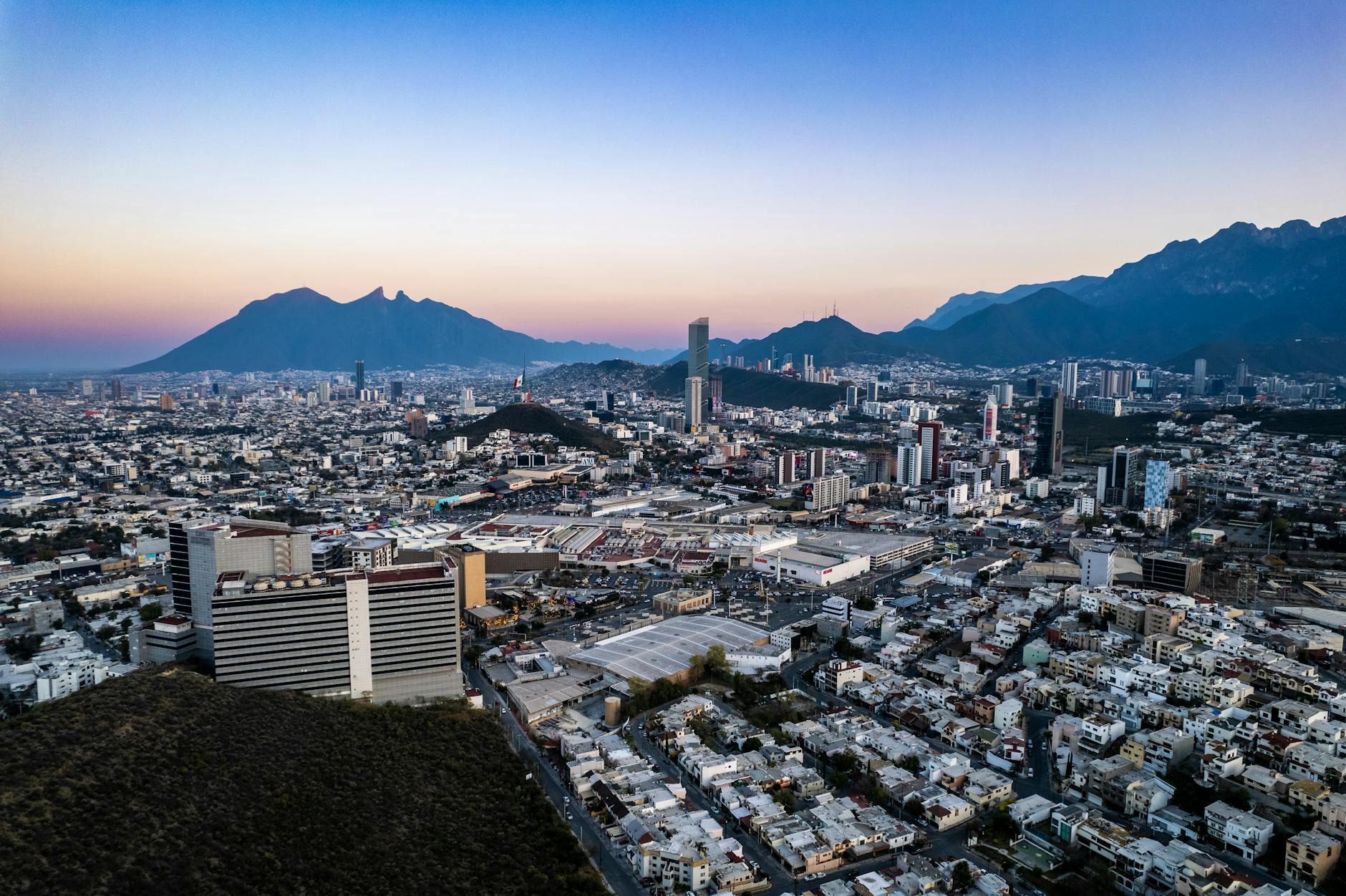
Monterrey is strongest as a polished, useful short city stay for business travel, executive movement, and travelers who want a more controlled urban product than some other large Mexican cities provide. It is especially good when competence itself is part of the value proposition: strong hotels, clearer rhythms, serious dining, and a city that can feel high-functioning when handled correctly. Monterrey is not best sold as romance. It is better sold as capability with enough texture to make the trip worthwhile.
- Monterrey is high-value for the right kind of short urban trip.
- The city rewards edited plans rather than sprawl.
- It is best when used on its own terms instead of compared lazily with other Mexican cities.
Food
Monterrey works best when meals support the district logic and practical route of the stay. The city becomes more elegant when the dining plan stays coherent instead of forcing long, avoidable moves at the end of a business day. A good lunch near the day’s center of gravity, a strong dinner tied to the hotel district, and one or two better-planned destination meals usually produce a better trip than a scattered campaign for maximum restaurant coverage. In Monterrey, food should sharpen the stay, not slow it down.
- Meals should fit the route and the actual cadence of the day.
- Keep dining aligned with the district rather than turning it into a separate travel problem.
- Use food to deepen the stay’s identity, not to fragment it.
Nightlife
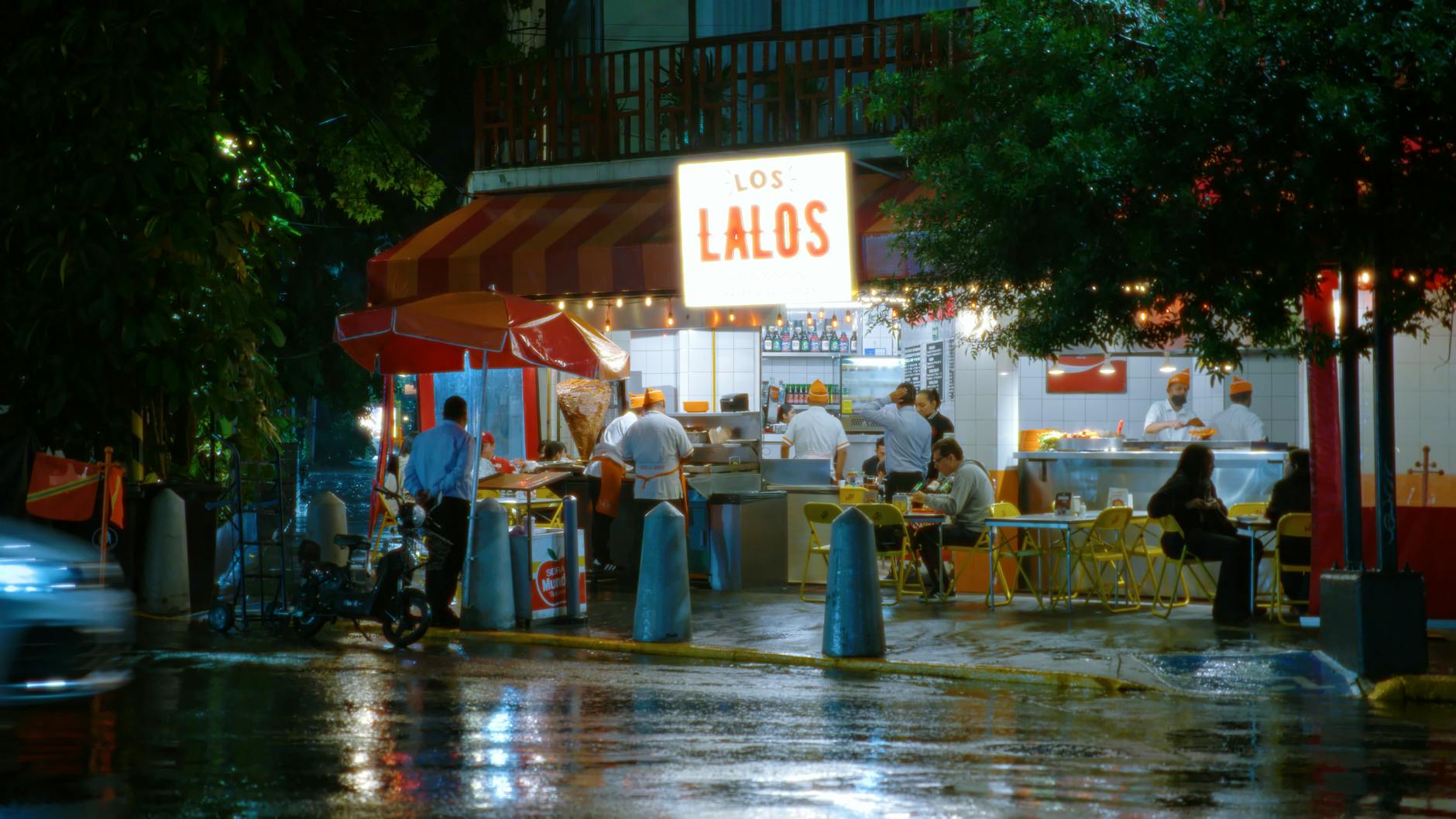
Monterrey nightlife is district-dependent and should be chosen intentionally rather than assumed from the city name alone. Some stays want polished drinks and a short return to the hotel. Others want a more social evening. The main thing is that the night should still fit the city’s logic: cleaner, more deliberate, and more district-aware than travelers sometimes assume. A weak nighttime route is one of the fastest ways to make a good Monterrey day feel badly planned.
- Know what kind of evening you actually want in Monterrey.
- The base matters materially after dark.
- Use the city for the kind of night it supports best.
Etiquette and local norms
Monterrey rewards practical, measured travel. A more professional and context-aware posture usually improves the whole stay, especially in business settings, hotels, restaurants, and shared urban spaces. The city often responds well to competence: being on time, dressing appropriately for the venue, and not assuming that casual tourism norms travel cleanly into every part of the trip. Monterrey can feel very straightforward when the traveler behaves like someone who understands systems.
- Context matters in Monterrey.
- Competence reads well here and often improves service quality.
- A measured posture improves the city quickly.
Blunt advice
The biggest Monterrey mistake is treating it like a generic big Mexico city and then giving it the wrong district, wrong hotel, and wrong route. The second is planning it as if loose movement were part of the pleasure. Monterrey is best when the trip is cleaner, more deliberate, and more aligned with the actual purpose of travel than the first assumption usually suggests. If you want improvisational urban romance, look elsewhere. If you want capability with enough style to feel worth the flight, Monterrey can deliver.
- The base matters enormously in Monterrey.
- Use the city on its own terms.
- Monterrey rewards alignment, realism, and sharper planning.