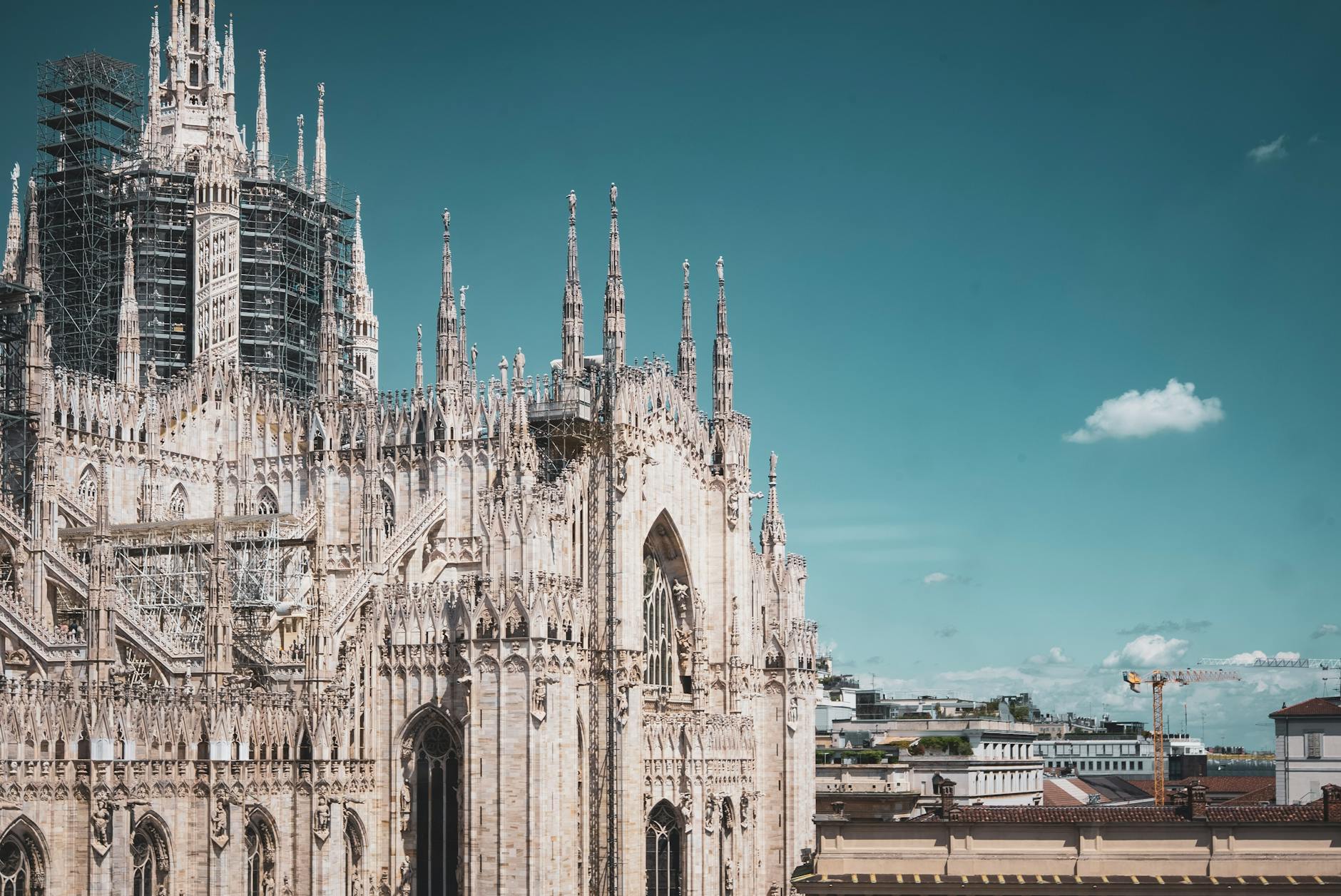
Milan is one of Europe's easiest cities to misjudge because people bring the wrong Italy to it. They arrive expecting Rome's saturation, Florence's obvious reverence, or Venice's instant enchantment, then decide that Milan is merely competent. Competent is not the word. Milan is a serious city with style, appetite, and discipline, and it rewards travelers who stop asking it to be picturesque on command.
Start Here
This is not a city that begs for admiration at every corner. It earns it differently. The Duomo shocks, of course. The Galleria performs. The Last Supper still carries the force of a world-class singular experience. But Milan's deeper value is in how all of this sits inside a city that actually works: wide enough to breathe, fast enough to use well, structured enough to reward a good base, and sophisticated enough that hotels, aperitivo, shopping, and district texture matter almost as much as the monuments do.
Weak Milan trips usually fail in one of two ways. One kind treats the city like a transit lounge before Lake Como or another northern Italy route. The other tries to extract from Milan the kind of emotional evidence that belongs to a different Italian city. Both approaches miss what is actually strong here. Milan is not lesser because it is more urban, more polished, more professional, and more design-minded than the fantasy-Italy version many travelers arrive wanting. Those are exactly its virtues.
The stronger Milan trip understands that districts are the real operating system. Brera is not just charming. It tells you something about how Milan mixes culture, money, and taste. Navigli is not only nightlife. It shows how the city relaxes socially without surrendering its urban intelligence. Porta Romana, the station zones, and the business-polished parts of the center all create different Milans for different travelers. The point is not to choose the "best" one in the abstract. It is to choose the one that matches the trip.
Milan is also unusually good at short stays. One or two well-built days can feel rich here, because the city supports clean movement and clean decision-making. One serious monumental chapter, one district-led walking day, one aperitivo-and-dinner evening, and one museum or design move is often enough to make Milan cohere. The city does not need overstatement. It needs attention.
The city in one sentence: Milan is a polished district city where the best first trip comes from embracing design, aperitivo rhythm, transport efficiency, and neighborhood quality rather than measuring the city against more obviously theatrical Italian destinations.
Quick Verdict
Best for: first-time northern Italy routes, couples, solo travelers, design and fashion travelers, hotel lovers, food-and-aperitivo travelers, and anyone who prefers a clean, adult city break to a chaotic one.
Not ideal for: travelers who want nonstop postcard romance, people who need every hour to feel historically theatrical, or anyone who only wants Milan because they could not get Rome.
Ideal first visit: 2 to 3 full days.
Minimum worthwhile stay: 2 full days, if one is not consumed by transit convenience alone.
Best overall months: April, May, September, and October.
Best winter case: late autumn through winter for dining, shopping, hotels, museums, and a denser urban rhythm.
Biggest planning mistake: treating Milan as a base or a checklist city instead of letting its districts and daily rhythm explain why it matters.
One thing to prioritize: where you stay. In Milan, district tone shapes the whole emotional read of the trip.
One thing to leave flexible: how much pure sightseeing you want relative to food, shopping, hotel time, or a design-and-neighborhood day.
The blunt version: Milan is one of Italy's best short urban breaks if you let it be itself, and one of the easiest cities to dismiss if you keep demanding another city's performance from it.
Who Will Love Milan?
Milan suits travelers who like cities that feel composed rather than chaotic. This does not mean sterile. It means the city is unusually good at making a short trip run smoothly. Airports, rail stations, hotels, shopping, restaurants, and major sights can all be tied together with less friction than in many comparably important European cities.
It works especially well for couples because it gives them several pleasures that support each other naturally: strong hotels, elegant districts, memorable aperitivo hours, high-value dining, a few top-tier art and architectural anchors, and the possibility of using the city as both destination and platform without letting it become only logistics.
Solo travelers also do very well here. Milan is legible, professionally run, and full of public urban life that feels usable rather than performative. A solo traveler can have a Duomo morning, a Brera afternoon, an aperitivo hour, and a late walk through broad central streets and still feel the city is working with them rather than exhausting them.
The city is especially rewarding for travelers interested in design, fashion, and the way aesthetics operate in ordinary urban life. Milan's taste is not confined to museum walls or runway weeks. It shows up in hotel choices, shopfronts, bars, lobbies, side streets, and the way people use public space.
It is less ideal for visitors who want a more emotionally demonstrative Italy. Milan can absolutely be moving, but it rarely performs that movement for you. You have to meet it halfway.
Milan at a Glance
| Question | Practical Answer |
|---|---|
| Main city airport | Linate |
| Main long-haul airport | Malpensa |
| Fast Linate move | M4 to the city centre |
| Linate-to-centre timing | About 12 minutes to central Milan on M4[4] |
| Malpensa move worth knowing | Malpensa Express |
| Best first-time base | Brera, Centro Storico edge, or a clean central business-leisure seam |
| Best evening district | Brera or Navigli, depending mood |
| Public transport backbone | Metro plus walking |
| Signature monumental anchor | Duomo |
| Signature reservation trap | The Last Supper |
| Best all-weather cultural anchor | Duomo complex, Brera, or museum Milan |
| Biggest practical variable | choosing the right district, not just the nearest station |
| Car needed? | No |
| Currency | Euro |
| Emergency number | 112 |
| Tap water | Safe to drink |
| Power plugs | Type C, F, and L |
2026 Visitor Notes
Linate Is Now A Real City Airport In Practice
YesMilano's official M4 writeup says you can travel from Linate Airport to the city centre in 12 minutes on the blue metro line.[4] That matters because it changes how many short-stay travelers should think about Milan. A city with this level of hotel and dining quality that also gives you a genuinely efficient airport connection is unusually easy to use well.
Malpensa Express Is Still The Clean Long-Haul Answer
The Malpensa Express official site describes trains from the airport to Milan city centre every half hour.[3] That frequency matters because Milan is often used as the first or last urban chapter in a broader trip. When the airport rail link is this workable, hotel geography becomes even more important.
ATM Fares Are Straightforward Enough To Stop Overthinking
ATM's official fare page is admirably clear. The standard ticket is €2.20 for 90 minutes, the single-day ticket is €7.60, and the 3-day ticket is €15.50.[1] This is not a city where transport confusion should dominate the stay.
You Can Pay Contactless Across The Metro, Trams, And Buses
ATM's official contactless page confirms that credit cards and devices can be used on all metro lines and on ATM trams, buses, and trolleybuses.[2] That quietly improves the trip for anyone who does not want to queue for every transit decision.
The Last Supper Still Requires Actual Planning
The Cenacolo Vinciano's official information page is explicit: reservations are compulsory for all types of tickets, visit slots last 15 minutes, and admissions for specific future periods are released on set dates.[6] That is the exact opposite of a walk-up sight. Treat it accordingly.
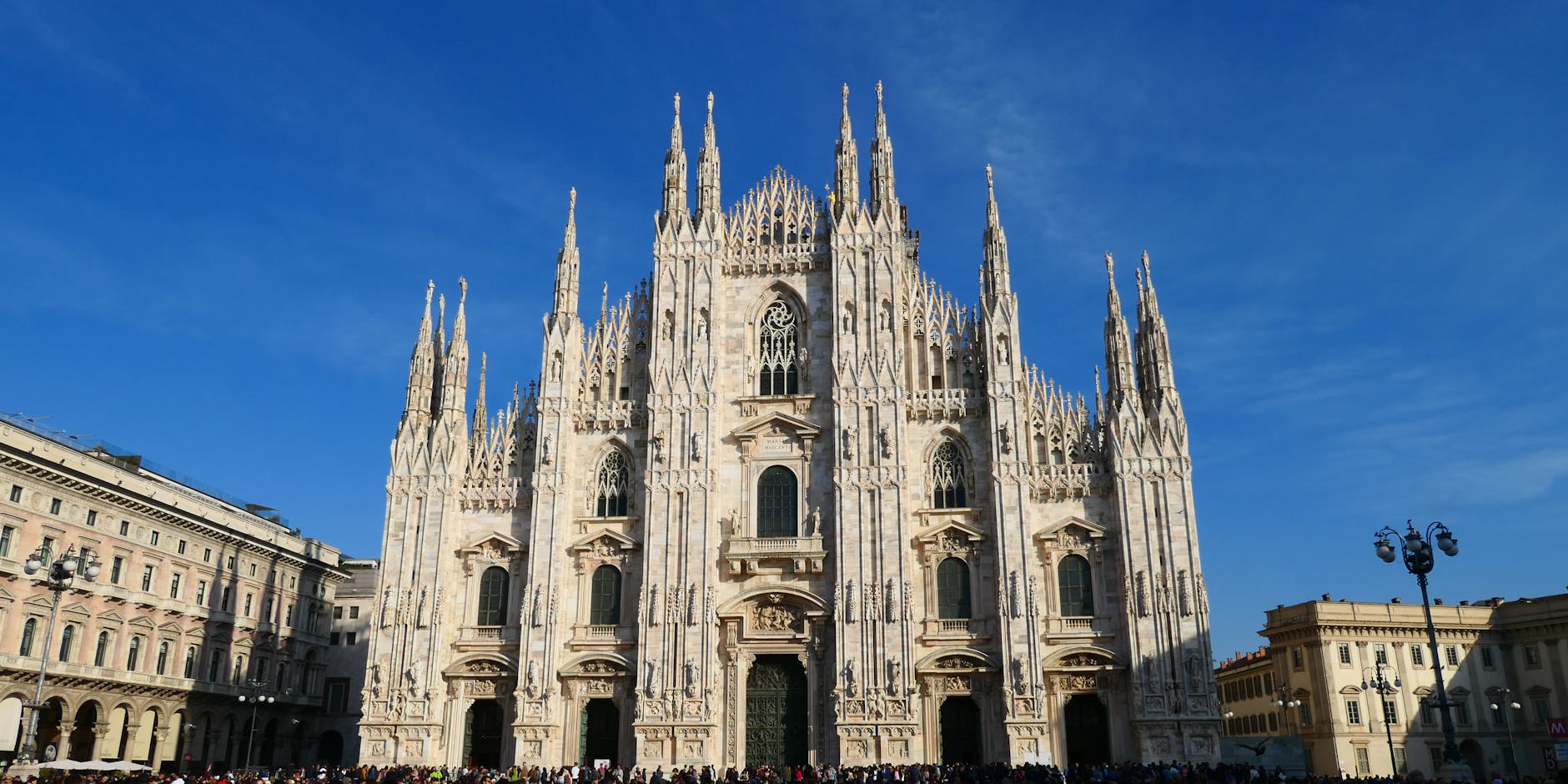
The Duomo Complex Is Bigger Than Many First-Timers Expect
The Duomo's official access-updates page shows clearly that the complex is structured through multiple passes and combinations, not one simple unified visit. The current Culture Pass is listed at €15 full price and the Combo Lift at €26 full price, with two-day validity on these cumulative tickets.[5] That is useful because it forces a better question: what kind of Duomo experience do you actually want?
How to Understand Milan
Milan works through five forces.
The first is professional urbanism. This is a city that wants to function. That is not unromantic. It is one of the reasons short stays can feel so clean here.
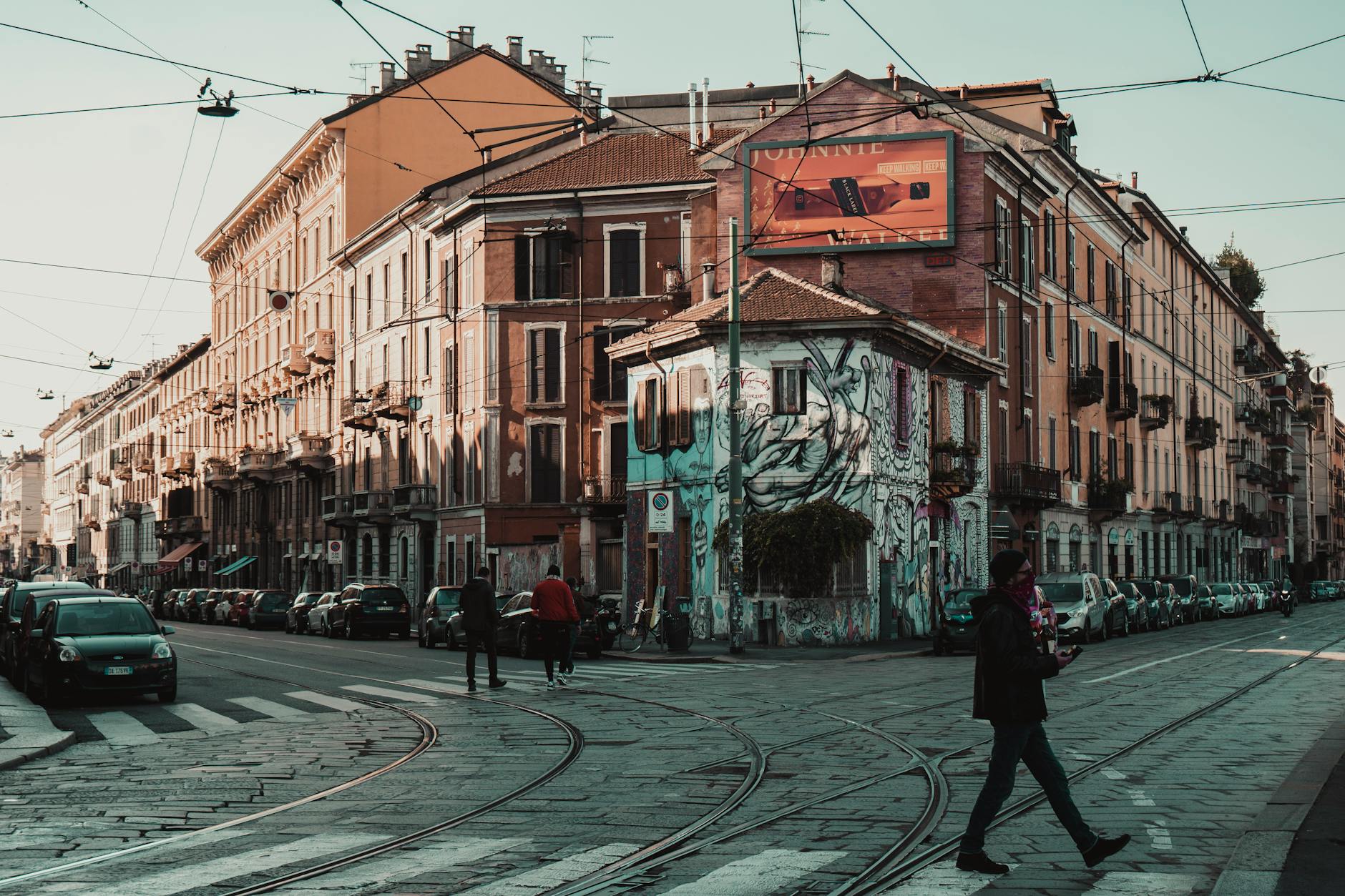
The second is district tone. Brera, Navigli, Centro Storico, Porta Romana, the station areas, and the more business-polished central seams all create different Milans.
The third is taste. Design, fashion, architecture, hotel life, and dining all shape the city as much as any single landmark.
The fourth is transport clarity. Airports, rail stations, metro lines, and onward links matter more here than in some purely leisure cities, because Milan often sits inside larger routes.
The fifth is social evening life. Aperitivo is not a cliche here. It is part of how the city turns from work-facing to pleasure-facing.
The Five Milans A Visitor Actually Meets
Monument Milan: Duomo, Galleria, major central icons, and the city of broad first impressions.
Taste Milan: Brera, design streets, elegant shopfronts, and the city that feels most intentionally curated.
Social Milan: Navigli, aperitivo, bars, late dinners, and the less formal Milan people often end up loving more than expected.
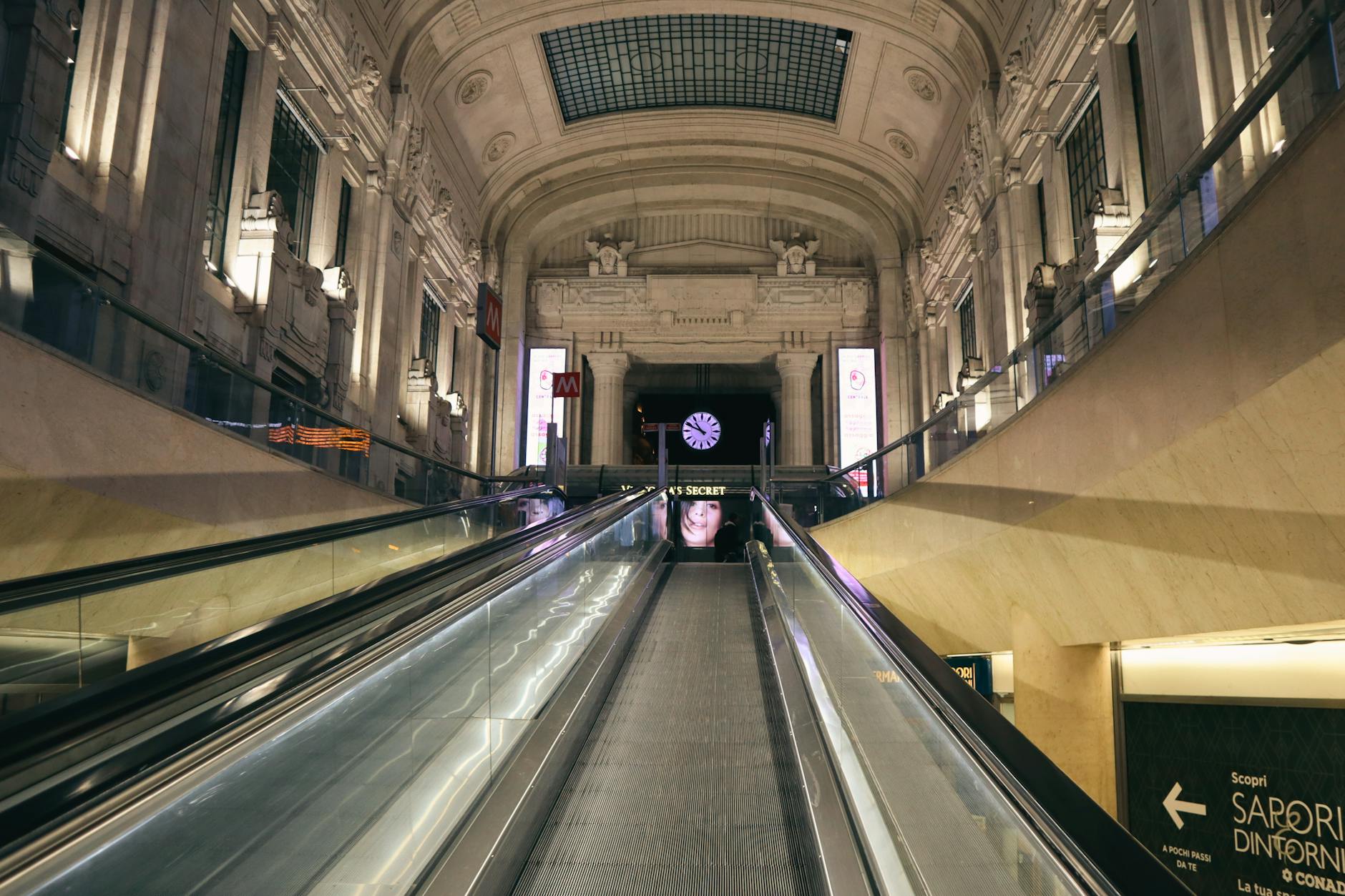
Transit Milan: Centrale, Cadorna, airports, metro junctions, and the city that makes wider northern Italy movement work.
Contemporary Milan: business energy, fashion, renovated industrial culture, and the city that most clearly separates Milan from romanticized Italian expectation.
The Main Mental Shift
Do not ask, "What are Milan's must-sees?" Ask, "Which Milan am I using today?" Monument Milan, Brera Milan, Navigli Milan, transit-smart Milan. That is how the trip gets sharper.
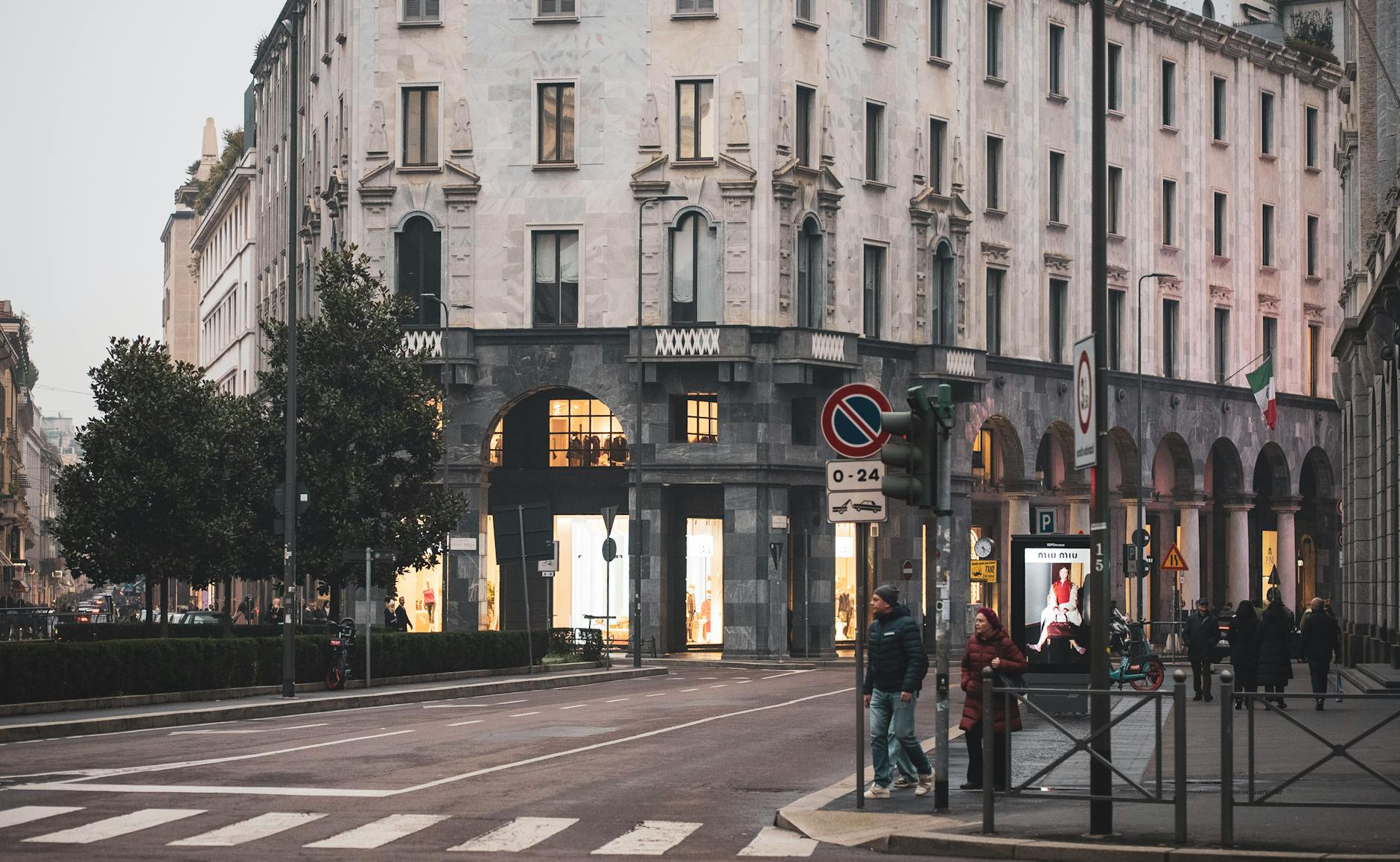
What Milan Does Better Than People Think
Milan is unusually good at making efficiency pleasurable. Plenty of business-heavy or professionally run cities are useful without being enjoyable. Milan often manages both. The smoothness of the movement actually contributes to the quality of the stay.
It is also better than many first-time visitors expect at supporting adult pleasures beyond sightseeing. Hotels, cocktails, shopping, design, aperitivo, and dinner are not secondary here. They are part of the city's core value.
Another underrated strength is how fast the city coheres. Milan does not need a week to prove itself. If you build the districts well, two or three days can be enough for the city to reveal its logic.
The city is also strong at helping a broader trip stay elegant. If you are moving through northern Italy, Milan can sharpen the whole route instead of merely serving it.
Finally, Milan does understatement with force. It often lands more strongly in memory than people expect precisely because it was not trying so hard to impress them.
Best Time to Visit Milan
Milan is a year-round city, but not a season-neutral one. The city shifts more through energy, heat, and social rhythm than through overt scenic drama.
Best Overall Months
April, May, September, and October are the strongest first-visit windows for most travelers. The city is usable on foot, terraces and aperitivo work properly, and the wider urban life feels balanced.
Summer
Summer Milan can still work, but it changes tone. Heat and seasonal patterns can make the city feel quieter or more hotel-led. This is not necessarily bad, but it does mean the stay should lean more on better rooms, cleaner routing, and evening life.
Autumn
Autumn is one of Milan's best seasons. The city often feels composed, socially active, and particularly good for dining, walking, and style-led urban travel.
Winter
Winter Milan can be excellent for shopping, museums, hotels, and food. The city loses some outdoor softness but gains density and seriousness. If that sounds appealing, winter is a strong answer.
Spring
Spring is perhaps the easiest moment to understand the city quickly. Everything works at once without the full friction of hotter months.
Month-by-Month Guidance
January: city-first, shopping-friendly, and compact. February: often good for a sharper, more urban trip. March: transitional and increasingly attractive. April: one of the best overall choices. May: excellent for a first visit. June: strong, though warmer and busier. July: workable, but more hotel- and evening-dependent. August: possible, though the city can feel different in rhythm. September: one of the smartest times to go. October: often ideal. November: strong for museums, dining, and urban mood. December: festive and polished if you like a winter city break.
How Many Days You Need
One Day
Enough to see the city is better than its stereotype, not enough to let it prove why.
Two Days
The minimum respectable stay. One day should cover monument and central Milan. The other should belong to districts, food, and a more local urban rhythm.
Three Days
Ideal for a first visit. This gives room for the Duomo or Last Supper, Brera, one social district, and enough time for the city to stop feeling like a polished surface.
Four To Five Days
Very good if you want museum depth, shopping, design time, or to use Milan as both destination and springboard without hollowing it out.
One Week
Excellent if Milan anchors a broader Lombardy route, provided the city itself still gets a few fully urban days.
Where to Stay in Milan
Where you stay matters because Milan's districts produce genuinely different versions of the trip.
Fast Answer
For most first-time visitors, stay in Brera, on the Centro Storico edge, or in a clean central district with strong metro access. Stay by Centrale only if rail convenience is a major real need, not just a vague habit.
Neighborhood Decision Table
| Traveler Type | Best Area |
|---|---|
| First-time couple | Brera or Centro Storico edge |
| Style-and-dining traveler | Brera |
| Cleaner logistics traveler | Centro Storico edge or strong metro seam |
| Rail-heavy traveler | Centrale area, selectively |
| Nightlife-and-aperitivo traveler | Navigli or Porta Romana edge |
| Repeat visitor | Navigli, Porta Romana, or design-forward outer-central areas |
Brera
The obvious good answer for many people. YesMilano's own Brera material describes it as the artists' quarter, full of boutiques, cafes, and a bohemian-sophisticated atmosphere.[7] That combination of style and walkability is exactly why the district works so well for first-timers.
Centro Storico Edge
This often gives the cleanest compromise: easy access to the Duomo core without having every hour shaped by the city's busiest monument zone.
Centrale Area
Useful, sometimes very useful, but emotionally weaker if the trip is supposed to be about Milan itself rather than onward trains. Choose this only if it solves a real problem.
Navigli or Porta Romana Side
These can be excellent for travelers who want the social city to matter as much as the monumental city. They are often stronger on a second trip, but can work well on a first if chosen with care.
Area Profiles
Centro Storico
The civic and symbolic heart: broad, high-value, and best used with some tactical precision.
Brera
Art district, social district, taste district. One of the easiest parts of Milan to love quickly.[7]
Navigli
Canal-linked, nightlife-heavy, and best understood as social Milan rather than "old Milan." YesMilano's Navigli material leans into exactly that mix of history and nightlife.[8]
Centrale / Business Milan
Operationally useful, occasionally emotionally thin, but sometimes exactly right for the broader route.
Neighborhood Guide: Where to Explore, Not Just Sleep
Duomo and Galleria zone: essential, but best done without pretending the whole trip should remain here.
Brera streets: where Milan's taste becomes legible on foot.[7]
Navigli and Darsena: good for aperitivo, social life, and a different urban texture than the polished center.[8]
Cadorna / Last Supper side: important if your reservation is here, and one of the places where smart transit planning pays off.
The Best Things to Do in Milan
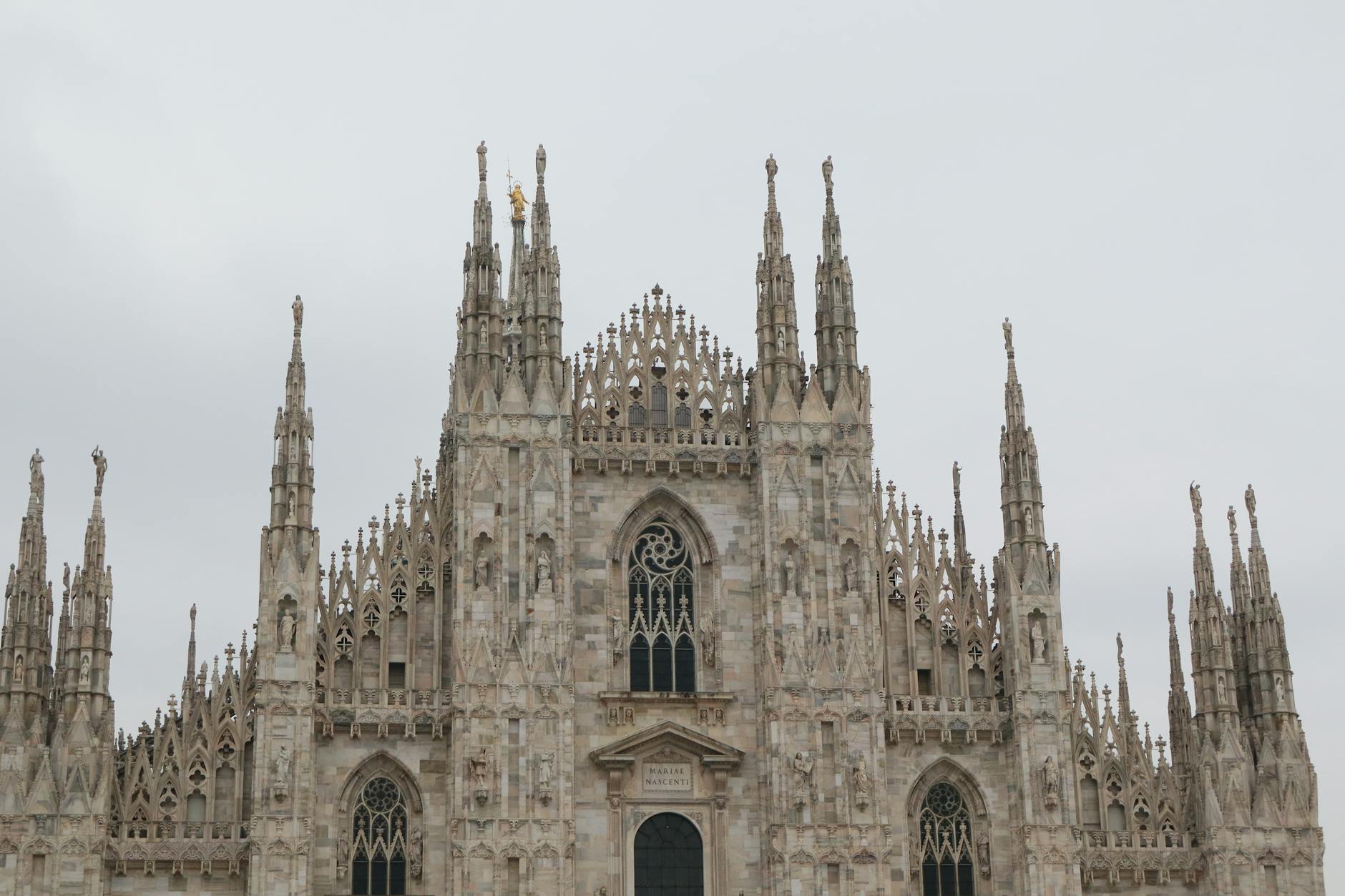
Do The Duomo Properly
The official Duomo ticket structure makes clear that this is a complex, not a single quick stop.[5] Choose the right level of access instead of assuming every part is mandatory.
Book The Last Supper Or Stop Talking About It
The Cenacolo's own rules make the situation very clear: reservations are compulsory, visits are tightly timed, and tickets are released in batches.[6] This is a city where weak booking discipline gets punished.
Use Brera As A Real District, Not A Decorative Sidewalk
It is one of the places where Milan feels most itself.
Let Aperitivo Carry Part Of The Trip
This is not filler. It is a structural part of how the city works socially.
Give Milan One Non-Monument Afternoon
Shopping, design, a slower museum, hotel time, or a neighborhood walk can do more for the trip than one more famous room.
Itineraries
The Best First 48 Hours
Day 1: Duomo and central Milan, edited cleanly, followed by Brera and an aperitivo-led evening.
Day 2: Last Supper if booked, then district Milan, with either Navigli or a more design-forward afternoon and dinner.
The Best First 72 Hours
Day 1: monument Milan. Day 2: Brera and culture Milan. Day 3: social or design Milan, with room for shopping, architecture, or a polished hotel-and-dining day.
If You Only Have One Full Day
Do the Duomo zone well, choose one secondary anchor, and let the evening belong to the city rather than to one more museum queue.
Itineraries By Traveler Type
For First-Time Italy Travelers
Do not punish Milan for not being Rome. Use it for what it actually does well: flow, district quality, taste, and adult urban pleasure.
For Couples
Stay in Brera or a similar strong district, protect an aperitivo hour and a good dinner, and let the city reveal itself socially as well as architecturally.
For Design And Fashion Travelers
Reduce monument time slightly and increase district, shopping, and interior quality.
For Rail-Route Travelers
Use Milan as a real city, not only as the place that happens to connect your trains.
Food and Drink
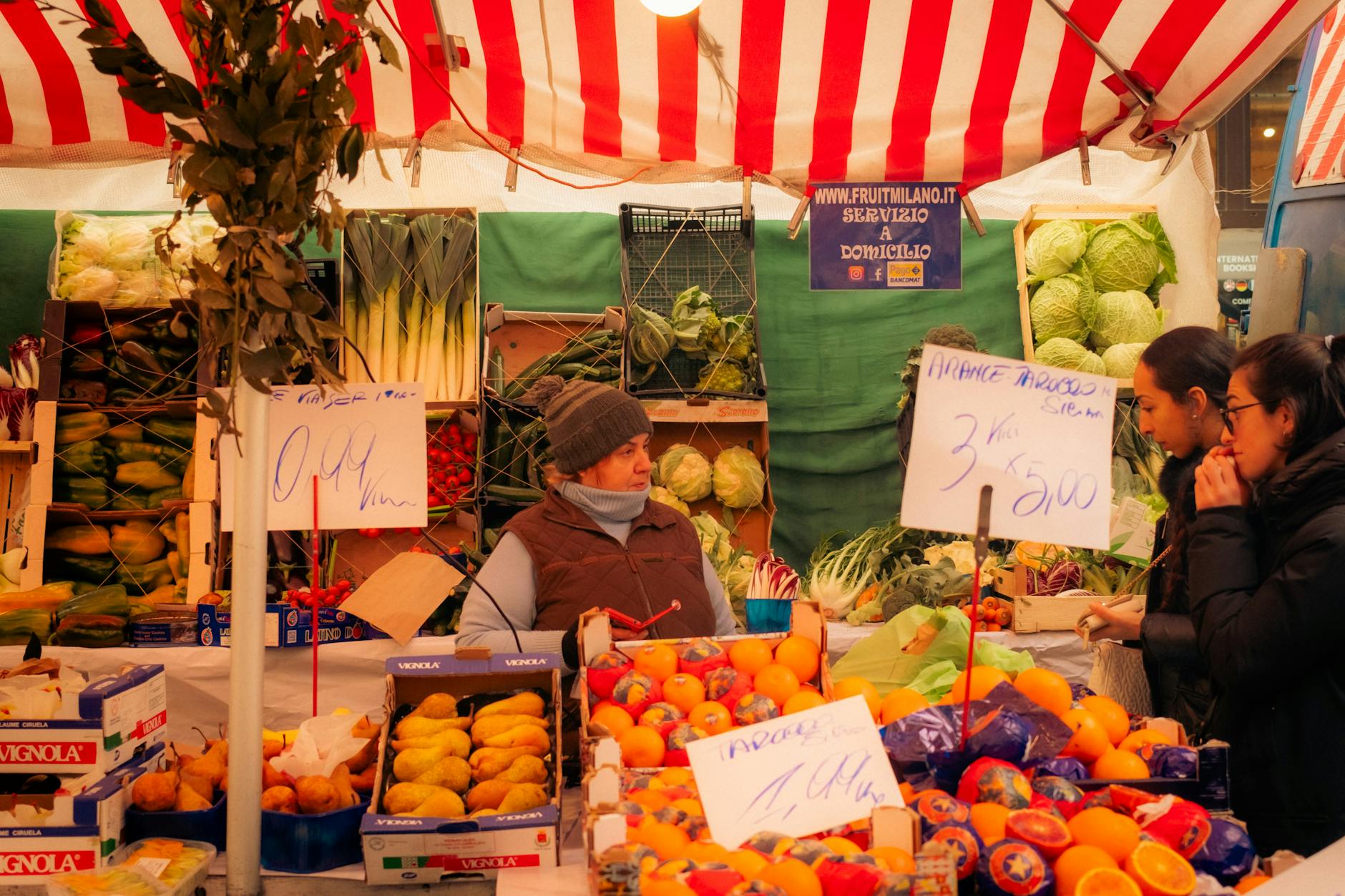
Milan eats and drinks best when you stop asking it for rustic theater and let it be urbane. Aperitivo is not a gimmick here. It is part of the rhythm by which the city loosens itself after the day. Dinner matters too, but aperitivo is often the moment Milan first begins to make emotional sense to a visitor.
The food version of Milan is not about performing old Italy. It is about confidence: risotto, cocktails, polished dining rooms, neighborhood bars, and a city that understands how pleasure can be structured instead of chaotic.
This is also why district matters at the table. Brera, Navigli, and central polished Milan do not eat the same way. Choosing where to spend your evening is part of choosing which city you want.
Getting Around
Milan is one of the easiest major Italian cities to use well. ATM's official fare page is clear, and the city's metro structure is legible enough that visitors rarely need to make public transport the story of the trip.[1]
The modern advantage is that the city is also increasingly low-friction for casual movement. ATM's official contactless page confirms that cards and devices work on all metro lines and on surface transport.[2] Add the M4 airport link and the Malpensa Express, and you have a city where arrival, departure, and central movement can all stay impressively clean.
Common Mistakes
- Using Milan only as a base.
- Staying by Centrale without a real reason.
- Treating the Duomo as the entire city.
- Failing to reserve the Last Supper and then acting surprised.
- Skipping Brera because it looked "less essential" on a list.
- Expecting rustic Italy instead of urban Milan.
- Underusing aperitivo and evening rhythm.
My Blunt Advice
Stay in Brera or a strong central district. Use Linate or Malpensa logic intelligently. Reserve the Last Supper early or let it go. Do the Duomo well, not obsessively. Give one evening to aperitivo and one district to social walking. Stop comparing Milan every twenty minutes to another Italian city.
That is when Milan starts to land. It is not trying to seduce you the way Venice does or overwhelm you the way Rome can. It is trying to show you how satisfying a well-run, good-looking, culturally serious city can be. On its own terms, it is excellent.
Where Milan Fits in an Italy Trip
Milan matters in an Italy itinerary because it gives you something that many routes otherwise lack: a fully adult city chapter. Not a museum-city fantasy, not a romantic civic stage set, not a coastal interlude, but a place where culture, design, transport, hotels, food, and urban competence all function at high level simultaneously.
That makes Milan especially useful when a trip needs composure. If you are moving through more overtly theatrical Italian destinations, Milan can restore balance. If you are starting or ending a northern Italy route, it can turn airport and rail efficiency into actual pleasure rather than just logistics. If you are building a shorter trip, it can carry two or three days with more confidence than outsiders often assume.
It is also one of the clearest reminders that “Italian” does not have to mean picturesque in the narrow sense. Milan is unmistakably Italian, but through fashion, appetite, architecture, social ritual, and district use rather than through postcard unanimity. That difference is why it belongs in the route. It widens the national picture.
In practical terms, Milan is best used either as a destination in its own right or as an anchor city that still gets proper time even if lakes, trains, and wider Lombardy tempt you outward. The common failure is to let the temptation win too early.
Milan Versus Rome
Many travelers distort Milan by judging it against Rome’s operating system. Rome overwhelms. Rome sprawls. Rome turns every corner into a historical claim. Milan does almost none of that. It is tighter, cleaner, more district-dependent, and less invested in converting history into constant spectacle.
This is not a weakness unless you insist on reading all Italian cities by Rome’s scale of drama. Milan’s strength is precisely that it can deliver significance without chaos. You can understand where you are, move efficiently, choose a district that suits your temperament, and still access world-class art and architecture.
Rome is a city of saturation. Milan is a city of calibration. In Rome, you often surrender to the city. In Milan, you shape the city more actively through your base, your route, your aperitivo choices, and how much you want the monumental city versus the district city to dominate.
Travelers who want Italy’s most visibly historical performance may still prefer Rome. Travelers who want one of Europe’s strongest short urban breaks built around taste, efficiency, and design may find Milan more satisfying than they expected precisely because it refuses Rome’s style of seduction.
First-Time Visitors Versus Repeat Visitors
Milan is good on a first visit because it reveals enough of its logic quickly. The Duomo tells you the city has force. The metro tells you the city has competence. Brera tells you the city has taste. Aperitivo tells you the city has social rhythm. You can feel all of that within a short stay if the route is built well.
But first-time visitors often still misread the city by focusing too heavily on symbolic proof. They do the Duomo, maybe the Last Supper, maybe a canal walk, and conclude that Milan was efficient but emotionally muted. What they actually lacked was not better sightseeing. It was deeper district use.
Repeat visitors usually understand Milan more accurately. They choose more carefully where to stay. They distinguish between functional center and elegant center. They know when Navigli helps and when it is too obvious. They understand that the city’s emotional life often begins after the day’s official sightseeing is over.
That is why the best first-time traveler should already think a little like a repeat visitor. Ask not only what the city is famous for, but what kind of urban mood you want it to deliver.
Cooler-Season Milan Versus Summer Milan
Summer can make Milan seem unfairly thin because the city’s strongest pleasures are not always heat-proof. Walking becomes more draining, central streets can feel more exposed, and some of the city’s best qualities shift indoors toward hotels, museums, shopping, and aperitivo hours rather than broad daytime urban pleasure.
Cooler-season Milan often feels truer to itself. Autumn is especially strong because the city’s appetite, wardrobes, hotel life, and evening rhythm all sharpen. Winter can also be excellent if you like museums, dining rooms, design, and a more serious metropolitan mood. Milan is a city that wears cool weather well.
This matters because Milan is not built around one obvious scenic season. It is built around use. A city of transport clarity, interiors, shopping, food, and structured evenings can succeed very well outside peak warmth. In fact, some travelers may prefer it.
Shoulder season remains the easiest recommendation because it preserves walkability without blunting the city’s urban density. But the more hotel-led and district-led your Milan trip is, the less it depends on postcard weather.
Why One Proper Milan Day Matters
Milan is so convenient that it often gets broken into fragments: an arrival afternoon, a Duomo morning, an onward train, maybe one aperitivo if things go well. That structure can be pleasant. It almost never captures why the city matters.
One proper Milan day means the city itself is the point. It means you are not doing only transit-smart tourism. It means the monumental core gets a real chapter, but so does at least one district whose value is not reducible to a single sight.
This matters because Milan’s strengths are relational. The Duomo is more interesting when followed by district texture. Brera is stronger when it is not merely a decorative add-on to central sightseeing. Aperitivo works better when it completes a day that was already urban rather than merely touristic.
Without one proper day, Milan risks feeling like high-quality infrastructure. With one, it starts feeling like one of Europe’s most well-composed cities.
Why the Base Matters More Than Visitors Expect
Milan is one of the clearest examples in Europe of a city where the district you sleep in changes the entire emotional read of the trip. This is not only about convenience. It is about tone. Stay in Brera and the city may feel elegant, curated, and walkably rewarding from the first hour. Stay in a weaker but technically central zone and Milan can feel surprisingly generic.
This is especially important because Milan’s pleasures are not all gathered in one postcard basin. The city asks you to choose your relationship to it. Monument-priority travelers need one kind of base. Rail-heavy travelers need another. Design, shopping, and dining travelers need something else again.
The most common mistake is letting transport anxiety dominate hotel choice. Centrale can solve a real problem, but too many people choose it by default and then wonder why Milan did not feel as refined as promised. In a city where district quality is one of the main attractions, that is self-inflicted damage.
The right base in Milan reduces friction, yes, but it also intensifies identity. You should feel the city from the hotel outward, not only after a metro ride.
Day Milan Versus Evening Milan
Daytime Milan is often clearer, more formal, and more visibly structured. This is when monuments, shopping streets, and museums teach you the city’s outer logic. It is also when first impressions form, for better or worse.
Evening Milan is often where the city becomes emotionally persuasive. Aperitivo turns the social key. Brera or Navigli or another chosen district begins to loosen. The city’s urban intelligence becomes pleasurable rather than merely admirable. Dinner and drinks stop being secondary and start becoming central to why the city works.
This is one of the reasons Milan is so easy to underread on a rushed stop. If you only get the day city, you may leave respecting Milan without liking it enough. If you also get the evening city, the whole place usually rounds out.
The strongest Milan evenings are rarely overbuilt. One good district, a few good decisions, and the city does the rest.
Why Northern Italy Should Not Own the Whole Trip
Milan sits inside one of Europe’s most temptation-heavy route maps. Lakes, high-speed trains, fashion outlets, nearby cities, and onward international movement all pull attention away from the city itself. The infrastructure is so good that it is easy to justify constant export of energy.
This is precisely why Milan needs protection in the itinerary. If every day is built around what the city can connect you to, Milan never becomes more than a polished interchange. That is a misuse of one of Italy’s most satisfying urban destinations.
The better logic is to let Milan be a destination first and a platform second. Once the city itself feels complete, its regional utility becomes a bonus instead of a theft. Before that, every side move risks weakening the whole read.
Why Food Is Structural, Not Decorative
Food in Milan is not just about where you eat. It is about how the city changes over the course of the day. Aperitivo is the clearest example: not merely a drink, not merely a social habit, but a hinge between the professional city and the pleasurable city.
Lunch can also matter structurally here, especially on shorter trips. A careful midday reset can protect an afternoon. A strong dinner district can determine whether the city feels polished or cold. The choice between Brera, Navigli, or a more central formal room is not only culinary. It is urban.
Travelers often go wrong by asking Milan to give them a rustic or sentimental food story. That is not what the city does best. It is better at urbane appetite: risotto, cocktails, aperitivo tables, refined dining rooms, neighborhood bars, and food integrated into a well-run day.
Why Milan Often Works Better Than It Sounds
Milan suffers from comparative dismissal. Too many people describe it by what it is not: not as romantic as Venice, not as ancient as Rome, not as immediately flattering as Florence. This teaches first-time visitors to look for deficiency instead of quality.
Then Milan often works better than the summary because it turns out to be cleaner, more stylish, more walkable in the right areas, and more emotionally rewarding after dark than many expected. The city has enough monuments to anchor the stay, enough districts to vary it, and enough appetite and design culture to keep it vivid.
This is one reason experienced travelers often like Milan more than first-timers do. Once you stop demanding borrowed virtues from it, the city’s own strengths become unusually obvious.
Why Milan Often Improves on the Second Visit
The first Milan trip is often dominated by the obvious proof-points: Duomo, Galleria, Last Supper if possible, one aperitivo district, perhaps a little shopping or design. That is fair. But it also means the city can remain slightly abstract behind its symbols.
On the second visit, Milan usually improves because you stop asking it to justify itself so loudly. You choose a district more deliberately. You understand the value of a good hotel. You know which evenings you want and which ones you can skip. You become more selective, and the city rewards that selectivity immediately.
This does not mean Milan is weak on first contact. It means it belongs to a class of cities where familiarity increases pleasure because the city’s true strengths are operational and atmospheric as much as monumental.
How Milan Changes Over the Course of a Stay
On arrival, Milan often feels cleaner and more controlled than expected. The airport link works, the metro works, the center is not as chaotic as imagined, and the city’s surface can seem almost too composed. Some people mistake that early competence for emotional thinness.
Then the city begins to deepen. Brera or another strong district shifts the tone. A better meal lands. Aperitivo makes social Milan legible. The city stops feeling like a set of efficient parts and starts feeling like a genuinely desirable place to spend time.
By the second full day, Milan often feels much more complete in memory than it did in first impression. That is its essential move: from respect to attachment, provided you gave it enough district time to get there.
Source Notes
- 1. ATM, "Tickets for Milan and its surroundings." https://www.atm.it/en/ViaggiaConNoi/Biglietti/Pages/tickets_milan.aspx
- 2. ATM, "In Milan you can travel with your credit card on Metro, trams and buses." https://mezzipubblicicontactless.atm.it/index_en.html
- 3. Malpensa Express, "Tickets." https://www.malpensaexpress.it/en/tickets/
- 4. YesMilano, "With the M4 blue metro line, you can travel from Linate airport to the city centre in 12 minutes." https://www.yesmilano.it/en/articles/metro-m4-linate-airport-to-milano-city-centre
- 5. Duomo di Milano, "Access updates for the Milan Duomo Monumental Complex." https://www.duomomilano.it/en/access-updates-for-the-milan-duomo-monumental-complex/
- 6. Cenacolo Vinciano, "Info." https://cenacolovinciano.org/en/info/
- 7. YesMilano, "Brera district in Milan." https://www.yesmilano.it/en/see-and-do/venues/brera-district