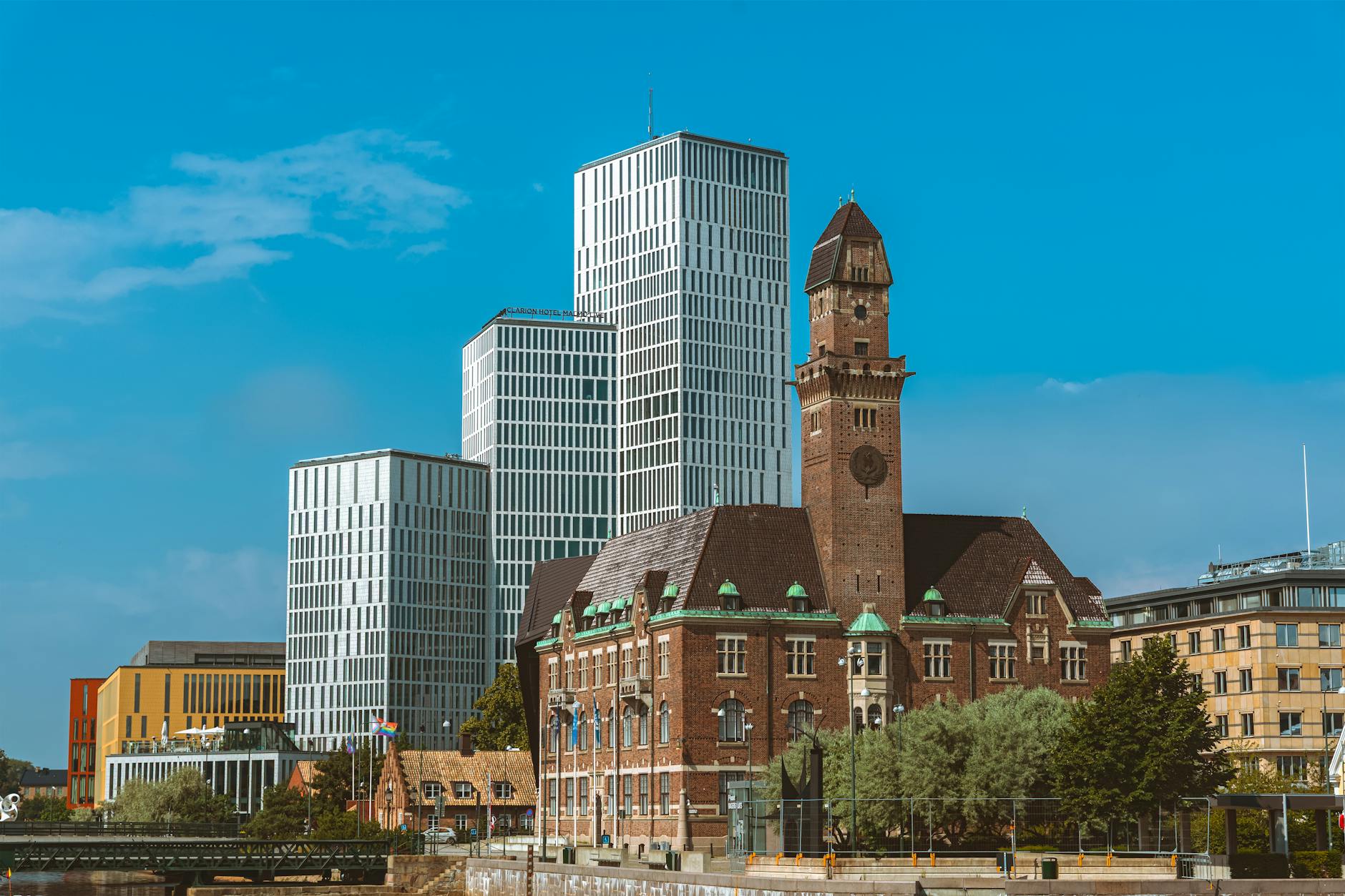
Malmö is one of the easiest cities in northern Europe to underestimate.
Start Here
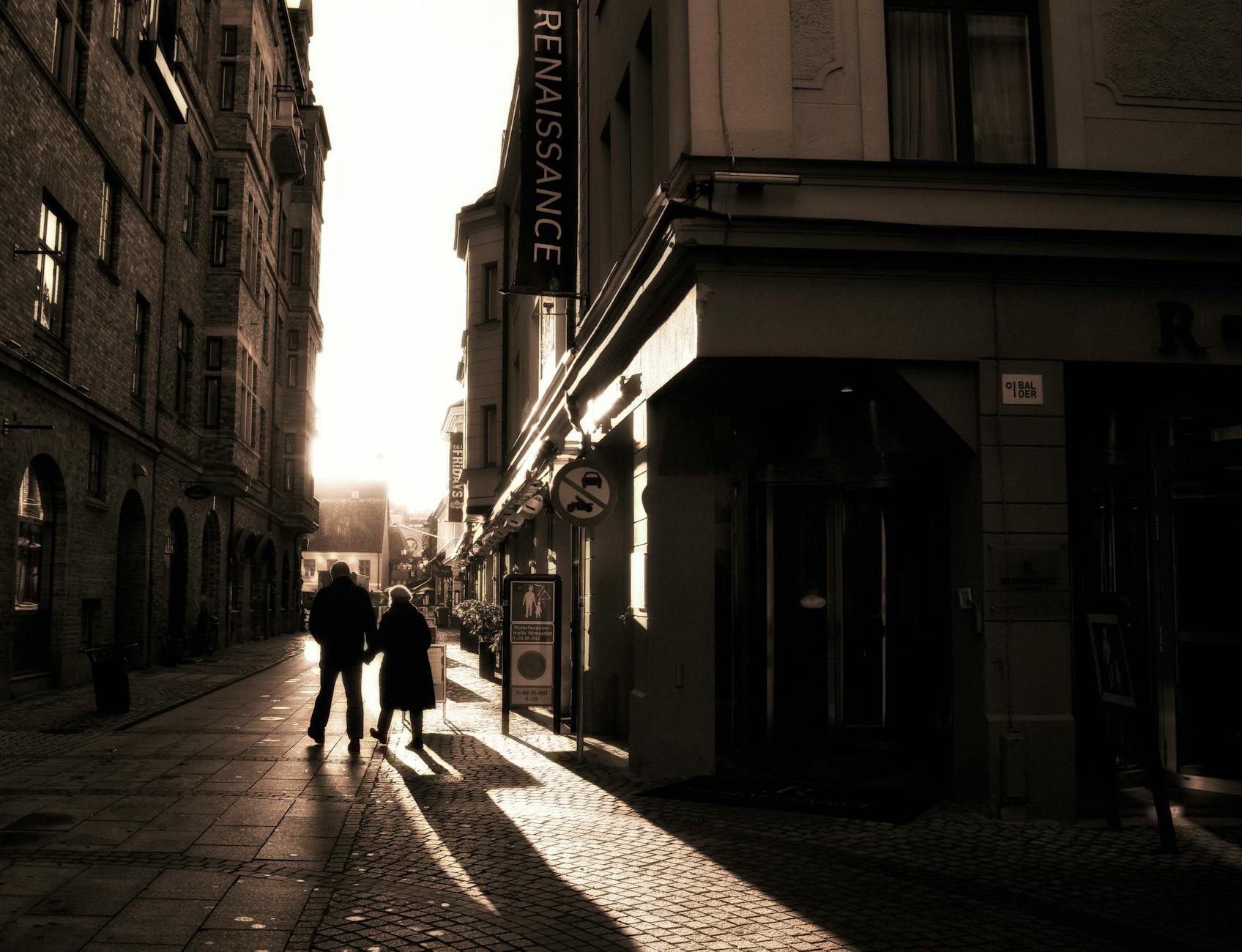
That is partly because it is compact, partly because it is visibly comfortable, and mostly because Copenhagen sits so close that lazy travelers start treating Malmö as a supporting actor before the trip even begins. That is the wrong frame. Malmö is not interesting because it is near somewhere else. It is interesting because it has built a city identity out of things that do not always sit together neatly: old squares and experimental food culture, immigrant energy and Scandinavian polish, modern waterfront redevelopment and ordinary neighborhood life, bicycles and bathhouses, parks and concrete, formality and looseness.
This is what gives Malmö its own tone. It is not grand in the way some first-time visitors expect from a European city break. It is not monument-heavy, and it does not overwhelm you with obvious set pieces. Instead it works by fit. The distances are short. The light is good. The waterfront is real. The food scene feels younger and more mixed than the Swedish stereotype suggests. The center is usable, the parks are part of daily life, and the city constantly rewards anyone who stops comparing it to Copenhagen long enough to see what is actually in front of them.
The strongest first trip to Malmö is not a checklist of attractions. It is a city-use trip. You want a base that lets you move easily between the old center, Davidshall or Möllevången, the parks, and the sea. You want one or two civic anchors, one or two neighborhood meals that feel local rather than polished for outsiders, a long waterfront walk, and enough time to understand why Malmö feels younger, more social, and more improvisational than much of Scandinavia.
The city in one sentence: Malmö is a compact, mixed, waterfront Scandinavian city that works best when you treat it as a complete urban stay with its own food, parks, and districts, not as Copenhagen’s afterthought.
Basic data
| Population | About 365,000 in the city; metro about 750,000 in Sweden, with larger cross-border region links |
|---|---|
| Area | 188 km2 |
| Major religions | Christian heritage, Islam, Judaism, Buddhism, Hinduism, and a large secular population |
| Political system | Municipal government inside a parliamentary constitutional monarchy |
| Economic system | High-income mixed economy led by services, logistics, trade, technology, education, and creative industries |
Quick Verdict
Best for: repeat Europe travelers, couples, solo travelers, food-first city breaks, design-aware travelers, and anyone who likes cities that feel lived-in rather than staged.
Not ideal for: travelers who need cathedral-grade monumentality, people who want a very traditional historic-capital atmosphere, or anyone who insists on measuring the city against Copenhagen every hour.
Ideal first stay: 2 nights.
Better stay: 3 nights if you want time for the waterfront, parks, museums, and an unhurried meal-focused day.
Minimum worthwhile stay: 1 night, but only if you actually sleep there and let the city have an evening.
Best overall months: May to September.
Biggest planning mistake: visiting Malmö only as a transit-friendly side trip and never letting it become the main place.
One thing to prioritize: the hotel district.
One thing to keep flexible: how much of the day belongs to center-neighborhood life versus the waterfront.
The blunt version: Malmö is much better as a real short stay than as a rushed comparison exercise.
Who Will Love Malmö?
Malmö works especially well for travelers who like cities that reveal themselves through neighborhoods, food, and movement instead of through one oversized landmark. If you enjoy being able to walk from older streets to a modern harbor district, cut through a park, have a serious lunch, and end the day by the sea without carrying the full logistical weight of a larger capital, Malmö is strong.
It is also excellent for travelers who like urban texture more than prestige. Malmö’s appeal is not that everything is beautiful in a postcard sense. It is that the city feels socially and physically alive. The old core, the waterfront, the younger restaurant scene, and the mixed civic culture all pull in slightly different directions, and that tension is part of the appeal.
Malmö at a Glance
| Question | Practical Answer |
|---|---|
| Main gateway | Malmö C, Triangeln, or Copenhagen Airport via rail |
| Simplest local transit tool | Skånetrafiken app or contactless on city buses |
| Best first-time base | central station to old-town edge, or central city with easy access to Davidshall / Möllan |
| Main modern visual anchor | Turning Torso and Western Harbour |
| Main city-beach stretch | Ribersborg |
| Main old-center social square | Lilla Torg |
| Main park-social district | Folkets Park / Möllevången side |
| Car needed? | No |
| Best trip length | 2 to 3 days |
2026 Visitor Notes
Malmö Is Easy to Reach Without Becoming a Transit City
Skånetrafiken’s English visitor information makes clear that regional buses and trains connect all of Skåne and also continue across the bridge to Copenhagen, and that ticket machines are available at Copenhagen Airport as well as train stations in Skåne.[1] That convenience matters, but it should serve the trip, not define it.
Local Transit Is Simple Enough That You Should Not Overthink It
The same Skånetrafiken ticket guidance says the app is the easiest way to buy tickets, and that Malmö’s green city buses accept contactless bank-card tap-in with city-zone fare capping over a 24-hour period.[2] That means most first-time visitors can keep transport simple.
Ribersborg Is Not an Extra
Malmö’s official Ribersborg page describes it as the city’s most visited beach, over `1.5` kilometers long, and explicitly notes that it sits within walking distance of the center.[4] That is one of Malmö’s defining strengths.
Western Harbour Still Explains the New Malmö
Official city and regional visitor sources remain the clearest explanation of what Västra hamnen is for the first-time visitor: Bo01 turned part of the old harbor into a new ecologically profiled district, and Turning Torso plus the surrounding waterfront gave the city a modern outward image.[6][7]
The Old Center Still Matters
Lilla Torg is not just a pretty square for visitors. Malmö’s own historical page notes its origins in the `1590s` and describes it as a long-running trading and meeting place that still combines historical environment with contemporary city life.[5]
How to Understand Malmö
Malmö works through four connected pieces.
The first is compactness. The city is easy to move through, which means district choice matters more than distance.
The second is mixture. Malmö feels younger and more various than many first-time visitors expect from Sweden. Visit Skåne leans into exactly that point by describing the city through food, diversity, and momentum rather than polished heritage alone.[3]
The third is waterfront modernity. Western Harbour, Ribersborg, and the broad edge of the Öresund are not decorative edges. They change how the city is used.
The fourth is anti-comparison discipline. If you keep asking whether Malmö is “as good as” Copenhagen, you will never let Malmö behave like itself.
What Malmö Does Better Than People Think
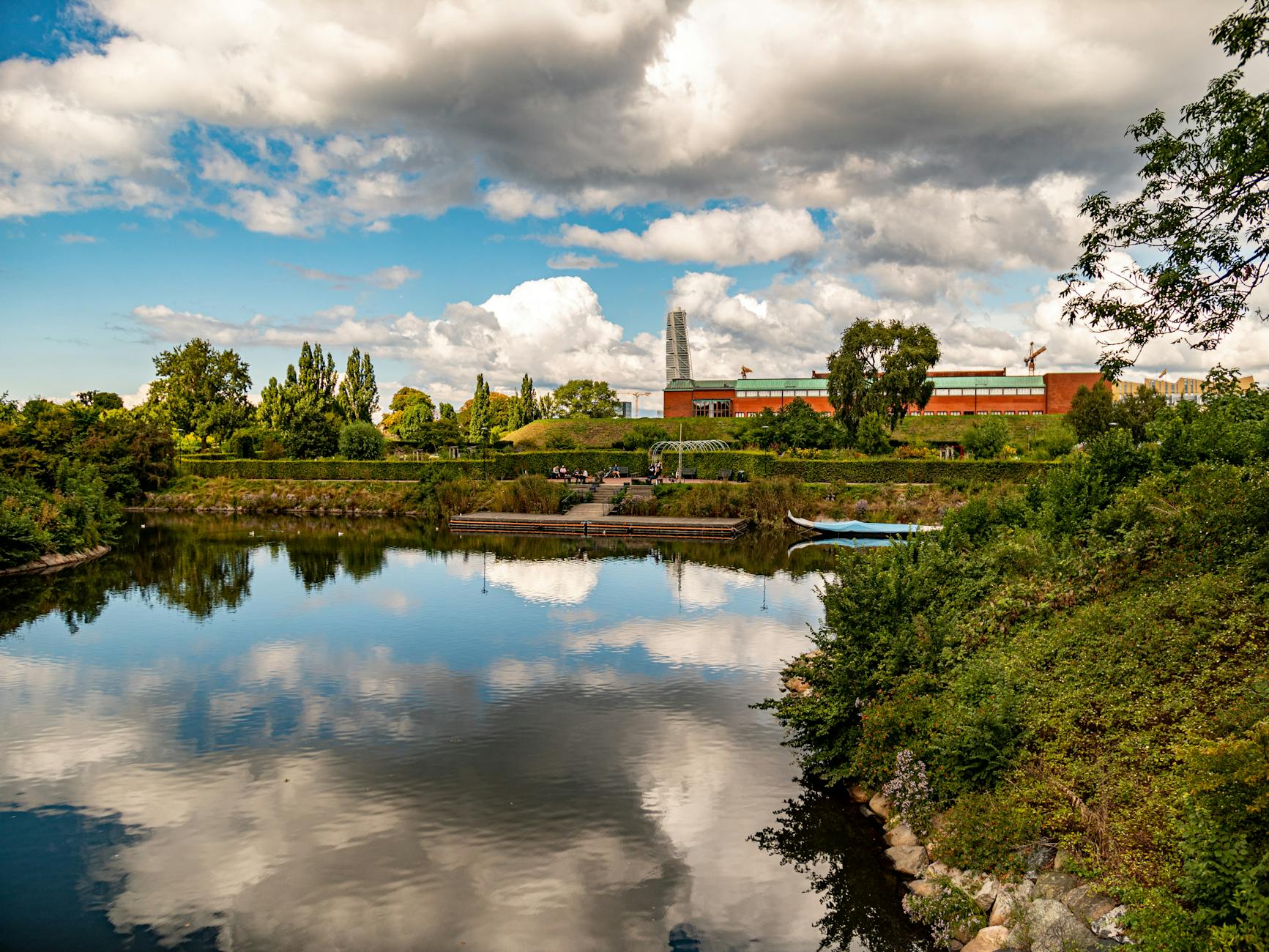
Malmö is better than people think at food. It is better than people think at neighborhood contrast. It is better than people think at giving you coast, parks, and urban life without friction. And it is definitely better than people think at feeling socially current rather than merely tidy.
Visit Skåne’s own city page emphasizes exactly the qualities that tend to surprise first-time visitors: more restaurants per head than any other Swedish city, a notably young population, and strong culinary variety around places like Möllevångstorget and Davidshallstorg.[3] That does not mean every meal is memorable. It means the city has more appetite and personality than its calm skyline suggests.
Malmö Versus Copenhagen
This comparison is unavoidable, but it is usually handled badly.
Copenhagen is more formally beautiful, more capital-scaled, and more globally legible. Its urban pleasures are easier to read instantly. Even travelers who do not love it tend to understand what it is doing. Malmö is different. It is less polished in the conventional sense, more mixed, more improvised in tone, and less interested in performing a unified visual identity.
That is not a deficit. It is simply a different kind of city experience.
The better question is not whether Malmö can beat Copenhagen at Copenhagen’s own strengths. It cannot, and should not try. The better question is what Malmö offers that a Copenhagen stay does not always give you as easily: shorter distances, more immediate access to neighborhoods that feel socially varied, a somewhat less curated food rhythm, a waterfront that feels more woven into daily life, and a city whose character depends less on prestige and more on fit.
This is why many travelers who expect Malmö to feel derivative end up finding it more relaxing and sometimes more endearing than planned. It is not better because it is smaller. It is better when you want a place that behaves more like a lived city than a polished reference point.
First-Time Visitors Versus Repeat Visitors
First-time visitors usually arrive with one of two distortions.
Either they arrive expecting too little, because they think Malmö is essentially a side trip, or they arrive expecting it to resolve into some idealized Scandinavian image that the city never promised to provide. Both assumptions make the first walk weaker.
A strong first trip therefore needs enough structure to keep the city legible. You want the old core, the waterfront, one good neighborhood meal, and at least one park or civic-space chapter. Without that, Malmö can feel like a set of agreeable fragments that never quite turn into a city.
Repeat visitors can be looser. Once you already know that Ribersborg matters, that Western Harbour is more than one tower, and that the city’s food and neighborhood life are central rather than secondary, you can settle into Malmö much more naturally. It becomes easier to return to the same café, the same promenade, or the same district without feeling repetitive, because the city was never built around singular monumentality to begin with.
This is one reason Malmö often improves after the first stay. On the first visit, people are still asking what kind of city it is. On the second, they start using it.
Best Time to Visit
Late spring through early autumn is the best overall window. This is when the waterfront, parks, outdoor meals, and cycling culture all feel fully available. Summer is the easiest first version of Malmö, especially if you want Ribersborg and Western Harbour to be active parts of the day.
Shoulder season can be excellent too. The city’s food and neighborhood strengths survive cooler weather better than its beach reputation would suggest. Winter is still workable, but it shifts the trip inward and asks more from your hotel, your restaurant choices, and your tolerance for wind.
Summer Malmö Versus Cooler-Season Malmö
Summer makes Malmö easier to love quickly. Ribersborg becomes active rather than symbolic, Western Harbour opens up, outdoor meals feel obvious, and the short distances between center, park, and sea make the city seem exceptionally generous for its size. If you want the city to reveal itself with minimal effort, summer is the cleanest first answer.
Cooler seasons can still work very well, but the emphasis changes. The city becomes more dependent on good bases, thoughtful food choices, and a willingness to enjoy urban calm without always translating it into waterfront leisure. This is where Malmö’s younger restaurant scene and neighborhood structure matter more than its beach profile.
The city does not stop working in colder weather. It simply becomes more interior and more selective. That can be excellent for the right traveler.
How Many Days You Need
One Night
Enough to understand the city’s basic mood, especially if you arrive by midday and stay central.
Two Nights
The strongest first answer. One day can lean old center, parks, and food; another can belong to Western Harbour, Ribersborg, and one or two major cultural stops.
Three Nights
Best if you want to let Malmö breathe without padding the schedule. This is also the right length if you want a slower waterfront day or an evening-heavy trip built around meals, bars, and summer atmosphere.
Four Nights or More
Four nights is more than most first-time visitors need, but it can be very rewarding if you specifically want a lower-pressure city stay. At that length, Malmö begins to function less as a city break and more as a temporary routine: market, café, park, sea, neighborhood dinner, repeat.
That is when the city’s scale becomes a real advantage. It is easy to keep using it without feeling trapped in the same block every day.
The Real Question
The real question is not how many days Malmö “deserves” in the abstract. It is whether you are giving it enough time to show more than one of its registers. If all you see is a pretty center and a short waterfront walk, the answer is no. If you also experience the neighborhoods, the parks, and one real evening, the answer is usually yes.
Arrival Strategy
Malmö is one of those cities where arrival psychology matters.
If you come in through Copenhagen Airport or via the bridge, treat the simplicity as a benefit, not as a reason to keep the city at arm’s length. Get to your hotel, drop your bag, and walk the city early. Do not spend your first hours proving how easily you could leave again.
If you arrive by rail, staying near Malmö C gives you maximum flexibility. If you stay slightly deeper in the center, make sure it still lets you walk cleanly to either the old-town side or the food-neighborhood side without turning every transition into transit.
Why The Overnight Matters More Than Visitors Expect
Malmö is one of those cities that many travelers assume can be “understood” in a long afternoon. The center is compact, the station is convenient, and Copenhagen sits close enough to tempt people into treating Malmö as a spare-time annex. This is the weakest way to use the city.
The overnight matters because it gives Malmö an evening and a second morning, which is exactly what the city needs in order to stop feeling provisional. In the evening, the restaurant and bar life begins to matter. The center and neighborhoods stop looking like a daytime sample tray and start feeling socially inhabited. On the second morning, the city’s scale becomes a pleasure rather than a sign of limitation.
That is why one night in Malmö is often stronger than a rushed same-day comparison exercise. The city needs enough time to become the main place, even briefly.
Where to Stay
For most first-time visitors, stay central with an easy walk either to the old core or to Davidshall / Möllevången.
Near Malmö C / Old Town Edge
Best for: first-timers, quick rail access, waterfront reach, and easy evenings. Tradeoff: can feel slightly generic if you stay too close to pure transport territory. Best use: excellent default, especially for shorter stays.
Central City / Davidshall Side
Best for: restaurants, a more local evening rhythm, and a better balance between polished center and lived-in neighborhood life. Tradeoff: slightly less frictionless for station arrivals, but often better emotionally.
Möllevången Side
Best for: food-first travelers, night-owl energy, and people who want Malmö’s younger, more mixed identity closer at hand. Tradeoff: not every traveler wants this area as a base, especially on a very short first trip. Best use: stronger for repeat visitors or travelers who know what kind of city energy they like.
Why The Base Matters In A Compact City
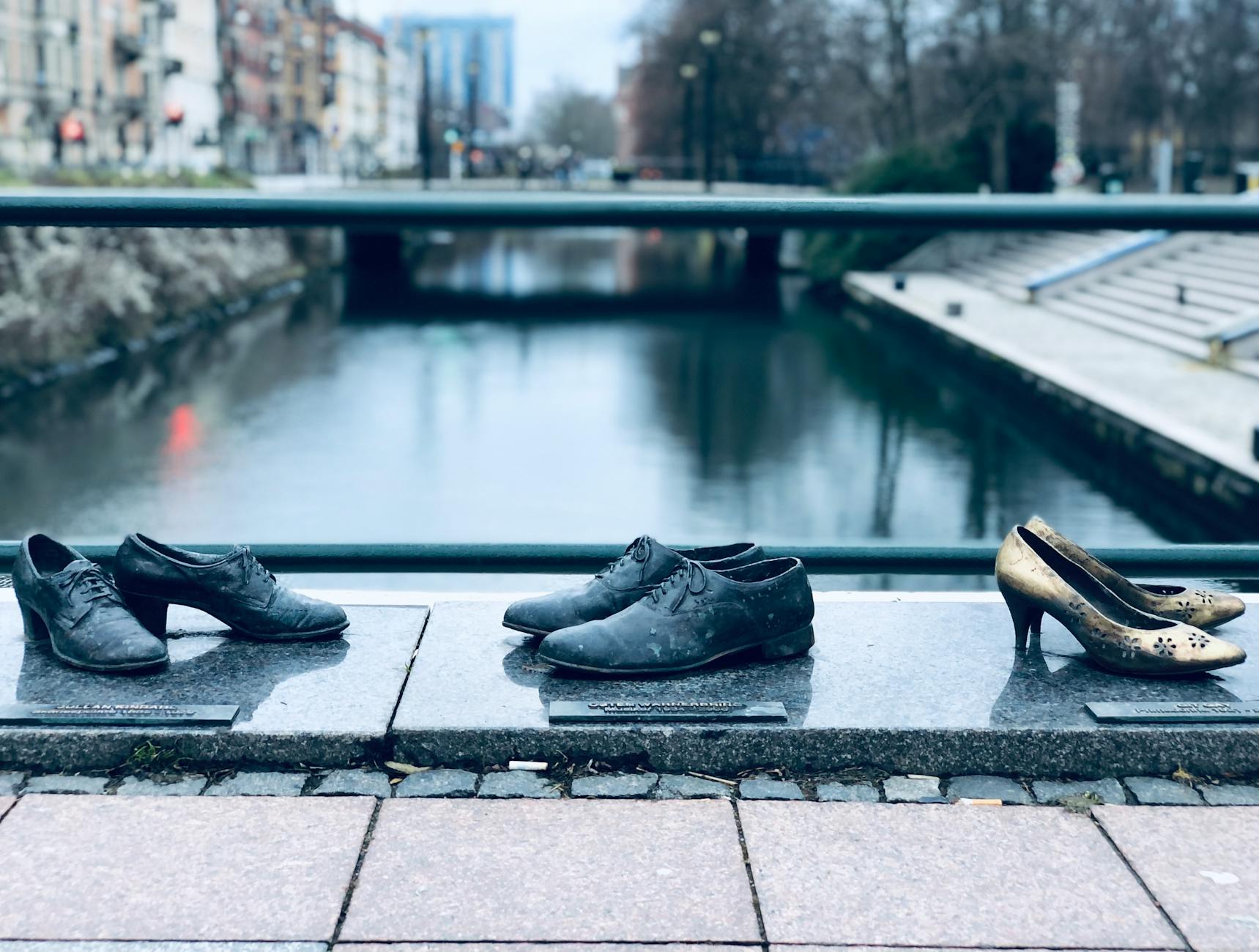
Compact cities often tempt travelers into thinking hotel choice barely matters. Malmö is a good example of why that is wrong.
The city’s value depends heavily on how easily you can shift between its different registers: old core, food districts, parks, and waterfront. A well-chosen base makes those shifts feel natural. A weak base, even one that is technically central, can make Malmö feel like a place of disconnected errands. This is especially true if you stay too close to transport-only zones or in an area that is useful for departure but weak for the rest of the day.
The right base does not need to be luxurious. It needs to support the city’s movement pattern. In Malmö, that pattern is part of the experience.
The Malmös That Matter Most
Old Malmö: Lilla Torg, older streets, and the part of the city that proves Malmö has continuity, not just reinvention.[5]
Modern Malmö: Western Harbour, Bo01, and the skyline confidence of Turning Torso.[6][7]
Beach Malmö: Ribersborg and the city’s unusually accessible social waterfront.[4]
Park Malmö: Kungsparken, Slottsparken, and Folkets Park, which help make the city feel broader and looser than its size suggests.[9]
Food Malmö: Möllevången, Davidshall, and the wider restaurant culture that official tourism materials rightly present as one of the city’s core strengths.[3]
Why One Proper City Day Matters
Some travelers reduce Malmö to one attractive center walk, one waterfront district, and the satisfaction of having crossed the bridge. That is enough to confirm the city is pleasant, but not enough to understand it.
Malmö usually needs one proper city day that belongs to the city itself rather than to comparison or convenience. That day lets the old center, one neighborhood meal, one park or museum, and one waterfront chapter all register as parts of a single urban system. Without that day, the city can feel like a series of agreeable samples. With it, Malmö begins to feel complete.
This matters because the city’s strength is compositional. It does not depend on one huge sight. It depends on how the different parts of daily urban life reinforce one another.
Old Town, Lilla Torg, and the Center
The old center is not the whole city, but it is the right place to establish orientation.
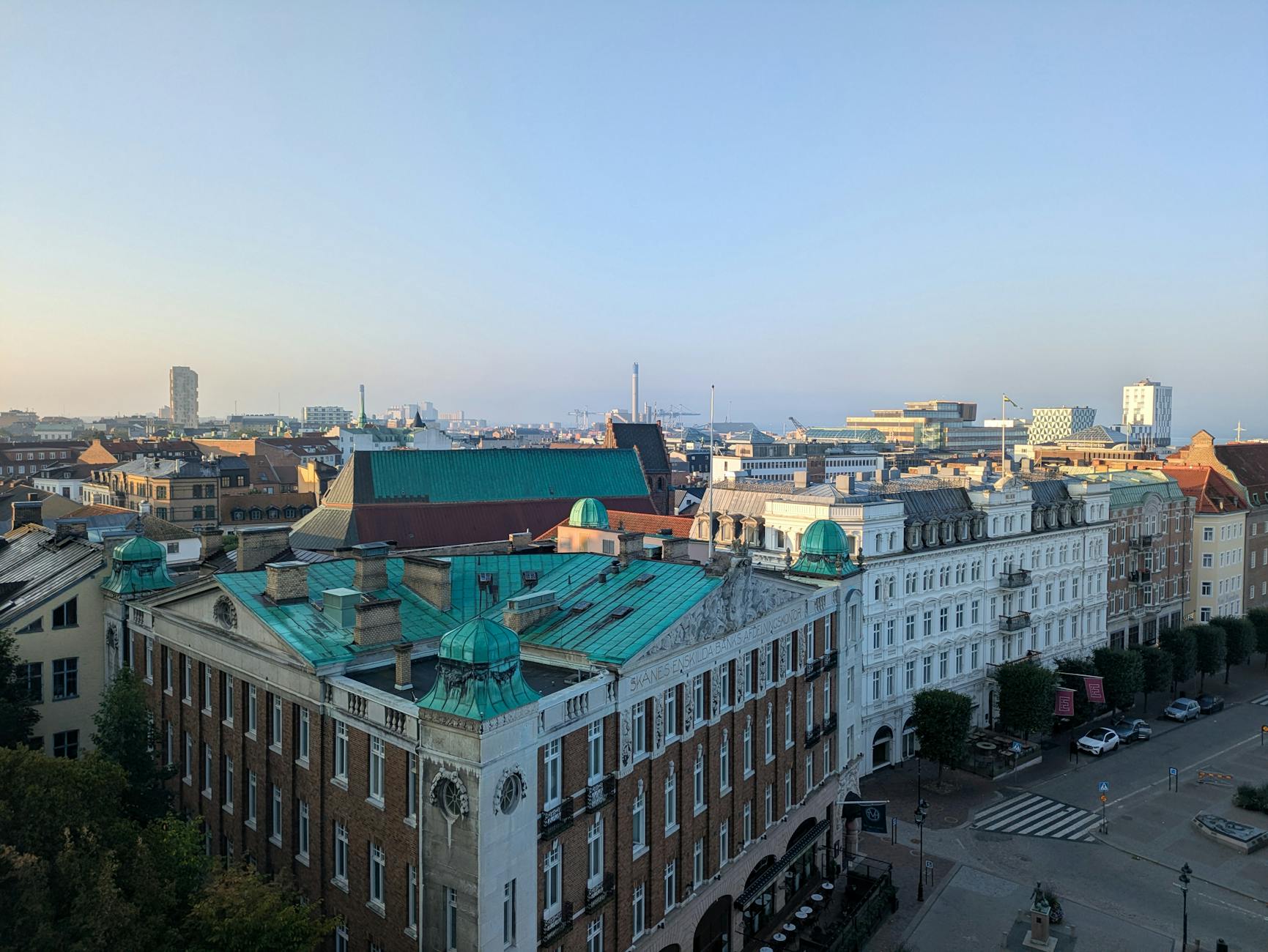
Lilla Torg matters less as a box to tick than as proof that Malmö’s historic fabric is still socially alive. Malmö’s own page describes it as a meeting place where restaurants, shops, work, housing, and old buildings all coexist in one historically layered square.[5] That is exactly the right way to read the center: not as preserved heritage alone, but as something still in use.
Use the old core to start the trip, but do not let it contain the whole stay. Malmö becomes thinner if you never leave the pretty part.
Why The Old Center Needs The Rest Of The City
The old center works best as orientation, not as a full thesis.
It gives Malmö immediate legibility and some of its easier charm. But if you let this part of the city stand in for everything else, Malmö begins to feel tidier, older, and more conventional than it really is. The center needs Möllevången, Davidshall, the parks, and the waterfront in order to make sense as part of the whole.
This is one of the city’s main planning lessons: the old core is true, but it is incomplete.
Western Harbour, Bo01, and Turning Torso
This is the district that changed the external story of Malmö.
Bo01 turned part of the old harbor into a new district explicitly shaped around ecological and design ambitions, and the area still reads as a statement about what the city wanted to become.[6] Turning Torso then gave that ambition a skyline form. Visit Skåne notes that the tower rises `190` meters, has `54` stories, and gave Western Harbour a stronger modern identity.[7]
The important thing is not to reduce this area to one building. Western Harbour is where Malmö feels most self-consciously contemporary: sea-facing, architectural, and outward-looking. Walk it slowly. Let it be urban, not just photogenic.
Why Western Harbour Changes The Reading Of Malmö
Without Western Harbour, Malmö could be misread as an old center with a food scene and some agreeable parks. Western Harbour changes that entirely. It gives the city an outward-facing ambition and a visual argument about reinvention.
This matters because Malmö is not only a city of inherited identity. It is also a city that has had to decide what kind of place it wants to become. Western Harbour makes that decision visible. It keeps the city from becoming too easily summarized as quaint or merely livable.
If you ignore this district, you remove one of Malmö’s clearest claims to specificity.
Ribersborg and the Sea
Ribersborg is one of the city’s great advantages because it makes Malmö feel expansive without making it inconvenient.
The official city page calls Ribersborg Malmö’s most visited beach, over `1.5` kilometers long, and notes that it is within walking distance from the center.[4] That combination is rare. It means the sea belongs to the trip even if you are not on a beach vacation.
Ribersborg is also useful because it resets the tone of the stay. If the center feels too composed, the beach promenade and wide-open edge put air back into the city. This is especially important in summer, when Malmö’s best version is partly social and partly meteorological.
Why Ribersborg Is Structural, Not Optional
Ribersborg matters because it changes the scale of the city without changing the logistics.
In many cities, a beach or sea edge is either remote, overly touristic, or useful only in ideal weather. Ribersborg works differently. It is close enough to the center to become part of a normal day and broad enough to make Malmö feel much more open than its compact core would suggest.
This is one reason the city often feels better in person than on paper. The sea is not a scenic bonus. It alters how the whole place breathes.
Möllevången, Davidshall, and Food
If you want the part of Malmö that most clearly separates it from the outsider’s Swedish stereotype, spend time here.
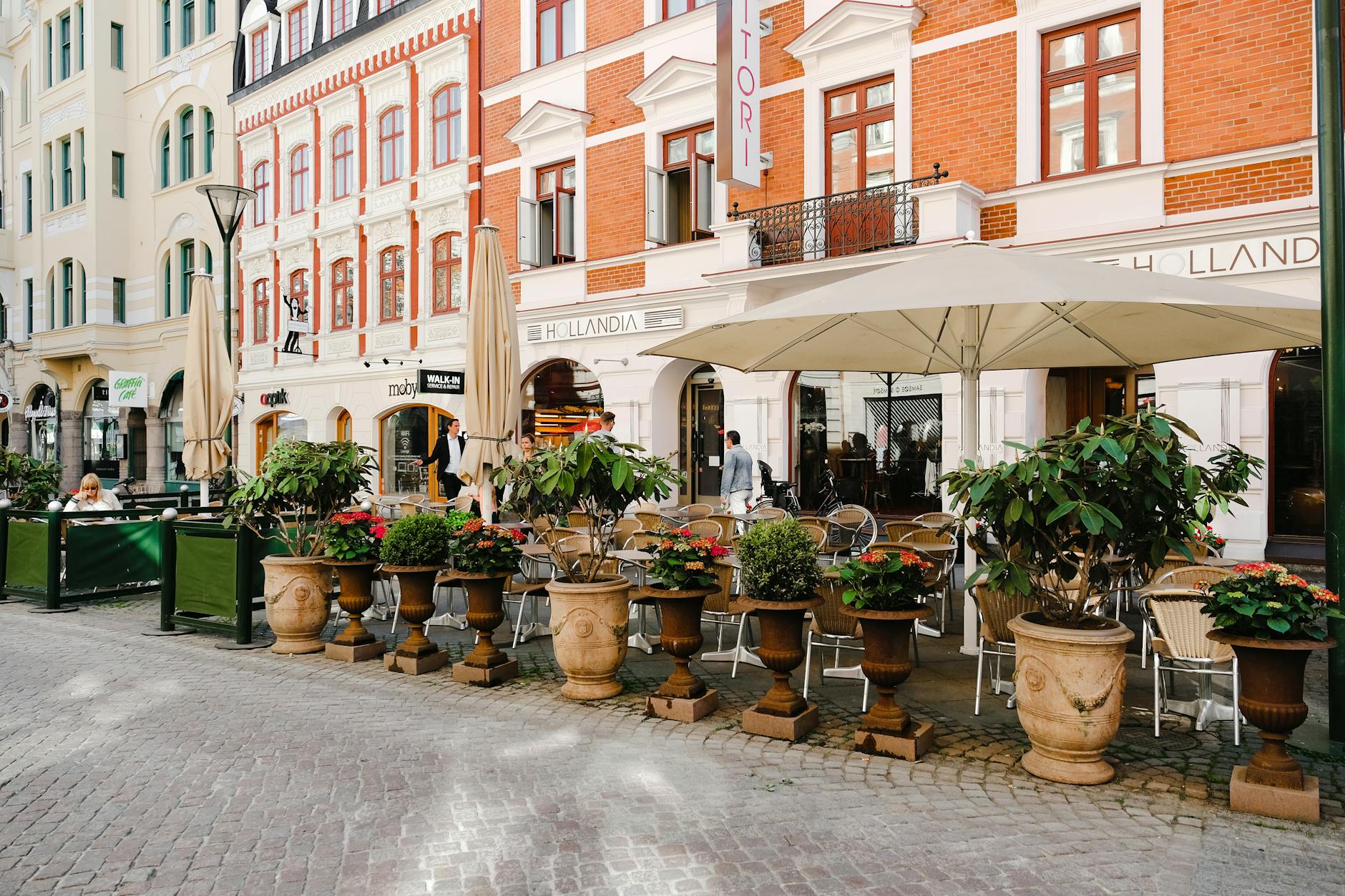
Visit Skåne’s city page points directly to Möllevångstorget and Davidhallstorg as places where younger owners and cooks experiment with influences from across Europe and the Middle East.[3] That is the right frame. Do not go expecting one canonical meal. Go expecting a city whose food identity comes from range, confidence, and everyday use.
Möllevången should feel more social than polished. Davidshall often feels a touch more composed. Together they explain a lot about why Malmö feels younger and more mixed than many travelers predict.
Why The Food Register Matters More Than Visitors Expect
Food in Malmö is not only about individual meals. It is one of the clearest ways the city expresses its modern identity.
Without the Möllevången and Davidshall side of the city, Malmö could risk feeling too visually controlled: old square, modern harbor, clean streets, done. The food and neighborhood life destabilize that simplicity. They make the city feel younger, more varied, and less beholden to polished Scandinavian cliché.
This is why a good meal here often does more than feed you. It tells you what kind of city you are in.
Parks, Museums, and Civic Texture
Malmö is also stronger than it first appears at civic culture.
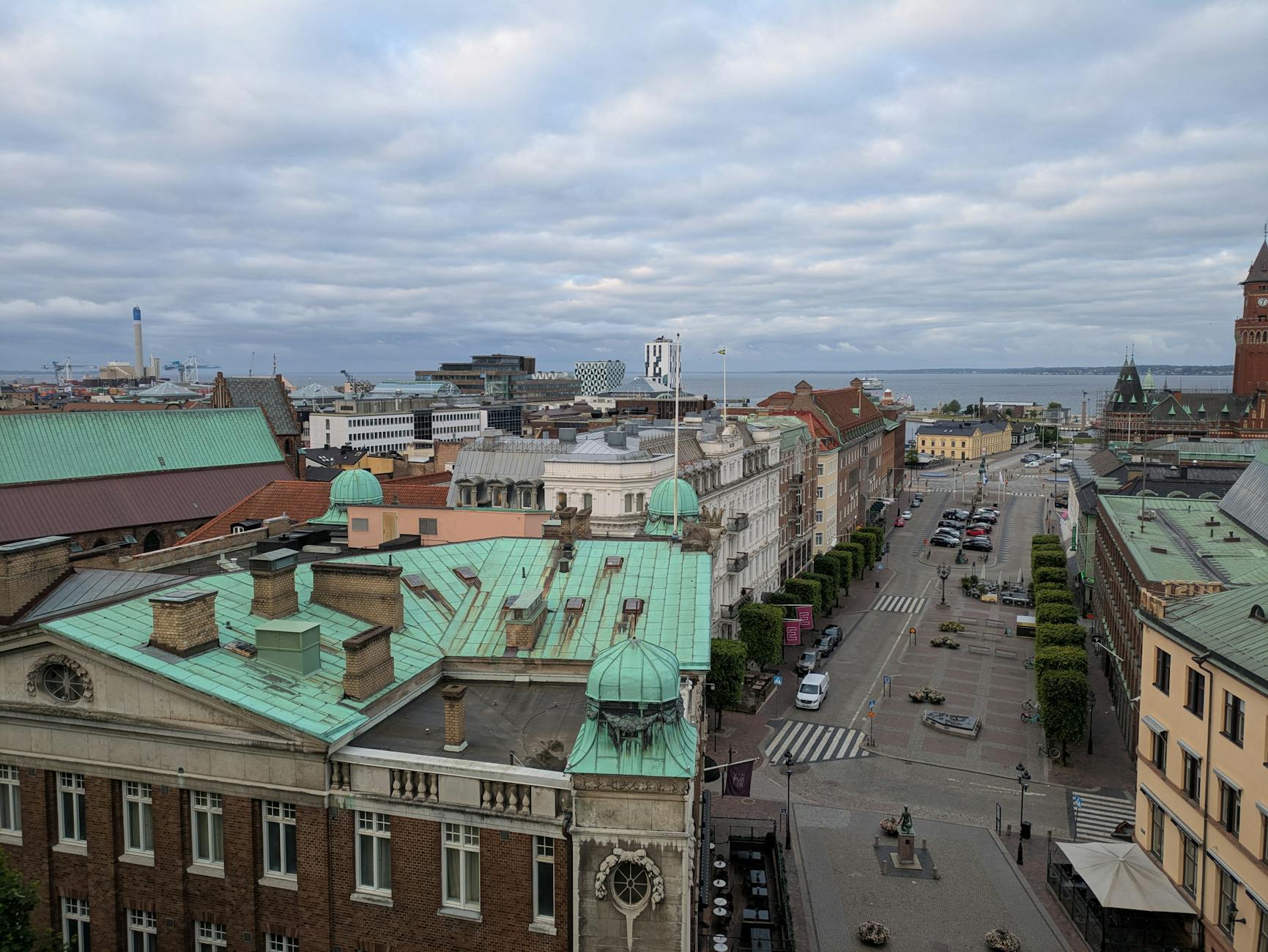
Folkets Park matters because it is not a decorative green patch but a long-running social place; Malmö states plainly that it is Sweden’s oldest people’s park, founded in `1891`, and still active year-round.[9] That tells you something important about the city’s public life.
Malmö Museum matters because it gives the trip historical and material depth. The municipal museum site foregrounds the castle setting, science and technology exhibitions, the submarine, and the broad range of family and public programming.[8] Even if you do not build a museum-heavy stay, this part of Malmö helps keep the city from becoming only food-and-waterfront atmosphere.
Why The Parks Matter More Here Than In A Bigger City
In a larger city, parks can simply be one district category among many. In Malmö they help prevent the whole stay from becoming too tightly designed.
They widen the city emotionally. They give the center and the waterfront a softer middle ground. They create somewhere to absorb rather than constantly consume. This matters because Malmö’s strength is not monumentality. It is balance.
If you remove the parks from the trip, the city can start feeling narrower and more curated than it really is.
Getting Around
Malmö is a walking city first, a bike city second, and a transit city only when needed.
Visit Skåne explicitly describes the city as small enough that the main attractions are reachable within `20` minutes by bicycle, and the general feel of the place supports that claim.[3] For most short stays, you will walk a lot, possibly rent a bike, and only use local transit selectively.
Skånetrafiken keeps the mechanics easy. Use the app if you want the cleanest setup, or tap a contactless card on city buses when appropriate.[2]
Day Malmö Versus Evening Malmö
Daytime Malmö is clear, spacious, and easy to parse. The old center, modern harbor, and parks all explain themselves quickly. If you leave too soon, that legibility can trick you into thinking you have fully understood the place.
Evening changes the register. Restaurants and bars start to matter more. Neighborhoods feel more defined. The city stops looking like a set of well-managed zones and starts behaving like a place people actually choose to spend time in. This is particularly true around Davidshall, Möllevången, and central streets that may look unassuming in the middle of the day.
This is why weak Malmö trips are often all daylight and no social time. The city wants at least one evening in order to feel complete.
Common Mistakes
Treating Malmö as Copenhagen’s Overflow
This is the foundational mistake. It shrinks the city before you arrive.
Staying Too Close to Pure Transport Space
Convenience matters, but a hotel that is only useful for arrival and departure weakens the stay.
Doing Only the Pretty Old-Center Version
You miss the mixed, younger, more modern city.
Ignoring the Waterfront
Western Harbour and Ribersborg are not optional scenic extras. They are part of Malmö’s structure.
Mistaking Calm for Boredom
Malmö is not loud, but it is not empty. You have to use it properly.
Why Malmö Often Works Better Than It Sounds
If you describe Malmö lazily, it can sound almost too reasonable: a compact center, a modern harbor, a beach, a park, some good food, and a city close to Copenhagen. None of that sounds especially dramatic. And that is exactly why the city is easy to underrate before arrival.
In practice, Malmö works through sequencing. The old center gives orientation. The harbor gives modern scale. Ribersborg opens the city out. Möllevången and Davidshall give it appetite and social tone. The parks keep the whole thing from becoming too hard or too polished. The result is more satisfying than the ingredients sound on paper.
That is why Malmö often feels better than its summary. It is not that the city hides its strengths. It is that they assemble themselves gradually.
Why Malmö Often Improves On The Second Visit
On a first visit, many travelers are still deciding whether the city is substantial or simply convenient. They test the center, walk the harbor, and compare everything silently to somewhere else. That mindset limits the experience.
On a second visit, the comparison pressure tends to fall away. The city no longer has to prove that it “counts.” You can stay where you actually want to stay, repeat routes without guilt, and let one district or meal carry more of the trip. Because Malmö’s pleasures are cumulative rather than singular, this often makes the second stay stronger than the first.
How Malmö Changes Over The Course Of A Stay
On arrival, Malmö can seem almost too manageable. The distances are short, the station is easy, and the center explains itself quickly. Some travelers mistake this first impression for thinness.
By the second day, if the trip is built well, the city begins to separate into clearer registers. The old center stops being the whole story. The waterfront becomes something more than a modern postcard. Ribersborg starts to matter as a real urban edge. The neighborhoods and parks give the city more internal depth.
By the third day, Malmö often becomes more persuasive precisely because it no longer needs to signal so hard. It is simply the city you are in now: coffee, walk, park, sea, meal, repeat. That is when many visitors realize it is much more than the comparison city they thought they were booking around.
My Blunt Advice
Sleep somewhere central but not emotionally generic.
Let one day belong to the old center and one day belong to the waterfront.
Eat where Malmö feels socially mixed, not only where it feels most polished.
Give Ribersborg real time.
And if you hear yourself saying “this is nice, but Copenhagen...,” stop and reset. That sentence is how people miss the city.
Source Notes
- 1. Skånetrafiken. "Welcome to Skåne." Official English visitor and transit page stating that Skånetrafiken connects Skåne by bus and train and also travels across the bridge to Copenhagen. https://www.skanetrafiken.se/english/
- 2. Skånetrafiken. "Tickets and discount." Official English ticket page describing app purchases, ticket machines at stations and Copenhagen Airport, and contactless bank-card use on Malmö city buses. https://www.skanetrafiken.se/english/tickets-and-discount/
- 3. Visit Skåne. "Malmö." Official regional tourism page emphasizing Malmö’s young food culture, district life, cultural institutions, bikeability, and waterfront attractions. https://visitskane.com/cities-locations/malmo
- 4. Malmö stad. "Ribersborgsstranden." Official city page describing Ribersborg as Malmö’s most visited beach, over 1.5 kilometers long, and within walking distance of the city center. https://malmo.se/Uppleva-och-gora/Bada-och-simma/Strander-och-badplatser/Ribersborgsstranden
- 5. Malmö stad. "Lilla torg." Official city history page describing the square’s 1590s origin and continued role as a meeting place combining old buildings with contemporary urban life. https://malmo.se/Uppleva-och-gora/Arkitektur-och-kulturarv/Malmos-historia/Platser-och-byggnader/Malmos-torg/Lilla-torg.html
- 6. Malmö stad. "Bo01." Official city history page describing the housing expo and the creation of a new ecologically profiled district in Västra hamnen. https://malmo.se/Uppleva-och-gora/Arkitektur-och-kulturarv/Malmos-historia/Handelser-och-fenomen/Bo01.html
- 7. Visit Skåne. "Turning Torso." Official regional tourism page describing the tower’s design, height, and its role in Western Harbour’s modern image. https://visitskane.com/classic-attractions/turning-torso
- 8. Malmö stad. "Malmö museum." Official museum page outlining the castle setting, exhibitions, submarine, aquarium, dome cinema, and programming. https://malmo.se/museum
- 9. Malmö stad. "Om Folkets Park." Official city page stating that Malmö Folkets Park was founded in 1891 and is Sweden’s oldest people’s park. https://malmo.se/Folkets-Park/Om--Folkets-Park.html