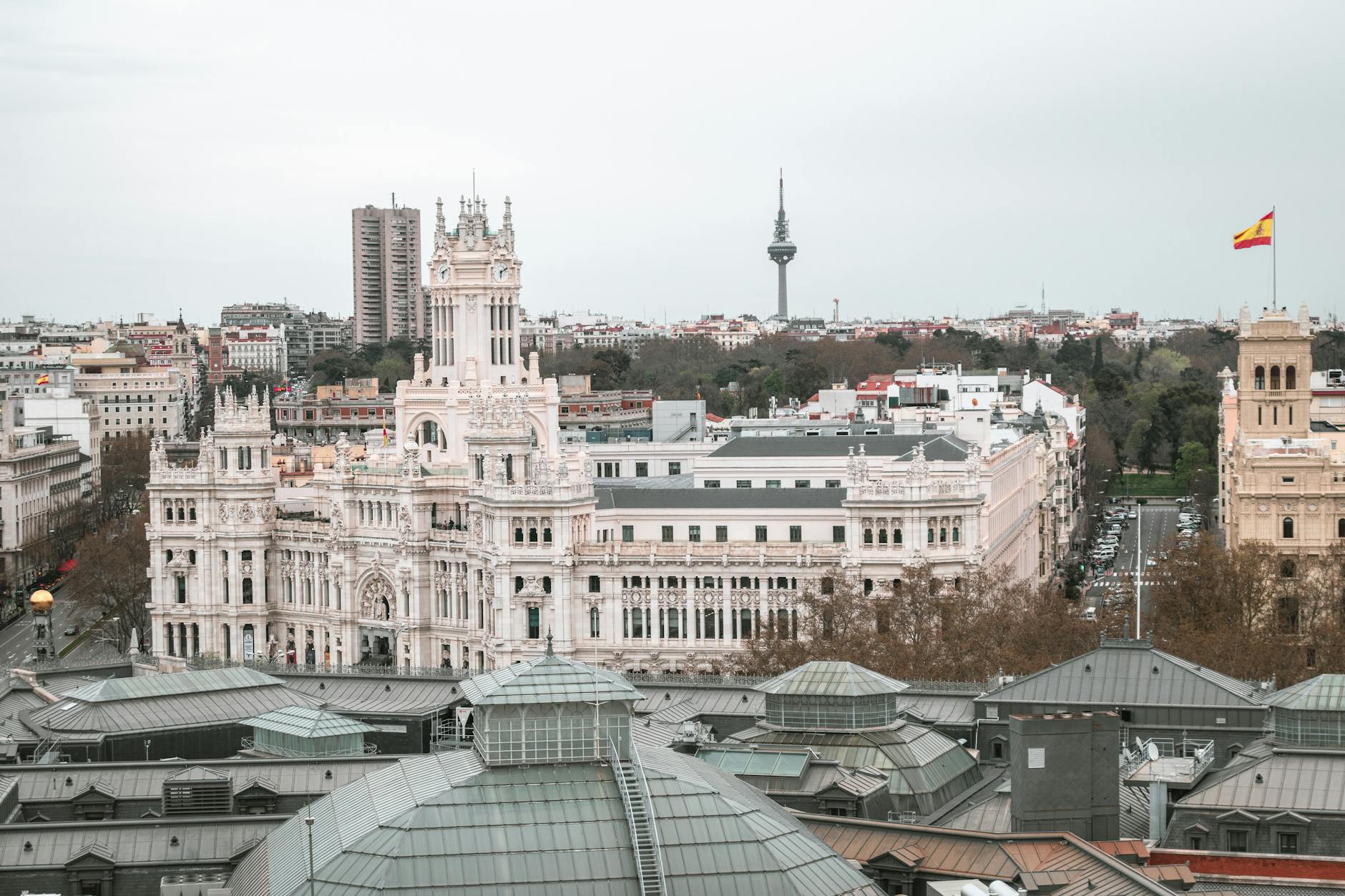
Madrid does not try to seduce you with one skyline, one river, or one postcard view. It works more slowly than that. It wins through rhythm: a late lunch that becomes the afternoon, a museum room that resets your idea of painting, a neighborhood bar that looks ordinary until the tortilla arrives, a plaza that fills after dark, a Sunday market, a vermouth, a walk through Retiro, a royal palace on one side of town and a punkish old nightlife quarter on the other.
Start Here
The mistake visitors make with Madrid is treating it as a checklist city. It has major sights, of course: the Prado, the Royal Palace, Plaza Mayor, Retiro Park, Reina Sofía, Gran Vía, the Bernabéu, and the old Habsburg streets around the center. But Madrid is at its best when you treat those as anchors rather than the whole trip. The city’s real pleasure is the relationship between grand culture and daily life: world-class art in the morning, a long lunch, a park walk, a neighborhood crawl, and dinner late enough that another city would already be asleep.
Madrid is also one of Europe’s great bases. Toledo, Segovia, El Escorial, Alcalá de Henares, Aranjuez, Ávila, and the Sierra de Guadarrama are all within reach. But the strongest first visit is not a sprint through Castile. It is three to five days of learning how the Spanish capital moves: late, social, dry, proud, generous, and more emotionally direct than its stately boulevards suggest.
This guide is designed for travelers who want more than “things to do in Madrid.” It explains where to stay, how to pace your days, what to book ahead, where the best neighborhoods differ, how to eat well, how to use the transport system, what to skip, and how to experience Madrid as a living city rather than a row of monuments.
Madrid in one sentence: Madrid is a capital of art, appetite, plazas, parks, and late-night social life, best understood by pairing one major cultural anchor with one long meal and one neighborhood wander each day.
Quick Verdict
| Question | Answer |
|---|---|
| Best for | Art museums, food, tapas bars, nightlife, parks, shopping, football, day trips, elegant boulevards, neighborhood wandering, first trips to Spain, and travelers who like cities that come alive late |
| Not ideal for | Travelers who want beaches, dramatic old-town scenery at every turn, very early dinners, mountain-town quiet, or a compact city where every major attraction is in one tiny historic core |
| Ideal first visit | 4 full days. Three days covers the essentials; 5 days lets you add a day trip without shortchanging Madrid; a week is excellent if you want deeper neighborhoods and several regional excursions. |
| Best months | April, May, late September, October, and early November are the sweet spots. March can be good value. July and August can be brutally hot. Winter is underrated for museums and food. |
| Best first-timer base | Las Letras/Paseo del Arte for museums and atmosphere; Sol/Gran Vía for maximum convenience; Austrias/Opera for old Madrid; Chueca/Salesas for restaurants, nightlife, and style; Salamanca/Retiro for polish and calm. |
| Biggest planning mistake | Booking every day like Madrid is a monument race. The city is spacious and social. If you skip the meal rhythm, neighborhood life, and evening walks, you miss the point. |
| One thing to book ahead | Prado tickets, Reina Sofía if timing matters, Royal Palace, Bernabéu Tour, popular restaurants, flamenco shows, and high-speed train tickets for Toledo or other day trips. |
| One thing to leave unscheduled | A tapas crawl, a Retiro pause, a Malasaña/Chueca evening, a Sunday morning around El Rastro, or a lazy afternoon that begins with vermouth and refuses to end quickly. |
| Best free pleasure | Walking the Paseo del Prado and Retiro area, sunset from Templo de Debod, plazas after dark, window-shopping in Salesas, and the energy of a neighborhood bar at aperitivo hour. |
| Most important warning | Madrid is hot, dry, and deceptively spread out. In summer, design your day around shade, museums, lunch, and late evenings. Do not force exposed sightseeing at 3 p.m. in July. |
The Move
Build every Madrid day around one anchor and one neighborhood. The anchor might be the Prado, Royal Palace, Retiro, Reina Sofía, or a day trip. The neighborhood gives the day texture: Las Letras for literary streets and tapas, Chueca for style and nightlife, La Latina for Sunday energy, Salamanca for shopping, Chamberí for local elegance, Lavapiés for multicultural Madrid, or Malasaña for late-night looseness.
Who Will Love Madrid?
You will probably love Madrid if you want:
- One of Europe’s great art cities, especially for painting.
- A food trip built around tapas, markets, old taverns, late dinners, and regional Spanish cooking.
- A city where locals use public space intensely: plazas, terraces, parks, markets, bars, and boulevards.
- Strong nightlife without needing to be a club person.
- A first Spain trip with easy onward travel by train.
- A city that feels Spanish without being frozen as a historic theme park.
- A place where you can combine grandeur, informality, and everyday pleasure in the same afternoon.
You may struggle with Madrid if you want:
- A beach city.
- A compact medieval old town like Toledo or Córdoba.
- Early restaurant hours and short meals.
- A city that performs its beauty instantly from the taxi window.
- Cool summer weather.
- A trip that requires no reservations or logistics.
Madrid is worth visiting because it is not just Spain’s capital on paper. It is a practical, emotional, cultural, and social capital: a place where art, politics, food, football, nightlife, shopping, and daily ritual all pull toward the center.
Madrid at a Glance
| Practical | Detail |
|---|---|
| Country | Spain |
| Region | Community of Madrid |
| Capital note | Madrid is the capital of Spain and the country’s political, cultural, transport, and economic center. |
| Language | Spanish. English is common in hotels, major museums, and tourist-facing restaurants, but less universal in traditional bars and everyday settings. |
| Currency | Euro, written as € or EUR |
| Cards vs cash | Cards are widely accepted, including on much public transport. Keep some cash for old-school bars, markets, small purchases, tips, and public restroom situations. |
| Main airport | Adolfo Suárez Madrid-Barajas Airport (MAD), northeast of the center. |
| Main rail stations | Atocha and Chamartín are the key long-distance rail stations; Príncipe Pío and Nuevos Ministerios are also useful for certain routes and airport connections. |
| Best arrival default | Metro Line 8 is efficient if you are comfortable with transfers; Cercanías trains are excellent from Terminal 4 to Chamartín/Atocha; the Airport Express bus is useful late at night; taxi is simplest with luggage or family. Aena lists metro, bus, train, taxi, and car as airport access modes.[6] |
| Public transit | Metro, city buses, Cercanías commuter rail, light rail, taxis, rideshare, and bicimad electric bikes. |
| Metro hours | Generally 6 a.m. to 1:30 a.m., with varying frequencies by time of day.[5] |
| Tourist transport pass | Tourist Travel Passes are sold for 1, 2, 3, 4, 5, or 7 days in Zone A or Zone T. Zone A covers the city center and includes the metro airport supplement; Zone T is better for some regional trips such as El Escorial, Aranjuez, or Alcalá de Henares, but not high-speed trains.[4] |
| Airport supplement | Metro airport travel carries an airport supplement unless covered by an eligible pass; Madrid’s official tourism site notes that the Zone A Tourist Travel Pass includes the €3 airport supplement.[4] |
| Airport Express bus | EMT’s Airport Express links the airport with central Madrid via Cibeles and Atocha-area service patterns; Madrid tourism lists the single fare as €5.10.[8] |
| Airport taxi | Official Madrid tourism lists a fixed airport transfer fare of €33 for travel between the airport and destinations inside the M-30 ring road, 24 hours a day.[9] |
| Tap water | Safe to drink. Madrid tourism specifically notes that city tap water is safe and of high quality.[3] |
| Electricity | Spain uses European plug types, commonly Type F, with standard European voltage. Bring an adapter if needed. |
| Tipping | Optional rather than mandatory. Round up, leave a euro or two for good casual service, or add 5–10% for excellent restaurant service if a charge is not already included. Madrid tourism notes tipping is not customary and is up to the customer.[3] |
| Emergency number | 112 is the European emergency number. |
| Entry rules | Spain is in the Schengen Area. Rules depend on nationality. The EU Entry/Exit System is now part of external border procedures, and ETIAS is expected to begin in the last quarter of 2026 for visa-exempt travelers.[23][24] |
| Best planning app mix | Google Maps or Apple Maps for walking, Citymapper for transit, official Metro/transport apps for live service and tickets, Renfe for trains, Aena for flights. |
First-Timer Mistake
Assuming “central Madrid” is one thing. Sol, Gran Vía, Austrias, Las Letras, Chueca, Malasaña, La Latina, Lavapiés, Salamanca, Retiro, Chamberí, and Atocha are all central enough to be useful, but they create very different trips.
How to Understand Madrid
Madrid is not Spain’s most obviously picturesque city. Seville has orange trees and patios. Granada has the Alhambra. Barcelona has Gaudí and the sea. Toledo has its hilltop medieval drama. Madrid’s gift is different: it is the city of accumulated life.
Its power sits in three things.
First, Madrid is an art capital. The Prado alone can justify a trip, but the so-called Art Walk around Paseo del Prado and Retiro also includes the Reina Sofía, Thyssen-Bornemisza, CaixaForum, the Naval Museum, the Botanical Garden, and a wider cultural landscape that UNESCO recognizes as the “Paseo del Prado and Buen Retiro, a landscape of Arts and Sciences.”[16]
Second, Madrid is a social city. People meet outside, eat late, stand at bars, drift between neighborhoods, fill terraces, and make public space feel occupied rather than ornamental. A plaza in Madrid is not just a beautiful urban object. It is a machine for conversation.
Third, Madrid is a hub. It sits in the center of Spain physically and symbolically. This makes it one of Europe’s best city bases: you can spend the morning in a world-class museum and the next day be in Toledo, Segovia, El Escorial, Alcalá de Henares, or Aranjuez.
Madrid’s Basic Layout
For visitors, Madrid is easiest to understand as a series of rings and moods around Puerta del Sol.
| Zone | What it means for visitors |
|---|---|
| Sol / Gran Vía | Maximum centrality, shopping, theaters, transport, crowds, nightlife, and hotel convenience. Great for logistics; less intimate than nearby neighborhoods. |
| Austrias / Opera / Royal Palace | Old Madrid: Plaza Mayor, Plaza de la Villa, Mercado de San Miguel, Almudena Cathedral, Royal Palace, and atmospheric streets. Excellent for first-timers. |
| Las Letras / Huertas | Literary quarter, tapas streets, small hotels, easy museum access, and one of the best all-around first-visit bases. |
| Paseo del Arte / Retiro / Atocha | Prado, Reina Sofía, Thyssen, Retiro Park, botanical gardens, train access, and a calmer cultural spine. |
| Chueca / Salesas / Justicia | Stylish, lively, LGBTQ+-friendly, great restaurants, boutiques, cocktail bars, and elegant residential streets. |
| Malasaña / Conde Duque | Young, informal, nightlife-heavy, independent shops, cafés, bars, and the legacy of Madrid’s countercultural 1980s. |
| La Latina | Tapas, Cava Baja, Sunday Rastro energy, old streets, and excellent evening atmosphere. Better for exploring than for absolute quiet. |
| Lavapiés / Antón Martín | Multicultural Madrid, theaters, casual food, markets, street life, and an edgier, more mixed urban texture. |
| Salamanca / Retiro / Goya | Upscale shopping, elegant hotels, calmer streets, good dining, and convenient park access. Polished but less bohemian. |
| Chamberí / Ponzano / Almagro | Local elegance, tapas streets, residential Madrid, good restaurants, and less tourist intensity than the center. |
| Argüelles / Moncloa | Student life, parks, Templo de Debod, good value, and access to Casa de Campo and northwest Madrid. |
| Madrid Río / Arganzuela / Legazpi | Riverside walks, Matadero Madrid, family-friendly open space, and a modern view of the city south of the center. |
The City’s Rhythm
Madrid’s day runs late by northern European and North American standards. That does not mean everyone parties until dawn every night; it means the city’s normal social clock is shifted.
A visitor-friendly Madrid rhythm looks like this:
- Morning: Coffee, pastry, markets, museums, palace visits, Retiro, or a neighborhood walk.
- Early afternoon: Lunch is important. A proper lunch can be the day’s main meal.
- Mid-afternoon: Rest, shop, museum, hotel pause, or indoor activity, especially in summer.
- Early evening: Vermouth, terrace drinks, Retiro, Gran Vía, or neighborhood strolling.
- Dinner: Often later than many visitors expect. In tourist areas you can eat early, but traditional dinner energy rises later.
- Night: Bars, theaters, flamenco, cocktails, plazas, and nightlife districts.
Madrid tourism notes that shops in central tourist areas often remain open long hours and restaurants run late; it also notes that tapas are a flexible option at many times of day.[3]
Madrid’s Central Contrasts
Madrid is compelling because it contains several cities at once:
- Royal Madrid vs neighborhood Madrid: The Royal Palace and grand boulevards are real, but so are tiny standing-room bars and corner cafés.
- Museum Madrid vs eating Madrid: The city can be serious in the morning and wildly convivial by night.
- Old Spain vs global Spain: Centuries-old tabernas sit near Peruvian, Mexican, Japanese, Senegalese, Venezuelan, Filipino, and contemporary Spanish kitchens.
- Elegant Madrid vs scruffy Madrid: Salamanca and Salesas are polished; Lavapiés and Malasaña are more improvised; both are essential to the full picture.
- Central capital vs regional gateway: Madrid is a destination and a launchpad at the same time.
Local Logic
Madrid is not organized around a single riverfront, castle, beach, or cathedral axis. It is organized around plazas, radial roads, transit nodes, museum corridors, park edges, and nightlife zones. The city becomes much easier when you plan by neighborhood clusters rather than by isolated dots.
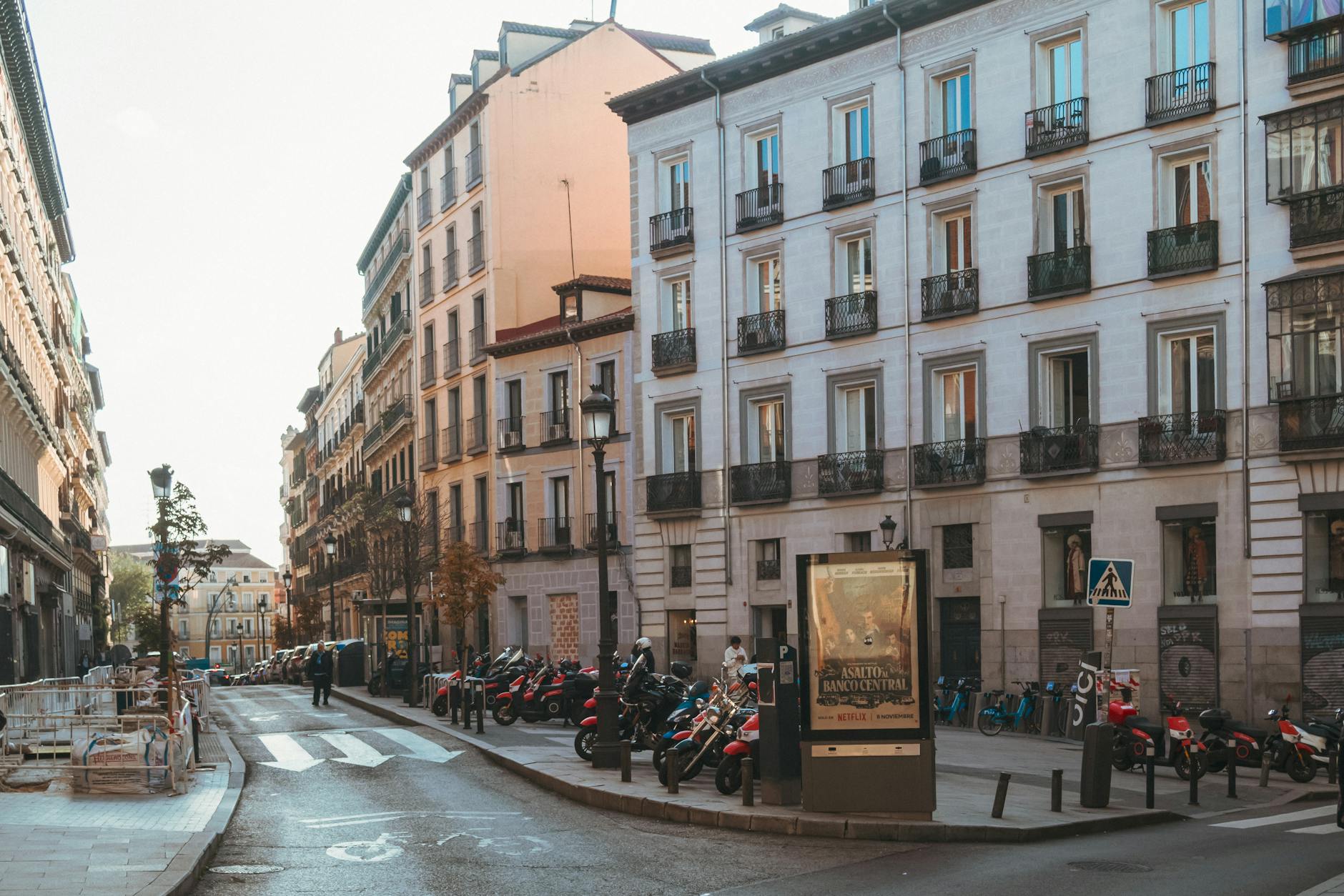
Best Time to Visit Madrid
Madrid is visitable year-round, but timing matters more than many first-timers expect. The city sits inland at elevation, which means cold winters, hot summers, dry air, and big seasonal swings. The best months give you light, terraces, museums, and long walks without extreme heat.
The Short Answer
| Traveler type | Best time |
|---|---|
| Best overall first visit | April, May, late September, October |
| Best value | January, February, March, November, early December |
| Best for art museums | November through March, plus hot summer afternoons |
| Best for parks and walking | April, May, October, early November |
| Best for nightlife | May, June, September, October |
| Best for day trips | Spring and fall; winter for fewer crowds; avoid midday summer heat in exposed towns |
| Worst for heat-sensitive travelers | July and August |
| Best for festivals | May for San Isidro; December for Christmas lights and markets; fall for cultural programming |
Spring: March to May
Spring is the most broadly appealing time to visit Madrid. Retiro is beautiful, terraces are active, days lengthen, and the city feels socially awake without the worst heat. March can still be variable, but April and May are excellent.
Best for: first-timers, park walks, art plus food, couples, families, outdoor meals, day trips.
Watch out for: higher hotel prices around holidays, Easter travel, May event demand, and museum crowds.
Summer: June to August
Summer in Madrid can be intense. June often feels festive and manageable; July and August can be punishing during the day. The city does not shut down for visitors, but some locals leave, and some independent restaurants take breaks in August. The reward is late-night energy: Madrid after dark in summer can be magnetic.
Best for: night owls, travelers tied to school holidays, people who enjoy hot climates, museum-heavy afternoons.
Watch out for: heat exhaustion, overexposed sightseeing, under-air-conditioned lodging, and trying to visit Toledo or Segovia in the hottest part of the day.
Fall: September to November
Fall may be Madrid’s best season. September can still be hot, but the city fills back up, cultural life resumes, restaurants feel active, and October is superb. November is cooler, often good value, and excellent for museum-focused trips.
Best for: almost everyone.
Watch out for: conference/event hotel spikes, rainier spells, shorter days by late fall.
Winter: December to February
Winter is underrated. Madrid can be cold, but not usually miserable for city travel if you dress well. Museums, restaurants, theaters, Christmas lights, and indoor culture make it a strong winter destination. It is not the best time for endless terrace life, but it is an excellent time for serious art and food.
Best for: value travelers, museum lovers, restaurant trips, Christmas atmosphere, people who dislike crowds.
Watch out for: cold nights, shorter daylight, holiday closures, and New Year/Three Kings demand.
Month-by-Month Guide
| Month | Verdict |
|---|---|
| January | Good value, cold, quiet after holidays, excellent for museums and food. Bring layers. |
| February | Still cold, often affordable, useful for culture-heavy trips. Romantic but not lush. |
| March | Improving weather, better walking, variable rain/wind, good value before spring peaks. |
| April | One of the best months: spring energy, parks, terraces, and manageable heat. Book key sights. |
| May | Excellent but busier. San Isidro brings local festivities and extra life. |
| June | Warm to hot, long evenings, strong nightlife. Plan shade and hydration. |
| July | Hot. Use mornings, museums, siesta, and late evenings. Avoid exposed day trips at midday. |
| August | Very hot and somewhat emptied of locals. Good hotel deals possible; check restaurant closures. |
| September | Can still be hot, but city life returns. Great for restaurants and evenings. |
| October | Prime month: comfortable, lively, excellent for first-timers and day trips. |
| November | Cooler, often good value, strong for museums, food, and slower travel. |
| December | Festive lights, shopping, crowds around holidays, cold nights, good indoor culture. |
The Move
For a first visit, pick October over August if you have control. Madrid’s best pleasures are walking, eating, lingering, and being outside at the right hours. Extreme heat turns a generous city into a logistics problem.
How Many Days You Need
The Short Answer
Madrid deserves at least three full days. Four is better. Five is the first truly comfortable length because it lets you see Madrid properly and take one major day trip.
| Trip length | What it allows |
|---|---|
| 1 day | A taste: Prado or Royal Palace, old center, one food neighborhood, and a night walk. Not enough to understand the city. |
| 2 days | Good for a fast first pass: Art Walk, Royal Madrid, Retiro, tapas, and one nightlife/food neighborhood. |
| 3 days | Strong first-timer length: museums, palace/old Madrid, Retiro, neighborhoods, food, and a more relaxed rhythm. |
| 4 days | Ideal first visit if staying inside Madrid: adds Chamberí, Salamanca, Lavapiés, Madrid Río, or a slower museum day. |
| 5 days | Best balanced trip: four Madrid days plus one day trip to Toledo, Segovia, or El Escorial. |
| 1 week | Excellent for art, food, neighborhoods, two or three day trips, shopping, football, and slower mornings. |
Minimum Worthwhile Stay
Two nights can work if Madrid is part of a larger Spain itinerary, but it will feel like a sample. You will need to choose between art, palace/history, food, nightlife, and day trips. Do not try to do all of it.
Ideal First Visit
Four nights / four full days is the sweet spot:
- Old Madrid, Royal Palace, Plaza Mayor, La Latina.
- Prado, Retiro, Las Letras.
- Reina Sofía/Thyssen, Chueca/Salesas/Malasaña.
- Day trip or Chamberí, Salamanca, Madrid Río, and a final food night.
When to Add Extra Days
Add days if you want:
- Toledo and Segovia.
- A deep art trip with Prado, Reina Sofía, Thyssen, Sorolla Museum, Royal Collections Gallery, and smaller museums.
- A food-first trip with markets, old tabernas, modern restaurants, and neighborhood crawls.
- Football, theater, flamenco, shopping, or nightlife.
- A slower summer pace that avoids midday heat.
When Not to Overstay
Do not add extra Madrid days only because it is a transport hub. If you have limited time in Spain, Madrid plus one or two day trips is excellent; Madrid plus every possible day trip can become tiring. Toledo, Segovia, Córdoba, Valencia, Seville, and Barcelona are not interchangeable “side missions.” Build a route, not a trophy shelf.
Where to Stay in Madrid
Madrid’s best base depends on the trip you want. The city is safe, well-connected, and fairly easy to navigate, so there is no single correct neighborhood. But the wrong base can make the trip noisier, duller, or less convenient than it needs to be.
The Short Answer
For a first visit, stay in Las Letras/Paseo del Arte if you want the best balance of museums, atmosphere, food, and walkability. Stay in Sol/Gran Vía if you want maximum convenience and do not mind crowds. Stay in Austrias/Opera for old Madrid and palace access. Stay in Chueca/Salesas for restaurants, boutiques, nightlife, and style. Stay in Salamanca/Retiro if you want elegance, calmer streets, and upscale hotels.
Neighborhood Decision Tree
| You want... | Stay in... |
|---|---|
| Best all-around first visit | Las Letras, Cortes, Paseo del Arte |
| Maximum convenience | Sol, Gran Vía, Callao |
| Old Madrid atmosphere | Austrias, Opera, Plaza Mayor area |
| Museums and calmer culture | Paseo del Arte, Retiro, Atocha edge |
| Food and nightlife without chaos | Chueca, Salesas, Justicia |
| Young nightlife and independent shops | Malasaña, Conde Duque |
| Tapas and Sunday market energy | La Latina |
| Luxury shopping and polished streets | Salamanca, Recoletos, Goya |
| Local restaurant scene | Chamberí, Almagro, Trafalgar |
| Train access | Atocha area or Chamartín/Nuevos Ministerios depending on route |
| Better value | Argüelles, Moncloa, Lavapiés, Atocha edges, Chamberí side streets |
| Family-friendly calm | Retiro, Salamanca, Chamberí, parts of Las Letras away from late-night streets |
| LGBTQ+ nightlife and central style | Chueca |
| Avoiding late-night noise | Retiro, Salamanca, Chamberí, Paseo del Arte, quieter Austrias streets |
Best Areas for First-Timers
Las Letras / Cortes / Paseo del Arte
Best for: first-timers, museum lovers, couples, food-focused travelers, walkers.
This is probably Madrid’s best all-around base. You can walk to the Prado, Thyssen, Reina Sofía, Retiro, Sol, Plaza Mayor, and Chueca. The neighborhood has literary history, attractive streets, tapas bars, restaurants, small hotels, and enough atmosphere without being as aggressively busy as Sol.
Why stay here: Balanced, beautiful, practical, cultured, and central.
Why not: Some streets can be noisy at night, especially around Huertas.
The move: Stay on a quieter side street, use mornings for museums, and return in the evening for tapas or drinks.
Sol / Gran Vía / Callao
Best for: logistics, shopping, theaters, nightlife, short stays, first-timers who want everything at the door.
This is Madrid at full volume. You are close to nearly everything, and public transport is easy. Gran Vía gives you lights, shops, theaters, rooftops, and a big-city feeling. Sol is the symbolic center and a practical meeting point.
Why stay here: Maximum convenience.
Why not: Crowded, touristy, noisy, and not always charming at street level.
The move: Use it as a base, not a lifestyle. Walk outward to Las Letras, Chueca, Austrias, and Malasaña for better texture.
Austrias / Opera / Royal Palace
Best for: old Madrid, palace access, first-time atmosphere, history, couples.
This area includes Plaza Mayor, Plaza de la Villa, the Royal Palace, Almudena Cathedral, and some of the city’s most historic streets. It is one of the most atmospheric places to sleep if you want Madrid to feel old from the moment you step outside.
Why stay here: Historic atmosphere and walkability.
Why not: Some restaurants are tourist-facing; hills and cobbles can complicate luggage and mobility.
The move: Stay near Opera or a quieter street rather than directly on the busiest routes to Plaza Mayor.
Chueca / Salesas / Justicia
Best for: restaurants, nightlife, LGBTQ+ travelers, boutiques, design, stylish hotels, repeat visitors.
Chueca is lively and central; Salesas and Justicia add elegance, shops, cafés, galleries, and excellent restaurants. You can walk to Gran Vía, Malasaña, Salamanca, and the museum corridor.
Why stay here: Stylish, central, social, and less obvious than Sol.
Why not: Chueca can be loud; boutique hotel prices can be high.
The move: Pick Salesas/Justicia for a more grown-up version of Chueca energy.
Salamanca / Retiro / Recoletos
Best for: luxury travelers, shoppers, families, older travelers, calm streets, park access.
This is Madrid’s polished side: broad streets, upscale hotels, designer shopping, good restaurants, easy access to Retiro, and less late-night chaos. It is not as bohemian or old-world as Las Letras or Austrias, but it is very comfortable.
Why stay here: Quiet, elegant, safe-feeling, and well-connected.
Why not: Less romantic old-city atmosphere; higher prices.
The move: Stay near Retiro or Recoletos if you want park and museum access without sacrificing comfort.
Areas Better for Repeat Visitors
Chamberí / Almagro / Trafalgar
Local, elegant, restaurant-rich, and less touristy. Great for second visits or food-focused travelers who want a neighborhood base. Ponzano is famous for bar-hopping, and the wider district has excellent dining.
Malasaña / Conde Duque
Great for nightlife, vintage shops, casual food, and younger energy. Fun, imperfect, loud in pockets, and better if you like street life.
La Latina
Excellent for tapas and Sunday El Rastro. Atmospheric but can be noisy. Stay here if you want old Madrid nightlife and do not need absolute quiet.
Lavapiés / Antón Martín
Multicultural, interesting, central, and good value. Excellent for travelers who want a more urban, less polished Madrid. Some blocks feel scruffier than classic tourist neighborhoods; choose lodging carefully.
Argüelles / Moncloa
Good value, student energy, parks, Templo de Debod, and access to the northwest. Practical, not the most atmospheric first-timer base.
Common Booking Mistakes
- Booking directly on Gran Vía and then being surprised by noise.
- Choosing the cheapest hotel far outside the center and losing time every night.
- Staying beside Sol for a romantic trip when Las Letras, Salesas, or Austrias would fit better.
- Assuming Salamanca is “too far.” It is often more convenient than it looks, especially near Retiro/Recoletos.
- Staying in La Latina or Malasaña with young kids without checking street noise.
- Not checking air-conditioning quality for summer.
- Ignoring elevators in older buildings.
- Choosing a hotel based only on the phrase “near Plaza Mayor,” which can mean either charming or tourist-trap heavy.
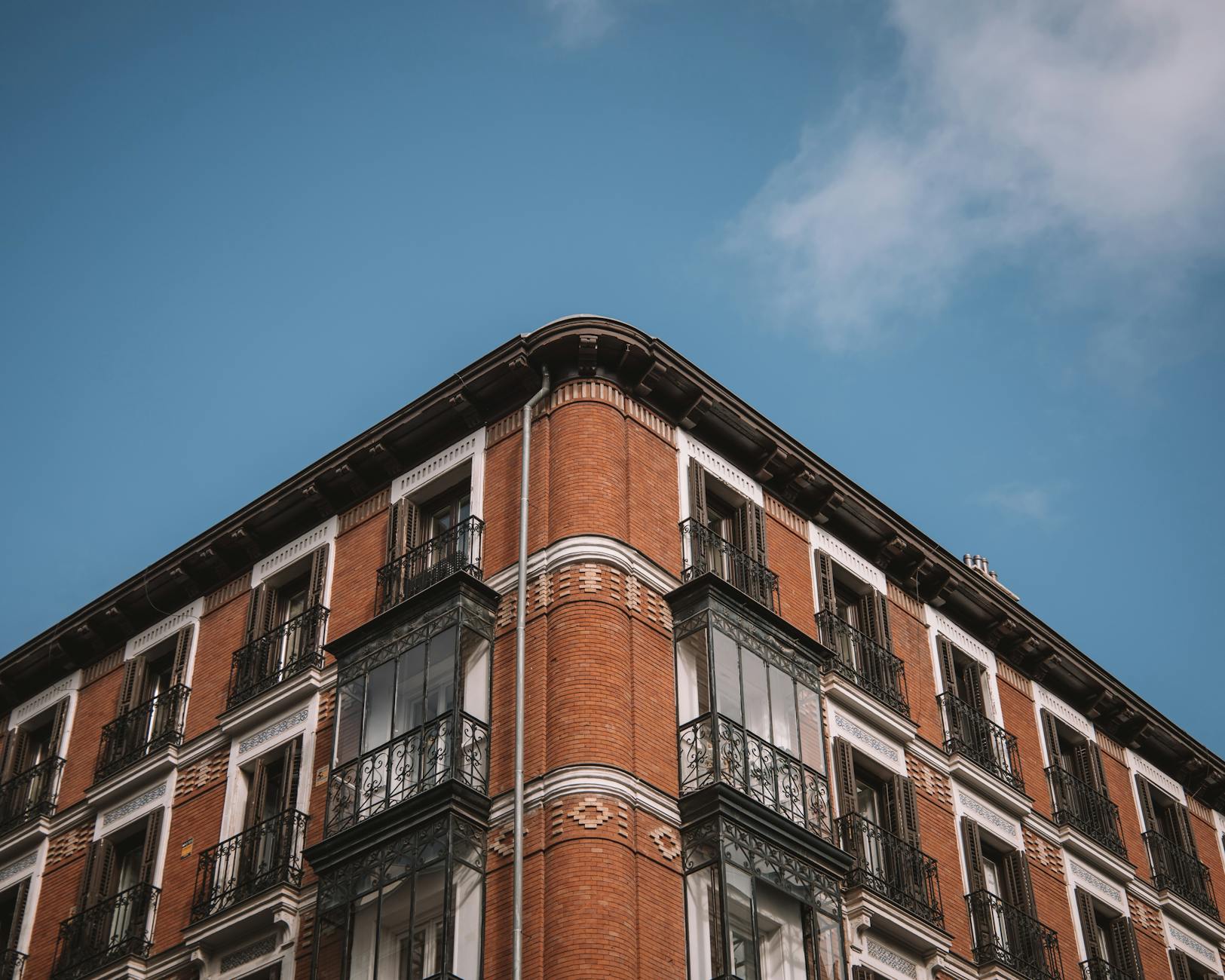
Neighborhood Guide
Madrid is a city of neighborhoods more than set-piece sights. The best trip includes a few famous places and several areas where you mostly walk, eat, drink, shop, and watch the city work.
Sol and Gran Vía
One-sentence identity: Madrid’s central switchboard: busy, bright, commercial, theatrical, and convenient.
Best for: shopping, theaters, transport, first-night orientation, rooftops, people-watching.
What to do:
- Stand at Puerta del Sol, the symbolic center of Spain’s radial road network.
- Walk Gran Vía at dusk when the signs and theater lights come on.
- Use Callao and Plaza de España as orientation points.
- Duck into side streets toward Chueca, Malasaña, or Austrias when the crowds get too much.
Best time: Late afternoon into evening.
Skip if: You want quiet, intimacy, or local calm.
Pair it with: Chueca, Malasaña, Plaza de España, Royal Palace, or Las Letras.
Austrias, Opera, and Plaza Mayor
One-sentence identity: The Madrid of Habsburg streets, arcades, palace views, old squares, and ceremonial weight.
Best for: history, palace visits, first-timers, old-city wandering, architecture.
What to do:
- Visit Plaza Mayor, preferably early or later in the evening.
- Walk to Plaza de la Villa for older civic architecture.
- See the Royal Palace and Almudena Cathedral.
- Explore the lanes around Cava de San Miguel and Calle Mayor.
- Use Mercado de San Miguel as a quick grazing stop, not your only food experience.
Best time: Morning for quieter streets; dusk for atmosphere.
First-timer mistake: Eating a full meal on the most obvious tourist-facing plaza without checking quality.
Pair it with: Royal Palace, La Latina, Sol, or a walk toward the river.
Las Letras and Huertas
One-sentence identity: Literary Madrid: compact, central, bar-filled, atmospheric, and close to the great museums.
Best for: first-time stays, tapas, cafés, literary history, museum access, evening walks.
What to do:
- Wander Calle de las Huertas and side streets connected to Cervantes and Golden Age writers.
- Eat or drink on smaller streets instead of only the main tourist routes.
- Walk to Prado, Thyssen, or Retiro in the morning.
- Use Plaza de Santa Ana as a meeting point, but explore beyond it.
Best time: Late afternoon and evening.
Skip if: You are noise-sensitive and cannot choose a quiet hotel street.
Pair it with: Prado, Thyssen, Retiro, Sol, or Lavapiés.
Paseo del Arte, Retiro, and Jerónimos
One-sentence identity: Madrid’s grand cultural spine, where museums, science, gardens, and promenades give the city its most polished public face.
Best for: art, parks, architecture, calmer hotels, first-timers, rainy days, families.
What to do:
- Visit the Prado, Reina Sofía, or Thyssen.
- Walk the Paseo del Prado from Cibeles to Atocha.
- Spend real time in Retiro Park, not just a quick photo stop.
- See the Crystal Palace in Retiro.
- Visit the Royal Botanical Garden if you enjoy plants and slower spaces.
Best time: Morning for museums; late afternoon for Retiro.
Pair it with: Las Letras, Salamanca, Atocha, or a museum-heavy rainy day.
Chueca, Salesas, and Justicia
One-sentence identity: Stylish, social, central Madrid with LGBTQ+ history, boutiques, restaurants, bars, and a sharp sense of contemporary city life.
Best for: nightlife, design, restaurants, shopping, LGBTQ+ travelers, stylish hotels.
What to do:
- Explore the streets around Plaza de Chueca.
- Shop and café-hop in Salesas.
- Eat in a modern Spanish restaurant or casual bar.
- Walk to Malasaña or Gran Vía after dark.
Best time: Evening and night.
Skip if: You want a quiet, traditional old-town atmosphere.
Pair it with: Malasaña, Gran Vía, Salamanca, or Chamberí.
Malasaña and Conde Duque
One-sentence identity: Madrid’s scruffy-creative quarter, tied to nightlife, vintage shops, cafés, and the countercultural energy of the post-Franco era.
Best for: bars, casual food, young travelers, vintage shopping, late nights, repeat visitors.
What to do:
- Walk Plaza del Dos de Mayo and surrounding streets.
- Browse vintage shops and independent boutiques.
- Drink late, but pace yourself.
- Visit Conde Duque cultural center if programming interests you.
Best time: Evening and late night.
Skip if: You want polished elegance or early bedtime calm.
Pair it with: Chueca, Gran Vía, Plaza de España, or Chamberí.
La Latina
One-sentence identity: Old streets, tapas bars, Sunday market life, and some of Madrid’s best casual evening energy.
Best for: tapas crawls, Sunday El Rastro, old Madrid atmosphere, groups, nightlife.
What to do:
- Walk Cava Baja and Cava Alta.
- Visit on Sunday morning for El Rastro, then stay for lunch.
- Explore around Plaza de la Paja and the San Andrés area.
- Treat it as a tapas crawl zone rather than a single-restaurant destination.
Best time: Sunday morning into lunch; evenings any day.
First-timer mistake: Going to El Rastro late and hungry without a plan.
Pair it with: Austrias, Lavapiés, Royal Palace, or Madrid Río.
Lavapiés and Antón Martín
One-sentence identity: Multicultural, theatrical, imperfect, energetic Madrid with markets, casual food, immigrant communities, and a more alternative edge.
Best for: adventurous eaters, value, theaters, street life, repeat visitors, multicultural food.
What to do:
- Eat around Mercado de San Fernando or Antón Martín.
- Walk the streets slowly and choose your bars/restaurants deliberately.
- Visit Reina Sofía from the southern edge.
- Use it to understand Madrid beyond royal and museum polish.
Best time: Lunch, early evening, and theater nights.
Skip if: You want the tidiest, most classic first-time Madrid.
Pair it with: Reina Sofía, La Latina, Las Letras, or Atocha.
Salamanca, Recoletos, and Goya
One-sentence identity: Madrid’s upscale district of broad streets, luxury boutiques, restaurants, elegant apartments, and calmer hotel bases.
Best for: luxury travel, shopping, families, older travelers, polished dining, Retiro access.
What to do:
- Shop the Golden Mile around Calle Serrano and nearby streets.
- Walk to Retiro.
- Eat in a refined restaurant or classic bar.
- Use Recoletos/Cibeles as a grand-city promenade.
Best time: Shopping afternoons, park mornings, elegant evenings.
Skip if: You want bohemian energy or low prices.
Pair it with: Retiro, Chueca/Salesas, Paseo del Arte.
Chamberí, Almagro, Trafalgar, and Ponzano
One-sentence identity: Grown-up local Madrid: handsome residential streets, restaurants, bars, markets, and less tourist pressure.
Best for: food, second visits, longer stays, local rhythm, quieter hotels.
What to do:
- Go bar-hopping on or around Calle Ponzano if you want a busy food night.
- Visit Museo Sorolla if you like intimate house museums.
- Explore Plaza de Olavide and Trafalgar.
- Eat well without needing to be near the classic tourist sights.
Best time: Lunch and evening.
Skip if: This is a very short first visit and you want every major sight walkable.
Pair it with: Chueca, Salamanca, Nuevos Ministerios, or Malasaña.
Madrid Río, Arganzuela, and Matadero
One-sentence identity: Modern public-space Madrid along the Manzanares River, with parks, bridges, family areas, cycling, and contemporary culture.
Best for: families, cyclists, runners, modern architecture, contemporary culture, repeat visitors.
What to do:
- Walk or bike Madrid Río.
- Visit Matadero Madrid for exhibitions, cinema, design, food, and cultural programming.
- Use the area for a relaxed afternoon after old-town sightseeing.
Best time: Morning or late afternoon, especially outside summer midday heat.
Pair it with: La Latina, Royal Palace area, or Legazpi.
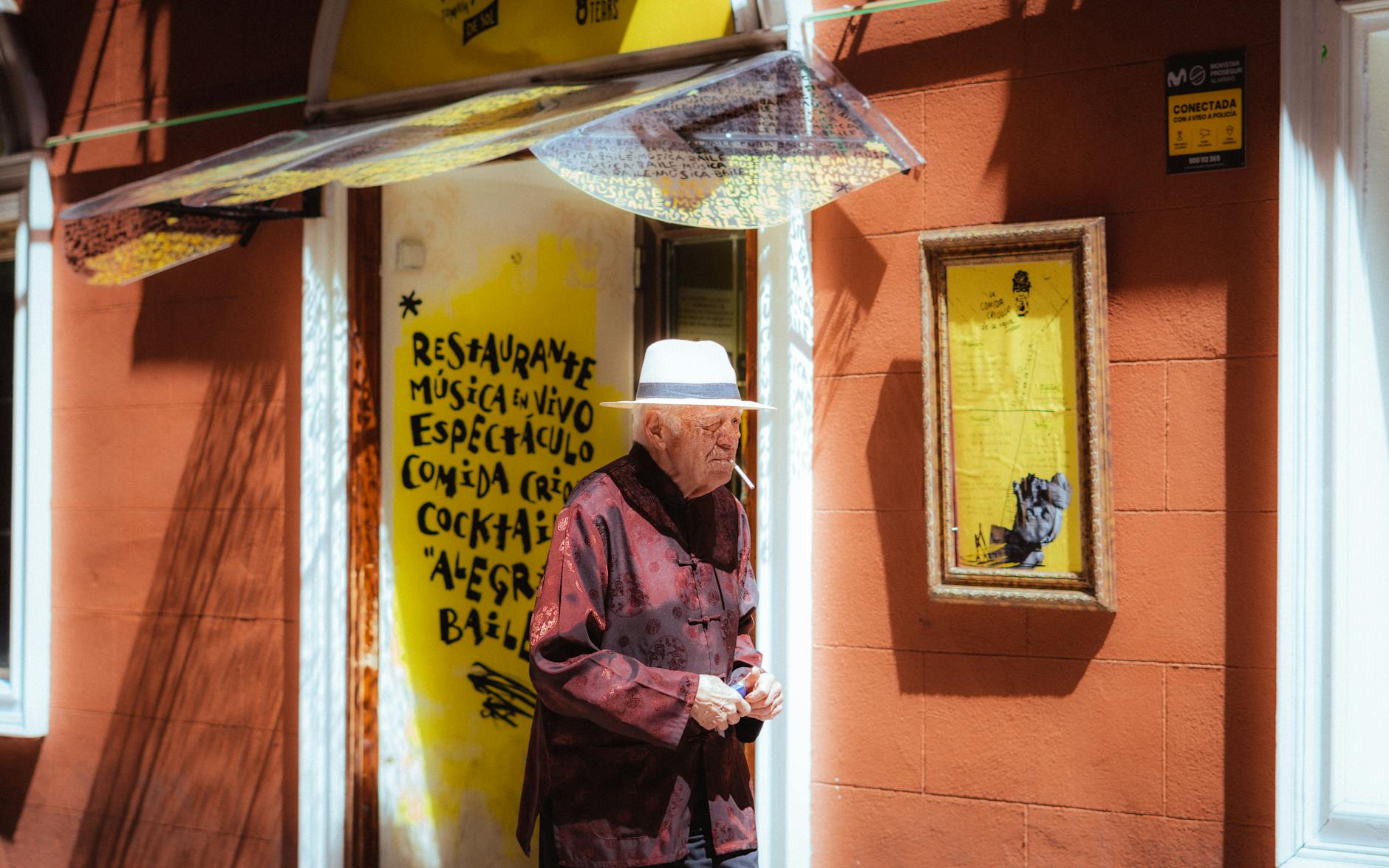
Best Things to Do
Madrid’s best experiences fall into six categories: art, royal/history sights, food, neighborhoods, parks, and day trips. Do not try to rank them all in one universal list. The right priorities depend on your trip.
The Essential First-Timer List
If you have three days, prioritize:
- The Prado Museum.
- Retiro Park and Paseo del Prado.
- Royal Palace and old Austrias Madrid.
- Plaza Mayor and surrounding streets.
- Reina Sofía or Thyssen, depending on your art taste.
- Las Letras evening walk and tapas.
- Chueca/Salesas or Malasaña for contemporary Madrid.
- La Latina, ideally on Sunday if your trip allows.
- One excellent long lunch.
- A late-night walk along Gran Vía or through plazas.
Prado Museum
What it is: One of the world’s great art museums, especially strong in Spanish, Italian, and Flemish painting.
Why it matters: The Prado is not just a museum; it is one of the strongest reasons to visit Madrid. For many travelers, Velázquez, Goya, El Greco, Bosch, Rubens, Titian, and other masters are the emotional center of the trip.
Time needed: 2–3 hours for a first visit; 4+ hours for serious art lovers.
Book ahead: Yes, especially on busy dates. Current official Prado visitor information lists standard hours as Monday to Saturday 10 a.m.–8 p.m. and Sundays/holidays 10 a.m.–7 p.m., with general admission listed at €15.[11]
Best time: Opening, late afternoon, or a targeted visit with a plan.
Worth it? Absolutely. If you visit only one museum in Madrid, make it the Prado unless modern art matters more to you.
Common mistake: Trying to “do” the whole museum without priorities. Pick a route and let yourself miss things.
Reina Sofía Museum
What it is: Spain’s major modern and contemporary art museum, best known to many visitors as the home of Picasso’s Guernica.
Why it matters: The Reina Sofía gives Madrid’s art story a 20th-century shock after the Prado’s royal and religious worlds.
Time needed: 90 minutes for Guernica and core works; 2–3 hours for a fuller visit.
Book ahead: Useful. Official visitor information lists general admission at €12 and notes Tuesday closure patterns for the main site, with usual opening hours from 10 a.m. to 9 p.m. except Tuesdays and shorter Sunday hours.[12]
Best time: Morning for quieter galleries; late free-entry periods can be crowded.
Worth it? Essential for modern-art travelers and anyone interested in Spain’s 20th century. Less essential if you only want Old Masters.
Thyssen-Bornemisza National Museum
What it is: A broad, accessible collection that bridges gaps between the Prado and Reina Sofía.
Why it matters: The Thyssen is one of Madrid’s easiest major museums to enjoy because its collection spans centuries and styles in a manageable way.
Time needed: 90 minutes to 2.5 hours.
Book ahead: Recommended on busy days or for temporary exhibitions. Official hours and prices vary by season and day; the museum lists a general collection/exhibitions ticket and specific free windows.[13]
Best for: Travelers who want a wide art survey without the density of the Prado.
Worth it? Very. Especially if you have 3+ days or want a second major museum.
Royal Palace of Madrid
What it is: A vast royal palace and ceremonial state residence, no longer the everyday home of Spain’s royal family.
Why it matters: It gives Madrid’s imperial and Bourbon grandeur physical scale. It is also one of the city’s clearest “capital city” sights.
Time needed: 60–90 minutes for the main visit.
Book ahead: Yes. Patrimonio Nacional notes limited capacity and recommends buying tickets online in advance; official ticketing lists winter and summer opening schedules.[14][15]
Best time: Morning or late afternoon, avoiding peak groups.
Worth it? Yes for first-timers, history lovers, architecture fans, and anyone staying nearby.
Pair it with: Almudena Cathedral, Plaza de Oriente, Austrias, Plaza Mayor, or a sunset at Templo de Debod.
Plaza Mayor and Old Madrid
What it is: Madrid’s grand arcaded square and surrounding historic streets.
Why it matters: It is the easiest entry point into the old Habsburg city and a classic first-day orientation stop.
Time needed: 20 minutes for the square; 2–3 hours for a proper Austrias walk.
Worth it? Yes, but do not make it your whole Madrid.
Better alternative for eating: Walk a few streets away for better value and atmosphere.
Retiro Park
What it is: Madrid’s great central park, with gardens, promenades, the lake, the Crystal Palace, fountains, and a relief valve from the city.
Why it matters: Retiro is not just green space. It is part of Madrid’s daily life and the UNESCO-recognized Landscape of Light around Paseo del Prado and Buen Retiro.[16]
Time needed: 60–90 minutes for a walk; half a day if you combine it with museums and slow time.
Best time: Morning or late afternoon.
Worth it? Essential.
The move: Visit the Prado or Thyssen in the morning, then use Retiro as your decompression chamber.
Gran Vía
What it is: Madrid’s theatrical, commercial, big-city boulevard.
Why it matters: It shows Madrid as a modern capital: shops, theaters, rooftops, cinemas, hotels, traffic, and lights.
Time needed: 30–60 minutes as a walk; longer if shopping or seeing a show.
Best time: Dusk and evening.
Worth it? Yes as a walk, not necessarily as a dining destination.
Mercado de San Miguel
What it is: A polished, historic market hall near Plaza Mayor, now primarily a gourmet grazing space.
Why it matters: It is convenient, photogenic, and easy for first-timers, though not the most local-feeling market in Madrid. Madrid tourism notes it welcomes millions of visitors and has stands offering Spanish products and tapas.[17]
Time needed: 30–60 minutes.
Worth it? Worth a look, especially on a first visit. Not the place to judge Madrid’s everyday market culture.
Better alternative: Mercado de la Paz, Vallehermoso, Antón Martín, or San Fernando depending on neighborhood and mood.
El Rastro
What it is: Madrid’s famous Sunday flea market around La Latina and Embajadores.
Why it matters: It is one of the city’s classic weekly rituals: browsing, crowds, antiques, clothes, oddities, and post-market tapas.
Time needed: 1–2 hours, plus lunch.
Best time: Go earlier rather than late.
Worth it? Yes if you are in town Sunday and like markets. Skip if you hate crowds.
First-timer mistake: Treating it only as shopping. The real experience includes the neighborhood energy before and after.
Templo de Debod
What it is: An ancient Egyptian temple reassembled in Madrid, set in a park west of Plaza de España.
Why it matters: It is one of the city’s best-known sunset spots and pairs well with the Royal Palace/Plaza de España area.
Time needed: 20–40 minutes.
Best time: Sunset, though crowds gather then.
Worth it? Worth it for the view and novelty, not as a standalone half-day.
Santiago Bernabéu Stadium Tour
What it is: The Real Madrid stadium and museum tour.
Why it matters: Football is part of Madrid’s global identity. The Bernabéu is more than a sports venue; it is a cultural institution.
Time needed: 90 minutes to 2 hours.
Book ahead: Yes. Real Madrid’s official tour page lists ticket types and notes that routes and times can vary due to events and match days.[22]
Worth it? Essential for football fans. Skippable for travelers with no sports interest and limited time.
Flamenco in Madrid
What it is: Madrid is not flamenco’s birthplace, but it is one of Spain’s major performance cities, with established tablaos and serious artists.
Why it matters: A good flamenco performance can be unforgettable. A tourist-trap dinner show can be mediocre.
Time needed: 60–90 minutes, plus dinner before or after.
Book ahead: Yes for reputable venues.
The move: Book the show for performance quality, not because it includes dinner. Eat separately unless the venue is known for both.
The Best Free Things to Do
- Walk Paseo del Prado and Retiro.
- See Plaza Mayor early or late.
- Explore Las Letras, Chueca, Malasaña, La Latina, and Austrias on foot.
- Watch sunset around Templo de Debod.
- Walk Gran Vía at night.
- Browse El Rastro on Sunday.
- Visit free museum windows, but expect crowds.
- Sit in plazas and pay attention to how Madrid socializes.
Rainy-Day Madrid
Madrid handles bad weather well because it has superb indoor culture.
Best rainy-day moves:
- Prado + long lunch.
- Reina Sofía + Antón Martín food stop.
- Thyssen + café/bar crawl in Las Letras.
- Royal Palace + old Madrid taverns.
- Shopping in Salamanca or Gran Vía.
- Theater, flamenco, cinema, or cocktail bars.
Madrid Itineraries
The best Madrid itineraries do not cram every famous place into a single route. They alternate density and release: museum, lunch, walk, neighborhood, dinner.
One Perfect Day in Madrid
Morning: Start at the Prado. Do a focused 2–3 hour visit rather than trying to see every room.
Lunch: Eat in Las Letras or around the museum corridor. Choose a real sit-down lunch, not a rushed sandwich unless you are intentionally saving time.
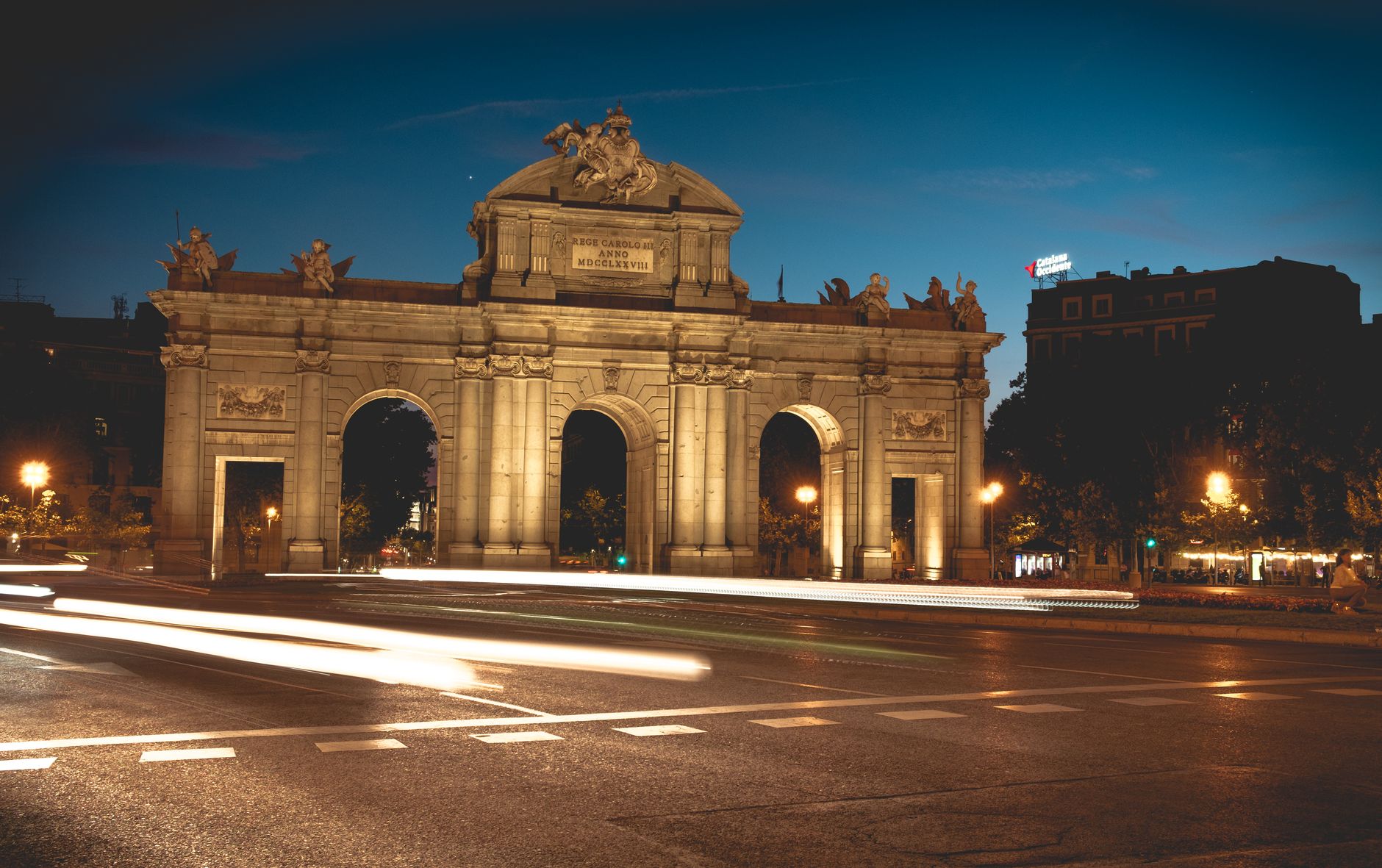
Afternoon: Walk Retiro Park, including the Crystal Palace if open. Continue toward Puerta de Alcalá and Cibeles.
Late afternoon: Walk west through Gran Vía or down toward Sol and Plaza Mayor.
Evening: Explore Austrias and La Latina. Have tapas around Cava Baja or a proper dinner nearby.
Night: Finish with a slow walk through Plaza Mayor, Sol, or Gran Vía lit up.
What to cut if tired: Gran Vía shopping. Keep Prado, Retiro, and dinner.
2 Days in Madrid
Day 1: Art, Park, and Literary Madrid
- Prado in the morning.
- Las Letras lunch.
- Retiro Park and Paseo del Prado in the afternoon.
- Thyssen if you want more art, or a slower Las Letras/Chueca walk if not.
- Dinner in Las Letras, Chueca, or Salesas.
Day 2: Royal Madrid and Neighborhood Life
- Royal Palace and Almudena Cathedral.
- Austrias walk: Plaza de Oriente, Plaza Mayor, Plaza de la Villa.
- Lunch near La Latina or Austrias, away from the most obvious tourist menus.
- Afternoon: Gran Vía, Plaza de España, and Templo de Debod.
- Evening tapas in La Latina or Malasaña.
3 Days in Madrid
Day 1: The Prado, Retiro, and Las Letras
This is the culture-and-light day. Keep it graceful. Do not add the Royal Palace.
Day 2: Royal Palace, Austrias, La Latina, and Gran Vía
This is the old-city day. Add Plaza Mayor, La Latina, and an evening walk.
Day 3: Reina Sofía, Chueca/Salesas, and Malasaña
Start with Guernica and modern art, then shift into contemporary Madrid. Eat around Chueca/Salesas or Chamberí. Finish in Malasaña if you want nightlife.
4 Days in Madrid
Add one of these:
- Deep art day: Thyssen, Sorolla Museum, Royal Collections Gallery.
- Food day: Markets, Chamberí, Ponzano, La Latina, and a reservation-worthy dinner.
- Modern city day: Madrid Río, Matadero, Lavapiés, Antón Martín.
- Elegant Madrid day: Salamanca shopping, Retiro, Salesas, cocktail bars.
- Football day: Bernabéu Tour plus Chamberí/Salamanca.
5 Days in Madrid
Use the fifth day for a major day trip:
- Toledo for medieval drama, religious history, and El Greco.
- Segovia for the Roman aqueduct, Alcázar, and old-town atmosphere.
- El Escorial for royal-monastic power and mountain air.
- Alcalá de Henares for Cervantes and a gentler university-town day.
- Aranjuez for palace gardens and river landscapes.
7 Days in Madrid
A strong week might look like:
- Prado, Retiro, Las Letras.
- Royal Palace, Austrias, La Latina.
- Reina Sofía, Lavapiés, Antón Martín.
- Toledo day trip.
- Chueca, Salesas, Salamanca, Thyssen.
- Segovia or El Escorial day trip.
- Chamberí, Sorolla Museum, Madrid Río, final dinner.
Itinerary Philosophy
- One major museum per day is enough for most travelers.
- Eat lunch seriously. Madrid rewards it.
- Do not schedule a full day trip the morning after a late-night arrival.
- Use free-entry museum windows carefully; they save money but cost calm.
- Make one dinner reservation for every two or three spontaneous nights.
- In summer, move the day later: early museum, long lunch, rest, late walk.
- In winter, use restaurants, museums, theaters, and cafés to your advantage.
Build-Your-Own Day Blocks
| Block | Best pairing |
|---|---|
| Prado morning | Retiro + Las Letras lunch |
| Royal Palace morning | Austrias + La Latina tapas |
| Reina Sofía morning | Lavapiés + Antón Martín market |
| Thyssen afternoon | Salesas/Chueca dinner |
| Retiro slow afternoon | Salamanca shopping or museum day |
| Sunday Rastro | La Latina lunch + nap + Gran Vía night |
| Football block | Bernabéu + Chamberí/Ponzano |
| Family block | Retiro + Madrid Río + early dinner |
| Rain block | Museum + long lunch + flamenco or theater |
| Heat block | Early activity + indoor lunch + rest + late tapas |
Food and Drink
Madrid is one of Europe’s great eating cities, but not because it has one single cuisine that dominates every table. Its power is as a capital: food from every region of Spain, classic Madrid taverns, serious markets, immigrant restaurants, contemporary tasting menus, neighborhood bars, and a drinking culture built around vermouth, beer, wine, and lingering.
The Food Thesis
Madrid eats socially. The most important unit of eating is not always the restaurant reservation; it is the bar, the counter, the terrace, the shared plate, the route, the second stop, the late lunch, the unplanned vermouth, and the group of people who turn “one drink” into two hours.
What to Eat in Madrid
| Dish / drink | What it is | How to approach it |
|---|---|---|
| Cocido madrileño | Hearty Madrid stew with chickpeas, meat, vegetables, and broth, often served in stages. | Best as a serious lunch, especially in cool weather. Do not schedule a major museum immediately after if you plan to eat heavily. |
| Bocadillo de calamares | Fried squid sandwich, famously associated with the Plaza Mayor area. | Fun as a quick old-Madrid snack. Not all versions are equal; seek a busy specialist. |
| Callos a la madrileña | Madrid-style tripe stew. | For adventurous eaters and traditional tavern fans. |
| Tortilla española | Potato omelet, from firm to creamy depending on style. | Eat at bars, markets, and taverns; simple but revealing. |
| Croquetas | Fried béchamel-based croquettes, often with ham, cod, mushroom, or other fillings. | A classic tapas order; good ones should be creamy inside, crisp outside. |
| Patatas bravas | Fried potatoes with spicy tomato/paprika-style sauce, sometimes with aioli. | A bar benchmark. Good bravas are worth hunting. |
| Huevos rotos | Fried potatoes topped with eggs, often with ham or chorizo. | Comfort food, best shared. |
| Jamón ibérico | Cured Iberian ham. | Worth paying for quality. Order by grade if you care; ask for recommendations. |
| Pimientos de Padrón | Small green peppers, usually fried and salted. | Most are mild, some surprise you. Good for sharing. |
| Bacalao | Salt cod, appearing in many forms. | Try at traditional bars or markets. |
| Churros con chocolate | Fried dough with thick hot chocolate. | Classic late-night or breakfast treat. Do not treat it as daily fuel unless you enjoy sugar crashes. |
| Vermut de grifo | Vermouth on tap. | One of Madrid’s great aperitivo pleasures. Order before lunch or early evening. |
| Caña | Small draft beer. | The correct casual bar move when you want something cold and quick. |
| Tinto de verano | Red wine with lemon soda or gaseosa. | Better summer refresher than sangria in many casual settings. |
How Madrid Eats
A visitor-friendly rhythm:
- Breakfast: Often simple: coffee, toast, pastry, tortilla, or churros if you are leaning in.
- Mid-morning: Coffee or snack.
- Lunch: The main meal for many. Great time for a menú del día or a serious sit-down meal.
- Aperitivo / vermouth: Late morning into early afternoon on weekends, or early evening.
- Dinner: Later than many visitors expect. Tourist areas serve earlier; local energy builds later.
- Late night: Bars, casual snacks, churros, and drinks.
Food Neighborhoods
| Area | Best for |
|---|---|
| La Latina | Tapas crawls, Cava Baja, Sunday lunch, old Madrid atmosphere |
| Las Letras | Tapas, wine bars, literary streets, first-timer food nights |
| Chueca / Salesas | Modern restaurants, cocktails, LGBTQ+ nightlife, stylish dining |
| Chamberí / Ponzano | Busy bar-hopping, local restaurants, strong food scene |
| Lavapiés / Antón Martín | Multicultural food, markets, casual meals, value |
| Salamanca | Polished restaurants, classic bars, luxury dining |
| Austrias | Traditional taverns, palace/Plaza Mayor snacks, historic atmosphere |
| Retiro / Ibiza | Good restaurants near the park, especially for polished local dining |
Madrid tourism specifically highlights food and drink as a major part of the city, including tapas, markets, century-old taverns, Michelin-starred restaurants, rooftops, and flamenco settings.[18]
Markets
Mercado de San Miguel
Best for convenience, grazing, and first-timer sampling. It is beautiful and central, but very visitor-oriented.
Mercado de Antón Martín
Great for a more mixed market experience near Lavapiés, Las Letras, and Atocha.
Mercado de San Fernando
Good for Lavapiés energy, casual food, and a less polished feel.
Mercado de Vallehermoso
Excellent for food-focused travelers willing to go beyond the obvious center.
Mercado de la Paz
A polished Salamanca market that is useful if staying or shopping nearby.
Restaurant Strategy
Do this:
- Book at least one excellent lunch or dinner.
- Use tapas nights for flexibility.
- Eat lunch as your main meal at least once.
- Go one or two streets away from the major plaza if quality looks doubtful.
- Stand at the bar when appropriate; it is part of the culture.
- Order fewer things first, then continue if hungry.
- Learn basic phrases: una caña, un vermut, la cuenta, para compartir, sin prisa.
Avoid this:
- Choosing restaurants with giant photo menus beside major attractions.
- Eating every meal at Mercado de San Miguel.
- Treating sangria as the default local drink.
- Expecting dinner at 6 p.m. to feel local.
- Assuming a famous old restaurant is automatically the best version of a dish.
- Overbooking tasting menus and leaving no room for bars.
Drinks and Nightlife
Madrid nightlife has many layers:
- Vermouth bars: Best before lunch or early evening.
- Tapas bars: La Latina, Las Letras, Chamberí, Chueca, Salamanca.
- Cocktail bars: Chueca, Salesas, Gran Vía rooftops, Salamanca.
- Traditional taverns: Austrias, La Latina, Las Letras.
- Clubs and late bars: Malasaña, Chueca, Sol/Gran Vía, and specific destination venues.
- Flamenco: Book reputable tablaos; prioritize performance quality.
- Theater/musicals: Gran Vía is the obvious zone.
The Move
On your first night, do not chase “the best restaurant in Madrid.” Walk through Las Letras or La Latina, choose two or three promising bars, order one or two things in each, and learn the city through the counter.
Getting Around
Madrid is one of Europe’s easier big capitals to navigate. The Metro is extensive, buses are useful, taxis are regulated, and walking is excellent in central districts. The main challenge is not transportation quality; it is choosing the right mode for the time of day, weather, luggage, and neighborhood.
Airport to City Center
Adolfo Suárez Madrid-Barajas Airport is well connected. The best route depends on your terminal, luggage, hotel area, and arrival time.
| Option | Best for | Notes |
|---|---|---|
| Metro Line 8 | Travelers staying near a good metro connection, light luggage, daytime arrivals | Line 8 links the airport with Nuevos Ministerios. You will usually transfer for Sol, Gran Vía, Las Letras, or Salamanca. Metro generally runs 6 a.m.–1:30 a.m.[5] |
| Cercanías train from T4 | Atocha, Chamartín, Nuevos Ministerios, Príncipe Pío, rail connections | Renfe’s Cercanías lines include airport T4 service; Aena notes two suburban train lines connect T4 with the city center.[6][10] |
| Airport Express bus | Late arrivals, Cibeles/Atocha-area access, travelers avoiding metro transfers | The Airport Express is especially useful when the Metro is closed or when Cibeles/Atocha works for your destination. Official Madrid tourism lists the fare as €5.10.[8] |
| Taxi | Families, heavy luggage, late arrivals, door-to-door convenience | Fixed fare of €33 between the airport and destinations inside the M-30 ring road, per official Madrid tourism taxi information.[9] |
| Rideshare/private transfer | App users, groups, travelers wanting pre-booking | Compare price with taxi; use official pickup points. |
Public Transportation Basics
Madrid transit is strong enough that most visitors do not need a car.
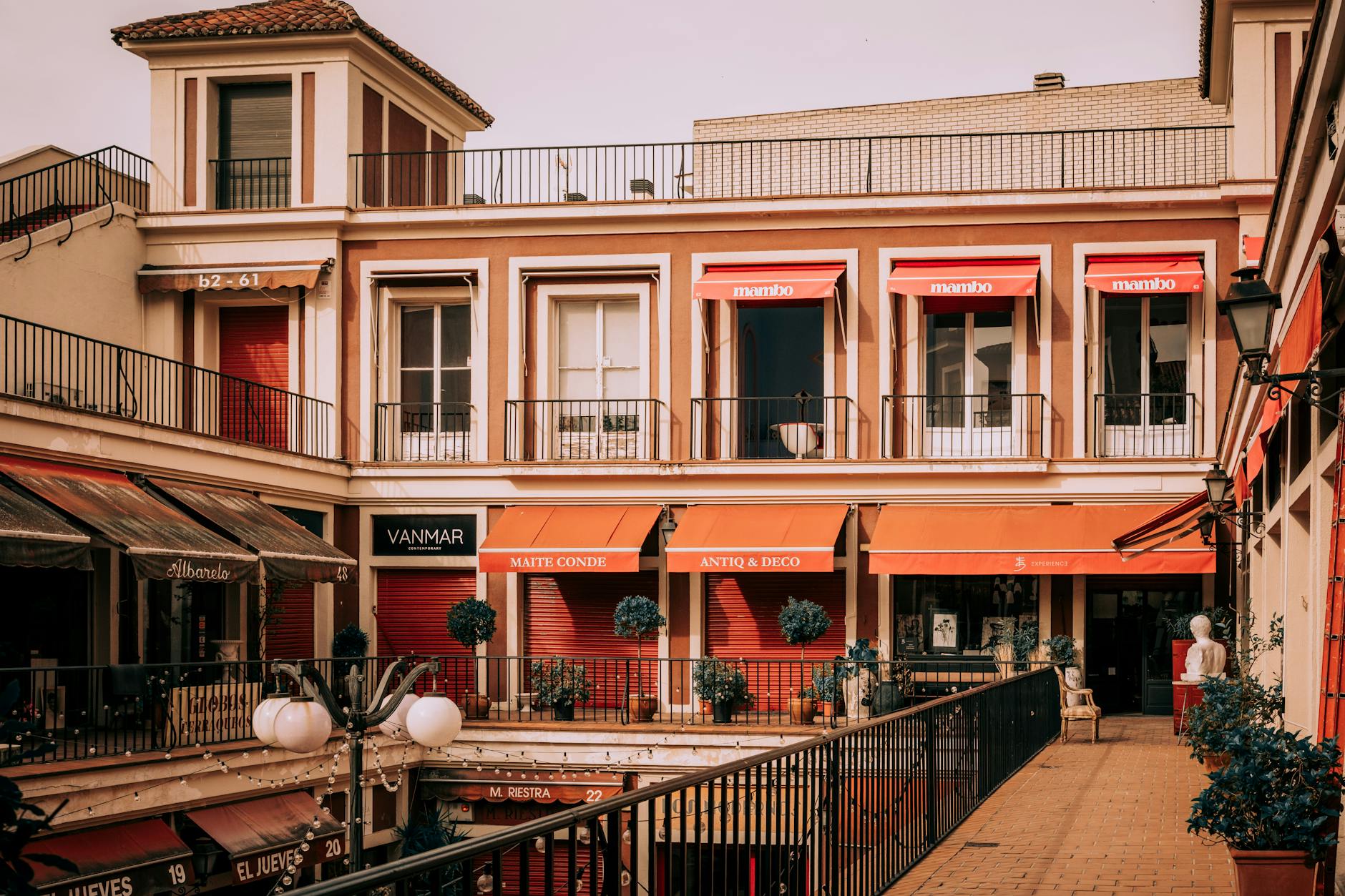
Metro: Fast, frequent, and usually the best way to cross the city. Buy or load tickets on a Multi card or use relevant passes. Check live service because works and closures can affect specific lines.
Buses: Useful for routes the metro does not handle well, and better for seeing the city. Airport Express and night buses are particularly useful.
Cercanías: Commuter rail is excellent for certain airport, station, and regional routes.
Tourist Travel Pass: Useful if you will ride transit frequently, especially because Zone A includes the airport supplement. Current official listed Zone A adult prices are €10 for 1 day, €17 for 2 days, €22.50 for 3 days, €27 for 4 days, €32.50 for 5 days, and €42 for 7 days; Zone T costs more and covers broader regional transport but not high-speed/Avant trains.[4]
Walking
Madrid is very walkable in the center, but it is not tiny. Distances can add up:
- Sol to Prado: manageable walk.
- Prado to Royal Palace: long but pleasant if you like walking.
- La Latina to Salamanca: better by transit unless you want a big walk.
- Retiro to Malasaña: doable but not trivial.
- Bernabéu from the center: use metro/taxi, not a casual walk.
Footwear matters. Madrid is easier underfoot than Rome, but you will still walk far more than expected.
Taxis and Rideshare
Official taxis are generally reliable. Use taxi ranks at the airport; Aena warns travelers to use signed taxi ranks and avoid people offering taxi services inside terminals.[7]
Use taxis for:
- Late nights.
- Heavy luggage.
- Summer heat.
- Families.
- Trips between neighborhoods that require awkward transfers.
- Airport transfers if convenience matters more than saving money.
Biking and Scooters
Madrid has bicimad, a public electric bike-sharing system used by locals and visitors. Madrid tourism describes it as a fun, simple, sustainable way to get around, with thousands of electric bikes and hundreds of docking stations across the city’s districts.[21]
Biking is best for:
- Retiro edges.
- Madrid Río.
- Casa de Campo.
- Confident urban cyclists.
It is less ideal for:
- Nervous riders.
- Heavy traffic corridors.
- Hot midday summer rides.
- Cobblestoned or crowded old-center streets.
Renting a Car
Do not rent a car for Madrid itself. Parking, traffic, restricted zones, and urban driving create more trouble than value. A car can make sense for countryside routes, remote towns, or multi-day regional exploration, but not for a standard city visit.
The Move
Use walking for neighborhoods, metro for cross-city moves, taxi for late nights or luggage, and trains for day trips. That combination beats almost every rental-car plan.
Budget and Costs
Madrid is not cheap, but it is often better value than Paris, London, Amsterdam, or Rome for food, transit, and some lodging categories. The biggest variables are hotel season, restaurant choices, museum load, nightlife, and day trips.
Daily Budget Ranges
These are sample planning ranges, not live prices.
| Traveler style | Daily budget excluding flights |
|---|---|
| Shoestring | €60–€100: hostel bed, bakery/market meals, free sights, careful transit |
| Budget | €100–€170: simple hotel/guesthouse, casual meals, some museums, public transit |
| Mid-range | €170–€300: comfortable hotel, good lunches/dinners, museums, occasional taxi |
| Comfortable | €300–€500: better hotel area, several reservations, taxis, shows, day trips |
| Luxury | €500+: top hotels, fine dining, private guides, premium tickets, taxis/transfers |
Typical Cost Categories
| Item | Planning range |
|---|---|
| Coffee/pastry breakfast | €3–€8 |
| Casual lunch | €12–€25 |
| Menú del día | €12–€20+ depending on area |
| Tapas crawl | €20–€45 per person depending on appetite/drinks |
| Good dinner | €30–€70+ per person |
| Fine dining | €100+ per person, much more at top tasting-menu restaurants |
| Metro/bus single ride | Usually low-cost; check current ticket type and zone |
| Tourist Travel Pass Zone A | €10–€42 depending on days, based on current official listing[4] |
| Prado general admission | Official visitor page lists €15 general admission[11] |
| Reina Sofía general admission | Official visitor page lists €12 general admission[12] |
| Thyssen general ticket | Check official schedule/prices; current official page lists collection/exhibition ticketing and free windows[13] |
| Airport Express bus | €5.10 per official Madrid tourism listing[8] |
| Airport taxi inside M-30 | €33 fixed fare per official Madrid tourism taxi page[9] |
Best Value Moves
- Stay in Las Letras, Atocha edge, Chamberí, Argüelles, or Lavapiés instead of the most obvious luxury zones.
- Eat lunch as your main meal.
- Use markets for one casual meal, not every meal.
- Use free museum windows only when you can tolerate lines and crowds.
- Buy the Tourist Travel Pass only if you will use transit enough; do the math.
- Book high-speed trains early for popular day trips.
- Use the Metro from the airport if you have light luggage and a reasonable route.
- Spend on one great meal instead of several average ones near major attractions.
Splurge-Worthy
- A well-located hotel if you are staying only three nights.
- A private or small-group Prado guide if you are not confident with art history.
- A serious lunch reservation.
- A high-quality flamenco show.
- Good seats for theater, football, or a concert.
- A taxi from the airport if arriving late with luggage.
Usually Not Worth It
- A rental car for the city.
- Overpriced restaurants directly on the busiest plaza frontage.
- Generic hop-on/hop-off bus as your main way to understand Madrid, unless mobility or time constraints make it useful.
- Doing Toledo and Segovia in one rushed day if you can give either one proper time.
- Paying for “skip the line” products without checking whether the official timed ticket would do the job.
Safety, Health, and Scams
Madrid is generally a safe big city for visitors, but it is still a busy European capital. The main visitor risks are pickpocketing, bag theft, taxi/transport confusion, nightlife overindulgence, heat, and ordinary urban awareness.
General Safety
Use normal big-city judgment:
- Watch bags in Sol, Gran Vía, Plaza Mayor, metro stations, crowded trains, markets, and busy terraces.
- Keep phones off outdoor tables.
- Use zipped bags or crossbody bags in crowds.
- Be alert around El Rastro, major museums, and airport/rail stations.
- At night, use well-lit routes or taxis if tired or intoxicated.
- Avoid leaving valuables in rental cars.
Madrid tourism describes the city as very safe but notes visitors should be aware of laws and illegal practices.[3]
Common Scams and Annoyances
| Situation | What it looks like | What to do |
|---|---|---|
| Pickpocketing | Crowded metro, tourist squares, distraction bumps | Keep valuables secure; do not keep wallet/phone in back pocket. |
| Bag theft at cafés | Bag on chair/back of seat disappears | Keep bag on lap, between feet, or attached. |
| Unofficial airport taxi offers | Someone approaches inside terminal | Use official taxi rank; Aena explicitly advises avoiding people offering taxi services inside terminals.[7] |
| Restaurant overcharging | Surprise bread/cover charges, unclear menus | Check menu, ask if extras cost, review bill. |
| Ticket reseller confusion | Third-party tickets at high markup | Check official museum/palace site first. |
| Nightlife pressure | Promoters offering deals, inflated drink prices | Choose reputable bars/clubs and check prices before ordering. |
Health Practicalities
- Tap water: Safe to drink.[3]
- Heat: Summer is the biggest health issue for many visitors. Hydrate, avoid exposed midday walking, and use museums/siesta wisely.
- Pharmacies: Common; look for green cross signs.
- Emergency: 112.
- Travel insurance: Recommended for non-EU visitors.
- Air quality: Can vary; sensitive travelers should check conditions during pollution episodes.
- Food safety: Generally good. The bigger problem is overdoing rich food and late nights.
Solo Travelers
Madrid is excellent for solo travelers because bars, cafés, museums, and plazas are easy to use alone. Solo dining is common enough in casual settings, and counter eating helps.
Solo Women Travelers
Madrid is generally comfortable for solo women travelers, but usual nightlife and late-night precautions apply. Use taxis or rideshare when tired, watch drinks, and choose lodging with good access to transit or busy streets.
LGBTQ+ Travelers
Madrid is one of Europe’s major LGBTQ+-friendly cities, with Chueca as the historic and social center. Pride season is especially lively and busy. As always, the city is not uniform block by block, but LGBTQ+ travelers generally find Madrid welcoming and visible.
Accessibility and Mobility
Madrid is more accessible than many older European cities, but it is not effortless. The center has uneven pavement, older buildings, metro stations with varying accessibility, crowded streets, and some hills around the Royal Palace/La Latina/old town. Retiro, Salamanca, Paseo del Arte, and parts of Gran Vía are easier than steep older lanes.
Best Areas for Mobility-Conscious Travelers
- Paseo del Arte / Retiro: Broad boulevards, museum access, park paths, calmer feel.
- Salamanca / Recoletos: Wider streets, better hotel infrastructure, smoother surfaces.
- Gran Vía / Plaza de España: Central and transit-rich, though crowded.
- Atocha / Retiro edge: Good for train access and museums, but check exact hotel location.
More Difficult Areas
- La Latina’s older streets and slopes.
- Austrias side streets with cobbles and tourist crowding.
- Some Lavapiés streets with slopes and uneven surfaces.
- Metro stations without convenient elevators, depending on route.
Museums and Attractions
Major museums such as Prado, Reina Sofía, and Thyssen generally provide accessibility information and services, but visitors should check each site’s current accessibility page and entrance instructions before arrival. The Royal Palace also provides accessibility information through Patrimonio Nacional.
Strollers
Madrid is manageable with strollers, especially in Retiro, Salamanca, Paseo del Arte, and Madrid Río. The old center can be slower because of crowds, cobbles, and steps. Use taxis strategically.
The Move
For travelers with mobility concerns, choose lodging near Paseo del Arte, Retiro, Recoletos, or Salamanca rather than a romantic but cobbled old-town lane. The charming street is less charming when every exit is a physical negotiation.
Families, Solo Travelers, and Special Considerations
Madrid with Kids
Madrid is a strong family city if you pace it well. It has parks, plazas, museums, football, markets, family-friendly restaurants, and good transit. The main risks are heat, late meal timing, museum overload, and trying to make children appreciate three art museums in a row.
Best family areas: Retiro, Salamanca, Las Letras on a quiet street, Chamberí, Madrid Río.
Best family activities:
- Retiro Park.
- Madrid Río playgrounds and riverside paths.
- Royal Palace, if kids enjoy scale and ceremony.
- Prado highlights with a kid-focused route.
- Reina Sofía for older kids/teens interested in modern history and art.
- Bernabéu Tour for football fans.
- Casa de Campo, zoo/amusement options, or cable car when operating and relevant.
- Churros con chocolate as a treat.
What to avoid with kids:
- Too many museums in one day.
- Late-night-only dinner plans.
- Long, exposed summer walks.
- Crowded El Rastro with strollers at peak time.
- Hotels directly over nightlife streets.
Madrid for Couples
Best couple-friendly moves:
- Stay in Las Letras, Salesas, Austrias, or Salamanca/Retiro.
- Prado + long lunch + Retiro.
- Sunset at Templo de Debod.
- Wine/tapas crawl in Las Letras or La Latina.
- Cocktail night in Salesas or Chueca.
- Slow day trip to Toledo or Segovia.
Madrid romance is not soft-focus canals; it is late dinners, plazas, art, and feeling like the city gives you permission to linger.
Madrid for Solo Travelers
Madrid is one of Europe’s better solo-city destinations. You can fill days with museums and walking, then use bars and counters at night without feeling stranded.
Solo-friendly areas: Las Letras, Chueca, Malasaña, Chamberí, Retiro, Salamanca.
Solo-friendly activities:
- Museum mornings.
- Counter tapas.
- Market lunches.
- Walking routes.
- Flamenco or theater.
- Group food tours or Prado tours.
Madrid for Older Travelers
Pick a comfortable base with elevators, taxi access, and calmer streets. Salamanca, Retiro, Paseo del Arte, Recoletos, and quieter Las Letras are strong choices. Avoid overpacking days, especially in summer.
Madrid for Remote Workers / Longer Stays
Madrid is excellent for longer stays because it has big-city services, cafés, coworking, transit, parks, nightlife, and weekend trips. Chamberí, Retiro, Salamanca, Argüelles, and parts of Lavapiés/Antón Martín are good depending on budget and personality.
Shopping and Souvenirs
Madrid is a serious shopping city. The trick is avoiding generic souvenirs and using neighborhoods properly.
Best Shopping Areas
| Area | Best for |
|---|---|
| Salamanca / Serrano | Luxury brands, Spanish designers, polished boutiques |
| Salesas / Justicia | Independent boutiques, design, fashion, gifts, cafés |
| Gran Vía / Fuencarral | Mainstream fashion, chains, youth shopping, central convenience |
| Las Letras | Small shops, books, design, gifts, antiques in pockets |
| Malasaña | Vintage, streetwear, records, independent shops |
| El Rastro / La Latina | Flea market finds, antiques, oddities, browsing |
| Austrias | Traditional shops, tourist gifts, old Madrid specialties |
Madrid tourism has a dedicated shopping guide that highlights Salamanca, Barrio de las Letras, Gran Vía, and other shopping areas.[19]
What to Buy
Good Madrid/Spain souvenirs:
- Quality olive oil.
- Spanish wine, vermouth, or sherry if customs allow.
- Conservas: tinned seafood from reputable shops.
- Saffron, paprika, or spices.
- Leather goods.
- Ceramics from Spanish regions.
- Espadrilles or Spanish shoes.
- Books, prints, museum-shop gifts.
- Fans, but seek quality rather than mass-produced versions.
- Real Madrid or Atlético Madrid merchandise for football fans.
- Gourmet food gifts from markets or specialist shops.
What Not to Buy
- Low-quality “I love Madrid” trinkets if you want something meaningful.
- Fake designer goods.
- Food items you cannot legally bring home.
- Cheap saffron without checking quality.
- Anything sold as “handmade” without evidence in tourist-heavy shops.
The Move
Use museum shops seriously. Prado, Reina Sofía, Thyssen, and cultural institutions often sell better, more portable, more tasteful souvenirs than standard tourist stores.
Arts, Culture, History, and Context
Madrid’s history is unusual because it was not always the obvious capital. Compared with Rome, Paris, Athens, or Istanbul, it does not overwhelm you with ancient ruins or medieval layers at every corner. Its rise is tied to monarchy, empire, centralization, bureaucracy, art collecting, and the decision to make it Spain’s political heart.
Short History for Travelers
Madrid began as a fortified settlement with Islamic-era roots, then grew into a Castilian town. Its decisive transformation came in the 16th century when Philip II made it the seat of the court. From there, Madrid developed as the political center of the Spanish monarchy and empire.
The Habsburg city around Plaza Mayor and Austrias still carries that early capital atmosphere. Later Bourbon rulers reshaped Madrid through grand avenues, museums, scientific institutions, and Enlightenment urban projects. This is part of why the Paseo del Prado and Retiro area matters: it is not merely a pretty boulevard and park; it represents a vision of urban culture, science, and public life that UNESCO now recognizes.[16]
Modern Madrid was also marked by war, dictatorship, and democratic transformation. The Spanish Civil War and Franco era shaped the city profoundly. After Franco’s death, Madrid became a center of cultural explosion, nightlife, music, film, and self-expression, especially through the Movida Madrileña of the late 1970s and 1980s. Malasaña’s identity still leans on that memory.
Today, Madrid is both deeply Spanish and increasingly global: a city of Latin American, European, African, and Asian influences; a financial and political capital; a football city; a museum city; and a place dealing with familiar pressures around housing, tourism, climate, development, and neighborhood change.
The Big Museums, by Interest
| Interest | Best museum |
|---|---|
| Spanish Old Masters | Prado |
| Velázquez / Goya / El Greco | Prado |
| Picasso / Guernica / modern Spain | Reina Sofía |
| Broad European art survey | Thyssen-Bornemisza |
| Royal history and monarchy | Royal Palace, Royal Collections Gallery |
| Intimate artist house | Sorolla Museum |
| Contemporary culture | Matadero Madrid, CaixaForum, Reina Sofía programming |
| Naval/imperial history | Naval Museum |
| Decorative arts/design | National Museum of Decorative Arts, selected foundations |
| Families and science | Science-oriented venues and temporary exhibitions; check current programming |
Books, Films, and Music to Prepare
This section should be expanded in a guide with specific recommendations and local contributors. For a sample structure, include:
Books:
- A concise history of Spain.
- A book on the Spanish Civil War.
- A guide to Velázquez, Goya, or Spanish painting.
- Contemporary Madrid novels or essays in translation.
Films:
- Pedro Almodóvar films for modern Madrid’s mood, color, and social transformations.
- Spanish Civil War documentaries or films for historical context.
- Contemporary Spanish cinema set in Madrid.
Music:
- Flamenco, but also Madrid’s rock/pop history, Movida references, contemporary Spanish pop, and Latin music scenes.
Etiquette and Cultural Norms
- Say hola when entering small shops and bars.
- Do not expect dinner culture to revolve around early evening.
- In bars, ordering one drink and a small plate is normal; lingering is normal if the place is not slammed.
- Do not block sidewalks or bar counters while deciding.
- In markets, be mindful of locals actually shopping.
- In churches, dress and behave respectfully.
- Keep voices down late near residential streets, even if the city feels awake.
- Tipping is appreciated but not mandatory.
- Do not assume all Spanish regions, languages, politics, and identities are the same.
Seasonal and Month-by-Month Guide
Madrid’s seasons change the practical trip more than the city’s marketing suggests. The same itinerary that feels elegant in October can be exhausting in July.
Spring Planning Notes
Pack: Light jacket, comfortable shoes, sunglasses, umbrella, layers.
Book: Hotels, Prado/Royal Palace, good restaurants, Easter/San Isidro-related plans.
Best experiences: Retiro, terraces, day trips, walking neighborhoods, museums without winter gloom.
Watch for: Holiday crowds and price spikes.
Summer Planning Notes
Pack: Breathable clothes, strong sun protection, refillable bottle, hat, sandals plus real walking shoes.
Book: Air-conditioned lodging, popular restaurants, museums for midday, train tickets.
Best experiences: Night walks, rooftop drinks, museums, shaded lunches, late tapas, Retiro early/late.
Watch for: Heat, dehydration, August closures, overambitious day trips.
Fall Planning Notes
Pack: Layers, light jacket, comfortable shoes, compact umbrella.
Book: Hotels for October, restaurants, museum times, day-trip trains.
Best experiences: Almost everything. Fall is ideal for first-timers.
Watch for: Conference periods, rain, shorter days by November.
Winter Planning Notes
Pack: Warm coat, scarf, comfortable waterproof shoes, layers.
Book: Holiday restaurants, Christmas/New Year activities, museums on holiday weekends.
Best experiences: Prado, Reina Sofía, Thyssen, cocido, taverns, Christmas lights, theater, shopping.
Watch for: Cold nights and holiday closures.
Key Annual Rhythms
- January: New Year and Three Kings traditions; quieter after holidays.
- May: San Isidro, Madrid’s patron-saint festivities, brings local celebrations.
- Summer: Heat reshapes the day; outdoor evening life is strong.
- Autumn: Cultural season returns; excellent for museums and restaurants.
- December: Lights, shopping, festive atmosphere, holiday crowds.
Day Trips from Madrid
Madrid is one of the best day-trip cities in Europe. The danger is doing too many. One excellent day trip is better than three rushed ones.
Madrid’s official tourism site lists a range of UNESCO World Heritage day-trip options including Alcalá de Henares, Aranjuez, San Lorenzo de El Escorial, Toledo, Segovia, Ávila, Salamanca, and Cuenca.[20]
Day Trip Ranking
| Best for | Destination |
|---|---|
| Best overall first day trip | Toledo |
| Best postcard drama | Segovia |
| Best royal/monastic history | El Escorial |
| Best gentle university-town day | Alcalá de Henares |
| Best palace gardens | Aranjuez |
| Best medieval walls | Ávila |
| Best nature escape | Sierra de Guadarrama / Manzanares el Real |
| Best if you love Cervantes | Alcalá de Henares |
| Best if you love aqueducts/castles | Segovia |
| Best if you love El Greco/religious history | Toledo |
Toledo
What it is: A hilltop historic city with Christian, Jewish, and Muslim heritage, cathedral grandeur, El Greco, and dense medieval streets.
Travel time: Fast train can be very quick from Madrid, but book ahead and check current schedules.
Best for: first-timers, history, architecture, religious heritage, dramatic views.
Not ideal for: travelers with serious mobility concerns; Toledo is hilly and cobbled.
How long: Full day.
Common mistake: Treating Toledo as a quick half-day photo stop. It deserves time.
Segovia
What it is: A Castilian city famous for its Roman aqueduct, fairy-tale-like Alcázar, cathedral, and old-town streets.
Best for: architecture, families, photographers, history, food.
How long: Full day or long half-day if efficient.
Common mistake: Visiting only the aqueduct and leaving too soon.
El Escorial
What it is: A monumental royal monastery-palace complex associated with Philip II and the Spanish monarchy.
Best for: history, royal power, architecture, cooler mountain-town air, serious cultural travelers.
How long: Half to full day.
Common mistake: Underestimating how austere and intense the site feels. It is not a light palace fantasy.
Alcalá de Henares
What it is: A historic university city and birthplace of Miguel de Cervantes.
Best for: literature, gentle walking, a less intense day, families, repeat visitors.
How long: Half to full day.
Common mistake: Skipping it because Toledo and Segovia are more famous. Alcalá is less dramatic but very rewarding.
Aranjuez
What it is: A royal town known for its palace, gardens, river setting, and cultivated landscape.
Best for: gardens, spring/fall, palace fans, slower travelers.
How long: Half to full day.
Common mistake: Going at the wrong season or without checking palace/garden conditions.
Ávila
What it is: A walled medieval city with religious history and a strong old-Castile atmosphere.
Best for: medieval walls, history, photography, pairing with Segovia only if you accept a long day.
How long: Full day; can be combined with Segovia on tours, but that makes a rushed day.
The Move
For a first Madrid trip of five days, choose Toledo or Segovia, not both unless you are comfortable sacrificing a deeper Madrid day. Madrid itself is not filler between day trips.
What to Skip
A trustworthy city guide has to help readers not waste time.
Skip or Deprioritize If Short on Time
| Skip / deprioritize | Better choice |
|---|---|
| Doing all three major art museums in one day | Prado one day, Reina Sofía or Thyssen another day |
| Eating every meal near Plaza Mayor/Sol | Las Letras, La Latina, Chamberí, Chueca, Retiro/Ibiza |
| A rental car in Madrid | Metro, walking, taxis, trains |
| A rushed Toledo + Segovia combo | Choose one and do it well |
| Gran Vía as your only impression of Madrid | Walk into Chueca, Salesas, Malasaña, or Las Letras |
| Mercado de San Miguel as your only market | Add Antón Martín, San Fernando, Vallehermoso, or La Paz |
| Free museum hours if you hate crowds | Pay for a calmer timed visit |
| Midday summer palace/old-town wandering | Morning sightseeing, long lunch, indoor afternoon, late walk |
| Generic paella menus in tourist zones | Madrid tapas, cocido, regional Spanish restaurants, or a specialist rice restaurant |
| Late-night nightlife on your first jet-lagged night | Gentle tapas and sleep; save the late night for day two or three |
Not Bad, Just Context-Dependent
- Hop-on/hop-off buses: Useful for mobility constraints or fast orientation, but they do not replace walking neighborhoods.
- San Miguel Market: Worth seeing, but too tourist-oriented to define Madrid food.
- Bernabéu Tour: Excellent for football fans; expensive and nonessential otherwise.
- Templo de Debod: Nice sunset stop; not worth crossing the city for in bad weather.
- Shopping on Gran Vía: Practical, but Salesas, Salamanca, and Malasaña offer more character.
Common Mistakes
- Underestimating Madrid’s heat. July and August require a different itinerary.
- Thinking Madrid is only museums. The food, nightlife, neighborhoods, and day trips are not secondary.
- Thinking Madrid has no must-see sights because it lacks a Colosseum/Eiffel Tower. The Prado, Royal Palace, Retiro/Paseo del Prado, and old center are major anchors.
- Staying in Sol without considering noise. Convenient does not always mean pleasant.
- Overusing taxis in traffic when the Metro would be faster.
- Eating too early and then judging restaurants by empty rooms.
- Doing free museum hours without expecting lines.
- Trying to see Toledo and Madrid properly in the same day.
- Skipping reservations for popular restaurants.
- Assuming all tapas bars work the same way. Observe, ask, and keep orders small at first.
- Not checking museum closure days and special hours.
- Treating Retiro as a quick checkbox. It is one of Madrid’s great pleasures.
- Ignoring neighborhoods north and east of Gran Vía. Chueca, Salesas, Chamberí, and Salamanca matter.
- Not validating or loading the right transport ticket. Check zones and airport supplement rules.
- Planning day trips without checking which station the train uses. Madrid has multiple rail hubs.
Responsible Travel
Madrid is a large capital, not a fragile village, but responsible travel still matters.
Visit Better
- Stay in legal accommodation and be aware of housing pressure in central neighborhoods.
- Support local restaurants, markets, shops, and cultural venues beyond the most obvious tourist corridor.
- Respect residential streets late at night, especially in La Latina, Malasaña, Chueca, and Lavapiés.
- Use public transport and walking instead of unnecessary car travel.
- Bring a reusable water bottle; Madrid tap water is safe.
- Do not treat traditional markets as photo sets while blocking locals.
- Respect churches and religious sites as active places, not just décor.
- Tip fairly when service is good, even though tipping is not mandatory.
- Avoid exploitative tours or anything that turns vulnerable communities into spectacle.
Overtourism-Aware Moves
- Visit famous spots early or late.
- Eat in neighborhoods beyond Sol/Plaza Mayor.
- Choose one or two less obvious museums or cultural centers.
- Spend money outside the most crowded five blocks.
- Do not make every day trip a rushed extraction from nearby towns.
Packing List
Year-Round Essentials
- Comfortable walking shoes.
- Light day bag with secure closure.
- Phone charger and portable battery.
- European plug adapter.
- Refillable water bottle.
- Sunglasses.
- Small umbrella or light rain jacket in shoulder seasons.
- Copies of passport/travel documents.
- Medication and prescriptions.
- Smart-casual outfit for better restaurants.
Spring
- Layers.
- Light jacket.
- Umbrella.
- Comfortable shoes for wet pavement.
- Sunglasses.
Summer
- Breathable clothing.
- Hat.
- Strong sunscreen.
- Refillable bottle.
- Lightweight evening layer for air-conditioned spaces.
- Comfortable sandals plus proper walking shoes.
- Electrolytes if heat-sensitive.
Fall
- Layers.
- Light jacket or sweater.
- Compact umbrella.
- Comfortable shoes.
- Scarf by late fall.
Winter
- Warm coat.
- Sweaters/layers.
- Scarf and gloves.
- Comfortable closed shoes.
- Rain protection.
What Not to Pack
- A car-focused plan.
- Only dress shoes.
- Heavy luggage if staying in an older building without elevator confirmation.
- A summer itinerary that assumes you will happily walk in direct sun for six hours.
- Overly formal clothes unless you have specific restaurants/events.
FAQ
Is Madrid worth visiting?
Yes. Madrid is one of Europe’s great capitals for art, food, nightlife, public life, shopping, parks, and day trips. It is less instantly scenic than some Spanish cities, but deeper than many visitors expect.
How many days do I need in Madrid?
Three full days is the practical minimum for a satisfying first visit. Four days is ideal for Madrid itself. Five days lets you add a major day trip without rushing the city.
What is the best area to stay in Madrid for a first visit?
Las Letras/Paseo del Arte is the best all-around choice for many first-timers. Sol/Gran Vía is most convenient; Austrias/Opera is best for old Madrid; Chueca/Salesas is best for food/nightlife/style; Salamanca/Retiro is best for comfort and polish.
Is Madrid safe?
Madrid is generally safe for visitors, but pickpocketing and bag theft happen in crowded tourist and transit areas. Use normal big-city awareness, especially around Sol, Gran Vía, Plaza Mayor, markets, metro stations, and outdoor terraces.
Do I need a car in Madrid?
No. A car is a liability inside the city. Use metro, buses, walking, taxis, and trains. Rent a car only for specific regional countryside plans.
Is Madrid expensive?
Madrid is not cheap, but it is often better value than London, Paris, Amsterdam, or Rome. Hotels can be expensive in peak periods; food and transit can be good value if you choose well.
What should I book ahead?
Book the Prado, Royal Palace, Bernabéu Tour, popular restaurants, flamenco shows, and high-speed day-trip trains when timing matters. Also book lodging early for spring, fall, holidays, and major events.
What food is Madrid known for?
Cocido madrileño, bocadillo de calamares, callos, tortilla, croquetas, patatas bravas, churros con chocolate, vermouth, and a broad Spanish regional restaurant scene.
Is Madrid better than Barcelona?
They are different trips. Barcelona has the sea, Gaudí, and a distinct Catalan identity. Madrid has the Prado, royal/capital energy, late-night social life, inland Spanish food culture, and easier day trips into Castile. The better choice depends on what you want.
What is the best day trip from Madrid?
Toledo is the strongest first day trip for most visitors. Segovia is the best if you want aqueduct-and-castle drama. El Escorial is best for royal history. Alcalá de Henares and Aranjuez are gentler alternatives.
Can I visit Toledo and Segovia in one day?
You can on organized tours, but it is rushed. For a better trip, choose one and do it properly unless you have very limited time and accept the compromise.
Is Madrid good with kids?
Yes, especially if you use Retiro, Madrid Río, parks, football, markets, and shorter museum visits. The main challenges are heat, late meals, and overambitious sightseeing.
What should I skip in Madrid?
Skip rental cars, low-quality tourist-menu restaurants, cramming all major museums into one day, midday summer wandering, and treating Mercado de San Miguel as the whole food scene.
Source Notes
The following sources were checked while drafting this guide. Re-check all prices, schedules, closures, event dates, and entry rules close to publication.
- 1. Madrid official tourism, “Madrid Top 10”: https://www.esmadrid.com/en/madrid-top-10
- 2. Madrid official tourism, “Madrid Neighbourhoods”: https://www.esmadrid.com/en/madrid-neighbourhoods
- 3. Madrid official tourism, “Practical information”: https://www.esmadrid.com/en/practical-information
- 4. Madrid official tourism, “Tourist Travel Pass”: https://www.esmadrid.com/en/madrid-tourist-travel-pass
- 5. Madrid official tourism, “Getting around Madrid by Metro”: https://www.esmadrid.com/en/getting-around-madrid-metro
- 6. Aena, Adolfo Suárez Madrid-Barajas Airport: https://www.aena.es/en/adolfo-suarez-madrid-barajas.html
- 7. Aena, “How to get to Adolfo Suárez Madrid-Barajas Airport by taxi”: https://www.aena.es/en/adolfo-suarez-madrid-barajas/getting-there/taxi.html
- 8. Madrid official tourism, “Airport Express Shuttle”: https://www.esmadrid.com/en/airport-express-shuttle
- 9. Madrid official tourism, “Getting around Madrid by Taxi”: https://www.esmadrid.com/en/getting-around-madrid-taxi
- 10. Renfe, Cercanías Madrid lines: https://www.renfe.com/es/en/suburban/suburban-madrid/lines
- 11. Museo Nacional del Prado, “Opening times and prices”: https://www.museodelprado.es/en/visit/opening-times-and-prices
- 12. Museo Reina Sofía, “Visit” and “Opening times”: https://www.museoreinasofia.es/en/visit
- 13. Museo Nacional Thyssen-Bornemisza, “Opening hours and prices”: https://www.museothyssen.org/en/visit/opening-hours-prices
- 14. Patrimonio Nacional, “Royal Palace of Madrid”: https://www.patrimonionacional.es/en/visita/royal-palace-madrid
- 15. Patrimonio Nacional official tickets, “Royal Palace of Madrid”: https://tickets.patrimonionacional.es/en/tickets/palacio-real-de-madrid
- 16. UNESCO World Heritage Centre, “Paseo del Prado and Buen Retiro, a landscape of Arts and Sciences”: https://whc.unesco.org/en/list/1618/
- 17. Madrid official tourism, “San Miguel Market”: https://www.esmadrid.com/en/shopping/mercado-de-san-miguel
- 18. Madrid official tourism, “Food and Drink”: https://www.esmadrid.com/en/madrid-food-and-drink
- 19. Madrid official tourism, “The Best Areas for Shopping”: https://www.esmadrid.com/en/best-shopping-areas
- 20. Madrid official tourism, “Day Trips”: https://www.esmadrid.com/en/day-trips-madrid
- 21. Madrid official tourism, “bicimad”: https://www.esmadrid.com/en/bicimad
- 22. Real Madrid, “Individual Bernabéu Tour”: https://www.realmadrid.com/en-US/tour-bernabeu/individual
- 23. European Commission, “Entry/Exit System”: https://home-affairs.ec.europa.eu/policies/schengen/smart-borders/entry-exit-system_en
- 24. European Union, “ETIAS”: https://travel-europe.europa.eu/en/etias