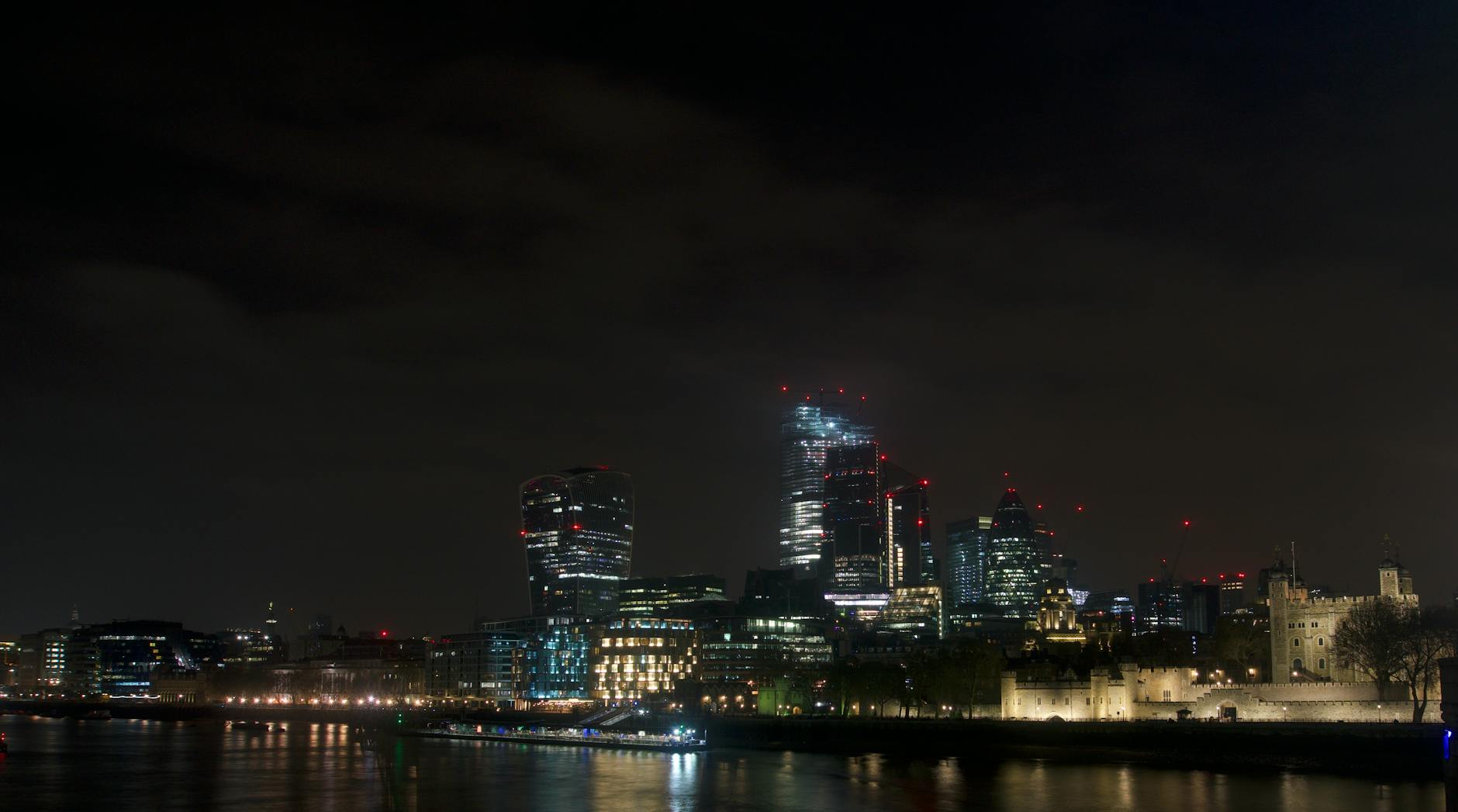
London is not one city. It is a hundred villages, markets, parks, royal stages, immigrant kitchens, financial canyons, theater streets, river bends, and museum halls pretending to be a single place.
Start Here
That is why London can be both easy and overwhelming. It has familiar icons — Big Ben, Buckingham Palace, Tower Bridge, red buses, black cabs, West End theaters — but the best trips happen when you stop treating it like a checklist and start moving through it by area, mood, and rhythm. A great London day might begin with Westminster stone and royal ceremony, cross the Thames into the South Bank’s riverside energy, pause at a free museum, drift through a food market, and end in a pub, a theater seat, or a late walk over a lit bridge.
This guide is designed for travelers who want more than “25 things to do.” It tells you where to stay, how to use the Tube without overthinking it, what is worth booking ahead, which famous things are worth the hype, how to eat well in a city that has outgrown its old food stereotypes, and how to build a trip that feels rich instead of frantic.
London in one sentence: London is a city of villages held together by the Tube, the Thames, and a rare ability to turn history into daily life.
Basic data
| Population | About 8.9 million |
|---|---|
| Area | 1,572 km2 |
| Major religions | Christianity, Islam, Hinduism, and a large secular population |
| Political system | Devolved city government inside a parliamentary constitutional monarchy |
| Economic system | Advanced services economy centered on finance, media, law, and technology |
Quick Verdict
| Question | Answer |
|---|---|
| Best for | Museums, theater, history, royal pageantry, parks, pubs, shopping, architecture, free culture, global food, literary travel, family trips, first trips to Europe |
| Not ideal for | Travelers who want low prices, guaranteed sunshine, quiet streets, easy driving, or a compact old town where everything is walkable |
| Ideal first visit | 4 full days. Three days works if you are focused; 5–7 days is better if you want museums, theater, markets, and a day trip. |
| Best months | Late April through June and September into early October are usually the sweet spots: long days, parks in good form, and slightly less pressure than peak summer. |
| Cheapest broad period | January to March is often the cheapest window for flights and hotels, according to Visit London’s seasonal guidance.[3] |
| Best first-timer base | Covent Garden/Soho for maximum central convenience, South Bank/Waterloo for river walks and family logistics, Bloomsbury/Fitzrovia for museums and value, or South Kensington/Kensington for calmer museum-and-park access. |
| Biggest planning mistake | Trying to do Westminster, the Tower, the British Museum, Borough Market, Notting Hill, Harrods, Camden, and a West End show in one day. London punishes zigzagging. |
| One thing to book ahead | Churchill War Rooms, Westminster Abbey, major theater shows, popular restaurants, Sky Garden, afternoon tea, and timed-entry slots for high-demand museums during school holidays. |
| One thing to leave unscheduled | A Thames walk, a pub stop, a park hour, or a neighborhood wander. London is better when you leave room for weather, delays, and discoveries. |
The Move
Build each day around one side of town. London looks compact on a tourist map because the famous names are familiar, but crossing the city repeatedly burns time and energy. The best days have a line: Westminster to South Bank, Bloomsbury to Soho, Tower to Shoreditch, Kensington to Notting Hill, Greenwich by river.
Who Will Love London?
You will probably love London if you want:
- Some of the world’s best museums, many with free permanent collections.[20]
- A city where theater, galleries, bookshops, food markets, pubs, music, parks, and royal history all compete for your day.
- A first European city that is culturally rich but logistically manageable for English-speaking travelers.
- A destination that works for couples, families, solo travelers, older travelers, first-timers, repeat visitors, and museum obsessives.
- A base for excellent day trips: Windsor, Oxford, Cambridge, Brighton, Bath, Hampton Court, Canterbury, and more.
You may struggle with London if you need:
- Predictable blue skies.
- A low-cost trip without careful planning.
- A car-friendly city.
- A quiet, uncrowded central district.
- A single “old town” where the whole trip can happen on foot.
London is worth visiting because it keeps rewarding attention. The postcards are good. The deeper city is better.
London at a Glance
| Practical | Detail |
|---|---|
| Country | United Kingdom |
| Region | England; Greater London |
| Capital note | London is the capital of the United Kingdom and its largest metropolis, as well as a major economic, transportation, and cultural center.[1] |
| Language | English, with hundreds of languages spoken across the city’s communities |
| Currency | Pound sterling, written as £ or GBP |
| Cards vs cash | Contactless cards and mobile wallets are widely used. Keep a little cash for old-school markets, small shops, tips, and emergencies, but most visitors can travel mostly cash-light. |
| Main airports | Heathrow, Gatwick, Stansted, Luton, London City. Southend is sometimes marketed as a London airport but is much farther from most visitor bases. |
| Best airport default | Heathrow is usually easiest for central London by Elizabeth line, Tube, taxi, or Heathrow Express; Gatwick is also straightforward by rail. |
| Main rail hubs | King’s Cross/St Pancras, Paddington, Victoria, Waterloo, Liverpool Street, London Bridge, Euston, Marylebone, Charing Cross, Fenchurch Street |
| Eurostar station | St Pancras International for trains to/from continental Europe, including Paris, Brussels, Amsterdam, and Lille.[13] |
| Best transit tools | TfL Go, Citymapper, Google Maps, National Rail app/site, and the official apps for any booked trains. |
| Transit payment | Use the same contactless card, phone, watch, or Oyster card for each journey. TfL pay-as-you-go works across Tube, bus, tram, DLR, London Overground, Elizabeth line, and more.[5] |
| Emergency number | 999 or 112 for emergencies in the UK.[29] NHS 111 is for urgent medical help when it is not a life-threatening emergency.[30] |
| Tap water | Safe to drink. London water is hard, so the taste may surprise some visitors, but it is drinkable.[31] |
| Tipping | Check the bill first. Many restaurants add a service charge, often around 12.5%; if it is included, you usually do not need to tip again.[32] |
| Entry rules | Check your nationality before travel. Many visitors who do not need a visa for short stays now need an Electronic Travel Authorisation, or ETA, to travel to the UK.[4] |
First-Timer Mistake
Thinking “central London” is one thing. Covent Garden, Soho, Westminster, South Bank, Bloomsbury, Kensington, Marylebone, Shoreditch, the City, and King’s Cross can all be good bases — but they give you very different trips.
How to Understand London
London is easiest to enjoy when you stop asking, “What are the top attractions?” and start asking, “Which version of London am I doing today?”
1. Westminster: Royal, Political, Ceremonial London
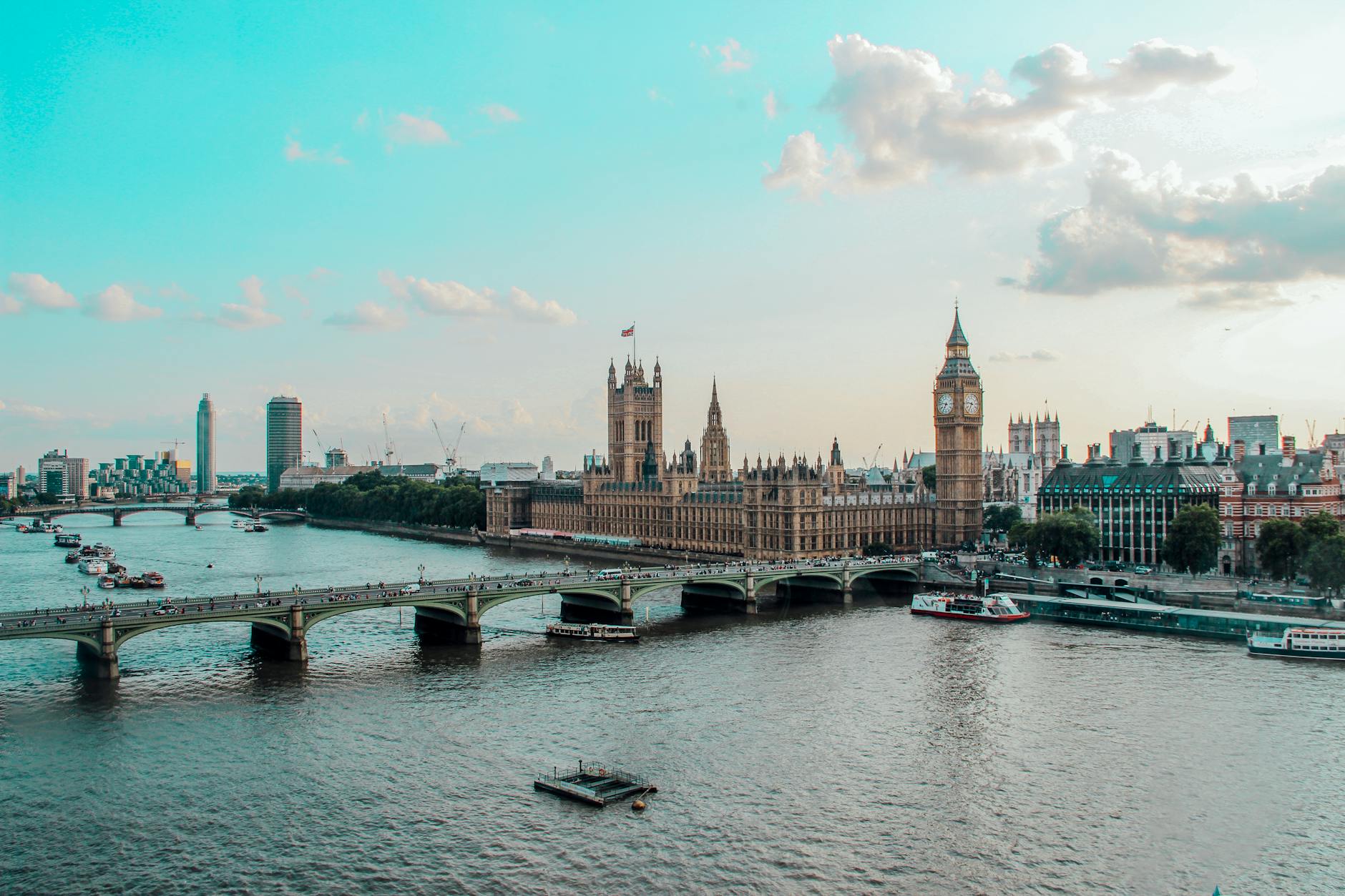
Westminster is where the postcard version of London becomes real: Parliament, Big Ben, Westminster Abbey, Whitehall, Horse Guards, St James’s Park, Buckingham Palace, and the Mall. It is grand, controlled, symbolic, and often crowded.
This is the London of state occasions, royal pageantry, military ceremony, and national memory. It is also one of the best areas for a first morning because the sights connect naturally on foot.
The move: Start early around Westminster Bridge, walk through Parliament Square, visit Westminster Abbey if it matters to you, then cut through St James’s Park toward Buckingham Palace. Do not try to add the Tower of London before lunch unless you enjoy being rushed.
2. The West End: Theater, Shopping, Soho, Covent Garden, and Night Energy
The West End is London’s entertainment engine: theaters, restaurants, pubs, Chinatown, Leicester Square, Covent Garden, Soho, Piccadilly, and parts of Mayfair. It is crowded, useful, fun, over-commercial in places, and hard to avoid.
This is where first-timers often stay because it solves many logistical problems. You can walk to shows, restaurants, museums, Trafalgar Square, the Thames, and multiple Tube lines.
Local logic: The West End is not charming on every block. It is a machine. Use it for convenience, theater, dining, and nightlife, then escape to quieter neighborhoods when you need oxygen.
3. The City: Roman, Medieval, Financial, and Strangely Quiet on Weekends
The City of London — often called “the City” or “the Square Mile” — is London’s historic core and modern financial district.[2] It contains Roman fragments, Wren churches, livery halls, glass towers, Leadenhall Market, Bank, Monument, St Paul’s Cathedral, and the eastern approach to the Tower of London.
It can feel thrilling on a weekday and oddly empty on a Sunday. That contrast is part of the appeal.
Pair it with: St Paul’s Cathedral, Millennium Bridge, Tate Modern, Borough Market, Tower of London, or Spitalfields.
4. South Bank and Bankside: The River as a Walking Route
South Bank and Bankside are where London becomes easy. The Thames path links the London Eye, Royal Festival Hall, National Theatre, Gabriel’s Wharf, Tate Modern, Shakespeare’s Globe, Borough Market, and views back toward St Paul’s and the City.
This is one of the best first-day areas because you can see a lot without constantly making decisions.
The move: Walk from Westminster Bridge to Tower Bridge on the south side of the river, but give it time. Done properly, with stops, this is half a day, not a commute.
5. Museum London: Bloomsbury, South Kensington, Trafalgar Square, and Bankside
London’s museum culture is one of its greatest strengths. The British Museum, National Gallery, Tate Modern, Tate Britain, V&A, Natural History Museum, Science Museum, National Portrait Gallery, Imperial War Museum, Museum of London Docklands, Wallace Collection, and many smaller institutions can anchor an entire trip.
Many major museums have free permanent collections, though special exhibitions may charge and timed tickets may be recommended or required during busy periods.[20]
First-timer mistake: Thinking “free” means “uncrowded.” The British Museum, Natural History Museum, and National Gallery can be packed, especially in school holidays.
6. Park London: Hyde Park, Regent’s Park, Hampstead Heath, Richmond Park, Greenwich Park
London’s parks are not filler. They are part of the city’s structure. Hyde Park and Kensington Gardens give central London breathing space. Regent’s Park is graceful and close to Marylebone and Camden. Hampstead Heath feels wild by big-city standards. Richmond Park has deer and huge skies. Greenwich Park gives one of the city’s great views.
The move: Put parks into the itinerary on purpose. They rescue London trips from museum fatigue and pavement overload.
7. East London: Markets, Migration, Nightlife, Food, and Reinvention
Shoreditch, Spitalfields, Brick Lane, Bethnal Green, Hackney, Dalston, Victoria Park, and surrounding areas show London as a living, changing city rather than a heritage stage. You come here for markets, food, street art, nightlife, independent shops, galleries, pubs, and a sense of London’s constant reinvention.
It is not the best base for every first-timer, but it is essential if you want modern London.
Better alternative: Instead of making Brick Lane your whole “East London” experience, pair Spitalfields, Shoreditch side streets, Columbia Road or Broadway Market if timing works, and a proper meal outside the most tourist-facing curry strip.
8. West London: Museums, Parks, Notting Hill, Kensington, and Residential London
West London gives you South Kensington’s museums, Kensington Gardens, Notting Hill’s pastel streets, Portobello Road, Holland Park, Chelsea, Marylebone, and elegant residential neighborhoods that feel calmer than the West End.
This is great for families, museum-focused travelers, shoppers, and people who like to retreat to a quieter base at night.
9. Multicultural London: The City’s Food and Neighborhood Reality
London is not only royal and literary. It is Caribbean, South Asian, West African, Turkish, Middle Eastern, Chinese, Eastern European, Jewish, Irish, Italian, Arab, and global in ways that shape daily life. Food is one of the easiest ways to experience that depth: Southall for Punjabi and broader South Asian food, Tooting for South Asian restaurants, Green Lanes for Turkish and Kurdish food, Brixton for Caribbean influence and market energy, Edgware Road for Middle Eastern restaurants, Chinatown for central convenience, and countless neighborhood restaurants beyond the tourist core.
Local logic: London’s best food is often not beside its most famous landmarks.
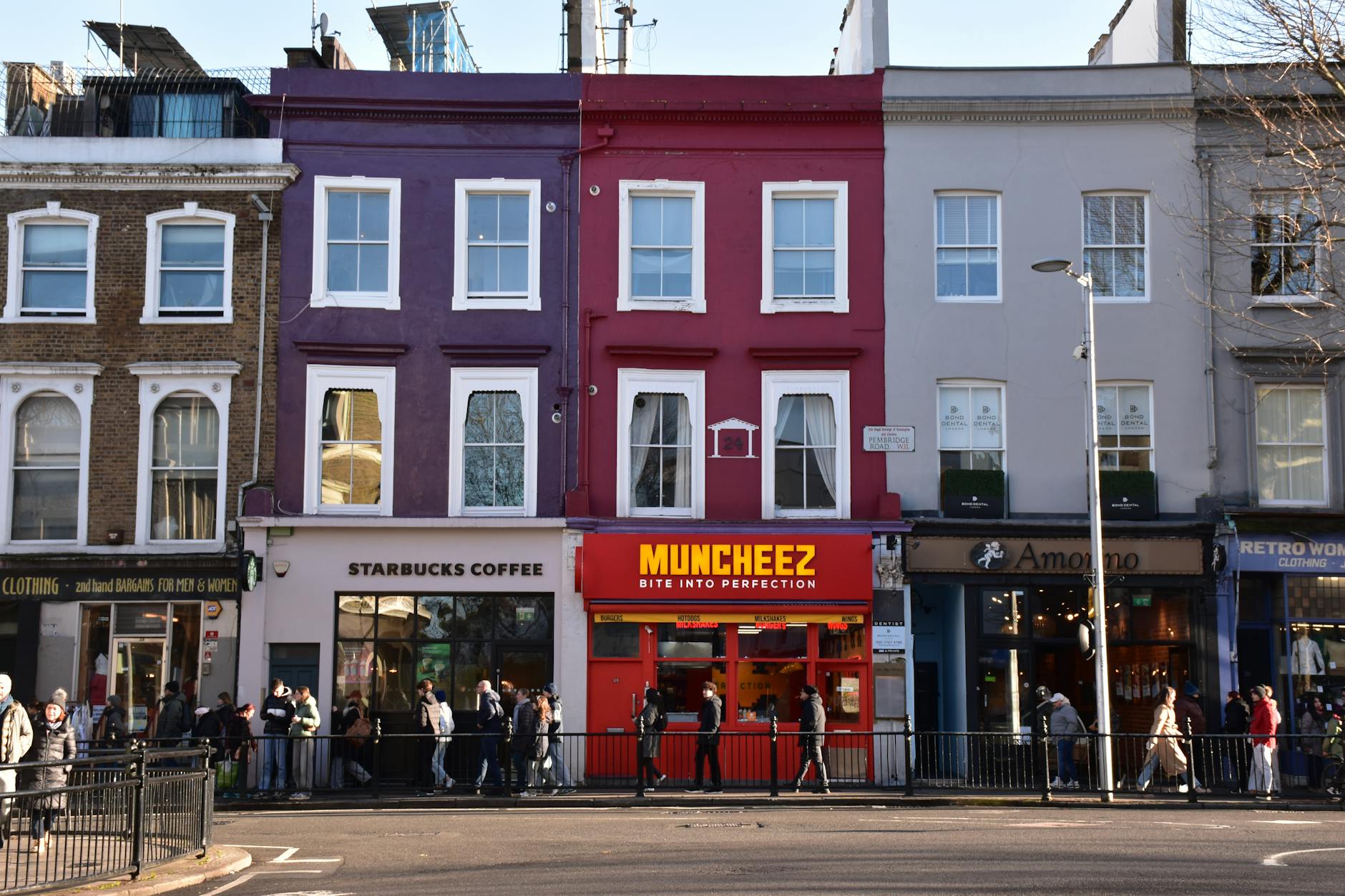
London’s Rhythm
London rewards early starts and flexible afternoons.
Morning
Mornings are best for major paid sights, river walks, parks, and popular museums. If you want the Tower of London, Westminster Abbey, Borough Market, the British Museum, or the Natural History Museum at their least chaotic, go early.
Afternoon
Afternoons are good for museums, shopping, tea, parks, and neighborhood wandering. In winter, remember that daylight fades early; in summer, the long evenings are a gift.
Evening
Evening is for theater, pubs, restaurants, concerts, and lit bridges. London is one of the world’s great evening cities if you plan dinner times and transit home.
Sundays
Sunday is excellent for roasts, parks, markets, slower wandering, and neighborhoods. It is less ideal for some shops, certain restaurants, and City-of-London exploring if you want weekday bustle.
Mondays
Some museums and restaurants close or run reduced schedules on Mondays, though many major London museums are open daily. Always check the specific place before you build a day around it.
Rain
Rain in London usually does not ruin a trip. It changes the plan. Keep a museum, gallery, department store, covered market, pub lunch, or theater matinee in your back pocket.
Best Time to Visit London
London is a year-round city, but the feel changes dramatically by season.
Best Overall Months
Late April, May, June, September, and early October are usually the best combination of weather, daylight, parks, and manageable crowds. You still need layers and rain gear, but the city is generous in these months.
Best for Long Days and Parks
June and July give you long evenings, outdoor theater, festivals, garden squares, picnics, river walks, and a version of London that keeps going late. The tradeoff is higher demand and heavier crowds.
Best for Lower Prices
January to March is generally the better-value period, with fewer leisure travelers and cooler, wetter weather. Visit London identifies January through March as a usually cheaper period for flights and hotels.[3]
Best for Museums and Theater
November through March is excellent for museum-heavy and theater-heavy trips. London is built for indoor culture. Just accept short days and plan atmospheric evenings.
Best for Christmas Atmosphere
Late November through December brings lights, shop windows, ice rinks, carols, festive menus, and holiday crowds. Book hotels, restaurants, and shows early.
Season-by-Season
| Season | What It Feels Like | Best For | Watch Out For |
|---|---|---|---|
| Winter | Short days, cool weather, indoor culture, Christmas lights in December | Museums, theater, pubs, shopping, lower January/February prices | Rain, wind, early sunset, holiday closures, December hotel prices |
| Spring | Parks wake up, flowers, variable weather, lighter evenings | First-timers, gardens, walking, museums without peak summer intensity | School holidays, Easter crowds, sudden rain |
| Summer | Long days, busy attractions, outdoor events, expensive hotels | Parks, river walks, festivals, family trips, late evenings | Crowds, heat waves, high prices, school holidays |
| Autumn | Golden parks, theater season, good food months, calmer than summer | Museums, neighborhoods, markets, restaurants, photography | Rain, shorter days by November, conference/event price spikes |
Month-by-Month Verdict
| Month | Verdict |
|---|---|
| January | Good value and great for museums and theater. Cold, dark, and often damp. |
| February | Similar to January, with half-term school holiday bumps. Good for indoor culture. |
| March | Improving light and early spring energy. Weather still changeable. |
| April | A strong month if Easter timing works. Blossoms, parks, showers. |
| May | One of the best months. Long days and a lively city before full summer pressure. |
| June | Excellent, expensive, and busy. Great for outdoor London. |
| July | Peak summer: long days, school holidays, high demand, strong event calendar. |
| August | Busy with families and tourists, but some business areas feel quieter. Notting Hill Carnival lands on the August bank holiday weekend; 2026 dates are August 29–31.[35] |
| September | One of the best months. Good weather odds, cultural season returns, parks still pleasant. Open House Festival 2026 is scheduled for September 12–20.[36] |
| October | Good for food, culture, parks, and museums. Bring rain gear. |
| November | Short days but atmospheric. Christmas lights begin. Good for galleries and pubs. |
| December | Festive, expensive, crowded around key dates, and beautiful in the right mood. New Year’s Eve fireworks are ticketed.[37] |
How Many Days You Need
One Day
One day is enough for a taste, not a real visit. Focus on Westminster, the South Bank, a river walk, one museum or paid sight, and one good meal.
Two Days
Two days lets you do classic London: Westminster, Tower of London, South Bank, one major museum, one market, and a show or pub evening. You will still be choosing hard.
Three Days
Three full days is the minimum satisfying first visit. You can cover the royal-political core, the Tower and City, a major museum zone, a market, a theater night, and one or two neighborhoods.
Four Days
Four days is the best first-timer length if you want London to feel like a city rather than a race. Add South Kensington museums, Notting Hill, Greenwich, Shoreditch, or more theater.
Five Days
Five days allows a stronger mix: icons, museums, neighborhoods, food, a slow park morning, and possibly a nearby day trip such as Windsor or Hampton Court.
One Week
A week is ideal if London is the main trip. You can do deep museums, theater, markets, several neighborhoods, and one or two day trips without crushing your schedule.
More Than a Week
Longer stays are excellent for repeat visitors, remote workers, families, researchers, theater lovers, and travelers using London as a base for southern England.
The Planning Rule
For each day, choose:
- One anchor sight or museum.
- One neighborhood.
- One meal or evening plan.
- One optional add-on.
That is enough. London will fill the gaps.
Where to Stay in London
London is expensive, spread out, and transport-rich. The “best” area depends less on charm and more on what kind of trip you are building.
The Short Answer
For a first visit:
- Stay in Covent Garden/Soho if you want maximum convenience, theater, restaurants, and walkability.
- Stay on the South Bank/Waterloo if you want river access, family-friendly logistics, and easy sightseeing.
- Stay in Bloomsbury/Fitzrovia if you want museums, bookish streets, centrality, and slightly better value.
- Stay in South Kensington/Kensington if you want museums, parks, elegance, and a calmer base.
- Stay in Marylebone if you want central London with a more polished neighborhood feel.
- Stay in Shoreditch/Spitalfields if nightlife, food, markets, and East London matter more than royal landmarks.
- Stay in King’s Cross/St Pancras if rail connections, Eurostar, and practical transit are priorities.
Neighborhood Decision Tree
| Traveler Type | Best Areas |
|---|---|
| First-time classic sightseeing | Covent Garden, Soho, South Bank, Westminster, Bloomsbury |
| Theater and nightlife | Covent Garden, Soho, Fitzrovia, Shoreditch |
| Families | South Bank, South Kensington, Kensington, Bloomsbury, Marylebone |
| Museum lovers | Bloomsbury, South Kensington, Trafalgar Square/Covent Garden, Bankside |
| Luxury travelers | Mayfair, St James’s, Knightsbridge, Marylebone, Belgravia |
| Food-focused travelers | Soho, Shoreditch, Clerkenwell, Borough/London Bridge, Marylebone, Hackney for repeat visitors |
| Budget-conscious travelers | King’s Cross, Paddington, Earl’s Court, Bayswater, Camden, some Southwark/Lambeth areas with good Tube access |
| Eurostar travelers | King’s Cross/St Pancras, Bloomsbury, Clerkenwell |
| Heathrow convenience | Paddington, South Kensington, Earl’s Court, Mayfair if budget allows, or anywhere easy on the Elizabeth/Piccadilly lines |
| Green space | Kensington, South Kensington, Marylebone, Notting Hill, Hampstead for repeat visitors |
| Business in the City | City, Liverpool Street, Shoreditch, Tower Bridge, South Bank |
Neighborhood Profiles
Covent Garden and Soho
Best for: first-timers, theater, dining, nightlife, walkability, short trips.
Covent Garden and Soho are the easiest bases for a visitor who wants to step out of the hotel and immediately be in London. You can walk to theaters, restaurants, Chinatown, Trafalgar Square, the National Gallery, the river, Oxford Street, Piccadilly, and multiple Tube lines.
Why stay here: unmatched convenience. If you only have three days, the time saved is real.
Why not: expensive, busy, and noisy. Some streets are magical; others are pure tourist churn.
Perfect day nearby: British Museum in the morning, lunch in Soho or Chinatown, National Gallery in the afternoon, pre-theater dinner, West End show.
South Bank and Waterloo
Best for: families, first-timers, river walks, practical sightseeing, good transit.
South Bank gives you one of London’s best travel experiences: walking along the Thames with the city staged across the water. Waterloo is practical rather than pretty in parts, but the location works beautifully.
Why stay here: easy access to Westminster, London Eye, Southbank Centre, National Theatre, Tate Modern, Borough Market, and major rail/Tube links.
Why not: some hotel blocks feel corporate or bland, and dining can be uneven if you stay too close to the most obvious tourist paths.
Perfect day nearby: Westminster Bridge at sunrise, South Bank walk, Tate Modern, Borough Market, evening at the National Theatre or a river-view pub.
Bloomsbury and Fitzrovia
Best for: museums, bookshops, centrality, academic atmosphere, good value for central London.
Bloomsbury is literary, leafy, and museum-rich; Fitzrovia is more restaurant-and-office mixed, with excellent access to Soho and Oxford Street without sleeping directly in the chaos.
Why stay here: central but calmer than the West End, with the British Museum, Russell Square, University of London, and good Tube links.
Why not: nightlife is less intense than Soho or Shoreditch, and some hotel inventory is older.
Perfect day nearby: British Museum, Lamb’s Conduit Street, bookshops, Fitzrovia dinner, walk into Soho for drinks.
South Kensington and Kensington
Best for: families, museums, parks, elegant stays, quieter evenings.
South Kensington is the base for the V&A, Natural History Museum, Science Museum, Royal Albert Hall, Hyde Park, Kensington Gardens, and easy Piccadilly line access.
Why stay here: polished, safe-feeling, museum-rich, and especially good with children.
Why not: less nightlife, expensive hotels, and not as convenient for East London or the Tower.
Perfect day nearby: Natural History Museum or V&A, lunch near South Kensington, Hyde Park/Kensington Gardens, dinner in Chelsea or South Kensington.
Marylebone
Best for: couples, food, shopping, stylish central stays, repeat visitors.
Marylebone feels like a central village with better restaurants, boutiques, cafés, pubs, and access to Regent’s Park. It is close to Oxford Street but more civilized.
Why stay here: excellent balance of centrality and neighborhood feel.
Why not: hotels can be pricey, and some Tube access depends on exact location.
Perfect day nearby: Wallace Collection, Marylebone High Street, Regent’s Park, dinner in Marylebone or Fitzrovia.
Mayfair and St James’s
Best for: luxury hotels, classic London, art galleries, shopping, royal parks.
This is the polished, expensive, ceremonial heart of London. Think grand hotels, tailoring, galleries, private clubs, Green Park, and St James’s Park.
Why stay here: central, elegant, quiet at night in places, and close to royal London.
Why not: very expensive and sometimes less lively than visitors expect.
Perfect day nearby: Royal Academy, Fortnum & Mason, Green Park, Buckingham Palace, St James’s, dinner in Mayfair.
Shoreditch and Spitalfields
Best for: nightlife, street art, markets, younger travelers, food, modern London.
Shoreditch and Spitalfields put you near Brick Lane, Old Spitalfields Market, Liverpool Street, cocktail bars, clubs, galleries, and East London food. This is a strong choice for travelers who already know they do not want a purely classic trip.
Why stay here: energy, food, nightlife, markets, and easy access to the City.
Why not: not as convenient for Westminster or South Kensington; nightlife noise can be real.
Perfect day nearby: Tower of London in the morning, lunch near Spitalfields, Shoreditch street art, drinks and dinner in East London.
King’s Cross and St Pancras
Best for: Eurostar, rail trips, practical travelers, modern hotels, families moving around Britain.
King’s Cross has changed dramatically. It is now one of London’s most useful bases, with strong transport, Coal Drops Yard, Regent’s Canal, restaurants, and access to Bloomsbury.
Why stay here: superb transport and often better hotel value than the West End.
Why not: less traditionally charming on some streets, and not as atmospheric as Covent Garden or Kensington.
Perfect day nearby: British Library, Regent’s Canal walk, Coal Drops Yard, Bloomsbury, evening in Soho by Tube.
Paddington, Bayswater, and Notting Hill
Best for: Heathrow access, Hyde Park, budget-to-midrange hotels, pretty residential streets.
Paddington is practical, especially with Heathrow links. Bayswater can be good value near Hyde Park. Notting Hill is prettier and more atmospheric, though exact location matters.
Why stay here: good transport, park access, and a mix of hotel price points.
Why not: Paddington is convenient but not deeply charming; Notting Hill can be expensive and less direct for some sights.
Perfect day nearby: Kensington Gardens, Notting Hill streets, Portobello Road, Holland Park, dinner in Notting Hill or Marylebone.
The City and Tower Bridge
Best for: business travelers, history lovers, Tower of London access, architecture, weekend hotel deals.
The City is fascinating but has a split personality: intense on weekdays, quiet on weekends. Tower Bridge and London Bridge can be excellent if you want river access, Borough Market, the Tower, and the City.
Why stay here: history, transport, views, and potential weekend value.
Why not: not ideal for West End nightlife unless you are comfortable with late transit or taxis.
Perfect day nearby: Tower of London at opening, Leadenhall Market, St Paul’s, Millennium Bridge, Tate Modern, Borough Market.
Greenwich
Best for: repeat visitors, families, maritime history, village feel, parks.
Greenwich is beautiful: river, market, park, Royal Observatory, Cutty Sark, Old Royal Naval College. It is in London, but it feels like a side trip.
Why stay here: slower pace and charm.
Why not: too far out for many first-time itineraries.
Perfect day nearby: Boat to Greenwich, Old Royal Naval College, market lunch, Royal Observatory, park views, DLR back.
Common Hotel Booking Mistakes
- Booking “London” accommodation outside London to save money, then losing hours commuting.
- Staying near an airport for a city trip.
- Choosing a hotel far from a Tube or rail station.
- Assuming Kensington, Chelsea, and Notting Hill are all equally convenient.
- Ignoring whether the hotel has air-conditioning in summer.
- Ignoring elevator access in older hotels.
- Staying in nightlife zones with young children or light sleepers.
- Booking a cheap room in a beautiful neighborhood, then discovering it is in a basement with little light.
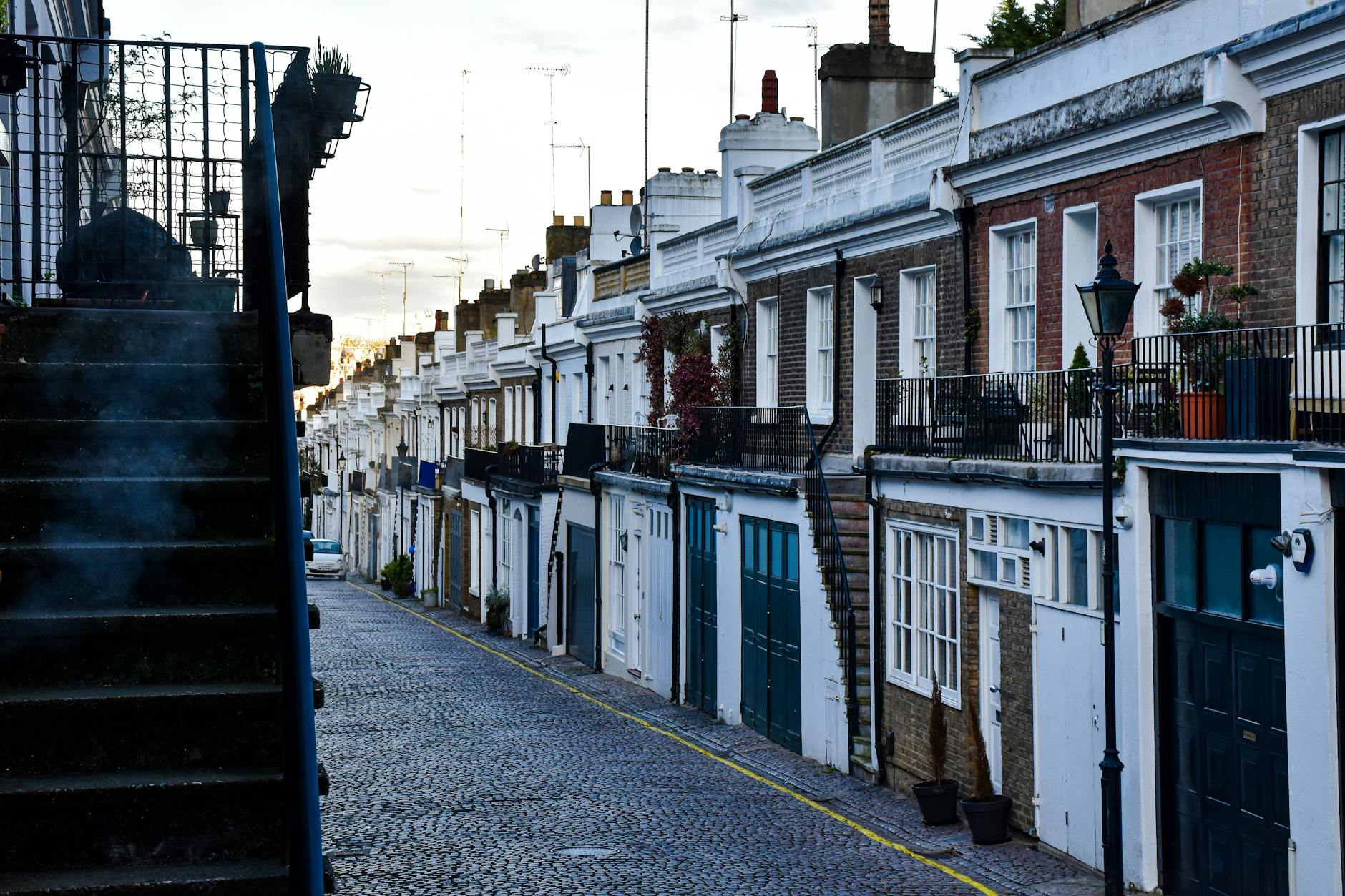
Neighborhood Guide
Some neighborhoods are better for sleeping. Others are better for exploring. Treat this section as a menu of London days.
Westminster and St James’s
One-sentence identity: Royal, political, ceremonial London.
Best things to do: Westminster Abbey, Parliament Square, Big Ben exterior, Whitehall, Horse Guards, St James’s Park, Buckingham Palace, Churchill War Rooms, the Mall.
Best time: Early morning for photos and lower crowds; late afternoon for softer light in St James’s Park.
How long: Half a day without entering everything; a full day if you tour Westminster Abbey and Churchill War Rooms.
Pair it with: South Bank, Trafalgar Square, Mayfair, or a West End show.
Skip if: You dislike crowds and only care about contemporary London.
One perfect walk: Westminster Tube → Parliament Square → Westminster Abbey → St James’s Park → Buckingham Palace → the Mall → Trafalgar Square → Covent Garden.
Covent Garden, Soho, and Chinatown
One-sentence identity: The city’s theater, restaurant, nightlife, and central wandering engine.
Best things to do: Covent Garden piazza, Seven Dials, Neal’s Yard, Soho restaurants, Chinatown, theaters, pubs, cocktail bars, bookshops, National Gallery nearby.
Best time: Late afternoon into evening.
How long: Two hours for a wander; all evening for dinner and theater.
Pair it with: British Museum, National Gallery, Trafalgar Square, Piccadilly, or a show.
Skip if: You want quiet or local-only London.
One perfect walk: Tottenham Court Road → Soho coffee → Carnaby/Kingly Court → Chinatown → Leicester Square edge → Covent Garden → pre-theater dinner.
Bloomsbury
One-sentence identity: Literary, academic, leafy, museum London.
Best things to do: British Museum, Russell Square, Lamb’s Conduit Street, Senate House, bookshops, garden squares.
Best time: Morning for the British Museum; late afternoon for quieter streets.
How long: Half day.
Pair it with: Fitzrovia, Soho, King’s Cross, or the British Library.
One perfect walk: Russell Square → British Museum → Lamb’s Conduit Street → Brunswick Centre → British Library → King’s Cross.
South Bank and Bankside
One-sentence identity: London’s easiest river walk.
Best things to do: London Eye exterior/views, Southbank Centre, National Theatre, riverside book market, Tate Modern, Shakespeare’s Globe, Borough Market, views of St Paul’s, Tower Bridge.
Best time: Late afternoon into evening, though mornings are calmer.
How long: Half day to full day.
Pair it with: Westminster, the City, Tower of London, or Borough Market.
One perfect walk: Westminster Bridge → Southbank Centre → Gabriel’s Wharf → Tate Modern → Millennium Bridge view → Shakespeare’s Globe → Borough Market → Tower Bridge.
The City and Tower Hill
One-sentence identity: Roman walls, medieval lanes, Wren churches, finance towers, and the Tower.
Best things to do: Tower of London, Tower Bridge, St Dunstan in the East, Leadenhall Market, Bank, Monument, St Paul’s Cathedral, Guildhall area.
Best time: Weekday for energy; early morning for Tower of London.
How long: Half day to full day.
Pair it with: Borough Market, Tate Modern, Spitalfields, or Shoreditch.
One perfect walk: Tower Hill → Tower of London → Tower Bridge view → St Dunstan in the East → Leadenhall Market → Bank → St Paul’s → Millennium Bridge.
Shoreditch, Spitalfields, and Brick Lane
One-sentence identity: Markets, street art, nightlife, migration history, and fast-changing East London.
Best things to do: Old Spitalfields Market, Brick Lane, street art walks, cafés, vintage shops, pubs, bars, Columbia Road Flower Market on Sundays, nearby Whitechapel galleries.
Best time: Weekend for markets, evening for nightlife, weekday daytime for fewer crowds.
How long: Half day or evening.
Pair it with: Tower of London, the City, or Columbia Road/Broadway Market.
One perfect walk: Liverpool Street → Old Spitalfields Market → Brick Lane side streets → Shoreditch High Street → Hoxton Square or Columbia Road depending on day.
South Kensington and Kensington Gardens
One-sentence identity: Museums, parks, and polished west London.
Best things to do: V&A, Natural History Museum, Science Museum, Royal Albert Hall, Kensington Gardens, Hyde Park, Kensington Palace exterior/gardens.
Best time: Museum opening time, or late afternoon for parks.
How long: Half day to full day.
Pair it with: Knightsbridge, Chelsea, Notting Hill, or Hyde Park.
One perfect walk: South Kensington station → V&A or Natural History Museum → lunch → Royal Albert Hall exterior → Kensington Gardens → Notting Hill or Hyde Park Corner.
Notting Hill and Portobello
One-sentence identity: Pastel streets, market energy, film-famous corners, and west London charm.
Best things to do: Portobello Road Market, side streets, cafés, boutiques, The Electric Cinema area, nearby Holland Park.
Best time: Friday or Saturday for market energy; weekday morning for quieter streets.
How long: Two to four hours.
Pair it with: Kensington Gardens, Holland Park, Paddington, or Marylebone.
One perfect walk: Notting Hill Gate → pastel side streets → Portobello Road → Westbourne Grove → Holland Park.
Marylebone and Regent’s Park
One-sentence identity: Stylish village central London.
Best things to do: Marylebone High Street, Wallace Collection, Daunt Books, Regent’s Park, cafés, pubs, restaurants.
Best time: Late morning through dinner.
How long: Two hours to half day.
Pair it with: Oxford Street, Fitzrovia, Baker Street, Regent’s Park, Camden.
One perfect walk: Bond Street or Baker Street → Marylebone High Street → Wallace Collection → Regent’s Park → dinner in Marylebone.
Camden and Regent’s Canal
One-sentence identity: Alternative market culture, music history, canals, and crowds.
Best things to do: Camden Market, Regent’s Canal, Primrose Hill, music venues, food stalls.
Best time: Weekday if you dislike crowds; weekend if you want full energy.
How long: Two to four hours.
Pair it with: Regent’s Park, Primrose Hill, King’s Cross canal walk.
One perfect walk: King’s Cross → Regent’s Canal → Camden Market → Primrose Hill view → Regent’s Park.
Greenwich
One-sentence identity: Maritime London with a village heart and one of the city’s great views.
Best things to do: Greenwich Market, Cutty Sark, Old Royal Naval College, Queen’s House, National Maritime Museum, Royal Observatory, Greenwich Park.
Best time: Late morning by boat, then afternoon in the park.
How long: Half day to full day.
Pair it with: Thames boat ride, Canary Wharf, Docklands, or a slower east/southeast London day.
One perfect walk: Boat pier → Cutty Sark → Old Royal Naval College → market lunch → Queen’s House → Royal Observatory hill → DLR back.
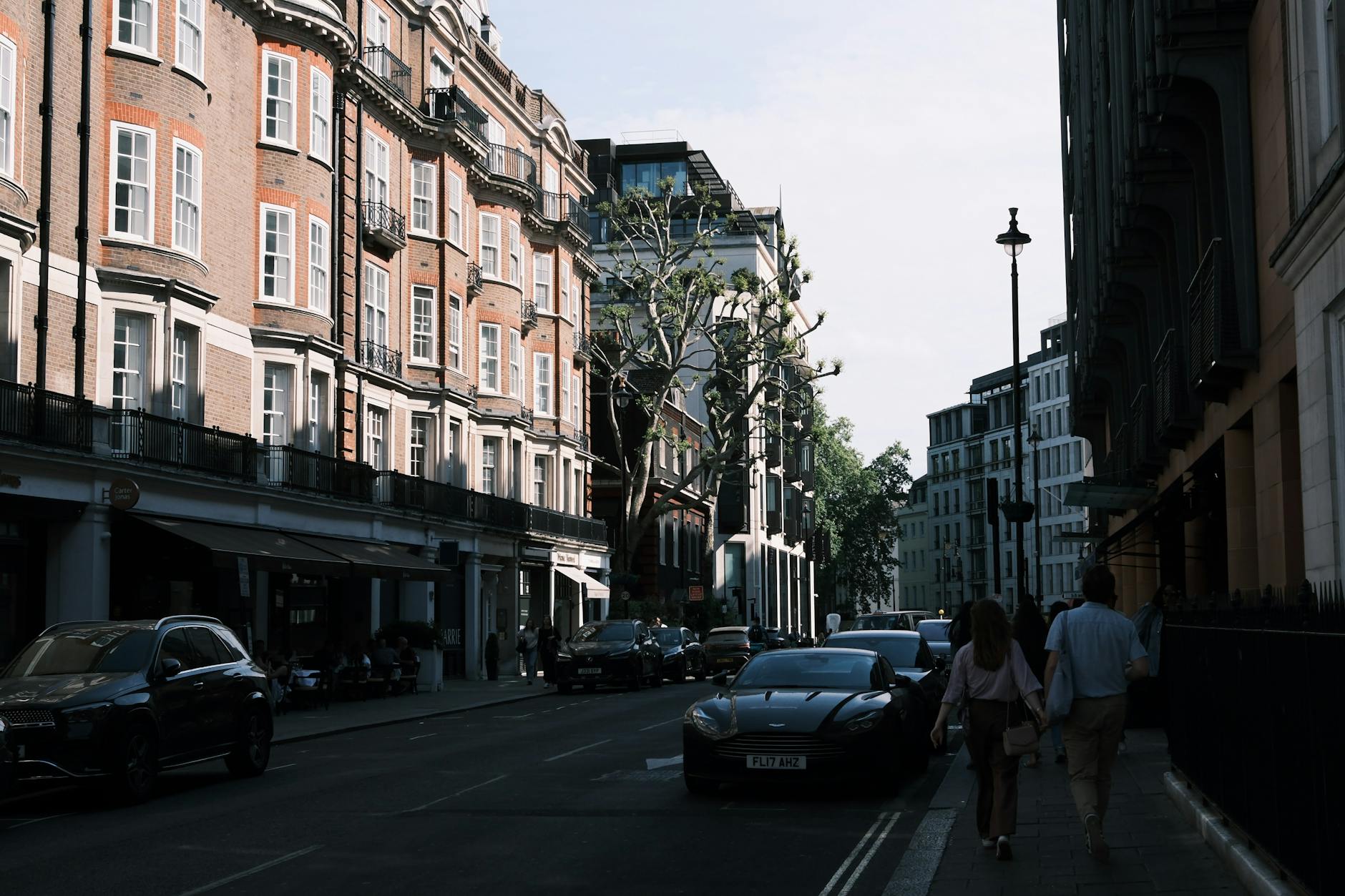
Best Things to Do
London’s attractions should not be treated equally. Some are essential. Some are excellent only for specific interests. Some are skippable unless you have time, money, or children who will love them.
1. Walk Westminster Properly
What it is: The classic London power walk: Parliament, Westminster Abbey, Whitehall, Horse Guards, St James’s Park, Buckingham Palace.
Why it matters: This is where the British state performs itself. Even if you do not care about monarchy, the concentration of architecture, history, ceremony, and public space is extraordinary.
Time needed: Two to four hours, depending on whether you enter Westminster Abbey or Churchill War Rooms.
Best time: Early morning.
Worth it? Absolutely for first-timers.
Common mistake: Standing around too long for Changing of the Guard without understanding the route, crowds, or weather. It can be fun; it can also be an hour of waiting behind taller people.
2. Visit Westminster Abbey
What it is: A working church, coronation site, royal burial place, national memorial, and one of London’s most historically loaded buildings.
Why it matters: Few buildings compress so much British history into one space.
Time needed: 90 minutes to 2.5 hours.
Book ahead? Yes, especially in high season and if your schedule is tight. The Abbey’s official visitor information notes that it is open for visiting on weekdays and Saturdays but Sundays are for services, with closures possible for special services.[26]
Worth it? Worth it if you like history, churches, monarchy, literature, or architecture. Skippable if you dislike church interiors and paid religious-site admissions.
Pair it with: St James’s Park, Churchill War Rooms, Parliament Square, Trafalgar Square.
3. Do the Tower of London at Opening
What it is: Fortress, palace, prison, execution site, armory, Crown Jewels home, and one of London’s most compelling paid attractions.
Why it matters: The Tower is not just a landmark; it is a thick slice of English power, violence, ceremony, and myth.
Time needed: 2.5 to 4 hours.
Book ahead? Smart in peak periods. Historic Royal Palaces warns that peak times can have limited capacity for timeslots.[27]
Worth it? Yes for most first-timers. It is one of the few major paid sights that usually earns its time and cost.
The move: Go at opening, see the Crown Jewels early if you care, take a Yeoman Warder tour if timing works, then walk to Tower Bridge or the City.
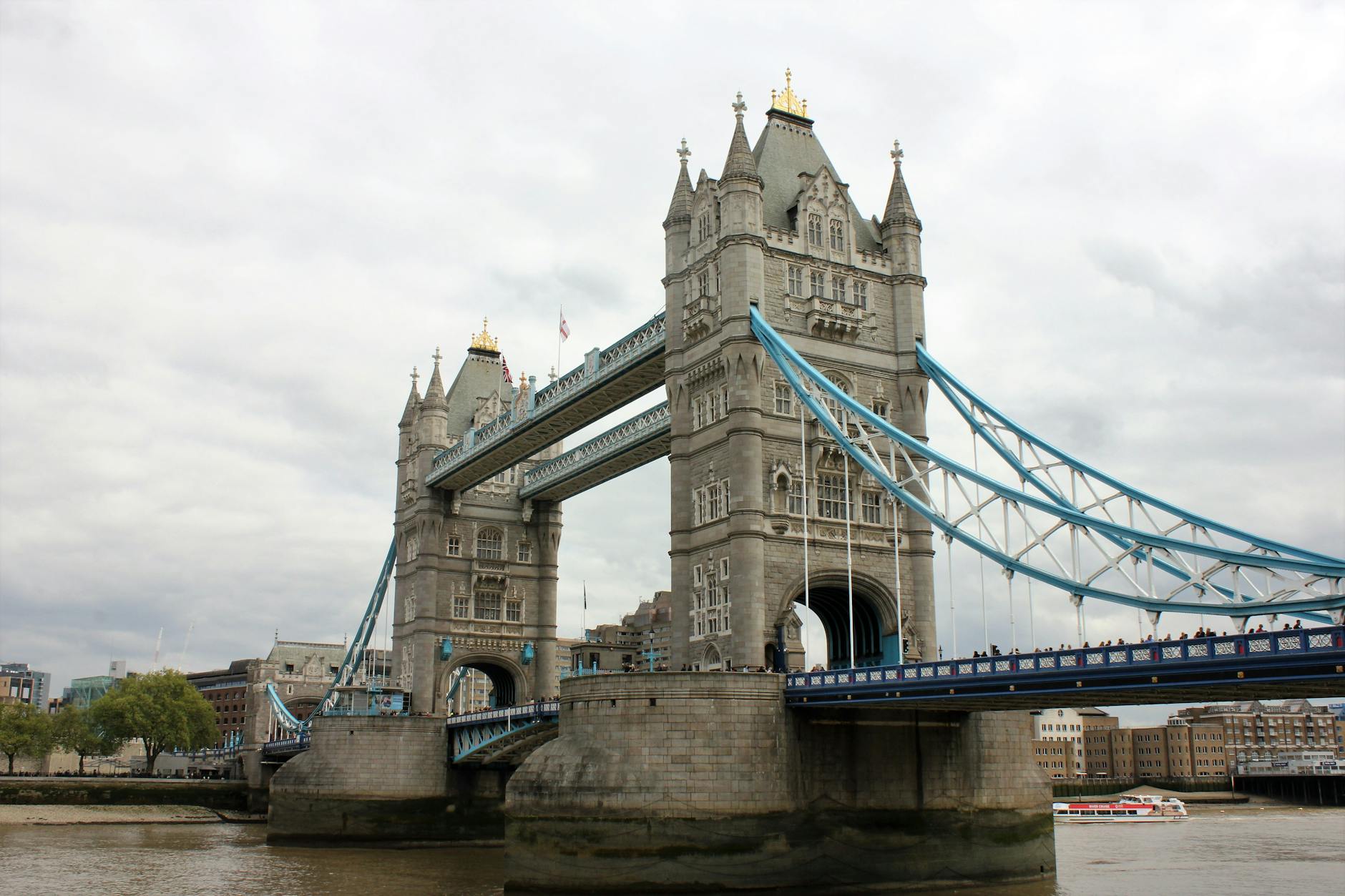
4. Cross Tower Bridge, But Know What You Are Looking At
What it is: The iconic bascule bridge near the Tower of London. It is not London Bridge.
Why it matters: It is one of the city’s great visual symbols and a satisfying bridge to cross on foot.
Time needed: 20 minutes for a crossing; longer for the paid exhibition.
Worth it? The exterior and crossing are absolutely worth it. The exhibition is worth it for engineering fans or families with kids who like glass floors.
Common mistake: Calling it London Bridge. London Bridge is the plainer bridge upstream.
5. Choose Your Big Museum: British Museum, National Gallery, Tate Modern, V&A, or Natural History Museum
London’s free museum culture is one of the city’s greatest visitor advantages.[20]
British Museum
Best for: world history, antiquities, ancient Egypt, Greece, Assyria, global collections.
Time needed: Two hours minimum; a full day if you let it happen.
Admission: Permanent collection is free, with online booking recommended or available depending on conditions.[21]
Worth it? Essential if you have never been and care about world history. Crowded and ethically complicated, so go with eyes open.
National Gallery
Best for: European painting, Trafalgar Square, a manageable art-museum experience.
Admission: General admission is free; special exhibitions charge.[22]
Worth it? Yes, especially because you can make a focused one-hour visit instead of a marathon.
Tate Modern
Best for: modern and contemporary art, Bankside, architecture, Turbine Hall, pairing with St Paul’s via Millennium Bridge.
Admission: The gallery is free to visit, with charges for some exhibitions.[23]
Worth it? Yes if you like modern art, architecture, or the South Bank.
V&A South Kensington
Best for: design, fashion, decorative arts, global material culture, beautiful museum interiors.
Admission: General admission is free.[24]
Worth it? Excellent, especially for travelers who do not think they are “museum people.”
Natural History Museum
Best for: families, architecture, dinosaurs, science, rainy days.
Admission: Free entry, with timed booking recommended during busy periods.[25]
Worth it? Great with kids and architecture lovers. Go early during school holidays.
6. Walk the South Bank
What it is: A riverside walk linking Westminster, the London Eye, Southbank Centre, National Theatre, Tate Modern, Shakespeare’s Globe, Borough Market, and Tower Bridge.
Why it matters: It gives first-timers the city’s geography faster than any bus tour.
Time needed: Two hours if brisk; half a day with stops.
Worth it? One of London’s best free experiences.
Rain plan: Duck into Tate Modern, Southbank Centre, a pub, Borough Market, or the National Theatre.
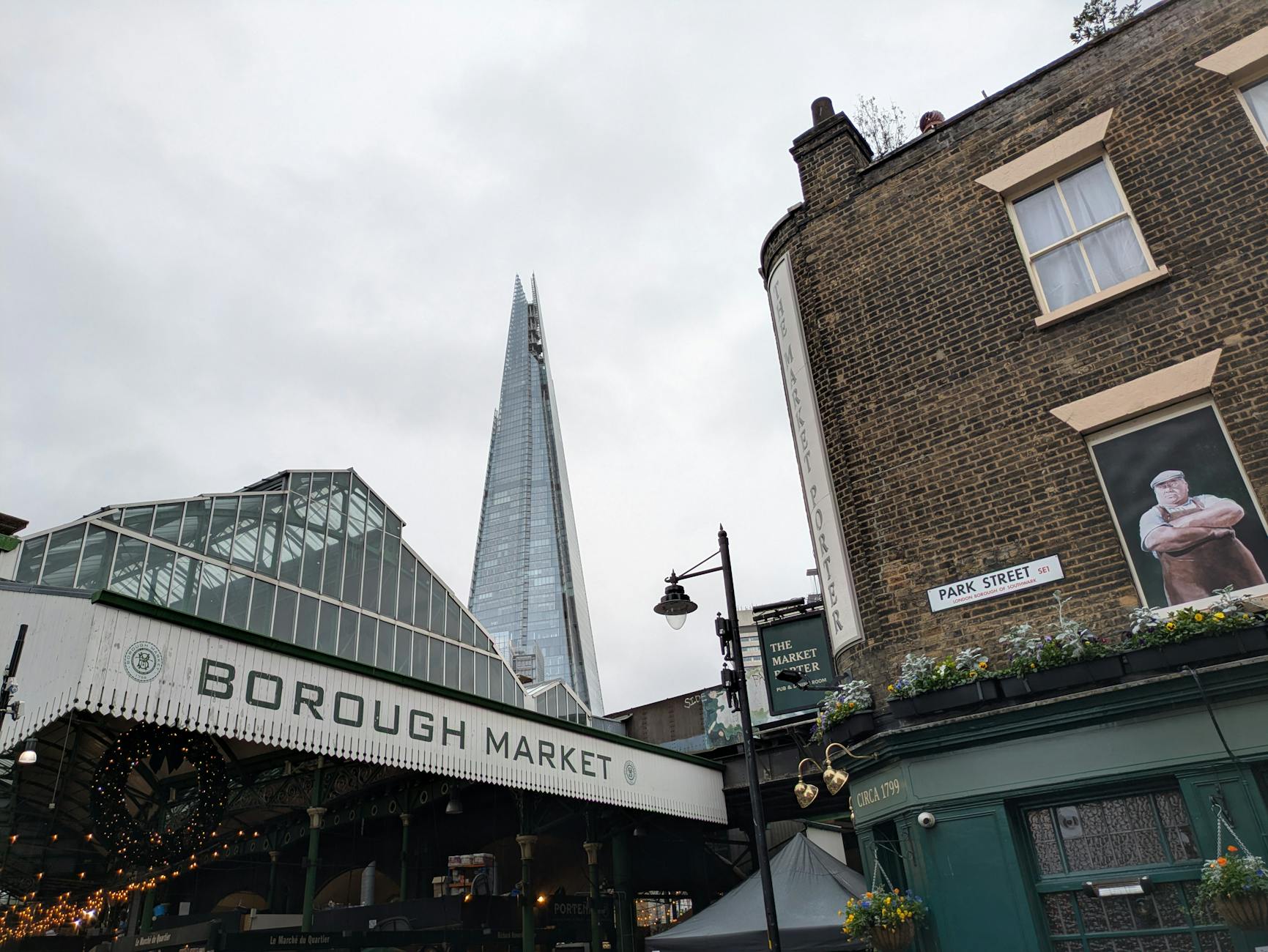
7. Eat at Borough Market, But Time It Right
What it is: Historic food market near London Bridge and Southwark Cathedral.
Why it matters: Borough Market is crowded and touristy, but still useful, atmospheric, and full of good things if you manage expectations.
Time needed: 60–90 minutes.
Best time: Late morning on a weekday. Avoid peak lunch crush if you hate crowds.
Worth it? Yes for first-timers, especially if paired with South Bank, Tate Modern, or the Tower.
Common mistake: Expecting a calm local market at Saturday lunchtime.
8. See a West End Show
What it is: London’s commercial theater district, with musicals, plays, classics, star vehicles, comedies, and long-running hits.
Why it matters: Theater is not an add-on in London. It is one of the city’s core pleasures.
Time needed: Evening or matinee.
Book ahead? For popular shows, yes. For flexible travelers, same-day or discount tickets can work.
Worth it? Yes, even if you do only one show.
The move: Choose the show first, then dinner nearby. Do not book a restaurant across town before curtain.
9. Spend Time in a Pub
What it is: Not just a place to drink. Pubs are social infrastructure.
Why it matters: A good pub gives you London at human scale.
Time needed: 45 minutes to a long Sunday roast.
Worth it? Essential, even if you drink nothing alcoholic.
Etiquette: In many pubs, order at the bar. If dining, check whether it is table service or bar ordering. Do not wave money or shout for service.
10. Explore South Kensington’s Museum Row
What it is: V&A, Natural History Museum, Science Museum, Royal Albert Hall, and Kensington Gardens in one area.
Why it matters: It is one of the world’s great family-and-museum clusters.
Time needed: Half day minimum.
Worth it? Very strong for families, museum lovers, rainy days, and first-timers with four or more days.
Common mistake: Trying to do all three major museums properly in one day.
11. Go to Greenwich by Boat
What it is: A river journey east to maritime London.
Why it matters: The Thames becomes a route, not just scenery. Greenwich adds architecture, parkland, markets, and maritime history.
Time needed: Half to full day.
Worth it? Excellent for trips of four days or longer.
The move: Take a riverboat one way and the DLR or train back. TfL notes that contactless and Oyster can be used on Thames Clippers river bus services.[18]
12. Use the Parks as Real Destinations
What it is: Hyde Park, Kensington Gardens, Regent’s Park, St James’s Park, Green Park, Hampstead Heath, Richmond Park, Greenwich Park, Victoria Park, and more.
Why it matters: Parks soften London. They also connect neighborhoods and give children, walkers, runners, and tired adults space to reset.
Worth it? Always.
Best pairings: Hyde Park with South Kensington or Mayfair; Regent’s Park with Marylebone or Camden; St James’s Park with Westminster; Greenwich Park with Greenwich; Hampstead Heath with a slower north London day.
13. Visit a Market Beyond Borough
Options include:
- Maltby Street Market: smaller food-focused weekend market near Bermondsey.
- Broadway Market: Saturday food, shops, and Hackney atmosphere.
- Columbia Road Flower Market: Sunday morning flowers and crowds.
- Camden Market: busy, youthful, food stalls, alternative retail.
- Old Spitalfields Market: central-east, useful, covered, easy to pair with Shoreditch.
- Portobello Road Market: antiques, vintage, Notting Hill atmosphere.
Worth it? Yes, but choose by day and mood.
Common mistake: Going to every market. Pick one or two.
14. Do Not Ignore Smaller Museums
London’s smaller museums can beat the blockbusters because they are focused and less exhausting.
Strong options:
- Wallace Collection
- Sir John Soane’s Museum
- Museum of London Docklands
- Imperial War Museum London
- Courtauld Gallery
- National Portrait Gallery
- Charles Dickens Museum
- Dennis Severs’ House
- Foundling Museum
- Garden Museum
The move: Use smaller museums to make a second or third visit feel special.
London Itineraries
These are designed to be realistic. London days need walking time, transit time, food time, and weather slack.
One Perfect Day in London
Morning: Westminster and St James’s
Start at Westminster Bridge for the classic Parliament view. Walk through Parliament Square, visit Westminster Abbey if it is a priority, then continue through St James’s Park to Buckingham Palace.
Lunch: Covent Garden or Soho
Walk or take the Tube toward Covent Garden/Soho. Keep lunch casual so you do not lose the whole afternoon.
Afternoon: National Gallery and South Bank
Visit the National Gallery for one focused hour, then walk down to the Thames and cross to the South Bank.
Evening: West End show or pub dinner
Book a show or choose a proper pub/restaurant near where you are staying.
Cut if tired: Westminster Abbey interior or the National Gallery.
Rain alternative: More museum time; shorter park walk.
Two Days in London
Day 1: Royal and River London
- Westminster Bridge
- Parliament Square
- Westminster Abbey or Churchill War Rooms
- St James’s Park and Buckingham Palace
- Trafalgar Square/National Gallery
- West End dinner and show
Day 2: Tower, City, and South Bank
- Tower of London at opening
- Tower Bridge exterior/crossing
- Walk through the City or along the river
- Borough Market lunch
- Tate Modern or Shakespeare’s Globe area
- South Bank evening walk
The move: Do not add South Kensington museums unless you are skipping something else.
Three Days in London
Day 1: Westminster, West End, and Theater
Do the ceremonial core, Trafalgar Square, Covent Garden/Soho, and a show.
Day 2: Tower, City, Borough, and Tate Modern
Tower of London, City lanes, St Paul’s exterior or interior, Millennium Bridge, Tate Modern, Borough Market.
Day 3: Museum and Neighborhood Day
Choose one:
- Museum-heavy: British Museum + Bloomsbury + Soho/Fitzrovia dinner.
- Family: Natural History Museum + Hyde Park/Kensington Gardens.
- Design/art: V&A + Kensington + Marylebone.
- Modern London: Shoreditch/Spitalfields + markets + East London dinner.
Four Days in London
Add a Greenwich or Notting Hill/Kensington day.
Day 4 Option A: Greenwich
Boat to Greenwich, Cutty Sark exterior, Old Royal Naval College, market lunch, Queen’s House, Royal Observatory hill, DLR back.
Day 4 Option B: West London
South Kensington museum, Kensington Gardens, Notting Hill, Portobello Road, dinner in Notting Hill or Marylebone.
Five Days in London
Use the fifth day for either:
- Windsor Castle
- Hampton Court Palace
- Oxford or Cambridge
- A deeper East London/Hackney day
- A second theater night and slower museum day
One Week in London
A balanced week could look like this:
- Westminster, St James’s, West End.
- Tower, City, South Bank.
- South Kensington museums and Hyde Park.
- Bloomsbury, British Museum, Fitzrovia, Soho.
- Greenwich by river.
- Day trip: Windsor, Oxford, Cambridge, Bath, or Brighton.
- Markets and neighborhoods: Notting Hill, Shoreditch, Marylebone, Camden, or Hampstead.
Itineraries by Traveler Type
Food Lover
- Soho, Chinatown, and Fitzrovia
- Borough Market and Bermondsey
- Shoreditch/Spitalfields
- Southall, Tooting, Green Lanes, Brixton, or Hackney depending on cuisine and appetite
- One splurge dinner and one pub roast
Museum Lover
- British Museum
- National Gallery/National Portrait Gallery
- Tate Modern/Tate Britain
- V&A/Natural History/Science Museum
- Wallace Collection, Sir John Soane’s Museum, or Courtauld
Family Trip
- Natural History Museum
- Science Museum
- Tower of London
- Greenwich
- Hyde Park/Kensington Gardens
- Transport Museum
- Matinee theater show
Romantic Trip
- Marylebone or Covent Garden base
- Thames evening walk
- Dinner in Soho, Mayfair, or Notting Hill
- Hampstead Heath or Regent’s Park
- Theater or jazz night
- One beautiful hotel bar
Budget Trip
- Free museums
- Parks
- Markets for casual meals
- Buses instead of repeated Tube hops when time allows
- Pub lunches or supermarket picnics
- TKTS/discount theater if flexible
- Stay near good transit rather than in the most famous area
Rainy-Day Plan
- British Museum or V&A
- Covered lunch market or department store food hall
- Afternoon tea, pub, or cinema
- Theater matinee or evening show
- Short taxi or bus hops if weather is miserable
Food and Drink
London’s old food reputation is lazy and outdated. You can still eat badly here — especially beside major attractions — but London is one of the world’s great restaurant cities if you know how to choose.
London’s Food Identity
London food is not one cuisine. It is a collision of:
- British pub culture
- Modern British cooking
- South Asian restaurants and canteens
- Caribbean food
- Turkish and Kurdish grills
- Middle Eastern restaurants
- West African food
- Chinese regional restaurants
- Jewish baking and deli traditions
- Italian, French, Spanish, Japanese, Korean, Thai, Vietnamese, Polish, Greek, and more
- Markets, bakeries, coffee shops, wine bars, and tasting menus
The result is a city where “what should I eat?” is less useful than “which neighborhood and budget am I eating in?”
What to Eat and Drink
Full English Breakfast
A proper fry-up can be great, but it is heavy. Save it for a day when you do not need to run through three museums afterward.
Best for: classic experience, hangover recovery, big walking days.
Sunday Roast
Roast meat or vegetarian alternative, potatoes, Yorkshire pudding, vegetables, gravy. One of the best British food rituals.
Book ahead? Yes for good pubs.
The move: Make Sunday lunch the anchor, then plan a park or neighborhood walk after.
Fish and Chips
Do it at a reputable chippy or pub, not the first tourist sign you see near a landmark.
Common mistake: Eating mediocre fish and chips in the West End and deciding the dish is overrated.
Pie and Mash
Old London comfort food. Best if you are interested in working-class food history.
Afternoon Tea
A ritual more than a meal: tea, sandwiches, scones, pastries. Can be elegant, expensive, touristy, or genuinely delightful.
Worth it? Yes if you enjoy ceremony, hotels, and slow indulgence. Not necessary for every traveler.
Indian and South Asian Food
London’s South Asian food scene is deep and varied. Brick Lane is famous but not the whole story. For deeper eating, look at Southall, Tooting, Wembley, East Ham, and strong central restaurants if you are short on time.
Pub Food
Pubs range from drinking dens to serious kitchens. Look for seasonal menus, busy dining rooms, and Sunday roast bookings.
Modern British
This is where London shines: seasonal produce, seafood, game, vegetables, pies, roasts, puddings, and European technique without old stereotypes.
Bakery and Coffee Culture
London has excellent bakeries and coffee shops. Use them for breakfast instead of paying too much for mediocre hotel buffets.
Where to Eat by Situation
| Situation | Good Areas |
|---|---|
| First dinner | Soho, Covent Garden, Marylebone, Borough/London Bridge, Shoreditch |
| Pre-theater | Soho, Covent Garden, Chinatown, Fitzrovia |
| Food market lunch | Borough Market, Maltby Street, Seven Dials Market, Old Spitalfields, Camden, Broadway Market on Saturdays |
| Classic pub | Marylebone, Bloomsbury, Clerkenwell, Hampstead, Belgravia, City lanes, Islington |
| South Asian food | Southall, Tooting, Wembley, East Ham, central options in Soho/Covent Garden if time-limited |
| Turkish/Kurdish grills | Green Lanes/Harringay, Dalston, Stoke Newington |
| Caribbean food | Brixton and parts of south/east London |
| Splurge dinner | Mayfair, Soho, Shoreditch, Clerkenwell, Marylebone, Notting Hill |
| Solo dining | Soho counters, ramen bars, wine bars, market halls, museum cafés, casual pubs |
| Family-friendly | South Bank, South Kensington, Bloomsbury, chain restaurants when convenience beats romance |
Food Practicalities
- Book popular restaurants, especially Thursday through Saturday.
- Check whether a service charge has been added before tipping.[32]
- Pubs may stop serving food earlier than restaurants.
- Sunday roast often sells out.
- Many restaurants are card-first or card-only.
- Tap water is safe to drink; ask for tap water if you do not want bottled water.[31]
- Lunch can be better value than dinner at higher-end restaurants.
- Do not judge London food from restaurants beside Leicester Square, Westminster Bridge, or the most obvious tourist corridors.
Pubs: How They Work
In many pubs, you order drinks at the bar, pay there, and carry them back to your table. For food, some pubs use bar ordering, some have table service, and some use QR codes. If unsure, ask.
Useful phrases:
- “What ales do you have on?”
- “Can I start a tab?”
- “Do you serve food all day?”
- “Is the kitchen still open?”
- “Can we book for Sunday roast?”
Nightlife
London nightlife is spread out. Soho, Shoreditch, Dalston, Brixton, Camden, Hackney Wick, Peckham, and parts of Mayfair all offer different versions.
Safety note: Plan the trip home before the second or third drink. Night Tube runs on selected lines on Friday and Saturday nights, but not everywhere.[14]
Getting Around
London’s transit is one of the reasons the city works for visitors. It is also one of the reasons you should not rent a car.
The Basic Rule
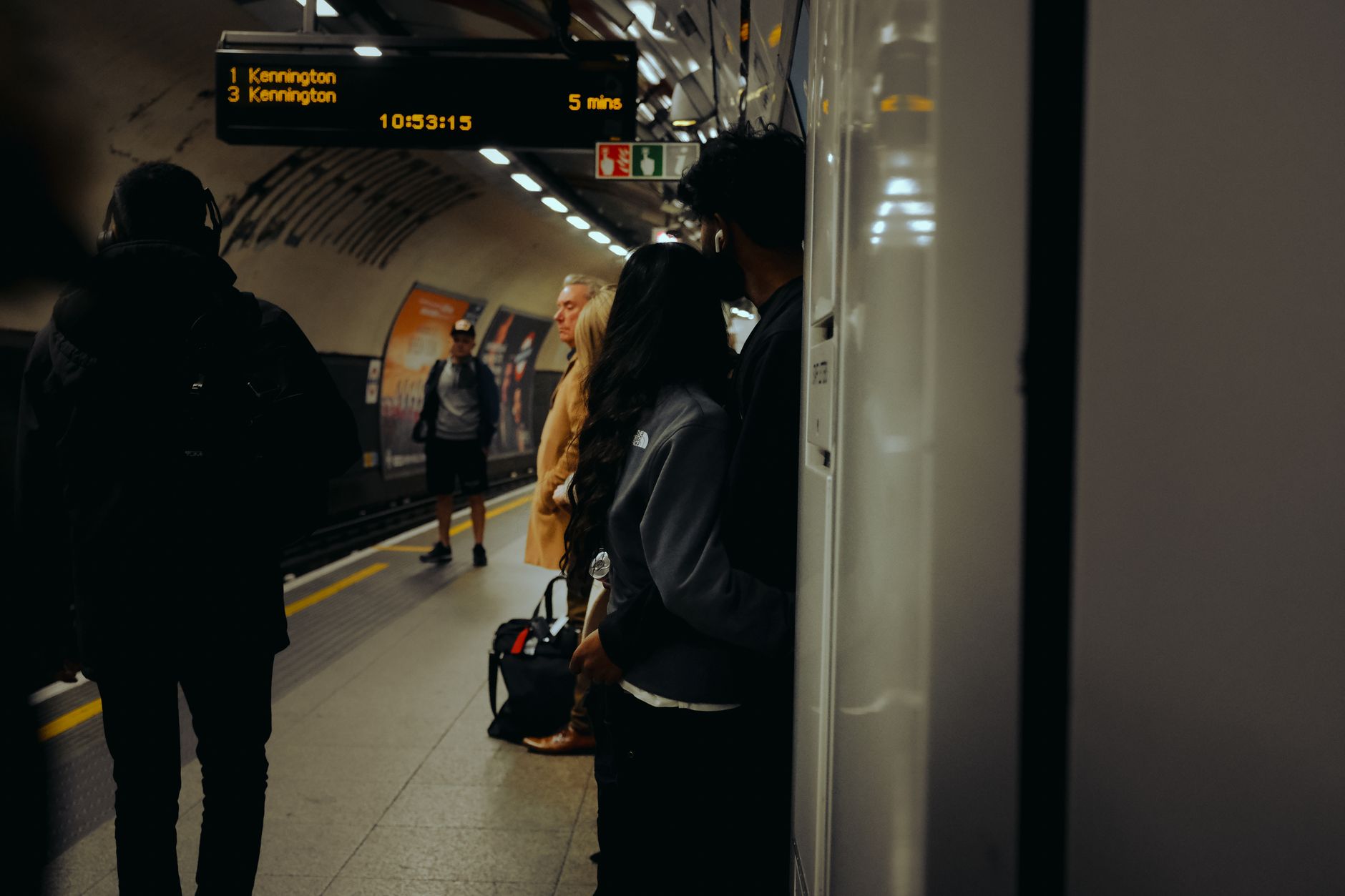
Use contactless payment or Oyster, take the Tube or Elizabeth line for speed, buses for views and short hops, trains for outer areas, and walking for neighborhoods.
TfL pay-as-you-go lets you use contactless or Oyster without buying individual tickets in advance; touch in and out on Tube, DLR, London Overground, Elizabeth line, and most National Rail services, and only touch in on buses and trams.[5]
Contactless vs Oyster
For most visitors with a contactless bank card or mobile wallet that works internationally, contactless is easiest. Oyster is still useful if your card charges high foreign transaction fees, if you prefer a dedicated travel card, or if you need certain discounts.
Important: Use the same card or device all day. Do not tap in with your phone and out with the physical card, even if they connect to the same account. TfL warns about “card clash” and payment issues if you mix cards/devices.[5]
Fare Capping
TfL caps adult pay-as-you-go fares by the zones you travel through. A central visitor staying mostly in Zones 1–2 usually benefits from daily capping without doing anything special.[6]
Buses
Buses are slower than the Tube but more scenic. The Hopper fare allows unlimited bus and tram journeys made within one hour of touching in for one fare.[7]
The move: Use buses when you are not in a hurry and want to see the city. Use the Tube or Elizabeth line when time matters.
Airport Arrivals
| Airport | Best Default for Many Visitors | Notes |
|---|---|---|
| Heathrow | Elizabeth line or Piccadilly line; Heathrow Express if Paddington is perfect for you | TfL says the Elizabeth line runs to Heathrow terminals, with Heathrow to Paddington in about 28 minutes excluding walking/interchange times.[8] Heathrow Express advertises Paddington in 15 minutes, with trains every 15 minutes.[9] |
| Gatwick | Train to Victoria, London Bridge, Blackfriars, or St Pancras depending on hotel | Gatwick Airport says Gatwick Express runs non-stop to Victoria twice an hour and takes about 30 minutes.[10] Other trains may be better depending on where you stay. |
| Stansted | Stansted Express to Liverpool Street or Tottenham Hale | Stansted Express gives a Liverpool Street journey time of about 48 minutes.[11] |
| Luton | Luton DART plus train to St Pancras/central London | Luton Airport Express says London St Pancras can be reached in as little as 32 minutes including the DART shuttle and transfer time.[12] |
| London City | DLR | Very convenient for the City, Canary Wharf, and parts of east/central London. |
Taxis and Ride-Hailing
Black cabs are iconic and useful, especially with luggage, mobility needs, or late nights. They are expensive but professional. Ride-hailing apps also operate in London.
The move: Use transit for normal movement, taxis for awkward luggage trips, late-night safety, mobility needs, or when multiple people make the cost reasonable.
Walking
London is walkable by district, not as a whole. The best walks are:
- Westminster to St James’s to Covent Garden
- South Bank from Westminster to Tower Bridge
- The City to St Paul’s to Tate Modern
- South Kensington to Hyde Park to Notting Hill
- King’s Cross to Camden via Regent’s Canal
- Hampstead village to Hampstead Heath
- Greenwich riverside to the Observatory hill
Cycling
Santander Cycles are London’s public bike-share scheme, with docking stations across central London and bikes hired through the app or docking terminal.[17]
Cycling can be lovely in parks, along some protected routes, and on quieter canalside stretches. It can also be stressful in traffic. Do it only if you are comfortable with urban cycling.
River Boats
Uber Boat by Thames Clippers operates river bus services. Contactless and Oyster can be used on Thames Clippers services, according to TfL.[18]
Worth it? Yes as transport plus sightseeing, especially to Greenwich.
Driving
Do not rent a car for London sightseeing. Parking is difficult, traffic is heavy, and charges can be confusing. Central London has a Congestion Charge, and the Ultra Low Emission Zone applies across all London boroughs for vehicles that do not meet standards.[15][16]
When a car makes sense: Rarely within London. Possibly for a countryside extension after you leave the city.
Budget and Costs
London is expensive, but not every good London experience is expensive. The city’s great trick is that some of its best culture is free while hotels and paid attractions can be brutal.
Rough Daily Budgets
These are broad planning ranges per person, excluding long-haul flights.
| Style | Daily Range | What It Looks Like |
|---|---|---|
| Shoestring | £75–£120 | Hostel bed, supermarket meals, free museums, buses/Tube, minimal paid attractions |
| Budget | £120–£200 | Simple hotel or private room outside the core, casual meals, one paid sight some days |
| Mid-range | £220–£400 | Decent central-ish hotel, restaurants, transit, some paid attractions, occasional taxi |
| Comfortable | £400–£700 | Good hotel in a strong area, booked restaurants, theater, taxis when useful |
| Luxury | £700+ | Top hotels, private guides, fine dining, premium theater seats, car transfers |
What Is Surprisingly Affordable
- Major museum permanent collections.
- Parks.
- Walking routes.
- Buses.
- Some lunchtime restaurant menus.
- Supermarket picnic meals.
- Pub lunches compared with formal dinners.
- Same-day or discount theater tickets if flexible.
What Is Surprisingly Expensive
- Hotels in central areas.
- Paid attractions for families.
- Last-minute trains.
- Taxis across town.
- Restaurant wine and cocktails.
- Breakfast in hotels.
- “View” attractions.
- Simple rooms during major events.
Best Value Moves
- Stay near a useful Tube or Elizabeth line station rather than chasing the absolute center.
- Use free museums strategically, not just because they are free.
- Book one major paid attraction per day instead of stacking three.
- Eat lunch well and dinner casually sometimes.
- Use buses for scenic hops.
- Buy theater tickets early for must-see shows or late for flexible bargains.
- Use parks and river walks as real itinerary anchors.
Splurge-Worthy
- A well-located hotel for a short first visit.
- Tower of London.
- Westminster Abbey if history matters to you.
- Churchill War Rooms if World War II history matters to you.
- A West End show.
- A private or small-group guide for the City, Westminster, East End, food, or British Museum.
- Afternoon tea if you enjoy ritual.
- A Sunday roast at a good pub.
Usually Not Worth It
- Staying far outside London to save a small amount.
- Taking taxis everywhere.
- Paying for multiple observation decks in one trip.
- Eating in obvious tourist-trap restaurants near major landmarks.
- Overbuying attraction passes without doing the math.
- Renting a car.
Safety, Health, and Scams
London is generally a safe major city for visitors, but it is not risk-free. The most common visitor problems are theft, phone snatching, pickpocketing, transport confusion, and late-night judgment failures.
General Safety
- Use normal big-city awareness.
- Keep your phone away from the curb and do not stand at the edge of the pavement distracted.
- Watch bags in pubs, cafés, trains, markets, and crowded tourist areas.
- Avoid empty parks and poorly lit shortcuts late at night.
- Use licensed taxis, black cabs, public transport, or reputable ride-hailing late at night.
- Plan your route home before you go out.
Pickpocketing and Phone Theft
The Metropolitan Police warns that pickpocket teams often use distractions to draw attention while another person steals valuables.[33]
Common places to be careful:
- Westminster Bridge and major photo spots.
- Oxford Street, Regent Street, Leicester Square, Piccadilly Circus.
- Busy Tube platforms and escalators.
- Markets.
- Pubs and cafés where phones sit on tables.
- Crowded events and nightlife streets.
The move: Keep your phone in a zipped pocket or secure bag when not using it. Do not leave it on café tables.
Common Scams and Annoyances
| Scam/Issue | What It Looks Like | How to Avoid It |
|---|---|---|
| Unofficial ticket sellers | “Discount” attraction or theater tickets from random sellers | Use official sites or reputable booths/platforms. |
| Pedicabs/rickshaws in the West End | Very high fares for short rides | Avoid unless price is clear and you are intentionally paying for the novelty. |
| Fake charity/petition distractions | Someone approaches with clipboard while accomplice watches bags | Keep moving, keep belongings close. |
| ATM distractions | Someone interrupts while you withdraw cash | Use indoor ATMs when possible; shield PIN. |
| Restaurant service confusion | Tip prompt appears despite service charge | Check bill; do not tip twice unless you want to. |
| Card clash on transit | Wrong card/device charged or maximum fare | Keep cards separate and use one device/card consistently.[5] |
Emergency and Medical Help
- Call 999 or 112 for emergencies.[29]
- Use NHS 111 online/app/phone for urgent medical help that is not life-threatening.[30]
- Pharmacies can help with minor issues and common medicines.
- Travel insurance is strongly recommended, especially for non-UK visitors.
Health Practicalities
- Tap water is safe to drink.[31]
- Air quality is usually manageable for most visitors but can vary; sensitive travelers may want to check forecasts.
- In summer heat waves, older buildings and Tube platforms can feel hot.
- In winter, damp cold can feel colder than the number suggests.
- Bring medications in original packaging and check rules for controlled medicines before travel.
Accessibility and Mobility
London is improving, but accessibility is uneven. Some parts of the transport network are excellent; some older Tube stations are difficult or impossible for step-free access.
TfL says 94 Tube stations, more than 60 London Overground stations, all 41 Elizabeth line stations, all DLR stations and tram stops, and all buses are step-free or wheelchair-accessible in relevant ways.[19]
What Works Well
- Buses are generally wheelchair-accessible.
- Elizabeth line stations are modern and step-free.
- DLR is strong for step-free travel.
- Many major museums have good accessibility information and facilities.
- Black cabs are generally accessible and useful for many mobility needs.
What Is Hard
- Older Tube stations with stairs, escalators, gaps, and no lifts.
- Crowded platforms and peak-hour travel.
- Cobblestones, uneven pavements, and old buildings.
- Small hotels without lifts.
- Basement restaurants and pubs.
- Long museum distances.
Best Areas for Easier Mobility
- South Bank/Waterloo.
- South Kensington near the museums.
- King’s Cross/St Pancras.
- Paddington/Elizabeth line areas.
- Canary Wharf and Greenwich via step-free routes.
- Modern hotel zones near accessible stations.
Areas to Plan Carefully
- Covent Garden station can be awkward because of lifts/stairs and crowds.
- Notting Hill and older residential areas can include steps and uneven pavements.
- The City has historic lanes and level changes.
- Some pubs and heritage buildings have limited access.
The Move
Use TfL’s step-free route planner and check station status the day you travel. Step-free access can be temporarily disrupted by lift outages.
Families, Solo Travelers, and Special Considerations
Families with Kids
London is one of the world’s great family cities if you pace it correctly.
Best family areas: South Bank, South Kensington, Bloomsbury, Kensington, Marylebone, King’s Cross.
Best family activities:
- Natural History Museum.
- Science Museum.
- Tower of London.
- London Transport Museum.
- Greenwich.
- Hyde Park/Kensington Gardens playgrounds.
- River boat.
- Matinee theater.
- Harry Potter studio tour as a separate half/full-day commitment.
Family mistakes:
- Too many museums in one day.
- Long restaurant meals every night.
- Staying far from transit.
- Expecting kids to care about every royal/political landmark.
- Forgetting that paid attractions add up fast.
Solo Travelers
London is excellent solo. It has counter dining, museums, theater, walking routes, bookshops, cafés, pubs, and safe-feeling central areas when you use normal judgment.
Best solo bases: Bloomsbury, Fitzrovia, Covent Garden, South Bank, Marylebone, Shoreditch.
Solo move: Book one evening plan — theater, comedy, live music, food tour, or a good restaurant counter — so nights do not default to wandering while tired.
LGBTQ+ Travelers
London has a large LGBTQ+ community and visible nightlife, especially around Soho, Vauxhall, Dalston, and parts of East London. The city is generally welcoming, though normal late-night safety applies.
Older Travelers
Choose lodging carefully. Prioritize lifts, air-conditioning in summer, proximity to transit, and a neighborhood where you can eat dinner without a long ride.
Best bases: South Kensington, Marylebone, Bloomsbury, South Bank, Westminster/St James’s if budget allows.
Remote Workers
London works well for remote workers but is expensive. Look for apartment-style lodging, reliable Wi-Fi, neighborhood cafés, libraries, and coworking spaces. Avoid tiny hotel rooms if you need to work seriously.
Travelers with Dietary Needs
London is strong for vegetarian, vegan, gluten-free, halal, kosher, and allergy-aware dining, but do not improvise every meal if your needs are serious. Research restaurants, book ahead, and communicate clearly.
Shopping and Souvenirs
London shopping ranges from global luxury to tiny museum shops. The trick is not to spend your trip trapped on Oxford Street.
Best Shopping Areas
| Area | Best For |
|---|---|
| Oxford Street | Major chains and department stores; useful but crowded |
| Regent Street | Flagships, architecture, more pleasant than Oxford Street |
| Bond Street/Mayfair | Luxury fashion, jewelry, galleries |
| Covent Garden/Seven Dials | Beauty, gifts, boutiques, central wandering |
| Marylebone High Street | Books, boutiques, food gifts, civilized shopping |
| Carnaby/Soho | Fashion, lifestyle, restaurants, youth energy |
| King’s Road/Chelsea | Fashion, interiors, polished west London |
| Notting Hill/Portobello | Vintage, antiques, boutiques, market atmosphere |
| Shoreditch/Spitalfields | Independent shops, design, vintage, streetwear |
| Camden | Alternative fashion, touristy finds, youth culture |
| Knightsbridge | Harrods, Harvey Nichols, luxury shopping |
Best Souvenirs
- Tea from a proper tea shop or department store.
- Books from a London bookshop.
- Museum shop prints, design objects, children’s books, and replicas.
- British-made toiletries or fragrances.
- Chocolate, biscuits, marmalade, chutney, or preserves.
- Football scarves or team merchandise if meaningful.
- Stationery, notebooks, maps, and prints.
- Vintage finds from Portobello, Camden, or East London.
What Not to Buy
- Union Jack plastic clutter.
- “London” souvenirs made with no connection to the city.
- Food you cannot legally bring home.
- Expensive goods assuming you can get a VAT refund at the airport. Visit London notes that the UK removed the VAT Retail Export Scheme and tourists generally cannot claim a VAT refund on in-store goods taken home in luggage from London.[34]
The Move
Use museum shops and independent neighborhoods for better souvenirs. The British Museum, V&A, National Gallery, Tate, Transport Museum, Daunt Books, and small design stores beat generic souvenir shops almost every time.
Arts, Culture, History, and Context
London is not just old. It is repeatedly rebuilt.
Short History for Travelers
London began as Roman Londinium, grew into a medieval trading city, became a royal and religious capital, survived plague and fire, expanded with empire and industry, absorbed waves of migration, endured the Blitz, rebuilt in postwar layers, and became one of the world’s most global financial and cultural cities.
The visitor sees this in fragments:
- Roman wall pieces in the City.
- Medieval lanes and church sites.
- Tudor and Stuart drama around the Tower, Westminster, and Hampton Court.
- Wren churches after the Great Fire.
- Georgian squares in Bloomsbury and Marylebone.
- Victorian engineering, railways, museums, and markets.
- Imperial collections and their contested legacies.
- Postwar estates, immigrant neighborhoods, and modern towers.
- Contemporary London’s tension between wealth, creativity, housing pressure, and constant reinvention.
Cultural Themes to Notice
The Thames
The river is not scenery. It is London’s reason for existing: trade, defense, sewage, empire, industry, leisure, and now a visitor-friendly walking route.
The City vs Westminster
Financial London and political London are close but distinct. The City looks east and global; Westminster performs national power.
Free Museums and Empire
London’s museums are extraordinary, but many collections are tied to empire, extraction, archaeology, and contested ownership. A world-class visit can appreciate the objects and still ask how they got there.
Class and Neighborhoods
London’s elegance and inequality sit side by side. A few Tube stops can shift you from global wealth to working-class history to immigrant food corridors to creative nightlife.
The Village Illusion
Londoners often describe neighborhoods as villages. That is partly true — and partly how a huge city makes itself livable.
Books, Films, Music, and Preparation
Good pre-trip directions:
- History: readable histories of London, the Blitz, the Great Fire, Roman Britain, Tudor/Stuart England, or the British Empire.
- Fiction: Charles Dickens for Victorian London; Virginia Woolf for Bloomsbury; Zadie Smith for northwest London; Monica Ali for Brick Lane; Hanif Kureishi for suburban/multicultural London.
- Films/TV: choose by mood: royal London, crime London, rom-com London, immigrant London, spy London, or punk/music London.
- Music: punk, grime, Britpop, reggae, jungle, garage, drill, classical, and West End cast recordings all belong to different Londons.
Etiquette and Local Norms
- Stand on the right on escalators; walk on the left.
- Let passengers off before boarding Tube or train.
- Do not block station gates while checking your phone.
- Keep your voice moderate on public transport.
- Queue properly.
- Say “please,” “thank you,” and “sorry” more than you think necessary.
- In pubs, order at the bar unless told otherwise.
- Check the service charge before tipping.
- Do not treat royal guards, commuters, or market workers as props.
- On narrow pavements, avoid walking four abreast.
Seasonal and Month-by-Month Guide
Winter
Best for: museums, theater, pubs, Christmas lights, shopping, lower post-holiday prices.
Pack: warm layers, waterproof shoes, compact umbrella, gloves, scarf.
Watch out for: short days, rain, transport changes around holidays, expensive Christmas/New Year dates.
Great winter day: British Museum, lunch in Bloomsbury, National Gallery, early dinner, West End show.
Spring
Best for: parks, gardens, walking, first visits.
Pack: layers, rain jacket, comfortable shoes.
Watch out for: Easter crowds and unpredictable weather.
Great spring day: South Kensington museum, Kensington Gardens, Notting Hill, pub dinner.
Summer
Best for: parks, outdoor theater, river walks, festivals, long evenings.
Pack: layers, sunglasses, light rain gear, refillable water bottle.
Watch out for: crowds, hotel prices, heat waves, school holidays.
Great summer day: Hampstead Heath or Regent’s Park, market lunch, late Thames walk, outdoor drinks.
Autumn
Best for: culture, food, parks, theater, photography.
Pack: layers, rain gear, shoes that handle wet pavements.
Watch out for: shorter days and event-related hotel spikes.
Great autumn day: Tower at opening, City walk, Tate Modern, Borough Market, theater.
Major Annual Events to Know
- Trooping the Colour: June royal/military ceremony on Horse Guards Parade, tied to the monarch’s official birthday.[38]
- Wimbledon: late June/July tennis in southwest London.
- BBC Proms: summer classical music season, centered on Royal Albert Hall.
- Notting Hill Carnival: August bank holiday weekend; huge Caribbean carnival and one of London’s biggest events.[35]
- Open House Festival: September architecture festival; 2026 dates are September 12–20.[36]
- Frieze London: major art fair in October.
- Christmas lights and markets: late November through December.
- New Year’s Eve fireworks: ticketed official event.[37]
Day Trips from London
London has excellent day trips, but not every famous place makes a good day trip for every traveler. The mistake is chasing names instead of logistics.
Day Trip Comparison
| Day Trip | Best For | Travel Style | Verdict |
|---|---|---|---|
| Windsor | Castle, royal history, easy logistics | Train | Best first day trip for many visitors |
| Hampton Court Palace | Tudor history, gardens, families | Train | Excellent and close; feels less rushed than farther trips |
| Oxford | Colleges, libraries, architecture, pubs | Train | Great if you like walking and history |
| Cambridge | Colleges, punting, pretty streets | Train | Beautiful, compact, strong alternative to Oxford |
| Brighton | Seaside, lanes, casual day out | Train | Best for a change of mood, not grand history |
| Bath | Georgian architecture, Roman Baths | Train | Wonderful but longer; consider overnight if you want depth |
| Canterbury | Cathedral, medieval streets | Train | Strong history day with manageable scale |
| Stonehenge + Salisbury | Ancient site plus cathedral | Train/tour | Best with careful planning; Stonehenge alone can feel underwhelming for the travel time |
| Warner Bros. Studio Tour | Harry Potter fans, families | Train/shuttle or tour | Worth it if you care; not a casual add-on |
| Kew Gardens | Gardens, glasshouses, relaxed day | Tube/train | Technically London, but feels like a green escape |
Windsor
Why go: Windsor Castle, royal history, riverside town, easy half/full day.
Best for: first-time visitors who want a classic day trip without difficult logistics.
Common mistake: Pairing it with too many other places.
Hampton Court Palace
Why go: Tudor drama, Henry VIII, kitchens, gardens, maze, riverside setting.
Best for: history lovers, families, travelers who want a big palace day without leaving the London orbit.
Verdict: One of the best-value “day trips” because it is close and rich.
Oxford or Cambridge
Why go: colleges, chapels, libraries, river walks, pubs, academic atmosphere.
Best for: architecture and history lovers.
How to choose: Oxford feels larger and more urban; Cambridge feels more compact and postcard-pretty around the Backs.
Bath
Why go: Roman Baths, Georgian crescents, honey-colored stone, Jane Austen associations.
Best for: architecture lovers and romantic weekends.
Verdict: Possible as a day trip but better overnight if you can spare it.
Brighton
Why go: seaside air, Royal Pavilion, lanes, pier, queer culture, relaxed energy.
Best for: summer, repeat visitors, a break from museums.
Canterbury
Why go: cathedral, medieval lanes, pilgrimage history.
Best for: history, churches, compact city wandering.
Stonehenge
Why go: prehistoric monument with global recognition.
Best for: travelers with a specific interest in ancient sites.
Honest verdict: Worth it if you care deeply or pair it well with Salisbury. Not worth sacrificing a first London day if you are going only because you recognize the name.
What to Skip
This does not mean these places are bad. It means they are not always the best use of limited time.
Skip or Deprioritize on a First Short Trip
- Madame Tussauds unless wax museums are your thing or children specifically want it.
- Oxford Street at peak times unless you have a shopping mission.
- Leicester Square restaurants unless you have researched a specific place.
- Changing of the Guard if you hate crowds and waiting.
- Multiple paid viewpoints in one trip.
- Hop-on hop-off buses if traffic is heavy and you are comfortable using public transport.
- A Stonehenge day trip if you have only three days in London and no special interest.
- Generic “royal London” tours that do not add access, expertise, or good pacing.
- Platform 9¾ queue at King’s Cross unless the photo matters to you or your children.
Better Alternatives
| Instead of... | Try... |
|---|---|
| Oxford Street shopping crush | Marylebone, Covent Garden, Regent Street, Coal Drops Yard, King’s Road, Spitalfields |
| Tourist-trap pub beside a landmark | A pub in Bloomsbury, Marylebone, Clerkenwell, Hampstead, or the City’s side streets |
| London Eye in poor weather | Sky Garden, Horizon 22, Primrose Hill, Greenwich Park, Parliament Hill, or a clear-day booking |
| Overcrowded Saturday Borough Market | Weekday Borough, Maltby Street, Broadway Market, or a neighborhood restaurant lunch |
| Seeing only Westminster | Add South Bank, the City, East London, or a real neighborhood walk |
| Random curry on Brick Lane | Research a specific South Asian restaurant or go deeper to Southall, Tooting, Wembley, or East Ham |
Common Mistakes
- Staying too far out. Saving £30 a night can cost you time, transfers, and patience.
- Trying to see all of London. You cannot. Choose a version.
- Crossing town too often. Group sights by area.
- Overloading museum days. One big museum plus one smaller thing is usually enough.
- Not booking key attractions. Popular sights and shows sell out or become annoying without timed entry.
- Eating beside landmarks. Walk 10–15 minutes away or research first.
- Assuming “free museum” means no planning. Free museums can still need timed entry or patience.
- Using the wrong airport transfer. Best depends on hotel location, luggage, and arrival time.
- Buying an Oyster card unnecessarily. Contactless works for many visitors, if your card has fair fees.
- Tapping with different cards/devices. This can trigger wrong fares.
- Calling Tower Bridge “London Bridge.” Not a disaster, but you will confuse directions.
- Underestimating walking. London days add up. Wear real shoes.
- Forgetting service charge. Do not tip twice unless you want to.
- Renting a car. Almost always a bad idea for city sightseeing.
- Ignoring weather. London rewards flexible indoor/outdoor plans.
- Planning dinner after theater too late. Kitchens may close; book or eat before.
- Doing only royal London. The city’s food, neighborhoods, markets, and museums are just as important.
- Trying to do all the markets. Pick based on day and location.
- Standing in station entrances. Move to the side before checking maps.
- Leaving no unplanned time. London’s best moments often happen between scheduled things.
Responsible Travel
London is a global city with real pressure: housing costs, overtourism in specific pockets, crowded public transport, cultural institutions wrestling with colonial legacies, and neighborhoods where visitor behavior matters.
Visit well by doing the basics:
- Stay in legal, responsible lodging.
- Support independent restaurants, pubs, bookshops, markets, and small museums.
- Do not block pavements or station gates for photos.
- Respect residential streets in Notting Hill, Chelsea, Hampstead, and other photogenic neighborhoods.
- Use public transport and walking instead of unnecessary taxis.
- Carry a reusable water bottle; tap water is safe.[31]
- Treat museum collections as cultural objects, not just selfie backgrounds.
- Be polite to service workers and transit staff.
- Avoid exploitative “poverty tours” or voyeuristic neighborhood content.
- Remember that London is not a theme park. People live here.
Packing List
Year-Round Essentials
- Comfortable walking shoes.
- Light rain jacket or compact umbrella.
- Layers.
- Type G plug adapter.
- Portable charger.
- Crossbody or secure day bag.
- Refillable water bottle.
- Contactless card with low/no foreign transaction fees.
- Backup payment card.
- Printed or offline copies of key bookings.
- Medication in original packaging.
Winter
- Warm coat.
- Scarf, gloves, hat.
- Waterproof shoes.
- More indoor-culture clothing than outdoor-adventure gear.
Spring and Autumn
- Light waterproof layer.
- Sweater or fleece.
- Shoes that handle wet pavement.
- Sunglasses because London weather enjoys contradiction.
Summer
- Light layers.
- Sunglasses.
- Sunscreen.
- Breathable clothing.
- A warmer layer for evenings.
- Hotel air-conditioning check if heat-sensitive.
What Not to Pack
- Formal clothing unless you have specific restaurant, event, or business plans.
- Too many shoes.
- A huge umbrella that annoys everyone on pavements.
- Heavy luggage if staying in older hotels or using Tube stations without step-free access.
FAQ
Is London worth visiting?
Yes. London is one of the world’s richest visitor cities because it combines museums, theater, history, parks, food, shopping, neighborhoods, and day trips at unusual depth.
How many days do I need for London?
Three full days is the minimum satisfying first visit. Four or five is better. A week is ideal if London is the main destination.
What is the best area to stay in London for a first visit?
Covent Garden/Soho for convenience, South Bank/Waterloo for river access and family logistics, Bloomsbury/Fitzrovia for museums and value, and South Kensington/Kensington for a calmer museum-and-park base.
Is London safe?
Generally yes for visitors using normal big-city awareness. The main concerns are pickpocketing, phone theft, nightlife judgment, and transport confusion rather than violent crime in tourist areas.
Do I need cash?
Not much. Cards and mobile payments are widely accepted, but keep a small amount of cash for emergencies, tips, small markets, or older businesses.
Should I buy an Oyster card?
Many visitors can simply use contactless payment. Oyster is useful if your bank card has high fees, if you prefer a separate transit card, or if you need certain discounts. Use one card/device consistently.
Do I need a car in London?
No. A car is usually a liability. Use public transport, walking, taxis, trains, and river boats.
Is London expensive?
Yes, especially hotels and paid attractions. But many major museums, parks, walks, and neighborhood experiences are free.
What should I book ahead?
Book popular theater shows, Churchill War Rooms, Westminster Abbey, high-demand restaurants, Sunday roasts, afternoon tea, Sky Garden, and major attractions during school holidays. The Tower of London is also easier with planning.
What is the best free thing to do in London?
Walk the South Bank, visit a major museum, explore a royal park, or walk Westminster/St James’s from the outside.
Which London museums are free?
Many major museums have free permanent collections, including the British Museum, National Gallery, Tate Modern, V&A, Natural History Museum, Science Museum, Tate Britain, and more; special exhibitions may charge.[20]
Is the London Eye worth it?
It is worth it on a clear day if you want the experience and have the budget. It is skippable if money is tight, weather is poor, or you are happy with free or cheaper viewpoints.
Is Changing of the Guard worth it?
Worth it if ceremony matters to you and you are willing to arrive early. Skippable if you dislike crowds and waiting.
What is the best food market?
Borough Market is the classic first-timer choice. Maltby Street, Broadway Market, Old Spitalfields, Camden, and Portobello may be better depending on day, location, and crowd tolerance.
Can I drink tap water?
Yes. London tap water is safe to drink.[31]
How does tipping work?
Check the bill. If a service charge is included, you generally do not need to add more. If not, 10–15% for good table service is customary in many restaurants.[32]
What should I avoid in London?
Avoid renting a car, staying far outside the city to save a little money, eating at obvious tourist traps, overloading each day, and crossing the city repeatedly without a plan.
What is the best day trip from London?
For most first-timers, Windsor or Hampton Court. Oxford and Cambridge are excellent if you want university-city atmosphere; Bath is beautiful but better with more time.
What is the one thing first-timers should understand?
London is not a checklist. It is a city of areas. Build each day around a neighborhood cluster and your trip will immediately improve.
Source Notes
- 1. Encyclopaedia Britannica, “London,” https://www.britannica.com/place/London
- 2. Encyclopaedia Britannica, “City of London,” https://www.britannica.com/place/City-of-London
- 3. Visit London, “Best time to visit London,” https://www.visitlondon.com/things-to-do/visiting-london-for-the-first-time/best-time-to-visit
- 4. GOV.UK, “Get an electronic travel authorisation (ETA) to visit the UK,” https://www.gov.uk/eta
- 5. Transport for London, “Pay as you go with an Oyster card,” https://tfl.gov.uk/fares/ways-to-pay/pay-as-you-go
- 6. Transport for London, “Fare capping,” https://tfl.gov.uk/fares/find-fares/capping
- 7. Transport for London, “Bus and tram fares,” https://tfl.gov.uk/fares/find-fares/bus-and-tram-fares
- 8. Transport for London, “London airports and rail connections,” https://tfl.gov.uk/travel-information/visiting-london/getting-to-london/london-airports
- 9. Heathrow Express, official homepage/timetable information, https://www.heathrowexpress.com/en-us
- 10. London Gatwick Airport, “Train Travel and London Gatwick,” https://www.gatwickairport.com/transport-options/train.html
- 11. Stansted Express, official service information, https://www.stanstedexpress.com/
- 12. Luton Airport Express, “Trains from Luton Airport to London,” https://www.lutonairportexpress.co.uk/routes/luton-airport-to-london
- 13. Eurostar, official website, https://www.eurostar.com/us-en
- 14. Transport for London, “The Night Tube,” https://tfl.gov.uk/modes/tube/night-tube
- 15. Transport for London, “Congestion Charge,” https://tfl.gov.uk/modes/driving/congestion-charge
- 16. Transport for London, “Ultra Low Emission Zone,” https://tfl.gov.uk/modes/driving/ultra-low-emission-zone
- 17. Transport for London, “Santander Cycles,” https://tfl.gov.uk/modes/cycling/santander-cycles
- 18. Transport for London, “About River Bus,” https://tfl.gov.uk/modes/river/about-river-bus
- 19. Transport for London, “Step-free access,” https://tfl.gov.uk/travel-information/improvements-and-projects/step-free-access
- 20. Visit London, “Free museums in London,” https://www.visitlondon.com/things-to-do/sightseeing/london-attraction/museum/free-museums-in-london
- 21. British Museum, “Visit,” https://www.britishmuseum.org/visit
- 22. The National Gallery, “Plan your visit,” https://www.nationalgallery.org.uk/visiting/plan-your-visit
- 23. Tate, “Tate Modern,” https://www.tate.org.uk/visit/tate-modern
- 24. Victoria and Albert Museum, “Visit V&A South Kensington,” https://www.vam.ac.uk/south-kensington/visit
- 25. Natural History Museum, “Visit,” https://www.nhm.ac.uk/visit.html
- 26. Westminster Abbey, “Plan your visit,” https://www.westminster-abbey.org/visit-us/plan-your-visit/
- 27. Historic Royal Palaces, “Tower of London tickets and prices,” https://www.hrp.org.uk/tower-of-london/visit/tickets-and-prices/
- 28. Imperial War Museums, “Churchill War Rooms: Book Tickets Online,” https://www.iwm.org.uk/visits/churchill-war-rooms/booking
- 29. GOV.UK, “999 and 112: the UK’s national emergency numbers,” https://www.gov.uk/guidance/999-and-112-the-uks-national-emergency-numbers
- 30. NHS, “When to use NHS 111 online or call 111,” https://www.nhs.uk/nhs-services/urgent-and-emergency-care-services/when-to-use-111/
- 31. Visit London, “Can you drink tap water in London?,” https://www.visitlondon.com/traveller-information/essential-information/drinking-water
- 32. Visit London, “Tipping in London,” https://www.visitlondon.com/traveller-information/essential-information/money/tipping
- 33. Metropolitan Police, “Don’t let them pocket it,” https://www.met.police.uk/cp/crime-prevention/personal-safety-how-to-stay-safe/pickpocketing/
- 34. Visit London, “Tips for tax-free shopping in London for tourists,” https://www.visitlondon.com/traveller-information/essential-information/money/tax-free
- 35. Notting Hill Carnival official site, https://nhcarnival.org/
- 36. Open City, “Open House Festival 2026,” https://open-city.org.uk/open-house-festival
- 37. Visit London, “London New Year’s Eve fireworks,” https://www.visitlondon.com/things-to-do/event/27002385-london-new-years-eve-fireworks
- 38. Trooping the Colour official information, https://www.trooping-the-colour.co.uk/