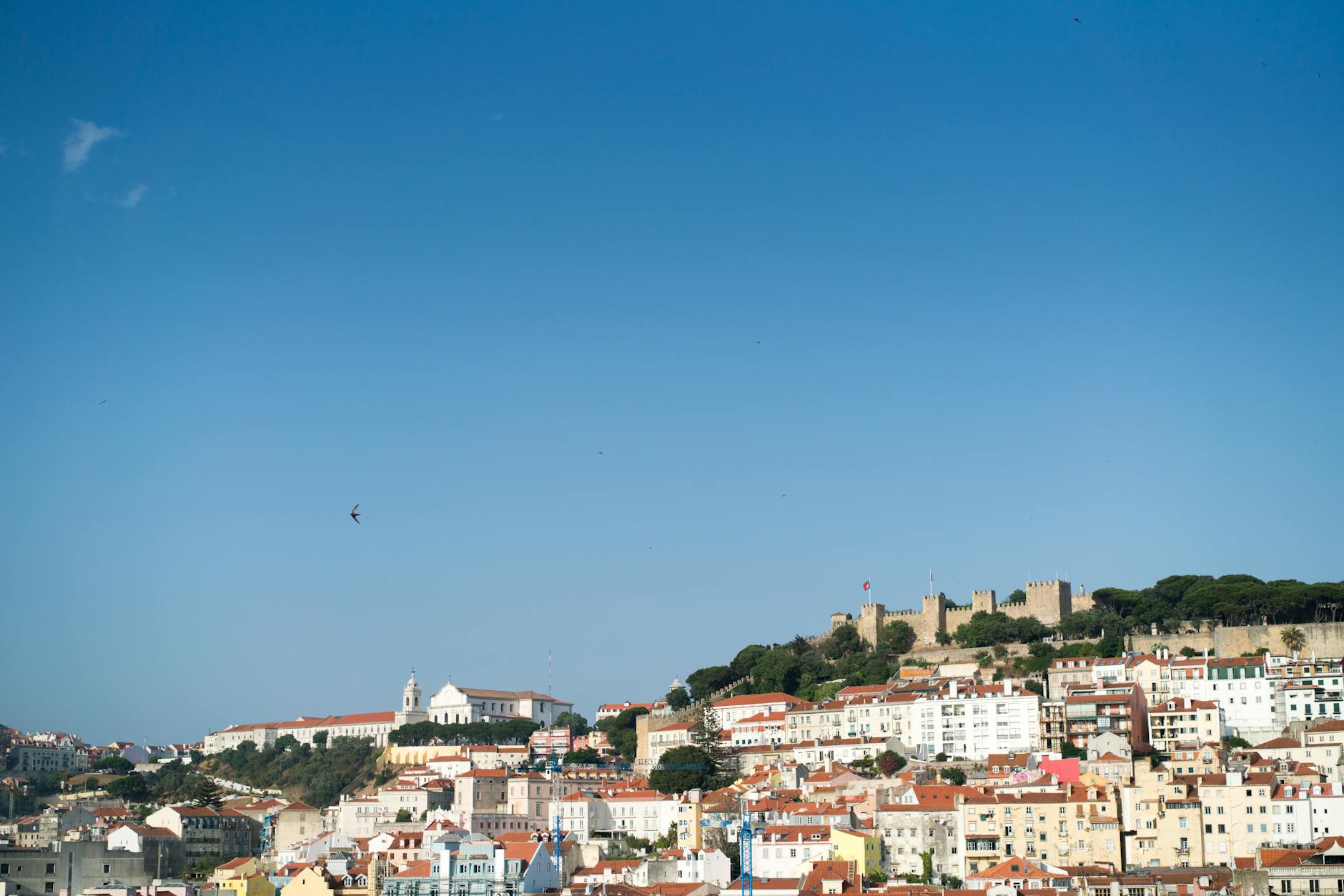
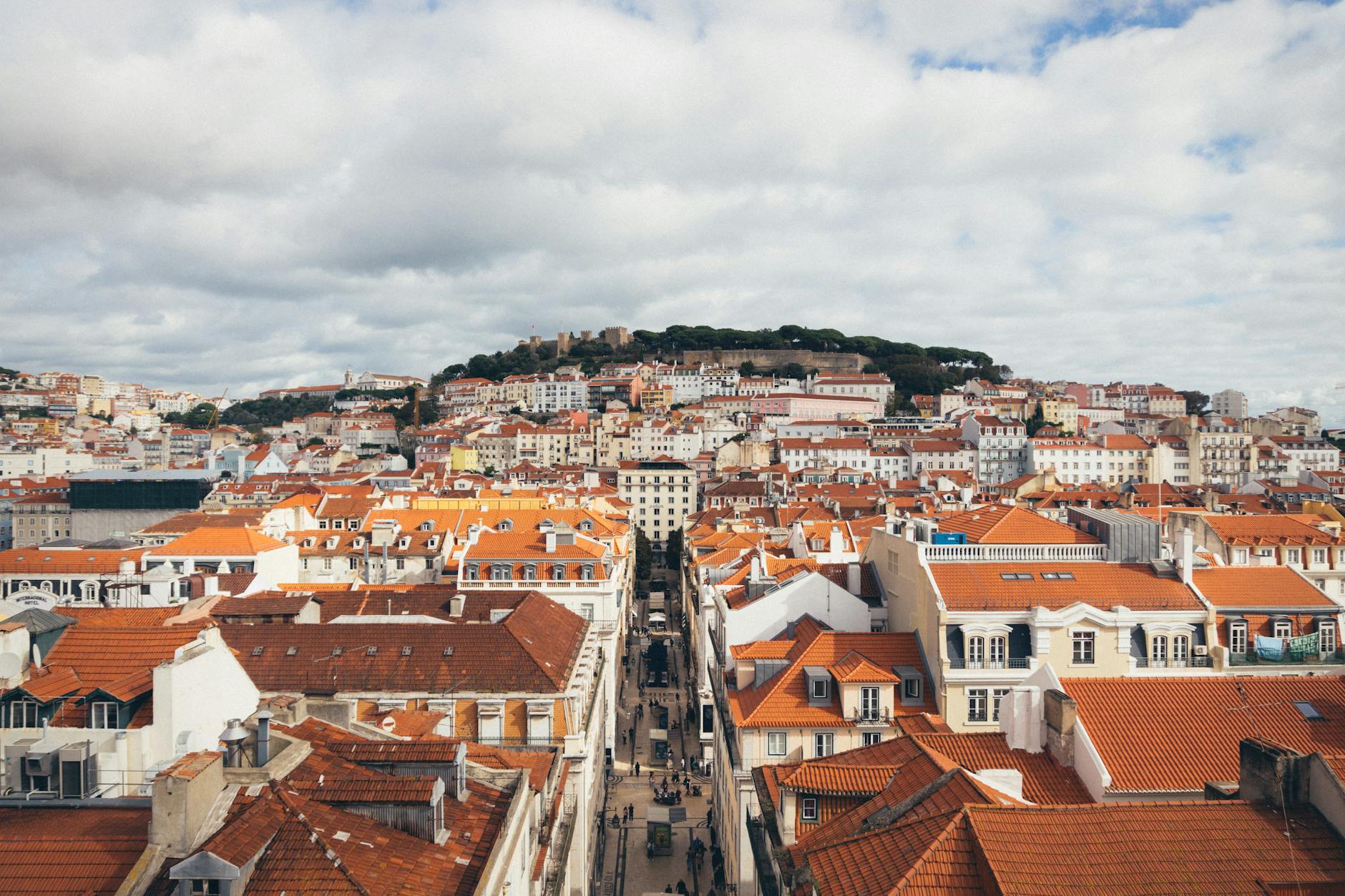
Lisbon looks easy from a distance: yellow trams, blue tiles, red roofs, custard tarts, river light, and steep streets tumbling toward the Tagus. That version is real, but it is not the whole city. Lisbon is beautiful in the obvious ways, but its real power is in its layers: a seafaring capital built on empire and earthquake, a working port city remade by tourism and technology, a city of tiled facades and tiny taverns, of fado rooms and design hotels, of old neighborhoods where daily life still happens beside selfie lines.
Start Here
The mistake visitors make with Lisbon is treating it as a postcard city. They ride Tram 28, eat one pastel de nata, photograph a viewpoint, squeeze in Sintra, and leave thinking they have understood it. Lisbon is better than that. It deserves a little strategy: where to stay if you hate hills, when to visit Belém, how to handle Alfama without turning it into a checklist, where the city is charming but impractical, how to eat beyond the most obvious tourist zone, and when to escape to the river, the gardens, or the Atlantic.
Lisbon is not a city you conquer efficiently. It is a city you pace. You walk until the hill wins, stop for coffee, find a miradouro, drop into a tiled church, eat grilled fish or petiscos, take a ferry across the river, watch the light change, and understand why a city this small can keep pulling people back.
This guide is designed for travelers who want more than “things to do in Lisbon.” It explains where to stay, how the neighborhoods differ, how to manage hills and crowds, what to book ahead, what to skip, where the best food experiences fit, how to use public transport, how to plan Sintra without ruining a day, and how to experience Lisbon as a living city rather than a set of Instagram locations.
Lisbon in one sentence: Lisbon is a luminous, hilly Atlantic capital where tiled streets, river views, old neighborhoods, seafood, fado, design, and day trips reward travelers who move slowly and plan the logistics carefully.
Quick Verdict
| Question | Answer |
|---|---|
| Best for | Viewpoints, historic neighborhoods, seafood, pastries, tiled architecture, fado, river walks, romantic weekends, first trips to Portugal, easy day trips to Sintra and Cascais, design hotels, and travelers who like cities with texture rather than polish everywhere. |
| Not ideal for | Travelers who dislike hills, cobblestones, stairs, crowds, uneven sidewalks, small hotel rooms in old buildings, or cities where popular sights require tactical timing. |
| Ideal first visit | 4 full days. Three days covers the core; 5 days lets you add Sintra or Cascais without shortchanging Lisbon; a week is excellent if you want slower neighborhoods, beaches, museums, and multiple side trips. |
| Best months | April, May, early June, late September, and October. March and November can be good value. July and August bring heat, crowds, cruise traffic, and higher beach demand. Winter is underrated for food, museums, and low-season prices. |
| Best first-timer base | Baixa/Chiado for convenience; Avenida da Liberdade for comfort and transit; Príncipe Real for restaurants and style; Alfama/Graça for atmosphere if you can handle hills; Cais do Sodré/Santos for nightlife and waterfront access. |
| Biggest planning mistake | Booking a hotel in a “charming” hill neighborhood without understanding stairs, taxis, luggage, night noise, and transit access. Lisbon’s map lies: short distances can feel long. |
| One thing to book ahead | Jerónimos Monastery, São Jorge Castle if timing matters, fado, popular restaurants, Sintra palace time slots, and high-demand hotels in spring/fall. |
| One thing to leave unscheduled | A long Alfama/Graça wander, a kiosk drink, a riverfront walk, a ferry to Cacilhas, or an afternoon that follows viewpoints instead of a rigid plan. |
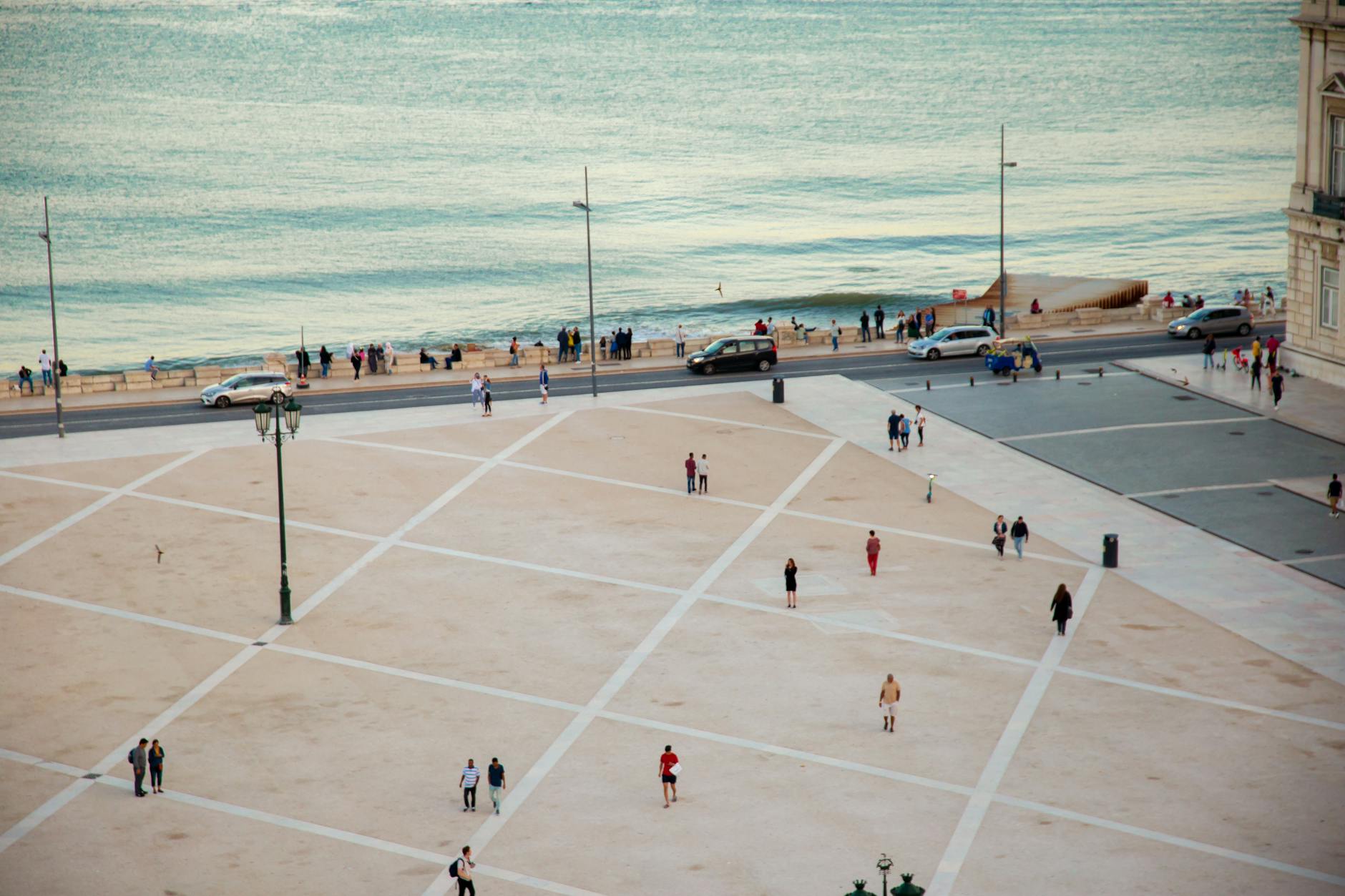
| Best free pleasure | Miradouros, tiled facades, Praça do Comércio at golden hour, the riverside around Belém, Jardim da Estrela, wandering Alfama early, and watching sunset from across the Tagus. |
| Most important warning | Lisbon is steep, slippery in rain, and crowded around famous trams/viewpoints. Wear real shoes, plan by neighborhood, and do not build every day around uphill walking. |
The Move
Build each Lisbon day around one hill, one neighborhood cluster, and one pause. Do not zigzag from Belém to Alfama to Príncipe Real to Parque das Nações in one day because the map makes it look possible. Pair nearby experiences: Alfama with Castelo and Graça; Baixa with Chiado and Bairro Alto; Belém with MAAT and the riverfront; Cais do Sodré with Santos and Madragoa; Avenida with Gulbenkian/CAM and Príncipe Real.
Who Will Love Lisbon?
You will probably love Lisbon if you want:
- A beautiful city that feels old, lived-in, and visually generous.
- A mix of urban wandering, food, viewpoints, music, museums, and day trips.
- A trip that can be romantic without requiring luxury.
- Neighborhoods with distinct personalities within a compact area.
- Great pastries, seafood, wine, coffee, and casual tavern meals.
- Easy train trips to Sintra and Cascais.
- A city where the light, river, tiles, and hills do much of the emotional work.
You may struggle with Lisbon if you want:
- Flat sidewalks and easy wheelchair/stroller movement everywhere.
- Perfect public transport coverage to every scenic corner.
- A city that is quiet in the historic center.
- Beaches directly in the old town.
- Big, polished, late-night capital-city efficiency.
- A no-reservations trip during spring, summer, or fall.
Lisbon is worth visiting because it gives you a rare combination: a major European capital that still feels intimate, a historic city with a strong food culture, a river city with Atlantic access, and a base for some of Portugal’s best short excursions.
Lisbon at a Glance
| Practical | Detail |
|---|---|
| Country | Portugal |
| Region | Lisbon Region / Área Metropolitana de Lisboa |
| Language | Portuguese. English is widely spoken in hotels, museums, restaurants, and tourist-facing businesses, but basic Portuguese greetings are appreciated. |
| Currency | Euro, written as € or EUR |
| Cards vs cash | Cards are widely accepted, but carry some cash for old tascas, markets, small bakeries, kiosks, tips, and occasional minimum-card situations. |
| Main airport | Humberto Delgado Airport / Lisbon Airport (LIS), unusually close to the city center. |
| Main rail stations | Santa Apolónia for some intercity trains and easy Alfama/Baixa access; Oriente for long-distance rail, airport proximity, and Parque das Nações; Rossio for Sintra trains; Cais do Sodré for Cascais trains. |
| Best airport default | Metro is usually the best budget option. The airport has a Metro station, and the official airport site says the Aeroporto–Saldanha line reaches downtown Lisbon in about 20 minutes.[5] |
| Public transit | Metro, Carris buses/trams/funiculars/lifts, CP suburban trains, ferries across the Tagus, taxis, ride-hailing apps, and some bike/scooter options. |
| Transit tickets | Metro/Carris occasional ticket: €1.90; 24h Carris/Metro ticket: €7.25; 24h Carris/Metro/CP ticket: €11.40; zapping credit is available. Metro’s official fare page also lists bank-card contactless Metro journeys at €1.92.[3] |
| Transit card | A navegante occasional electronic card costs €0.50 and can be topped up for journeys.[5] |
| Lisboa Card | The official visitor card includes public transport plus free entry/discounts at many museums and attractions; the official shop describes 24h, 48h, and 72h options and states prices are valid until 31 March 2027.[2] |
| Tap water | Safe to drink. Bring a reusable bottle, especially in summer. |
| Electricity | Portugal uses European plug types C and F, 230V. |
| Tipping | Appreciated but not North American-style mandatory. Round up at cafés, leave small change for casual meals, or add 5–10% for good restaurant service. |
| Emergency number | 112 is the emergency number. |
| Entry rules | Portugal is in the Schengen Area. Rules depend on nationality. The EU Entry/Exit System began rolling out in October 2025, and ETIAS for visa-exempt travelers is expected to start in the last quarter of 2026.[12][13] |
| Best planning app mix | Google Maps or Apple Maps for walking, Citymapper for transit, CP for trains, Bolt/Uber/Free Now for rides, TheFork or restaurant websites for reservations, and official attraction sites for tickets. |
2026 Museum and Monument Note
Lisbon has had several major museum and monument renovations. As of this update, the official Belém Tower page says the tower reopens to the public on 27 May and lists regular admission at €15.[7] The National Tile Museum’s official page says it is closed to the public for construction works under Portugal’s Recovery and Resilience Plan.[8] The Gulbenkian Museum states that its main museum is closed for renovation and reopening in July 2026.[9] Re-check before building an itinerary around any one museum.
First-Timer Mistake
Assuming Lisbon’s historic neighborhoods are all equally easy to stay in. Baixa and Avenida are physically easier. Alfama, Castelo, Graça, and parts of Bairro Alto are atmospheric but can be brutal with luggage, strollers, mobility issues, or late-night taxi drop-offs.
How to Understand Lisbon
Lisbon is a river city, a hill city, an earthquake city, and an Atlantic city. Those four facts explain much of what visitors feel.
The river gives Lisbon its light and openness. The Tagus is wide enough here to feel almost like an inland sea, and many of the city’s strongest moments happen along or above it: Praça do Comércio, Belém, Cais do Sodré, Santa Apolónia, the ferry to Cacilhas, and the viewpoints of Alfama and Graça.
The hills create the views and the difficulty. Lisbon’s miradouros are not incidental; they are the reward system. But the same hills make hotel choice, footwear, transit, and daily pacing much more important than in flatter capitals.
The earthquake explains the city’s urban split. The 1755 earthquake, fire, and tsunami destroyed much of central Lisbon. Baixa, the flat downtown grid between the river and Rossio, was rebuilt in a rational Enlightenment style, while older hillside neighborhoods like Alfama kept their denser, more tangled medieval street patterns.
The Atlantic explains the mood. Lisbon is not directly on the ocean, but the ocean is close enough to shape the weather, food, light, maritime history, and day trips. Cascais, Estoril, Costa da Caparica, Guincho, and the Arrábida coast are all part of the wider Lisbon experience.
Lisbon’s Basic Layout
For visitors, Lisbon is best understood as clusters:
| Zone | What it means for visitors |
|---|---|
| Baixa | Flat downtown grid, Praça do Comércio, Rossio, easy transit, tourist crowds, practical hotels, and access to most neighborhoods. |
| Chiado | Shopping, theaters, cafés, literary Lisbon, hilltop elegance, and an excellent first-timer base. |
| Bairro Alto | Quiet-ish by day, nightlife-heavy by night, steep streets, fado, bars, and noise risk. |
| Alfama / Castelo | Old Lisbon: alleys, fado, viewpoints, the castle, tiled houses, steep lanes, and major atmosphere. Harder with luggage. |
| Graça / Mouraria | Viewpoints, local texture, multicultural streets, food, stairs, and a more lived-in edge beside the tourist core. |
| Avenida / Marquês / Saldanha | Grand boulevard, better hotels, easier taxis, metro access, business comfort, and calmer sleep than the old center. |
| Príncipe Real / São Bento | Restaurants, boutiques, gardens, bars, design shops, and one of the best neighborhoods for travelers who want style without being in the tourist crush. |
| Cais do Sodré / Santos / Madragoa | Waterfront access, nightlife, food, design, train to Cascais, ferries, and a young energy. Some parts are noisy late. |
| Estrela / Lapa | Gardens, embassies, quiet streets, elegant apartments, good for longer stays and families who do not need to be beside every landmark. |
| Belém | Monuments, museums, pastries, riverfront, history of the Portuguese maritime age, and a half-day cluster rather than an ideal central base for most first-timers. |
| Alcântara / LX Factory | Creative-industrial redevelopment, bridge views, restaurants, shops, nightlife, and transit gaps. |
| Parque das Nações | Modern Lisbon, Oceanário, cable car, river walks, Oriente station, family-friendly hotels, and a very different feel from the old city. |
| Campo de Ourique | Residential, food market, calm local life, good for longer stays, less convenient for first-timer sightseeing. |
| Arroios / Anjos / Intendente | Multicultural, increasingly trendy, better value, good food, mixed streets, and a more urban feel. Best for repeat visitors or confident city travelers. |
The City’s Rhythm
Lisbon wakes relatively gently. Cafés and bakeries matter. Lunch can be simple or serious. Dinner is not as late as Madrid, but the best restaurants still reward reservations and evening timing. Historic neighborhoods are busiest from late morning through sunset, then shift by zone: Alfama turns atmospheric, Bairro Alto becomes bar-heavy, Cais do Sodré gets loud, and residential neighborhoods calm down.
A good Lisbon day often looks like this:
- Morning: Major sights, Belém, Alfama before crowds, a market, or a viewpoint walk.
- Lunch: Seafood, a tasca, market meal, or petiscos.
- Afternoon: Museum, riverfront, garden, café, shopping, or hotel pause.
- Golden hour: Miradouro, ferry, rooftop, Praça do Comércio, or Belém river walk.
- Dinner: Booked restaurant, fado house, casual tasca, or neighborhood wine bar.
- Late: Bairro Alto, Cais do Sodré, Príncipe Real, or a quiet walk home depending on your energy.
Lisbon’s Central Contrasts
Lisbon is compelling because several tensions sit on top of each other:
- Postcard Lisbon vs lived Lisbon: Tiles, trams, and viewpoints are real, but so are housing pressure, local markets, neighborhood associations, and people trying to live normal lives amid tourism.
- Old city vs new money: Historic houses, boutique hotels, digital nomads, short-term rentals, and luxury renovations all meet in the same streets.
- Fado melancholy vs beach-town ease: Lisbon can be mournful, nostalgic, sunny, relaxed, and entrepreneurial in the same day.
- Imperial history vs modern accountability: Belém is beautiful, but its monuments are tied to empire, extraction, exploration, and colonial history. A serious guide should not flatten that story into romance.
- Compact map vs physical effort: Distances are short; elevation is not.
Local Logic
Lisbon is not best explored by “closest landmark next.” It is best explored by slope, transit line, and energy level. If you are already high in Graça, use that altitude well. If you are in Belém, stay west for the riverfront instead of rushing back east. If it rains, trade cobblestone wandering for museums, markets, and cafés.
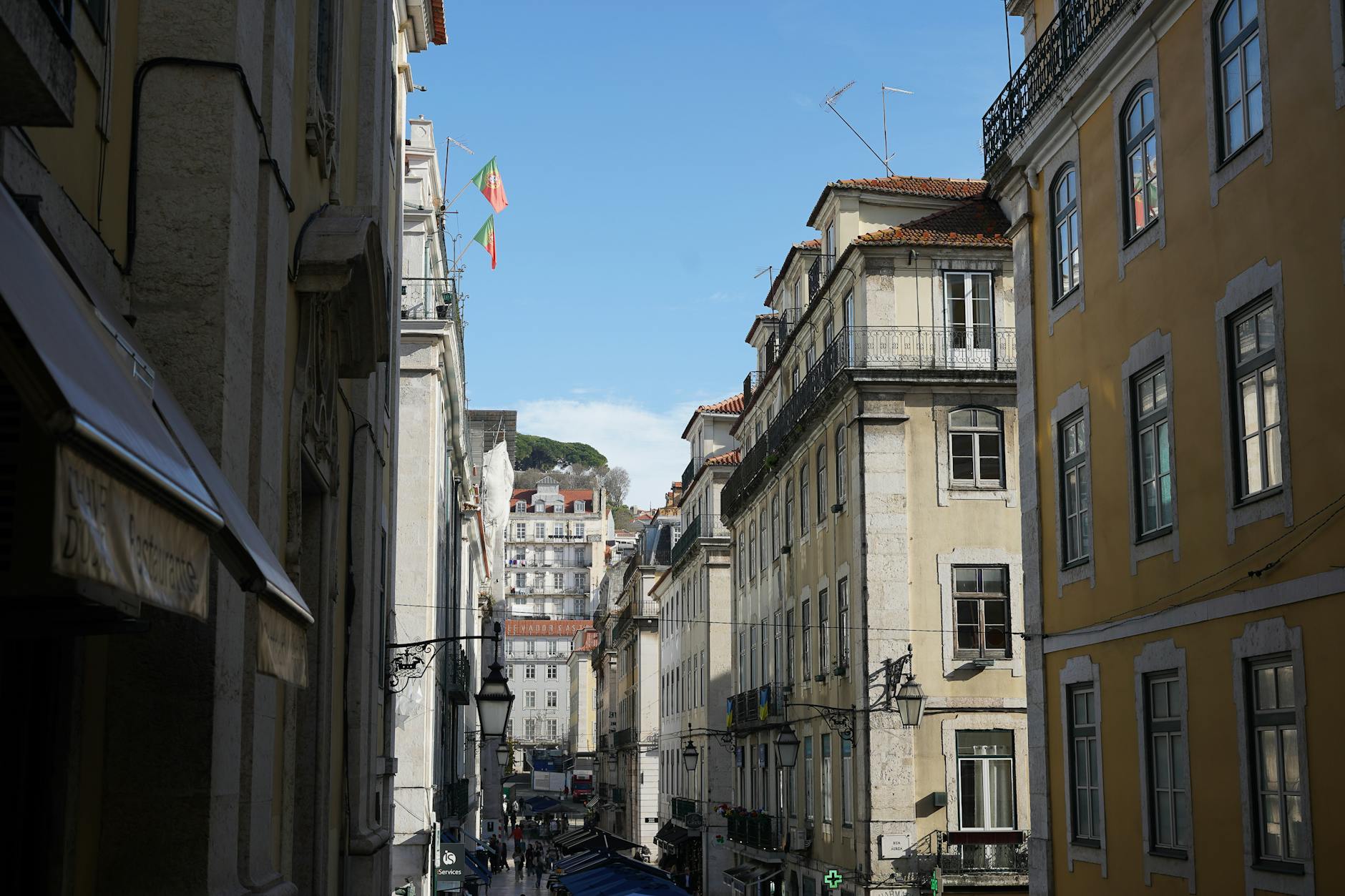
Best Time to Visit Lisbon
Lisbon is a year-round city, but the best experience depends on how you handle heat, crowds, rain, and hotel prices. The sweet spot is shoulder season: long enough days, pleasant temperatures, fewer peak-summer crowds, and enough outdoor life to feel like Lisbon.
The Short Answer
| Traveler type | Best time |
|---|---|
| Best overall first visit | April, May, early June, late September, October |
| Best value | January, February, March, November, early December |
| Best for beaches | June through September, with September often more relaxed than August |
| Best for walking | March to May and late September to November |
| Best for festivals | June, especially around Lisbon’s popular saint festivities |
| Best for museums and food | November through March, plus hot afternoons in summer |
| Worst for crowd-sensitive travelers | Easter, May/June weekends, July, August, and big-event periods |
| Worst for rain-sensitive travelers | November through February, though rain often comes in spells rather than endless drizzle |
Spring: March to May
Spring is one of the best times to visit Lisbon. Jacarandas bloom in late spring, terraces fill, hills feel manageable, and the river light is excellent. March can still be damp or cool, but April and May are prime months.
Best for: first-timers, couples, walkers, food-focused travelers, day trips, photography, and visitors who want Lisbon alive but not at peak summer intensity.
Watch out for: Easter travel, higher hotel prices in May, and crowded weekends at Belém, Sintra, and viewpoints.
Early Summer: June
June is festive, lively, and atmospheric. It is also increasingly busy. Sardines, street parties, warm evenings, and neighborhood celebrations give Lisbon a strong local feel, especially around the popular saints. If you want Lisbon at its most social, June is hard to beat.
Best for: nightlife, festivals, food, warm evenings, and travelers who like street energy.
Watch out for: noise, crowds, hotel demand, and popular restaurants booking out.
High Summer: July and August
Summer is sunny, crowded, and more expensive than low season. Lisbon is not as punishingly hot as inland Iberian cities, but hills, stone, and exposed viewpoints can make midday sightseeing unpleasant. Locals head to beaches, tourists fill the center, and you need shade strategy.
Best for: beach add-ons, long daylight, outdoor dining, nightlife, and travelers who tolerate heat.
Watch out for: uphill walking in the afternoon, queues, higher prices, cruise traffic, and booked-out beach transport on peak days.
Fall: September to November
Fall may be Lisbon’s best season. September still feels summery, October is excellent for walking, and November can be good value if you accept rain risk. The Atlantic remains appealing in early fall, and restaurants feel lively without August pressure.
Best for: first-timers, couples, food, photography, day trips, and travelers avoiding peak summer.
Watch out for: occasional rain by late fall and still-high demand in September/October.
Winter: December to February
Winter is underrated. You will not get the classic sun-drenched Lisbon every day, but you will get lower prices, fewer crowds, atmospheric cafés, easier restaurant bookings, and better museum time. Rain and wind are the trade-offs.
Best for: budget travelers, museum trips, food-focused weekends, repeat visitors, and anyone who prefers mild winter to northern cold.
Watch out for: rain, shorter days, some seasonal beach limitations, and holiday closures.
Month-by-Month Snapshot
| Month | Verdict |
|---|---|
| January | Quiet, good value, possible rain. Excellent for food and museums. |
| February | Similar to January, with slightly longer days. Good low-season city break. |
| March | Transitional. Good value, variable weather, increasing outdoor energy. |
| April | Excellent. Spring light, walkable weather, more crowds around holidays. |
| May | One of the best months. Higher prices but strong city atmosphere. |
| June | Festive and warm. Great if you like street life; book ahead. |
| July | Hotter and busier. Use mornings/evenings and consider beach time. |
| August | Peak vacation pressure. Lively but crowded; some local places may close. |
| September | Excellent. Summer feel with slightly better balance. |
| October | Excellent. Great walking, food, and day trips. |
| November | Good value with rain risk. Better for slower cultural trips. |
| December | Atmospheric, mild by northern standards, festive, and good for food. |
Rain Plan
Do not waste a rainy Lisbon day fighting slippery cobbles in Alfama. Shift to the Oceanário, MAAT, Gulbenkian/CAM if open, churches, covered markets, cafés, wine bars, bookstores, or a long lunch. Save viewpoints and tiled-street wandering for dry pavement.
How Many Days You Need
Lisbon can be sampled quickly, but it improves with time. The biggest trap is adding Sintra and Cascais to a short stay and leaving almost no time for Lisbon itself.
| Trip length | What it allows |
|---|---|
| 1 day | A taste: Baixa/Chiado, Alfama viewpoint, Praça do Comércio, one meal. Not enough for Belém and Sintra unless you accept a rushed checklist. |
| 2 days | Core Lisbon: old center, Alfama/Castelo/Graça, Belém, food, viewpoints. Tight but worthwhile. |
| 3 days | Best minimum first visit: central Lisbon, Belém, Alfama/Graça, Chiado/Príncipe Real, food, one major museum or river excursion. |
| 4 days | Ideal Lisbon-only first visit. Adds slower neighborhoods, a ferry, more food, museums, and breathing room. |
| 5 days | Lisbon plus one serious day trip, usually Sintra or Cascais, without wrecking the city experience. |
| 6–7 days | Best for travelers who want Sintra, Cascais, beaches, Parque das Nações, Belém, fado, museums, and a slower local rhythm. |
| Longer | Good for remote work, language study, apartment stays, repeat exploration, beach/weather flexibility, and regional extensions to Porto, Évora, Coimbra, or the Algarve. |
The Honest Recommendation
For a first visit, plan 4 nights / 3 full days minimum, or 5 nights / 4 full days if you want a more relaxed trip. Add one more night if Sintra is important. A common regret is staying three nights, spending one day in Sintra, and realizing you only gave Lisbon a day and a half.
The Move
Treat Sintra as an add-on, not a substitute. Lisbon’s old neighborhoods, Belém, riverfront, food, and viewpoints need time. If you only have three days total, choose either Sintra or a deeper Lisbon day. Do not pretend you can do both well without trade-offs.
Where to Stay in Lisbon
Where you stay in Lisbon shapes the entire trip. A hotel that is “central” can be perfect or exhausting depending on the slope, noise, and transit. Your first question should not be “What is the prettiest neighborhood?” It should be: How do I want to move at the start and end of every day?
The Short Answer
For most first-timers, stay in Baixa/Chiado if you want maximum convenience, Avenida da Liberdade if you want comfort and easier logistics, Príncipe Real if you want restaurants and style, Alfama/Graça if atmosphere matters more than convenience, and Cais do Sodré/Santos if nightlife, waterfront access, and trains to Cascais matter.
Neighborhood Decision Tree
| Priority | Best areas |
|---|---|
| First visit, easiest logistics | Baixa, Chiado, Avenida da Liberdade |
| Flat-ish walking and transit | Baixa, Avenida, Parque das Nações |
| Romance and old-world atmosphere | Alfama, Castelo, Graça, Chiado, Príncipe Real |
| Restaurants and boutiques | Príncipe Real, Chiado, Santos, Cais do Sodré, Campo de Ourique |
| Nightlife | Bairro Alto, Cais do Sodré, Príncipe Real, Santos |
| Quiet luxury | Avenida, Lapa, Estrela, parts of Chiado, some riverfront hotels |
| Families | Avenida, Baixa, Estrela/Lapa, Parque das Nações, Chiado if budget allows |
| Lower prices | Arroios, Anjos, Intendente, Saldanha, Campo Pequeno, some Alcântara options |
| Longer stays | Estrela, Campo de Ourique, Príncipe Real, Arroios, Santos, Parque das Nações |
| Beach access by train | Cais do Sodré/Santos for Cascais-line trains; consider Cascais itself if beach is central to the trip |
| Mobility concerns | Baixa, Avenida, Parque das Nações. Avoid Alfama/Castelo/Graça unless the specific property solves access. |
Best Areas for First-Timers
Baixa
Best for: convenience, flat streets, first-time sightseeing, transit, short stays.
Baixa is Lisbon’s rebuilt downtown grid between Praça do Comércio and Rossio. It is the easiest central area physically, with flatter streets, multiple metro stations, plenty of hotels, and quick access to Chiado, Alfama, Cais do Sodré, and the river.
Why stay here: Simple logistics. You can walk in multiple directions, get taxis, use metro, and orient yourself easily.
Why not: It can feel touristy, restaurant quality is uneven, and atmosphere is less intimate than hillside neighborhoods.
Perfect for: first-timers with limited time, families who need ease, older travelers, and anyone who wants to reduce hill fatigue.
First-timer mistake: Eating every meal on the most obvious pedestrian streets. Baixa is a good base, not necessarily your whole food plan.
Chiado
Best for: stylish convenience, shopping, cafés, theaters, central walking, couples.
Chiado sits uphill from Baixa and feels more elegant. It connects the old downtown with Bairro Alto, Príncipe Real, and Cais do Sodré. It is one of Lisbon’s most useful bases if your budget allows.
Why stay here: Central, attractive, atmospheric, and convenient for both daytime culture and evening food/drink.
Why not: Hotels are expensive, some streets are steep, and popular corners get crowded.
Perfect for: couples, first-timers, design-hotel travelers, and visitors who want a polished central base.
Avenida da Liberdade / Marquês de Pombal
Best for: comfort, hotels, taxis, transit, easier mobility, luxury, business-travel standards.
Avenida da Liberdade is Lisbon’s grand boulevard, running north from Restauradores to Marquês de Pombal. It lacks Alfama’s intimacy but makes travel easier. Hotels here often have better vehicle access, more space, and less old-building drama.
Why stay here: Comfortable, well-connected, less chaotic than Baixa, good for taxis and airport transfers.
Why not: Less old-neighborhood charm; you will walk or ride to many atmospheric areas.
Perfect for: families, luxury travelers, mobility-conscious visitors, first-timers who want easy logistics, and travelers with luggage.
Príncipe Real
Best for: restaurants, boutiques, nightlife, gardens, LGBTQ+-friendly energy, repeat visitors.
Príncipe Real is one of Lisbon’s best lifestyle neighborhoods: leafy squares, design shops, cafés, restaurants, bars, and a more residential feel than the obvious tourist center.
Why stay here: Excellent evening life, stylish without being sterile, walkable to Bairro Alto/Chiado/São Bento.
Why not: Hilly, fewer metro options, not as logistically easy for first-timers with heavy sightseeing plans.
Perfect for: couples, food-focused travelers, design shoppers, nightlife-light travelers, repeat visitors.
Alfama / Castelo / Graça
Best for: atmosphere, history, fado, viewpoints, old streets.
This is the Lisbon many people imagine. Narrow alleys, tiled houses, steep lanes, laundry, churches, fado signs, castle walls, and views over the Tagus. It can be magical. It can also be annoying as a base.
Why stay here: Maximum old-Lisbon atmosphere and beautiful morning/evening walks.
Why not: Stairs, slopes, hard taxi access, noise pockets, confusing lanes, luggage difficulty, and variable accommodation quality.
Perfect for: atmospheric couples’ trips, photographers, fit travelers, and people who value charm over convenience.
Skip if: you have mobility issues, young kids in strollers, heavy luggage, or dislike climbing home after dinner.
Cais do Sodré / Santos
Best for: nightlife, waterfront, food, Cascais train, ferries, younger energy.
Cais do Sodré has gone from seedy port edge to nightlife and food hub. Santos is increasingly design- and restaurant-driven. Both are convenient for the river and west-side excursions.
Why stay here: Great for evenings, trains to Cascais, ferries, and waterfront walks.
Why not: Noise, nightlife crowds, and some streets that feel more functional than beautiful.
Perfect for: nightlife travelers, younger couples, food-focused visitors, and travelers planning Cascais/beach days.
Best Areas for Families
- Avenida da Liberdade: easiest hotel logistics and good transit.
- Baixa: flat, central, convenient, but touristy.
- Estrela/Lapa: calmer, greener, more residential; better for longer stays.
- Parque das Nações: modern, flat, Oceanário nearby, good for families who do not need old-town charm every minute.
- Chiado: excellent if budget allows and your accommodation has elevator access.
Best Areas for Budget Travelers
- Arroios / Anjos / Intendente: good value and food, more urban texture, metro access.
- Saldanha / Campo Pequeno: less romantic, practical transit and business hotels.
- Alcântara: variable transit, but sometimes better value and useful for LX Factory/river.
- Cais do Sodré edges: good deals occasionally, but check noise.
Common Hotel Booking Mistakes
- Booking an Alfama apartment because it looks romantic, then discovering the taxi cannot reach the door.
- Ignoring elevator status in old buildings.
- Staying near nightlife without reading noise reviews.
- Choosing a cheap hotel far from metro and spending the savings on rides.
- Assuming every “river view” hotel is convenient for sightseeing.
- Forgetting air conditioning in summer.
- Booking in Belém for a first visit and realizing most evenings are back in central Lisbon.
- Treating “close to Tram 28” as a hotel advantage. It may mean crowds and noise.
The Move
For a first Lisbon trip, choose the least romantic base that makes your days better. You can visit Alfama at sunrise, sunset, and dinner. You do not need to drag luggage up its stairs to prove you understand the city.
Neighborhood Guide
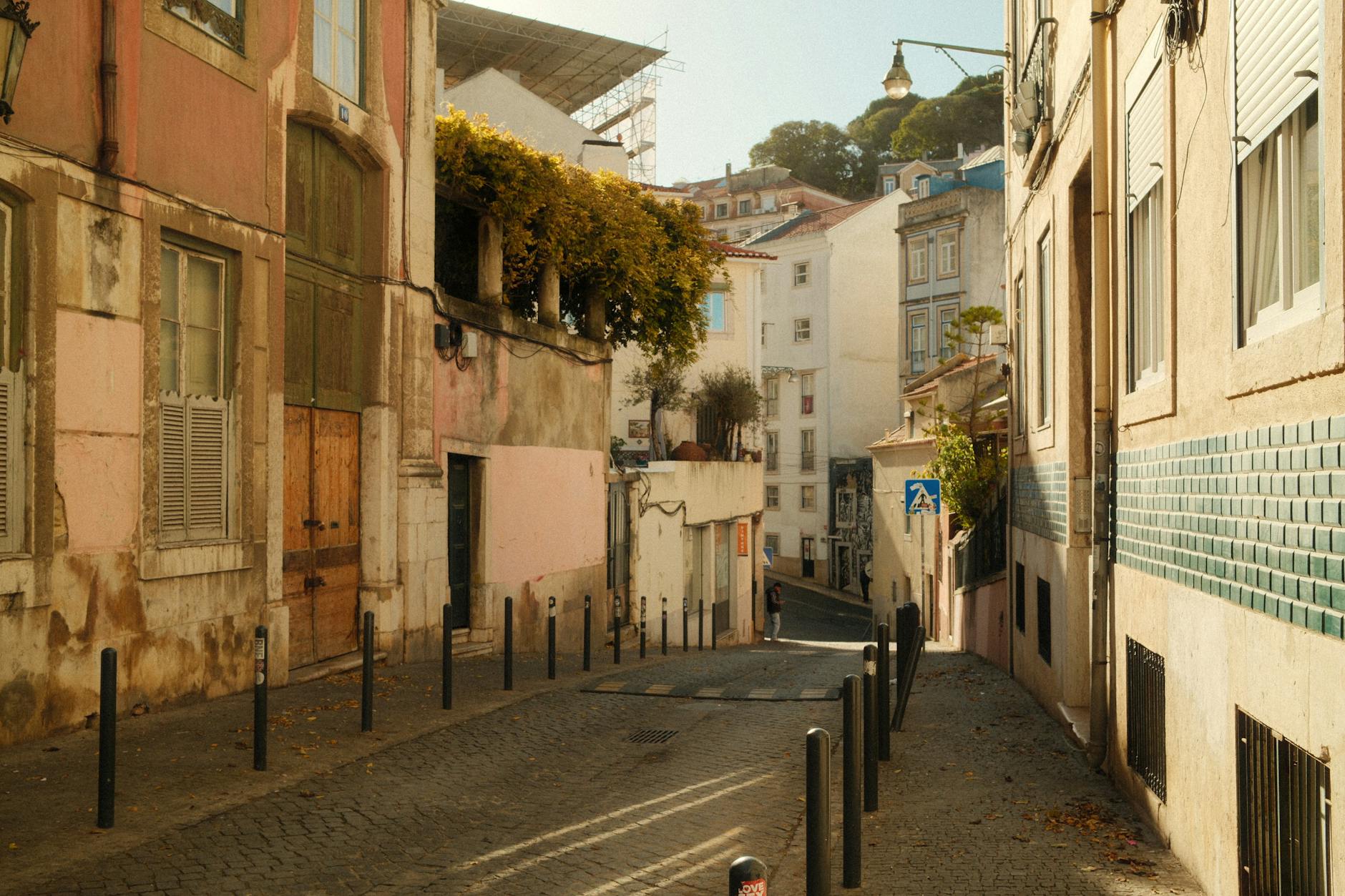
Lisbon’s neighborhoods are not just hotel zones. They are the structure of the trip. A strong itinerary gives each area enough time to be itself.
Baixa and Rossio
One-sentence identity: Lisbon’s rebuilt downtown grid, flat, central, practical, and more useful than soulful.
Baixa is the city’s orientation board. Praça do Comércio opens dramatically to the river, Rua Augusta leads inland through the grid, Rossio and Restauradores connect to transport, and the hills of Alfama, Chiado, and Bairro Alto rise around you.
Best things to do: Praça do Comércio, Rua Augusta Arch, Rossio, Santa Justa Lift exterior/viewpoint area, tiled shopfronts, old cafés, riverfront walk.
Best time: Early morning for photographs, late afternoon for Praça do Comércio light, evening for easy transit.
Worth it? Yes as a base and orientation zone. Not enough as your whole Lisbon.
Better alternative: Instead of waiting forever for Santa Justa Lift, walk up through Chiado/Carmo and enjoy similar city views from above.
Perfect walk: Start at Praça do Comércio, pass under the Rua Augusta Arch, walk the grid to Rossio, detour to Praça da Figueira, climb or ride toward Carmo/Chiado, then return toward the river at golden hour.
Chiado and Carmo
One-sentence identity: Elegant, literary, theatrical Lisbon between downtown and nightlife.
Chiado gives Lisbon polish: cafés, bookshops, theaters, shopping streets, churches, and good access to both Baixa and Bairro Alto. The Carmo Convent ruins are one of the city’s most evocative reminders of the 1755 earthquake.
Best things to do: Carmo Convent, Largo do Chiado, Bertrand bookshop, São Carlos area, shopping, cafés, viewpoints toward Baixa.
Best time: Late morning through evening.
Worth it? Absolutely. It is one of the best all-around Lisbon neighborhoods.
Perfect walk: Start at Rossio, climb to Carmo, visit the ruins, continue to Largo do Chiado, stop for coffee, wander toward São Roque, then continue to Príncipe Real or descend to Cais do Sodré.
Alfama
One-sentence identity: Lisbon’s oldest-feeling neighborhood, a maze of alleys, fado, viewpoints, churches, and daily life under pressure from tourism.
Alfama is a must-see, but it should be approached with respect. People live here. The alleys are not a stage set. Go early, walk quietly, look up at tiles and balconies, and remember that the best Alfama experience is often a sequence of small discoveries rather than one major attraction.
Best things to do: Sé Cathedral, Miradouro de Santa Luzia, Miradouro das Portas do Sol, Museu do Fado, churches, fado dinner, wandering side streets.
Best time: Early morning before tour groups or evening for atmosphere.
Worth it? Yes, but not as a crowded midday stampede.
Skip if: You have serious mobility limitations and cannot manage slopes or stairs.
Perfect walk: Start at Sé, climb slowly to Santa Luzia and Portas do Sol, wander down through quieter lanes, pause for coffee or a small meal, then continue toward the river or up toward Castelo.
Castelo and Graça
One-sentence identity: High Lisbon: castle walls, big views, steep climbs, and some of the city’s most rewarding sunset spots.
The Castelo de São Jorge area is tourist-heavy but visually strong. Graça feels more local and offers some of Lisbon’s best miradouros. Together they form a high, view-focused Lisbon day.
Best things to do: Castelo de São Jorge, Miradouro da Senhora do Monte, Miradouro da Graça, Vila Berta, convent/church stops, downhill walks into Mouraria or Alfama.
Ticket note: São Jorge Castle’s official ticket page lists adult admission at €17 and says Lisboa Card adult holders enter free.[10]
Worth it? The castle is worth it if you love views, walls, archaeology, and spatial orientation. If you only want the view, nearby miradouros are free.
First-timer mistake: Climbing here at midday in summer and then trying to do another hill immediately after.
Perfect walk: Taxi or tram close to Graça, visit Senhora do Monte, walk to Miradouro da Graça, continue to the castle, then descend through Alfama before dinner.
Mouraria and Martim Moniz
One-sentence identity: A dense, multicultural transition zone between tourist Lisbon and lived Lisbon.
Mouraria is historically tied to fado and today reflects Lisbon’s immigrant layers. It can feel scruffier than Chiado or Príncipe Real, but it is one of the places where Lisbon’s present is most visible.
Best things to do: Food walks, street art, small tascas, fado history, Martim Moniz area, connections to Graça.
Best time: Daytime or early evening with a clear route.
Worth it? Yes for curious travelers; not the best first hour in Lisbon for nervous visitors.
Local logic: This is not a polished attraction district. Go to eat, walk, and observe, not to consume poverty or “authenticity.”
Bairro Alto
One-sentence identity: Quiet old streets by day, bar district by night.
Bairro Alto is a shapeshifter. In daylight, it can feel sleepy and charming. At night, its narrow streets fill with bars, groups, fado houses, and noise. Staying here can be fun or disastrous depending on your tolerance.
Best things to do: São Roque Church, fado houses, bars, Miradouro de São Pedro de Alcântara, dinner/drinks, connections to Chiado and Príncipe Real.
Best time: Early evening for the view and dinner; late night if you want bar energy.
Skip if: You need quiet sleep.
The move: Visit for a drink or fado, but stay in nearby Chiado or Príncipe Real if you want a better sleep compromise.
Príncipe Real and São Bento
One-sentence identity: Leafy, stylish, restaurant-heavy Lisbon with boutiques, gardens, and good evening life.
Príncipe Real is one of Lisbon’s best neighborhoods for travelers who want a stylish but not sterile base. It is close to Bairro Alto and Chiado, but more relaxed. São Bento adds political and residential texture around parliament, antique shops, and quiet streets.
Best things to do: Jardim do Príncipe Real, Embaixada, concept shops, wine bars, restaurants, São Bento streets, botanical garden area.
Best time: Late afternoon into evening.
Worth it? Very. This is one of the best neighborhoods for dinner and wandering.
Perfect walk: Start at Miradouro de São Pedro de Alcântara, wander north to Príncipe Real, browse shops, continue to Praça das Flores, then have dinner or drinks nearby.
Cais do Sodré and Pink Street
One-sentence identity: Transit hub turned nightlife/food zone beside the river.
Cais do Sodré is practical: trains to Cascais, ferries, metro, riverfront, Time Out Market/Mercado da Ribeira, and nightlife. Pink Street is famous but often less interesting than the wider area.
Best things to do: Mercado da Ribeira/Time Out Market, riverfront walk, ferry to Cacilhas, bars, Cascais train, nearby Santos.
Best time: Lunch, sunset, or night depending on your goal.
Worth it? Yes for transit, food, and nightlife. Pink Street itself is skippable unless you are nearby.
First-timer mistake: Treating Time Out Market as Lisbon’s definitive food scene. It is useful, fun, and crowded; it is not the whole story.
Santos, Madragoa, and Lapa
One-sentence identity: Design, dining, old residential lanes, embassies, and quieter west-central Lisbon.
Santos has become a strong food and design area. Madragoa keeps older residential texture. Lapa is more elegant, embassy-heavy, and calm. Together they reward travelers who want Lisbon beyond the obvious core.
Best things to do: Design shops, restaurants, National Museum of Ancient Art area if open, quiet walks, riverside access, cafés, churches.
Best time: Late afternoon and evening.
Worth it? Yes, especially for repeat visitors or food-focused travelers.
Perfect walk: Start near Cais do Sodré, wander west through Santos, climb into Madragoa, continue toward Estrela or Lapa, then descend for dinner.
Estrela and Campo de Ourique
One-sentence identity: Residential Lisbon with gardens, market life, and calmer streets.
Estrela is anchored by its basilica and garden. Campo de Ourique is a comfortable residential neighborhood with a good market and local eating. These areas are excellent for travelers who want calm or a longer stay.
Best things to do: Basílica da Estrela, Jardim da Estrela, Campo de Ourique market, neighborhood cafés, tram routes, quiet evenings.
Best time: Afternoon into early evening.
Worth it? Excellent for slow travelers; not essential on a 2-day trip.
Family note: This is one of the better zones for families who value parks and less tourist congestion.
Belém
One-sentence identity: Monumental Lisbon: riverfront, maritime history, Manueline architecture, museums, and custard tarts.
Belém is a half-day or full-day cluster west of the center. It is not where most first-timers should stay, but it is essential to visit. The trick is to start early and combine sights intelligently.
Best things to do: Jerónimos Monastery, Belém Tower, Monument to the Discoveries exterior/context, MAAT, Museu dos Coches, CCB/MAC, Pastéis de Belém, riverfront walk.
Ticket note: Jerónimos Monastery’s official page lists Tuesday–Sunday hours and a regular price of €18.[6] Belém Tower’s official page lists regular admission at €15 and a reopening to the public on 27 May.[7]
Worth it? Yes, but do not reduce it to one pastry and a photo.
Context note: Belém’s monuments are tied to Portuguese maritime expansion, empire, and colonial history. The architecture is beautiful; the history is not simple.
Perfect walk: Start at Jerónimos early, get pastries before or after depending on lines, walk through the gardens to the river, visit or view Belém Tower, continue to MAAT or the Coach Museum, then return by tram/train/taxi.
Alcântara and LX Factory
One-sentence identity: Industrial-to-creative Lisbon under the bridge.
Alcântara is not polished old Lisbon. It is useful for restaurants, shops, nightlife, bridge views, and LX Factory. The area is best as a targeted visit rather than a main base for most first-timers.
Best things to do: LX Factory, Pilar 7 bridge experience, restaurants/bars, waterfront edges, nightlife.
Best time: Late afternoon into evening.
Worth it? Yes if you like design, industrial spaces, and food halls; skippable if you only have two days.
Parque das Nações
One-sentence identity: Modern riverfront Lisbon, built around Expo-era architecture, family attractions, and Oriente station.
Parque das Nações feels like a different city: flat, modern, wide, clean, and waterfront-focused. It lacks the old center’s charm but is excellent for families and transit.
Best things to do: Oceanário, cable car, riverfront walk, Vasco da Gama area, Oriente station architecture, family dining.
Ticket note: The Oceanário’s official site lists daily hours of 10 a.m. to 8 p.m. with last entry at 7 p.m.[11]
Worth it? Very with kids or bad weather; optional for first-timers without children.
Perfect walk: Metro/train to Oriente, walk through the station, visit the Oceanário, stroll the riverfront, ride the cable car if desired, and eat nearby before returning.
Arroios, Anjos, and Intendente
One-sentence identity: Multicultural, changing, good-value Lisbon with strong food and a more urban edge.
This axis north of the center is one of Lisbon’s most interesting areas for food and local life. It has metro access and better value than the old core, but it is less postcard-pretty and more mixed.
Best things to do: Restaurants, cafés, Avenida Almirante Reis, small bars, multicultural food, street life.
Best time: Day and early evening; choose streets carefully late if you are uncomfortable in mixed urban areas.
Worth it? Yes for repeat visitors and food travelers. For a first romantic weekend, choose elsewhere.
Best Things to Do
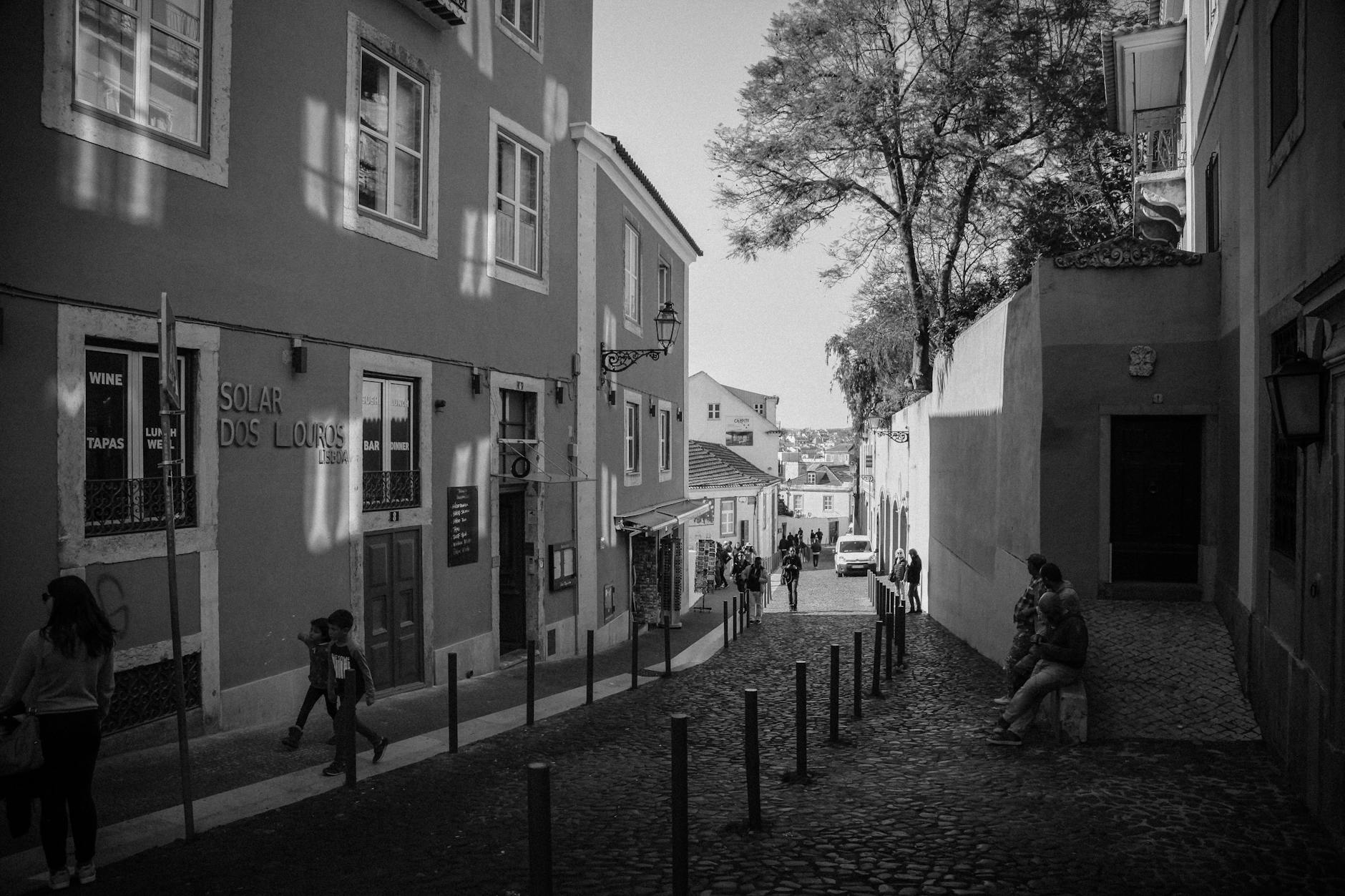
A strong Lisbon trip balances five categories: old neighborhoods, river/Atlantic light, food, culture/history, and viewpoints. Do not overload the trip with only famous sights. Lisbon is a city where wandering is part of the attraction.
1. Walk Alfama Early
Alfama is best before the tour groups and trams dominate the day. Go early, climb slowly, and let the neighborhood reveal itself: tiles, staircases, laundry, small churches, cats, doorways, river glimpses, and the sound of daily life beginning.
Time needed: 2–3 hours.
Best time: Early morning or evening.
Pair it with: Sé Cathedral, Portas do Sol, Santa Luzia, Museu do Fado, or dinner/fado.
Skip if: Wet cobblestones make you nervous or mobility is a concern.
2. See Lisbon from the Miradouros
Lisbon’s viewpoints are not afterthoughts. They are how the city explains itself.
Top viewpoints:
- Miradouro de Santa Luzia
- Miradouro das Portas do Sol
- Miradouro da Senhora do Monte
- Miradouro da Graça
- Miradouro de São Pedro de Alcântara
- Jardim do Torel
- Cristo Rei / Cacilhas-side views across the river
Worth it? Absolutely. Choose two or three; do not treat all viewpoints as a checklist.
First-timer mistake: Going only at sunset when everyone else does. Morning can be better.
3. Visit Jerónimos Monastery
Jerónimos is one of Lisbon’s essential monuments: a masterpiece of Manueline architecture and a central site in the story of Portugal’s maritime age. The cloister is the reason to book; the church is also important but can involve separate lines and restrictions.
Time needed: 1.5–2 hours, more if lines are long.
Best time: Opening time, ideally on a non-Monday.
Book ahead: Yes, especially in peak season.
Official note: The official Museus e Monumentos page lists regular admission at €18 and Tuesday–Sunday hours.[6]
Pair it with: Pastéis de Belém, Belém riverfront, MAAT, Coach Museum, or Belém Tower.
4. Revisit Belém With Context
Belém is beautiful, but it deserves more than a romanticized “Age of Discoveries” caption. This is where Portugal’s global expansion is monumentalized. Treat it as a place to look at art, architecture, empire, navigation, faith, commerce, and memory together.
Time needed: Half-day minimum.
Best time: Early morning for Jerónimos, late afternoon for river light.
Worth it? Yes. It is one of Lisbon’s essential clusters.
Better alternative: If Belém Tower is crowded or under access restrictions, enjoy it from the outside and use your time at Jerónimos, MAAT, the Coach Museum, or the riverside.
5. Ride a Classic Tram, But Don’t Worship Tram 28
Tram 28 is famous because it passes through scenic historic areas. It is also crowded, pickpocket-prone, and a real transit line, not a theme-park ride. If you ride it, go early, board near an end stop, secure your belongings, and avoid blocking locals.
Worth it? Yes if you are patient and realistic. No if you hate queues and packed vehicles.
Better alternative: Walk sections of the route, ride a less crowded tram, or use funiculars/lifts strategically.
Local logic: The tram is not the experience; the neighborhoods are.
6. Visit São Jorge Castle, or Use the Free Views Nearby
The castle gives you orientation, history, walls, peacocks, and city views. It is also one of Lisbon’s pricier attractions, with adult tickets listed at €17 on the official site.[10]
Time needed: 1.5–2 hours.
Worth it? Worth it for first-timers who like castles and views. Skippable if you are on a tight budget and only want panoramas.
Better alternative: Senhora do Monte, Miradouro da Graça, or Portas do Sol for free views.
7. Eat Your Way Through the City Properly
Lisbon is not just pastéis de nata. Build a food itinerary around pastries, seafood, petiscos, old tascas, modern Portuguese cooking, market meals, wine bars, and a serious lunch.
Must-try foods: pastéis de nata, bacalhau à brás, grilled sardines in season, amêijoas à Bulhão Pato, polvo à lagareiro, arroz de marisco, bifana, prego, caldo verde, queijo, ginjinha, vinho verde, Portuguese reds/whites, and a simple bica coffee.
The move: Make lunch the anchor on one day. A long seafood lunch or tasca meal can be more memorable than another museum.
8. Spend an Evening With Fado
Fado is Lisbon’s most famous musical form, but the quality of the experience varies. Avoid places that feel like dinner theater for bus groups. Look for smaller houses, respectful listening, and clear pricing.
Best areas: Alfama, Mouraria, Bairro Alto.
Book ahead: Yes for reputable fado houses.
Etiquette: Be quiet during performances, do not talk through songs, and check whether the venue requires dinner.
Worth it? Yes if you choose carefully and understand it as music, not a tourist prop.
9. Take the Ferry to Cacilhas
One of Lisbon’s simplest pleasures is crossing the Tagus. The ferry gives you skyline perspective, bridge views, and a chance to eat or walk on the south bank. It is low-effort and high-reward.
Time needed: 1.5–3 hours depending on meal/walk.
Best time: Late afternoon into sunset.
Pair it with: Cais do Sodré, riverside drinks, or dinner across the river.
Worth it? Very. This is one of the easiest ways to make the city feel bigger.
10. Visit the Oceanário in Parque das Nações
The Oceanário is one of Lisbon’s best family attractions and a strong rainy-day option. Its modern riverfront setting also gives a useful contrast to old Lisbon.
Time needed: 2–3 hours.
Best for: families, rainy days, marine-life lovers, modern architecture.
Official note: The Oceanário site lists opening from 10 a.m. to 8 p.m., last entry 7 p.m.[11]
Pair it with: Parque das Nações river walk and Oriente station.
11. Visit MAAT and the Belém Riverfront
MAAT’s curving architecture and riverside setting make it one of the best west-side additions, especially if you like contemporary culture, design, or photography. Even if you do not go inside, the riverfront is worth walking.
Time needed: 1–2 hours.
Best time: Late afternoon for light.
Pair it with: Jerónimos, Belém Tower, Coach Museum, or Pastéis de Belém.
12. Use Gardens as Recovery Points
Lisbon’s hills and cobbles can wear you down. Gardens are not filler; they are how you pace the trip.
Good pauses: Jardim da Estrela, Jardim do Príncipe Real, Gulbenkian gardens, Jardim do Torel, Eduardo VII Park, Tapada das Necessidades, riverside lawns in Belém, Parque das Nações.
The move: Schedule one garden/café pause every day. It sounds soft; it makes the trip better.
13. Explore Modern Lisbon in Parque das Nações
Many first-timers skip Parque das Nações because it lacks old-world charm. That is exactly why it is useful. It shows Lisbon as a modern city, not just a historic brand.
Best for: families, architecture, bad weather, train-station logistics, long river walks.
Skip if: You only have two days and want classic Lisbon.
14. Browse Tiles, Ceramics, Sardines, Cork, and Design Shops
Shopping in Lisbon is best when you avoid mass-produced souvenir traps. Look for quality ceramics, tiles, textiles, books, tinned fish from reputable shops, Portuguese design, soap, stationery, and food gifts.
Warning: Antique tiles can be ethically and legally complicated. Avoid buying tiles that may have been stripped from buildings.
15. Take One Great Day Trip — Not Three Bad Ones
Sintra, Cascais, Évora, Óbidos, Mafra/Ericeira, Setúbal/Arrábida, and the beaches are all tempting. But every day trip costs city time. Choose carefully.
Best first day trip: Sintra, if you plan it properly.
Best easy coast trip: Cascais.
Best food/nature trip: Setúbal and Arrábida, ideally with a car or tour.
Biggest mistake: Trying to do Sintra and Cascais as a serious full experience in one day. It is possible as a taste, not ideal as depth.
Lisbon Itineraries
These itineraries are designed around realistic movement. Adjust for weather, closures, hotel location, mobility, and reservations.
One Perfect Day in Lisbon
Morning: Baixa, Chiado, and Alfama edge
Start at Praça do Comércio before crowds, walk through Baixa to Rossio, climb to Carmo/Chiado, then work toward Alfama via Sé and Santa Luzia.
Lunch: Alfama, Baixa, or Mouraria
Choose a simple tasca or casual Portuguese meal. Do not eat at the first menu-board restaurant beside a major viewpoint.
Afternoon: Castelo/Graça or Belém
If you want classic old Lisbon, continue uphill to Castelo and Graça. If you want monuments, take transit/taxi to Belém for Jerónimos exterior/interior and the riverfront.
Golden hour: Miradouro or river
Choose Senhora do Monte, São Pedro de Alcântara, Praça do Comércio, or Cacilhas ferry.
Dinner: Príncipe Real, Chiado, or Alfama fado
Book if you care where you eat.
Cut if tired: The castle. Use a free viewpoint instead.
Two Days in Lisbon
Day 1: Old Lisbon and Viewpoints
- Morning: Alfama early, Sé, Santa Luzia, Portas do Sol.
- Late morning: Castelo or Graça viewpoints.
- Lunch: Mouraria, Alfama, or Baixa.
- Afternoon: Chiado, Carmo, São Roque, São Pedro de Alcântara.
- Evening: Príncipe Real dinner or fado.
Day 2: Belém, River, and Modern Contrast
- Morning: Jerónimos Monastery and Pastéis de Belém.
- Late morning: Belém riverfront and Belém Tower exterior/interior depending on status.
- Lunch: Belém or return toward Santos/Cais do Sodré.
- Afternoon: MAAT, Coach Museum, or Parque das Nações/Oceanário.
- Golden hour: ferry to Cacilhas or Praça do Comércio.
- Dinner: Cais do Sodré, Santos, or Chiado.
Three Days in Lisbon
Day 1: Baixa, Chiado, Alfama, and Graça
Use the Day 1 itinerary above, with a slower pace and real breaks.
Day 2: Belém and the River
Make Belém a proper half-day, then use the afternoon for MAAT, the riverfront, Santos/Madragoa, or a ferry.
Day 3: Príncipe Real, Estrela, and Local Lisbon
- Morning: Príncipe Real, Botanical Garden area, São Bento.
- Lunch: Campo de Ourique or Estrela.
- Afternoon: Jardim da Estrela, Lapa/Madragoa, or Gulbenkian/CAM if open.
- Evening: Bairro Alto, Príncipe Real, or a serious dinner reservation.
Four Days in Lisbon
Add one of the following:
- Sintra day: Pena Palace and either Quinta da Regaleira or the historic center, not every palace.
- Cascais day: train to Cascais, walk the coast, beach or lunch, return before/after sunset.
- Modern/family day: Oceanário, Parque das Nações, cable car, and a relaxed evening.
- Food day: Market, pastry comparison, seafood lunch, wine bar, fado or cocktails.
Five Days in Lisbon
A strong five-day first visit:
- Old center, Alfama, Graça.
- Belém and riverfront.
- Príncipe Real, Estrela, Campo de Ourique, Santos.
- Sintra.
- Cascais, Parque das Nações, or a slow Lisbon day depending on weather.
One Week in Lisbon
A week lets Lisbon breathe:
- 3 full days in central Lisbon.
- 1 day in Belém/riverfront.
- 1 day in Sintra.
- 1 day in Cascais or beach.
- 1 day for Parque das Nações, Cacilhas, museums, shopping, or a second deeper neighborhood loop.
Itinerary by Traveler Type
| Traveler | Best structure |
|---|---|
| First-timer | Baixa/Chiado + Alfama/Graça + Belém + one day trip. |
| Food lover | Stay Príncipe Real/Santos/Chiado; build around tascas, seafood, markets, wine bars, and one modern Portuguese dinner. |
| Couple | Chiado or Príncipe Real base; sunset viewpoints; fado; ferry; Belém at golden hour; one beach/coast day. |
| Family | Avenida or Parque das Nações base; Oceanário; trams selectively; gardens; Belém; shorter hill walks. |
| Budget traveler | Arroios/Anjos/Saldanha base; transit pass; bakeries/tascas; free viewpoints; one paid anchor per day. |
| Mobility-conscious traveler | Baixa/Avenida/Parque das Nações base; taxis strategically; avoid Alfama hill marathons; choose flatter riverfront and museums. |
| Repeat visitor | Campo de Ourique, Ajuda, Alcântara, Cacilhas/Almada, Arroios, modern galleries, beaches, Setúbal/Arrábida. |
Rainy-Day Itinerary
- Morning: Oceanário or MAAT.
- Lunch: Mercado da Ribeira/Time Out Market or a booked restaurant.
- Afternoon: Church interiors, Carmo if conditions allow, Gulbenkian/CAM if open, or shopping in Chiado/Príncipe Real.
- Evening: Fado or wine bar.
Summer-Heat Itinerary
- Early morning: Alfama or Belém.
- Late morning: Indoor museum/church.
- Lunch: Long, seated, shaded.
- Afternoon: Hotel rest, Oceanário, shaded garden, or beach.
- Evening: Viewpoint, riverfront, dinner.
Food and Drink
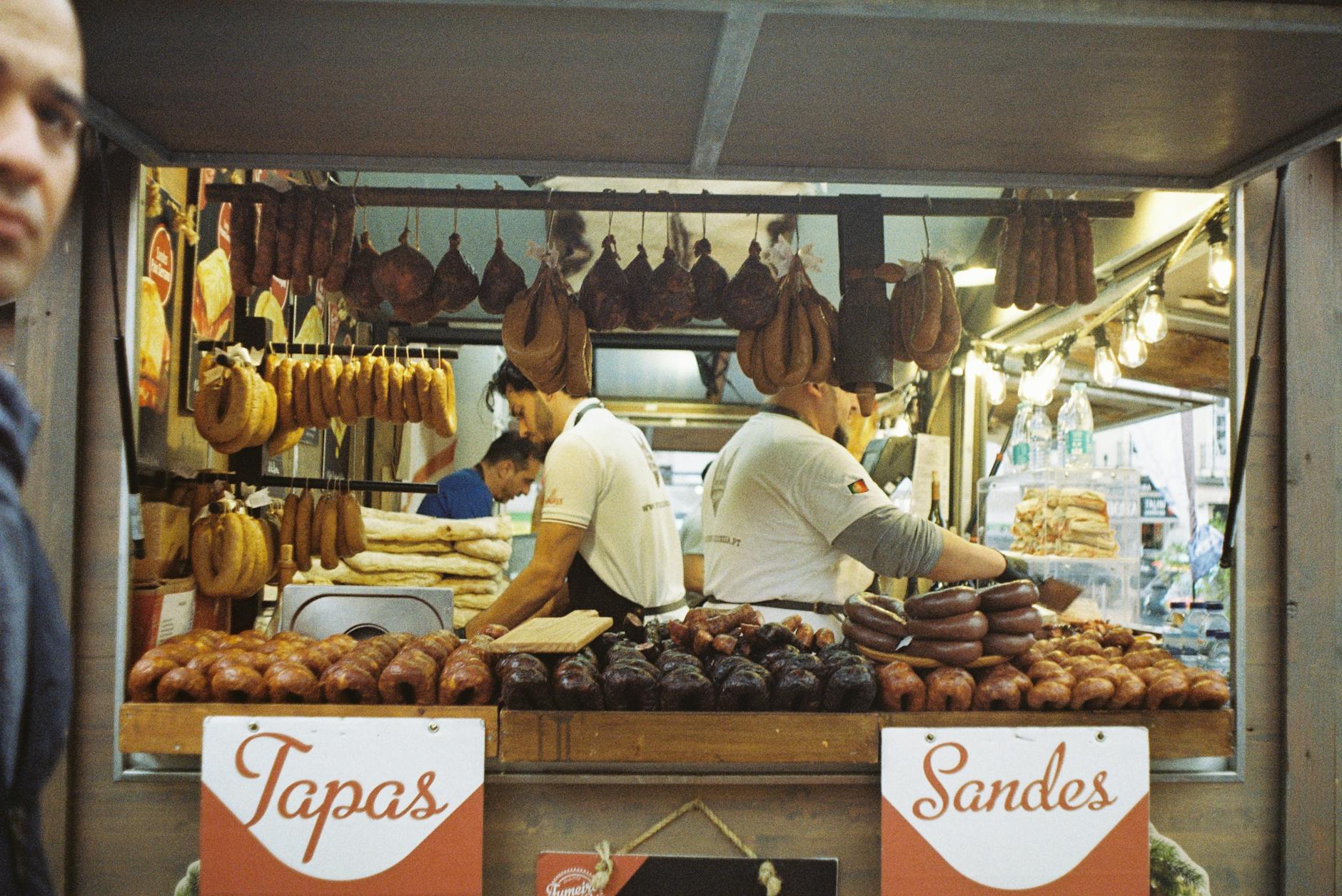
Lisbon is one of Europe’s most pleasurable food cities, but it is also easy to eat badly if you stay on the most touristy streets. The best food plan mixes old and new: bakeries, tascas, seafood halls, markets, modern Portuguese cooking, fado-house dinners, neighborhood wine bars, and one indulgent meal.
Lisbon’s Food Identity
Lisbon’s food is shaped by the Atlantic, the Tagus, Portuguese regional cooking, cod preservation, maritime trade, Catholic convent sweets, colonial routes, African and Brazilian influence, and a modern restaurant scene that has changed quickly in the last decade.
The city is especially good for:
- Custard tarts and bakery breakfasts.
- Seafood and shellfish.
- Salt cod dishes.
- Petiscos, the Portuguese small-plates cousin to tapas.
- Simple grilled fish.
- Wine bars and Portuguese bottles by the glass.
- Tinned fish, when treated as food rather than gimmicky souvenir.
- Old tascas with handwritten menus.
- Modern Portuguese restaurants using local produce and seafood.
What to Eat
| Food/drink | What it is | How to approach it |
|---|---|---|
| Pastel de nata | Custard tart in crisp pastry | Eat warm with cinnamon and powdered sugar if you like. Try the famous Belém version and at least one central bakery version. |
| Bacalhau à Brás | Shredded salt cod with potato, egg, onion, olives | A good entry-level cod dish. Comforting and widely available. |
| Amêijoas à Bulhão Pato | Clams with garlic, cilantro, olive oil, lemon | Great as a starter at seafood restaurants. |
| Polvo à lagareiro | Octopus with olive oil, garlic, potatoes | Simple, rich, and satisfying when done well. |
| Sardinhas assadas | Grilled sardines | Best in season, especially around June festivities. |
| Arroz de marisco | Seafood rice | More brothy than paella; excellent for a shared meal. |
| Bifana | Pork sandwich | Good cheap lunch/snack; add mustard or piri-piri depending on style. |
| Prego | Steak sandwich | Often eaten late or after seafood in old-school places. |
| Caldo verde | Kale/potato soup with sausage | Simple classic, especially nice in cooler weather. |
| Ginjinha | Sour cherry liqueur | Try a small glass; it is sweet, strong, and touristy-but-legitimate. |
| Bica | Lisbon espresso | Order at the counter like a local; quick and cheap in traditional cafés. |
| Vinho verde | Light northern Portuguese wine | Great with seafood, though Lisbon has many other Portuguese wines worth trying. |
Where to Eat: By Situation
A restaurant list should be verified close to publication. Lisbon’s restaurant scene changes quickly, and opening days/reservation policies shift. That said, a strong guide should include categories like these:
| Situation | What to look for |
|---|---|
| First dinner | A reliable Portuguese restaurant in Chiado, Príncipe Real, Santos, or Baixa edges — not the most obvious tourist-menu street. |
| Seafood meal | A cervejaria or marisqueira where shellfish is priced clearly and staff can explain portions. Cervejaria Ramiro remains a famous benchmark, but expect crowds and higher prices. |
| Pastel de nata comparison | Pastéis de Belém plus a central bakery such as Manteigaria or another respected local contender. |
| Casual lunch | Tasca, market counter, bifana shop, or daily-specials restaurant. |
| Modern Portuguese | Seasonal restaurants in Baixa/Chiado, Príncipe Real, Santos, Arroios, and surrounding neighborhoods; Prado appears in the Michelin Guide.[19] |
| Splurge | Lisbon has a Michelin-starred/fine-dining scene, including restaurants listed by the Michelin Guide.[18] Book well ahead. |
| Food hall | Time Out Market/Mercado da Ribeira is useful for groups and sampling, but it is crowded and curated. Use it as one stop, not the whole food scene. |
| Fado dinner | Choose based on music reputation and transparent pricing, not only menu. |
| Solo dining | Counters, markets, wine bars, tascas, and casual modern restaurants. |
| Family meal | Early-ish seating, outdoor tables, markets, pizzerias/Portuguese grills, Parque das Nações. |
Restaurant Shortlist Framework
For a finished article, build a verified shortlist using this structure:
- Best classic seafood: one famous institution, one less touristy alternative.
- Best tasca: one central, one neighborhood option.
- Best modern Portuguese: one mid-range, one splurge.
- Best pastry: famous original, best central alternative, best neighborhood bakery.
- Best wine bar: one lively, one quiet.
- Best no-reservation fallback: market, counter, or casual spot.
- Best family meal: easy logistics and flexible menu.
- Best near major sights: safe choices near Belém, Baixa, Alfama, and Parque das Nações.
Food Practicalities
- Restaurants near major sights can be poor value; walk a few blocks away.
- Bread, olives, cheese, or other couvert brought to the table may cost extra. Decline politely if you do not want it.
- Reservations matter for popular restaurants, especially Thursday–Saturday.
- Many traditional places close one or two days a week; always check.
- Lunch can be better value than dinner.
- Seafood can get expensive quickly if priced by weight. Ask before ordering.
- English menus are common in tourist areas, but daily specials may be Portuguese-only.
- Vegetarian eating is easier than it used to be, but traditional tascas can still be meat/fish-heavy.
- Gluten-free and allergy needs require planning and clear communication.
Drinks and Nightlife
Lisbon’s drinking culture ranges from old ginjinha counters to wine bars, rooftop cocktails, craft beer, fado houses, and loud nightlife streets.
Best areas by mood:
- Bairro Alto: casual bars, late-night street energy, young crowds, noise.
- Cais do Sodré: nightlife, clubs, Pink Street, waterfront access.
- Príncipe Real: wine bars, cocktails, stylish evenings.
- Santos: design/restaurant/bar mix.
- Alfama/Mouraria: fado and atmospheric drinks.
- Graça: viewpoints and local bars.
Night safety: Use normal big-city caution, watch drinks, avoid isolated stairways late if uncomfortable, and use ride-hailing/taxis if your route home is steep or unfamiliar.
The Move
Have one “famous” food experience and one humble one each day. A perfect Lisbon food day might be a pastel de nata breakfast, a bifana snack, a seafood lunch, a kiosk drink, and a wine-bar dinner. Not every meal needs to be a reservation.
Getting Around
Lisbon’s public transport is useful but not magically simple. The metro is clean and efficient but does not reach every old neighborhood directly. Trams are scenic but crowded. Buses are useful but can be slower. Ferries are underrated. Taxis and ride-hailing are often worthwhile when hills or luggage are involved.
Arrival: Lisbon Airport to the City
Lisbon Airport is close to the city, which is a major advantage.
| Option | Best for | Notes |
|---|---|---|
| Metro | Budget travelers, solo travelers, light luggage | Official airport information says Aeroporto–Saldanha takes about 20 minutes. You may need to transfer for Baixa/Chiado/Cais/Alfama.[5] |
| Taxi | Luggage, families, late arrivals, door-to-door | Use the official rank, confirm meter/fare, and be alert to overcharging. |
| Ride-hailing | Transparent pricing, easy app payment | Pickup zones can require walking; prices surge at busy times. |
| Bus | Specific routes, light luggage | City buses have luggage-size restrictions according to the airport site.[5] |
| Private transfer | Groups, late arrivals, stress reduction | More expensive but simple. Useful for hard-to-access hill hotels. |
Transit Tickets and Passes
Metro Lisboa’s official fare page lists several useful options: a Carris/Metro occasional ticket at €1.90, a 24h Carris/Metro ticket at €7.25, a 24h Carris/Metro/Transtejo Cacilhas ticket at €10.35, a 24h Carris/Metro/CP ticket at €11.40, zapping credit, and bank-card contactless Metro journeys at €1.92.[3]
How to choose:
- Use contactless Metro payment for occasional Metro-only rides when convenience matters.
- Use a navegante occasional card if you plan to use Metro plus Carris/trams/buses or zapping.
- Use a 24h Carris/Metro pass if you will take several trams/buses/metro rides in a day.
- Use a CP-inclusive 24h option if you are combining Lisbon transit with Sintra/Cascais-line trains and it fits your plan.
- Use the Lisboa Card if you will combine transit with enough paid attractions to justify the cost; do the math.
Metro
The Metro is efficient for the airport, Baixa/Chiado, Saldanha, Avenida, Parque das Nações, and many practical movements. It does not fully solve Alfama, Graça, Estrela, or every hill neighborhood.
Best uses: airport transfer, Parque das Nações/Oceanário, Avenida/Saldanha, Baixa-Chiado access, cross-city moves.
Contactless note: Metro’s official contactless page says riders can tap a physical or virtual contactless payment card at the validator.[4]
Trams, Funiculars, and Elevators
Lisbon’s surface transport is iconic but not always comfortable. Trams and funiculars are part of daily transit and tourist experience at the same time.
Use them for: short climbs, atmosphere, specific routes, and fun.
Do not use them for: guaranteed efficiency at peak tourist times.
Tram 28 warning: Go early or late, protect belongings, and avoid blocking locals. Consider walking the scenic sections instead.
Walking
Lisbon is walkable in the sense that many things are close. It is not easy in the sense that those things may involve steep climbs, polished cobblestones, stairs, and narrow sidewalks.
Best walking areas: Baixa, Chiado, Alfama if fit, Belém riverfront, Parque das Nações, Príncipe Real/São Bento, Estrela, Cacilhas riverfront.
Harder walking areas: Alfama, Castelo, Graça, Bairro Alto, Bica, Mouraria stairs, steep approaches to viewpoints.
Footwear: Wear shoes with grip. Smooth limestone pavement can be slippery, especially after rain.
Taxis and Ride-Hailing
Taxis, Uber, Bolt, and Free Now can be excellent in Lisbon because hills are real and some hotel approaches are awkward.
Best uses: airport with luggage, late-night returns, mobility concerns, cross-city hops, Belém to Alfama, hill neighborhoods.
Caution: Airport taxi complaints happen. Use official ranks/apps, confirm approximate route/fare, and avoid unlicensed approaches.
Ferries
Ferries are underused by many visitors. The Cais do Sodré–Cacilhas crossing is especially valuable for skyline views and access to south-bank restaurants/viewpoints.
Best for: sunset, photography, skyline perspective, low-cost river experience.
Trains
Use CP suburban trains for:
- Sintra: from Rossio or other connected stations.
- Cascais/Estoril: from Cais do Sodré.
- Belém: train can be useful from Cais do Sodré direction.
Use Oriente or Santa Apolónia for intercity trains to Porto, Coimbra, Faro, and elsewhere.
Do You Need a Car?
No, not in Lisbon. A car is a liability inside the city. Parking is difficult, streets are narrow, and many day trips are easier by train or tour. Rent a car only for specific regional plans like Arrábida, Alentejo villages, or multi-day road trips.
The Move
Use transit for the big moves and taxis for the painful ones. Spending €6–€12 to avoid a late-night uphill slog can be the best-value decision of the day.

Budget and Costs
Lisbon is no longer the ultra-cheap bargain it once was, especially for hotels. But it can still offer good value compared with many Western European capitals if you choose neighborhoods, meals, and transport intelligently.
Daily Budget Ranges
| Traveler type | Daily estimate, excluding long-haul flights | What it looks like |
|---|---|---|
| Shoestring | €55–€85 | Hostel bed, bakeries/tascas, public transport, free viewpoints, limited paid sights. |
| Budget comfort | €90–€150 | Simple private room or budget hotel, casual meals, transit, one paid attraction most days. |
| Mid-range | €160–€280 | Good central hotel, restaurants, cafés, paid sights, occasional taxi, one fado/food splurge. |
| Comfortable | €300–€500 | Boutique/luxury-leaning hotel, reservations, taxis, guided experience, day trip. |
| Luxury | €600+ | Top hotels, fine dining, private guides/transfers, premium rooms, curated experiences. |
These are planning ranges, not promises. Hotel rates can swing hard by season, events, neighborhood, and booking lead time.
Typical Costs to Plan For
| Item | Rough planning range |
|---|---|
| Pastel de nata | €1.30–€2.50 |
| Espresso/bica | €0.90–€2.00 |
| Casual bakery breakfast | €4–€8 |
| Simple lunch | €9–€16 |
| Mid-range dinner | €20–€45 per person |
| Seafood meal | €35–€80+ per person depending on shellfish/weight |
| Wine bar / petiscos meal | €25–€55 per person |
| Metro/Carris ticket | €1.90 official listed occasional ticket[3] |
| 24h Carris/Metro pass | €7.25 official listed price[3] |
| São Jorge Castle | €17 adult official listed price[10] |
| Jerónimos Monastery | €18 regular official listed price[6] |
| Belém Tower | €15 regular official listed price[7] |
Best Value Moves
- Stay near a Metro line instead of paying top rates for the prettiest hill.
- Use Baixa/Avenida for logistics and visit atmospheric neighborhoods on foot.
- Eat the day’s main meal at lunch.
- Use tascas and bakeries for balance, not only trendy restaurants.
- Buy transit passes only on days you will actually ride enough.
- Use free viewpoints instead of paying for every view.
- Compare the Lisboa Card against your real attraction plan; it can save money, but only if you use it well.
- Book hotels early for spring and fall.
- Use trains for Cascais and Sintra rather than cars.
Splurge-Worthy
- A well-located hotel with elevator and air conditioning.
- A serious seafood meal.
- A reputable fado experience.
- A private or small-group guide for Lisbon history, food, or Sintra if you want depth.
- A taxi/ride when hills, heat, or luggage will ruin your mood.
- A room with a real view if you will actually use it.
Usually Not Worth It
- Poorly reviewed tuk-tuk tours sold aggressively near tourist hotspots.
- Restaurants with laminated photo menus on prime tourist corners.
- Paying mainly for a rooftop view if the food/drinks are weak and the same view is free nearby.
- A rental car inside Lisbon.
- A rushed Sintra/Cascais “see everything” day if you care about quality.
Safety, Health, and Scams
Lisbon is generally a safe city for visitors, but low-level theft, tourist scams, nightlife issues, slippery pavement, and heat can affect trips. The right tone is calm, not paranoid.
General Safety
Use normal urban awareness:
- Keep bags zipped and close in crowds.
- Watch phones on outdoor tables.
- Be careful on packed trams, especially famous routes.
- Avoid leaving bags on chair backs.
- Be more alert around crowded viewpoints, Baixa, Rossio, Cais do Sodré, and nightlife streets.
- Use taxis/ride-hailing late if your route home is steep, dark, or confusing.
- Wear shoes with grip on wet cobblestones.
Common Scams and Annoyances
| Issue | What it looks like | What to do |
|---|---|---|
| Pickpockets | Crowded tram/viewpoint/metro distraction | Bag in front, phone away, no wallet in back pocket. |
| Fake drug offers | Men in Baixa offering “hashish” or “cocaine” | Ignore and keep walking. |
| Taxi overcharging | Fixed-price demands, long routes, no meter | Use official ranks/apps, confirm meter or app fare. |
| Restaurant couvert surprise | Bread/cheese/olives placed on table and charged | Decline if unwanted. Check bill. |
| Tourist-menu traps | Photo menus, hawkers, generic dishes near major squares | Walk away from the main drag. |
| Tuk-tuk pressure | Aggressive selling at landmarks | Compare prices, check reviews, decline firmly. |
| ATM fees | High-fee private machines | Use bank ATMs where possible and decline dynamic currency conversion. |
Health Practicalities
- Tap water is safe.
- Pharmacies are common; look for the green cross.
- Summer sun can be intense; hydrate and use shade.
- Hills can be physically demanding; pace yourself.
- Atlantic beaches can have cold water, wind, and strong currents.
- Travel insurance is sensible.
- Keep prescriptions in original packaging and check rules for controlled medications.
Nightlife Safety
Bairro Alto and Cais do Sodré are fun but crowded. Watch drinks, avoid arguments, be cautious with strangers offering substances, and use a ride home if needed. Pink Street is more famous than essential; do not feel you have missed Lisbon if you skip it.
The Move
Lisbon’s biggest everyday risk for many visitors is not violent crime. It is the combination of slippery pavement, hills, fatigue, heat, and distracted phone use. Slow down on descents and wear proper shoes.
Accessibility and Mobility
Lisbon is challenging for travelers with mobility issues. That does not mean it is impossible, but it requires honest planning.
The Main Challenges
- Steep hills.
- Polished cobblestones and uneven sidewalks.
- Stairs in historic neighborhoods.
- Old buildings without elevators.
- Tram crowding and steps.
- Metro stations that may require specific accessible routes.
- Narrow sidewalks and construction interruptions.
- Taxis unable to reach some old-town doors.
Better Areas for Mobility
| Area | Why it helps |
|---|---|
| Baixa | Flatter, central, good access, easier taxis. |
| Avenida da Liberdade | Wider sidewalks, better hotels, metro/taxi access. |
| Parque das Nações | Modern, flat, family- and wheelchair-friendlier than old Lisbon. |
| Belém riverfront | Flatter walks, though distances can be long. |
| Cais do Sodré riverfront | Useful transit and flatter river areas, but nightlife crowds. |
Harder Areas
- Alfama
- Castelo
- Graça
- Bairro Alto
- Bica
- Mouraria stair routes
- Parts of Príncipe Real/São Bento
Hotel Checklist
Before booking, confirm:
- Elevator from street level, not just inside after stairs.
- Step-free bathroom/shower details.
- Taxi drop-off distance.
- Slope from nearest transit.
- Air conditioning.
- Room size.
- Noise level.
- Whether the surrounding sidewalks are manageable.
Accessible Itinerary Idea
- Stay in Baixa or Avenida.
- Use taxis for Alfama viewpoints instead of climbing.
- Focus on Praça do Comércio, Baixa, Chiado with selected taxi support, Belém riverfront, MAAT/Coach Museum if accessible, Oceanário/Parque das Nações, and carefully chosen restaurants.
Honest Verdict
Lisbon is one of Europe’s harder major capitals for spontaneous mobility. A great trip is possible, but do not improvise the logistics. Choose the base carefully and use vehicles without guilt.
Families, Solo Travelers, and Special Considerations
Lisbon With Kids
Lisbon can be excellent with children if you do not overdo hills and historic sightseeing.
Best family activities:
- Oceanário.
- Parque das Nações riverfront and cable car.
- Tram/funicular ride at a quiet time.
- Belém pastries and riverfront.
- Jardim da Estrela.
- Castelo de São Jorge if kids like walls/views.
- Ferry to Cacilhas.
- Cascais beach day.
- Interactive museums and boat rides when available.
Best family bases: Avenida, Baixa, Parque das Nações, Estrela/Lapa, Chiado with elevator.
Family mistakes: stroller-heavy Alfama days, late dinners without snacks, too many adult museums, and forcing Sintra plus Lisbon hills back-to-back.
Solo Travelers
Lisbon is strong for solo travelers: good hostels, cafés, tours, wine bars, viewpoints, and safe central wandering. The main issues are petty theft, nightlife awareness, and hilly routes at night.
Good solo areas: Chiado, Baixa, Príncipe Real, Avenida, Santos, Arroios if comfortable with urban texture.
Solo dining: Markets, counters, wine bars, tascas, food tours, and casual modern restaurants work well.
Women Traveling Solo
Many women travel comfortably in Lisbon. Use normal city precautions: avoid isolated stairways late, watch drinks, use ride-hailing after nightlife, and choose accommodation with easy access. Catcalling or street offers can happen in busy areas but are usually more annoying than threatening.
LGBTQ+ Travelers
Lisbon is generally LGBTQ+-friendly, especially around Príncipe Real, Bairro Alto, and parts of the central nightlife scene. As always, public displays of affection may be read differently in quieter or more traditional settings, but the city is broadly welcoming for visitors.
Older Travelers
Lisbon can be rewarding but physically tiring. Stay in Baixa or Avenida, use taxis strategically, check elevators, and limit hill neighborhoods to one per day. Belém and Parque das Nações can provide flatter sightseeing.
Remote Workers and Longer Stays
Lisbon is popular with remote workers, which has also contributed to housing pressure and local resentment in some areas. For longer stays, choose residential neighborhoods respectfully, support local businesses, avoid illegal short-term rentals, and learn basic Portuguese phrases.
Shopping and Souvenirs
Lisbon has excellent souvenirs if you choose well. Avoid plastic tram magnets as your main memory. Look for things with craft, use, or taste.
Good Things to Buy
- Quality ceramics.
- New, ethically sold tiles or tile-inspired design.
- Portuguese textiles and blankets.
- Tinned fish from reputable shops.
- Olive oil.
- Sea salt.
- Wine.
- Ginjinha.
- Cork products if well made, not gimmicky.
- Portuguese soap and fragrance.
- Books and prints.
- Contemporary design objects.
- Sardine-themed packaging if you enjoy the kitsch and quality.
Where to Shop
| Area | Best for |
|---|---|
| Chiado | Books, boutiques, classic shops, design. |
| Príncipe Real | Concept stores, fashion, design, gifts. |
| Baixa | Traditional shops mixed with souvenir traps. Choose carefully. |
| LX Factory | Design, books, casual gifts, food. |
| Campo de Ourique / Estrela | Local markets, food, neighborhood shops. |
| Feira da Ladra | Flea market browsing; be selective. |
| Belém | Museum shops, pastries, historical souvenirs. |
What Not to Buy
- Antique tiles of unclear origin.
- Mass-produced “local” goods made elsewhere.
- Overpriced canned fish from purely decorative tourist shops unless you like the packaging and accept the markup.
- Cork goods that feel flimsy.
- Anything that cannot legally be brought home, especially food/alcohol items in restricted quantities.
The Move
Buy fewer, better things. A good ceramic bowl, a quality tin of fish, a bottle of Portuguese wine, and a book or print will outlast a suitcase of novelty souvenirs.
Arts, Culture, History, and Context
Lisbon is often sold as charming. It is charming. It is also historically complicated. A world-class guide should give visitors enough context to enjoy the city without flattening it.
A Short History for Travelers
Lisbon’s history stretches back through Phoenician, Roman, Visigothic, and Moorish periods before becoming central to the Portuguese kingdom. The Moorish legacy survives in place names, urban patterns, and cultural memory, especially around Alfama and Mouraria. After the Christian reconquest, Lisbon grew into Portugal’s political and commercial heart.
The 15th and 16th centuries brought Portugal’s maritime expansion. Belém is tied directly to this story: ships, monasteries, navigation, trade, missionary activity, wealth, violence, enslavement, and empire. The architecture of the Manueline period is dazzling, but it should not be separated from the global systems that funded and symbolized it.
The 1755 earthquake devastated Lisbon and changed European thinking about disaster, urban planning, religion, philosophy, and state power. The rebuilt Baixa, with its rational grid, is one of the clearest urban results.
Modern Lisbon was shaped by monarchy, republic, dictatorship, revolution, decolonization, European integration, migration, tourism, austerity, tech investment, and housing pressure. The city visitors see today is not frozen in golden light; it is changing fast.
Fado
Fado is associated with longing, fate, sea, absence, love, loss, and urban life. It is not simply “sad music,” though melancholy is central. Alfama, Mouraria, and Bairro Alto are key fado areas, but performance quality varies.
How to experience it well:
- Choose a reputable venue.
- Understand whether dinner is required.
- Be quiet during songs.
- Avoid treating performers as background entertainment.
- Consider a smaller, music-first experience if you do not want a full dinner show.
Tiles and Azulejos
Azulejos are one of Portugal’s signature visual languages. They appear on churches, palaces, metro stations, houses, restaurants, and public buildings. The National Tile Museum is the obvious deep dive when open, but Lisbon’s streets are also a living tile gallery.
Responsible note: Do not buy suspicious old tiles. Tile theft from buildings is a real cultural heritage issue.
Museums and Cultural Institutions
Because Lisbon’s museum access changes with renovations, always verify current status.
| Institution | Best for | Notes |
|---|---|---|
| Jerónimos Monastery | Manueline architecture, Belém history | Essential; book/check restrictions. |
| Belém Tower | Monumental river defense/history | Official page lists reopening 27 May and regular ticket €15 as of this update.[7] |
| MAAT | Contemporary art/architecture/riverfront | Strong Belém pairing. |
| Museu dos Coches | Royal coaches, decorative arts | Good Belém add-on and rainy-day option. |
| Museu do Fado | Fado history | Good Alfama context. |
| National Tile Museum | Azulejos | Official page says closed for construction works as of this update.[8] |
| Gulbenkian Museum | Major private art collection | Main museum closed for renovation until July 2026; gardens/CAM programming may still matter.[9] |
| Oceanário | Marine life, families | Excellent rainy-day/family anchor. |
| Carmo Convent | Earthquake memory, ruins | Atmospheric central stop. |
| CCB/MAC area | Modern/contemporary culture | Good Belém pairing. |
Books, Films, and Listening Before You Go
include a curated reading/listening section. Good categories:
- A short history of Portugal.
- A book on Lisbon and the 1755 earthquake.
- A primer on fado.
- Contemporary Portuguese fiction in translation.
- Writing on empire, decolonization, and Lusophone connections.
- A playlist of classic and contemporary fado.
- Films or documentaries set in Lisbon.
Etiquette and Cultural Norms
- Greet with bom dia, boa tarde, or boa noite.
- Say obrigado if male-presenting, obrigada if female-presenting; many visitors simply use obrigado/a.
- Do not speak Spanish as if it were Portuguese.
- Keep your voice down in residential alleys at night.
- Ask before photographing people directly.
- Dress respectfully in churches.
- Do not block tram doors or sidewalks for photos.
- Understand that tourism and housing are sensitive topics.
- Be patient; service may be slower than in high-turnover dining cultures.
Seasonal and Month-by-Month Guide
Spring
Weather: Mild to warm, some rain early, excellent walking.
Crowds: Increasing, especially around Easter and May weekends.
Best activities: Alfama/Graça, Belém, Sintra, gardens, terrace dining, viewpoints.
Packing: Layers, light rain jacket, comfortable shoes, sunglasses.
Summer
Weather: Warm to hot, sunny, dry, with Atlantic breezes at times.
Crowds: High, especially in central Lisbon, Belém, Sintra, and beach trains.
Best activities: Early sightseeing, beach afternoons, late dinners, riverfront evenings, fado, festivals.
Packing: Sunhat, sunscreen, breathable clothes, refillable bottle, grippy sandals/shoes.
Fall
Weather: Warm September, pleasant October, rain risk by November.
Crowds: Still significant early fall, then softer.
Best activities: Food, walking, day trips, museums, photography.
Packing: Layers, light jacket, compact umbrella.
Winter
Weather: Mild by northern standards but rainy/windy at times.
Crowds: Lower except holidays.
Best activities: Food, museums, cafés, fado, low-season hotel deals.
Packing: Rain jacket, layers, waterproof-ish shoes.
Event and Holiday Planning
Lisbon’s June festivities are a major cultural draw, especially around Santo António. Public holidays, Christmas/New Year, Easter, and major conferences can affect hotel prices and closures. National museums and monuments often close Mondays and on certain holidays, and the official Lisboa Card page warns that main monuments and museums close on Mondays and national holidays.[2]
Day Trips from Lisbon
Lisbon is one of Europe’s best day-trip bases, but the trick is restraint. Do one trip well rather than three trips badly.
Day Trip Ranking
| Trip | Best for | Transport | Verdict |
|---|---|---|---|
| Sintra | Palaces, gardens, romantic landscape, first-time wow factor | Train + bus/taxi/walking | Best first day trip, but requires planning. |
| Cascais | Coast, beaches, easy train, relaxed lunch | Train from Cais do Sodré | Best easy escape. |
| Évora | Roman temple, historic town, Alentejo food | Train/bus/car | Better as a long day or overnight. |
| Mafra + Ericeira | Palace, surf town, coast | Car/tour/bus | Great with a car or tour. |
| Setúbal + Arrábida | Seafood, nature, beaches, wine | Car/tour/train+taxi | Best food/nature day if logistics are solved. |
| Óbidos | Walled town | Bus/car/tour | Pretty but touristy; better off-peak. |
| Cacilhas/Almada | Skyline, ferry, casual meal | Ferry | More of a half-day/long evening than a day trip. |
| Costa da Caparica | Beaches | Bus/taxi/car | Good beach day, especially in summer. |
Sintra
Sintra is the classic Lisbon day trip, but it punishes bad planning. Palaces are spread out, roads are restricted, buses get crowded, and timed tickets matter.
Best for: first-timers, architecture, gardens, romance, photography.
Do not do: Pena Palace, Moorish Castle, Quinta da Regaleira, Monserrate, historic center, Cabo da Roca, and Cascais all in one serious day unless you accept a drive-by tour.
Better first-timer plan: Pena Palace + historic center + Quinta da Regaleira, or Pena Palace + Moorish Castle + one slower lunch/walk.
Official planning note: Parques de Sintra says Pena Palace entry requires choosing a day and time when buying tickets.[15] Its FAQ notes restrictions in the Sintra mountains and says access to the Moorish Castle and Pena Palace is prohibited to private vehicles, with driving in the historic center limited to residents.[16]
Cascais
Cascais is the easiest coast day. Take the train from Cais do Sodré, walk the seafront, swim if weather allows, eat lunch, and return for a Lisbon evening.
Best for: families, beach time, lower-stress day trips, summer, seafood.
Common mistake: Expecting a wild remote beach. Cascais is polished, popular, and resort-like.
Évora
Évora is one of Portugal’s great historic towns, with Roman, medieval, and Alentejo layers. It is possible as a day trip but better as an overnight if you want to eat and wander properly.
Best for: history, architecture, food, slower travelers.
Common mistake: Underestimating travel time and heat.
Setúbal and Arrábida
This is a strong food/nature day: seafood, market life, beaches, cliffs, and wine country nearby. Public transport can get you part of the way, but the best Arrábida experience usually needs a car, guide, or tour.
Best for: seafood lovers, nature, summer beaches, wine.
Common mistake: Trying to do it casually without solving local transport.
Mafra and Ericeira
Mafra’s palace is monumental; Ericeira adds coastal/surf-town energy. Together they make a good car or tour day.
Best for: architecture plus coast.
Common mistake: Treating it as easier than Cascais. It is more logistically involved.
The Move
For a first Lisbon trip: choose Sintra if you want spectacle, Cascais if you want ease, and Setúbal/Arrábida if you want food and landscape with help from a car or guide.
What to Skip
A trustworthy city guide tells readers what not to prioritize.
Skip or Deprioritize
| Thing | Why | Better move |
|---|---|---|
| Waiting a long time for Santa Justa Lift | The ride is short and queues can be absurd. | Walk up to Carmo/Chiado and enjoy the view from above. |
| Tram 28 at peak hours | Packed, slow, pickpocket-prone, frustrating. | Go early/late, walk parts of the route, or use other trams/funiculars. |
| Eating on the most obvious tourist streets | Often poor value. | Walk 5–10 minutes away or use a vetted list. |
| Pink Street as a must-see | More famous than essential. | Go if nearby; otherwise choose a better bar neighborhood. |
| Overloading Sintra | Too many sights turn it into logistics misery. | Pick two anchors and do them well. |
| Tuk-tuks without research | Quality and pricing vary. | Use a licensed, reviewed guide or walk/taxi. |
| Belém as a rushed photo stop | You miss the context and riverfront. | Give it a half-day. |
| Multiple hill neighborhoods in one afternoon | Exhausting, especially in heat. | Cluster by elevation and use taxis strategically. |
| Staying far out just to save money | Transit time and fatigue can eat the savings. | Stay near Metro or in a practical central edge. |
Not Always Worth the Hype
- The most crowded sunset viewpoint.
- Overpriced rooftop bars with mediocre drinks.
- Generic “traditional Portuguese” restaurants with photo menus.
- Any attraction visited only because it ranks high online, not because it fits your trip.
Worth It Only If
- São Jorge Castle: worth it if you like castles/views; skippable if budget is tight.
- Lisboa Card: worth it if your attraction plan matches its inclusions; not automatic.
- Fado dinner: worth it if music quality matters; avoid tourist traps.
- Sintra day tour: worth it if you want easy logistics; choose small, well-reviewed tours.
- Beach day: worth it in good weather; do not force it in wind/rain just because it is on the plan.
Common Mistakes
- Underestimating the hills. Lisbon is compact but physically demanding.
- Booking the wrong hotel. Charm can become inconvenience fast.
- Trying to ride Tram 28 at the worst time. It is not fun when packed.
- Visiting Alfama only at peak midday. Go early or evening.
- Doing Sintra badly. Timed tickets, transport, and restraint matter.
- Eating beside major landmarks without research. Walk away from the obvious strip.
- Forgetting museum closures. Mondays and renovation periods can wreck plans.
- Wearing slippery shoes. Lisbon pavement is beautiful and treacherous.
- Overusing taxis in the center but underusing them for hills. Use them where they actually save the day.
- Treating Belém as only pastries. It is one of Lisbon’s most important historical zones.
- Assuming beach access means beach weather. The Atlantic can be windy and cold.
- Ignoring local housing pressure. Accommodation choices matter.
- Planning every sunset viewpoint. Choose one or two and leave room for discovery.
- Expecting Spanish. Portuguese is distinct; basic effort goes a long way.
- Not checking current attraction pages. Lisbon has had significant renovations and reopening changes.
Responsible Travel
Lisbon is heavily visited, and tourism has affected housing, neighborhood life, and local affordability. A good visitor does not need to feel guilty, but should behave intelligently.
Better Visitor Habits
- Stay in legal, well-managed accommodation.
- Do not make noise in residential alleys late at night.
- Support local businesses beyond the most viral spots.
- Avoid buying suspicious antique tiles.
- Use public transit, walking, and ferries when practical.
- Tip fairly for good service.
- Learn basic Portuguese greetings.
- Do not block trams, doors, viewpoints, or sidewalks for photos.
- Treat fado as performance culture, not background noise.
- Read Belém’s monuments with historical seriousness.
- Avoid exploitative “poverty authenticity” framing in changing neighborhoods.
- Conserve water and energy in summer.
The Move
Spend money in the neighborhoods you photograph. If you love Alfama, do not only use it as a backdrop. Buy coffee, eat lunch, visit a museum, listen respectfully, and move through residential streets like a guest.
Packing List
Year-Round Essentials
- Comfortable walking shoes with grip.
- Light day bag with secure closure.
- Phone charger and portable battery.
- European plug adapter.
- Refillable water bottle.
- Sunglasses.
- Light jacket or layer.
- Copies of passport/travel documents.
- Medication and prescriptions.
- Small amount of cash.
- Smart-casual outfit for better restaurants/fado.
Spring
- Layers.
- Light rain jacket.
- Compact umbrella.
- Comfortable shoes for wet pavement.
- Sunglasses.
Summer
- Breathable clothes.
- Hat.
- Strong sunscreen.
- Refillable bottle.
- Comfortable sandals with grip plus walking shoes.
- Light evening layer for wind near the water.
- Swimsuit if planning beaches.
Fall
- Layers.
- Light jacket.
- Compact umbrella.
- Comfortable shoes.
- Sunglasses for bright days.
Winter
- Rain jacket.
- Warm layers.
- Waterproof-ish walking shoes.
- Scarf.
- Compact umbrella.
What Not to Pack
- Only dress shoes or smooth-soled sandals.
- Heavy luggage if staying in Alfama/Castelo/Graça.
- A car-based city plan.
- Overly formal clothing unless you have specific reservations.
- A rigid itinerary that cannot adapt to rain, hills, or closures.
FAQ
Is Lisbon worth visiting?
Yes. Lisbon is one of Europe’s most rewarding cities for atmosphere, views, food, historic neighborhoods, river light, fado, pastries, and day trips. It is especially strong for travelers who like wandering and do not need every experience to be polished.
How many days do I need in Lisbon?
Three full days is the minimum for a satisfying first visit. Four full days is better. Five days lets you add Sintra or Cascais without rushing Lisbon itself.
What is the best area to stay in Lisbon for a first visit?
Baixa/Chiado is the best convenience choice. Avenida da Liberdade is best for comfort and easier logistics. Príncipe Real is best for restaurants and style. Alfama/Graça is best for atmosphere if you can handle hills.
Is Lisbon safe?
Generally yes, but watch for pickpockets in crowded tourist areas, packed trams, viewpoints, and transit hubs. Use normal big-city awareness and be careful on slippery hills.
Do I need a car in Lisbon?
No. Do not rent a car for Lisbon itself. Use metro, trams, buses, ferries, trains, taxis, and ride-hailing. Rent a car only for specific regional trips.
Is Lisbon expensive?
Lisbon is more expensive than it used to be, especially for hotels, but it can still be good value compared with many Western European capitals. Food and transport can be reasonable if you avoid tourist traps.
What should I book ahead?
Book popular restaurants, fado, Jerónimos Monastery, São Jorge Castle if timing matters, Sintra palace tickets, and hotels for spring/fall. Check attraction closures before booking around museums.
Is the Lisboa Card worth it?
Sometimes. It includes public transport and many museum/attraction benefits, but it only pays off if your real itinerary uses enough included sights. Compare it against your planned paid entries and transit use.
What food is Lisbon known for?
Pastéis de nata, bacalhau dishes, seafood, grilled sardines, amêijoas à Bulhão Pato, polvo à lagareiro, bifanas, pregos, caldo verde, ginjinha, Portuguese wines, and petiscos.
Should I visit Sintra?
Yes if you have at least four or five days total. Sintra is spectacular but logistically demanding. Book timed palace tickets, avoid driving to Pena Palace, and do not try to see every major sight in one day.
Is Tram 28 worth it?
It can be, but only with the right expectations. It is crowded, slow, and pickpocket-prone at peak times. Go early/late or walk parts of the route instead.
Is Lisbon good with kids?
Yes, especially with the Oceanário, Parque das Nações, Belém, gardens, ferries, trams, and Cascais. The main challenges are hills, strollers, heat, and late meals.
Is Lisbon accessible?
Lisbon is challenging for accessibility because of hills, cobblestones, stairs, and old buildings. Stay in Baixa, Avenida, or Parque das Nações; verify hotel access carefully; use taxis strategically.
What should I skip in Lisbon?
Skip peak-hour Tram 28, long waits for Santa Justa Lift, bad tourist-menu restaurants, overpacked Sintra days, unvetted tuk-tuks, and hotel choices that ignore hills.
Source Notes
The following sources were checked while drafting this guide. Re-check all prices, schedules, closures, event dates, entry rules, and restaurant details close to publication.
- 1. Visit Lisboa official site: https://www.visitlisboa.com/en
- 2. Visit Lisboa Shop, “Lisboa Card”: https://shop.visitlisboa.com/products/lisboa-card
- 3. Metropolitano de Lisboa, “Buy”: https://www.metrolisboa.pt/en/buy/
- 4. Metropolitano de Lisboa, “Ride on the Lisbon Metro with your contactless payment card”: https://www.metrolisboa.pt/en/ride-on-metro-lisboa-with-contactless-payment-card/
- 5. Lisbon Airport, “Public transportation”: https://www.lisbonairport.pt/en/lis/access-parking/getting-to-and-from-the-airport/public-transportation
- 6. Museus e Monumentos de Portugal, “Jerónimos Monastery”: https://www.museusemonumentos.pt/en/museus-e-monumentos/jeronimos-monastery
- 7. Museus e Monumentos de Portugal, “Belém Tower”: https://www.museusemonumentos.pt/en/museus-e-monumentos/torre-de-belem
- 8. Museus e Monumentos de Portugal, “National Tile Museum”: https://www.museusemonumentos.pt/en/museus-e-monumentos/national-tile-museum
- 9. Museu Calouste Gulbenkian, “A Museum for the future”: https://gulbenkian.pt/museu/en/a-museum-for-the-future/
- 10. Castelo de São Jorge, “Choose Your Ticket”: https://castelodesaojorge.pt/en/plan-your-visit/choose-your-ticket/
- 11. Oceanário de Lisboa, “Tickets”: https://oceanario.pt/en/visit/tickets/
- 12. European Commission, “Commission set launch date of the Entry/Exit System to 12 October 2025”: https://home-affairs.ec.europa.eu/news/commission-set-launch-date-entryexit-system-12-october-2025-2025-07-30_en
- 13. European Union, “ETIAS”: https://travel-europe.europa.eu/en/etias
- 14. U.S. Department of State, “Portugal Travel Advisory”: https://travel.state.gov/en/international-travel/travel-advisories/portugal.html
- 15. Parques de Sintra, “Buy tickets — Park and National Palace of Pena”: https://www.parquesdesintra.pt/en/plan-your-visit/tickets-palace-of-pena/
- 16. Parques de Sintra, “Frequently Asked Questions”: https://www.parquesdesintra.pt/en/plan-your-visit/faqs/
- 17. CP — Comboios de Portugal, “Discover Sintra by train”: https://cp.pt/info/en/w/discover-sintra
- 18. Michelin Guide, Lisbon restaurants: https://guide.michelin.com/us/en/lisboa-region/lisboa/restaurants
- 19. Michelin Guide, “Prado — Lisbon”: https://guide.michelin.com/us/en/lisboa-region/lisboa/restaurant/prado
- 20. Eater, “The 38 Best Restaurants in Lisbon, Portugal”: https://www.eater.com/maps/best-lisbon-portugal-restaurants