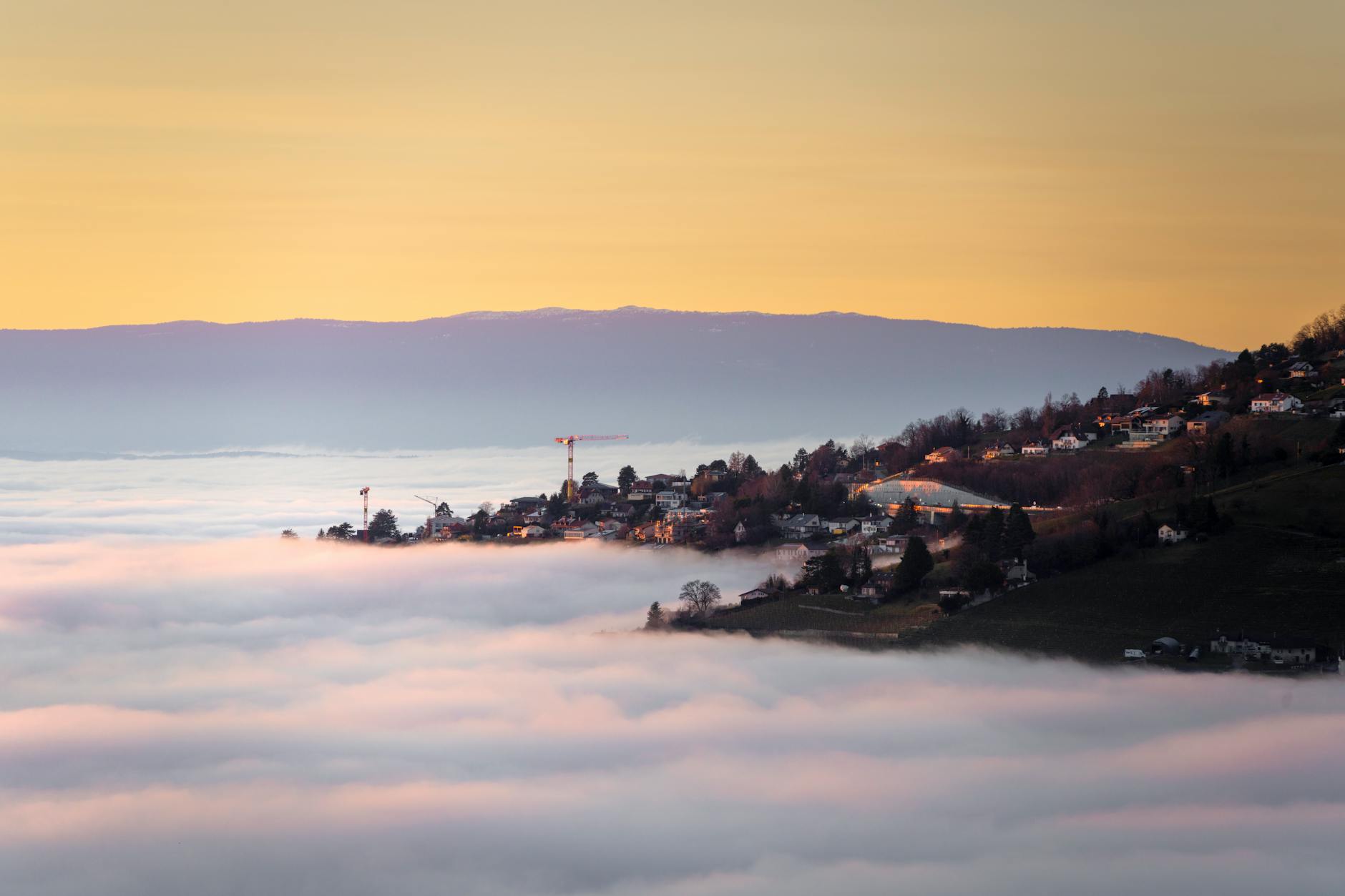
Lausanne is one of those cities that gets underestimated for almost the opposite reason Geneva does. Geneva gets reduced to institutions. Lausanne gets reduced to scale. People know the name, vaguely connect it to the Olympics, perhaps imagine students, hills, and a pretty lake, then move on to places that sound more obviously essential. That is a mistake.
Start Here
This is one of Switzerland’s most satisfying urban stays when used properly. Lausanne is elegant without being over-styled, youthful without being adolescent, and polished without feeling trapped inside its own prestige. It is a city of strong gradients, old-town heights, lakefront calm, wine-country access, modern museums, serious public transport, and a daily-life sophistication that feels less ceremonial than Geneva and more truly lived than many Swiss prestige postcards.
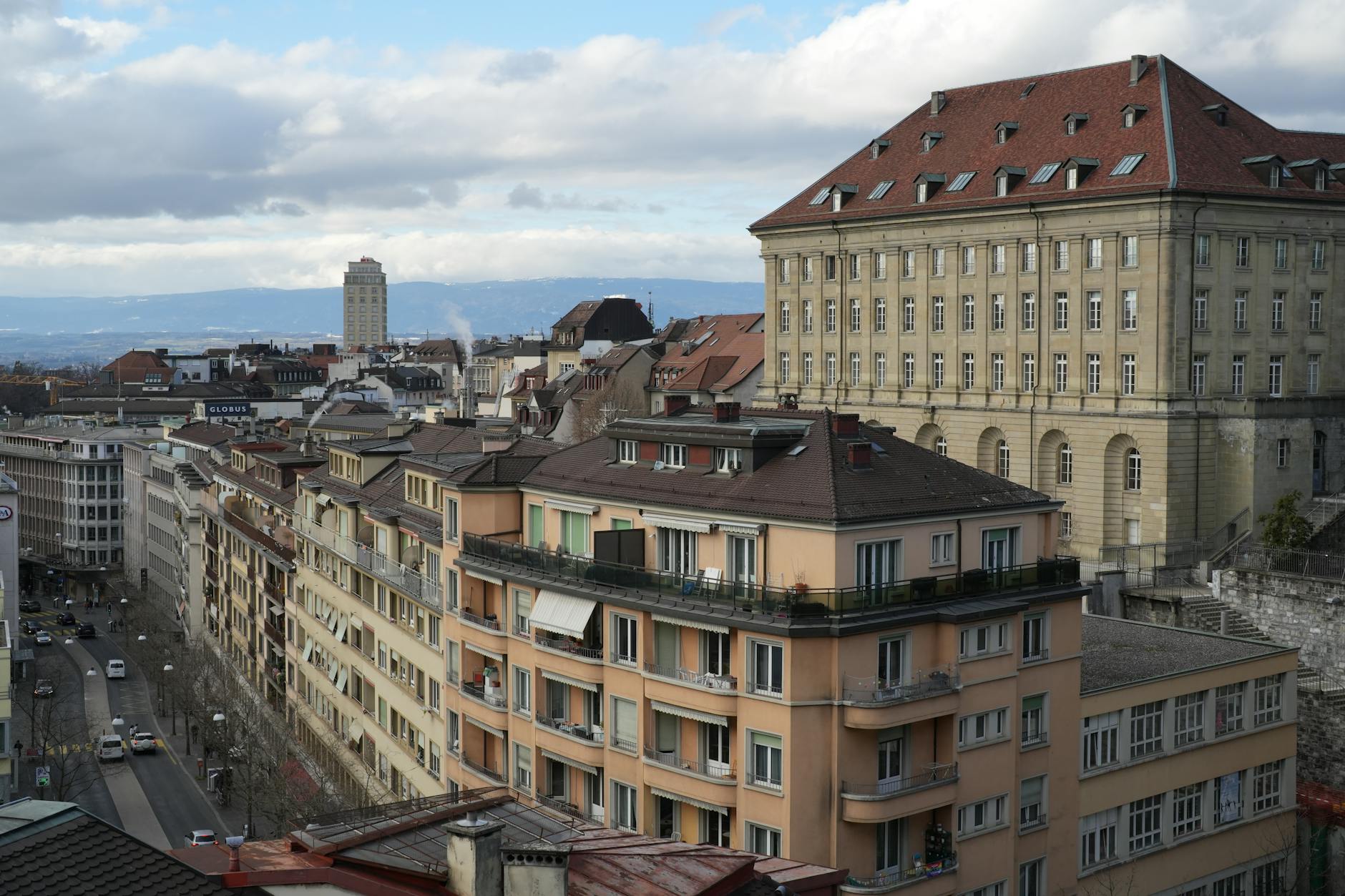
The city’s great structural fact is simple: Lausanne goes up and down. That topography is not an inconvenience to work around. It is the point. The old center rises above the lake. Ouchy sits low and wide by the water. The station cuts across the slope in a way that makes orientation matter. Neighborhoods shift tone with altitude, light, and distance from the shore. Once you stop expecting a flat promenade city or an alpine fantasy village, Lausanne becomes much more interesting.
The strongest Lausanne trips come from respecting this physical logic. Stay somewhere that helps you use the city. Understand when to walk, when to ride the metro, when to drift down toward Ouchy, when to give time to Plateforme 10 or the Olympic Museum, when to sit with the lake rather than just glance at it, and when to leave room for a meal that proves the city has taste as well as scenery. Lausanne is not about one dominant icon. It is about composition.
The city in one sentence: Lausanne is a steep, elegant lake city where the best trip comes from combining the upper town, the lakefront, transport-smart movement, museums, and neighborhood life rather than treating it as a lesser Geneva or a stop between bigger Swiss names.
Basic data
| Population | About 145,000 in the city |
|---|---|
| Area | 41 km2 |
| Major religions | Christian heritage with a strongly secular contemporary public culture |
| Political system | Municipal government inside a federal republic |
| Economic system | High-income mixed economy led by education, services, sport administration, finance, and technology |
Quick Verdict
Best for: couples, short Swiss city breaks, lake travelers, walkers who do not mind hills, museum-and-food travelers, first-time Switzerland routes, and anyone who prefers refined daily life to heavyweight monument collecting.
Not ideal for: travelers with zero tolerance for slopes, people who need nonstop nightlife or huge-city density, or anyone who thinks a small city means they can ignore hotel location and still have a graceful trip.
Ideal first visit: 2 to 3 full days.
Minimum worthwhile stay: 2 full days, if one is primarily spent in Lausanne itself rather than immediately given away to another lakeside town.
Best overall months: May, June, September, and early October.
Best winter case: December for polished winter city atmosphere, or late winter for a quieter museum-and-hotel version of the city.
Biggest planning mistake: treating Lausanne as a flat lakeside place when its slope structure is the core of how the city actually works.
One thing to prioritize: a base with easy access either to the station and metro or to the central upper town with a manageable route to the lake.
One thing to leave flexible: your lake time. Lausanne becomes significantly better when the weather gives you a usable waterfront afternoon or evening.
The blunt version: Lausanne is one of Switzerland’s highest-return smaller city stays, but only if the traveler respects its vertical logic and stops treating it as backup Geneva.
Who Will Love Lausanne?
Lausanne suits travelers who like cities with both grace and real life. It is very good for people who enjoy walking through a place that actually changes as they move through it. A lot of cities are pretty in a uniform way. Lausanne is not. It shifts from old town to modern station zones to wine-bar districts to open lakefront in a way that feels active and human. Travelers who notice those shifts tend to enjoy the city a lot.
It is excellent for couples because the city offers one of the best combinations in Switzerland of water, food, hotel quality, and scale. It is easy to imagine a good Lausanne stay: breakfast in the upper town, a museum or market, a slow descent to Ouchy, a lake walk, an aperitif, and one very good dinner. That kind of day is where the city is strongest.
Lausanne also works unusually well for solo travelers. The city is manageable, safe-feeling, easy to navigate once you understand the metro and slopes, and rich enough to support a full trip without becoming socially awkward or exhausting. It is one of those places where solo walking, coffee, bookstores, museums, and public transport all feel natural.
It is less ideal for travelers who want their Switzerland purely in alpine postcard mode. The lake and mountain views are real, but Lausanne is urban, not village-pretty. It is also not ideal for travelers who hate terrain. The slopes are a source of drama and beauty, but they are still slopes. If that sounds like a feature, Lausanne is for you. If it sounds like a defect, it is not.
Lausanne at a Glance
| Question | Practical Answer |
|---|---|
| Main airport gateway | Geneva Airport (GVA) for most international visitors |
| Distance from Geneva Airport | About 60 km |
| Typical airport-to-city timing | Around 45 minutes by train or car |
| Best first-time base | Center / upper town / station-to-center zone, or Ouchy for a lake-led stay |
| Best way to understand the city | Walking plus metro, not walking alone |
| Best lake district | Ouchy |
| Best cultural cluster | Plateforme 10 plus selected upper-town institutions |
| Best signature museum | The Olympic Museum for most first-timers |
| Best local-identity district | Sous-Gare / Grancy and parts of the center |
| Best public transport perk | Lausanne Transport Card for many overnight guests |
| Public transport covered by card | Bus, train, and metro in Lausanne and its surroundings |
| Emergency number | 112 |
| Tap water | Safe to drink |
| Currency | Swiss franc |
| Power plugs | Type J and compatible European variants |
| Car needed? | No |
2026 Visitor Notes
Lausanne Usually Means Geneva Airport First
For most international arrivals, Lausanne begins at Geneva Airport, not at some romantic local airfield. Lausanne Tourisme's current guidance puts Geneva International Airport about 60 km away and roughly 45 minutes by car or train.[1] That means Lausanne is easy to reach, but it also means the arrival experience is smoother when you think of it as an integrated rail city rather than a taxi destination.
The Lausanne Transport Card Is Genuinely Useful
Lausanne's current guest card remains one of the city's smartest visitor advantages. The Lausanne Transport Card is provided through participating accommodation and gives free use of public transport, including bus, train, and metro, during the stay for up to 15 days.[2] The first trip to the accommodation is also free on presentation of the booking confirmation. For a steep city, that matters a lot.
Walking Alone Is Not The Whole Story
Lausanne is very walkable in the sense that it rewards walking, but not in the lazy-guide sense that implies you can simply drift everywhere on foot without consequence. The slopes are real. The metro is part of the city’s design, not a fallback for the weak.
Ouchy Is A Living Waterfront, Not Just A Viewpoint
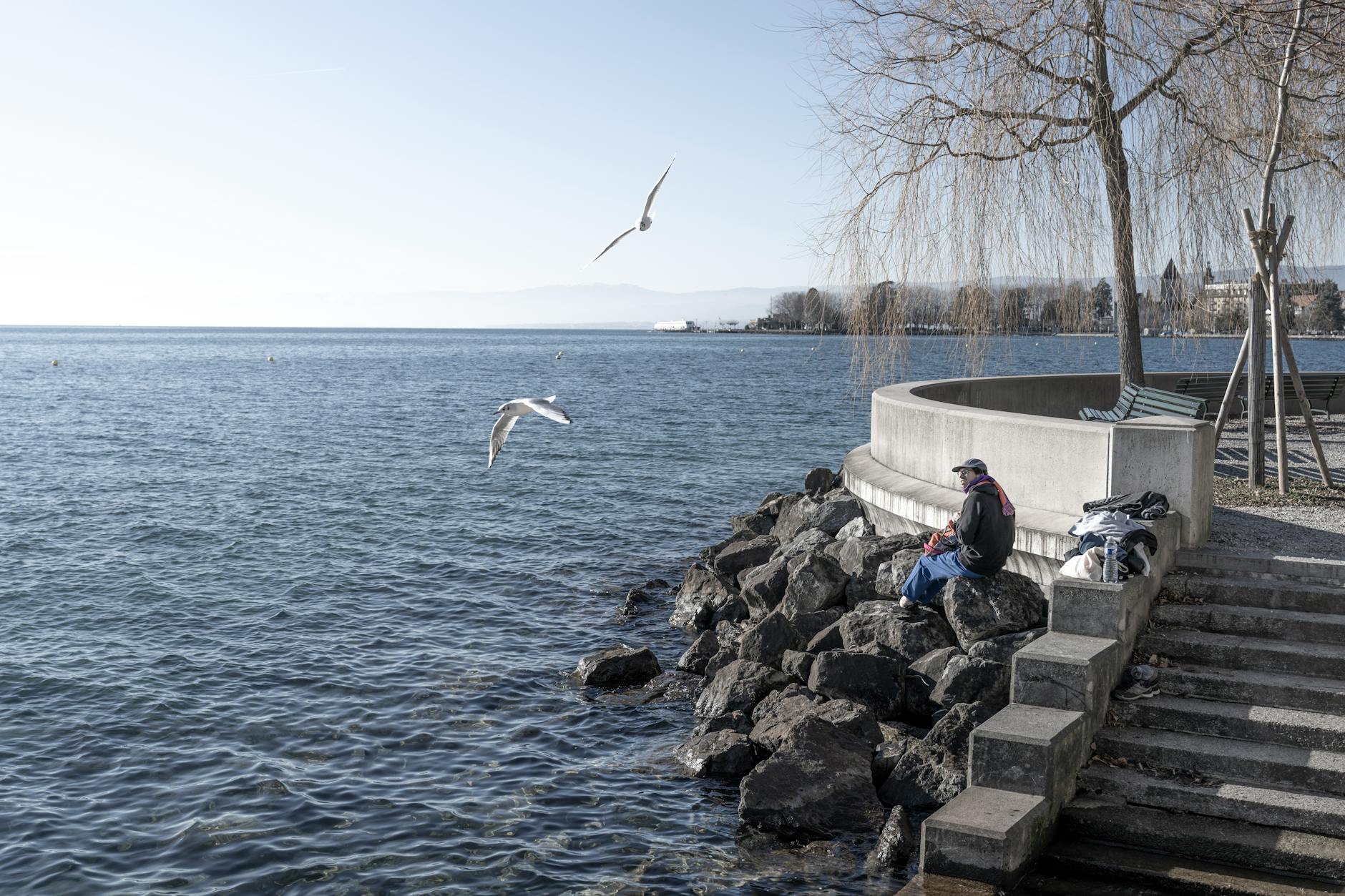
Official tourism material treats the quays seriously, and that is right. Ouchy is where the city opens toward the lake, where three major parks line the waterfront, and where Lausanne often feels emotionally widest.[3] It is not optional window dressing.
Boats Matter More Than You Think
CGN services from Lausanne-Ouchy connect the city by lake to places including Morges, Rolle, Nyon, Geneva, Montreux, and Vevey, and in season the port is active enough to make the lake feel operational rather than merely scenic.[4] Even if you do not build a cruise day, the presence of this network shapes the city's mood.
The Olympic Museum Is Still A Real Anchor
The Olympic Museum remains one of the clearest first-time anchors in Lausanne, and current public guidance indicates the museum is open Tuesday through Sunday from 9 am to 6 pm, closed Mondays.[5] It is not just for sports obsessives. It is one of the city's best-positioned cultural institutions and helps justify time in Ouchy.
The Station-To-Lake Axis Is Part Of The Experience
Lausanne's own tourism material points out the Promenade de la Ficelle, which follows the metro line from the station down to the lake.[6] That is not just a cute detail. It captures how the city works: not as isolated attractions, but as a stitched-together descent from urban center to waterfront.
How to Understand Lausanne
Lausanne works through five forces.
The first is the slope. This is the city’s defining physical truth. Lausanne is vertical enough that movement changes mood, views, and district identity.
The second is the lake. Lake Geneva is not just scenery here. It is openness, leisure, air, and a different social tempo from the upper town.
The third is the scale. Lausanne is large enough to feel properly urban, but small enough that a short stay can still achieve comprehension.
The fourth is culture without overstatement. The city has museums, architecture, Olympic identity, music, design, and university energy, but it does not shout about them all at once.
The fifth is lived elegance. Lausanne often feels less ceremonial than Geneva and less performatively picturesque than some Swiss towns. That makes it easier to inhabit.
The Five Lausannes A Visitor Actually Meets
Upper Lausanne: old town, cathedral, civic gravity, and the high-town version of the city.
Station Lausanne: transitional, practical, a little modern and hectic by Swiss standards, and central to understanding how the city connects itself.
Sous-Gare Lausanne: below-the-station neighborhoods with cafés, bars, residential texture, and some of the city’s most appealing everyday atmosphere.
Ouchy Lausanne: lakefront promenades, parks, boats, Olympic associations, and the most expansive version of the city.
Cultural Lausanne: museums, Plateforme 10, design-minded spaces, and the city’s quieter intellectual confidence.
The Main Mental Shift
Do not ask, "What is there to see in Lausanne?" Ask, "How should Lausanne be used?" That is the better question. The answer usually includes an upper town, a descent, a lake block, at least one museum, and at least one meal or evening in a district that feels lived rather than merely toured.
What Lausanne Does Better Than People Think
Lausanne is unusually good at topographic drama without huge-city stress. The city gives you physical variety and changing viewpoints without demanding the administrative energy of a major metropolis. That is rare.
It is also excellent at small-city sophistication. Lausanne is not flashy, but it is refined. Hotel choices, food, museum quality, public transport, and general standards are stronger than many first-timers expect from a place its size.
Another underrated strength is lake integration. In some cities the water is visible but not really usable. In Lausanne the lakefront is part of the life of the city, especially through Ouchy, the parks, and the boat network.
Lausanne is also good at mixed identity travel. You can do a cultured weekend, a romantic weekend, a foodie weekend, or a Swiss-base weekend with day trips, and the city supports all of them without collapsing into genericity.
Finally, Lausanne is very good at human-scale elegance. That may be its greatest strength. The city feels polished, but not embalmed.
Best Time to Visit Lausanne
Lausanne is a year-round city, but not a season-neutral one. The balance between hills, terraces, lake, and indoor culture shifts meaningfully.
Best Overall Months
May, June, September, and early October are the sweet spots for many first-time visitors. The lake is alive, the weather is usually more cooperative, and the city’s outdoor logic works well.
Summer
Summer is when Lausanne is easiest to love quickly. The lakefront becomes active, Ouchy feels fully alive, and the city’s parks and terraces justify themselves. The tradeoff is that hotel and dining decisions become more important because the pleasant-weather version of the city raises expectations.
Autumn
Early autumn is one of Lausanne’s smartest seasons. The city keeps much of its visual beauty while becoming slightly calmer and often more elegant in feel.
Winter
Winter strips the city back to architecture, slopes, interior quality, and lake atmosphere. That can work very well if you build the trip around museums, dining, books, and the pleasure of a well-run Swiss city in cold weather. It is not the season for expecting a Riviera fantasy.
Spring
Spring is strong because the city starts moving back outdoors and the lake begins to matter again socially, not just visually.
Month-by-Month Guidance
January: quiet, interior, best for hotel-and-city minimalists. February: similar, but often psychologically easier as spring approaches. March: transitional and often attractive if you accept some grayness. April: increasingly viable, especially for museum-and-walk days. May: one of the best overall choices. June: excellent for a first visit. July: lively, bright, and strongest if you use Ouchy properly. August: very good for lake and terrace travel. September: one of the smartest months to go. October: elegant, often beautiful, especially early in the month. November: more subdued, best if you want the city for itself rather than for the waterfront. December: polished winter city energy, especially good for couples.
How Many Days You Need
One Day
Enough to glimpse the center and lake, not enough to understand the city’s rhythm.
Two Days
The minimum respectable stay. One day should include both the upper town and the lake.
Three Days
Ideal for a first visit. This gives space for city structure, museums, neighborhoods, and one extension or slower lake block.
Four To Five Days
Very good if Lausanne is your base for Lavaux, Montreux, Vevey, or another lake excursion, as long as the city itself still gets real attention.
One Week
Excellent for a western-Switzerland route anchored by Lausanne, but only if you still let the city remain a destination rather than a rail platform.
Where to Stay in Lausanne
Where you stay matters because Lausanne is not flat and because different districts imply very different trips.
Fast Answer
For most first-time visitors, stay in the center, on the upper-town edge, or in the station-to-center corridor if you want the easiest all-purpose Lausanne. Stay in Ouchy if your trip is deliberately lake-led and you accept the reliance on metro or uphill movement. Stay in Sous-Gare / Grancy if you want neighborhood charm, food, and a more local-feeling stay.
Neighborhood Decision Table
| Traveler Type | Best Area |
|---|---|
| First-time visitor | Center or upper-town/station balance |
| Couple weekend | Ouchy, Sous-Gare, or a polished central stay |
| Practical short stay | Near the station, but chosen carefully |
| Food-and-neighborhood trip | Sous-Gare / Grancy |
| Museum-led stay | Center with easy links to Plateforme 10 and Ouchy |
| Lake-first stay | Ouchy |
Center / Upper Town
Best for: first-timers, culture-led stays, and travelers who want Lausanne to feel like a real city rather than just a waterfront.
Why it works: access to the cathedral, central streets, shops, museums, and practical city movement.
Tradeoff: you need to be comfortable with vertical movement or strategic metro use.
Station Zone
Best for: convenience, short stays, and travelers arriving by rail who want immediate transport logic.
Why it works: practical, central, and connected.
Tradeoff: not every station-area block is equally charming, and some parts feel more transitional than romantic.
Sous-Gare / Grancy
Best for: atmosphere, dining, a more local-feeling Lausanne, and travelers who want something more textured than a purely central hotel zone.
Why it works: this is one of the city’s best everyday districts.
Tradeoff: less instantly obvious to first-timers unless they know why they are choosing it.
Ouchy
Best for: lake romance, scenic walking, waterfront calm, and visitors who want Lausanne’s southern edge to shape the whole trip.
Why it works: the lake is the luxury here.
Tradeoff: if you base entirely on the waterfront without planning upper-town time properly, Lausanne can feel incomplete.
Area Profiles
Vieille Ville and the Cathedral Zone
The historic high city gives Lausanne gravity, form, and an architectural core that keeps it from being reduced to a pleasant waterfront town.
Flon and the Central Modern Core
More contemporary, more functional, and useful for understanding Lausanne as a living city rather than a heritage object.
Plateforme 10 Side
One of the city’s most useful modern cultural anchors and part of the argument for Lausanne as a serious short-break city.
Sous-Gare
A very important district for the city’s charm. It shows you how Lausanne actually lives.
Ouchy
The open, lake-led, emotionally expansive side of the city.
Neighborhood Guide: Where to Explore, Not Just Sleep
The Old Town
Use it slowly. The cathedral, streets, and height matter because they establish Lausanne’s upper-city identity.
The Station To Lake Descent
One of the best ways to feel the city physically, especially if you use the Promenade de la Ficelle idea as your mental map.
Sous-Gare and Grancy
This is where Lausanne often feels most lovable: cafés, wine bars, neighborhood energy, and attractive residential texture.
Ouchy and the Quays
Do not just take a photo and leave. This is where the city relaxes.
Plateforme 10
Useful for a more contemporary, cultural read on the city and for giving the stay some weight beyond walking and views.
The Best Things to Do in Lausanne
1. Walk The City From High To Low
Lausanne should be felt vertically at least once. That is part of its identity.
2. Give Ouchy Real Time
The waterfront is not a footnote. It is one of the city’s major emotional registers.
3. Visit The Olympic Museum
Done properly, it is one of the best ways to justify a long Ouchy block and understand one of Lausanne’s global identities.
4. Explore The Old Town
The city’s historical and visual weight lives here.
5. Use The Metro Intelligently
In Lausanne, using public transport well is part of reading the city correctly.
6. Spend Time In Sous-Gare
This is where the city proves it has everyday charm, not only prestige surfaces.
7. Take A CGN Boat Or At Least Build A Boat-Aware Day
Lake transport is part of Lausanne’s mood, even if you do not make a full excursion of it.
8. Give Plateforme 10 Or Another Museum Proper Attention
Lausanne deserves a cultural block, not just scenic wandering.
9. Let One Evening End By The Lake
Sunset and late light matter here.
10. Leave Space For One Long Meal
Lausanne rewards dining that feels rooted in place rather than rushed between logistics.
Itineraries
One Excellent Day In Lausanne
Start in the upper town, move through the center, descend toward the station and then the lake, spend time in Ouchy, and finish with dinner either by the water or back in a stronger neighborhood inland.
Two Days
Day 1: upper town, central Lausanne, and Ouchy. Day 2: museum time, Sous-Gare, and either a short lake boat move or a slower food-led day.
Three Days
Day 1: core Lausanne from high city to lake. Day 2: Olympic Museum, waterfront, and neighborhood time. Day 3: Plateforme 10, a CGN outing, or a short extension to Lavaux or Vevey if Lausanne itself already feels anchored.
Four To Five Days
Add Lavaux, Montreux, Vevey, or a longer lake excursion, but keep at least three real Lausanne blocks intact.
One Week
Use Lausanne as a base for western Switzerland, but do not let that convenience erase the city’s own identity.
Itineraries By Traveler Type
First-Timer
Stay central or well-balanced, do upper town and lake on the first full day, and only then decide how much nearby lake country you want.
Couple Weekend
A good hotel, one lake sunset, one excellent dinner, one museum, and one slow neighborhood walk make the ideal short stay.
Solo Traveler
Excellent fit. Lausanne is highly manageable and rewarding alone.
Food Traveler
Center plus Sous-Gare, with at least one serious lunch and one serious dinner.
Swiss Rail Trip Stop
Do not use Lausanne as a sleep-only train node. Give it one proper day minimum.
Food and Drink
Lausanne is not the loudest dining city in Switzerland, but it is a very good one. The city benefits from Swiss standards, lake-region produce, international influence, and enough student and cosmopolitan energy to stop things from becoming too stiff.
What To Prioritize
Prioritize restaurants or cafés that feel integrated into a district. In Lausanne, context matters. A meal in the right area is worth more than an abstract "best restaurant" chased across town without thought.
Best Food Zones
Sous-Gare / Grancy: one of the best answers for atmosphere and quality. Center: useful for polished meals, coffee, and convenience. Ouchy: strongest when the weather and setting are doing real work. Old town edges: selective, more for texture than sheer density.
Restaurant Strategy
Book the meals that matter, especially on weekends and in strong seasons. Lausanne is not gigantic, and its better places do not need to beg for customers.
Drinks
Lausanne is better at terraces, wine, and civilized evening drinking than at performative nightlife excess. The right bar or lakeside drink matters more than a long crawl.
Coffee and Morning Logic
This is a city that opens well if you start properly. A good breakfast or coffee in the right district helps make sense of the day.
Getting Around Lausanne
Arrival From Geneva Airport
Rail is usually the cleanest move. Lausanne’s relation to Geneva Airport is one of the reasons the city works so well for international travelers.
Walking
Walking is essential, but not sufficient. Think in terms of sequences rather than flat wandering.
Metro
The metro is part of the city’s basic logic. Respecting that makes Lausanne easier and better.
Buses and Local Trains
Useful for extensions and for smoothing out the practical burden of the slopes.
Lake Boats
CGN services are both transport and mood. Even a short use of them changes how the city feels.
Car Hire
Unnecessary for a city stay and often more hassle than value.
Budget and Costs
Lausanne is expensive by many standards, but its spending patterns can feel more humane than Geneva’s. You still need discipline.
What Costs More Than Some Visitors Expect
Hotels, routine meals, drinks, and anything vaguely premium in a scenic location.
What Feels Worth It
A good base, one lake-facing indulgence, one strong meal, and not fighting the city’s terrain because you chose the wrong location.
What Feels Like Better Value
The transport card, walking, museums, waterfront time, and the fact that Lausanne can deliver a lot of quality without requiring huge distances.
Worth The Splurge
Ouchy hotel views, a refined central stay, a lake dinner in the right conditions, or a boat-linked day that actually makes the city feel broader.
Usually Not Worth It
Saving money by sleeping somewhere awkward, or spending heavily on generic prestige purchases that do nothing to deepen the stay.
Safety, Weather, and Practical Reality
Lausanne is broadly easy, but the city’s practical challenges come from terrain and weather more than from any sense of threat.
The Slopes Are The Main Reality
This is the operational fact of the city. Ignore it and the trip gets annoying.
Weather Changes The Lake
A gray wet Ouchy day and a bright Ouchy day are almost different products.
General Urban Safety
Standard awareness is enough for most travelers. Lausanne’s greater risk is fatigue from bad routing rather than major urban menace.
Accessibility
Lausanne can still work for travelers with accessibility needs, but district choice matters greatly because of the terrain.
Easier Areas
Selected central zones, metro-linked areas, modern hotels, and flatter parts of the waterfront.
Harder Areas
Old-town slopes, long hillside walks, and routes that assume charm cancels gradient.
Practical Moves
Choose the base carefully, use the metro without hesitation, and treat "walkable" claims skeptically if mobility is limited.
Families, Solo Travelers, and Special Considerations
Families
Lausanne works well for families who like museums, the lake, parks, and public transport, but the slopes mean strollers and young children need a smarter plan.
Solo Travelers
Very strong fit. Lausanne is calm, elegant, and easy to use alone.
Couples
One of the city’s strongest categories. Lake, hills, hotels, and dining all work well together.
Winter Travelers
Winter can still be very good if you want refinement over outdoor abundance.
Shopping and Souvenirs
Lausanne is not a shopping city in the grand global sense, which is fine. Shop for character, not scale.
What To Buy
Chocolate, books, Swiss design objects, local food items, and things that actually feel rooted in the region.
Best Shopping Zones
Center and selected old-town streets, plus specialist shops rather than mall logic.
What To Avoid
Buying generic Swiss clichés because the city’s neatness made them feel inevitable.
Culture, History, and Local Context
Lausanne’s identity is older and more layered than its modern tourism shorthand. This is a city of cathedral history, cantonal gravity, education, publishing, reform-era depth, and one of the most globally recognizable sports-administration profiles in the world. It is also a place where daily life, not only ceremony, remains visible.
Its position above the lake and near the Lavaux vineyards gives it a physical and cultural richness that many short-stay visitors only half notice. Lausanne is French-speaking, strongly Swiss, yet more relaxed in everyday feel than some outsiders imagine. It can be formal when it wants to be, but much of its charm comes from not being locked into that mode.
The Olympic association matters, but it should not dominate your understanding of the city. The old town matters. The lakeside matters. The neighborhoods between them matter. Lausanne becomes richer the moment you stop collapsing it into one international-brand identity.
Day Trips and Side Trips
Lavaux
One of the most natural extensions from Lausanne, especially for wine, views, and gentle lake-country logic.
Vevey
Easy and worthwhile if you want a smaller lake town without sacrificing the whole day.
Montreux
A more scenic-showcase extension that can work well from Lausanne.
Geneva
Possible, of course, but do not use Lausanne merely as Geneva’s cheaper sleeping annex.
Lake Boat Excursions
Often one of the most intelligent add-ons because they deepen rather than erase Lausanne’s own lake identity.
What To Skip, or Treat Carefully
Skip Treating Lausanne As Flat
This is the basic unforced error.
Skip Reducing It To Ouchy Alone
The lake is essential, but the upper city is what gives Lausanne depth.
Skip Sleeping In The Wrong Place To Save A Little Money
Terrain multiplies bad base choices fast.
Skip Over-Day-Tripping
Lausanne is too easy to abandon to trains and boats. Resist that.
Skip Assuming Small City Means No Planning Needed
The city is compact, but not simple in the lazy sense.
Common First-Timer Mistakes
- Staying only one night and deciding the city is thin.
- Ignoring the slopes when choosing a hotel.
- Spending no meaningful time by the lake.
- Spending all their time by the lake and no time in the upper city.
- Forgetting how useful the transport card is.
- Treating the metro as optional rather than structural.
- Using Lausanne only as a base for somewhere else.
- Underestimating Sous-Gare and neighborhood life.
- Choosing convenience food in an expensive city and then complaining about value.
- Mistaking refinement for dullness.
Responsible and Respectful Travel
Use Lausanne gently. Respect the city’s residential calm, public transport etiquette, and parks. At the waterfront, remember that the lake is part of local life, not merely scenery for visitors.
Support the city through real cultural use: museums, local cafés, thoughtful dining, books, and institutions that reflect Lausanne’s actual identity. Let the place remain a city, not just a polished Swiss visual.
The Two Lausannes You Need To Hold Together
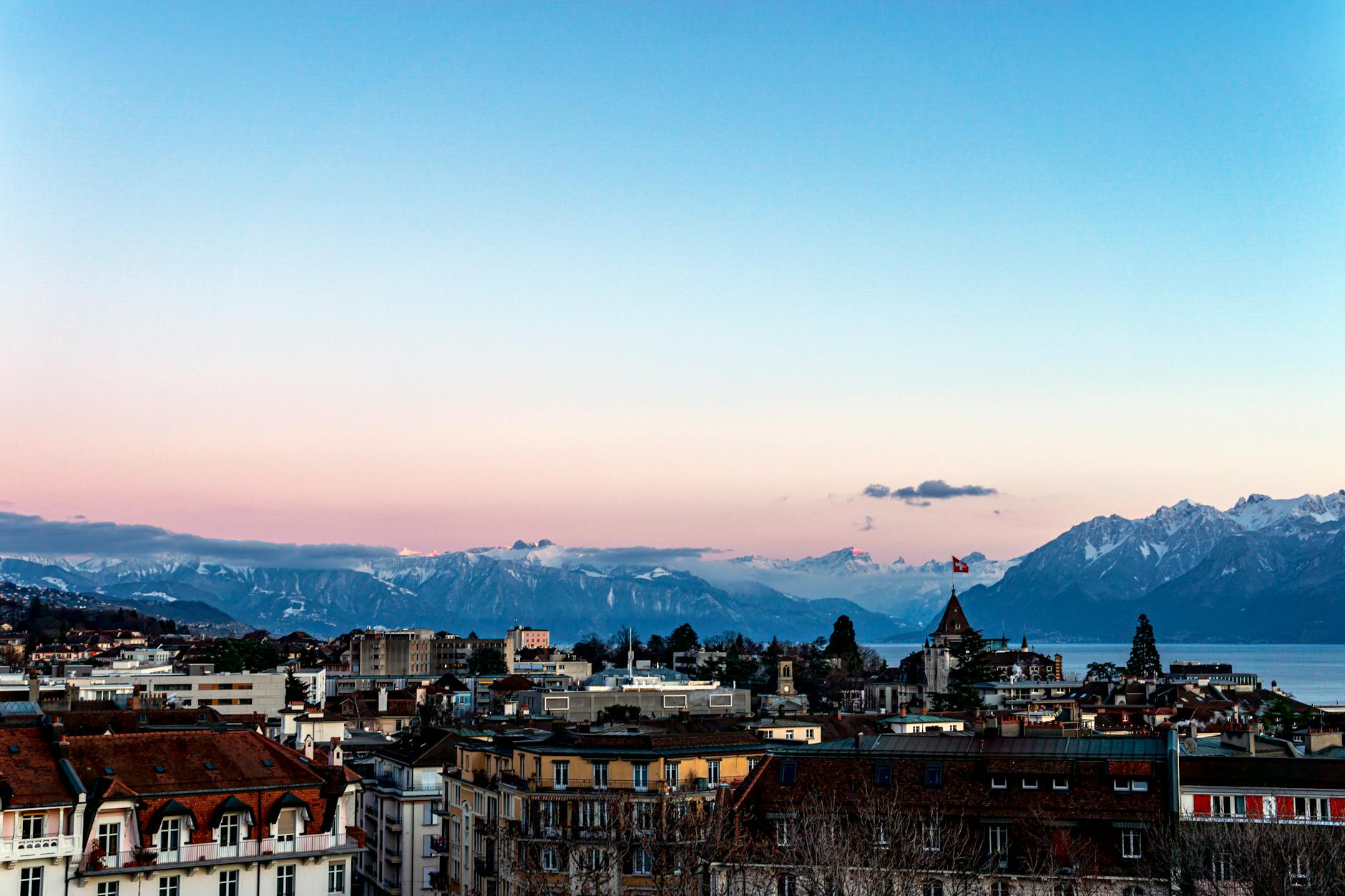
The easiest way to get Lausanne wrong is to choose only one of its two strongest identities. There is upper Lausanne, which means cathedral weight, central shopping streets, civic slopes, museums, and the feeling that this is a real inland city with history and institutions. Then there is lake Lausanne, which means Ouchy, promenades, CGN boats, hotel terraces, mountain views, and the emotional release of reaching the water.
Neither version is enough alone. A traveler who stays only in the upper city and never gives Ouchy real time can leave thinking Lausanne is handsome but slightly severe. A traveler who does only Ouchy can leave thinking Lausanne is a nice waterfront attached to a generic hill town. The whole point is the tension between the two. One gives gravity, one gives openness. One feels civic and historical, the other expansive and leisure-facing. The strongest itinerary keeps moving between them until the city feels like one argument instead of two separate postcards.
That is also why the metro matters so much here. In many cities transit is a convenience. In Lausanne it is part of the city’s internal translation system, converting height into movement and keeping the upper and lower identities in active dialogue.
Why Lausanne Is Not “Little Geneva”
Travelers sometimes talk about Lausanne as though it were a smaller, softer Geneva. That comparison is understandable but unhelpful. Geneva’s identity is built around international institutions, finance, and a certain worldly polish. Lausanne feels more rooted in daily life, education, neighborhoods, and a more visibly inhabited form of elegance. It is less diplomatic and more domestic. Less ceremonial and more lived.
It is also more topographically dramatic in day-to-day use. Geneva’s lakefront calm can feel broad and level. Lausanne asks more of your body and gives more back in changing views and mood shifts. Even the social feeling is different. Lausanne often feels a little younger, slightly less rigid, and more comfortable moving between student energy, good taste, and lake-region leisure.
That difference matters because it changes what success looks like. In Geneva, a strong stay might revolve around composure, precision, and refined stillness. In Lausanne, a strong stay often comes from transitions: uphill and downhill, old town to water, museum to terrace, train practicality to lakeside release. It is a city whose pleasures depend on motion. That makes it distinct, and better, than any “smaller Geneva” label allows.
FAQ
Is Lausanne worth visiting on its own?
Yes, absolutely, especially for 2 to 3 days.
How many days should I spend in Lausanne?
Three days is ideal for a first proper stay. Two is the minimum that still respects the city.
Is Lausanne walkable?
Yes, but with the important caveat that it is steep and best used with the metro.
Do I need a car?
No.
Is Lausanne expensive?
Yes, but usually in a coherent Swiss way.
Is Ouchy the best place to stay?
It can be, if you truly want a lake-led stay. For a first visit, a more balanced central base is often smarter.
Is the Olympic Museum worth it?
Yes, for most first-timers, especially because it fits so well into a larger Ouchy day.
What is the best area to stay?
Center, upper-town edge, or a carefully chosen station-to-center base for most first-timers.
When is the best time to go?
May, June, September, and early October are the safest best-bet months.
Final Planning Shortcuts
Best First-Timer Plan
Stay centrally, do upper town and lake on day one, then deepen with museum and neighborhood time before giving away a day to elsewhere.
Best Couple Plan
Strong hotel, one long lake walk, one excellent dinner, one museum, and one slow neighborhood afternoon.
Best Short-Stay Plan
Do not give your whole trip to another town just because the trains are easy.
Best Lake Plan
Base either centrally or in Ouchy, use the waterfront seriously, and add at least one CGN-aware move.
Best Budget-Conscious Plan
Use the transport card, walk strategically, eat thoughtfully rather than constantly, and spend on one or two things that make Lausanne feel special.
Source Notes
- 1. Lausanne Tourisme, "Access to Lausanne." https://www.lausanne-tourisme.ch/en/access-to-lausanne/
- 2. Lausanne Tourisme, "Lausanne Transport Card and More." https://www.lausanne-tourisme.ch/en/lausanne-transport-card-and-more/
- 3. Lausanne Tourisme, "Ouchy." https://www.lausanne-tourisme.ch/en/explore/ouchy/
- 4. CGN, "Timetable and Destinations." https://www.cgn.ch/en
- 5. The Olympic Museum, "Tickets and Visitor Information." https://museumshop.olympics.com/list/otherProducts?lang=en
- 6. Lausanne Tourisme, "Promenade de la Ficelle." https://www.lausanne-tourisme.ch/en/explore/promenade-de-la-ficelle/