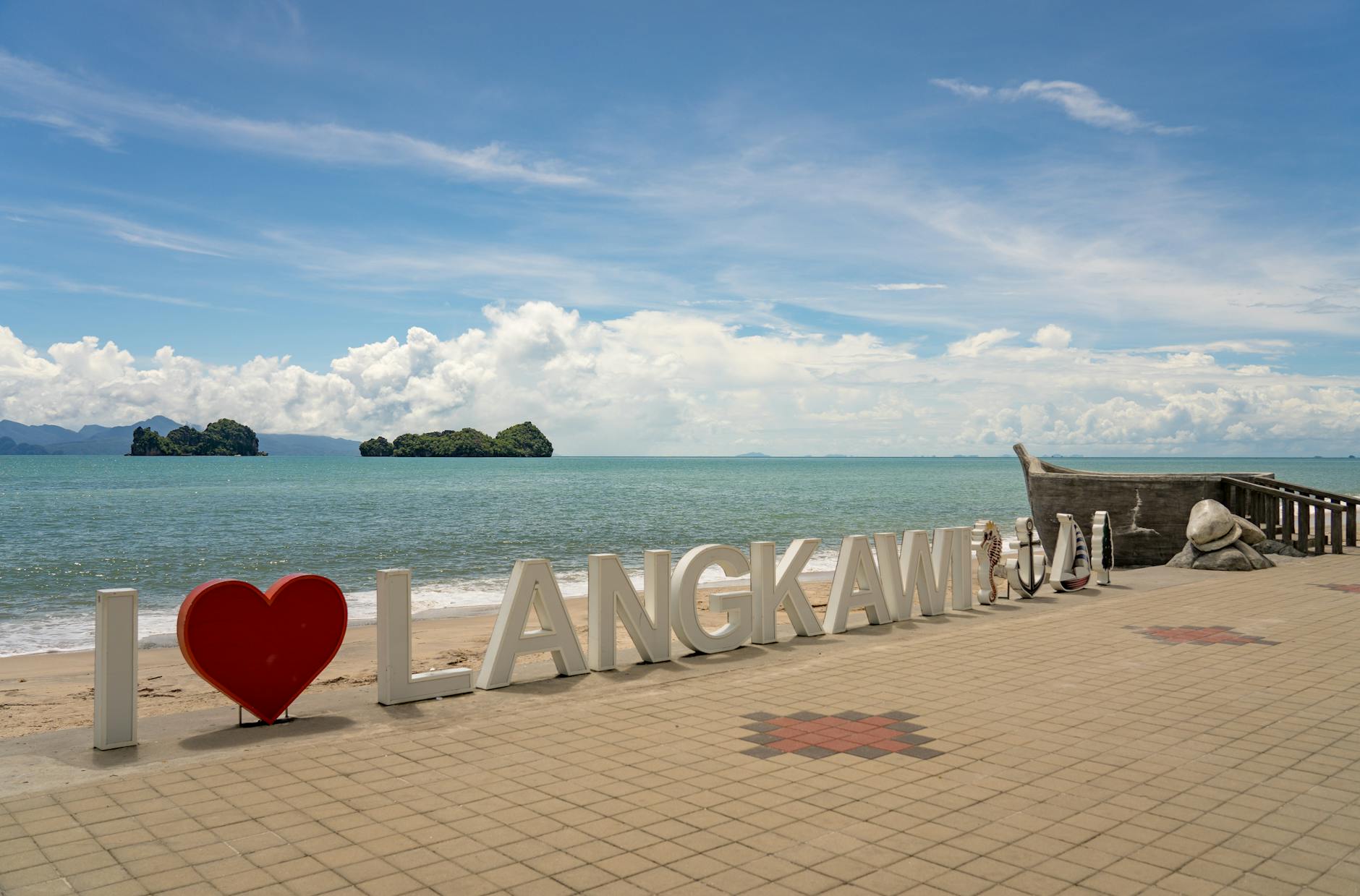
Langkawi is one of those destinations that looks easier than it is and then, once you understand it, becomes easier again.
Start Here
At first glance it appears to offer a simple recipe. You fly in. You stay near a beach. You ride the cable car. You maybe do a boat day, maybe buy something duty-free, maybe rent a car, then you let the sunsets cover any structural weakness in the trip. Plenty of people do exactly that and come away satisfied enough. But that version of Langkawi often leaves the island feeling thinner than it really is. The traveler remembers one resort strip, one scenic ride, one dinner row, one generic beach, and a vague sense that the place was pleasant but somehow replaceable.
That is the avoidable version.
Langkawi works better when you understand that it is not simply a beach island and not quite a resort town either. It is a spread-out island system with different usable bases, a practical airport, a landscape identity that is stronger than many first-time visitors expect, and a kind of tropical spaciousness that can either feel liberating or oddly underwhelming depending on how you organize the stay. UNESCO still recognizes Langkawi as a UNESCO Global Geopark, and the official local development and tourism bodies continue to present that environmental and geological frame as central to the island's identity.[1][3][4] That matters because it tells you how the island wants to be read. Langkawi is not only a strip of sand with hotels attached. It is an island where landforms, mangroves, offshore shapes, viewpoints, and weather are part of the meaning of the trip.
The best first visit therefore is not built around quantity. It is built around choosing the right base, respecting the island's distributed geography, and understanding that Langkawi's pleasures are cumulative rather than concentrated. One good beach walk, one worthwhile scenic outing, one easy dinner street, one weather-flexible half day, and one properly relaxed afternoon often add up to more than an overbooked menu of "must-dos."
The island in one sentence: Langkawi is one of Southeast Asia's easiest tropical stays to enjoy, provided you choose your area well, keep your daily ambitions realistic, and let the island function as a landscape instead of forcing it to act like a city.

Basic data
| Population | About 110,000 across the archipelago |
|---|---|
| Area | About 478 km2 |
| Major religions | Islam, Buddhism, Hinduism, Christianity, and Chinese folk traditions |
| Political system | Island district administration inside a federal constitutional monarchy |
| Economic system | Tourism-led mixed economy supported by hospitality, retail, fisheries, and transport |
Quick Verdict
Best for: couples, soft-adventure travelers, first-time island visitors, return Malaysia travelers, and anyone who wants a tropical break without urban strain.
Less ideal for: travelers who want dense walkable city life, ambitious nightlife variety, or a destination that reveals its best self through nonstop motion.
Ideal first stay: 3 nights.
Still worthwhile: with 2 nights, if you choose the right base and keep the schedule narrow.
Worth longer: yes, especially if the trip is meant to include actual down time instead of only sightseeing.
Biggest planning mistake: assuming all hotel areas deliver the same island.
One thing to prioritize: base choice.
One thing to simplify: the attraction list.
Blunt version: Langkawi is easy to enjoy, but it becomes forgettable fast when treated lazily.
Who Langkawi Is Actually For
Langkawi suits travelers who want a tropical destination that does not require them to perform constant leisure. That sounds abstract, but it matters. Some beach destinations demand either heavy scheduling or total surrender. Langkawi sits in a more useful middle ground. You can have scenic outings, ordinary local errands, simple beach time, decent meals, and a little weather flexibility without the island punishing you for not turning every day into a campaign.
It is also very good for people who want softness without boredom. A lot of first-timers worry that a gentler island will feel inert. Langkawi avoids that if your expectations are correct. It has enough structure to keep three or four days feeling distinct, but not so much pressure that you need military planning.
Couples often do especially well here because the island offers the right kind of light activity: scenic roads, beach evenings, one or two dramatic viewpoints, hotel downtime, and enough variation in dining and neighborhoods that the trip feels shaped without feeling busy. Families can also use Langkawi well, especially if they value easy transfers and a base near the beach rather than urban complexity. Solo travelers who want ease, beach time, and straightforward day planning can enjoy it too, though they should know that some parts of the island are built more around couples and small groups than around solo social energy.
Who tends not to love Langkawi? Travelers who want concentrated atmosphere. If your favorite destinations are those where you can leave the hotel and immediately step into layers of old streets, markets, architecture, and food culture without transport, Langkawi may feel too spread out. This is not Penang. It is not a small island pretending to be a town. It is an island where the day usually begins with a decision about where you are willing to go.
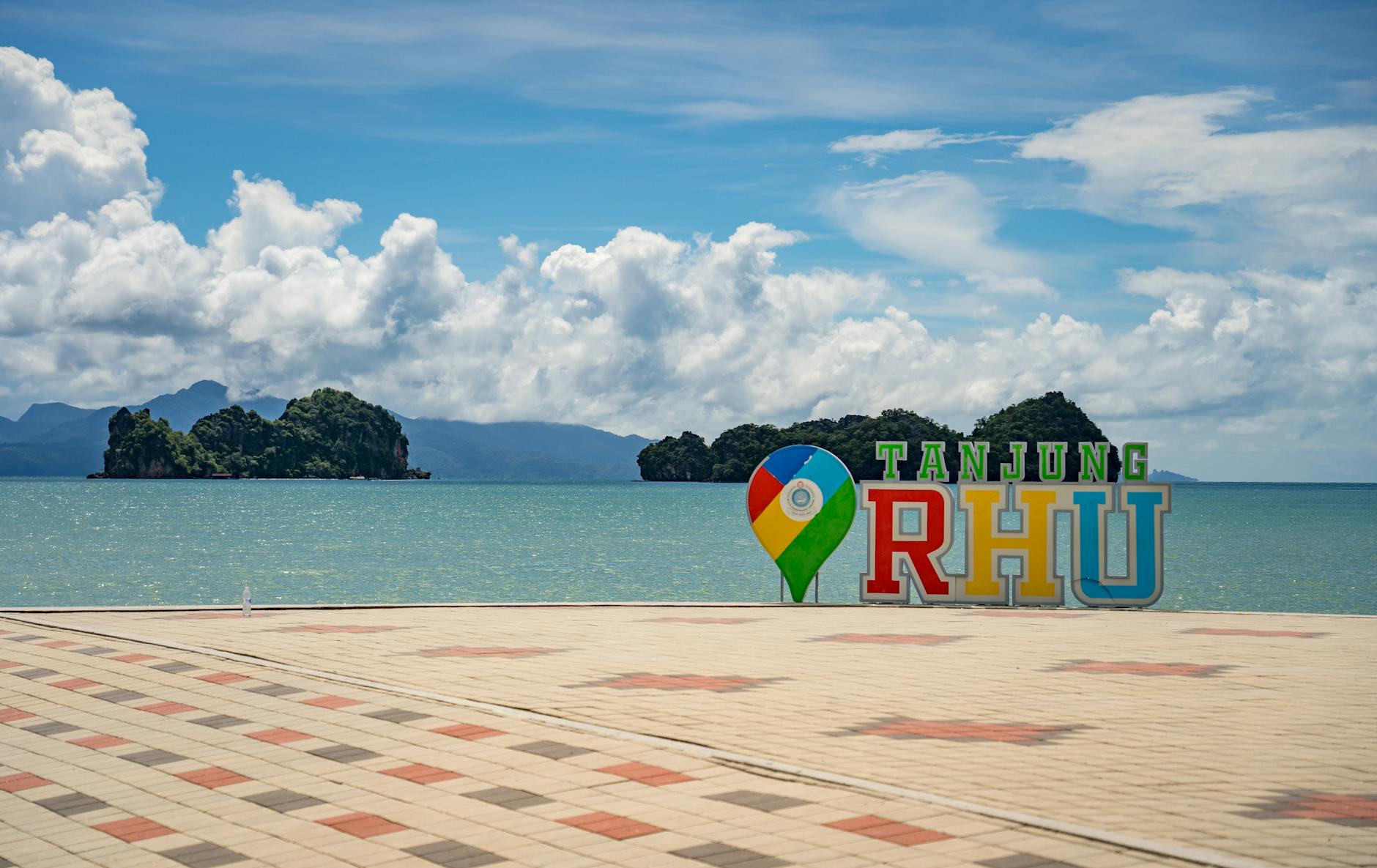
Langkawi at a Glance
| Question | Practical Answer |
|---|---|
| Best first stay length | 3 nights |
| Main arrival airport | Langkawi International Airport |
| Emotional center of the trip | your base, not a single sight |
| Most famous attraction | SkyCab / SkyBridge zone |
| Deepest destination frame | UNESCO Global Geopark |
| Most useful first-time transport approach | self-drive or straightforward hired transport |
| Best easy first base | Pantai Cenang or Pantai Tengah |
| Most common visitor error | too many activities, wrong hotel area |
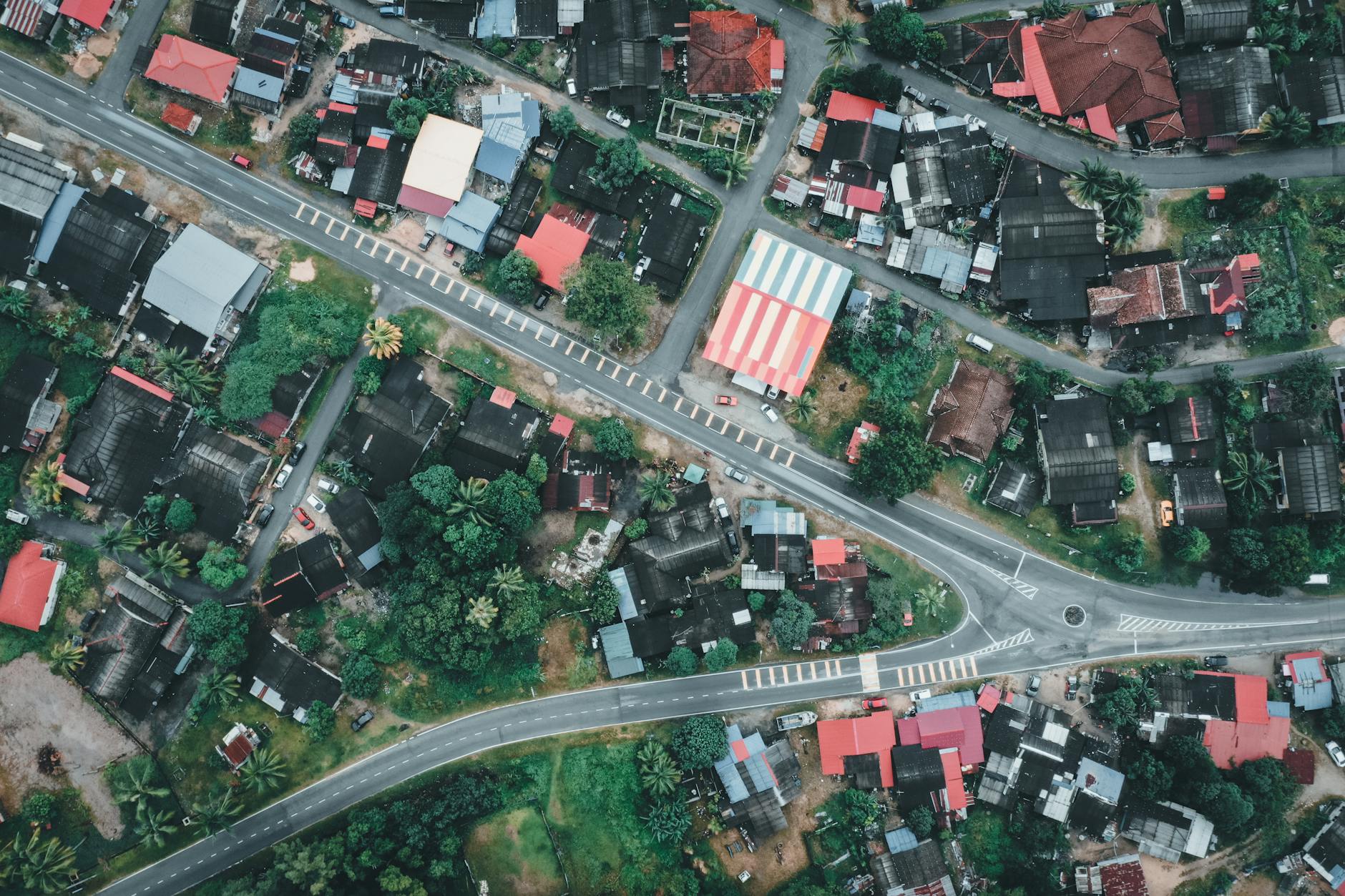
2026 Visitor Notes
The Geopark Frame Is Still the Right Big Picture
UNESCO continues to recognize Langkawi as a UNESCO Global Geopark, while local official bodies continue to frame the island through geology, biodiversity, and landscape systems rather than only through resort branding.[1][3][4] That does not mean every visitor needs a geology lesson. It means the island makes more sense when beaches, mangroves, limestone, and mountain viewpoints are understood as parts of the same place.
Arrival Is Still One of Langkawi's Advantages
Malaysia's Ministry of Transport still presents Langkawi International Airport as the island's main aviation gateway and places it roughly 25 minutes by road from Kuah Town.[2] That combination of airport access and island-scale convenience is one of the strongest reasons Langkawi works so well for shorter tropical stays.
The Cable-Car Complex Is Still a Legitimate Signature Experience
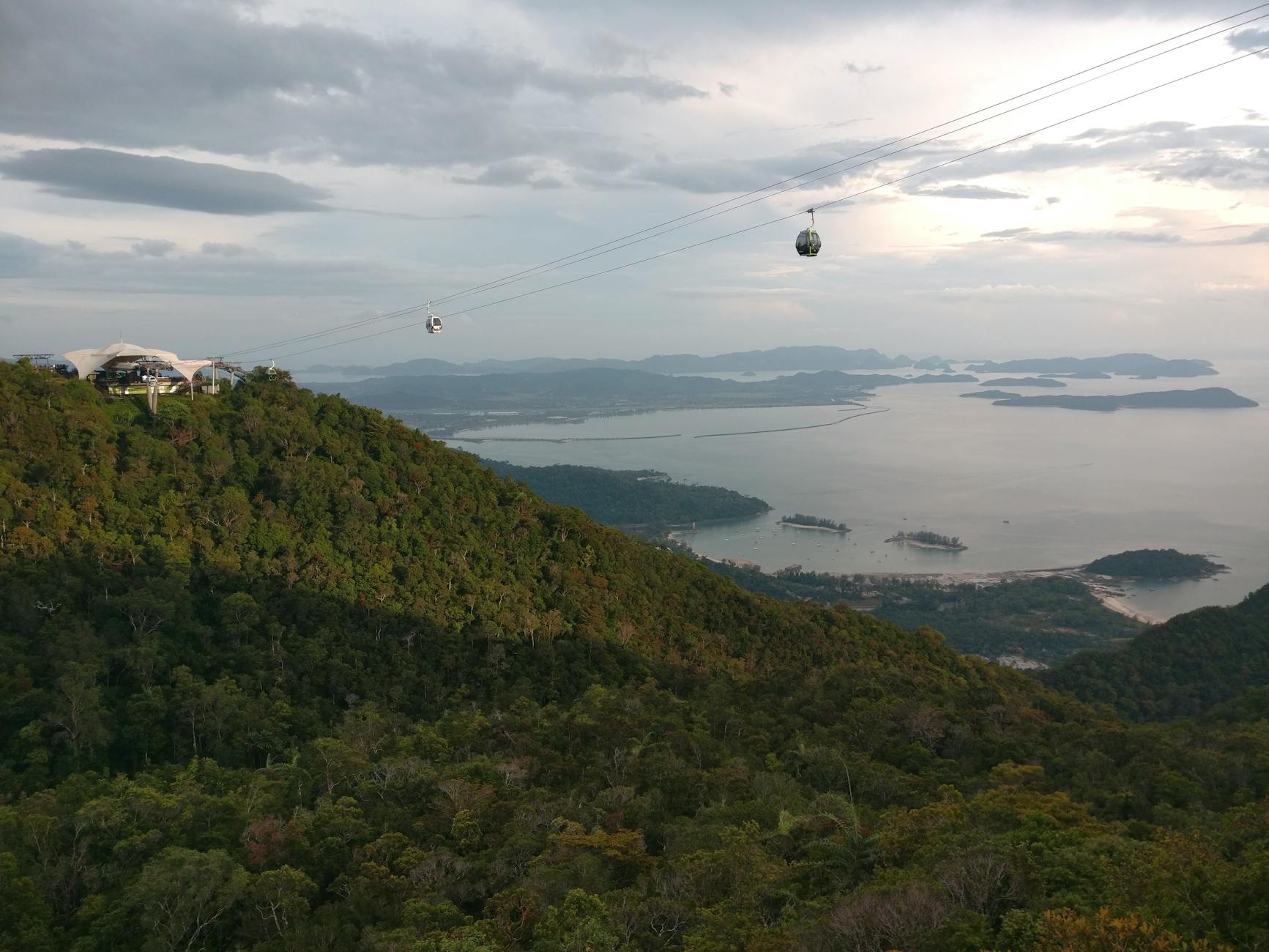
Panorama Langkawi continues to operate and present the SkyCab, SkyBridge, and related attraction complex as one of the island's defining scenic anchors.[8][10][9] It remains first-trip material. The mistake is not going. The mistake is letting it become the whole island.
The Island Is Still Best Read Through Zones, Not a Single Center
Official destination material still separates beach, town, geopark, and activity clusters in ways that reinforce a simple truth: Langkawi is not one coherent promenade city where everything flows out naturally from a single neighborhood.[7][6][5]
The Main Mental Shift
Do not ask, "What are the main attractions in Langkawi?"
Ask instead, "Which version of Langkawi do I want to live inside for three days?"
That one adjustment improves almost every decision that follows. It changes where you stay, how many outings you schedule, whether you rent a car, whether the island feels nourishing or frustrating, and how much weather disruption you can absorb without the trip collapsing.
This matters because Langkawi can be used in very different ways.
You can use it as an easy beach stay with one or two headline scenic outings.
You can use it as a soft road-trip island, with short drives connecting beaches, hills, viewpoints, and resort areas.
You can use it as a landscape-and-water destination, where the geopark frame, mangroves, island-hopping, and mountain-edge drama matter more than shopping or nightlife.
You can also misuse it as a vague tropical holding area where you move constantly but understand very little.
The difference usually comes down to restraint and base choice.

What Actually Makes Langkawi Distinct
Plenty of tropical islands are beautiful. Beauty alone does not explain why some destinations become memory-rich while others remain generic.
Langkawi's distinctiveness comes from the combination of four things.
The first is ease of arrival. Many tropical islands force you through extra ferry logistics, awkward land transfers, or heavily time-sensitive multi-step arrivals. Langkawi often does not. You arrive by air, reach your accommodation relatively easily, and can begin the trip in a composed state.
The second is distributed structure. The island does not revolve around one compulsory town. That can feel inconvenient if you want one central core, but it is also why Langkawi can still feel open rather than overcompressed.
The third is landscape identity. The geopark frame is not decorative PR. The island's limestone, mangroves, old rock formations, coastal geometry, and elevated viewpoints do real work. Even people who never use the word "geology" tend to feel the difference.
The fourth is usable softness. Langkawi can support very high-end stays, ordinary midrange trips, family beach time, casual food runs, and scenic day structure without becoming brittle. It has enough infrastructure to function and enough air to relax.
That makes it different from islands that are either hyper-luxury bubbles or backpacker strips masquerading as complete destinations. Langkawi sits in a wider middle lane. If you use it well, that middle lane is exactly the point.
Understanding the Geography
One reason first-time visitors undersell Langkawi is that they never really understand the island's geography. They know the beach where they slept, the road to the airport, and perhaps the route to the cable car. The rest becomes blur.
That is a mistake because geography is the trip.
Think of Langkawi less as a single resort destination and more as a set of usable zones.
There is the Pantai Cenang / Pantai Tengah belt, where many first-timers stay because it is easy, social enough, beach-adjacent, and full of practical dinner options.
There is Kuah, which is more administrative and practical than evocative, but still matters because shopping, ferries, and some logistics concentrate there.[6]
There are the quieter coastal resort areas, where the island becomes less casual and more insulated.
There is the Machinchang / cable-car side, where the island's mountain-and-viewpoint identity comes into focus.[4][8]
There are the mangrove and geopark zones, where the island's environmental frame becomes much more explicit.[5][4]
There are also offshore and near-offshore excursion patterns, from island hopping to particular geoforest experiences, that make Langkawi feel bigger than a beach holiday.
When you understand this, a lot becomes easier. You stop asking where the "best area" is in absolute terms. Instead you ask which zone best matches the version of the island you want.
Base Choice: The Decision That Shapes Everything
If there is one decision that determines whether a first Langkawi trip feels coherent or diluted, it is where you stay.
This is not one of those destinations where hotel choice is mostly a luxury-tier question. In Langkawi, the area itself can change the emotional shape of the trip.
Pantai Cenang
Pantai Cenang is the obvious first-timer choice for a reason. It offers beach access, a holiday atmosphere, easy casual meals, everyday tourism infrastructure, and a basic sense that you can step out in the evening and still have somewhere to go. If you want convenience, movement, and the least intimidating version of Langkawi, this is the practical answer.
It also tends to work well for shorter stays because it reduces the decision load. You do not need to choreograph every dinner. You do not need to drive somewhere interesting every evening. If the weather turns or your energy dips, you can still salvage the day.
Its weakness is that it can tempt lazy travel. Some people stay in Cenang, barely leave, and then conclude that Langkawi is just one long commercial beach road. That is not the island's fault. That is a usage error.
Pantai Tengah
Pantai Tengah often suits travelers who want some of Cenang's convenience with slightly more breathing room. Depending on the property, it can feel calmer and better spaced while still keeping you close to the island's most easygoing first-time base logic.
For couples in particular, this can be a useful compromise. You get easier evenings without needing to live in the busiest stretch.
Kuah
Official destination material still describes Kuah as the most important town on Langkawi, but it also makes clear that it is not the island's romantic center.[6] Kuah is practical. It is useful. It has duty-free shopping, administrative energy, and ferry relevance. It is not where most first-time leisure travelers should base themselves if what they want is beach atmosphere and a holiday rhythm.
That does not mean Kuah is "bad." It means it serves a different trip shape. If your priorities are errands, movement, a specific logistics-heavy itinerary, or lower emphasis on sea-and-sand mood, it can make sense. But for a first leisure-focused visit, it often feels too functional.
Quieter Resort Areas
These areas work best for travelers who know that the hotel experience itself is part of the point. If you want seclusion, calmer beaches, more dependence on your property, and less casual wandering, this can be excellent. The tradeoff is that you must accept more transport reliance and less spontaneous variety.
Many people imagine that the most "special" Langkawi trip must automatically happen in the quietest corner. Sometimes yes. But if you are the kind of traveler who enjoys being able to walk out for a simple dinner or shift plans without a vehicle, too much seclusion can make the island feel narrower, not richer.
My Practical First-Time Advice
If you do not already have a strong reason to do otherwise, choose a base that gives you beach access plus easy evening meals. Langkawi gets better when the basics are frictionless.
Two-Night, Three-Night, and Longer Stays
Langkawi changes significantly with trip length.
Two Nights
Two nights can work if expectations are right. This should not be a comprehensive trip. It should be an easy island break built around one strong scenic outing, one decent stretch of beach or pool time, and one or two relaxed dinners. The goal is not to cover the island. The goal is to let the island feel easier than your previous stop.
Where people go wrong is by trying to force a four-day island itinerary into 36 usable hours. If you only have two nights, let the island be simple.
Three Nights
Three nights is the strongest first answer. It gives you room for an arrival day, one headline scenic day, one slower island day, and one real evening where you no longer feel like you are just passing through. That is often enough for Langkawi to become a place rather than a background.
This is also the trip length at which transport strategy becomes clearer. With three nights, renting a car can feel useful rather than unnecessary. Taking one outing lightly can feel intelligent rather than wasteful.
Four Nights or More
Longer stays are completely reasonable if rest is part of the goal. Langkawi is one of those places where an extra day often adds proportion rather than redundancy. That said, more time does not mean more structure is required. In fact, the opposite is often true. A longer stay should create more calm, not more attraction pressure.
Arrival, Airport Logic, and First-Day Discipline
Langkawi International Airport remains one of the island's biggest advantages.[2] Official infrastructure material still places it as the main air gateway and notes its practical position relative to island movement.[2] That matters because it allows Langkawi to function extremely well as a short tropical detour or decompression stop after a busier trip elsewhere in Malaysia.
The right first-day move is almost always the least dramatic one.
Arrive. Get to the hotel. Eat near your base. Walk a nearby beach or local strip. Let the island begin at the pace it wants, not the pace your flight reservation suggests.
What you should not do, unless your timing is unusually generous, is arrive and immediately try to force the scenic headliner, the longest drive, the biggest shopping run, and a showpiece sunset into the same day. That approach does not create a fuller trip. It creates a trip that starts tired and stays that way.
Langkawi is good at allowing late starts and soft arrivals. Use that.
Transport: Drive, Hire, or Keep It Local?
Transport is simpler here than in many island destinations, but it still shapes the trip.
Renting a Car
For many travelers, this is the cleanest answer. The island becomes more flexible immediately. You can change your mind about beaches, meals, scenic stops, and weather. You are not trapped inside one corridor. Langkawi is large enough that this matters and manageable enough that it does not feel like overkill.
The downside is obvious: not everyone wants to drive on holiday. If driving stresses you out, there is no moral victory in doing it anyway.
Using Hired Cars and Simple Point-to-Point Transfers
This works perfectly well if your itinerary is intentionally light. If you are mostly staying near your base, doing one major scenic outing, and taking perhaps one more structured trip, hired transport can be enough. The key is not to pretend you are highly flexible if you are not. Build the island around fewer moves and better ones.
Staying Local
This is viable only if you actively want a base-focused trip. There is nothing wrong with that. Langkawi can support three days of beach, hotel, a cable-car outing, and local dinners. But if you choose this version, do it consciously. Do not stay local accidentally and then criticize the island for not revealing itself.
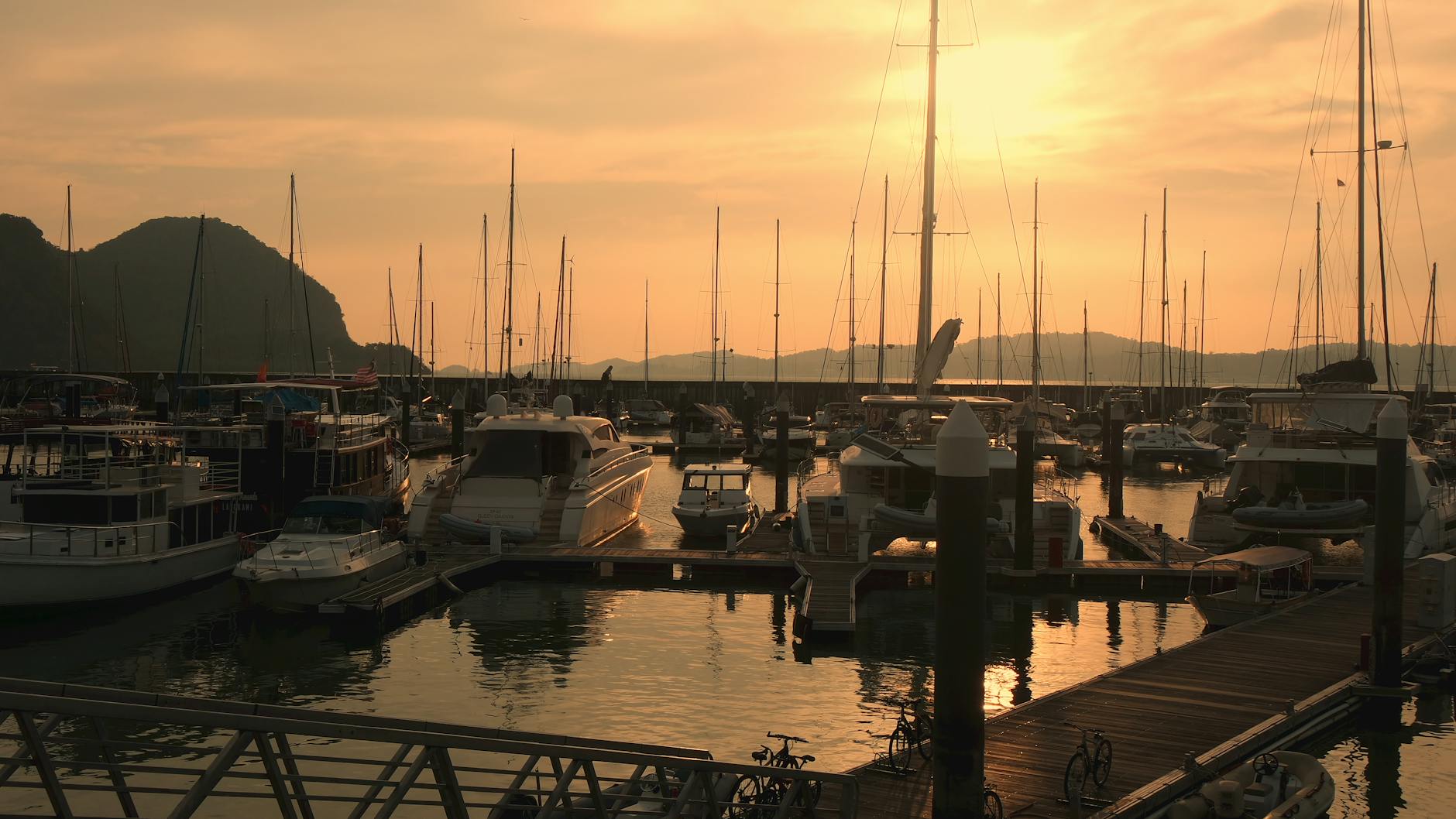
Pantai Cenang and Pantai Tengah: Why They Work
These areas dominate first-time itineraries because they simplify the island.
You can access the beach easily. You can find dinner with little effort. You can book activities without building a whole logistics plan. You can have a "normal" holiday evening. Even small things matter here. The freedom to walk out for a drink or an uncomplicated meal without turning transport into a project makes Langkawi feel like a holiday instead of a field exercise.
Pantai Cenang in particular is useful because it absorbs a lot of visitor indecision. You can be a little underprepared and still have a decent time. This is not a trivial strength. It is why so many otherwise very different travelers end up there.
The danger is that people confuse convenience with completeness. They spend all their time in the beach strip, see the island only through parasailing advertisements and duty-free signage, and never quite understand why Langkawi is supposed to be special. If you stay here, use the convenience as a platform, not as the whole experience.
Pantai Tengah, where applicable for your hotel choice, can be the better emotional answer if you want a quieter tone without sacrificing too much practicality. It often lets the trip breathe.
Kuah: Practical, Useful, and Not the First Answer for Most
Official destination material still describes Kuah as the island's most important town while quietly admitting what most visitors feel immediately: it is more useful than enchanting.[6]
That does not disqualify it. It simply defines it.
Kuah can make sense if you are ferry-dependent, errand-focused, or building a more practical rather than beach-centered itinerary. It is also relevant if your relationship to Langkawi is more administrative or budget-driven than idyllic.
But for most first-time travelers hoping for island atmosphere, Kuah usually feels too urban in function and too limited in romance. You can visit it, shop there, use it, and still not want it as your emotional base.
One of the classic Langkawi mistakes is choosing Kuah because it appears "central" on a map. Centrality is not always usefulness. On an island like this, mood matters as much as geometry.
The Geopark Identity: Why It Matters Even If You Are Not a Science Traveler
UNESCO's recognition and local official geopark framing are not just branding flourishes.[1][3][4] They explain why Langkawi feels more structurally interesting than some otherwise similar tropical islands.
Official tourism and park material continues to emphasize the island's geoforest parks, ancient rock formations, mangrove systems, and environmental diversity, particularly through the Machinchang, Kilim Karst, and Dayang Bunting geoforest areas.[4][5] That gives you a more useful lens for choosing activities. Instead of asking only, "Which boat trip is popular?" you begin to ask, "Which part of the island's landscape do I actually want to understand or experience?"
This is also why the island's scenic attractions do not feel random. The mountain-side cable-car complex is not just a thrill attraction. The mangrove trips are not just generic cruising. The offshore forms are not just places to fill time between meals. The island has a landscape logic, and once you feel it, the trip deepens.
You do not need interpretive depth every hour. But you should at least let the island's natural structure help organize the stay.
The Cable Car, SkyBridge, and the Scenic-Headline Problem
The SkyCab and SkyBridge complex remains one of Langkawi's most visible and legitimate signature attractions.[8][9][10] Official Panorama material still presents it as the island's marquee scenic experience, and for first-timers that is basically true.
It belongs on many first itineraries for three reasons.
First, it is genuinely dramatic. Some destinations have one heavily photographed sight that disappoints in person. This usually is not one of them.
Second, it expresses the mountain-and-sea identity that makes Langkawi more than a beach.
Third, it provides a useful counterweight to hotel-and-shoreline rhythm. A few days of tropical ease often benefit from one elevated, panoramic, strongly memorable outing.
But it should not dominate the trip. That is the key. A lot of people let the cable-car complex consume too much psychological space. They treat it as the reason they came and everything else as padding. The better approach is to think of it as one decisive chapter in a broader island stay.
If you go, give it the right amount of attention. Plan around weather. Avoid building too many other fixed items around the same day. Let the outing be enough. Once people stop treating it like the opening act for five additional adventures, it usually lands much better.
Mangroves, Geoforest Areas, and the Landscape Side of the Island
Langkawi gets more substantial when visitors use at least one part of the island's environmental identity instead of staying entirely on the resort-beach axis.
Official destination materials continue to point toward the Kilim Karst Geoforest Park, Dayang Bunting Marble Geoforest Park, and Machinchang area as central elements of the island's landscape identity.[4][5] This does not force you into a specialist itinerary. It simply suggests that Langkawi becomes more itself when you mix one strong beach-oriented day with one environment-oriented day.
A mangrove or geoforest outing can provide that shift. So can a scenic drive that is explicitly about terrain rather than just "getting to the next beach." So can a day that includes mountain atmosphere rather than only seafront laziness.
The point is not maximal eco-credentialing. The point is contrast. A tropical island trip gets stronger when the island has more than one face.
Beaches: What They Are Good For and What They Are Not
Langkawi's beaches matter, but they work best when you ask them to do the right job.
They are good for soft landing, morning walks, late-afternoon decompression, simple swimming or near-water idling, and giving the trip a visible tropical register. They are not always best used as all-day proof of tropical success, especially if your particular stretch of coast is more active, more commercial, or more weather-sensitive than fantasy allowed.
This is why base choice matters again. If your beach area is convenient rather than sublime, do not judge it by impossible standards. Use it for ease. Use it for sunset. Use it for the way it makes evenings frictionless. Let your "beautiful island" feeling come partly from the broader island, not only from your nearest strip of sand.
Langkawi is often misread by travelers who expect every beach hour to feel transcendent. The island's success usually comes from the blend: a decent beach, a useful hotel area, one scenic headliner, one environmental counterpoint, and enough air for the island to feel easy.
Food, Evenings, and Why the Island Improves After Dark
Langkawi is not one of Asia's great food cities, and that is fine. The right question here is not whether it can rival Penang or Kuala Lumpur. The right question is whether evenings feel pleasant, practical, and varied enough to support the kind of stay the island wants to offer.
Usually they do, especially if you stay in the right zone.
The best Langkawi evenings are lightly structured. You come back from an outing, shower, walk to dinner or take a short ride, eat somewhere without turning the meal into a thesis, and then decide whether the night should end with a beach stroll, a drink, or simply rest. The island is very good at this middle register.
What it is not especially good at is carrying a trip whose emotional energy depends on big urban nightlife or deep culinary discovery. If you insist on those standards, you will underrate it. If you accept that Langkawi's evenings are about relaxed continuation rather than peak stimulation, the island becomes more satisfying.
This is another reason first-time visitors should not over-isolate themselves unless that is specifically the goal. A hotel that is too cut off can make the nights feel unnecessarily repetitive. A base with easy dinner options gives the trip texture at very low effort.
Weather, Rain, and Tropical Adaptability
Langkawi does not need rigid scheduling. In fact, rigid scheduling is one of the worst things you can bring here.
Tropical weather, changing light, and varying energy levels all matter. The island responds best when you plan one real outing per day and leave the rest negotiable. This is not laziness. It is intelligent design for a destination whose strengths include recoverability.
A rainy morning should not wreck the trip. A hazy late afternoon should not trigger a crisis. A half-day lost to low energy should not make the itinerary collapse. If any of those things would break your plans, the plans were too brittle.
Langkawi rewards the traveler who can switch from scenic outing to lunch to hotel downtime to local evening without feeling cheated. The island still gives value under those edits. That is one of the reasons it is so effective as a decompression destination.
Sample Trip Shapes That Actually Work
Two Nights
Arrival day: settle, beach, easy dinner near base.
Full day: one major outing such as the cable-car complex or a strong landscape-oriented excursion, then a relaxed evening.
Departure day: late breakfast, maybe a short beach walk or small local errand, then airport.
That is enough. Do not turn this into a failure by adding too much.
Three Nights
Day 1: arrive, settle, understand your base.
Day 2: major scenic outing, ideally your most weather-sensitive one.
Day 3: lighter island day, perhaps beach plus a shorter excursion or driving loop.
Day 4: departure with time to leave calmly.
This is the sweet spot for most first-time visitors because it gives Langkawi room to feel like a place.
Four Nights or More
Use the extra time to reduce strain, not to stack activities. Add one environmental or offshore experience if it genuinely interests you. Otherwise let the extra day improve your mornings, not your checklist.
The Kinds of Travelers Who Should Rent a Car
You should seriously consider renting a car if:
- you are staying more than two nights
- you want to compare areas rather than remain in one corridor
- you dislike being dependent on tour structure
- you want the freedom to shift beach, lunch, and sunset plans around weather
You may not need one if:
- your stay is very short
- your hotel area already provides the evening and beach life you want
- you only intend one major excursion
- driving would create more stress than freedom
The important thing is not ideology. It is honesty. Langkawi supports both approaches, but each creates a different island.
What First-Time Visitors Usually Get Wrong
They Stay Somewhere That Solves the Wrong Problem
A lot of people choose a hotel area based on price, map centrality, or vague assumptions about "the main town." Then they spend the entire stay compensating for that decision.
They Assume the Island Needs Constant Programming
Langkawi gets worse when overplanned. The weather, the mood, and the island's distributed structure all favor simpler daily shapes.
They Treat the Cable Car as the Whole Story
It is a strong chapter, not the entire book.
They Ignore the Geopark Frame
Without the landscape lens, Langkawi can feel generic. With it, the island becomes more coherent.
They Choose Kuah for a Leisure Trip Without a Specific Reason
Kuah has uses. A first leisure visit usually wants a beach-adjacent base instead.
They Expect Urban Nightlife Standards
That is not the job Langkawi is trying to do.
The Emotional Shape of a Good Langkawi Trip
A good first Langkawi trip tends to feel easier on day two than on day one and easier on day three than on day two.
That is not because the island becomes more exciting. It is because it becomes more legible.
You understand your area. You know where dinner is. You know whether you actually need a vehicle that day. You know whether the beach is best in the morning or late afternoon. You know whether the cable-car outing should be early, late, or abandoned to weather. The island stops being a map and starts being a rhythm.
That rhythm is the real payoff.
Many destinations announce themselves immediately. Langkawi often does not. It usually grows more persuasive once the friction is gone and the distributed geography starts to make sense. That is another reason a very short stay can undersell it. Some islands dazzle instantly. Langkawi persuades more quietly.
If You Only Remember Five Things
- Pick the base before you pick the activity list.
- Three nights is the best first answer.
- Use one major scenic outing, not three.
- Let the geopark and landscape frame influence at least one day.
- Build enough slack that weather and mood can edit the trip without ruining it.
My Blunt Advice
Stay somewhere that makes evenings easy.
Do not confuse convenience with triviality. The right easy base can make the entire island work better.
Do the cable car if the weather and your interest align, but do not turn the trip into a hostage situation around one attraction.
Give the island one day where scenery leads and another where comfort leads.
Do not stay in Kuah by default unless your trip shape specifically justifies it.
Do not overbook boat trips, beach time, and scenic uplands into the same compressed schedule just because the island looks manageable on a map.
And do not make the common first-time mistake of asking Langkawi to be a compact city, a grand food capital, a wild adventure destination, and a pure resort fantasy all at once. It is none of those things completely. It is better understood as a generous, landscape-led tropical stay whose quality depends on whether you let it be spacious.
Used properly, that spaciousness is exactly why people return.
Source Notes
- 1. UNESCO page for Langkawi UNESCO Global Geopark. Used for current official recognition and the high-level framing of Langkawi as a geopark destination rather than only a beach island. https://www.unesco.org/en/iggp/langkawi-unesco-global-geopark?hub=67817
- 2. Ministry of Transport Malaysia page for Langkawi International Airport. Used for current official airport reference, facilities context, and the airport's practical position relative to the island. https://www.mot.gov.my/en/aviation/infrastructure/list-of-airports/LIA
- 3. Langkawi Development Authority page for Langkawi UNESCO Global Geopark. Used for the island's local official geopark framing and development identity. https://www.lada.gov.my/langkawi-unesco-global-geopark/
- 4. Visit Langkawi page for Langkawi UNESCO Geopark. Used for current official destination framing of the geopark identity, including the Machinchang, Kilim Karst, and Dayang Bunting geoforest areas. https://www.visitlangkawi.org/explore-langkawi/langkawi-unesco-geopark/
- 5. Visit Langkawi page for National Parks. Used for official destination framing of the island's geoforest and protected landscape structure. https://www.visitlangkawi.org/about-langkawi/national-parks/
- 6. Visit Langkawi page for Kuah Town. Used for the official destination description of Kuah as the island's main town and for its practical rather than beach-centered role. https://www.visitlangkawi.org/explore-langkawi/kuah_town/
- 7. Visit Langkawi page for Fast Facts. Used for current official practical destination context, including the airport code and visitor basics. https://www.visitlangkawi.org/essentials/fast-facts/
- 8. Panorama Langkawi "About Us" page. Used for current operator background and the official positioning of the SkyCab / cable-car attraction complex. https://panoramalangkawi.com/about-us/
- 9. Panorama Langkawi SkyCab page. Used for the current official attraction framing of the cable-car experience. https://panoramalangkawi.com/skycab/
- 10. Panorama Langkawi SkyBridge page. Used for the current official attraction framing of the bridge and its scenic role in the cable-car complex. https://panoramalangkawi.com/skybridge/