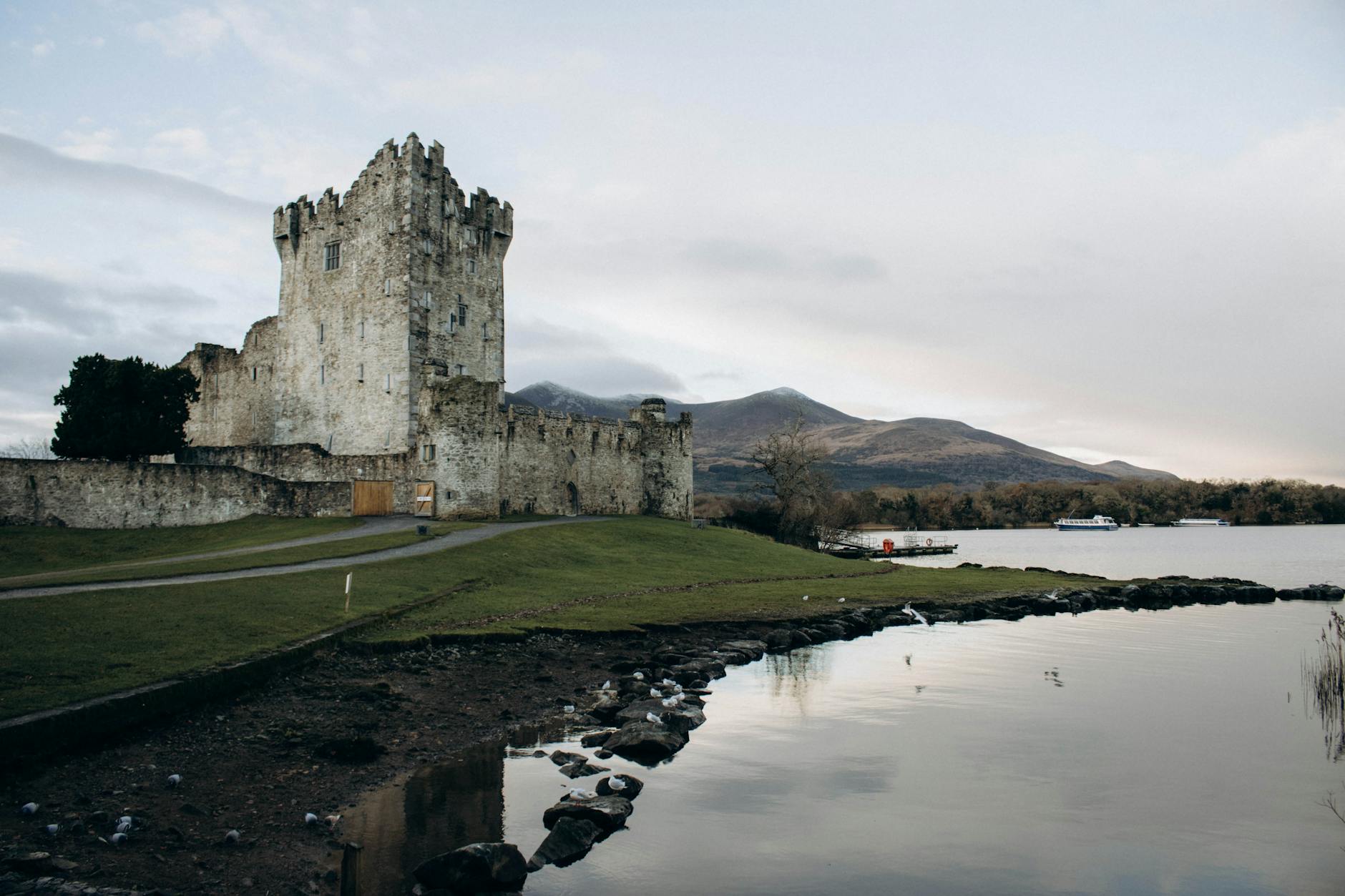
Killarney is one of those places that people often half-spoil by loving the wrong version of it.
Start Here
They come to southwest Ireland with a suitcase full of scenic expectations and quickly design a trip that tries to consume every version of those expectations at once: lakes, jaunting cars, one giant drive, one big national-park day, Muckross, a waterfall, a manor house, a pub evening, and perhaps one more peninsula ambition because the map suggests it might fit. That kind of trip produces photographs and fatigue, but not much depth. The traveler leaves saying Killarney was beautiful, which is true, but often without having allowed the town or landscape to become coherent.
Killarney is better than that.
The town is not just a practical sleep stop near scenery. It is one of Ireland’s best scenic bases because it can do several things at once: provide a walkable center, absorb parkland and lake logic, support a strong evening, and allow the larger County Kerry landscape to be approached selectively rather than greedily. Killarney National Park matters. Muckross matters. The lakes matter. But the town’s value lies in how it lets all of those things remain usable.
That is the central truth. Killarney is a base with atmosphere, not just a postcard surrounded by roads. The more seriously the traveler treats hotel placement, arrival ease, one good outing per day, and the return to town at night, the more the destination improves.
The town in one sentence: Killarney is one of Ireland’s most satisfying scenic-town bases, but only when you stop treating the surrounding beauty as a giant harvest and start using the place with restraint.

Basic data
| Population | About 15,000 |
|---|---|
| Area | Tourist town in County Kerry; the visitor landscape is much larger than the town core |
| Major religions | Christian heritage with a largely secular modern public culture |
| Political system | Town within county local government inside a parliamentary republic |
| Economic system | Tourism-led local economy supported by hospitality, services, and regional retail |
Quick Verdict
Best for: first-time southwest Ireland travelers, couples, scenic-route travelers, walkers, and anyone who likes towns that can anchor landscape properly.
Less ideal for: travelers who want a very quiet village, people who dislike visitor-popular towns on principle, or anyone determined to outdrive the map.
Ideal first stay: 2 nights.
Still worthwhile: 1 night.
Can justify more: yes, especially if Kerry is central to the trip.
Biggest planning mistake: trying to turn Killarney into one giant scenic day trip from itself.
One thing to prioritize: one strong outing and one proper evening.
One thing to keep simple: transport and route design.
The blunt version: Killarney weakens when the day outside town is too big for the night back in town to matter.
Who Will Love Killarney?
Killarney works for travelers who understand that scenic places need structure. If you like a town that can absorb a rail arrival, a park walk, a manor-house stop, a lake view, and a dinner without making each piece feel disconnected, Killarney is strong.
It is especially good for people who want Ireland to feel green, legible, and social at the same time. You can spend the day in landscape and still come back to a town that offers meals, light, movement, and enough life to make the stay feel rounded. Not every scenic destination can do that.
Killarney also suits first-time visitors to County Kerry because it reduces anxiety. The wider region can tempt people into overcomplicated route design. Killarney gives those ambitions a base that makes them easier to edit down. If the day gets smaller, the trip still works. If weather changes, the trip can absorb it. If you decide that one lake walk and one strong dinner are enough, you do not feel cheated.
Who tends not to love Killarney? Travelers who want absolute quiet, or travelers who react against any place that is visibly used by tourists. Killarney is popular because it is convenient and beautiful. If you mistake popularity for falseness, you may underrate one of its real strengths: it has enough visitor infrastructure to make the landscape around it accessible without destroying the value of coming.
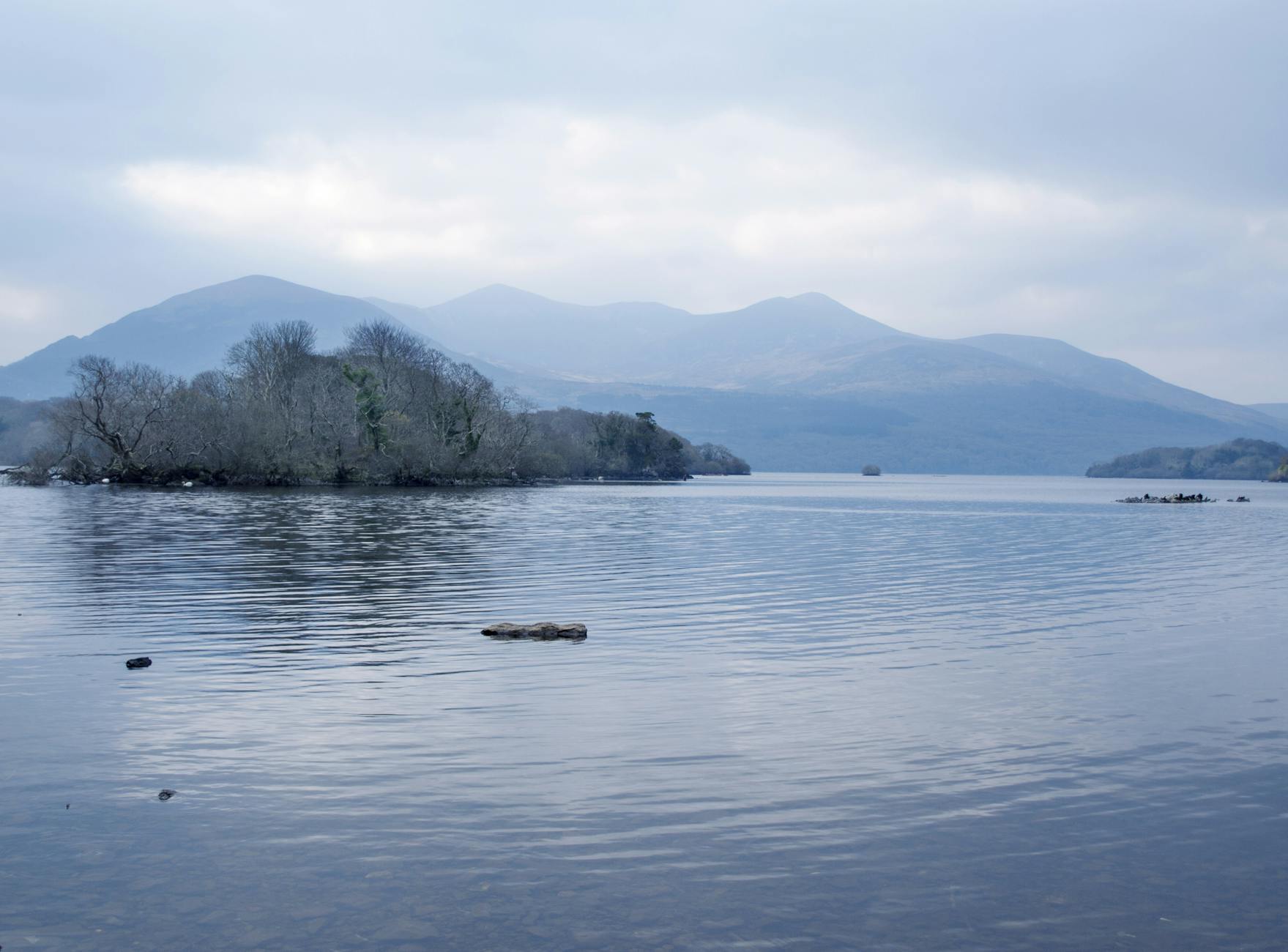
Killarney at a Glance
| Question | Practical Answer |
|---|---|
| Main landscape anchor | Killarney National Park |
| Core cultural-scenic stop | Muckross House |
| Best rail arrival point | Killarney station |
| Why stay here? | Scenic base plus real town evenings |
| Main planning risk | overloading the drive day |
| Car required? | Not always |
| Best first stay length | 2 nights |
| Emotional payoff | beauty with usable structure |
2026 Visitor Notes
Killarney Remains Easy to Reach
Visit Killarney’s current practical guidance still presents the town as accessible from Ireland’s main airports and cities, with rail and bus links making arrival straightforward for visitors not relying entirely on a car.[1] This matters because Killarney’s value is closely tied to how cleanly the stay begins.
The Rail Station Is Still Properly Central
Irish Rail’s current Killarney station information states that the station is about three minutes from the town centre and sits beside the Great Southern / Malton side of town, which matters for travelers deciding whether the trip can remain partly car-light.[2]
Killarney National Park Still Defines the Destination
NPWS continues to frame Killarney National Park as one of Ireland’s core national-park landscapes, with the park and Killarney House remaining central to how the destination is understood.[3] This is not incidental scenery. It is the thing that explains why the town matters.
Muckross Still Functions as the Park’s Most Useful Civilised Entry Point
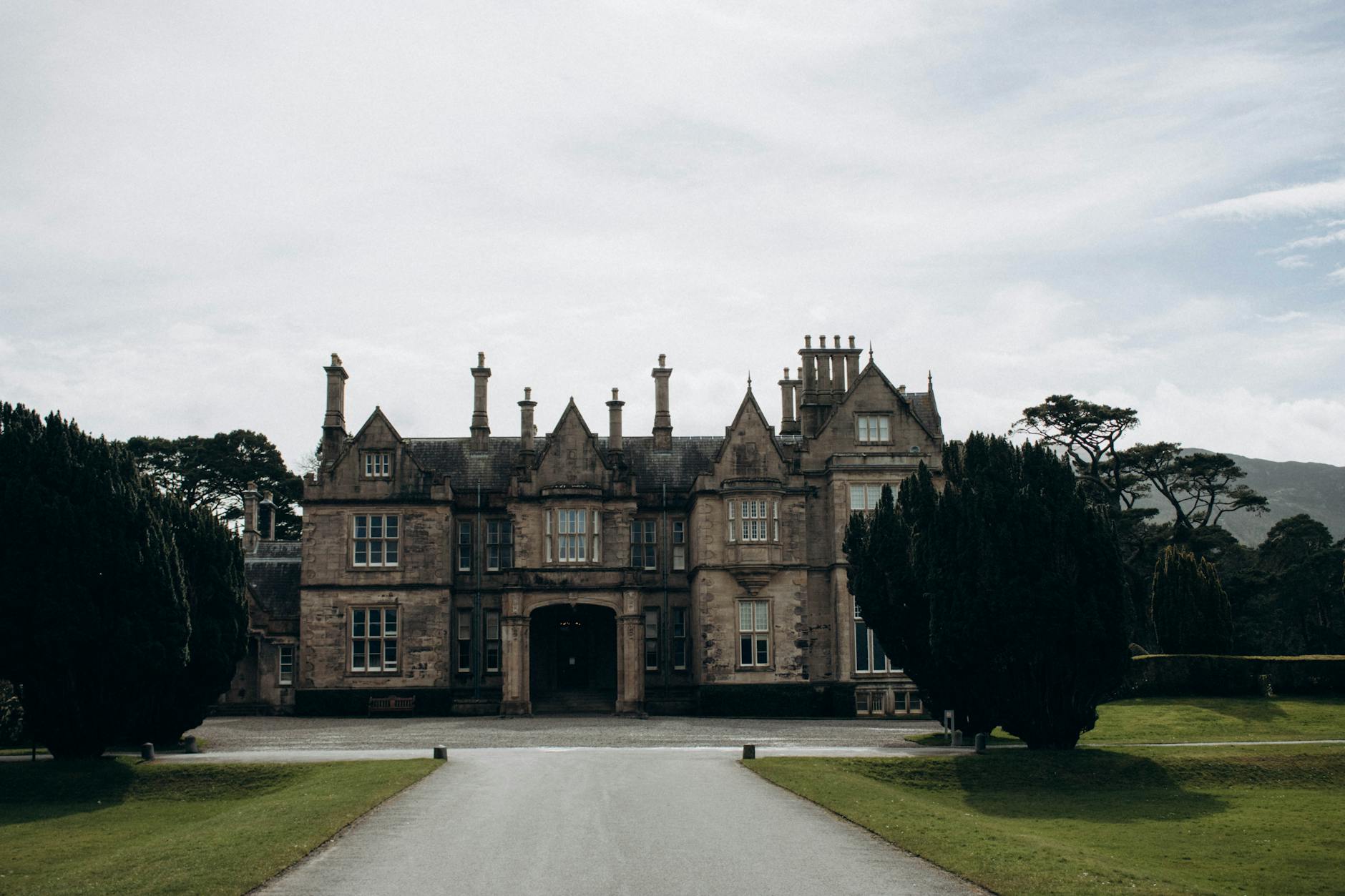
The official Muckross House and plan-your-visit pages continue to present Muckross as a major visitor focus in the heart of Killarney National Park, with the house, gardens, and traditional farms giving structure to a day that might otherwise drift into vague scenic movement.[4][5]
The Main Mental Shift
Do not ask, "How much Kerry scenery can I force through Killarney?"
Ask instead, "How can Killarney make the scenery around it land properly?"
That is a much better trip-design question. It moves you away from extraction and toward use. You stop trying to beat the region into one heroic day and begin deciding what kind of stay will actually feel good at 7 p.m., not just what will look good at noon.
Killarney rewards this shift immediately. The place becomes richer when the return to town matters.
What Makes Killarney Distinct
Killarney’s distinction is that it combines scenic access with real town usefulness.
Many beautiful places near national parks are either too thin as towns or too overprocessed as resorts. Killarney still holds a useful middle position. It has enough life, enough places to stay and eat, and enough straightforward movement to keep the scenery from becoming exhausting. It also sits close enough to parkland and lakes that the landscape begins to shape the stay almost immediately.
That gives it an unusual strength. Killarney can be romantic without becoming absurd, practical without becoming dull, and popular without becoming entirely generic. That balance is hard to achieve.
It also explains why the town is often more satisfying in memory than travelers predicted. People arrive expecting beauty. They are pleasantly surprised to find usability.
The Difference Between a Scenic Town and a Scenic Base
This is the single most important distinction for first-timers.
A scenic town gives you some views, some atmosphere, perhaps one or two good meals, and maybe enough reason to stay one night. A scenic base does something more complex. It allows multiple kinds of day, receives you cleanly when you arrive, restores you after the landscape, and makes the idea of returning after dark feel like part of the pleasure instead of a logistical necessity.
Killarney is a scenic base.
That means its value cannot be measured only by what is immediately visible within the center. The town’s worth includes what it makes possible and how well it absorbs the shape of a day in the national park or around the lakes. This is why people who try to judge Killarney too quickly can get it wrong. They are evaluating only the center when the center is designed to work in partnership with the surrounding landscape.
Why the Return to Town Matters
One of the clearest signs that someone has understood Killarney properly is that they talk about coming back to town, not just going out from it.
This sounds small, but it is not. A destination like Killarney improves when the return matters. After a lake walk, a Muckross visit, a regional drive, or a soft-weather park afternoon, it matters that you come back somewhere with dinner options, some social life, a chance to walk again, and a hotel that feels like part of the destination rather than a functional bed.
That return value is one of Killarney’s real competitive advantages. It is why the town can survive being popular. The infrastructure is not dead weight. It is part of the pleasure architecture of the trip.
Best Time to Visit
Killarney is less about one perfect season than about weather tolerance and route shape.
Brighter months support longer park use, gardens, drives, and broader regional movement. But Killarney can also work well in softer weather because the town itself, house visits, and the general mood of Kerry landscape still carry value without perfect skies. A gray-green national-park day can still be beautiful. A smaller weather-adjusted outing can still feel sufficient.
The main rule is this: in Killarney, a smaller day in mixed weather can still be a good day. That is one reason the place is so useful as a base. It does not require every hour to come off perfectly for the trip to succeed.
How Many Days You Need
One Night
Enough to understand the town and take one decent scenic look outward, especially if your wider itinerary is tight.
Two Nights
The strongest first answer. This allows one fuller park-or-scenic day and one town-and-nearby-grounds day without the entire stay becoming a test of route compression.
Three Nights or More
Very reasonable if Killarney is a real Kerry base and not just a stop. Extra nights tend to improve the trip by lowering strain rather than by demanding more attractions.
Arrival Strategy
Killarney benefits from a calm arrival more than a dramatic one.
If coming by rail, the station’s proximity to town is an immediate advantage.[2] You can settle quickly and let the first hours belong to the place instead of the transfer. If arriving by car, resist the temptation to begin with a huge scenic loop on the same day. That is one of the classic mistakes. A better opening is check-in, a first walk, and perhaps one short park-facing or lake-facing outing.
Killarney gets richer after the first decompression. The town starts to make sense when you are no longer trying to convert every minute into scenery.
Rail Killarney Versus Car Killarney
Many travelers assume Killarney only makes sense with a car. That is not entirely true.
Rail arrival can work very well here because the station is central enough to reduce the usual scenic-town friction.[2] If your goals are town use, one organized scenic day, some park time, and perhaps a Muckross-structured outing, the stay can remain surprisingly manageable without self-driving every segment.
A car expands options, certainly. But it also expands the temptation to overreach. The vehicle can become an argument for taking on too much rather than a tool for better use of the place.
The right question is not "Can I have a car?" but "Will a car help me edit better or simply encourage me to do more than the stay needs?" In Killarney, those are not the same thing.
Where to Stay
For most first-time visitors, the right answer is to stay close enough that town and return both feel easy.
Central Killarney Stay
Best for: walkability, dinners, rail arrivals, and travelers who want the town to feel like part of the trip.
This is the strongest general first answer. It lets you arrive, settle, eat, and return from outings without extra complications. The tradeoff is obvious: in peak periods, town energy is noticeable. But for many travelers, that trade is worth it because it makes the whole stay smoother.
Park-Edge or Manor-Style Stay
Best for: travelers wanting a slightly more landscape-immersed or resort-like feel.
This can be excellent if your priorities are quiet, grounds, and a stronger sense of separation from the town center. The tradeoff is that evening spontaneity often weakens. If the night back in town is part of why you came, too much distance can flatten one of Killarney’s real strengths.
The Main Rule
Killarney is strongest when the hotel supports both the scenic day and the evening after it.
Town Killarney: The Part People Undervalue
Because the landscape around Killarney is so strong, some visitors treat the town as if it were merely serviceable. That is a mistake.
Town Killarney is what turns the destination from a scenic errand into a stay. It gives the trip repeatability. It gives you somewhere to come back to, somewhere to sit down, somewhere to measure whether the day was actually well designed. It is also where the trip gains warmth. A national park can be beautiful and still not be enough by itself for several days. The town provides the lived register that landscape alone cannot.
This is why central walkability matters so much. If you can return and still be in the trip rather than only done with the trip, Killarney improves sharply.
The Killarneys That Matter Most
Town Killarney: restaurants, pubs, hotel logic, and the evening half of the destination.
Park Killarney: the national-park system that makes the place more than a tourist town.[3]
Muckross Killarney: the most civilised, structured version of the scenic landscape.[4][5]
Lake-and-drive Killarney: the outward-looking version of the stay, which should be curated, not bloated.
Return Killarney: the underrated emotional value of coming back into town after a strong day.
Killarney National Park and Why It Matters
Killarney National Park is not just scenery next door. It is the thing that stops Killarney from being generic.
NPWS continues to frame the park as a major protected landscape, and that matters because the town’s whole identity depends on that relationship.[3] Killarney without the park would still be pleasant. Killarney with the park becomes one of the Irish destinations where settlement and landscape still read together.
This is also why the park should not be treated as a single task to be "completed." It is not a museum ticket. It is a way of structuring the trip. Even a short visit should allow the park to influence the town, the timing of the day, and the emotional scale of the stay.
Muckross and the Civilised Version of the Landscape
Muckross is one of the smartest ways to begin understanding Killarney.
The official Muckross material continues to present the house, gardens, and traditional farms as a major visitor complex in the heart of the national park, with seasonal opening times and a broad visitor structure already in place.[4][5] That makes Muckross more than a stately-home stop. It is a way into the wider landscape that still has edges, interpretation, pacing, and enough human order to stop the day from drifting into generic scenic consumption.
For many first-time visitors, that is exactly what the stay needs. Muckross gives the landscape some grammar.
Why Muckross Is More Important Than It Sounds
Some travelers resist Muckross because it sounds too obvious or too "official." That is shortsighted.
Obvious things are often obvious for good reasons. Muckross works because it offers a concentrated version of what Killarney is trying to do: combine house, grounds, water, parkland, and visitor usability into one destination shape. If the broader region can sometimes tempt you into overextension, Muckross is a reminder that one well-edited experience can be enough.
For first-timers especially, it often lands better than a day built around scattered, lesser, but more numerous scenic stops.
Lakes, Views, and the Problem of Overreach
This is where many Killarney trips get thinner than they should.
The lakes and wider scenic routes are part of the destination’s appeal, but they do not all belong in one heroic day. Killarney is not improved by turning every beautiful road into an obligation. One strong lake-and-park day or one properly chosen larger scenic loop usually works better than trying to prove that all of Kerry can be beaten into submission before dinner.
This matters because scenic overload does not feel like depth. It feels like coverage. And coverage is often the enemy of affection.
Killarney works best when one outward scenic movement is allowed to stand as the day’s primary argument. Once that happens, the return to town regains its value and the whole trip becomes more memorable.
The Best Kind of Scenic Day Here
The best scenic day from Killarney usually has a clear center of gravity.
It might be a national-park-and-Muckross day.
It might be a larger drive that has been chosen consciously rather than defensively.
It might be a lakes-and-town-edge day where you keep the movement local and let the landscape come to you more gently.
What it should not be is a panicked compilation of every famous directional option because you fear missing out. Killarney is one of the places where scenic confidence means doing less on purpose.
Walking, Park Adjacency, and Partial Days
One of the reasons Killarney works so well is that the stay does not always need a full dramatic day to feel successful.
Because town and parkland sit in such productive relationship, a half day can still feel complete. A modest walk, a bit of Muckross structure, a pause by the lakes, and an evening back in town can create a more satisfying memory than a much more ambitious drive that turns the destination into windshield time.
This makes Killarney especially strong for travelers who are tired, weather-limited, or simply less interested in proving how much ground they can cover.
Evenings in Killarney
The evening is part of the product.
That is worth saying clearly because many people design Killarney days as if the town after dark were merely the place where the logistics resume. In reality, a proper evening is one of the main reasons to base here at all. Dinner, one more walk, some life in the center, the relief of not having to keep driving, and the sense that the day has settled into a real place rather than evaporated into the road all matter a great deal.
This does not mean every night must become an event. It means the night should be allowed to complete the day. Killarney is at its weakest when visitors return too late, too tired, and too overbooked to benefit from the town.
Morning Killarney Versus Night Killarney
Killarney also changes productively across the day.
Morning Killarney is useful, preparatory, and clear. This is a good time for park entry, rail arrival, and unhurried decisions.
Night Killarney is softer. The center feels more companionable. The town begins to justify itself not only as a base but as a place to be.
That day-to-night shift is one of the reasons the destination is more satisfying over two nights than over one. The town has enough time to change register, and you have enough time to notice.
What a Good First Killarney Day Actually Feels Like
A good first Killarney day usually does not feel huge.
It begins with an easy arrival.
It includes one orientation move that helps the town and landscape connect in your mind.
It chooses one main scenic argument rather than several smaller ones.
It ends with enough energy left for town.
That structure sounds modest, but modesty is exactly what many Killarney itineraries are missing. The place is famous enough that visitors often feel obliged to overdeliver against it. In practice, a calmer day makes the destination feel more graceful.
One Night Killarney Versus Two Night Killarney
One Night
One night is enough for a meaningful introduction. You can arrive, use the town properly, take in one strong scenic component, and still understand why the place works.
Two Nights
Two nights is the strongest first answer. The town has time to matter, the park can be used without panic, and one scenic day no longer has to carry the whole emotional burden of the trip.
Three Nights or More
Very reasonable if Kerry is central to the itinerary, especially if you want slower weather-adaptable days or more than one outward direction without turning the trip into continuous movement.
Killarney as a Correction to Bad Route Planning
Killarney is also useful because it can rescue a wider trip from bad regional design.
Many Ireland itineraries ask too much of scenic counties and too little of recovery. Everything becomes drive, stop, photo, next stop, next county, next hotel. Killarney interrupts that pattern. It encourages staying put long enough for the region to stop being a sequence of surfaces.
In that sense, the town is not only a destination. It is an antidote to a common style of travel that mistakes constant scenic consumption for depth.
Why Killarney Often Works Better Than More Isolated Beauty
Some beautiful places only really work if everything goes right. You need perfect weather, the right road conditions, the right timing, and the right energy level. If any of those fail, the stay can feel disappointing because the destination has very little margin.
Killarney has margin.
It has enough town, enough infrastructure, enough park structure, and enough evening life that the trip can remain satisfying under less-than-perfect conditions. If rain cuts a drive short, the day can contract rather than collapse. If you wake up tired, a smaller park-and-town day can still feel like the trip is succeeding. If one regional ambition proves too large, the stay does not become a failure.
That flexibility is not glamorous, but it is one of the most valuable things about the place.
The Difference Between Useful Infrastructure and Overdevelopment
Killarney’s popularity can make some travelers suspicious before they arrive. They worry that a place with this much accommodation, this many tours, and this much established visitor logic must have lost its soul.
That is not quite right.
The better way to understand Killarney is that it has enough infrastructure to make the landscape usable. The question is not whether the town has visitor services. Of course it does. The question is whether those services help translate the region into a stay that remains enjoyable. In Killarney, they often do.
This is why the town can absorb first-timers so well. It is not pretending to be undiscovered. It is functioning competently as one of the gateways to County Kerry’s most famous landscape. Competence, in a place like this, is part of the luxury.
Rainy-Day Killarney Is Still Killarney
Scenic destinations often terrify first-time visitors because bad weather seems to threaten the entire point of the trip.
Killarney is more forgiving than that. A rainy or gray day can still support Muckross, a shortened park segment, a slower lunch, some town time, and an evening that feels satisfying. Even the color logic of the place often survives mixed conditions better than people expect; Kerry does not stop looking like Kerry just because the light softens.
The trick is psychological, not only practical. If you insist that Killarney must behave like a fully sunlit postcard every hour, you will make the destination smaller than it is. If you allow the place to be green, wet, calm, and usable, it tends to hold up very well.
Why the Smaller Day Matters So Much
Many itineraries around Killarney improve the moment one day becomes intentionally smaller.
That smaller day might be mostly town, Muckross, and one manageable park segment. It might be a late breakfast, one scenic walk, and a long evening. It might even be a weather-adjusted day whose main achievement is simply allowing the trip to breathe.
This matters because Killarney is a place where scenic appetite can easily outrun scenic absorption. Once that happens, the landscape becomes a blur and the town becomes a refueling point. The smaller day prevents that. It restores proportion.
Some travelers mistakenly think a smaller day means settling for less. In Killarney, it often means finally seeing what is already there.
The Town After You Understand the Landscape
There is another subtle thing that happens in Killarney: the town often becomes more appealing after you have spent time outside it.
On first arrival, the center can register mainly as practical. After a day in the park or around the lakes, it becomes something else. It becomes relief, warmth, and structure. You understand why the town’s ordinary usefulness matters because you now have a lived contrast with the open landscape around it.
This is one reason Killarney often improves on the second evening. The place has had enough time to complete its own argument.
A Good Killarney Trip in One Formula
If you want the simplest possible rule, it is this:
One proper scenic argument.
One proper return.
One town evening that is not treated as an afterthought.
One decision to leave something out.
That formula is enough to make a first Killarney stay feel whole.
Why Killarney Improves in Memory
Killarney often improves after the trip is over because its logic becomes clearer in retrospect.
At the time, some travelers are still busy measuring whether they saw enough. Later, what tends to remain is not the anxiety about coverage but the shape of the stay: the ease of arrival, the way the park sat close to town, the usefulness of Muckross, the relief of dinner after a scenic day, the sense that one good landscape experience was allowed to breathe instead of being crushed by three more.
That is usually the sign of a place that was designed well in travel terms. It did not only provide sights. It provided proportion.
Killarney is one of those destinations where proportion matters more than people expect. Once the stay is built correctly, the town’s popularity begins to make sense. It is not only that the surrounding landscape is beautiful. It is that the town allows ordinary travelers to use that beauty without ruining it for themselves.
Common Mistakes
Treating Killarney Only as a Scenic Launchpad
The town matters too much for that.
Overbuilding the Drive Day
This is the most common route-design failure.
Choosing a Stay That Weakens the Evening
The night back in town is part of the product.
Skipping Muckross Because It Sounds Too Obvious
It is obvious for good reason.
Assuming More Movement Means More Ireland
Often it just means less absorption.
Forgetting That the Base Is Half the Point
Killarney is a scenic base, not only scenery adjacent to beds.
Why Some People Misread Killarney
Killarney is usually misread by travelers who either ask too little of the town or too much of the day.
If you ask too little of the town, you reduce it to sleep and parking. Then naturally it feels interchangeable.
If you ask too much of the day, the region becomes exhausting and the town has no chance to complete the experience.
The better approach is balanced use: enough town for the base to matter, enough landscape for the setting to justify the stay, and enough restraint for both to remain pleasurable.
If You Only Remember Five Things
- Give Killarney two nights if you can.
- Let the return to town matter.
- Use Muckross as structure, not just as an obvious stop.
- Do not let every famous drive bully its way into the plan.
- Keep at least one day smaller than you think it needs to be.
My Blunt Advice
Stay long enough for one proper evening.
Use the park and Muckross to give the scenery shape.
Do not let every famous road in Kerry force itself into your itinerary just because you have a car.
Keep at least one day smaller than you think it needs to be.
Choose a hotel that supports both the scenic day and the return.
And remember that Killarney is at its best not when it proves how much beauty sits nearby, but when it turns that beauty into a stay you can actually enjoy.
Used properly, Killarney is not only a beautiful part of southwest Ireland. It is one of the places that teaches you how to travel that beauty without wasting it.
That lesson alone makes it more valuable than a prettier but less usable stop.
And the traveler who learns to use Killarney well usually leaves with a better understanding of how to travel scenic Ireland in general: with editing, pacing, and respect for the return.
That is one of the quiet reasons the town keeps justifying repeat visits.
Source Notes
- 1. Visit Killarney, current “Getting Here” guidance. Used for present-day access framing from airports and major Irish cities, along with rail-and-bus arrival context. https://visitkillarney.ie/getting-here/
- 2. Irish Rail, Killarney station page. Used for current station location, staffing, and practical arrival context showing the station’s proximity to the town centre. https://www.irishrail.ie/station/killarney
- 3. National Parks & Wildlife Service, Killarney National Park contact and park pages. Used for current official framing of the park and its core visitor identity. https://www.npws.ie/contact-us/killarney and https://www.npws.ie/about-npws/npws-regional-management
- 4. Muckross House official site and Muckross House page. Used for current official framing of Muckross as a major visitor focus in the heart of Killarney National Park. https://muckross-house.ie/ and https://muckross-house.ie/muckross-house/
- 5. Muckross House, “Plan your Visit.” Used for 2026 opening-times and current visitor-structure context for the house and traditional farms. https://muckross-house.ie/plan-your-visit/