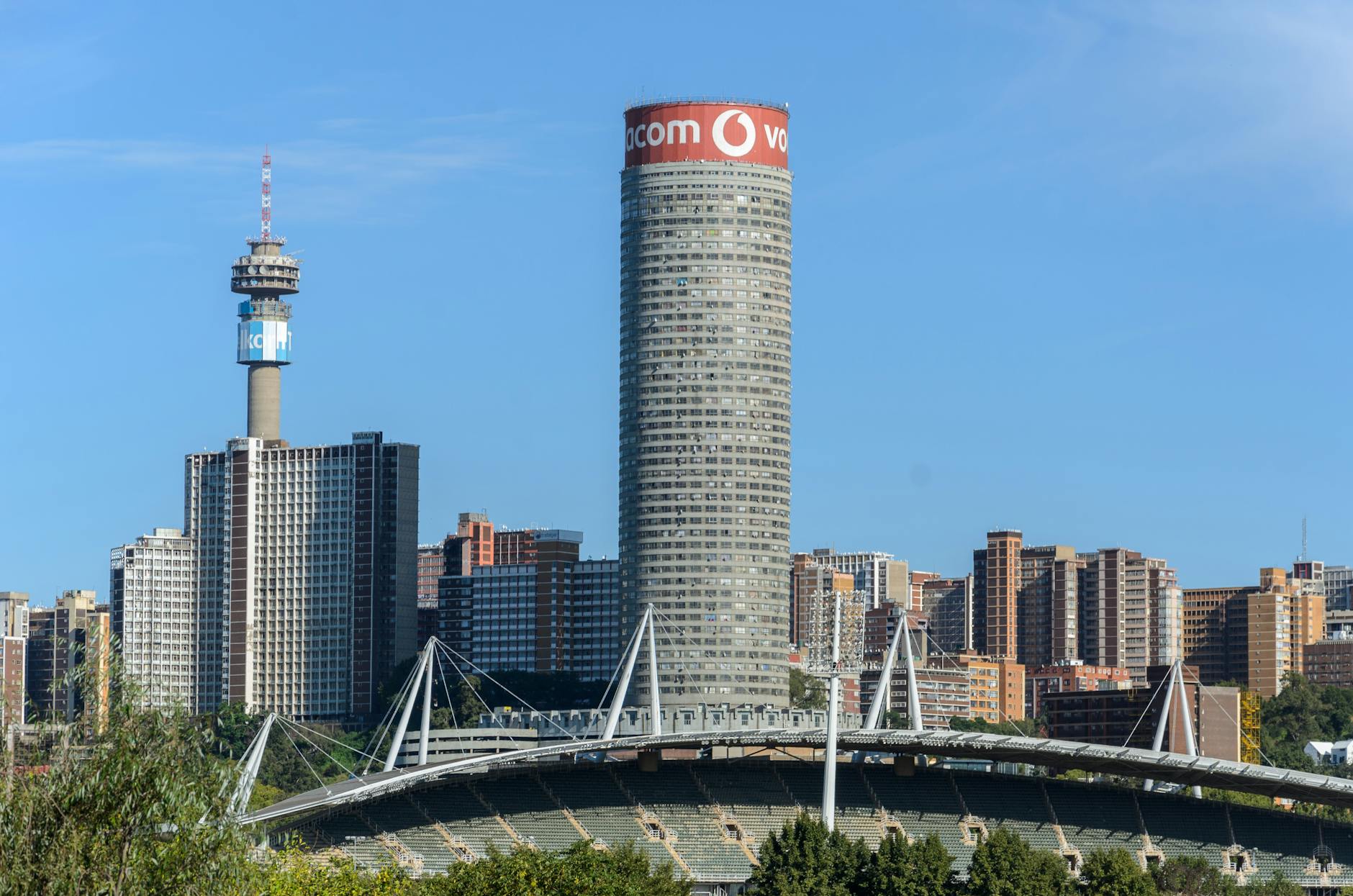
Johannesburg is not a city that performs prettiness on arrival. It does not greet you with a harbor, a mountain, a famous old square, or an obvious pedestrian center where every visitor naturally begins. It greets you with altitude, highways, jacarandas, office towers, malls, mining wealth, township history, gated suburbs, street art, security gates, restaurants, museums, music, and contradictions that refuse to arrange themselves neatly for tourists.
Start Here
That is exactly why Johannesburg is worth taking seriously.
Joburg — Jozi, Egoli, the City of Gold — is South Africa's most important urban engine and one of the great modern cities of the African continent. It was built at speed after the discovery of gold on the Witwatersrand, then shaped by migration, segregation, apartheid, resistance, capital, culture, crime, creativity, and reinvention. The city is not easy in the way Cape Town is easy. It asks more from visitors. But if you give it a little strategy, it gives back something deeper: the story of modern South Africa in streets, prisons, museums, homes, markets, music venues, restaurants, townships, and suburbs that grew around a seam of gold.
The mistake visitors make with Johannesburg is treating it as either a stopover to endure or a danger zone to avoid. The other mistake is treating it like a normal walkable city. It is neither. Johannesburg rewards travelers who understand its shape, use transport intelligently, choose their base carefully, book a good guide for the right parts of town, and do not try to experience the city by wandering randomly after dark.
This guide is designed for travelers who want more than a nervous overnight before safari. It explains where to stay, how the neighborhoods differ, how to visit Soweto respectfully, which history sites matter most, when the city is at its best, how to move around safely, what to book ahead, where food and nightlife make sense, what to skip, and how to experience Joburg as a living city rather than a warning label.
Johannesburg in one sentence: Johannesburg is a sprawling, high-altitude city of gold, struggle, trees, suburbs, townships, art, business, memory, and reinvention — best experienced with strong logistics, local guidance, and an appetite for complexity.
Quick Verdict
| Question | Answer |
|---|---|
| Best for | South African history, apartheid and liberation history, contemporary African art, urban culture, food, design, markets, architecture, Soweto, Constitution Hill, the Apartheid Museum, Cradle of Humankind day trips, safari gateways, and travelers who like cities with real-world complexity. |
| Not ideal for | Travelers who want a compact, walkable, low-effort sightseeing city; people who dislike using cars or rideshares; visitors who are anxious about urban safety; travelers who want beaches, postcard scenery, or spontaneous nighttime wandering. |
| Ideal first visit | 3 full days. Two days covers the essentials; 4–5 days allows Soweto, history sites, art, food neighborhoods, and a Cradle of Humankind or Pretoria day trip without rushing. |
| Best months | March–May and September–November for mild weather and strong light. Winter, especially June–August, is dry and sunny by day but cold at night. Summer is green and energetic but brings afternoon thunderstorms. |
| Best first-timer base | Rosebank for the best balance of hotels, restaurants, Gautrain access, malls, City Sightseeing departures, and practical comfort. Sandton works for business/luxury. Parkhurst, Melrose, and Illovo work for quieter restaurant-focused stays. |
| Biggest planning mistake | Booking a hotel based only on price or charm without understanding that Johannesburg is sprawling, car-dependent, and safety varies sharply by area and time of day. |
| One thing to book ahead | A good Soweto or Johannesburg history tour, especially if you want context rather than drive-by sightseeing. Book popular restaurants, private airport transfers, and high-demand safari extensions early. |
| One thing to leave unscheduled | A long lunch, a Rosebank/Parkhurst/Linden restaurant evening, or a flexible afternoon for art galleries, design stores, and cafés. Joburg is better with room for conversations and detours. |
| Best free pleasure | Jacaranda-lined streets in spring, public art in guided urban districts, rooftop views, neighborhood cafés, weekend markets, and the city’s huge sky at sunset. |
| Most important warning | Do not treat Johannesburg as a casual walking city, especially after dark. Use Gautrain where it fits, rideshare or private drivers for most point-to-point trips, and reputable guides for complex areas. |
The Move
For a first visit, stay in Rosebank, use the Gautrain for airport/Sandton/Pretoria/Park Station connections when convenient, use rideshare or a private driver for door-to-door movement, and structure your trip around one major history site or neighborhood cluster per half day. Johannesburg is not a city to crisscross casually.
Who Will Love Johannesburg?
You will probably love Johannesburg if you want:
- A city that explains South Africa's modern history better than any beach resort can.
- Museums and sites where the past feels immediate rather than packaged.
- Food, art, music, design, and urban culture with an African megacity edge.
- A good launch point for Kruger, Pilanesberg, Madikwe, Botswana, Namibia, or Victoria Falls.
- A city where a guide, a conversation, or a neighborhood walk can completely change your understanding of the country.
- A trip that feels real, textured, and occasionally uncomfortable in a productive way.
You may struggle with Johannesburg if you want:
- Easy independent walking between sights.
- A historic center where you can stay and stroll without much planning.
- A city where public transit covers every visitor need.
- A low-security, low-friction urban experience.
- Obvious beauty at every turn.
- A trip where you never have to think about class, race, safety, inequality, or history.
Johannesburg is worth visiting because it gives South Africa context. Cape Town dazzles. Kruger thrills. The Garden Route relaxes. Johannesburg explains.
Johannesburg at a Glance
| Planning Point | Practical Answer |
|---|---|
| Country | South Africa |
| Province | Gauteng |
| Nickname | Jozi, Joburg, Egoli, City of Gold |
| Language | English is widely used in hotels, restaurants, and tourism; Johannesburg is multilingual, with isiZulu, Sesotho, Afrikaans, Setswana, Sepedi, Xhosa, and many other languages heard across the city. |
| Currency | South African rand, written as R or ZAR. |
| Airport | O.R. Tambo International Airport, usually abbreviated JNB; Lanseria is a smaller secondary airport useful for some domestic/regional flights. |
| Main useful rail | Gautrain, especially for O.R. Tambo, Sandton, Rosebank, Park Station, and Pretoria. |
| Best visitor transport mix | Gautrain for specific corridors, rideshare/private driver for most local trips, guided tours for Soweto/CBD/history, rental car for day trips if confident. |
| Time zone | South Africa Standard Time, UTC+2. No daylight saving time. |
| Electrical plugs | South Africa uses several plug types, including Type M and newer Type N. Bring a universal adapter that explicitly covers South Africa. |
| Tap water | Generally safe in many formal urban areas and hotels, but local interruptions and building-specific issues can happen. Ask your hotel and keep bottled water handy for day trips. |
| Tipping | Tip restaurant servers around 10–15% for good service. Tip guides, drivers, hotel porters, and parking attendants in cash when appropriate. |
| Emergency number | 112 from a mobile phone is widely used for emergencies. Ask your hotel for nearby private clinic and security contact details. |
| Best first-timer neighborhood | Rosebank. |
| Biggest logistics issue | Sprawl. Attractions that look like they are “in Johannesburg” may be 20–60 minutes apart depending on traffic. |
| Biggest safety issue | Violent crime and opportunistic theft risk are real. Good planning greatly improves the trip, but this is not a city for careless wandering. |
| Power note | National load shedding has been much improved recently, but local outages and infrastructure interruptions can still happen. Ask hotels about backup power if work, medical devices, elevators, or air-conditioning matter. |
First-Timer Shortcut
If you only remember one thing: base yourself in Rosebank, visit Constitution Hill and the Apartheid Museum, take a properly guided Soweto tour, eat well in Parkhurst/Linden/Rosebank, and use door-to-door transport after dark. That is the cleanest first Johannesburg trip.
How to Understand Johannesburg
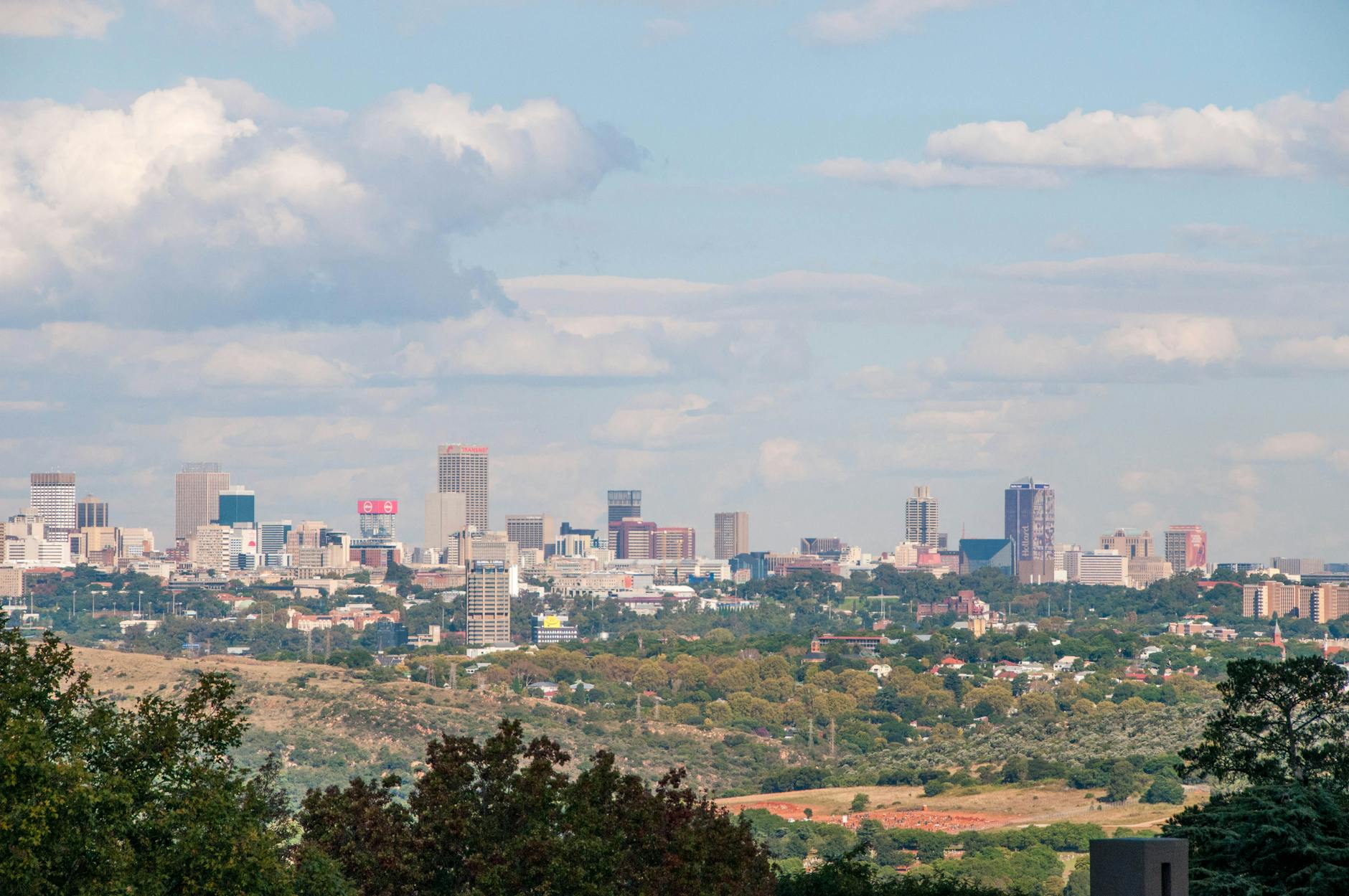
Johannesburg is not built around an old royal square, a riverfront promenade, or a single tourism district. It is a mining city that exploded outward. The logic is gold first, roads second, suburbs everywhere, wealth and poverty side by side, and history embedded unevenly across a huge metro area.
The City’s Core Identity
Johannesburg was born from gold. That matters. Unlike older cities that grew around ports, forts, cathedrals, or courts, Joburg grew around extraction: mine dumps, capital, migrant labor, compounds, rail, banking, speculation, and a boomtown hunger that never fully left. It has always been a city of arrivals — rural migrants, regional migrants, European fortune-seekers, Indian and Chinese communities, liberation activists, corporate executives, artists, entrepreneurs, Zimbabwean and Mozambican newcomers, and people from across South Africa trying to make something happen.
This is why Johannesburg can feel both brash and guarded. It is ambitious, funny, fast-talking, entrepreneurial, informal, polished in pockets, frayed in others, and often more interesting than comfortable.
The City Is Not the Capital, But It Is the Engine
South Africa has multiple capital functions elsewhere: Pretoria/Tshwane is the administrative capital, Cape Town is legislative, and Bloemfontein is judicial. Johannesburg is not one of the formal capitals, but it is the country's commercial, financial, media, cultural, and transport powerhouse. Many international visitors land here, move through here, or do business here even if their vacation narrative focuses on Cape Town or safari.
The City Is Sprawling and Polycentric
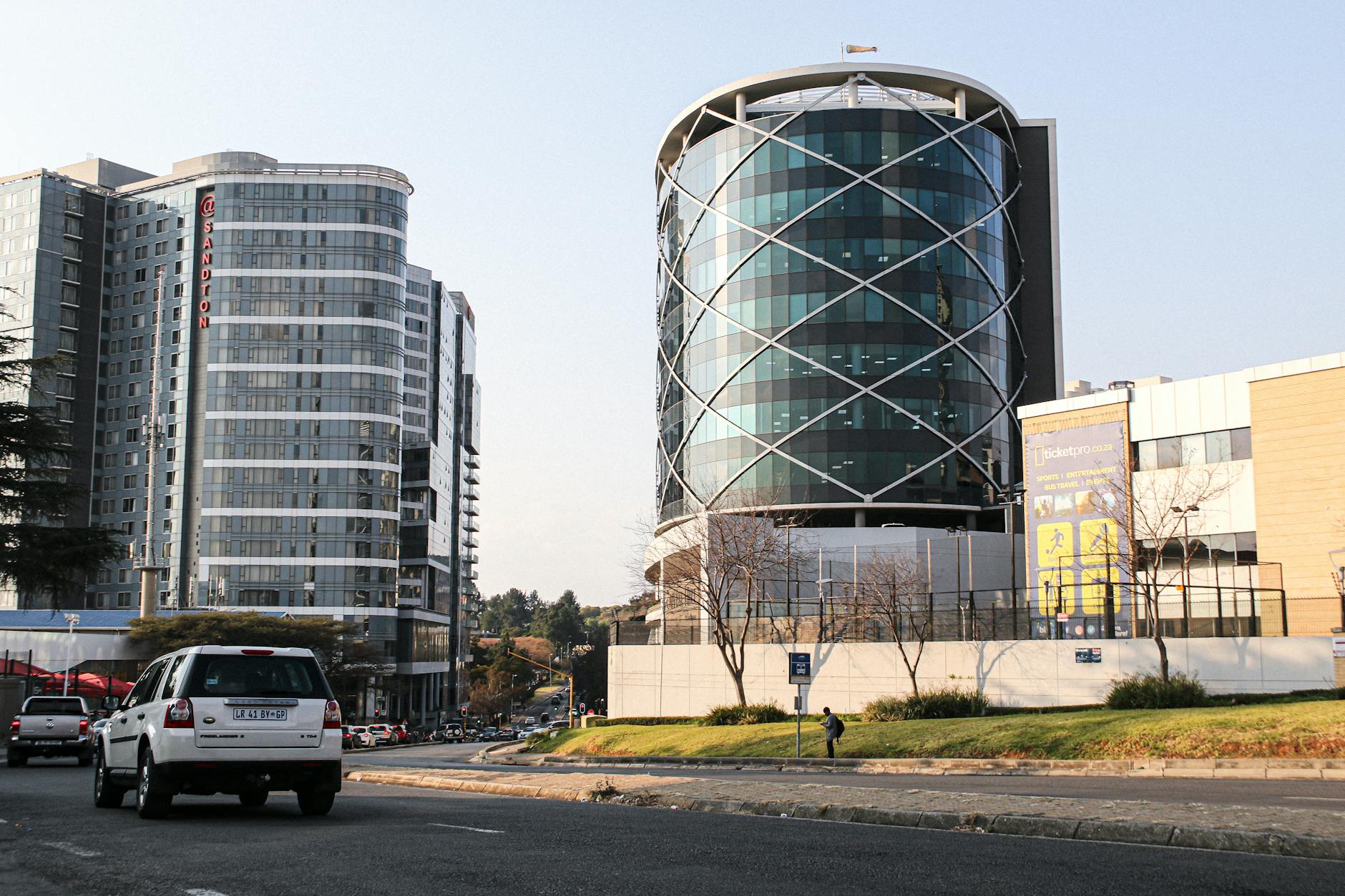
There is no single “downtown where you stay and walk everywhere.” The old CBD exists, but many corporate, retail, hotel, and restaurant centers shifted north over time to Rosebank, Sandton, Melrose, Illovo, and Fourways. Soweto sits southwest. The Cradle of Humankind sits northwest outside the urban core. Pretoria is north. The airport is east.
The result: you need to think in clusters.
Useful visitor clusters:
- Rosebank / Parkwood / Parktown North / Parkhurst: best first-timer base, restaurants, hotels, Gautrain, art/design, easy logistics.
- Sandton / Melrose / Illovo: business, luxury hotels, shopping, corporate dining, Gautrain, polished convenience.
- Braamfontein / Wits / Constitution Hill: museums, university energy, history, art, City Sightseeing stops, daytime focus.
- CBD / Newtown / Maboneng / Jewel City: urban history, street art, galleries, markets, architecture, best with a guide or in defined daytime pockets.
- Soweto / Orlando West / Vilakazi Street: liberation history, township life, food, memorials, community energy, best with a reputable local guide.
- Melville / Auckland Park / Linden / Greenside: restaurants, cafés, students, creatives, slower neighborhood life.
- Cradle / Magaliesberg: day trips, fossils, landscape, caves, hot-air ballooning, weekend escapes.
The City’s Rhythm
Johannesburg is a working city first and a visitor city second.
- Weekday mornings: traffic-heavy, business-oriented, schools and offices moving.
- Weekday lunch: business districts and mall restaurants are active; cultural sites are calmer.
- Late afternoon: traffic can be heavy; plan transitions carefully.
- Evenings: restaurant neighborhoods and hotel districts work well, but do not walk between disconnected areas after dark.
- Weekends: markets, brunches, malls, parks, sports, family outings, and guided tours are strong. Some business-district restaurants are quieter.
- Sunday: good for brunch, markets, family restaurants, parks, and relaxed suburban neighborhoods; some city-center spots may be dead or not worth the trip.
- December holiday period: parts of the city empty out as locals leave for the coast; some restaurants and galleries close or run limited schedules.
Local Logic
Johannesburg is not organized by what looks close on the map. It is organized by roads, security, traffic, and local knowledge. Two points can be geographically close but practically inconvenient. A district can be lively and rewarding at noon but a bad idea at night. A restaurant street can be walkable for a few blocks but not connected safely to the next neighborhood.
The Central Contrasts
The guide should not flatten Johannesburg into either “dangerous city” or “cool creative capital.” It is both more difficult and more rewarding than those clichés.
Important contrasts:
- Gold wealth vs labor exploitation.
- Corporate Sandton vs historic CBD.
- Gated suburbs vs public street life.
- Apartheid geography vs democratic reinvention.
- Trauma tourism vs living communities.
- Creative energy vs infrastructure stress.
- Mall convenience vs street culture.
- Local hospitality vs real safety precautions.
The best Johannesburg trip holds these truths together instead of choosing one.
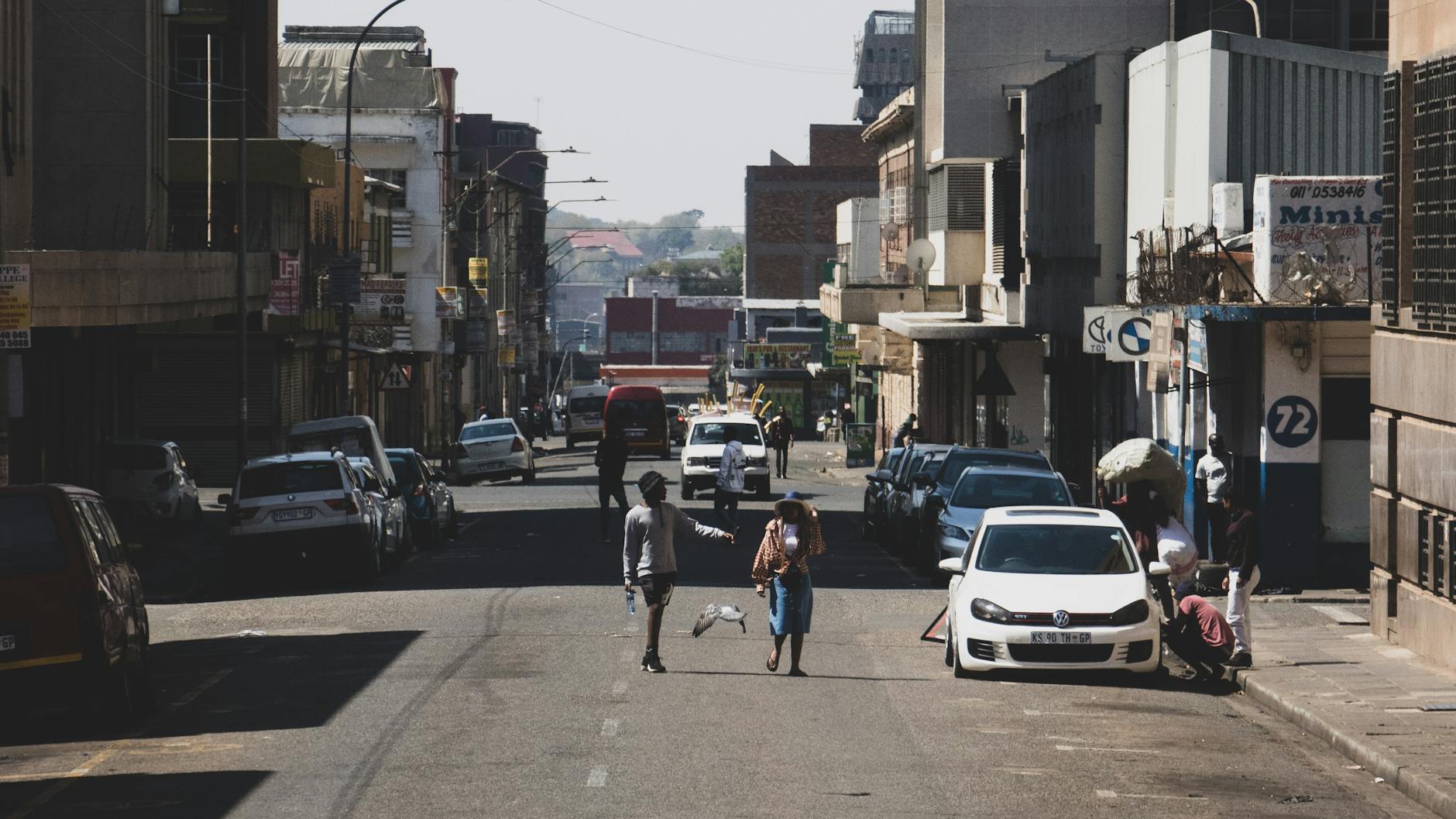
Best Time to Visit Johannesburg
Johannesburg sits high on South Africa's interior plateau, around 1,694 meters above sea level. That altitude shapes everything: summers are warm but not usually coastal-humid, winter days can be crisp and bright, and nights can feel colder than many visitors expect.
Best Overall Months
March, April, May, September, October, and November are usually the sweet spot.
- March–May: mild, greener after summer rains, good food and culture weather, less intense heat.
- September–November: spring warmth, jacarandas in many areas, clearer outdoor energy, good pre-summer light.
Winter: June–August
Winter is dry, sunny, and often beautiful during the day. It is also cold at night and early morning. This is a strong season if Johannesburg is part of a safari trip because dry-season game viewing is excellent in many northern reserves.
Best for: safari connections, museums, crisp light, low rain, clear skies.
Watch for: cold mornings/nights, dry air, indoor heating that may not feel as strong as in colder-climate countries.
Summer: December–February
Summer is greener, warmer, and more dramatic. Afternoon thunderstorms are common. The city can look lush and alive, but heavy rain can disrupt traffic and outdoor plans. December also brings holiday-season rhythm changes.
Best for: green landscapes, long evenings, outdoor restaurants, local holiday atmosphere.
Watch for: storms, traffic disruption, some restaurant/gallery closures in late December and early January.
Spring: September–November
Spring is one of the most attractive times to visit. The weather warms, jacarandas bloom in many parts of Gauteng, outdoor eating improves, and the city feels more open after winter.
Best for: photography, neighborhood drives, outdoor lunches, first-time visits.
Watch for: early storms later in the season.
Autumn: March–May
Autumn is arguably the most balanced season. The summer intensity fades, evenings cool, and the city has a calm, golden quality.
Best for: first-timers, museums plus food, comfortable walking in controlled areas, day trips.
Watch for: cooler evenings by May.
Month-by-Month Snapshot
| Month | What to Expect | Verdict |
|---|---|---|
| January | Warm, green, stormy; some businesses returning after holidays. | Good if you are flexible. |
| February | Warm, summer storms, lush landscapes. | Good, but plan rain backups. |
| March | Mild and pleasant; one of the best months. | Excellent. |
| April | Cooler, often beautiful; Easter holidays can affect hours. | Excellent. |
| May | Drying out, crisp evenings, great light. | Excellent. |
| June | Dry winter, cold nights, strong museum/safari pairing. | Very good with layers. |
| July | Cold mornings, sunny days, school-holiday periods. | Good for safari-focused trips. |
| August | Dry, dusty, warming slowly. | Good but less lush. |
| September | Spring returns; outdoor dining improves. | Excellent. |
| October | Jacaranda season in many areas; warmer, possible storms. | Excellent. |
| November | Warm, energetic, more rain risk. | Very good. |
| December | Summer storms, festive period, many locals leave town. | Good if you plan closures. |
Rain Plan
If storms hit, do not fight the city. Swap outdoor neighborhoods for Apartheid Museum, Constitution Hill, Wits Art Museum, Origins Centre, malls, galleries, long lunches, or a hotel reset. Johannesburg rain is often intense but not always all-day.
How Many Days You Need
Johannesburg is often treated as a one-night airport stop. That is understandable but limiting. The city becomes much better once you give it enough time to connect history, neighborhoods, and food.
| Time | What You Can Do |
|---|---|
| Long layover | Gautrain to Sandton/Rosebank for a meal or short guided city overview, but only if timing and safety logistics are solid. |
| 1 full day | Choose one: history day with Apartheid Museum + Constitution Hill, or Soweto guided tour + one dinner neighborhood. |
| 2 full days | Strong minimum: one day for Soweto/Apartheid Museum, one day for Constitution Hill/Rosebank/art/food. |
| 3 full days | Best first-timer length: add Maboneng/Braamfontein with guide, Wits/Origins Centre, Parkhurst/Linden, or a slower food/art day. |
| 4–5 days | Excellent: add Cradle of Humankind, Pretoria, more restaurants, markets, or a deeper Soweto/CBD architecture experience. |
| 1 week | Best if using Joburg as a base for Pretoria, Cradle, Magaliesberg, Pilanesberg, Dinokeng, and regional connections. |
Minimum Worthwhile Stay
If you are flying through Johannesburg on the way to safari, try to give the city at least two nights. That gives you one full day and one dinner without feeling like you are operating from an airport hotel.
Ideal First Visit
Three nights / three days is the sweet spot for most visitors.
You can do:
- Day 1: Rosebank arrival, Constitution Hill, dinner in Parkhurst or Rosebank.
- Day 2: Soweto + Apartheid Museum with a guide.
- Day 3: Art, food, Maboneng/Braamfontein, or Cradle depending on your interests.
When to Add Extra Days
Add days if you are interested in:
- Liberation history.
- Contemporary African art.
- Food neighborhoods.
- Architecture and urbanism.
- Cradle of Humankind.
- Pretoria.
- Pilanesberg or Dinokeng safari.
- Visiting friends/family or doing business.
When Not to Overstay
Do not add days just because flights are cheap. Johannesburg is rewarding, but it requires energy. If you are anxious, inexperienced with complex cities, or traveling with young kids and no local support, keep the visit focused and well-planned.
Where to Stay in Johannesburg
Where you stay matters more in Johannesburg than in many cities. A bad base can turn every meal, museum, and transfer into a chore. A good base makes the city feel manageable.
Short Answer
For most first-time visitors, stay in Rosebank. It has Gautrain access, good hotels, restaurants, shopping, practical walkable pockets, City Sightseeing departures, and easier movement to Constitution Hill, Parkhurst, Sandton, and the airport.
Stay in Sandton if you want business hotels, luxury malls, corporate dining, and convenience. Stay in Melrose/Illovo/Parktown North/Parkhurst if you want a quieter, restaurant-focused trip and will use rideshare. Stay in Maboneng/Braamfontein/CBD only if you are experienced, have a reason to be there, and understand the safety/logistics tradeoffs.
Neighborhood Decision Tree
- First time and want the safest practical default? Rosebank.
- Business trip or luxury malls? Sandton.
- Design hotels, restaurants, and leafy comfort? Rosebank, Parkwood, Melrose, Illovo.
- Food streets and local suburban life? Parkhurst, Parktown North, Linden, Greenside.
- Nightlife and student/creative edge? Melville or Braamfontein, but choose carefully and use transport.
- Urban art and historic edge? Maboneng/Jewel City for visiting, not usually sleeping.
- Soweto history focus? Consider a day tour first; stay overnight only with a trusted guesthouse/tour operator.
- Early flight or overnight transfer? Airport precinct/Kempton Park, or Sandton/Rosebank if flight timing allows.
- Family theme-park/convenience trip? Sandton, Rosebank, Fourways, or near Gold Reef City depending on plans.
- Want to avoid long drives to day trips west/northwest? Consider Rosebank/Sandton for general balance, or a Cradle/Magaliesberg overnight for regional leisure.
Best Areas to Stay
Rosebank
Best for: first-timers, couples, solo travelers, business-plus-leisure, art/design, Gautrain users, practical comfort.
Rosebank is the most balanced visitor base in Johannesburg. It has hotels across price levels, a Gautrain station, a major mall, restaurants, cafés, weekend markets, galleries nearby, and enough walkability within a controlled area to let visitors breathe. It is also a common starting point for City Sightseeing and guided tours.
Why stay here: easy airport link via Gautrain, good restaurant access, safer-feeling pedestrian pockets, strong hotel choice.
Why not: it is polished and mall-adjacent, not the grittiest or most atmospheric version of Johannesburg.
Perfect day: morning at Constitution Hill, lunch back in Rosebank, afternoon galleries or shopping, dinner in Parkhurst or Parktown North.
Local logic: Rosebank works because it reduces friction. In Johannesburg, reducing friction is not boring; it is smart.
Sandton
Best for: business travelers, luxury hotels, shopping, corporate dining, high-end comfort, Gautrain airport access.
Sandton is often described as Johannesburg's new financial center. It is polished, car-oriented, mall-heavy, and convenient if your trip involves meetings, luxury hotels, or easy airport movement.
Why stay here: excellent hotel stock, Gautrain, malls, restaurants, office access.
Why not: it can feel like a business district rather than the soul of the city. Traffic can be frustrating, and walking outside mall/hotel zones is limited.
Perfect day: morning meetings or shopping, Gautrain to Rosebank, guided history afternoon, dinner in Sandton or Illovo.
Melrose / Illovo / Dunkeld / Hyde Park
Best for: upscale quiet, couples, repeat visitors, restaurant access, boutique hotels, lower-key comfort.
These northern suburbs are leafy, affluent, and often convenient by car to Rosebank, Sandton, Parkhurst, and good restaurants. They are not “walk everywhere” bases, but they work well if your hotel is excellent and you are comfortable using rideshare.
Why stay here: calm, stylish, close to dining, good for longer stays.
Why not: less useful without a car/rideshare plan; fewer obvious tourist facilities than Rosebank.
Parkhurst / Parktown North / Greenside / Linden
Best for: food lovers, cafés, relaxed neighborhood evenings, repeat visitors, local suburban texture.
These areas give you a more residential Joburg experience. Parkhurst's 4th Avenue, Linden's cafés, and Greenside's restaurants can be excellent for meals and local atmosphere.
Why stay here: more local feel, strong food scene, good guesthouses.
Why not: no Gautrain station in the neighborhood; you will use rideshare for most sightseeing.
Melville / Auckland Park
Best for: students, creatives, budget-ish guesthouses, nightlife, people who want character.
Melville has long had a bohemian reputation. It can still be fun, especially around restaurants and bars, but it is not as frictionless as Rosebank or Sandton.
Why stay here: character, nightlife, cafés, guesthouses, proximity to universities.
Why not: variable safety by block and time; use door-to-door transport at night.
Braamfontein
Best for: university energy, Wits, Constitution Hill proximity, creative visitors, events, galleries.
Braamfontein is interesting and central, with Wits University, Wits Art Museum, bars, cafés, and nearby Constitution Hill. It is not the default choice for first-timers because safety and street conditions can vary quickly.
Why stay here: urban energy, cultural access, architecture, events.
Why not: you need stronger local awareness; nights require care.
Maboneng / Jewel City / Inner City
Best for: urbanists, street art, photographers, creative travelers, guided walks.
Maboneng and nearby inner-city districts have been through waves of regeneration, decline, recovery, and reinvention. They can be fascinating by day with a guide or specific destination. They are not usually the easiest places to sleep on a first visit.
Why stay here: atmosphere, architecture, art, proximity to inner-city history.
Why not: safety is block-by-block; evenings can be tricky; not beginner-friendly.
Soweto
Best for: travelers with a deep interest in township life, liberation history, homestays/guesthouses, local-guided experiences.
Soweto is not a single thing. It is vast, varied, historic, residential, political, entrepreneurial, and alive. Many visitors experience only Vilakazi Street and a few monuments. Staying overnight can be rewarding with the right host, but most first-timers should start with a high-quality guided day experience.
Why stay here: deeper context, community-based tourism, history.
Why not: logistics, distance from northern suburbs, variable infrastructure, need for trusted local advice.
Airport / Kempton Park
Best for: late arrivals, early departures, missed connections, overnight safari transfers.
Airport hotels are practical, not soulful. Stay here if your flight timing demands it. If you have a full day, Rosebank or Sandton is usually better.
Hotel Booking Mistakes
- Choosing the cheapest hotel without checking the neighborhood.
- Staying near the airport for multiple nights when your sightseeing is in the city.
- Booking an “inner-city loft” because photos look cool, then feeling trapped after dark.
- Assuming walkability on Google Maps means practical walkability.
- Ignoring backup power, air-conditioning/heating, elevators, parking security, and driver access.
- Choosing Fourways or far-north suburbs because they look nice, then spending too much time in traffic.
- Staying in Sandton and expecting cultural texture at the hotel door.
Book Ahead
Book early for:
- Better Rosebank/Sandton hotels during major conferences.
- Safari-transfer nights.
- Boutique guesthouses in restaurant suburbs.
- High-end restaurants.
- Private guides for Soweto, CBD architecture, and history tours.
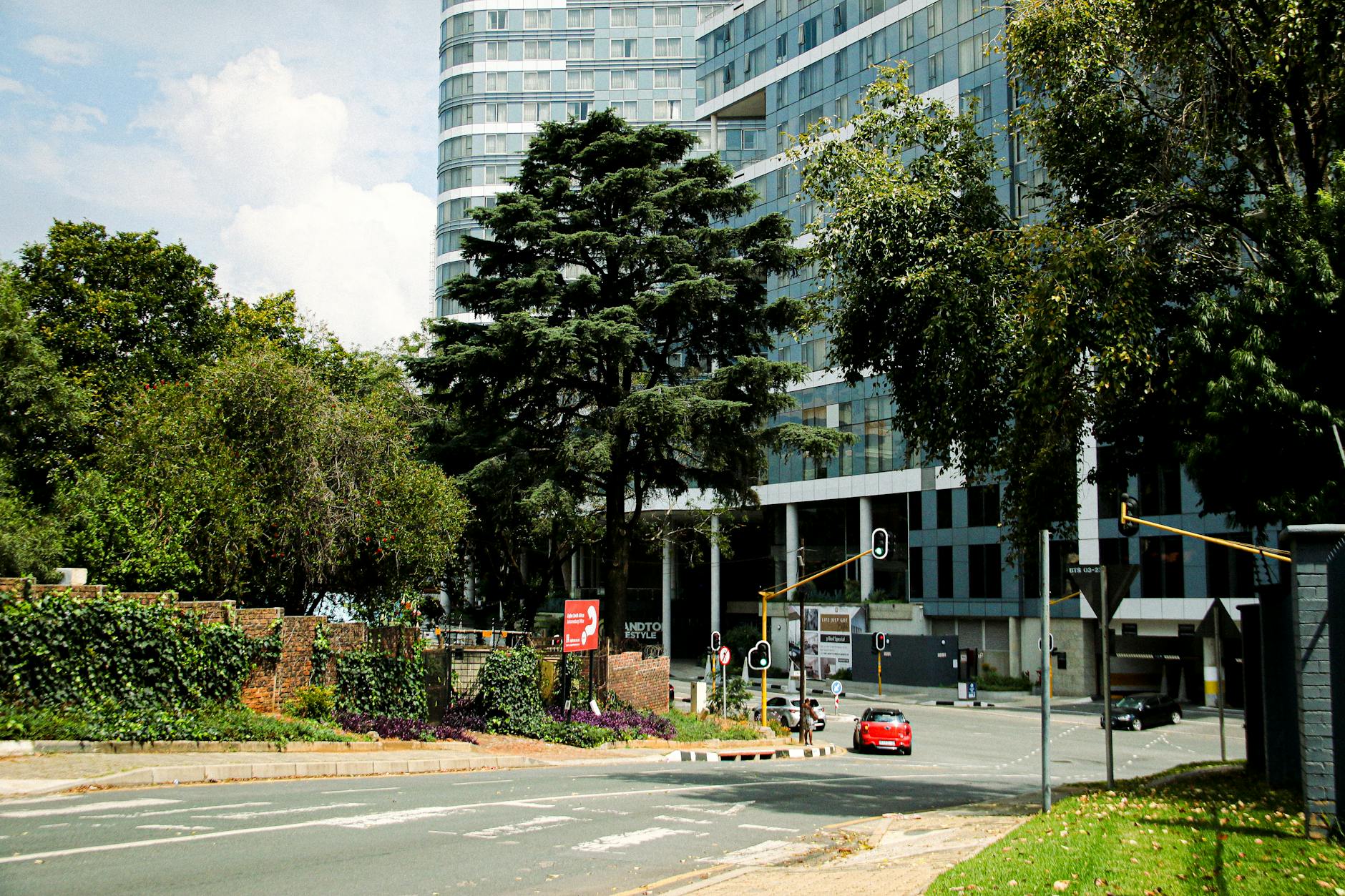
Neighborhood Guide
Johannesburg neighborhoods are not just “areas to visit.” They are different answers to the question: what is this city?
Rosebank
One-sentence identity: The best practical base for first-timers: a polished, connected northern-suburb hub with hotels, restaurants, shopping, art access, and Gautrain.
Best for: staying, restaurants, transit, galleries, markets, easy evenings.
What it feels like: safe-ish by Joburg standards in controlled areas, mall-adjacent, international, leafy, business-casual, convenient.
Best things to do: Rosebank Art & Craft Market, Keyes Art Mile nearby, galleries, shopping, City Sightseeing departure, restaurants.
Best time: morning to evening; late-night movement still should be door-to-door.
Pair it with: Parkwood, Parktown North, Parkhurst, Constitution Hill.
Skip if: you want raw urban grit at your hotel door.
One perfect walk: Start at Rosebank Mall, browse the market or shops, walk/ride to Keyes Art Mile for galleries and design, have coffee, then take a short ride to Parkhurst for dinner.
Sandton
One-sentence identity: Johannesburg's corporate, luxury, and mall-driven power center.
Best for: business hotels, high-end shopping, airport access by Gautrain, corporate dining.
What it feels like: modern, controlled, wealthy, car-oriented.
Best things to do: Nelson Mandela Square, Sandton City, business meetings, hotel restaurants, easy Gautrain links.
Best time: weekdays for business energy; evenings for dining in hotel/mall zones.
Pair it with: Rosebank, Melrose Arch, Illovo.
Skip if: you want to feel the older city.
One perfect route: Gautrain in, coffee or shopping at Sandton City, lunch around Nelson Mandela Square, then dinner in Illovo or Rosebank.
Parkhurst and Parktown North
One-sentence identity: Leafy restaurant-and-café Joburg with local flavor and good evening energy.
Best for: dinner, brunch, drinks, boutique guesthouses, repeat visitors.
What it feels like: relaxed, residential, social, food-oriented.
Best things to do: dine on Parkhurst's 4th Avenue, café-hop, browse small shops.
Best time: lunch, late afternoon, dinner.
Pair it with: Rosebank, Keyes Art Mile, Zoo Lake, Linden.
Skip if: you need public-transit convenience.
The Move: Use rideshare directly to the restaurant strip. Do not walk long distances back to a distant guesthouse after dark.
Linden and Greenside
One-sentence identity: Quieter northern neighborhoods with cafés, bakeries, restaurants, and local suburban life.
Best for: slow mornings, coffee, brunch, relaxed dinners.
What it feels like: less polished than Sandton, more lived-in than Rosebank, casually local.
Best things to do: breakfast, lunch, neighborhood restaurants, small shops.
Best time: morning to dinner.
Pair it with: Parkhurst, Emmarentia, Melville, Rosebank.
Skip if: you want major attractions within walking distance.
Melville
One-sentence identity: A long-running bohemian/student neighborhood with bars, restaurants, guesthouses, and character.
Best for: nightlife, casual food, budget guesthouses, university-adjacent energy.
What it feels like: informal, creative, sometimes scruffy, social.
Best things to do: dinner, drinks, cafés, nearby Melville Koppies with guided/organized access.
Best time: lunch and early evening; late nights require caution.
Pair it with: Wits, Origins Centre, Linden, Auckland Park.
Skip if: you want seamless polished comfort.
Braamfontein
One-sentence identity: University-centered, creative, central Joburg with Wits, museums, bars, and an urban edge.
Best for: Wits Art Museum, Origins Centre, Constitution Hill, student culture, architecture.
What it feels like: energetic, uneven, youthful, central.
Best things to do: Wits Art Museum, Origins Centre, nearby cafés, events, guided architecture walks.
Best time: daytime and event-specific evenings.
Pair it with: Constitution Hill, Newtown, Rosebank via Gautrain/Park Station connections.
Skip if: you are nervous in dense city environments.
Constitution Hill / Hillbrow Edge
One-sentence identity: A powerful history precinct at the edge of some of Johannesburg's most complex urban geography.
Best for: South African constitutional history, prison history, legal history, guided tours.
What it feels like: solemn, important, confronting, atmospheric.
Best things to do: tour the Old Fort, Women's Jail, Number Four, Constitutional Court.
Best time: morning or midday.
Pair it with: Braamfontein, Wits Art Museum, Rosebank dinner.
Skip if: you have only one hour; it deserves time and attention.
Newtown and CBD
One-sentence identity: Historic inner-city Johannesburg, rich in architecture and memory but not a casual wandering district.
Best for: guided walks, Market Theatre, Museum Africa if operating/available, architecture, public art, mining history.
What it feels like: layered, tough, fascinating, uneven.
Best things to do: guided architecture/history routes, Market Theatre area, public art, heritage sites.
Best time: daytime with a guide or clear destination.
Pair it with: Constitution Hill, Braamfontein, Maboneng/Jewel City.
Skip if: you are planning to wander independently with a camera and no local knowledge.
Maboneng and Jewel City
One-sentence identity: Inner-city regeneration district known for art, design, lofts, restaurants, and street-level reinvention.
Best for: street art, urbanism, guided walks, daytime cafés, photography with discretion.
What it feels like: creative, contested, changing, block-by-block.
Best things to do: guided walks, restaurants/cafés, galleries/events when active.
Best time: daytime, weekends, specific events.
Pair it with: Newtown, Braamfontein, Constitution Hill.
Skip if: you expect a fully sanitized visitor zone.
Local Logic: Maboneng is better as a planned visit than a base. Go with a purpose, not vague curiosity.
Soweto
One-sentence identity: A vast, historic township and urban world central to South Africa's political, cultural, and social story.
Best for: liberation history, guided local experiences, Vilakazi Street, Mandela House, Hector Pieterson Memorial, Regina Mundi, food, community tourism.
What it feels like: varied — residential, historic, entrepreneurial, celebratory, painful, everyday.
Best things to do: guided Soweto tour, Mandela House, Hector Pieterson Memorial, Vilakazi Street, Orlando Towers area, local lunch, bicycle tour with reputable operators.
Best time: daytime; lunch works well.
Pair it with: Apartheid Museum, Gold Reef City, FNB Stadium exterior.
Skip if: you are not willing to engage respectfully or if you only want poverty-tour spectacle.
Respect note: Soweto is not an attraction; it is home. Ask before photographing people, avoid intrusive imagery, and choose guides who support local businesses.
Fordsburg and Mayfair
One-sentence identity: Indian, Pakistani, Middle Eastern, and African food corridors with strong casual eating.
Best for: curries, sweets, grills, spice shops, budget eating, food-focused trips.
What it feels like: busy, informal, flavorful, local.
Best time: daytime or early evening with local advice.
Pair it with: Newtown/Braamfontein if logistics work.
Skip if: you are not comfortable in dense, informal urban districts.
Cyrildene
One-sentence identity: Johannesburg's newer Chinatown, good for Chinese restaurants and food shops.
Best for: Chinese food, groceries, casual meals.
What it feels like: practical, food-oriented, less tourist-facing.
Best time: lunch or dinner by rideshare.
Pair it with: eastern suburbs, airport-side logistics.
Fourways / Montecasino
One-sentence identity: Far-northern entertainment, malls, family facilities, and suburban sprawl.
Best for: families, casino/theatre complex, suburban hotels, long-stay visitors with business nearby.
What it feels like: spread out, car-oriented, secure-complex focused.
Best time: when you have a specific reason.
Skip if: you are trying to see central Johannesburg efficiently.
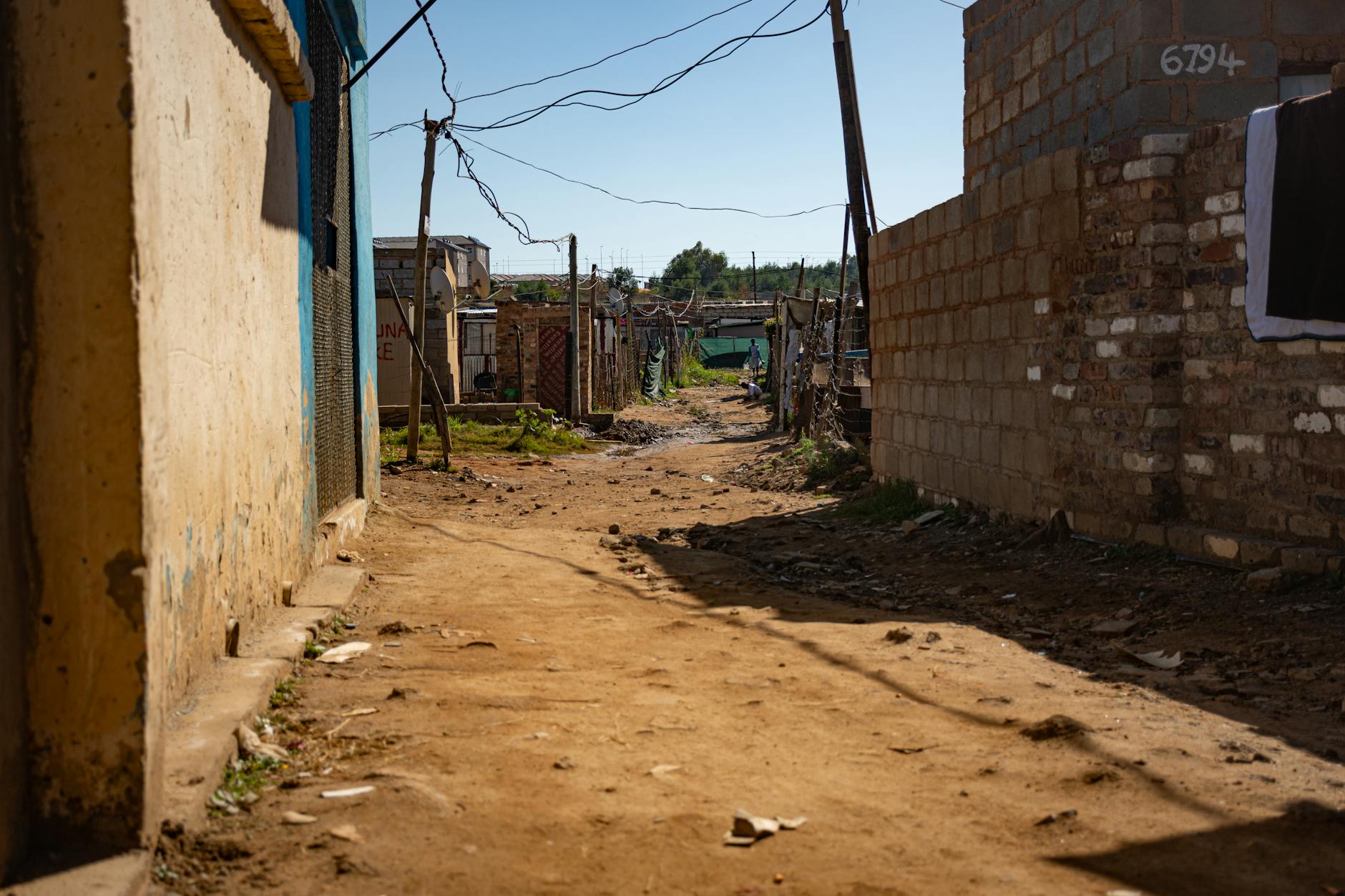
Best Things to Do
Johannesburg's best attractions are not just “things to see.” They are ways into the city.
Essential First-Time Experiences
- Apartheid Museum.
- Constitution Hill.
- Soweto with a reputable local guide.
- Mandela House and Vilakazi Street.
- Hector Pieterson Memorial and Museum.
- Wits Art Museum or Origins Centre.
- Rosebank/Keyes Art Mile/Parkhurst food and art loop.
- Maboneng/Newtown/CBD architecture or street-art walk with a guide.
- Cradle of Humankind / Maropeng day trip.
- A strong dinner or lunch that shows Johannesburg as a living city, not just a history lesson.
Apartheid Museum
What it is: Johannesburg's most famous museum dealing with 20th-century South Africa and the rise and fall of apartheid.
Why it matters: This is the museum many first-time visitors need most. It gives structure to South Africa's modern political history, showing how apartheid was built, enforced, resisted, and dismantled.
Who will love it: history travelers, first-time visitors, students, politically engaged travelers, anyone trying to understand South Africa beyond scenery.
Who can skip it: very young children, visitors with limited emotional bandwidth, or travelers who have just done multiple heavy history sites and need balance.
Time needed: at least 2 hours; 3 hours is better.
Best time: morning, then lunch or a lighter afternoon.
Book ahead? Tickets are often available at the door, but verify current rules before going.
Common mistake: pairing it with too many other emotionally intense sites in the same day. Give yourself time to process.
Pair it with: Soweto, Gold Reef City, or a quiet dinner afterward.
Skip if: you are traveling with children under 11; the museum itself advises that its graphic content is not suitable for young children.
Constitution Hill
What it is: A former prison complex that held political prisoners and ordinary prisoners, now a museum precinct and home to South Africa's Constitutional Court.
Why it matters: Constitution Hill connects oppression, imprisonment, rights, and democratic law in one physical place. It is one of Johannesburg's most powerful sites.
Who will love it: anyone interested in law, human rights, Nelson Mandela, Mahatma Gandhi, apartheid history, prison history, or South Africa's democratic transition.
Time needed: 1 hour for a highlights tour; 2 hours for the fuller experience.
Best time: morning or early afternoon.
Book ahead? Check tour times. The site has cashless ticketing and formal guided tour slots.
Common mistake: treating it as a quick photo stop. Take the tour.
Pair it with: Wits Art Museum, Origins Centre, Braamfontein, or Rosebank dinner.
Soweto Guided Experience
What it is: A guided visit through selected parts of Soweto, usually including Orlando West, Vilakazi Street, Mandela House, Hector Pieterson Memorial, and other sites depending on the operator.
Why it matters: Soweto is central to South Africa's struggle history and urban culture. It cannot be understood through a single street, but a good guide gives you a meaningful first layer.
Who will love it: first-timers, history travelers, culture travelers, food travelers, people who want to understand Johannesburg beyond northern suburbs.
Time needed: half day minimum; full day with Apartheid Museum is common but heavy.
Best time: daytime, ideally morning into lunch.
Book ahead? Yes. Guide quality matters.
Common mistake: doing a superficial drive-by tour or photographing residents like scenery.
Better alternative: choose a local operator with community relationships, small groups, and time for conversation.
Mandela House
What it is: Nelson Mandela's former home at 8115 Vilakazi Street in Orlando West, Soweto.
Why it matters: It brings the global Mandela story down to the scale of a family home and a neighborhood.
Time needed: 30–60 minutes.
Best time: as part of a guided Soweto route.
Book ahead? Check current entry rules and prices. The museum is cashless.
Common mistake: expecting a large museum. It is a small, symbolically powerful house.
Pair it with: Hector Pieterson Memorial, Vilakazi Street lunch, Regina Mundi, Orlando Towers.
Hector Pieterson Memorial and Museum
What it is: A memorial and museum recalling the Soweto Uprising of June 16, 1976, when students protested against Afrikaans as a language of instruction and police opened fire.
Why it matters: It is one of the essential sites for understanding youth resistance and the violence of apartheid.
Time needed: 1–2 hours.
Best time: with a guide who can contextualize the 1976 uprising.
Pair it with: Mandela House and Vilakazi Street.
Respect note: This is a memorial, not just a tourist stop. Keep photos and behavior appropriate.
Wits Art Museum
What it is: A university art museum in Braamfontein with important holdings in African and South African art.
Why it matters: It gives a compact, intellectually serious view into art, archives, and contemporary South African cultural production.
Time needed: 45–90 minutes.
Best time: Tuesday–Saturday daytime; verify hours before going.
Pair it with: Origins Centre, Constitution Hill, Braamfontein lunch.
The Move: Use WAM as a lighter cultural counterpoint after a heavy history morning.
Origins Centre
What it is: A museum at Wits University focused on human origins, rock art, fossils, stone tools, and southern African heritage.
Why it matters: It connects the region's deep human history with art, symbolism, and archaeology.
Time needed: 1–2 hours.
Best for: families with older kids, archaeology lovers, visitors planning the Cradle of Humankind, and anyone interested in the human story before modern politics.
Pair it with: Wits Art Museum or Constitution Hill.
Maboneng and Inner-City Guided Walk
What it is: A guided exploration of downtown regeneration districts, street art, architecture, markets, galleries, and older urban fabric.
Why it matters: Johannesburg's inner city is too important to ignore and too complicated to treat casually. A good guide turns it from confusing to legible.
Time needed: 2–4 hours.
Best time: daytime, preferably weekend/event day or with an experienced operator.
Book ahead? Yes.
Common mistake: going alone with a camera and no plan.
Skip if: safety anxiety will prevent you from enjoying it.
Keyes Art Mile and Rosebank Art Loop
What it is: A concentration of galleries, design spaces, restaurants, and creative businesses around Rosebank/Parkwood.
Why it matters: It shows a polished but real side of contemporary Joburg creativity.
Time needed: 1–3 hours depending on exhibitions and meals.
Best time: late morning, afternoon, or event nights with transport.
Pair it with: Rosebank, Parkhurst dinner, Johannesburg Art Gallery alternatives, WAM.
Cradle of Humankind and Maropeng
What it is: A UNESCO World Heritage region northwest of Johannesburg associated with major paleoanthropological discoveries; Maropeng is the official visitor centre.
Why it matters: It expands the trip from modern South African history to the deep human past.
Time needed: half day to full day.
Best for: science travelers, families with older children, archaeology lovers, travelers with extra time.
Book ahead? Check current cave access and ticketing; cave availability and safety conditions can change.
Common mistake: trying to squeeze it into a day that already includes Soweto or multiple city museums.
Better plan: give it its own half or full day and add a leisurely lunch in the area.
Gold Reef City
What it is: A gold-rush-themed entertainment complex and theme park south of central Johannesburg, near the Apartheid Museum.
Why it matters: It is not essential for everyone, but it can be useful for families or visitors interested in Joburg's mining-era entertainment version of itself.
Time needed: half day to full day if doing rides.
Book ahead? Yes; theme park ticketing may be online-only.
Who will love it: families, theme-park fans, travelers with kids who need a lighter day.
Who can skip it: history/culture travelers with limited time.
Liliesleaf
What it is: A heritage site in Rivonia associated with the liberation movement and the 1963 raid that led to the Rivonia Trial.
Why it matters: It is one of the most important anti-apartheid history sites in the Johannesburg area.
Planning note: The site's operating status has changed over recent years. Check directly before planning around it.
Best for: serious history travelers and repeat visitors.
Johannesburg Parks and Outdoor Spaces
Joburg has excellent green pockets, but outdoor plans require safety judgment.
Good options include:
- Zoo Lake for relaxed daylight park time.
- Emmarentia Dam and Johannesburg Botanical Garden.
- Delta Park for local green space.
- Melville Koppies with organized/guided access.
- Walter Sisulu National Botanical Garden as a larger outing.
Safety note: do not hike or walk isolated areas alone. Use busy times, groups, and local advice.
Sports, Music, and Live Culture
Johannesburg is excellent for live culture when you plan around actual events.
Look for:
- Live jazz.
- Theatre at Market Theatre or similar venues.
- Soccer at major stadiums with local advice.
- Rugby or cricket fixtures.
- Comedy nights.
- Gallery openings.
- Food and music festivals.
The Move: For nightlife, choose one venue or district, arrive by rideshare, and leave by rideshare. Do not bar-hop across disconnected areas unless with locals.
Itineraries
Johannesburg itineraries should be paced by geography, emotional weight, and transport, not by the number of pins you can save.
One Perfect Day in Johannesburg
Morning: Constitution Hill
Start with a guided tour. This gives you the framework: prison, human rights, apartheid, and constitutional democracy.
Lunch: Rosebank or Parkhurst
Do not overcomplicate lunch. Use this as a reset.
Afternoon: Apartheid Museum
Spend at least two hours. Avoid rushing.
Dinner: Parkhurst, Rosebank, Illovo, or Linden
Choose a good restaurant and let the day breathe.
Evening: rideshare directly back to your hotel.
What to cut if tired: replace Apartheid Museum with Wits Art Museum or Keyes Art Mile and save Apartheid Museum for a longer trip.
Two Days in Johannesburg
Day 1: History of the State
- Morning: Constitution Hill.
- Lunch: Braamfontein, Rosebank, or Parktown North.
- Afternoon: Wits Art Museum or Origins Centre.
- Dinner: Parkhurst or Linden.
Day 2: Soweto and Apartheid History
- Morning: guided Soweto tour.
- Stops: Hector Pieterson Memorial, Mandela House, Vilakazi Street, Regina Mundi or other guide-led sites.
- Lunch: Soweto local restaurant or shisa nyama experience.
- Afternoon: Apartheid Museum.
- Evening: quiet dinner near hotel.
Pacing note: This is a heavy two days. Build in pauses.
Three Days in Johannesburg
Day 1: First Orientation
- Arrive, settle in Rosebank or Sandton.
- Light afternoon at Keyes Art Mile or Rosebank market.
- Dinner in Parkhurst or Rosebank.
Day 2: Constitution Hill + Art + Food
- Morning: Constitution Hill.
- Lunch: Braamfontein/Rosebank.
- Afternoon: Wits Art Museum or Origins Centre.
- Sunset: rooftop or hotel bar.
- Dinner: Linden, Illovo, or Parktown North.
Day 3: Soweto + Apartheid Museum
- Morning: Soweto guided tour.
- Lunch: Soweto.
- Afternoon: Apartheid Museum.
- Evening: easy dinner near hotel.
Alternative Day 3: If you have already studied South African history deeply, do Cradle of Humankind instead and keep Soweto for another trip.
Four to Five Days in Johannesburg
Add:
- Cradle of Humankind / Maropeng.
- Pretoria day trip.
- Maboneng/CBD architecture walk.
- Fordsburg food experience.
- Melville/Linden/Parkhurst food day.
- Walter Sisulu Botanical Garden.
- A sports match, jazz night, or theatre evening.
Food Lover Itinerary
Day 1: Rosebank coffee, Keyes Art Mile, Parkhurst dinner.
Day 2: Fordsburg/Mayfair food route with local advice, afternoon rest, Linden or Illovo dinner.
Day 3: Soweto guided food/history experience, shisa nyama or township lunch, quiet evening.
Day 4: Market morning, wine bar, contemporary South African dinner.
History Itinerary
Day 1: Constitution Hill + Wits Art Museum/Origins Centre.
Day 2: Soweto + Mandela House + Hector Pieterson.
Day 3: Apartheid Museum + Gold Reef City mining context or Liliesleaf if operating.
Day 4: Pretoria: Union Buildings, Voortrekker Monument if relevant, Freedom Park.
Family Itinerary
Day 1: Rosebank base, light market/shopping, early dinner.
Day 2: Gold Reef City or Johannesburg Zoo depending on interests.
Day 3: Origins Centre or Maropeng.
Day 4: Soweto with a family-friendly private guide and limited emotional overload.
Family note: The Apartheid Museum may not suit children under 11. Use age-appropriate context and avoid stacking intense sites.
Rainy-Day Itinerary
- Apartheid Museum.
- Wits Art Museum.
- Origins Centre.
- Rosebank/Sandton malls.
- Long lunch.
- Hotel rest.
- Dinner by rideshare.
Second-Time Visitor Itinerary
- CBD architecture walk.
- Fordsburg food route.
- Liliesleaf if open.
- Walter Sisulu Botanical Garden.
- Cradle/Magaliesberg overnight.
- Deeper Soweto neighborhood tour beyond Vilakazi Street.
- Art galleries and studios.
Food and Drink
Johannesburg is one of the best eating cities in Africa if you know how to use it. It is not just one cuisine. It is a convergence: South African, township, Portuguese, Mozambican, Indian, Pakistani, Ethiopian, Chinese, Jewish, Greek, West African, Zimbabwean, fine dining, steakhouse, café, wine bar, shisa nyama, mall restaurant, food truck, and suburban brunch culture.
What Johannesburg Eats
Look for:
- Braai / shisa nyama: grilled meat culture, often social and informal.
- Pap and chakalaka: staple maize porridge with spicy relish, often with meat.
- Kota: township sandwich/loaf street food, deeply filling and customizable.
- Vetkoek: fried dough, savory or sweet fillings.
- Mogodu: tripe, often served with pap; beloved by many locals.
- Biltong and droëwors: dried meat snacks.
- Boerewors: South African sausage.
- Bunny chow: Durban-origin curry-in-bread, widely found in Gauteng.
- Portuguese/Mozambican peri-peri chicken and prawns: common in Joburg dining.
- Malva pudding: sweet baked dessert, often with custard.
- Contemporary South African tasting menus: increasingly strong in the northern suburbs.
Best Food Areas
Parkhurst
Great for first-night dinner. Easy to understand, social, restaurant-dense, and close to Rosebank.
Best for: couples, groups, casual upscale dinner.
Linden
Cafés, bakeries, relaxed restaurants, local feel.
Best for: brunch, coffee, neighborhood wandering by day.
Rosebank / Keyes / Parkwood
Convenient, polished, strong for hotel-based visitors.
Best for: practical meals, art-and-dinner evenings, first-timers.
Illovo / Melrose / Sandton
Upscale restaurants, hotel dining, business meals.
Best for: business travelers, luxury meals, secure evening logistics.
Fordsburg / Mayfair
Indian, Pakistani, Middle Eastern, African food corridors.
Best for: budget feasts, sweets, curries, grills, food-focused local routes.
Tip: Go with a local or a guide if you are unfamiliar with the area.
Soweto
Shisa nyama, local restaurants, Vilakazi Street dining, township food experiences.
Best for: guided lunch, history plus food, social eating.
Cyrildene
Chinese restaurants and groceries.
Best for: repeat visitors, food explorers.
Restaurant Categories to Include in a Final Published Guide
For a production city guide, build restaurant recommendations by situation, not just ranking:
- Best first dinner.
- Best lunch near Rosebank.
- Best dinner in Parkhurst.
- Best contemporary South African meal.
- Best shisa nyama.
- Best Soweto lunch.
- Best Indian/Pakistani food in Fordsburg/Mayfair.
- Best coffee.
- Best bakery.
- Best wine bar.
- Best family-friendly meal.
- Best business dinner.
- Best no-reservation fallback.
- Best splurge.
- Best budget feast.
Food Practicalities
- Book popular dinner restaurants, especially Friday and Saturday.
- Use rideshare door-to-door at night.
- Tipping 10–15% is normal for good restaurant service.
- Card payment is common, but keep small cash for tips and parking attendants.
- Ask before photographing staff, cooks, or other diners.
- Vegetarian and vegan options are easier in northern-suburb restaurants than in traditional meat-heavy settings.
- Halal food is relatively easy in Fordsburg/Mayfair and many Indian/Middle Eastern restaurants.
- South African wine is excellent value. Even casual restaurants may have good local bottles.
Drinks and Nightlife
Johannesburg has strong bars, wine spots, clubs, music venues, and rooftop spaces, but nightlife is logistics-dependent.
Good nightlife modes:
- Dinner plus one bar in the same district.
- Live jazz or theatre with pre-arranged transport.
- Hotel bar or rooftop.
- Local friends/guide-led night out.
- Event-specific trip to Braamfontein, Maboneng, Melville, or Newtown.
Bad nightlife modes:
- Wandering between districts.
- Leaving valuables in a car.
- Walking home because the map says it is 12 minutes.
- Getting into an unverified vehicle.
- Drinking heavily without a transport plan.
The Move
Make dinner the anchor. Pick one neighborhood, book one place, and arrange direct transport. Johannesburg rewards decisive evenings.
Getting Around
Johannesburg is navigable, but not casually. Transport planning is the difference between a smooth trip and a stressful one.
Arrival: O.R. Tambo International Airport
O.R. Tambo is the main international airport. It sits east of central Johannesburg, with strong links by road and Gautrain.
Best options:
- Gautrain: best for Sandton and Rosebank if you are arriving during operating hours, traveling light enough, and staying near the station or taking a short onward ride.
- Hotel/private transfer: best for late arrivals, families, lots of luggage, nervous travelers, or first-time visitors who want zero friction.
- Accredited meter taxis/shuttles: use official airport information desks and accredited services, not touts.
- Rideshare: widely used but airport pickup logistics can change; confirm pickup zones and vehicle details.
- Rental car: useful for regional travel, less useful for first-time city sightseeing unless you are comfortable driving in South African conditions.
Gautrain
Gautrain is the most useful public transport system for visitors. It links the airport with Sandton and connects to Rosebank, Park Station, Pretoria, Hatfield, and other Gauteng nodes.
Good for: airport to Sandton/Rosebank, business travel, Pretoria, avoiding some highway traffic.
Not good for: reaching every attraction, late-night transport, Soweto sightseeing, door-to-door restaurant hopping.
Payment: Gautrain accepts Gautrain cards and contactless bank cards. Check the official fare calculator before travel.
Important: Gautrain buses are useful in some areas but limited, especially on weekends. Do not assume bus coverage without checking the trip planner.
Rideshare and Private Drivers
Rideshare is often the easiest point-to-point transport for visitors.
Use it for:
- Restaurants.
- Museums without Gautrain access.
- Evening transport.
- Short hops from stations.
- Moving between northern suburbs.
Private drivers are better for:
- Full-day sightseeing.
- Airport arrivals at odd hours.
- Soweto, Cradle, Pretoria, or Pilanesberg.
- Families.
- Travelers who want commentary and waiting time.
Safety basics: verify license plate, driver name, app route, and pickup spot. Avoid standing outside distracted with your phone visible.
Rea Vaya BRT
Rea Vaya is Johannesburg's bus rapid transit system. It matters to the city and can be useful on certain corridors, including routes connected to Soweto and central areas.
For most first-time visitors, it is not the default transport backbone. Use it only if your route is straightforward, you understand station/payment logistics, and it makes sense for your safety comfort.
Minibus Taxis
Minibus taxis are central to daily life in Johannesburg. They are efficient for locals who know the routes, hand signals, stops, and norms.
For most first-time international visitors, they are not beginner-friendly. Use them only with a local who understands the system.
Driving and Rental Cars
A rental car can be useful for:
- Cradle of Humankind.
- Magaliesberg.
- Pretoria.
- Pilanesberg.
- Longer South Africa road trips.
It is less useful for:
- CBD sightseeing.
- Nightlife.
- First-time inner-city navigation.
- Travelers nervous about left-side driving, security, or traffic.
Driving tips:
- Drive on the left.
- Keep doors locked and windows up.
- Keep phones and bags out of sight.
- Avoid driving through unfamiliar areas at night.
- Use secure parking.
- Watch for potholes, erratic driving, pedestrians, and informal stops.
- Do not stop for unofficial roadside assistance or suspicious gestures; drive to a safe public place if concerned.
Walking
Johannesburg is not a city to explore primarily on foot. That does not mean you never walk. It means you walk within defined pockets.
Good walking pockets:
- Rosebank mall/market/Keyes area.
- Parkhurst restaurant strip.
- Linden cafés.
- Guided Maboneng/CBD routes.
- Constitution Hill precinct.
- Museum sites.
- Organized park/koppies outings.
Bad walking assumptions:
- “It is only 15 minutes on the map.”
- “The hotel is near the restaurant; we can walk back at night.”
- “Downtown must be like downtown in Europe.”
- “A busy road means safe walking.”
City Sightseeing Bus
The open-top red bus can be useful for first-timers because it gives a structured, daylight route through parts of the city and connects to some attractions. It is not a substitute for a deep local guide, but it is better than random self-navigation for many visitors.
Best for:
- Orientation.
- Families.
- Solo travelers wanting structure.
- Visitors staying in Rosebank.
- Combining selected attractions.
Airport Transfer Decision
| Situation | Best Choice |
|---|---|
| Arriving daytime, staying near Sandton/Rosebank station, light luggage | Gautrain + short rideshare/walk if appropriate. |
| Arriving late, first time, heavy luggage | Hotel/private transfer. |
| Family with kids | Private transfer. |
| Business traveler staying in Sandton | Gautrain or hotel car depending on luggage/time. |
| Nervous traveler | Private transfer. |
| Heading straight to safari lodge pickup | Confirm lodge/agent instructions; many pickups are airport-based. |
Safety and Scams
A good Johannesburg guide should be honest without turning into fear content. The truth is simple: crime risk is real, including violent crime, carjacking, robbery, smash-and-grab attacks, and opportunistic theft. But many visitors have smooth, rich, rewarding trips because they make good choices.
The Basic Rule
Do not improvise your way through Johannesburg as if it were a compact European city. Plan the base, plan the transport, ask locals, use guides where appropriate, and move door-to-door after dark.
Safety Habits That Matter
- Use rideshare/private transport at night.
- Keep phones and cameras discreet, especially on streets and in cars.
- Do not wear flashy jewelry.
- Keep car doors locked and windows up.
- Do not leave bags visible in cars.
- Avoid isolated ATMs; use ATMs inside banks, malls, or hotels.
- Avoid walking alone after dark.
- Ask your hotel/restaurant which streets are reasonable to walk and which are not.
- Use reputable guides for Soweto, CBD, Maboneng, and township visits.
- Avoid informal settlements, isolated areas, and unfamiliar townships without local guidance.
- Keep copies of passport and insurance details.
- Share your itinerary with someone if going on a full-day tour.
Areas Requiring Extra Caution
This is not a definitive danger map; conditions change. But first-timers should be especially cautious in:
- CBD streets without a guide.
- Hillbrow, Berea, Yeoville, Jeppestown, and unfamiliar inner-city edges.
- Isolated roads and intersections at night.
- Unfamiliar township areas without local guidance.
- Parks and hiking areas when empty.
- Transport hubs after dark.
- Any area where locals tell you not to walk.
Common Scams and Problems
Airport Touts
What it looks like: unofficial drivers approach you inside or near arrivals.
What to do: use hotel-arranged drivers, official accredited taxi/shuttle services, Gautrain, or app-based rides from verified pickup zones.
Smash-and-Grab
What it looks like: thieves target visible phones, bags, laptops, or cameras through car windows, especially at intersections.
What to do: keep valuables in the trunk/boot or under seats before departure; windows up; doors locked.
ATM Assistance Scam
What it looks like: someone offers to help at an ATM or distracts you.
What to do: decline, cancel, walk away, use indoor ATMs.
Fake Police / Security
What it looks like: someone demands to inspect cash, documents, or cards.
What to do: stay in public, ask to go to a police station or hotel desk, do not hand over cards/cash.
Tour Under-Delivery
What it looks like: a generic driver sells a “Soweto tour” with little context and quick photo stops.
What to do: book operators with strong reviews, clear itineraries, local guides, and responsible tourism practices.
Car Rental Damage or Parking Issues
What it looks like: surprise damage claims or uncertain parking security.
What to do: photograph the car thoroughly, use secure parking, keep rental documents, avoid night driving in unfamiliar areas.
Women Travelers
Many women travel well in Johannesburg, but the city requires practical caution. Avoid walking alone after dark, use door-to-door transport, choose strong hotel locations, and do not let politeness override instincts. For nightlife, go with trusted locals or established venues and pre-plan the ride home.
LGBTQ+ Travelers
South Africa has strong constitutional protections, including marriage equality, and Johannesburg has LGBTQ+ life and venues. That said, social attitudes vary. Use normal urban caution, research current venues, and be more careful in unfamiliar areas or late at night.
Travelers of Color
Johannesburg is one of the most racially and culturally complex cities in the world. Black travelers, Indian travelers, African diaspora travelers, white travelers, and mixed groups may all experience the city differently depending on context. The key is to avoid simplistic assumptions, ask locally specific questions, and choose guides who can discuss history and present-day realities intelligently.
Health and Emergencies
- Private medical care in Johannesburg can be very good, but travel insurance matters.
- Ask your hotel for the nearest private hospital/clinic.
- Pharmacies are widely available in malls and suburbs.
- Sun exposure is real at altitude; wear sunscreen.
- Hydrate, especially in dry winter air.
- If heading to malaria areas after Johannesburg, get medical advice before departure; Johannesburg itself is not the typical malaria concern.
Calm Bottom Line
Johannesburg is not a place for panic. It is a place for discipline. The city becomes far easier when you stop pretending logistics are optional.
Budget and Costs
Johannesburg can be good value compared with many global cities, especially for food, wine, rideshare, and high-quality accommodation. But costs vary sharply by neighborhood and travel style.
Daily Budget Ranges
| Travel Style | Approximate Daily Range | What It Looks Like |
|---|---|---|
| Shoestring | R700–R1,200 | Hostel/cheap guesthouse, limited paid attractions, budget meals, careful transport. Harder because safe transport still costs money. |
| Budget-comfort | R1,200–R2,200 | Guesthouse or simple hotel, rideshare, casual meals, 1 paid attraction/day. |
| Mid-range | R2,200–R4,500 | Good hotel/guesthouse, restaurant meals, guided tour, rideshare/private transfers as needed. |
| Comfortable | R4,500–R8,000 | Strong hotel, private guide/driver, better restaurants, flexible logistics. |
| Luxury | R8,000+ | High-end hotel, private touring, fine dining, airport transfers, safari add-ons. |
Typical Cost Categories
- Casual meal: often good value, especially outside luxury zones.
- Good dinner: moderate by global standards, but high-end restaurants can climb.
- Wine: South African bottles can be excellent value.
- Rideshare: usually affordable compared with Europe/US, but distances add up.
- Private guide: worth paying for in Soweto, CBD, history routes, and day trips.
- Museums: generally manageable, but check current prices.
- Hotels: excellent value in shoulder periods; prices rise around conferences and major events.
Where to Save
- Stay in Rosebank or a good guesthouse near restaurants to reduce transport friction.
- Use Gautrain for airport/Sandton/Rosebank/Pretoria when it fits.
- Eat excellent casual lunches instead of only high-end dinners.
- Choose one strong private tour instead of three mediocre cheap ones.
- Use markets and cafés for relaxed meals.
Where to Splurge
- A high-quality Soweto/history guide.
- A hotel in the right area.
- Private airport transfer for late arrivals.
- A full-day driver for Cradle/Pretoria if you do not want to drive.
- One excellent contemporary South African dinner.
- A safari extension if Johannesburg is your gateway.
False Economies
- Cheap hotel in the wrong area.
- Saving on transport by walking where you should not.
- Renting a car for city nightlife.
- Booking the cheapest tour without guide quality.
- Staying at the airport to “save hassle” when your plans are in Rosebank/Sandton.
Accessibility
Johannesburg can be challenging for travelers with mobility needs, not because every site is inaccessible, but because the city is car-dependent, sidewalks vary, distances are long, and public transport coverage is limited for visitor purposes.
Best Accessibility Strategy
- Stay in a modern hotel in Rosebank or Sandton with elevators, accessible rooms, backup power, and direct vehicle access.
- Use private drivers rather than relying on walking or public transit.
- Confirm ramp/lift access at museums before visiting.
- Keep itineraries light: one major site in the morning, one optional stop in the afternoon.
- Avoid neighborhoods where sidewalks, curbs, and street crossings are unpredictable.
More Accessible Areas
- Sandton malls and hotels.
- Rosebank mall/hotel zones.
- Major museums with formal visitor facilities, though always confirm.
- Some galleries and newer restaurant complexes.
Harder Areas
- Inner-city walking routes.
- Older buildings without lifts.
- Informal street markets.
- Some township routes.
- Parks, koppies, and outdoor trails.
- Restaurants in converted older houses.
Strollers
Families with strollers should choose malls, major museums, modern hotels, and controlled precincts. Many sidewalks are not stroller-friendly for long distances.
Hearing, Vision, and Neurodivergent Travelers
- Ask museums about guided tours, audio guides, quiet times, and exhibit intensity.
- The Apartheid Museum and Constitution Hill can be emotionally heavy and sensory-rich.
- Private guides can adapt pace and content better than large group tours.
Families, Solo Travelers, and Special Situations
Families with Children
Johannesburg can work well for families if you plan around transport and intensity.
Good family options:
- Origins Centre.
- Maropeng / Cradle of Humankind.
- Gold Reef City.
- Johannesburg Zoo.
- Walter Sisulu Botanical Garden.
- Rosebank markets.
- Sandton/Rosebank malls.
- Family-friendly Soweto tour with a good guide.
Use care with:
- Apartheid Museum for younger children.
- Long history days without breaks.
- CBD walking.
- Late nights.
- Long drives without snacks/water.
Teenagers
Teenagers may respond well to:
- Soweto history.
- Street art/urban walks.
- Constitution Hill.
- Origins Centre.
- Gold Reef City.
- Markets.
- Music and sports.
- Food neighborhoods.
Solo Travelers
Solo travel is possible, but this is not a city where solo independence means wandering freely. Base yourself well, book tours, use rideshare, avoid nightlife alone unless highly controlled, and tell your hotel where you are going.
Best solo base: Rosebank.
Best solo strategy: one tour, one museum, one easy dinner per day.
Older Travelers
Johannesburg can be excellent for older travelers with private touring. Avoid overpacked days, confirm walking requirements, and choose hotels with elevators, backup power, strong security, and in-house dining options.
Remote Workers
Johannesburg has good cafés, business hotels, and coworking spaces, especially in northern suburbs. The main concerns are power backup, Wi-Fi reliability, safety after dark, and transport. Ask directly about backup power and fiber internet before booking.
Shopping, Design, and Souvenirs
Johannesburg is strong for design, craft, fashion, books, art, and food gifts. Avoid generic airport souvenirs if you have time to shop properly.
What to Buy
- Contemporary African design.
- Beadwork and craft from reputable sellers.
- South African ceramics.
- Local fashion and accessories.
- Art prints.
- Books on South African history, politics, fiction, and photography.
- Biltong/droëwors where import rules allow.
- Rooibos tea.
- South African wine, subject to baggage/customs rules.
- Local spices and sauces.
Best Shopping Areas
Rosebank
Good for markets, craft, shopping centers, and first-timer-friendly browsing.
Keyes Art Mile / Parkwood
Best for design, galleries, and art-adjacent shopping.
Sandton
Best for luxury malls, international brands, and easy shopping.
44 Stanley / Milpark Area
Good for boutique stores, cafés, design, and slow shopping if currently active.
Parkhurst / Linden
Good for small shops, gifts, and cafés.
What Not to Buy
- Wildlife products or anything that may violate customs/conservation law.
- “African” curios with unclear origin if you care about local sourcing.
- Overpriced mass-produced souvenirs presented as handmade.
- Food products you cannot legally bring home.
Shopping Tip
Ask: Who made this? Where? Good sellers will be able to answer.
Culture, History, and Etiquette
Johannesburg is one of those cities where context changes everything.
Short History for Travelers
The Witwatersrand gold rush began in the 1880s and transformed a highveld settlement into a boom city almost overnight. Mining wealth pulled in capital, labor, and migrants from across southern Africa and beyond. The city's growth was inseparable from racialized labor systems, land dispossession, and spatial segregation.
Apartheid later hardened those divisions into law and urban form: white suburbs, Black townships, forced removals, pass laws, restricted movement, and profound inequality. Soweto became one of the central landscapes of resistance, especially during the 1976 student uprising. Places like Constitution Hill, Mandela House, Liliesleaf, and the Apartheid Museum help visitors connect physical sites to this history.
The democratic era did not erase Johannesburg's contradictions. It created new forms of freedom, creativity, migration, business, and expression, while older inequalities and newer pressures remained visible. Today, Johannesburg is a city of private security and public creativity, malls and markets, memory and improvisation, opportunity and strain.
Etiquette Basics
- Greet people before asking for help. A simple “hello” matters.
- Tip fairly for service.
- Ask before photographing people, especially in Soweto or informal settings.
- Do not make poverty the center of your lens.
- Be careful with political opinions if you lack context; ask and listen first.
- Do not assume one person's story represents all South Africans.
- Dress casually but neatly for restaurants and city outings.
- In religious or memorial spaces, behave respectfully.
- Use local names thoughtfully: Joburg, Jozi, Soweto, Braam, Maboneng, Sandton.
Language Notes
English is widely used, but Johannesburg is multilingual. A little warmth goes further than perfect language. South Africans may use terms like “now,” “just now,” and “now now” in ways that do not always mean immediately. “Howzit” is a common casual greeting.
Books, Films, and Music to Prepare
For a serious article, include a curated media list such as:
- Books on Johannesburg history, apartheid, and urban change.
- South African novels set in or around the city.
- Memoirs by anti-apartheid figures.
- Documentaries on the Soweto Uprising and democratic transition.
- Jazz, kwaito, house, amapiano, and contemporary South African playlists.
- Films that show Johannesburg beyond stereotypes.
Local Voices Questions
A finished guide should include local interviews. Ask:
- What do visitors misunderstand about Joburg?
- Where do you take friends from overseas?
- Which restaurant feels most Joburg to you?
- What is one place tourists overrate?
- What is one place they miss?
- What is changing fastest?
- What safety advice do you actually give friends?
Day Trips and Side Trips
Johannesburg is a strong base for day trips, but distances and traffic matter. Do not stack too much.
Cradle of Humankind and Maropeng
Best for: deep history, families, archaeology, science, landscape.
Travel time: about 1–1.5 hours each way depending on base and traffic.
Transport: rental car or private driver/tour.
How long: half day to full day.
What to do: Maropeng visitor centre, caves if open/available, lunch in the area.
Common mistake: assuming all cave experiences are always operating. Check before travel.
Pretoria / Tshwane
Best for: government buildings, jacarandas, history, architecture, museums.
Travel time: 35–75 minutes depending on transport and traffic.
Transport: Gautrain to Pretoria/Hatfield plus local transport, or private driver.
What to do: Union Buildings, Freedom Park, Voortrekker Monument if relevant to your interests, jacaranda routes in season.
Best season: October for jacarandas, but it can be beautiful at other times.
Magaliesberg
Best for: weekend escapes, hiking, views, hot-air ballooning, country lodges.
Travel time: 1–2 hours depending on destination.
Transport: car/private driver.
How long: day trip or overnight.
Best for: couples, outdoor travelers, people who need a break from urban intensity.
Pilanesberg National Park
Best for: safari without flying to Kruger.
Travel time: roughly 2.5–3.5 hours each way depending on route and traffic.
Transport: rental car or transfer.
How long: overnight is far better than a day trip.
Common mistake: doing it as a rushed day trip and spending too much time in the car.
Dinokeng Game Reserve
Best for: closer wildlife outing north of Pretoria.
Travel time: around 1.5–2 hours depending on base.
Transport: car or tour.
How long: day trip or overnight.
Cullinan
Best for: diamond-mining history, small-town outing, Pretoria pairing.
Travel time: about 1.5 hours, traffic-dependent.
Transport: car/private driver.
Soweto as a “Day Trip”
Soweto is part of the Johannesburg metro, not an out-of-town excursion, but practically it works as a half-day or full-day route. It deserves its own planning.
Kruger, Madikwe, Botswana, Namibia, Victoria Falls
Johannesburg is a major air and road gateway. Many travelers use it as a logistical hinge between international flights and safari. If doing that, do not make your Johannesburg day too ambitious after long-haul travel.
Seasonal Events and Month-by-Month Guide
Johannesburg's event calendar changes constantly, so a published guide should update this section frequently.
Seasonal Themes
- January–February: summer, thunderstorms, post-holiday reset.
- March–May: excellent cultural travel weather.
- June: Youth Month context around June 16; strong time for history-focused reflection.
- July–August: dry winter, good safari pairing, cold nights.
- September: Heritage Month, spring energy.
- October: jacaranda season in many Gauteng areas.
- November: summer build-up, events, storms.
- December: festive season, many locals travel, some closures.
Events to Track
A production city guide should update:
- Public holidays.
- Museum exhibitions.
- Gallery openings.
- Music festivals.
- Food markets.
- Sporting fixtures.
- Theatre seasons.
- Youth Day and Heritage Day programming.
- School holidays.
- Major conferences affecting hotel rates.
- Power/water infrastructure notices if they affect visitors.
Month-by-Month Planning Notes
| Month | Planning Note |
|---|---|
| January | Good hotel value may appear; check which restaurants have reopened after holidays. |
| February | Summer storms; strong indoor/outdoor mix. |
| March | One of the easiest months for balanced travel. |
| April | Watch Easter/public holiday hours. |
| May | Great light, cooler evenings. |
| June | Youth Day makes Soweto and apartheid history especially resonant; book ahead around events. |
| July | Cold mornings; good for museums and safari connections. |
| August | Dry and dusty but sunny. |
| September | Heritage Month; spring returns. |
| October | Jacaranda drives/walks in safe areas; warmer weather. |
| November | Storm season builds; book restaurants/events. |
| December | Festive rhythm; plan closures and airport traffic. |
Packing List
Johannesburg packing is about altitude, sun, variable temperatures, transport, and safety.
Essentials
- Comfortable closed-toe shoes.
- Light layers.
- Warm jacket for winter nights.
- Rain jacket or compact umbrella in summer.
- Sunscreen and sunglasses.
- Hat for outdoor day trips.
- Universal adapter with South Africa compatibility.
- Power bank.
- Secure day bag.
- Small cash for tips.
- Copies of passport/travel insurance.
- Medication and prescriptions.
- Reusable water bottle.
- Hand sanitizer.
Winter Additions
- Warm sweater/fleece.
- Scarf.
- Warm sleepwear if staying in older guesthouses.
- Lip balm/moisturizer for dry air.
Summer Additions
- Breathable clothing.
- Rain protection.
- Insect repellent for evenings/day trips.
- Quick-dry layer.
Safari Extension Additions
- Neutral clothing.
- Binoculars.
- Warm layers for early game drives.
- Malaria medication if advised for your destination.
- Soft-sided luggage if flying to lodges.
What Not to Pack
- Flashy jewelry.
- Expensive watches for daily sightseeing.
- Too many visible electronics.
- Shoes you cannot walk safely in.
- Only summer clothes in winter; nights get cold.
What to Skip
A good guide builds trust by telling readers what not to prioritize.
Skip Staying at the Airport for a Multi-Day Visit
Airport hotels are useful for one night. They are not a Johannesburg experience. If you have two or more nights, stay in Rosebank or Sandton unless flight timing dictates otherwise.
Skip Random CBD Wandering
The inner city is historically important and visually fascinating, but it is not a casual first-timer stroll. Go with a guide or a clear destination.
Skip DIY Township Tourism
Soweto is not a safari park. Do not drive around aimlessly photographing poverty or famous houses. Book a reputable local guide.
Skip Overpacking One Day with Heavy History
Apartheid Museum, Constitution Hill, Hector Pieterson, and Mandela House in one day can be emotionally exhausting. It is possible but not ideal.
Skip Cheap Tours with No Substance
If the guide cannot explain history beyond a script, you are wasting your most valuable Johannesburg opportunity.
Skip Walking Home at Night
Even if it is close. Even if locals nearby seem relaxed. Use a car.
Skip Lion Cub Petting and Dubious Wildlife Encounters
Avoid unethical captive-wildlife experiences. Choose reputable reserves and conservation-minded operators.
Skip Treating Sandton as the Whole City
Sandton is useful, but it is not the full story. If you only see malls and hotel lobbies, you have not seen Johannesburg.
Common Mistakes
- Using Cape Town logic in Johannesburg. The cities work differently.
- Choosing the wrong base. Rosebank solves many first-timer problems.
- Underestimating traffic. A 20-minute drive can become much longer.
- Trying to walk between disconnected areas. Do not plan by map distance alone.
- Avoiding Johannesburg entirely. You miss crucial South African context.
- Overdoing history sites in one day. Pace emotional content.
- Booking low-quality tours. Guide quality can make or break the city.
- Displaying phones/cameras casually. Be discreet.
- Leaving bags visible in cars. Never.
- Ignoring restaurant logistics. Book and arrange transport.
- Staying at the airport unnecessarily. Convenient for flights, poor for city experience.
- Assuming public transport is citywide for tourists. Gautrain is useful but limited.
- Not asking locals. Joburg advice is hyper-local and time-specific.
- Treating Soweto as a single attraction. It is vast and varied.
- Forgetting altitude and cold nights. Winter evenings can surprise you.
Responsible Travel
Johannesburg rewards visitors who come with humility.
In Soweto and Township Areas
- Use local guides and locally owned businesses.
- Ask before photographing people.
- Do not frame residents as props.
- Buy food, crafts, and services respectfully.
- Avoid poverty voyeurism.
- Listen more than you talk.
At History Sites
- Give memorials emotional space.
- Do not treat traumatic exhibits as photo backdrops.
- Read context before forming opinions.
- Support museums through tickets, shops, and donations where appropriate.
In the City
- Tip fairly.
- Respect security staff, cleaners, drivers, and servers.
- Do not litter.
- Use water and power responsibly.
- Support independent restaurants, galleries, guides, and designers.
- Avoid wildlife attractions with questionable ethics.
Better Tourism Question
Instead of asking, “Is this safe?” also ask, “Who benefits from my visit, and am I seeing this place with dignity?”
FAQ
Is Johannesburg worth visiting?
Yes, if you care about understanding South Africa. Johannesburg is not the easiest tourist city, but it is one of the most important. It offers history, art, food, Soweto, Constitution Hill, the Apartheid Museum, and access to major regional trips.
Is Johannesburg safe for tourists?
Johannesburg has serious crime risks, including violent crime and theft. Many tourists visit successfully by staying in the right areas, using rideshare/private drivers, booking reputable guides, avoiding walking after dark, and keeping valuables discreet.
What is the best area to stay for a first visit?
Rosebank is the best all-around first-timer base. Sandton is best for business/luxury. Parkhurst/Parktown North/Linden are good for food-focused repeat visitors with rideshare comfort.
How many days do you need?
Two full days is the minimum for a meaningful visit. Three days is ideal for first-timers. Four or five days allows Cradle, Pretoria, and deeper food/art routes.
Do I need a car?
Not necessarily. Most first-timers are better with Gautrain plus rideshare/private drivers/guides. Rent a car only if doing day trips or a wider South Africa itinerary and you are comfortable driving.
Can I use public transport?
Use Gautrain where it fits. Rea Vaya can be useful on specific corridors but is not the standard tourist backbone. Minibus taxis are not beginner-friendly unless with a local.
Is Soweto safe to visit?
Yes, with a reputable local guide and sensible daytime logistics. Do not wander aimlessly or treat it as a spectacle.
Should I visit the Apartheid Museum or Constitution Hill if I only have time for one?
Choose the Apartheid Museum for a broad national narrative. Choose Constitution Hill for a site-specific experience linking prison history and constitutional democracy. Ideally do both.
Is Johannesburg good with kids?
Yes, if planned carefully. Choose Rosebank/Sandton, use private transport, include Gold Reef City or Origins Centre/Maropeng, and be careful with heavy history sites for younger children.
What should I avoid?
Avoid walking after dark, random CBD wandering, unofficial airport taxis, visible valuables, DIY township tourism, and hotels in areas you do not understand.
What is Johannesburg known for?
Gold, mining history, apartheid and liberation history, Soweto, the Apartheid Museum, Constitution Hill, finance, music, art, food, migration, and its role as South Africa's economic engine.
Is Johannesburg just a stopover for safari?
It can be, but that undersells it. Even one or two days can make the rest of a South Africa trip more meaningful.
Final Planning Shortcuts
Best First-Timer Plan
Stay in Rosebank. Do Constitution Hill, Apartheid Museum, Soweto with a guide, Parkhurst dinner, and one art/food afternoon.
Best History Plan
Constitution Hill, Apartheid Museum, Soweto, Mandela House, Hector Pieterson Memorial, Liliesleaf if operating, and Pretoria/Freedom Park if adding a day.
Best Food Plan
Rosebank/Parkhurst dinner, Linden brunch, Fordsburg food route, Soweto lunch, contemporary South African restaurant, and one wine bar.
Best Family Plan
Rosebank or Sandton base, Gold Reef City, Origins Centre, Maropeng, family-friendly Soweto guide, mall meals, and no late-night wandering.
Best Short Layover Plan
If timing is safe and sufficient: Gautrain to Sandton/Rosebank for lunch and a brief orientation. If not, stay airside/airport-side and save Joburg for a real visit.
Best Repeat-Visitor Plan
CBD architecture walk, Maboneng/Jewel City with guide, Fordsburg food, Liliesleaf, Walter Sisulu Botanical Garden, Cradle overnight, deeper Soweto.
Editorial Source Notes
This guide was drafted with current logistics checked against official and high-trust sources on May 23, 2026. A production guide should re-check all details before publication.
Key sources checked:
- South African Department of Home Affairs ETA portal: https://eta.dha.gov.za/
- South African Government visitor visa information: https://www.gov.za/services/temporary-residence/visa
- O.R. Tambo International Airport public transport information: https://www.airports.co.za/airports/or-tambo-international-airport/transport/public-transport
- Gautrain fare calculator and access/payment details: https://www.gautrain.co.za/commuter/farecalc
- Gautrain schedules: https://www.gautrain.co.za/commuter/schedule
- Rea Vaya fares: https://reavaya.org.za/fares/
- City Sightseeing Johannesburg: https://citysightseeing.co.za/en/joburg
- Constitution Hill opening hours and admission: https://www.constitutionhill.org.za/pages/opening-hours-and-admission
- Apartheid Museum homepage and visitor information: https://www.apartheidmuseum.org/ and https://www.apartheidmuseum.org/about-the-museum/visitor-information
- Mandela House visitor information and fees: https://www.mandelahouse.com/
- Maropeng / Cradle of Humankind official visitor centre: https://www.maropeng.co.za/
- Gold Reef City prices and tickets: https://www.goldreefcity.co.za/theme-park/prices-tickets/
- Wits Art Museum: https://www.wits.ac.za/wam/
- Origins Centre, Wits University: https://www.wits.ac.za/origins/
- South African Government geography and climate overview: https://www.gov.za/about-sa/geography-and-climate
- U.S. State Department South Africa travel advisory: https://travel.state.gov/en/international-travel/travel-advisories/south-africa.html
- UK FCDO South Africa safety and security advice: https://www.gov.uk/foreign-travel-advice/south-africa/safety-and-security
- Eskom current load shedding status: https://loadshedding.eskom.co.za/
The World-Class Difference for Johannesburg
The average Johannesburg guide says: “Be careful, visit Soweto, go to the Apartheid Museum.”
A better guide says: “This city is not easy, but it is essential. Here is how to choose the right base, move through it intelligently, understand its history, avoid preventable mistakes, support local communities, eat well, and come away with a more honest view of South Africa.”
Johannesburg does not need to be softened to be worth visiting. It needs to be explained well.