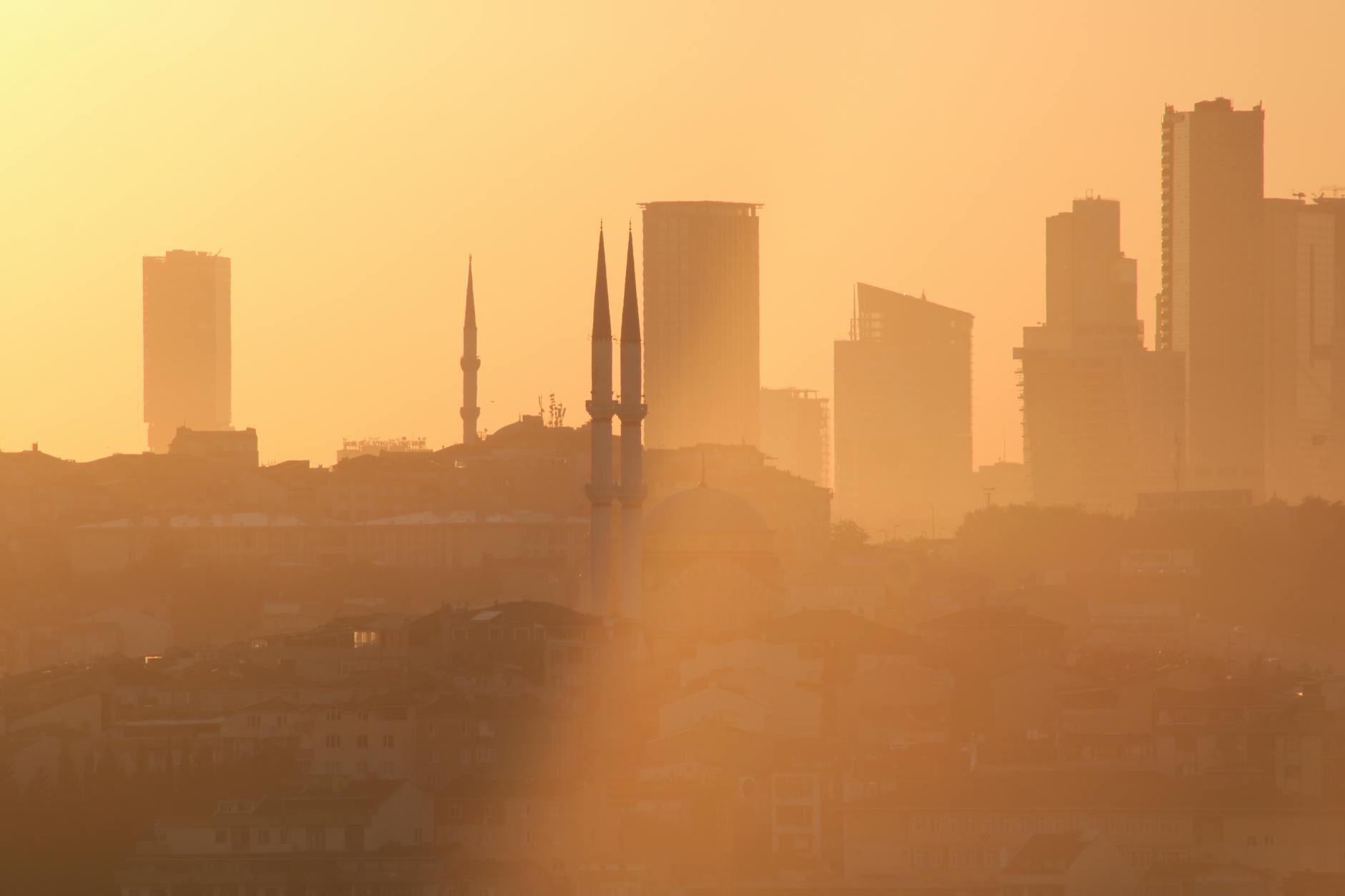
Istanbul is not a city you finish. It is a city you keep crossing.
Start Here
You cross from Europe to Asia by ferry with a glass of tea in your hand. You cross from Byzantine stone to Ottoman tile in the space between Hagia Sophia and the Blue Mosque. You cross from the tourist crowds of Sultanahmet into the gold shops and spice stalls around the Grand Bazaar and Eminönü. You cross the Golden Horn from the old imperial city to Galata, Karaköy, and Beyoğlu, where staircases, cafés, bars, galleries, churches, apartment blocks, hammams, and consulates climb toward İstiklal Caddesi. You cross again to Kadıköy, where Istanbul becomes less monumental and more lived-in: fish markets, bookshops, taverns, Moda sunsets, commuter ferries, street cats, and a younger, more local rhythm.
That movement is the point. Istanbul is not simply “where East meets West,” a phrase so overused that it now explains almost nothing. Istanbul is a water city, a hill city, a trade city, a prayer city, a food city, a migration city, a memory city, and a megacity. It was Byzantium, then Constantinople, then the seat of Ottoman power, and now it is Türkiye’s largest and most magnetic urban organism: historic, difficult, hospitable, crowded, glamorous, melancholic, practical, sacred, commercial, and unfinished.
The first-timer’s mistake is trying to reduce Istanbul to a list: Hagia Sophia, Blue Mosque, Topkapı Palace, Grand Bazaar, Basilica Cistern, Galata Tower, Bosphorus cruise. Those are essential, yes. But the best Istanbul trip is not a museum march. It has room for ferries, tea, meze, morning simit, an evening in Kadıköy, a hammam, a Bosphorus neighborhood, a mosque courtyard at the right hour, a market you did not plan to enter, and at least one afternoon where you stop treating the city as a task and let it become a place.
This guide is designed for travelers who want more than a checklist. It explains where to stay, how the city is laid out, how to use ferries and rail, what to book, what to avoid, how to pace Sultanahmet, when to cross to Asia, how to eat well, how to handle taxis and crowds, how to dress for mosques, and how to experience Istanbul with more patience, appetite, and respect.
Istanbul in one sentence: Istanbul is a layered water-and-hill city where empires, mosques, markets, ferries, food, neighborhoods, and everyday life meet across Europe and Asia, rewarding travelers who plan the logistics but leave room for crossing, wandering, and surprise.
Quick Verdict
| Question | Answer |
|---|---|
| Best for | History, architecture, mosques, palaces, Byzantine and Ottoman heritage, ferries, food, markets, hammams, photography, cats, coffee and tea culture, neighborhoods, nightlife, shopping, design, and travelers who like cities with emotional weight. |
| Not ideal for | Visitors who want quiet streets, easy driving, frictionless taxis, perfect accessibility, short walks on flat ground, low crowds at major landmarks, or a simple one-center city. Istanbul is magnificent, but it is not effortless. |
| Ideal first visit | 4 full days. Three days covers the icons. Five days lets you add Kadıköy, a serious food day, the Bosphorus, a hammam, and a slower neighborhood rhythm. Six or seven days allows Princes’ Islands, a deeper museum day, and more time on both continents. |
| Best months | April to early June and September to November are the sweet spots. July and August can be hot, crowded, and expensive. Winter is atmospheric and better value, but can be wet, windy, and cold enough to surprise visitors. |
| Best first-timer base | Karaköy/Galata for balance; Sultanahmet for monument-first convenience; Cihangir/Beyoğlu for dining, views, and nightlife; Kadıköy for a more local Asian-side base; Nişantaşı for polished shopping and upscale hotels; Beşiktaş/Ortaköy for Bosphorus energy. |
| Biggest planning mistake | Staying in Sultanahmet and never really leaving the old-city tourist circuit. The monuments are essential, but Istanbul’s soul is spread across water, hills, and neighborhoods. |
| One thing to book ahead | A good hammam, popular restaurants, private guides, Bosphorus cruises, peak-season hotels, and major paid attractions whose rules or prices shift. Check official pages for Topkapı, Basilica Cistern, MuseumPass, Hagia Sophia visitor access, and ferry tours before publication.[10][12][13][16] |
| One thing to leave unscheduled | A ferry ride, tea by the Bosphorus, a Kadıköy evening, a meyhane dinner, a market detour, or simply getting lost in backstreets between Galata, Karaköy, Çukurcuma, and Cihangir. |
| Best free or low-cost pleasures | Commuter ferries, mosque courtyards, neighborhood wandering, Gülhane Park, walking the Theodosian land walls in selected sections, watching the sunset from Üsküdar or Moda, simit by the water, and tea almost anywhere. |
| Most important warning | Do not build your trip around taxis. Traffic, bridge crossings, one-way streets, and taxi behavior can ruin the day. Use ferries, trams, metro, Marmaray, walking clusters, and only strategic taxis. |
The Move
Build your first Istanbul trip around one Sultanahmet monument day, one Beyoğlu/Karaköy/Galata day, one Bosphorus-and-neighborhood day, and one Asian-side food-and-ferry day. That structure gives you the icons without trapping you in the most touristed part of the city.
Who Will Love Istanbul?
You will probably love Istanbul if you want:
- A city where major world history is visible in the street plan, skyline, stones, domes, gates, cisterns, and waterfronts.
- A trip where ferries are not just transport but one of the great urban experiences.
- Ottoman mosques, Byzantine mosaics, palaces, hammams, bazaars, tea gardens, and food markets in one dense place.
- A city with both grandeur and everyday texture: imperial courtyards in the morning, taverns and ferries at night.
- A food culture that ranges from street snacks and bakeries to meze, grilled fish, regional Anatolian cooking, kebabs, home-style lokantas, modern Turkish restaurants, and serious desserts.
- Neighborhoods that feel different from one another: Sultanahmet, Balat, Fener, Karaköy, Galata, Cihangir, Nişantaşı, Beşiktaş, Ortaköy, Üsküdar, Kadıköy, Moda, Kuzguncuk, and more.
- A romantic city that is also a working megacity, not a preserved open-air museum.
You may struggle with Istanbul if you want:
- A calm, compact, fully walkable city break.
- Guaranteed peace around major sights.
- Hotels where every area is equally convenient.
- Excellent wheelchair or stroller conditions everywhere.
- An easy driving or taxi experience.
- A city where every interaction around tourist zones feels straightforward.
Istanbul is worth visiting because few cities offer this much depth in one trip. But it asks something from the visitor. It asks you to slow down, dress respectfully in sacred spaces, accept water as part of the route, learn a few Turkish words, and stop assuming that the most famous sights are the whole city.
Istanbul at a Glance
| Practical | Detail |
|---|---|
| Country | Türkiye. “Turkey” remains common in English, but the official international spelling is Türkiye. |
| Language | Turkish. English is widely used in hotels, major attractions, airports, central restaurants, and tourist-facing businesses, but less reliable in taxis, markets, and residential neighborhoods. |
| Currency | Turkish lira, written as TL or TRY. Prices can change quickly because inflation has been significant in recent years. Re-check current fares and ticket prices close to travel. |
| Cards vs cash | Cards are common in hotels, restaurants, museums, shops, malls, and many cafés. Carry cash for small bakeries, markets, tips, taxis, public restrooms, and occasional card-machine failures. |
| Time zone | Türkiye Time, UTC+3 year-round. |
| Main airports | Istanbul Airport (IST) on the European side northwest of the city; Sabiha Gökçen Airport (SAW) on the Asian side southeast of the city. Your best airport depends heavily on where you stay. |
| Entry rules | Visa rules depend on nationality. Türkiye’s official e-Visa portal says e-Visas are for tourism and trade, and travelers should check eligibility by country; the Ministry of Foreign Affairs lists visa-exempt and e-Visa nationalities in detail.[3][4] |
| Passport validity | The official e-Visa portal notes that foreigners wishing to enter Türkiye must carry a passport or equivalent travel document valid at least 60 days beyond the permitted stay period, with possible nationality-specific requirements.[3] Many governments advise more buffer. |
| Electricity | 230V, 50Hz. Type C and F plugs are common. Bring a universal adapter. |
| Tap water | Municipal water is treated, but many residents and visitors prefer bottled or filtered water for drinking. Use bottled/filtered water if you have a sensitive stomach. |
| Emergency number | 112 connects to emergency services; UK travel advice lists 112 for ambulance, fire, and police.[23] |
| Best transit app | Google Maps is useful, but verify transit with official/operator apps and signs when possible. For taxis, BiTaksi can reduce negotiation problems, though app availability and pricing should still be checked locally. |
| Most useful visitor phrase | “Teşekkürler” means “thank you.” “Merhaba” means “hello.” “Kolay gelsin” is a polite, very Turkish thing to say to someone working; roughly, “may it come easy.” |
First-Timer Mistake
A lot of visitors treat Istanbul as if it has one center. It does not. Sultanahmet is the historic monument core, but the city’s practical and emotional center shifts depending on the day: Eminönü for ferries and markets, Karaköy for crossings and cafés, Beyoğlu for nightlife and views, Beşiktaş for local energy, Nişantaşı for shopping, Kadıköy for food and everyday life, Üsküdar for the waterfront and skyline.
2026 Visitor Notes
Visa and Entry Rules Require Nationality-Specific Checking
Do not copy visa advice from an old blog. Türkiye’s e-Visa system is nationality-specific, and the official portal tells travelers to check eligibility by selecting their country/region of travel document.[3] The Ministry of Foreign Affairs also maintains a long country-by-country visa page with exemptions, e-Visa eligibility, and special conditions.[4]
The move: Before publishing or traveling, check the official e-Visa portal, the Turkish MFA visa page, and the traveler’s own government advice. Keep a screenshot or PDF of your entry permission if you need one. Be especially careful if your passport nationality, residence permit, airline routing, or supporting visa status affects eligibility.
Istanbul Now Has Better Airport Rail, But Airport Choice Still Matters
Istanbul Airport (IST) is connected to the city by the M11 metro, with Istanbul Airport’s official transport page listing the Gayrettepe–Istanbul Airport travel time at about 30 minutes.[5] Turkish Airlines also notes the M11 connection, Havaist airport buses to many city points, and IETT bus lines serving the airport.[6]
Sabiha Gökçen (SAW) is not “the small airport near town.” It is far on the Asian side, but it is useful for Kadıköy, Moda, parts of the Asian side, and some budget/domestic routings. SAW’s official site lists the M4 Kadıköy–Sabiha Gökçen Airport metro connection and HAVABUS shuttles to Kadıköy and Taksim.[7][8]
The move: Choose flights with your hotel area in mind. If you land at IST and stay in Sultanahmet, the route is different from staying near Taksim or Nişantaşı. If you land at SAW and stay in Kadıköy, you may be happy; if you land at SAW and stay in Sultanahmet after a long-haul flight, you may not be.
Museum and Monument Pricing Changes Fast
Istanbul attraction pricing has become one of the easiest places for guides to go stale. MuseumPass İstanbul is listed by the official MüzeKart site as valid for 5 days from first use and priced at €105, covering 13 museums attached to the Ministry of Culture and Tourism and National Palaces, with limits such as no validity for night museology after 19:00.[10] MuseumPass Türkiye is listed as valid for 15 days and priced at €165, with one entry per museum and no validity for night museology.[11]
The Basilica Cistern’s official visit page lists daily opening from 09:00 to 22:00, card/İstanbulkart payment for entry, and separate daytime and evening ticket prices.[12] Hagia Sophia’s tourist access has changed since 2024, with foreign cultural visitors directed through a paid visitor-management system; current guides should re-check the official mosque, tourism, and ticketing sources before stating exact access rules.[16][15]
The move: mark all museum-ticket sections as “last checked” and link to official ticket pages. A price in Istanbul can be correct in March and wrong by September.
Safety Framing Should Be Calm, But Not Lazy
Istanbul is a major global city with millions of ordinary visitors. Most travelers have a safe trip using normal big-city caution. That said, official advisories continue to urge caution in Türkiye because of terrorism risk, demonstrations, arbitrary detention concerns, and regional security issues. The U.S. State Department’s April 2026 advisory tells travelers to exercise increased caution, and the UK Foreign Office warns that terrorist attacks are likely to be attempted in Türkiye and that past attacks have occurred in places including Istanbul.[21][22]
The move: Stay alert in crowded transport hubs, major events, nightlife areas, religious sites, markets, and demonstrations. Avoid protests, keep an eye on local news, and know how to leave a crowded area calmly.
How to Understand Istanbul
Istanbul becomes less overwhelming when you stop thinking of it as one city center and start thinking of it as a set of crossings.
There are at least six Istanbuls a visitor will feel:
- The imperial old city: Sultanahmet, Topkapı, Hagia Sophia, the Blue Mosque, the Hippodrome, Basilica Cistern, Gülhane Park, the Archaeological Museums, the Grand Bazaar, Süleymaniye, and the slopes down toward Eminönü.
- The market-and-ferry city: Eminönü, Sirkeci, the Spice Bazaar, the Galata Bridge, Karaköy, commuter ferries, fishermen, pide counters, tea sellers, and the constant churn of people moving across water.
- The European hill city: Galata, Şişhane, Beyoğlu, Cihangir, Çukurcuma, Tophane, İstiklal Caddesi, Pera, consulates, churches, apartments, bars, galleries, music venues, and rooftop views.
- The Bosphorus city: Beşiktaş, Ortaköy, Arnavutköy, Bebek, Emirgan, Rumeli Hisarı, Üsküdar, Kuzguncuk, Beylerbeyi, Çengelköy, waterside palaces, yalı mansions, bridges, tea gardens, and fish restaurants.
- The Asian-side local city: Kadıköy, Moda, Bahariye, Yeldeğirmeni, Üsküdar, the Kadıköy market, ferry docks, taverns, coffee, record shops, residential streets, and a looser everyday pace.
- The outer megacity: skyscraper districts, malls, universities, business parks, suburbs, highways, new metro lines, industrial zones, new housing, and the daily life most short-term visitors barely touch.
Trying to do all six in three days is how people leave exhausted. A better plan gives each day one dominant Istanbul.
Istanbul’s Basic Layout
| Zone | What it means for visitors |
|---|---|
| Sultanahmet / Historic Peninsula | The big first-timer monuments: Hagia Sophia, Blue Mosque, Topkapı, Basilica Cistern, Hippodrome, Gülhane, Archaeological Museums, Grand Bazaar, Süleymaniye nearby. Convenient for sightseeing, but touristy and quieter at night. |
| Eminönü / Sirkeci | Ferry terminals, Spice Bazaar, Galata Bridge, Yeni Cami, fish sandwiches, tram access, and huge crowds. Excellent for movement; intense for sleeping. |
| Karaköy / Galata | Strong first-timer base: near ferries, tram, Galata Bridge, Beyoğlu, restaurants, cafés, nightlife, and routes into Sultanahmet. Can be noisy and hilly. |
| Beyoğlu / Pera / Cihangir | Restaurants, bars, galleries, views, antique shops, cultural institutions, nightlife, and a more urban Istanbul feel. Good for visitors who want evenings outside the hotel. |
| Beşiktaş / Ortaköy | Local energy, ferry links, Bosphorus views, Dolmabahçe nearby, students, breakfast culture, and nightlife. Traffic can be heavy. |
| Nişantaşı / Şişli | Upscale shopping, polished cafés, international restaurants, residential elegance, business hotels, and metro access. Less historic, more comfortable. |
| Üsküdar | Asian-side waterfront, mosques, Maiden’s Tower views, easy ferries, sunset, and a quieter base than Kadıköy. Good for atmosphere, less strong for nightlife. |
| Kadıköy / Moda | Food, bars, cafés, markets, ferries, local life, street art, record shops, seaside walks, and a good repeat-visitor base. More commute time to Sultanahmet monuments. |
| Balat / Fener | Colorful houses, Greek Orthodox and Jewish heritage, cafés, churches, steep streets, photography, and gentrification tension. Better to visit than to use as a first-timer base unless you know what you are choosing. |
| Princes’ Islands | Car-free island day-trip territory: ferries, piney hills, old mansions, beaches in season, bikes/electric vehicles, and a slower pace. Not a substitute for Istanbul proper. |
Istanbul’s Rhythm
Istanbul does not wake, eat, or move like a compact European capital. The day is shaped by prayer times, traffic, ferry schedules, museum openings, school/work commutes, meal rhythms, and weather.
A smart Istanbul day often looks like this:
- Early morning: Mosque courtyards, major monuments, markets, photography, tram-before-crowds.
- Late morning: One serious sight, not three.
- Lunch: Lokanta, pide, kebab, market grazing, or a planned neighborhood meal.
- Afternoon: Ferry crossing, hammam, museum, shopping, neighborhood walk, or hotel pause.
- Sunset: Bosphorus, Galata, Üsküdar, Moda, Süleymaniye terraces, or a rooftop with restraint.
- Evening: Meze, fish, tavern, modern Turkish dinner, Kadıköy bars, Beyoğlu music, or tea and dessert.
Local Logic
Istanbul works by choosing the right crossing. The best route is not always the shortest on the map. Sometimes the answer is tram plus ferry. Sometimes Marmaray. Sometimes walking downhill but not uphill. Sometimes a taxi is useful for the last kilometer; sometimes it is a trap that gets stuck for 40 minutes.
Local logic: If a route crosses a bridge, enters Sultanahmet by road, passes through Beşiktaş traffic, or relies on a taxi at rush hour, assume it can go wrong. Build days by water and rail whenever possible.
Istanbul’s Central Contrasts
Istanbul is interesting because its contradictions are visible:
- Sacred vs commercial: Mosques, prayer, and religious etiquette sit beside markets, hotels, souvenir shops, coffee chains, nightlife, and cruise crowds.
- Imperial vs everyday: Monumental domes and palaces coexist with commuter ferries, delivery scooters, schoolchildren, street vendors, and laundry balconies.
- European vs Asian: The divide is real geographically, but culturally more fluid than cliché suggests. Kadıköy can feel more secular and youthful; Üsküdar more conservative and waterside; Beyoğlu more cosmopolitan; Sultanahmet more ceremonial and tourist-facing.
- Nostalgia vs reinvention: Istanbul sells its Ottoman and Byzantine past while constantly rebuilding, gentrifying, expanding, and rebranding itself.
- Hospitality vs hustle: Many interactions are generous and warm. Some tourist zones are full of pressure sales and overcharging. Both can be true.
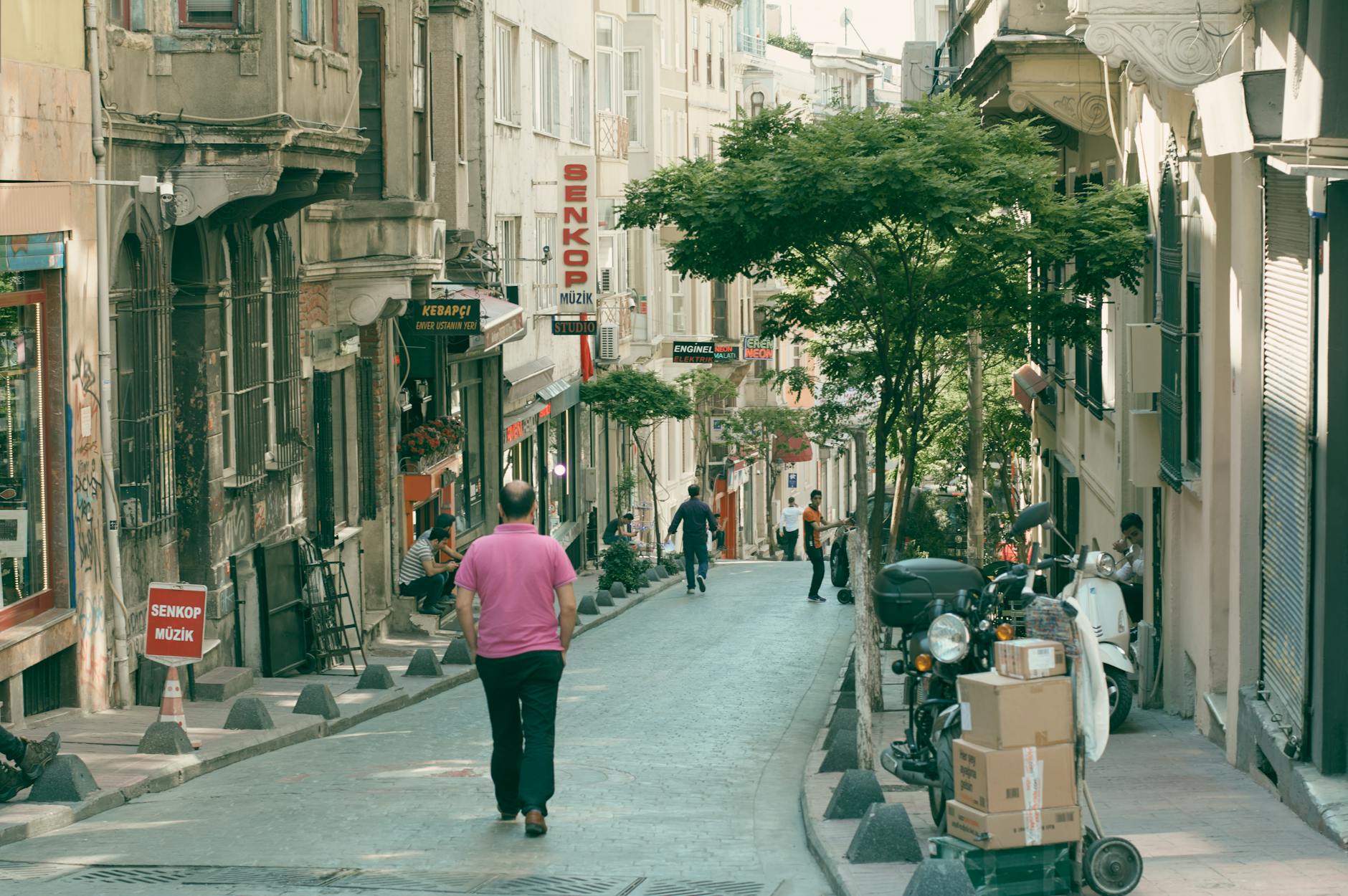
Best Time to Visit Istanbul
The Short Answer
The best overall times to visit Istanbul are April to early June and September to November. Spring brings tulips, long days, and pleasant walking weather. Autumn often brings softer light, cooler evenings, and a more mature city mood. These shoulder seasons are especially good for first-timers because you will do a lot of walking, queueing, and outdoor wandering.
Summer is lively, sunny, and popular, but heat, crowds, cruise traffic, and high hotel prices can blunt the romance. Winter can be beautiful and moody: empty courtyards, steam from tea glasses, gulls over the Bosphorus, and lower hotel rates. But rain, wind, short days, and damp cold can make the city feel more demanding.
Season-by-Season
| Season | What to expect | Best for | Watch out for |
|---|---|---|---|
| Spring: March–May | Tulips, changeable weather, fresh light, gradually warming days. April and May are excellent. | First-timers, photographers, walkers, gardens, outdoor cafés. | Rain showers, busy holidays, chilly evenings early in spring. |
| Summer: June–August | Hotter, sunnier, more crowded, long evenings, busy waterfronts. | Nightlife, rooftops, Bosphorus time, islands, late dinners. | Heat, high prices, cruise crowds, sun exposure, crowded trams and sights. |
| Autumn: September–November | Warm September, beautiful October, cooler November, excellent food and walking weather. | Best all-around city travel, food, neighborhoods, ferries. | Rain increases later; sunset gets earlier. |
| Winter: December–February | Cold, damp, windy, atmospheric, lower hotel prices, occasional snow or sleet. | Museums, hammams, budget travelers, moody photography, fewer crowds. | Short daylight, slippery streets, ferry disruptions in bad weather, cold mosque interiors. |
Month-by-Month Guide
| Month | Verdict |
|---|---|
| January | Quiet, cold, often damp. Good for lower prices, hammams, museums, and travelers who like winter atmosphere. Pack real layers. |
| February | Similar to January, with occasional brighter spells. Romantic in a moody way, not a warm escape. |
| March | Transitional. Some rain and chill, but the city starts to open up. Good value if you are flexible. |
| April | One of the best months. Spring flowers, tulip season, better walking weather, and long enough days. Book ahead around holidays. |
| May | Excellent. Warm but usually not punishing. A strong first-timer month. |
| June | Early summer can be very good, especially the first half. Heat and crowds increase. |
| July | Hot, crowded, lively. Best if you plan around early mornings, ferries, air-conditioned breaks, and evenings. |
| August | Hot and busy, though some locals leave for holidays. Not ideal for heavy sightseeing unless you tolerate heat well. |
| September | Excellent. Warm, active, and good for both Bosphorus and neighborhood wandering. |
| October | Possibly the most balanced month: comfortable, atmospheric, and ideal for long walks. |
| November | Cooler and wetter, but still very worthwhile. Good for food, museums, and lower crowds. |
| December | Festive in some districts, cold and damp overall. Good hotels may be better value. New Year can raise prices. |
Rain Plan
Istanbul is unusually good in bad weather if you pivot correctly. Use rain for the Archaeological Museums, Turkish and Islamic Arts Museum, Pera Museum, Istanbul Modern, SALT, shopping arcades, hammams, long lunches, lokantas, cafés, and covered markets. Save exposed Bosphorus walks and rooftop plans for clearer windows.
How Many Days You Need
The Honest Answer
You can see Istanbul’s top icons in two days. You cannot understand Istanbul in two days.
| Trip length | What it allows |
|---|---|
| 1 day | A rushed Sultanahmet highlights day: Hagia Sophia exterior/interior access as available, Blue Mosque, Basilica Cistern, Hippodrome, maybe Grand Bazaar. Worth doing on a layover, but not enough. |
| 2 days | One old-city day and one Galata/Beyoğlu or Bosphorus day. You will still miss the Asian side unless you make it a fast evening. |
| 3 days | The minimum satisfying first visit: Sultanahmet, Beyoğlu/Karaköy/Galata, and Kadıköy or Bosphorus. |
| 4 days | The ideal first-timer length. You can pace the monuments, add a ferry, a serious food day, a hammam, and one quieter neighborhood. |
| 5 days | Excellent. Adds space for Princes’ Islands, Balat/Fener, Dolmabahçe, Üsküdar, or a dedicated museum/shopping day. |
| 6–7 days | Best for deeper travelers: both sides, Bosphorus villages, islands, multiple food neighborhoods, museums, hammams, and slower evenings. |
| Longer | Good for remote workers, history obsessives, food travelers, and people who like settling into neighborhoods. Istanbul has enough depth for weeks. |
The Move
Do not spend your whole first day inside big-ticket sights if you arrive tired. Start with a low-stakes orientation: a ferry, a short Karaköy/Galata walk, tea by the water, or a gentle Sultanahmet exterior loop. Save Topkapı or a heavy museum for a fresher morning.
Where to Stay in Istanbul
The Short Answer
For most first-time visitors, the best overall base is Karaköy/Galata or the lower Beyoğlu area because it balances old-city access, ferries, restaurants, nightlife, and atmosphere. Stay in Sultanahmet if your top priority is walking to the major monuments. Stay in Kadıköy/Moda if you want local life, food, and ferries more than instant access to the icons. Stay in Nişantaşı if you want comfort, shopping, polished restaurants, and upscale hotels.
Neighborhood Decision Tree
- Want the easiest walk to Hagia Sophia, Blue Mosque, Topkapı, and Basilica Cistern? Stay in Sultanahmet.
- Want the best first-timer balance? Stay in Karaköy, Galata, or lower Beyoğlu.
- Want nightlife, bars, and restaurants nearby? Stay in Beyoğlu, Cihangir, Galata, Karaköy, or Kadıköy.
- Want a more local, food-heavy base? Stay in Kadıköy/Moda.
- Want upscale shopping and comfortable hotels? Stay in Nişantaşı.
- Want Bosphorus views and a more residential waterside feel? Consider Beşiktaş, Ortaköy, Arnavutköy, or Üsküdar, but check transit carefully.
- Want the cheapest central lodging? Look at parts of Fatih, Aksaray, Laleli, Tarlabaşı edges, or budget pockets around Beyoğlu, but research street-by-street.
- Have mobility concerns? Be careful with Galata, Cihangir, Balat, Fener, and many old-city streets because hills, cobbles, stairs, and uneven sidewalks can be serious.
Best Areas for First-Timers
Sultanahmet
Best for: Monument-first travelers, short stays, families who want to minimize morning transport, and anyone who wants Hagia Sophia/Blue Mosque/Topkapı at their doorstep.
Vibe: Historic, beautiful, touristy, calmer at night than many expect.
Why stay here: You can wake early and reach major sights before the worst crowds. This is especially useful if your trip is only two or three days.
Why not: Restaurants are often weaker value, nightlife is limited, the area can feel tourist-saturated, and you may leave with an incomplete sense of Istanbul if you do not cross the water.
Perfect day from here: Early Blue Mosque courtyard, Hagia Sophia visitor access or exterior, Basilica Cistern, lunch away from the main square, Topkapı Palace in the afternoon, then tram/ferry to Karaköy or Kadıköy for dinner.
Karaköy / Galata
Best for: First-timers who want a balanced base, couples, food-focused visitors, nightlife, ferry users, and people who like walking between districts.
Vibe: Waterfront crossings, cafés, old banks, galleries, hotels, bars, hills, the Galata Tower, and constant movement.
Why stay here: You can cross to Sultanahmet by tram or bridge, go up to Beyoğlu, catch ferries, eat well, and return to an area that still has evening life.
Why not: Some streets are noisy, hills are real, and hotel quality varies. Check whether your room faces a bar street or tram/road.
Perfect day from here: Coffee in Karaköy, walk Galata backstreets, climb or view Galata Tower, lunch near Şişhane, museum/gallery time, sunset from a rooftop or ferry, dinner in Karaköy or Cihangir.
Beyoğlu / Pera / Cihangir
Best for: Restaurants, bars, galleries, nightlife, long-stay visitors, repeat visitors, and travelers who want Istanbul after dark.
Vibe: Historic apartments, consulates, churches, art spaces, steep streets, antique shops, cafés, music, and a more cosmopolitan urban feel.
Why stay here: You get strong evening options and easy access to Galata/Karaköy. Cihangir and Çukurcuma are especially good for slow wandering.
Why not: İstiklal Caddesi itself can be crowded and commercial. Some side streets near nightlife zones are loud. Hills can punish luggage and knees.
Perfect day from here: Pera Museum or SALT, lunch in a neighborhood spot, Çukurcuma antique shops, Cihangir cafés, tram/ferry to Sultanahmet or Kadıköy, then back for meze or cocktails.
Kadıköy / Moda
Best for: Food lovers, repeat visitors, younger travelers, nightlife without the Sultanahmet tourist layer, Asian-side curiosity, and people who love ferries.
Vibe: Local, lively, secular-feeling, market-driven, café-heavy, bar-friendly, residential, creative.
Why stay here: Kadıköy is one of the best places to eat and wander in Istanbul. Ferries make the commute beautiful, not merely functional.
Why not: It adds travel time to the major old-city monuments. If your trip is only two days and you have never been, Kadıköy is better as an evening than a base.
Perfect day from here: Morning ferry to Eminönü/Sultanahmet, monuments or market time, return by ferry before sunset, Kadıköy market, Moda seaside walk, meyhane dinner.
Nişantaşı / Şişli
Best for: Upscale hotels, shopping, polished cafés, medical travelers, business travelers, and visitors who want comfort over historic romance.
Vibe: Elegant apartments, boutiques, malls, restaurants, and less tourist intensity.
Why stay here: Comfortable lodging, good shopping, strong restaurant options, and metro access.
Why not: You are not waking up inside the postcard Istanbul. The area is less atmospheric for a first-time history trip.
Perfect day from here: Brunch, shopping, metro to old-city or Taksim/Karaköy route, hammam or museum, dinner in Nişantaşı or Beyoğlu.
Beşiktaş / Ortaköy / Bosphorus Pockets
Best for: Bosphorus views, breakfast culture, local nightlife, palace access, waterside walks, and travelers who accept traffic tradeoffs.
Vibe: Busy, youthful, waterside, loud in parts, scenic near the Bosphorus, deeply local around Beşiktaş.
Why stay here: Great energy and access to Dolmabahçe, ferries, Ortaköy, and Bosphorus neighborhoods.
Why not: Road traffic can be brutal, and metro/tram convenience varies. Do not choose a romantic Bosphorus hotel without checking exactly how you will move around.
Common Booking Mistakes
- Booking a cheap hotel “near Istanbul” that is actually far from any useful transit.
- Staying in Sultanahmet for five nights and eating mediocre tourist-zone dinners every night.
- Booking Galata/Cihangir without noticing the hill between the hotel and the nearest transit.
- Choosing a Bosphorus-view hotel that requires taxis for everything.
- Assuming “Taksim” always means convenient and pleasant. It depends on the exact street.
- Ignoring noise. Istanbul nightlife streets can stay loud very late.
- Ignoring elevators. Older buildings may have stairs, tiny lifts, or awkward luggage access.
- Choosing SAW flights while staying in the far European side, or IST flights while staying deep on the Asian side, without planning the transfer.
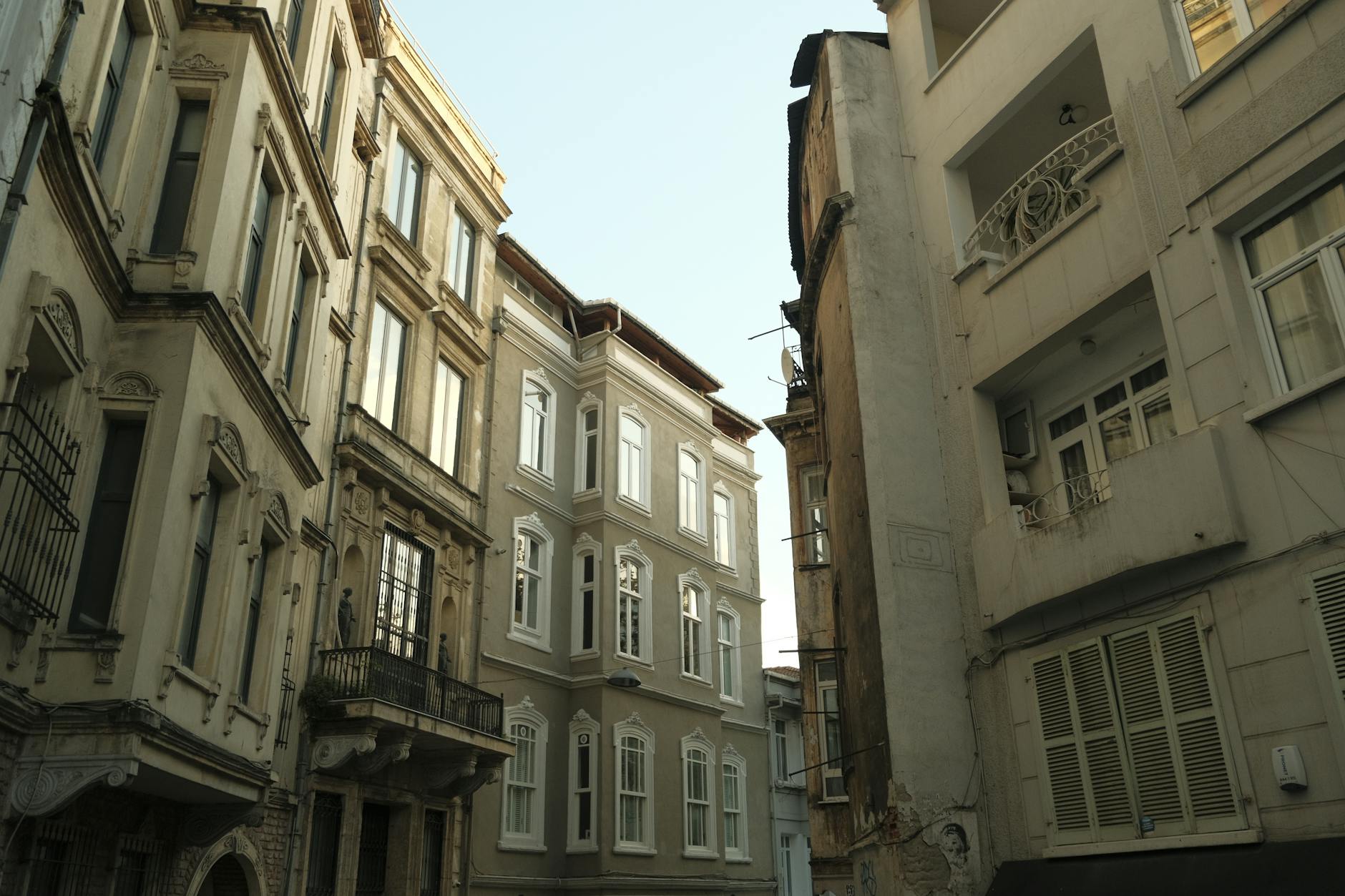
Neighborhood Guide
Sultanahmet and the Historic Core
Sultanahmet is where Istanbul becomes visibly imperial. Within a short walk you have Hagia Sophia, the Blue Mosque, the Hippodrome, Topkapı Palace, Basilica Cistern, Gülhane Park, and the Archaeological Museums. It is spectacular, but it is also the highest-density tourist zone in the city.
Best time: Early morning for mosque exteriors and courtyards; late afternoon for softer light. Midday can be congested.
How long: One full day for the big hits; two days if you want Topkapı, museums, and slower pacing.
Pair it with: Süleymaniye, Grand Bazaar, Spice Bazaar, Eminönü, or a ferry from Sirkeci/Eminönü.
Skip if: You only have an evening and expect local nightlife. Sultanahmet is more about day sights.
One perfect walk: Start at the Hippodrome, circle the Blue Mosque exterior, cross toward Hagia Sophia, visit or view Hagia Sophia according to current access rules, descend into Basilica Cistern, pause in Gülhane Park, then continue to Topkapı or the Archaeological Museums. End by tram/ferry to Karaköy for dinner.
Eminönü and Sirkeci
Eminönü is not polished; it is kinetic. Ferries, buses, tram stops, spice shops, food counters, fishermen, commuters, hawkers, and visitors all collide around the water. It is one of the best places to understand Istanbul as movement.
Best for: Ferries, Spice Bazaar, Yeni Cami, Galata Bridge, public Bosphorus tours, and market energy.
Best time: Morning for markets; late afternoon for ferries and bridge light.
Common mistake: Eating only at the most obvious waterfront tourist spots. Walk a few streets back or use the area as a transit-and-snack zone.
One perfect walk: Start at the Spice Bazaar, step into Yeni Cami’s courtyard, walk the Galata Bridge, watch the fishermen, cross into Karaköy, then climb toward Galata or catch a ferry.
Grand Bazaar, Beyazıt, and Süleymaniye
This area is too often reduced to shopping. The Grand Bazaar is a historical commercial organism, but the surrounding streets are just as important: hans, workshops, tea counters, book streets, mosque complexes, and views from Süleymaniye.
Best for: Bazaar history, textiles, ceramics, jewelry, leather, mosque architecture, and layered old-city wandering.
Best time: Morning or early afternoon. Late-day energy can be good, but do not arrive close to closing expecting a relaxed browse.
The move: Treat the Grand Bazaar as one part of a broader walk, not the whole plan. Pair it with Süleymaniye Mosque and a terrace lunch nearby.
First-timer mistake: Thinking everything inside the Bazaar is a bargain. It is an atmospheric marketplace, not a guaranteed discount machine.
Karaköy
Karaköy is a crossing point with style: ferries, tram, cafés, hotels, old commercial buildings, cruise-ship effects, galleries, and backstreets that still hold traces of a port neighborhood.
Best for: First-timer base, cafés, restaurants, ferries, Galata Bridge, Istanbul Modern, and access to both Sultanahmet and Beyoğlu.
Best time: Morning for cafés and waterfront; evening for restaurants and bars.
Watch out for: Cruise-day crowds and streets that can feel more designed for visitors than locals in certain pockets.
One perfect walk: Coffee in Karaköy, Istanbul Modern or waterfront stroll, Galata Bridge views, climb to Galata Tower by side streets, continue to Şişhane or Cihangir.
Galata and Şişhane
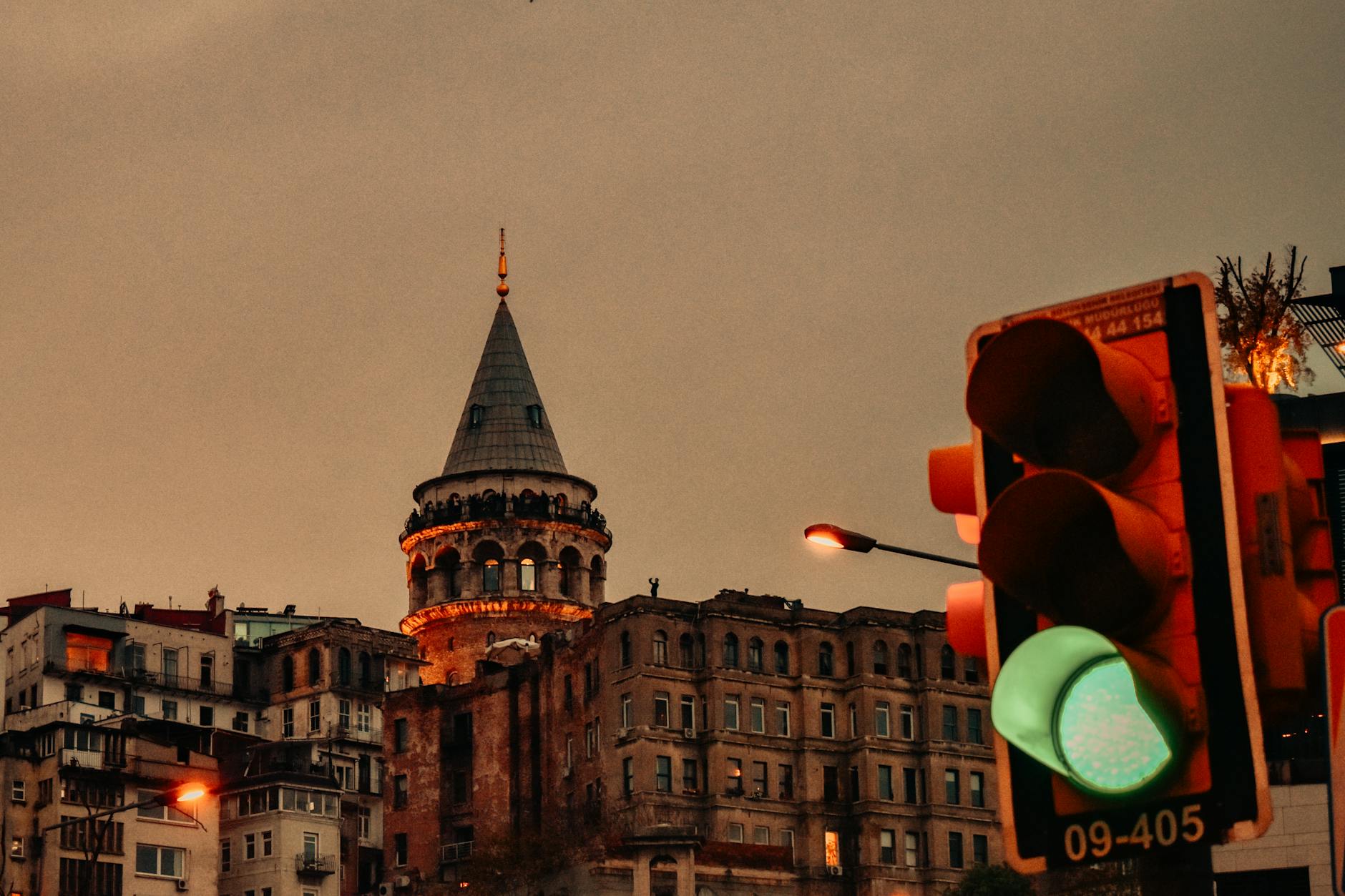
Galata is one of Istanbul’s strongest view neighborhoods. The tower anchors the area, but the real pleasure is in the slopes, stairways, shops, apartments, music shops, cafés, and glimpses of water.
Best for: Views, boutique hotels, cafés, walking routes, and linking Karaköy with Beyoğlu.
Best time: Early morning for fewer crowds near Galata Tower; late afternoon for light.
Accessibility note: Hills and cobbles are serious. Choose hotel location carefully.
Worth it? Galata Tower’s view is iconic, but lines and pricing matter. Consider whether a rooftop or bridge view gives you enough if you are short on time. The official MüzeKart page notes day-entry limits and MuseumPass restrictions around night museology, so check current rules before planning around the tower.[10][14]
Beyoğlu, Pera, Cihangir, and Çukurcuma
This is Istanbul’s 19th- and 20th-century cosmopolitan layer: embassies, churches, apartments, arcades, cinemas, galleries, bars, antique shops, and hillside cafés. İstiklal Caddesi can be crowded and commercial, but the side streets still reward patience.
Best for: Culture, nightlife, restaurants, galleries, antique shops, and long wandering.
Best time: Late morning through night. Early morning can feel sleepy.
The move: Use İstiklal as a spine, not a destination. Duck into arcades, side streets, churches, and museums.
One perfect walk: Start at Tünel/Şişhane, visit Pera Museum or SALT, walk side streets toward Galatasaray, drop into Çukurcuma for antiques and cafés, then end in Cihangir for sunset or dinner.
Beşiktaş
Beşiktaş is loud, young, crowded, useful, and alive. It is one of the best central areas for breakfast, ferries, football energy, local restaurants, and access to Dolmabahçe.
Best for: Local energy, ferry connections, breakfast streets, students, bars, and Dolmabahçe Palace.
Best time: Late morning for breakfast/brunch; evening for local nightlife.
Watch out for: Traffic and crowds, especially around match days.
Ortaköy
Ortaköy is photogenic for a reason: the mosque, the bridge, the water, and the baked-potato stalls create one of Istanbul’s most recognizable Bosphorus scenes.
Best for: Waterfront photos, mosque exterior, Bosphorus bridge view, casual snacking, and a short stop.
Best time: Late afternoon or evening.
Skip if: You hate crowds and only have a tight trip. Ortaköy is scenic, but not essential if you are already doing a Bosphorus cruise.
Üsküdar
Üsküdar is one of the best places to feel Istanbul’s skyline from the other side. It is calmer than Kadıköy, more conservative in parts, rich in mosque architecture, and excellent for sunset.
Best for: Maiden’s Tower views, waterfront walks, mosques, tea, skyline photography, and a quieter Asian-side taste.
Best time: Sunset.
One perfect walk: Ferry to Üsküdar, visit Mihrimah Sultan Mosque or waterfront mosques respectfully, walk along the shore toward Salacak, watch the old-city skyline, then return by ferry or Marmaray.
Kadıköy and Moda
Kadıköy is where many visitors realize they like Istanbul even more than they thought. It is less monumental and more immediate: food markets, bookstores, bars, cafés, street art, taverns, ferries, and Moda’s seaside paths.
Best for: Food, nightlife, local life, cafés, ferries, music, repeat visitors, and a break from old-city tourism.
Best time: Late afternoon into evening.
The move: Arrive by ferry, not by taxi. The approach is part of the experience.
One perfect walk: Ferry into Kadıköy, explore the market streets, snack or stop for coffee, walk to Moda, continue to the seaside at golden hour, then return for meze or a casual dinner.
Balat and Fener
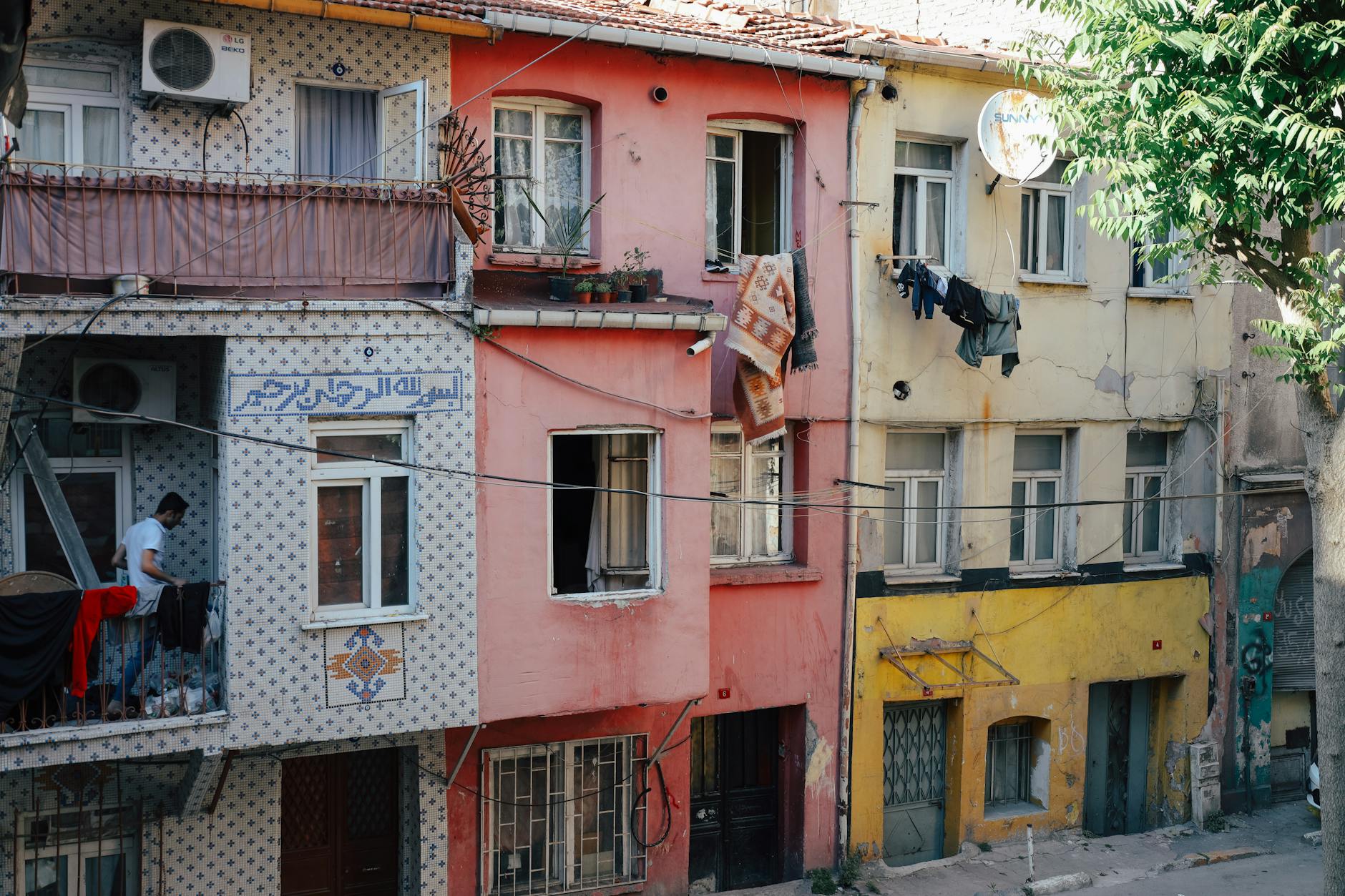
Balat and Fener have become Instagram shorthand, but they are more complicated than colorful houses. This area has Greek Orthodox, Jewish, Armenian, and Ottoman layers, steep streets, churches, synagogues, schools, cafés, restoration projects, and gentrification pressure.
Best for: Heritage, photography, cafés, layered urban history, and second-time visitors.
Best time: Morning or late afternoon.
Respect note: People live here. Do not photograph doorways, laundry, children, or residents as props.
The move: Pair Balat/Fener with Chora/Kariye if open/currently accessible, the land walls, or a Golden Horn ferry plan, not with a rushed Sultanahmet day.
Bosphorus Villages
The Bosphorus is not just a cruise backdrop. It is a chain of neighborhoods with palaces, mosques, mansions, seafood restaurants, tea gardens, ferry piers, and strong local identities.
Good stops: Beşiktaş, Ortaköy, Arnavutköy, Bebek, Emirgan, Rumeli Hisarı, Üsküdar, Kuzguncuk, Beylerbeyi, Çengelköy.
Best for: Slow travel, views, romantic walks, photography, tea, and a break from dense sightseeing.
The move: Pick one Bosphorus side and a few linked stops. Do not hop both shores chaotically unless the ferry route supports it.
Best Things to Do
The Essential First-Timer List
If you have never been to Istanbul, prioritize these:
- Hagia Sophia and the surrounding Sultanahmet core.
- Blue Mosque.
- Topkapı Palace.
- Basilica Cistern.
- Grand Bazaar and/or Spice Bazaar.
- Süleymaniye Mosque.
- Galata/Karaköy/Beyoğlu walk.
- At least one ferry crossing.
- Kadıköy or Üsküdar on the Asian side.
- Bosphorus cruise or self-guided Bosphorus ferry/waterfront day.
- A hammam.
- A serious Turkish breakfast, meze dinner, or food crawl.
Hagia Sophia
What it is: One of the world’s most important buildings: Byzantine cathedral, Ottoman mosque, museum in the republican period, and mosque again since 2020.
Why it matters: Hagia Sophia holds nearly 1,500 years of political, religious, architectural, and symbolic history. It is not just a sight; it is a layered argument about empire, faith, heritage, sovereignty, and memory.
Visitor reality: Access rules changed in 2024, with paid tourist access separated from worship access. Foreign cultural visitors have been directed through a visitor-management system, often focused on upper-gallery access, while worship access follows mosque rules. Because details can change, a guide should check the official mosque site, official tourism pages, and current ticketing information immediately before publication.[15][16]
Dress: Modest clothing. Shoulders and knees covered; women should carry a scarf. Remove shoes where required in prayer areas.
Best time: Early morning or late afternoon. Avoid Friday prayer windows unless you are attending prayer and understand mosque etiquette.
Worth it? Yes, but manage expectations. The visit is not the same as the old museum experience. If you care deeply about Byzantine mosaics, verify exactly which galleries and views are accessible at the time of your visit.
Blue Mosque / Sultan Ahmed Mosque
What it is: A functioning early 17th-century Ottoman mosque facing Hagia Sophia, famous for its domes, six minarets, and İznik tiles. GoTürkiye describes it as one of Istanbul’s main attractions and an active place of worship.[17]
Why it matters: It is one of the defining works of classical Ottoman mosque architecture and one of the most powerful urban pairings in the world when seen opposite Hagia Sophia.
How long: 30–45 minutes for most visitors, longer if you sit quietly outside prayer times.
Dress and etiquette: Cover shoulders and knees. Women should cover hair. Remove shoes where instructed. Do not enter tourist areas during prayer closures; never photograph worshippers intrusively.
Worth it? Yes, especially early or late. The courtyard and exterior relationship with Hagia Sophia are as important as the interior.
Topkapı Palace
What it is: The Ottoman imperial palace complex used for centuries by sultans and court officials, now a museum complex with courtyards, treasury, sacred relics, kitchens, pavilions, and the Harem section.
Why it matters: Topkapı explains Ottoman power better than almost any single site in the city. It is not one palace room; it is a political and ceremonial world.
How long: 3 hours minimum; 4–5 if you include the Harem and move slowly.
Best time: Opening time. Lines and security checks grow.
Ticket note: Topkapı is managed under Türkiye’s National Palaces system; check the official National Palaces site for current ticketing, hours, closure days, and whether combined tickets include Harem and Hagia Irene.[13]
Common mistake: Visiting after Hagia Sophia, Blue Mosque, and Basilica Cistern in the same morning. Topkapı deserves fresh legs.
Basilica Cistern
What it is: A 6th-century underground Byzantine cistern with columns, water, lighting, art installations, and the famous Medusa-head column bases.
Why it matters: It reveals the hidden engineering of Constantinople and provides a completely different atmosphere from the mosque-and-palace circuit.
Current practical note: The official Basilica Cistern visitor page lists daily opening 09:00–22:00, card/İstanbulkart payment for entry, daytime and evening ticket categories, and warns visitors to buy through official counters or Passo rather than unauthorized vendors.[12]
How long: 30–60 minutes.
Best time: Early, late, or evening if pricing and hours make sense for your trip.
Worth it? Yes. It is touristy, but genuinely memorable.
Grand Bazaar
What it is: One of the world’s great covered markets, with centuries of commercial history and thousands of shops in and around the covered core.
Why it matters: The Bazaar is a living commercial system, even if much of what visitors see is tourism-driven.
How to do it well: Enter without a rigid shopping goal. Look at architecture, gates, courtyards, hans, tea delivery, workshop streets, and surrounding neighborhoods. Bargain politely. Do not buy expensive carpets, jewelry, or antiques without serious research.
Worth it? Yes, if treated as urban history and spectacle. No, if you expect every shop to be authentic or cheap.
Spice Bazaar and Eminönü Markets
What it is: A historic market zone around spices, sweets, nuts, tea, cheese, coffee, household goods, and ferry traffic.
Best for: Food gifts, snacks, photos, and pairing with Eminönü ferries.
The move: The streets around the Spice Bazaar can be as interesting as the bazaar itself. Use it as a starting point for a ferry or Galata Bridge walk.
Süleymaniye Mosque
What it is: A masterpiece by Mimar Sinan, built for Sultan Süleyman the Magnificent, set above the Golden Horn.
Why it matters: For many visitors, Süleymaniye is more moving than the Blue Mosque because it feels calmer, more spacious, and more integrated into its hilltop complex.
How long: 45–90 minutes, plus time for views and nearby streets.
Best time: Late afternoon for light over the Golden Horn.
Worth it? Absolutely. It is one of Istanbul’s highest-reward sights.
Galata Tower
What it is: A medieval stone tower and one of Istanbul’s most recognizable silhouettes, now a museum/viewpoint.
Visitor note: Official MüzeKart/MuseumPass guidance includes restrictions around MuseumPass use and night museology; check current hours, price, and pass validity before promising it as a simple included attraction.[10][14]
Worth it? Worth it for view-lovers and first-timers who do not mind lines/pricing. Skippable if you are content with rooftop, ferry, bridge, or Süleymaniye views.
Bosphorus Cruise or Public Ferry Ride
What it is: The essential Istanbul water experience, either as an official Şehir Hatları Bosphorus tour, a private cruise, or a DIY ferry sequence.
Official ferry note: Şehir Hatları publishes official Bosphorus tour timetables and price tariffs, including long and short Bosphorus tours.[19][20]
Best for: Orientation, photography, resting your legs, and understanding why the Bosphorus defines the city.
The move: If you dislike packaged cruises, take regular ferries: Eminönü–Kadıköy, Karaköy–Kadıköy, Beşiktaş–Üsküdar, or a Bosphorus-line journey. A commuter ferry with tea can be better than a bad “tour.”
Turkish Hammam
What it is: A bathhouse ritual involving heat, washing, exfoliation, foam, and relaxation. Some hammams are historic and tourist-facing; others are local and plain.
Best for: A reset after long travel, winter days, rainy afternoons, couples, solo travelers, and anyone who wants a physical memory of the city.
Book ahead: Famous historic hammams and hotel spas can sell out in peak season.
Etiquette: Understand what is included, whether service is gender-separated or mixed, what level of undress is expected, and whether tipping is normal.
Worth it? Yes, at least once, if you choose the right style for your comfort level.
Istanbul Modern and Contemporary Culture
What it is: Istanbul’s contemporary art and design layer, with Istanbul Modern, galleries, SALT, Pera Museum, Arter, and smaller spaces spread across Karaköy, Beyoğlu, Dolapdere, and beyond.
Why it matters: Istanbul is not only imperial nostalgia. Its modern art and design scene helps balance the monuments.
Best for: Rainy days, repeat visitors, design travelers, and anyone who needs a break from domes and crowds.
Princes’ Islands
What it is: A ferry-accessible island group in the Sea of Marmara, known for car-free streets, old mansions, piney hills, seasonal beaches, and slower pace.
Best for: A 5+ day trip, summer escape, architecture, and a break from city intensity.
Watch out for: Crowds in high season, long ferry rides, hot hills, and limited time if you try to fit it into a short trip.
Worth it? Excellent with enough time. Not essential for a 3-day first visit.
Istanbul Itineraries
One Perfect Day in Istanbul
This is a hard ask, but possible if you accept that you are getting a taste.
Morning: Start early in Sultanahmet. See the Blue Mosque exterior/interior outside prayer closures, Hagia Sophia according to current visitor rules, and the Hippodrome. Visit Basilica Cistern if lines are manageable.
Lunch: Move away from the most obvious tourist strip. Choose a lokanta, pide place, or simple grill rather than a view restaurant with a laminated menu.
Afternoon: Visit Süleymaniye Mosque and walk toward the Grand Bazaar or Spice Bazaar. Keep it atmospheric rather than shopping-heavy.
Sunset: Cross Galata Bridge or take a ferry to Kadıköy/Üsküdar. If you have never taken the ferry, do that instead of another museum.
Evening: Dinner in Karaköy, Beyoğlu, or Kadıköy. End with tea, baklava, or a short Bosphorus-side walk.
What to cut if tired: Grand Bazaar shopping. Keep the ferry.
Two Days in Istanbul
Day 1: Imperial Istanbul
- Early Blue Mosque and Hagia Sophia zone.
- Basilica Cistern.
- Topkapı Palace or Archaeological Museums, not both unless you are fast.
- Gülhane Park pause.
- Dinner outside Sultanahmet: Karaköy, Cihangir, or Kadıköy.
Day 2: Crossings and Neighborhoods
- Morning Süleymaniye and Grand Bazaar/Spice Bazaar.
- Walk or tram to Eminönü.
- Ferry to Kadıköy or Üsküdar.
- Asian-side market/waterfront evening.
- Return by ferry for skyline views.
Three Days in Istanbul
Day 1: Sultanahmet Done Properly
Hagia Sophia, Blue Mosque, Basilica Cistern, Topkapı Palace, Gülhane. Do not add Galata Tower this day unless you are very energetic.
Day 2: Bazaar, Süleymaniye, Karaköy, Galata, Beyoğlu
Start at Grand Bazaar or Süleymaniye. Descend toward Eminönü, cross Galata Bridge, explore Karaköy and Galata, then Beyoğlu/Cihangir for dinner.
Day 3: The Water City
Take a Bosphorus ferry/cruise or build a DIY water day: Beşiktaş, Ortaköy, Üsküdar, Kadıköy, Moda. End on the Asian side.
Four Days in Istanbul
Add a slower, richer day:
- Morning hammam or museum.
- Balat/Fener walk with respect for residential life, or Dolmabahçe plus Beşiktaş.
- Late afternoon Üsküdar sunset.
- Meze dinner.
Five Days in Istanbul
Use the fifth day for one of these:
- Princes’ Islands.
- Deep Bosphorus villages.
- Chora/Kariye and land walls, if accessible and aligned with current status.
- Contemporary art and design day.
- Food-focused Kadıköy, Kuzguncuk, and Üsküdar day.
One Week in Istanbul
A strong week looks like:
- Sultanahmet essentials.
- Bazaar/Süleymaniye/Eminönü/Karaköy.
- Beyoğlu/Galata/Cihangir/culture.
- Kadıköy/Moda/Asian-side food.
- Bosphorus villages and Üsküdar.
- Princes’ Islands or land walls/Balat/Fener.
- Hammam, shopping, museum, and open day.
Itineraries by Traveler Type
Food Lover
- Kadıköy market and Moda.
- Meze dinner in Beyoğlu/Kadiköy.
- Breakfast in Beşiktaş or Van-style breakfast venue.
- Spice Bazaar and nearby food streets.
- Baklava, sütlaç, Turkish coffee, tea gardens.
- A regional Turkish restaurant rather than only kebab.
History Obsessive
- Hagia Sophia, Blue Mosque, Hippodrome, Basilica Cistern.
- Topkapı Palace and Harem.
- Archaeological Museums.
- Süleymaniye and smaller Sinan mosques.
- Chora/Kariye if accessible.
- Land walls.
- Pera/Beyoğlu 19th-century layer.
- Ottoman palaces on the Bosphorus.
Romantic Trip
- Karaköy/Galata or Bosphorus-view hotel.
- Ferry at sunset.
- Hammam.
- Meze dinner.
- Üsküdar skyline.
- Bosphorus walk in Ortaköy/Arnavutköy.
- Rooftop drink only if the place is genuinely good, not just expensive.
Family Trip
- Stay near tram/ferry or in a comfortable hotel with easy transport.
- Do one major sight per morning.
- Build in Gülhane Park, ferries, aquarium/museum options, islands in season, and easy meals.
- Avoid long bazaar sessions with tired children.
- Watch stroller access: hills, cobbles, stairs, and tram crowds matter.
Rainy-Day Trip
- Basilica Cistern.
- Archaeological Museums.
- Turkish and Islamic Arts Museum.
- Pera Museum/SALT/Istanbul Modern.
- Grand Bazaar.
- Hammam.
- Long lunch and dessert.
Food and Drink
Istanbul’s Food Identity
Istanbul eats like a capital, port, empire, migration hub, and modern megacity all at once. It is not only kebab, and it is not only Ottoman palace cuisine. It is bakeries, simit carts, breakfast spreads, fish sandwiches, meze, grilled meats, offal, börek, pide, lahmacun, döner, regional Anatolian restaurants, Black Sea dishes, Syrian and Arab influences, Balkan traces, Armenian and Greek legacies, Jewish and Levantine histories, modern Turkish tasting menus, dessert shops, tea gardens, third-wave coffee, and late-night street food.
A good Istanbul food trip should include both casual and seated meals. Do not spend every dinner chasing a view. Some of the best food will be in unglamorous dining rooms, market streets, bakeries, and local lokantas.
What to Eat
| Dish / drink | What it is | How to approach it |
|---|---|---|
| Simit | Sesame-crusted bread ring. | Best as breakfast or ferry snack with tea. Buy fresh, not stale. |
| Menemen | Eggs scrambled with tomato, peppers, and spices. | Good breakfast/brunch dish. Debates about onion are real. |
| Turkish breakfast | Cheese, olives, tomatoes, eggs, bread, jams, honey, kaymak, tea. | Great once. Do not schedule a giant breakfast before heavy sightseeing. |
| Börek | Layered pastry with cheese, meat, potato, or greens. | Good quick breakfast/lunch. |
| Lahmacun | Thin flatbread with minced meat and herbs. | Add parsley/lemon, roll it, eat hot. |
| Pide | Boat-shaped baked flatbread with fillings. | Easy crowd-pleaser for families. |
| Döner | Rotisserie meat, served in bread, dürüm, or plate. | Quality varies wildly. Choose busy places with turnover. |
| Köfte | Grilled meatballs. | Simple and satisfying; good for kids. |
| Meze | Small plates served with rakı, wine, or long dinners. | Do at least one proper meyhane meal. Ask prices for fish and specials. |
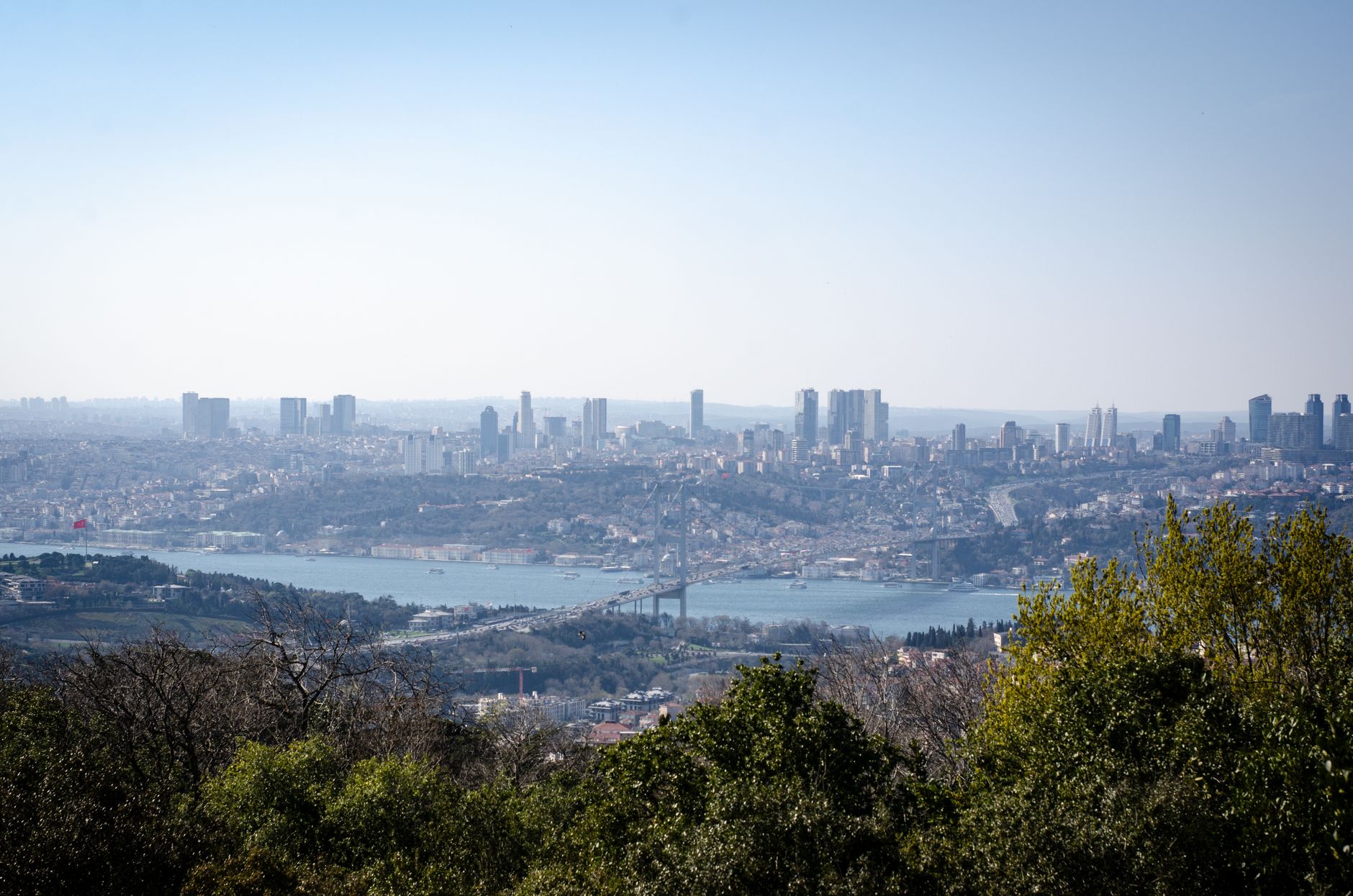
| Balık ekmek | Fish sandwich, often around Eminönü/Karaköy. | Tourist classic; quality varies. Treat it as a snack, not the city’s best seafood. |
| Midye dolma | Stuffed mussels with spiced rice. | Popular street snack; be selective about hygiene and freshness. |
| Kokoreç | Grilled seasoned offal sandwich. | Late-night classic for adventurous eaters. |
| Kumpir | Stuffed baked potato, famous in Ortaköy. | Fun, filling, not subtle. Share if snacking. |
| Baklava | Layered pastry with nuts and syrup. | Try pistachio versions; quality matters. |
| Künefe | Hot cheese dessert with shredded pastry and syrup. | Best eaten fresh, not after a massive meal. |
| Turkish delight | Lokum. | Buy from reputable sweet shops; avoid random stale tourist boxes. |
| Turkish coffee | Strong unfiltered coffee in small cups. | Sip slowly; grounds settle at bottom. |
| Tea | Black tea in tulip glasses. | The city’s everyday fuel. Accept that tea may appear everywhere. |
| Ayran | Salty yogurt drink. | Excellent with grilled meat or pide. |
| Rakı | Anise-flavored spirit, usually with meze. | Drink slowly with food and water. Not a shot. |
Food Neighborhoods
| Area | Best for |
|---|---|
| Kadıköy | Market grazing, taverns, cafés, casual meals, bars, desserts, street food. |
| Beyoğlu / Cihangir / Asmalımescit | Meze, restaurants, nightlife, modern Turkish food, drinks. |
| Karaköy | Cafés, bakeries, restaurants, waterfront-adjacent dining, modern casual spots. |
| Beşiktaş | Breakfast, casual local food, student energy, bars. |
| Sultanahmet | Convenient meals near sights, but research carefully; tourist traps are common. |
| Eminönü / Sirkeci | Snacks, markets, sweets, ferry food, old-school counters. |
| Nişantaşı | Upscale cafés, polished restaurants, international dining, shopping breaks. |
| Üsküdar / Kuzguncuk | Tea, waterfront, neighborhood breakfasts, gentler Asian-side food walks. |
| Balat/Fener | Cafés and small restaurants, but beware of places built more for Instagram than food. |
How to Eat Well in Istanbul
- Eat one proper meyhane meal. It is a social format, not just a restaurant category.
- Learn the difference between a lokanta, kebabçı, pastane, börekçi, meyhane, and balık restaurant.
- Do not choose restaurants solely by view.
- Around tourist sights, walk at least a few blocks before committing.
- Ask the price before ordering fish by weight or specials not clearly priced.
- Use lunch for value. Some traditional restaurants are better and calmer at lunch.
- Try regional Turkish cooking. Istanbul is full of people from across Türkiye; the city’s food is not only “Istanbul food.”
- Make reservations for popular dinner spots, especially Thursday through Saturday.
- Be realistic with alcohol. Rakı dinners are slow and can get expensive.
- Save room for dessert and tea, not just dinner.
Drinks and Nightlife
Istanbul nightlife is spread out. There is no single “best” district.
| Area | Nightlife character |
|---|---|
| Beyoğlu / Asmalımescit / Pera | Bars, meyhanes, live music, late-night energy, tourist and local mix. |
| Karaköy | Cocktails, restaurants, hotel bars, stylish but sometimes expensive. |
| Kadıköy / Moda | Casual bars, music, taverns, younger crowd, strong local feel. |
| Beşiktaş | Student-heavy, loud, casual, local. |
| Nişantaşı | Polished restaurants and upscale bars. |
| Bosphorus hotels/restaurants | Views, luxury, romance, high prices. Choose carefully. |
First-Timer Mistake
Do not schedule a huge Turkish breakfast, Topkapı Palace, Grand Bazaar, a Bosphorus cruise, and a meyhane dinner on the same day. You will not enjoy the food or the city. Istanbul meals are part of the itinerary, not fuel stops between attractions.
Getting Around
The Short Answer
Use a mix of tram, metro, Marmaray, ferries, funiculars, walking, and occasional taxis. Do not rely on taxis as your main transport plan.
The city rewards route intelligence. The difference between a good day and a miserable day may be whether you took the ferry instead of a taxi, the tram early instead of midday, or Marmaray under the Bosphorus instead of crossing by road.
Istanbulkart and Tickets
Istanbulkart is the city’s main reloadable transit card system for many public transport modes. Fare details change frequently; IETT publishes official fare-tariff pages, though some official information may be displayed as tariff images rather than easily parsed text.[9]
The move: Buy/load a card at airport stations, metro/tram stations, ferry piers, or kiosks where available. Keep enough balance for transfers, ferries, and unexpected route changes. Do not build a guide around exact fare numbers unless you are re-checking just before publication.
Airport Transfers: Istanbul Airport (IST)
IST is far from the old city, but transport options are better than they used to be.
Main options:
- M11 metro: Useful for Gayrettepe/Levent connections and onward metro routes. Istanbul Airport lists about 30 minutes between Gayrettepe and İstanbul Havalimanı stations.[5]
- Havaist buses: Serve many points on both European and Asian sides; Turkish Airlines notes Havaist routes/timetables for airport access.[6]
- IETT buses: Cheaper, less luggage-friendly, more local routes.
- Taxi/private transfer: Useful with luggage, late arrivals, families, or hotels far from rail/bus nodes. Confirm route, use official taxi ranks, and expect traffic.
Best for Sultanahmet: Often Havaist/metro combination/private transfer depending on arrival time and luggage. Check current routes.
Best for Taksim/Beyoğlu: Havaist or M11 plus metro/funicular depending on hotel location.
Best for Nişantaşı/Şişli: M11/Gayrettepe connections may be useful; taxi can still be convenient with luggage.
Airport Transfers: Sabiha Gökçen (SAW)
SAW works best if you are staying on the Asian side or have a route that connects cleanly.
Main options:
- M4 metro: SAW’s official site notes the M4 Kadıköy–Sabiha Gökçen Airport metro line and connections from Kadıköy to ferries and other lines.[7]
- HAVABUS: Direct shuttle service to Kadıköy and Taksim, according to SAW’s official site.[8]
- Taxi/private transfer: Useful for late arrivals and luggage, but cross-city road traffic can be painful.
Best for Kadıköy/Moda: M4 or HAVABUS.
Best for Sultanahmet: M4 plus Marmaray/ferry/tram combinations, or private transfer if tired. Expect time.
Ferries
Ferries are Istanbul’s great public luxury. They are practical, scenic, inexpensive relative to the experience, and emotionally central to the city.
Useful crossings:
- Eminönü or Karaköy to Kadıköy.
- Beşiktaş to Üsküdar.
- Karaköy/Eminönü to Üsküdar.
- Beşiktaş to Kadıköy.
- Bosphorus routes northward, depending on schedule.
Tour option: Şehir Hatları publishes official long and short Bosphorus tour schedules and price lists; these are a good baseline before comparing private cruises.[19][20]
The move: Take at least one ferry at golden hour. Sit outside if weather allows. Buy tea. Watch the skyline shift.
Tram, Metro, Marmaray, and Funiculars
- T1 tram: Key visitor line for Sultanahmet, Gülhane, Sirkeci, Eminönü, Karaköy, Tophane, Kabataş. It gets crowded. Use early.
- M2 metro: Useful for Taksim, Şişhane, Osmanbey, Şişli, Levent, and Gayrettepe connections.
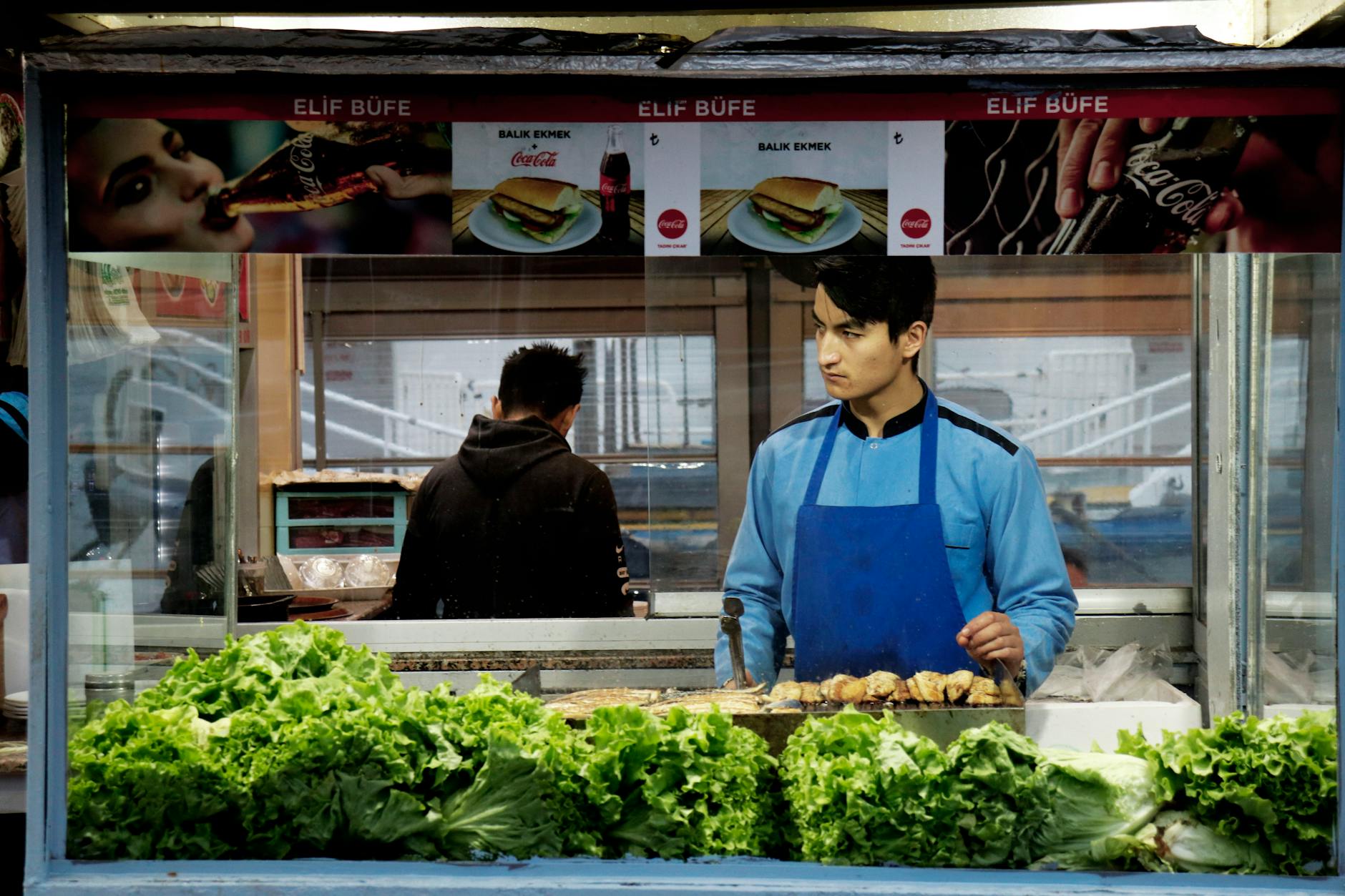
- Marmaray: Crosses under the Bosphorus and links European and Asian rail corridors. Very useful for Sirkeci–Üsküdar/Kadıköy-area routing via connections.
- M4 metro: Key Asian-side line, including Kadıköy and SAW airport access.[7]
- F1 funicular: Taksim to Kabataş, useful for linking Taksim/Beyoğlu to tram/ferries.
- Tünel: Historic funicular linking Karaköy and Beyoğlu/Tünel area.
Walking
Istanbul is a wonderful walking city in pockets and a punishing walking city if you ignore terrain.
Good walking areas: Sultanahmet, Gülhane to Sirkeci, Galata/Karaköy, Cihangir/Çukurcuma, Kadıköy/Moda, Üsküdar waterfront, parts of the Bosphorus.
Difficult walking conditions: Hills, cobblestones, broken sidewalks, stairs, traffic, heat, winter rain, and crowds.
Shoes: Bring real walking shoes with grip. This is not a city for new sandals or slick soles.
Taxis and Ride-Hailing
Taxis can be useful, but they are not the backbone of a good Istanbul trip.
Rules for sanity:
- Use official taxi ranks when possible.
- Prefer apps when available.
- Avoid drivers who quote suspicious fixed prices instead of using the meter, unless you are booking a legitimate fixed-price transfer.
- Confirm the destination on your phone map.
- Carry small cash.
- Do not argue inside a moving taxi; exit calmly if something feels wrong before departure.
- Avoid taxis for bridge crossings and rush-hour routes unless there is no better option.
Renting a Car
Do not rent a car for Istanbul city travel. Parking, traffic, one-way streets, aggressive driving, and restricted areas make it a bad idea. Rent only when leaving the city for a road trip where a car is clearly useful.
Budget and Costs
The Reality
Istanbul can be good value compared with many major European capitals, but it is no longer universally cheap for visitors. Hotels, famous attractions, guided tours, imported goods, rooftop venues, alcohol, airport transfers, and popular restaurants can add up quickly. At the same time, ferries, tea, simit, casual meals, lokantas, public parks, mosque visits, and neighborhood wandering can keep a trip affordable.
Daily Budget Ranges
These are broad planning categories, not fixed promises.
| Traveler type | Daily pattern |
|---|---|
| Shoestring | Hostel or very budget hotel, public transit, street food/lokantas, free mosques/walks, limited paid attractions. |
| Budget-comfort | Simple hotel in a decent area, Istanbulkart transit, casual meals, a few major tickets, one or two splurges. |
| Mid-range | Good boutique or chain hotel, restaurants mixed with casual food, taxis only strategically, paid sights, hammam or cruise. |
| Comfortable | Strong hotel location, reservations, private guide for one day, hammam, better restaurants, airport transfer. |
| Luxury | Bosphorus or palace-style hotel, private transfers, guides, fine dining, high-end hammam/spa, private cruise. |
What Is Worth Spending On
- A better hotel location.
- A good private guide for Sultanahmet if you care about history.
- A reputable hammam.
- One excellent meyhane or modern Turkish dinner.
- A Bosphorus cruise if you choose quality over a cheap loud boat.
- Airport transfer after a long flight, especially with family or late arrival.
- Museum tickets that genuinely matter to your interests.
What Is Often Bad Value
- Random “skip-the-line” tours that do not actually skip security lines.
- Restaurants with view-heavy marketing and weak food.
- Overpriced souvenir boxes around major sights.
- Taxi rides through predictable traffic when tram/ferry/metro is better.
- Staying far out to save money but losing hours every day.
- Cheap Bosphorus dinner cruises with mediocre food and loud entertainment, unless that is exactly the experience you want.
Budget Moves That Do Not Ruin the Trip
- Use ferries as both transport and sightseeing.
- Eat lunch at lokantas.
- Choose one major paid sight per day instead of stacking expensive tickets.
- Stay near a tram/metro/ferry node rather than the absolute center.
- Buy simple breakfasts from bakeries some mornings.
- Visit mosques respectfully outside prayer times; many are free.
- Build your own Bosphorus day with public ferries and waterfront walks.
Safety, Health, and Scams
General Safety
Most visitors to Istanbul experience petty annoyances rather than serious problems. The big practical risks are pickpocketing, scams, traffic, overcharging, nightlife pressure, protest areas, and getting worn down by crowds and hills. Official travel advisories also continue to warn about terrorism risk and demonstrations in Türkiye, including Istanbul, so a responsible guide should not pretend the risk is zero.[21][22]
Use normal big-city caution:
- Keep valuables secure in trams, bazaars, ferry queues, and crowded streets.
- Avoid demonstrations and political gatherings.
- Stay alert around major transport hubs and tourist landmarks.
- Use licensed taxis or apps, and avoid unsolicited “help.”
- Be cautious with nightlife invitations from strangers.
- Keep a hotel card/address and offline maps.
- Save emergency number 112.[23]
Common Scams and Annoyances
| Scam / issue | What it looks like | How to avoid it |
|---|---|---|
| Taxi overcharging | No meter, fixed inflated price, wrong route, “night tariff” claims, bridge/tunnel confusion. | Use apps/official ranks, insist on meter, check route, carry small cash, exit before departure if uncomfortable. |
| Shoe-shine brush drop | A shoe-shiner drops a brush “accidentally,” then thanks you by cleaning your shoes and demands money. | Do not pick it up; keep walking politely. |
| Overfriendly bar invitation | Stranger invites you for drinks; bill becomes huge. | Do not go to bars/clubs with strangers who approach you on the street. |
| Carpet/shop pressure | “Just tea,” then a long sales pitch. | Only enter if you want the experience; be polite but firm. |
| Fake guide | Someone claims a sight is closed or offers unofficial entry/help. | Check official entrances and signage. Ignore unsolicited street guidance. |
| Restaurant bill surprises | Unpriced fish/specials, cover charges, bread/water charges, service ambiguity. | Check menu/prices, ask before ordering, review bill. |
| Pickpocketing | Crowded tram, bazaar, İstiklal, ferry queue. | Secure bag, front pockets only, no phone hanging loose. |
| Counterfeit or poor-quality souvenirs | Mass-produced goods presented as handmade antiques. | Buy from reputable shops; do not make expensive purchases under pressure. |
Health
- Drink bottled or filtered water if sensitive.
- Pharmacies, called eczane, are common; look for a red “E” sign.
- Istanbul has high-quality private hospitals, but travel insurance matters.
- Summer heat and winter damp both affect stamina.
- Mosques require shoe removal; socks are useful.
- Streets can be slippery in rain.
- Ferry decks can be windy even in warm seasons.
- Air pollution can matter during stagnant weather; check air quality if you have asthma or respiratory issues.
Solo Travelers
Istanbul can be very rewarding solo because ferries, cafés, museums, markets, and casual restaurants work well alone. Solo women travelers should use normal urban caution, dress with context in conservative areas and mosques, and be firm with unwanted attention. Late-night transport is easiest when staying in an area with walkable options.
LGBTQ+ Travelers
Istanbul has LGBTQ+ life, especially in parts of Beyoğlu and Kadıköy, but Türkiye is not uniformly open or legally protective in the way some Western European countries are. Public discretion may be wise depending on setting. Research current community venues and local legal/social conditions before assuming visibility is risk-free.
Accessibility and Mobility
Istanbul is beautiful, but physically difficult.
Main Challenges
- Hills in Galata, Cihangir, Balat, Fener, Üsküdar, and parts of the old city.
- Cobblestones and uneven pavements.
- Crowded trams and ferry boarding points.
- Older hotels with stairs or tiny lifts.
- Mosque entries with shoe removal, carpets, thresholds, and sometimes steps.
- Historic sites with limited or partial accessibility.
- Traffic-blocked sidewalks.
- Heat, rain, and slippery stone.
Better Areas for Mobility
- Parts of Sultanahmet can work if staying very close to major sights, but surfaces vary.
- Nişantaşı/Şişli has more modern infrastructure in places.
- Karaköy waterfront is useful but surrounding hills are not.
- Kadıköy has flatter areas near the waterfront/market, but crowds and curbs remain.
- Modern malls, airports, and newer museums are generally easier.
Planning Advice
- Email hotels directly about elevators, stairs, step-free rooms, and taxi access to the door.
- Verify each museum or attraction’s accessibility individually.
- Do not assume “near metro” means step-free.
- Build shorter days with longer pauses.
- Use private guides/drivers where mobility needs justify the cost.
- Avoid Balat/Galata hill-heavy routes if stairs and slopes are a serious issue.
Strollers
A lightweight foldable stroller can be useful but not everywhere. Baby carriers may be easier in old districts, bazaars, ferries, and mosques. Choose lodging near transit and plan fewer daily transitions.
Families, Solo Travelers, LGBTQ+ Travelers, and Special Considerations
Families with Kids
Istanbul can work very well with children if you pace it around ferries, parks, snacks, and short sight blocks.
Good family moves:
- Stay near tram/ferry or in a comfortable hotel.
- Use ferries as entertainment.
- Do sights early and keep afternoons flexible.
- Add Gülhane Park, Miniatürk, aquarium/museum options, islands in season, and dessert stops.
- Choose pide, köfte, soups, rice dishes, and bakeries for easy meals.
- Do not force long bazaar shopping sessions.
Watch out for:
- Traffic and car seats.
- Stroller-hostile hills.
- Crowded trams.
- Long museum lines.
- Mosque etiquette with restless children.
- Hot summer afternoons.
Older Travelers
Choose location carefully and reduce hills. Sultanahmet can be useful for monument access; Karaköy/Galata can be atmospheric but punishing if your hotel is uphill. Consider private transfers and a guide for complex days.
Remote Workers and Longer Stays
Kadıköy, Moda, Cihangir, Nişantaşı, and parts of Şişli can work well for longer stays. Prioritize Wi-Fi, heating/AC, desk setup, soundproofing, and transit. Do not choose a “cute” historic apartment without checking stairs, damp, heat, and noise.
Religious and Cultural Travelers
Istanbul is extraordinary for Islamic, Orthodox Christian, Jewish, Armenian, and Ottoman/Byzantine heritage, but access varies by active worship use, restoration, political sensitivity, and opening hours. Dress respectfully, check whether sites are active houses of worship, and avoid treating ceremonies or worshippers as attractions.
Shopping and Souvenirs
What Istanbul Is Good For
- Textiles and towels.
- Ceramics and tiles.
- Spices, tea, dried fruit, nuts, and sweets.
- Turkish coffee equipment.
- Jewelry, if buying from reputable shops.
- Leather, with caution.
- Contemporary design objects.
- Books, prints, and stationery.
- Hammam products.
- Vintage and antiques, with careful legality checks.
Where to Shop
| Area | Best for |
|---|---|
| Grand Bazaar | Classic bazaar experience, carpets, jewelry, leather, ceramics, textiles, lamps, atmosphere. |
| Spice Bazaar / Eminönü | Food gifts, spices, tea, sweets, coffee, household goods. |
| Nişantaşı | Luxury, Turkish designers, boutiques, polished shopping. |
| Karaköy / Galata | Design shops, boutiques, souvenirs with better taste, cafés. |
| Çukurcuma | Antiques, vintage, oddities, atmospheric browsing. |
| Kadıköy | Books, records, casual fashion, food, local shopping. |
| Arasta Bazaar | Easier, smaller shopping near the Blue Mosque; more curated but tourist-facing. |
Shopping Rules
- Bargaining is normal in bazaars but not in fixed-price boutiques.
- Do not buy antiques or archaeological objects without understanding export law.
- Ask before photographing shopkeepers or workshops.
- Be skeptical of “handmade,” “antique,” and “one day only” claims.
- For expensive purchases, sleep on it.
- Food gifts should be fresh, sealed, and legal to bring home.
What Not to Buy
- “Antiques” with unclear provenance.
- Cheap lamps or ceramics sold as artisanal without evidence.
- Spices you cannot identify or use.
- Huge carpets after one tea-fueled sales pitch.
- Fake designer goods.
Arts, Culture, History, and Context
Short History for Travelers
Istanbul’s story begins before it was Istanbul. Greek colonists founded Byzantion in a strategic position between the Black Sea and the Mediterranean routes. In 330 CE, Constantine refounded the city as Constantinople, capital of the Roman Empire’s eastern half. For more than a millennium it was one of the Christian world’s great capitals, defended by walls, supplied by cisterns, enriched by trade, and anchored spiritually by Hagia Sophia.
In 1453, Mehmed II conquered Constantinople and made it the Ottoman capital. Churches became mosques, new mosques rose, palaces expanded, markets flourished, and the city became a center of Islamic, imperial, commercial, and multicultural life. Greeks, Armenians, Jews, Levantines, Europeans, and communities from across the empire shaped its districts.
After the founding of the Republic of Türkiye in 1923, the capital moved to Ankara, but Istanbul remained the country’s largest, most symbolic, and most globally visible city. Modern Istanbul is shaped by migration from across Türkiye, rapid urban expansion, political tension, tourism, development, infrastructure projects, and an ongoing argument between preservation and reinvention.
Cultural Norms and Etiquette
- Say hello when entering small shops.
- Dress modestly in mosques: shoulders and knees covered; women cover hair.
- Remove shoes where required.
- Do not photograph people praying.
- Tea is social; accepting tea in shops can be hospitable but may also begin a sales conversation.
- Bargain politely, not aggressively.
- Avoid loud political debates with strangers.
- Public affection exists but should be restrained in conservative settings.
- Respect cats and street animals; they are part of city life, but do not interfere with animals you cannot help safely.
- During Ramadan, be considerate around fasting communities, though Istanbul remains functional for visitors.
Books, Films, and Music to Prepare
this section should include a curated list. Good categories:
- A literary Istanbul book for atmosphere.
- A concise Byzantine history.
- A readable Ottoman history.
- A modern Turkish novel or memoir.
- A walking-history book.
- A playlist including classical Turkish music, fasil, Anatolian rock, modern Turkish pop, and Istanbul jazz/indie scenes.
- Films set in Istanbul that show different eras and moods.
The Move
Before visiting, learn the rough chronology: Byzantium → Constantinople → Ottoman Istanbul → republican/modern Istanbul. Even that simple structure makes the city far more legible.
Seasonal and Month-by-Month Guide
Spring
Spring is Istanbul at its most generous. Parks and medians fill with tulips, ferry rides are breezy rather than cold, and long walks are still pleasant. April and May are the best months for first-timers.
Best activities: Sultanahmet, Gülhane Park, Emirgan Park, Bosphorus villages, walking tours, ferries, outdoor cafés.
Pack: Layers, light rain jacket, comfortable shoes, scarf for mosques and wind.
Summer
Summer is energetic but demanding. Go early, rest midday, and shift more activity to evenings.
Best activities: Ferries, Bosphorus evenings, rooftops, islands, late dinners, waterfront walks.
Watch out for: Heat, sun, tram crowds, cruise crowds, and hotel prices.
Pack: Breathable clothes, hat, sunglasses, sunscreen, water bottle, modest mosque layer.
Autumn
Autumn may be the best time for food, light, and pacing. September is still warm; October is superb; November turns moodier.
Best activities: Neighborhood walks, ferries, markets, museums, hammams, long dinners.
Pack: Layers, umbrella, shoes with grip.
Winter
Winter Istanbul is damp, atmospheric, and underrated for travelers who do not need sunshine. Hammams, museums, mosques, tea houses, and long meals shine.
Best activities: Museums, hammams, bazaars, cafés, photography, indoor culture.
Watch out for: Wind off the Bosphorus, rain, short days, chilly interiors.
Pack: Warm coat, scarf, waterproof shoes, umbrella, layers.
Major Timing Considerations
- Ramadan and Eid holidays: Opening hours, restaurant rhythms, domestic travel, and crowds can shift. Istanbul remains visitor-friendly, but plan respectfully.
- Public holidays: Museums, transport, and crowds may change.
- Football matches: Beşiktaş, Galatasaray, and Fenerbahçe match days affect traffic and local energy.
- Cruise ship days: Sultanahmet, Karaköy, and major sights can feel dramatically busier.
- Political events/demonstrations: Avoid protests and follow local guidance.
Day Trips and Side Trips from Istanbul
Princes’ Islands
Best for: Slow pace, car-free streets, old mansions, sea air, summer or shoulder-season day.
Travel: Ferry. Check schedules carefully.
How long: Full day.
Common mistake: Going in peak summer midday and expecting serenity.
Bursa
Best for: Ottoman history, mosques, silk heritage, mountainside setting, and a strong overnight option.
Travel: Ferry/bus combinations or organized tour. Better as overnight if you like depth.
Common mistake: Treating it as a quick tick-box day from Istanbul.
Edirne
Best for: Selimiye Mosque, Ottoman architecture, borderland history, slower city feel.
Travel: Bus/car; long for a day, better with planning.
Şile and Ağva
Best for: Black Sea air, beaches in season, small-town escape.
Watch out for: Traffic, rougher sea conditions, weather dependence.
Gallipoli and Troy
Best for: War history and archaeology as part of a longer Türkiye itinerary.
Day trip? Long and tiring from Istanbul. Better as an overnight or as part of a west-coast route.
Cappadocia, Ephesus, Antalya, and Beyond
These are not day trips from Istanbul in any sane editorial sense. They are domestic flight or multi-day extensions. Istanbul pairs well with Cappadocia, Ephesus/İzmir, the Turquoise Coast, southeastern Türkiye, or the Black Sea region, but do not pretend they are nearby add-ons.
What to Skip
Skip Random Street-Approach Tours
If someone approaches you near a major sight offering miraculous access, a “closed today” warning, or a special deal, be skeptical. Use official entrances, reputable guides, and verifiable booking platforms.
Skip Bad View Restaurants
A Bosphorus or old-city view can be magical. It can also be an excuse for mediocre food and high prices. Choose view meals carefully; otherwise get your view from a ferry and your food from a better kitchen.
Skip Overstuffed Sultanahmet Days
Hagia Sophia, Blue Mosque, Basilica Cistern, Topkapı, Grand Bazaar, Süleymaniye, Galata Tower, and a Bosphorus cruise in one day is not ambitious. It is self-sabotage.
Skip Cheap Dinner Cruises Unless You Want the Show
Some visitors enjoy dinner cruises with music, dancing, and bright lights. Fine. But do not book one expecting the best food or a quiet romantic Bosphorus experience. For romance, consider a simple sunset ferry, private cruise, or waterfront dinner chosen carefully.
Skip Taxis for Obvious Ferry Routes
If you are moving between Karaköy/Eminönü and Kadıköy/Üsküdar, take the ferry unless there is a clear reason not to. The ferry is often faster, cheaper, and infinitely better.
Skip Shopping Under Pressure
No carpet, leather jacket, jewelry piece, or “antique” must be purchased immediately. If you feel pressured, leave.
Skip the Idea That the Asian Side Is Optional
For a two-day trip, maybe. For a four-day trip, skipping Asia means missing one of the best ways to understand Istanbul as a lived city.
Common Mistakes
- Treating Istanbul as a two-day checklist. The city deserves time.
- Relying on taxis. Use water and rail.
- Staying in the wrong neighborhood. Pick based on trip style, not just hotel photos.
- Ignoring hills. Galata/Cihangir/Balat can punish casual assumptions.
- Eating every meal in Sultanahmet. You will miss better food.
- Not dressing for mosques. Carry a scarf and wear modest layers.
- Buying museum tickets from unofficial sources without checking. Use official pages where possible.
- Visiting Topkapı too late in the day. Go early and give it time.
- Forgetting ferry schedules. Especially for Bosphorus tours and islands.
- Trying to bargain everywhere. Boutiques and restaurants are not bazaars.
- Assuming “Europe side” means touristy and “Asia side” means local. Both sides are complex.
- Letting one scam attempt define the city. Be alert, but do not become closed off.
- Underestimating winter cold. Damp Bosphorus wind is real.
- Skipping downtime. Istanbul fatigue is real too.
Responsible Travel
Istanbul is heavily visited, and tourism affects housing, heritage, worship spaces, neighborhoods, and daily life. A good visitor should not just consume the city.
Visit Better
- Dress and behave respectfully in mosques and sacred sites.
- Do not photograph people as decoration.
- Support local businesses beyond the most touristed strips.
- Avoid Airbnb-style stays that clearly displace residential housing in strained neighborhoods unless you understand the local context.
- Be careful in Balat/Fener: these are real neighborhoods, not film sets.
- Do not buy illegal antiquities or wildlife products.
- Reduce plastic where possible; carry a bottle and refill where safe.
- Use public transport and ferries instead of unnecessary cars.
- Tip fairly for guides, hammam attendants, porters, and service workers.
- Learn basic Turkish greetings.
- Accept that religious spaces are not theme attractions.
Local Voices
A truly world-class Istanbul guide should include local interviews:
- A historian or licensed guide on how to approach Sultanahmet.
- A Kadıköy resident on the Asian side.
- A chef or food writer on regional Turkish food in Istanbul.
- A hammam operator on etiquette.
- A shopkeeper on how to shop responsibly.
- An accessibility advocate on mobility barriers.
- A neighborhood resident in Balat/Fener on respectful tourism.
Packing List
Year-Round Essentials
- Comfortable walking shoes with grip.
- Modest mosque-ready outfit: shoulders and knees covered.
- Lightweight scarf for women entering mosques, and useful for wind/sun generally.
- Small day bag with secure closure.
- Portable charger.
- Universal adapter.
- Offline maps.
- Small cash and backup card.
- Reusable bottle if using filtered/refill sources.
- Sunglasses.
- Hand sanitizer and tissues.
- Basic medication.
- Packable rain layer or umbrella outside high summer.
Spring and Autumn
- Light jacket.
- Layers.
- Umbrella.
- Shoes that handle wet stone.
Summer
- Breathable clothing.
- Hat.
- Sunscreen.
- Extra socks.
- Light long layer for mosques and sun.
- Patience for crowds.
Winter
- Warm coat.
- Scarf and gloves.
- Waterproof shoes.
- Sweater layers.
- Umbrella.
- Clothes for damp cold, not just low temperatures.
What Not to Pack
- Only shorts and sleeveless tops.
- New shoes.
- Heavy luggage if staying in a hilly old building.
- Expensive jewelry for crowded markets.
- A rigid itinerary that cannot survive rain, prayer closures, traffic, or ferry changes.
FAQ
Is Istanbul worth visiting?
Yes. Istanbul is one of the world’s great cities: historically enormous, visually unforgettable, culturally layered, food-rich, and deeply atmospheric. It is also crowded, hilly, and logistically demanding. Plan well and it can be extraordinary.
How many days do I need in Istanbul?
Four full days is ideal for a first visit. Three days is the minimum satisfying trip. Five or more lets you add the Asian side properly, a Bosphorus day, a hammam, deeper food neighborhoods, and maybe the Princes’ Islands.
What is the best area to stay in Istanbul for a first visit?
Karaköy/Galata is the best balance for many first-timers. Sultanahmet is best for monument convenience. Beyoğlu/Cihangir is best for dining and nightlife. Kadıköy is best for a more local food-heavy stay. Nişantaşı is best for comfort and shopping.
Is Istanbul safe?
Most visitors have safe trips with normal big-city caution, but official advisories continue to warn about terrorism risk, demonstrations, and other security concerns in Türkiye. Watch your belongings, avoid protests, stay alert in crowded areas, and save emergency number 112.[21][22][23]
Do I need a visa for Türkiye?
It depends on your nationality and passport type. Check Türkiye’s official e-Visa portal and the Ministry of Foreign Affairs visa page before travel.[3][4]
Which airport is better, IST or SAW?
IST is the main long-haul airport and has M11 metro/Havaist options. SAW can be excellent for Kadıköy and some Asian-side stays but inconvenient for parts of the European side. Choose based on hotel location, time of arrival, and transfer tolerance.[5][7]
Do I need a car in Istanbul?
No. A car is a liability inside Istanbul. Use ferries, tram, metro, Marmaray, walking, and occasional taxis/transfers.
Is the Asian side worth visiting?
Yes. Kadıköy, Moda, Üsküdar, Kuzguncuk, and the Asian-side waterfront help you understand Istanbul as a living city, not just an old-city monument cluster.
Is Hagia Sophia free?
Visitor access has changed since 2024, with separate arrangements for tourist/cultural visits and worship. Check the current official mosque/tourism/ticketing sources before visiting; do not rely on old “free museum” advice.[16][15]
Is the Blue Mosque free?
It is an active mosque and tourist access is generally free outside prayer closures, but visitors must dress modestly and respect worship.[17]
Is Istanbul expensive?
It can be budget-friendly or expensive. Public ferries, tea, simit, mosques, and casual meals are good value. Hotels, major ticketed sights, alcohol, rooftops, private guides, hammams, and transfers can get costly.
What should I book ahead?
Book hotels, hammams, popular restaurants, private guides, Bosphorus cruises, and major ticketed attractions in peak periods. Always verify current ticket rules for Basilica Cistern, Topkapı, MuseumPass, Galata Tower, and Hagia Sophia before travel.[12][13][10]
What should I skip on a first trip?
Skip overstuffed itineraries, bad view restaurants, random street-approach tours, unnecessary taxis, and day trips that steal time from Istanbul itself. Do not skip the ferry.
Source Notes
The following sources were checked while drafting this guide. Re-check all prices, schedules, closures, entry rules, visa/e-Visa rules, museum pass rules, mosque access, ferry timetables, safety advisories, and restaurant information close to publication.
- 1. GoTürkiye official Istanbul destination page: https://istanbul.goturkiye.com/
- 2. Visit Istanbul official city tourism site: https://visit.istanbul/
- 3. Republic of Türkiye e-Visa official information page: https://www.evisa.gov.tr/en/tour/
- 4. Republic of Türkiye Ministry of Foreign Affairs, visa information for foreigners: https://www.mfa.gov.tr/visa-information-for-foreigners.en.mfa
- 5. Istanbul Airport official public transportation page, M11 metro information: https://www.istairport.com/en/airport/airport-transportation/urban-transportation/public-transportation?locale=en
- 6. Turkish Airlines, reaching Istanbul Airport, metro/Havaist/IETT information: https://www.turkishairlines.com/en-us/reaching-istanbul-airport/
- 7. Sabiha Gökçen Airport official metro information: https://www.sabihagokcen.aero/metro-en
- 8. Sabiha Gökçen Airport official HAVABUS information: https://www.sabihagokcen.aero/havabus-en
- 9. IETT official public transport fare tariff page: https://iett.istanbul/icerik/IETT-Toplu-Ulasim-ucret-Tarifesi
- 10. Official MüzeKart, MuseumPass İstanbul E-Kart details: https://muze.gov.tr/urun-detay?CatalogNo=WEB-MSP01-05-009
- 11. Official MüzeKart, MuseumPass Türkiye E-Kart details: https://muze.gov.tr/urun-detay?CatalogNo=WEB-MSP01-27-009
- 12. Basilica Cistern official visit information: https://yerebatan.com/en/basilica-cistern/visit-info/
- 13. Türkiye National Palaces official Topkapı Palace page: https://www.millisaraylar.gov.tr/Lokasyon/2/topkapi-sarayi
- 14. Official MüzeKart Galata Tower page: https://www.muze.gov.tr/muze-detay?DistId=MRK&SectionId=GLT04
- 15. GoTürkiye, Hagia Sophia overview: https://goistanbulturkiye.com/hagia-sophia
- 16. Hürriyet Daily News, “Hagia Sophia visitors to pay entrance fee,” reporting the January 2024 foreign tourist fee implementation: https://www.hurriyetdailynews.com/hagia-sophia-visitors-to-pay-entrance-fee-189675
- 17. GoTürkiye, Blue Mosque: https://goistanbulturkiye.com/blue-mosque
- 18. GoTürkiye, Imperial Ottoman Heritage / Sultan Ahmed Mosque context: https://goistanbulturkiye.com/the-imperial-ottoman-heritage
- 19. Şehir Hatları official Long Bosphorus Tour timetable: https://sehirhatlari.istanbul/en/timetables/bosphorus-tours/long-bosphorus-tour-91
- 20. Şehir Hatları official Bosphorus tours price tariffs: https://sehirhatlari.istanbul/en/price-list/bosphorus-tours-78
- 21. U.S. Department of State, Türkiye Travel Advisory: https://travel.state.gov/content/travel/en/traveladvisories/traveladvisories/turkey-travel-advisory.html
- 22. UK Foreign Travel Advice, Türkiye safety and security: https://www.gov.uk/foreign-travel-advice/turkey/safety-and-security
- 23. UK Foreign Travel Advice, Türkiye getting help/emergency services: https://www.gov.uk/foreign-travel-advice/turkey/getting-help