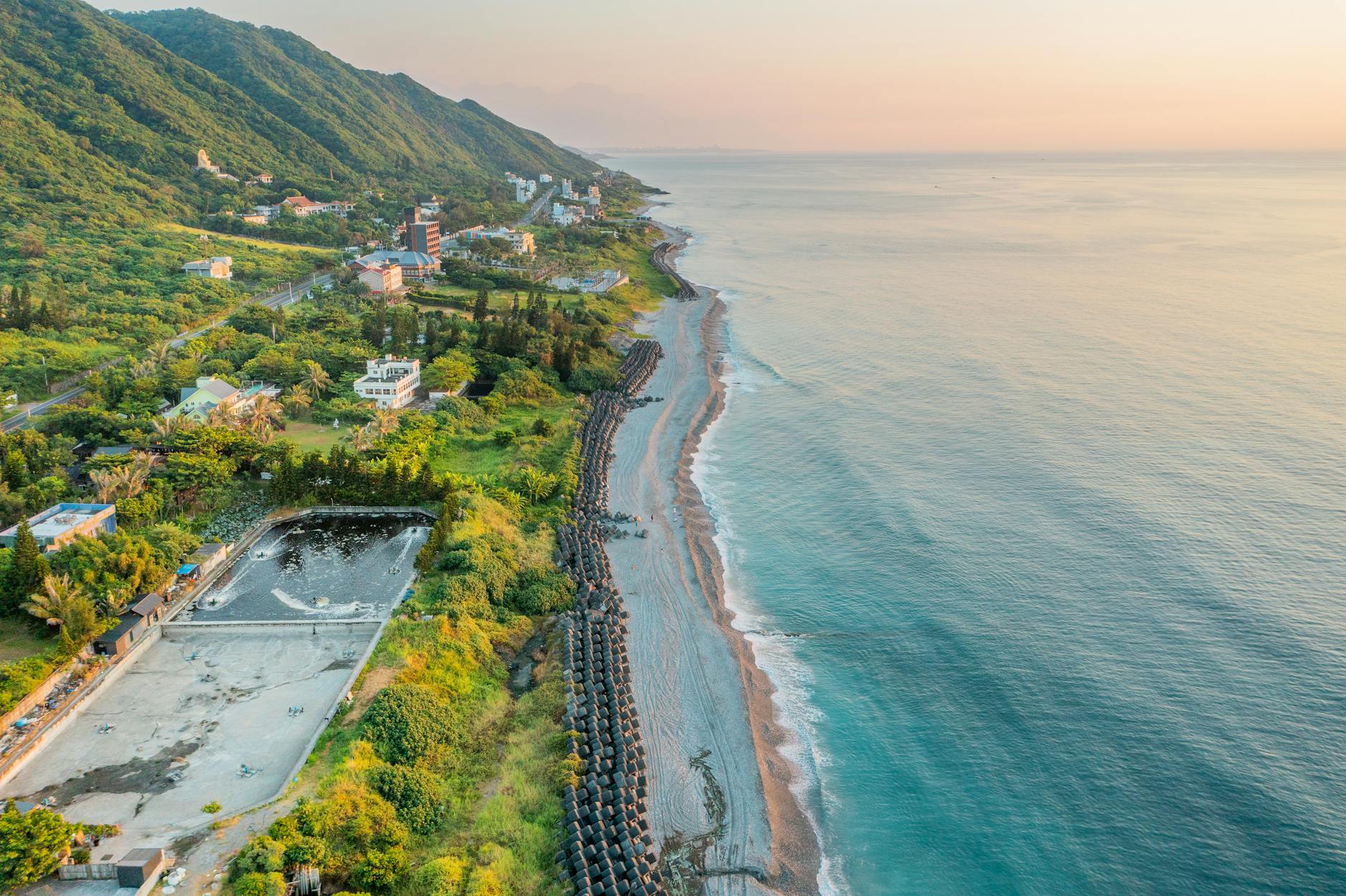
Hualien is one of the easiest places in Taiwan to use badly.
Start Here
Most first-time visitors arrive thinking almost entirely about Taroko. The city becomes a staging point: arrive, sleep, wake early, go to the gorge, leave. That plan is understandable. It is also the reason many people leave Hualien with almost no memory of Hualien itself. They remember one transfer, one park gate, one weather decision, one return train, and perhaps one night market meal consumed in exhaustion. The city is reduced to logistics. Eastern Taiwan becomes a narrow scenic errand.
That version of the trip is not entirely wrong. Taroko has long been one of Taiwan's defining landscape destinations, and even now it remains the gravitational force that pulls many travelers eastward. But if you allow Taroko alone to explain Hualien, you miss what makes eastern Taiwan emotionally different from the west. You miss the sea-facing openness. You miss the station-to-city ease. You miss the market evenings that feel less performative than in the bigger cities. You miss Qixingtan, which is not merely "the nearby beach" but a direct lesson in what Pacific-scale space does to the mood of a place. You miss Pine Garden's quieter historical and cultural layer. You miss the way Hualien is both modest and unusually well positioned.
The official Hualien Tourism Service Network still presents the county through coastal destinations, cycling, food, town exploration, and Taroko-linked itineraries, which is exactly the right clue.[1] Hualien is not a single attraction. It is a city and regional base whose value lies in the relationship between urban ease and outer landscape. If you use it only as a night before somewhere else, you flatten the quality that makes it worth the train ride in the first place.
The city in one sentence: Hualien is a Pacific-facing rail city whose best first visit combines coast, market, and one carefully chosen outward move instead of reducing the whole stay to Taroko logistics.
Basic data
| Population | About 100,000 in the city |
|---|---|
| Area | 29 km2 in the city proper |
| Major religions | Buddhism, Taoism, folk religion, Christianity, and a large secular population |
| Political system | County seat city inside a semi-presidential republic |
| Economic system | Mixed regional economy led by tourism, services, transport, agriculture, and local commerce |
Quick Verdict
Best for: Taiwan return visitors, rail travelers, coastal-city travelers, and anyone who likes places that feel open, local, and slightly slower than the island's western urban chain.
Less ideal for: travelers who need heavyweight urban culture, dense nightlife, or a destination where every hour must be visibly productive.
Ideal first stay: 2 nights.
Still worthwhile: with 1 night, if you stay central and keep the plan realistic.
Worth longer: yes, especially if the east coast, cycling, or slower regional travel are part of the point.
Main planning mistake: making the entire stay subordinate to a Taroko plan that may not even reflect current access conditions.
One thing to prioritize: Hualien itself plus one well-edited outer move.
One thing to simplify: long-distance day structure.
Blunt version: Hualien gets much better the moment the city itself is allowed to count.
Who Hualien Is Actually For
Hualien works for travelers who appreciate space.
That sounds vague, but it is the defining sensation. Much of western Taiwan works through density: station districts, neighborhood chains, city infrastructure, compressed food geographies, and a sense that one place spills quickly into another. Hualien does not feel like that. It feels placed. The mountains are not far. The Pacific is not decorative. The rail line matters. The city has enough structure to function but not enough heaviness to pin the day down.
This makes Hualien especially good for people who like cities that can support stillness. If your favorite trips include a morning train, a useful hotel, a waterfront or coast-facing stretch, a market evening, and one scenic excursion rather than four, Hualien often lands very well. It is also strong for travelers who want eastern Taiwan to feel like a region instead of a scenic screenshot.
Who tends to misread it? People who need a destination to announce itself loudly. Hualien does not do that. It is not Taipei with sea air. It is not a giant resort zone. It is not a museum-heavy heritage city. Its pleasures are cumulative: the clean rail arrival, the black stones at Qixingtan, the feeling that the horizon is bigger here, the ease of an evening market, the fact that a two-night stay can feel more proportional than people expect.
Hualien at a Glance
| Question | Practical Answer |
|---|---|
| Best first stay length | 2 nights |
| Best arrival logic | rail first, airport second |
| Main city identity | east-coast base with Pacific edge |
| Most useful urban anchors | station area, Pine Garden, Dongdamen, Qixingtan |
| Main outer-trip tension | how much to build around Taroko |
| Best planning style | one substantial outing per day |
| Emotional payoff | openness, ease, and regional access |
| Main risk | overcommitting to movement and underusing the city |
2026 Visitor Notes
Hualien Still Frames Itself as a Broad Tourism Base
The Hualien Tourism Service Network continues to present Hualien through coastal destinations, cycling, food, town exploration, and Taroko-route itineraries rather than as a single-sight city.[1] That framing is useful because it pushes you toward a regional rhythm, not just a monument mentality.
Taroko Still Requires Real-Time Checking
Hualien's official tourism network maintains a dedicated traffic-and-attraction information page created after the April 3, 2024 earthquake, explicitly directing visitors to official websites for current site conditions and access details.[2] Taroko National Park's own current pages and trail listings still reflect ongoing closures and damage-related limitations in parts of the gorge and trail network.[8][9] This changes first-trip planning discipline completely: do not build Hualien around assumptions that were true in a different month.
Rail Arrival Still Matters More Than Most Visitors Admit
Taiwan Railway Corporation continues to list Hualien Station as a major functioning station with real-time information, lockers, ticketing, baggage services, and accessible facilities.[3] For many first-time visitors, arriving by train is not just practical. It is part of why Hualien feels elegant.
The Airport Is Still a Secondary but Useful Gateway
Hualien Airport continues to publish live arrivals and departures, service details, and ground transport information on its official site.[4] This matters for certain itineraries, but for most first-time travelers, air arrival is still less central to the identity of the trip than rail.
The Main Mental Shift
Do not ask, "How do I fit Taroko into Hualien?"
Ask instead, "What is the right eastern Taiwan shape for this stay?"
That one change improves almost every decision that follows.
It changes whether you stay near the station or the core.
It changes whether you give Qixingtan the time it deserves.
It changes whether Dongdamen becomes a proper evening or a rushed meal line.
It changes whether a weather-disrupted Taroko day ruins the city or simply edits one chapter of it.
Hualien works best when the city and the region remain in conversation. The city should point outward, yes. But it should never disappear.
What Actually Makes Hualien Distinct
Hualien's distinctiveness lies in proportion.
Taiwan has many places that are more famous, more urban, more architecturally layered, or more obviously dramatic. Hualien does not compete on those terms. Instead it offers an unusual balance: easy rail access, usable city scale, direct contact with the Pacific, and quick access to some of the island's most memorable landscapes. That balance creates an emotional register that is difficult to fake elsewhere on the island.
The city also feels different because it has more air in it. Streets breathe more. Distances are manageable without being compressed. The sea is not a decorative edge behind towers but a real presence. Even small outings, like a move from the center toward Qixingtan, feel like transitions between distinct moods rather than simply between neighborhoods.
That is why Hualien is easy to undervalue if you only measure destinations by concentration. It is not concentrated. It is arranged.
Why Rail Matters Here
For many first-time visitors, the train ride into Hualien is part of the emotional architecture of the stay.
Official railway information still frames Hualien Station as a full-service major station with lockers, baggage support, ticketing counters, and accessible infrastructure.[3] That makes arrival notably easier than in many scenic side destinations. You do not step off the train into chaos or ambiguity. You step into a city that knows how to receive regional travelers.
That matters because Hualien is one of the places in Taiwan where arrival quality changes perception. If you arrive cleanly, store bags easily, and reach your hotel without strain, the city begins in a composed register. The trip feels purposeful. Eastern Taiwan begins to read as integrated rather than remote.
This is one reason first-time visitors should think twice before reducing the city to a sleep stop. Rail arrival is not merely a transport fact. It is part of what gives Hualien its shape.
Hualien Is a Base, but That Does Not Make It Secondary
One of the most common misunderstandings about Hualien is the idea that because it functions as a base, it must therefore be secondary.
That is false.
Some base cities are indeed mostly instrumental. You sleep there because the landscape is elsewhere. Hualien is not like that. It is a base city whose own atmosphere is part of the argument for visiting the region. You return to it for the sea air, the evening food, the station ease, the slight relaxation that follows a day outside town, and the sense that east-coast Taiwan has a different social texture from the west.
A good Hualien trip therefore does not try to escape the city as early and as often as possible. It uses the city as the thing that gives outer movement meaning.
Why Eastern Taiwan Feels Different
One of the reasons Hualien lands so strongly for some travelers is that it changes the scale of Taiwan in their head.
The western side of the island often teaches visitors to think in chains: one city after another, one station feeding another, one district flowing quickly into the next. Hualien interrupts that habit. The mountains matter more. The sea matters more. Distances feel less like urban continuation and more like regional shifts. Even when the city itself is modest, the setting around it keeps reminding you that this is not simply another stop on a metropolitan corridor.
That shift is valuable for first-time visitors because Taiwan can otherwise look overconcentrated in memory. You remember Taipei, maybe Taichung or Tainan, maybe Kaohsiung, and then all of the west begins to compress into one fast-moving rail civilization. Hualien prevents that compression. It re-expands the island.
This is why the city should not be used only instrumentally. If eastern Taiwan is going to feel different, you need at least one place where that difference becomes daily rather than scenic. Hualien is often that place.
Best Time to Visit
Hualien is weather-sensitive enough that plans need slack.
This does not mean the city is fragile. It means the best version of the trip is adaptable. Mornings matter. The coast can feel very different under different light and weather. Outer routes can change. A rigid itinerary tends to make the city feel more stressful than it is.
The better approach is to build one meaningful outing per day and leave the rest negotiable. Hualien responds extremely well to this structure. You can have a station arrival, a city walk, a market evening, a sea-facing half day, and a single more ambitious regional segment without exhausting the destination.
This is also why the city often feels better on a second morning than on a first afternoon. Once you stop rushing to somewhere else, Hualien becomes more legible.
How Many Days You Actually Need
One Night
One night is enough for a useful first impression if the trip is designed honestly. Stay central or station-accessible, see part of the city, prioritize the Pacific edge, and avoid pretending you can also "cover" the region.
Two Nights
This is the best first answer. Two nights give Hualien its proper rhythm: arrival, one city-and-coast segment, one measured outer day or one stronger city-focused day, and a market or evening pattern that can settle in.
Three Nights or More
This begins to make sense if your trip is explicitly about eastern Taiwan. More nights let you absorb weather, cycling, a wider regional reach, or a slower daily pace. They are not necessary for a first visit, but they can be very rewarding.
Where to Stay
Hualien does not have the same hotel-area complexity as some island or resort destinations, but base choice still matters because it defines the city you live in.
Near Hualien Station
This is usually the most practical choice for first-timers arriving by train, especially on shorter stays. It keeps arrival and departure easy, lowers anxiety around luggage and timing, and makes onward movement simple.
The tradeoff is emotional rather than functional. A station district, even a good one, does not always feel like the most atmospheric part of a city. If you stay here, make sure you still claim the city beyond it.
Closer to the City Core / Night-Market Side
This is often the better answer for travelers who care most about evening energy, food access, and a stronger sense of local Hualien. It usually makes the stay feel less like a transit stop and more like a city break, even though Hualien is a modest one.
The tradeoff is small: slightly less station efficiency and sometimes a little more movement to and from arrival points.
Nearer the Coast
This works best for travelers who are explicitly prioritizing openness, scenery, and a more spatially calm mood. If the sea is part of the emotional reason you came, this can be excellent.
The cost is practical. You may become more dependent on transport for meals, station timing, or evening variety.
My First-Time Advice
If the stay is only one or two nights, choose the base that makes the trip simplest. Hualien improves when friction drops. In most cases that means station-adjacent or core-adjacent rather than romantically isolated.

Station Hualien Versus Core Hualien
A lot of first-time visitors struggle with one practical question: should Hualien feel like a rail stop or like a small coastal city?
If you stay near the station, the answer leans toward rail stop. That is not bad. In fact, for many itineraries it is exactly right. You arrive cleanly, leave cleanly, and reduce the chances that luggage, departure times, and outer-route timing will consume too much mental bandwidth. If your trip is short, that efficiency can be the difference between liking Hualien and feeling constantly half-late.
If you stay nearer the city core, however, the answer leans toward coastal city. The stay begins to revolve less around transport competence and more around ordinary urban use: where you eat, what you do after dark, how easy it is to take a relaxed evening walk, whether the city feels inhabited rather than merely traversed.
Neither answer is universally correct. The wrong move is pretending they are equivalent. A station stay gives you control. A core stay gives you texture. Choose based on the version of Hualien you want most.
The City's Essential Structure
Hualien is easiest to understand through four linked zones.
Station Hualien
This is the city of arrival, departures, bags, onward plans, and the first proof that eastern Taiwan can be usable without strain.
Central Hualien
This is where Hualien becomes a lived city rather than a platform. Food, ordinary streets, shops, and evening movement all help here.
Pacific Hualien
This is where the coast takes over the story. Qixingtan matters most, but the broader point is that Hualien has a real edge, not just an abstract relationship to the sea.[5]
Cultural Hualien
This layer is quieter and easily missed. Pine Garden is the clearest expression of it, giving the city a historical and reflective dimension beyond transport and scenery.[6]
A good first trip touches all four.
Qixingtan and Why the Pacific Matters
Qixingtan is not important because it is a "top attraction." It is important because it reveals the city.
Official Hualien Tourism material still describes Qixingtan Beach as the county's only county-level scenic area, known for its black stones, broad sea views, star-gazing, and cycling appeal.[5] That description is useful because it captures what makes the place emotionally necessary. Qixingtan explains scale. It explains why Hualien feels more open than western Taiwan. It explains why the east coast is not simply "the other side of the island" but a different sensory experience altogether.
This is also where first-time visitors often make a planning mistake. They treat Qixingtan as a short add-on: twenty minutes of sea, a few photos, then back into the day. That usually undersells it. The better approach is to give it a proper slot. Walk. Sit. Let the black stones and horizon do their work. If the weather cooperates, this is one of the moments when Hualien stops being a plan and becomes a place.
Qixingtan is particularly useful on a first day or an early second day because it establishes the trip's emotional register. Once you have stood at the Pacific edge here, the rest of Hualien makes more sense.
Pine Garden and the City's Quieter Intellect
Pine Garden is one of the most important correctives to the idea that Hualien is only practical.
Official tourism material presents it as a historic structure with sea views, exhibitions, and continuing arts-and-culture use.[6] That already suggests the right reading. Pine Garden is not just a scenic perch. It is a place where Hualien gains interiority. It slows the trip down and reminds you that eastern Taiwan's value is not purely environmental or logistical.
Many travelers who only know Hualien through transport and Taroko never quite feel this layer. They leave assuming the city is functional but culturally light. Pine Garden does not single-handedly turn Hualien into a museum capital, but it does make the city more thoughtful. It gives the stay a quieter register, and that matters.
On a good first itinerary, Pine Garden works especially well as a bridge between coast and city. It lets you retain the openness of the sea while re-entering an urban and historical frame.
The Coast Is Not Optional
This is worth stating directly because so many rushed itineraries behave as though the sea were decorative.
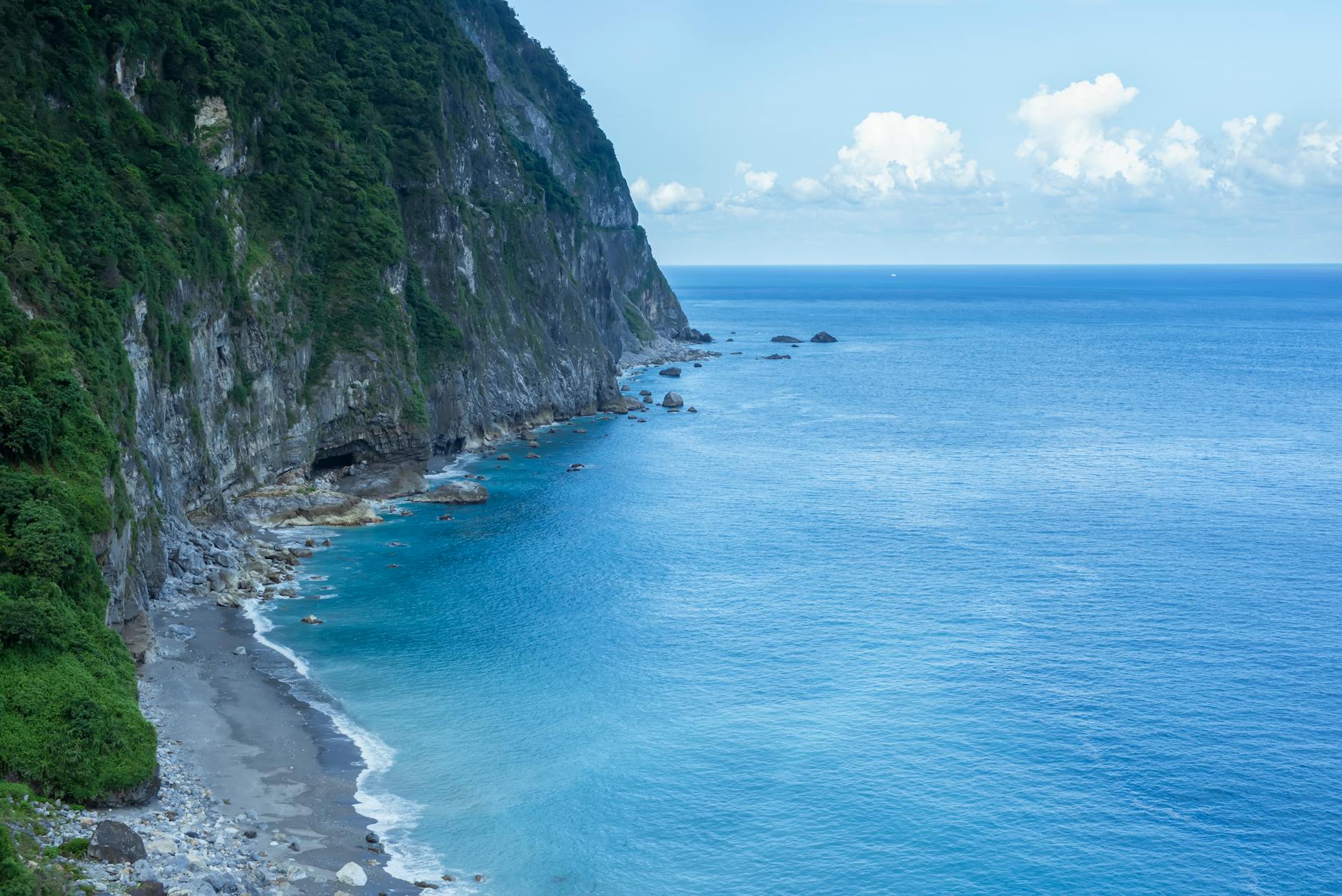
If you come to Hualien and never really give yourself to the Pacific edge, you have missed one of the city's main reasons to exist. The coast is not an afterthought to Taroko. It is one of the city's own strongest claims on your time.
That does not mean you need a heroic sea itinerary. It means you need at least one meaningful contact with the edge of the place. Sit at Qixingtan. Walk a little longer than necessary. Notice how much of the city's emotional vocabulary depends on the fact that the horizon here is not blocked by another district or industrial waterfront but by ocean.
Cities with a real edge often become easier to understand once you have seen that edge properly. Hualien is one of them.
Dongdamen and Evening Hualien
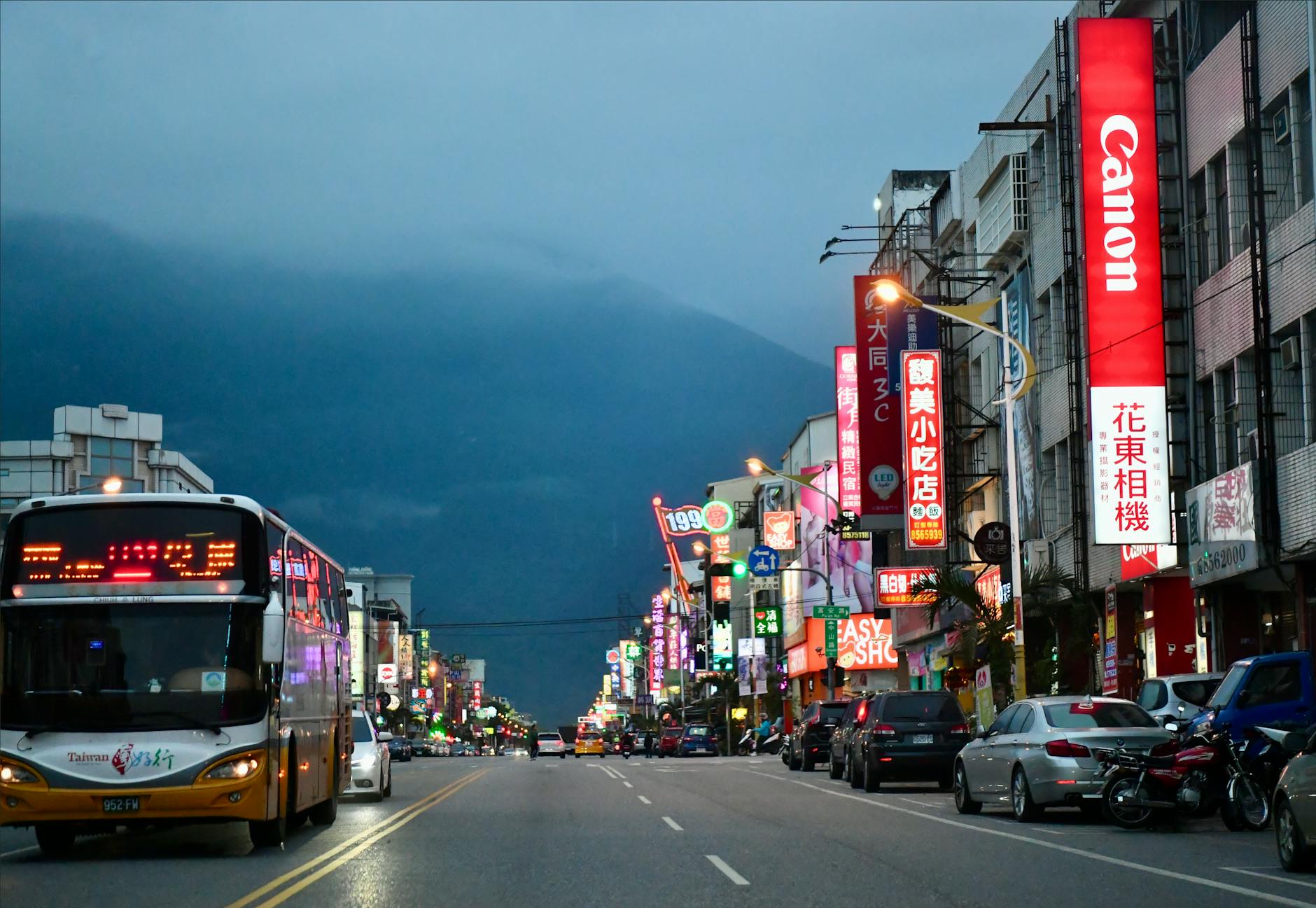
Dongdamen Night Market is where many visitors finally allow the city to feel alive instead of merely useful.
Hualien Tourism still frames Dongdamen as a large evening food and activity zone with multiple food streets and a strong role in local and visitor life.[7] That is exactly how it should be used: not as a burden of obligation, but as the city's evening anchor.
The mistake is to turn it into an endurance event. Do not arrive determined to conquer every stall or validate the trip through sheer snack volume. Hualien works better when the evening is lighter. Walk, choose well, notice the atmosphere, and let the market feel like part of a city stay rather than a food challenge.
Dongdamen is also important because it prevents Hualien from becoming too scenic in memory. The city needs one social, human-scale counterweight to the Pacific edge. The market provides it.
Food, Mornings, and the Value of Not Rushing
Hualien is one of those cities where the trip often improves if the morning is not squandered.
A slow breakfast, a clean station arrival, an early market-adjacent coffee, or a first move toward the coast can all do more for the trip than one extra major item forced into the afternoon. Hualien likes mornings because the city is still legible then. Light is gentler, movement is calmer, and the place has not yet been overwhelmed by the anxiety of making the day count.
This is also why one-night stays often feel incomplete. By the time many visitors have settled in, eaten, and prepared for the next morning's excursion, the city has not yet had a proper calm hour to introduce itself. Two nights restore that hour. They let you have one useful morning that belongs to Hualien rather than to transit.
Food fits that logic. You do not need a conquest strategy here. Hualien is better treated as a city of well-chosen meals and one strong evening market rather than as a place that demands constant eating. The goal is not to prove local seriousness through volume. The goal is to let meals support the rhythm of the city.
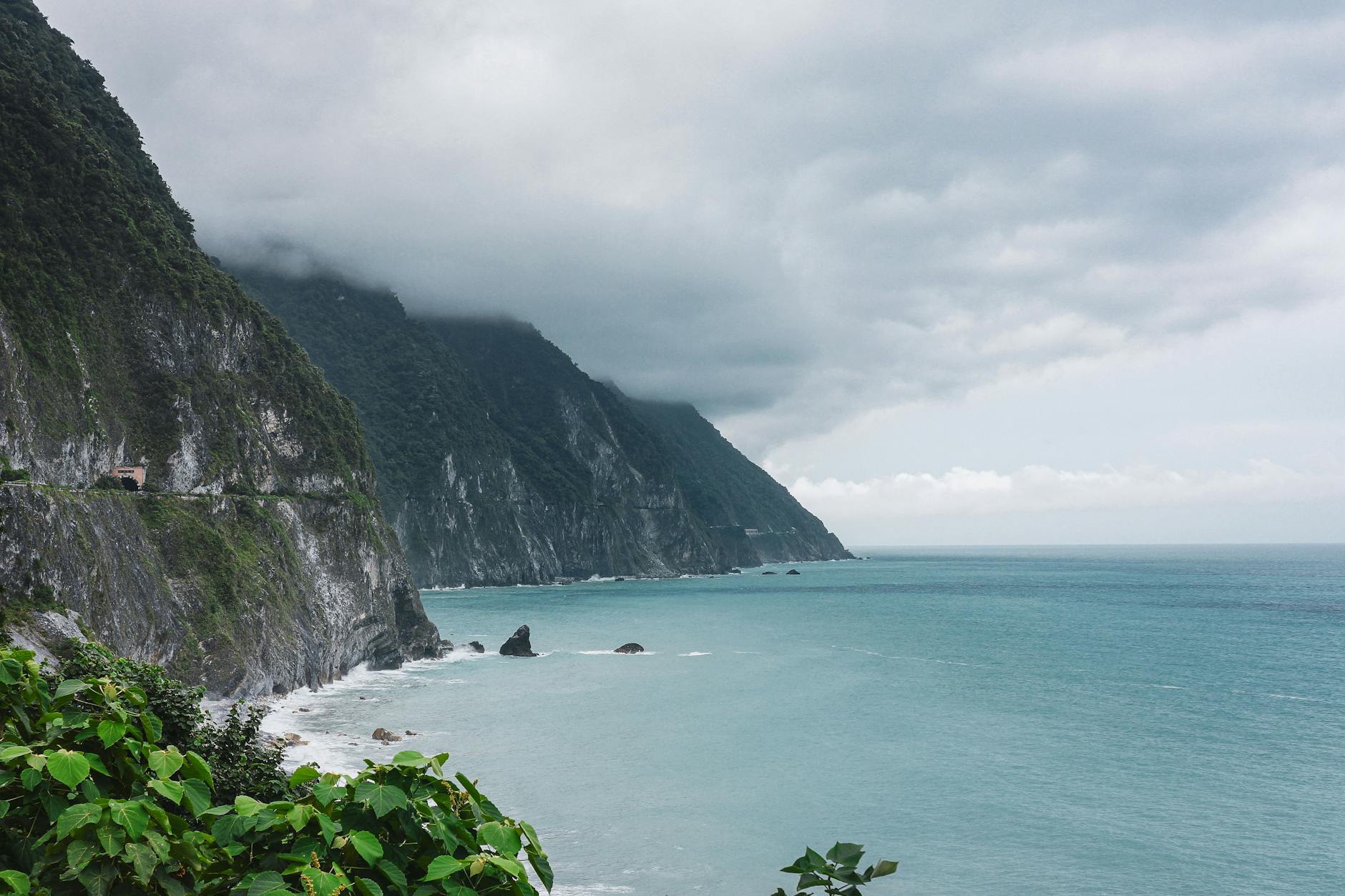
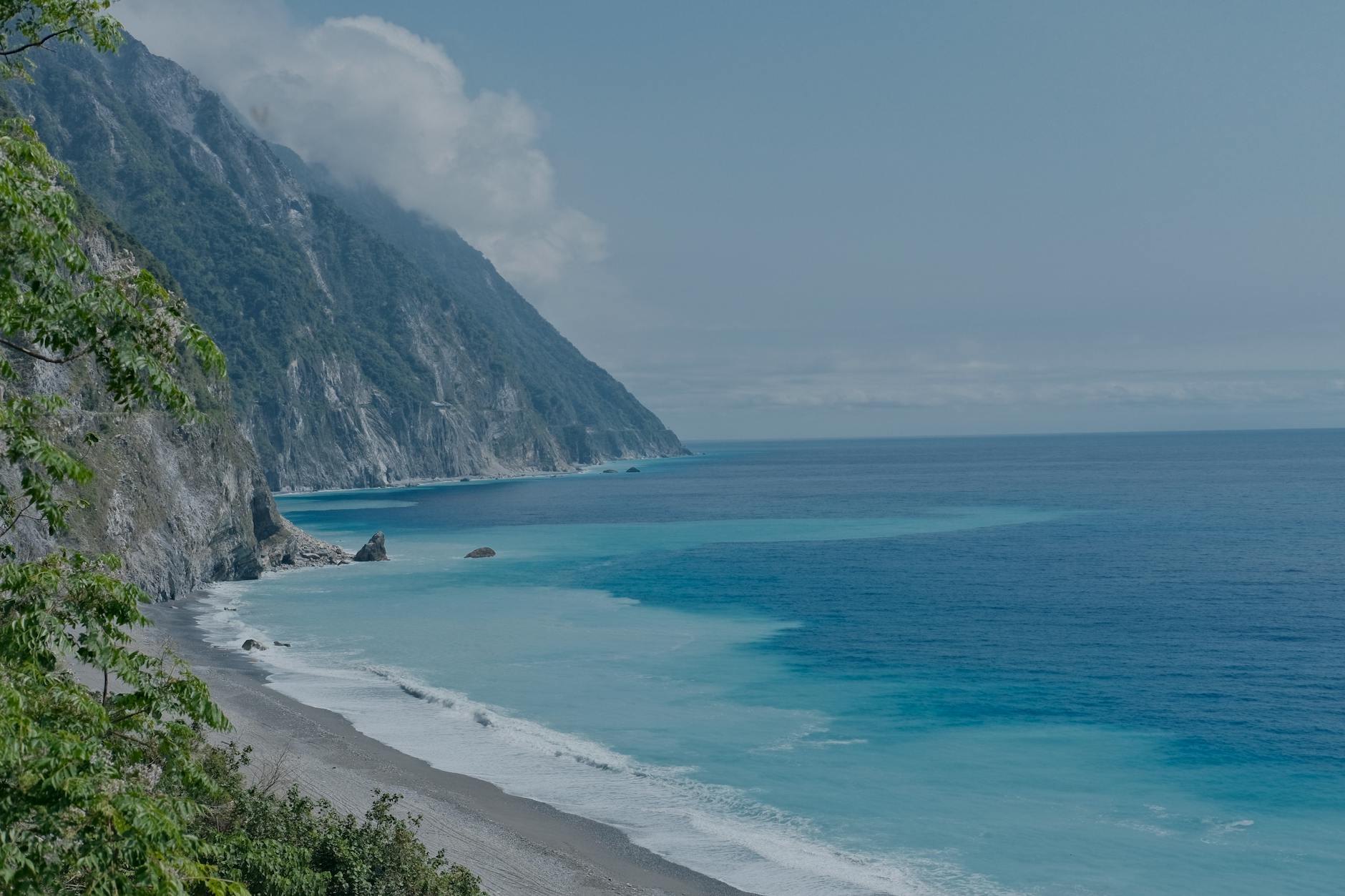
Taroko: The Necessary Discipline
Taroko is still the defining planning tension in Hualien, which means the only sensible first principle is discipline.
The official Hualien tourism page devoted to current traffic and attraction conditions exists for a reason.[2] Taroko National Park's own official site and current trail resources continue to reflect ongoing earthquake-related damage and closures in parts of the park.[8][9] Some sections, roads, or trails may be accessible; others may remain closed, partially available, or sensitive to repair schedules and weather. That means a first-time visitor should not build a Hualien stay on static memory or on someone else's old itinerary.
This does not mean Taroko no longer belongs. It means Taroko belongs only when checked late and planned honestly.
If current conditions support a visit that matches your interests, it can absolutely remain one of the great outward chapters of a Hualien trip. But if the access reality is narrower than expected, the correct response is not frustration. The correct response is to let Hualien itself take more of the trip's weight.
That is why the city matters. A destination that becomes meaningless the moment one excursion changes is too weakly built. Hualien does not have to be that kind of trip.
Hualien Beyond Taroko
One of the most useful things about the official Hualien tourism network is that it continues to frame the region through routes, coasts, cycling, and town experiences beyond the gorge alone.[1] That is the right way to think.
Even when Taroko is possible, it should not monopolize the concept of eastern Taiwan. Hualien can support a trip built more around sea, town, food, and local rhythm. It can also support a hybrid trip where one outward move is enough and the city does the rest.
This is especially important for first-time visitors who tend to think in famous-name logic. The famous name is not always the only structure worth respecting. In Hualien, fame has to share the trip with atmosphere.
What a Good Hualien Day Actually Feels Like
A good day in Hualien usually contains fewer hard edges than travelers expect.
It might begin with train ease or a simple breakfast rather than an early crisis.
It might move into one meaningful segment, such as the coast, Pine Garden, or a current-conditions outer route, rather than several middling ones.
It might allow midday to loosen rather than trying to fill every hour.
It almost certainly ends better if evening has a clear, low-friction structure: market, dinner, or a short neighborhood walk instead of another long transfer.
This matters because many first-time travelers bring big-city instincts to Hualien. They assume that more movement creates more value. In Hualien the reverse is often true. Too much movement makes the city feel like a hallway. Enough stillness makes it feel like a place.
When Hualien Disappoints People
Hualien usually disappoints for predictable reasons.
It disappoints people who gave it one rushed night and expected instant emotional payoff.
It disappoints people who never really touched the coast.
It disappoints people who built the whole stay around Taroko certainty and then met real-world conditions.
It disappoints people who stayed somewhere functionally fine but emotionally dead, then never made it into the parts of the city that might have corrected that.
And it disappoints people who are looking for density, nightlife, and cultural overload on the model of bigger Taiwanese cities.
None of those are exactly Hualien's fault. They are mismatches between destination and use. Once you understand what kind of city this is, the odds of disappointment fall sharply.
Food, Pace, and the Problem of Overbuilding
Hualien is not difficult to enjoy, but it is easy to overbuild.
Many visitors arrive with a city list, a market list, a coast list, and a Taroko list, then try to prove the trip's seriousness by completing all of them. The result is usually not depth. It is fragmentation.
Hualien responds much better to moderate ambition. One strong lunch, one serious evening market session, one coast-facing period, one cultural stop, one outer move. That is enough for a two-night stay to feel complete.
This is one of the reasons the city improves if you avoid using it only as "the night before." An overnight with no air around it makes Hualien feel like a logistics wrapper. A two-night stay gives the food, coast, and urban ease enough space to work together.
Sample First-Time Itineraries That Actually Work
One-Night Version
Arrive by train, settle quickly, do a city-and-coast sequence, and use Dongdamen as the evening anchor. If there is one outer move, keep it short and realistic.
This version is not comprehensive, but it can still feel like Hualien if the city itself is allowed to count.
Two-Night Version
Day 1: arrive, settle, see part of the city, then use Qixingtan and evening Hualien properly.
Day 2: choose one main outward move or one expanded city-and-coast day depending on current conditions, energy, and weather.
Day 3: depart without rushing the final morning.
This is the best first answer because it gives Hualien both function and personality.
Longer Version
Add only if the east coast itself is one of the reasons for the trip. Use the extra time to reduce strain, not to multiply obligations.
Common Mistakes
Treating Hualien as a Sleep Stop
This is the classic failure mode. It strips the city of exactly the qualities that justify coming east.
Overcommitting to Taroko Too Early
Conditions need active checking. Old assumptions are not reliable enough.
Ignoring the Coast
Without the Pacific side, Hualien loses much of its distinctiveness.
Staying Somewhere That Solves the Wrong Problem
A station stay is not automatically best, and a coast stay is not automatically special. Match the base to the trip.
Using Dongdamen Like an Obligation
It should feel like an evening, not an exam.
Leaving No Slack
Weather, transport, and mood all matter here. If the trip cannot absorb change, it is too brittle.
Why Hualien Often Improves After the First Day
Many destinations peak immediately. Hualien often does not.
It tends to improve once you have arrived, slept, and stopped trying to solve the region all at once. The second morning is usually when the city's logic becomes clear. You know your way around. You know whether the station was the right call. You know what kind of evening the market actually provides. You know whether the Pacific edge has more work to do in your schedule. You know whether the outward day should happen at all.
That is one reason Hualien is frequently underrated by travelers who only gave it a rushed night. It was just beginning to make sense when they left.
If You Only Remember Five Things
- Arrive by train if you can.
- Give the city itself real time.
- Let Qixingtan be more than a photo stop.
- Use Taroko only through current official conditions, not memory.
- Build one good outward move, not three.
My Blunt Advice
Come to Hualien for two nights if you can.
Stay somewhere that makes arrival or evenings easy.
Go to Qixingtan and actually linger.
Give Pine Garden a proper hour.
Use Dongdamen as part of the city's rhythm rather than as a checklist.
If Taroko belongs, verify it late and build around current reality. If Taroko does not belong, do not let that make the city feel diminished. Hualien is strong enough to stand without pretending the rest of the county has to justify every hour.
Hualien is not just where eastern Taiwan begins. It is one of the reasons eastern Taiwan feels worth doing at all.
Source Notes
- 1. Hualien Tourism Service Network main site. Used for current official framing of Hualien through coastal destinations, food, cycling, itineraries, and visitor services. https://tour-hualien.hl.gov.tw/en/Default.aspx
- 2. Hualien Tourism Service Network page "Current Traffic and Attraction Information." Used for official post-earthquake caution that site access and transport conditions should be checked directly before planning Taroko-centered travel. https://tour-hualien.hl.gov.tw/en/News_Content.aspx?n=132&s=8553&sms=12365
- 3. Taiwan Railway Corporation Hualien Station page. Used for current station facilities, real-time status, lockers, luggage service, and ticketing context. https://www.railway.gov.tw/tra-tip-web/tip/tip00H/tipH41/viewStaInfo/7000?lang=EN_US
- 4. Hualien Airport official site. Used for current official airport operations, live arrivals/departures, transport links, and service hours. https://www.hulairport.gov.tw/
- 5. Hualien Tourism page for Qixingtan Beach (Malongayangay). Used for current official framing of Qixingtan as a major seaside destination with black stones, star-gazing, and cycling links. https://tour-hualien.hl.gov.tw/en/TourContent.aspx?n=159&s=1530
- 6. Hualien Tourism page for Pine Garden. Used for current official framing of Pine Garden as a historic-cultural site with sea views and arts activity. https://tour-hualien.hl.gov.tw/en/TourContent.aspx?n=163&s=4253
- 7. Hualien Tourism page for Dong Da Men Night Market. Used for current official framing of the market as a major evening food and performance zone in Hualien City. https://tour-hualien.hl.gov.tw/en/tourcontent.aspx?n=169&s=4282&sms=12369
- 8. Taroko National Park official site. Used for current official roads, trails, transportation, notices, and park information. https://www.taroko.gov.tw/en
- 9. Taroko National Park trail list and related current park-condition pages. Used for confirmation that some trail conditions and closures still reflect post-earthquake damage and require real-time checking. https://www.taroko.gov.tw/en/trailsAttractions/trail-list