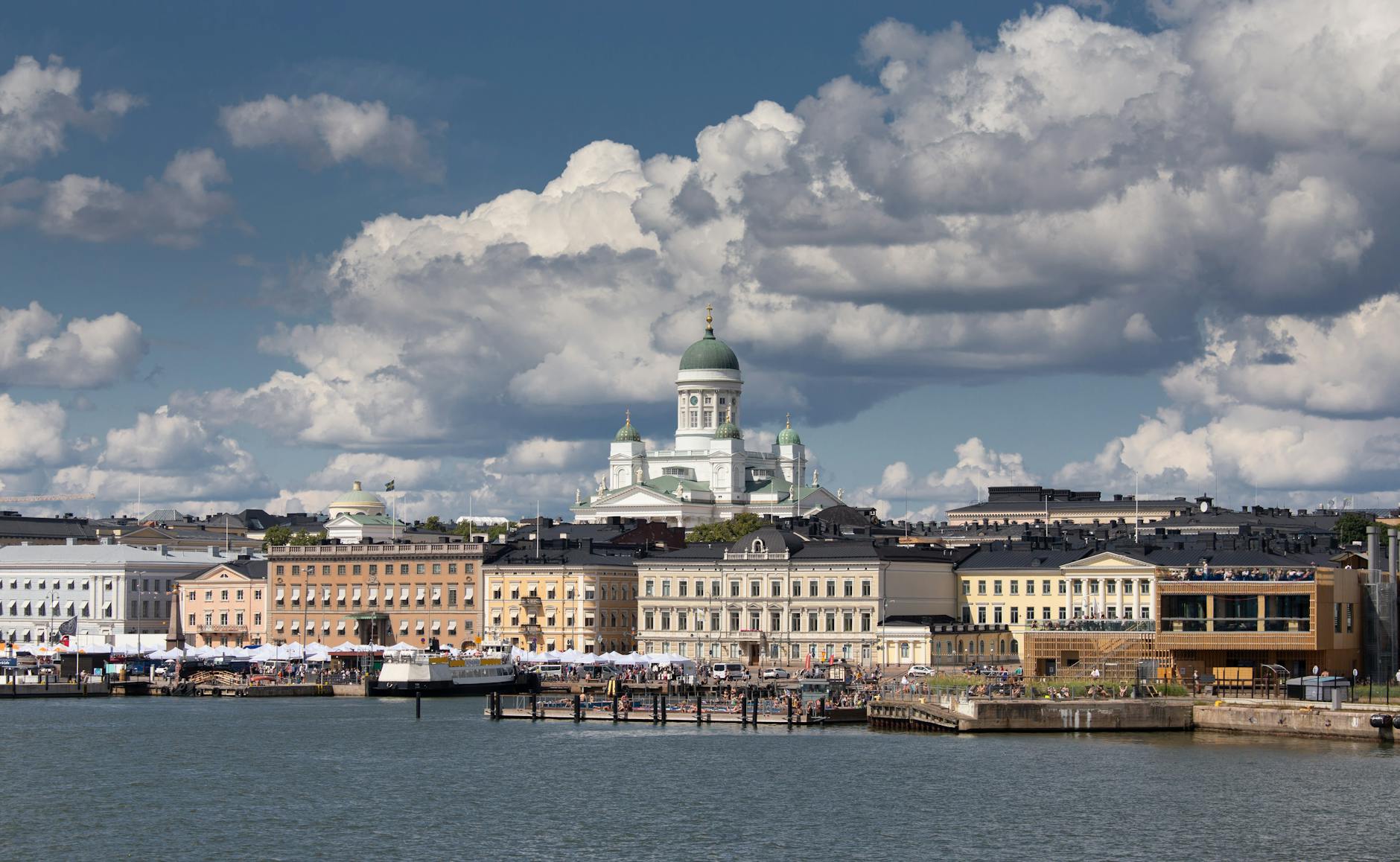
Helsinki is not a city that shouts for attention. It does something subtler and, in the end, more persuasive. It gives you light on stone, ferries crossing cold water, coffee in quiet rooms, design you can actually use, libraries that feel like civic palaces, saunas beside the sea, and neighborhoods where ordinary daily life is part of the attraction.
Start Here
A rushed visitor might see Helsinki as a neat Nordic capital with a cathedral, a market square, and a fortress island. A better trip sees the city as a conversation between land and water, Sweden and Russia, restraint and eccentricity, winter darkness and summer brightness, private quiet and public generosity. This is a capital where the best experiences are often simple: a tram ride, a cinnamon bun, a public sauna, a walk along the harbor, a ferry to an island, a museum afternoon, a long June evening that refuses to end.
The city in one sentence: Helsinki is a calm, design-minded, sea-facing capital where the best days are built from architecture, islands, coffee, sauna, and unhurried walking.
Basic data
| Population | About 680,000 in the city; metro about 1.6 million |
|---|---|
| Area | 214 km2 of land; the broader municipal area includes significant coastline and islands |
| Major religions | Christian heritage, Islam, Buddhism, Hinduism, and a large secular population |
| Political system | Capital city government inside a parliamentary republic |
| Economic system | High-income mixed economy led by technology, services, government, design, and education |
Quick Verdict
Best for: design lovers, architecture fans, museumgoers, sauna-curious travelers, calm-city people, solo travelers, families who like easy logistics, summer city breaks, winter atmosphere, and travelers using Helsinki as a gateway to Finland, Tallinn, or the Baltic region.
Not ideal for: travelers who want nonstop nightlife, bargain-basement prices, guaranteed warm weather, big-city chaos, grand imperial density on the scale of Paris or Vienna, or a checklist of blockbuster sights every ten minutes.
Ideal first trip length: 3 days. Two days works if you are efficient. Four or five days is much better if you want Suomenlinna, sauna, museums, neighborhoods, and a day trip without feeling rushed.
Best time to visit: June through August for long days, islands, terraces, and sea swimming; May and September for lower crowds and good walking weather; December and early January for Christmas lights, winter atmosphere, and saunas; February and March if you want a colder, more Nordic version of the city.
Biggest planning mistake: Treating Helsinki as a one-day transit stop. It is not a city of obvious spectacle at first glance. It rewards time, rhythm, and curiosity.
One thing to book early: Löyly or another popular public sauna, special restaurants, and ferries or hotels if visiting around major summer events.
One thing to leave unscheduled: A long waterfront walk. Helsinki is at its best when you let the weather, light, and ferry schedules shape the day.
The move: Build every day around one anchor: a museum, a sauna, an island, or a neighborhood walk. Then let cafés, trams, markets, and the sea fill in the spaces.
How to Understand Helsinki
Helsinki is a small capital by world-city standards, but it is not a small place in feeling. Its identity comes from the sea, from design, from public trust, from bilingual history, from winter, and from the very Finnish belief that good daily systems matter.
This is not a city where the point is to sprint from attraction to attraction. The point is to understand how public space, water, nature, and urban life sit close together. The city center has neoclassical squares and 20th-century modernism. The edges have islands, pine trees, beaches, allotment gardens, and waterfront paths. The neighborhoods are compact enough to explore on foot, but the public transport is so good that you should use it freely.
The shape of the city
Helsinki sits on a peninsula on the Gulf of Finland. The historic center is around Senate Square, Market Square, Esplanadi, and the harbor. The main railway station is the practical center of the city. West of the center are Kamppi, Töölö, and the museum-and-library zone around Töölönlahti. South and southwest are the design-heavy, residential, quietly elegant areas of Punavuori, Ullanlinna, Eira, and Kaivopuisto. East and northeast are Hakaniemi, Kallio, Sörnäinen, Vallila, and the fast-changing former industrial districts around Kalasatama and Suvilahti.
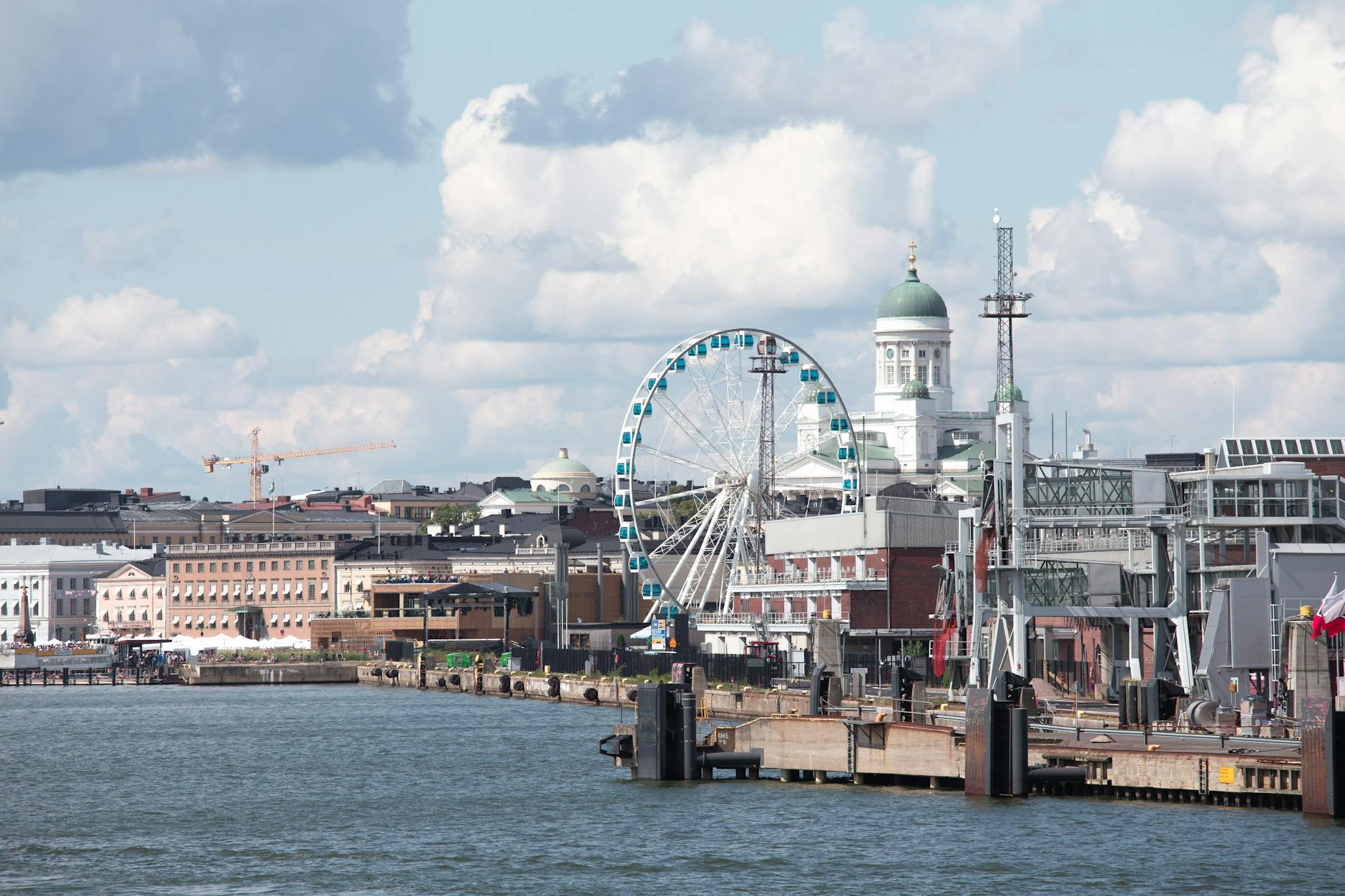
The water matters constantly. Ferries are not a gimmick; they are part of the city’s mental map. Suomenlinna, the fortress island, is the obvious first ferry trip. In summer, more islands become part of the visitor experience: Lonna, Vallisaari, Pihlajasaari, Uunisaari, and others depending on the season and route.
Helsinki’s core contrast
Helsinki is often described as orderly, but it is not sterile. The contrast is more interesting: a clean, efficient, high-trust city with a streak of oddness. You see it in the underground church carved into rock, the library with sewing machines and 3D printers, the metal bands, the design shops, the ice swimmers, the all-night summer light, the deadpan humor, the old market halls, and the seriousness with which people treat coffee breaks.
The city’s architecture tells the same story. There is Swedish-era order, Russian-era grandeur, Finnish national romanticism, Alvar Aalto modernism, brutalist and functionalist blocks, glassy new waterfront districts, and wooden-sauna warmth. Helsinki is not one style; it is a sequence of civic experiments.
The rhythm of the city
Helsinki starts earlier than southern Europe and ends earlier too. Breakfast and coffee culture are strong. Lunch is practical. Dinner can be early by Mediterranean standards, though newer restaurants and bars run later. Sundays are quieter than Saturdays, but not dead. Museums often close on Mondays; some stay open late on certain weekdays. Public saunas can be busy after work and on weekends. In summer, people live outside. In winter, people move more deliberately between warm interiors, saunas, museums, cafés, and the occasional icy walk.
Local logic: Distance on the map is less important than the tram or metro line. A hotel five stops away on a simple route may be easier than a “central” hotel stuck in an awkward corner.
The Helsinki thesis for visitors
Do not visit Helsinki expecting a louder version of Stockholm, Copenhagen, or St. Petersburg. Visit it for a distinctly Finnish mix: reserved but warm, practical but poetic, modest but deeply civilized. The reward is not only what you see; it is how the city lets you move through it.
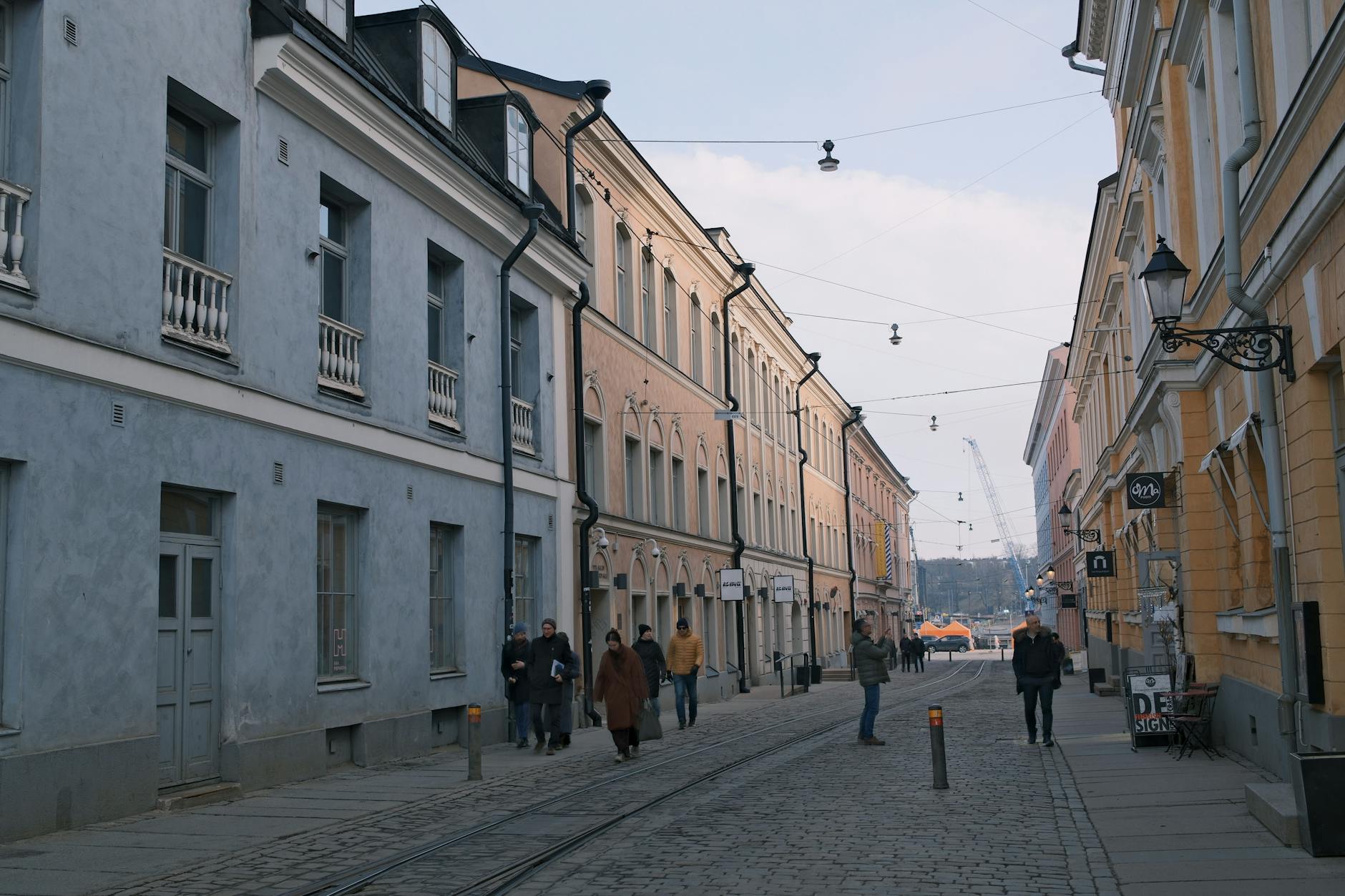
Fast Facts and Planning Basics
Country: Finland Region: Uusimaa, southern Finland Language: Finnish and Swedish are official; English is widely spoken in visitor-facing contexts. Currency: Euro. Payments: Cards and contactless payments are widely used. Cash is rarely necessary but still useful as backup. Time zone: Eastern European Time / Eastern European Summer Time. Airport: Helsinki Airport, often still casually called Helsinki-Vantaa. Main train station: Helsinki Central Railway Station. Emergency number: 112. Tap water: Excellent and safe. Bring a reusable bottle. Plugs: Type C and F, 230V. Tipping: Not required. Rounding up or leaving a small amount for excellent service is appreciated but not expected. Best transport app: HSL for public transport. Best map tool: Google Maps works; HSL Journey Planner is better for transit specifics. Best transit ticket for most first-timers: AB single or day tickets for city exploring; ABC ticket for the airport. Airport ticket note: The airport is in zone C; central Helsinki is in zone A, so you need an ABC ticket between the airport and the center. Important 2026 note: HSL has announced summer 2026 airport train service changes; check current routing if arriving in late spring or summer 2026.
Entry and visas
Finland is in the Schengen Area. Many visitors can enter visa-free for short stays, while others need a Schengen visa. Visa-exempt non-EU travelers should pay attention to the EU’s Entry/Exit System and ETIAS rollout. Do not rely on old blog posts for entry rules; check official sources for your passport before travel.
The move: If you are combining Finland with Estonia, Sweden, Norway, or other Schengen destinations, count your days across the whole Schengen Area, not just Finland.
Helsinki at a glance for first-timers
| Question | Practical answer |
|---|---|
| Is Helsinki easy for first-timers? | Yes. It is compact, safe-feeling, English-friendly, and well organized. |
| Do you need a car? | No. A car is a hassle inside the city and unnecessary for a first visit. |
| Best first neighborhood to stay in? | Kluuvi/Kamppi for convenience, Design District/Punavuori for atmosphere, Katajanokka for quiet harbor charm. |
| Best first activity? | Senate Square, Market Square, Esplanadi, and the ferry to Suomenlinna. |
| Best rainy-day plan? | Oodi, Kiasma, Amos Rex, Ateneum, Old Market Hall, sauna. |
| Best summer plan? | Island ferry, waterfront walk, sauna, terrace dinner, late-evening light. |
| Best winter plan? | Museums, sauna, Christmas market or Lux Helsinki, cafés, short atmospheric walks. |
| Biggest value move? | Use HSL day tickets, eat lunch specials, and choose one paid sauna or museum-heavy day rather than overspending randomly. |
Best Time to Visit Helsinki
Helsinki changes dramatically by season. This is not a place where weather is just background. Weather is part of the plot.
Best overall: June to August
Summer is the easiest version of Helsinki to love. The days are long, the parks fill up, terraces open, island ferries expand, saunas feel social rather than purely restorative, and the waterfront becomes the city’s living room. June has freshness and light. July is warmest and most holiday-like. August brings festivals, slightly darker evenings, and a more urban energy as locals return from summer cottages.
Best for: first-timers, families, island-hopping, outdoor cafés, sea swimming, ferries, festivals, long walks. Watch out for: higher hotel demand around events, occasional rain, and the fact that some locals leave town in July.
Best shoulder months: May and September
May is underrated. It can still be cool, but the city starts to open up after winter. September is also excellent: crisp air, calmer streets, good museum weather, and a more lived-in feel than peak summer. These months are ideal for travelers who want Helsinki without the highest summer prices or the shortest winter days.
Best for: design, museums, walking, photography, lower crowds. Watch out for: variable weather and fewer island services than high summer.
Best winter atmosphere: December to early January
Winter Helsinki is not for everyone, but it can be memorable. Christmas lights, markets, candles, snowy streets if weather cooperates, saunas, ice swimming, and dark afternoons create a city that feels inward and atmospheric. The key is to plan shorter outdoor segments and more warm interiors.
Best for: Christmas markets, saunas, winter photography, museums, cozy restaurants. Watch out for: darkness, icy sidewalks, public-holiday closures, and weather that may be damp rather than snowy.
Deep winter: January to March
January is dark but culturally interesting, especially around light events. February and March can bring more snow, brighter days, and a cleaner winter feeling. For many visitors, this is the moment when Finnish sauna culture makes the most sense.
Best for: winter sauna, museums, quiet travel, lower crowds. Watch out for: cold, wind, ice, and limited daylight.
Least ideal: November
November is probably the hardest sell. It can be dark, wet, windy, and pre-holiday rather than festive. That does not mean you cannot have a good trip. It means you should lean into museums, cafés, sauna, food, and design shopping rather than expecting postcard Helsinki.
The move: For a first Helsinki trip, choose June, August, September, December, or February/March depending on whether you want summer light or winter mood.
How Many Days You Need
One day
One day gives you a taste: Senate Square, Market Square, Esplanadi, Old Market Hall, Oodi or one museum, and perhaps Suomenlinna if the weather is good and you start early. It is enough to understand that you might want to come back, not enough to understand Helsinki.
Two days
Two days works for a classic first visit. Spend one day in the historic center and Suomenlinna, and another on museums, design, Töölönlahti, and sauna. This is the minimum trip length that feels deliberate.
Three days
Three days is the best first-timer length. You can include Suomenlinna, a serious museum block, a public sauna, the Design District, Kallio or Hakaniemi, Oodi, and enough unscheduled time to let Helsinki breathe.
Four to five days
This is ideal if you want a day trip, a deeper food plan, more neighborhoods, or slower travel. Add Porvoo, Nuuksio National Park, Tallinn, or an archipelago day depending on season.
One week
A week lets Helsinki become a base: museums and saunas between day trips, local restaurants instead of rushed meals, neighborhood cafés, ferries, parks, and possibly side trips to Tallinn, Turku, Tampere, Porvoo, or Espoo.
First-timer verdict: Three full days is the sweet spot. Four or five days is better if you like calm cities and nature-adjacent urban travel.
Where to Stay
Helsinki is easy to navigate, so where you stay is less about avoiding disaster and more about choosing the right mood. Most first-time visitors should stay in or near the central districts: Kluuvi, Kamppi, Kruununhaka, Katajanokka, Kaartinkaupunki, Punavuori, Ullanlinna, Töölö, or Kallio/Hakaniemi.
The short answer
Stay in Kluuvi or Kamppi if you want maximum convenience. Stay in Punavuori, Ullanlinna, or the Design District if you want boutique hotels, restaurants, cafés, and stylish neighborhood walking. Stay in Katajanokka if you want quiet harbor atmosphere near the ferries and the old center. Stay in Töölö if you want museums, parks, and a slightly calmer base. Stay in Kallio or Hakaniemi if you want nightlife, food halls, bars, and a more local-feeling urban edge.
Neighborhood decision tree
- First visit and short trip: Kluuvi, Kamppi, or near the Central Railway Station.
- Design, cafés, and restaurants: Punavuori, Kaartinkaupunki, Ullanlinna.
- Quiet harbor charm: Katajanokka.
- Museums and families: Töölö, Kluuvi, or Kamppi.
- Nightlife and a younger local feel: Kallio, Sörnäinen, Hakaniemi.
- Airport convenience: Helsinki Airport area only for early flights, not as a city base.
- Best balance: Kamppi edge of the Design District, or Punavuori close to the center.
Kluuvi and the Central Station area
Best for: first-timers, short stays, train arrivals, transit ease, rainy-weather convenience. Vibe: central, practical, busy, commercial, easy. Why stay here: You are close to the station, trams, metro, museums, shopping, Esplanadi, Senate Square, and most starting points. Why not: It can feel more functional than charming, and some blocks are busier than atmospheric. Perfect for: travelers who want to remove friction.
The move: Stay here for a two-night trip, then spend your actual wandering time in Punavuori, Katajanokka, Töölö, Kallio, and the waterfront.
Kamppi
Best for: convenience with better neighborhood feel than the station area. Vibe: central, practical, mixed-use, connected. Why stay here: The metro, buses, shopping, restaurants, and museums are all easy. You can walk to Oodi, Amos Rex, Kiasma, and the Design District. Why not: Some streets are busy and not especially scenic. Perfect for: first-timers who want a central base without overthinking.
Punavuori and the Design District
Best for: design shops, restaurants, cafés, boutiques, architecture, couples, stylish city breaks. Vibe: creative, residential, quietly fashionable. Why stay here: This is one of the best areas for walking, eating, browsing, and feeling Helsinki as a living city rather than a monument district. Why not: It is not directly on every transit line, and some hotels can be pricey. Perfect for: travelers who like neighborhoods more than landmarks.
The move: Use Punavuori as your base, then walk south to Ullanlinna and Kaivopuisto or north toward Kamppi and Oodi.
Ullanlinna, Eira, and Kaivopuisto
Best for: quiet elegance, architecture, seaside walks, couples, repeat visitors. Vibe: refined, residential, maritime, beautiful. Why stay here: You get Helsinki’s graceful southern neighborhoods, Jugendstil and Art Nouveau buildings, embassies, parks, and easy walks to the sea. Why not: Fewer hotels and slightly less convenient for quick transit-heavy days. Perfect for: slow travelers and walkers.
Katajanokka
Best for: harbor atmosphere, quiet nights, ferries, architecture, families who want calm. Vibe: island-like, maritime, historic, residential. Why stay here: You are close to Uspenski Cathedral, Market Square, ferries, and the old center, but the area feels calmer than the commercial core. Why not: It can be sleepy at night, and restaurant options are more limited than in Punavuori or Kallio. Perfect for: travelers who want central Helsinki without central noise.
Töölö
Best for: museums, parks, architecture, families, music, quieter stays. Vibe: local, leafy, cultural. Why stay here: You are close to Töölönlahti, Finlandia Hall, the Olympic Stadium area, Sibelius Monument, Oodi, Kiasma, and the National Museum area. Why not: It is not as immediately charming as the southern design neighborhoods, and some parts require tram rides. Perfect for: museum-heavy trips and travelers who value space.
Kallio and Hakaniemi
Best for: nightlife, bars, casual food, markets, local atmosphere, budget-to-midrange stays. Vibe: lively, left-field, working-class roots, student and creative energy. Why stay here: It is less polished than the center and more interesting after dark. Hakaniemi Market Hall and the tram/metro connections are useful. Why not: It can be noisy in places, and the vibe is not for travelers seeking classic prettiness. Perfect for: younger travelers, repeat visitors, solo travelers, and people who want Helsinki with a little grit.
Ruoholahti, Jätkäsaari, and the western waterfront
Best for: newer hotels, ferries, business travel, modern waterfront districts. Vibe: contemporary, open, developing. Why stay here: Good for some ferry departures and modern hotels. Why not: It can feel a bit removed from the classic center and lacks the layered charm of older neighborhoods. Perfect for: practical stays, business trips, or travelers who find a good deal near transit.
Airport hotels
Stay at the airport only if you have a very early departure, late arrival, or overnight connection. The airport train is easy enough that most travelers should stay in the city.
First-timer mistake: Booking an airport hotel to “save money” and then spending time and energy commuting into Helsinki. Unless your flight schedule demands it, stay in town.
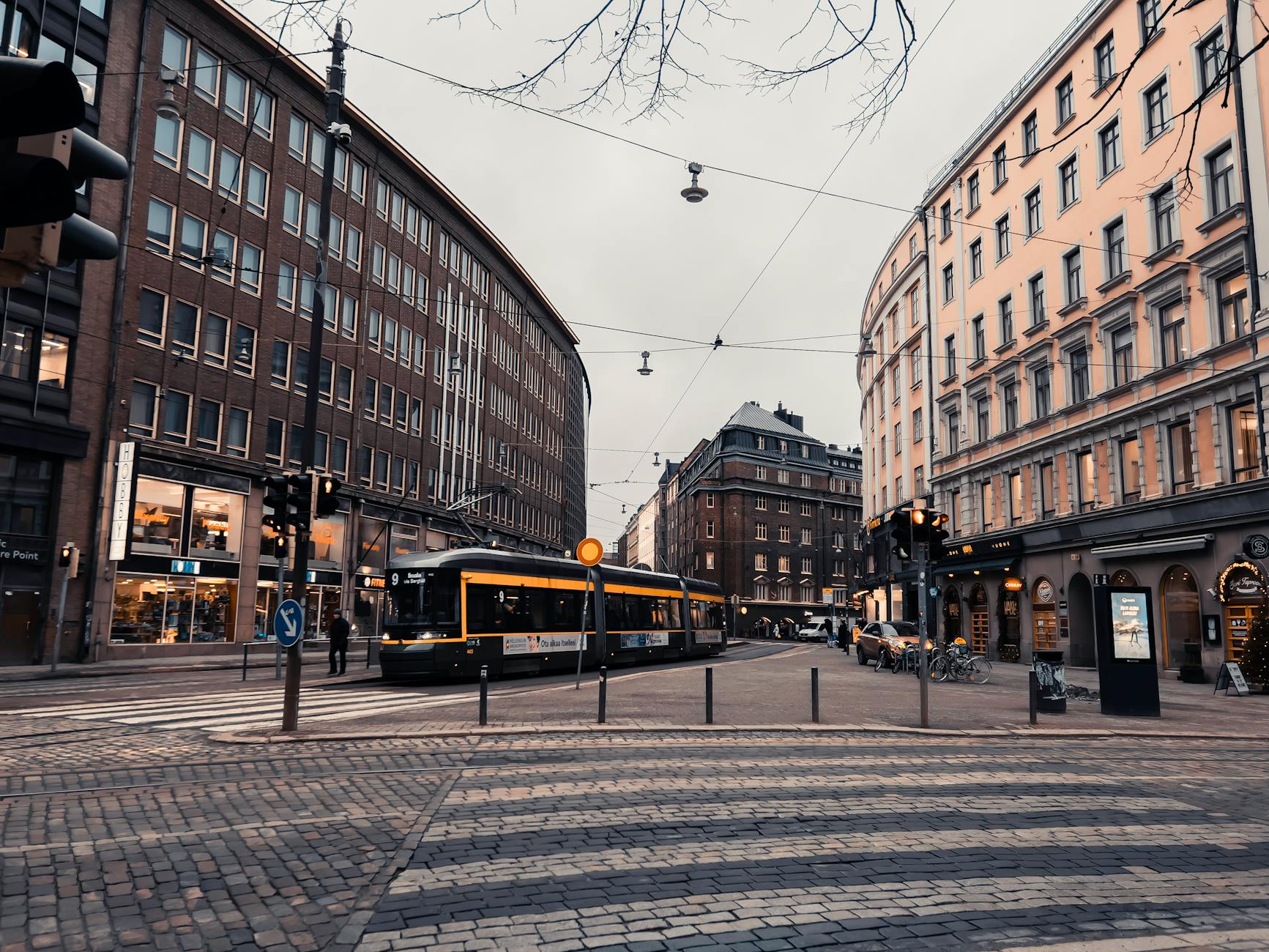
Neighborhood Guide
Helsinki’s neighborhoods are best experienced as short walks, café stops, tram rides, and water views. Do not try to cover every area. Pick the ones that fit your trip.
Senate Square, Kruununhaka, and the historic center
This is Helsinki’s ceremonial face: neoclassical lines, the white cathedral, broad steps, government buildings, university life, and the walk down toward Market Square. Kruununhaka itself is quieter and more residential, with historic streets and a more understated feeling than the postcard square suggests.
Best time: Morning for photos, late afternoon for softer light. Time needed: 45 minutes to 2 hours. Pair it with: Market Square, Old Market Hall, Uspenski Cathedral, Esplanadi, or the Suomenlinna ferry. Skip if: You expect a large old town. Helsinki’s historic center is elegant but compact.
One perfect walk: Start at Senate Square, climb the cathedral steps, loop through Kruununhaka, walk down to Market Square, visit Old Market Hall, then continue along Esplanadi for coffee or lunch.
Esplanadi and Kaartinkaupunki
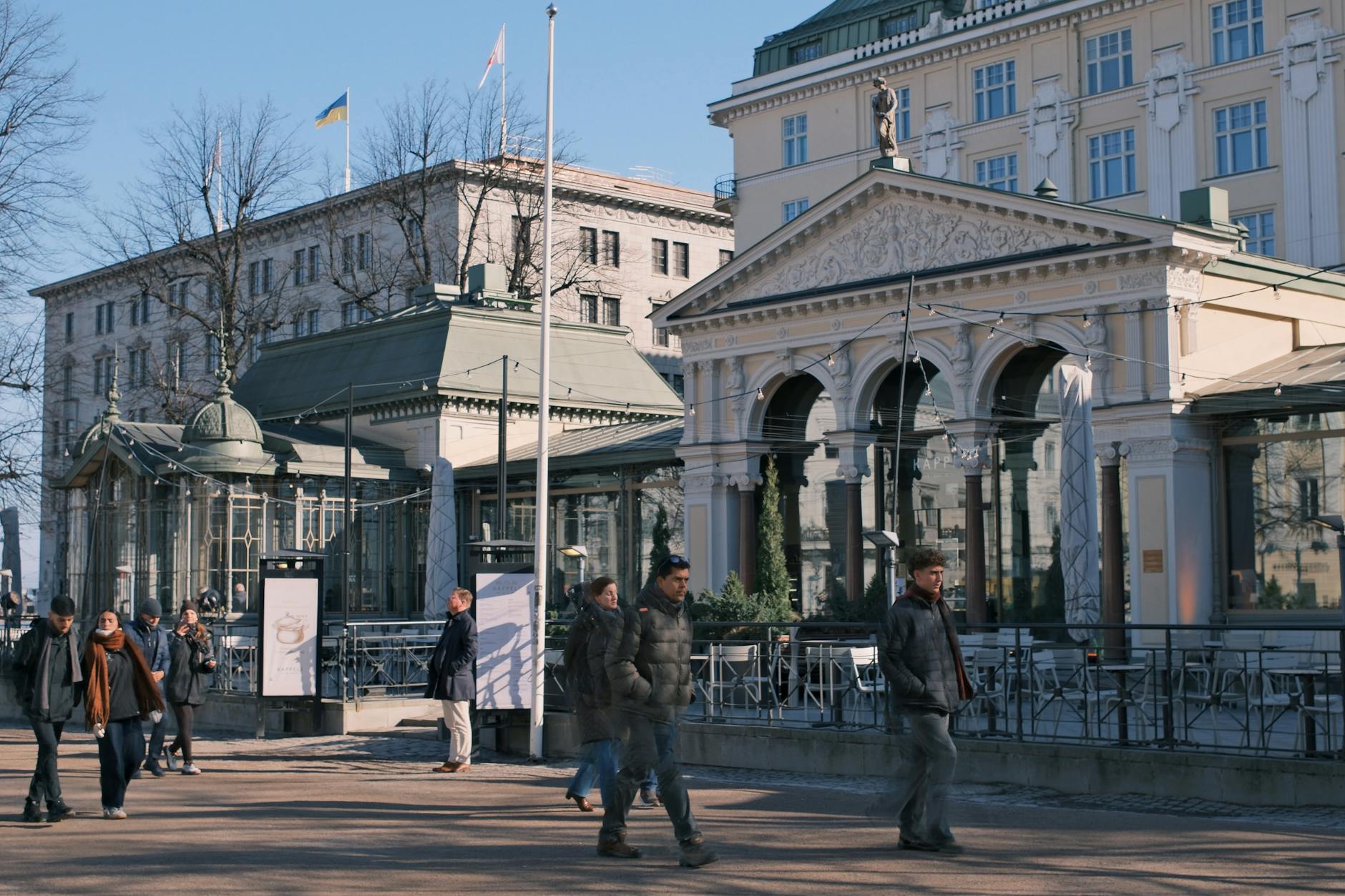
Esplanadi is Helsinki’s classic promenade: shops, cafés, park benches, summer music, and a direct line between the shopping core and the harbor. Kaartinkaupunki and nearby streets bring you toward restaurants, design stores, and older urban blocks.
Best for: easy first-day orientation. Time needed: 30 minutes to half a day if you browse and eat. The move: Walk Esplanadi once during the day and once in the evening. It changes from shopping corridor to public living room.
Punavuori and the Design District
Punavuori is one of Helsinki’s best neighborhoods for travelers who like independent shops, small restaurants, design, galleries, and a relaxed urban rhythm. The Design District is not a single attraction; it is a pattern of streets and small businesses.
Best for: design, coffee, restaurants, boutiques. Time needed: 2 to 4 hours. Pair it with: Ullanlinna, Eira, Hietalahti Market Hall, or Kamppi. Local logic: The best thing here is not one shop. It is the density of small stops.
Ullanlinna, Eira, and Kaivopuisto
This is Helsinki at its most graceful: residential streets, embassies, Art Nouveau buildings, sea air, and one of the city’s best parks. Kaivopuisto is especially good for a summer or early autumn walk.
Best for: architecture, seaside walks, quiet beauty. Time needed: 2 to 3 hours. Pair it with: Design District, Löyly, Uunisaari, or a southern waterfront walk. The move: Come late afternoon, walk to the sea, and stay for the light.
Katajanokka
Katajanokka feels slightly set apart from the rest of the center. It has red-brick warehouses, Jugendstil buildings, ferry terminals, the dramatic Uspenski Cathedral, quiet residential streets, and views back toward the old harbor.
Best for: architecture, harbor atmosphere, quieter central stays. Time needed: 1 to 2 hours. Pair it with: Market Square, Allas Pool, Uspenski Cathedral, or a ferry departure. Worth it: Yes, especially if you like walking through neighborhoods rather than only seeing attractions.
Töölö and Töölönlahti
This is the cultural belt: Oodi, Kiasma, Music Centre, Finlandia Hall, the National Museum area, parks, water, and excellent walking. Töölö also has residential streets, cafés, and the route toward Sibelius Park.
Best for: museums, architecture, libraries, parks, families. Time needed: Half a day. Pair it with: Oodi, Kiasma, Finlandia Hall, Olympic Stadium area, Sibelius Monument. Rain plan: Oodi plus Kiasma or Amos Rex.
Kallio, Hakaniemi, and Sörnäinen
This is Helsinki’s more informal side: bars, casual restaurants, market halls, students, old working-class identity, clubs, and a less polished street feel. It is not the prettiest part of the city, but it is one of the most useful if you want Helsinki after office hours.
Best for: nightlife, local food, market halls, budget energy. Time needed: 2 hours to an evening. Pair it with: Hakaniemi Market Hall, Kallio Church, Suvilahti, or Flow Festival if visiting in August. Skip if: You want classic old-world charm.
Kalasatama, Suvilahti, and the eastern waterfront
Former industrial areas and new urban development meet here. This is not the default first-timer district, but it matters for contemporary Helsinki: event spaces, new towers, waterfront redevelopment, and festival infrastructure.
Best for: events, architecture curiosity, urban change. Time needed: Event-dependent. Pair it with: Kallio or Sörnäinen.
Seurasaari and Munkkiniemi
West of the center, Seurasaari offers an open-air museum, wooded paths, and a calmer look at Finnish traditional buildings and landscapes. Munkkiniemi adds residential charm and seaside walking.
Best for: families, folk architecture, summer walks, nature without leaving the city. Time needed: Half a day. Pair it with: Sibelius Monument, Töölö, or a west-side tram ride.
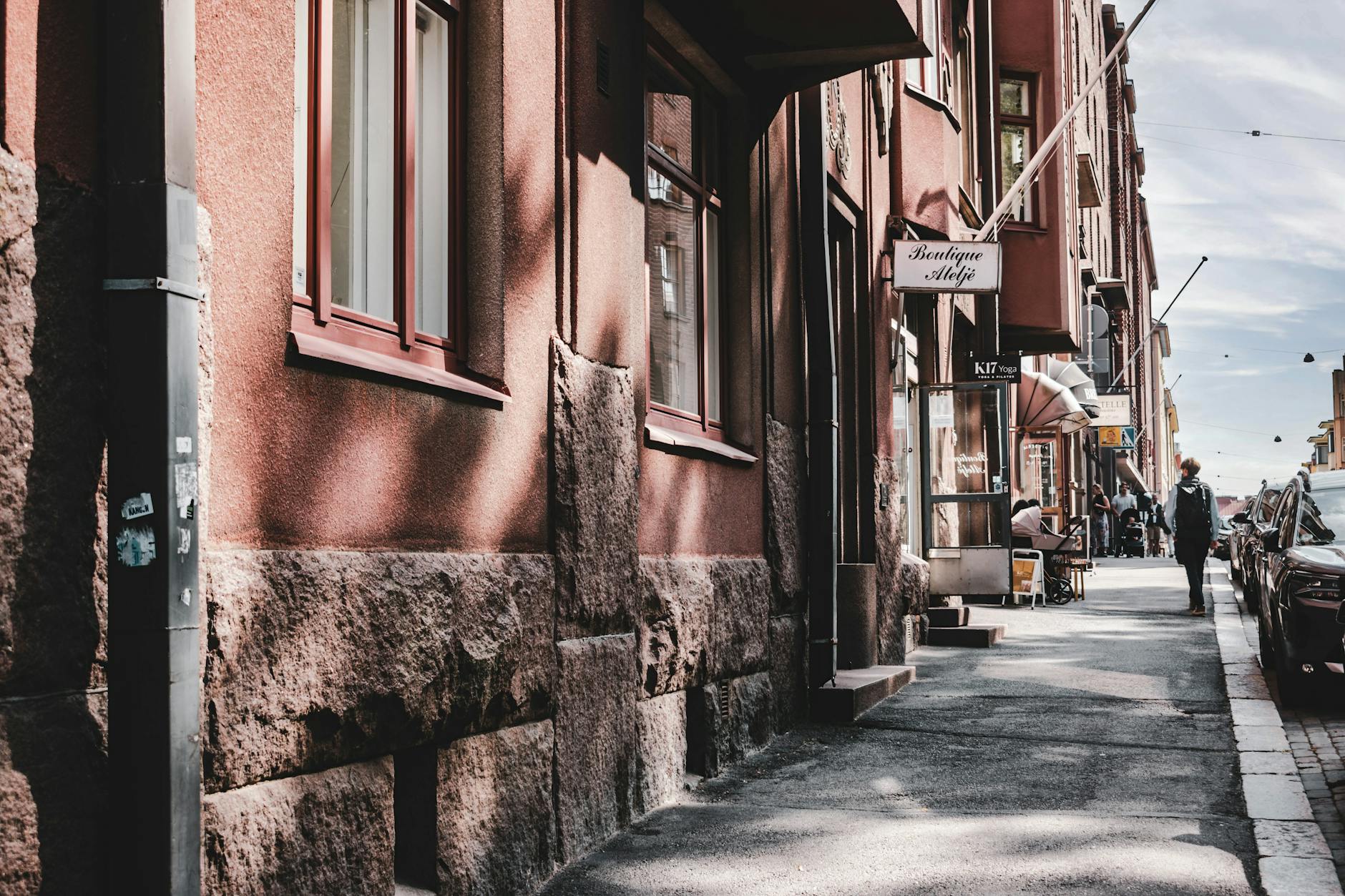
Best Things to Do
Helsinki’s best activities fall into a few categories: architecture, museums, public life, sea, sauna, design, and neighborhoods. The trick is to combine them rather than treating them as isolated boxes.
1. Start at Senate Square and Helsinki Cathedral
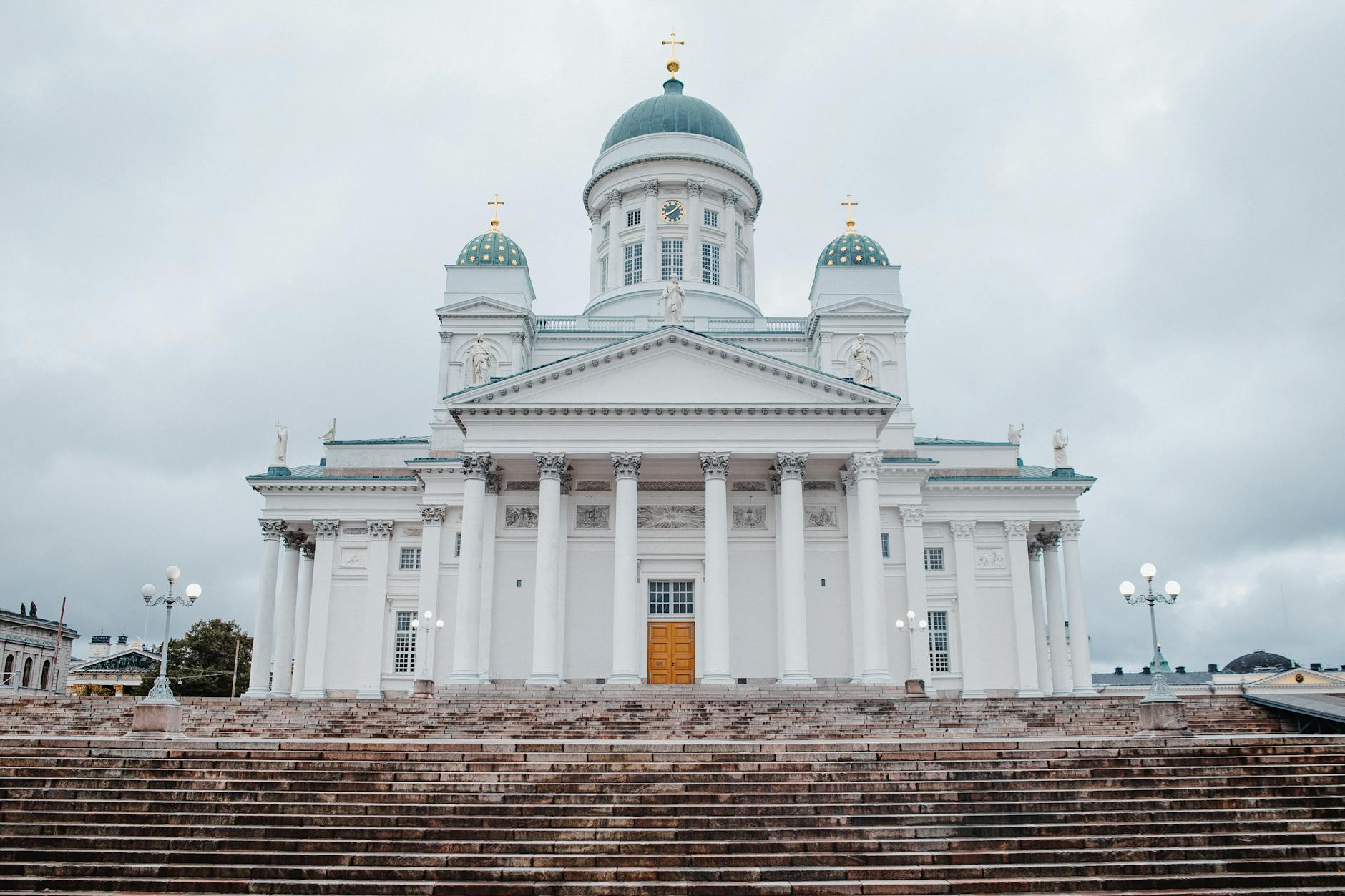
This is the obvious postcard, and it is worth seeing early. Helsinki Cathedral is more powerful as a civic image than as an interior spectacle. The stairs, the square, the symmetry, and the relationship to the surrounding neoclassical buildings are the point.
Why it matters: It gives you the city’s 19th-century ceremonial face. Time needed: 30 to 60 minutes. Best time: Morning or late afternoon. Pair it with: Market Square and Old Market Hall. Worth it? Yes, but do not build your entire day around it.
2. Take the ferry to Suomenlinna
Suomenlinna is Helsinki’s essential first-timer experience: a sea fortress spread across islands, reachable by public ferry from Market Square. It is not only a historic site; it is also a neighborhood, picnic ground, walking route, museum cluster, and sea-air reset.
Why it matters: It explains Helsinki’s maritime identity better than any single building. Time needed: 2.5 hours minimum; half a day is better. Best time: Morning for quieter paths, late afternoon for light, summer for longer exploring. Book ahead? Not for the public ferry, but guided tours and some museums may have schedules. Local tip: Wear proper shoes. The fortress paths can be uneven and windy. First-timer mistake: Treating Suomenlinna as a quick photo stop. The experience is the walk.
3. Visit Oodi, Helsinki’s Central Library
Oodi is one of the great public buildings in Europe. It is a library, but also a civic living room: reading spaces, work areas, studios, family areas, terraces, and sweeping views toward Parliament and Töölönlahti.
Why it matters: It shows Helsinki’s belief that public infrastructure can be beautiful, generous, and heavily used. Time needed: 30 minutes to 2 hours. Best time: Rainy day, winter afternoon, or any time you want to understand the city’s civic imagination. Worth it? Absolutely, even if you are not usually a library traveler.
4. Choose your art museum: Ateneum, Kiasma, Amos Rex
Helsinki’s museum scene is strong for a city of its size. The key is choosing well.
Ateneum is the classic Finnish art museum. Go if you want national art, history, painting, and a more traditional museum experience.
Kiasma is contemporary art in a Steven Holl building near Oodi and the railway station. Go if you like modern and contemporary work, performance, and changing exhibitions.
Amos Rex is the most playful and architectural of the central museums, with underground gallery spaces beneath Lasipalatsi and a program that often leans immersive, experimental, or contemporary.
The move: Do not do all three in one day unless you are a museum person. Pick one anchor museum and let Oodi, a café, or a sauna balance the day.
5. Experience a public sauna
Sauna is not an “activity” in Finland in the way outsiders sometimes frame it. It is part of life. For visitors, a public sauna is one of the best ways to understand Helsinki’s relationship with heat, water, silence, and social ritual.
Popular choices: Löyly for an iconic sea-facing design sauna; Allas Pool for a convenient harbor pool-and-sauna experience; Kotiharjun Sauna for traditional Kallio atmosphere; Uunisaari for seasonal island sauna; Kulttuurisauna for a more restrained, purist approach; Sompasauna for a rougher, communal, self-service culture that is not for everyone.
Etiquette basics: Shower before entering, sit on a towel, keep conversation low unless the room is social, ask before throwing water on the stones if the culture of that sauna suggests it, and follow each facility’s swimwear rules.
First-timer mistake: Choosing a sauna only for Instagram. Choose the sauna that matches your comfort level.
6. Walk the Design District
Helsinki is a design city, but the best design experience is not a single museum shop. It is a slow browse through Punavuori, Kaartinkaupunki, Kamppi, and nearby streets: glassware, textiles, ceramics, fashion, interiors, galleries, cafés, and small studios.
Why it matters: Finnish design is practical, tactile, and connected to daily life. Time needed: 2 to 4 hours. Best for: shoppers, architecture lovers, café wanderers. The move: Pair shops with a proper lunch. Do not try to browse while hungry; Helsinki prices feel worse when you are tired.
7. Visit Temppeliaukio Church, the Rock Church
Carved into solid rock, Temppeliaukio Church is one of Helsinki’s most distinctive buildings. It is touristy, yes, but the architecture is genuinely unusual.
Why it matters: It combines modernism, geology, acoustics, and worship space. Time needed: 20 to 45 minutes. Best time: Check current hours because it remains an active church and can close for services and events. Worth it? Yes if you like architecture; skippable if you are rushing and not interested in modern churches.
8. See Uspenski Cathedral and Katajanokka
Uspenski Cathedral brings the Russian imperial and Orthodox layer into the cityscape. The brick exterior, hilltop position, and view toward the harbor make it one of Helsinki’s most photogenic stops.
Time needed: 30 to 60 minutes. Pair it with: Market Square, Katajanokka, Allas Pool, or the ferry area. Local logic: The exterior, setting, and walk are at least as important as the interior.
9. Eat and browse at the market halls
Helsinki’s market halls are practical, atmospheric, and useful in bad weather. Old Market Hall near the harbor is the classic visitor stop. Hakaniemi Market Hall feels more local and pairs well with Kallio or Hakaniemi exploring. Hietalahti Market Hall works well with the Design District and flea-market area.
Best for: lunch, coffee, food souvenirs, rainy-day browsing. Common mistake: Eating only at the market hall and never trying Helsinki’s newer restaurants.
10. Walk Töölönlahti and the civic culture belt
The Töölönlahti area gives you Oodi, Kiasma, the Music Centre, Finlandia Hall, parks, water, and a route toward the Olympic Stadium and Töölö. It is one of the easiest places to understand modern Helsinki.
Time needed: 1 to 3 hours. Best time: Morning walk, late afternoon, or after a museum. Pair it with: Oodi and Kiasma.
11. Spend time by the sea
Helsinki’s shoreline is not decorative; it is the city’s organizing principle. Walk from Market Square toward Katajanokka, from Kaivopuisto along the southern shore, around Töölönlahti, or toward Eira and Hernesaari. In summer, the waterfront becomes a social map of terraces, swimmers, ferries, joggers, and park picnics.
The move: In summer, schedule a late evening seaside walk even if you think you are tired. The light is part of the trip.
12. Explore Seurasaari
Seurasaari is an island open-air museum and green escape west of the center. It is especially good for families, architecture-minded travelers, and anyone who wants nature without committing to a full national park day.
Time needed: 2 to 4 hours. Best season: Late spring through early autumn. Pair it with: Sibelius Monument or Munkkiniemi.
13. Visit Sibelius Monument, but manage expectations
The Sibelius Monument is one of Helsinki’s famous sights, but it is best as part of a west-side walk, not as a standalone mission. The park setting helps.
Worth it? Yes if you are nearby; not worth crossing the city just for a five-minute look. Better pairing: Töölö, Seurasaari, or Café Regatta.
14. Go island-hopping in summer
Beyond Suomenlinna, summer Helsinki opens to islands. Lonna is easy and stylish. Vallisaari has nature and military-history layers. Pihlajasaari is popular for beaches and summer swimming. Uunisaari is close to Kaivopuisto and useful for sauna or restaurant plans depending on season.
Best for: summer visitors with more than two days. Book/check ahead: Seasonal ferries, weather, restaurants, and sauna availability. First-timer mistake: Planning three islands in one day. Choose one and enjoy it.
15. Follow Helsinki’s architecture story
A good architecture day can include Senate Square, Uspenski Cathedral, Central Railway Station, Oodi, Finlandia Hall, Temppeliaukio Church, Olympic Stadium, Lasipalatsi/Amos Rex, and Jugendstil buildings in Katajanokka or Eira.
The move: Focus on eras. Morning for neoclassical and Russian-era Helsinki; afternoon for modernism and contemporary design.
Museum Strategy: How to Choose Without Overloading the Trip
Helsinki is strong on museums, but the best approach is selective. Pick one major art museum, one design or architecture stop, and one city-history or contemporary-culture stop rather than trying to see everything.
Ateneum is the best first choice for Finnish art and national visual culture.
Kiasma is the best contemporary-art choice if you want a central museum near Oodi and the cultural district.
Amos Rex is the best choice when the temporary exhibition appeals to you; it is often the most visitor-friendly contemporary-art experience.
Architecture & Design Museum is the natural stop for Finnish design, architecture, objects, and visual culture, especially if you are staying in or exploring Punavuori and the Design District.[1]
Helsinki City Museum is a useful free stop near Senate Square. Its official visitor information lists always-free entry and regular opening hours, making it one of the easiest budget-friendly additions to a central walk.[2]
The National Museum of Finland is normally an obvious candidate for Finnish history, but it is currently closed for renovation and expansion and is estimated to reopen in spring 2027.[3]
The move: Do not measure Helsinki by the number of museums you complete. Measure it by whether the museum helps you read the city outside its doors.
Itineraries
These itineraries are built to be realistic. Helsinki rewards pacing. Do not pack your day as if you are trying to beat the city.
One Perfect Day in Helsinki
Morning: Start at Senate Square and Helsinki Cathedral. Walk down to Market Square and Old Market Hall for coffee or a light breakfast. See Uspenski Cathedral from Katajanokka.
Late morning: Take the ferry to Suomenlinna. Follow the main walking route, leave time for sea views, and do not rush the return.
Lunch: Eat on Suomenlinna in season, or return to the center for Old Market Hall, Esplanadi, or a casual lunch.
Afternoon: Visit Oodi and walk around Töölönlahti. If you want art, choose Kiasma, Amos Rex, or Ateneum.
Evening: Book a sauna: Löyly for the design-and-sea version, Allas Pool for central convenience, or Kotiharjun for tradition. Finish with dinner in Punavuori, Kallio, or the center.
What to cut if tired: The museum. Keep Suomenlinna, Oodi, and sauna.
Two Days in Helsinki
Day 1: Classic Helsinki and the sea
Morning at Senate Square, Market Square, Old Market Hall, Uspenski Cathedral. Ferry to Suomenlinna before or after lunch. Return for Esplanadi and a relaxed dinner.
Day 2: Design, museums, and sauna
Start at Oodi and Töölönlahti. Visit one major museum. Walk through Kamppi into Punavuori and the Design District. Have coffee and browse shops. End with sauna and dinner.
The move: Put Suomenlinna on the better-weather day.
Three Days in Helsinki
Day 1: First-timer core
Senate Square, Market Square, Old Market Hall, Uspenski Cathedral, Esplanadi, Suomenlinna, dinner near the center or Punavuori.
Day 2: Culture and design
Oodi, Kiasma or Amos Rex, Töölönlahti walk, Design District, Hietalahti Market Hall, Punavuori dinner.
Day 3: Local Helsinki
Hakaniemi Market Hall, Kallio, tram ride, Seurasaari or Kaivopuisto, sauna, and a final waterfront walk.
Rain alternative: Swap Seurasaari or Kaivopuisto for Ateneum, Kiasma, or a longer sauna session.
Five Days in Helsinki
Day 1: Historic center and orientation
Senate Square, Market Square, Old Market Hall, Esplanadi, Uspenski, Katajanokka.
Day 2: Suomenlinna and islands
Suomenlinna as a half-day trip. In summer, add Lonna or another island if ferries make sense. In winter, keep Suomenlinna shorter and finish with sauna.
Day 3: Museums and design
Oodi, Kiasma or Amos Rex, Ateneum if you love art, Design District, Punavuori dinner.
Day 4: Day trip
Choose Porvoo for old-town charm, Nuuksio for nature, Tallinn for a Baltic day cruise, or Espoo for museums/nature with easier logistics.
Day 5: Local rhythm
Hakaniemi, Kallio, Töölö, Seurasaari, southern waterfront, and one final sauna or special dinner.
Helsinki with kids
Keep the days shorter and choose high-reward, low-stress stops: Oodi, trams, Suomenlinna, Seurasaari, market halls, parks, ferry rides, and Allas Pool if swimming suits your family. Avoid stacking too many museums unless your children love them.
Helsinki for design lovers
Stay in Punavuori or Kamppi. Build around Design District shops, Amos Rex, Oodi, Aalto-related architecture, Arabia/Iittala interests, museums, and Helsinki Design Week if the dates align.
Helsinki for sauna lovers
Do one accessible polished sauna, one more local or traditional sauna, and one cold-water or sea-adjacent experience. Do not schedule heavy meals immediately before sauna.
Food and Drink
Helsinki’s food scene is better than many first-time visitors expect, but it is not a cheap eating city. The best approach is to mix market halls, lunch deals, cafés, bakeries, one or two carefully chosen restaurants, and perhaps a sauna-adjacent meal.
Helsinki’s food identity
Finnish food is shaped by season, forest, lake, sea, preservation, rye, dairy, berries, mushrooms, fish, potatoes, game, oats, coffee, and baked goods. Modern Helsinki adds Nordic tasting menus, Japanese and Korean influences, Middle Eastern and Turkish food, excellent bread, specialty coffee, vegan cooking, and casual market-hall meals.
The city eats quietly but seriously. You will not find the same late-night dining culture as Madrid or Istanbul. You will find excellent lunches, precise coffee, cinnamon-cardamom pastries, rye bread, salmon soup, smoked fish, and restaurants that make vegetables, berries, and grains feel important.
What to eat
Salmon soup: Creamy, simple, warming, and common in market halls and traditional restaurants. Best in cool weather or after a harbor walk.
Rye bread: Finnish rye is dense, sour, and deeply part of daily life. Try it with butter, cheese, fish, or soup.
Karelian pies: Thin rye crust filled with rice porridge, often eaten with egg butter. A good snack or breakfast item.
Cinnamon buns and cardamom buns: Finland’s pastry culture is essential. Cardamom is the flavor to notice.
Blueberries, lingonberries, cloudberries: Berries show up in desserts, jams, breakfast, and fine dining.
Smoked fish and herring: Especially near markets and traditional restaurants.
Reindeer or game: More associated with northern Finland but available in Helsinki, usually in traditional or tourist-facing restaurants. Choose carefully.
Finnish cheeses and dairy: Try local cheeses, yogurts, and butter if you like simple foods done well.
New Nordic tasting menus: Helsinki has serious modern restaurants. Book ahead and budget accordingly.
Where to eat by situation
Best first lunch: Old Market Hall or Hakaniemi Market Hall. You get local flavors without needing a long reservation.
Best first dinner: Punavuori, Kamppi, or Kallio depending on budget and mood. Choose a restaurant within walking distance of your hotel for the first night.
Best casual food zone: Kallio/Hakaniemi for market hall, bars, casual dining, and less formal energy.
Best design-and-dinner zone: Punavuori and the Design District.
Best waterfront food experience: Seasonal island restaurants, Löyly, Allas area, or harbor-adjacent spots, but choose carefully; some views cost more than the food is worth.
Best café strategy: Have coffee mid-morning or mid-afternoon. Finland drinks a lot of coffee, and café stops are part of the city’s rhythm.
Restaurant practicalities
Reservations are recommended for popular dinners, weekends, tasting menus, and small restaurants. Lunch is often better value than dinner. Many restaurants accept cards easily. Tipping is not expected. Service is polite but usually not performative; do not mistake low-key service for unfriendliness.
First-timer mistake: Eating only around Market Square. It is fine for a convenient stop, but Helsinki’s better restaurant life spreads into Punavuori, Kallio, Töölö, and other neighborhoods.
Drinks and nightlife
Helsinki drinks coffee by day and has a compact but interesting bar scene by night. Craft beer, cocktails, wine bars, natural wine, and neighborhood bars are all available. Kallio and Sörnäinen are best for casual nightlife. The Design District and central neighborhoods are better for cocktails and dinner drinks. Summer terraces are a major part of the social scene.
Alcohol is expensive compared with many European cities, and retail alcohol rules are more regulated than some visitors expect. Plan accordingly.
The move: In summer, have one early evening drink outdoors and one later walk by the water. The walk may be the better part.
Getting Around
Helsinki is one of Europe’s easiest capitals to navigate. Public transport is integrated, reliable, and useful. Walking is pleasant in the center, but trams and metro lines are part of the experience.
From Helsinki Airport to the city
The easiest airport transfer for most visitors is the I or P train. The station is directly beneath the terminal, and the journey to central Helsinki is around 30 minutes under normal service. Bus 600 is another public-transport option, typically slower but useful depending on destination or service changes. Taxis and ride-hailing are available, but most first-time visitors do not need them unless arriving very late, traveling with lots of luggage, or staying somewhere awkward.
Ticket rule: Helsinki Airport is in HSL zone C and central Helsinki is in zone A. You need an ABC ticket between the airport and the city center.
Important 2026 note: HSL announced airport train service changes for summer 2026 due to maintenance, including reduced service and altered operations during specific periods. Check HSL Journey Planner close to travel.
HSL tickets and zones
HSL covers buses, trams, metro, commuter trains, and the Suomenlinna ferry. The zone system radiates outward from central Helsinki. Most central sightseeing is within AB. The airport requires ABC. Suomenlinna requires an AB ticket from Market Square.
As of the checked 2026 information, useful reference prices include:
- AB adult single ticket for the Suomenlinna ferry/city travel: about €3.30.
- ABC airport ticket by contactless payment: about €4.80.
- AB one-day ticket: about €10.60.
- ABC one-day ticket: about €12.80.
Prices and payment methods can change. Check HSL before travel.
Penalty warning: HSL uses proof-of-payment checks. If you do not have a valid ticket, the penalty is serious. Buy before boarding or entering metro/ferry payment areas.
Trams
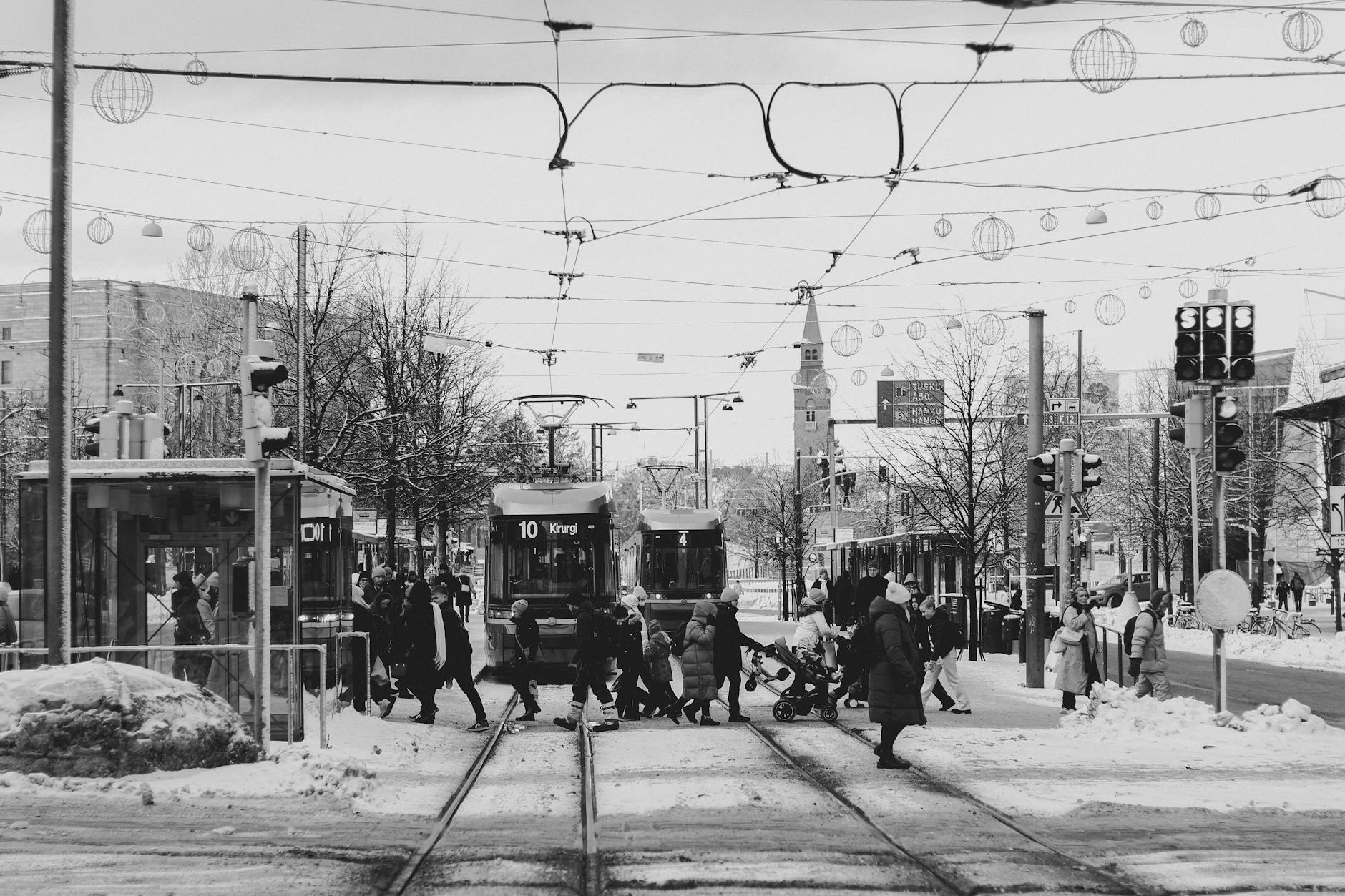
Trams are one of the best ways to see Helsinki. They are useful, scenic, and forgiving. Use them between the center, Töölö, Kallio, Katajanokka, Punavuori edges, and other central districts.
The move: Take a tram on your first day even if walking is possible. It helps you understand the city’s scale.
Metro
The metro is simple and most useful for east-west trips, especially toward Kallio/Sörnäinen, Kalasatama, and Espoo directions. It is not as tourist-iconic as the trams, but it is efficient.
Ferries
The HSL ferry to Suomenlinna is part of the public transport system. In summer, other island ferries and waterbuses expand your options. Always check seasonal schedules; ferry routes can be weather- and season-dependent.
Walking
Helsinki is very walkable in the central districts. Sidewalks are generally good, distances are manageable, and the city rewards slow walking. Winter adds ice and wind, so footwear matters. Summer adds long days and waterfront temptation.
Biking and scooters
Cycling can be good in Helsinki, especially in warmer months, but visitors should understand local routes and weather. Shared bikes and scooters may be available depending on season and operator, but public transport plus walking is easier for most first-timers.
Taxis and rideshare
Taxis are expensive but useful late at night, with luggage, or in bad weather. At the airport, use official taxi lanes or pre-booked services and confirm the fare structure. Do not assume a taxi is the default best option; the train is usually faster and cheaper.
Driving and car rental
Do not rent a car for Helsinki itself. Parking, winter driving, and city navigation are not worth it. Rent a car only for specific regional travel, countryside plans, or routes poorly served by public transport.
Budget and Costs
Helsinki is not cheap, but it is manageable if you plan intelligently. The danger is not one outrageous expense; it is casual spending: coffee, drinks, taxis, unplanned dinners, and paid attractions adding up quickly.
Daily budget estimates
Shoestring: €60–€100 per day if staying in hostel-style lodging, using supermarkets/market halls, walking, and limiting paid attractions.
Budget: €110–€170 per day with budget hotel or simple private room, casual meals, HSL tickets, one paid attraction or sauna.
Mid-range: €180–€300 per day with a good hotel, restaurants, cafés, museum entries, and a sauna.
Comfortable: €300–€500+ per day with a strong hotel, better restaurants, taxis when useful, multiple paid experiences.
Luxury: €500+ per day, especially with top hotels, tasting menus, private guides, premium sauna/spa experiences, and peak summer dates.
Typical costs to plan for
- Coffee and pastry: often €6–€12 depending on place.
- Casual lunch: €12–€20.
- Dinner main: €20–€35+.
- Better dinner: €50–€100+ per person depending on drinks.
- Public sauna: often in the high teens to high twenties or more depending on venue.
- Museum ticket: often around €15–€25.
- HSL city single ticket: low single digits.
- Airport public transport ticket: under €5 as checked for 2026 contactless ABC travel.
- Taxi from airport: much more than train; verify current fares.
Best value moves
Use public transport. Eat lunch specials. Buy day tickets only if you will ride enough to justify them. Choose one or two paid museums, not every museum. Use Oodi, parks, waterfronts, churches, and neighborhood walks as free anchors. Drink tap water. Book accommodation early for summer and events.
Helsinki Card: worth it or not?
The Helsinki Card can be worthwhile if you plan a museum-heavy, tour-heavy trip. The key is understanding the card type. As checked for 2026, the digital Helsinki Card starts at a lower price but does not include public transport, while CITY and REGION versions include different transport zones. REGION is the relevant version if you want airport zone coverage.
Worth it if: You will visit several included museums/attractions, use sightseeing tours or cruises, and structure your days tightly. Usually not worth it if: You prefer wandering, one museum per day, cafés, parks, and independent ferry/walking plans. The move: Price out your actual itinerary. Do not buy a city card because it sounds efficient.
Safety, Health, and Practical Comfort
Helsinki is generally an easy and safe-feeling city for visitors. Violent crime is not a major tourist concern, and most central areas are comfortable to walk in. That said, normal city awareness still matters, especially around busy tourist areas, markets, nightlife, public transport, and festivals.
Common safety issues
Pickpocketing: Low compared with many European capitals, but it can happen in crowded tourist areas, markets, events, and transit. Keep phones and wallets secure.
Winter slips: Ice is a real risk. Wear shoes with traction in winter and watch for black ice.
Cold and wind: The wind off the water can make temperatures feel harsher than the number suggests.
Sauna and cold water: Do not overdo heat/cold cycles, especially if you have heart or blood pressure concerns. Follow posted rules.
Alcohol: Drinks are expensive, and intoxication can create the usual late-night risks. Use a taxi or public transit home if needed.
Health basics
Tap water is excellent. Pharmacies are clearly marked and reliable. Travel insurance is wise. EU/EEA travelers should carry relevant health documentation; non-EU visitors should check insurance coverage. In emergencies, call 112.
Women, solo travelers, and LGBTQ+ travelers
Helsinki is one of Europe’s easier cities for solo travelers, including solo women travelers. LGBTQ+ travelers generally find Helsinki welcoming, with Pride and queer nightlife/culture present, though the scene is smaller than in larger global capitals. Use the same late-night judgment you would in any city.
Weather comfort
The main practical challenge is weather. Bring layers, waterproof outerwear, and appropriate shoes. In summer, pack a light jacket even if the forecast looks warm. In winter, pack seriously: insulated footwear, gloves, hat, base layers, and a coat that blocks wind.
Accessibility
Helsinki is better than many older European cities for accessibility, but it is not perfect. Public transport is generally modern, many museums and civic buildings are accessible, and sidewalks are often in good condition. Winter ice, snow, construction, cobblestones, ferry ramps, older buildings, and some island paths can still create difficulty.
Public transport accessibility
Many trams, buses, metro stations, and trains are designed with accessibility in mind, but service details vary. Elevators and escalators can be temporarily out of order, and winter conditions matter. Use HSL’s route tools and accessibility information before setting out.
Neighborhoods and terrain
Central Helsinki is relatively flat compared with hillier European cities. That helps. The biggest issues are winter surfaces, curb transitions, construction, and older buildings. Suomenlinna can be challenging because of uneven surfaces, slopes, gravel, and weather exposure.
Museums and attractions
Oodi, Kiasma, Amos Rex, Ateneum, and many major public buildings provide accessibility information and are generally more manageable than older heritage sites. Always check ahead for temporary exhibitions, entrances, elevators, and accessible toilets.
Best accessible-style itinerary
Base yourself in Kluuvi/Kamppi or near a reliable tram/metro stop. Use Oodi, Kiasma or Amos Rex, Esplanadi, Old Market Hall, Allas Pool if suitable, and short waterfront sections. Treat Suomenlinna as conditional rather than automatic.
Honest note: Helsinki is relatively good for accessibility, but winter can turn an easy route into a difficult one. Weather is the variable to respect.
Families and Special Traveler Types
Families with children
Helsinki is an excellent family city if you keep the pace realistic. It is clean, transit is easy, public spaces are good, and many attractions are low-stress. Oodi is a standout. Ferries feel like an adventure. Parks and islands make summer visits easy.
Best family activities: Oodi, Suomenlinna, Seurasaari, trams, market halls, Allas Pool, parks, ferry rides, natural history or science-oriented options depending on current museum plans.
What to avoid with young kids: Overly ambitious museum days, long winter walks without warm breaks, and late dinners without reservations.
Solo travelers
Helsinki is comfortable for solo travel. Cafés, libraries, museums, market halls, saunas, and public transport make it easy to fill a day without feeling conspicuous. Solo dining is common enough, though small popular restaurants still need reservations.
Couples
Helsinki is romantic in a quiet way: waterfront walks, boutique hotels, design shops, sauna, winter candles, summer light, and calm dinners. Stay in Punavuori, Ullanlinna, Katajanokka, or a stylish central hotel.
Older travelers
The city is manageable, but winter ice and long outdoor days require planning. Stay central, use trams, and choose museums, Oodi, markets, and gentle waterfront walks. Suomenlinna is possible for many older travelers but requires good footwear and weather judgment.
Remote workers
Helsinki works well for remote work: good infrastructure, calm cafés, coworking spaces, strong public services, and excellent transit. It is expensive, though, and winter darkness can be hard if you are staying long-term.
Shopping and Souvenirs
Helsinki is a strong shopping city if you care about design, textiles, ceramics, glass, paper goods, books, kitchen objects, outdoor gear, and food gifts. It is not the place for cheap souvenir hauls.
What to buy
Finnish glassware and ceramics: Iittala, Arabia, and smaller studios. Textiles: Marimekko is the obvious name, but browse independent shops too. Design objects: Practical, minimal, and often expensive, but many items are genuinely useful. Moomin items: Ubiquitous, charming, and easy to pack. Finnish food gifts: Chocolate, rye crisps, berry products, licorice, cloudberry jam, coffee, and packaged fish products where customs rules allow. Books and paper goods: Good design bookstores and stationery options. Outdoor items: Finland takes cold weather seriously; gear can be high quality.
Best shopping areas
Design District/Punavuori: Best for independent shops, design, cafés, and browsing. Esplanadi and central streets: Flagship stores and easy first-timer shopping. Kämp Galleria and central malls: Convenient, especially in bad weather. Market halls: Food gifts and local products. Hakaniemi: More local market feel.
What not to buy
Do not buy generic “Nordic” souvenirs that could come from anywhere. Avoid mass-produced items pretending to be handmade. Be cautious with animal products, food, or natural items if you will cross borders.
The move: Spend less on many souvenirs and more on one object you will actually use.
Culture, History, and Etiquette
A short history for travelers
Helsinki’s story is tied to Sweden, Russia, and Finnish independence. Finland was part of the Swedish realm for centuries, then became an autonomous Grand Duchy under the Russian Empire in 1809. Helsinki became the capital in the 19th century, which helps explain its neoclassical center and Russian-era planning. Finland declared independence in 1917, and Helsinki developed into a modern Nordic capital through the 20th century: national institutions, modernist architecture, postwar growth, design culture, technology, education, and public infrastructure.
The city’s bilingual signs reflect Finland’s Finnish- and Swedish-language history. You may see both Finnish and Swedish names: Helsinki/Helsingfors, for example. This is not a tourist flourish; it is part of the country’s identity.
Design as daily life
In Helsinki, design is not only luxury shopping. It is public architecture, library furniture, trams, ceramics, textiles, signage, saunas, and urban systems. The city is best understood when you notice how often beauty and practicality are meant to live together.
Sauna etiquette
Sauna is both ordinary and sacred. Rules vary by venue, so follow posted guidance. Many public saunas are mixed and require swimwear; others may have separate areas or specific customs. Shower first. Sit on a towel. Do not treat the sauna as a loud party unless the environment clearly allows that. Hydrate. Take breaks. The cold dip is optional.
Social etiquette
Finns are often comfortable with silence. People may be friendly without being chatty. Queueing matters. Personal space matters. Speaking loudly in quiet public places can feel intrusive. Punctuality is valued. Directness is not rudeness. In restaurants and shops, a calm, polite approach goes far.
Tipping
Tipping is not part of the basic service economy in the way it is in the United States. Round up or leave something extra for excellent service if you want, but do not feel obligated.
Language
English is widely spoken in Helsinki, especially among younger people and in visitor-facing settings. Learning a few words is still respectful.
- Hello: Hei
- Thank you: Kiitos
- Yes: Kyllä
- No: Ei
- Excuse me / sorry: Anteeksi
- Cheers: Kippis
Local logic: Do not apologize for not speaking Finnish, but do not assume everyone is there to translate your trip for you. Start politely and keep it simple.
Seasonal and Month-by-Month Guide
January
Dark, cold, atmospheric. Good for museums, saunas, light events, and travelers who enjoy winter cities. Plan warm breaks and short outdoor walks.
Best for: winter mood, sauna, quiet travel. Watch out for: darkness and ice.
February
Still cold, often brighter than January, potentially snowy. A good winter month if you dress properly.
Best for: winter walks, sauna, museums. Watch out for: cold wind.
March
Longer days and lingering winter. This can be an underrated month if you like cold but want more light.
Best for: museums, late-winter atmosphere, lower crowds. Watch out for: slush and variable conditions.
April
Transition month. Not winter, not spring in the full sense. Weather can be messy.
Best for: lower prices, museums, design shopping. Watch out for: gray days.
May
A strong shoulder month. The city wakes up, parks improve, and outdoor life begins.
Best for: walking, lower crowds, spring energy. Watch out for: cool evenings.
June
One of the best months. Long days, summer events, outdoor cafés, and islands. Midsummer can bring closures or schedule changes as locals leave town.
Best for: first-timers, island trips, long walks. Watch out for: Midsummer closures and event demand.
July
Warmest and most summery. Some locals are at cottages, but visitor life is active. Great for water, ferries, parks, and late light.
Best for: outdoor Helsinki. Watch out for: higher hotel demand and occasional rain.
August
A superb month: still summery, more urban energy, festivals, darker evenings, and good restaurant life.
Best for: culture, festivals, design, food, terraces. Watch out for: event-price spikes.
September
Crisp, calmer, stylish. Excellent for museums, design, restaurants, and walking.
Best for: adults, couples, cultural trips. Watch out for: shorter days and cooler weather.
October
Autumn color, colder air, more indoor focus. Good if you like cities outside peak season.
Best for: museums, cafés, architecture, sauna. Watch out for: rain and wind.
November
The toughest month. Dark, damp, and pre-winter. Visit if you want low crowds and indoor culture.
Best for: budget-conscious travelers, museums, sauna. Watch out for: limited daylight and mood.
December
Festive, dark, atmospheric. Christmas markets and lights can make the city beautiful, but holidays mean closures and higher demand around certain dates.
Best for: Christmas atmosphere, sauna, winter cafés. Watch out for: Christmas Eve/Day closures and icy conditions.
Major annual/event notes
- Helsinki Day: June 12, with citywide events.
- Midsummer: Late June; many locals leave town, and hours can change.
- Helsinki Pride: Usually late June; check annual dates.
- Flow Festival: August, in Suvilahti; book lodging early if attending.
- Helsinki Festival: Late August into early September.
- Helsinki Design Week: Late August/early September in 2026.
- Christmas Market: Senate Square dates vary by year; 2026 dates are listed by the market as late November to December 22.
- Lux Helsinki: Winter light festival; check the official annual dates.
Day Trips and Side Trips
Helsinki is a good base, but do not overdo day trips on a short visit. If you have only two or three days, Suomenlinna and a good neighborhood day may be enough. With four or five days, choose one trip based on your interests.
Porvoo
Porvoo is the classic Helsinki day trip: old wooden houses, riverside warehouses, cafés, shops, and a historic small-town feel. It is easy, charming, and not too demanding.
Best for: first day trip, couples, families, photography, old-town atmosphere. Travel time: Around an hour by bus, depending on route and traffic. Best season: May to September, though winter can be atmospheric. Common mistake: Treating it as a full museum day. It is best for wandering.
Nuuksio National Park
Nuuksio is the nature day trip: forest, lakes, trails, berries/mushrooms in season, and a quick sense of Finland beyond the capital. It is reachable by public transport with planning, though logistics are less frictionless than central Helsinki.
Best for: hikers, nature lovers, families with trail-ready kids. Best season: Late spring through autumn; winter if properly prepared. Common mistake: Going without checking route, weather, footwear, and daylight.
Tallinn, Estonia
Tallinn is close enough by ferry to work as a long day trip, though it is better as an overnight if you have time. The medieval old town gives a very different urban experience from Helsinki.
Best for: travelers who want a two-capital Baltic trip. Travel time: Often around two hours by fast ferry, depending on operator and service. Best season: Year-round, but summer and December are most popular. Common mistake: Forgetting passport/ID requirements and ferry terminal logistics.
Espoo and the western metro corridor
Espoo is not a single postcard day trip, but it is useful for museums, architecture, nature, and coastal areas depending on your interests. It can be a low-stress extension because it is connected by metro and regional transport.
Best for: travelers with extra time, architecture/design interests, families, nature-adjacent exploring.
Hanko
Hanko is a summer seaside town with beaches, villas, and a very different coastal mood. It is better in warm weather and not the best use of time on a short Helsinki trip.
Best for: summer travelers with extra days.
Turku
Turku is Finland’s former capital and a strong overnight or long day trip, with a riverfront, castle, cathedral, and good food. It is worth considering if you have a week in southern Finland.
Best for: history, food, Finnish urban variety. Better as: overnight if you can spare the time.
Tampere
Tampere offers industrial heritage, lakes, museums, saunas, and a different inland Finnish feel. It is a strong add-on for travelers who want more Finland beyond Helsinki.
Best for: industrial history, sauna culture, repeat visitors, longer Finland trips.
Responsible Travel
Helsinki is a city where responsible travel should be easy. Use public transport. Respect quiet spaces. Do not treat sauna as a costume performance. Support local restaurants and shops rather than only international chains. Use a reusable bottle. Stay on marked routes in fragile island/nature areas. Be careful with trash on islands and waterfronts. Respect residential life on Suomenlinna; people live there.
Overtourism and local life
Helsinki is not overwhelmed like some European capitals, but pressure concentrates in specific places: Market Square, Suomenlinna, Senate Square, certain saunas, Christmas markets, and summer ferry routes. Spread your time across neighborhoods and off-peak hours.
Nature and islands
The archipelago and park areas are not theme parks. Stay on paths where requested, pack out waste, and respect seasonal wildlife restrictions.
Sauna respect
Public sauna is not just a novelty. Follow rules, keep phones out where prohibited, avoid photographing people, and give others space.
What to Skip
Skip trying to see every museum
Helsinki has excellent museums, but three museums in one day can flatten the city. Pick one or two and leave room for walks, cafés, and water.
Skip expensive taxis unless you need them
The public transport is too good to ignore. Use taxis for luggage, late nights, mobility needs, or bad-weather emergencies, not default sightseeing.
Skip a rushed Suomenlinna visit
If you only have 45 minutes, wait for another trip. Suomenlinna is not a single viewpoint; it is an island walk.
Skip generic souvenir shops
Buy design, food, books, textiles, or something actually Finnish. Do not settle for generic magnets unless that is truly what you want.
Skip over-scheduling winter days outdoors
Winter Helsinki is great when paced correctly. It is miserable if you schedule six hours outside with no warm interior breaks.
Skip “view” restaurants that are mostly about the view
Some waterfront places are worthwhile; others are expensive for what they are. Prioritize food, not just location.
Skip assuming Helsinki is boring because it is calm
Calm is not empty. Helsinki’s pleasures are quieter, and that is the point.
Common Mistakes
- Staying at the airport unnecessarily. The train is easy; stay in the city unless your flight schedule demands otherwise.
- Forgetting the airport zone. You need ABC between Helsinki Airport and the center.
- Not checking museum closure days. Mondays can be tricky.
- Not reserving sauna. Popular saunas can sell out, especially on weekends.
- Underpacking for wind. The sea changes how the weather feels.
- Treating Market Square as the whole city. It is only the beginning.
- Doing Suomenlinna in bad shoes. Paths can be uneven and slippery.
- Expecting late-night dining everywhere. Plan dinner instead of drifting too late.
- Buying a city card without math. It is only valuable for certain itineraries.
- Forgetting public holidays. Midsummer, Christmas, and Independence Day can change opening hours.
- Overpaying for convenience food. Market halls, lunch specials, and supermarkets help control costs.
- Skipping Oodi because “it is just a library.” That is a serious mistake.
- Not leaving time for the waterfront. Helsinki’s sea edge is one of its main attractions.
Sauna Guide: Choosing the Right Helsinki Sauna
A Helsinki guide that treats sauna as a single recommendation misses the point. The city has several sauna personalities. Pick the one that fits your temperament, not just the one with the most famous photos.
The polished first-timer sauna
Choose this if you want easy booking, clear instructions, sea access, good architecture, and a setting that feels special. Löyly is the classic choice for this version: designed, scenic, international, and easy for visitors to understand. It is not the cheapest or most local-feeling sauna in Helsinki, but it is excellent for a first public-sauna experience.
Best for: first-timers, couples, design travelers, people who want to combine sauna and dinner. Book ahead: Yes, especially weekends and summer evenings. Watch out for: It can feel visitor-heavy, which is not necessarily bad if you want comfort.
The convenient harbor sauna and swim
Choose Allas Pool if you want central convenience, pools, saunas, and an easy add-on to Market Square, Katajanokka, or a first-day walk. It is less of a traditional sauna pilgrimage and more of an urban pool-and-sauna complex.
Best for: families, first-day decompression, travelers nervous about sea swimming, people staying near the harbor. Book ahead: Useful for timed entry and busy periods. Watch out for: It is central and can be busy.
The traditional neighborhood sauna
Choose Kotiharjun Sauna if you want a more old-school public sauna experience in Kallio. It is less sleek, more rooted, and better if you are comfortable adapting to local norms.
Best for: repeat visitors, tradition seekers, Kallio evenings, people who do not need a luxury setting. Book/check ahead: Always check current opening times and rules. Watch out for: It may feel less “explained” than visitor-oriented saunas.
The minimalist, serious sauna
Choose Kulttuurisauna or similar if you want a quieter, more intentional experience. These places may have stricter rules or less tourist-oriented service, which is precisely the appeal for some travelers.
Best for: respectful sauna learners, quiet travelers, design minimalists. Watch out for: Read the rules carefully before going.
The rough-and-communal sauna
Sompasauna is famous among certain travelers because it is communal, volunteer-built, self-service, and informal. It is not the right recommendation for everyone. Go only if you understand that it is not a polished commercial attraction.
Best for: adventurous repeat visitors, people comfortable with informal local spaces. Not ideal for: travelers who want staff, lockers, guaranteed comfort, or a predictable first sauna.
Sauna etiquette in practice
Bring a swimsuit if the sauna requires it, sandals if useful, and a towel unless the venue provides one. Shower before entering. Keep your voice low unless the room is already social. Do not photograph people. Ask or observe before throwing löyly, the water on the stones. Leave if you feel dizzy. Drink water. The cold plunge is not a test of character.
The move: Pair sauna with a light schedule. Sauna after a huge lunch, before a tight museum slot, or after too much alcohol is bad planning.
Rainy-Day, Winter-Day, and Summer-Light Plans
Helsinki is weather-shaped. The smartest trips have alternate versions ready.
Perfect rainy day
Start at Oodi, where bad weather becomes part of the pleasure. Walk or tram to Amos Rex or Kiasma. Have lunch in a market hall. Spend the afternoon in the Design District, using shops and cafés as stepping stones. Book sauna for early evening, then dinner nearby.
Best rainy-day anchors: Oodi, Amos Rex, Kiasma, Ateneum, Old Market Hall, Hakaniemi Market Hall, sauna, café hopping, design shopping.
Do not do: A long exposed Suomenlinna visit in heavy rain unless you are properly dressed and genuinely enjoy bleak maritime weather.
Perfect winter day
Begin slowly with coffee and pastry. Visit a museum before lunch. Take a short, bright outdoor walk around Töölönlahti, Senate Square, or the harbor. Warm up at a market hall or café. End with sauna. If there is snow or a light festival, go back outside after dark for a short, intentional walk.
Winter rule: Do not plan your day by distance. Plan it by warmth. You need indoor intervals.
Perfect summer-light day
Start with the city center before crowds. Take a ferry late morning or early afternoon. Return for a nap, coffee, or hotel reset. Walk the Design District or southern waterfront in the early evening. Have a terrace dinner. Then, instead of going straight to bed, take a late walk by the sea. The long evening light is one of Helsinki’s great luxuries.
Summer rule: Do less at noon and more after dinner. The evening is part of the destination.
Perfect low-budget day
Use an HSL day ticket only if you will ride enough. Start with Senate Square, Market Square, and Old Market Hall browsing. Ride a tram to Töölönlahti and visit Oodi. Walk the waterfront. Eat a lunch special or market-hall meal. Take the Suomenlinna ferry if your ticket covers it. Finish with a supermarket picnic or casual Kallio dinner.
Low-budget truth: Helsinki’s best free experiences are not consolation prizes. Oodi, parks, waterfronts, architecture, and neighborhood walking are genuinely central to the city.
Helsinki by Traveler Type
First-time visitor
Prioritize the historic center, Suomenlinna, Oodi, one art museum, one sauna, and one neighborhood beyond the postcard core. Stay central and do not chase too many day trips.
Food lover
Do market halls early, not as an afterthought. Book one modern Finnish dinner, one casual neighborhood dinner, and one bakery/café-focused morning. Try salmon soup, rye bread, Karelian pies, berries, local fish, and at least one strong coffee-and-cardamom moment.
Design lover
Stay in Punavuori, Kamppi, or near the Design District. Visit design shops, Oodi, Amos Rex, Aalto-linked architecture, flagship Finnish design stores, small studios, and Helsinki Design Week if dates align. Leave luggage space.
Museum lover
Build your trip around clusters: Ateneum plus the historic center; Kiasma plus Oodi and Töölönlahti; Amos Rex plus Kamppi and Lasipalatsi; Seurasaari for outdoor folk architecture; Suomenlinna for military and maritime history. Remember the National Museum’s renovation status if traveling before its reopening.
Nature lover
Do Suomenlinna, Seurasaari, Kaivopuisto, the waterfront, and a summer island. Add Nuuksio if you have an extra day. In winter, respect daylight and trail conditions.
Nightlife traveler
Base yourself near Kallio, Hakaniemi, Sörnäinen, or Kamppi. Helsinki nightlife is not as sprawling as Berlin or Madrid, but it has good bars, clubs, music, and festival culture. Flow Festival in August is a major event if your timing works.
Luxury traveler
Book a strong central or harbor hotel, reserve top restaurants, choose a private guide for architecture or design, do a polished sauna experience, and consider a private boat or curated archipelago outing in summer. Helsinki luxury is understated; the best version is comfort plus space, not flash.
Budget traveler
Stay near transit rather than in the prettiest area. Use lunch specials, market halls, grocery stores, HSL tickets, free public spaces, and selective paid experiences. Pick sauna or museum as your daily splurge, not both every day.
Repeat visitor
Skip the basic checklist if you have already done it. Focus on islands beyond Suomenlinna, Kallio and Vallila, Espoo museums or nature, seasonal events, new restaurants, architecture routes, and day trips to Porvoo, Tallinn, Turku, or Tampere.
Practical Life Admin
These details rarely sell a trip, but they make the trip smoother.
SIM cards and connectivity
Finland has strong mobile infrastructure. Many travelers use eSIMs, while EU visitors may be covered by their roaming plans. Wi-Fi is common in hotels, cafés, museums, and public buildings, but do not depend on free Wi-Fi for transport tickets; set up your phone before arrival if using mobile tickets.
Public restrooms
Restrooms are available in museums, department stores, libraries, cafés, market halls, and transport hubs, but they are not always free or obvious on the street. Oodi is an excellent central comfort stop.
Luggage storage
Look for storage at transport hubs, hotels, or reputable luggage-storage services. This is useful if you arrive early by ferry or train or have a late flight.
Laundry
Hotels may offer laundry at high prices. Apartment stays or self-service laundries are better for longer trips. Pack layers you can re-wear; Helsinki’s climate rewards practical clothing.
Pharmacies and medical needs
Pharmacies are marked as “Apteekki.” Bring prescriptions in original packaging and check rules for controlled medications before travel. In emergencies, use 112.
Groceries and convenience stores
Supermarkets are useful for breakfast supplies, snacks, picnic items, and budget control. Finnish dairy, bread, berries in season, chocolate, rye products, and prepared foods can make a simple hotel meal better than expected.
Public holidays and closures
Midsummer, Christmas, Independence Day, Easter, and other holidays can affect restaurants, museums, shops, and transit patterns. Check hours carefully. Midsummer is especially important because many locals leave the city.
Ferry terminals
Helsinki has multiple ferry terminals. Do not just tell a taxi or mapping app “the ferry.” Check whether your ferry leaves from West Harbour, Katajanokka, or another terminal. This matters for Tallinn, Stockholm, and cruise-style routes.
Packing Guide
Year-round essentials
Bring comfortable walking shoes, a light daypack, phone charger, plug adapter if needed, reusable water bottle, and layers. Helsinki is casual but tidy. You do not need to dress formally unless you have specific fine-dining, opera, or business plans.
For summer
Pack a light jacket, sunglasses, swimsuit, comfortable shoes, a sweater for evenings, and rain protection. Do not assume warm days mean warm nights. If you plan island trips, add a wind layer.
For autumn
Bring waterproof shoes or at least water-resistant footwear, a rain jacket, warm layers, and clothing that can handle wind. September can be lovely; November can be harsh in a damp way.
For winter
Bring insulated shoes with grip, warm socks, thermal layers, gloves, a hat, scarf, and a windproof coat. If you plan to photograph or use your phone outside, gloves that work with touchscreens help. Sidewalk ice is not theoretical.
For sauna
Bring swimwear for mixed/public sauna venues that require it, a small towel if not renting one, sandals if you like them, and a water bottle. Check the venue’s rules before packing assumptions.
What not to pack
Do not bring fancy footwear as your primary shoe. Do not bring only cotton layers in winter. Do not bring a huge umbrella as your only rain strategy; wind can make a rain jacket more useful. Do not pack as if Helsinki were tropical just because you are visiting in July.
What is easy to buy locally
Basic toiletries, warm accessories, rain gear, snacks, coffee, and pharmacy basics are easy. High-quality outdoor gear is available but may be expensive.
FAQ
Is Helsinki worth visiting?
Yes, if you like design, architecture, public space, islands, saunas, calm city breaks, and Nordic culture. It is less ideal if you want dense blockbuster sightseeing or low prices.
How many days do you need in Helsinki?
Three days is ideal for a first visit. Two days is workable. Four or five days lets you add a day trip and slow the pace.
What is the best area to stay in Helsinki?
Kluuvi/Kamppi for convenience, Punavuori/Design District for atmosphere, Katajanokka for quiet harbor charm, Töölö for museums and parks, and Kallio/Hakaniemi for nightlife and a local edge.
Is Helsinki expensive?
Yes, but not impossible. Hotels, alcohol, restaurants, and paid attractions add up. Public transport, market halls, lunch specials, parks, Oodi, waterfront walks, and selective museum planning help.
Do I need a car in Helsinki?
No. Public transport, walking, trams, metro, trains, and ferries are enough for almost all visitors.
Is English widely spoken?
Yes, especially in Helsinki. Still, a few Finnish words are appreciated.
Is Helsinki safe?
Generally yes. Use normal precautions, watch valuables in crowded areas, and take winter ice seriously.
What should I book ahead?
Popular saunas, special restaurants, some guided tours, event-period hotels, and seasonal ferries or excursions when relevant.
What is the one thing not to miss?
For a first visit: Suomenlinna plus a public sauna. For a deeper understanding: Oodi and a long waterfront walk.
What is overrated?
The Sibelius Monument as a standalone trip, some view-driven restaurants, and treating Senate Square as more than a short but essential orientation stop.
Can I visit Tallinn as a day trip?
Yes, but it is a long day. It is better as an overnight if your schedule allows.
Is Helsinki good in winter?
Yes, if you want winter atmosphere and plan around darkness, cold, museums, cafés, and sauna. It is not ideal for travelers who dislike short days.
Final Planning Shortcuts
Best first-timer plan: Three days: classic center and Suomenlinna; Oodi, museum, and Design District; Kallio/Hakaniemi, sauna, and waterfront.
Best food plan: Market hall lunch, coffee-and-pastry breaks, one modern Finnish dinner, one casual Kallio/Punavuori meal, and one sauna-adjacent drink or dinner.
Best family plan: Oodi, Suomenlinna, trams, Seurasaari, parks, market halls, and shorter museum blocks.
Best budget plan: Stay near transit, buy HSL tickets wisely, eat lunch specials, use free public spaces, choose one paid sauna or museum per day.
Best romantic plan: Stay in Punavuori, Ullanlinna, or Katajanokka; walk the southern waterfront; book sauna; eat well; avoid over-scheduling.
Best winter plan: Oodi, Amos Rex/Kiasma/Ateneum, Old Market Hall, sauna, short snowy walks, Christmas market or Lux Helsinki if dates align.
Best summer plan: Suomenlinna, island ferry, Kaivopuisto, Design District, terrace dinner, sea sauna, late-evening waterfront walk.
Source-Check Notes
Current logistics in this sample were checked in May 2026 against official or primary sources including HSL, Finavia/Helsinki Airport, Helsinki Card, Suomenlinna, the Finnish Border Guard and Finnish foreign-service pages, EU travel-system pages, Visit Finland/MyHelsinki, Temppeliaukio Church, Kiasma, Amos Rex, Ateneum, the National Museum of Finland, Oodi, Allas Pool, Löyly, Lux Helsinki, Helsinki Christmas Market, Flow Festival, Helsinki Festival, Helsinki Design Week, and official emergency/safety sources.
Because Helsinki’s practical details can change, especially transport fares, ferry schedules, museum exhibitions, airport train service, event dates, and sauna prices, verify anything time-sensitive before final booking.