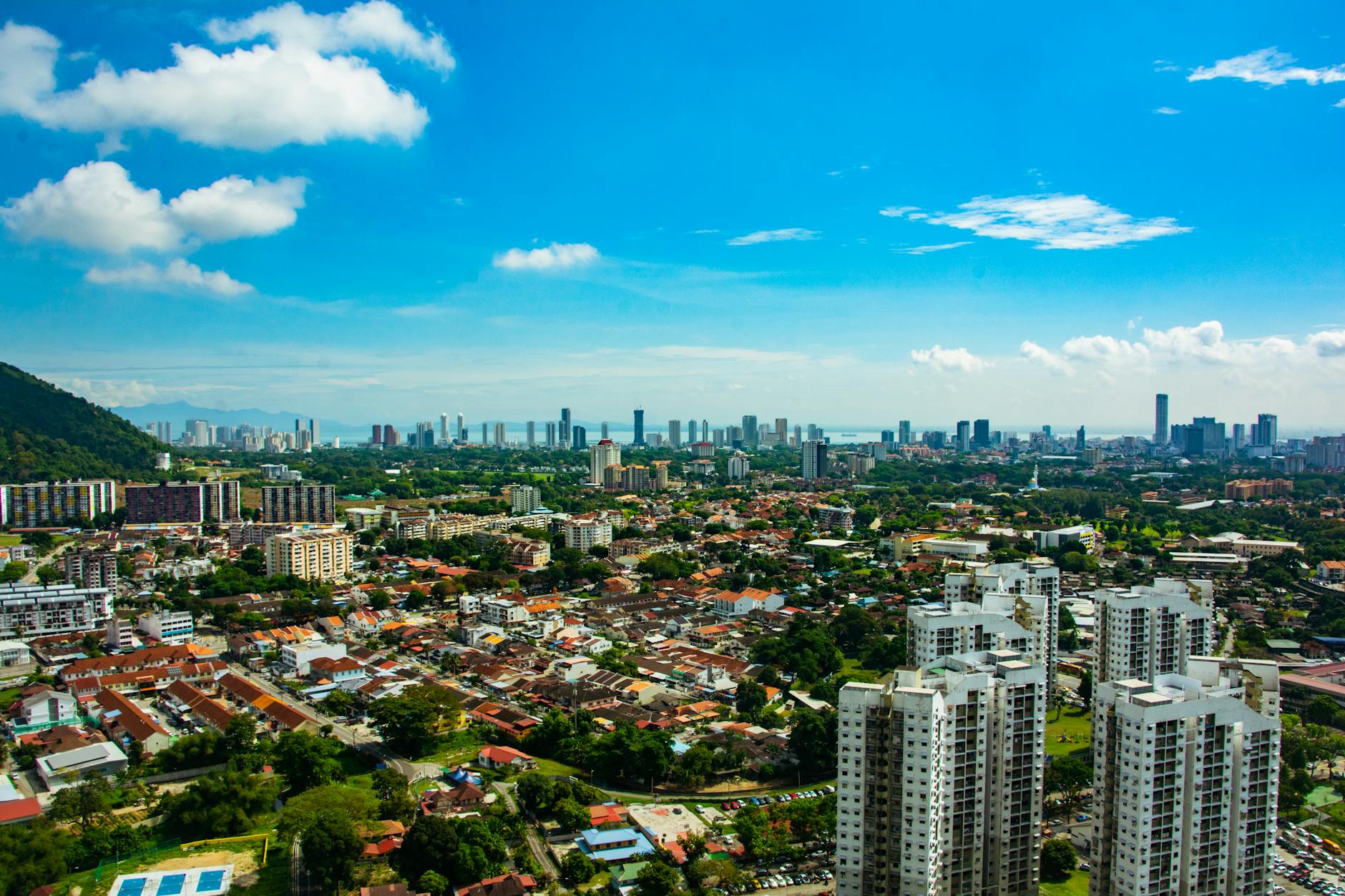
George Town is one of those cities that can be damaged by its own reputation.
Start Here
People arrive expecting street food, fading shutters, murals, temples, and photogenic shophouses. All of that is real. The problem is that too many first visits are built like scavenger hunts. Travelers rush between Armenian Street, clan jetties, hawker centers, and whatever social media declared essential, then leave thinking George Town was vivid but slightly exhausted by its own success.
That is not quite wrong, but it is incomplete.
George Town is better understood as a tropical port city whose heritage district still holds multiple systems at once: Chinese clan and temple life, colonial-era streets and institutions, Indian Muslim and Tamil layers, everyday commerce, and a great deal of food that makes sense only when it is treated as part of urban rhythm rather than an eating contest. UNESCO recognizes George Town as part of the Historic Cities of the Straits of Malacca because of exactly that multicultural and trading-port inheritance.[1][2]
The strongest George Town trip therefore does not try to “cover” the old city. It chooses a good base, accepts the heat, walks carefully in the core, eats selectively, and understands that Penang’s appeal lies in texture more than in monumentality. The reward is one of Southeast Asia’s most satisfying small-city stays: less grand than Singapore, less overwhelming than Bangkok, less polished than some visitors expect, and much more interesting than a checklist version allows.
George Town in one sentence: it is a lived heritage city whose real pleasures emerge when food, history, and tropical pacing are allowed to reinforce each other instead of competing for your attention.
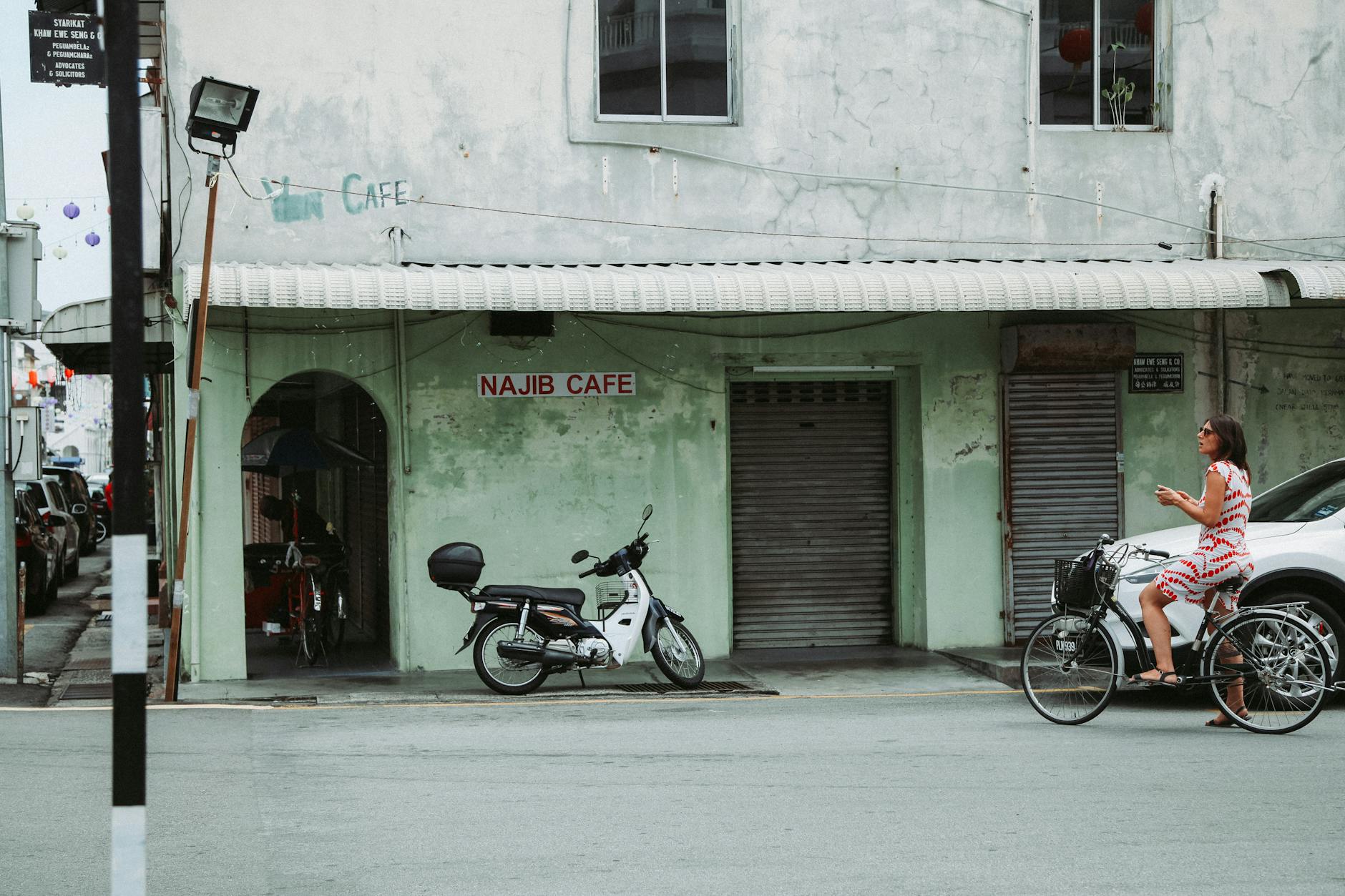
Basic data
| Population | About 800,000 in the wider city area |
|---|---|
| Area | Part of Penang Island's northeast urban core |
| Major religions | Islam, Buddhism, Christianity, Hinduism, Taoism, and Chinese folk traditions |
| Political system | State capital city inside a federal constitutional monarchy |
| Economic system | Upper-middle-income mixed economy led by services, tourism, port activity, retail, and technology |
Quick Verdict
Best for: food-focused travelers, heritage-city travelers, Southeast Asia return visitors, and anyone who likes older urban districts with mixed cultural layers.
Less ideal for: travelers who dislike heat, clutter, humidity, or walking cities that feel active rather than manicured.
Ideal first stay: 2 nights.
Still worthwhile: with 1 night, if the hotel is chosen well.
Can justify longer: yes, especially if George Town anchors a wider Penang stay.
Biggest planning mistake: turning the city into a mural-and-meal sprint.
One thing to prioritize: the historic core as a real urban environment, not just a heritage zone.
One thing to keep simple: side trips.
The blunt version: George Town gets better the moment you stop trying to win it.
Who Will Love George Town?
George Town works for travelers who enjoy cities that show their history in ordinary use rather than through one dominant landmark. If you like layered streets, mixed faith architecture, markets, coffee shops, hawker food, and districts that still feel socially alive, George Town is strong.
It is especially good for travelers who are comfortable with humidity and who understand that urban reward here comes through pace and pattern, not through dramatic sightseeing reveals every twenty minutes.
George Town at a Glance
| Question | Practical Answer |
|---|---|
| Best first stay length | 2 nights |
| Main arrival airport | Penang International Airport (PEN) |
| City logic | Historic core plus a wider Penang urban frame |
| Main transport mode | Walking plus Rapid Penang buses and short rides |
| Main heritage frame | UNESCO-listed George Town within Melaka and George Town |
| Best side trip | Penang Hill, if used selectively |
| Biggest risk | Overprogramming food and heat together |
2026 Visitor Notes
George Town's Heritage Status Still Matters in Practice
UNESCO continues to frame George Town, together with Melaka, as one of the Historic Cities of the Straits of Malacca, emphasizing the long record of trading and multicultural exchange that shaped the city.[1] George Town World Heritage Incorporated continues to present the site’s Outstanding Universal Value through built heritage and living heritage together, which is exactly the right lens for travelers too.[2]
Penang Airport Still Makes Arrival Straightforward but Not Instant
Malaysia Airports continues to present Penang International Airport as the main aviation gateway for the island.[3] That sounds obvious, but it matters because first-time visitors often underestimate the distance between a smooth airport arrival and actually being settled in the heritage core.
Rapid Penang Still Provides the Functional Backbone
Rapid Penang’s current official route information continues to show how central the bus system is to practical movement on the island, including George Town routes and key lines such as `101`, `102`, `CAT`, and `204`.[5][4] That does not mean every visitor should ride buses constantly. It means the public-transport skeleton is real, and smart visitors use it selectively.
Penang Hill Still Rewards Early or Selective Use
Penang Hill’s official ticket and FAQ material continues to show a very active attraction with daily funicular operations, early starts, and peak-period realities.[6][7] That makes it a valid side trip, but also one that benefits from timing discipline.
How to Understand George Town
George Town works through four overlapping forces.
The first is port-city inheritance. Trade created cultural layering here rather than a single dominant story.
The second is street-scale heritage. The city is persuasive block by block, not only monument by monument.
The third is food rhythm. Eating is central, but not as sport. It is part of how the city is timed.
The fourth is tropical realism. Heat, shade, rain, and pacing matter enough to change the quality of the trip.
The Main Mental Shift
Do not ask, “How many famous George Town things can I fit into two days?” Ask, “How should a tropical heritage trading city be used well?” That question improves every decision that follows.
What Makes George Town Distinct
George Town’s distinction is not simply that it is old, multicultural, or delicious. Many cities can make similar claims.
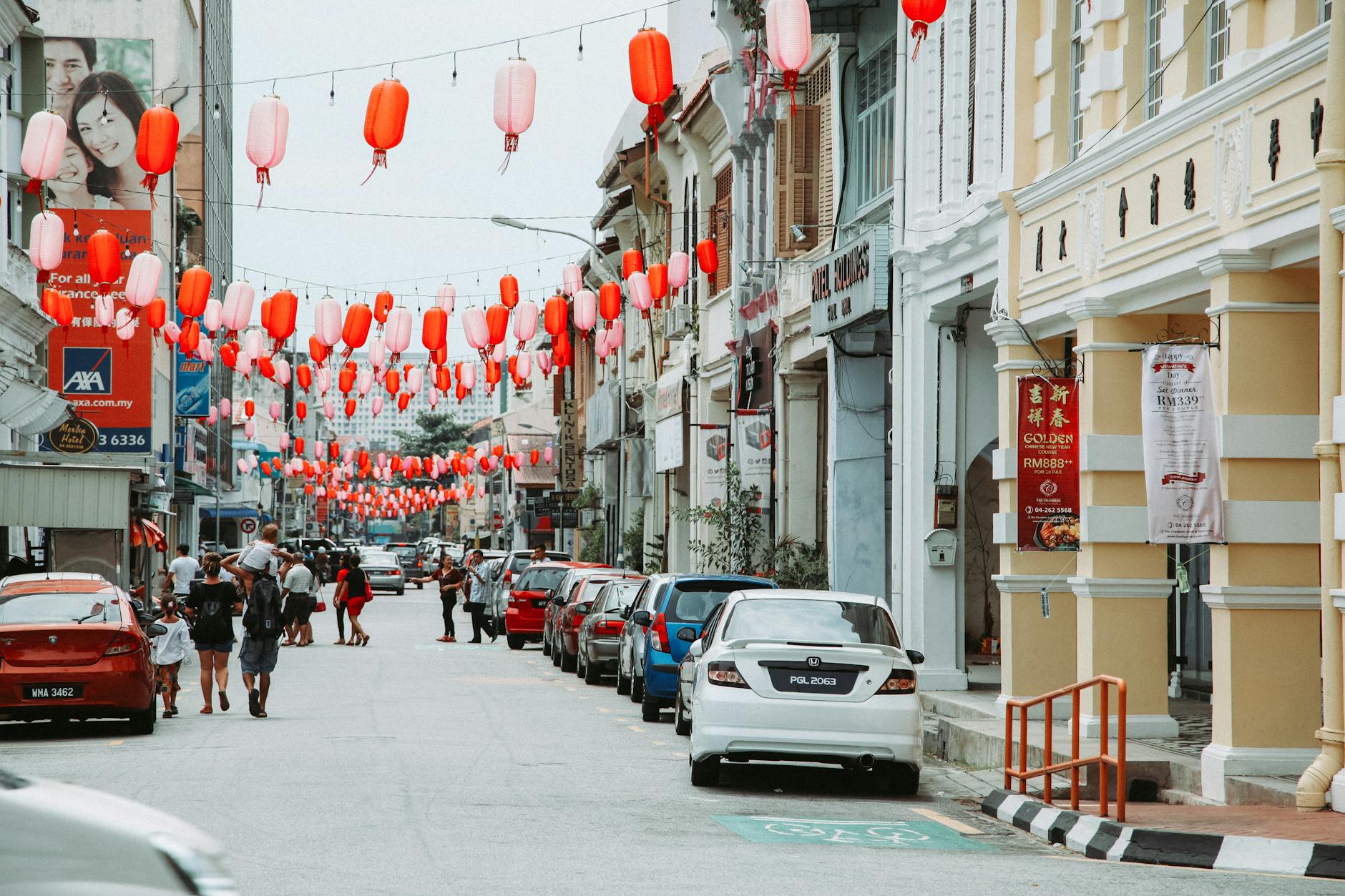
What separates George Town is the density with which those qualities coexist at walkable scale. Temples, mosques, churches, shophouses, coffee shops, hawker culture, clan institutions, and practical everyday commerce all sit close enough together that the city feels historically layered rather than zone-separated. UNESCO’s framing of George Town as a product of long East-West trade and cultural exchange is not abstract language here; you can feel that legacy in the street.[1]
Best Time to Visit
George Town is warm, humid, and often demanding on the body. There is no fantasy version of the city where climate stops mattering.
That does not weaken the destination. It simply means good George Town days are shaped around the weather. Morning walking matters. Midday breaks matter. Covered five-foot ways matter. A strong hotel matters. If you accept those rules, the city becomes much more enjoyable.
The key seasonal point is not chasing perfection; it is preparing for tropical conditions honestly.
How Many Days You Need
One Night
Enough for a concentrated first look, especially if you arrive early and stay in or very near the heritage core.
Two Nights
The best first answer. This gives you one serious old-city day plus enough margin for food, rest, and one measured side move.
Longer
Reasonable if Penang is one of the core stops of the trip rather than a token inclusion.
Arrival Strategy
Airport arrival is simple in concept and variable in feel.
Penang International Airport is the island gateway, but George Town itself is still a city arrival, not a resort transfer.[3] If energy is low, take the most direct route to the hotel and postpone orientation. If energy is high, settle quickly and make the first walk short and local rather than ambitious.
Rapid Penang’s official route pages are useful here because they clarify the real network, including airport-linked and city-core lines, but most first-time visitors should treat buses as tools, not as a principle.[5]
Where to Stay
Hotel position matters a great deal in George Town.
Heritage Core
Best for: first-timers, walkers, and travelers who want the city to begin at the front door. Tradeoff: noise, tighter streets, and less escape from the city’s pressure.
Edge of the Core
Best for: balance, easier vehicle access, and travelers who want the old city nearby without sleeping in its busiest texture. Tradeoff: slightly less atmospheric immediacy.
Gurney / Outer Urban Penang
Best for: repeat visitors, broader Penang stays, or travelers prioritizing comfort over old-city intimacy. Tradeoff: weaker first-visit relationship to George Town itself.
The Main Rule
For a first trip, staying close enough to walk meaningfully in the core is usually worth more than marginal hotel upgrades elsewhere.
The George Town That Matters Most
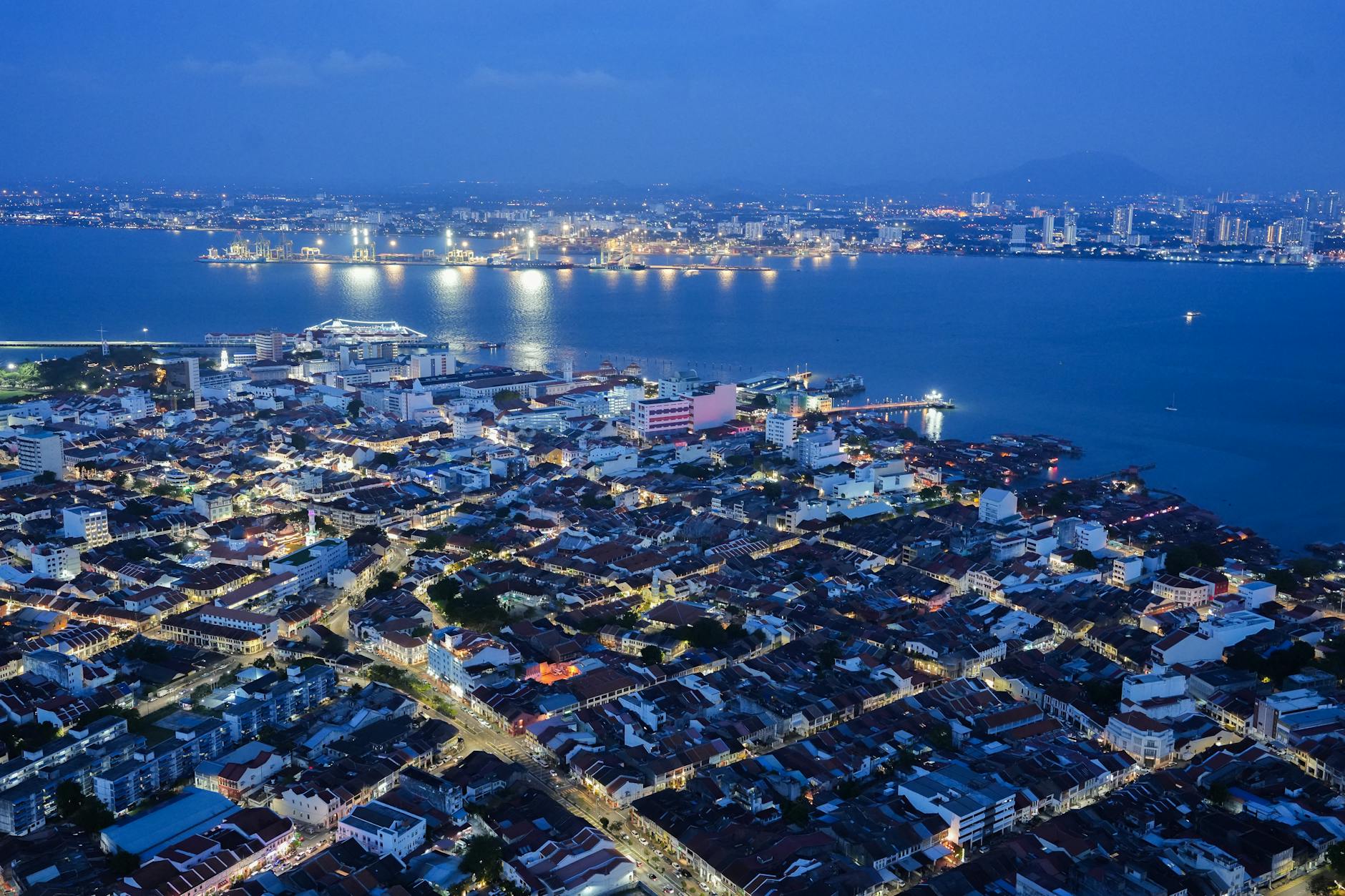
Historic-core George Town: shophouses, faith buildings, side streets, and the heritage-city argument.[1][2]
Food George Town: hawker centers, coffee shops, and dish-specific movement rather than one giant eating binge.
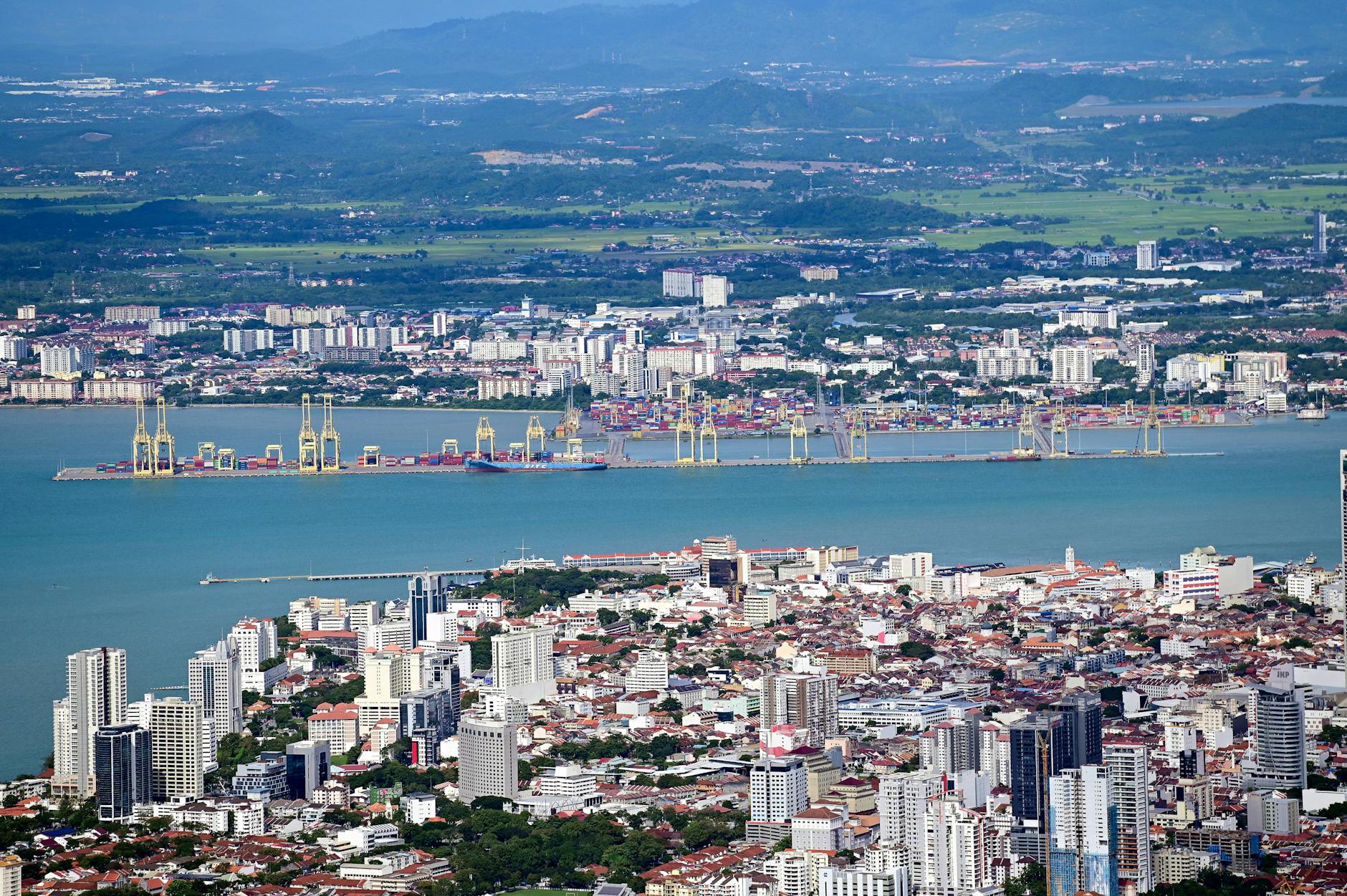
Waterfront-adjacent George Town: useful for understanding the city’s port inheritance, though not always the most romantic part of it.
Wider Penang George Town: the reminder that the city is part of a larger island urban system, not an isolated museum quarter.
Walking the Core Properly
The historic center is the main event, but it works best when walked with restraint.
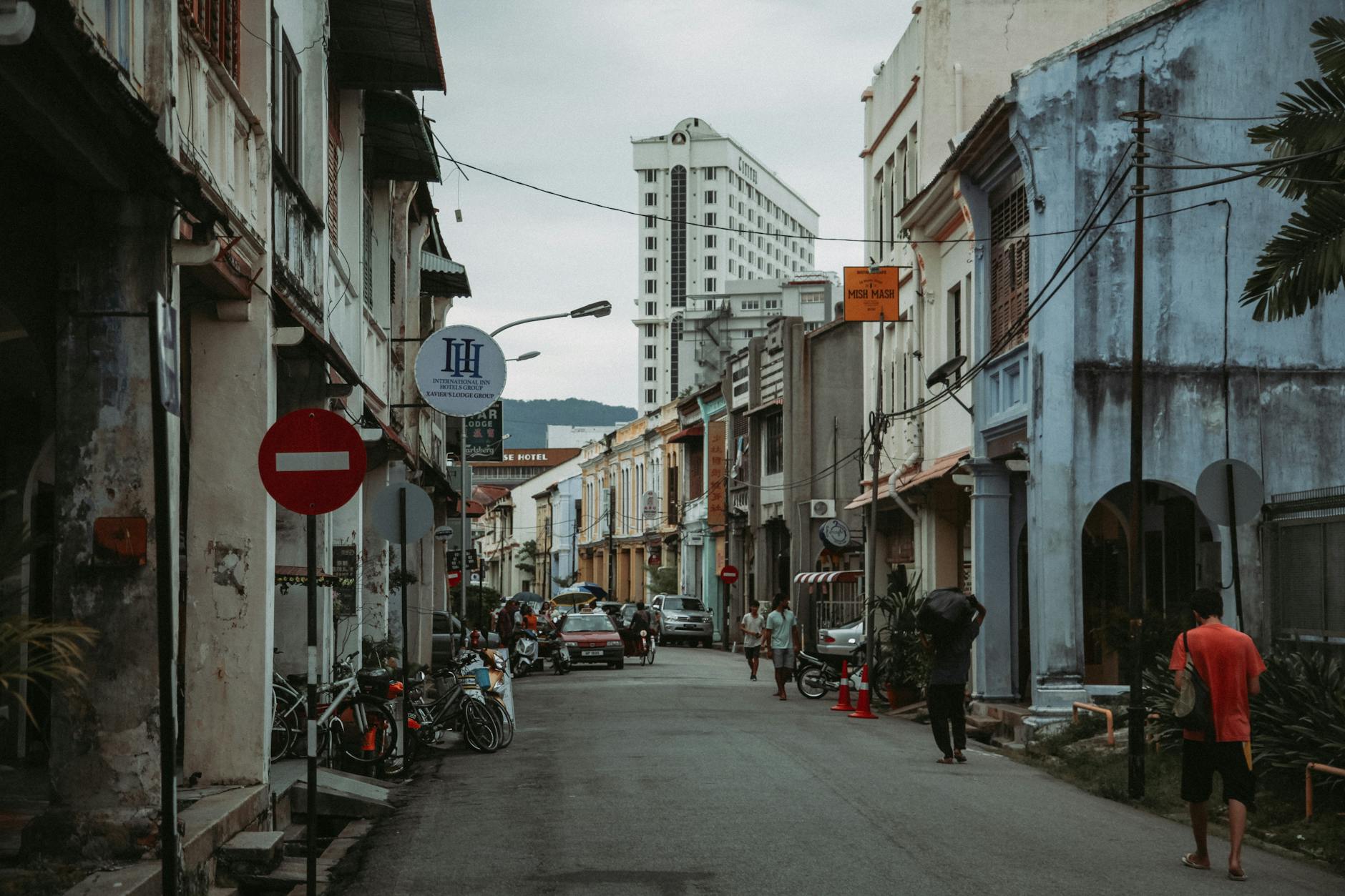
You do not need to “do” every famous lane. Better to choose a few connected sections and let them reveal themselves at street speed. The architectural continuity matters. The five-foot ways matter. The way one block can lean Chinese clan-house, the next colonial-civic, and the next more commercially mixed matters. George Town is a city of adjacency.
That is why overplanning hurts it. You should know roughly where you are going, but not so rigidly that you stop noticing the city between named stops.
Food and the Need for Restraint
George Town is one of the easiest places in Asia to eat badly by trying too hard.
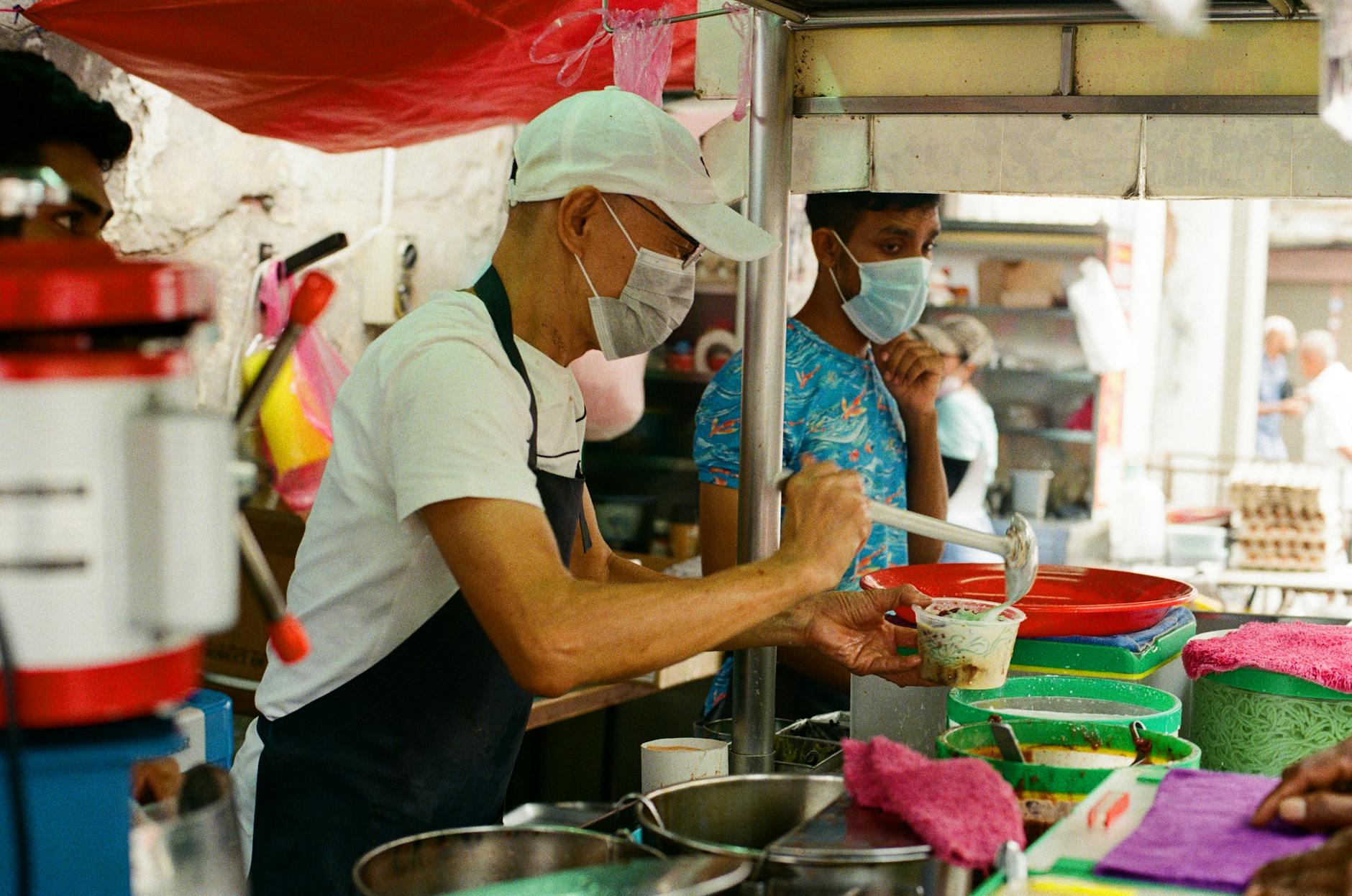
Not because the food is weak, but because first-timers often confuse abundance with obligation. You do not need a heroic list. You need a few strong meals, some snacks, some coffee, and enough appetite left to enjoy the next day. The city’s food culture is woven into daily use, not staged for conquest.
This is another place where climate matters. Heavy meals plus midday heat plus excessive walking is a self-inflicted tactical error.
Mornings, Midday, and Evenings
George Town is not one city all day long.
Morning is the best time for walking, noticing architecture, and handling more exposed routes before the heat becomes blunt. Midday is often when the best decision is shade, lunch, and retreat rather than determination. Evening brings some relief and helps the city feel social again, especially once the working day has rolled into dinner rhythms.
Visitors who accept this sequence usually like George Town much more than those who try to impose an all-day European walking pattern on it.
Penang Hill: When It Belongs
Penang Hill is real, official, and worth respecting on its own terms.[6][7]
The funicular runs daily, and the site continues to present itself as one of the island’s signature high-ground experiences.[6] That makes it a legitimate addition to a George Town stay, especially for travelers who want relief from street-level heat and a broader sense of Penang’s terrain.
But Penang Hill should not be automatic. It belongs when you have two nights or more, or when the city visit would benefit from one elevated, more spacious counterpoint. It does not belong merely because every first-time Penang itinerary seems to include it.
George Town as a Penang Base
One reason George Town stays strong is that it can be used as more than a single-district curiosity.
Rapid Penang’s network, along with short car rides when needed, makes it possible to connect the heritage city to other parts of Penang intelligently.[5][4] But the right lesson is not to scatter. It is to know that George Town can anchor the trip while one or two external moves provide contrast.
This is a base city, not just a sightseeing neighborhood.
Where George Town Fits in a Malaysia Trip
George Town often works best as the place where a Malaysia itinerary regains urban intelligence.
If Kuala Lumpur can feel large and infrastructural and Melaka can feel more tightly historical, George Town sits in a particularly useful middle register. It has heritage without becoming purely commemorative, food without requiring culinary conquest, and enough daily life that the old city never feels like a preserved stage set. That makes it excellent in a wider route because it restores texture rather than spectacle.
This is especially helpful after more resort-leaning or transit-heavy stops. George Town lets Malaysia feel inhabited again. The city gives you climate, street life, faith architecture, public life, and food culture in one compact frame. It is not as monumental as some travelers expect, but it is often more livable than those same travelers realize.
Because of that, George Town is rarely at its best when treated like a side note to Penang. It wants at least one full urban day in which the old core is allowed to lead rather than simply accommodate side trips.
First-Time Visitors Versus Repeat Visitors
First-time visitors usually need George Town to become legible before it becomes lovable. Repeat visitors often arrive already knowing that the city does not need to prove itself through quantity.
On a first trip, the temptation is to turn George Town into a checklist: murals, jetties, famous dishes, a mosque, a temple, perhaps one museum, and then some kind of hill or beach add-on because Penang is bigger than the old city. That creates movement but not necessarily understanding. A better first stay uses the old core, food, and one measured contrast to establish the city’s rhythm.
Repeat visitors often enjoy George Town much more because they stop pursuing proof. They may stay in the same streets longer, let the food be more ordinary, skip the social-media mural hunt, or move outward only when the city has already settled in. The result is usually a deeper trip, because George Town rewards repetition and mood rather than conquest.
That is one of the clearest signs of a good port city: it improves when you stop trying to complete it.
Daytime George Town Versus Evening George Town
This distinction matters more here than in many similarly sized cities.
Morning George Town is when the city is easiest to read. The streets are still workable in the heat, architecture is easier to notice, and the old trading-city logic feels clearer before the day turns fully humid and socially busy. This is the best time to do your serious walking and your most attentive urban reading.
Midday George Town demands humility. The climate starts dictating terms more aggressively. This is when bad itineraries get exposed, especially those that confuse tropical heritage walking with an all-day European-style pedestrian routine. Lunch, rest, and shade are not failures here. They are technique.
Evening George Town is when many visitors finally understand why the city is loved. Food begins to retake the streets, the atmosphere softens, and the old core feels more inhabited than interpreted. The city’s temperature does not disappear, but it changes from blunt obstacle to ambient reality.
Why the Core Must Be Walked More Than Once
George Town is a city of repeated passes, not single victorious loops.
The first walk through the core gives you orientation: street names, shophouse continuity, the general relation of religious, commercial, and civic spaces, and a first sense of how the city’s heritage is still woven into ordinary use. That is useful, but it is not enough.
The second and third passes are where the place starts to deepen. You notice how different blocks carry different community histories. You become less distracted by visible “sights” and more alert to adjacency: temple beside coffee shop, lane beside market, five-foot way beside traffic. This is also when the city begins to feel less like a UNESCO listing and more like a living port town that happens to be protected by one.[1][2]
That is why overplanning is so destructive here. A city built from texture needs time to repeat itself.
Hotel Choice Is Really About Heat and Return
Many people think the hotel question in George Town is mainly about heritage charm versus comfort. That is only part of the answer.
What the hotel really solves is return. In a hot, humid city, the ability to retreat briefly and then step back out into the core without turning recovery into a transport project changes the whole quality of the stay. This is why edge-of-core properties can sometimes outperform a theoretically prettier place farther away. You are not only buying atmosphere. You are buying the right to recover efficiently.
This is also why one or two strategic comforts matter more here than in cooler or denser cities. Air-conditioning, good midday access, and the ability to resume walking at the right hour are not luxuries separated from the trip. They are part of how the trip works.
George Town is a place where the wrong hotel can make you dislike the climate more than you should.
Why Food Needs Structure
George Town is one of the easiest food cities in Asia to misuse because abundance creates the illusion that quantity equals insight.
But food here works best when it belongs to a day shape. A breakfast or morning coffee that suits walking. A lunch that acknowledges the heat. A dinner or hawker-focused evening that feels social rather than athletic. If every meal is treated as a separate major destination, the trip quickly becomes logistically absurd and physically heavier than it needs to be.
This is especially true for first-timers, who often approach George Town as if every famous dish carries equal urgency. It does not. The city is not improved by creating anxiety around eating. The strongest George Town food days feel integrated into the place rather than harvested from it.
Food here should deepen the city, not fragment it.
Penang Hill, Side Trips, and the Discipline of Contrast
Penang Hill can be excellent, but its value comes from contrast rather than from obligation.[6][7]
If George Town has already become hot, dense, and texturally intense, then a hill day or partial hill outing can rebalance the stay. If the city has not yet had time to establish its own terms, rushing upward can weaken the trip by suggesting that the heritage core itself is not enough. This is the subtle planning mistake many first-time visitors make. They are too quick to supplement before they have actually experienced the city they came for.
The same rule applies more broadly to Penang side trips. Use them when they provide contrast to a George Town stay that already feels grounded. Do not use them as a substitute for the city’s own coherence.
Good Penang planning is not about covering the island. It is about deciding which parts belong to this stay.
Weather, Rain, and Tropical Honesty
George Town rewards tropical honesty.
That means accepting that some mornings will be better than others, that rain can alter walking patterns quickly, and that the city is best used in pulses rather than in one continuous heroic march. The climate is not incidental here. It is one of the strongest editorial forces in the itinerary.
The good news is that George Town is built for this better than many outsiders realize. Covered walkways, coffee shops, lunch pauses, and compact routes mean the city can absorb bad timing without collapsing. What it does not forgive well is denial. If you insist on pretending the heat and humidity do not matter, the city becomes tiring and flat. If you accept their role, the stay gets smarter immediately.
This is why George Town is often more satisfying to experienced Southeast Asia travelers than to people trying to impose a different urban rhythm on it.
George Town With Family or Low-Energy Travelers
The city can work very well for mixed-energy travelers, but only if the planner stops believing that every old street and every famous food stop must be included.
Families can benefit from the compact core, the constant availability of food, and the fact that visual interest is everywhere. Low-energy travelers often do well because one or two meaningful loops can already create a real sense of place. The mistake is to equate small-city scale with infinite stamina. Heat still wins if you let it.
The best low-energy George Town is often simple: one early walk, one deliberate midday retreat, one evening street or food rhythm. That is enough. In fact, it is often better than a far more ambitious plan because the city’s texture remains pleasurable rather than punitive.
George Town rewards the traveler who knows when the day has already succeeded.
Why Some People Leave George Town Underwhelmed
When travelers say George Town felt crowded, overhyped, or too mural-focused, the city usually hasn’t failed them so much as they have used the shallowest version of it.
This happens when the trip becomes overly visual and insufficiently urban. Too much emphasis on “must-see streets,” not enough on the city’s working rhythm. Too much emphasis on famous dishes, not enough on timing. Too much supplementation from Penang side trips, not enough trust that the old city can hold a full day by itself.
George Town is not a city that reveals itself through one great monument. It reveals itself through accumulation. If the traveler never allows accumulation to happen, the city can indeed feel thinner than its reputation. But that is usually the result of design, not destiny.
Why George Town Often Improves on Revisit
George Town is exactly the kind of place that becomes more convincing once you already know the obvious parts.
On a second visit, you no longer need the murals or the “top ten dishes” to justify your presence. That frees you to inhabit the place more naturally. You can stay in a favorite stretch longer, use the market and food scene more selectively, or let one part of the old core dominate the day without apology. The city becomes less performative because you are no longer demanding a performance from it.
This is when George Town often moves from “impressive” to “beloved.” The density that first looked like clutter starts to read as richness. The climate starts to shape the day instead of spoil it. The city’s compactness becomes an advantage rather than a trap.
A Good George Town Day Versus a Bad One
A good George Town day has one strong walking window, one strong food window, and one clear evening register.
You know which part of the core is leading the day. You walk enough to understand the city, not so much that everything blurs. You eat with discipline. You accept midday as a period that may need gentleness. And by evening, you still have enough energy left for the city to feel socially alive rather than merely survived.
A bad George Town day is a mural hunt in midday heat punctuated by overeating and side-trip anxiety. It can still produce photos, but it rarely produces attachment.
How the City Changes Over the Course of a Stay
George Town often becomes more coherent on the second day than on the first.
On arrival, the city can feel busy, humid, fragmented, and overexplained by its own reputation. By the next morning, if the first day was used well, the same streets often feel more intelligible. You know what kind of city you are in. Food is no longer abstract abundance. The five-foot ways and side lanes begin to form a pattern. The heritage designation starts to feel earned rather than merely announced.
That is why one-night stays can be good but slightly deceptive. George Town is a city that benefits from waking up in it. The second day is often the day when its real logic becomes visible.
Airport Timing and the First Afternoon
George Town’s airport access is straightforward enough that travelers often make the mistake of overcommitting their first afternoon.[3]
Because arrival is manageable, people assume the city should be attacked immediately: straight into the core, straight into food research, straight into heat, straight into a list of streets. This is usually the wrong instinct. A smoother arrival should make the city easier to settle into, not easier to overstuff.
The best first afternoon is often small: one nearby walk, one good meal, one first look at the old core, and then stop. That lets the city arrive as a place rather than as a task. George Town especially benefits from this because it is a city of cumulative understanding. If you spend the arrival hours frantically harvesting “must-sees,” the next day often feels more tiring and less coherent than it should.
The traveler who paces the first half-day well usually ends up liking the city more by the second morning.
Family George Town Versus Adult George Town
George Town can support both family and adult travel well, but not in the same way.
Family George Town usually works best when the city is treated as a compact, colorful, food-friendly old core with built-in pause points. The emphasis is on short walks, manageable heat exposure, and enough food flexibility that nobody is trapped inside one overambitious eating plan. In that version, Penang Hill or one easy external contrast may help if the city has already done its job.[6]
Adult George Town often benefits from a more patient use of the city. Travelers may stay out later, move through the core more slowly, and let food and architecture carry more of the meaning. They may also appreciate the city’s faith and trading-port layers in ways that are harder to foreground on a more family-shaped trip.
Neither approach is better in the abstract. The problem only starts when the planner confuses them. George Town can support many kinds of stay, but it still requires the day to know what it is.
Why Practicality Is Part of the Pleasure
Some travelers treat practical features as though they are somehow beneath the romance of a heritage city.
In George Town, that is a mistake. The buses, the manageable airport link, the ability to retreat from the core, the option of staying just outside the busiest heritage blocks without losing the old city, the fact that food is everywhere rather than precious: these are not signs that the destination is less special. They are part of why the trip can go so well.
Heritage cities are often at their worst when they require constant effort. George Town avoids some of that by still functioning as a real city. The practical layer keeps the historic layer from turning brittle. It gives you more margin for heat, weather, appetite, and error. That margin is part of the pleasure, even if it is less glamorous than a famous mural or a legendary dish.
In other words, George Town’s everyday usability is one of the reasons its deeper texture remains accessible.
The Best Memory to Aim For
If George Town is used properly, the memory you keep is rarely one single image.
It is more often a sequence: an early walk in the heat before the streets harden, one or two good meals that felt city-shaped rather than performative, the way one religious building sat beside another kind of commercial life, the five-foot ways saving the day, and an evening where the city felt social instead of merely hot and busy.
That is what gives George Town depth. Not one perfect corner, not one perfect plate, not one perfect mural, but the sense that a historical port city remained active enough to absorb you. The trip succeeds when the city begins to feel lived rather than collected.
Common Mistakes
Turning the Trip into a Mural Hunt
Street art can be enjoyable. It is not the city’s whole meaning.
Eating Too Much, Too Fast
George Town rewards appetite, not self-sabotage.
Underestimating the Heat
This weakens more itineraries than bad hotel choice does.
Staying Too Far Out on a First Visit
Convenience to the core usually beats theoretical comfort elsewhere.
Overbuilding Side Trips
Penang is richer than one district, but George Town does not need constant supplementation.
My Blunt Advice
Stay close to the core.
Walk early. Eat selectively. Rest honestly. Use buses and short rides as support, not ideology. Treat Penang Hill as a considered choice rather than a reflex. And remember that George Town is not asking to be consumed completely. It is asking to be read well.
That is the difference between a trip that feels crowded and one that feels deep.
Source Notes
- 1. UNESCO World Heritage Centre listing for “Melaka and George Town, Historic Cities of the Straits of Malacca.” Used for the official heritage framing of George Town as a multicultural historic trading city. https://whc.unesco.org/en/list/1223
- 2. George Town World Heritage Incorporated page on the George Town UNESCO World Heritage Site. Used for current local official framing of George Town’s Outstanding Universal Value and living-heritage context. https://gtwhi.com.my/about-us/george-town-unesco-world-heritage-site/
- 3. Malaysia Airports Holdings Berhad page for Penang International Airport. Used for current official airport reference and gateway context. https://www.malaysiaairports.com.my/en/penang
- 4. Rapid Penang official overview page. Used for current operator identity, kiosk context, and official statement that key Penang attractions are reachable by Rapid Penang buses. https://myrapid.com.my/bus-train/rapid-penang/
- 5. Rapid Penang official bus service information page. Used for current route structure, including CAT and relevant island routes for George Town and Penang Hill movement. https://myrapid.com.my/bus-train/rapid-penang/rapid-pg-bus/
- 6. Penang Hill official tickets and operating-hours page. Used for current funicular operating hours and ticket-counter timing. https://penanghill.gov.my/index.php/en/tickets
- 7. Penang Hill official FAQ page. Used for current visitor-planning details and practical operating guidance. https://www.penanghill.gov.my/index.php/en/faq