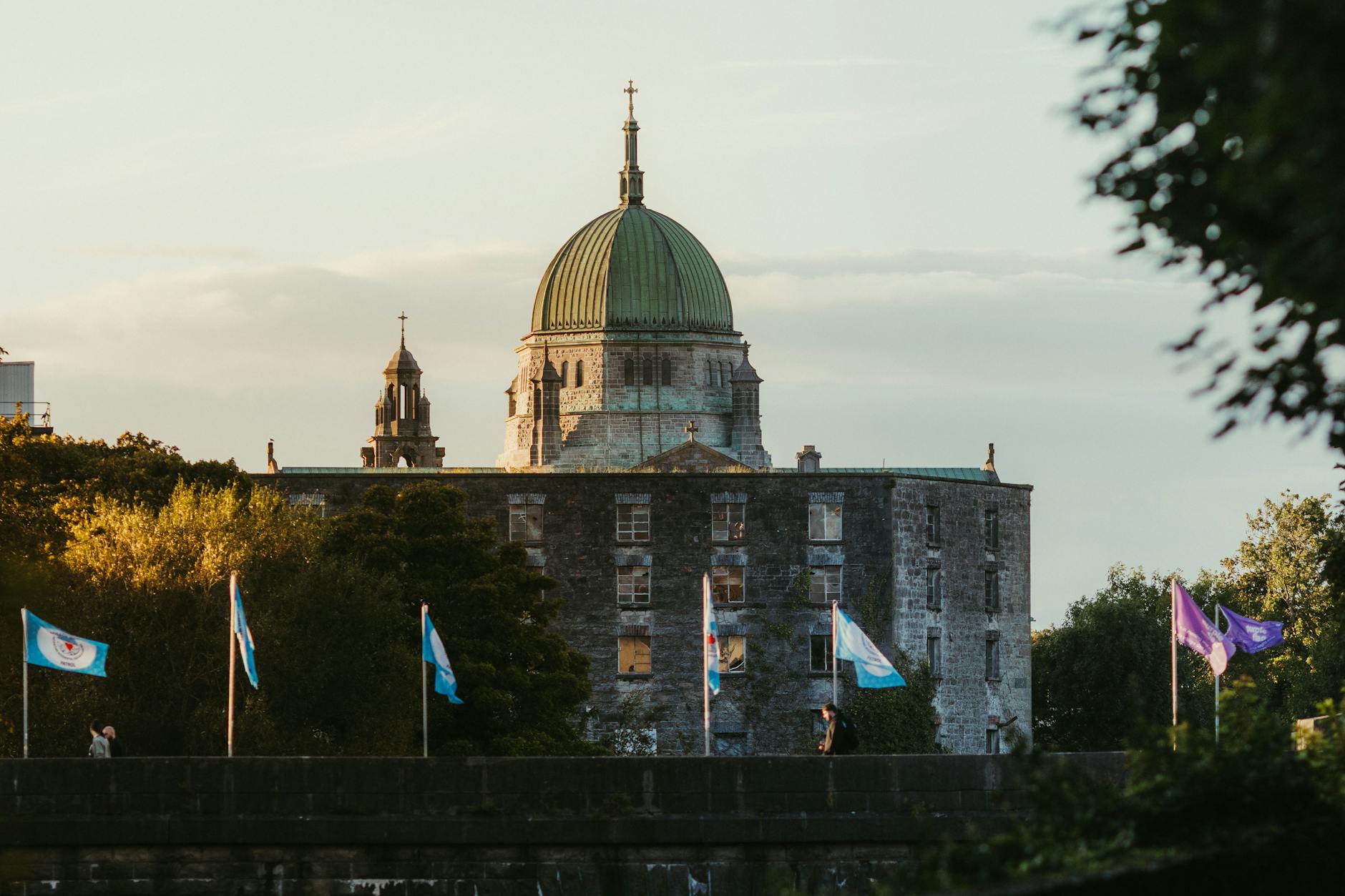
Galway has one of the strongest first impressions in Ireland and one of the easiest to misuse. The city is compact, the center is walkable, the pubs spill life onto the streets, the shopfronts are colorful, the accents change, and before long the traveler feels as though the west has already arrived. That feeling is real. It is also dangerous. The ease and charm of Galway encourage weak planning as often as strong planning.
Start Here
This is not a city for conquest. It is a city for proportion. Galway works through music, weather, sea air, conversation, foot travel, and the satisfying compactness of a place that can still feel like itself after midnight and again the next morning. It is one of the rare small cities where atmosphere is not an accessory to the trip. Atmosphere is the trip.
The weak Galway visit is easy to recognize. Someone sleeps here before the Cliffs of Moher, after Connemara, or between island logistics. They get one crowded pub, one wet walk down Shop Street, one rushed dinner, maybe a look at Spanish Arch, then conclude that Galway is delightful but slight. The stronger trip treats Galway as a destination with its own internal logic: old core, harbor edge, Salthill, pub-and-music culture, student life, weather discipline, and a social rhythm that rewards staying put as much as moving on.
What makes Galway valuable is not monument count. It is concentration of feeling. The city can give you sea wind, a strong breakfast, an unexpectedly serious museum, a good bookshop, a proper pint, a music session that does not feel staged for you alone, a walk along the water, and a dinner that makes the whole west-coast idea of Ireland feel more credible than it did on paper. That is enough. In a short trip, it can be more than enough.
The city in one sentence: Galway is a compact west-coast city where the best trip comes from combining music, weather, food, seafront walking, and well-judged excursions rather than treating the city as a colorful staging post.
Basic data
| Population | About 85,000 in the city |
|---|---|
| Area | 54 km2 |
| Major religions | Christian heritage with a strongly secular contemporary public life |
| Political system | Local authority city government inside a parliamentary republic |
| Economic system | Advanced mixed regional economy led by education, tourism, medtech, services, and culture |
Quick Verdict
Best for: couples, solo travelers, pub-and-music travelers, short Ireland routes, food travelers, west-coast first-timers, and anyone who likes cities where social life and walking matter more than formal monumentality.
Not ideal for: travelers who need giant museums or capital-city scale, people who want a perfectly orderly urban break, or anyone who assumes the city should be dry, polished, and purely picturesque at all times.
Ideal first visit: 2 to 3 full days.
Minimum worthwhile stay: 2 full days, if one of them belongs mainly to Galway itself rather than entirely to a day trip.
Best overall months: May, June, September, and the more forgiving parts of early autumn.
Best winter case: December for pubs, music, and compact city warmth, or late winter if you like weather, conversation, and museums more than scenery-chasing.
Biggest planning mistake: overloading the trip with west-of-Ireland ambition until Galway becomes only the place you sleep near.
One thing to prioritize: the base. Stay close enough to walk the center easily and to decide, based on weather and energy, whether the day belongs to the old core, the seafront, or a chosen outing.
One thing to leave flexible: your water-facing time. Galway improves when you let the light, wind, and tide mood help decide how much harbor or Salthill belongs in the day.
The blunt version: Galway is one of Ireland's highest-return short stays if you let it be intimate and atmospheric, and one of its easiest cities to flatten into tourist shorthand if you rush through it.
Who Will Love Galway?
Galway suits travelers who care about feeling as much as coverage. It is especially good for people who want a city to become sociable without having to force the issue. Walkability helps. So does the concentration of pubs, cafés, shops, and street life inside a compact center that still feels lived in rather than purely assembled for visitors.
It works very well for couples because the city supports a specific kind of short break exceptionally well: one good hotel, one wet-weather plan, one long lunch, one pub that turns into two, one walk by the water, and one dinner that makes the whole west-coast mood feel earned instead of marketed. That is a real kind of luxury, even when the trip is not especially expensive.
Solo travelers also tend to do well here. Galway is small enough to feel manageable and social enough that being alone rarely feels strange. Music helps. Pubs help. The general pattern of movement helps. A person can sit with a book, walk through the center, catch a session, take a day tour, and still feel part of the city rather than outside it.
The city is also excellent for travelers who care about regional identity. Galway does not feel like generic urban Ireland with a bit of local garnish. The west is in the air here: language, weather, Atlantic proximity, music, and the way the city looks outward toward Connemara and the islands even when you never leave town.
It is less ideal for travelers who need a city to justify itself through grand museums, major monuments, or obvious spectacle. Galway's strengths are less formal. If you need a place to announce its importance loudly, it may feel too soft-edged. If you like a city that reveals its quality through use, it can be excellent.
Galway at a Glance
| Question | Practical Answer |
|---|---|
| Main international arrival logic | Usually via Dublin or Shannon, then coach or car |
| Best public arrival move from Dublin Airport | Direct coach for many visitors |
| Best first-time base | Central Galway, within easy walking reach of Eyre Square and the core |
| Best atmospheric base | The old center edge or Claddagh/Salthill side with practical city access |
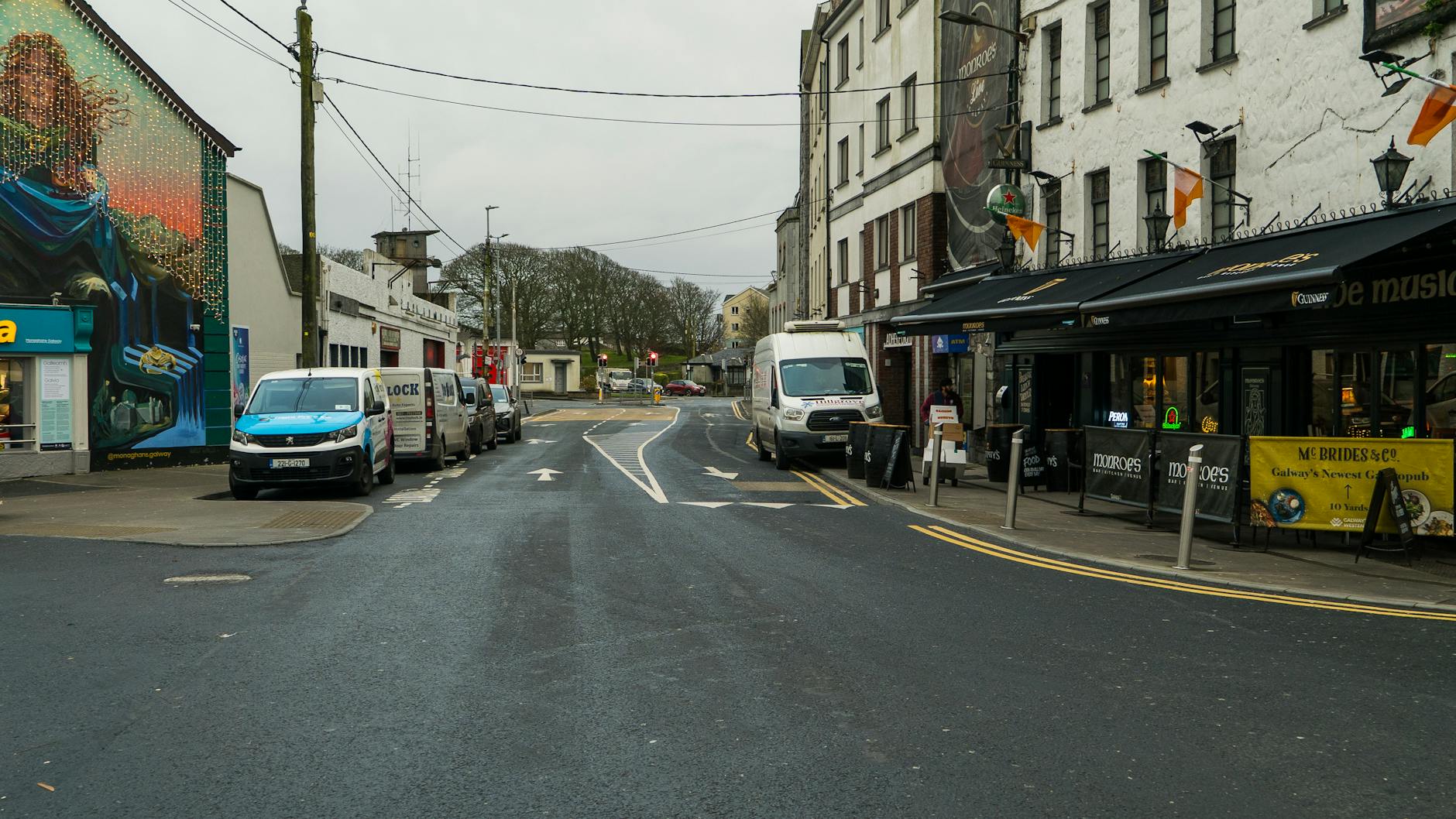
| Best social-life zone | The central streets around Shop Street, Quay Street, and adjacent lanes |
| Best water-facing district | Salthill and the harbor side |
| Best all-weather cultural anchor | Galway City Museum |
| Best way to understand the city | Walking first, with selective bus or coach use for bigger moves |
| Car needed? | No for the city; useful for some wider regional routes, but not required |
| Emergency number | 112 |
| Tap water | Safe to drink |
| Currency | Euro |
| Power plugs | Type G |
2026 Visitor Notes
Galway Usually Begins Through Dublin Or Shannon, Not Through A City Airport
For most international visitors, Galway starts with a coach or rail-and-coach logic rather than with a city-airport transfer fantasy. Official Discover Ireland guidance is straightforward: coach and bus connections are a core part of how people move around the country, and Galway is well linked by them.[1] In practice, direct coach options from Dublin Airport are often the cleanest public-arrival move.[2]
City Transport Exists, But Walking Does The Heavy Lifting
Galway is easy to misread because the center behaves so well on foot. That is a strength, not a sign that planning no longer matters. Transport for Ireland's journey-planning tools and local bus system are useful when you need them,[3] but the city is best understood by walking and then using buses or coaches only when the trip actually asks for them.
Salthill Is Close Enough To Matter To Every First Trip
Salthill is only a short distance from the city center and is easily reachable on foot, by bike, bus, or car.[4] That matters because Salthill is not a separate resort-world. It is part of how the city breathes outward toward the bay.
Galway City Museum Is More Useful Than Many Travelers Assume
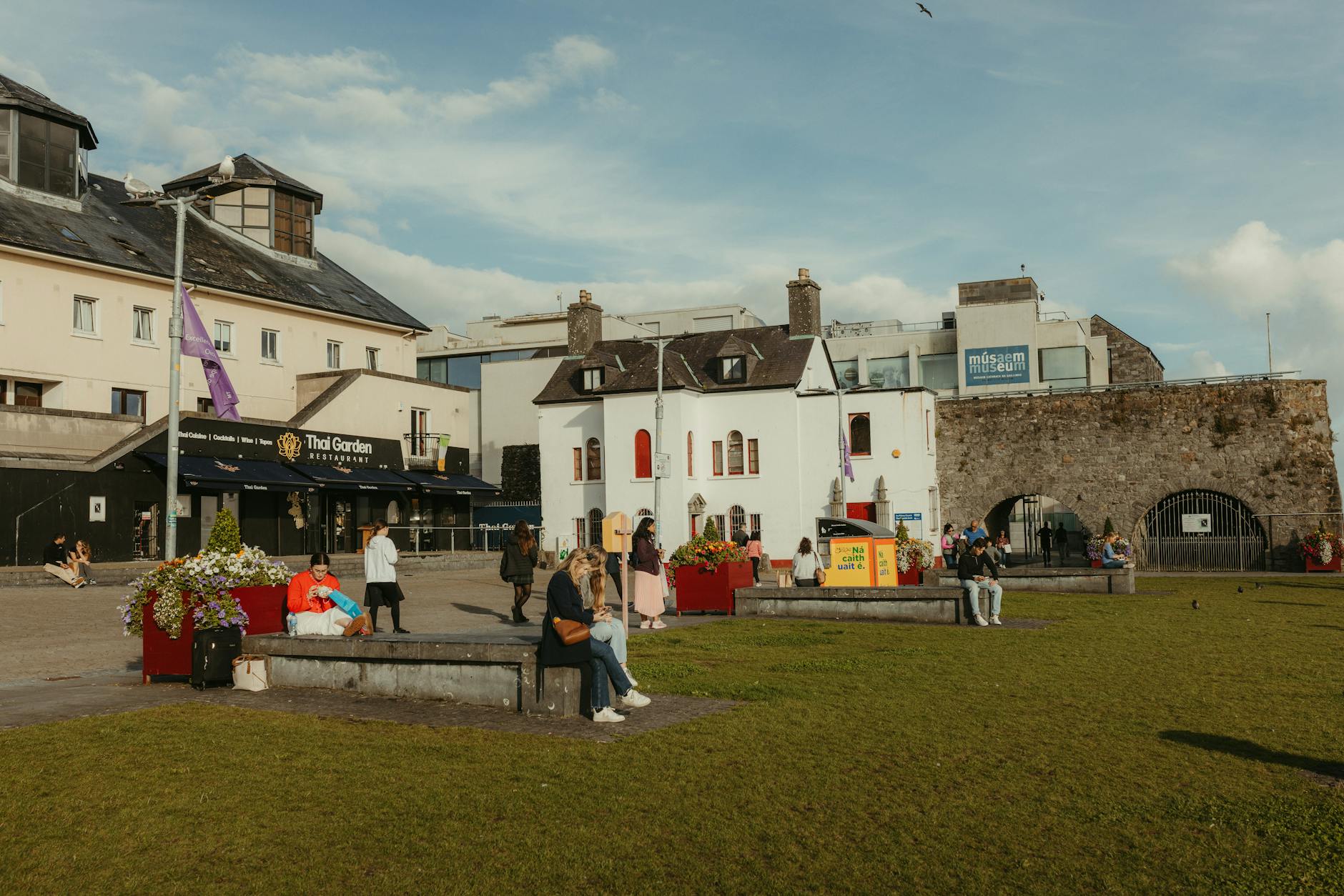
Galway City Museum sits right by the Spanish Arch and is one of the cleanest ways to give historical shape to a city that can otherwise be experienced too socially and too vaguely.[5] It is especially useful on weather-heavy days, but it is not only a rain shelter.
The Aran Islands Should Be Chosen, Not Automatically Added
The islands are a genuine strength of the region, but they are not a moral obligation for every itinerary. Official tourism guidance treats the Aran Islands as a substantial outing rather than a casual add-on, and that is the correct frame.[6] If you go, give the day to them. If you do not, Galway itself still has plenty to justify the trip.
Galway Works Better When Evenings Are Taken Seriously
This sounds obvious, but a surprising number of travelers use Galway like a daytime excursion base and then wonder why it felt thin. The city often becomes itself after dark, when music, conversation, and a certain weatherproof social architecture take over.
Weather Is Not The Problem; Bad Expectations Are
Galway is one of those places where travelers benefit from separating "rain" from "failure." The city does not need bright weather every hour to work. It needs the traveler to understand that some of its best moods come from wind, gray light, and the decision to lean into the place rather than resist it.
How to Understand Galway
Galway works through five forces.
The first is the west. This is not just a location. It is a feeling. Atlantic weather, Irish-language influence, island and Connemara gravity, and a looser social texture all feed into how the city behaves.
The second is the social city. Galway is not only something to see. It is something to be in. Pubs, music, talk, café life, and a compact center create a city where social architecture matters as much as formal attractions.
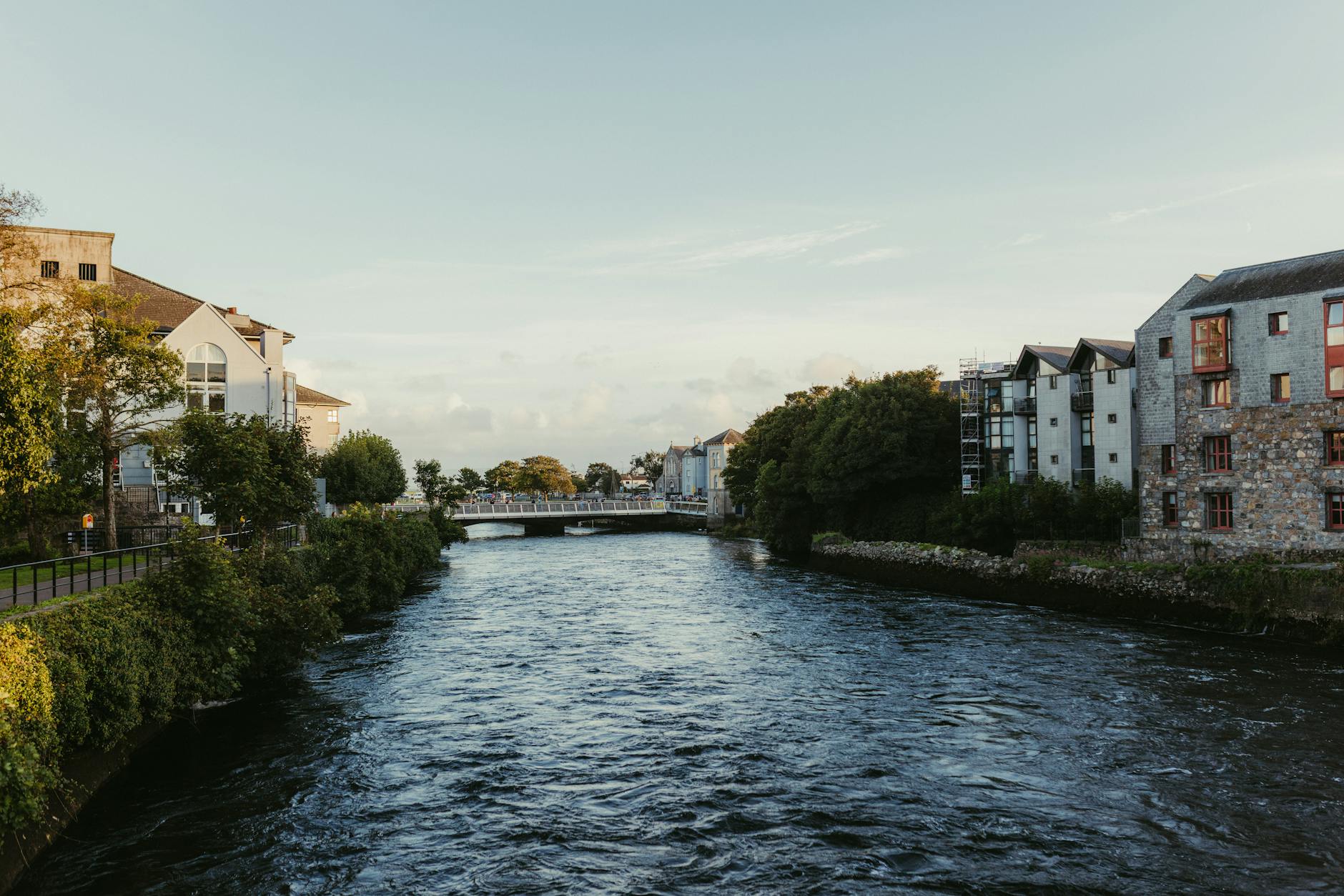
The third is the water edge. Harbor, Claddagh, Salthill, the bay, and the road toward the coast all help explain why the city feels open even when it is compact.
The fourth is small-city concentration. Galway can feel complete within a short stay because so much of what matters sits close together: the old core, good food, music, a museum, and the seafront.
The fifth is gateway pressure. Connemara, the Aran Islands, and other western highlights pull constantly on Galway. That makes the city strategically valuable, but it also creates the risk that the city itself gets demoted too early.
The Five Galways A Visitor Actually Meets
Old-Core Galway: Quay Street, Shop Street, lanes, old facades, central walking, and the most legible first-time version of the city.
Social Galway: pubs, sessions, tables, street performers, and the side of the city that comes alive when people stop treating it like only a scenic stop.
Seafront Galway: Spanish Arch, Claddagh, Salthill, the Prom, and the outward-facing version of the city that needs water and weather to make full sense.
Gateway Galway: bus and tour departures, island ambition, Connemara talk, and the city as a launch point for western Ireland.
Ordinary Galway: students, everyday cafés, shopping streets, side roads, and the version that keeps the place from becoming only a tourist script.
The Main Mental Shift
Do not ask, "What famous things are there to do?" Ask, "What kind of Galway day am I trying to have?" A music-and-pub day, a water-and-walk day, a museum-and-city day, a day-trip day, a weatherproof day. Once you think like that, the city starts behaving properly.
What Galway Does Better Than People Think
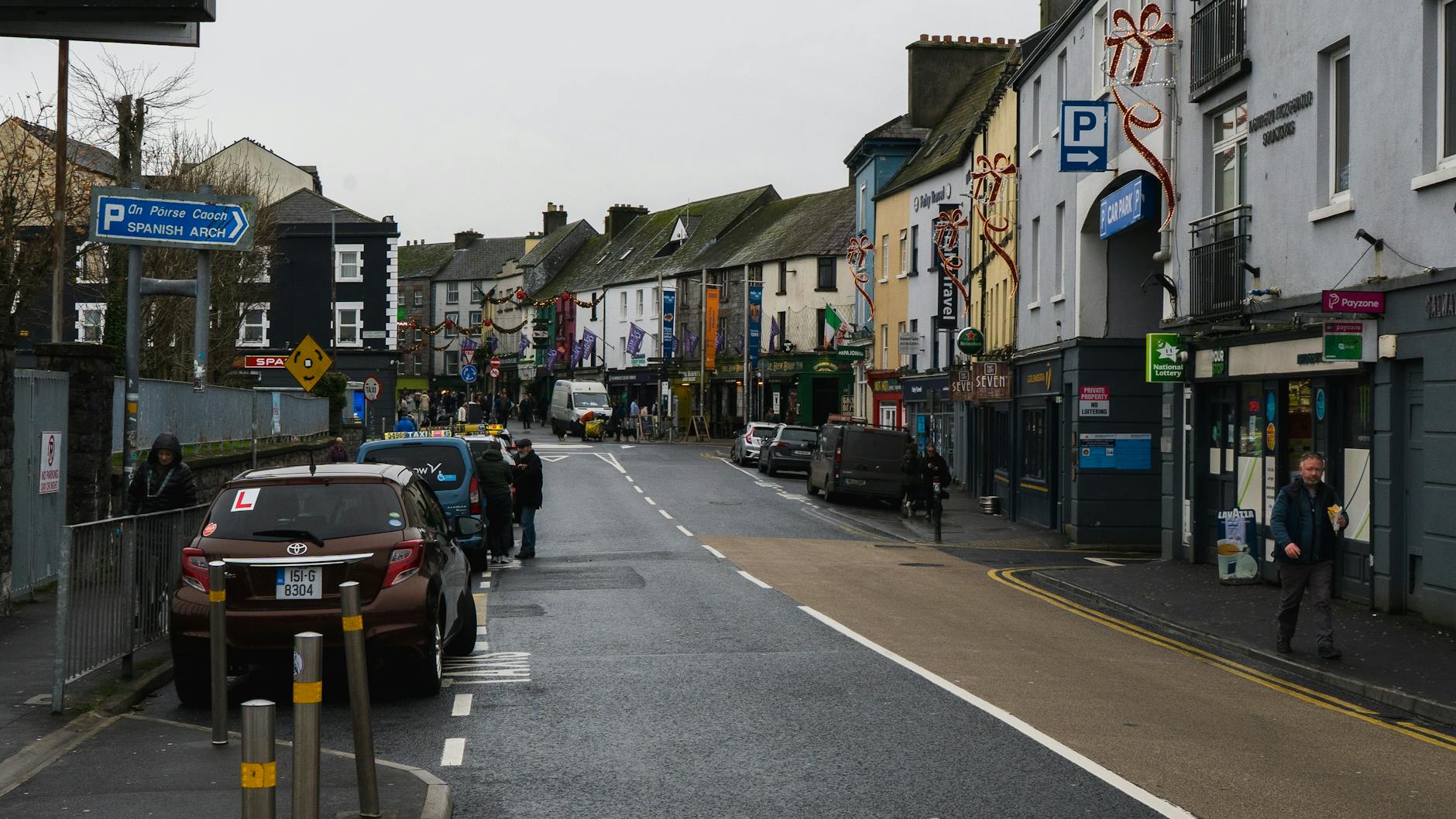
Galway is unusually good at compact atmosphere. Plenty of small cities are pleasant. Fewer feel so immediate, so socially alive, and so coherent with so little effort. The center works. The pubs work. The streets work. The walk toward Salthill works. And because the city does not sprawl, a short stay can still feel complete.
It is also stronger than many first-time visitors expect at mixing local life with visitor life. Some highly visited towns feel as though tourism has displaced the city. Galway still feels inhabited. That matters a lot, especially if you are trying to decide whether the place is worth staying in rather than only passing through.
Another underrated strength is weather-compatible pleasure. The city has enough interior life, enough good meals, enough music, and enough small-scale texture that wet weather does not have to collapse the plan.
The city is also very good at acting as a regional gateway without losing all of its own identity. This is harder than it sounds. Plenty of places near major scenic regions become little more than logistics nodes. Galway can still be a destination if the traveler gives it the time to be one.
Finally, Galway does evening life without excess very well. It can be social, musical, and warm without requiring a huge nightlife campaign. That proportion is one of its best traits.
Best Time to Visit Galway
Galway is a year-round city, but not a season-proof one. Light, rain, wind, festival energy, and the usability of the seafront all shift the experience.
Best Overall Months
May, June, and September are especially strong for first-time visitors. The city has life, the days are longer, and you can usually use both the center and the water more easily.
Summer
Summer is the fastest route to immediate affection. The streets are fuller, the sessions feel even more public, and Salthill and the bay become easier to use as active parts of the stay. The drawback is that the city's compactness means crowds matter more, not less.
Autumn
Early autumn often suits Galway beautifully. The city can feel more local, more atmospheric, and slightly less self-conscious. Food and pub travelers do well here.
Winter
Winter narrows Galway into pubs, music, food, raincoats, museum time, and shorter walks. That can be extremely good if you actively want a west-coast city mood and not a scenic postcard itinerary.
Spring
Spring is attractive because the city starts turning outward again. Better light helps the harbor and Salthill logic, and the whole place becomes easier to use on foot for longer stretches.
Month-by-Month Guidance
January: quiet, compact, pub-and-museum city life. February: still wintery, but often easier for off-peak travelers. March: transitional and wet-weather aware. April: increasingly workable, though still variable. May: one of the best overall choices. June: excellent for a first visit. July: lively and often crowded, strongest if you want energy and accept noise. August: still high-energy, especially around festivals. September: one of the smartest months to go. October: atmospheric, often very good for food and pub-based city travel. November: subdued and best for travelers who like smaller-city mood over movement. December: lights, pubs, and a very compact winter city break.
How Many Days You Need
One Day
Enough to like Galway. Not enough to understand why it matters.
Two Days
The minimum respectable stay. One day should be city-led. The other can be seafront-leaning or regional, but the city still needs real time.
Three Days
Ideal for a first visit. This gives room for the old core, a water-facing day, one museum or cultural block, one strong evening, and one chosen regional move if you want it.
Four To Five Days
Very good if you want Galway plus Connemara or the islands without turning the city itself into a corridor.
One Week
Excellent for a west-of-Ireland route anchored by Galway, but only if the city itself keeps at least two or three genuine urban days.
Where to Stay in Galway
Where you stay matters because the city is so easy to use badly. A central stay can make Galway feel intimate and complete. A weak location can make the trip feel more like a transport problem than a city break.
Fast Answer
For most first-time visitors, stay in central Galway within easy walking distance of Eyre Square and the older core. Choose the Claddagh or Salthill direction if you want more sea air and are still close enough to walk in easily. Stay farther out only if you have a specific reason.
Neighborhood Decision Table
| Traveler Type | Best Area |
|---|---|
| First-time visitor | Central Galway near Eyre Square or the old core |
| Couple weekend | Old-core edge or Claddagh/Salthill side with practical access |
| Pub-and-music trip | Walkable central base |
| Quieter scenic stay | Salthill side with easy access back to town |
| Car-based regional traveler | Central enough to walk, practical enough for arrival and departure |
| Without a car | Central Galway, no question |
Eyre Square And Adjacent Central Streets
Best for: first-timers, coach and rail arrivals, all-purpose short stays. Why it works: practical arrival logic, easy access to the center, and enough flexibility to move in every useful direction. Tradeoff: some streets feel more functional than atmospheric. Best use: a clean first Galway stay.
The Old Core
Best for: atmosphere, pub-and-music travelers, couples, and anyone who wants the city to feel immediate. Why it works: you step directly into what most people come to Galway for. Tradeoff: noise, crowds, and some logistical awkwardness depending on the property. Best use: short stays where mood matters more than silence.
Claddagh / Salthill Side
Best for: sea-air stays, more breathing room, and travelers who want a little distance from the busiest central flow. Why it works: proximity to the bay and the Prom, without losing city access. Tradeoff: not every property here is equally convenient in wet weather if you are out late and on foot. Best use: a calmer but still emotionally rich Galway.
Area Profiles
Shop Street And The Core Lanes
This is where first-time Galway often begins. It can feel tourist-heavy at moments, but it still matters because the center's compact social energy is one of the real arguments for the city.
Quay Street
Quay Street is one of the clearest examples of Galway's gift for giving visitors the thing they came for while still remaining more than a caricature of that thing.
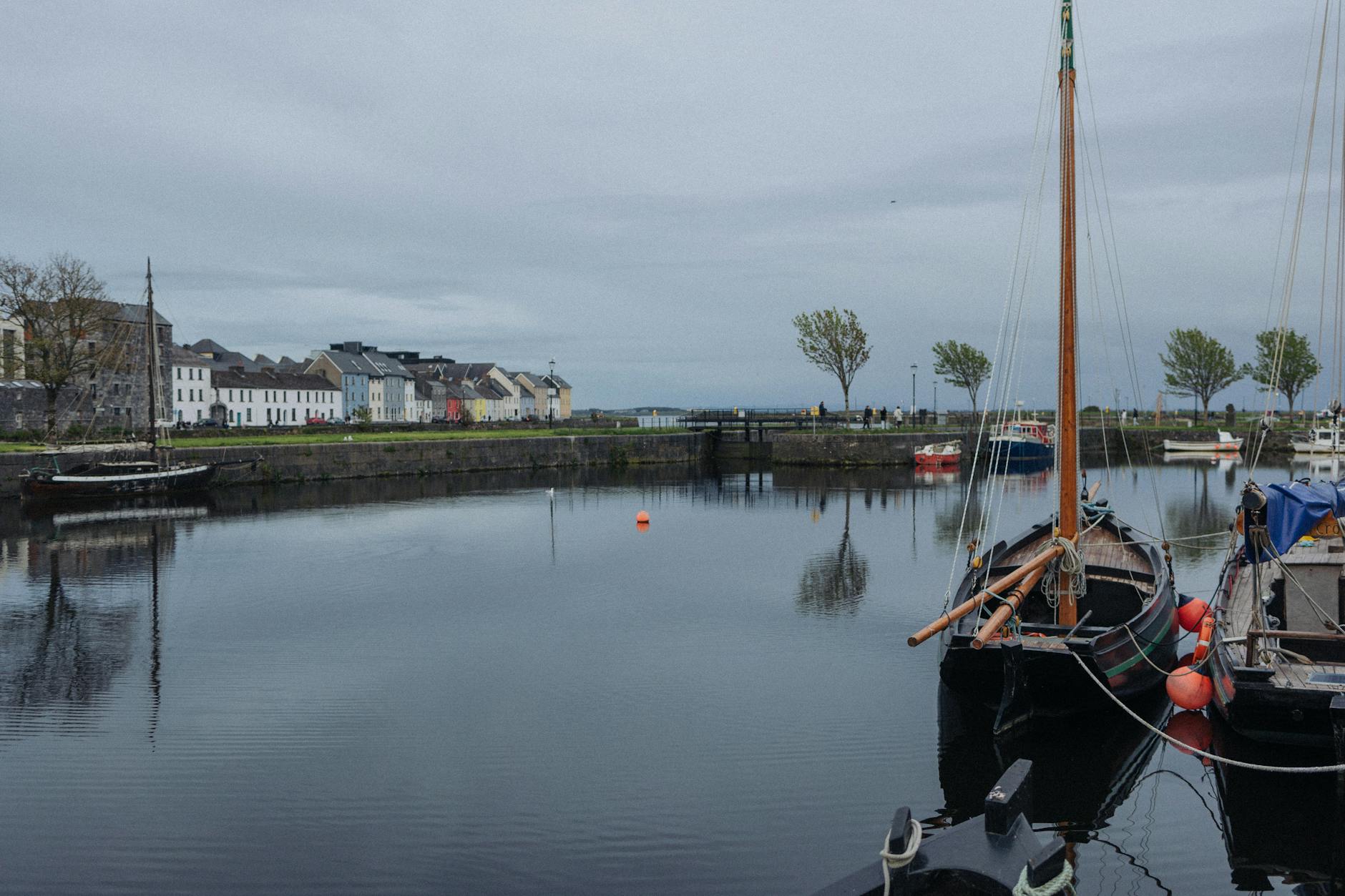
Spanish Arch And Harbor Side
This is the city looking outward. Use it to understand that Galway is not just about pubs and lanes. It is also about edge, weather, and movement toward the bay.
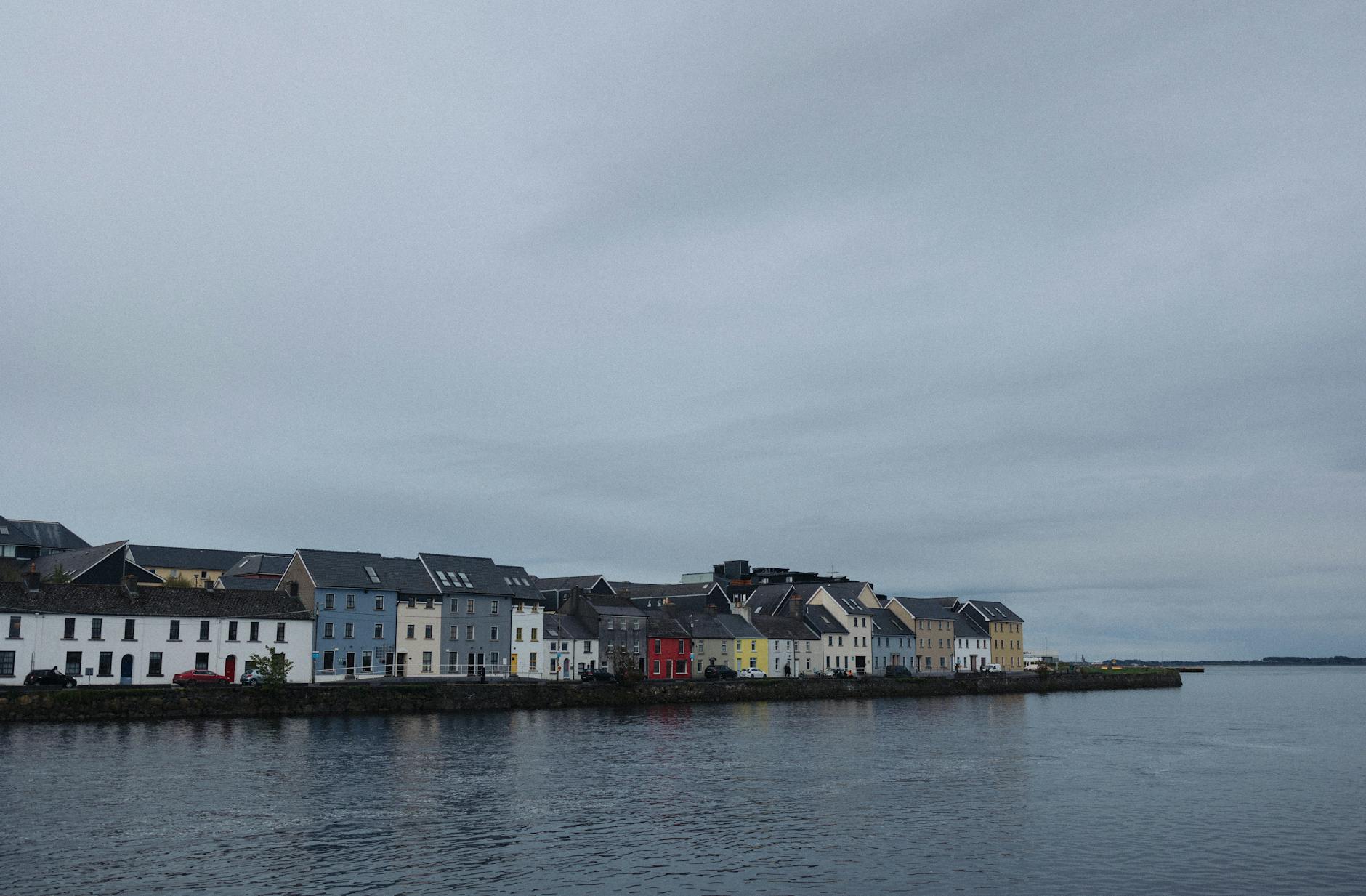
Claddagh
Claddagh helps soften the city and connect it to the sea. It keeps Galway from feeling too tightly compressed inside its center.
Salthill
Salthill gives the city promenade logic, weather logic, and one of the easiest ways to understand how western light and Atlantic air shape the trip.
Neighborhood Guide: Where to Explore, Not Just Sleep
The Old Center
Walk it more than once and at different times. Morning Galway and late-night Galway are not the same city.
The West End Side
This area helps the city feel more ordinary and local, and less like a dense central performance.
The Claddagh Edge
Useful when you want the city to exhale. It gives water, quieter air, and a different angle on the center.
Salthill Prom
Do not reduce this to a token stroll. It is one of the main ways Galway turns itself outward toward the bay.
Eyre Square And Arrival Streets
These are not the most romantic parts of Galway, but they matter because they show how the city functions when it is not posing.
The Best Things to Do in Galway
1. Give The Center More Than One Pass
Galway improves with repetition. A single quick walk through the core rarely tells you enough.
2. Build One Evening Around Music And Conversation
This city often reveals itself socially rather than monumentally. Let that happen.
3. Walk To Salthill On Purpose
The movement from city to bay matters. It is one of the cleanest ways to understand Galway's scale and mood.
4. Use Galway City Museum Properly
The museum gives historical shape to a city that can otherwise remain all mood and no context.
5. Treat Food As More Than Fuel Between Pubs
Galway deserves at least one meal chosen with real intention.
6. Use Weather As A Design Feature
A wet day can still be a strong Galway day if the plan fits the conditions.
7. Let One Day Trip Be Enough
If you are going outward, choose one meaningful excursion rather than collecting regional ambition until the city disappears.
8. Spend Time Near The Water
Even if you skip the islands, the relationship to the bay still needs to be part of the trip.
9. Notice The Student City
Galway is not only a heritage-and-tourism machine. Its younger life keeps the city current.
10. Stop Looking For Grandness
The city wins on proportion, not scale. Once you accept that, it becomes much better.
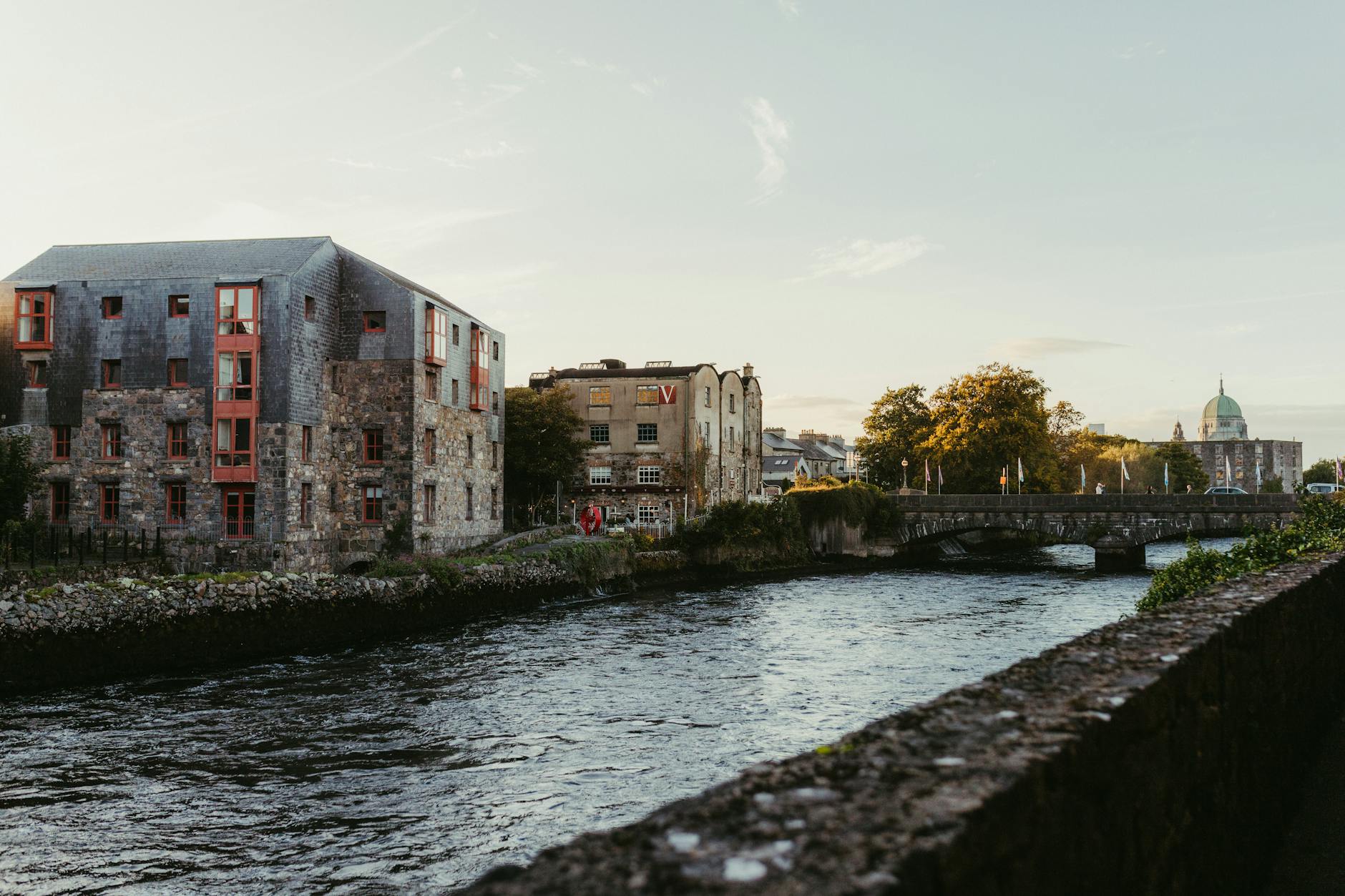
Itineraries
One Excellent Day In Galway
Start centrally before the busiest flow takes over the streets. Walk the old core, the harbor side, and the museum. Have lunch somewhere chosen, not merely convenient. In the afternoon, go westward toward Claddagh and Salthill or stay inside the city if the weather is poor. Build the evening around a proper meal and at least one pub where you stay long enough for the room to make sense.
Two Days
Day 1: city-center Galway, museum, old core, and one serious evening. Day 2: Salthill and water-facing Galway, or one carefully chosen outward move that still leaves the evening to the city.
Three Days
Day 1: old core and social Galway. Day 2: seafront Galway with slower pacing. Day 3: one regional extension or a second city day if weather or mood says stay put.
Four To Five Days
This is the length at which Galway can support both city time and a real Connemara or island extension without losing its own shape.
One Week
A week works well if Galway anchors a wider western-Ireland trip, but only if you resist the urge to turn every day into departure.
Itineraries By Traveler Type
First-Timer
Prioritize the old center, one evening that belongs to Galway, one water-facing stretch, and one carefully chosen museum or day-trip block.
Couple Weekend
Spend more on the room, less on compulsive coverage. Let the city be social and a little slow.
Pub-And-Music Traveler
The goal is not maximum pub count. It is one or two good rooms at the right hours, with enough time for the city to stop performing and start breathing.
West-Ireland Starter
Use Galway as your first true western base, but let the city itself set the tone before you scatter into scenery.
Car-Free Traveler
Galway works unusually well for you as long as you stay central and choose outward moves that make public-transport sense instead of trying to imitate a road-trip itinerary without the road trip.
Food and Drink
What To Prioritize
Prioritize warmth, judgment, and regional character. Galway is not best used as a place to snack indefinitely between pints and call that a food scene.
The Real Food Logic
The strongest food trip here usually includes one strong seafood or regionally grounded meal, one café or lunch stop that feels genuinely local, and one evening where pub culture and dinner cooperate instead of competing.
Pubs Without Cliche
Pubs matter here because they are part of the city's social structure, not because they are props. The best Galway pub experience is not always the loudest or most visibly famous one.
Evening Rhythm
Galway's evenings are one of its best arguments. Let them stretch. The city often sharpens after dusk.
Getting Around
The Core Rule
Walk first. That is how Galway explains itself.
Buses And Coaches
Use buses and coaches when the day genuinely requires them, especially for outward moves or specific local stretches.[3][1]
Cars
Cars can help on wider west-of-Ireland routes, but they solve very little inside Galway itself. The city is usually better when you stay central and move lightly.
Connemara, Islands, And The Problem Of Over-Ambition
The Good Problem
Galway sits near too many tempting places. That is a privilege and a risk.
The Better Rule
Choose one meaningful outward day, not three half-days of transport dressed up as adventure.
Why The City Still Matters
If Galway never gets a full evening, a proper morning, and one day in which you are not trying to leave it, you usually have not really been to Galway. You have only routed through it.
Where Galway Fits In An Ireland Trip
Galway works best as the western emotional counterweight to Dublin. Dublin gives scale, institutions, and a more layered capital-city reading of Ireland. Galway gives compression, sociability, weather, and a direct relationship with the west. If you use both cities well, the trip feels more complete. If you skip Galway and only race through rural west-coast highlights, Ireland can become beautiful but oddly under-socialized. If you skip Dublin and only do Galway plus countryside, the trip can become charming without enough range.
The city is especially valuable in itineraries that want one urban base west of the capital. That is the simplest and strongest reason to come. Galway gives enough city energy to stop the trip from becoming an endless sequence of roads, viewpoints, and small-town overnights. It restores urban rhythm without abandoning regional character.
It also works well in routes that need one place to slow down. A lot of Ireland itineraries are structurally too restless. Galway can interrupt that pattern. A traveler can stay several nights, walk everywhere, hear music without scheduling a formal event, and let one day be shaped by weather instead of by reservation pressure. That is not laziness. In Ireland, it is often good planning.
The city is less essential if your trip already has a strong western urban base and very little time. But on most first or second visits to Ireland, Galway remains one of the highest-return additions because it helps the country feel inhabited, not just admired.
Galway Versus Dublin, Killarney, And Dingle
Galway is not Dublin-lite. Dublin has more depth, more institutions, more neighborhoods, and more historical layers available at scale. Galway competes differently. It wins on concentration, ease, and atmosphere. You can enter the city faster, understand it faster, and enjoy it more immediately. What you lose in complexity, you gain in intimacy.
Compared with Killarney, Galway is the stronger pure city. Killarney is an excellent scenic base, but much of its value comes from what surrounds it. Galway has its own urban argument. The surrounding region matters enormously, but the city itself still deserves its nights, meals, and walks. That distinction is important when deciding where to spend limited time.
Compared with Dingle, Galway is less singular and more useful. Dingle can feel more distilled and more theatrically west-of-Ireland in its charm, but it is also smaller, narrower, and easier to consume quickly. Galway supports repetition better. It gives you more room to vary the trip while staying in one place.
The real lesson is that Galway belongs in the category of cities that improve a route by stabilizing it. It makes the west leg of an Ireland trip less frantic and more legible.
First-Time Visitors Versus Repeat Visitors
First-time visitors usually arrive wanting confirmation of the idea of Galway: music, colorful streets, pub life, sea air, and friendliness. The city can absolutely deliver that. The risk is accepting the first draft too quickly. A first-time visit should still include repetition. Walk the center in the morning, then again in the evening. Go to the water in different weather. Notice how fast the city changes once performers, students, diners, and late-night life all begin to overlap.
Repeat visitors often do better because they stop asking the city to summarize the west for them. They begin using it more tactically. One return trip may emphasize food and walking. Another may emphasize Salthill and slower weather days. Another may use Galway mainly as a social base with one or two outward moves. The city becomes richer once it no longer has to act as a checklist.
This is one reason Galway ages well as a destination. It is not spectacular in the obvious sense, so it has less pressure to keep dazzling you. Instead it grows more useful, more familiar, and often more loved once you know how to inhabit it.
Why One Proper Galway Day Matters
Many travelers believe they have "done Galway" because they passed one evening there and perhaps saw part of the center before leaving for Connemara or the Cliffs. Usually they have only sampled the city's most photogenic and most performative layer. A proper Galway day changes that.
It gives you time for the city before and after the busiest central hours. It lets you see whether the weather wants streets, harbor, or Salthill. It creates room for the museum without treating culture as an interruption. It means lunch can be chosen well instead of taken between transports. It gives the city a chance to feel like a place with its own rhythm instead of a stop in somebody else's plan.
One proper day also corrects the false idea that Galway is all evening. Evening matters, but morning does too. The city is appealing when shutters are only just up, when cafés are filling, when the center has not yet tightened into its midday visitor flow. If you only know Galway socially, you know only half of it.
Why Music Should Not Own The Whole Trip
Music is one of Galway's greatest strengths, but it can still distort the visit if you let it monopolize the city's identity. Travelers sometimes reduce Galway to a pub-session machine and then miss everything that makes those evenings satisfying in the first place: the scale of the streets, the feel of the bay, the small-city walkability, the way food and weather and ordinary daily life set up the social atmosphere.
The best session usually lands harder when the day before it has been well used. A museum visit, a harbor walk, an hour in Salthill, a slow lunch, even a wet-weather browse through the center all help give the evening proportion. Without that, the trip can become repetitive too quickly, especially if you are sleeping several nights in town.
Music should crown the day, not replace it. Galway is better when you arrive at evening carrying some sense of the city's daylight self.
How Galway Changes Over The Course Of A Stay
On arrival, Galway can feel almost suspiciously easy to like. The center is legible, the life is visible, and the west-coast identity announces itself early. By the second day, the city often becomes more specific. You start distinguishing the functional parts from the atmospheric parts, the visitor core from the ordinary city, and the harbor-facing version from the pub-facing one.
By the third day, many travelers relax into the place. They stop trying to extract constant proof of value. The city becomes less about seeing and more about using. That is when Galway often becomes most persuasive. A morning coffee, a return walk, a slightly different route to the water, a better-timed evening, a meal chosen with more confidence: these are small things, but they are the things that turn affection into judgment.
That is why Galway often leaves a stronger final impression than first impression. It does not overwhelm. It settles in. The city rarely wins by scale. It wins by staying coherent as your trip calms down enough to notice what it is actually doing.
Common Mistakes
- Using Galway as a sleep-stop for every other west-of-Ireland ambition.
- Treating pub quantity as a substitute for social intelligence.
- Ignoring Salthill and the bay.
- Refusing to let weather shape the plan.
- Staying too far out and then draining the city of spontaneity.
- Trying to do Connemara, the islands, and Galway itself all at once in a short stay.
- Mistaking charm for smallness.
My Blunt Advice
Stay central. Walk the city more than once. Give the museum an hour. Give Salthill real time. Pick one good dinner. Let one evening belong wholly to Galway. If you go outward, do it once and do it properly. Stop trying to prove how much west-of-Ireland scenery you can consume in a weekend. Galway is better when it is allowed to remain human-sized.
That is the city's edge. It does not need grandeur. It needs your attention, your time, and your willingness to let mood count as substance. In Galway, it often is.
Source Notes
- 1. Discover Ireland, "Getting around." https://www.discoverireland.ie/getting-around
- 2. Citylink, "Dublin Airport." https://www.citylink.ie/destinations/dublin-airport
- 3. Transport for Ireland, "Journey Planner." https://www.transportforireland.ie/plan-a-journey/
- 4. Galway Tourism, "Salthill." https://www.galwaytourism.ie/sights/salthill/
- 5. Galway City Museum, "Visit." https://galwaycitymuseum.ie/visit/
- 6. Galway Tourism, "The Aran Islands." https://www.galwaytourism.ie/the-aran-islands/