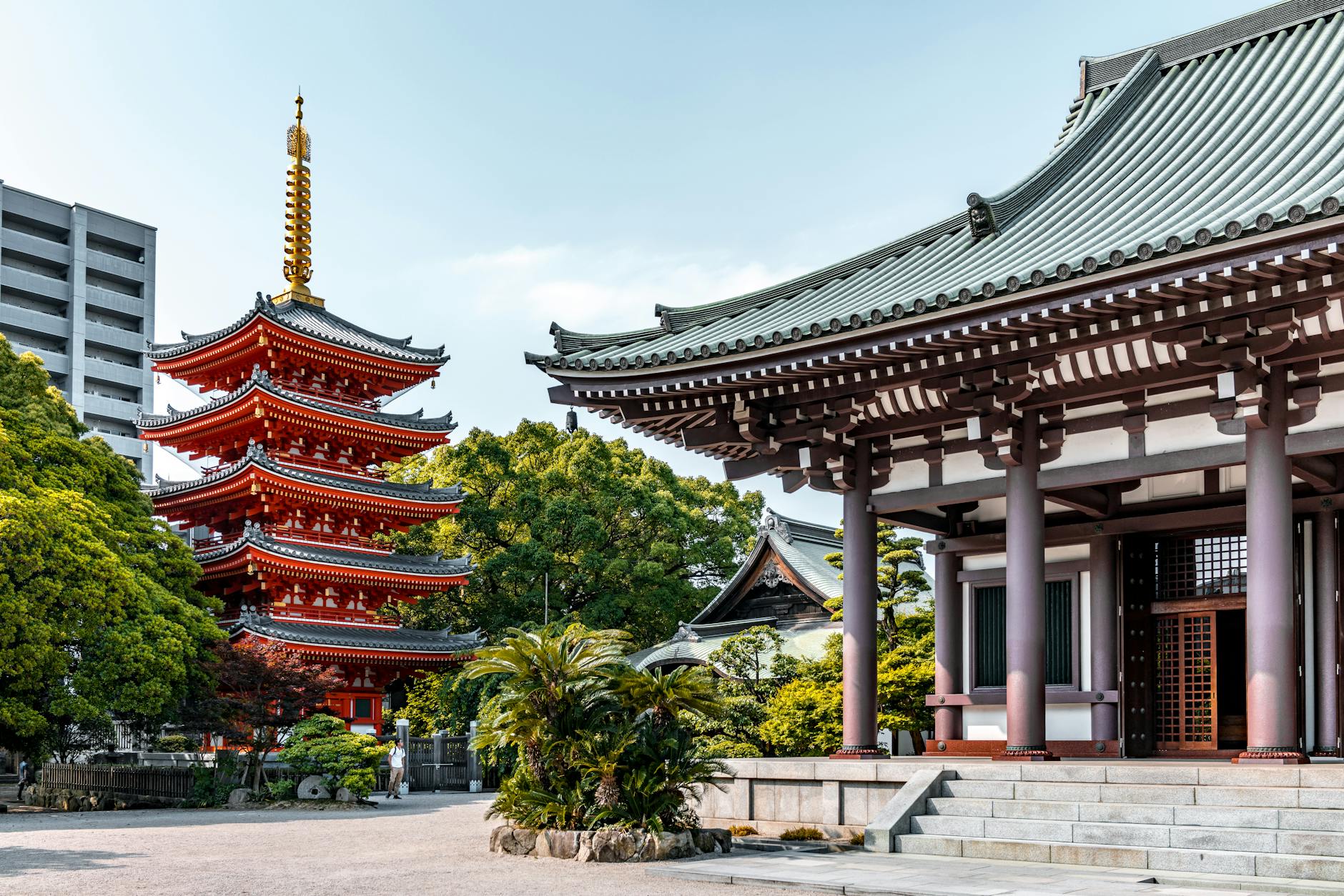
Fukuoka is one of Japan's easiest cities to misread well.
Start Here
People arrive, notice how manageable it feels, and immediately start using that manageability against it. They assume that because the airport is close, the subway is straightforward, the center is compact, and the city does not announce itself like Tokyo or Osaka, Fukuoka must be simple in the shallow sense rather than simple in the refined sense. Then they either underplan it completely or force a bigger-city fantasy onto it. Both approaches waste the city.
Fukuoka is not a reduced Tokyo. It is not a rough draft of Osaka. It is not a transit lounge for Kyushu. It is one of Japan's best short urban stays precisely because it does not demand heroic effort to become rewarding. The center is walkable enough to let the traveler build clean days. The airport-city connection is almost absurdly efficient. Hakata and Tenjin create different but complementary versions of the stay. The food is not an accessory but a real urban force. And the city has more historical and park-side calm than people often expect from a place marketed so heavily through ramen and nightlife.
This is what makes Fukuoka deceptively sophisticated. Its value lies in compression. You can land, get into the city quickly, eat seriously, see enough to feel grounded, move between districts without friction, and still have energy at the end of the day. That is harder to achieve in larger Japanese cities than first-timers often realize.
The mistake is assuming that easy means automatic. Fukuoka still asks you to choose a version of the city. Hakata favors operational cleanliness and old-city depth. Tenjin favors social life, shopping, and central urban energy. Nakasu and the riverside matter after dark, but they should not be allowed to define the whole trip. Ohori and the Fukuoka Castle side prevent the city from becoming only a food-and-shopping machine. And the yatai, while genuinely important, make the most sense when treated as one layer of the city rather than as the entire reason to come.
The best first Fukuoka trip is usually not built around sightseeing scale. It is built around district logic, appetite, and rhythm. Morning in old Hakata or around a shrine-and-shopping axis, afternoon somewhere calmer or greener, night shifting back toward yatai, izakaya, or a sharper Tenjin/Nakasu energy. Fukuoka gets better the more intentionally you use its compactness.
The city in one sentence: Fukuoka is a compact, food-serious, high-return Japanese city whose best first trip comes from leaning into district logic and urban ease rather than trying to turn it into a smaller version of somewhere louder.
Quick Verdict
Best for: first-time Japan travelers who want a lower-friction city, repeat Japan travelers, food travelers, couples, solo travelers, and anyone building a short urban stop before or after wider Kyushu travel.
Not ideal for: travelers who only feel satisfied by maximum sightseeing density, people expecting Kyoto-style historical saturation, or anyone who thinks ease means the city can be left vague.
Ideal first visit: 2 to 3 full days.
Minimum worthwhile stay: 2 nights.
Best overall months: March, April, May, October, and November.
Best summer logic: a stronger hotel, rain awareness, and more attention to indoor food and shopping rhythms.
Biggest planning mistake: treating Fukuoka like a blank slate instead of a precise, food-led city.
One thing to prioritize: the base.
One thing to leave flexible: how much of the night belongs to yatai versus restaurants or bars.
The blunt version: Fukuoka rewards travelers who stop asking it to be dramatic and let it be efficient, flavorful, and genuinely pleasant instead.
Who Will Love Fukuoka?
Fukuoka works very well for travelers who like Japan but do not need every city to be an endurance event. If you want a place where movement is clean, food quality is high, hotels are usable, and a short stay can still feel rounded, Fukuoka is unusually strong.
It is especially good for first-time Japan visitors who want an introduction to urban Japan without the full sensory scale of Tokyo. The systems still work with Japanese precision, but the city gives them to you in a more absorbable size.
It is also good for repeat visitors who already know they do not need to maximize spectacle every day. Fukuoka is a city of better texture than many people expect: old Hakata, shopping-and-business Tenjin, riverside night scenes, Ohori's open water and walking loops, and a food culture that feels both regional and socially embedded.
The city is less ideal for people who want every hour to produce a monument. Fukuoka has sights, but it is more persuasive as a living urban system than as a trophy cabinet.
Fukuoka at a Glance
| Question | Practical Answer |
|---|---|
| Main gateway | Fukuoka Airport |
| Simplest airport transfer | subway |
| Best first-time base | Hakata or Tenjin depending trip style |
| Main historical anchor | Hakata Old Town |
| Main social/commercial anchor | Tenjin |
| Main night-food symbol | yatai |
| Main calm counterweight | Ohori Park and Fukuoka Castle side |
| Main practical challenge | overgeneralizing the city because it feels easy |
| Public transport backbone | subway, buses, walking |
| Car needed? | No |
| Currency | Yen |
| Emergency number | 119 for fire/ambulance, 110 for police, 112 also works on many mobile networks but local Japanese emergency norms remain primary |
| Tap water | Safe to drink |
| Power plugs | Type A and B |
2026 Visitor Notes
The Airport Really Is That Close
The official Fukuoka Airport access pages say the domestic terminal is directly connected to the subway and that the airport is located near the city center.[1][2] That matters because Fukuoka's clean arrival is one of its core advantages, not a trivial side detail.
Hakata And Tenjin Are Both Directly Legible From The Airport
The airport's official subway page explicitly points onward to both Hakata Station and Tenjin Station from Fukuoka-kuko Station.[2] This is part of why district choice matters so much here: the whole city begins dividing itself clearly almost immediately after arrival.
Subway Ticketing Is Straightforward
The official Fukuoka City Subway fare pages state that fares are distance-based and that one-day passes cover unlimited travel on all subway lines for one day.[3][4] That is enough for most short stays unless you are deliberately mixing in buses or wider-city sightseeing coverage.
The Tourist City Pass Is Broader Than The Subway Pass
The official FUKUOKA TOURIST CITY PASS page says the pass offers one-day unlimited rides on buses, trains, subways, and ferries, plus selected attraction discounts, and that it is available only to overseas short-stay tourists.[5] For some visitors, especially those mixing several transport modes, that matters.
Yatai Are Real, Structured, And More Varied Than The Stereotype
Fukuoka City's official yatai guide says there are roughly 100 yatai in the city and highlights three main areas: Tenjin, Nakasu, and Nagahama.[7][6] The official English yatai leaflet adds that hopping between those zones is part of the fun and explains the different feel of each area.[8]
Old Hakata Still Gives The City Historical Weight
The official Hakata Old Town page describes the district as a place where Fukuoka's old trading-port history, temples, traditional culture, and festival life remain legible even in a modern built-up city.[9] That is why Fukuoka should not be reduced to food plus shopping.
How to Understand Fukuoka
Fukuoka works through five forces.
The first is arrival efficiency. The airport-city relationship changes what a short stay can accomplish.
The second is the Hakata-Tenjin split. These are not interchangeable hotel zones.
The third is food as urban structure. The city is not merely famous for food. It is organized by it.
The fourth is old-and-new balance. Hakata Old Town, riverside districts, commercial cores, and greener historical edges all matter.
The fifth is night discipline. Yatai and nightlife are central, but they work best when integrated into the city rather than fetishized.
The Five Fukuokas A First-Time Visitor Actually Meets
Hakata Fukuoka: station convenience, old-town depth, temples, and a cleaner operational base.[10][9]
Tenjin Fukuoka: shopping, central business-city energy, and a more social daily rhythm.[10]
Riverside Fukuoka: Nakasu, the riverfront, and the night-facing city of lights, bars, and yatai.[10]
Castle-and-park Fukuoka: Ohori, the Fukuoka Castle side, and a calmer historical landscape.[11][12]
Food-stall Fukuoka: the yatai city, which is real but should remain one chapter of the trip, not the whole book.[6][8]
The Main Mental Shift
Do not ask, "What are the top sights in Fukuoka?" Ask, "Which Fukuoka does this part of the day belong to?" Hakata, Tenjin, riverside, park-side, or food-stall Fukuoka. Once you separate them, the city becomes much more coherent.
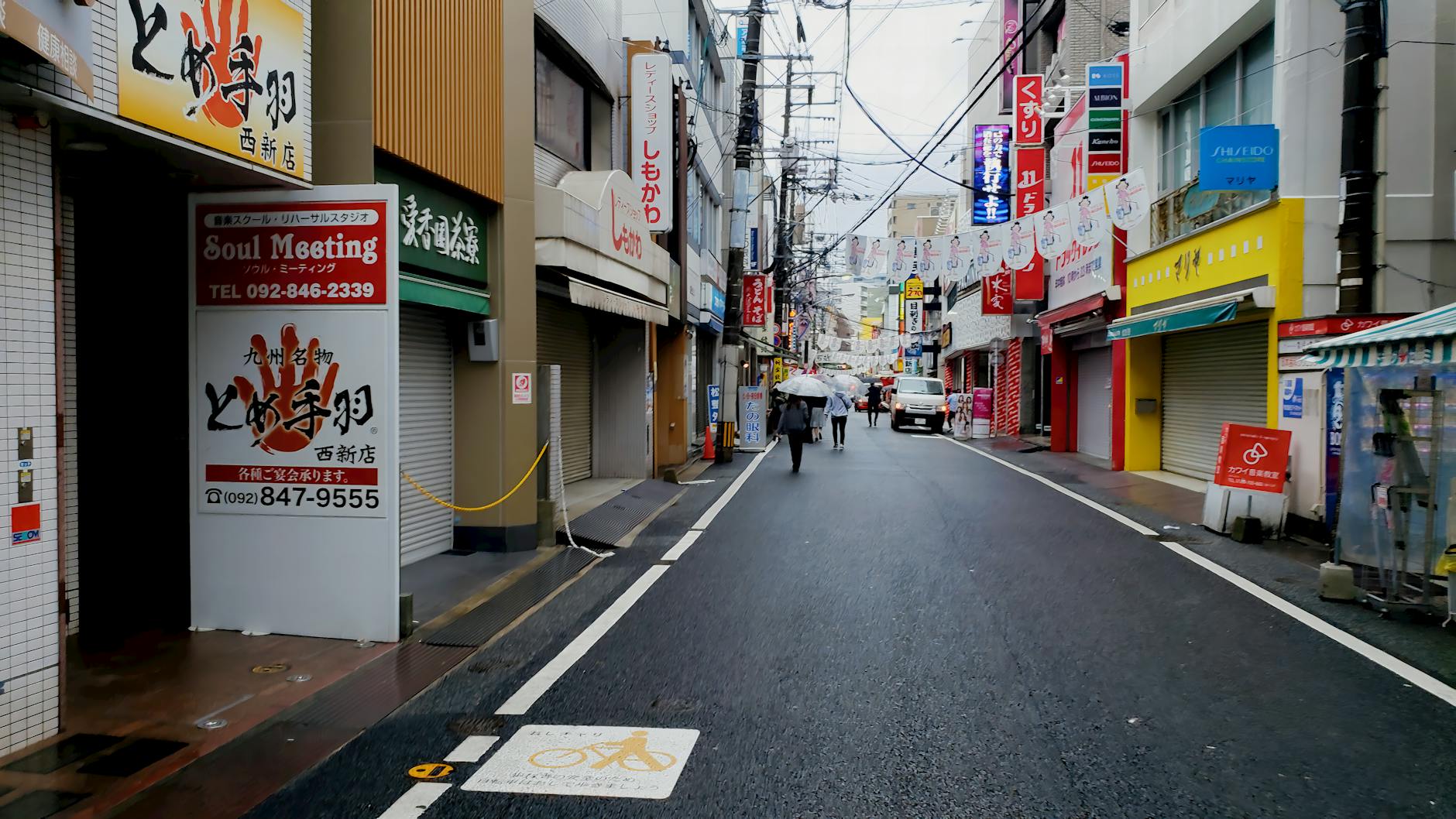
What Fukuoka Does Better Than People Think
Fukuoka is better than many people expect at being complete in a short stay. That is not because it has fewer things. It is because the city's structure wastes less of your time.
It is also better than people think at combining food seriousness with actual ease. In some food cities, eating well requires heroic logistics or obsessive booking. In Fukuoka, the city's edible identity feels more naturally distributed.
Another underrated strength is the Hakata historical layer. Visitors who only see the station, canals, and yatai often miss that the city has a genuine old urban spine.[9]
The city is also better than many people think at night tempo. The evening can be relaxed, social, or lively without becoming chaotic.
Where Fukuoka Fits in a Japan Trip
Fukuoka fits a Japan trip best as the city that proves convenience can still have personality.
That matters because many first-time itineraries still train travelers to think in extremes: giant cities for energy, old capitals for history, mountain towns for atmosphere, and everything else as filler. Fukuoka breaks that pattern. It gives you a real Japanese city that is compact without being trivial, food-serious without being exhausting, and efficient without becoming anonymous.
Used properly, Fukuoka works in four especially strong ways.
The first is as a first urban stop in Japan. The airport access, clean subway logic, and easy district separation make it one of the least punishing major-city entries in the country.
The second is as a short city-break city. Few Japanese cities can give you this much arrival ease, food quality, and day-to-night movement without needing a longer stay to become rewarding.
The third is as a Kyushu anchor. Even when travelers move onward, Fukuoka can remain the most operationally convenient and socially satisfying base in the region.
The fourth is as a repeat-Japan city. Once you no longer need every stop to validate itself through world-famous monuments, Fukuoka becomes one of the country’s easiest places to enjoy on its own terms.
What it is not is only the place where you land before doing something more “important.” That attitude is exactly how people miss what the city is good at.
Fukuoka Versus Osaka
This comparison matters because many travelers who like food-forward, socially active Japanese cities assume Fukuoka is simply a smaller, calmer version of Osaka.
Osaka is louder, more excessive, more immediately performative, and far denser in major-city force. It offers more concentrated spectacle and more obvious neighborhood theater.
Fukuoka is more edited. It is cleaner in feel, easier to manage, and far less likely to turn a short trip into an endurance test. The food culture is still central, but it sits inside a city that asks less of the body and the clock. That makes it weaker only if you believe scale itself is the main source of value.
If you want a city that overwhelms through volume, Osaka is stronger. If you want a city that lets you eat well, move easily, and still feel properly in Japan without the same degree of friction, Fukuoka may be better.
First-Time Visitors Versus Repeat Visitors
First-time visitors often arrive in Fukuoka with one of two unhelpful assumptions. Either they expect too little because the city feels easy, or they expect the city to act like a more famous Japanese metropolis and judge it by the wrong scale.
Repeat visitors tend to do better because they stop asking the city to prove itself theatrically. They know whether they want Hakata or Tenjin. They understand that yatai belong to the trip but do not have to dominate it. They realize that an hour in Ohori or Old Hakata can matter as much as another meal. They start trusting the city’s refinement instead of treating it as a temporary convenience.
This is one reason Fukuoka often improves on a second visit. The first may still be deciding whether the city is “enough.” The second usually starts from the assumption that it is.
Best Time to Visit Fukuoka
Best Overall Months
March, April, May, October, and November generally give the cleanest mix of walkability, appetite, and weather.
Summer
Summer is workable, but humidity and rain make route editing more important. Fukuoka's strength in this season is that it still supports good indoor life: department stores, food floors, izakaya, and transit-connected movement.
Winter
Winter can be very good if the trip is city-led and food-led. Fukuoka does not need cherry blossoms or autumn foliage to feel worthwhile.
Warm-Weather Fukuoka Versus Cool-Weather Fukuoka
Warm-weather Fukuoka can still be very enjoyable, but the city changes character. Humidity matters more, rain can become structural, and the value of a good hotel and indoor movement rises. The city still works because its transport and food logic are so accommodating.
Cooler-season Fukuoka is easier to use. Walking between Hakata, Nakasu, and Tenjin feels cleaner. Ohori and the castle side are more inviting. Appetite, pace, and evening wandering all improve. The city’s compactness pays higher dividends when the weather stops asking for constant adjustment.
How Many Days You Need
One Full Day
Enough for a promising taste, not enough for the city to show its balance.
Two Full Days
The minimum strong version. One day should belong mainly to Hakata and the historical/food side. The second should cover Tenjin, the riverside, and one calmer counterpoint like Ohori.
Three Full Days
Ideal for many first-time visitors. This allows the city to feel like a real base of experience rather than an efficient checklist.
Why One Proper City Day Matters
Travelers sometimes assume that because Fukuoka is easy, it can be understood almost accidentally. That is not quite true.
One proper city day means a day where the city itself is the point rather than only a meal list or a gateway function. Hakata needs time to become historical rather than merely practical. Tenjin needs to become a district rather than just a station name. The riverfront needs to feel like part of the city’s evening identity. One calmer counterweight, such as Ohori or the castle side, keeps the place from becoming one-note. Without that day, Fukuoka can remain efficient but thin. With it, the city becomes coherent.
Where to Stay in Fukuoka
The base matters because Fukuoka is compact enough that hotel area becomes city logic.
Fast Answer
For most first-time visitors, stay in Hakata if you want operational cleanliness and better transport logic, or Tenjin if you want a more social, shopping, and night-facing city around you. Both can work. The right answer depends on the shape of the trip.
Neighborhood Decision Table
| Traveler Type | Best Area |
|---|---|
| First-time short-stay traveler | Hakata |
| Food-and-night traveler | Tenjin or near the riverside edge |
| Mixed city-and-transport traveler | Hakata |
| Shopping-and-late-hours traveler | Tenjin |
| Cleanest all-round answer | Hakata |
Hakata
Best for: arrival ease, train convenience, old-town access, and cleaner onward movement. Why it works: the area guide explicitly frames Hakata Station as a convenient tourism and business base with multiple rail links and quick airport access.[10] Tradeoff: slightly less social charisma immediately outside the hotel than Tenjin at night. Best use: the smartest default.
Tenjin
Best for: department stores, shopping, cafes, nightlife, and a more city-center feeling. Why it works: Tenjin is explicitly described by the official area guide as Fukuoka's commercial center, with department stores, fashion buildings, and surrounding character neighborhoods.[10] Tradeoff: slightly less operationally neat if your trip leans heavily on rail movement. Best use: travelers who want the city to feel switched on around them.
Riverside / Nakasu Edge
Best for: night views, food, and being close to the symbolic evening city. Why it works: the riverfront is where Fukuoka gets its lights-on-water atmosphere.[10] Tradeoff: easier to over-concentrate the trip on nightlife and tourist performance. Best use: short stays built around evening energy.
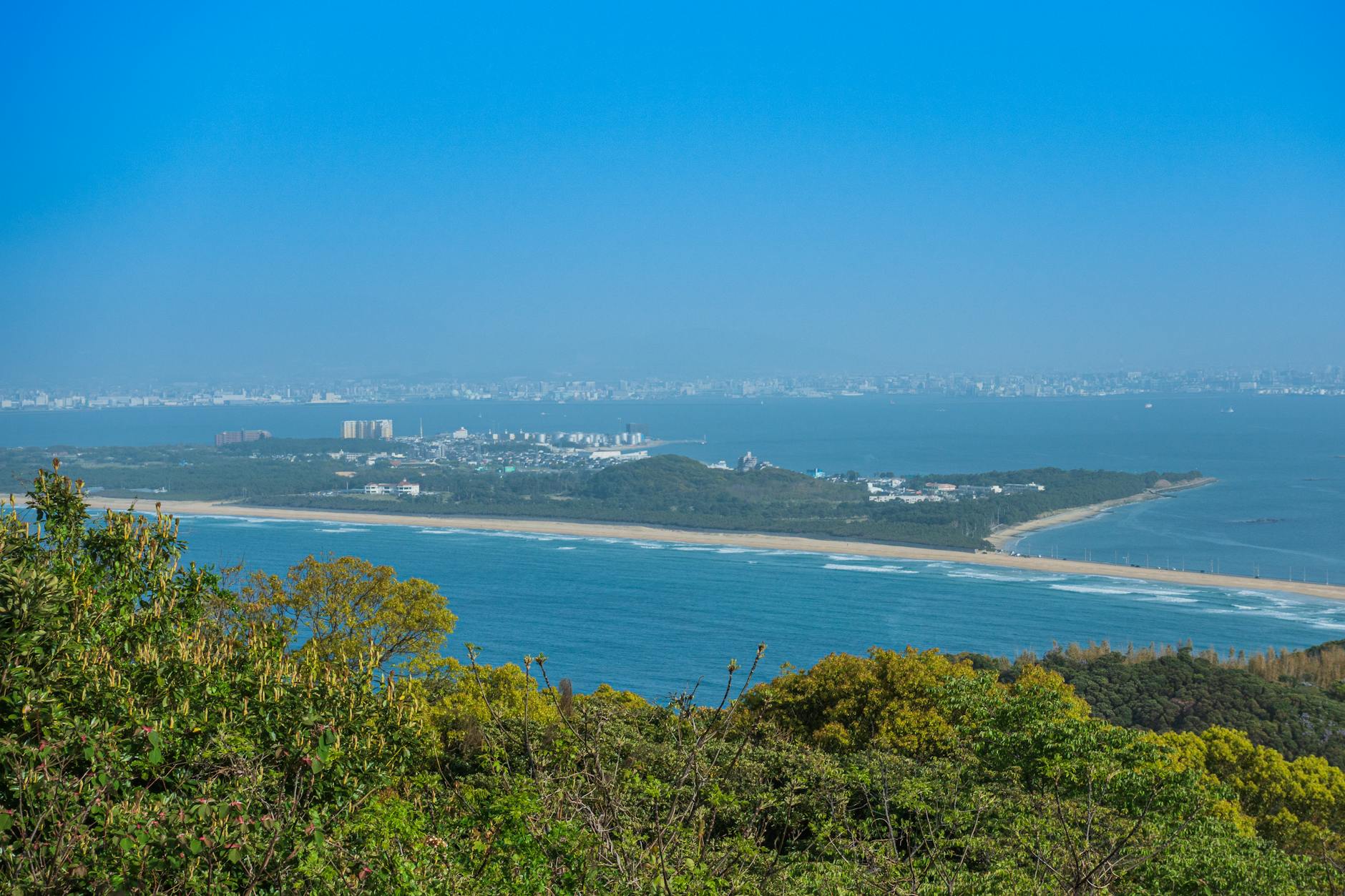
Why The Base Matters More Than Visitors Expect
Because Fukuoka is so compact, visitors often assume that any central hotel is effectively the same. It is not.
A Hakata base gives you cleaner arrival logic, station convenience, and easier operational flow for rail-heavy or first-time trips. A Tenjin base changes the daily mood completely. The city feels more switched on, more social, more shopping-led, and more evening-facing. A riverside base can make nights feel vivid while also encouraging you to overbuild the trip around one register of the city.
This is why the hotel matters. In Fukuoka, your base is not just a practical decision. It determines which version of the city keeps appearing first.
Area Profiles
Hakata Station area: best for transport, first arrivals, and hotel practicality.
Hakata Old Town / Nakasu-Kawabata side: best for history, shrines, covered shopping, and cultural grounding.[9][10]
Tenjin: best for central urban energy, retail, and a more outward-facing evening life.[10]
Ohori / Fukuoka Castle side: best for reset value, walking, and the city's calmer historical edge.[12][11]
Neighborhood Guide: Where to Explore, Not Just Sleep
Hakata is not just the station. The area guide makes clear that the district combines heavy transport logic with historic shrines, Rakusuien, and walking pockets that break the business-city frame.[10] This is why Hakata works so well for a first stay: it is not glamorous, but it is deep enough.
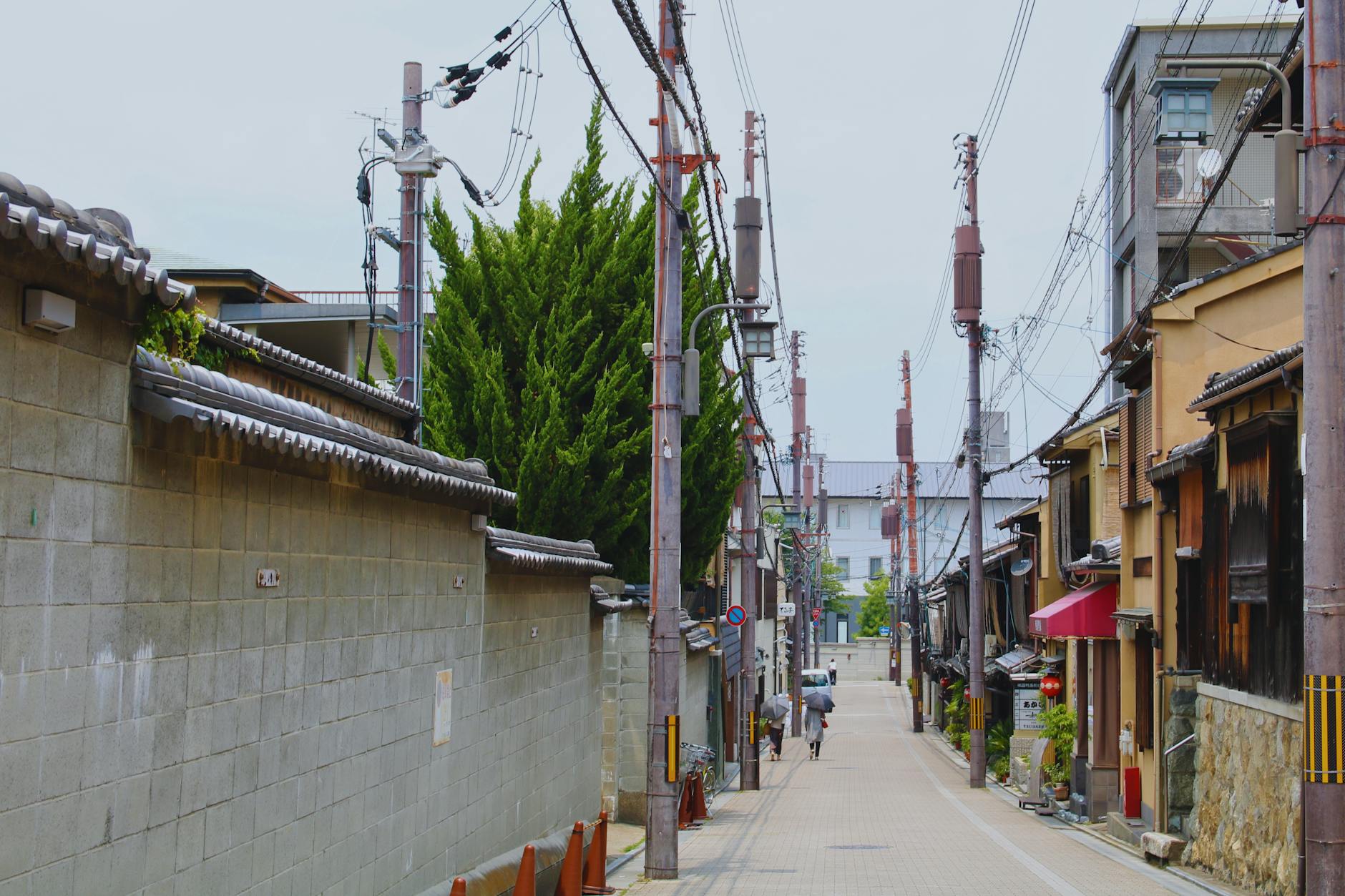
Hakata Old Town is where Fukuoka gains dignity. The official old-town page emphasizes temples, traditional crafts, and festival culture embedded in the modern city.[9] If you skip this layer, you risk reducing Fukuoka to convenience plus noodles.
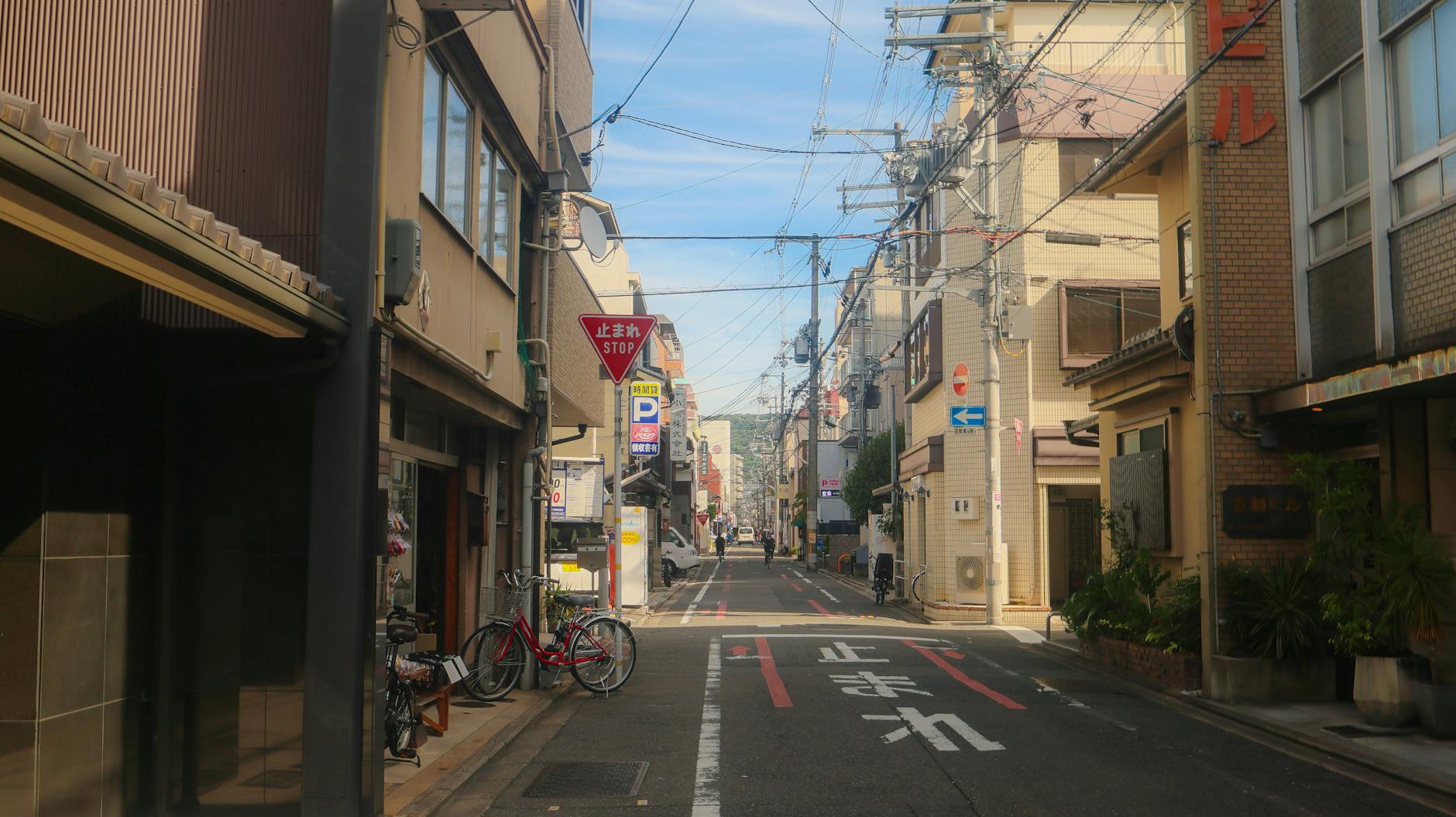
Tenjin is where the city becomes more contemporary and socially distributed. Department stores, underground retail, cafes, and surrounding neighborhoods like Daimyo and Imaizumi give it the stronger everyday-urban feel.[10]
The riverside is best used as an evening register, not a full identity. It is where the neon, river reflection, and yatai lines feel most legible, but it should connect to the rest of the trip, not replace it.[10]
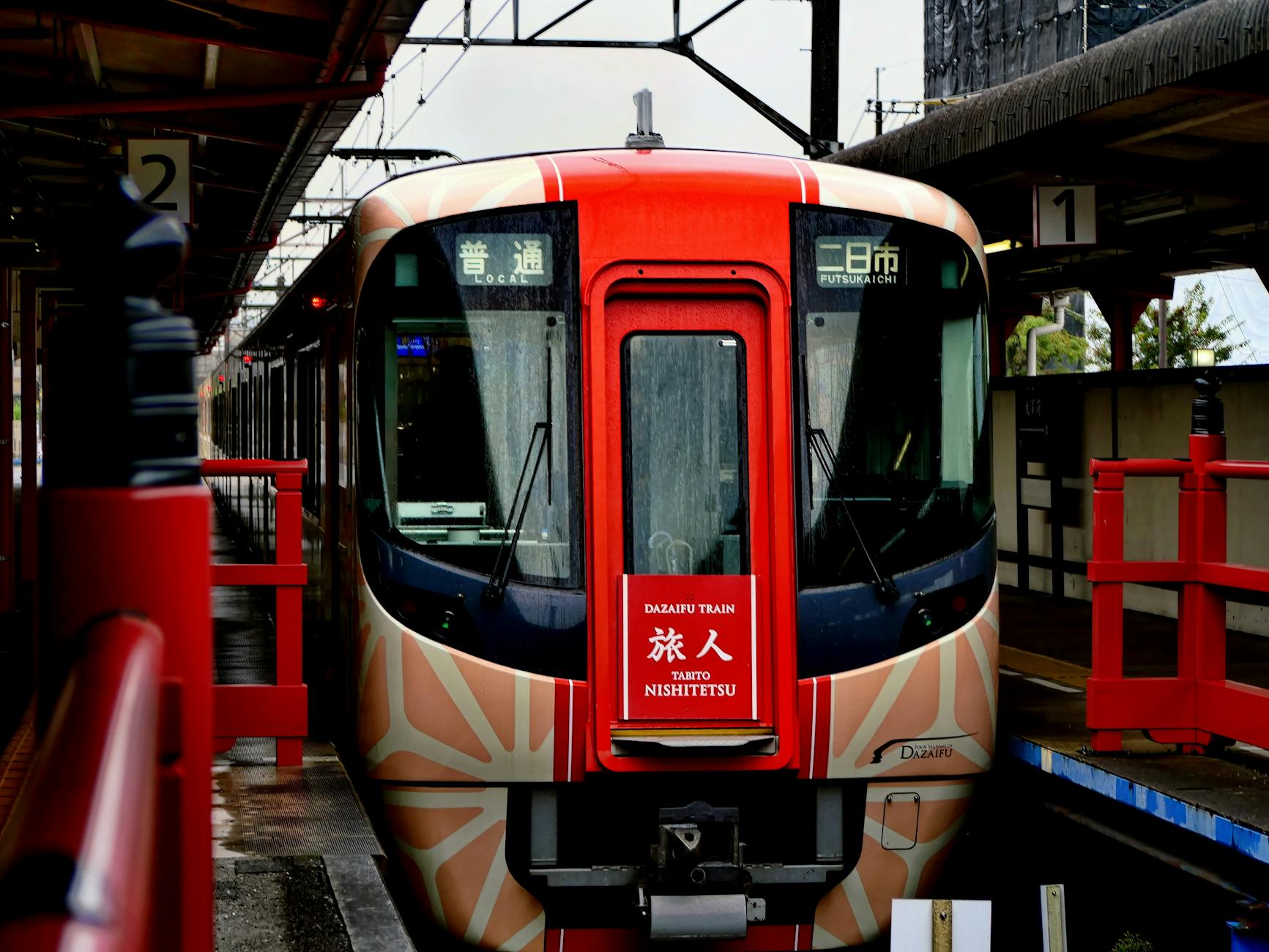
Day Fukuoka Versus Evening Fukuoka
Daytime Fukuoka is about clarity. You notice how cleanly the city is divided, how quickly the airport logic disappears into ordinary urban life, and how Hakata, Tenjin, and the calmer western side all solve different problems.
Evening Fukuoka is about appetite and social mood. The river starts helping the city. Yatai become legible as public life rather than only travel content. Tenjin feels more complete. Hakata stationside movement begins to blur into dinner and bars. This is one reason weak Fukuoka trips underperform: they understand the airport and the ramen, but they never let the city become nighttime-social in a meaningful way.
Why Fukuoka's Ease Is Not The Same As Simplicity
Fukuoka is easy in a refined sense. It gets you where you need to go quickly. It does not waste much time. It lets a short stay feel full. But that should not be mistaken for shallowness.
Its district logic still matters. Its history still matters. Its food still needs context. Its calmer side still needs room. Ease here is one of the city’s achievements, not evidence that there is less city to understand.
Yatai: What They Are And What They Are Not
The yatai matter, but not because they are a magical secret. They matter because they are one of the clearest ways Fukuoka's public night culture still feels specific to place.
The official city guide is refreshingly concrete here. It does not treat yatai as one generic strip. It points to three main areas: Tenjin, Nakasu, and Nagahama, each with its own tone.[8] Tenjin is easier to combine with shopping and central city movement. Nakasu feels more visually vivid and concentrated. Nagahama has ramen history and a more relaxed mood.[8]
This is the right way to approach them. Do not arrive expecting one definitive stall to unlock the soul of Fukuoka. Arrive expecting a format: small-scale, sociable, variable, and deeply tied to the city after dark.
The best yatai night usually comes after a normal day of city use, not instead of one.
Why Night Food Should Not Own The Entire Trip
Fukuoka’s night-food identity is one of its genuine strengths, but it becomes weaker when asked to do all the work. If every memory of the city is reduced to queues, one bowl, one stall, one neon-lit strip, and one late walk, then the city starts to feel more interchangeable than it really is.
The stronger trip lets food support district use. Eat in Hakata after giving old Hakata its due. Let Tenjin and the riverside feed the evening rather than replace the day. Use yatai as one expression of the city’s social life, not as a substitute for that life.
The Best Things to Do in Fukuoka
Walk Hakata Old Town and let the historical layer reset your expectations of the city.[9]
Use Tenjin properly, not just as a pass-through shopping zone.[10]
Spend time around the riverfront and Nakasu at night, even if you do not make it a full nightlife crawl.[10]
Give Ohori Park and the Fukuoka Castle side a real block of time. The park's official materials explain its origin as part of the castle moat system, which is exactly the kind of historical continuity people miss when they only chase food.[12][11]
And yes, do yatai, but do them with curiosity rather than obligation.[6][8]
Food and Drink
Fukuoka is one of the few cities where food can legitimately organize the stay without reducing it.
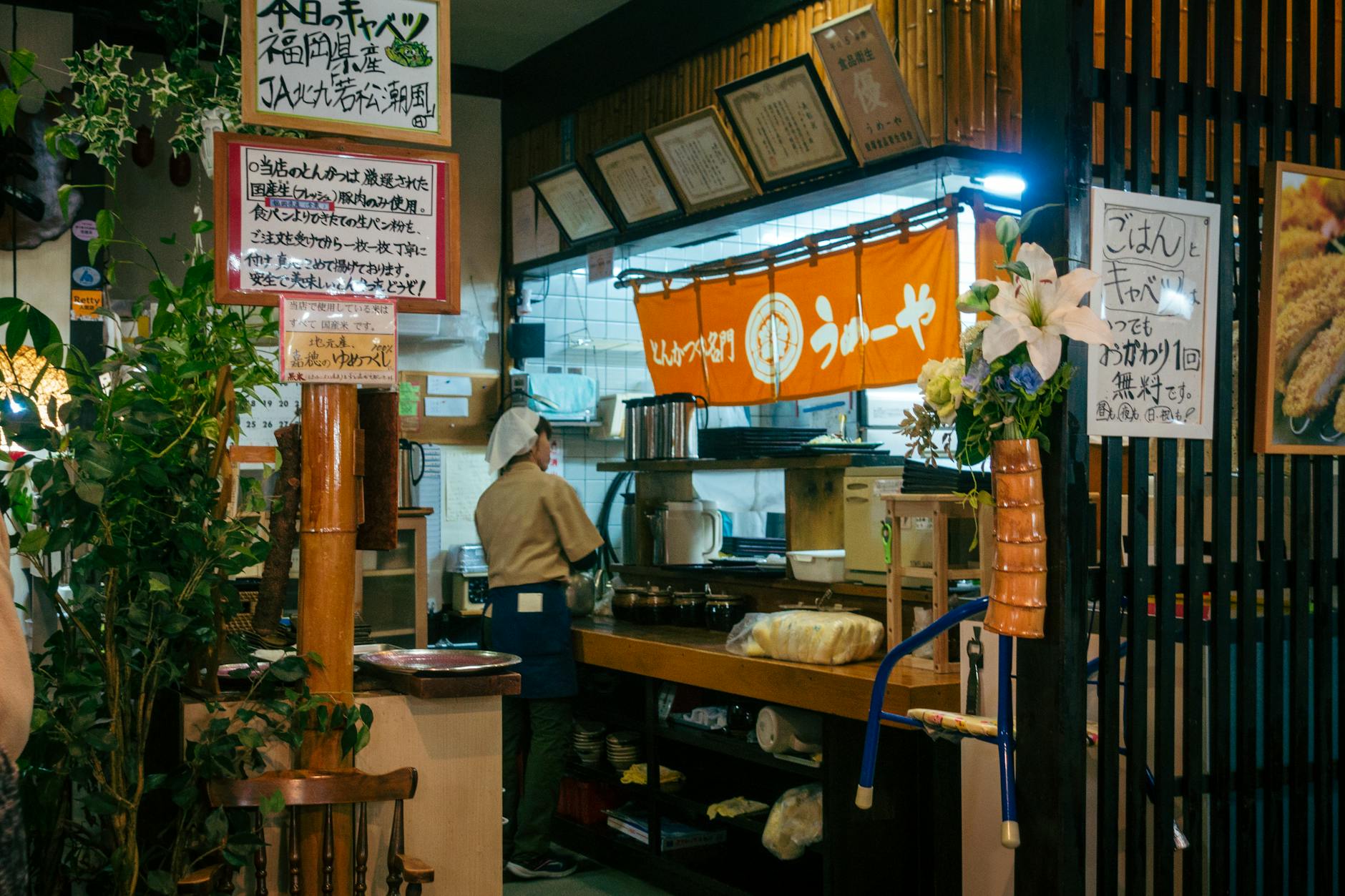
Ramen matters, but so do its contexts. Hakata noodles are part of a wider city appetite that includes old-town references, station convenience, yatai culture, and the larger habit of building nights around movement between small places. The official yatai materials are useful precisely because they show how varied the food-stall culture has become: ramen, of course, but also oden, yakitori, Western dishes, bars, and other specialties.[7]
The mistake is to eat only for checklist value. Fukuoka is better when you let meals anchor district use.
Getting Around
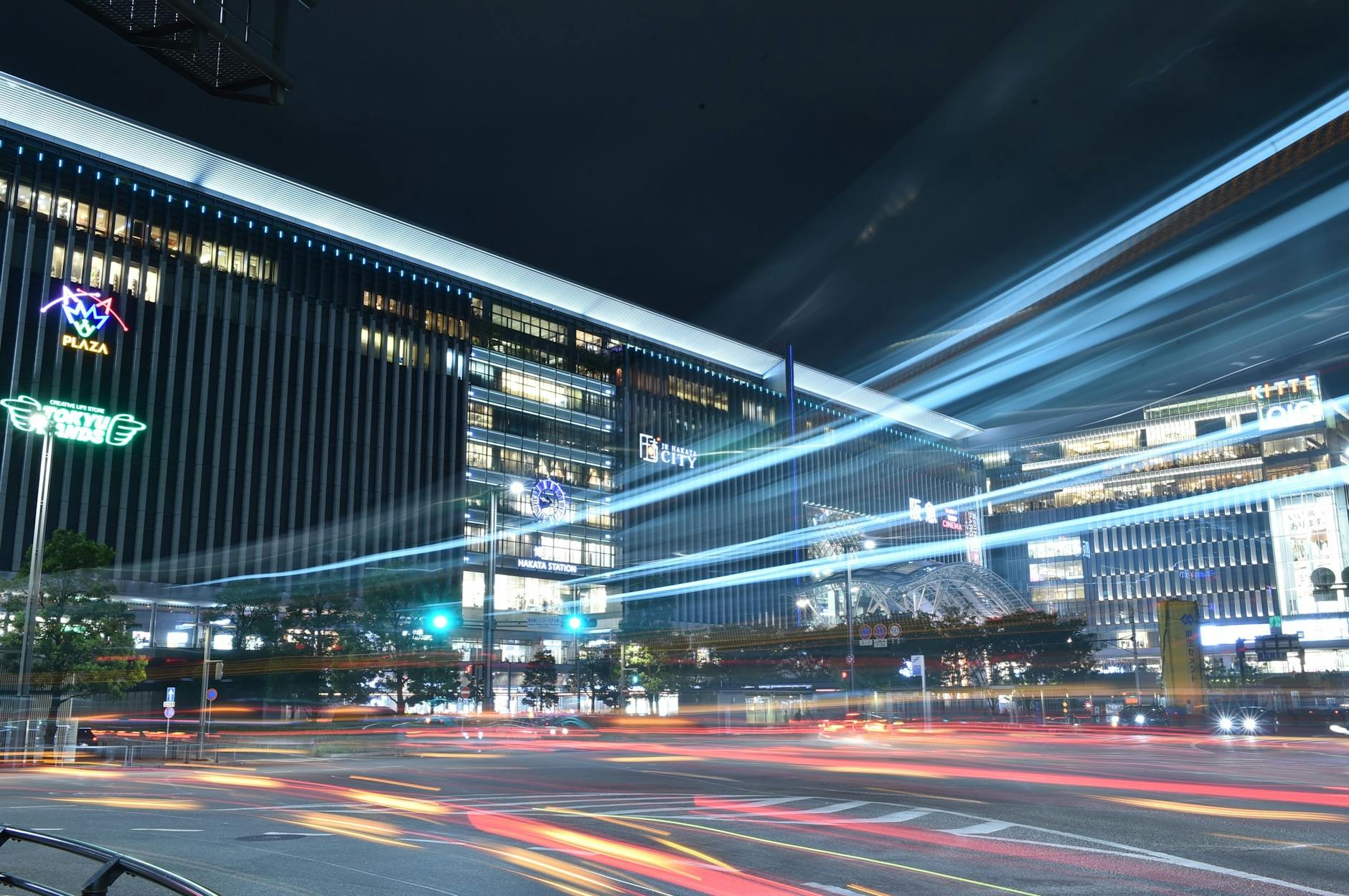
For most first-time visitors, the formula is simple: subway first, walking second, buses when useful, and tourist passes only when they match the actual trip.[3][5]
If you are moving mainly between airport, Hakata, Tenjin, and a couple of central stops, the subway often does enough. If you are spreading wider into parks, beaches, or ferries, the broader tourist pass becomes more relevant.[5]
Fukuoka's gift is that local movement is not the difficult part. The challenge is choosing the right city shape for the day.
Why Fukuoka Often Works Better Than It Sounds
If you describe Fukuoka lazily, it can sound like a city of airport convenience, ramen, yatai, and modest sightseeing. That summary misses what makes it unusually good.
Fukuoka works because each part reinforces the others. The airport improves the stay. Hakata gives it depth. Tenjin gives it social energy. The river and night culture keep it from feeling purely practical. Ohori and the castle side keep it from collapsing into food tourism. It is a highly functional city, but that function supports character rather than replacing it.
Why Fukuoka Often Improves On The Second Visit
On a first visit, many travelers are still asking whether Fukuoka is primarily a gateway, a food city, or a compact urban stop. That uncertainty can make the stay provisional.
On a second visit, the city gets stronger quickly. You know which base fits you. You stop overthinking the airport convenience and start enjoying it. You know whether your evening belongs in Tenjin, Nakasu, or somewhere calmer. You stop demanding spectacle and start trusting the city’s high-return ease.
How Fukuoka Changes Over The Course Of A Stay
On arrival, Fukuoka can seem almost suspiciously easy. The airport is close, the subway is direct, the station works, and the center looks simple enough to digest at once. Some travelers conclude too quickly that the city itself must therefore be limited.
By the second day, if the route is built well, the city begins separating into clearer identities. Hakata feels older and more grounded. Tenjin feels more contemporary and social. The riverside becomes more than just light and photographs. Ohori or the castle side begins to show that the city can breathe.
By the third day, Fukuoka often feels stronger precisely because it is no longer being asked to be dramatic. Its success lies in how well it works, how good it tastes, and how little energy it wastes while still remaining specific to itself.
Why Movement Changes The Meaning Of Fukuoka
In Fukuoka, movement is not a problem so much as an opportunity. Because the city wastes so little of your time, the way you move between districts becomes part of the pleasure of the stay rather than merely the cost of it.
Walking from Hakata toward the older side of the city teaches one Fukuoka. Crossing toward Nakasu and then into Tenjin teaches another. Heading west toward Ohori changes the emotional scale entirely. The city’s compactness means these transitions can actually be felt instead of only endured. That is one reason the place becomes so rewarding when used with care.
This is also why Fukuoka should not be treated lazily. Precisely because it is easy to get around, you can start making unnecessary hops and flatten the trip into motion. The stronger version keeps each day in one clean shape and lets movement reveal the city instead of dissolving it.
Why Fukuoka Should Not Be Overprogrammed
Fukuoka is one of those places that tempt travelers into overbuilding a short stay because the map looks so forgiving. One more ramen stop, one more yatai area, one more shopping street, one more shrine, one more café district. On paper, it all seems possible.
In practice, the city improves when edited. One old-Hakata block is better than several partial historical gestures. One serious evening area is better than three half-sampled ones. One calmer park or castle-side interval can do more for the whole trip than another compulsive meal stop. The point is not to maximize throughput. It is to let Fukuoka’s unusually high return per hour actually work in your favor.
Why Fukuoka Rewards A Chosen Lane
Fukuoka does not require every traveler to want the same city. In fact, it becomes better once you admit that different visits should privilege different versions of it.
A first-time Japan traveler may want Hakata convenience, one old-town chapter, one Tenjin evening, and one calmer park-side interval. A food-led traveler may give more authority to ramen, izakaya, and yatai, but still needs a base and a route that stop the city from becoming only appetite. A repeat visitor may care less about formal sightseeing and more about the clean rhythm of airport, hotel, coffee, one district walk, one meal, and one very good night. A Kyushu traveler in transit may mainly need the city to feel efficient and sane after longer regional movement.
The point is not to build the perfectly balanced Fukuoka. The point is to choose a lane and let the city support it. Once that happens, Fukuoka stops feeling like a modest stop with good food and starts feeling like one of Japan’s most intelligently designed short urban stays.
What To Skip
Skip treating Hakata and Tenjin as interchangeable.
Skip reducing yatai to a photo exercise.
Skip building the entire trip around one bowl of ramen mythology.
Skip ignoring the historical Hakata side.
Skip importing big-city overstimulation into a city that is good because it is cleaner and calmer.
Common Mistakes
The first mistake is assuming compact means generic.
The second is staying in Tenjin when the trip really needs Hakata logistics, or staying in Hakata when the trip clearly wants Tenjin's evening life.
The third is giving the whole city over to yatai and nightlife symbolism.
The fourth is never making time for Old Hakata or the Ohori/Fukuoka Castle side.
The fifth is treating Fukuoka as a mere gateway to somewhere else in Kyushu.
My Blunt Advice
If this is your first Fukuoka trip, let the city be what it is best at: clean arrival, strong food, short distances, different district moods, and an unusually low-friction version of urban Japan.
Stay in Hakata unless you have a specific reason to prefer Tenjin. Use old Hakata to give the city depth. Let Tenjin give it energy. Use the riverside at night, but do not let it become your whole memory. Go to Ohori or the Fukuoka Castle side so the city can breathe. And treat yatai as a real chapter of Fukuoka, not as a souvenir of it.
Fukuoka does not need to be bigger to be better. It just needs to be used precisely.
Source Notes
- 1. Fukuoka Airport, official access page: [https://www.fukuoka-airport.jp/en/access/](https://www.fukuoka-airport.jp/en/access/)
- 2. Fukuoka Airport, official subway access page: [https://www.fukuoka-airport.jp/en/access/subway.html](https://www.fukuoka-airport.jp/en/access/subway.html)
- 3. Fukuoka City Subway, official fare and ticket page: [https://subway.city.fukuoka.lg.jp/eng/fare/](https://subway.city.fukuoka.lg.jp/eng/fare/)
- 4. Fukuoka City Subway, official 1 Day Pass page: [https://subway.city.fukuoka.lg.jp/eng/fare/one/](https://subway.city.fukuoka.lg.jp/eng/fare/one/)
- 5. Fukuoka City, official FUKUOKA TOURIST CITY PASS page: [https://gofukuoka.jp/citypass.html](https://gofukuoka.jp/citypass.html)
- 6. Fukuoka City's official yatai portal: [https://yokanavi.com/yatai](https://yokanavi.com/yatai)
- 7. Fukuoka City's official yatai etiquette and how-to page: [https://yokanavi.com/yatai/howto/](https://yokanavi.com/yatai/howto/)
- 8. Fukuoka City Official Tourist Guide, official English yatai leaflet: [https://yokanavi.com/assets/uploads/2024/12/4a74082e91db263a39c08f76e64fc596.pdf](https://yokanavi.com/assets/uploads/2024/12/4a74082e91db263a39c08f76e64fc596.pdf)
- 9. Fukuoka City Official Tourist Guide, official Hakata Old Town page: [https://yokanavi.com/hakataoldtown/](https://yokanavi.com/hakataoldtown/)
- 10. Fukuoka City Official Tourist Guide, official area guide: [https://yokanavi.com/areaguide](https://yokanavi.com/areaguide)
- 11. Fukuoka City Official Tourist Guide, official Fukuoka Castle / Korokan page: [https://yokanavi.com/fukuokacastle/](https://yokanavi.com/fukuokacastle/)
- 12. Ohori Park, official English park page: [https://www.ohorikouen.jp/en/](https://www.ohorikouen.jp/en/)