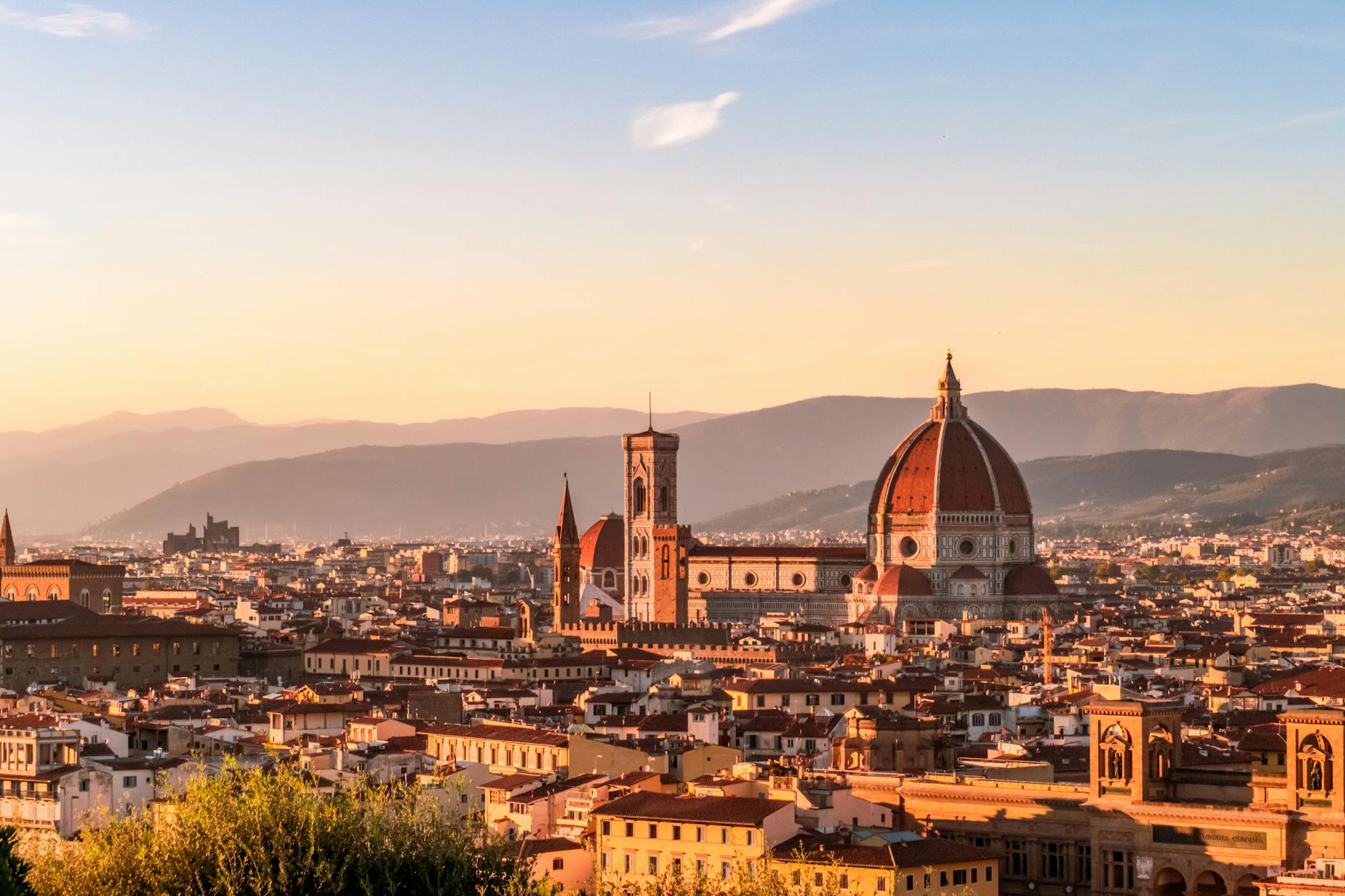
Florence is one of the few cities in Europe where too much beauty can actually make the trip worse. That sounds absurd until you have done the standard first-time mistake: one church too many, one museum too close to another, one more river crossing because "it's only ten minutes," one more famous room when your eyes stopped properly registering paintings two hours ago. Florence flatters cultural greed. It makes overconsumption look intelligent.
Start Here
That is why the city is so often visited badly by serious people. They do not fail because they are lazy. They fail because Florence convinces them that exhaustion is sophistication. Everything looks close, everything looks necessary, and every omission feels vaguely irresponsible in a city so saturated with masterpieces. The result is often a trip that is impressive on paper and strangely flat in memory.
The better Florence trip is edited much harder. It understands that the city is not only a concentration of Renaissance proof. It is also a compact urban organism with different emotional temperatures. There is ceremonial Florence: Duomo, Piazza della Signoria, Uffizi, and all the civic and dynastic theater that makes the city feel like the stage set of Western art history. There is inhabited Florence: the quieter rhythms around Santa Maria Novella, the more lived-in feeling of Oltrarno, and the parts of the city that become human again once the major queue economy falls away. There is also evening Florence, which may be the most useful corrective of all: the hour when the city relaxes, the facades stop performing quite so hard, and food, wine, and walking begin to matter as much as the monuments.
Florence is not difficult in the way Porto or Edinburgh can be difficult. It is flatter, easier, and smaller in a physical sense. Its real difficulty is attentional. The city asks the visitor to know when to stop. To leave a museum before the museum has technically finished. To choose one grand axis per day rather than five. To understand that staying in the center is not the same thing as staying well. To let lunch and evening carry part of the trip instead of treating them as obligations tucked between artworks.
That discipline pays off enormously. Once Florence is no longer being consumed like a syllabus, it becomes much more moving. The paintings regain force. The river returns as atmosphere rather than connector. The streets feel less like circulation corridors and more like places. The city stops being a test of seriousness and becomes what it actually is: one of Europe's most concentrated, self-conscious, beautiful, and oddly intimate urban experiences.
The city in one sentence: Florence is a compact but high-intensity art city where the best first trip comes from balancing major monuments, museum stamina, Oltrarno and evening life, and a tightly edited route instead of trying to prove cultural worth through excess.
Quick Verdict
Best for: first-time Italy trips, couples, solo travelers, art and architecture travelers, shorter high-value city breaks, food-and-wine travelers, and anyone who likes cities with extraordinary cultural density.
Not ideal for: travelers who dislike crowds but insist on midday monument-heavy routing, people who need a low-stimulation city break, or anyone who thinks more museums automatically means a better Florence.
Ideal first visit: 3 full days.
Minimum worthwhile stay: 2 full days, if they are tightly edited and not overpacked.
Best overall months: April, May, late September, and October.
Best winter case: late autumn through winter for museum-led travel, elegant hotel time, and lower crowd pressure.
Biggest planning mistake: turning Florence into a competition with yourself about how much Renaissance material you can absorb in one trip.
One thing to prioritize: the daily shape. In Florence, route quality matters almost as much as the actual sights.
One thing to leave flexible: the exact balance between major museums and ordinary city time. Your actual attention span matters more here than your pre-trip ambition.
The blunt version: Florence is one of Europe's greatest short city breaks if you edit aggressively, and one of the easiest places to ruin with earnest overbooking if you do not.
Who Will Love Florence?
Florence suits travelers who respond well to concentration. Some great cities win by variety, scale, or surprise. Florence wins by density. Within a very compact area, you get an absurd quantity of civic beauty, religious architecture, dynastic power, museum value, and visual memory. If that sounds thrilling rather than oppressive, Florence can be extraordinary.
It works especially well for couples because it offers a powerful mix of cultural seriousness and urban pleasure. You can build a very strong day here around one major museum or monument, a good lunch, one district walk, one river crossing, and a properly chosen dinner, and the day still feels full. Florence rewards people who like to alternate intensity with softness.
Solo travelers also tend to do well because the city is small enough to master quickly but rich enough that solo wandering never feels like filler. A museum morning can be followed by a slow afternoon in Oltrarno or around Santa Croce and then a long evening on foot, and the whole day still feels intentional rather than improvised.
Florence is especially strong for travelers interested in how power represented itself through art and urban form. The Duomo, Palazzo Vecchio, the Uffizi, the Medici legacy, the churches, and the piazzas all communicate ideas about status, faith, memory, and civic identity. This is not just a beautiful city. It is a city full of self-explanation.
It is less ideal for travelers who want a carefree, low-stakes, low-density holiday city. Florence can absolutely be pleasurable, but it is almost never trivial. Even its beauty can become demanding. If that sounds like a strength, you are in good shape here.
Florence at a Glance
| Question | Practical Answer |
|---|---|
| Main airport | Florence Airport / Peretola |
| Best public airport move | Tram T2 into the city |
| Airport-to-city timing | About 20 minutes by tram[1] |
| Best first-time base | Historic center edge or Santa Maria Novella side |
| Best counterweight district | Oltrarno |
| Public transport backbone | Mostly walking, with tram or taxi used selectively |
| Signature museum | Uffizi |
| Signature monumental complex | Piazza del Duomo |
| Best all-weather cultural anchor | Uffizi or Palazzo Pitti / Boboli pairing |
| City pass worth knowing | Firenzecard |
| Biggest practical variable | attention fatigue rather than physical strain |
| Car needed? | No |
| Currency | Euro |
| Emergency number | 112 |
| Tap water | Safe to drink |
| Power plugs | Type C, F, and L |
2026 Visitor Notes
The Airport Tram Is The Right Default Arrival
GEST's official airport tram page says the T2 line links central Florence with Peretola Airport in 20 minutes, and that the stop is only a short walk from arrivals and departures.[1] For many first-time travelers this is the cleanest possible arrival, especially if the hotel is sensibly chosen.
Firenzecard Is Useful, But Only On The Right Trip
The official FirenzeCard FAQ says the card costs €85, is valid for 72 hours from activation, and includes more than 60 museums.[2] It also explicitly does not include public transportation to or from the airport or within Florence.[3] That last detail matters because many visitors assume a major city card covers the whole operating picture.
Reservations Still Matter, Even With The Card
The same FirenzeCard FAQ makes clear that several major museums still require reservations, including the Uffizi and Accademia.[3] So the pass does not remove the need to plan. It changes the ticketing economics, not the basic reality of demand.
The Uffizi Is Not A Casual Walk-Up Museum
The official Uffizi ticket page lists the single on-the-day ticket at €25 and the advance single ticket at €29, while also offering a 5-day combined ticket for the Uffizi, Pitti Palace, and Boboli Gardens at €40.[4] The existence of those products tells you something important: Florence expects real museum planning, not drift.
The Duomo Complex Still Requires Physical Honesty
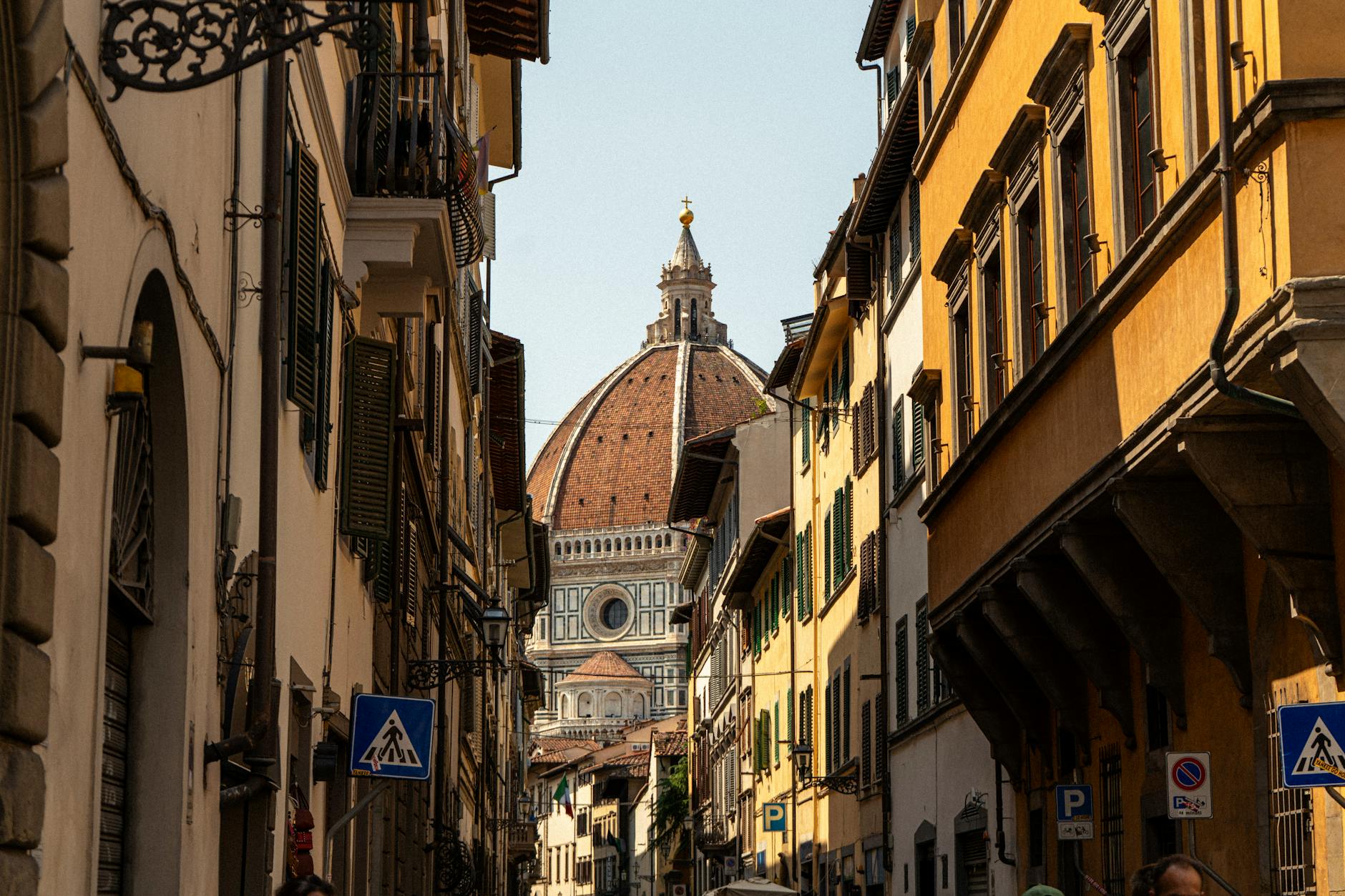
Opera del Duomo's official visit planning page and Brunelleschi Pass page make the terms very clear. The Dome climb requires 463 steps with no elevator, a mandatory time slot, and a three-calendar-day pass framework for the wider complex.[5][6] This is one of those cities where a romanticized "of course we'll climb everything" can be a bad decision.
Oltrarno Should Be Used As A Counterweight, Not A Trendy Slogan
FeelFlorence's Oltrarno material still emphasizes the district's artisanal and workshop history.[7] That is a useful reminder. Oltrarno is not valuable because it is "less touristy" in a vague social-media sense. It is valuable because it changes the temperature of the trip.
How to Understand Florence
Florence works through five forces.
The first is concentration. The city places a disproportionate amount of Western art-historical prestige inside a very small area. This gives Florence enormous force and also creates the risk of saturation.
The second is ceremony. Duomo, Piazza della Signoria, Palazzo Vecchio, the Uffizi, and the Medici layers all make Florence feel staged for memory. The city still performs its own importance.
The third is editorship. Florence is a city where good judgment matters. More than in many destinations, you need to decide what not to do.
The fourth is cross-river correction. Oltrarno matters because it loosens the city. It helps Florence become inhabited again after too much monumental concentration.
The fifth is evening relief. Daytime Florence can feel compressed by queues, tour groups, and museum ambition. Evening Florence often restores proportion.
The Five Florences A Visitor Actually Meets
Civic Florence: Duomo, Piazza della Signoria, Palazzo Vecchio, and the grand public city.
Museum Florence: Uffizi, Accademia, Pitti, Boboli, and the version of the city where time slots and stamina decide everything.
Oltrarno Florence: workshops, quieter streets, Santo Spirito gravity, and a more lived-in urban register.
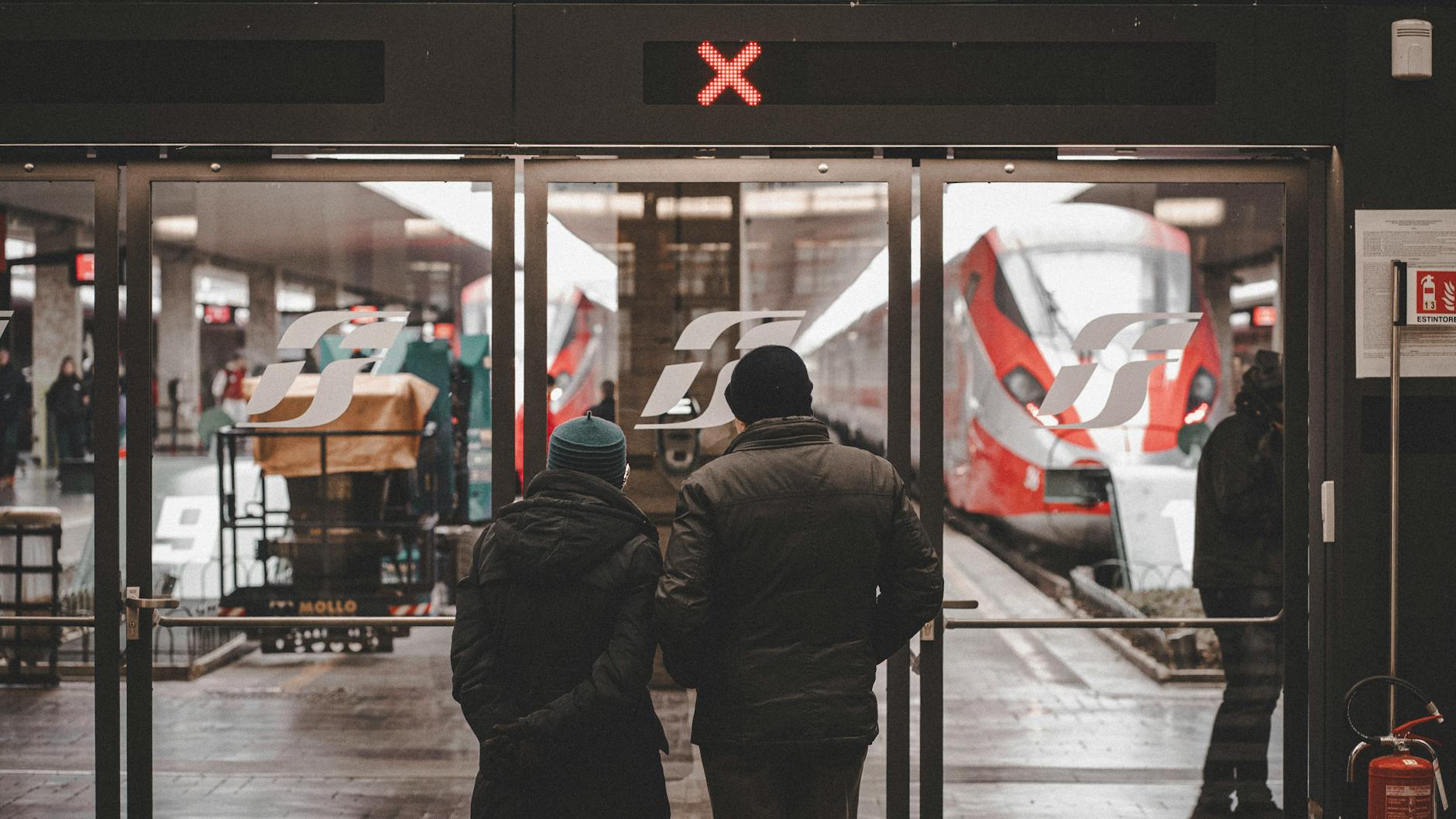
Station-side Florence: Santa Maria Novella, arrivals, departures, practical movement, and a more functional edge of the city than first-timers sometimes appreciate.[8]
Evening Florence: bridges, dinners, wine, quieter facades, and the hour when the city stops lecturing and starts breathing.
The Main Mental Shift
Do not ask, "How much of Florence can I cover?" Ask, "What kind of Florence do I want this day to be?" Monument Florence, museum Florence, Oltrarno Florence, evening Florence. That question protects the trip from becoming both exhausting and forgettable.
What Florence Does Better Than People Think
Florence is unusually good at turning compactness into intensity. Plenty of small historic cities are charming. Florence is not merely charming. It can feel overwhelming in the right way, because the level of artistic and civic density is so high.
It is also better than many first-time visitors expect at improving after dark. Daytime Florence is often congested, dutiful, and queue-shaped. Evening Florence can feel more like a city again: a place of dinners, low light, better pacing, and return walks that remind you why the facades mattered in the first place.
Another underrated strength is counterpoint. Oltrarno, the river, Santa Maria Novella, and the less compressed parts of the center stop Florence from becoming one long Renaissance corridor. The city is stronger because it contains its own correction mechanisms.
Florence is also excellent at short-break completeness. A lot of culture capitals require four or five days before they really cohere. Florence can produce a serious, memorable, and emotionally full three-day trip without apology.
Finally, Florence does controlled excess better than almost anywhere. It gives the visitor a little more beauty, a little more art, a little more density than seems reasonable. The trick is controlling the dosage.
Best Time to Visit Florence
Florence is a year-round city, but not a season-neutral one. The city feels very different once heat, crowd pressure, and museum endurance start pulling against each other.
Best Overall Months
April, May, late September, and October are the best first-visit windows for many travelers. The city is active, the walking is more comfortable, and the visual richness remains usable.
Summer
Summer is the season that most punishes weak planning. Heat magnifies museum fatigue, midday stone glare, and the emotional cost of long queues. Florence is still doable and often lovely, but you have to build in shade, breaks, better rooms, and less heroic scheduling.
Autumn
Autumn is one of Florence's best seasons. The city can feel more composed, slightly less frantic, and still highly walkable. It is also a strong season for travelers who want the city to tilt a little more toward wine and dinner than toward pure daytime monument consumption.
Winter
Winter Florence can be elegant. Museums, churches, warm interiors, and hotel life take on more weight. The city loses some of its all-day strolling glamour but gains seriousness and calm. For many travelers that trade is excellent.
Spring
Spring gives Florence brightness without the full physical tax of summer. It is perhaps the easiest season in which to understand why the city is so beloved.
Month-by-Month Guidance
January: quiet, museum-forward, elegant if you like interiors. February: still subdued, often quite usable. March: transitional, increasingly attractive. April: one of the strongest overall months. May: excellent for a first visit. June: still strong, but more demanding. July: beautiful and tiring if overplanned. August: workable, but only with discipline. September: one of the smartest times to go. October: often ideal. November: calmer and more interior-led. December: festive and surprisingly strong for a refined city break.
How Many Days You Need
One Day
Enough to understand why Florence matters, not enough to use it well.
Two Days
The minimum respectable stay. One day should cover the main civic-monument axis. The second should be more selective and include Oltrarno or a major museum plus actual breathing room.
Three Days
Ideal for a first visit. This gives Florence enough time for one top-tier museum, one Duomo or civic day, one slower district-led day, and evenings that do not feel like afterthoughts.
Four To Five Days
Very good if you want deeper museum time, shopping, hotel life, or one Tuscany extension without hollowing out the city.
One Week
Excellent if Florence anchors a broader route, provided the city itself still gets several fully urban days rather than functioning as pure regional base.
Where to Stay in Florence
Where you stay matters because the city is compact enough that every district looks "close enough" and different enough that the wrong choice can still weaken the trip.
Fast Answer
For most first-time visitors, stay in the historic center edge, around Santa Maria Novella, or in a carefully chosen part of Oltrarno. Stay in the absolute busiest monument corridors only if maximum immersion matters more to you than sleep and ease.
Neighborhood Decision Table
| Traveler Type | Best Area |
|---|---|
| First-time couple | center edge or Oltrarno edge |
| Museum-first traveler | historic center edge |
| Better logistics traveler | Santa Maria Novella side |
| Evening-and-food traveler | Oltrarno |
| Repeat visitor | deeper Oltrarno or quieter center-edge streets |
| Short-stay rail traveler | Santa Maria Novella side |
Historic Center Edge
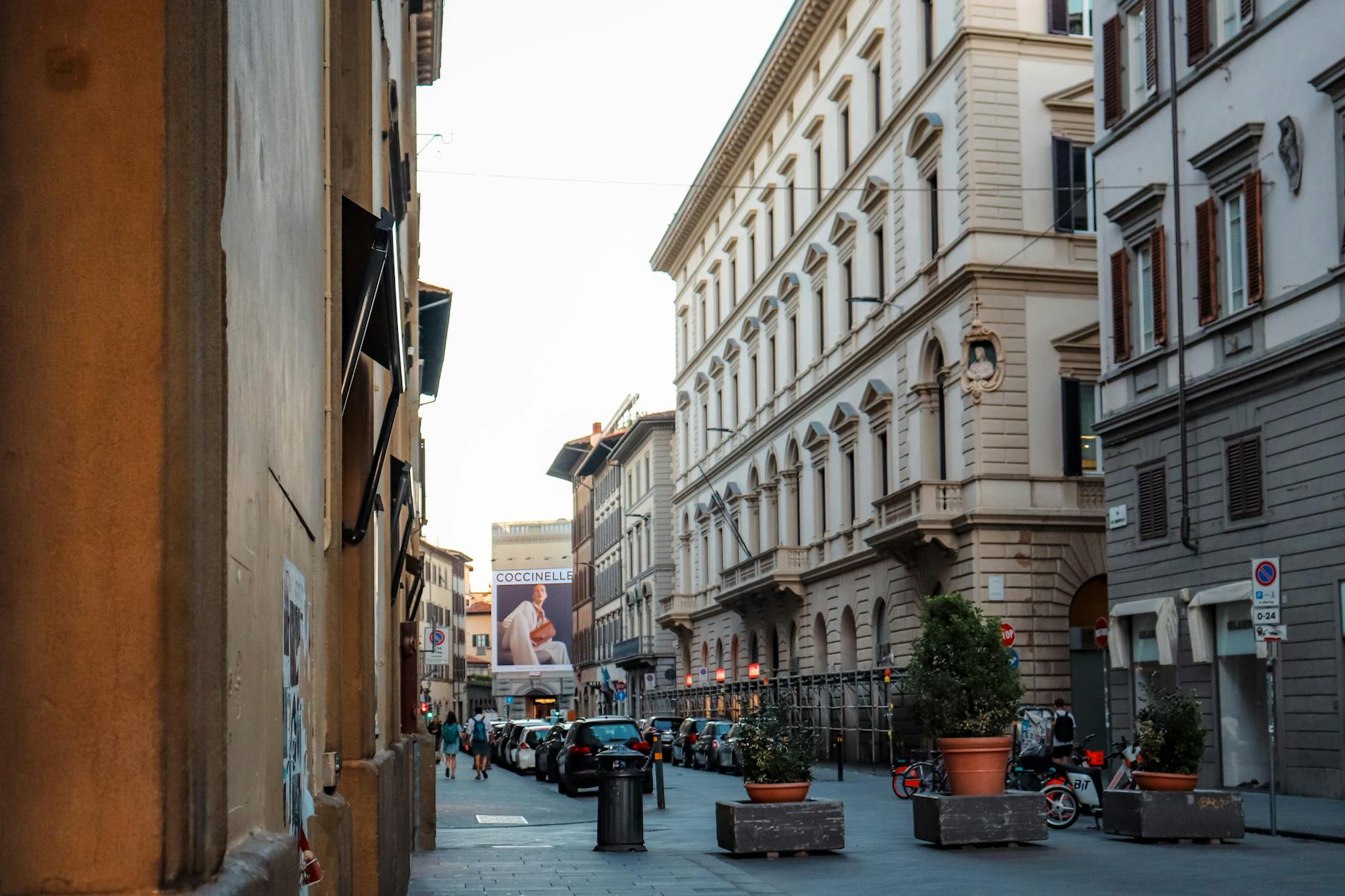
This is often the smartest compromise. You are near the big sights without having every hour shaped by the heaviest tourist current. Florence improves quickly when the room is not sitting inside the loudest part of its own myth.
Santa Maria Novella Side
This is a stronger area than many first-timers assume. FeelFlorence itself describes Santa Maria Novella station as a gateway for many travelers and notes its highly central position.[8] That practical centrality matters on a short trip.
Oltrarno
Oltrarno gives many travelers the Florence they remember most fondly: a little looser, more lived-in, and more evening-friendly. It is especially good if you want restaurants and atmosphere to do more work in the trip.
Area Profiles
Duomo / Civic Core
The great set piece. Essential, grand, and best handled with tactical precision.
Santa Maria Novella Side
Practical, elegant in parts, and often better for arrivals and departures than first impressions suggest.
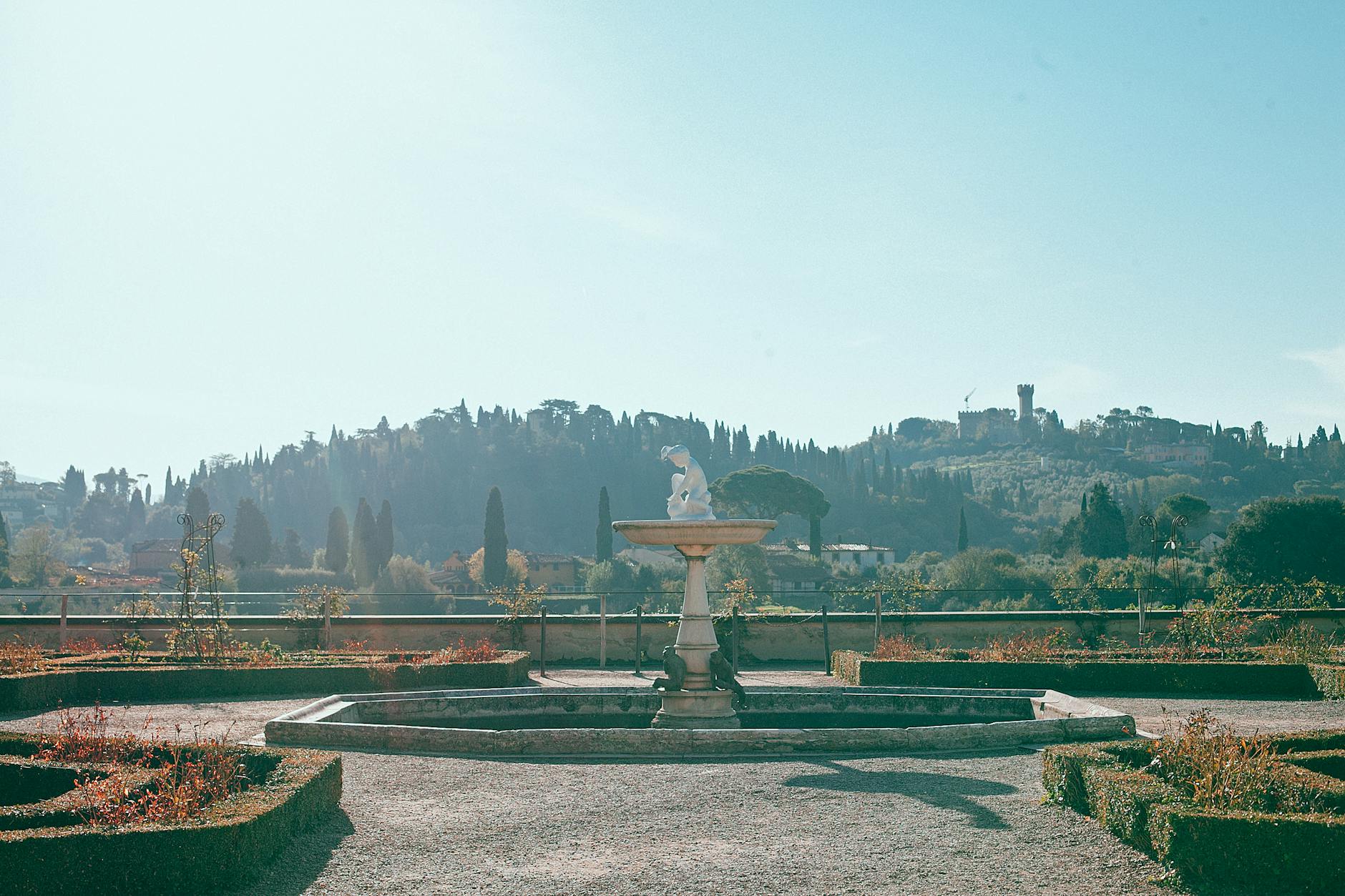
Oltrarno
The city's main corrective: artisanal memory, workshops, softer rhythm, and stronger evening life.[7]
River and Bridge Florence
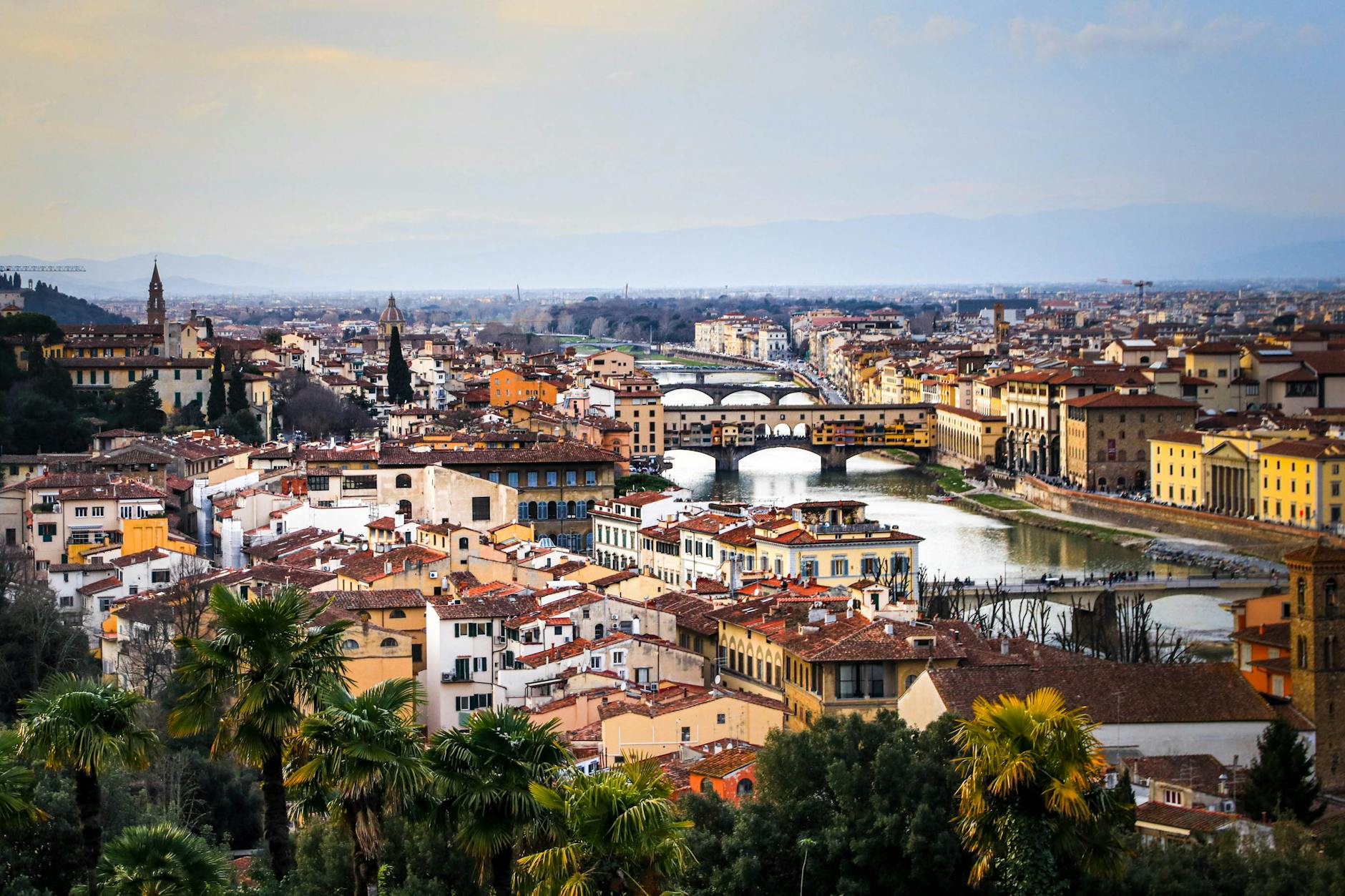
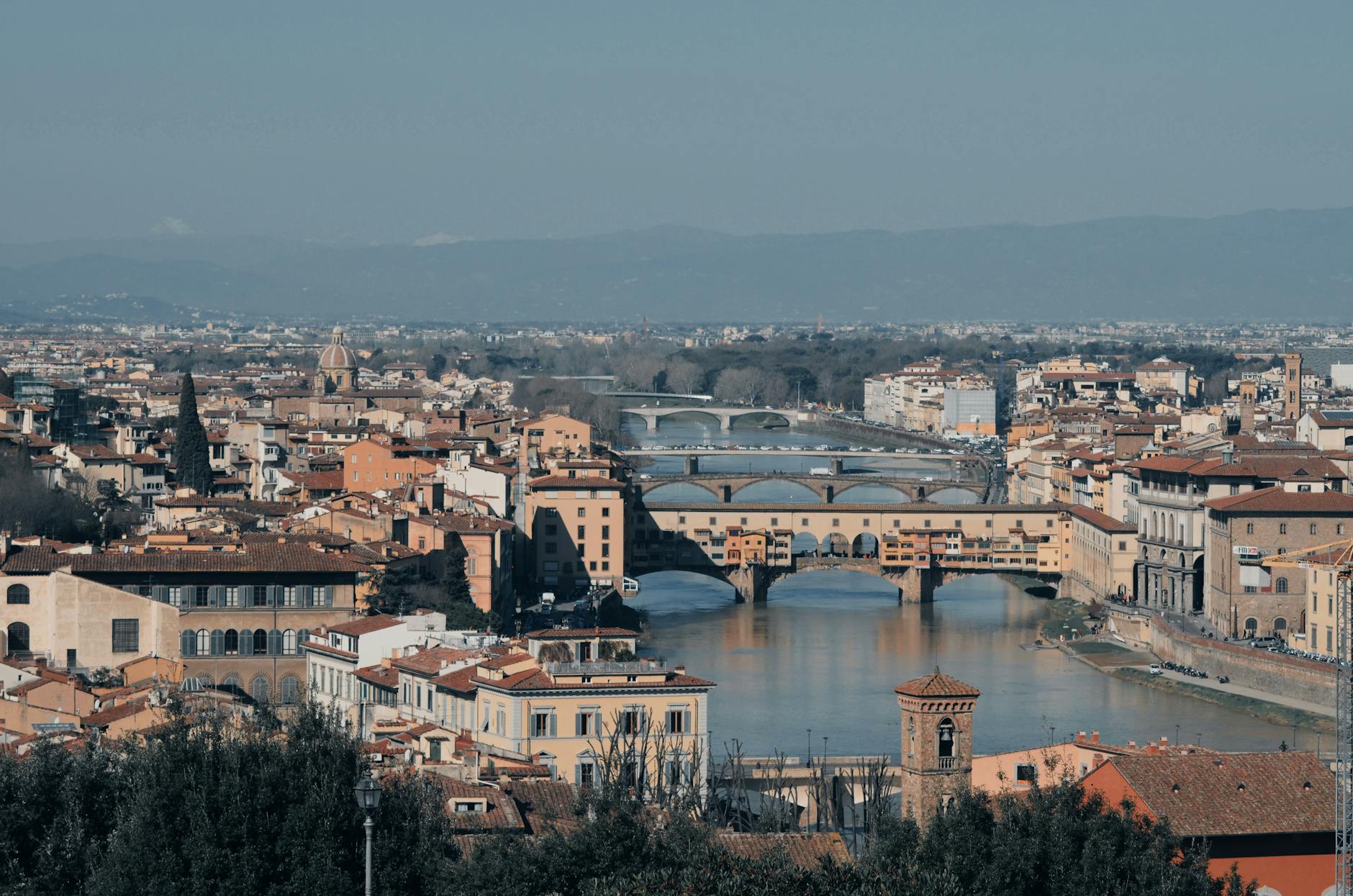
Beautiful, yes, but best used as connection and atmosphere rather than as the entire day.
Neighborhood Guide: Where to Explore, Not Just Sleep
Duomo to Piazza della Signoria: the ceremonial route; do it early or late, not only at peak density.
Santa Maria Novella and surrounding streets: useful for understanding the more functional side of central Florence.
Santo Spirito and broader Oltrarno: where the city starts feeling less like an exam and more like a place.
The Arno crossings: essential, but strongest when they help the day make sense rather than when they are repeated for their own sake.
The Best Things to Do in Florence
Do One Major Museum Seriously
The Uffizi is worth real time, real energy, and real planning. The official pricing and multi-day products exist because the museum is a true anchor, not a casual filler activity.[4]
Use The Duomo Complex Intelligently
The Duomo is not one quick stop. The official Duomo pages make clear that the broader monument complex and the climb rules need planning and physical honesty.[5][6]
Give Oltrarno Real Weight
Oltrarno should not be treated as a fashionable add-on. It is one of the main reasons a Florence trip becomes balanced instead of overloaded.[7]
Let One Evening Belong Only To Florence
No major museum, no "quick extra church," no cultural guilt. Just the city in its evening register.
Keep One Major Omission On Purpose
This is one of the best strategic decisions you can make in Florence. Leave something meaningful for next time and protect the quality of this trip.
Itineraries
The Best First 48 Hours
Day 1: Duomo and civic Florence, edited hard, with one major meal and a long evening walk.
Day 2: one major museum plus Oltrarno and a slower dinner-led finish.
The Best First 72 Hours
Day 1: ceremonial Florence. Day 2: museum Florence. Day 3: Oltrarno and evening Florence, with some space for shopping, hotel life, or a lighter church-and-street day.
If You Only Have One Full Day
Choose either Duomo-plus-civic Florence or one major museum plus surrounding city life. Do not attempt all of Florence's symbolic burden in a single overbuilt day.
Itineraries By Traveler Type
For Art Travelers
Anchor around one major museum, one secondary artistic or religious site, and enough outdoor city time that the art still has air around it.
For Couples
Choose a better room than your budget instincts first suggest, protect one real lunch and one real dinner, and let evening Florence carry part of the trip.
For First-Time Italy Travelers
Use Florence as a city, not a masterpiece warehouse. The urban experience matters as much as the individual works.
For Repeat Visitors
Reduce the checklist and increase the district, hotel, and meal quality. Florence improves when it is less dutiful.
Food and Drink
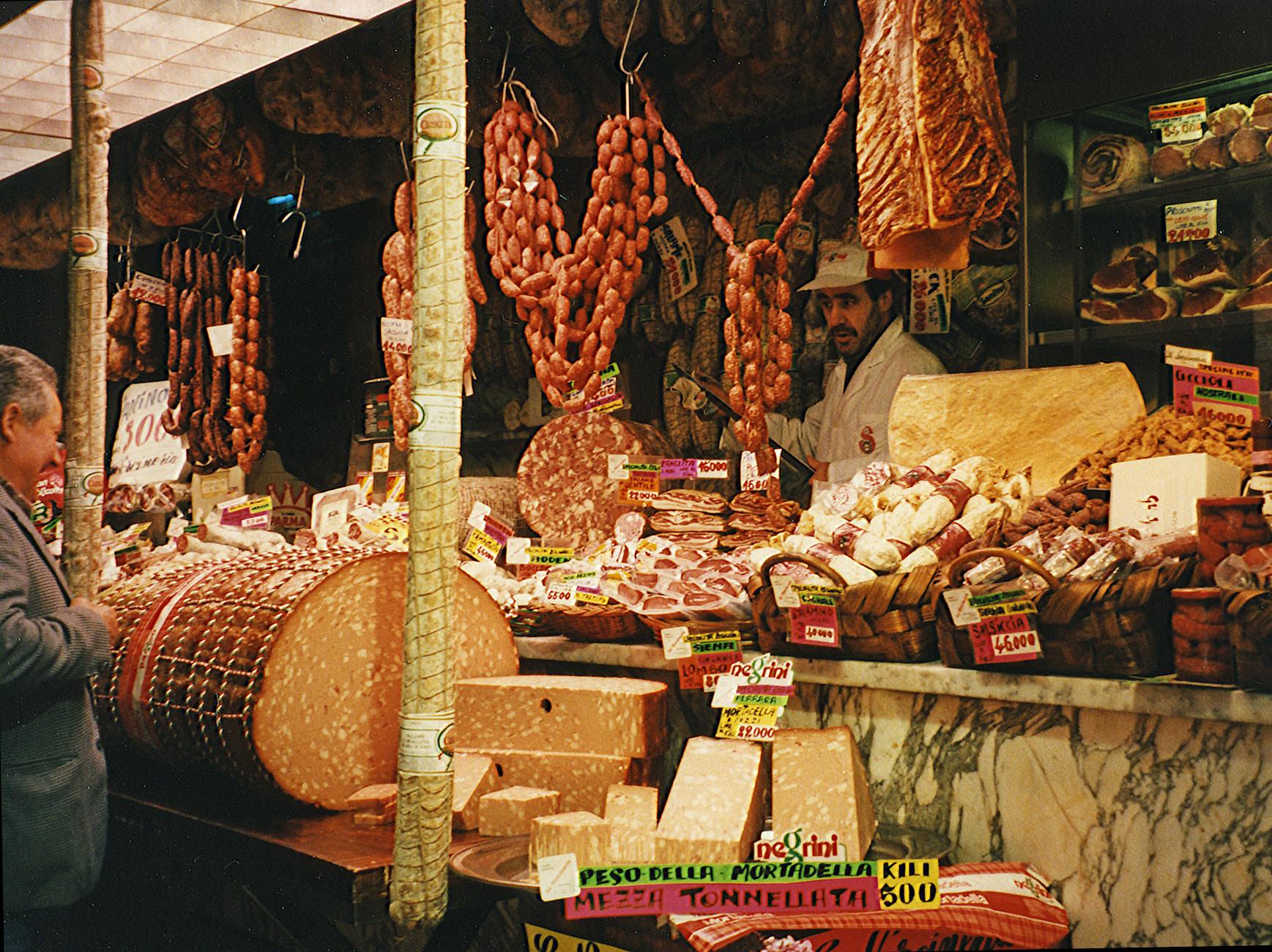
Florence is better at meals than rushed first-time visitors often allow. The city is so overloaded with cultural pressure that people start eating like they are simply refueling between altarpieces. That is a mistake. Lunch and dinner are not relief from Florence. They are part of Florence.
The strongest food version of the city usually appears once you stop demanding that every meal happen beside the most obvious postcard route. Oltrarno often helps here, but so do slightly quieter streets near the center edge. What matters is not some simplistic "hidden gem" logic. What matters is giving yourself rooms and rhythms that let the city stop shouting.
Wine matters, of course, but so does pacing. Florence benefits from long lunches, aperitivo discipline, and dinners that feel like conclusions rather than interruptions.
Getting Around
Florence is mostly a walking city, and that is one of its gifts. But walking is not the same as drifting. The city improves dramatically when you cluster your day instead of pinballing between major sights simply because they are theoretically close.
The airport tram helps simplify the whole arrival and departure logic.[1] Once in town, the best practice for many travelers is simple: walk, tighten the orbit, and use a taxi without guilt if it saves energy for the part of Florence you actually came to feel.
Oltrarno, Art Fatigue, And The Problem Of Cultural Overconsumption
Florence is one of the few cities where mature travelers need to protect themselves from their own seriousness. You can absolutely overdo this place. Not because the museums are weak, but because they are strong. Not because the churches are repetitive, but because they are too valuable to take in while mentally dulled.
That is why Oltrarno matters so much. It is not merely "the cool side." It is a structural antidote. It loosens the city, restores scale, brings craft and lived texture back into the trip, and prevents Florence from remaining one long ceremonial performance.[7]
The best Florence trip contains one moment of refusal: refusing another ticket, another queue, another supposedly mandatory room. That refusal is often what makes the rest of the city visible again.
Common Mistakes
- Booking too many top-tier museums too close together.
- Treating the Duomo area as something to "clear" quickly.
- Ignoring Oltrarno until the final rushed half-day.
- Assuming Firenzecard removes the need for planning.
- Staying in the noisiest, busiest central streets just for myth value.
- Eating as if meals were interruptions to the real trip.
- Confusing cultural excess with cultural seriousness.
My Blunt Advice
Do less. Book one great museum, not three. Use the Duomo intelligently. Stay somewhere that gives the city room to breathe. Cross into Oltrarno on purpose. Let evening save the trip from daytime diligence. Protect your attention as carefully as your money.
That is how Florence actually works. Not as an endless chain of masterpieces, but as a city where art, appetite, architecture, and urban mood reinforce each other when the visitor stops trying to win. Once you understand that, Florence gets much better very quickly.
Where Florence Fits in an Italy Trip
Florence occupies a powerful but specific role in Italy, and first-time visitors often misread it by giving it either too much symbolic burden or too little time discipline. It is not the whole of Italy in miniature. It is not even the whole of Tuscany in urban form. What it is, very clearly, is one of the country's strongest short cultural cities: a place where art, civic beauty, dynastic memory, and walkable urban concentration are all turned up to an unusual intensity.
That makes Florence strongest in one of three itinerary roles.
The first is as an apex cultural city inside a larger north-or-central Italy route. You come here to concentrate attention, not to relax it. Rome may be broader, Venice more dreamlike, Naples rougher and more combustible, but Florence is one of the clearest places in Italy for a short, extremely high-yield cultural stay.
The second is as a bridge city between larger and more demanding stops. After Rome, Florence often feels smaller, cleaner, and more focused. After Venice, it can feel more grounded and more readable. After the countryside, it can restore urban seriousness without demanding big-city scale.
The third is as a city break in its own right. This is often the smartest use for travelers who know they do not want a sprawling Italian itinerary. Two or three full days in Florence can feel complete if the trip is edited well.
It is a slightly weaker fit only for travelers who want looseness above all things. Florence can absolutely be pleasurable and even soft in the right hotel and evening rhythm, but its natural state is density. You do not come here because you want Italy at its most effortless. You come because you want one of Italy's most concentrated encounters with form, image, and legacy.
Florence Versus Rome, Venice, and Bologna
Florence becomes easier to plan once you stop comparing it carelessly to other Italian heavyweights.
Against Rome, Florence is smaller, more controlled, and more edited by default. Rome overwhelms through scale, antiquity, and the sense that the city cannot possibly be mastered. Florence overwhelms through concentration. It asks less from the feet and more from the eyes and mind. If Rome is expansive and layered almost beyond reason, Florence is compressed and self-consciously composed.
Against Venice, Florence is less dreamlike and more didactic. Venice seduces through total environment. Florence persuades through accumulation of proof: civic power, artistic ambition, religious architecture, dynastic patronage, and an urban center that still performs its own importance at every turn. Venice can be floated through; Florence usually needs sharper route logic.
Against Bologna, Florence is the grander cultural proposition but often the less comfortable everyday city break. Bologna can win on food ease, lower symbolic pressure, and a more relaxed social urbanism. Florence wins when you want art and urban beauty to dominate the emotional field. It is also the place where careless ambition is more likely to punish you.
That is the comparison that matters most: not which city is "better," but what kind of Italian experience you want this time. If you want historical breadth and chaos, Rome may win. If you want atmospheric singularity, Venice may win. If you want a compact city where world-class art, architecture, and urban form all reinforce each other under one manageable walking logic, Florence is often the strongest answer.
First-Time Visitors Versus Repeat Visitors
Florence is wonderful on a first visit and often far wiser on the second.
First-time travelers usually build around the obvious outline: Duomo, Uffizi or Accademia, Ponte Vecchio, Piazza della Signoria, a river crossing, Oltrarno, and a set of churches or palaces chosen according to appetite and stamina. That is a perfectly valid beginning. Florence's main symbolic structure deserves to be met directly.
The problem comes when first-timers assume that the city's compactness means everything belongs to the same day, or even to the same mood. It does not. Florence punishes cultural greed with a very specific kind of exhaustion: a trip that looked brilliant at noon and feels visually dead by 4 p.m.
Repeat visitors usually stop making that mistake. They may take fewer museum tickets, stay longer over lunch, choose one church with care instead of three out of duty, or let Oltrarno carry more of the trip. They understand that Florence is not only a masterpiece field. It is also a city of rhythm, pauses, appetite, and controlled omission.
For first-timers, the central question is: what is the cleanest way to meet the city's main arguments? For repeat visitors, the better question becomes: which Florence have I not really used yet? Museum Florence, evening Florence, Oltrarno Florence, hotel-and-meal Florence, winter Florence. The second visit often reveals how many versions of the city were hiding behind the first trip's urgency.
Summer Florence Versus Shoulder-Season Florence
Florence is highly seasonal in practice because heat and crowd density change the meaning of the city more than many visitors expect.
Shoulder-season Florence is the version most first-time travelers should want. In April, May, late September, and October, walking stays pleasurable longer, museum fatigue arrives more slowly, and the city can be read as a whole rather than as a sequence of overheated objectives. Even the major ceremonial spaces become easier to admire rather than merely to manage.
Summer Florence is still strong, but it requires discipline. Heat magnifies queue tolerance, stone glare, and the cost of every unnecessary museum or church. A day that looked intellectually ambitious on paper can become physically and mentally blunt by early afternoon. This is when better rooms, more shadow, and more serious lunch pauses stop being luxuries and become part of the trip architecture.
The classic summer mistake is to imagine that because Florence is small, it can absorb a maximal agenda. In reality, summer Florence often works best when each day has one dominant cultural anchor, one softer district or meal chapter, and one evening that begins only after the city has exhaled.
Shoulder season is more forgiving. It lets the city keep its intensity without making every hour a stamina test. If your dates are flexible, it is the smarter answer for almost everyone.
Why the Base Matters More Than It Looks
Because Florence is compact, visitors often assume that any central location is good enough. That is not true. The base changes the city's emotional temperature.
Stay too deep in the busiest ceremonial core and the city can start and end each day at maximum pressure. Stay too far out and the short-break elegance that Florence is so good at begins to dissolve. Stay in the wrong "convenient" street and the myth of centrality can easily translate into noise, churn, and visual fatigue.
That is why historic center edge and Santa Maria Novella side are such strong first-time answers. They keep the city usable. You can walk into the civic core quickly, but you do not have to sleep at the center of its loudest performance. Oltrarno is often the better emotional choice for travelers who want dinners, evenings, and lower-pressure city life to carry more of the stay, but it works best when chosen deliberately rather than as a vague idea of authenticity.
The right test is simple: when you leave the hotel, does Florence begin in a way you actually want to experience twice a day? If yes, the base is working. If the answer is "it is close to everything, but I am already tired of it," then closeness alone was not the right metric.
In a city this compact and this intense, a hotel is not just where you sleep. It is part of how you control dosage.
Why One Proper Florence Day Matters
Florence is often damaged by being broken into fragments. Travelers arrive from Rome, half-see the Duomo, queue somewhere the next morning, then rush out for Tuscany, Pisa, or the next train. On paper, the city appears to have been visited. In practice, it has barely had time to become coherent.
One proper Florence day changes that. By "proper," I mean a day where the city itself is the main argument from morning through evening, not merely a container around one world-famous queue. A proper day might begin with the Duomo and civic center, flow into a long lunch, cross the river with intention, and end in Oltrarno. Or it might begin with one serious museum, then deliberately refuse a second major one so the rest of the city has room to register.
That continuity matters because Florence is not just a list of masterpieces. It is a city of transitions between intensity and relief. The Duomo area needs quieter streets around it. The Uffizi needs fresh attention before and after. Oltrarno works best when it is allowed to counterweight the civic core rather than simply extending the sightseeing path.
If you only have one full day, make it coherent. If you have two or three, make sure at least one of them belongs fully to Florence as a city and not only to Florence as a cultural obligation.
Day Florence Versus Evening Florence
Florence changes meaningfully between day and evening, and a good first trip needs both versions.
Day Florence is ceremonial. This is when the facades, piazzas, museum queues, church interiors, and civic monuments do their explanatory work. The city tells you what it is: a place of artistic prestige, commercial power, religious display, and historical self-awareness.
Evening Florence is the corrective. Once the worst of the crowds soften, the city stops feeling like a syllabus and starts feeling inhabited again. Bridges matter differently. The facades are less declarative. Meals take over from monuments as the main authors of the trip. Even a simple post-dinner walk can restore more feeling than another late-afternoon museum room ever could.
This is why poorly planned Florence days so often disappoint serious travelers. They spend all their good energy inside the city's loudest symbolic spaces and arrive at evening unable to enjoy the hour when Florence becomes most humane. But evening is exactly when the city often becomes memorable rather than merely admirable.
A strong first visit should therefore protect at least one real evening that is not overrun by daytime spillover. Let dinner matter. Let the walk after dinner matter. Let the city speak in a lower voice.
Why the Uffizi Should Not Own the Whole Trip
The Uffizi is one of the world's great museums. It should absolutely dominate part of a Florence stay. It should not dominate your whole understanding of the city.
Because the museum is so consequential, travelers often build the entire trip around a logic of "great room after great room." The problem is that Florence is too visually rich for that strategy to scale. One museum can be transformative. Three major museum or church interiors too close together can make the city feel dulled by abundance.
This is not an argument against the Uffizi. It is an argument for letting it stand clearly enough that the rest of Florence can still respond. The Duomo area, Piazza della Signoria, Santa Maria Novella, the river, Oltrarno, and the city's meal structure all need enough oxygen that they are not reduced to logistics between paintings.
The best use of the Uffizi is as a main act inside a broader urban day, not as the reason every other part of the city is rushed.
Why Florence Often Improves on the Second Visit
Florence is so famous that the first visit often carries too much moral pressure. People arrive determined to be proper, serious, informed travelers. They start trying to deserve the city instead of simply using it well.
That pressure usually relaxes on the second trip. You already know the Duomo is great. You already know the Uffizi matters. You no longer need to prove that to yourself. This creates room for better judgment: fewer reservations, stronger meals, a better room, more Oltrarno, more evening, and less self-conscious cultural accumulation.
That is when Florence often becomes more moving. The city is still dense and self-aware, but you are no longer meeting it as a challenge to pass. You are meeting it as a place whose rhythm can finally be used rather than merely admired.
The second visit also clarifies something important: Florence is not only a city of masterpieces, but a city of urban mood. Once the masterpieces stop needing constant verification, the mood becomes visible.
How Florence Changes Over the Course of a Stay
On arrival, Florence often feels almost too concentrated. The major names are all there, the distances look small, and the temptation to "use every hour" becomes immediate. This first impression is powerful, but slightly dangerous.
By the second day, if the trip is going well, the city starts separating into useful registers. The Duomo area becomes one kind of Florence, not all of it. The river becomes more than a postcard line. Oltrarno begins to feel like a real counterweight rather than a fashionable errand. You start realizing that attention, not distance, is the scarce resource.
By the third day, Florence often relaxes into its best form. You know which spaces deserve revisiting, which ones were merely obligatory, and where the city actually lives for you. A morning can now be lighter without feeling wasted. A museum can be skipped without guilt. Dinner can carry more of the day. The trip stops being about coverage and becomes about proportion.
That is why three full days are so strong here. One day reveals the image. The second reveals the structure. The third, if you have it, reveals the city.
Source Notes
- 1. GEST Tramvia Firenze, "Aeroporto." https://www.gestramvia.it/aeroporto/
- 2. FirenzeCard FAQ, cost and validity. https://www.firenzecard.it/en/faq
- 3. FirenzeCard FAQ, transport and reservation guidance. https://www.firenzecard.it/en/faq
- 4. Uffizi Galleries, "Official tickets fares of the Uffizi Galleries." https://www.uffizi.it/en/pages/tickets-fares
- 5. Opera di Santa Maria del Fiore, "Plan your visit." https://duomo.firenze.it/en/visit/plan-your-visit
- 6. Opera di Santa Maria del Fiore, "Brunelleschi Pass." https://duomo.firenze.it/en/720/brunelleschi-pass
- 7. FeelFlorence, "The triangle of the Oltrarno." https://www.feelflorence.it/en/experiences-itineraries/triangle-oltrarno
- 8. FeelFlorence, "Santa Maria Novella Train Station." https://www.feelflorence.it/en/points-interest/santa-maria-novella-train-station