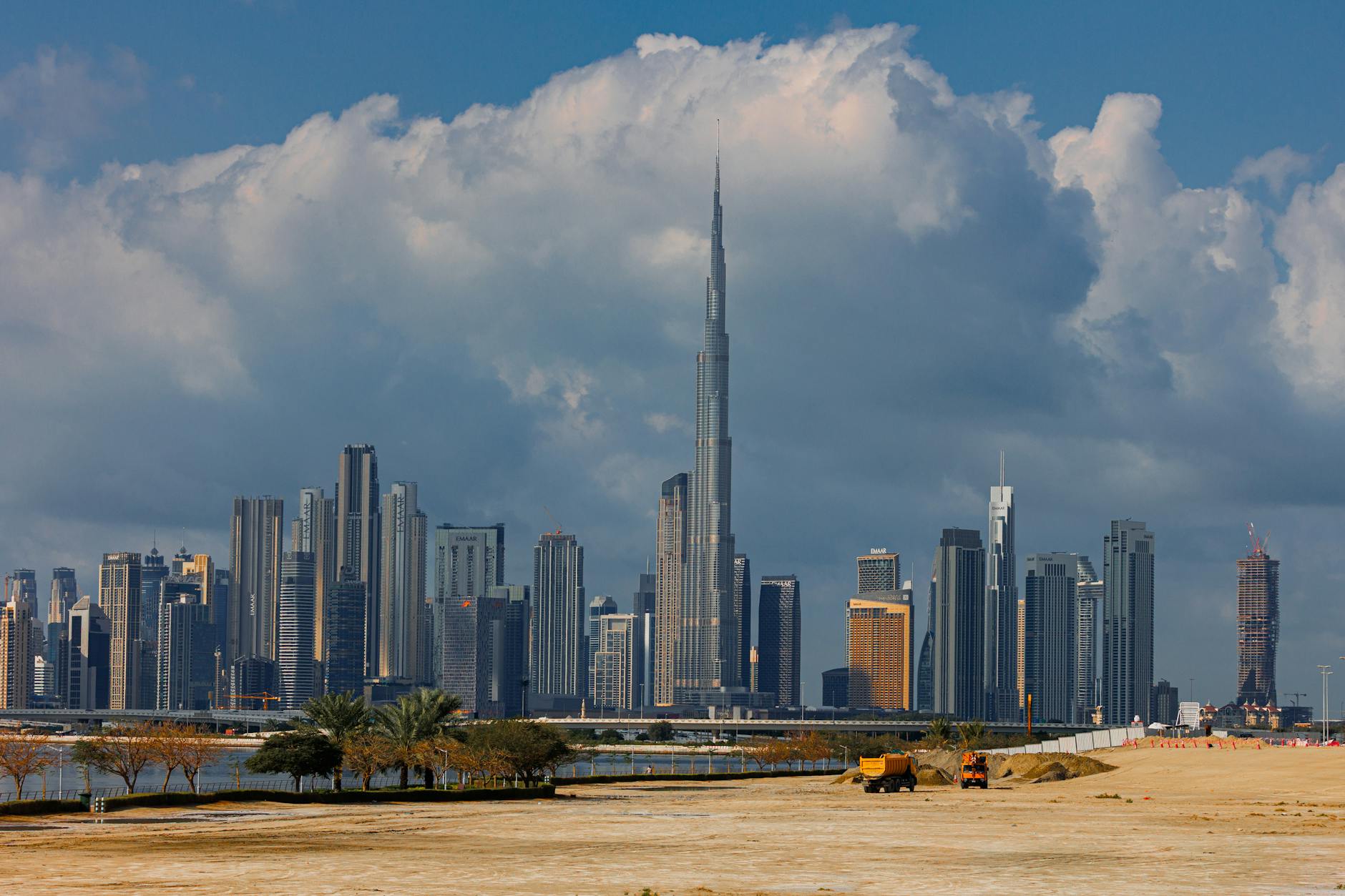
Dubai is easy to caricature and surprisingly hard to understand. From far away, it looks like a city of superlatives: tallest tower, biggest mall, artificial islands, gold souks, desert safaris, hotel brunches, rooftop pools, and architecture that seems to have been designed for aerial photography. All of that exists. But the better version of Dubai is not just the shiny version. It is a trading city on a creek, a migrant city where South Asian cafeterias and Levantine grills are as essential as celebrity restaurants, a beach city with winter evenings that feel almost unfairly pleasant, and a place where ancient desert geography and high-speed urban ambition sit side by side.
Start Here
The first mistake is treating Dubai as one big resort. The second is treating it as one big mall. The third is trying to see it by walking from landmark to landmark as if it were Rome or Paris. Dubai is a linear, spread-out, climate-shaped city. You experience it best by building each day around a zone: one day for the Creek and old trading quarters, one day for Downtown and the Burj Khalifa, one day for the beach and Jumeirah, one day for the Marina and Palm, and one evening for the desert or Global Village.
Dubai in one sentence: Dubai is a desert trading city that turned speed, spectacle, hospitality, and global migration into an urban identity.
Basic data
| Population | About 3.7 million |
|---|---|
| Area | About 4,100 km2 in the emirate; the visitor core is far smaller |
| Major religions | Islam is dominant, with large Christian and Hindu expatriate communities |
| Political system | City-emirate government inside a federal elective monarchy |
| Economic system | High-income mixed economy led by trade, logistics, finance, real estate, and tourism |
Quick Verdict
| Question | Best answer |
|---|---|
| Best for | Winter sun, luxury hotels, family travel, beaches, shopping, restaurants, architecture, desert experiences, business stopovers, easy warm-weather breaks |
| Not ideal for | People who want dense walkable urbanism, low-cost backpacking, casual public drinking, or a city where spontaneity beats planning |
| Ideal first trip | 4 nights / 5 days |
| Minimum worthwhile stay | 2 full days, especially as a stopover |
| Best months | November through March for comfortable weather; April and October as shoulder months |
| Hardest months | June through September, when heat shapes almost every decision |
| Best first-time base | Downtown Dubai for icons, Dubai Marina/JBR for beach-and-nightlife energy, or Jumeirah/Madinat for a resort-style trip |
| Biggest planning mistake | Booking a hotel that looks close on a map but forces expensive, slow taxi rides across the city |
| One thing to book early | Burj Khalifa sunset slots, Museum of the Future, top restaurants, and good desert operators in peak season |
| One thing to leave loose | Sunset walks, beach time, Creek wandering, and unplanned meals in Deira, Bur Dubai, Karama, or Satwa |
The move: Do not make Dubai a checklist of records. Build a trip around contrasts: Creek in the morning, tower at sunset, beach the next day, desert at dusk, South Asian cafeteria one night, polished DIFC dinner the next.
Who Will Love Dubai
Dubai is excellent for travelers who like comfort, convenience, clean infrastructure, warm weather, and a high ceiling for indulgence. Families do especially well here because hotels are spacious, malls double as climate-controlled entertainment zones, taxis are easy, beaches are manageable, and attractions are engineered for visitors. Luxury travelers can build a very smooth trip. Food lovers will find far more than hotel restaurants if they look beyond the obvious. Architecture fans get a living laboratory of glass, steel, islands, transit, ports, and urban branding.
Dubai is also one of the world’s great stopover cities. You can land, shower, take the metro or taxi into town, see the Burj Khalifa, eat well, sleep well, and fly onward without needing to solve a complicated urban puzzle.
But Dubai is not for everyone. It is not especially organic, cheap, bohemian, or walkable at city scale. Some visitors find the scale artificial. Others dislike the dependence on taxis, malls, private developments, and reservation culture. The city rewards people who accept it on its own terms rather than wishing it were an old European capital.
Skip if: You need gritty street life on every corner, cheap nightlife, or a city you can fully understand by wandering aimlessly from your hotel.
How to Understand Dubai
Dubai’s geography is the key to planning it well. The city is not arranged around one compact center. It is a long coastal metropolis stretched along the Gulf, Sheikh Zayed Road, and the Dubai Metro’s Red Line, with older neighborhoods around Dubai Creek and newer development pushing west and south.
Think of Dubai in five broad zones.
1. The Creek and Old Dubai
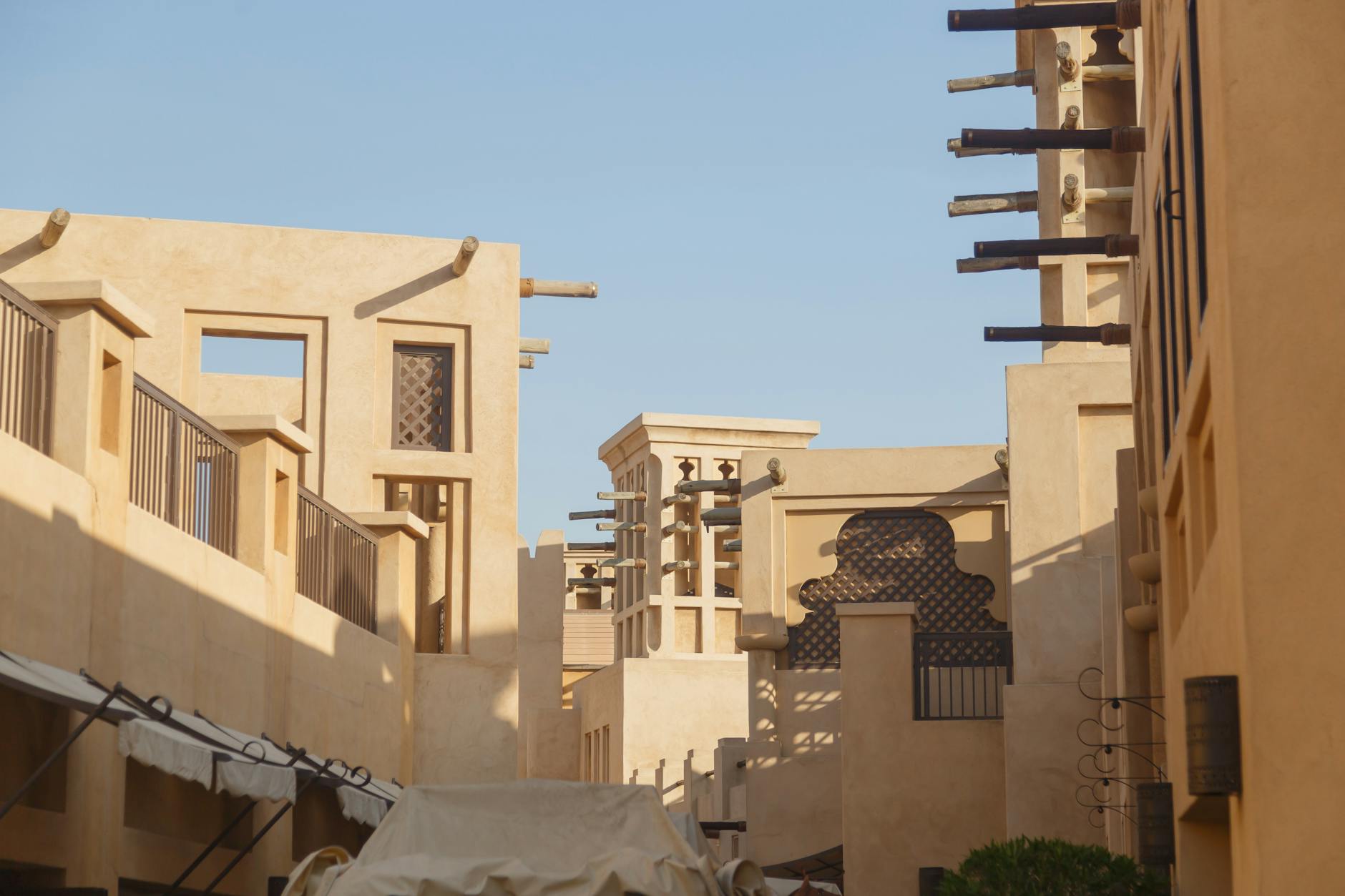
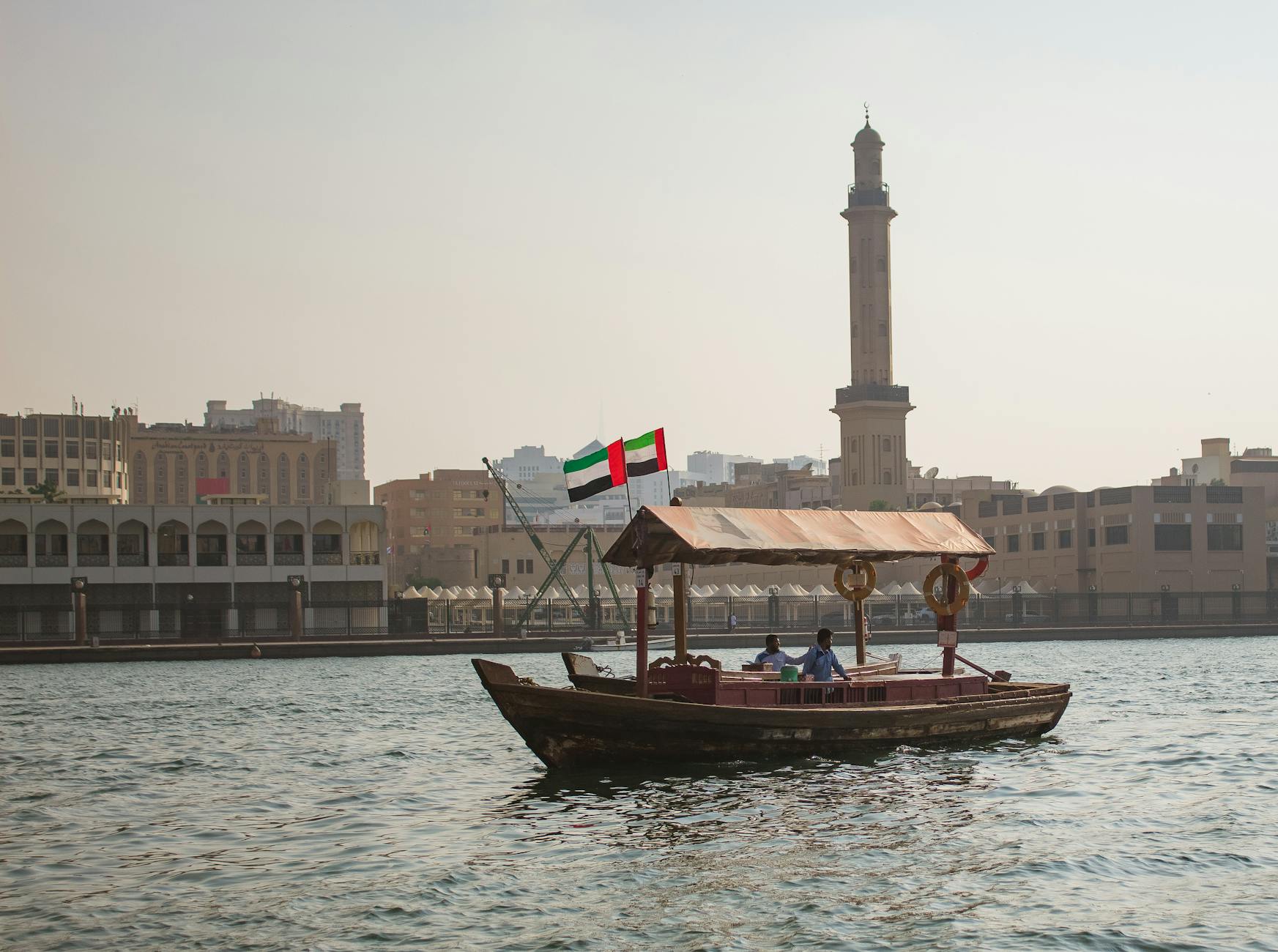
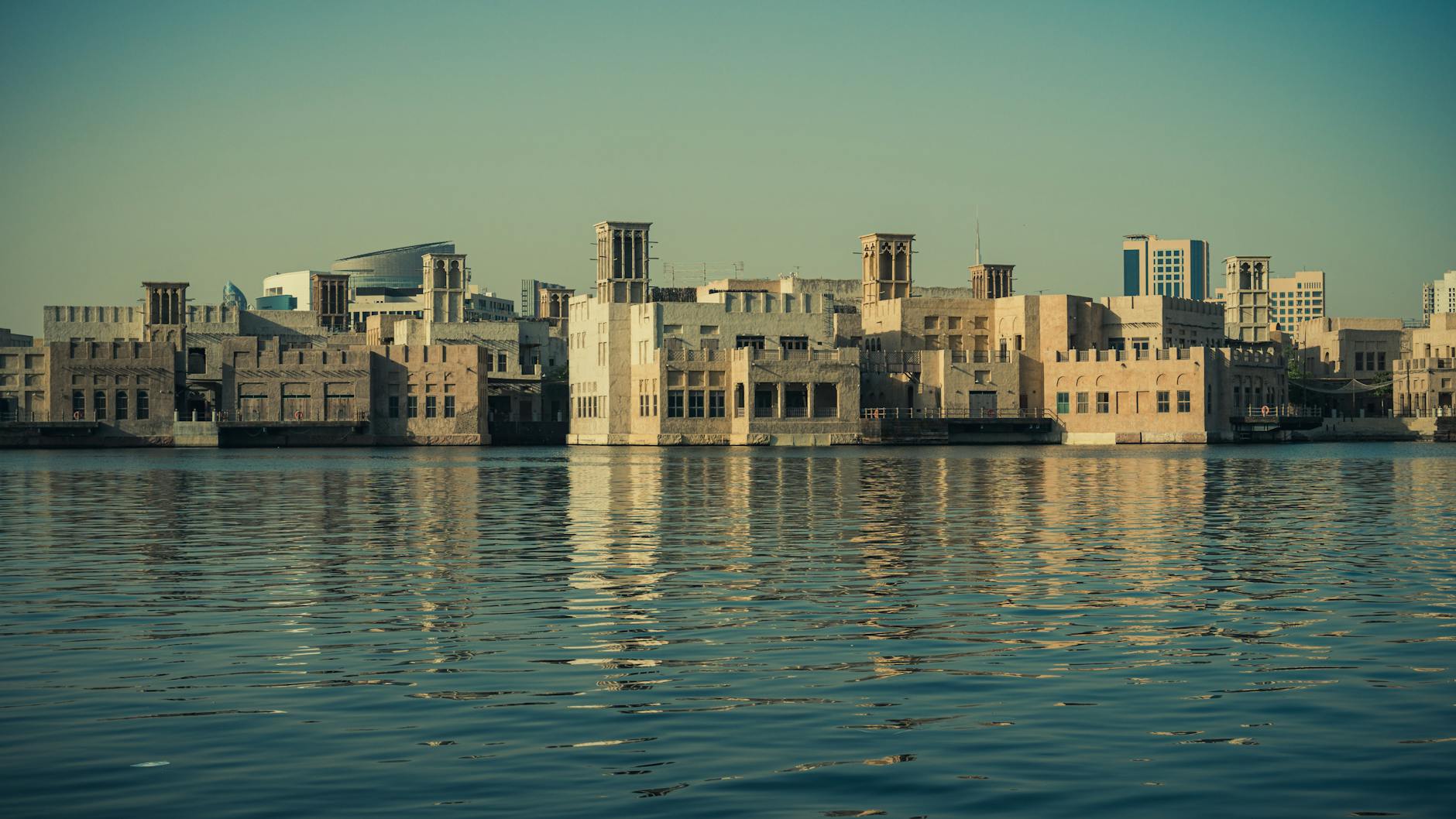
This is where Dubai feels most like a trading port rather than a global showpiece. Deira and Bur Dubai sit on opposite sides of Dubai Creek, connected by bridges, road tunnels, metro, and small wooden abras. This is the area for souks, textile shops, spice traders, gold shops, budget hotels, old restaurants, Al Fahidi, Al Seef, Al Shindagha Museum, and the best sense of the pre-skyscraper city.
Local logic: The Creek is not a museum zone. It still works. It is full of shipping, wholesale trade, small restaurants, money exchanges, tailors, watch shops, perfume sellers, and people getting practical things done.
2. Downtown Dubai and Business Bay
This is the postcard Dubai: Burj Khalifa, Dubai Mall, Dubai Fountain, Dubai Opera, Souk Al Bahar, high-rise hotels, and polished restaurants. It is the easiest zone for a short visit and the most obvious place to stay if you want icons at your doorstep.
First-timer mistake: Assuming Downtown is the geographic center of everything. It is central to many visitor itineraries, but Dubai Marina, Palm Jumeirah, Deira, and the desert are all separate trips from here.
3. Jumeirah and the Beach Belt
Jumeirah, Umm Suqeim, Kite Beach, Madinat Jumeirah, and nearby beach districts give Dubai its low-rise, seaside, resort-adjacent identity. This is where you find family beach days, casual cafés, views of Burj Al Arab, mosque visits, villa neighborhoods, running tracks, and a calmer rhythm than Downtown or Marina.
The move: Spend one late afternoon around Jumeirah Mosque, Kite Beach, or Madinat Jumeirah instead of trying to beach-hop all day in the heat.
4. Dubai Marina, JBR, Bluewaters, and Palm Jumeirah
This is the high-rise beach-and-leisure version of Dubai: marina towers, yachts, The Walk at JBR, beach clubs, Ain Dubai views, nightlife, watersports, and the Palm’s resort hotels. It is popular with tourists because it feels self-contained and vacation-like.
Worth it if: You want a beach base, restaurants, evening energy, and easy access to Palm attractions. Less ideal if: You plan to spend most of your time in Old Dubai, Downtown, or cultural sites.
5. The Inland and Industrial-Creative City
Al Quoz, Alserkal Avenue, Dubai Design District, Meydan, Expo City, Global Village, Miracle Garden, and desert-edge developments sit away from the beach and Creek. These places show a different Dubai: arts warehouses, design events, seasonal family attractions, logistics, emerging neighborhoods, and city-building in progress.
Local logic: Some of Dubai’s most interesting cultural life is not in the prettiest districts. Alserkal Avenue is in an industrial zone; some of the best casual food is in unglamorous shopping strips; some of the best evenings happen in places no first-timer would find by accident.
Fast Planning Facts
| Practical detail | What to know |
|---|---|
| Country | United Arab Emirates |
| Emirate | Dubai |
| Language | Arabic is official; English is widely used in tourism, transport, hotels, malls, and restaurants |
| Currency | UAE dirham, written AED or Dhs |
| Payments | Cards are widely accepted; keep some cash for abras, small cafeterias, tips, souks, and older areas |
| Time zone | Gulf Standard Time, UTC+4 |
| Main airport | Dubai International Airport, DXB |
| Secondary airport | Dubai World Central / Al Maktoum International, DWC, far south of the city |
| Main transit card | Nol card for metro, tram, buses, and some marine transport |
| Main transport apps | RTA/S’hail, Careem, Uber, Bolt, Google Maps |
| Emergency numbers | 999 police, 998 ambulance, 997 fire / civil defence |
| Water | Tap water is generally treated, but many visitors prefer bottled or filtered water |
| Weekend rhythm | The UAE workweek is generally Monday to Friday; Friday midday prayer affects some schedules |
| Dress code | Resort wear is normal at beaches and pools; dress more modestly in malls, old neighborhoods, mosques, government buildings, and during Ramadan |
| Alcohol | Served in licensed hotels, restaurants, bars, and clubs; public drunkenness is a serious problem |
| Drone use | Do not fly a drone without proper authorization |
Book ahead: Museum of the Future, Burj Khalifa sunset slots, high-demand restaurants, popular beach clubs, top-tier desert experiences, and New Year’s Eve plans.
Current Logistics to Verify Before Publishing
Dubai changes quickly. A serious city guide should include a live-update box near the top. These are the details that deserve checking every time the article is refreshed:
- Visa-on-arrival eligibility and passport validity requirements.
- DXB and DWC airport transport schedules.
- Dubai Metro operating hours during holidays and Ramadan.
- Burj Khalifa ticket categories and sunset prices.
- Dubai Fountain show status and upgrade schedule.
- Museum of the Future availability.
- Seasonal opening dates for Global Village and Dubai Miracle Garden.
- Local security advisories, especially during periods of regional tension.
- Rules for controlled medications and prescriptions.
- Ramadan dining, entertainment, and opening-hour changes.
Editor’s note: At the time of this sample’s research, official government travel advisories urged travelers to monitor regional security developments and commercial flight disruptions. That does not mean a trip is automatically impossible, but it does mean this section must be rechecked close to departure.
Best Time to Visit Dubai
Dubai’s weather is not a side detail. It is the organizing principle of the trip.
November to March: Best Overall
This is Dubai at its best: warm days, cooler evenings, beach weather, outdoor terraces, desert trips, Global Village, Miracle Garden, al fresco dining, rooftop bars, and long walks that do not feel like a mistake. Hotel prices are higher, beaches are busier, and major restaurants need reservations, but this is the version of Dubai most visitors imagine.
Best for: First-timers, families, outdoor dining, desert safaris, beaches, long weekend trips, photography, shopping festivals, and combining Dubai with Abu Dhabi or Oman.
April and October: Shoulder Months
These months can be excellent, especially if you want lower hotel rates or fewer crowds. The catch is heat. Early April and late October can feel pleasant; late April and early October can feel aggressively warm, especially at midday.
The move: Plan outdoor sightseeing before 10:30am and after 4:30pm. Use midday for malls, museums, hotel pools, spa time, or long lunches.
May to September: Summer Strategy Required
Summer is not impossible, but it is a different trip. It is better for hotel deals, indoor attractions, pools, shopping, restaurants, and families who are comfortable moving between air-conditioned spaces. It is not good for long walks, open-air souks at midday, ambitious beach days, or desert activities outside early morning or evening.
Worth it if: You want luxury hotels at lower prices, indoor attractions, spa time, shopping, and a slower schedule. Skip if: Your dream Dubai trip is beaches, old-city wandering, and desert sunsets every night.
Ramadan
Ramadan changes the rhythm of the city. It can be a beautiful time to visit if you are respectful and plan well. Daytime dining is widely available in many hotels, malls, and tourist areas, but the public mood is quieter during daylight hours and evenings come alive around iftar. Opening hours may shift, live entertainment may be adjusted, and attractions can operate on modified schedules.
The move: Treat Ramadan as a cultural advantage, not a nuisance. Book at least one thoughtful iftar, dress modestly, avoid eating or drinking publicly on streets during daylight, and check every attraction’s daily schedule.
Month-by-Month Dubai
| Month | Verdict | What to expect |
|---|---|---|
| January | Excellent | Peak winter weather, busy hotels, strong outdoor dining, major shopping and event energy |
| February | Excellent | One of the best months for beaches, desert, walking, and family travel |
| March | Very good | Warm but manageable; Ramadan may fall here depending on the lunar calendar |
| April | Good shoulder | Increasing heat; still possible to enjoy outdoor evenings |
| May | Hot value month | Hotel deals improve; outdoor sightseeing becomes harder |
| June | Indoor-focused | Heat dominates; plan around malls, pools, museums, and taxis |
| July | Indoor-focused | Summer promotions, intense heat, good hotel value |
| August | Indoor-focused | Similar to July; avoid ambitious outdoor plans |
| September | Hot but improving late | Still summer-like; evenings gradually become more usable |
| October | Good shoulder late month | Outdoor season begins to return; beach and desert plans become more realistic |
| November | Excellent | Outdoor Dubai returns; strong first-timer month |
| December | Excellent but expensive | Peak festive season, New Year crowds, high hotel rates, major events |
How Many Days You Need
1 Day
Enough for a stopover taste. Choose either Old Dubai plus Downtown, or beach plus Downtown. Do not try to include the Palm, the desert, the Creek, and the Burj Khalifa in one day unless your goal is exhaustion.
2 Days
A good stopover. Do Day 1 in Old Dubai and Downtown; Day 2 on the beach, Marina, or desert. This gives you contrast without too much transit.
3 Days
The minimum for a proper first visit. You can cover the Creek, Downtown, Jumeirah, Marina/Palm, and one desert or seasonal evening.
4–5 Days
The best first-trip length. You can add a better food itinerary, Alserkal Avenue, a slower beach day, a proper desert experience, and perhaps Abu Dhabi.
One Week
Ideal if you want resort time, family attractions, serious restaurants, a day trip to Abu Dhabi, a Hatta or desert extension, shopping, and recovery time between big outings.
First-timer mistake: Counting arrival and departure days as sightseeing days. DXB is efficient, but Dubai is spread out; give yourself actual full days.
Where to Stay in Dubai
The most important hotel question in Dubai is not “which hotel is nicest?” There are many nice hotels. The question is: which version of Dubai do you want outside your door?
The Short Answer
- Stay in Downtown Dubai for first-time icons, Burj Khalifa, Dubai Mall, fountain views, and short trips.
- Stay in Dubai Marina/JBR for beach, nightlife, restaurants, high-rise vacation energy, and families who want a self-contained base.
- Stay on Palm Jumeirah for resort luxury, pools, beach clubs, and a more contained holiday.
- Stay in Jumeirah/Madinat/Umm Suqeim for beach access, Burj Al Arab views, family-friendly calm, and a polished resort feel.
- Stay in DIFC/Sheikh Zayed Road for restaurants, business travel, metro access, and a sleek city base.
- Stay in Deira/Bur Dubai/Al Fahidi for budget value, old Dubai atmosphere, Creek access, souks, and food exploration.
- Stay in Al Barsha for Mall of the Emirates, better value, and practical access to both Downtown and Marina by metro/taxi.
Neighborhood Decision Tree
| Traveler type | Best area |
|---|---|
| First-time visitor, short trip | Downtown Dubai |
| Beach vacation | JBR, Dubai Marina, Jumeirah, Palm Jumeirah |
| Luxury resort trip | Palm Jumeirah, Jumeirah, Madinat Jumeirah |
| Restaurant-focused trip | DIFC, Downtown, Jumeirah, JLT, Dubai Marina |
| Budget traveler | Deira, Bur Dubai, Al Barsha |
| Families | JBR, Palm Jumeirah, Jumeirah, Downtown, Al Barsha |
| Business traveler | DIFC, Sheikh Zayed Road, Business Bay, Downtown |
| Culture/old-city focus | Al Fahidi, Bur Dubai, Deira |
| Nightlife | Dubai Marina, JBR, DIFC, Downtown, Business Bay |
| Metro-dependent traveler | Downtown/Business Bay near Red Line, DIFC/SZ Road, Al Barsha, Deira/Bur Dubai |
| Resort and pool time | Palm Jumeirah, Jumeirah beach resorts |
Best Areas to Stay: Detailed Profiles
Downtown Dubai
Best for: First-timers, short stays, Burj Khalifa, Dubai Mall, fountain views, polished hotels, families who want convenience.
Downtown is the easiest answer for a first Dubai trip. The Burj Khalifa, Dubai Mall, Dubai Aquarium, Dubai Opera, Souk Al Bahar, and fountain area are all here. It feels clean, dramatic, and photogenic. It is also convenient for taxis and many guided tours.
Why stay here: You can walk or taxi easily between many headline attractions. The hotel stock is strong, the dining scene is deep, and the skyline drama is hard to beat.
Why not: It is expensive, touristy, and not the best place to understand older Dubai. Dubai Mall can swallow your time. Walking outside the immediate Downtown core can be awkward.
Perfect day: Late breakfast, Dubai Mall or aquarium, Burj Khalifa timed entry before sunset, fountain area after dark, dinner at Souk Al Bahar or DIFC.
First-timer mistake: Booking Downtown and then planning every dinner in Marina or Palm Jumeirah. That turns your evenings into traffic management.
Business Bay
Best for: Downtown-adjacent hotels, canal views, newer restaurants, slightly better value than prime Downtown.
Business Bay sits beside Downtown and is full of towers, hotels, restaurants, and canal-side development. It is practical but not always charming at street level.
Why stay here: Good hotel options, quick taxis to Downtown, Business Bay dining, and better prices than the most famous Burj-view hotels.
Why not: It can feel car-oriented, and some hotels are less walkable than they appear on a map.
The move: Check the exact walk to the nearest metro station or Dubai Mall. “Business Bay” covers convenient and inconvenient locations.
DIFC and Sheikh Zayed Road
Best for: Business travelers, high-end restaurants, nightlife, metro access, and a central city feel.
DIFC is one of Dubai’s best restaurant districts and a useful base if you want Downtown nearby without staying inside the mall-and-fountain orbit. Sheikh Zayed Road hotels often have strong skyline views and metro access.
Why stay here: Great dining, sleek hotels, good taxis, convenient for Downtown and older Dubai, and easier for business meetings.
Why not: It is not a beach base and can feel corporate.
Perfect evening: Gallery or museum time, dinner in DIFC, then a short taxi to Downtown or a rooftop bar.
Dubai Marina and JBR
Best for: Beach, nightlife, families, high-rise views, restaurants, walking along the Marina and JBR.
This is one of the easiest areas for tourists because it has a complete vacation ecosystem: beach, restaurants, malls, tram, metro access, boats, nightlife, cafés, and hotels. It feels lively at night and is more walkable than many Dubai districts.
Why stay here: You can have a proper beach vacation without giving up city energy. The Marina promenade and JBR Walk are useful for evenings.
Why not: It is far from Old Dubai and can be traffic-heavy. It is not the best base if you want museums, souks, or Downtown every day.
The move: Stay here if you want Dubai to feel like a sunny, high-rise beach city. Do not stay here if your itinerary is mostly Creek, Downtown, and Abu Dhabi.
Palm Jumeirah
Best for: Resort luxury, pools, beach clubs, families, honeymooners, contained holidays.
Palm Jumeirah is a hotel-and-resort world. It is glamorous, comfortable, and visually memorable. It is also a bit detached from the rest of the city.
Why stay here: Big resorts, strong family facilities, beach access, destination restaurants, and a clear holiday feeling.
Why not: Taxis add up, spontaneity is lower, and you may feel isolated if you want to explore the city every day.
Perfect day: Slow breakfast, pool, beach, Aquaventure or The View at The Palm, sunset drinks, dinner on the Palm or Marina.
Skip if: You want street life outside your hotel.
Jumeirah, Umm Suqeim, and Madinat Jumeirah
Best for: Beach, families, Burj Al Arab views, relaxed luxury, mosque visit, running/cycling paths, polished local life.
This stretch is more low-rise and residential than Marina or Downtown. It is one of the most pleasant parts of the city in good weather.
Why stay here: Beach access, beautiful resort hotels, less tower density, and easy access to Kite Beach, Jumeirah Mosque, Madinat Jumeirah, and Burj Al Arab viewpoints.
Why not: Less metro coverage; taxis are often necessary.
The move: Combine Jumeirah Mosque, Etihad Museum, Kite Beach, and Madinat Jumeirah into one zone-based day.
Deira and Bur Dubai
Best for: Budget travelers, old Dubai atmosphere, food, souks, abras, Creek history, practical transit.
This is the most underrated hotel zone for certain travelers. It is not resort Dubai. It is more crowded, more practical, more multicultural, and more alive at street level.
Why stay here: Better value, excellent casual food, metro access, souks, Creek atmosphere, and easy airport trips.
Why not: It can be hectic, older hotels vary widely, traffic can be heavy, and it does not provide the polished Dubai fantasy many travelers want.
Perfect day: Abra across the Creek, Textile Souk, Al Fahidi, Al Seef, lunch in Bur Dubai or Karama, Gold and Spice Souks, dinner in Deira.
Local logic: This is where Dubai’s trading identity is most visible. It is not a theme park. Be patient, dress respectfully, and bargain politely.
Al Barsha
Best for: Value, Mall of the Emirates, practical families, metro users, split trips between Downtown and Marina.
Al Barsha is not the prettiest base, but it can be very practical. Hotels near Mall of the Emirates give you shopping, Ski Dubai, restaurants, metro access, and tolerable taxi distances to Jumeirah, Marina, and Downtown.
Why stay here: Better prices, good transport, family convenience.
Why not: Limited atmosphere.
The move: Use Al Barsha as a logistics base, not a romantic Dubai fantasy.
Dubai Neighborhood Guide
Al Fahidi and Al Seef
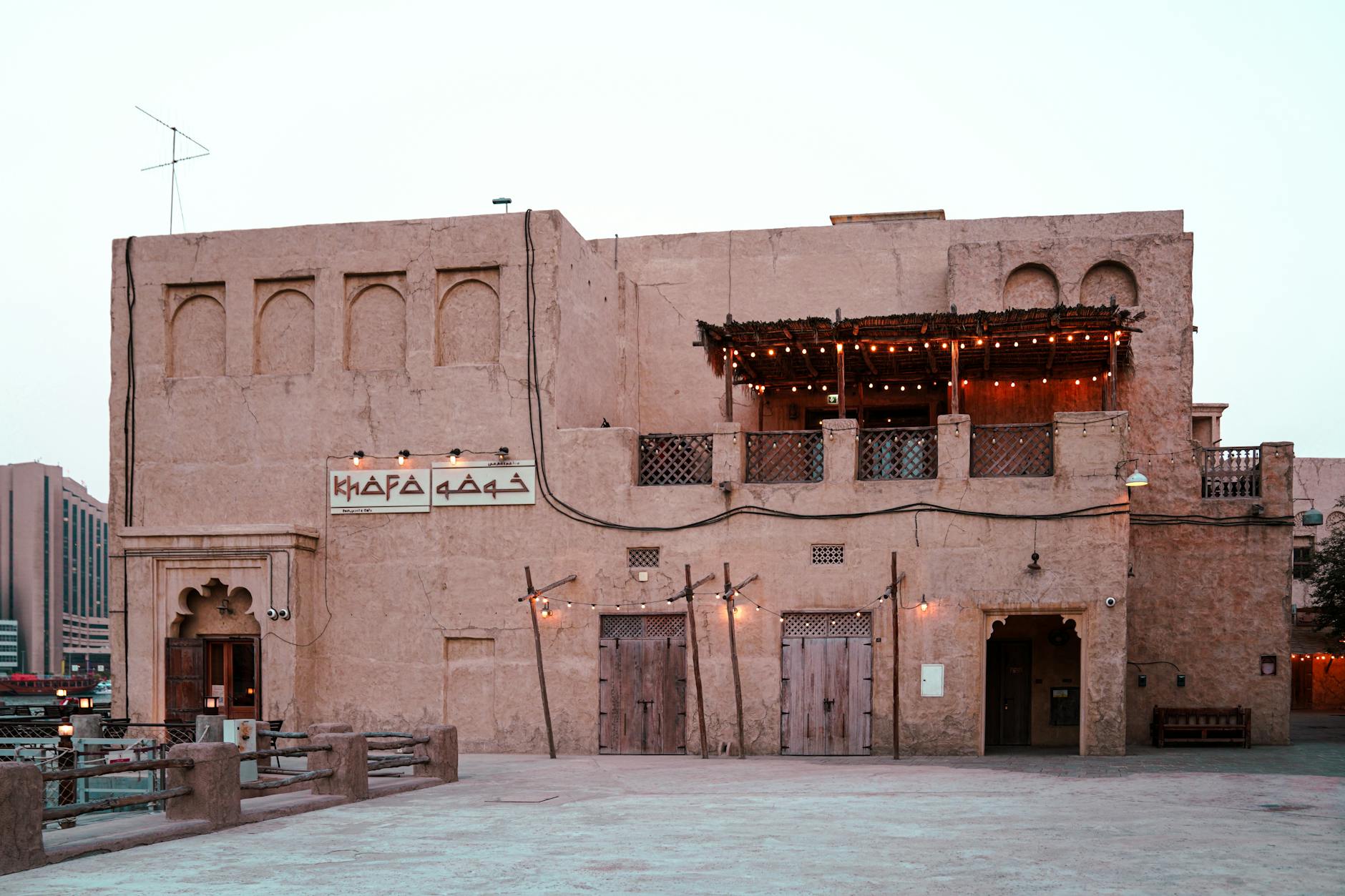
Al Fahidi is the restored heritage quarter of wind-tower houses, courtyards, museums, cafés, and galleries. Al Seef extends the Creek-side promenade with restaurants, shops, and a stylized old-Dubai aesthetic.
Best time: Morning or late afternoon.
Do: Wander the lanes, visit small museums, cross the Creek by abra, drink tea or coffee in a courtyard, and pair it with Al Shindagha Museum.
Skip: Treating it as the whole of old Dubai. The real commercial life is across the Creek and in the souks.
One perfect walk: Start at Al Fahidi Metro or Al Seef, wander Al Fahidi, visit a heritage house or museum, walk to the Textile Souk, cross by abra to Deira, then explore Spice Souk and Gold Souk before dinner.
Deira
Deira is dense, commercial, practical, and full of life. It is one of the best areas for seeing Dubai as a migrant and trading city.
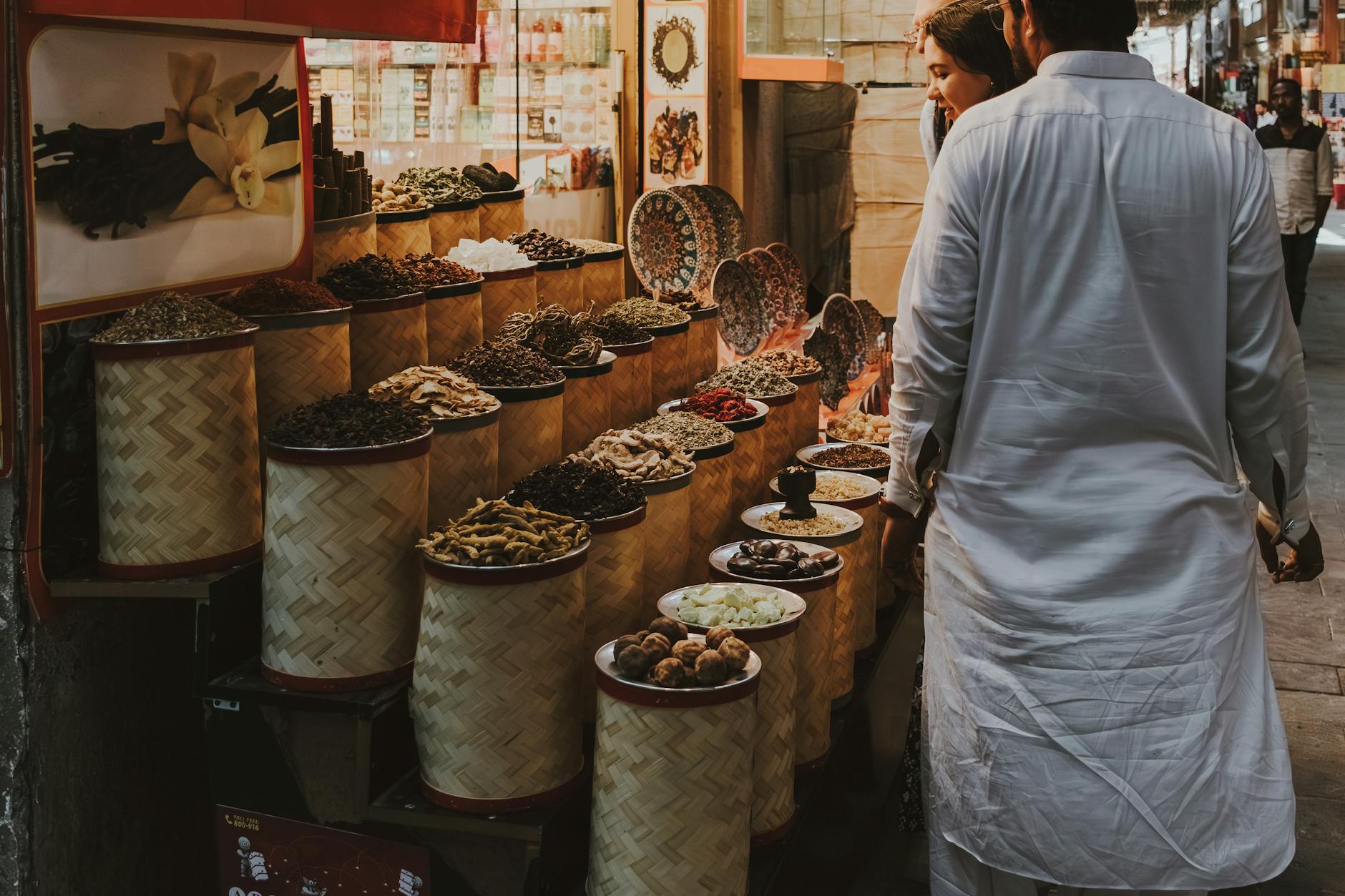
Best for: Gold Souk, Spice Souk, perfume shops, cafeterias, cheap eats, people-watching.
Go early or late: Midday heat and crowding can make souk visits tiring.
Local tip: The best Deira experience is not just buying something. It is noticing the logistics: porters, traders, couriers, wholesale shops, money exchanges, and restaurants serving workers and merchants.
Bur Dubai, Meena Bazaar, and Karama
Bur Dubai and Karama are among the best areas for South Asian food, fabric shopping, tailoring, sweets, chaat, vegetarian thalis, and affordable meals. This is not the glossy version of Dubai, but it is one of the most delicious.
Best for: Indian, Pakistani, Iranian, Filipino, and mixed regional food; textile shopping; budget hotels; everyday city texture.
The move: Come hungry, not dressed for a luxury mall. Eat small plates across multiple stops.
Downtown Dubai
Downtown is the city’s visual set piece. The Burj Khalifa and Dubai Mall are obvious, but the better experience is timing: go when the light changes, avoid weekend peak crowd crush, and do not spend a whole day inside the mall unless that is your plan.
Best time: Late afternoon to evening, especially for tower/fountain combinations.
Pair it with: Dubai Opera, DIFC dinner, or Business Bay canal drinks.
DIFC
DIFC is a polished restaurant, art, finance, and nightlife district. It is one of Dubai’s best areas for a sophisticated dinner.
Best for: High-end restaurants, galleries, cocktails in licensed venues, business hotels.
Go: Weeknight dinner for a less chaotic version; weekend evenings for scene.
Jumeirah and Kite Beach
This is where Dubai relaxes. Kite Beach is family-friendly, active, and casual; Jumeirah Mosque gives one of the best accessible introductions to Islamic architecture and culture; the coastal neighborhoods are better for an easy afternoon than a rushed checklist.
Best for: Beach walks, casual food, mosque visit, family time, views of Burj Al Arab.
Perfect afternoon: Jumeirah Mosque visit, Etihad Museum or coffee stop, Kite Beach sunset, dinner nearby.
Madinat Jumeirah and Umm Suqeim
Madinat Jumeirah is a polished resort complex with waterways, restaurants, shops, and excellent Burj Al Arab views. It is not “authentic old Dubai,” but it is beautiful and easy.
Worth it if: You want a scenic dinner, resort atmosphere, and photos.
Skip if: You are looking for real souk energy; go to Deira or Bur Dubai instead.
Dubai Marina, JBR, and Bluewaters
This zone is Dubai as vertical beach city. The Marina works well for evening walks, boat trips, and easy restaurants. JBR adds beach crowds and family energy. Bluewaters adds skyline views and a more controlled waterfront feel.
Best for: Evening strolls, beach, dinner cruises, skyline photos, nightlife.
First-timer mistake: Trying to visit Marina and the Creek in the same casual evening. They are far apart.
Palm Jumeirah
The Palm is best understood as a resort district, not a normal neighborhood. The trunk is more practical; the crescent is more luxurious and isolated.
Best for: Resorts, Aquaventure, The View at The Palm, destination restaurants, beach clubs.
The move: Visit for a specific reason: waterpark, observation deck, lunch, beach club, or resort stay. Do not go just to “see the Palm” from ground level; the shape is best appreciated from above.
Al Quoz and Alserkal Avenue
Al Quoz is industrial, but Alserkal Avenue is the city’s best-known contemporary arts hub, with galleries, design spaces, cafés, talks, screenings, and cultural events.
Best for: Contemporary art, design, independent cafés, culture beyond malls.
Go: During gallery openings, art weeks, or events. Check the schedule before going because the district is quieter between shows.
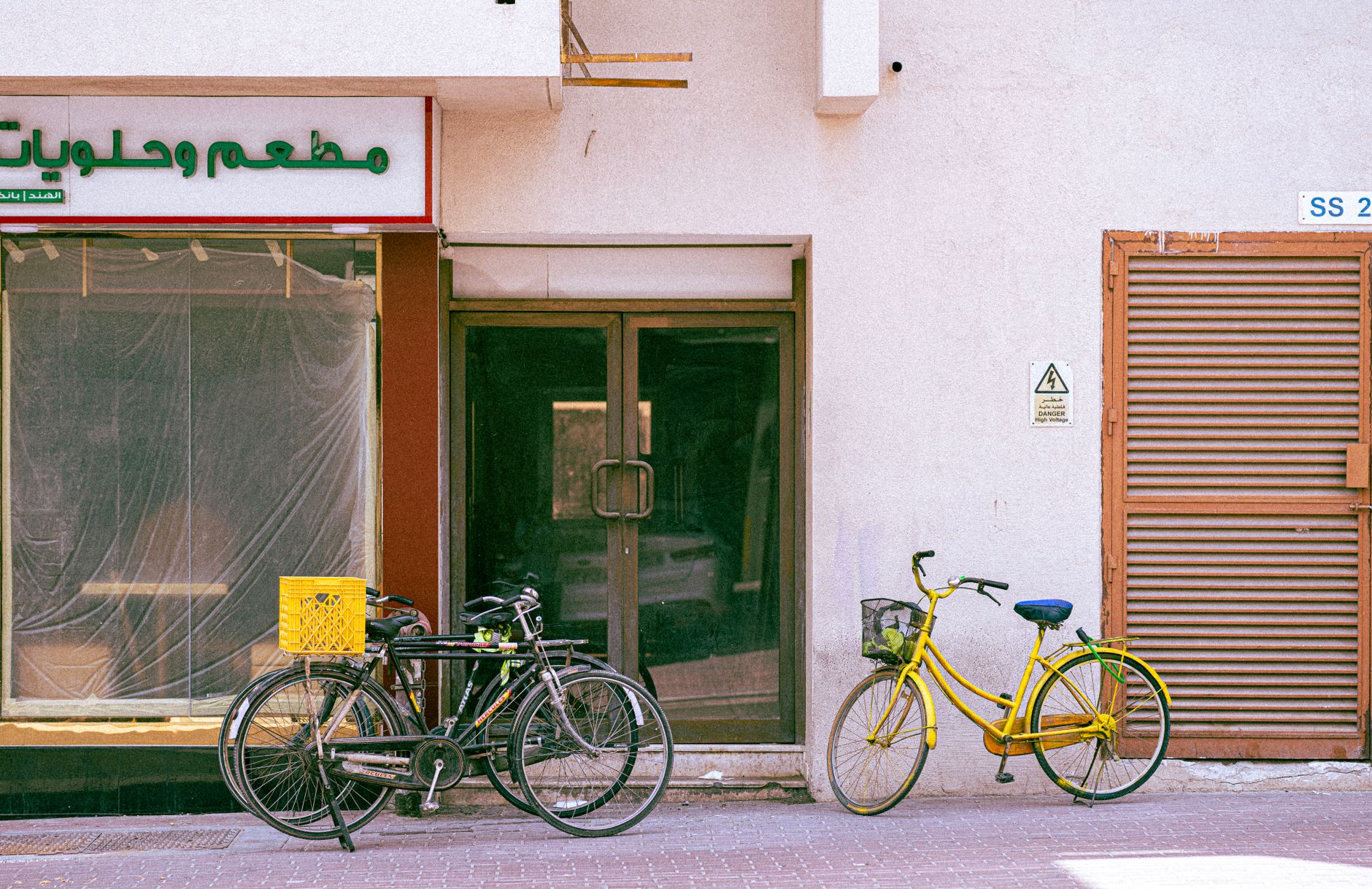
Best Things to Do in Dubai
1. Start at the Creek
Dubai makes more sense when you begin at Dubai Creek. This is the city’s origin story: trade, boats, migration, pearls, textiles, spices, gold, and practical commerce. Cross by abra, wander souks, visit Al Fahidi, and eat nearby.
Time needed: Half day.
Best time: Morning or late afternoon.
Worth it? Essential, especially if you think Dubai has no history.
Common mistake: Visiting only the Gold Souk, taking a quick photo, and leaving. The Creek experience is strongest when you move slowly between both banks.
2. See Burj Khalifa, But Time It Well
Burj Khalifa is not subtle, and that is the point. The standard At the Top experience takes visitors to levels 124 and 125; higher-priced options go higher and often include more lounge-style elements. Sunset is the most desirable time and should be booked early.
Time needed: 90 minutes to 2.5 hours depending on queues and photo stops.
Best time: Late afternoon into blue hour, or morning for clearer crowds.
Worth it? Yes for first-timers, architecture fans, and skyline lovers. Skippable if you dislike observation decks or already have a high-floor hotel view.
Better alternative: If the Burj Khalifa is too expensive or sold out, Dubai Frame or The View at The Palm gives a different but still strong perspective.
3. Walk the Dubai Mall / Fountain / Souk Al Bahar Loop
Dubai Mall is more than a mall; it is a climate-controlled city fragment attached to the Burj Khalifa, aquarium, restaurants, luxury shopping, and fountain area. It can be useful or overwhelming depending on your plan.
The move: Treat Dubai Mall as a transit-and-attraction hub, not a black hole. Choose one or two things: aquarium, shopping, lunch, fountain, or Burj Khalifa.
Current note: The Dubai Fountain has been undergoing phased upgrades in 2026, so show timings and viewing conditions should be checked before publication.
4. Visit Jumeirah Mosque
Jumeirah Mosque is one of the best cultural experiences in Dubai because it offers structured public visits and a chance to ask questions in a respectful setting.
Best for: Culture, architecture, first-time visitors, families with older children.
Timing: Public visits are typically offered daily except Friday, with morning and afternoon sessions. Verify before going.
Dress: Modest clothing is required or strongly preferred; cover shoulders and knees, and women may be asked to cover hair.
Worth it? Yes. This is one of the easiest ways to add depth to a Dubai itinerary.
5. Explore Al Shindagha Museum
Al Shindagha Museum is one of the best ways to understand Dubai’s transformation from Creek settlement to global city. It works especially well paired with Al Fahidi, the Creek, and an abra crossing.
Best for: History, families, culture, hot-weather planning.
Time needed: 90 minutes for highlights, 3 hours for a deeper visit.
The move: Do not cram it after a long souk session in peak heat. Start here or use it as a midday indoor anchor.
6. Go to the Museum of the Future With Realistic Expectations
The Museum of the Future is architecturally spectacular and heavily photographed. The interior experience is immersive and family-friendly, but it is not a conventional science museum or deep museum in the classic sense.
Best for: Architecture, families, immersive experiences, first-time Dubai spectacle.
Book ahead: Timed tickets can sell out.
Worth it? Worth it if you want an experiential, design-forward attraction. Less essential if you prefer traditional museums with large collections.
Free move: Even without an exhibition ticket, the exterior is one of Dubai’s best architectural photo stops.
7. Use Dubai Frame as a City-Orientation Tool
Dubai Frame is gimmicky in concept but genuinely useful as a symbolic and visual bridge: older Dubai on one side, newer Dubai on the other. It is a good first-day or last-day attraction.
Best for: Families, first-timers, skyline views, quick orientation.
Time needed: 60–90 minutes.
Worth it? Yes if you want a relatively efficient skyline experience. Skip if you are already doing Burj Khalifa and The View at The Palm and are tired of observation decks.
8. Spend Time at the Beach
Dubai’s beach scene is not an afterthought. Kite Beach is good for casual activity and families; JBR is lively and tourist-friendly; Palm resorts offer controlled luxury; Jumeirah’s public beaches are better for a relaxed seaside feel.
Best time: Morning or late afternoon.
Summer strategy: Swim early, leave before midday, and respect heat warnings.
The move: Pack a light layer for heavily air-conditioned cafés after the beach.
9. Visit Madinat Jumeirah for the View, Not the Souk Claim
Madinat Jumeirah is scenic, polished, and excellent for photos of Burj Al Arab. Its “souk” is a resort-style interpretation, not a substitute for Deira or Bur Dubai.
Best for: Dinner, photos, couples, resort atmosphere.
Worth it? Yes for a beautiful evening. Just understand what it is.
10. Do One Desert Experience Carefully
A desert trip can be magical or mediocre. The difference is operator quality. The cheapest dune-bashing packages often involve long pickups, crowded camps, rushed activities, and a generic buffet. Better operators focus on smaller groups, conservation areas, wildlife, astronomy, falconry, food quality, or slower desert time.
Best time: Late afternoon to evening in cooler months.
Book ahead: Peak winter dates and premium operators.
Choose based on style: Adventure dune bashing, conservation safari, private sunset, family-friendly camp, luxury dinner, or overnight desert stay.
Skip if: You are visiting in peak summer and cannot handle heat, or if the itinerary looks like a checklist of forced activities.
11. Spend an Evening at Global Village
Global Village is seasonal, crowded, kitschy, family-friendly, and very Dubai. It combines country pavilions, food stalls, shopping, performances, rides, and a festive evening atmosphere.
Best for: Families, food sampling, people-watching, winter evenings, travelers who enjoy spectacle.
Timing: Usually opens in the cooler season and operates in the evening; season dates change.
The move: Go hungry and do not treat it like a quick stop. It is an evening plan.
12. Visit Alserkal Avenue
Alserkal Avenue is the counterpoint to mall Dubai: galleries, design, independent events, screenings, talks, and creative spaces in Al Quoz.
Best for: Art, design, culture, returning visitors, hot afternoons.
Go with a schedule: It is most rewarding when galleries and events are active.
13. Take a Boat or Water View Seriously
Dubai looks different from the water. Options include an abra across the Creek, Dubai Ferry, Marina cruises, private boats, dinner cruises, Palm/JBR routes, and Burj Al Arab views from the Gulf.
Best value: Creek abra.
Best skyline: Marina or Palm boat ride.
Most romantic: Sunset private boat or carefully chosen dinner cruise.
Common mistake: Booking a cheap dinner cruise without checking route, food quality, and pickup logistics.
14. Add One Serious Museum or History Stop
For historical depth, prioritize Al Shindagha Museum, Etihad Museum, Jumeirah Mosque, and Al Fahidi. Dubai is not museum-heavy like London or Paris, but the right cultural stops correct the false impression that the city appeared from nowhere.
15. Consider Hatta If You Have Extra Time
Hatta, in the Hajar Mountains, gives a different version of Dubai: dam views, kayaking, mountain scenery, heritage village atmosphere, and outdoor activities in cooler months.
Best for: Nature, repeat visitors, families, active travelers.
Better as: A long day trip or overnight if you want to slow down.
What to Eat in Dubai
Dubai’s food story is not one cuisine. It is Emirati heritage plus Indian, Pakistani, Iranian, Lebanese, Syrian, Palestinian, Filipino, Ethiopian, Turkish, Yemeni, Egyptian, Iraqi, Afghan, East African, European, Japanese, and global fine-dining influences.
A lazy Dubai food guide only lists celebrity restaurants. A good Dubai food guide understands cafeterias, grills, bakeries, mandi houses, thali spots, shawarma counters, karak windows, Iranian kebabs, Levantine breakfast, Emirati machboos, and hotel dining rooms.
Emirati Dishes and Flavors to Know
- Machboos: Spiced rice with meat, chicken, or fish.
- Harees: Wheat and meat cooked into a soft, comforting dish.
- Luqaimat: Sweet fried dumplings, often with date syrup.
- Balaleet: Sweet-salty vermicelli often served with egg.
- Regag: Thin crisp bread, sometimes filled or topped.
- Karak chai: Strong sweet tea with milk and spices, deeply woven into everyday Dubai.
- Dates and Arabic coffee: Often part of hospitality rituals.
The move: Do not make Emirati food one token lunch. Pair a cultural meal with the Creek, Jumeirah Mosque, or Al Fahidi so the food has context.
Where to Eat by Situation
| Situation | Best areas |
|---|---|
| First nice dinner | DIFC, Downtown, Jumeirah, Dubai Marina |
| Casual food adventure | Deira, Bur Dubai, Karama, Satwa |
| Beach lunch | Jumeirah, Kite Beach, JBR, Palm Jumeirah |
| Business meal | DIFC, Downtown, Business Bay |
| Family-friendly dinner | JBR, Dubai Mall, Mall of the Emirates, Palm resorts |
| Emirati food | Al Fahidi, Jumeirah, selected heritage restaurants |
| South Asian food | Karama, Bur Dubai, Deira, Al Nahda, Satwa |
| Levantine grills | Jumeirah, Al Rigga, Deira, Downtown, Marina |
| Fine dining | DIFC, Palm Jumeirah, Downtown, Jumeirah |
| Late-night casual | Deira, Satwa, Karama, JBR, Marina |
Dubai Food Rules That Matter
- Restaurants in hotels and licensed venues can serve alcohol; many excellent casual restaurants do not.
- Reservations matter for top restaurants, brunches, beach clubs, and DIFC weekend dinners.
- Friday brunch is a Dubai institution, but not every brunch is worth the money.
- Cafeterias and casual restaurants can be superb and inexpensive.
- Malls are not automatically bad for food; many Dubai malls have legitimate dining because malls are part of daily life.
- During Ramadan, hours and atmosphere change; iftar reservations can be valuable.
- Delivery apps are highly developed, but visitors should still eat in neighborhoods when possible.
First-timer mistake: Eating only in hotels and Dubai Mall, then concluding Dubai has no food soul.
Best Food Experiences
Breakfast or Tea in Old Dubai
Start with karak, paratha, egg dishes, or a simple cafeteria breakfast before exploring the Creek. It is inexpensive, atmospheric, and more revealing than another hotel buffet.
South Asian Eating in Karama or Bur Dubai
Go for dosas, thalis, chaat, biryani, Pakistani grills, sweets, or vegetarian meals. This is one of the great pleasures of Dubai.
Levantine Dinner
Dubai has excellent Lebanese, Syrian, Palestinian, Iraqi, and broader Levantine cooking. Grills, mezze, fresh bread, fattoush, hummus, muhammara, manakish, and mixed grills are easy wins.
Emirati Cultural Meal
Best paired with a heritage setting or cultural center. Ask questions and treat it as a learning experience, not just a dish checklist.
DIFC Dinner
For Dubai’s polished global dining scene, DIFC is hard to beat. It is expensive, but it shows how the city eats when money, design, and international talent converge.
A Thoughtful Friday Brunch
Friday brunch can be fun, indulgent, and excessive. Choose based on food quality and setting, not just unlimited drinks.
Worth it? Yes if you like a long, social, hotel-based meal. Skip if you prefer local neighborhood eating.
Getting Around Dubai
Dubai is easy to move through if you accept that no single transport mode solves everything. The metro is clean, useful, and affordable. Taxis and ride-hailing are essential. Walking is excellent in some districts and miserable between others. A rental car is useful for some regional trips but often unnecessary for first-timers.
From DXB Airport
DXB is close to older Dubai and reasonably connected to the rest of the city. The Dubai Metro Red Line serves Terminals 1 and 3. Metro is a good option if your hotel is near a station and you are not carrying too much luggage. Taxis are available 24/7 from official ranks, with an airport starting fare higher than regular city taxis.
Best options:
- Metro: Best for solo travelers, light luggage, budget trips, and hotels near Red Line stations.
- Taxi: Best for families, late arrivals, luggage, beach hotels, Palm Jumeirah, or any hotel far from a station.
- Ride-hailing: Useful, but airport pickup zones can require following signs carefully.
- Hotel transfer: Worth it for luxury arrivals, complicated luggage, or late-night family travel.
First-timer mistake: Taking the metro with heavy luggage to a hotel that is technically near a station but requires a long exposed walk in heat.
From DWC Airport
DWC is much farther south and less convenient for most classic Dubai itineraries. Use a taxi or prearranged transfer unless you are very comfortable with Dubai transit connections. If you are connecting between DXB and DWC, build in generous time.
Dubai Metro
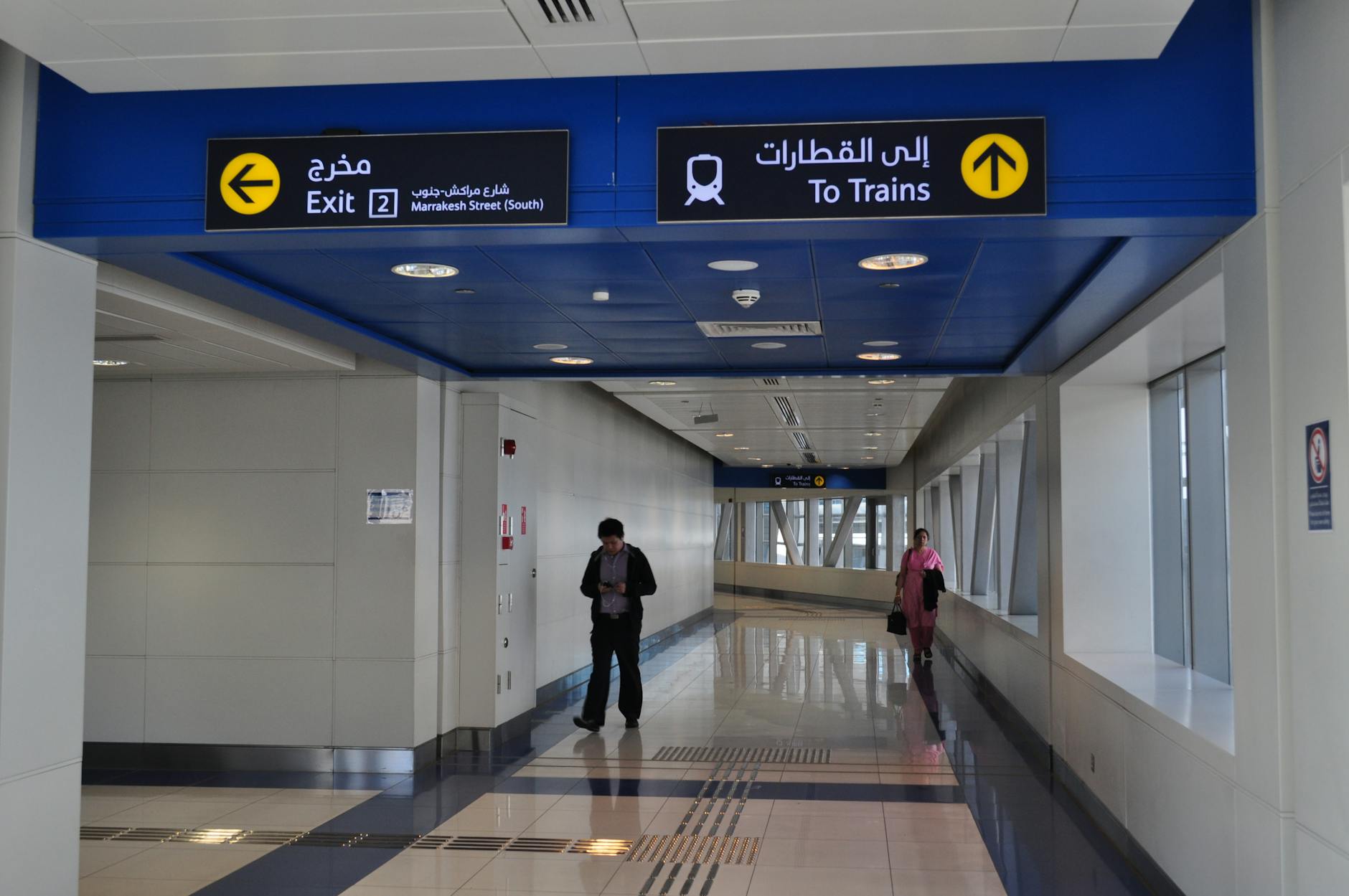
The metro is clean, air-conditioned, reliable, and simple by global standards. The Red Line is most useful for visitors, connecting airport terminals, Deira, Bur Dubai-adjacent stations, Downtown, Business Bay, Mall of the Emirates, Dubai Marina-area access, and Expo direction. The Green Line is useful for older Dubai.
Good for: Airport to city, Downtown, Mall of the Emirates, Dubai Marina access, Deira/Bur Dubai, budget travel.
Less good for: Beach hotels not near stations, Palm resorts, Jumeirah, many restaurants, late-night returns after service ends.
Know before riding: Women and children-only cabins and Gold Class cabins are clearly marked. Do not sit in the wrong cabin. Eating and drinking are restricted. Use a Nol card or appropriate ticket.
Taxis and Ride-Hailing
Taxis are essential in Dubai. They are generally easy, metered, and useful for short links from metro stations, beach areas, and hotels. Uber, Careem, and Bolt are available, but prices can vary by demand and vehicle type.
The move: Use metro for long straight-line trips and taxis for the last mile.
Walking
Dubai can be pleasant on foot in the right places and hostile on foot in the wrong ones.
Good walking areas: Dubai Marina promenade, JBR, Downtown around the fountain area, Al Fahidi, Al Seef, Deira souks, Kite Beach, some mall-connected districts, Palm resort promenades, DIFC in cooler weather.
Bad walking idea: Crossing huge highway districts, walking long distances in summer, assuming a map distance equals a comfortable pedestrian route.
Driving and Rental Cars
A car can be useful for Abu Dhabi, Hatta, desert-edge areas, or multi-emirate trips. It is not necessary for most first-time Dubai itineraries. Parking, tolls, speed cameras, unfamiliar road patterns, and hotel valet systems add friction.
Rent a car if: You are confident driving, staying somewhere car-oriented, and planning Abu Dhabi/Hatta/RAK.
Do not rent a car if: You are mostly visiting Downtown, Marina, Creek, Jumeirah, and Palm attractions.
Sample Itineraries
One Perfect Day in Dubai
Morning: Start in Al Fahidi. Walk the lanes, visit a small heritage site, and cross the Creek by abra.
Late morning: Explore Spice Souk and Gold Souk in Deira.
Lunch: Eat in Deira, Bur Dubai, or Karama. Choose casual food over a hotel restaurant.
Afternoon: Rest at the hotel or visit Dubai Frame for city orientation.
Late afternoon: Go to Downtown for Burj Khalifa timed entry.
Evening: Watch the fountain area if operating, then dinner at Souk Al Bahar, Downtown, or DIFC.
Why this works: It gives you old Dubai and new Dubai in one day without pretending you can see the whole city.
2 Days in Dubai
Day 1: Creek + Downtown
Morning in Al Fahidi, abra, Deira souks. Lunch in Bur Dubai/Karama. Afternoon Dubai Frame or hotel rest. Evening Burj Khalifa and Downtown.
Day 2: Beach + Jumeirah + Marina
Morning Jumeirah Mosque or Kite Beach. Lunch near the beach. Afternoon Madinat Jumeirah or Palm Jumeirah. Evening Dubai Marina/JBR walk or boat ride.
Optional swap: Replace Marina evening with a desert safari if weather is good and you book a better operator.
3 Days in Dubai
Day 1: Old Dubai and Downtown
Al Fahidi, Creek, souks, Dubai Frame, Burj Khalifa.
Day 2: Jumeirah, Beach, and the Palm
Jumeirah Mosque, Etihad Museum or Kite Beach, Madinat Jumeirah, The View at The Palm or Palm resort dinner.
Day 3: Culture, Food, and Desert
Alserkal Avenue or Museum of the Future in the morning. Casual food in Karama/Satwa. Desert experience or Global Village in the evening.
5 Days in Dubai
Day 1: Arrival and Downtown
Keep it easy. Dubai Mall, fountain area if operating, early dinner, sleep.
Day 2: Old Dubai Deep Dive
Al Fahidi, Al Shindagha Museum, abra, souks, Deira dinner.
Day 3: Jumeirah and Beach
Jumeirah Mosque, Kite Beach, Madinat Jumeirah, Burj Al Arab views, beach dinner.
Day 4: Palm and Marina
The View at The Palm, Aquaventure or beach club, Marina/JBR evening.
Day 5: Desert or Abu Dhabi
Choose based on interests. Desert for landscape and sunset; Abu Dhabi for Sheikh Zayed Grand Mosque, Louvre Abu Dhabi, Qasr Al Watan, and a broader UAE perspective.
One Week in Dubai
Add one slow resort day, one Abu Dhabi day trip, one Alserkal/Design District day, one Hatta or desert overnight, and one shopping/food-focused day. A week lets Dubai breathe. Without slow time, the city can feel like a string of bookings.
Itineraries by Traveler Type
Food Lover
Stay in DIFC, Downtown, Deira, Bur Dubai, or Jumeirah depending on budget. Plan one casual South Asian food crawl, one Emirati meal, one Levantine dinner, one polished DIFC dinner, one beach lunch, and one Friday brunch only if it is genuinely strong.
Do not: Let every meal happen inside your hotel.
Family Trip
Stay in JBR, Palm Jumeirah, Downtown, Jumeirah, or Al Barsha. Build days around one big activity plus pool or rest. Dubai is family-friendly, but the city is overstimulating; children do better with fewer transfers.
Best family anchors: Aquaventure, Dubai Aquarium, beaches, parks, Museum of the Future, Dubai Frame, Global Village, Miracle Garden, Ski Dubai, kid-friendly resorts.
Luxury Trip
Stay on Palm Jumeirah, Jumeirah, Downtown, DIFC, or a top beach resort. Book airport transfer, reserve restaurants, choose a premium desert operator, and build in spa/pool time. Dubai rewards planned luxury.
Worth the splurge: A great hotel, a private desert sunset, a top restaurant with a view that actually has good food, and a beach club day if the weather is right.
Budget Trip
Stay in Deira, Bur Dubai, or Al Barsha near metro. Use metro for long hops, eat in cafeterias and casual restaurants, use abras, prioritize public beaches, and choose one paid viewpoint rather than three.
Best low-cost pleasures: Creek abra, souks, Al Fahidi, public beaches, cheap eats, metro rides, Dubai Fountain if operating, parks, and neighborhood wandering in cooler hours.
Culture-Focused Trip
Start with the Creek, Al Fahidi, Al Shindagha Museum, Jumeirah Mosque, Etihad Museum, Deira, Bur Dubai, Alserkal Avenue, and Sharjah as a day trip. Add Downtown later, not first.
Summer Trip
Stay in a hotel with a good pool and easy indoor access. Plan one outdoor activity early, one indoor anchor, one long rest, and one evening outing per day.
Summer rhythm: Breakfast, pool, indoor museum/mall/spa, nap, evening dinner or attraction. Anything else is vanity.
Budget and Costs
Dubai can be expensive, but it is not uniformly expensive. The city has luxury hotels and AED 10 cafeteria meals, celebrity restaurants and inexpensive thalis, private yachts and one-dirham-style Creek crossings. The budget depends on which Dubai you choose.
Daily Budget Ranges, Excluding Flights
| Style | Approximate daily pattern |
|---|---|
| Shoestring | Budget hotel/hostel, metro, casual meals, free sights, one or two paid attractions |
| Budget-comfort | Simple hotel in Deira/Bur Dubai/Al Barsha, metro plus taxis, casual restaurants, selected paid attractions |
| Mid-range | Good hotel, taxis, one paid attraction per day, mix of casual and nice meals |
| Comfortable | Strong hotel, taxis/ride-hailing, beach clubs or brunch, multiple paid attractions, nicer dinners |
| Luxury | Five-star resort, private transfers, premium restaurants, private tours, spa, beach clubs, exclusive experiences |
Where Dubai Is Good Value
- Casual South Asian, Iranian, Levantine, and cafeteria meals.
- Metro travel compared with taxis.
- Public beaches.
- Creek abras.
- Some older hotels in Deira and Bur Dubai.
- Off-season luxury hotel rates.
- Mall food courts and casual chains when traveling with kids.
Where Dubai Gets Expensive Fast
- Beach clubs.
- Alcohol in licensed venues.
- Taxis across long distances.
- Sunset observation-deck tickets.
- Luxury hotel dining.
- New Year’s Eve.
- Premium desert operators.
- Staying on the Palm while sightseeing across the whole city daily.
The move: Choose one or two big-ticket experiences and make the rest of the day inexpensive. Dubai is better when you mix high and low.
Safety, Local Laws, and Etiquette
Dubai is generally low in street crime compared with many large global cities, and visitors often comment on feeling physically safe. That does not mean it is a rules-light destination. The most serious visitor risks are often legal, behavioral, heat-related, road-related, or connected to regional developments rather than ordinary theft.
Practical Safety
- Use normal big-city caution with valuables in crowds and tourist areas.
- Use official taxis or reputable ride-hailing.
- Avoid isolated beach areas late at night.
- Do not swim when red flags or warnings are posted.
- Hydrate aggressively in heat.
- Use sunscreen even in winter.
- Build extra time for airport departures during peak periods.
Local Laws to Take Seriously
- Drug laws are strict; do not bring controlled substances.
- Some prescription and over-the-counter medications may require approval or documentation.
- Keep medicines in original packaging with prescriptions.
- Public drunkenness can lead to serious trouble.
- Avoid rude gestures, aggressive arguments, swearing, or insults in public and online.
- Do not photograph people without consent.
- Do not photograph military, security, airport, government, or sensitive sites.
- Avoid posting sensitive security, accident, government, or conflict-related content on social media.
- Same-sex relations remain illegal under UAE law; LGBTQ+ travelers should check current advisories and be discreet.
- Drones require proper permission.
First-timer mistake: Assuming Dubai’s luxury hotels and international population mean local laws are identical to Europe, North America, or Australia. They are not.
Dress and Behavior
Dubai is more relaxed than many visitors expect, especially in hotels, pools, beach clubs, and nightlife venues. But modesty still matters in public spaces. In malls, old neighborhoods, mosques, government buildings, and during Ramadan, dress respectfully.
Simple rule: Beachwear belongs at the beach or pool. Cover up when moving through malls, taxis, streets, and cultural sites.
Ramadan Etiquette
During Ramadan, avoid eating, drinking, smoking, or chewing gum publicly on streets during daylight. Be patient with modified hours. Evenings around iftar can be wonderful, but restaurants may book up.
Accessibility
Dubai is one of the more accessible cities in the region in modern districts, but accessibility is uneven. Newer malls, hotels, airports, metro stations, attractions, and promenades are often well equipped. Older souks, crowded streets, abra docks, and heritage areas can be harder.
Best Areas for Easier Access
- Downtown Dubai and Dubai Mall.
- Major five-star hotels.
- Dubai Metro stations with lifts and marked access.
- Dubai Marina promenade in selected sections.
- Palm resorts.
- Major museums and modern attractions.
- DXB airport, which provides dedicated assistance services.
Harder Areas
- Deira and Bur Dubai souks at busy times.
- Old pavements, curb cuts, and crowded crossings.
- Heritage lanes with uneven surfaces.
- Beach access points without dedicated facilities.
- Heat-exposed walks between metro and hotel.
The move: For wheelchair users or travelers with mobility concerns, choose the hotel first, not the neighborhood. Confirm step-free room access, bathroom design, elevator access, pool/beach access, and taxi arrangements directly with the property.
Dubai With Kids
Dubai is one of the easiest major cities in the world for families, partly because it does not pretend children want the same trip adults do. There are waterparks, aquariums, beaches, malls, indoor ski slopes, fountain shows, theme parks, desert camps, family hotel pools, and kid-friendly restaurants everywhere.
Best Family Areas to Stay
- JBR / Dubai Marina: Beach plus restaurants and walking.
- Palm Jumeirah: Resort pools and family facilities.
- Downtown: Dubai Mall, aquarium, Burj Khalifa, and easy taxis.
- Al Barsha: Mall of the Emirates and better hotel value.
- Jumeirah: Beach, quieter feel, family-friendly cafés.
Best Family Activities
- Aquaventure World.
- Dubai Aquarium.
- Dubai Frame.
- Museum of the Future.
- Public beaches.
- Global Village in season.
- Miracle Garden in season.
- Ski Dubai.
- Desert experience with a family-friendly operator.
- Dubai Parks and Resorts if you want a full theme-park day.
Family Planning Rules
- Do one major activity per day.
- Use taxis more than you think you “should.”
- Carry water constantly.
- Avoid outdoor midday plans in warm months.
- Book hotels with pools.
- Check child age/height restrictions before waterparks or adventure activities.
- Do not underestimate traffic with tired children.
The move: In Dubai, malls are legitimate family infrastructure. Use them without guilt.
Shopping and Souvenirs
Dubai is famous for shopping, but the best shopping depends on whether you want malls, gold, perfume, textiles, spices, design, or food gifts.
Best Shopping Categories
- Luxury brands: Dubai Mall, Mall of the Emirates, DIFC-area boutiques.
- Gold: Deira Gold Souk.
- Spices: Deira Spice Souk, though quality and pricing vary; compare before buying.
- Textiles: Bur Dubai Textile Souk and Meena Bazaar.
- Perfume and oud: Deira, malls, and specialist shops.
- Dates and sweets: Supermarkets, specialty stores, and heritage shops.
- Design and art: Alserkal Avenue, d3, boutique stores.
- Family shopping: Mall of the Emirates, Dubai Mall, Ibn Battuta Mall.
What to Buy
- Dates.
- Arabic coffee pots or cups, if well made.
- Oud or perfume oils from reputable sellers.
- Spices in modest quantities.
- Textiles or tailored clothing.
- Local design objects.
- Sweets such as baklava, halwa, or chocolate dates.
What to Avoid
- Aggressively sold tourist trinkets.
- Fake designer goods.
- Unclear gold pricing without understanding weight and making charges.
- Spices you will not use.
- Anything restricted by your home country’s customs rules.
Shopping move: For gold, research the daily gold price and understand making charges before bargaining. For spices and perfume, start by buying small.
Culture and History in Brief
Dubai’s modern skyline is recent, but the city’s role as a trading settlement is older. The Creek mattered because it connected maritime trade, fishing, pearl diving, and regional commerce. Dubai grew through merchants, port activity, openness to trade, and later aviation, tourism, finance, real estate, logistics, and global services.
The city’s population is deeply international. Emiratis are a minority in the city’s demographic reality; expatriate workers and professionals from South Asia, the Arab world, Africa, Europe, East Asia, and elsewhere shape daily life. This is why Dubai’s food, languages, religious landscape, and neighborhood textures vary so much.
The modern city also raises uncomfortable but important questions: labor rights, heat exposure for workers, rapid development, environmental cost, water and energy use, housing pressure, and the ethics of luxury in a region built by migrant labor. A serious guide should not turn a city into a moral lecture, but it should not pretend these issues are invisible either.
Responsible travel move: Tip fairly, treat service workers with respect, avoid exploitative bargain-hunting, use reputable operators, conserve water, and remember that the city’s comfort is produced by people whose lives visitors rarely see.
Day Trips and Side Trips
Abu Dhabi
Best for: Sheikh Zayed Grand Mosque, Louvre Abu Dhabi, Qasr Al Watan, Yas Island, a broader UAE perspective.
Travel time: Around 90 minutes each way by car, depending on starting point and traffic.
Worth it? Yes, especially if you have 5+ days. Abu Dhabi gives a different register: more governmental, more spacious, and culturally important.
Common mistake: Trying to do Abu Dhabi as a casual half-day from Marina or Palm. It deserves a long day.
Sharjah
Best for: Museums, heritage, Islamic culture, art, more conservative atmosphere, and a different urban feel.
Travel time: Short on a map, unpredictable in traffic.
Worth it? Excellent for culture-focused travelers. Plan around traffic and dress more conservatively.
Hatta
Best for: Mountain scenery, kayaking, outdoor activities, cooler-season nature.
Travel time: Around 90 minutes to 2 hours by car.
Worth it? Yes for repeat visitors or anyone wanting non-skyscraper Dubai.
Desert Conservation / Overnight Desert Stay
Best for: Landscape, quiet, stars, premium experiences.
Worth it? Yes if you choose quality over the cheapest camp.
Ras Al Khaimah and Jebel Jais
Best for: Mountains, adventure, cooler elevation, zipline, road trip.
Better as: Long day or overnight.
Musandam, Oman
Best for: Dramatic fjords, boat trips, mountains, water.
Important: Border, visa, insurance, and passport rules apply. Do not treat it as a casual add-on without checking requirements.
Seasonal Events and When to Plan Around Them
Dubai Shopping Festival
Usually a major winter retail and entertainment period from December into January. Good for shopping, fireworks, promotions, concerts, and crowds. Hotel prices can rise.
Dubai Summer Surprises
A summer retail and entertainment festival designed to make the hot season more attractive with promotions, family activities, mall events, and hotel offers.
Global Village Season
Global Village usually runs during the cooler months. It is evening-focused and seasonal; verify exact dates before sending readers there.
Dubai Miracle Garden
Seasonal and weather-dependent. Best during cooler months. Not worth forcing in hot weather or if floral displays are near seasonal close.
Ramadan and Eid
Ramadan changes daytime rhythm and brings special evening meals. Eid holidays can mean closures, crowding, hotel demand, and family events.
New Year’s Eve
Dubai does New Year’s Eve at maximum scale, especially Downtown and the Burj Khalifa area. Hotels and restaurants become expensive, road closures matter, and access must be planned well in advance.
NYE rule: Do not “wing it” in Downtown on December 31.
What to Skip or Downgrade
Skip Low-Quality Desert Safaris
If the price seems suspiciously low, ask why. You may spend more time in pickup loops, souvenir stops, and crowded camps than in the desert.
Better alternative: Pay more for a smaller group, better timing, conservation focus, private guide, or reputable operator.
Skip Trying to Walk Dubai at City Scale
Walk neighborhoods, not the whole city. The skyline can trick you; distances, heat, roads, and pedestrian gaps are real.
Skip “Seeing the Palm” From Ground Level Without a Plan
The Palm is famous because of its shape, but from the road it often feels like resorts and traffic. Go for The View, a resort, Aquaventure, a restaurant, or a boat perspective.
Skip Eating Only in Hotels
Dubai’s hotel restaurants can be excellent, but a hotel-only food itinerary misses the city’s real diversity.
Skip Three Observation Decks on One Trip
Burj Khalifa, Dubai Frame, and The View at The Palm each offer something different. Choose one or two.
Skip Generic Souvenir Shops in Malls
Go to souks, boutiques, specialty stores, or food shops instead.
Skip Overloading the First Day
After a long-haul flight, Dubai’s air-conditioning, heat, mall scale, and time-zone shift can flatten you. Keep arrival day light.
Common First-Timer Mistakes
- Staying in a hotel based only on price and ignoring location.
- Trying to visit Marina, Downtown, Deira, and Palm in one day.
- Underestimating summer heat.
- Booking the cheapest desert safari.
- Eating only in malls and hotels.
- Forgetting to book Museum of the Future or Burj Khalifa sunset slots.
- Treating Global Village like a daytime attraction.
- Dressing too casually for mosques or old neighborhoods.
- Assuming public drinking or drunken behavior is tolerated.
- Taking photos of people, security sites, or sensitive locations without thinking.
- Forgetting that many restaurants and attractions change hours during Ramadan.
- Renting a car when taxis and metro would be easier.
- Booking Palm Jumeirah and then sightseeing across the whole city every day.
- Visiting souks at the hottest part of the day.
- Not checking live travel advisories close to departure.
Packing for Dubai
Essentials
- Lightweight breathable clothing.
- Modest outfits for mosques, malls, old Dubai, and Ramadan.
- Swimwear for beach/pool only.
- Strong sunscreen.
- Sunglasses and hat.
- Comfortable sandals and walking shoes.
- Light layer for air-conditioned malls, restaurants, cinemas, and taxis.
- Reusable water bottle if you will refill.
- Portable charger.
- Prescription medication in original packaging with documentation.
- Adapter plug.
- Small cash for abras, souks, and tips.
For Winter
- Light jacket or shawl for desert evenings.
- Beachwear plus casual evening clothes.
- Smart-casual outfits for nicer restaurants.
For Summer
- Extra breathable clothing.
- Sweat-resistant sunscreen.
- Electrolytes if you are heat-sensitive.
- A realistic schedule.
What not to pack: Drones, CBD products, controlled medications without proper documentation, revealing clothing for public spaces, or anything that could create customs/legal problems.
FAQ
Is Dubai worth visiting?
Yes, if you want winter sun, hotels, restaurants, beaches, architecture, shopping, family activities, and a city that shows what rapid urban development looks like at full volume. It is less compelling if you want old, walkable, organic street life as the main event.
Is Dubai safe?
Dubai is generally low in street crime, but visitors must take local laws seriously. The most common traveler risks are heat, road safety, legal misunderstandings, alcohol-related behavior, medication rules, and changing regional security advisories.
Do I need a car in Dubai?
Usually not for a first trip. Use metro for major corridors and taxis or ride-hailing for everything else. Rent a car only for regional trips or if your itinerary is car-oriented.
Where should I stay for a first visit?
Downtown for icons and short stays; Marina/JBR for beach and nightlife; Jumeirah or Palm for resort comfort; Deira/Bur Dubai for budget, culture, and food.
How many days are enough?
Three full days is the minimum for a balanced first visit. Four or five days is better. One or two days works for a stopover.
What is the best free thing to do?
Cross Dubai Creek by abra and wander the souks and Al Fahidi area. The cost is tiny, and the sense of place is huge.
Is Dubai good with kids?
Very. It is one of the easiest global cities for family travel, especially if you choose the right hotel and do not overload the schedule.
Is Dubai expensive?
It can be, but it is not only expensive. Luxury experiences cost a lot, but public beaches, metro rides, casual food, Creek crossings, and old-city wandering can keep a trip balanced.
Can unmarried couples share hotel rooms?
Hotel practice has become more relaxed, but laws and norms can still differ from travelers’ home countries. Check current official advice and behave discreetly in public.
Can LGBTQ+ travelers visit Dubai?
Many LGBTQ+ travelers do visit, but same-sex relations remain illegal under UAE law. Travelers should check current government advice, be discreet, and make personal risk decisions carefully.
Can I drink alcohol?
Alcohol is served in licensed venues such as many hotels, restaurants, bars, and clubs. Public intoxication and disorderly behavior can create serious legal issues.
What should I wear?
Resort wear is fine at beaches and pools. In malls, souks, mosques, government buildings, and older neighborhoods, dress more modestly. Bring at least one outfit that covers shoulders and knees.
Final Planning Shortcuts
Best First-Timer Plan
Stay Downtown or Marina. Spend one day Old Dubai + Burj Khalifa, one day Jumeirah + beach, one day Palm/Marina, and one evening in the desert or Global Village.
Best Food Plan
Stay near DIFC, Downtown, or Old Dubai. Eat Emirati once, South Asian twice, Levantine once, casual cafeteria once, and one polished DIFC or beachfront dinner.
Best Family Plan
Stay JBR, Palm, Downtown, or Al Barsha. Alternate big attractions with pool/beach time. Use taxis. Keep evenings simple.
Best Luxury Plan
Stay Palm, Jumeirah, Downtown, or DIFC. Book airport transfer, top restaurants, a premium desert experience, spa time, and a private boat or sunset viewpoint.
Best Budget Plan
Stay Deira, Bur Dubai, or Al Barsha near metro. Use abras, metro, public beaches, casual food, Al Fahidi, souks, and one paid skyline attraction.
The World-Class Difference
A thin Dubai guide says: “Visit Burj Khalifa, Dubai Mall, Palm Jumeirah, and the desert.”
A serious Dubai guide says: “Dubai is a city of zones, timing, climate, money, migration, trade, hospitality, spectacle, and rules. Build your trip around contrast: Creek and tower, beach and desert, cafeteria and fine dining, mosque and mall, old trade and future theater. Do that, and the city becomes more than its skyline.”
Dubai is not subtle. That is not a flaw. It is a city that announces itself in height, heat, light, glass, service, and ambition. The rewarding trip is the one that looks past the billboard version without pretending the billboard version is irrelevant. See the icons. Then cross the Creek, drink karak, talk to a shopkeeper, eat in Karama, sit by the beach at sunset, and remember that the real city is not hidden. It is just spread out.
Sources Checked for Live Logistics and Fact Updates
For a publishable guide, these should be rechecked before every update cycle:
- Visit Dubai official tourism portal: https://www.visitdubai.com/en/
- Visit Dubai visa guide: https://www.visitdubai.com/en/plan-your-trip/visa-information
- UAE Government tourist visa information: https://u.ae/en/information-and-services/visa-and-emirates-id/tourist-visa
- UAE Government emergency help for tourists: https://u.ae/en/information-and-services/visiting-and-exploring-the-uae/emergency-help-for-tourists-in-the-uae
- Dubai Airports DXB metro information: https://dubaiairports.ae/transport/metro
- Dubai Airports DXB taxi information: https://dubaiairports.ae/transport/taxi
- Dubai Airports transfer information: https://dubaiairports.ae/information/transfers
- Burj Khalifa / At the Top tickets: https://ticket.atthetop.ae/experiences/at-the-top-burj-khalifa/
- Burj Khalifa official site: https://www.burjkhalifa.ae/
- Museum of the Future tickets and visit information: https://museumofthefuture.ae/en/
- Dubai Frame official visitor information: https://www.dubaiframe.ae/en/plan-your-visit
- Global Village official visitor information: https://www.globalvillage.ae/en/plan-your-visit
- Jumeirah Mosque public visit information: https://www.jumeirahmosque.ae/
- Etihad Museum visitor information: https://etihadmuseum.dubaiculture.gov.ae/
- Al Shindagha Museum ticketing: https://museumtickets.dubaiculture.gov.ae/shindagha/gridSale/tickets
- Alserkal Avenue events: https://alserkal.online/events/
- U.S. State Department UAE travel information: https://travel.state.gov/content/travel/en/international-travel/International-Travel-Country-Information-Pages/UnitedArabEmirates.html
- Britannica overview of Dubai history, geography, and climate: https://www.britannica.com/place/Dubai-United-Arab-Emirates