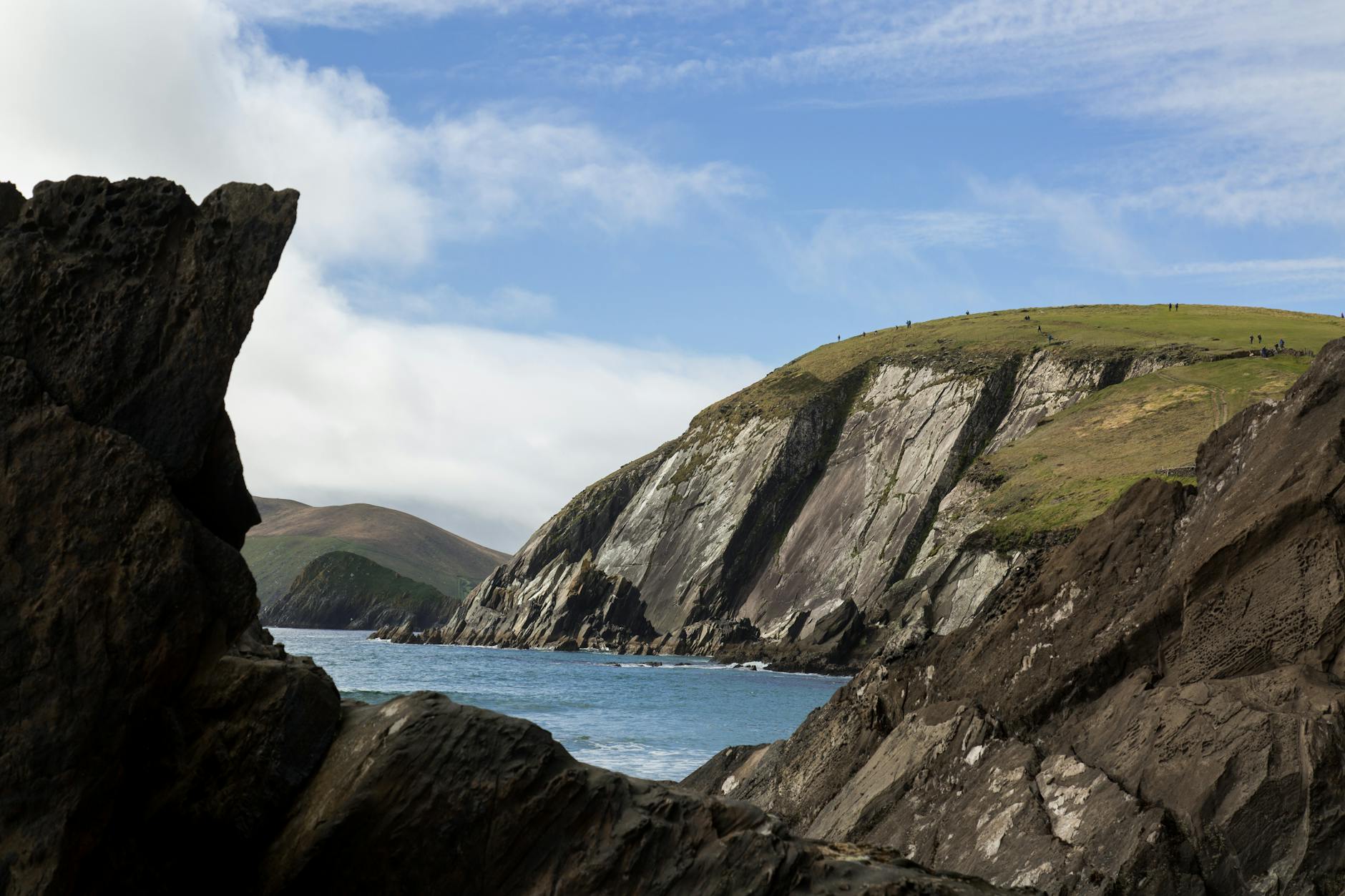
Dingle is one of those places people are already nostalgic for before they even arrive.
Start Here
They have a picture in their head: bright shopfronts, Atlantic weather, seafood, a harbor, music drifting out of a pub door, one famous coastal drive, and the reassuring sense that they have reached the far west of Ireland properly. That image is not wrong. It is just incomplete. The town and peninsula are good enough that they survive romanticization, but not without cost. Travelers still flatten the place all the time by treating it as a scenic proof-point on an overstuffed route, or by rushing the drive, grabbing one meal, and leaving before the town has time to become itself.
Dingle is better when it is allowed to be weather, rhythm, and return. The harbor matters. The evening matters. The town matters after the day visitors thin. The peninsula matters most when approached as one coherent outing rather than a panicked string of stops. And because the roads are smaller, slower, and more conditional than many first-timers expect, restraint pays unusually well here.
The best Dingle stay is therefore not simply “see the west coast.” It is a compact coastal stay where the town and the surrounding landscape reinforce one another. One good drive, one proper evening, one strong walk, one strong meal, and one second look at the harbor will usually do more than an extra fifty kilometers of scenic ambition.
Dingle in one sentence: it is one of Ireland’s most atmospheric small-town coastal stays, but only when you let the town, the weather, and the peninsula settle into the same mood.
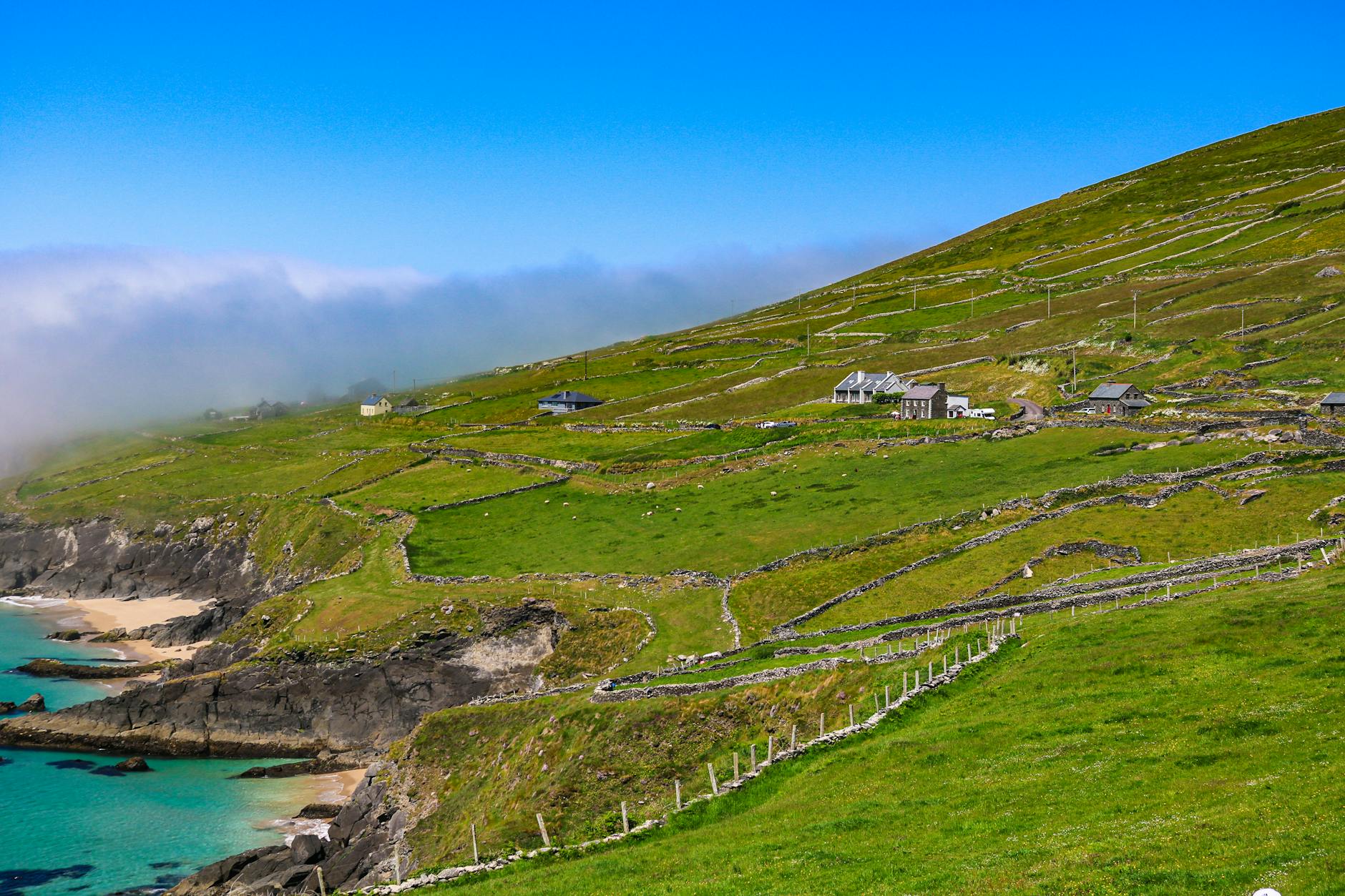
Basic data
| Population | About 2,000 |
|---|---|
| Area | Small coastal town on the Dingle Peninsula |
| Major religions | Christian heritage with a broadly secular modern visitor culture |
| Political system | Town within county local government inside a parliamentary republic |
| Economic system | Tourism-led local economy supported by hospitality, fisheries, and services |
Quick Verdict
Best for: first-time west-of-Ireland travelers, couples, food-and-pub travelers, photographers, and anyone who values atmosphere as much as scenery.
Less ideal for: travelers who dislike small roads, people who hate variable weather, or anyone trying to “cover Kerry” too aggressively.
Ideal first stay: 2 nights.
Still worthwhile: 1 night.
Can justify more: yes, especially if walking, music, or the broader peninsula matter.
Biggest planning mistake: turning Dingle into a quick scenic detour.
One thing to prioritize: one real evening in town.
One thing to keep disciplined: the driving plan.
The blunt version: Dingle gets worse when the day outside town is bigger than the night back in town.
Who Will Love Dingle?
Dingle works for travelers who like places where mood is part of the infrastructure. If you want a town where weather is not a problem to be solved but part of the experience, where a harbor walk and a pub session matter as much as a viewpoint, Dingle is strong.
It is especially good for people who understand that a destination can be small and still deserve time.
Dingle at a Glance
| Question | Practical Answer |
|---|---|
| Main appeal | Harbor town plus peninsula scenery |
| Best-known road outing | Slea Head loop |
| Main approach from inland Kerry | Via Tralee / overland peninsula routes |
| Rail access? | Nearest rail hub is Tralee |
| Why stay here? | Atmosphere, food, music, and coastal access |
| Car required? | Often useful, but not for every minute |
| Best first stay length | 2 nights |
2026 Visitor Notes
Dingle Still Needs to Be Reached Through Tralee in Public-Transport Terms
The official Dingle Peninsula Tourism rail-and-bus page continues to make the point clearly: public-transport access to the peninsula runs through Tralee, with rail services terminating there and local bus services continuing onward to Dingle.[2]
Peninsula Driving Still Requires More Respect Than the Map Suggests
Dingle Peninsula Tourism’s current driving guidance explicitly warns that roads are narrow, winding, and slower than many visitors expect, and it notes that Slea Head remains a two-way road while the Conor Pass has real width and weight restrictions.[3][4]
The Peninsula Still Rewards Longer Stays Rather Than Glances
The official tourism site continues to state the underlying truth directly: the Dingle Peninsula is much more than a day visit and offers enough villages, walks, coast, and local experiences to justify a real stay.[1]
Oceanworld Still Gives the Town a Useful Rainy-Day Counterweight
Dingle Oceanworld’s current official site continues to present it as Ireland’s largest aquarium, open daily with regular opening hours, making it one of the few obvious weather-proof options in town beyond food and pubs.[6][7]
How to Understand Dingle
Dingle works through four forces.
The first is town-harbor intimacy. The center is compact enough that repetition improves it.
The second is peninsula scale. The scenery is large, but the roads and pacing are not.
The third is weather acceptance. Dingle often becomes richer when the traveler stops resisting the climate.
The fourth is evening significance. The town must carry the memory of the day.
The Main Mental Shift
Do not ask, “How fast can I do Dingle?” Ask, “How do I let town and coast belong to the same stay?” That is the real design problem here.
What Makes Dingle Distinct
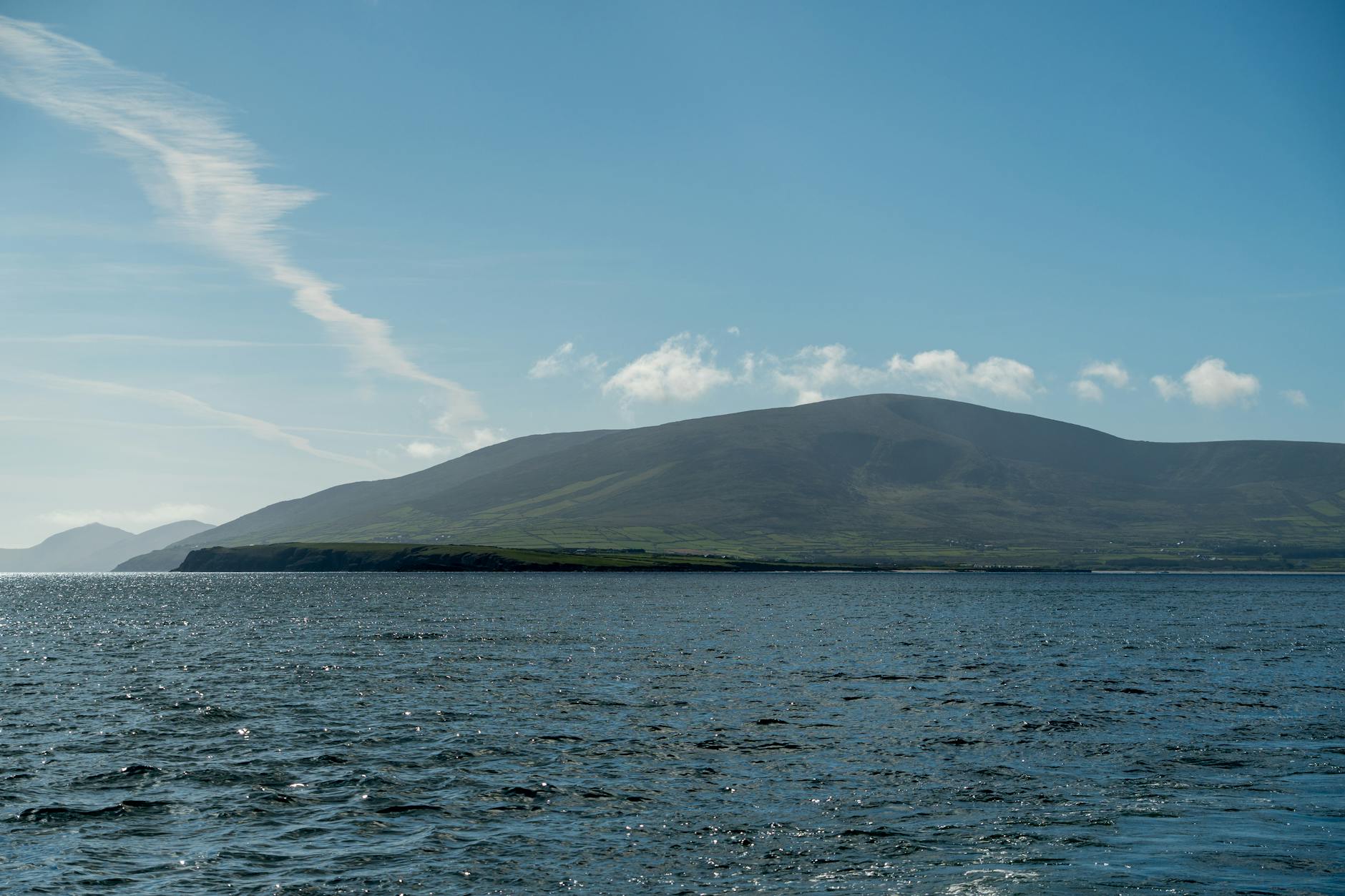
Dingle’s distinction is that it manages to be both a destination and a mood.
Many coastal towns are either charming but shallow or scenic but functionally thin. Dingle has enough town life, enough food, enough harbor texture, and enough surrounding landscape pressure to feel complete. The place’s strength is not one single view. It is the way music, weather, seafood, roads, harbor light, and Irish-speaking cultural depth all push in the same direction.
Best Time to Visit
Dingle is not a destination for people who require certainty.
Brighter months make the peninsula easier, longer, and more legible. But cooler, grayer, windier days can still suit the place because Dingle’s value is not only in postcard brightness. The town can handle rain better than many purely scenic stops, and the coast often looks more itself under mixed light than under permanent perfection.
The main point is simple: here, weather is atmosphere.
How Many Days You Need
One Night
Enough to get the outline and one proper evening.
Two Nights
The strongest first answer. One day can belong to the peninsula and one to town, harbor, and a lighter coastal rhythm.
Three Nights or More
Very reasonable if you want walking, music, or a more relaxed Kerry route.
Arrival Strategy
Dingle improves if the arrival is not overloaded.
Because access by public transport usually routes through Tralee and because peninsula driving is slower than outsiders often expect, the smartest first move is to arrive, settle, and keep the opening hours local.[2][3] Let the town introduce the region before the region swallows the town.
Where to Stay
For most first-time visitors, staying close to the center is the right answer.
Central Dingle Stay
Best for: walkability, harbor access, dinner and music, and travelers who want the town to remain part of the trip after the day’s driving or walking ends. Tradeoff: more activity and less seclusion.
Slightly Outer or View-Forward Stay
Best for: travelers prioritizing a quieter or more panoramic setting. Tradeoff: weaker spontaneity in the evening and a slightly thinner town relationship.
The Main Rule
Dingle is strongest when you can walk back out after dinner.
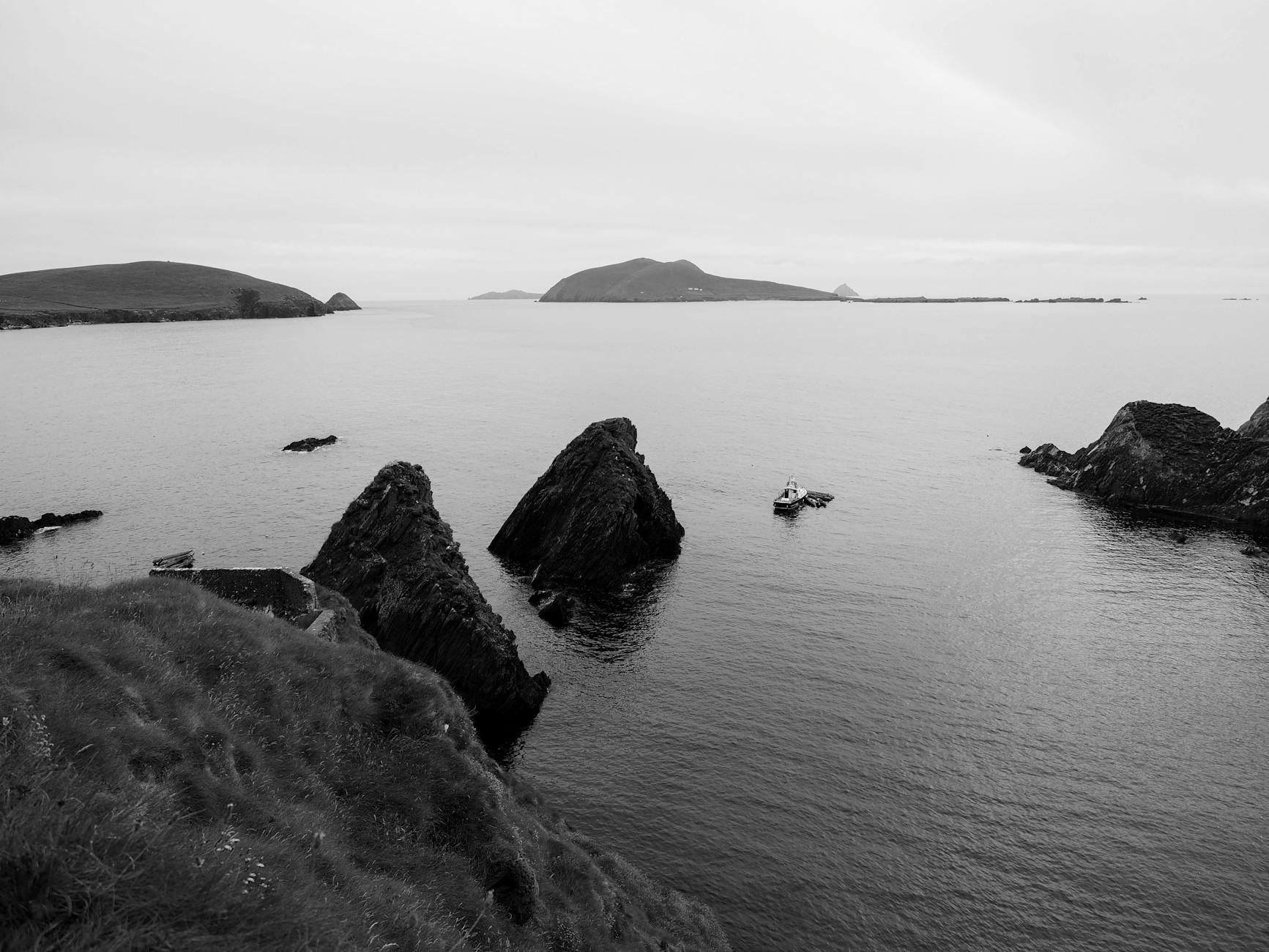
The Dingles That Matter Most
Town Dingle: harbor, pubs, seafood, and the social core.
Road Dingle: Slea Head, Conor Pass, and the part of the stay that most needs editing.[3][4]
Weather Dingle: the shifting Atlantic conditions that make the place feel less staged and more alive.
Evening Dingle: the reason the town deserves more than a passing visit.
Harbor Dingle and the Need to Repeat Yourself
Dingle is one of those places where repetition improves the trip.
A first harbor walk gives you orientation. A second, later one gives you atmosphere. That is how the town works. Boats, gulls, wet light, people moving between pubs and restaurants, and the town’s slightly rougher edges all need time. If you only pass once, you see the front. If you return, you start to feel the place.
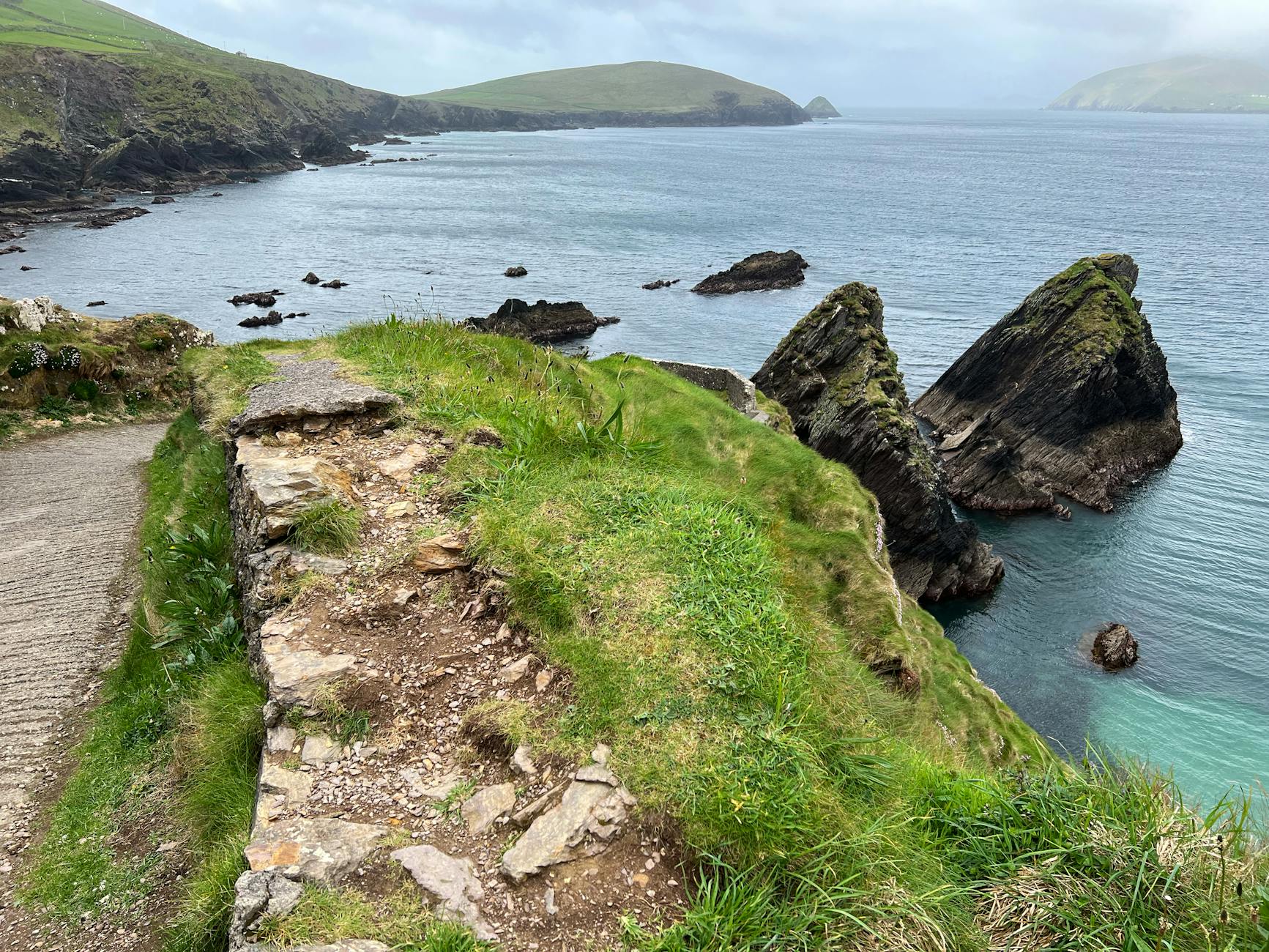
Slea Head, Coastal Roads, and Why the Drive Needs Restraint
The peninsula’s most famous road logic is real, but so is the risk of doing it badly.
Dingle Peninsula Tourism’s driving guidance emphasizes patience, local traffic, narrow roads, and the need not to treat these routes casually.[3] Their coastline material also points out that the route is best approached with time and that clockwise travel can help avoid some of the bus pressure.[5]
This should be read as permission to do less, not more. One shaped drive is enough.
Conor Pass and the Difference Between Drama and Good Judgment
The Conor Pass is one of the great scenic approaches in Ireland and one of the easiest to romanticize irresponsibly.
The official tourism material describes it as one of the highest mountain passes in Ireland and is explicit about narrow sections, passing difficulty, and weight restrictions.[4] That makes it worth doing with attention, not just excitement.
If visibility is good and nerves are steady, it can be a superb part of a Dingle route. If conditions are poor or the driver is already tired, restraint is the better souvenir.
Rainy Hours, Aquarium Logic, and the Town’s Backup Strength
One reason Dingle works better than some coastally famous places is that it does not collapse when the weather shifts.
Oceanworld’s continued daily operation and central town location make it one of the few obvious indoor counterweights that actually fits the place.[6][7] More broadly, Dingle’s food, shops, and pub culture give a wet afternoon somewhere to go. That matters. A town that can handle weather deserves more credit than one that only shines in sunlight.
Food, Music, and the Importance of the Evening Stay
Dingle earns its keep after dark.
This is when the town stops being scenic evidence and becomes a stay. A good seafood dinner, a pub with music, a last walk through the center, and the sense that the Atlantic is still just beyond the buildings: this is where Dingle becomes memorable. If you leave before that, you have probably only seen the argument, not the result.
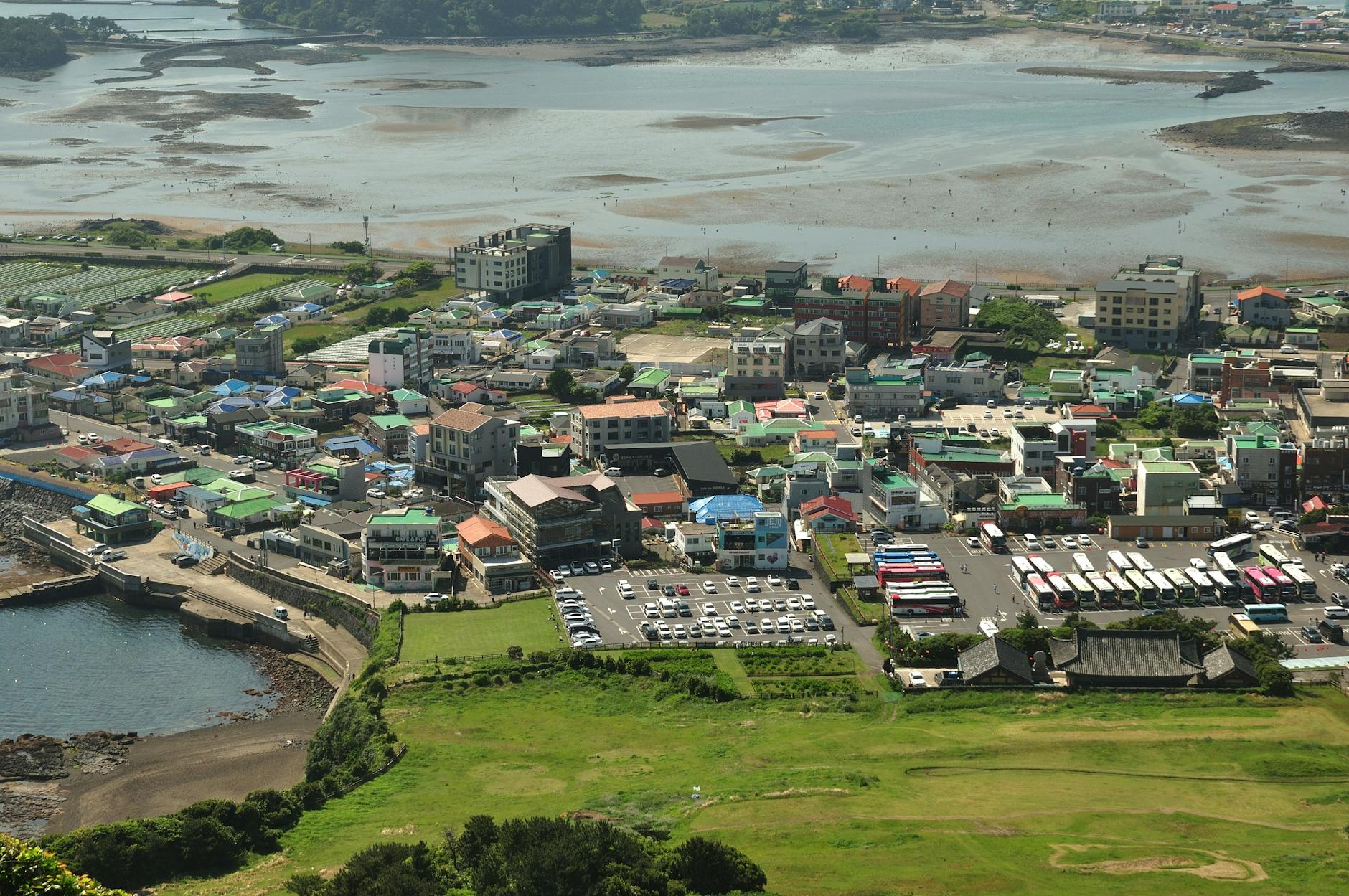
Where Dingle Fits in an Ireland Trip
Dingle is rarely the most famous place on a first west-of-Ireland itinerary, but it is often one of the most durable.
That matters because many travelers build Irish routes around headline names and then start squeezing everything else into the gaps. Dingle is one of the clearest examples of why that instinct can fail. If you force it into a route as only a scenic stop, the peninsula becomes a beautiful obligation and the town becomes a background prop. If you let it become an actual stay, it can rebalance an entire Ireland trip.
This is especially true in itineraries that also include major scenic loops, big-ticket heritage stops, or a lot of driving days. Dingle can function as the place where the trip stops proving itself and starts settling into atmosphere. That is a valuable job. Not every destination needs to dominate a route. Some destinations improve the route by softening it.
For that reason, Dingle usually belongs after at least one heavier movement day rather than before one. If you arrive after a long transfer, and then leave first thing the next morning, you will almost certainly underuse the place. If you arrive with enough remaining energy to walk, eat, and listen rather than simply collapse, you give the town a chance to do its work.
Dingle as a Base Versus Dingle as a Stop
The question is not whether Dingle is worth seeing. It is whether you want to use it as a destination or as evidence that you passed through western Kerry.
Used as a stop, Dingle produces the usual compressed travel behavior: arrive, photograph the harbor, drive Slea Head, eat something quickly, and head onward feeling vaguely that the town deserved more. Used as a base, the whole peninsula makes more sense. You can do one coastal outing without also needing the town to prove itself in the same compressed frame. You can let dinner matter. You can let weather alter the order. You can decide that the harbor, the music, and the mood are not secondary to the views but part of the views’ meaning.
This base logic is particularly important because the roads around Dingle naturally slow the day. Once you accept that slowdown instead of resenting it, the peninsula becomes much easier to enjoy. The town is then no longer a delay between scenic moments. It becomes the place that makes the scenic moments livable.
First-Time Visitors Versus Repeat Visitors
First-time visitors usually need structure. Repeat visitors need permission.
On a first visit, it helps to think of Dingle as a place with four parts: arrival town, one major driving or walking outing, one real evening, and one quieter return moment. Those four parts produce a coherent first stay. You see the place, the coast, and the atmosphere without asking too much from the roads or yourself.
Repeat visitors often enjoy Dingle even more because they stop demanding so much from it. They may skip the full scenic loop and just spend more time in town. They may walk the harbor repeatedly, choose one shorter outing, or let the entire stay revolve around weather and meals rather than around scenic completeness. Dingle is unusually good at rewarding that relaxed second-visit behavior.
This is one reason the town inspires loyalty. It is attractive at first sight, but it deepens through familiarity.
The Right Stay Length
If you only remember one planning instruction, let it be this: Dingle is far better at two nights than one.
One night can work if the larger route is rigid. You can arrive, settle, have a proper evening, sleep, and use the next day for the peninsula. That is a legitimate minimum. But it still leaves little room for weather changes, late arrival, fatigue, or the simple fact that the town becomes better once you have seen it twice.
Two nights is where the place begins to make sense on its own terms. It allows one full day for the peninsula or a major outing and gives the town an independent evening identity. It also gives you enough flexibility to divide energy properly: scenic ambition in one block, social or atmospheric time in another.
Three nights or more are easy to justify if you want walks, time on the broader peninsula, or a looser west-Kerry rhythm. The key point is that Dingle does not require a long stay to be worthwhile, but it does require enough time to repeat itself.
Dingle and the Weather Contract
Dingle is not a destination that promises control. It promises character.
This distinction is central. Atlantic weather does not simply sit over the town like a nuisance. It changes color, sound, appetite, route choice, and even the emotional tone of the harbor. A bright, stable day makes the peninsula legible at distance and makes the town feel cheerful and visibly holiday-minded. A gray, wet, windy day compresses the experience inward and makes pubs, seafood, and the shelter of the streets matter more.
Travelers who demand one perfect scenic script can therefore end up frustrated. Travelers who understand that weather is one of the active ingredients often leave more satisfied. The point of Dingle is not to beat the weather. It is to allow weather to help define the place.
This is also why the town is so important. In pure driving or lookout destinations, poor conditions can hollow out the day. Dingle still has enough life, food, compactness, and evening culture to remain worthwhile under weaker skies.
Morning Dingle Versus Evening Dingle
The town does not read the same way all day, and that is one of its strengths.
Morning Dingle feels practical. Deliveries happen. The harbor has a different light. The town is less performative and more itself. This can be the best time for a harbor walk because you see how the place functions before visitors fully animate it.
Afternoon Dingle is usually the most publicly enjoyable version. The center is active, meals become part of the day’s architecture, and the town is easy to like immediately. This is the least mysterious version of Dingle, but also the one most people actually plan for.
Evening Dingle is what justifies the overnight stay. Once the day has thinned, the town’s best qualities start to combine: food, music, the Atlantic just outside the streets, and the feeling that the town is no longer presenting itself but inhabiting itself. Travelers who only see Dingle at lunch or in passing miss the version most likely to stay with them.
Why the Harbor Matters More Than It Seems
Many first-time visitors look at Dingle Harbor as a pleasant backdrop and move on too quickly. That is understandable, but it misses something important.
The harbor is not just scenery. It is the town’s emotional organizing line. It explains the light, the movement, the marine smell, the taste for seafood, the outward orientation, and the way the town feels simultaneously sheltered and exposed. When you walk the harbor more than once, it starts to bind the stay together. It becomes the place where arrival, return, and evening all make sense.
This is why a second harbor walk matters so much. The first walk is observational. The second walk is interpretive. You understand the town better after the roads, the weather, and the meal have happened.
The Slea Head Question
Many visitors arrive thinking Dingle more or less equals the Slea Head drive. That is too simple.
Slea Head is absolutely part of the peninsula’s pull, and the official local guidance is right to emphasize slower driving, realistic conditions, and patience.[3][5] But Slea Head is not a standalone justification for Dingle in the way tourists sometimes imagine. What gives the route its full value is returning from it to the town that anchors it.
If you drive the loop too quickly, it becomes a harvesting exercise: lookout, photo, drive, stop, photo, drive. If you drive it well, it becomes a shaped outward arc from a real base. The difference is not primarily the scenery. The scenery is already there. The difference is whether the day has enough room to breathe.
This is also one reason a little under-scheduling helps. A traveler who assumes every marked point must be “done” can turn one of Ireland’s most atmospheric coastal drives into a low-grade admin project.
Conor Pass as Threshold, Not Trophy
Conor Pass is best understood as a threshold rather than as a trophy.
Yes, it is dramatic. Yes, it is one of the scenic approach points people talk about most. Yes, the official information is correct to stress narrowness and caution.[4] But part of the pass’s real power lies in what it does to your sense of arrival. It tells you, physically, that Dingle is set apart.
That is useful because it shifts the traveler’s posture. You are no longer in generic Irish driving country. You are entering a place whose roads shape the terms of the visit. If you accept those terms, the pass can feel thrilling in exactly the right way. If you treat it as a box to tick regardless of conditions or confidence, it quickly stops being worth it.
This is one of those moments where prudence does not cheapen the experience. Prudence is part of the experience.
Driving, Parking, and Energy Management
Dingle rewards travelers who think about energy, not just distance.
Roads that look short on the map can still take concentration. Scenic driving can be mentally tiring even when the mileage is modest. Parking decisions can influence whether the evening feels spontaneous or annoying. None of this is dramatic, but all of it shapes whether Dingle feels restorative or effortful.
The best approach is to break the illusion that one day of scenic driving is “easy” simply because the destination is small. Build margin. Eat before you are exhausted rather than after. Do not schedule the whole day as though you will remain equally fresh from first viewpoint to last pub.
This sounds obvious, but many Dingle disappointments are just badly managed energy wearing a scenic disguise.
Public Transport and Car-Light Dingle
Dingle is often imagined as a car-only destination. That is overstated.
It is true that the official transport logic still runs through Tralee, with onward bus access rather than direct rail into town.[2] It is also true that having a car creates more freedom for peninsula movements. But those facts do not mean every traveler must drive every hour they are there.
A car-light stay can work well if the goal is Dingle Town plus a carefully chosen outward move. In some cases, the best use of a car is not constant motion but selective deployment. Keep the town walkable. Keep one day for the scenic road. Let the rest of the stay remain compact and social.
This is another example of Dingle improving when you stop trying to maximize all possible movement.
Food Strategy: More Than Seafood
Seafood matters in Dingle because the harbor matters, but the town is not only about fish on a plate.
The food strategy that works best is one that respects the day’s weather and your own energy. After a longer drive, a restorative dinner in town can matter more than an overly ambitious lunch stop on the road. After a gray, wet afternoon, sitting down somewhere warm can become the entire emotional center of the day. In brighter conditions, lighter meals can help preserve the energy to keep walking or listening or simply staying out longer.
What matters most is that food in Dingle reinforces the stay rather than interrupting it. A rushed meal taken because the itinerary demands fuel is not the same as a meal that helps the town become more itself. This is another place where the evening stay pays off. Dinner should not feel like the administrative end of the day. It should feel like one of the day’s rewards.
Music and the Social Use of the Town
It is easy to write “there is music in the pubs” and leave it at that. That misses the point.
Music in Dingle matters because it changes how the town is used. The evening is not only for eating and sleeping after the scenic part is over. It is for re-entering the town with a different tempo. Movement slows, conversation gathers, and the streets become connective tissue between places rather than a stage set to be photographed once.
You do not need to build the entire trip around pub culture for this to matter. Even a modest evening out helps. The key is to allow the town some unproductive time. Dingle becomes memorable not because every minute is filled, but because the unfilled parts still feel inhabited.
Dingle With Family, Older Travelers, or Mixed Energy Levels
Dingle can work extremely well for mixed groups precisely because its pleasures are layered rather than singular.
Families may value the compact town, the harbor walk, and the availability of a rainy-day fallback like Oceanworld.[6][7] Older travelers may appreciate that the town’s rewards are not dependent on strenuous walking. Mixed-energy groups often benefit from the fact that some people can prioritize the drive or a coastal outing while others still get a meaningful town day.
The main caution is that the roads and weather can still make a supposedly easy outing tiring. The solution is not to avoid Dingle. The solution is to edit expectations more aggressively. One strong scenic circuit, one good dinner, and one settled evening will usually outperform a schedule that keeps everyone in motion too long.
Rainy-Day Dingle Is Still Dingle
This deserves its own section because so many travelers assume weather ruins the destination.
It does not. It changes the weighting.
On a wet day, Dingle should tilt toward town. The harbor may become something to watch rather than traverse repeatedly. The aquarium may become more useful. Shops, cafés, and pubs become part of the structure rather than filler. The day’s success may lie in comfort, rhythm, and mood rather than in covering distance.
This is not second-best Dingle. It is simply one of Dingle’s actual forms. In some ways it is even more revealing, because it shows whether the town has enough depth to carry itself without scenic perfection. Dingle usually does.
Why Some People Leave Underwhelmed
When travelers say Dingle was charming but somehow less affecting than expected, the cause is usually one of three things.
First, they stayed too briefly. Second, they made the scenic route too dominant and the town too secondary. Third, they arrived with a fully prewritten emotional script and then resented the destination for not performing it on cue.
Dingle is not a failure if it does not feel cinematic every minute. It is a coastal town in active relationship with weather, roads, visitors, and the Atlantic edge. Some hours will be bright and legible. Others will be gray and inward. Its quality comes from coherence, not perfection.
Travelers who accept that generally leave more satisfied.
Why Dingle Often Improves on a Second Stay
Like many small but atmosphere-heavy destinations, Dingle often gets better once you stop trying to solve it.
On the second stay, you already know that the harbor is worth repeating, that the scenic roads should not be rushed, that a meal can legitimately anchor the day, and that weather is not an insult. That knowledge removes a surprising amount of pressure. You stop worrying about whether you are “doing Dingle right” and start letting the town’s smaller pleasures accumulate.
This is often when people fall hardest for it. The first stay gives you the outline. The second stay gives you ownership of the pace.
The Best Memory to Aim For
If you plan Dingle well, the memory you keep is not usually one singular viewpoint.
It is more likely to be a sequence: the road widening into coast, the harbor at a different hour than before, the meal after weather, the music after the drive, the sense that the Atlantic remained present even when you were indoors, and the feeling that a small town contained a full stay.
That is what distinguishes Dingle from destinations that are only picturesque. Pictorial places can be consumed. Dingle is better when inhabited.
A Good Dingle Day Versus a Bad Dingle Day
A good Dingle day usually has a clear center of gravity.
You wake up knowing whether the day belongs mostly to town or mostly to the peninsula. You leave enough margin for the roads to be slow. You do not confuse every signposted scenic possibility with a moral requirement. You eat before irritation becomes exhaustion. You return to town while you still have enough energy to enjoy being back there. The evening then feels earned rather than merely available.
A bad Dingle day has the opposite pattern. It starts with too much confidence, grows more fragmented with every stop, treats driving time as neutral rather than tiring, and ends with the town reduced to little more than somewhere to park, eat, and sleep. That kind of day still produces photos, but it usually does not produce attachment.
This contrast is useful because it shows that Dingle is not hard in the usual sense. It is hard only for travelers who refuse to choose a scale. Once the day has a center, the destination becomes much easier to enjoy.
Common Mistakes
Treating Dingle as a Quick Stop on a Bigger Kerry Sprint
This is the main failure.
Overloading the Peninsula Drive
Too many stops flatten the route.
Underestimating the Roads
The scenery is not the only reality out there.
Resenting the Weather
Weather is part of the destination’s mood.
Leaving Before Evening
The town’s second half matters.
My Blunt Advice
Stay long enough to hear the town at night.
Do one good drive, not three partial ones.
Use the harbor more than once.
Treat the weather as texture, not sabotage.
And stop asking Dingle to prove itself in a single hour. It is one of the best small-town stays in Ireland precisely because it unfolds, rather than performs all at once.
Source Notes
- 1. Dingle Peninsula Tourism official site. Used for current destination framing, plan-your-visit structure, and the site’s emphasis that the peninsula is much more than a day visit. https://dingle-peninsula.ie/
- 2. Dingle Peninsula Tourism, “Rail and Bus Services to the Dingle Peninsula.” Used for current public-transport access logic via Tralee and for the relationship between rail and local-bus arrival. https://www.dingle-peninsula.ie/plan-your-stay-dingle-peninsula-south-west-ireland/accessible-tourism-on-the-dingle-peninsula.html?catid=15&id=30&view=article
- 3. Dingle Peninsula Tourism, “Driving on the Dingle Peninsula.” Used for current official guidance on narrow roads, convoy avoidance, local traffic, and realistic driving expectations. https://www.dingle-peninsula.ie/explore/arts-culture-heritage-dingle-peninsula.html?catid=15&id=20&view=article
- 4. Dingle Peninsula Tourism, “The Conor Pass – An Conair.” Used for current official description of the pass, narrow sections, and vehicle limits. https://dingle-peninsula.ie/explore/conor-pass.html
- 5. Dingle Peninsula Tourism, coastline overview. Used for current official guidance that the route is best approached with time and that clockwise travel can help with bus pressure. https://www.dingle-peninsula.ie/explore/geography-of-the-dingle-peninsula.html?catid=35&id=154&view=article
- 6. Dingle Oceanworld Aquarium official home page. Used for current opening-hours and destination context. https://dingle-oceanworld.ie/
- 7. Dingle Oceanworld Aquarium, “Plan Your Visit.” Used for present admission and opening-hours framing as a rainy-day or family counterweight in town. https://dingle-oceanworld.ie/plan-your-visit/