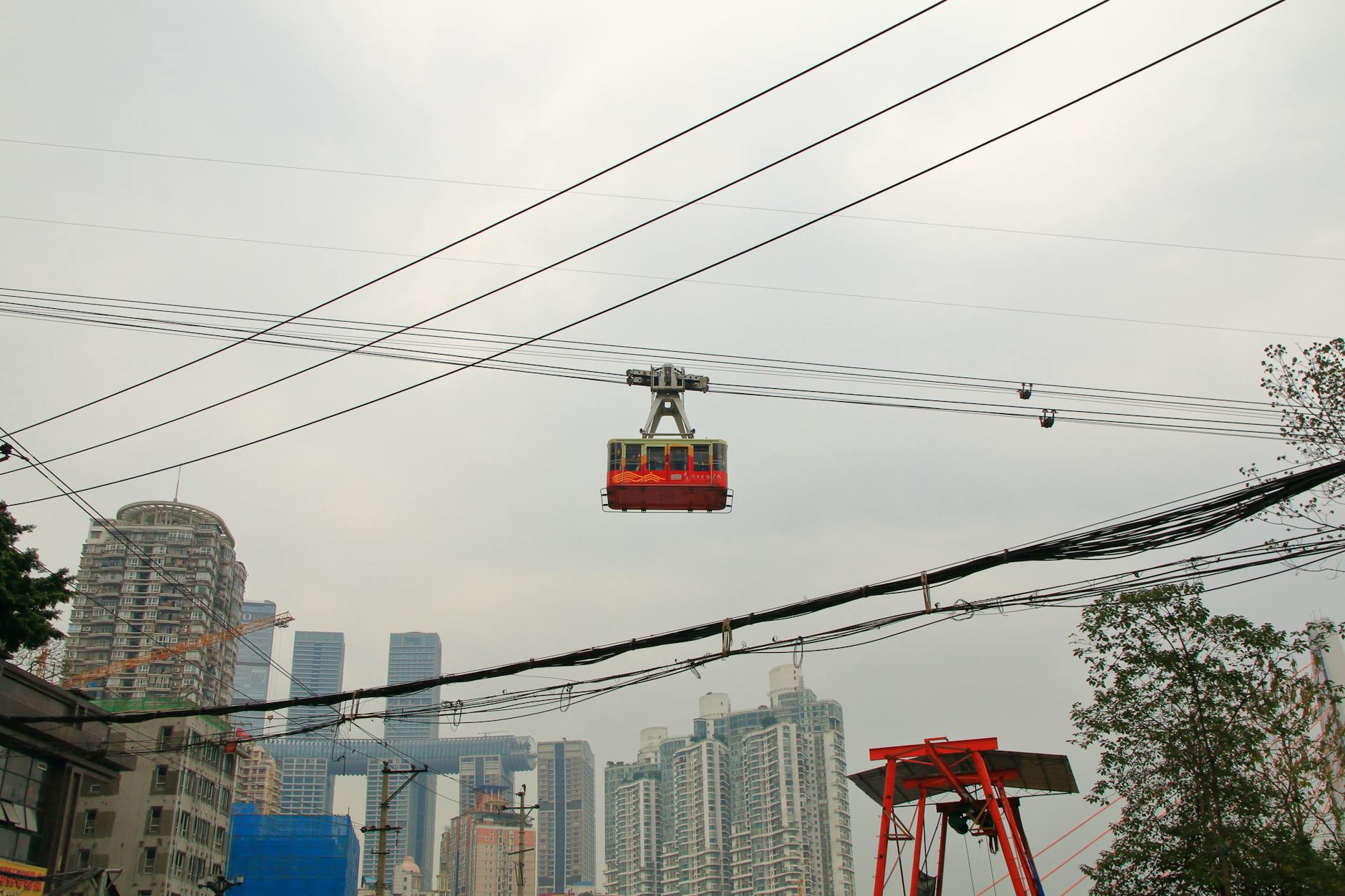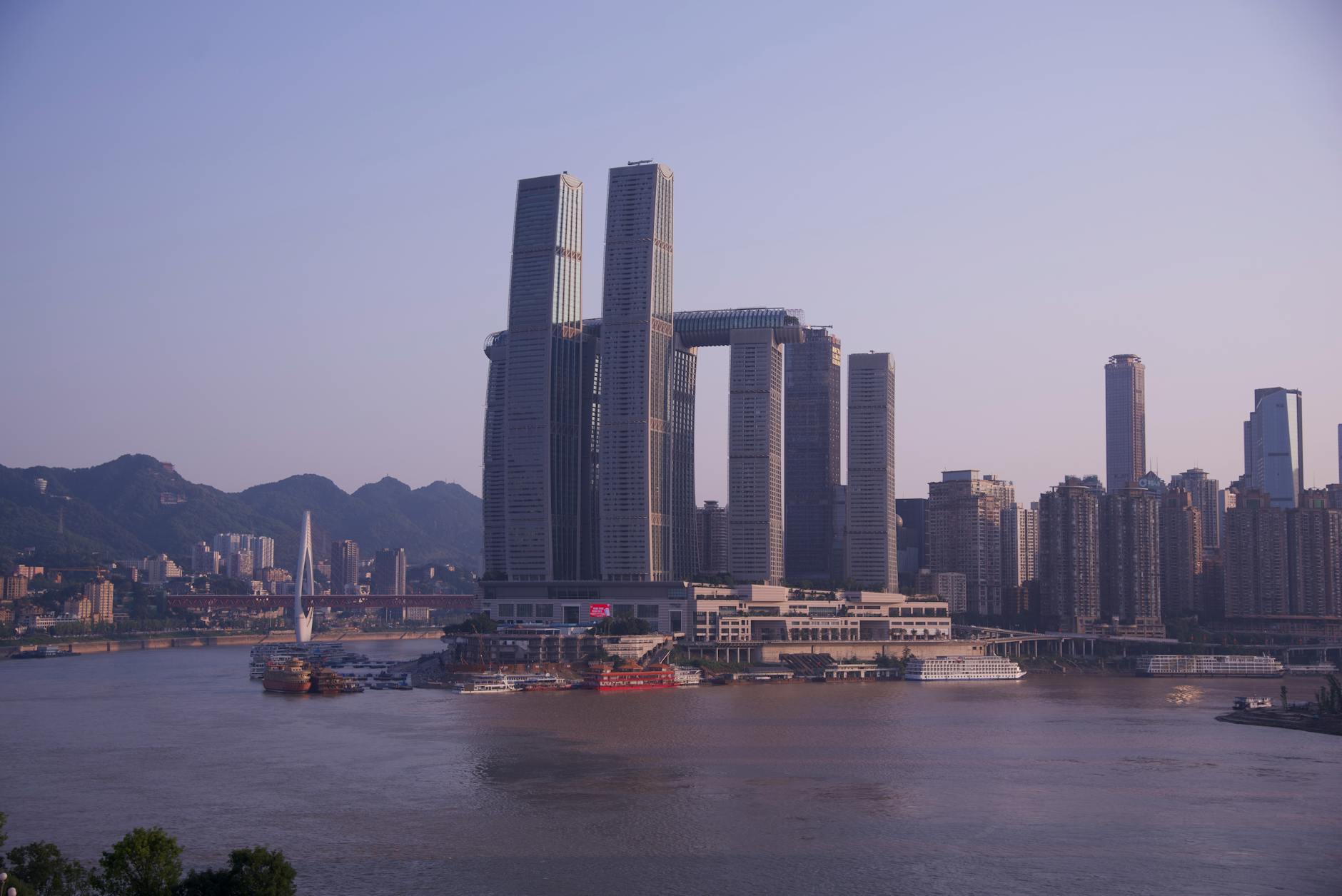
Chongqing has become one of the most internationally talked-about cities in China because it looks like urban science fiction built on a mountain. Rail through buildings, stacked roads, rivers, towers, stairs, fog, heat, and a whole social-media grammar of verticality have turned the city into an object of fascination. The fascination is deserved. The mistake is assuming that because Chongqing photographs like a dream, it must therefore travel easily. It does not. It is a huge, topographical city that can overwhelm weak planning very quickly. The best Chongqing trip understands that the city's visual intensity needs a controlled route. A great viewpoint, a real river moment, one or two strong neighborhoods, and serious respect for weather and fatigue can make the city feel extraordinary. A sloppy attempt to devour the whole spectacle usually ends in exhaustion.
How Chongqing works
Chongqing works through topography and river logic. The city is not only large. It is vertically large, which changes everything. Distances that look trivial on a map can feel demanding on the ground. Some neighborhoods are about viewpoints and drama. Others are about food and evening life. Others still make more sense as practical hotel or movement bases. The city is best understood as an urban landscape first and a sightseeing list second.
- Topography is one of the main facts of travel here.
- A map alone will not tell you how the day will feel.
- Chongqing rewards strong clustering of activities.
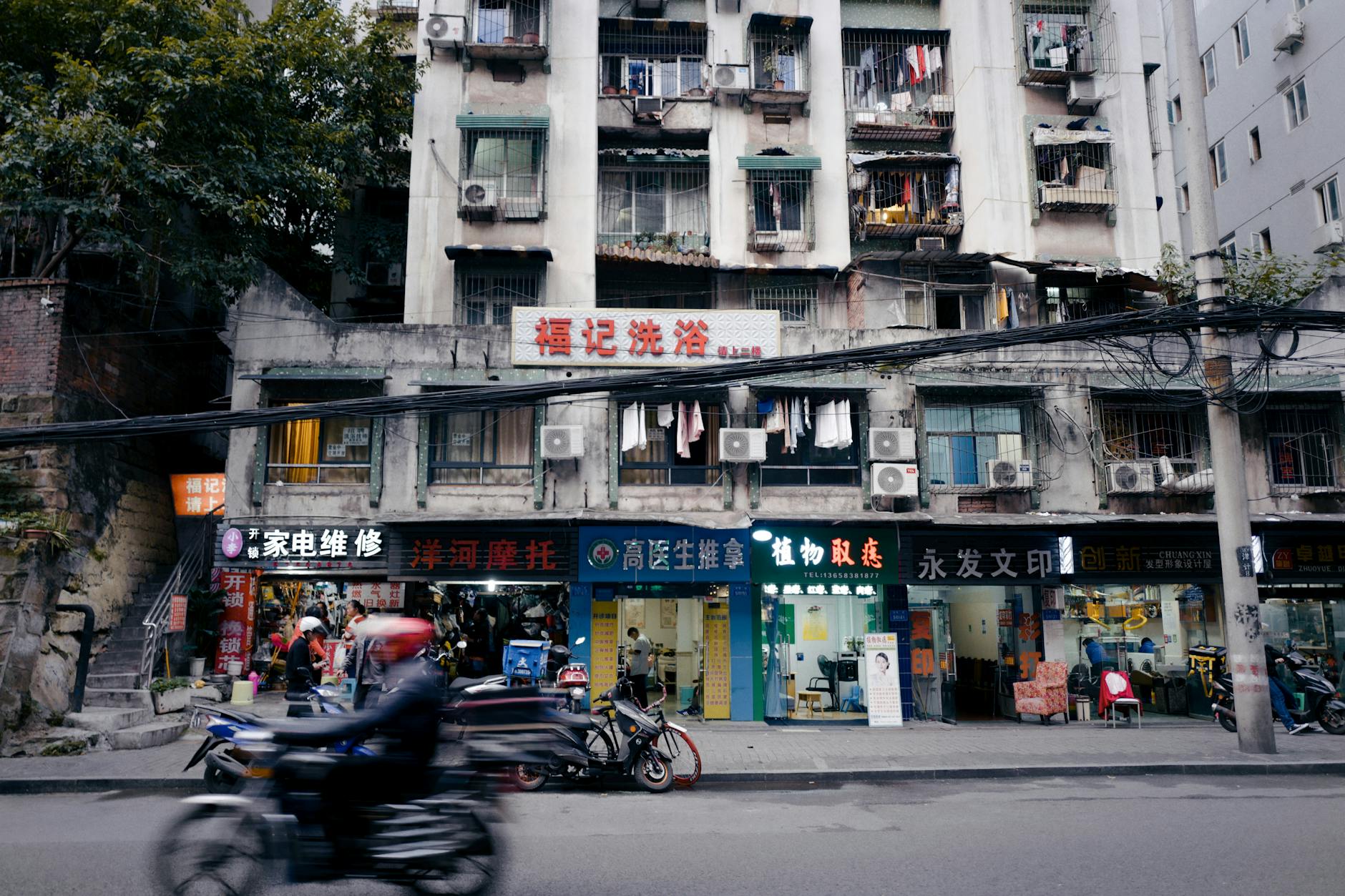
Basic data
| Population | Municipality about 32 million; the urban core is far smaller |
|---|---|
| Area | 82,400 km2 |
| Major religions | Largely secular public life with Buddhist, Christian, Muslim, and Daoist communities |
| Political system | Direct-administered municipality inside a socialist one-party state |
| Economic system | Upper-middle-income mixed economy led by manufacturing, logistics, automotive, services, and trade |
Best time to visit
Autumn and spring are often the easiest Chongqing seasons because they let the city's outdoor drama, river edges, and viewpoint culture work without the full burden of summer heat. Summer can be spectacular in mood and image but can also be punishingly heavy, especially for travelers who overestimate how much uphill and stair-heavy movement they can happily absorb. Winter can be atmospheric and even cinematic, though it changes the brightness and legibility of the city. Chongqing is visually strong in many moods, but not equally easy in all of them.
- Autumn is often the cleanest high-quality Chongqing season.
- Summer can be rewarding, but only for travelers who respect the physical burden of the city.
- Weather changes not just comfort, but the whole use of Chongqing.
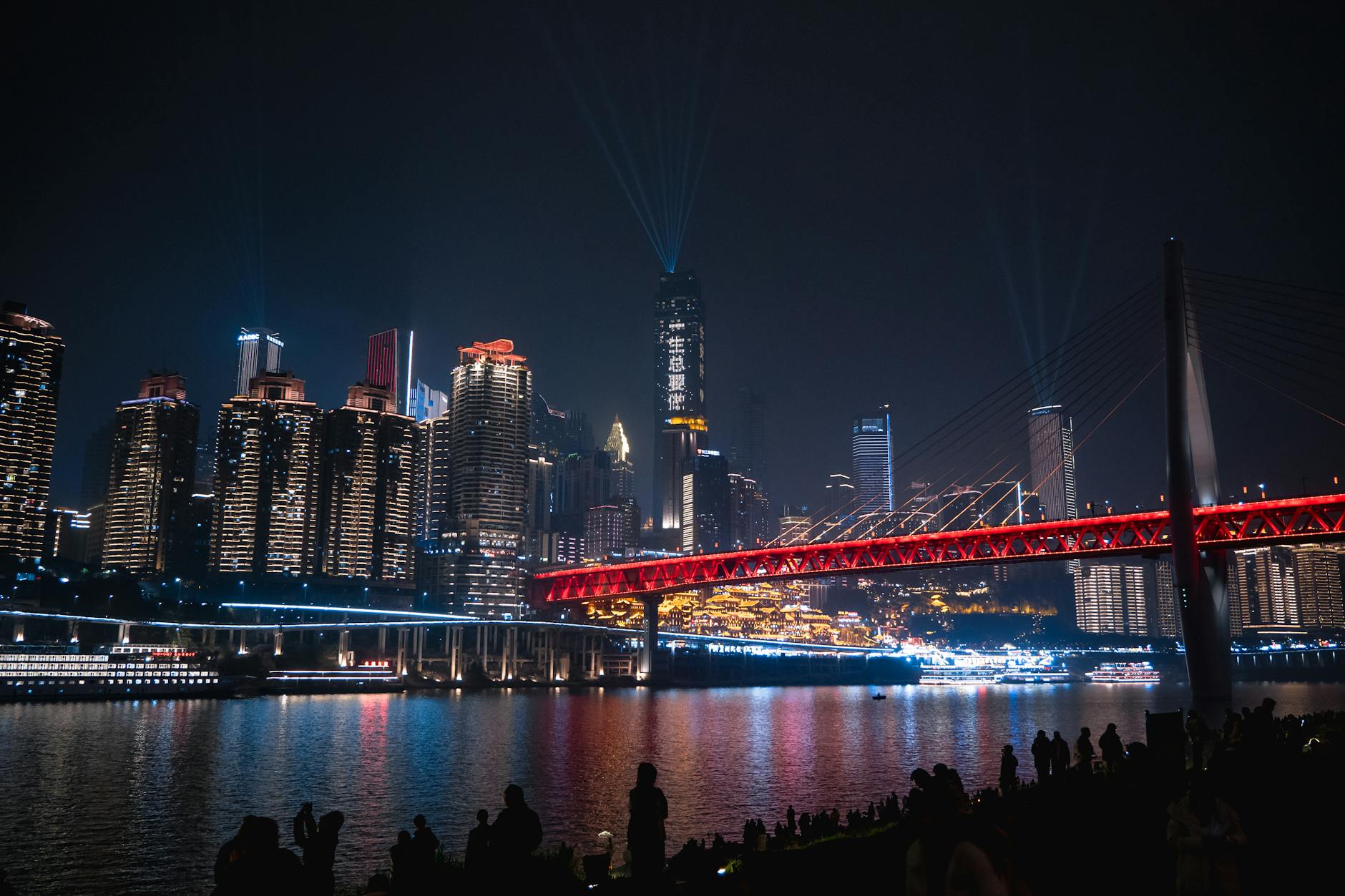
Arriving and getting around
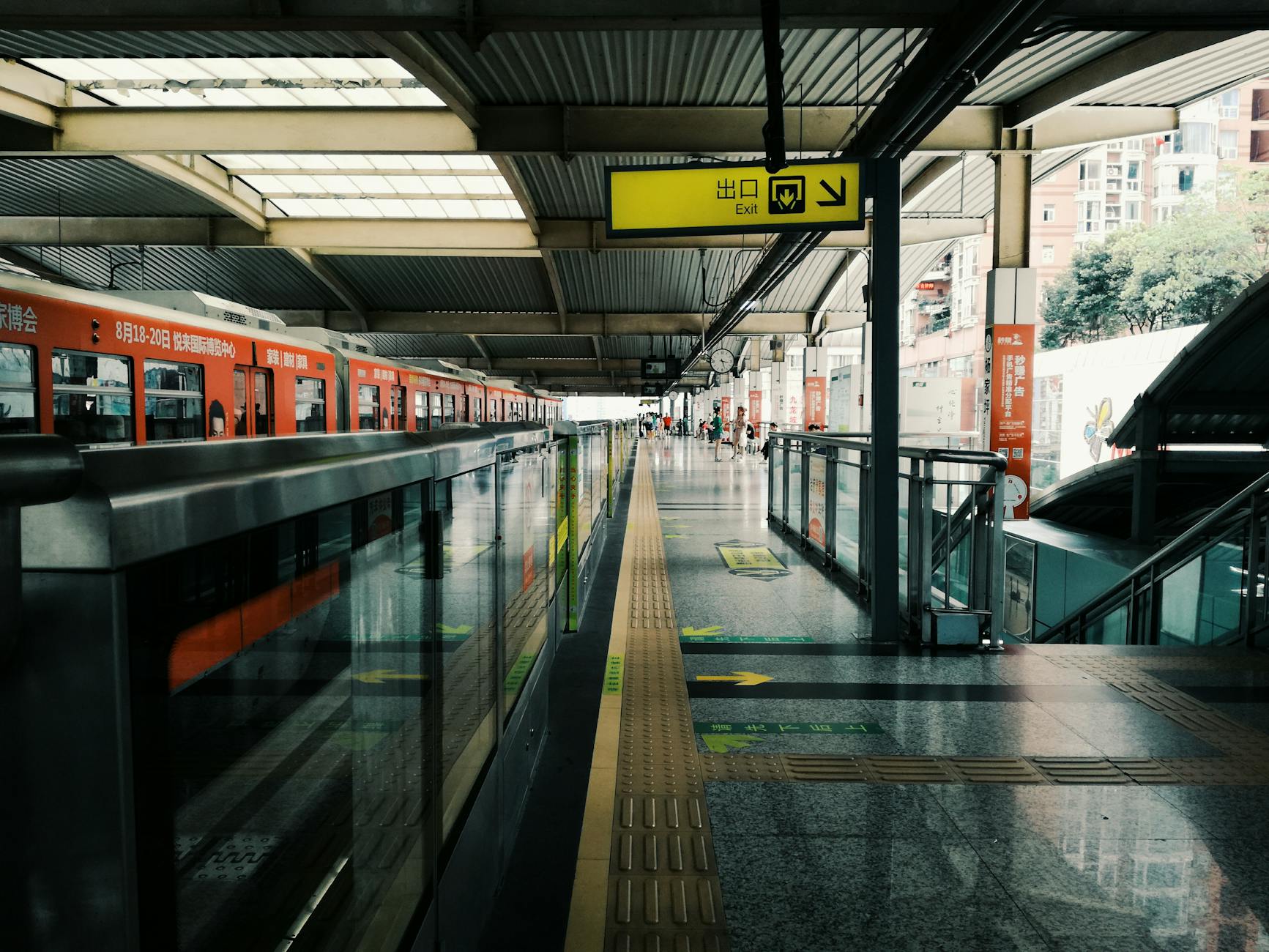
Arrival matters in Chongqing because the first transfer can either make the city feel exhilarating or immediately exhausting. Local transport is useful, but the route should always account for verticality, stairs, and the fact that the city can require more effort than more planar destinations. The smartest move is to build days around a single area or river side rather than trying to solve every famous vantage point in one giant loop.
- The first transfer should be handled with more seriousness than usual.
- Verticality changes how much the day costs.
- One strong cluster usually beats a broader, weaker city day.
Where to stay
Hotel choice in Chongqing should be about relief as much as location. A stronger hotel can matter more here than in many cities because the physical burden of the urban environment makes recovery valuable. River views can be wonderful, but only if the district also supports sensible evening movement and not just image value. Chongqing is one of those cities where a wrong base can turn excitement into drag very quickly.
- Choose the hotel for recovery and route logic, not only for spectacle.
- A stronger property often pays off more in Chongqing than first instinct suggests.
- Do not buy only the view if the daily movement becomes worse.
The viral city versus the physical city
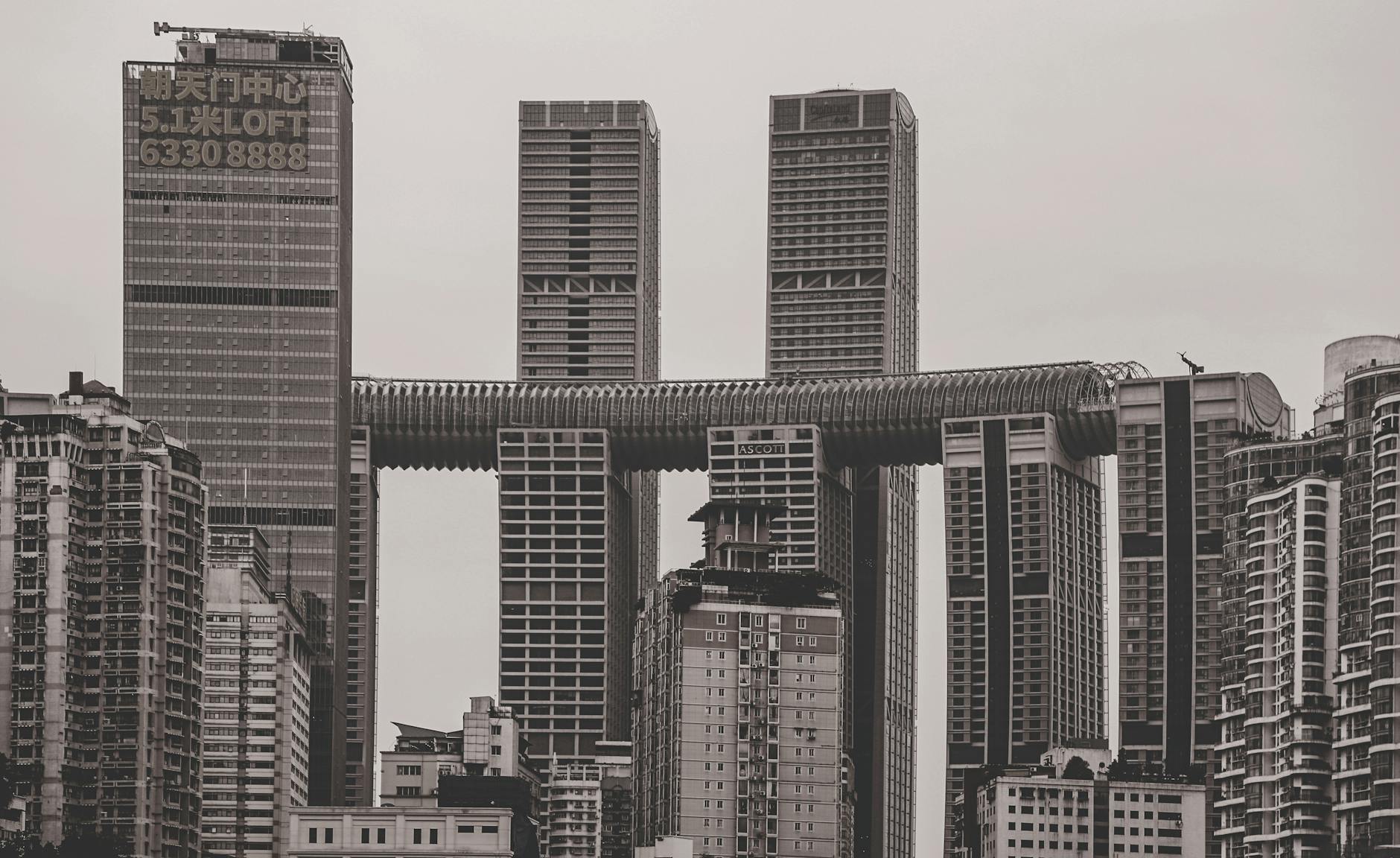
Chongqing's recent global fame has made it easy to approach as a collection of internet-certified visual stunts: train through building, impossible highways, neon river views, and the whole dramaturgy of vertical density. The problem is that the body has to travel the city the camera only samples. What looks thrilling in clips can be draining across a full day of stairs, humidity, traffic, viewpoint hopping, and long returns. A stronger Chongqing accepts the gap between the photogenic city and the physically demanding one and plans accordingly.
- The image of Chongqing is real, but it hides the bodily cost of the city.
- The city needs to be traveled as terrain, not just consumed as spectacle.
- An edited route is what makes the visual reward sustainable.
What Chongqing does better than almost any city
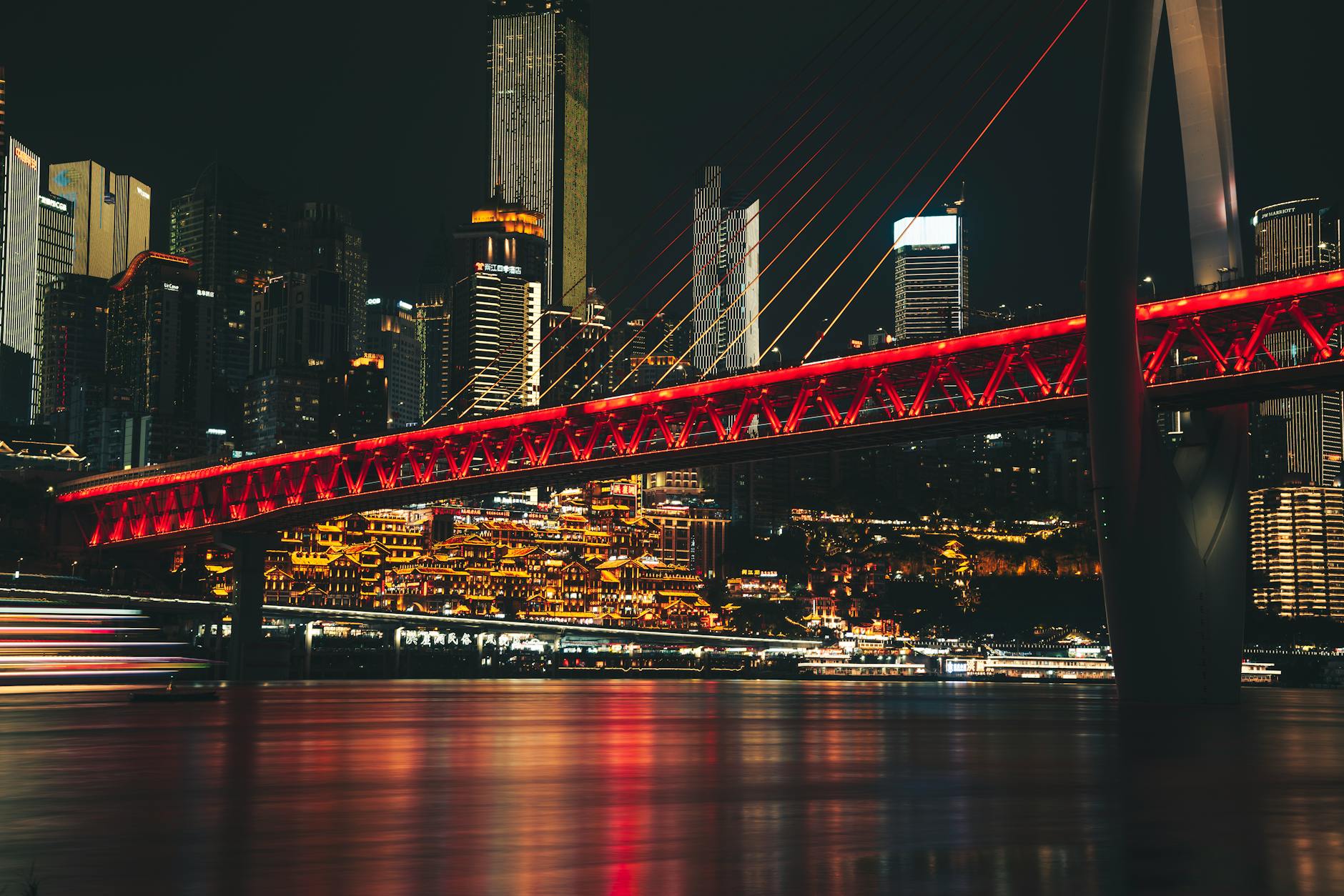
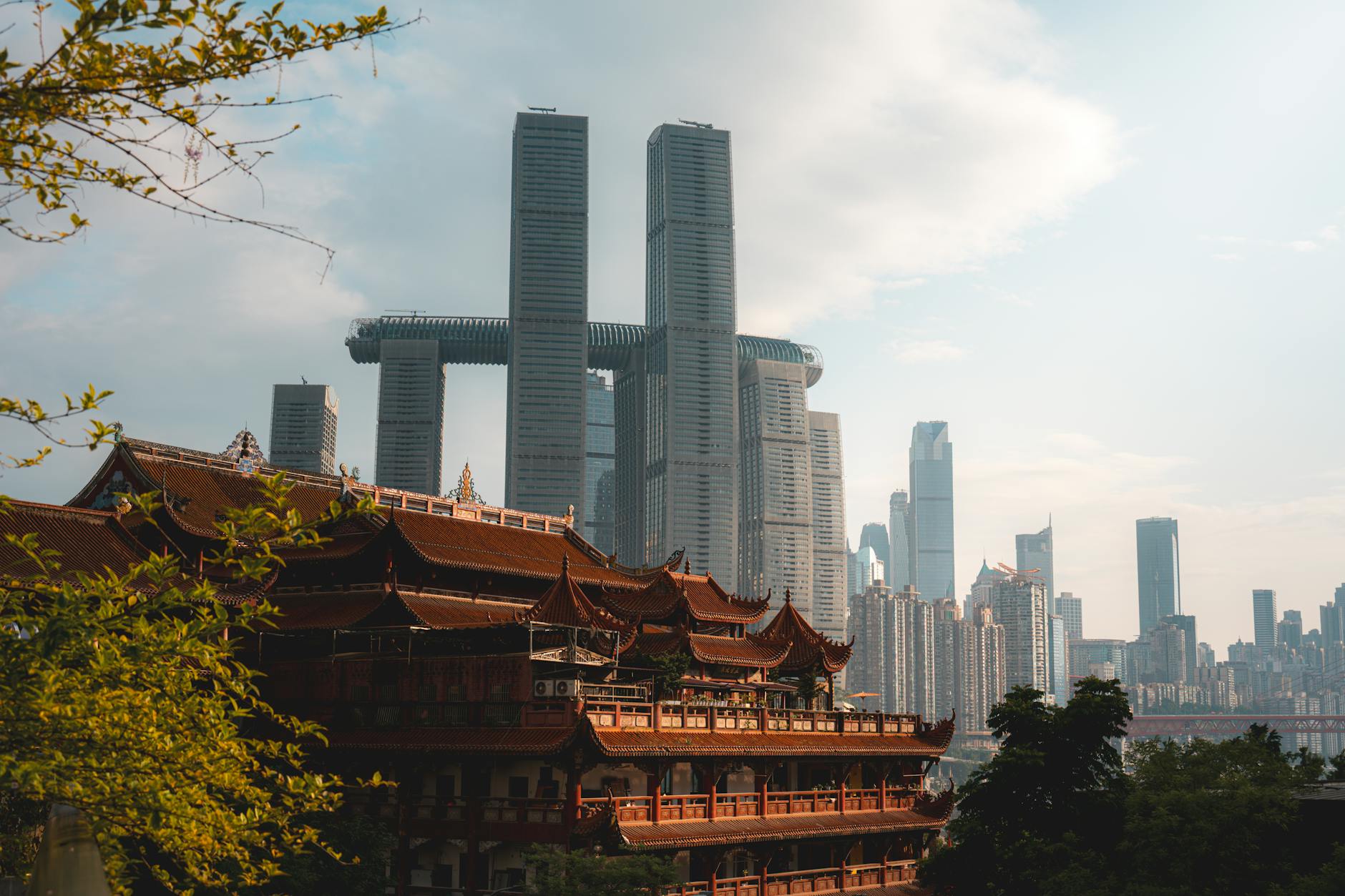
Chongqing does urban drama at a level few cities can match. It is one of the rare places where infrastructure, topography, density, and river geography combine into something that can feel genuinely improbable. The city is also strong for travelers who like hotpot, late hours, and a grittier, more physical kind of urban energy than polished Shanghai or softer Chengdu provide. It is not beautiful in a classical sense. It is overwhelming in an exhilarating one.
- Chongqing is one of Asia's most visually singular cities.
- Its power comes from scale, slope, and density working together.
- The city rewards travelers who want urban drama rather than refinement alone.
Food, hotpot, and the city's harder pleasures
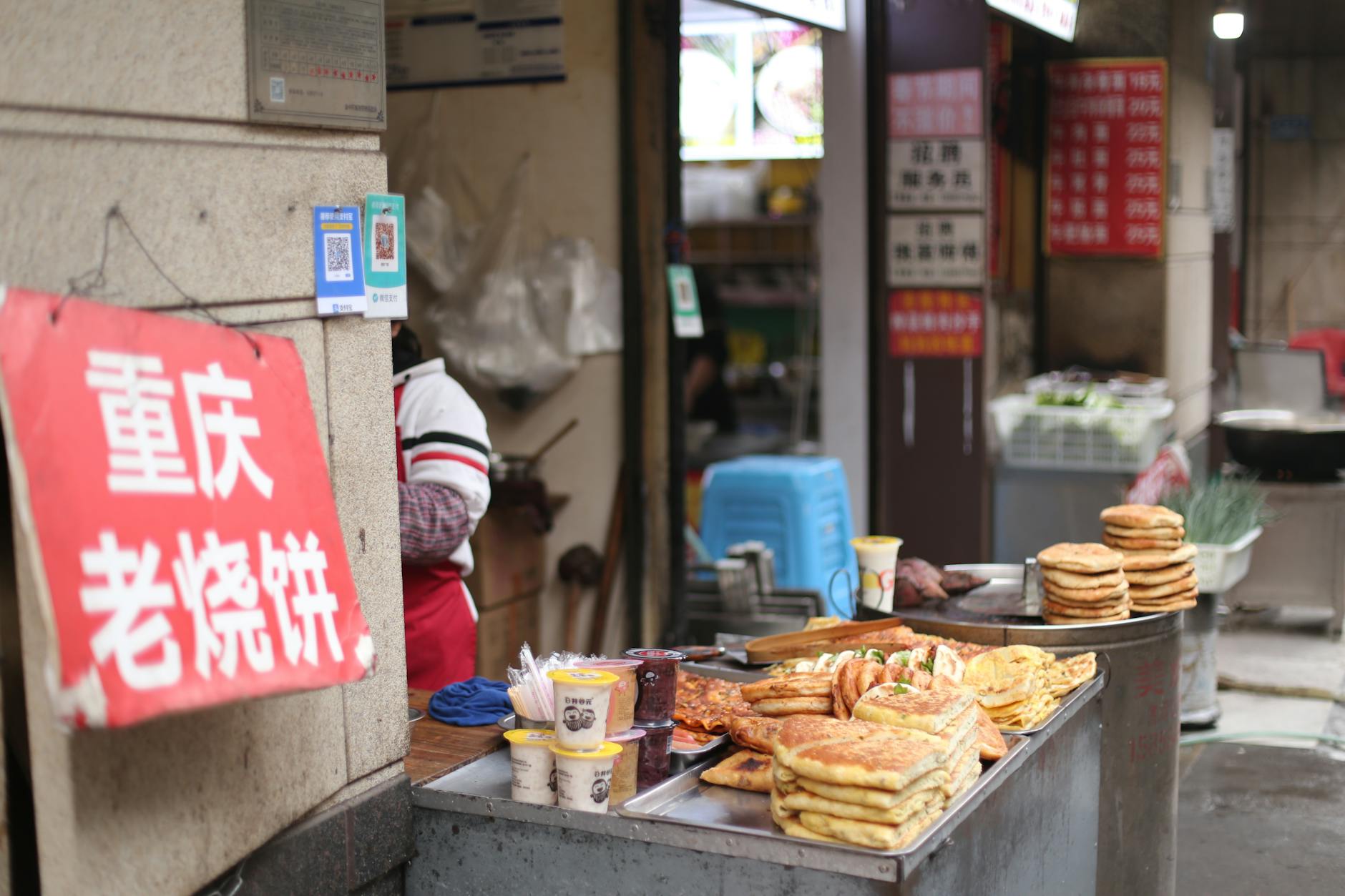
Chongqing's food identity is not decorative. Hotpot, chili, river city appetite, and late-night eating are central to how the place feels. The strongest approach is to let the food follow the day's geography and energy rather than forcing famous spots at all costs. Chongqing is a city where appetite and weather interact strongly. A serious meal after a physically demanding city day can be part of the structure of the trip, not just a reward after it.
- Food is one of Chongqing's main ways of explaining itself.
- Hotpot is central, but context still matters more than hype.
- Meals should help the day land, not simply add more stress to it.
Rivers, viewpoints, and knowing when enough spectacle is enough
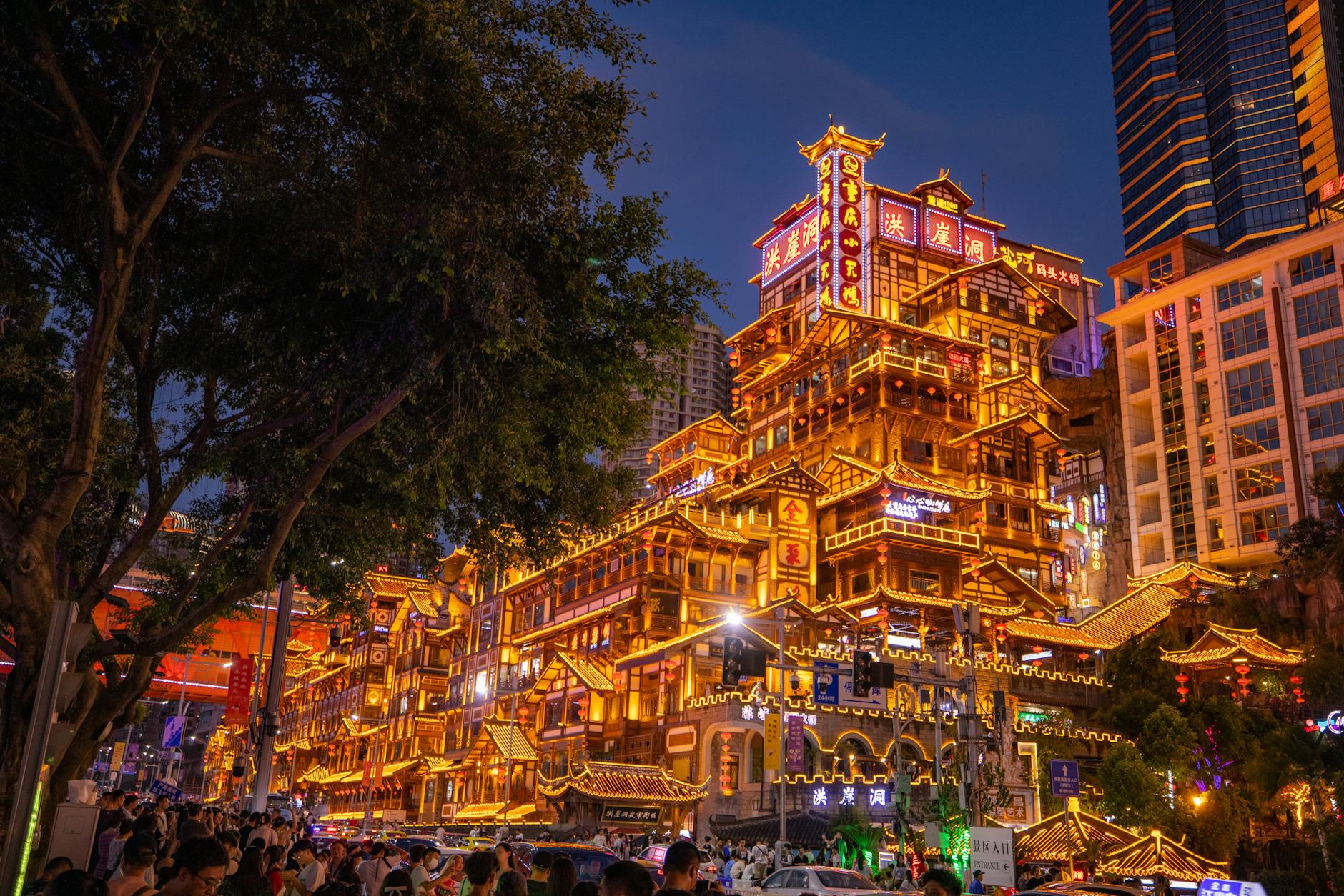
One of Chongqing's hidden planning problems is that the city offers so many viewpoints and dramatic angles that travelers can spend the whole stay chasing one more panorama. The result is often diminishing returns. Chongqing lands harder when the trip chooses a few excellent visual statements and then leaves room for food, neighborhood life, and recovery. Great river cities need contrast, not just repeat exposure to their most obvious image assets.
- A few excellent viewpoints usually outperform a panoramic binge.
- Visual intensity needs rhythm to remain impressive.
- The city improves when spectacle is balanced with neighborhood and evening life.
Etiquette and local norms
Chongqing is not a delicate city, but visitors should still move with awareness. Dense public space, stairs, stations, riverfronts, and busy neighborhoods all reward practical courtesy. The city often feels intense enough that travelers become less aware of the space they occupy. That is a mistake. Ordinary urban discipline matters here, especially because the environment already makes movement demanding.
- Intensity is not an excuse for spatial carelessness.
- Public courtesy matters more in physically demanding urban settings.
- Move steadily and attentively rather than theatrically.
My blunt advice
The biggest Chongqing mistake is treating viral imagery as an itinerary. The second is underestimating heat, slope, and fatigue. Chongqing is a city that can be extraordinary in small, well-built doses and punishing in badly built ones. Choose a strong base, cluster the map hard, eat well, and accept that one excellent district and one excellent viewpoint may do more for the trip than ten famous names.
- Do not let the internet build your Chongqing for you.
- The city is stronger in edited doses than in full conquest mode.
- Respect the physical burden and the reward rises immediately.