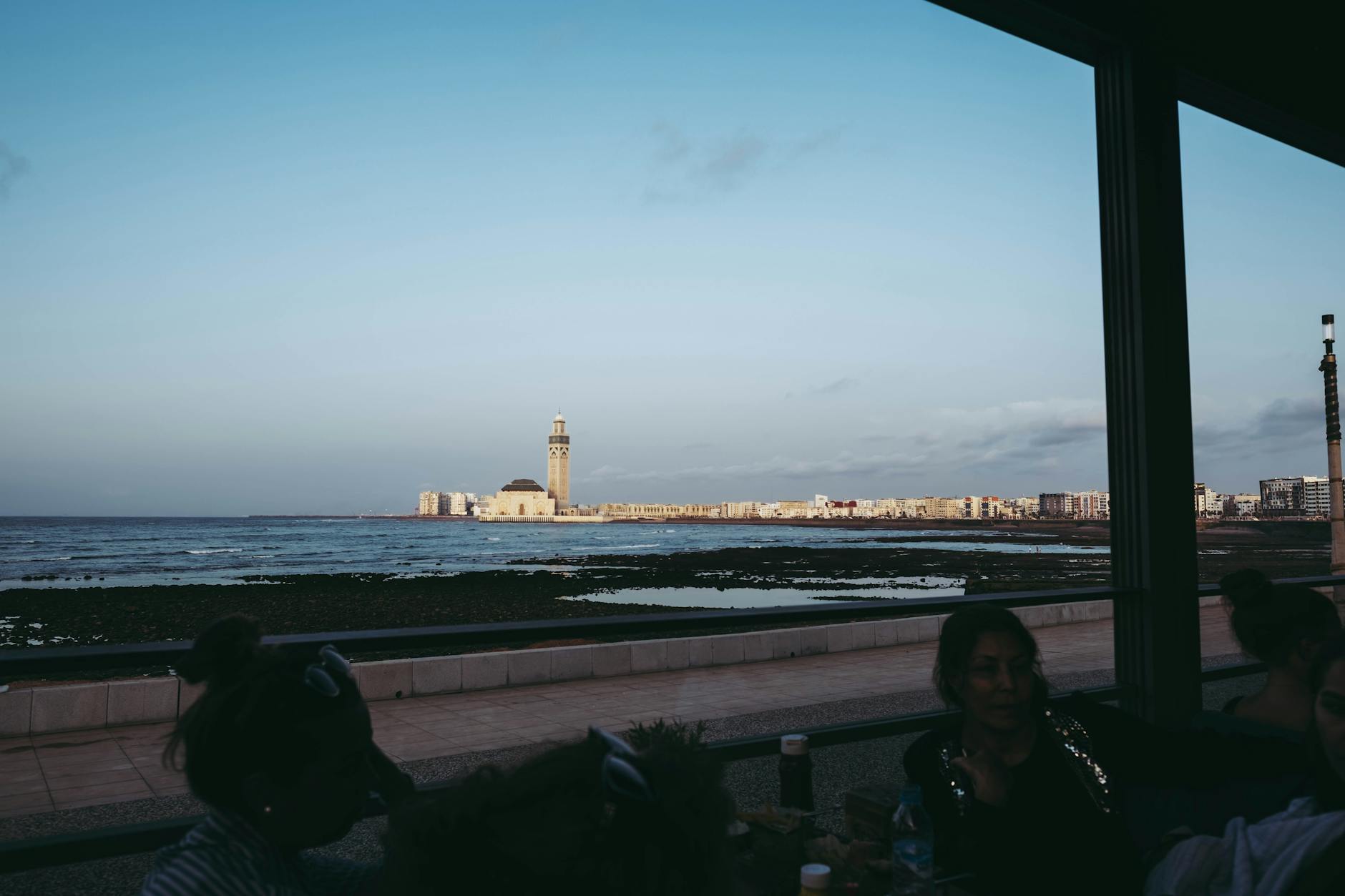
Casablanca is the Moroccan city many travelers think they can skip. They fly in, maybe look at the Hassan II Mosque, then hurry toward Marrakech, Fes, Chefchaouen, the Sahara, or the coast. That impulse is understandable. Casablanca does not offer the medieval seduction of Fes, the theatrical intensity of Marrakech, or the blue-washed ease of Chefchaouen. It is not built for travelers in the obvious way.
Start Here
But that is also why Casablanca is interesting.
This is Morocco's big Atlantic metropolis: commercial, modern, impatient, stylish in fragments, traffic-heavy, ocean-facing, and more lived-in than curated. Its pleasures are not all arranged along a single tourist trail. They come in pieces: the enormous white geometry of the Hassan II Mosque against the sea; the Art Deco and modernist façades of the center; the French-Moroccan café culture of Gauthier and Maârif; the calmer old-world order of the Habous quarter; the Corniche at sunset; seafood lunches; business hotels; red taxis; tram lines; grand boulevards; and the sense that this is where Morocco works as much as where Morocco performs.
The mistake visitors make with Casablanca is asking it to be Marrakech. It is not. Casablanca is a city of commerce, cinema myth, colonial-era architecture, post-independence ambition, Atlantic weather, restaurants, malls, mosques, commuters, cafés, and blunt urban scale. You do not come here to get lost in a perfect postcard medina. You come here to understand Morocco's modern face.
This guide is designed for travelers who want to use Casablanca well: where to stay, how long to give it, how to visit the Hassan II Mosque, how to avoid bad airport logistics, which neighborhoods are actually useful, where the city rewards walking, where it does not, what to eat, what to skip, and how to pair Casablanca with Rabat, El Jadida, Marrakech, or a wider Morocco trip.
Casablanca in one sentence: Casablanca is Morocco's Atlantic business capital — less romantic than the country's imperial cities, but powerful, practical, cinematic, ocean-facing, architecturally rich, and rewarding if you treat it as a living metropolis rather than a tourist fantasy.
Quick Verdict
| Question | Answer |
|---|---|
| Best for | Hassan II Mosque, Art Deco and modernist architecture, Atlantic city atmosphere, seafood, business travel, film nostalgia, first or last nights in Morocco, rail connections, travelers interested in contemporary Morocco, and people who like cities with working-city texture. |
| Not ideal for | Travelers who want a compact, fairy-tale medina; people seeking desert romance, mountain scenery, or a low-friction walking city; visitors with only a few days in Morocco who want the highest-impact historic experience. |
| Ideal first visit | 1–2 nights. One full day covers the mosque, center, Habous, and Corniche. Two full days lets you add architecture walks, markets, cafés, restaurants, and a slower coastal rhythm. |
| Best months | March–May and September–November for mild weather and manageable coastal conditions. Summer is cooler than inland Morocco but can be hazy and busy on the coast. Winter is mild but can be rainy and windy. |
| Best first-timer base | Gauthier, Racine, Maârif, or Anfa for restaurants, hotels, taxis, cafés, and easy access to the mosque and center. Casa Port works for train convenience. Aïn Diab/Corniche works for oceanfront hotels and nightlife, not for easy sightseeing. |
| Biggest planning mistake | Treating Casablanca as either only an airport transfer or as if it will deliver the same medina atmosphere as Marrakech or Fes. It is best with a focused plan and realistic expectations. |
| One thing to book or verify ahead | Hassan II Mosque guided visit times, especially on Fridays, during Ramadan, and around religious holidays. Also book popular restaurants and airport transfers if arriving late. |
| One thing to leave unscheduled | Café time. Casablanca makes more sense when you let yourself sit in a café, watch the city move, and stop measuring the trip only by landmarks. |
| Best free pleasure | Walking the seafront near the Hassan II Mosque and watching the light shift over the Atlantic. |
| Most important warning | Traffic, petty theft risk, and taxi friction can make the city feel more tiring than expected. Use trams where they fit, reputable taxis/rideshare where practical, and do not overpack your day. |
The Move
For a first visit, spend the morning at the Hassan II Mosque, walk or taxi into the Art Deco center for architecture and coffee, take lunch or tea in Habous, rest at the hotel, then go to the Corniche or Aïn Diab for late-afternoon sea air and dinner. That single day gives you the city's best mix: religion, architecture, colonial-era urbanism, Moroccan craft, Atlantic light, and modern Casa.
Who Will Love Casablanca?
You will probably enjoy Casablanca if you want:
- A more contemporary view of Morocco than the classic imperial-city route.
- One of the most spectacular mosque visits in the Islamic world open to non-Muslim visitors on guided tours.
- A city where Art Deco façades, modern Moroccan commerce, grand cafés, and Atlantic weather sit side by side.
- A practical arrival or departure base with strong rail links and Morocco's main international airport.
- A city that rewards curiosity more than checklist tourism.
- Restaurants, business hotels, cafés, and nightlife without the constant performance of a tourist town.
You may be disappointed by Casablanca if you want:
- A polished old town designed around visitors.
- Quiet lanes, riad courtyards, and lantern-lit medina romance.
- Easy walking between every major attraction.
- A high density of must-see monuments.
- A city that immediately flatters you.
Casablanca is worth visiting because it balances the Morocco most travelers imagine with the Morocco many Moroccans actually move through: ambitious, urban, coastal, commercial, multilingual, and modern.
Casablanca at a Glance
| Planning Point | Practical Answer |
|---|---|
| Country | Morocco |
| Region | Casablanca-Settat |
| Nickname | Casa |
| Language | Moroccan Arabic, known as Darija, is the everyday language. Modern Standard Arabic and Amazigh are official nationally. French is widely used in business, signs, menus, and educated urban contexts. English is increasingly common in hotels and tourism but less universal than French. |
| Currency | Moroccan dirham, written as MAD or DH. |
| Main airport | Mohammed V International Airport, usually abbreviated CMN. |
| Main useful train stations | Casa Voyageurs for national rail connections; Casa Port for central-city access; Casa Oasis for some airport and onward connections. |
| Best visitor transport mix | Airport train or Aérobus for arrivals, tram for certain corridors, red petits taxis/rideshare for short hops, walking only in selected central and seafront zones. |
| Time zone | Morocco uses UTC+1 most of the year, with seasonal Ramadan-related time changes possible. Check local time before flights and trains. |
| Electrical plugs | Type C and Type E are common. Bring a universal adapter. |
| Tap water | Generally treated in major cities, but many visitors choose bottled or filtered water to avoid stomach issues. Ask your hotel. |
| Tipping | Round up in cafés and taxis; tip around 10% in restaurants when service is not already included; tip guides, drivers, porters, and hammam attendants. |
| Emergency numbers | Police: 19 in cities. Royal Gendarmerie: 177 outside cities. Ambulance/fire: 15. Ask your hotel for nearest clinic and tourist police guidance. |
| Best first-timer base | Gauthier, Racine, Maârif, or Anfa. |
| Biggest logistics issue | Traffic and spread-out sightseeing. Distances that look short can be slow by car. |
| Biggest visitor confusion | Casablanca has an old medina, but it is not the main reason to visit. The mosque, Art Deco center, Habous, cafés, and Atlantic setting matter more. |
| Best onward pairing | Rabat by train, El Jadida by train/car, Marrakech by train, or a northern Morocco rail route via Rabat/Tangier. |
First-Timer Shortcut
If you only remember one thing: do not make Casablanca carry the whole fantasy of Morocco. Let it be what it is — the country's big Atlantic city — and give it one carefully planned day around the mosque, architecture, cafés, Habous, and the coast.
How to Understand Casablanca
Casablanca is not one of Morocco's imperial cities. It is not Fes, Marrakech, Meknes, or Rabat. Its identity comes from trade, the Atlantic, French colonial urban planning, post-independence growth, port activity, banking, industry, migration, and modern Moroccan ambition.
The City’s Core Identity
Casablanca is Morocco's economic capital. That phrase matters because it explains the city's mood. Casablanca is not primarily a museum city, a pilgrimage city, or a preserved historic showpiece. It is where many people come to work, build companies, study, commute, shop, dine, and chase opportunity.
The city can feel blunt at first: traffic, construction, apartment blocks, business hotels, honking taxis, shopping streets, malls, and large roads. But beneath that bluntness is a surprisingly layered city. The center has some of North Africa's great early-20th-century urban fabric: Art Deco, neo-Moorish, Streamline Moderne, arcades, old cinemas, grand administrative squares, apartment façades, and cafés that still feel like fragments of another era. The Hassan II Mosque gives Casablanca its monumental religious landmark. The Habous quarter offers a controlled, elegant, early-20th-century version of Moroccan urban design. The Corniche gives it ocean release.
Casablanca is not always soft. But it is real.
Casablanca Is a Coastal City, Not a Desert City
Many first-time Morocco travelers arrive with an image of desert colors, red walls, palm groves, dunes, riads, and spice markets. Casablanca is cooler, grayer, windier, whiter, more Atlantic, and more urban. The sea shapes the light and the mood. Summer can be hazy and humid. Winter can be rainy and windy. Even on warm days, the ocean keeps Casablanca from feeling like inland Morocco.
The City Is Spread Out
Casablanca's visitor map works best as a set of clusters:
- Hassan II Mosque and seafront: the essential landmark and the most memorable setting.
- Centre Ville / Art Deco core: Mohammed V Square, United Nations Square, old boulevards, cafés, façades, and administrative architecture.
- Old Medina: atmospheric in parts, useful as context, but not the country's most beautiful medina.
- Habous / New Medina: cleaner, calmer, better for craft shopping, pastries, books, and architecture.
- Gauthier / Racine / Maârif: restaurants, cafés, hotels, bars, shopping, and everyday urban life.
- Anfa / Aïn Diab / Corniche: oceanfront hotels, clubs, seaside restaurants, malls, and sunset walks.
- Casa Voyageurs / Casa Port: practical rail access, not necessarily the best atmosphere for every traveler.
The City’s Rhythm
Casablanca runs on workday energy.
- Morning: strong for mosque visits, architecture walks, markets, and coffee.
- Lunch: business lunches and casual restaurants are active; many Moroccan restaurants are better at lunch than visitors expect.
- Afternoon: traffic grows, light can flatten, and heat/haze may make outdoor wandering less appealing.
- Late afternoon: best for the mosque exterior, seafront, Corniche, and cafés.
- Evening: restaurant neighborhoods wake up; taxis and rideshare become more useful.
- Friday: mosque schedules, lunch patterns, and business rhythms can shift. Check guided visit times at Hassan II Mosque.
- Ramadan: hours, meal rhythms, transport pressure, restaurant availability, and atmosphere change significantly. The city can be fascinating then, but visitors need flexibility and respect.
Local Logic
Casablanca is not a city to conquer by walking randomly from sight to sight. The smart approach is to cluster your day: mosque plus seafront; center plus old medina; Habous plus lunch; Gauthier/Maârif for cafés and dinner; Corniche for sunset.
Trying to cross town repeatedly will make Casablanca feel worse than it is.
The Central Contrasts
Casablanca's best story lies in contrast:
- Atlantic monumentality vs daily traffic.
- Islamic sacred space vs business-district pragmatism.
- Art Deco elegance vs neglected façades.
- French-era urban planning vs Moroccan street life.
- Old medina grit vs Habous order.
- Corporate Morocco vs informal commerce.
- Cinema fantasy vs actual city.
- Sea air vs car exhaust.
A strong Casablanca article should not oversell it as a hidden romantic gem. It should say the sharper truth: Casablanca is not always beautiful, but it is important, and its best moments are genuinely memorable.
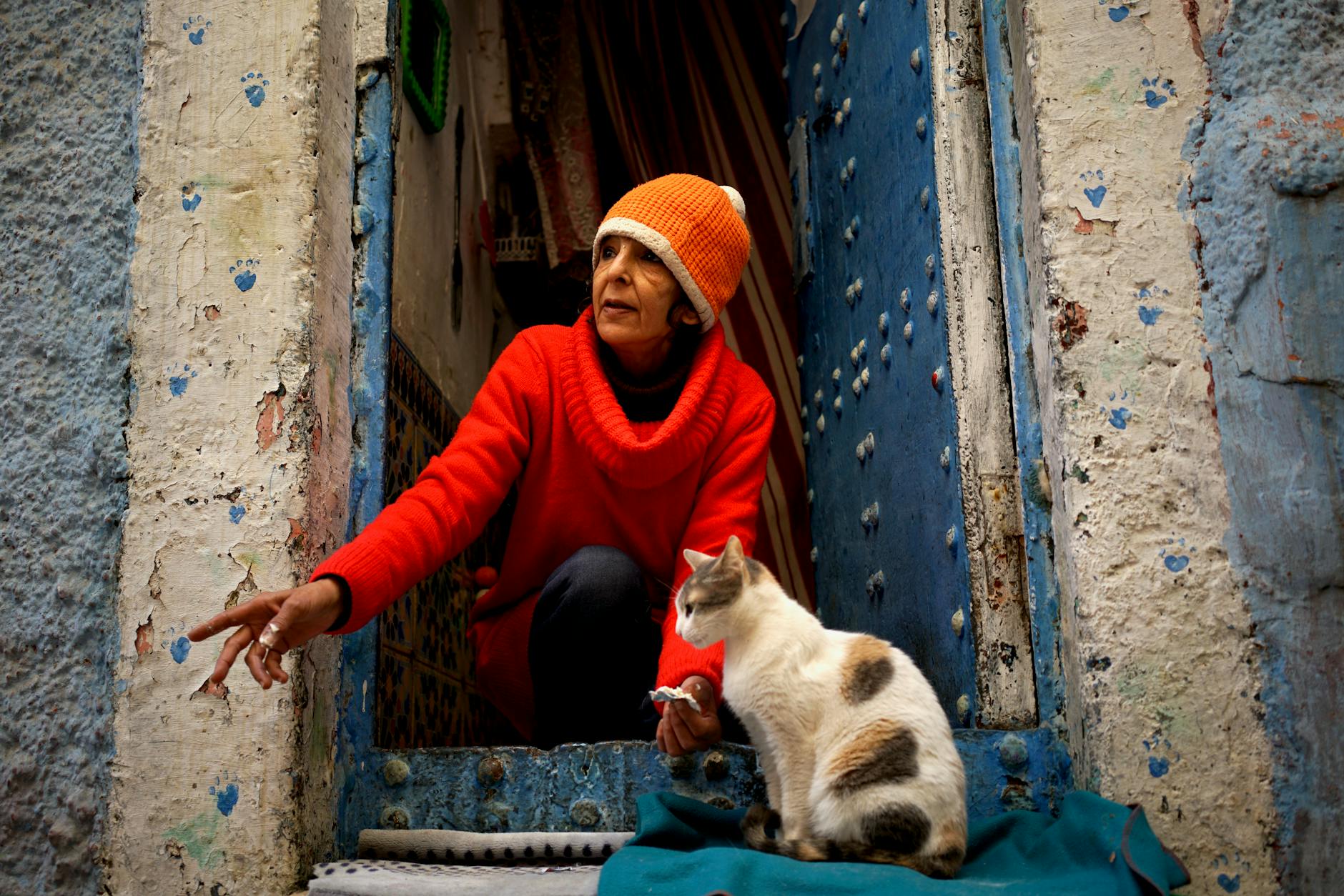
Best Time to Visit Casablanca
Casablanca has an Atlantic-influenced climate. It is milder than inland Morocco and often more temperate than travelers expect. The city can be breezy, hazy, damp, or overcast even when Marrakech is hot and dry.
Best Overall Months
March, April, May, September, October, and November are usually the most comfortable months.
- Spring: mild temperatures, good walking weather, greener public spaces, less heavy coastal haze.
- Autumn: warm but not punishing, good evenings, strong restaurant and city rhythm after summer holidays.
Summer: June–August
Summer is not as brutally hot as Marrakech or Fes, but it can be busy along the coast and humid/hazy near the ocean. Aïn Diab and the Corniche become more active. Hotels on the seafront can be attractive if you want resort amenities, but the city center can feel dusty and traffic-heavy.
Best for: coastal evenings, nightlife, oceanfront hotels, relaxed starts.
Watch for: haze, crowds near beach areas, higher prices in some coastal hotels, and the fact that Casablanca is not a classic beach vacation city in the way Essaouira, Agadir, or Mediterranean resorts are.
Winter: December–February
Winter is mild by European or North American standards, but rain and wind matter. This can be a good time for architecture, restaurants, and lower visitor pressure, but not the best time if your fantasy is blue skies and sunset promenades every day.
Best for: lower crowds, business travel, cafés, museums, restaurants, and onward rail travel.
Watch for: rain, wind, wet pavements, and cooler evenings.
Ramadan and Religious Holidays
Ramadan changes the rhythm of Casablanca more than a normal seasonal shift. Many locals fast during daylight hours. Some restaurants close or adjust hours. Traffic can become intense before sunset. Evenings after iftar can feel lively and communal. Mosque visit times may change. Eid holidays can close businesses and disrupt transport demand.
The move: If visiting during Ramadan, plan fewer daytime restaurant assumptions, verify attraction hours, dress modestly, avoid eating or drinking ostentatiously in public during fasting hours, and embrace evening energy.
Month-by-Month Snapshot
| Month | What to Expect | Verdict |
|---|---|---|
| January | Mild, potentially rainy and windy; good for cafés and low crowds. | Good if you do not need beach weather. |
| February | Similar to January, with some clearer days. | Fine for a city stopover. |
| March | More comfortable walking weather; Ramadan may fall here in some years. | Strong shoulder-season choice. |
| April | Mild and pleasant; often one of the best months. | Excellent. |
| May | Warmer, still comfortable, good evenings. | Excellent. |
| June | Early summer, coastal haze possible, seafront gets busier. | Good with realistic expectations. |
| July | Warm, humid/hazy, active Corniche. | Better for nightlife/coast than architecture walks. |
| August | Busy holiday atmosphere, some locals leave town, coastal pressure rises. | Mixed. Useful for oceanfront stays. |
| September | Warm but improving; city rhythm returns. | Excellent. |
| October | Mild, atmospheric, good walking and dining weather. | Excellent. |
| November | Cooler evenings, some rain possible. | Good. |
| December | Mild winter city break; holiday travel can affect flights. | Fine for a practical stop. |
How Many Days You Need
Casablanca is best handled honestly. It does not require a week for most first-time travelers, but it deserves more than a dismissive airport transfer if you want to understand Morocco's modern side.
| Time Available | What You Can Do |
|---|---|
| Half day | Hassan II Mosque exterior or guided visit, quick seafront walk, coffee or lunch. Best for layovers or late arrivals. |
| 1 full day | Mosque, Art Deco center, old medina edge, Habous, Corniche sunset. The best minimum. |
| 2 full days | Add architecture walks, Villa des Arts or exhibitions, deeper food/café time, Maârif/Gauthier, and a better-paced Corniche evening. |
| 3 days | Best if Casablanca is your business base, if you love urban architecture, or if you want a Rabat or El Jadida day trip without changing hotels. |
| 4+ days | Better for work trips, family visits, slow travel, or using Casablanca as a rail hub. Most leisure travelers should move on. |
The Honest Recommendation
For a first Morocco trip, give Casablanca one or two nights unless you have a specific reason to stay longer. Do not skip it automatically, but do not steal too many days from Fes, Marrakech, Rabat, Essaouira, the Atlas, or the desert unless Casablanca's modern-city story is exactly what interests you.
When to Add a Night
Add a night if:
- Your flight arrives late or leaves early.
- You want to visit the Hassan II Mosque without rushing.
- You enjoy architecture and want a guided Art Deco walk.
- You prefer to recover from a long-haul flight before tackling Marrakech or Fes.
- You want a comfortable hotel, good restaurants, and practical logistics before or after a more intense Morocco route.
When to Move On Quickly
Move on quickly if:
- You have fewer than seven days in Morocco and care most about traditional medinas.
- You are arriving by train from Rabat and leaving for Marrakech the next morning.
- You dislike big, traffic-heavy cities.
- Your itinerary already includes several urban stops and you need nature/coast/desert instead.
Where to Stay in Casablanca
The Short Answer
For most first-time visitors, stay in Gauthier, Racine, Maârif, or Anfa. These areas give you the best balance of restaurants, hotels, cafés, taxis, shopping, and access to both the mosque and the city center. Choose Casa Port if train convenience matters more than neighborhood charm. Choose Aïn Diab or the Corniche if you want oceanfront hotels, nightlife, and resort-style amenities. Avoid choosing the old medina as a base unless you have a very specific lodging reason and understand the tradeoffs.
Neighborhood Decision Tree
- Want the easiest first visit? Stay in Gauthier, Racine, or Maârif.
- Want business hotels and upscale dining? Stay in Racine, Anfa, or near Casablanca Finance City.
- Want ocean views and nightlife? Stay in Aïn Diab or along the Corniche.
- Want train convenience for Rabat, Tangier, Fes, or Marrakech? Stay near Casa Voyageurs or Casa Port, but choose carefully.
- Want the mosque nearby? Stay near Bourgogne/Anfa/central seafront, but verify walkability and hotel quality.
- Want craft shopping and atmosphere? Stay near Habous only if you are comfortable with fewer hotel and nightlife options.
- Arriving late or departing early? Consider an airport hotel or a prearranged transfer from the city.
- Have mobility concerns? Prioritize modern hotels in Gauthier/Racine/Anfa and use taxis rather than relying on uneven sidewalks.
Gauthier, Racine, and Maârif
Best for: first-timers, restaurants, cafés, business travelers, shopping, bars, and practical comfort.
This is the most useful visitor zone for many travelers. It is not the most historic part of Casablanca, but it is where the city becomes easiest: good hotels, international and Moroccan restaurants, cafés, bakeries, taxis, shops, and a more comfortable evening rhythm than the old center.
Why stay here: You can eat well, recover from travel, reach the mosque or center by taxi, and avoid feeling trapped in a single tourist corridor.
Why not stay here: It lacks the old-world romance some travelers expect in Morocco. Street noise and traffic can still be real. You will need taxis or trams for some sightseeing.
Perfect day from here: Café breakfast, Hassan II Mosque tour, Art Deco center, Habous lunch, rest, dinner in Gauthier or Racine.
Anfa and Casablanca Finance City
Best for: upscale hotels, business travelers, polished stays, car-based logistics.
Anfa is associated with villas, embassies, business addresses, newer development, and a more affluent side of Casablanca. Casablanca Finance City and nearby modern hotel zones can work well for business travel or travelers who prioritize comfort over atmosphere.
Why stay here: Better modern hotels, easier car access, calmer pockets, good for business meetings.
Why not stay here: You may feel removed from the city on foot. It can be more functional than atmospheric.
Aïn Diab and the Corniche
Best for: oceanfront hotels, nightlife, resort amenities, sunset, families who want pools, and travelers ending a trip with a softer landing.
Aïn Diab is Casablanca's seaside leisure strip. It has hotels, restaurants, clubs, malls, and ocean views. It is not the best base for seeing the Art Deco center, but it gives you sea air and a more resort-like rhythm.
Why stay here: Ocean views, pools, nightlife, restaurants, sunset walks, and a break from dense city streets.
Why not stay here: Traffic can be heavy, taxis may be needed for nearly everything, and the area can feel disconnected from the historic/architectural parts of Casablanca.
The move: Use Aïn Diab for your final night if you want a comfortable hotel, dinner by the water, and an easier transition to the airport the next day.
Centre Ville and Casa Port
Best for: architecture, train convenience, short stays, and travelers who value being near the old center.
The center has some of Casablanca's best architecture and the practical advantage of Casa Port station. But the area can vary block by block: some streets are handsome and lively; others feel tired, chaotic, or less comfortable at night.
Why stay here: You are near the Art Deco core, Casa Port, old medina edge, United Nations Square, and tram connections.
Why not stay here: It can be noisy, gritty, and less comfortable for some travelers after dark. Hotel quality varies.
Best for first-timers? Good for architecture-minded travelers and short train-based stays; less ideal for travelers who want polished evenings.
Habous / New Medina
Best for: atmosphere, traditional architecture, pastries, books, crafts, and a calmer medina-like experience.
Habous was developed under the French protectorate as a planned "new medina." It blends Moroccan urban forms with colonial planning, producing arcades, bookshops, pastry shops, craft stores, and attractive streets. It is one of the most pleasant areas to explore.
Why stay here: Character, shopping, and a softer Moroccan atmosphere than the center.
Why not stay here: Fewer hotel choices, less nightlife, less convenient for some transport, and not as central for restaurants.
Best strategy: Visit Habous for a half day rather than necessarily sleeping there.
Old Medina
Best for: context, budget wandering, photography, and a short visit near the center.
Casablanca's old medina was heavily altered and is not comparable to Fes or Marrakech. It has working-market energy, residential lanes, shops, and some old walls, but it is not the city's star attraction.
Why stay here: Low prices and local texture if you know exactly what you are choosing.
Why not stay here: Less comfortable logistics, uneven hotel quality, weaker late-night appeal, and fewer reasons to base a first trip here.
Near Mohammed V Airport
Best for: late arrivals, early departures, airline disruptions, or one-night transit.
The airport is south of the city. Staying near it makes sense only when flight timing demands it. Otherwise, you will miss the city and still spend time in transfers.
The move: If your flight arrives before early evening, go into Casablanca. If you land very late and depart the next morning, stay near the airport and save the city for another trip.
Neighborhood Guide
Hassan II Mosque and the Seafront
One-sentence identity: Casablanca's essential landmark and the place where the city's religious, architectural, and Atlantic identities converge.
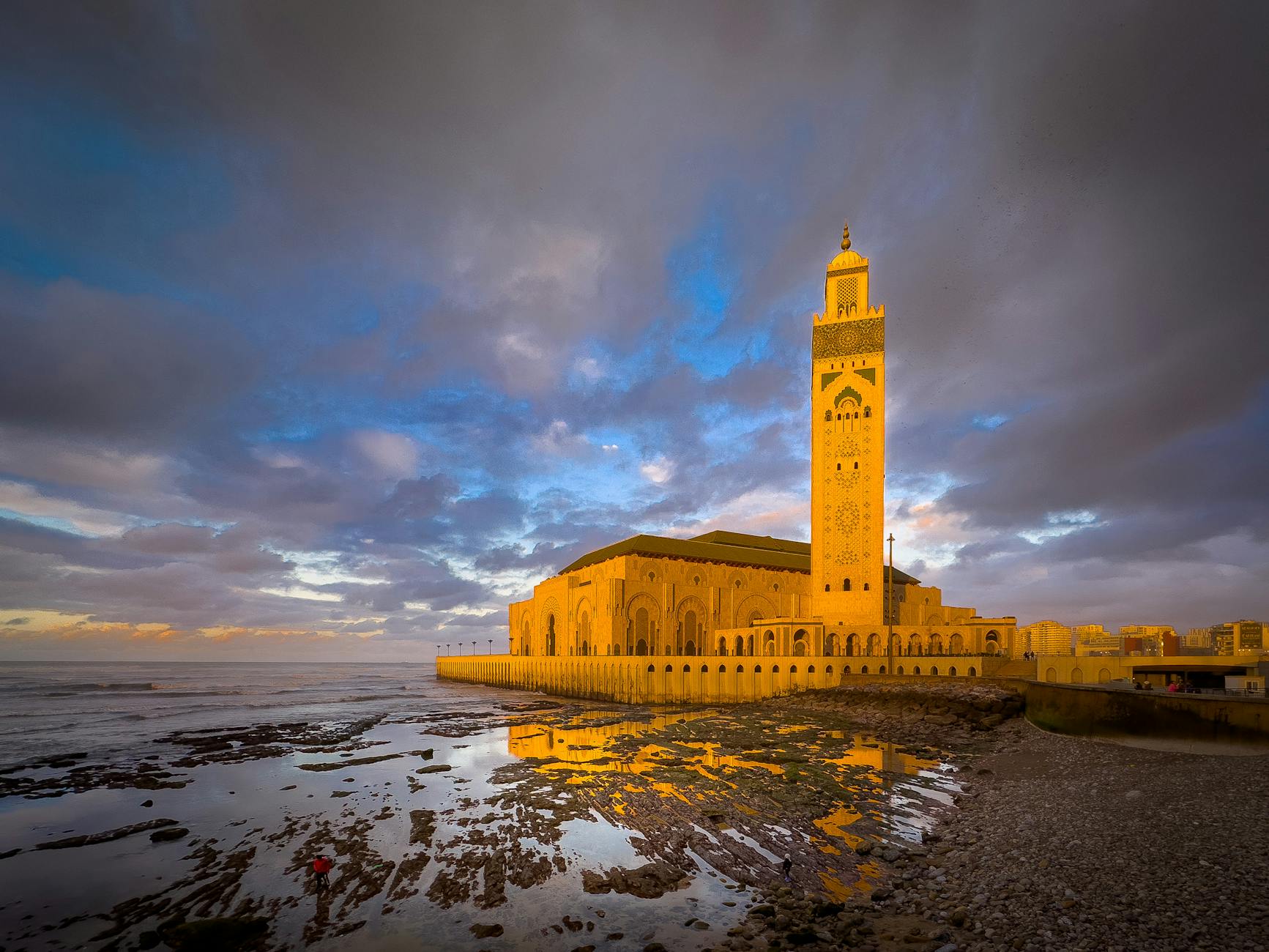
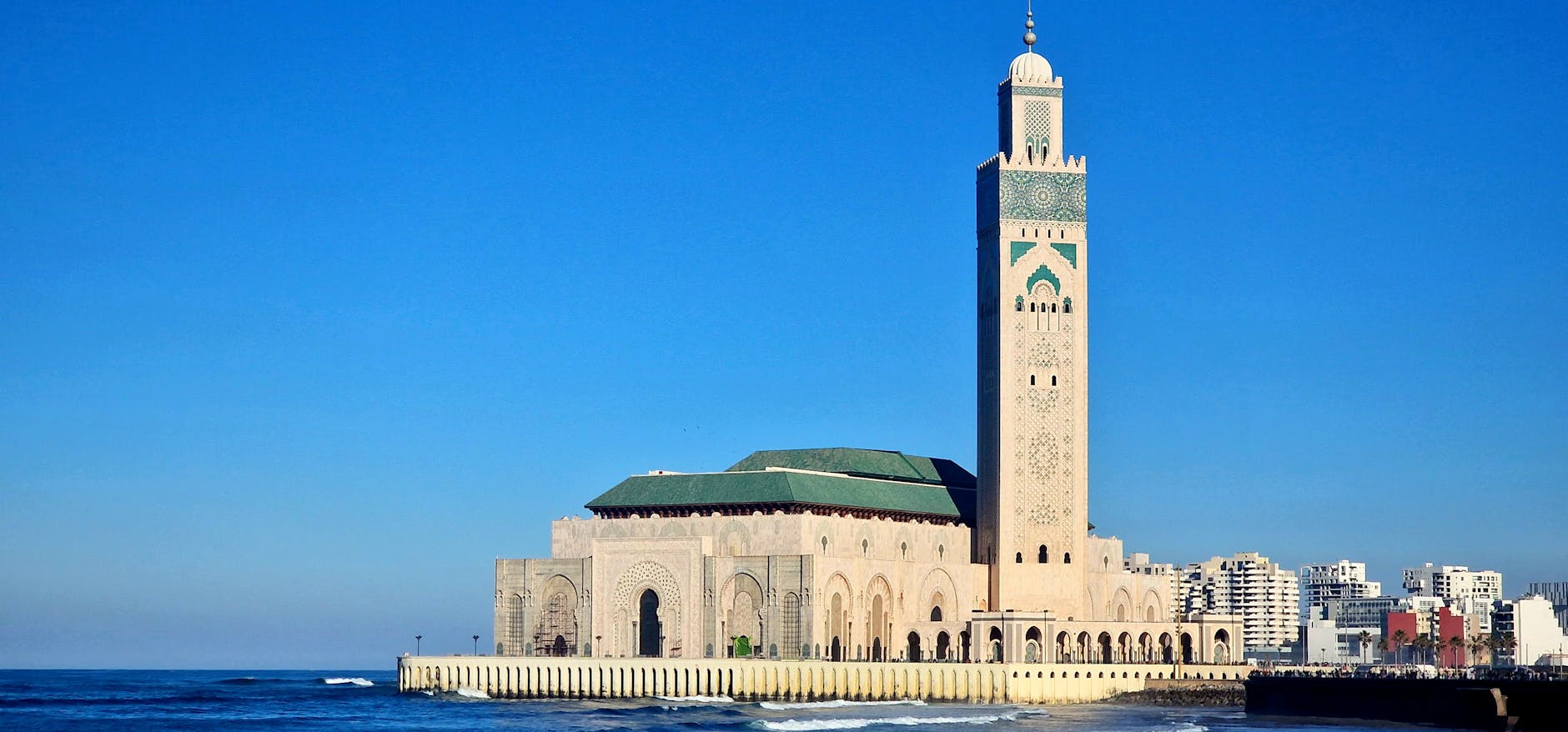
The Hassan II Mosque is the reason many travelers stop in Casablanca, and it is genuinely worth the stop. The mosque sits dramatically by the Atlantic, with a vast esplanade, intricate craftsmanship, monumental scale, and sea light that changes throughout the day.
Best things to do: Take the guided mosque visit, walk the esplanade, photograph exterior details, watch waves along the seawall, continue toward the old medina or Corniche by taxi.
Best time: Morning for guided visits and clearer light; late afternoon for exterior atmosphere.
Common mistake: Showing up without checking guided visit times, especially on Fridays, during Ramadan, or around religious holidays.
Local logic: The mosque is not just a photo stop. The guided interior visit gives context, craft, scale, and access that exterior viewing cannot replace.
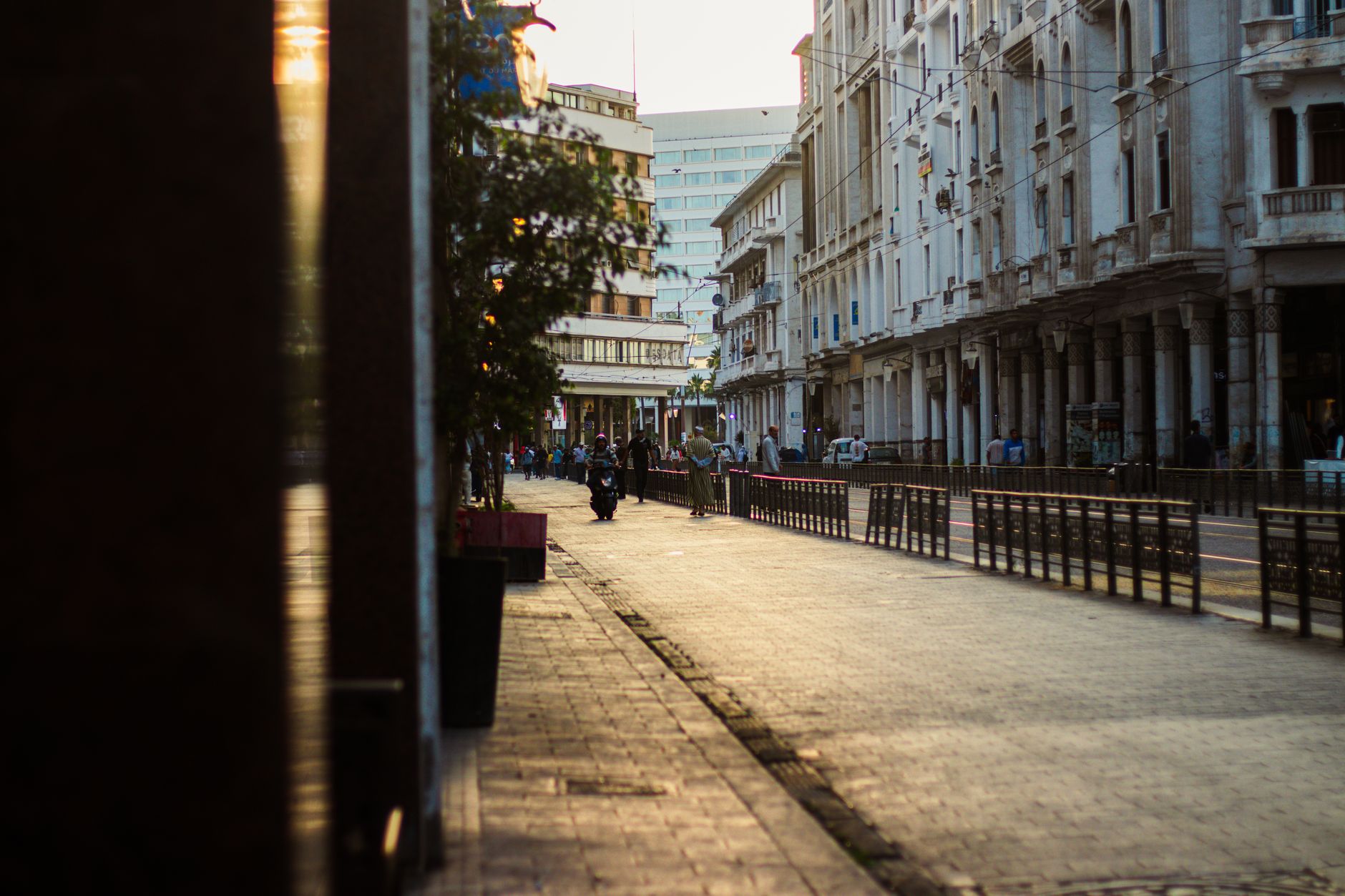
Centre Ville / Art Deco Core
One-sentence identity: The architectural heart of Casablanca and the best place to see the city's early-20th-century urban ambition.
The center around Mohammed V Square, United Nations Square, Boulevard Mohammed V, and nearby streets contains some of Casablanca's most important architecture. Look up: balconies, curves, façades, signage, arcades, old cinemas, banks, administrative buildings, and apartment blocks tell the city's colonial and modern story.
Best things to do: Take a guided architecture walk, photograph façades, visit cafés, walk between Mohammed V Square and United Nations Square, look for old cinema and hotel buildings, pair with the old medina edge.
Best time: Morning or late afternoon. Midday traffic and heat can reduce the pleasure.
Common mistake: Walking with your eyes at street level. The beauty is often above you.
Pair it with: Hassan II Mosque in the morning or Habous in the afternoon.
Old Medina
One-sentence identity: A working medina with fragments of old Casablanca, useful for context but not the country's most rewarding old town.
Visit the old medina with realistic expectations. It is interesting because it belongs to Casablanca's living city, not because it delivers the preserved grandeur of Fes. The lanes, shops, gates, walls, and everyday trade show an older layer of Casa, but the area can feel rougher and less polished.
Best things to do: Short walk, markets, street photography with respect, old walls, Bab Marrakech area, snacks, connection to the center.
Best time: Daytime. Avoid aimless late-night wandering.
Skip if: You have very limited time and will visit Fes or Marrakech later.
Habous / New Medina
One-sentence identity: The most visitor-friendly traditional-feeling quarter in Casablanca.
Habous is orderly, charming, and excellent for a slow wander. It has arcades, bookshops, craft stores, olives, pastries, and a calmer feel than the old center. It is not ancient in the way many visitors assume, but that actually makes it more interesting: it is a planned expression of Moroccan urban style shaped by protectorate-era politics.
Best things to do: Browse bookshops, buy pastries, look at zellij and arches, visit the Royal Palace exterior area where permitted, shop for leather and crafts, drink tea or coffee.
Best time: Morning through lunch.
The move: Go to Habous after the Art Deco center, then eat a traditional lunch or buy pastries before heading back to your hotel.
Gauthier / Racine / Maârif
One-sentence identity: Casablanca's practical urban comfort zone: cafés, restaurants, boutiques, bars, hotels, and daily life.
These neighborhoods are less about monuments and more about usability. They are where visitors can eat, sleep, shop, and breathe a little more easily. Maârif is busier and more commercial; Gauthier and Racine feel more polished and restaurant-driven.
Best things to do: Café-hop, dine, shop, book a massage or hammam, use as an evening base, explore Villa des Arts if exhibitions align.
Best time: Late afternoon and evening.
Common mistake: Dismissing these areas because they are not "historic." They are often where Casablanca feels easiest.
Aïn Diab / Corniche
One-sentence identity: The city's oceanfront leisure zone.
The Corniche is where Casablanca turns toward the Atlantic. It is not a pristine beach idyll, but it gives you sea air, sunset, restaurants, clubs, malls, hotels, and space after the density of the center.
Best things to do: Sunset walk, oceanfront dinner, beach clubs in season, Morocco Mall, nightlife, family-friendly hotel pools.
Best time: Late afternoon to evening.
Skip if: You have one short day and no interest in oceanfront dining or nightlife.
Casa Voyageurs and Casa Port
One-sentence identity: Practical transport anchors, useful but not always atmospheric.
Casa Voyageurs is the major station for long-distance rail, while Casa Port is more central and useful for the old center and port area. These stations matter for logistics more than romance.
Best things to do: Use them efficiently. Do not build your whole stay around them unless your itinerary is rail-heavy.
Common mistake: Booking the cheapest hotel near a station without checking street-level comfort, late arrival logistics, and onward transport.
Best Things to Do
1. Visit the Hassan II Mosque
What it is: Casablanca's defining landmark: a vast mosque built partly over the Atlantic, with monumental scale, intricate Moroccan craftsmanship, and one of the world's tallest minarets.
Why it matters: It is one of the few major mosques in Morocco that non-Muslim visitors can enter on guided visits, and it gives Casablanca a visual and spiritual anchor that no other city sight matches.
Who will love it: Architecture lovers, photographers, first-time Morocco visitors, religious-history travelers, craft enthusiasts, and anyone with limited time in Casablanca.
Who can skip it: Almost no first-time visitor should skip it unless access is closed during their schedule.
Time needed: 90 minutes for a guided visit and exterior time; 2 hours if you want to photograph slowly.
Book or verify: Check official guided visit times before going. Fridays, Ramadan, Eid, and special events can alter access.
Dress: Shoulders, chest, and knees covered. Remove shoes where required. Be respectful; this is an active religious site.
The move: Go in the morning for the interior visit, then return or linger outside near sunset if your schedule allows.
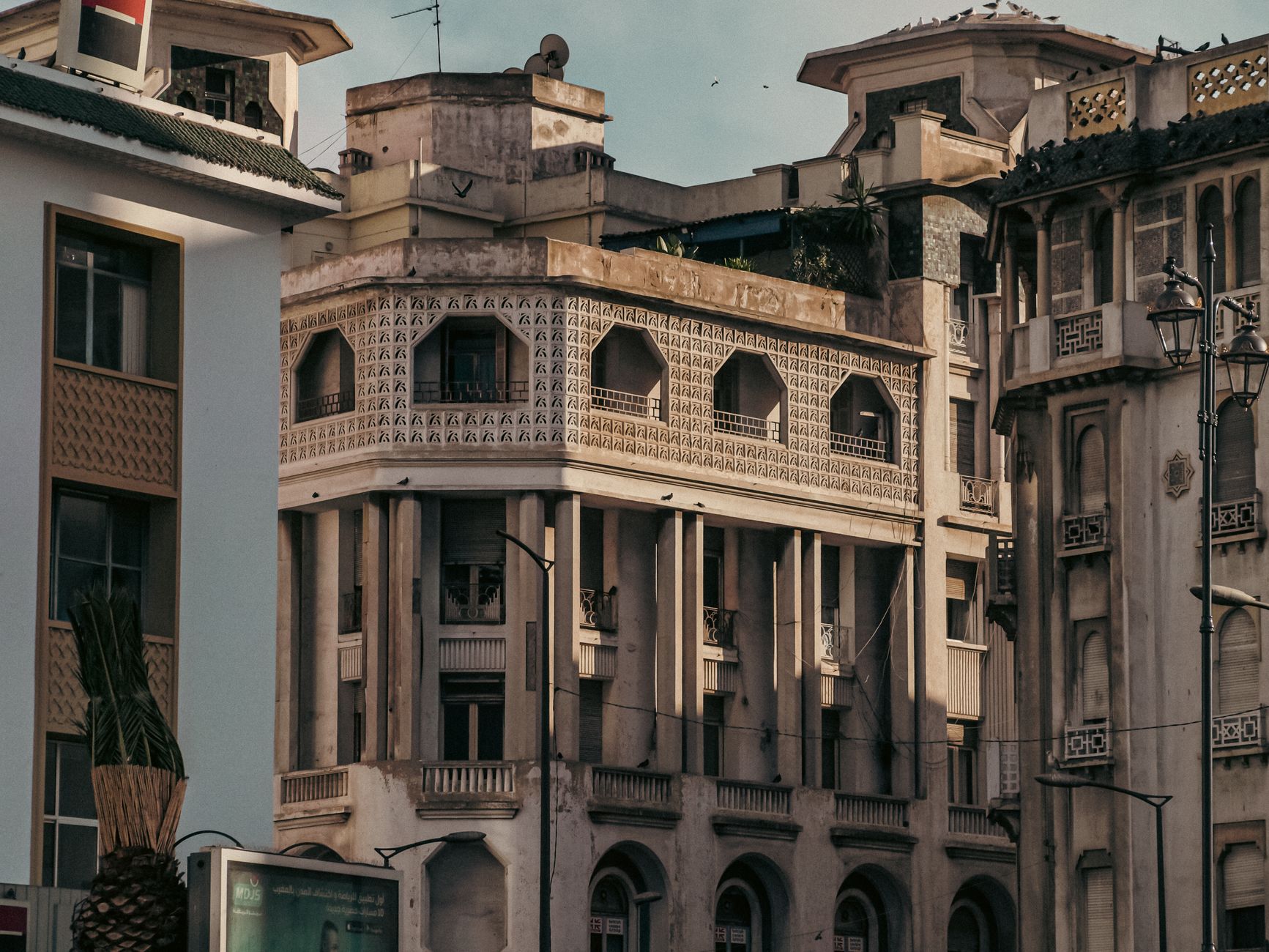
2. Take an Art Deco and Modernist Architecture Walk
What it is: A walk through Casablanca's central boulevards and squares to see the architecture that makes the city more interesting than many visitors realize.
Why it matters: Casablanca contains one of the great collections of 20th-century urban architecture in North Africa: Art Deco, neo-Moorish, modernist, and colonial administrative styles.
Who will love it: Design travelers, photographers, history buffs, urbanists, and anyone tired of generic attraction lists.
Time needed: 2–3 hours.
Best with: A guide who can explain the buildings, urban planning, and colonial context.
Common mistake: Doing this in a rush at midday and missing the details.
3. Wander Habous
What it is: Casablanca's planned new medina, with traditional-style architecture, shops, arcades, bookstalls, pastries, and craft stores.
Why it matters: Habous gives visitors a more manageable traditional-feeling quarter than the old medina, while also revealing a fascinating chapter of urban planning.
Time needed: 1.5–3 hours.
Best for: Shopping, pastries, photos, architecture, a calmer walk.
Pair it with: Lunch or tea; the Art Deco center; a visit to the Royal Palace exterior area where access permits.
4. Walk the Seafront
What it is: The Atlantic edge of Casablanca, from the mosque area toward the Corniche depending on time and transport.
Why it matters: The ocean gives Casablanca its mood. You understand the city better when you feel the wind, scale, and light of the coast.
Time needed: 30–90 minutes.
Best time: Late afternoon.
Common mistake: Expecting a polished resort promenade everywhere. The seafront is uneven in experience; choose your segment.
5. Explore the Old Medina, Briefly and Honestly
What it is: Casablanca's older walled area near the port and center.
Why it matters: It gives historical grounding and everyday texture, even if it is not Morocco's most beautiful medina.
Time needed: 45–90 minutes.
Best time: Daytime.
Skip if: You have limited time and will soon visit Fes or Marrakech.
6. Have a Proper Café Pause
What it is: A slower sit in one of Casablanca's cafés: coffee, mint tea, pastries, people-watching, business conversations, newspapers, and city rhythm.
Why it matters: Casablanca is a café city. Some of its best travel value comes from sitting still.
Best neighborhoods: Gauthier, Racine, Maârif, Centre Ville, Habous.
The move: Schedule café time intentionally. Otherwise Casablanca becomes only taxis and traffic.
7. Eat Seafood
What it is: Atlantic fish, shellfish, grilled seafood, fried fish, and seafood restaurants from simple to upscale.
Why it matters: Casablanca's coastal location shapes the table. This is one of the better Moroccan cities for seafood.
Best for: Lunch near the port/center or dinner toward Aïn Diab/Corniche.
Common mistake: Eating only generic tagines and ignoring the Atlantic.
8. Visit Villa des Arts or a Contemporary Exhibition
What it is: An art and cultural space that can be worthwhile when exhibitions match your interests.
Why it matters: It helps shift the trip from monument-only sightseeing toward Casablanca's cultural present.
Time needed: 45–90 minutes.
Check ahead: Exhibitions, opening days, and access can change.
9. See the Corniche and Aïn Diab at Night
What it is: Casablanca's seaside leisure and nightlife zone.
Why it matters: It shows a different Casablanca: more social, more modern, more dressed-up, and more coastal.
Best for: Dinner, drinks where appropriate, clubs, seafront hotels, and sunset.
Use caution: Take taxis/rideshare door to door at night.
10. Use Casablanca as a Rail Gateway
What it is: A practical base for onward travel to Rabat, Tangier, Fes, Marrakech, El Jadida, and other parts of Morocco.
Why it matters: Casablanca is often the most convenient arrival city even if it is not the emotional centerpiece of the trip.
The move: Spend one good day in Casa, then leave by train rather than treating the city only as an airport problem.
Itineraries
One Perfect Day in Casablanca
Morning: Hassan II Mosque
Start with the guided visit to Hassan II Mosque. Build your morning around the official tour schedule rather than assuming you can enter whenever you want. After the visit, spend time outside on the esplanade and seafront.
Late morning: Old Medina or Art Deco center
Taxi or walk depending on comfort and route. If you choose the old medina, keep it short and focused. If you prefer architecture, head toward Mohammed V Square and United Nations Square.
Lunch: Centre Ville or Habous
For a more traditional-feeling stop, go to Habous for lunch and pastries. For a more urban Casa feel, stay central for a café or brasserie-style meal.
Afternoon: Habous
Browse arcades, bookshops, craft stores, and pastry counters. Buy gifts here rather than rushing through airport shops.
Late afternoon: Rest
Return to your hotel. Casablanca rewards a reset. Do not force sightseeing through the worst traffic and fatigue window.
Evening: Corniche or Gauthier/Racine
Choose the Corniche for ocean air and a sunset dinner, or Gauthier/Racine for restaurants and cafés.
Cut if tired: Old medina.
Rain plan: Mosque, Art Deco cafés, Habous shops, longer lunch, Villa des Arts/exhibition if open.
36 Hours in Casablanca
Day 1 afternoon: Arrive, settle into Gauthier/Racine/Maârif, café, light dinner.
Day 2 morning: Hassan II Mosque guided visit and seafront.
Day 2 lunch: Seafood or Habous.
Day 2 afternoon: Art Deco walk through Centre Ville.
Day 2 evening: Dinner in Gauthier, Racine, or the Corniche.
Day 3 morning: Habous, pastries, coffee, then train onward.
Two Days in Casablanca
Day 1: Monumental Casa
- Hassan II Mosque.
- Seafront walk.
- Old medina edge.
- Art Deco center.
- Dinner in Gauthier/Racine.
Day 2: Lived-in Casa
- Café breakfast.
- Habous and shopping.
- Villa des Arts or contemporary cultural stop.
- Maârif shopping/café time.
- Corniche sunset and seafood dinner.
Three Days in Casablanca
Use the third day for either:
- Rabat day trip: the best cultural day trip by train.
- El Jadida day trip: Portuguese history and Atlantic coast.
- Architecture deep dive: guided Art Deco/modernist tour plus additional neighborhoods.
- Slow city day: hammam, cafés, restaurants, shopping, and no guilt.
Casablanca Stopover Itinerary
For an overnight flight connection:
- Stay near Gauthier/Racine if you have evening arrival and daytime departure.
- Prearrange transfer or use the airport train/Aérobus if timing fits.
- Visit Hassan II Mosque exterior or guided tour depending on time.
- Eat one good meal.
- Leave with a better impression than airport-only Casablanca.
Food-Focused Day
- Coffee and pastry in Gauthier or Habous.
- Habous food shops and sweets.
- Seafood lunch.
- Mint tea or café pause.
- Moroccan dinner or modern Casablanca restaurant.
- Optional late drink in a hotel bar or licensed venue.
Architecture-Focused Day
- Morning central architecture walk.
- Mohammed V Square and surrounding façades.
- Old cinema and boulevard details.
- Lunch in a classic café or brasserie.
- Habous as planned Moroccan urbanism.
- Hassan II Mosque exterior at golden hour.
Food and Drink
Casablanca's food scene is broader and more modern than many visitors expect. You can eat traditional Moroccan dishes, Atlantic seafood, French-influenced pastries, business lunches, café snacks, international food, and polished contemporary Moroccan cooking.
Food Identity
Casablanca eats like a port, business city, and Moroccan metropolis at the same time.
Expect:
- Moroccan classics: tagines, couscous, harira, zaalouk, taktouka, grilled meats, rfissa, pastilla.
- Seafood: grilled fish, fried fish, shellfish, seafood pastilla, calamari, sole, sardines.
- Café culture: espresso, nous-nous, mint tea, pastries, breakfast breads.
- French influence: bakeries, pâtisserie, brasserie-style restaurants, croissants, tarts.
- Modern dining: international restaurants, sushi, burgers, Mediterranean, Lebanese, Italian, and fusion.
- Sweets: Moroccan pastries, cornes de gazelle, chebakia during Ramadan, almond cookies.
What to Eat
| Dish or Drink | What It Is | When to Try It |
|---|---|---|
| Seafood | Grilled or fried Atlantic fish and shellfish. | Lunch or dinner, especially near the port/Corniche. |
| Couscous | Semolina with vegetables, meat, and broth; traditionally Friday lunch. | Friday lunch if available. |
| Tagine | Slow-cooked stew in an earthenware vessel. | Lunch or dinner. |
| Pastilla | Sweet-savory pastry, often with poultry or seafood variations. | A more elaborate meal. |
| Harira | Tomato-lentil-chickpea soup, important during Ramadan. | Starter or Ramadan iftar. |
| Mint tea | Sweet green tea with mint. | Anytime, especially in Habous or after shopping. |
| Nous-nous | Half coffee, half milk. | Breakfast or café break. |
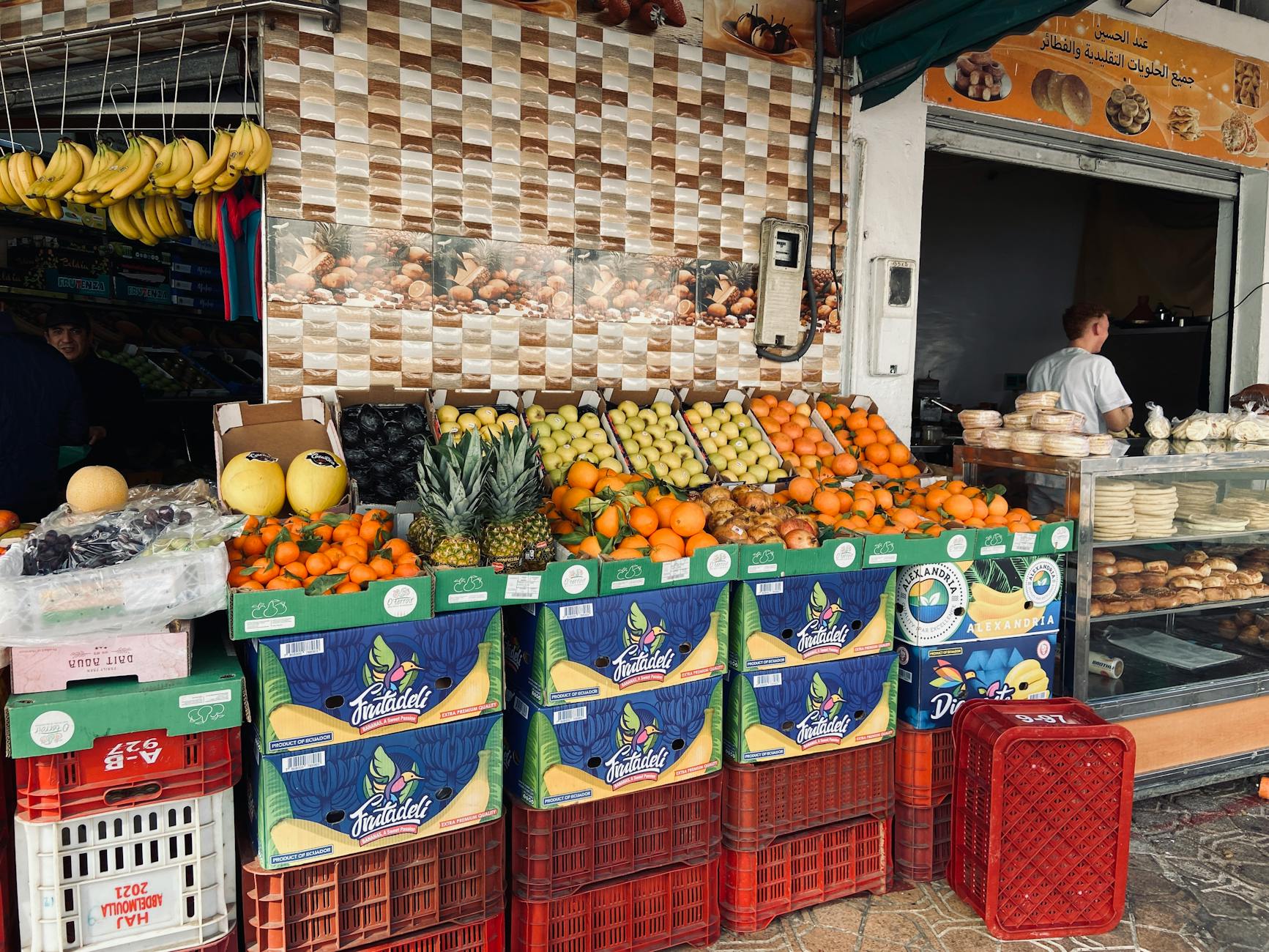
| Moroccan pastries | Almond, honey, sesame, and pastry sweets. | Habous shopping stop or with tea. |
Where to Eat by Situation
Best first dinner: Gauthier, Racine, or Anfa. Pick somewhere close to your hotel after arrival rather than fighting traffic across town.
Best seafood meal: Port/central seafood restaurants or Corniche/Aïn Diab spots, depending on your style and budget.
Best traditional-feeling lunch: Habous or a well-reviewed Moroccan restaurant in the center/newer neighborhoods.
Best café pause: Gauthier, Maârif, Centre Ville, or Habous.
Best romantic dinner: Corniche/oceanfront or a polished restaurant in Racine/Anfa.
Best solo dining: Cafés, hotel restaurants, casual Moroccan restaurants, or modern restaurants in Gauthier/Maârif.
Best with kids: Hotel restaurants, mall restaurants, casual cafés, and Corniche venues with space.
Restaurant Practicalities
- Reservations: Recommended for popular restaurants, weekend dinners, oceanfront restaurants, and high-end venues.
- Meal times: Breakfast is flexible; lunch often runs later than North American habits; dinner can start later, especially in social neighborhoods.
- Alcohol: Available in many hotels, bars, clubs, and some restaurants, but not everywhere. Do not assume every restaurant serves alcohol.
- Tipping: Around 10% is appreciated in restaurants when service is good and not included.
- Cards: Many formal restaurants accept cards; small shops, taxis, and market purchases may require cash.
- Ramadan: Daytime restaurant availability can shift. Hotels often remain easiest for visitors during fasting hours.
- Dietary restrictions: Vegetarian eating is possible but may require clear communication; vegan and gluten-free require more planning. Seafood and meat are common.
How to Avoid Bad Meals
- Do not eat only next to major landmarks unless the place has a strong reason to be there.
- Avoid restaurants with aggressive touting or vague menus in tourist-heavy spots.
- Ask your hotel where local business diners go, not just where tourists go.
- Eat seafood where turnover is strong.
- Book one good Moroccan meal rather than several mediocre "tourist menu" meals.
Drinks and Nightlife
Casablanca has more nightlife than many Moroccan cities, especially in Aïn Diab, Gauthier, Racine, and hotel bars. The scene ranges from lounges and clubs to wine bars, live music, and polished restaurants.
Important etiquette: Morocco is a Muslim-majority country. Alcohol exists, but public drunkenness is not acceptable. Be discreet, use taxis at night, and respect local norms.
Getting Around
Casablanca is manageable if you understand the tools. It is frustrating if you assume you can walk everywhere or improvise all transport at rush hour.
Arriving at Mohammed V International Airport
Casablanca's main airport, Mohammed V International Airport, is south of the city. Your best transfer depends on timing, luggage, hotel location, and tolerance for friction.
Airport Train
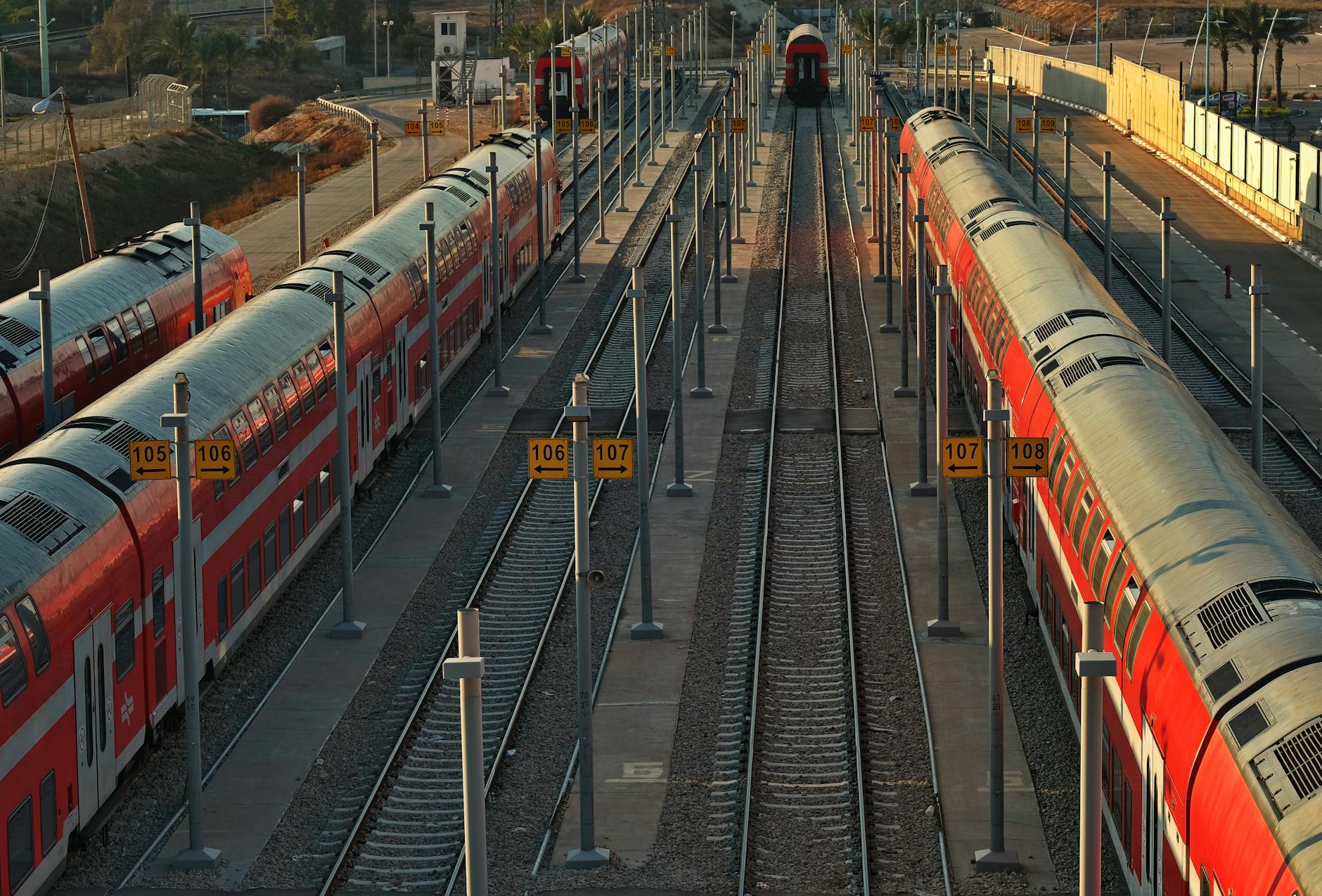
The airport train is usually the most sensible option for travelers going near Casa Voyageurs, Casa Port, Casa Oasis, or onward rail connections. The station is in the basement of Terminal 1, with direct access to the airport concourse. Trains serve stations including L'Oasis, Casa Voyageurs, and Casa Port. The airport site lists typical departures from 06:50 to 22:50, about 30 minutes to Casa Voyageurs, and fares of 50 MAD in 2nd class and 70 MAD in 1st class.
Best for: solo travelers, light luggage, daytime arrivals, onward train connections, avoiding taxi negotiation.
Not ideal for: late-night arrivals outside operating hours, travelers with lots of luggage, hotels far from stations, families needing door-to-door comfort.
Aérobus
Casablanca also has an Aérobus airport shuttle. The official Casabus page describes departures every 25 to 40 minutes, a day-and-night operating schedule, a flat fare of 50 MAD, and payment by cash, bank card, or rechargeable card. The route connects the airport with central points including Casa Port, United Nations Square, Arab League Park, and major boulevards.
Best for: travelers whose hotel is near its corridor, budget-conscious visitors, people arriving when trains are not convenient.
Check: Current stops, schedule, and exact operating pattern before relying on it for a tight flight.
Taxi or Private Transfer
A taxi or private transfer is the easiest door-to-door option, especially late at night or with luggage. It is also the option most likely to involve price confusion if you do not use an official taxi or agreed transfer.
The move: If arriving after a long-haul flight, prearrange a hotel transfer or use official airport taxi channels. The extra cost may be worth the reduction in arrival stress.
Public Transportation in the City
Tramway and Busway
Casablanca's tramway and busway network is increasingly useful for visitors, especially along central corridors. The official network includes tram lines and busway lines, with a combined ticketing system. Current official fare information lists a single ticket at 8 DH for one journey or 14 DH for two journeys; rechargeable-card fares are lower per trip after buying the card.
Useful for: Centre Ville, Casa Voyageurs, Casa Port, some beach/Corniche access depending on line, and avoiding traffic in certain corridors.
Limits: It will not solve every visitor route. Hotels and restaurants may still require taxis.
City Buses
Buses exist and are cheap, but first-time visitors usually find trams, taxis, and walking selected areas easier. Official Casabus information notes regular bus fares vary by line, often in the 5–8 DH range.
Taxis and Rideshare
Casablanca's red petits taxis are used for city trips. Larger grand taxis serve longer or shared routes. Ride-hailing availability can vary by regulation and service; check what is active locally at the time of travel.
Taxi tips:
- Use the meter where appropriate or agree clearly before departure.
- Carry small bills.
- Have your destination written in French or Arabic, or use a map pin.
- Avoid unmarked drivers approaching you aggressively.
- Expect drivers to refuse some rides during traffic or shift changes.
- At night, prioritize reputable taxis, hotel-arranged rides, or app-based options where functioning.
Walking
Casablanca is walkable in selected areas, not as a whole.
Good walking zones: Hassan II Mosque esplanade/seafront, parts of Centre Ville, Habous, selected Gauthier/Maârif streets, Corniche segments.
Less pleasant walking conditions: busy roads, long exposed stretches, broken sidewalks, traffic-heavy connectors, station-adjacent areas at night, and routes that look short on a map but are unpleasant on the ground.
The move: Walk inside neighborhoods; use transport between neighborhoods.
Driving and Rental Cars
Do not rent a car just for Casablanca. Traffic, parking, navigation, and driving norms make it more stressful than useful for most visitors. Rent a car only for regional travel where rail does not suit your route.
Good car use: El Jadida/Azemmour/Oualidia coastal exploration, business travel with parking, road trips after leaving the city.
Bad car use: one-day first-time Casablanca sightseeing.
Safety and Scams
Casablanca is a large city with normal big-city risks plus Morocco-specific visitor friction. Most travelers visit without major problems, but the city rewards awareness.
General Safety
- Use normal urban caution, especially in crowded markets, stations, old medina lanes, and nightlife areas.
- Keep phones and wallets secure.
- Avoid flashing expensive jewelry or camera gear in crowded streets.
- Use taxis/rideshare after dark rather than long walks between neighborhoods.
- Be alert at ATMs and choose machines inside banks or secure areas when possible.
- Avoid demonstrations and large political crowds.
- Ask your hotel about current neighborhood-specific advice.
Common Problems
| Problem | What It Looks Like | How to Avoid It |
|---|---|---|
| Taxi overcharging | Refusal to use meter, unclear pricing, inflated airport or late-night quotes. | Use official taxis/transfers, agree price, carry small bills, ask hotel estimates. |
| Unofficial guides | Someone attaches themselves to you near medinas or tourist sites. | Politely decline and keep moving; hire licensed guides intentionally. |
| Petty theft | Pickpocketing or phone snatching in busy areas. | Keep valuables secured; avoid using phones near traffic edges. |
| Restaurant/tourist pricing confusion | Menu ambiguity or unexpected add-ons. | Check menu prices, ask before ordering, use well-reviewed places. |
| Fake friendliness around landmarks | Help that turns into pressure for payment. | Accept help only when you asked for it. |
| ATM/currency issues | Bad exchange rates, exposed cash handling. | Use bank ATMs and official exchange offices; count discreetly. |
Night Safety
Casablanca has real nightlife, but use door-to-door transport. Do not wander from the Corniche to a hotel on foot late at night unless it is a very short, obvious, active route and your hotel confirms it is fine. Stay sober enough to manage taxis and money.
Health Practicalities
- Pharmacies are common and often helpful for minor issues.
- Private clinics exist; ask your hotel for the best nearby option.
- Travel insurance is sensible.
- Bottled water may be easier on sensitive stomachs.
- Heat, sun, wind, and dehydration can still matter even in a coastal climate.
- During summer, watch for food freshness in informal settings.
Traveler-Specific Notes
Solo travelers: Casablanca is workable but can feel tiring. Stay in a practical neighborhood and avoid aimless night walking.
Solo women travelers: Expect some street attention. Dress with urban modesty, use taxis at night, and choose well-reviewed hotels/restaurants.
LGBTQ+ travelers: Morocco is socially conservative and same-sex sexual activity is criminalized. Be discreet, particularly outside international hotel/nightlife contexts.
Travelers of color: Casablanca is diverse and African/Arab/Amazigh/European influences intersect, but experiences vary by nationality, language, and perceived class. French or Arabic can change interactions.
Religious travelers: Dress and behavior matter around mosques and religious holidays. Non-Muslim access to mosques is generally restricted except at sites like Hassan II Mosque on guided visits.
Budget and Costs
Casablanca can be more expensive than visitors expect because it is a business city. It has budget options, but the best value often comes from choosing a convenient mid-range hotel and avoiding wasteful taxis.
Daily Budget Ranges
| Travel Style | Daily Estimate, Excluding Long-Distance Transport | What It Feels Like |
|---|---|---|
| Shoestring | 350–600 MAD | Budget room/hostel, cheap meals, trams, limited taxis, few paid attractions. |
| Budget comfort | 700–1,100 MAD | Simple hotel, casual restaurants, some taxis, mosque visit, cafés. |
| Mid-range | 1,200–2,200 MAD | Good hotel, taxis, strong meals, guided walk, comfortable pacing. |
| Comfortable/upscale | 2,500–4,500+ MAD | Better hotel, private transfers, upscale restaurants, oceanfront options. |
| Luxury | 5,000+ MAD | Five-star hotels, private driver, high-end dining, spa/hammam, premium transfers. |
Typical Costs
| Item | Rough Range |
|---|---|
| Coffee / nous-nous | 10–30 MAD |
| Mint tea | 10–35 MAD |
| Casual breakfast | 25–70 MAD |
| Casual lunch | 60–150 MAD |
| Seafood or nicer dinner | 180–500+ MAD |
| Tram single ticket | Around 8 MAD |
| Airport train to Casa Voyageurs | Around 50 MAD 2nd class / 70 MAD 1st class |
| Aérobus airport shuttle | Around 50 MAD |
| Hassan II Mosque adult foreigner visit | Around 140 MAD at last official check |
| Mid-range hotel | 700–1,500 MAD/night depending on season/location |
| Upscale hotel | 1,800–4,000+ MAD/night |
Best Value Moves
- Use the airport train when your hotel/station connection makes sense.
- Stay in Gauthier/Maârif/Racine to reduce evening transport friction.
- Use the tram for central corridors rather than sitting in traffic.
- Spend on the Hassan II Mosque guided visit; it is worth it.
- Do not overpay for a poorly located luxury hotel.
- Eat your most ambitious meal at lunch if dinner reservations are hard.
- Buy pastries and gifts in Habous rather than generic airport shops.
Worth the Splurge
- A comfortable hotel for your first or last night in Morocco.
- Private airport transfer for late arrivals.
- Guided architecture walk.
- A good seafood meal.
- A hammam or spa reset after a long flight.
Usually Not Worth It
- Renting a car for city sightseeing.
- Staying far outside the useful neighborhoods just to save a little money.
- Taking an expensive private city tour that is mostly windshield time.
- Eating in a view restaurant if the food is mediocre.
- Building a long itinerary around sites that are not actually open or easy to access.
Accessibility
Casablanca can be challenging for travelers with mobility needs. Modern hotels, malls, airport facilities, and some newer districts may be manageable, but sidewalks, curb cuts, old buildings, medina lanes, traffic crossings, and attraction access can be inconsistent.
Key Accessibility Considerations
- Sidewalks: Uneven, blocked, or high-curbed in many areas.
- Traffic crossings: Can be stressful and require caution.
- Tram: More accessible than many older transport options, but station access and crowding should be checked.
- Taxis: Standard taxis may not be wheelchair-accessible; arrange suitable transport ahead.
- Hotels: Choose modern international-standard hotels and confirm room, elevator, bathroom, and entrance details in writing.
- Hassan II Mosque: Check official accessibility arrangements before visiting; the site is large and involves group movement.
- Old Medina: Difficult for many mobility needs due to uneven surfaces and crowding.
- Habous: More manageable than the old medina, but still has uneven pavements and steps.
Best Accessible Strategy
Stay in a modern hotel in Gauthier, Racine, Anfa, or the Corniche; arrange door-to-door transport; visit the mosque with advance planning; keep walking routes short; use malls, hotel restaurants, and newer cultural spaces as rest points.
Strollers
Casablanca is workable with a stroller in modern areas, malls, hotels, and the Corniche, but medinas and broken sidewalks can be frustrating. A baby carrier may be easier for Habous or old-medina visits.
Families, Solo Travelers, and Special Situations
Families with Kids
Casablanca can work well for families if treated as a comfortable stop rather than an intense sightseeing marathon.
Best family bases: Corniche/Aïn Diab hotels with pools, Anfa, Racine, or Gauthier.
Best family activities: Hassan II Mosque exterior and guided visit for older kids, Corniche walks, Morocco Mall/aquarium-style entertainment if relevant, pastries in Habous, hotel pools, simple seafood meals.
Watch for: Traffic, long transfers, uneven sidewalks, and limited public restrooms.
The move: Keep mornings cultural and afternoons easy.
Teenagers
Teens may enjoy the mosque, Corniche, malls, cafés, street photography, and a food-focused day. They may be less impressed by the old medina if they have already seen Fes or Marrakech.
Solo Travelers
Casablanca is a good solo city for hotels, cafés, and restaurants, but not ideal for aimless wandering after dark. Choose a central, comfortable base and use taxis/rideshare for evenings.
Older Travelers
Prioritize hotel comfort, elevators, door-to-door transport, and short walks. The mosque and Habous are worthwhile but should be paced carefully.
Business Travelers
Casablanca is one of Morocco's best business-travel cities. Stay near your meetings first; then add the mosque, Habous, and a seafood dinner as efficient cultural anchors.
Digital Nomads and Remote Workers
Casablanca can work for short remote-work stays because of cafés, hotels, and modern neighborhoods, but it is not as relaxed or lifestyle-oriented as coastal towns like Essaouira or Taghazout. Choose Gauthier/Maârif/Racine, confirm Wi-Fi quality, and ask about noise.
Shopping and Souvenirs
Casablanca is not Morocco's most atmospheric shopping city, but it is practical and often less theatrically touristy than Marrakech.
Best Things to Buy
- Moroccan pastries and sweets.
- Leather goods, with quality checks.
- Ceramics and small craft pieces.
- Books, especially in Habous if you read French or Arabic.
- Spices and pantry goods from reputable shops.
- Modern Moroccan design items.
- Argan oil and cosmetics from trustworthy sellers.
- Textiles, slippers, baskets, and small home goods.
Best Shopping Areas
Habous: Best for traditional-feeling shopping, pastries, books, and gifts.
Maârif: Best for practical shopping, boutiques, and everyday urban retail.
Morocco Mall / AnfaPlace area: Best for mall shopping, international brands, family convenience, and air-conditioned breaks.
Old Medina: Best for working-market texture and bargains, but less polished.
How to Shop Well
- Compare prices before buying larger items.
- Bargaining is normal in many traditional shops, but less so in fixed-price boutiques.
- Inspect leather, stitching, zippers, and ceramics carefully.
- Do not buy antiques, fossils, or cultural goods unless you understand export rules.
- Be careful with "too good to be true" argan oil, saffron, or luxury knockoffs.
What Not to Buy
- Fake designer goods.
- Wildlife products.
- Questionable antiques.
- Large fragile ceramics unless you can transport them safely.
- Food products that your home country prohibits.
Culture, History, and Etiquette
Short History for Travelers
Casablanca's ancient and medieval history is less visible than that of Fes or Marrakech, but the city has older roots as Anfa, a settlement connected to Atlantic trade. The modern city grew dramatically under the French protectorate in the 20th century, when colonial planners, architects, administrators, and business interests reshaped it into a major port and commercial hub.
This period left Casablanca with its distinctive architecture: wide boulevards, administrative squares, apartment blocks, arcades, Art Deco details, neo-Moorish ornament, and modernist experiments. After independence, Casablanca continued expanding as Morocco's economic engine, drawing migrants, capital, industry, and culture.
The city today is not a preserved relic. It is a living argument between history, development, inequality, aspiration, traffic, religion, commerce, and coast.
The Film Myth
Many visitors arrive with the movie Casablanca in mind. The film was not shot in Casablanca, and its smoky wartime romance belongs more to Hollywood than to the actual city. Still, the name matters. Casablanca carries a global cinematic aura even when the real city is much more practical and Moroccan than the myth.
The move: Enjoy the myth lightly, but do not let it define your expectations.
Etiquette Basics
- Dress modestly compared with beach-resort standards, especially in religious or traditional areas.
- At the mosque, follow posted rules and guide instructions.
- Ask before photographing people closely.
- Use your right hand for greetings, eating, and giving/receiving where possible.
- Public affection should be restrained.
- During Ramadan, be discreet about eating, drinking, or smoking in public during daylight hours.
- Bargain with humor and respect, not aggression.
- Learn a few words: salaam alaikum for hello/peace, shukran for thank you, la shukran for no thank you, and afak for please.
Dress Code
Casablanca is more cosmopolitan than many Moroccan destinations, but modest urban clothing is still the safest default. In central neighborhoods, business districts, and restaurants, locals dress in everything from jeans and dresses to suits and traditional garments.
For the mosque: Cover shoulders, chest, and knees. Avoid short shorts, tank tops, or revealing clothing.
Religious Sensitivity
Casablanca is home to active Muslim communities and important religious spaces. Non-Muslims should not attempt to enter mosques other than approved visitor access at Hassan II Mosque. Prayer times and Friday rhythms matter.
Day Trips and Side Trips
Casablanca's biggest advantage is connectivity. It is not always the most romantic base, but it is practical.
Rabat
Best overall day trip. Morocco's capital is elegant, calmer, and easy by train. It pairs beautifully with Casablanca because it shows a different urban face: administrative, historic, Atlantic, and refined.
Best for: Kasbah of the Udayas, Hassan Tower, Mohammed V Mausoleum, Chellah, calmer medina, riverside atmosphere.
Transport: Train from Casa Voyageurs or Casa Port depending on schedule.
Time needed: Full day.
Better as overnight? Yes, if you have time. Rabat deserves a night.
El Jadida
A coastal city with Portuguese history, sea walls, and a different Atlantic mood.
Best for: history, photography, seaside atmosphere, UNESCO context, slower pace.
Transport: Train or car depending on schedule.
Time needed: Full day.
Better as overnight? Good as a night if pairing with Oualidia or the coast.
Azemmour and Oualidia
More niche coastal extension. Azemmour has historic texture; Oualidia is known for lagoon scenery and oysters.
Best for: coastal food, slow travel, photography, escaping the city.
Transport: Easier by car/private driver.
Time needed: Long day or overnight.
Mohammedia
A closer coastal option north of Casablanca.
Best for: a lighter seaside break, local atmosphere, short escape.
Transport: Train or car.
Time needed: Half day to full day.
Marrakech
Possible by train, but better as an overnight or multi-day stop. Do not reduce Marrakech to a rushed day trip from Casablanca unless you truly have no other option.
Best for: major Morocco itinerary stop, not a casual Casa day trip.
Fes
Too important and too far in feel to treat as a casual day trip. Go for at least two nights if possible.
Tangier
High-speed rail connections make northern Morocco more accessible, but Tangier is better as an overnight or part of a northbound route.
What Not to Day Trip
Do not day trip to Chefchaouen, the Sahara, or deep Atlas destinations from Casablanca. The map may tempt you; the logistics will punish you.
Seasonal Events and Month-by-Month Guide
Casablanca's calendar is shaped by national holidays, Islamic holidays, school holidays, business travel, coastal summer rhythms, and events that may change year to year.
Key Seasonal Factors
- Ramadan: major rhythm shift; verify hours and restaurant plans.
- Eid al-Fitr and Eid al-Adha: family holidays; closures and transport demand spike.
- Summer holidays: Corniche and beach areas become busier.
- Business season: Hotels can fill with conferences and corporate travel.
- Football events: Morocco's football calendar can affect city atmosphere, transport, and hotel demand.
- Rainy winter periods: Build indoor alternatives.
Month-by-Month Planning
| Month | Planning Notes |
|---|---|
| January | Mild winter, possible rain, good for low-crowd city exploration. |
| February | Still wintery by Moroccan coastal standards; cafés and architecture work well. |
| March | Strong shoulder season; check Ramadan timing in relevant years. |
| April | One of the best months for sightseeing. |
| May | Warm and pleasant; good restaurants and coastal evenings. |
| June | Early summer; oceanfront areas get more appealing. |
| July | Busy and hazy; plan around heat and traffic. |
| August | Holiday month; Corniche energy rises, some business rhythms slow. |
| September | Excellent balance of warmth and normal city rhythm. |
| October | One of the best city months. |
| November | Cooler, some rain possible; still useful for stopovers. |
| December | Mild, practical, and good for pre/post wider Morocco travel. |
Packing List
Year-Round Essentials
- Comfortable walking shoes with decent soles.
- Light layers for ocean wind.
- Modest clothing for mosque visits and traditional areas.
- Sunglasses and sunscreen.
- Small day bag that closes securely.
- Universal plug adapter.
- Portable charger.
- Hand sanitizer and tissues.
- Small bills and coins for taxis, tips, and small shops.
- Offline maps.
- Hotel address in French/Arabic or a pinned map location.
Spring and Autumn
- Light jacket or sweater.
- Breathable daytime clothing.
- A compact umbrella if rain is forecast.
Summer
- Light, breathable clothing.
- Sun hat.
- Extra sunscreen.
- Swimwear if staying at a hotel with pool/beach access.
- A light cover-up for conservative areas.
Winter
- Light rain jacket.
- Warmer sweater for evenings.
- Shoes that handle wet pavements.
For the Mosque
- Clothing that covers shoulders, chest, and knees.
- Easy-to-remove shoes.
- Scarf or light layer if your outfit is borderline.
What Not to Pack
- Too much formalwear unless business or upscale dining requires it.
- Heavy hiking gear unless heading onward to mountains.
- Large amounts of cash.
- Revealing clothing as your only warm-weather wardrobe.
- Fragile luggage if you plan to use trains and taxis frequently.
What to Skip
Skip Casablanca as a Long Leisure Base Unless You Have a Reason
For most first-time Morocco travelers, Casablanca is best for one or two nights. Use it well, then move on.
Skip Comparing Every Medina to Fes or Marrakech
Casablanca's old medina is not the point. Habous and the Art Deco center are often more rewarding.
Skip Renting a Car for City Sightseeing
Traffic and parking will drain your energy. Use taxis, trams, and trains.
Skip Generic Private Tours With Too Much Driving
A good architecture walk or mosque-focused tour is valuable. A vague city tour that just drives past monuments is less useful.
Skip Overpriced View-Only Meals
Ocean views are nice, but Casablanca has enough good restaurants that you should not sacrifice food quality entirely for a view.
Skip Shopping Blindly in Tourist-Pressured Spots
Habous is generally more pleasant for souvenir browsing than rushed purchases near high-pressure tourist areas.
Skip Treating Rick’s Café as the Whole City
Rick's Café can be fun for film-minded travelers and a polished meal, but the movie myth is not Casablanca's real story. Enjoy it if you want; do not build your entire guide around it.
Common Mistakes
- Leaving too little time for the mosque. The guided visit schedule matters; build around it.
- Expecting Marrakech. Casablanca is modern, Atlantic, and business-driven.
- Booking the cheapest hotel near a station. Convenience on a map does not guarantee comfort.
- Ignoring traffic. Do not cross the city repeatedly.
- Trying to walk everywhere. Walk neighborhoods, not the whole city.
- Skipping Habous. It is one of the easiest and most pleasant visitor districts.
- Eating badly because you are tired. Choose a hotel near good restaurants or plan dinner ahead.
- Not using the train for onward travel. Casablanca is a strong rail hub.
- Forgetting coastal weather. Bring a layer even when Morocco sounds hot.
- Overstaying. Casa is compelling, but most leisure itineraries need room for other Moroccan regions.
- Underestimating Ramadan changes. Verify hours and meal plans.
- Photographing people without permission. Be respectful and discreet.
- Assuming alcohol is everywhere. It is available, but not universal.
- Arriving late without a transfer plan. Prearrange if tired, solo, or carrying luggage.
- Judging the city from the airport road. The good parts require a little intention.
Responsible Travel
Casablanca is not a stage set. It is a city where people live, work, pray, commute, and build lives. Visit accordingly.
Better Visitor Behavior
- Dress respectfully at religious sites and in traditional quarters.
- Ask before photographing people.
- Pay fair prices rather than turning every interaction into a battle.
- Use licensed guides when you want interpretation.
- Support independent cafés, shops, and restaurants where quality is real.
- Avoid buying counterfeit goods or questionable antiques.
- Do not treat poverty, labor, or old neighborhoods as photo props.
- Learn basic greetings in Arabic or French.
- Respect Ramadan even if you are not fasting.
- Use trains and trams where practical to reduce car reliance.
Overtourism Context
Casablanca is less overtouristed than Marrakech or Fes, but that does not mean visitors have no impact. Short-term rentals, restaurant economies, transport pressure, and cultural behavior still matter. Spend locally and behave like a guest in a working city.
FAQ
Is Casablanca worth visiting?
Yes, if you understand what it offers. Casablanca is worth visiting for the Hassan II Mosque, Art Deco architecture, Atlantic atmosphere, food, cafés, and modern Moroccan context. It is less rewarding if you want a classic medina fantasy.
How many days do I need in Casablanca?
Most first-time visitors need one full day or two nights. Add a second full day if you like architecture, food, or slower urban travel.
What is the best area to stay in Casablanca?
Gauthier, Racine, Maârif, and Anfa are the best first-timer areas for restaurants, hotels, taxis, and comfort. The Corniche works for oceanfront stays. Casa Port works for train convenience.
Is Casablanca safe for tourists?
Most visitors are fine with normal city precautions. Petty theft, taxi issues, and nighttime street awareness matter. Use secure transport after dark and keep valuables controlled.
Can non-Muslims visit the Hassan II Mosque?
Yes, non-Muslim visitors can visit on official guided tours at designated times. Access changes around prayer times, Fridays, Ramadan, Eid, and special events.
Is Casablanca better than Marrakech?
They serve different purposes. Marrakech is more atmospheric and tourist-oriented. Casablanca is more modern, commercial, coastal, and architectural. For a first Morocco trip, Marrakech usually has greater travel impact, but Casablanca adds valuable context.
Should I stay near the airport?
Only for very late arrivals, early departures, or disrupted flights. Otherwise, go into the city.
Do I need a car in Casablanca?
No. A car is usually a burden inside the city. Use train, tram, taxis, and walking selected areas.
What should I not miss?
The Hassan II Mosque, the Art Deco center, Habous, and at least one Atlantic/seafront moment.
What should I skip?
Skip trying to turn Casablanca into a full medina vacation. Skip renting a car for sightseeing. Skip overloading your day with cross-town transfers.
Is the old medina worth visiting?
Briefly, yes, for context. But it is not the main reason to visit Casablanca and should not be compared with Fes or Marrakech.
Is Casablanca good for families?
Yes for a short, comfortable stop with the mosque, Corniche, hotel pool, pastries, and malls. It is less ideal for stroller-heavy medina wandering.
Is Casablanca expensive?
By Moroccan standards, it can be relatively expensive because it is a business city. Budget travel is possible, but good hotels, taxis, seafood, and upscale restaurants add up.
What language do visitors need?
French is very useful. English works in many hotels and tourist settings but is not as universal. Moroccan Arabic greetings help.
What is the best day trip from Casablanca?
Rabat is the best overall day trip by train. El Jadida is the best coastal-history day trip.
Final Planning Shortcuts
Best First-Timer Plan
Stay in Gauthier/Racine/Maârif. Visit Hassan II Mosque in the morning. See the Art Deco center. Lunch or shop in Habous. Rest. Dinner in Gauthier or on the Corniche. Leave by train the next day.
Best Food Plan
Coffee and pastry, mosque visit, seafood lunch, Habous sweets, café pause, Moroccan or modern Casa dinner.
Best Architecture Plan
Guided center walk, Mohammed V Square, Boulevard Mohammed V, old cinema façades, Habous as planned medina, Hassan II Mosque at golden hour.
Best Family Plan
Hotel with pool or good facilities, mosque exterior/interior if kids can handle it, Habous pastries, Corniche walk, easy dinner near hotel.
Best Budget Plan
Stay near a tram-friendly area, use the airport train, focus on mosque/center/Habous, eat casual lunches, use cafés and street snacks, and avoid unnecessary taxis.
Best Luxury Plan
Stay in Anfa/Corniche/Racine, prearrange airport transfer, private architecture guide, mosque visit, hammam/spa, seafood dinner, and a slow departure day.
Editorial Source Notes
Current logistics were checked on May 23, 2026 against official or primary sources where possible. Re-check any prices, access rules, hours, and safety guidance.
- Moroccan National Tourist Office formalities page: visa/e-visa/AEVM basics and 90-day tourist maximum.
https://www.visitmorocco.com/en/formalities
- Casablanca Mohammed V Airport official page: airport train station location, served stations, typical operating window, travel time, and fares.
https://www.aeroportcasablanca.ma/en/Our-Airports/Casablanca-Mohammed-V-Airport/Access-Facilitations/By-train2
- Casabus Aérobus official page: airport shuttle frequency, fare, payment methods, and central route description.
https://www.casabus.ma/en/aerobus/
- Casatramway official offers page: tramway/busway fare products, including single ticket and rechargeable card information.
https://www.casatramway.ma/ticket-abonnement/nos-offres
- Casatramway official lines and schedules page: tramway and busway lines and first/last departure information.
https://www.casatramway.ma/se-deplacer/lignes-et-horaires
- Casabus FAQ: local bus fare range and passenger information.
https://www.casabus.ma/en/faq/
- Hassan II Mosque Foundation official page: guided visit hours, ticket categories, dress rules, and visitor rules.
https://www.fmh2.ma/en
- U.S. Department of State Morocco travel advisory: safety-advisory framing and emergency consular contact context for U.S. travelers.
https://travel.state.gov/content/travel/en/traveladvisories/traveladvisories/morocco-travel-advisory.html
The World-Class Difference
The average Casablanca guide says: "See the mosque, maybe visit Rick's Café, then leave."
A better guide says: "Casablanca is not Morocco's prettiest city, but it is one of the country's most revealing. Give it a focused day, understand its architecture and Atlantic scale, eat well, use transport intelligently, and let it show you the Morocco that works, commutes, builds, trades, prays, drinks coffee, and looks out to sea."