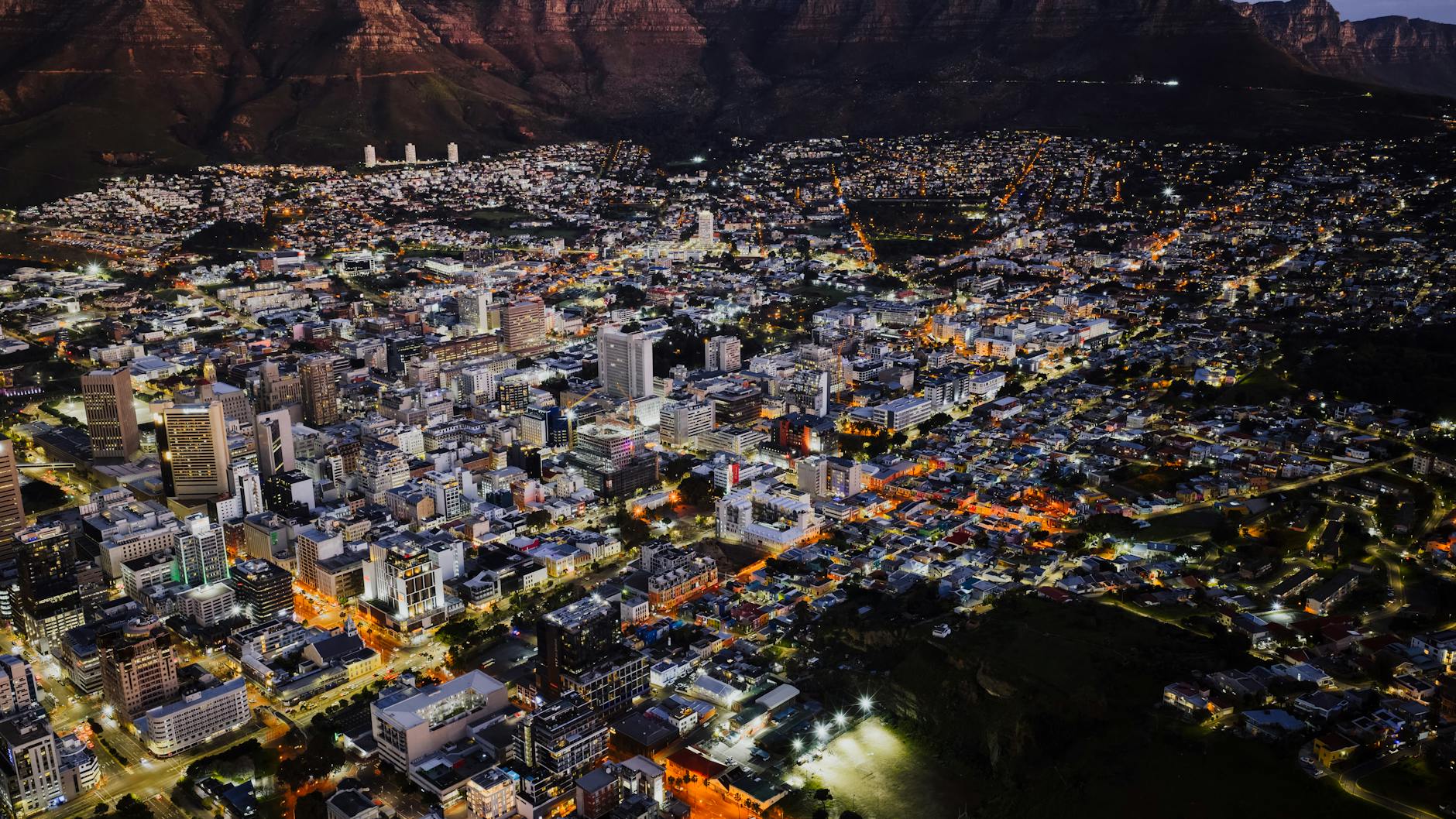
Cape Town is one of the world’s easiest cities to romanticize and one of the easiest to dilute.
Start Here
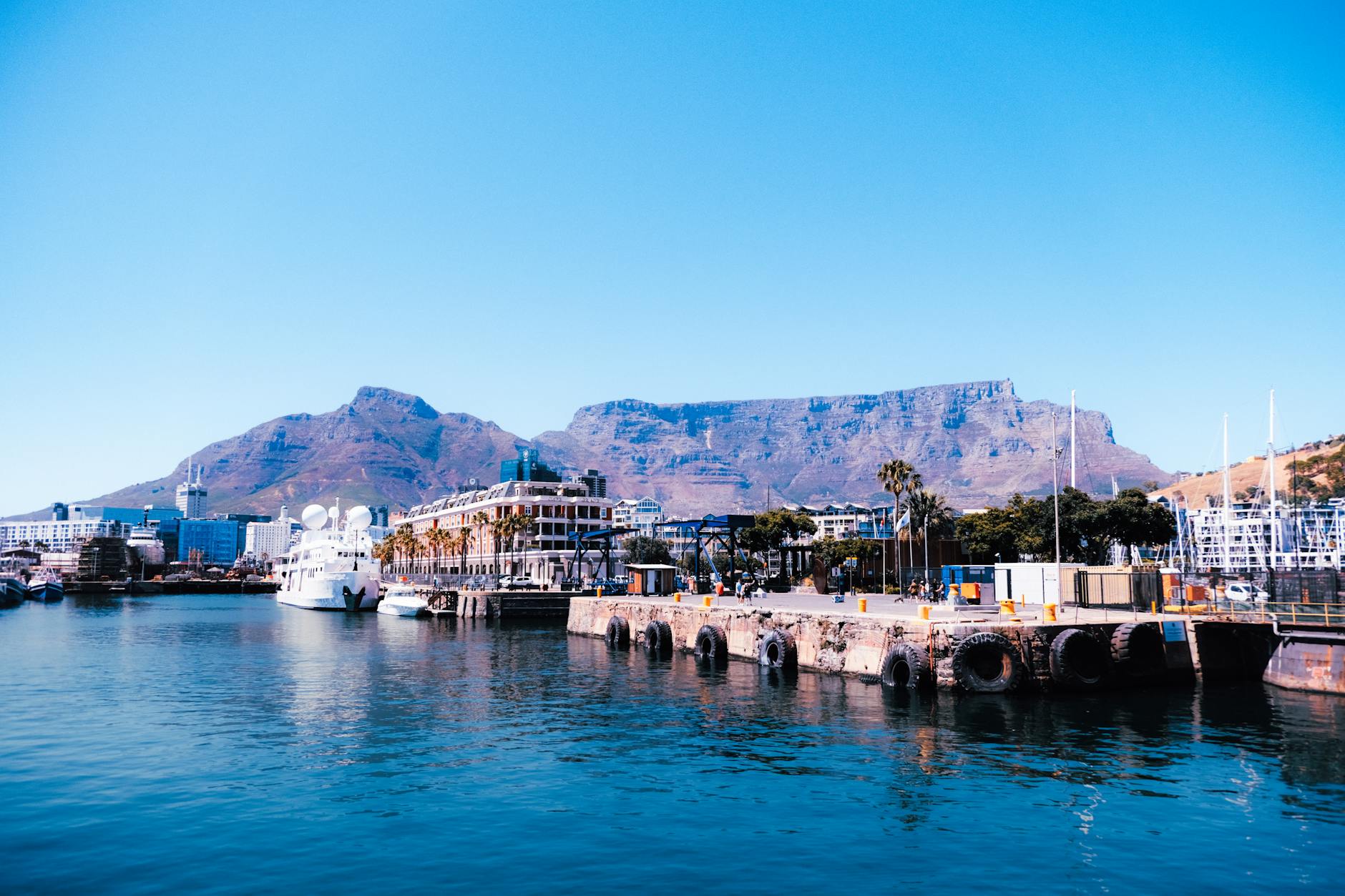
The mountain, the light, the sea, the curved roads, the vineyards within reach, the beaches, the design hotels, the breakfasts that turn into lunches and the lunches that turn into sundowners: all of that is real. The city photographs exactly the way people hope it will. But a lot of first-time trips still come out oddly thin because travelers confuse beauty with structure. They assume the city will arrange itself for them, that a dramatic hotel view is a strategy, that beach mood and urban mood can be swapped effortlessly, or that every famous drive and outlook naturally belongs in one itinerary.
Cape Town is better than that. It is also stricter than that. The city works when you choose a version of it and let the rest remain secondary. A City Bowl stay gives you one kind of trip. Camps Bay gives another. Waterfront polish, Kloof Street energy, the Atlantic seaboard, Constantia-side breathing room, and peninsula ambition all create genuinely different Cape Towns. Table Mountain is not just an attraction but a weather-sensitive organizing force. Kirstenbosch is not just a nice garden but one of the places where the city’s landscape and civic self-understanding meet. Robben Island matters because it interrupts the temptation to read Cape Town only as leisure.
The city in one sentence: Cape Town is a world-class scenic city whose best first trip depends on district discipline, weather awareness, and understanding when to stop adding one more beautiful thing.
Quick Verdict
Best for: first-time South Africa travelers, repeat global city travelers, food-and-hotel travelers, landscape lovers, and people who like cities with a strong outdoor edge.
Less ideal for: travelers who want everything to be walkable, people who hate itinerary discipline, or anyone expecting a pure beach city or pure urban city rather than a shifting combination of both.
Ideal first stay: 4 nights.
Still worthwhile: 3 nights if the trip is tightly shaped.
Can justify more: easily.
Main planning mistake: trying to sample too many different Cape Town moods in one day.
One thing to prioritize: the base.
One thing to respect: weather, especially around the mountain and coast.
Who Will Love Cape Town?
Cape Town suits travelers who enjoy cities whose pleasures are both urban and outward-facing. If you like a place where breakfast can matter, design hotels matter, weather matters, and the city’s best moments often involve moving between neighborhoods and landscapes rather than staying inside one monumental core, Cape Town is strong.
It is also excellent for travelers who can appreciate that “doing less” can make a city feel richer. Cape Town improves when one day belongs mostly to the mountain and City Bowl, another to the coast, another to a garden or cultural institution, and another to a major moral-historical site.
Cape Town at a Glance
| Question | Practical Answer |
|---|---|
| Main gateway | Cape Town International Airport |
| Best first-time base for most | City Bowl / central urban zone |
| Best alternative leisure base | Atlantic seaboard, especially Camps Bay or nearby |
| Main weather-sensitive anchor | Table Mountain |
| Best garden counterpoint | Kirstenbosch |
| Best historical-moral counterpoint | Robben Island |
| Main planning issue | mixing too many zones too quickly |
2026 Visitor Notes
Cape Town International Remains a Straightforward Gateway
Airports Company South Africa continues to present Cape Town International Airport as a major national hub with public-transport and access information maintained through the airport’s official pages.[1]
District Choice Still Changes the Entire Trip
Cape Town Tourism’s current area guide continues to frame the city as a collection of distinct geographic zones rather than one simple center.[2] That is the most important practical truth about Cape Town.
Table Mountain Remains a Weather-Led Decision
The official Table Mountain Aerial Cableway site continues to emphasize real-time operating conditions, changing first-and-last-car times, and the importance of official ticket channels.[3]
Kirstenbosch Still Deserves a Real Place in the First Trip
SANBI continues to present Kirstenbosch as one of the world’s great botanic gardens and the major cultivated landscape expression of Cape Town’s natural setting.[4]
Robben Island Still Changes the Moral Register of the City
Robben Island Museum’s official material continues to frame the island as a national estate and World Heritage Site dedicated to preserving a layered history of imprisonment, banishment, and political struggle.[5]
How to Understand Cape Town
Cape Town works through four forces.
The first is district identity. Where you stay determines not just convenience but the emotional shape of the trip.
The second is weather dependence. Wind, visibility, and shifting conditions materially affect what kind of day the city can support.
The third is outward movement. Cape Town’s best days often arc outward rather than unfold within one tight urban circuit.
The fourth is contrast. Beauty, history, leisure, and political memory all matter here, and the city weakens when any one of them is allowed to dominate too completely.
The Main Mental Shift
Do not ask, “How much of Cape Town can I squeeze in?” Ask, “Which Cape Town deserves to lead this trip?” Then let the others support it.
What Makes Cape Town Distinct
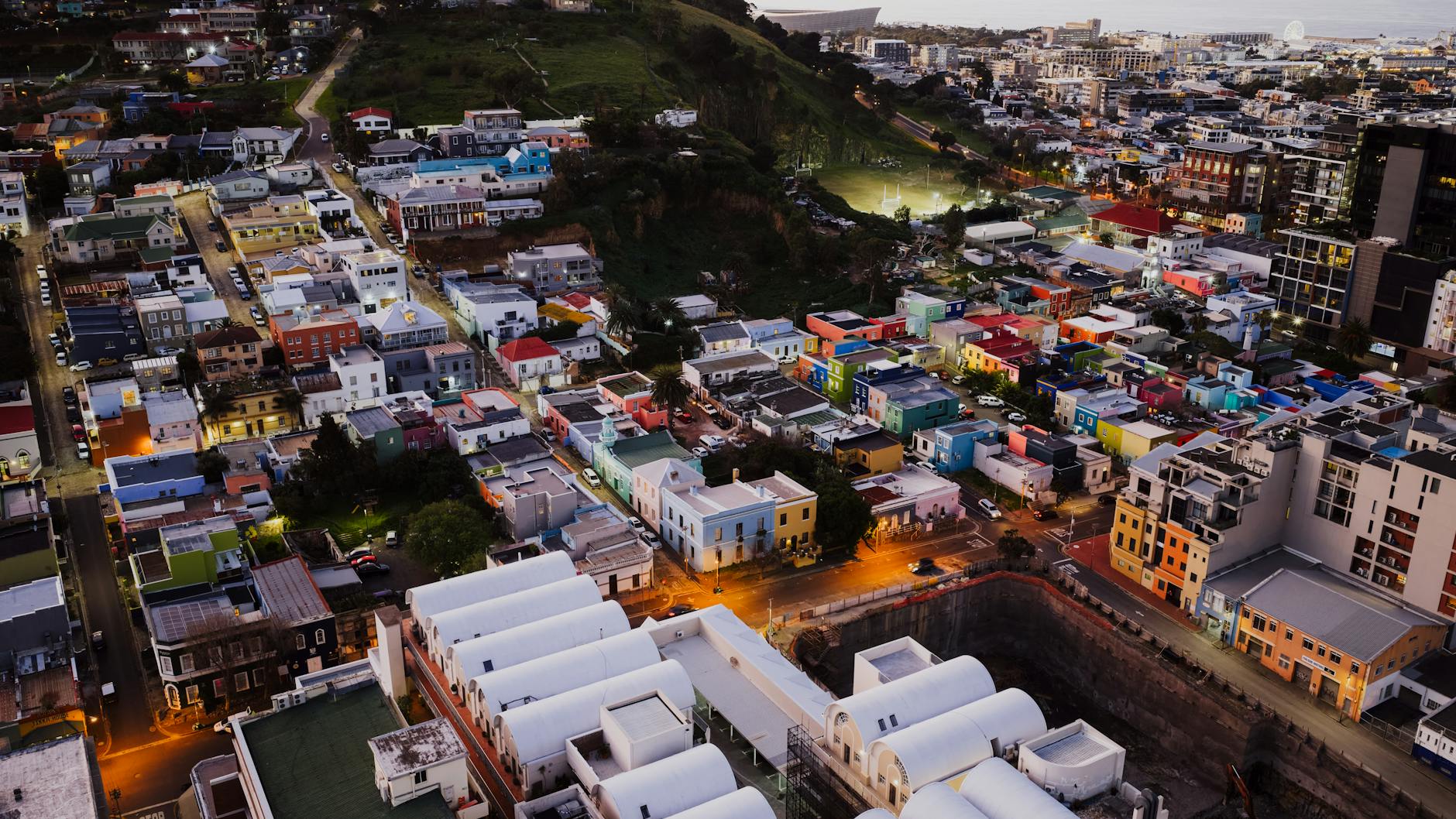
Cape Town’s distinction is not merely that it is beautiful. Plenty of cities are beautiful. Cape Town feels exceptional because the dramatic landscape and the usable city are both strong enough to matter.
This is rare. In some scenic cities, the urban life is secondary. In some high-functioning cities, the scenery is only background. Cape Town is one of the few places where mountain, sea, neighborhoods, gardens, and serious hospitality all speak clearly at once. It also has enough historical and political depth that it should not be reduced to a postcard of the Atlantic seaboard.
That is why a first trip can be revelatory or disappointing depending on whether the traveler accesses the actual city beneath the view.
Best Time to Visit
Cape Town should be timed to the trip you want rather than to one generic seasonal rule.
Warmer months give the city its most seductive open-air form, but they also bring more demand, more need for reservations, and more pressure on classic scenic slots. Shoulder seasons are often excellent because the city stays vivid while movement becomes cleaner. Winter can still work very well if you are hotel-forward, food-forward, and willing to accept a moodier landscape.
The bigger point is this: weather is operational information here, not background decoration.
How Many Days You Need
Two Nights
Possible, but too short for most first-time travelers to understand the city properly.
Three Nights
Workable. Enough for one mountain-and-city day, one coastal or garden day, and one heritage or cultural counterpoint.
Four Nights
The strongest first answer. This gives space for weather adaptation, which Cape Town deserves.
Arrival Strategy
A clean first transfer matters in Cape Town because the city’s mood begins immediately.
ACSA’s airport pages make it easy enough to understand arrival-side logistics and public-transport options, but the harder question is still where you are going next.[1] If your first drive moves you into a district that matches the trip, Cape Town tends to open quickly. If not, the city can feel oddly disjointed in the opening hours.
The first afternoon should usually be light. Do not begin by trying to clear too much scenery.
Where to Stay
City Bowl / Central Urban Base
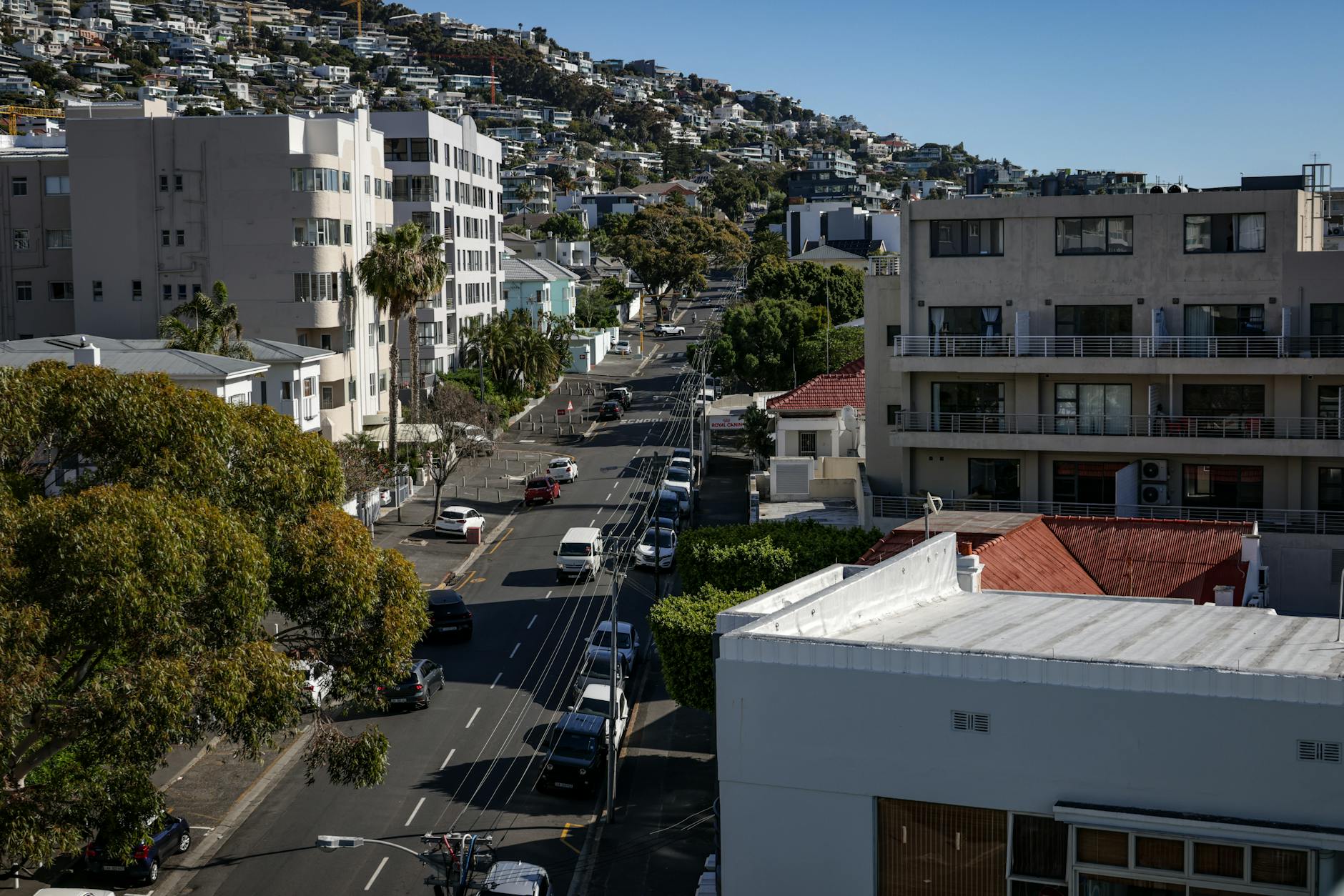
Best for most first-time visitors. This gives access to central dining, Kloof and Bree Street logic, easier movement toward both mountain and waterfront zones, and a more complete sense of the city.
Camps Bay / Atlantic Seaboard
Best for travelers prioritizing sea-facing glamour, beach proximity, and outward leisure mood. Strong, but not always the best first base if you also want the city to feel urban.
Waterfront-Adjacent Stay
Best for travelers who want polish, comfort, and convenience. This can work well, but it should be chosen for what it solves, not because it sounds safest or easiest by default.
The Main Rule
In Cape Town, the right district often matters more than the more famous hotel.
The Cape Towns That Matter Most
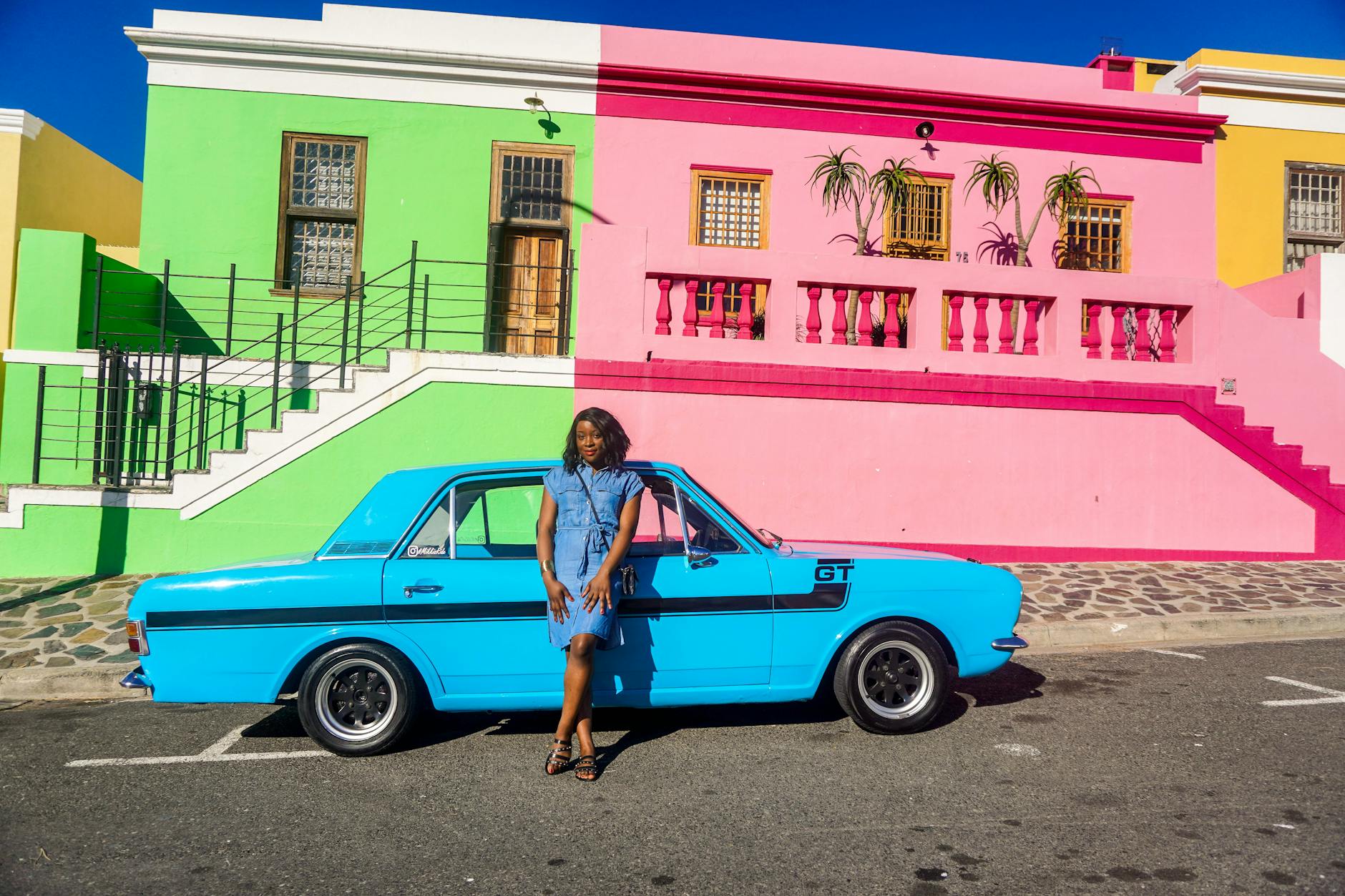
City Bowl Cape Town: urban restaurants, design, hills, and the most balanced first-time base.[2]
Atlantic Cape Town: Camps Bay, Clifton, sea light, and the city’s most obviously cinematic leisure register.
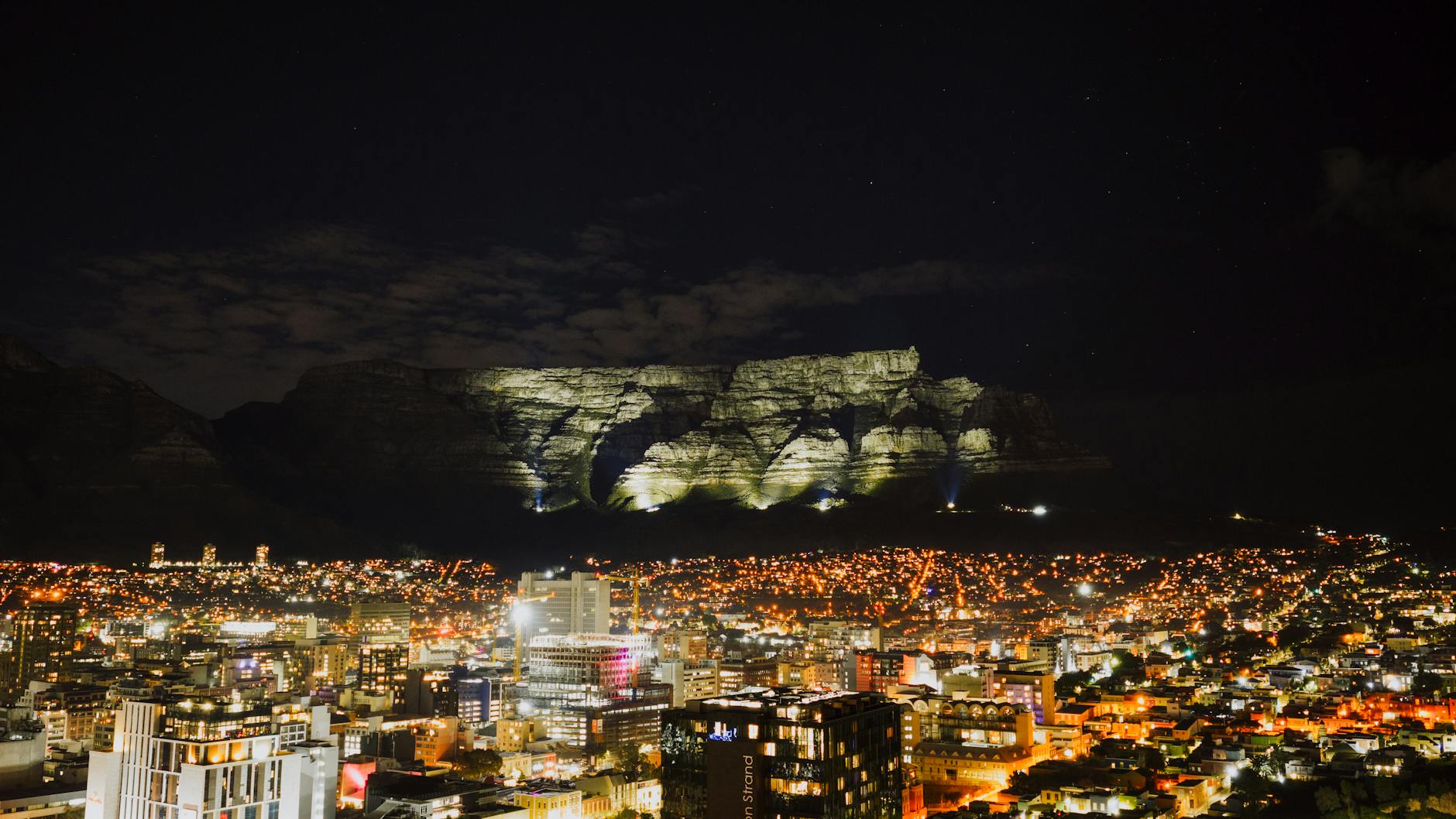
Mountain Cape Town: Table Mountain as a weather-dependent organizing force rather than a guaranteed checkbox.[3]
Garden-and-Slope Cape Town: Kirstenbosch and the cultivated side of the city’s natural intelligence.[4]
Historical Cape Town: Robben Island and the sites that make the city morally and politically legible beyond beauty.[5]
Table Mountain and the Discipline of Conditions
Table Mountain should not be treated like a fixed appointment.
The official cableway site continues to foreground operating conditions, changing hours, and official ticketing guidance because the mountain is weather-sensitive in a real way.[3] A good Cape Town plan leaves room to move the mountain slot if necessary. A bad one locks the whole trip around a fixed assumption and then resents the city when nature does not cooperate.
The mountain belongs near the top of the priority list, but it should be handled flexibly rather than stubbornly.
Kirstenbosch and Why It Matters
Kirstenbosch is one of the places where Cape Town stops being just dramatic and starts being deeply composed.
SANBI continues to describe it as one of the great botanic gardens of the world, and that status feels earned.[4] It is not merely a pretty excursion. It is one of the clearest ways to understand how the city lives with mountain, slope, indigenous flora, and cultivated public space.
If your Cape Town trip is becoming too driver’s-seat and viewpoint-led, Kirstenbosch often restores depth.
Robben Island and the Necessary Counterweight
Cape Town weakens when it is read only as pleasure.
Robben Island Museum’s official framing makes clear that the island is not an incidental excursion but a national and world-heritage site tied to some of the hardest parts of South African history.[5] This matters because the city’s beauty can otherwise become strangely frictionless. Robben Island restores the political and moral dimension that belongs in a serious first trip.
Do it if you want the city to feel complete. Skip it only if time or weather force the issue.
Food, Hotels, and the Cape Version of Luxury
Cape Town is unusually good at a kind of relaxed competence: strong breakfasts, thoughtful hotel design, long lunches, wine fluency, and evenings that can feel polished without becoming stiff.
This does not mean the city should become only a hospitality bubble. It means that Cape Town is one of the places where a carefully chosen hotel and a few well-selected meals genuinely improve the structure of the trip. Use those strengths, but do not let them replace the city.
Coast, Peninsula, and the Problem of Overreach
Cape Town tempts travelers into overreach because so many drives and coastal segments sound individually irresistible. The peninsula, Chapman’s Peak logic, beaches, outlooks, and side trips can all feel mandatory. They are not.
One coherent coastal day is powerful. Two partially coastal days can also work. But trying to fit every famous road and beach into one short stay often leaves the city itself under-read.
Cape Town is better when the trip still has a center.
Where Cape Town Fits in a South Africa Trip
Cape Town often carries more symbolic weight than any other city on a South Africa itinerary, and that can distort planning.
People arrive believing that because the city is so beautiful it must also be infinitely forgiving. They assume everything will naturally flow: mountain in the morning, coast at lunch, beach in the afternoon, design dinner at night, and perhaps a major historical site whenever it happens to fit. This kind of confidence works against the city. Cape Town is not difficult because it lacks options. It is difficult because it has too many strong registers that cannot all lead at once.
Within a broader South Africa route, Cape Town is usually best used as a major chapter, not a decorative beginning or end. It can support hotel pleasure, outdoor days, historical seriousness, and neighboring coastal or vineyard movement, but it does so best when the trip accepts that the city deserves shape. If Johannesburg often works through contrast and intensity, Cape Town works through composition. That is why it rewards time.
It is also why the city often improves when it is not immediately followed by another place demanding equal scenic attention. Cape Town wants room around it.
First-Time Visitors Versus Repeat Visitors
First-time visitors usually need Cape Town to be coherent. Repeat visitors often need it to be narrower.
On a first trip, the goal is to build a version of the city that makes internal sense. You want a base that supports both urban and outward movement. You want one strong mountain window, one serious historical or cultural counterweight, and one or two coastal or garden experiences that do not fracture the trip. This is less about maximizing individual highlights than about letting them reinforce one another.
Repeat visitors often have more freedom to choose a single Cape Town mood and stay with it. They may prioritize the Atlantic seaboard, or the City Bowl’s restaurant culture, or a slower Constantia-side stay, or simply a mountain-and-meals trip with very little symbolic sightseeing. That narrower use can actually be richer because the city’s many possibilities no longer need to be reconciled into one introductory narrative.
This is a good sign. It means Cape Town is not just spectacular on first contact. It can sustain more selective, more mature return use as well.
Daytime Cape Town Versus Evening Cape Town
Cape Town changes its register more than many first-time visitors expect.
Daytime Cape Town is often about light, visibility, movement, and weather decisions. This is when the mountain matters most, when roads and drives feel operational, and when the city’s outward-facing beauty is easiest to understand. The day asks for structure.
Evening Cape Town tends to feel more contained and more social. The trip folds back into a base, a meal, a hotel, or one of the city’s restaurant-and-bar corridors. This is when the choice of district becomes especially important. A good base makes evenings feel easy and coherent. A bad one can make them feel as though the day’s beauty has ended somewhere else.
This is one reason the city’s best stays are built around return, not constant onward motion. Cape Town is not only a series of excursions. It needs to have a nightly center of gravity.
The Base Decides the City
This is the most important practical truth in Cape Town, and most first trips learn it either early or painfully.
City Bowl gives you balance. You remain connected to restaurants, urban texture, central movement, and the ability to pivot toward different weather-appropriate plans.[2] The Waterfront gives you polish, convenience, and a cleanly managed version of the city, but can also make the place feel slightly over-curated if overused. Camps Bay and the Atlantic edge give immediate scenic reward, but they can weaken the sense that you are staying in a city rather than in a very beautiful coastal strip.
None of these bases is wrong. They simply produce different trips. Trouble begins when travelers choose one base and emotionally expect another. If you stay on the seaboard while secretly wanting City Bowl spontaneity, or stay central while secretly wanting a constant beachfront fantasy, the city will feel disjointed even if the itinerary is technically fine.
Cape Town is one of those rare places where base choice is not logistics. It is interpretation.
Safety, Movement, and Practical Confidence
Cape Town is a city that rewards calm practical thinking.
This is not a place to move through carelessly or to assume that scenic glamour cancels the need for ordinary urban awareness. At the same time, it is also not a place that needs to be approached with generalized panic. The city works best when movement is intentional: use known routes, let hotel staff or local hosts help shape evening decisions when needed, keep transport choices clean, and understand that the easiest day is often the best day.
What matters most for visitors is confidence without improvisational bravado. A well-based, well-sequenced Cape Town trip usually feels smooth. A poorly sequenced one can feel oddly tiring because the city is asking you to solve too many different environments at once.
This is another reason not to overcomplicate the first visit. Simpler plans tend to feel safer, more elegant, and more truthful to the city.
Table Mountain Is a Weather Problem Before It Is an Attraction
Table Mountain is perhaps the clearest example anywhere of a major urban landmark that must be treated operationally before it is treated emotionally.
Yes, it is one of the signature experiences of the city. Yes, getting it right can color the whole trip positively. But the official cableway guidance remains explicit because the mountain’s functioning is tied to conditions in a very real way.[3] Wind, cloud, visibility, and queue pressure are not side notes. They are part of the experience.
This should not discourage visitors. It should discipline them. The correct attitude is not “I will do Table Mountain on Tuesday at 10:00 no matter what.” The correct attitude is “Table Mountain is one of the trip’s priorities, so the itinerary must leave enough flex to let conditions decide when the slot makes sense.”
Once that is accepted, the mountain often becomes easier to enjoy and less likely to wreck the structure of the stay.
Wind Changes the City More Than Outsiders Expect
Many cities have weather. Cape Town has wind as a planning category.
This matters not only for the mountain but also for beaches, drives, meals, visibility, and the overall mood of the day. Wind can make a glamorous coastal plan feel brittle or can suddenly improve a city-and-garden day that was being undervalued. It can turn one district into a bad idea and another into the right answer.
Travelers who succeed here are usually the ones who stop seeing weather as sabotage and start seeing it as routing information. A windy day is not a failed Cape Town day. It is a different Cape Town day. That is a crucial distinction.
The city becomes much easier once you grant conditions real authority.
Cape Town With Family or Low-Energy Travelers
Cape Town can work beautifully for mixed-energy groups, but only if the trip is edited with unusual honesty.
Families often benefit from the city’s visible beauty, hotel options, and the fact that many of the big emotional rewards are accessible without extreme physical effort. Low-energy travelers can also do well because the city offers plenty of high-payoff, lower-exertion experiences. But those advantages disappear quickly if the itinerary starts behaving like a conquest map.
The best family or low-energy Cape Town often looks lighter than the planner first imagined. One anchor per day, one strong meal, one scenic or cultural emphasis, and enough recovery time that the city still feels generous by evening. That version wins because Cape Town’s beauty already does so much work for you. It does not need to be squeezed.
This is one of the rare destinations where ambition often subtracts more than it adds.
Food and the Role of the Hotel
Cape Town is one of the places where hotel choice and food choice genuinely shape the emotional quality of the trip.
This is not superficial. A city whose best days often begin or end in one carefully chosen district needs a hotel that supports the right rhythm. The right breakfast, the right view, the right return point after a weather-shifted day, or the right corridor for dinner can turn the city from beautiful-but-fragmented into coherent.
At the same time, it is easy to overindulge the hospitality layer and accidentally let it replace the city. That is a real risk in Cape Town because the hotels are often good enough to make staying still feel like success. Use them well, but do not let them become the whole trip. The same goes for food. One excellent dinner is often better than three half-optimized scenic bookings chained together.
Cape Town’s luxury works best when it supports structure instead of dissolving it.
The Peninsula Question
Many first trips get into trouble because the peninsula acquires the status of a mandatory super-day.
The problem is not that the peninsula is unworthy. It is absolutely worthy. The problem is that people begin treating it as an obligation so total that it swallows the logic of everything around it. They then append beaches, outlooks, lunch stops, and side scenes to a route that was already enough before the additions began.
The better approach is to decide what role the peninsula plays. Is it the main scenic day? Is it part of a broader coastal stay? Is it one elegant arc rather than an encyclopedic one? Once the answer is clear, the day improves. Cape Town only starts to thin out when every beautiful road is asked to be the best beautiful road of the trip.
Beauty needs editing just as much as density does.
Why Kirstenbosch Is More Than a Garden Stop
It is easy for first-time visitors to treat Kirstenbosch as either optional refinement or filler for a non-mountain day. That undersells it badly.
Kirstenbosch matters because it shows one of Cape Town’s most intelligent relationships: the city’s relation to landscape as something curated, civic, and studied rather than merely gazed at.[4] In a trip full of viewpoints, roads, beaches, and hotel terraces, the garden reintroduces scale, botany, and public purpose. It slows the eye down.
This is why Kirstenbosch is often one of the best correctives to a trip that is becoming too scenic and not grounded enough. It gives you one of the city’s most thoughtful landscape experiences, not just one of its prettiest.
Why Robben Island Changes the Whole Reading
Robben Island does more than add history to a beauty-heavy city. It changes the terms of interpretation.
Without it, first-time visitors can leave with a Cape Town composed too heavily of hotels, sea light, mountain weather, and tasteful leisure. Those things are real, but they are not enough. Robben Island restores political depth and moral proportion.[5] It reminds you that the city’s beauty has never existed outside power, exclusion, imprisonment, and struggle.
That does not mean every trip must become solemn. It means a serious first trip should include at least one encounter that complicates pleasure. Robben Island is the strongest obvious candidate. When it fits, it makes the rest of the city read more honestly.
Why Some People Leave Cape Town Slightly Unsatisfied
This is a more common outcome than people like to admit, precisely because the city is so beautiful.
When travelers leave unsatisfied, it is usually not because Cape Town failed to provide enough. It is because the trip became a sequence of partial encounters: one district at breakfast, another by lunch, a scenic drive in the afternoon, a beach at sunset, and dinner somewhere chosen for optics rather than coherence. The result can be gorgeous and oddly hollow.
Cape Town is not a city that automatically self-organizes through beauty. The visitor still has to decide what kind of city break this is. Without that decision, the days can become thin even while every individual element remains lovely.
That is why some first trips underperform their own photographs.
Why Cape Town Often Improves on Revisit
Cape Town may be most dangerous on a first trip because first-time visitors feel compelled to test all its promises at once.
On a second visit, that pressure drops. You already know the city can be beautiful. You no longer need every famous view to prove it. That frees you to choose one version of Cape Town and live inside it longer: urban, seaboard, mountain-led, food-led, or history-led. The city becomes less about sampling and more about inhabiting.
This often produces a richer experience. Cape Town stops being a brochure and becomes a system of moods, districts, and weather answers. That is when many travelers move from admiration into attachment.
A Good Cape Town Day Versus a Bad One
A good Cape Town day has one clear leader and enough flexibility to let conditions decide the details.
If the mountain leads, the rest of the day should support the mountain. If the coast leads, the day should not be cluttered with formal city obligations. If history leads, leisure should be secondary, not absent. A strong day here always has a center.
A bad Cape Town day is scenic maximalism disguised as sophistication. It begins too early, drives too much, stops too often, photographs beautifully, and ends with the vague sense that the city was seen from outside rather than understood from within.
Cape Town’s trick is that both versions can look glamorous on paper. Only one of them feels satisfying in the body.
How the City Changes Over the Course of a Stay
Cape Town is often better on the third day than on the first.
On first contact, the city can seem like a sequence of views attached to hospitality. By the second or third day, the districts start to sort themselves out, the weather patterns become more legible, and the base begins to prove whether it was chosen well. The city’s internal logic emerges slowly.
That is why short stays can still be lovely but slightly misleading. Cape Town does not always reveal its order immediately because its beauty arrives first. Given a little more time, however, the order starts catching up. That is when the destination becomes more than just a collection of very fortunate angles.
Movement Between Districts Is Part of the Cost
One of the easiest planning mistakes in Cape Town is acting as though shifting from one district mood to another is frictionless.
On a map, City Bowl, the Waterfront, Camps Bay, Kloof Street, the mountain, and the peninsula can look temptingly close. In practice, every move has weather implications, traffic implications, energy implications, and sometimes dining implications. This does not make the city hard. It just means that transitions themselves consume part of the day.
The strongest itineraries account for this honestly. They allow one district or one landscape type to dominate most of a given block of time. They do not keep asking the city to switch emotional gears every ninety minutes. The weaker itineraries treat Cape Town like a sequence of adjacent postcards. That is how a place with enormous beauty can still end up feeling oddly administrative.
The more clearly you accept transition cost, the more relaxed the whole trip becomes.
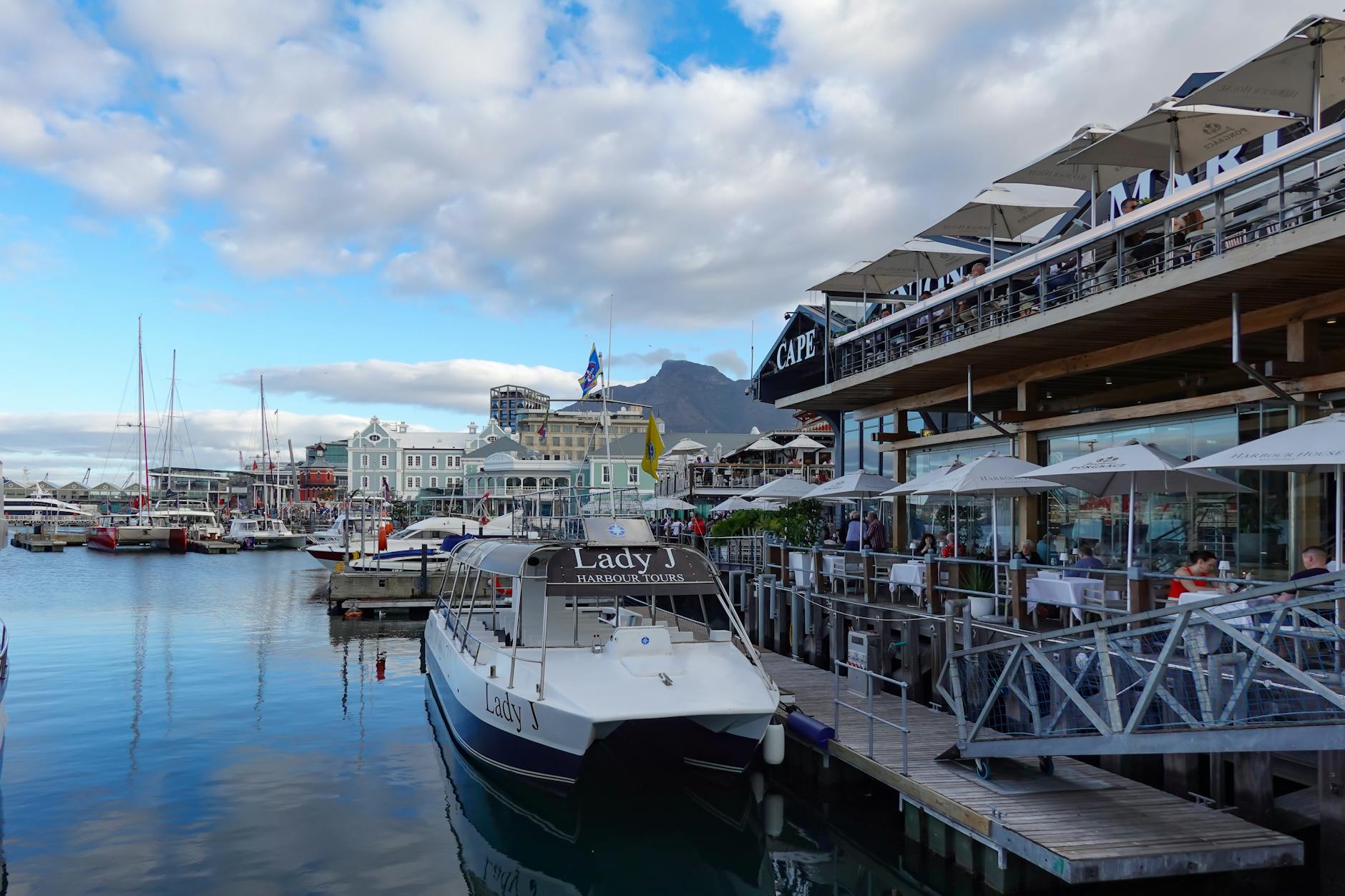
The Waterfront: Useful, Polished, and Best Used Deliberately
The Waterfront solves many problems in Cape Town, which is exactly why it needs to be used deliberately rather than lazily.
It gives comfort, convenience, easy dining, managed movement, and a cleaned-up version of the city that many first-time travelers understandably find reassuring. For some stays, especially shorter ones, that reassurance is worth a lot. But the Waterfront is strongest when it supports the trip rather than replacing it.
If you use it as a base for one or two things, it can help Cape Town feel easy. If you use it as your whole understanding of Cape Town, the city can start to feel over-curated and slightly detached from its own rougher truths. The solution is not to avoid the Waterfront. It is to know what problem it is solving: comfort, convenience, or polish. Once that is clear, you can take the benefit without letting it become the whole city.
This is another way of saying that Cape Town’s polished surfaces are best when they sit beside, not on top of, the city’s deeper structures.
Why One Underplanned Afternoon Can Improve the Whole Trip
Cape Town is a city where one slightly open afternoon can do more good than another perfectly branded scenic sequence.
This is because the city needs room to answer the day you actually got. If the mountain closes, if the wind changes, if one district is working better than expected, or if you are simply more tired than the itinerary assumed, an underplanned block lets the trip recover gracefully. A terrace lunch can extend. A garden can replace a coastal drive. A hotel return can improve the evening rather than ruin it.
Travelers often think flexibility means weakness in the plan. In Cape Town, flexibility is often the mark of the stronger plan. The city’s beauty is already abundant. What the itinerary really needs is elasticity.
Common Mistakes
Choosing the Wrong Base
This is the biggest Cape Town error.
Treating the Mountain as Guaranteed
It is not.
Building Every Day as a Scenic Maximalist Loop
This creates a beautiful but thin trip.
Ignoring the Historical Weight of the City
Robben Island and related contexts matter.
Letting Leisure Replace Structure
Cape Town is relaxed in tone, but it still needs disciplined planning.
My Blunt Advice
For a first trip, stay where the city still feels like a city.
Let the mountain happen under the right conditions.
Use Kirstenbosch to give the trip depth, not just prettiness.
Include Robben Island if you want Cape Town to feel morally complete.
Pick one strong coastal day rather than four partial ones.
And remember that the point of Cape Town is not simply that it is gorgeous. The point is that it can also be coherent, if you make it so.
Source Notes
- 1. Airports Company South Africa, Cape Town International Airport official pages. Used for airport orientation, public transport, and access context. https://www.airports.co.za/CTIA and https://www.airports.co.za/airports/cape-town-international-airport/transport/public-transport
- 2. Cape Town Tourism official areas guide. Used for the city’s current official framing as a set of distinct geographic zones rather than one simple center. https://www.capetown.travel/areas/
- 3. Table Mountain Aerial Cableway official website. Used for current operating-condition logic, ticketing guidance, and time-sensitive visitor planning. https://www.tablemountain.net/about-us/ and https://www.tablemountain.net/our-blog/how-does-table-mountain-cableways-ticketing-work/
- 4. South African National Biodiversity Institute, Kirstenbosch official pages. Used for the garden’s standing, visitor framing, and contact information. https://www.sanbi.org/gardens/kirstenbosch and https://www.sanbi.org/gardens/kirstenboch/visitor-information/information/
- 5. Robben Island Museum official pages. Used for the island’s official heritage framing and current museum-tour context. https://www.robben-island.org.za/ and https://www.robben-island.org.za/about-us/