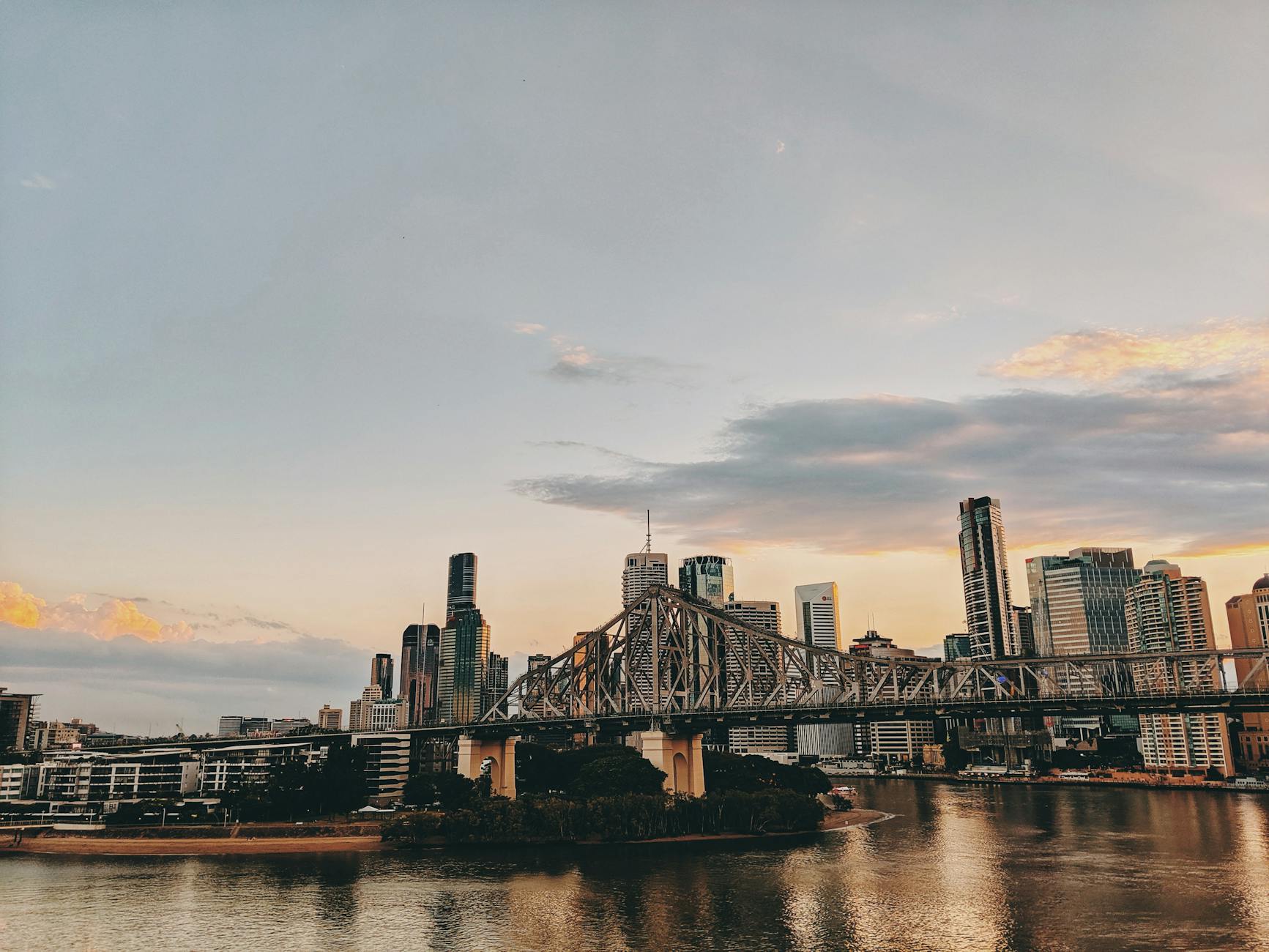
Brisbane is one of those cities that suffers from faint praise. People call it pleasant, easy, relaxed, livable. All of that is true. None of it is enough. The language makes the city sound like an intermission between more dramatic Australian destinations, when in fact Brisbane can be the destination that makes the entire trip work.
Start Here
This is a subtropical river capital that rewards people who understand pace. It is greener, warmer, and more open to daylight than many first-time visitors expect. It is a city of curved river edges, jacaranda streets, converted warehouse districts, outdoor dining, campus ferries, public lawns, bridges, cliffs, galleries, and neighborhoods that do not try to overwhelm you all at once. Sydney impresses faster. Melbourne argues harder. Brisbane often reveals itself more slowly, but it can also feel more coherent once you learn how to use it.
The first mistake is to treat Brisbane as Sydney with fewer icons. The second mistake is to treat it as a generic base for the Gold Coast or Sunshine Coast. Both approaches flatten the city. Brisbane is best when you let it be what it is: a river city whose pleasures come from good routing, a strong hotel base, weather-aware scheduling, and the right mix of culture, food, parks, ferries, and neighborhood time.
The city does not demand a frantic checklist. It asks for better judgment. Stay near the right part of the river. Use ferries as both transport and sightseeing. Group your days by geography. Know when to lean into South Bank, when to cross to the Valley or New Farm, when to slow down in West End, and when to leave the center for a lookout, a market, or a subtropical garden. Brisbane gets better the moment the traveler stops asking whether it is "enough" and starts asking what kind of days it does unusually well.
The city in one sentence: Brisbane is a warm, river-shaped, highly usable Australian city where the best trip comes from combining ferries, neighborhoods, food, culture, and climate-smart pacing rather than chasing a single monumental highlight.
Basic data
| Population | About 2.7 million in Greater Brisbane |
|---|---|
| Area | 15,000 km2 in the metro area; the visitor core is far smaller |
| Major religions | Christianity, Islam, Hinduism, Buddhism, and a large secular population |
| Political system | State capital city inside a federal parliamentary constitutional monarchy |
| Economic system | High-income mixed economy led by services, government, logistics, education, and technology |
Quick Verdict
Best for: first-time Australia trips that need a soft landing, long weekends, couples, food-led city breaks, mixed culture-and-outdoors travelers, families, subtropical winter escapes, and anyone who likes cities that feel open rather than compressed.
Not ideal for: travelers looking for nonstop big-city intensity, people who want a museum capital on the scale of London or Paris, visitors who expect an all-beach holiday without leaving the city, or anyone who refuses to plan around heat and sun.
Ideal first visit: 3 to 4 days.
Minimum worthwhile stay: 2 full days if you stay centrally and accept that you are getting a clean first pass rather than a deep read.
Best overall months: April, May, August, September, and October.
Best value window: late autumn and winter, when the city is often easier to enjoy on foot.
Biggest planning mistake: staying somewhere technically cheap but practically awkward, then spending the trip compensating with time, rideshares, and unnecessary friction.
One thing to prioritize: a room or base that gives you easy access to the river, South Bank, or a reliable transport spine.
One thing to leave flexible: your afternoon. Brisbane is often best in the stretch between lunch and dinner, when you can drift from gallery to river walk to ferry to bar without forcing the city into a rigid timetable.
The blunt version: Brisbane is rarely the most dramatic city in an itinerary, but it is often the city that travelers remember as the one that actually felt good to be in.
Who Will Love Brisbane?
Brisbane suits travelers who want a city break that stays civilized. It is very good for people who like walking, but not necessarily marathon sightseeing. It works for travelers who want warmth without the full chaos of a tropical destination. It works for couples who care about river views, outdoor meals, design hotels, and neighborhoods with enough energy but not constant pressure. It works for parents who want a city that can deliver museums, lawns, playgrounds, ferries, and manageable logistics without the sheer load of a larger metropolis.
It is also excellent for first-time Australia planning because it introduces several things Australia does well all at once: outdoor public life, strong coffee, casual hospitality, good produce, urban river scenery, culture clustered in practical precincts, and a way of moving through the city that feels lighter than in many global capitals.
Brisbane is less ideal for the traveler who needs every hour to feel cinematic. This is not a city that bludgeons you with spectacle from dawn to midnight. Its pleasures are more cumulative. A good ferry ride. A strong lunch. A late-afternoon walk by the water. A gallery that does not exhaust you. A hotel bar that understands climate. A neighborhood that lets you stay out without having to commit to a full nightlife campaign.
If that sounds too mild, Brisbane may not be your city. If that sounds intelligent, restorative, and quietly rewarding, it probably is.
Brisbane at a Glance
| Question | Practical Answer |
|---|---|
| Main airport | Brisbane Airport (BNE) |
| Distance from city | Roughly 20 to 25 minutes by rail or road in normal conditions, depending on destination |
| Best public airport transfer | Airtrain for most solo travelers or pairs heading into the city |
| Best first-time base | CBD, South Bank, or a river-adjacent part of the inner city |
| Best area for food and bars | Fortitude Valley, James Street/New Farm side of town, Fish Lane, and West End |
| Best area for families | South Bank, CBD, or a well-located apartment near the river |
| Best area for a polished weekend | CBD riverfront, Howard Smith Wharves side access, or a strong South Bank hotel |
| Best way to understand the city | Ferry plus walking, not just rideshare |
| Transport payment | Check current Translink payment options; contactless and go card use are increasingly easy across the system |
| Emergency number | 000 |
| Tap water | Safe to drink |
| Power plugs | Type I |
| Currency | Australian dollar |
| Car needed? | Usually no, unless your trip is mainly outer-suburb, mountain, or coast-oriented |
2026 Visitor Notes
Australia Entry Rules Are Passport-Specific
International visitors to Brisbane still need to think nationally before they think locally. Australia does not operate on a casual "figure it out on arrival" model. Entry permission depends on your passport and travel purpose. Many travelers will use an ETA or eVisitor pathway, while others need a visitor visa. Make sure the passport in your hand is the passport tied to your authorization.
Biosecurity Is Not Decorative
Australia takes biosecurity seriously. Food, seeds, outdoor equipment, animal products, and muddy shoes are not trivial details. Declare honestly. Brisbane Airport processing is smoother when travelers do not try to improvise around these rules.
Airtrain Is Usually The Cleanest Public Arrival Move
For most first-time visitors arriving at a reasonable hour and staying near the center, Airtrain is the easiest public route from Brisbane Airport into the city. It removes traffic uncertainty and puts you on the correct side of the arrival problem fast. The calculation changes for families, groups, or very late arrivals, where taxi or rideshare economics can become more attractive.
Last-Train Logic Matters
Do not assume airport rail runs indefinitely. If you land late, especially after delays, check the actual operating window and have a fallback plan. Brisbane is easy until it is suddenly not, and late-night airport improvisation is where many "easy city" assumptions fail.
Ferries Are Not Just A Tourist Extra
Brisbane's river ferries are part of the city's real transport logic. If you treat them as a novelty, you underuse one of the best parts of the city. If you treat them as both movement and orientation, Brisbane starts making sense faster.
Climate Is The Main Practical Variable
The city is not difficult in the way some giant capitals are difficult. It is difficult in the way subtropical cities are difficult: sun, humidity, storms, and energy management matter. A brilliant Brisbane day can turn mediocre if you ignore heat, footwear, and shade.
Day Trips Need Discipline
A lot of first-timers make Brisbane disappear by immediately turning it into a launchpad. There is nothing wrong with Moreton Bay islands, Tamborine Mountain, or the coasts. There is something wrong with using them as an excuse never to understand the city itself.
How to Understand Brisbane
Brisbane works through four ideas.
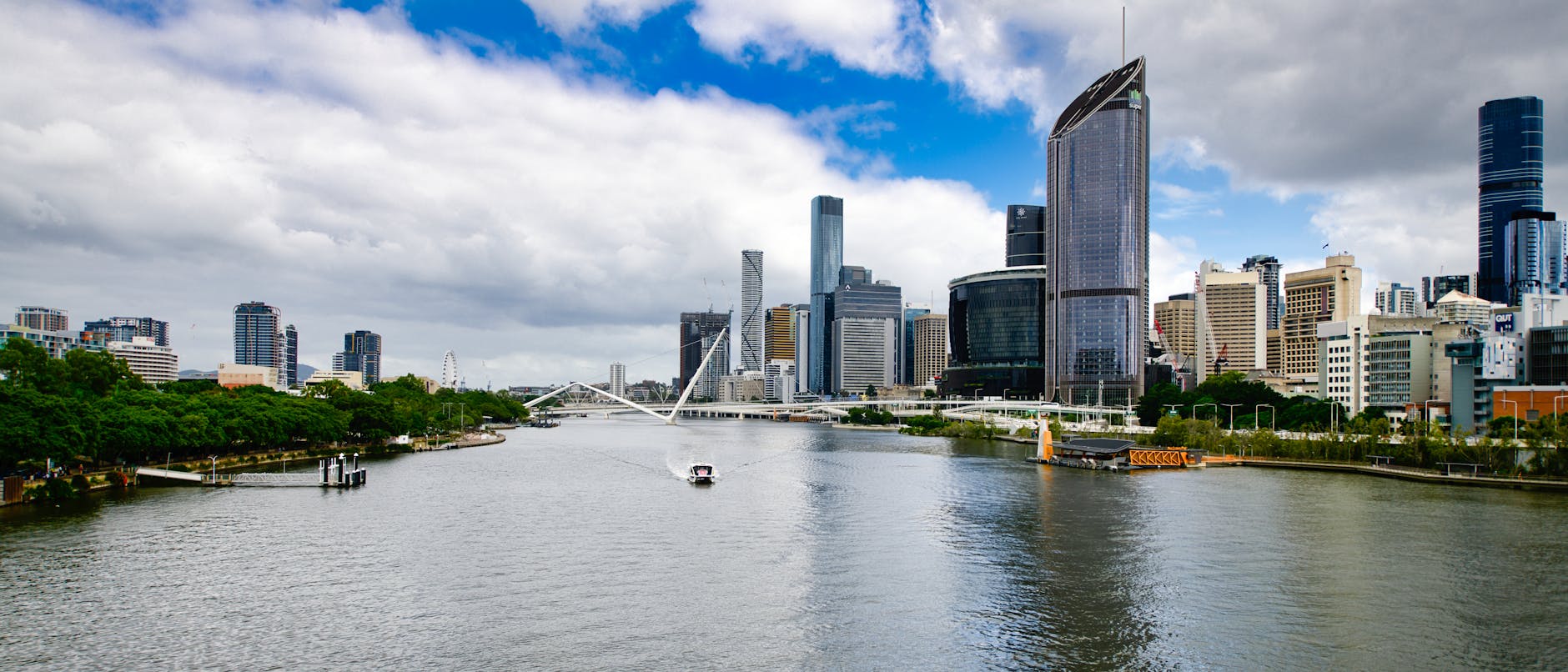
The first is the river. This is obvious on a map and even more important in practice. The Brisbane River is not a background feature. It determines orientation, mood, views, transport, and the emotional logic of the city. A day that includes the river generally feels more like Brisbane than a day that does not.
The second is the inner-city ring. Brisbane is not a massive all-day transit challenge if you stay inside the right cluster: CBD, Spring Hill, South Bank, South Brisbane, Kangaroo Point, New Farm, Teneriffe, Fortitude Valley, and West End. Once you are in that orbit, the city becomes legible.
The third is the subtropical outdoor pattern. This is a city of verandas, breezeways, elevated views, river promenades, beer gardens, rooftop edges, botanic gardens, and parks that actually matter. Brisbane is best used outdoors, but not recklessly. Early starts and late finishes often outperform the dead middle of the day.
The fourth is tone. Brisbane is usually more relaxed in presentation than Melbourne or Sydney, but that does not mean it is shapeless. It means you have to notice the structure for yourself. The city rewards travelers who do not need every good thing to be announced loudly.
The Five Brisbanes Most Visitors Actually Meet
Civic Brisbane: the CBD, bridges, Queen Street Mall, riverfront hotels, office towers, and the efficient middle of the city.
Cultural Brisbane: South Bank, South Brisbane, QAGOMA, Queensland Museum, QPAC, river lawns, and the easiest family-and-first-timer precinct in town.
Social Brisbane: Fortitude Valley, James Street, New Farm, Teneriffe, bars, design retail, brunch culture, and a more polished leisure version of the city.
Local Brisbane: West End, neighborhood cafés, markets, side streets, and the version that feels most lived in rather than arranged for visitors.
Scenic Brisbane: Kangaroo Point, Mt Coot-tha, New Farm Park, riverwalk stretches, and the city at golden hour.
The Main Mental Shift
Do not ask, "What are the ten famous things?" Ask, "What kind of Brisbane day do I want today?" A gallery-and-lunch day, a ferry-and-riverwalk day, a food-and-neighborhood day, a lookout-and-garden day, a hotel-and-lazy-afternoon day, a family day, a warm-weather evening day. That is the right frame.
What Brisbane Does Better Than People Think
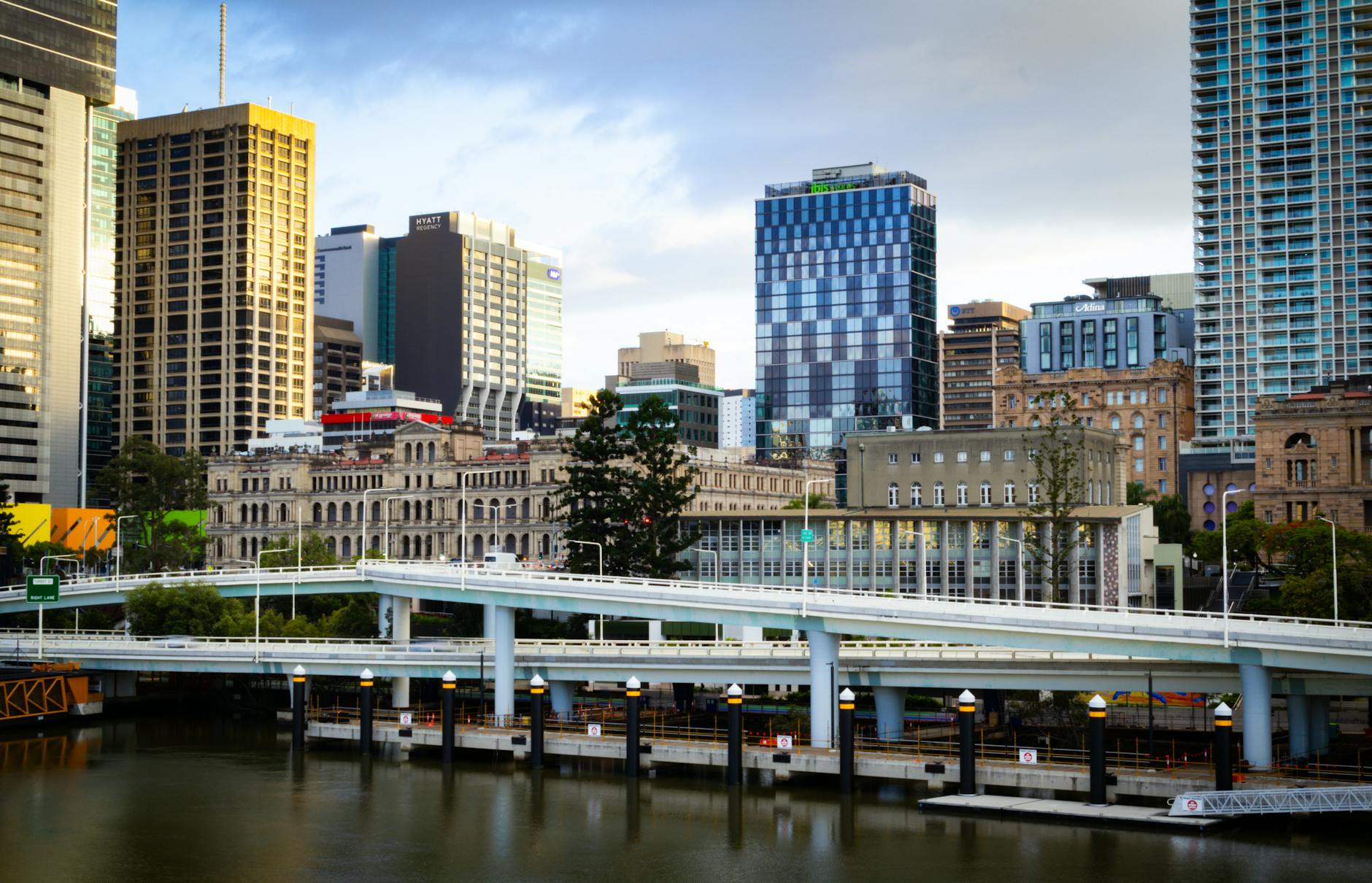
Brisbane is unusually good at low-friction pleasure. That phrase sounds modest, but it matters. Many city breaks fail because every good thing requires too much administrative work: too much crossing town, too much queueing, too much noise, too much recovery time between activities, too much tension between the "important" attraction and the thing you actually wanted to enjoy. Brisbane often avoids that trap.
It does a particular kind of urban day extremely well: coffee, a walk, a ferry, a gallery, lunch, another neighborhood, some downtime, then dinner without feeling as if you have spent the whole day hauling yourself from obligation to obligation. That is not a minor strength. It is one of the hardest things for cities to get right.
Brisbane is also better than many first-timers expect at mixed-mood travel. You can have a trip that is part cultural, part outdoors, part dining, part easy luxury, part practical Australia orientation. You do not need to commit to a single identity for the city. That flexibility is part of the point.
Another underrated strength is that Brisbane gives you space without total sprawl. It feels more breathable than many large cities, but if you stay within the right inner ring it does not have to become a logistics punishment. That combination makes it especially attractive for people who want urban life without being pressed constantly by the city.
Finally, Brisbane is good at late-day redemption. Even if a morning feels too hot or too administratively flat, the city often comes alive again in the afternoon and evening. River light improves. Air softens. Bars and dining rooms become more attractive. Walking becomes a pleasure again. Travelers who understand this usually enjoy Brisbane much more than those who expect the city to peak at noon.
Best Time to Visit Brisbane
Brisbane is a year-round city, but it is not a season-proof city. Weather changes how much the city gives back.
Best Overall Months
April, May, August, September, and October are the sweet spot for many travelers. You still get the outdoor version of Brisbane, but with more pleasant walking conditions and less ambient fatigue.
Summer
Summer can absolutely work if you know what you are doing. Storms, humidity, and heavy sun mean you should schedule beaches, walks, and lookouts early, then leave room for shaded lunches, galleries, hotel downtime, or river movement. Travelers who try to do Brisbane in a hard-charging European sightseeing style during peak summer often decide the city is weaker than it is, when the real issue is poor climate strategy.
Autumn
Autumn is excellent. The city still feels open and warm, but with more forgiving walking conditions and better all-day stamina. This is one of the best first-time windows.
Winter
Winter is one of Brisbane's secret strengths. It is mild by many international standards, often bright, and especially good for people escaping colder climates. You may not get a full swim-focused trip, but you get very usable urban days, which is often the better trade.
Spring
Spring is another strong season, with floral color, comfortable temperatures, and a city that feels particularly easy to explore. Jacaranda season can make some neighborhoods unusually photogenic without feeling contrived.
Month-by-Month Guidance
January: hot, humid, storm-prone, school-holiday energy. Good if you want summer Australia and plan honestly. February: similar to January, slightly less holiday churn but still heavy weather potential. March: better balance, still warm, often stronger for mixed city-and-outdoor itineraries. April: one of the best months for most visitors. May: excellent for walking, dining, and a polished city break. June: mild, comfortable, highly usable, especially for travelers from colder regions. July: winter but still functional and often lovely by global standards. August: one of the easiest months for first-timers. September: strong all-rounder month, very good for longer days outside. October: another excellent window. November: warming up; good, but sun management begins to matter more again. December: festive, busy, increasingly hot, and more weather-variable.
How Many Days You Need
One Day
Enough for a first impression, not a real understanding. You can do South Bank, a river ride, one good meal, and one scenic district. The city will feel easy, but you will not have tested its range.
Two Days
A respectable short stop. One day for South Bank, river, and culture; one day for a neighborhood circuit such as James Street, New Farm, Kangaroo Point, or West End.
Three Days
The ideal short first visit. This gives you room for the city center, one food-focused day, one scenic or cultural day, and a better sense of what kind of place Brisbane actually is.
Four To Five Days
The sweet spot if Brisbane is the destination rather than an add-on. You can include a lookout, a slower hotel afternoon, a deeper neighborhood pass, and perhaps one day trip without deleting the city itself.
One Week
Very good if you want Brisbane plus one or two regional extensions done thoughtfully rather than nervously. This works well for travelers who want coast access, island time, or a broader Queensland opening without changing hotels constantly.
Where to Stay in Brisbane
Brisbane is a city where base quality changes the trip quickly. A good hotel in the right zone can make the whole place feel intelligent and generous. A weak hotel in the wrong zone can make it feel thin.
Fast Answer
For a first trip, stay in the CBD, South Bank, or a closely connected river-adjacent inner-city area. Choose Fortitude Valley, New Farm, or Teneriffe if food, bars, and neighborhood texture matter more than pure sightseeing convenience. Choose West End if you want character and do not mind a slightly looser, less polished, more local texture.
Neighborhood Decision Table
| Traveler Type | Best Area |
|---|---|
| First-time visitor | CBD or South Bank |
| Couple weekend | James Street side of Fortitude Valley, New Farm, Teneriffe, or a riverfront CBD hotel |
| Family | South Bank, CBD, or a roomy apartment in an inner neighborhood with easy transport |
| Business plus leisure | CBD, Spring Hill edge, or riverfront luxury |
| Food-led trip | Fortitude Valley, James Street, West End, South Brisbane/Fish Lane |
| Budget-conscious | CBD fringe, Spring Hill, South Brisbane, or a practical apartment slightly outside the premium riverfront zone |
| Car-free traveler | CBD, South Bank, Fortitude Valley, New Farm/Teneriffe near ferry access |
CBD
Best for: first-timers, short stays, business travelers, transport ease. Why it works: central, legible, river-adjacent in parts, easy access to South Bank and the rest of the inner city. Tradeoff: some parts feel more functional than memorable after dark. Best use: travelers who want the least friction.
South Bank and South Brisbane
Best for: families, cultural travelers, people who want museums, river walks, lawns, and easy movement. Why it works: immediate access to the Cultural Centre, river promenade, and one of the city's most visitor-friendly precincts. Tradeoff: can feel a little programmed if you want deeper neighborhood texture every hour of the day. Best use: first-timers, families, and anyone wanting a polished base.
Fortitude Valley
Best for: nightlife, restaurants, music, bar-hopping, high-energy weekends. Why it works: a lot of Brisbane's evening life and social churn lives here or very close by. Tradeoff: not every block is equally charming, and some travelers will prefer a quieter sleeping base. Best use: travelers who want Brisbane after dark to matter.
James Street, New Farm, and Teneriffe
Best for: design-minded travelers, couples, strong dining, boutique shopping, slower stylish weekends. Why it works: some of the city's most attractive urban texture, with a more relaxed polish than many central districts in larger cities. Tradeoff: not the cheapest zone, and not every hotel option is as direct for first-time sightseeing as the CBD. Best use: the traveler who wants a beautiful, food-forward inner-city stay.
West End
Best for: cafés, local energy, independent feel, market-going, travelers who prefer lived-in texture to polish. Why it works: looser, more varied, less corporate, and often more memorable if you like neighborhoods rather than packaged precincts. Tradeoff: some stays are better connected than others; choose carefully. Best use: repeat visitors, long weekends, and food-and-walk travelers.
Kangaroo Point
Best for: views, quieter nights, river proximity, scenic runs and walks. Why it works: excellent perspective on the city and easy access to the cliffs and river edges. Tradeoff: not as dense with food options as the strongest central neighborhoods. Best use: travelers who want scenery and calm without leaving the inner city.
Area Profiles
Brisbane CBD
The CBD is the pragmatic answer and often the correct answer. It gives you transport, river access, business convenience, and short distances to the most useful first-time sights. Some parts of it feel more commercial than soulful, but that matters less in Brisbane than in some other cities because the best leisure districts are so close.
South Bank
South Bank is the easiest visitor district to like. It has the river, lawns, the Cultural Centre, family appeal, dining, and easy pedestrian movement. It can feel a touch curated, but for many first-time travelers that curation is exactly what makes the city readable on day one.
South Brisbane and Fish Lane
This is where Brisbane becomes more contemporary and more interesting. Fish Lane in particular has helped give the area a dining and bar identity that feels modern without becoming sterile. It is a very good zone for travelers who want culture by day and food by night.
Fortitude Valley
The Valley remains the nightlife heart, but it is not just a nightlife district. It is also a transit node, food district, and a bridge to stronger inner-north neighborhoods. It works well if you want energy close at hand, less well if you want complete quiet.
James Street, New Farm, and Teneriffe
This cluster is one of Brisbane's best arguments for itself. It feels polished but not forced, urban but not exhausting. Warehouse conversion, leafy residential streets, brunch culture, bars, boutiques, and river access all connect here in a way that can make a weekend feel unusually well composed.
West End
West End is where the city loosens. It is more mixed, more eccentric, and often more satisfying for travelers who distrust districts built mainly for visitor consumption. It is good for food, coffee, strolling, and not feeling trapped inside the same version of Brisbane all trip.
Kangaroo Point
Kangaroo Point is less about dense urban entertainment and more about perspective. The cliffs, river bends, and skyline views give it real value. If your ideal day includes a morning walk, scenic downtime, and a later shift into the center, it works very well.
Neighborhood Guide: Where to Explore, Not Just Sleep
South Bank
Come here for the easiest version of Brisbane: riverside walking, Cultural Centre institutions, public space that actually functions, and a district that can absorb a half day or a full day depending on mood.
Fish Lane
One of the city's smartest short evening moves. Good for dinner, drinks, and a more current Brisbane feel than some classic visitor zones.
Queen Street Mall and the Civic Center
Useful rather than romantic. Good for shopping, transit, errands, and understanding how the center functions. Not the place to over-romanticize, but a place most first-timers will use.
Howard Smith Wharves
Come for the river position and bridge views more than for the claim that it alone defines Brisbane dining. It is a good stop in the right light, especially late afternoon into evening.
Fortitude Valley
Best entered with intent. It can give you music, bars, late-night energy, and food, but the district is more uneven than the glossy image of it suggests.
James Street
One of the cleanest high-return visitor districts in the city: shopping, dining, polished hotels, attractive urban texture, and easy transitions to New Farm and Teneriffe.
New Farm
Leafy, residential, affluent in tone, and excellent for slow walks, coffee, and an elegant neighborhood version of Brisbane. New Farm Park still matters because it actually gets used well.
Teneriffe
Converted warehouses, river proximity, and some of the best "this city is better than people say" energy in Brisbane.
West End
Good for market mornings, café afternoons, and travelers who want more texture and less polish. It is not trying to be orderly in the same way as South Bank or the CBD.
Kangaroo Point
Scenic, calmer, and worth using for skyline perspective, not just as a place to pass through on the way elsewhere.
The Best Things to Do in Brisbane
1. Ride The River Properly
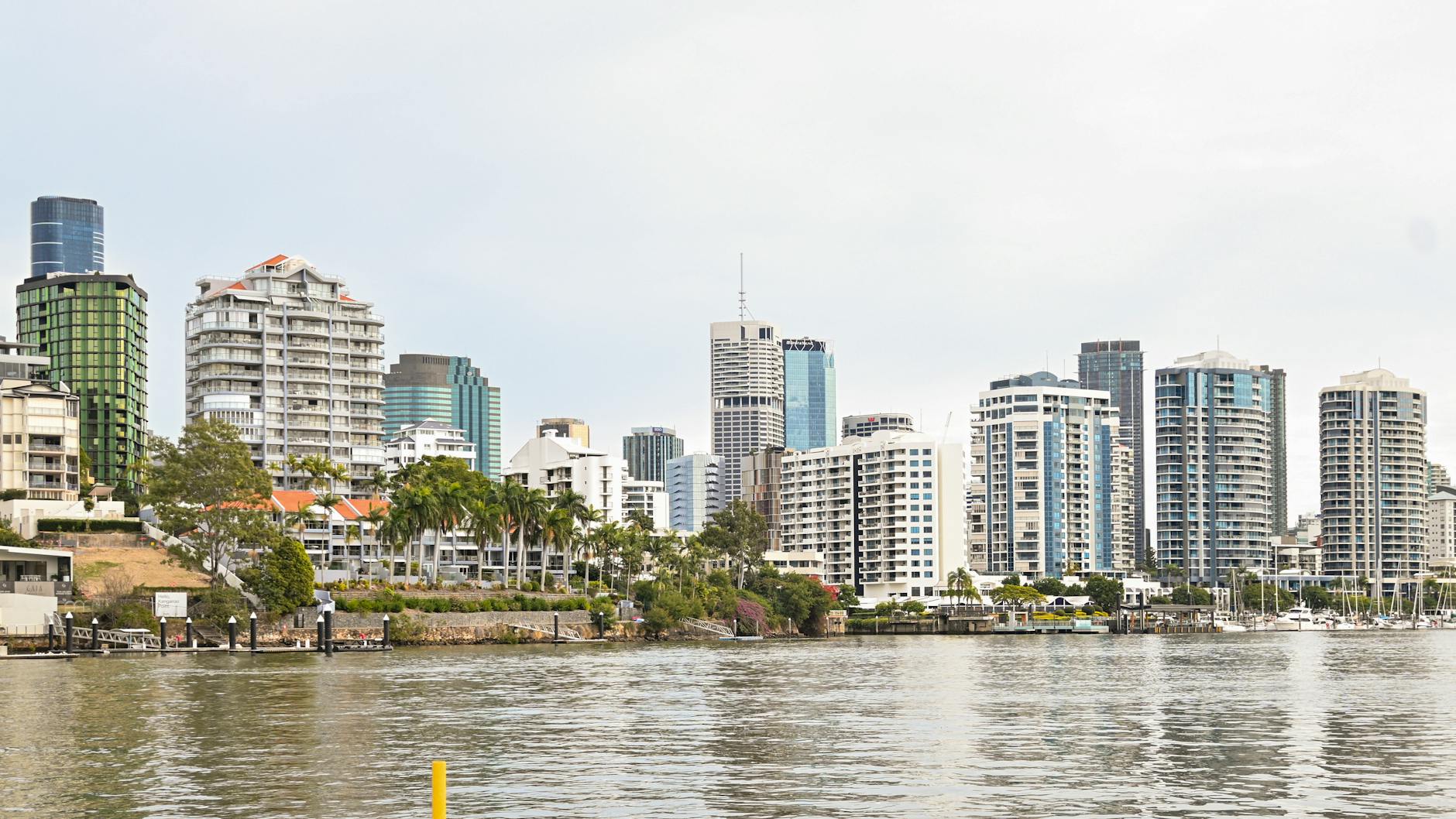
Brisbane makes more sense from the water. A CityCat ride is not filler here. It helps decode the city's geography, scale, bridges, neighborhoods, and rhythm. Use it early in the trip.
2. Walk South Bank Without Pretending It Is Only For Families
South Bank is easy to dismiss because it is so obviously usable. That dismissal is a mistake. The district is one of the city's most effective public spaces and a very good orientation zone.
3. Spend Serious Time At QAGOMA
The Queensland Art Gallery and Gallery of Modern Art are among Brisbane's strongest cultural assets. Even travelers who are not usually museum-maximalists often find this a better use of time than another round of generic city-center wandering.
4. Do A River Walk At The Right Time Of Day
Late afternoon into dusk is Brisbane's money hour. The heat softens, the water catches the light, and the city becomes more attractive without having to perform too hard for you.
5. Explore James Street, New Farm, And Teneriffe As A Combined District
This is not just shopping territory. It is one of the clearest expressions of polished inner Brisbane life.
6. Go Up To Mt Coot-tha
The lookout and surrounding green areas help explain the city's spread, its low-slung development, and the relationship between urban Brisbane and its bush-framed surroundings.
7. Use Fish Lane For An Evening
Compact, social, and more useful than many bigger "entertainment districts" because it is small enough to actually work in one evening.
8. Spend Time In West End
Not because it contains a single headline attraction, but because it gives the trip more urban honesty.
9. Walk Kangaroo Point
Good for skyline perspective, river shape, and the kind of scenic movement Brisbane does better than it gets credit for.
10. Build One Day Around The Cultural Centre Cluster
Museum, gallery, performance option, river, meal, and a night finish nearby is one of the cleanest high-quality day structures in the city.
11. Do One Excellent Long Lunch
Brisbane rewards travelers who stop trying to convert every meal into logistics fuel. This is a city where a long lunch can be part of the point.
12. Consider A Market Or Specialty Food Morning
When timing lines up, this helps Brisbane feel local rather than just scenic.
13. Build One Deliberately Beautiful Hotel Break Into The Trip
This sounds indulgent, but in Brisbane it can be smart rather than lazy. Because the city is climate-shaped and not primarily driven by a single monument checklist, one well-timed pause in a good room, pool, terrace, or bar can improve the whole rhythm of the trip.
14. See The City From More Than One Elevation
Brisbane improves when you experience it at river level, bridge level, and lookout level. A city walk alone will not explain the city's shape nearly as well as river transport plus one higher perspective.
Itineraries
One Excellent Day In Brisbane
Start with a ferry or riverwalk orientation. Move into South Bank and the Cultural Centre. Have a long lunch rather than a hurried one. Spend late afternoon at Kangaroo Point or the New Farm side of the river. End with dinner in Fish Lane, James Street, or a strong CBD riverfront spot.
Two Days
Day 1: River, South Bank, QAGOMA, evening in Fish Lane or the CBD. Day 2: James Street, New Farm, Teneriffe, ferry movement, then a Valley or Howard Smith Wharves finish depending on mood.
Three Days
Day 1: Classic central Brisbane. Day 2: Inner-north social Brisbane. Day 3: West End plus Mt Coot-tha, or Kangaroo Point plus a longer cultural pass.
Four To Five Days
Add one day trip, a family-oriented day, or a slower luxury day with less transit and more hotel quality, dining, and neighborhood time.
One Week
Use Brisbane as the anchor, not just the hotel base. Give the city three real days before you hand one or two away to islands, mountain, or coast extensions.
Itineraries By Traveler Type
First-Timer
Stay central, do the river early, prioritize South Bank and one strong inner-north evening, then choose between scenic and cultural depth.
Family
South Bank, museum options, river ferries, parks, and a hotel or apartment that reduces friction at both ends of the day.
Food Traveler
West End, Fish Lane, James Street, Valley dining, one market or specialty-food session, and a refusal to eat only in scenic-but-generic riverfront zones.
Couple Weekend
Good hotel, river at dusk, one elegant lunch, one polished dinner, one neighborhood circuit, one scenic walk, no over-scheduling.
Business Plus Leisure
CBD base, one evening river session, one neighborhood dinner, one half-day cultural or scenic block before departure.
Food and Drink
Brisbane's food scene is not as aggressively branded as Melbourne's, but that can be an advantage. It is easier to eat well here without turning every meal into a queue-management problem.
What To Prioritize
Prioritize place as much as cuisine. Brisbane is strong when setting, climate, and meal timing align. Lunch outdoors when the weather is kind. Dinner in districts that actually feel alive after dark. Coffee in neighborhoods, not just in hotel lobbies. A bar with air, not just volume.
Best Food Zones
James Street/New Farm/Teneriffe: polished, stylish, and high-return for couples and weekenders. Fish Lane/South Brisbane: compact and useful for dinner-and-drinks itineraries. Fortitude Valley: broader nightlife and restaurant range, with more variation in tone and quality. West End: looser, more local, often very strong for cafés and casual meals. Sunnybank and the southside food orbit: worthwhile if you are a serious eater and willing to travel for it rather than expecting the center to do everything.
Restaurant Strategy
Book anchor dinners, especially on weekends. Leave lower-stakes meals flexible. Brisbane is not a city where you need military planning for every coffee and lunch, but it is also not a city where you should assume the obvious riverfront spot will automatically be the best use of your evening.
Drinks and Nightlife
Brisbane nightlife is real, but it is not uniform. The Valley is the main late-night district. James Street and surrounding inner-north areas are better for polished drinking. West End can be more relaxed and characterful. Howard Smith Wharves wins on setting and loses when travelers assume setting alone is enough.
Getting Around Brisbane
Brisbane is easiest when you combine rail, ferries, walking, and selective rideshare rather than committing emotionally to just one mode.
From The Airport
Airtrain is the clean public-arrival move for many travelers. Taxi and rideshare can make better sense for groups, odd-hour arrivals, or hotels poorly aligned with rail. Do not confuse "public transport exists" with "public transport is always the best first move." The answer depends on arrival time, luggage, hotel, and party size.
Ferries
Use them. This is one of the most useful simple instructions in the guide. Ferries provide movement, orientation, and scenic value at once.
Trains
Useful for airport access, broader network reach, and moving efficiently when the river route is not the point.
Buses
More important than many visitors realize, but less intuitive for first-time orientation than ferries and trains.
Walking
Brisbane can be very walkable inside the right districts and very mediocre for walking if you accidentally string together heat, arterial roads, and poor timing. Walk with climate sense, not abstract ambition.
Taxis And Rideshare
Best used surgically: airport at the right hour, cross-town move in bad weather, late-night return, or when group economics make the choice obvious.
Do You Need A Car?
Usually no for a city-focused first trip. A car becomes useful if the trip is really about outer-suburban friends, mountain drives, regional loops, or coast-heavy movement. For a clean first Brisbane visit, it often creates more irritation than value.
Budget and Costs
Brisbane is not cheap, but it is often better value than Sydney for travelers who care about hotel quality and urban ease.
Daily Budget Reality
Budget-conscious: still possible, but the city is more enjoyable if you avoid the very weakest accommodation tier. Mid-range: a good category here, especially if you prioritize location and a few strong meals over constant paid attractions. Comfortable/polished: Brisbane rewards this level well because better hotels and better dining can significantly improve the city's tone. Luxury: not the deepest luxury city in the world, but perfectly capable of delivering a refined weekend.
What Feels Expensive
Airport transfers if handled badly, poor-value central accommodation during busy periods, and generic scenic dining with weak food.
What Feels Like Good Value
Public space, ferries relative to the experience they provide, many cultural hours, and the city's general ability to let you enjoy a day without paying entry fees every few hours.
Worth The Splurge
A well-located hotel, one serious dinner, one room with a river or skyline dimension, and one slow afternoon or evening that is not optimized to death.
Usually Not Worth It
Overpaying for a view with forgettable food, staying too far out for a small nightly saving, or trying to force a beach-holiday pattern inside the city itself.
Safety, Health, and Climate Reality
Brisbane is broadly easy and broadly safe by big-city standards, but the practical risks are not imaginary.
General Safety
Normal urban awareness is enough for most visitors. Nightlife districts deserve the same caution they deserve anywhere else: watch your belongings, know your route home, and avoid making a simple late-night return into an improvised problem.
Sun And Heat
This is the real variable. Visitors from cooler climates often underestimate how much sun exposure changes the quality of the day. Water, shade, hat, sunscreen, and timing matter.
Storms
Warm-season storms can arrive fast. A river walk or lookout plan that looked perfect at lunch can become an indoor or hotel-bar plan by late afternoon. That is not a failure. It is just Brisbane.
River Reality
The river is central to the city's beauty and movement, but it is not a casual swim environment for visitors. Enjoy it visually and by boat rather than inventing a waterside fantasy the city is not offering.
Emergency Numbers And Health
Use 000 for emergency police, fire, or ambulance. Standard urban travel health logic applies: heat management, hydration, sensible footwear, and not trying to brute-force a hot-weather itinerary.
Accessibility
Brisbane can work well for many travelers with mobility concerns if the base is chosen carefully.
Easier Areas
South Bank, much of the CBD, riverfront promenades, major cultural institutions, and ferry services can be relatively usable compared with more uneven inner-city districts. Newer hotel stock often helps.
Harder Areas
Steeper streets, older buildings, some nightlife zones, and routes that look short on a map but involve bridges, elevation, or fragmented footpaths.
Practical Moves
Stay central. Use ferries and selective rideshare. Build shorter geographic loops. Avoid romanticizing "walkability" in heat. Book accommodation based on actual route quality, not just map pin optimism.
Families, Solo Travelers, and Special Considerations
Families
Brisbane is strong for families because it reduces friction. South Bank, museum options, ferries, parks, and manageable movement all help. A family trip here can feel far less punitive than in bigger, denser cities.
Solo Travelers
Very workable. Brisbane is easy to navigate, not too aggressive socially, and well suited to café time, river walks, museums, and neighborhood drifting.
Couples
One of Brisbane's best categories. The city is good at long lunches, attractive urban strolls, warm-evening energy, and weekends that feel polished without becoming exhausting.
Business Travelers Adding Leisure Time
Excellent fit. Brisbane is unusually good for "I have one free afternoon and one free evening" travel because the river, South Bank, and strong inner neighborhoods make it easy to get a real city experience quickly.
Shopping and Souvenirs
Brisbane is not a shopping pilgrimage city, but it does enough well for most visitors.
Best Shopping Zones
Queen Street Mall for mainstream practical shopping. James Street for more polished and design-led browsing. Fortitude Valley and surrounding inner districts for a more mixed urban retail experience.
Good Souvenirs
Local design goods, food items that travel well, art or museum-shop objects, and products that actually connect to Queensland rather than generic Australia merch.
What To Avoid
Low-effort souvenir buying done in a hurry at the end of the trip, especially if the object could have been bought in any airport on earth.
Culture, History, and Local Context
Brisbane sits on Turrbal and Yuggera Country. Any serious understanding of the city starts there. The river, the climate, and the ground beneath the modern city were not blank settings waiting for colonial use. They were and remain part of older systems of life and knowledge.
The colonial city grew through penal origins, river trade, state-capital functions, suburban expansion, and a slower evolution than the mythologies attached to Sydney or Melbourne. That can make Brisbane seem historically thinner at first glance. It is not thinner. It is just less theatrical about its own story.
One of the best ways to understand modern Brisbane is to notice the balance between civic practicality and lifestyle ambition. It is a place that wants public space to work, that takes outdoor life seriously, and that increasingly understands the value of river-facing urban identity. It does not always get every development decision right, but it is much easier to enjoy once you see how the city thinks about openness, movement, and climate.
For cultural travelers, the cluster effect matters. Brisbane is strong where institutions, meals, and outdoor public space meet each other instead of sitting miles apart. That is part of why South Bank and the Cultural Centre punch above their weight.
Day Trips and Side Trips
Brisbane is a strong base, but the right side trip depends on whether you still want to feel like you are on a city trip.
Moreton Bay And The Islands
Excellent if water, sand, and a broader Queensland texture matter to you. Better for travelers with a real weather-aware plan than for people hoping the day will improvise itself.
North Stradbroke Island / Minjerribah
A rewarding move for travelers who want a genuine change of pace and a more spacious coastal day. Better as a deliberate outing than a casual add-on.
Tamborine Mountain Or Scenic Rim Country
Good if you want hinterland, slower pace, views, and a break from urban structure. Less sensible if your Brisbane time is already too short.
Gold Coast
Possible, but do it only if you know why. If what you want is beach towers, nightlife, and a very different urban-coastal energy, fine. If what you want is "another thing nearby," it may not improve the trip.
Sunshine Coast
More relaxed than the Gold Coast and often more appealing for travelers who want a softer coastal extension, but still a full day commitment in practice.
Mt Coot-tha And The Botanic Gardens
Not a separate regional trip, but worth mentioning because it gives you a partial nature reset without fully leaving Brisbane's orbit.
Seasonal Events Worth Planning Around
Brisbane does not depend on mega-event culture in the same way some cities do, but the right event window can sharpen the trip.
Autumn And Winter Festival Windows
Cooler months often bring the best conditions for public programming, evening events, and all-day city use. If your trip is meant to feel social and walkable rather than tropical and recovery-heavy, these periods are often the strongest.
Riverfront And Outdoor Event Timing
Because Brisbane uses public space well, event timing can meaningfully affect hotel pricing, district energy, and the comfort of walking between precincts. This is usually a reason to plan a bit better, not a reason to avoid the city.
School Holiday Reality
Families can have a very good time in Brisbane during school-holiday periods, but they should expect more competition for family-friendly accommodation and attractions that are already popular because they are easy, not because they are obscure.
Storm-Season Tradeoff
Storm season does not make the city unworkable. It simply means the trip has to be built with more indoor-outdoor flexibility and a more relaxed idea of what perfect daily timing looks like.
What to Skip, or Treat Carefully
Skip Treating Brisbane Like A Placeholder
If you arrive acting as though the city is mainly an airport with a river attached, the trip will become that.
Skip Overloading South Bank
South Bank is useful, but it should be one piece of the city, not the whole city.
Skip Staying Near The Airport For A City Trip
It is almost never the right trade unless the trip is operationally constrained.
Skip Forcing Beach Expectations Onto The City
Brisbane is not the Gold Coast. Use the city for what it does well.
Skip Midday Heroics In Heat
Walking ambition collapses fast here when climate is ignored.
Skip Scenic But Mediocre Dining
Brisbane is too pleasant a food city to waste key meals on weak restaurants chosen entirely by view.
Common First-Timer Mistakes
- Assuming the city has less substance than it does because it announces itself softly.
- Booking the cheapest acceptable hotel without respecting the cost of bad location.
- Underusing ferries.
- Treating the CBD as the entire city.
- Staying too short, then blaming the city for feeling slight.
- Ignoring weather, shade, and timing.
- Trying to combine Brisbane, Gold Coast, and Sunshine Coast inside an unrealistic short itinerary.
- Confusing nightlife concentration in the Valley with overall city character.
- Believing every riverfront district is equally worthwhile for dining.
- Failing to build one genuinely slow, high-quality afternoon into the trip.
- Treating a hot-weather midday slump as evidence that the whole city lacks energy.
- Skipping inner neighborhoods because the riverfront core already looks "good enough."
Responsible and Respectful Travel
Respect climate, public space, and Country. Use water and shade intelligently. Do not leave litter in river and park zones. Treat ferry terminals and public lawns as shared urban space rather than private resort infrastructure. Learn enough about Turrbal and Yuggera Country to understand that the city did not begin with its contemporary skyline.
Brisbane also rewards travelers who behave like adults in warm weather. That means planning for heat, not making emergency hydration somebody else's problem, and not treating storm warnings as decorative.
FAQ
Is Brisbane worth visiting on its own?
Yes. Especially for 3 to 4 days. It is not just a filler city between coasts.
How many days should I spend in Brisbane?
Three days is a strong first pass. Four or five lets the city breathe.
What is the best area to stay for a first visit?
CBD or South Bank for simplicity. James Street/New Farm side of the city if you want a more design-forward, food-led stay.
Do I need a car in Brisbane?
Usually no for a first city trip.
Is Brisbane expensive?
Not cheap, but often better value than Sydney if you spend carefully and stay in the right place.
Is Brisbane good for families?
Very much so. It is one of the easier Australian city breaks for children and parents.
Is Brisbane a beach city?
Not in the same way Sydney or the Gold Coast are. It is a river city with coastal access rather than a classic urban beach destination.
What should I book ahead?
Key hotels in busy periods, anchor restaurants on weekends, performances, and any weather-sensitive or capacity-limited excursion that matters to your trip.
Final Planning Shortcuts
Best First-Timer Plan
Stay in the CBD or South Bank. Do the river early. Give one day to culture and one day to inner-north neighborhoods. Keep one late afternoon free for wherever the city feels best.
Best Couple Plan
Choose a strong hotel. Build the trip around one long lunch, one river hour at dusk, one polished dinner, and one neighborhood day around James Street, New Farm, and Teneriffe.
Best Family Plan
Base in South Bank or the CBD. Use ferries, parks, museum time, and early starts. Reduce cross-city complexity.
Best Food Plan
Split time between Fish Lane/South Brisbane, West End, and the James Street/Valley orbit. Travel for one or two meals rather than assuming the nearest scenic district will deliver the city's best food.
Best Low-Friction Plan
Good central hotel, Airtrain if arrival timing supports it, ferries for orientation, rideshare only when it truly saves effort, and no unnecessary coast side quest unless the trip is long enough to absorb it.
Source Notes for Current Logistics
Official and primary sources checked while preparing this guide included Australian entry and visa guidance, Brisbane Airport access information, Airtrain service information, Translink airport and public-transport guidance, Brisbane City Council ferry information, and official visitor-facing Brisbane cultural and tourism resources.