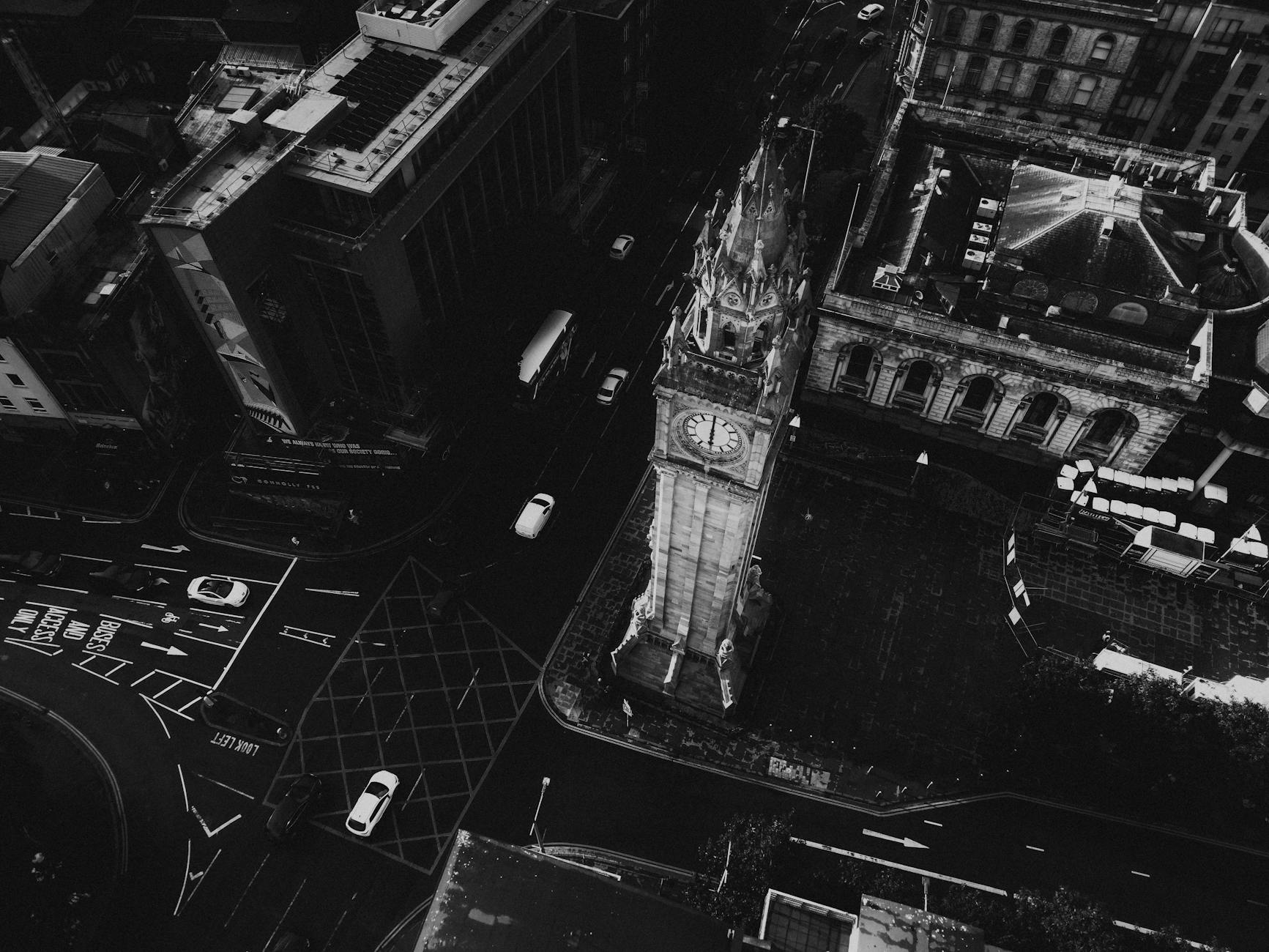
Belfast is one of the easiest cities in Europe to flatten into a single story. For some visitors, it is Titanic. For others, it is The Troubles. For others, it is a newly fashionable weekend city with decent hotels, good pubs, and easier prices than Dublin. Each of those frames contains part of the truth. None of them is enough.
Start Here
This is a city that asks for more seriousness and more flexibility than its compact size suggests. Belfast is an industrial city, a port city, a political city, a music city, and a city still very much in the act of narrating itself. It can be generous, funny, warm, and straightforward one hour, then historically weighty and morally uncomfortable the next. That layered quality is not a problem to solve. It is the reason the city is worth visiting properly.
The weak Belfast trip is easy to recognize. Someone checks Titanic Belfast, books a token mural tour, drinks in the Cathedral Quarter, and leaves thinking they have "done" the city. The stronger trip understands that Belfast rewards proportion instead of compression. One good base. One serious historical move. One district-led walking day. One evening that belongs to pubs and food rather than only to logistics. One museum or civic building that gives the city shape. And enough time to let older and newer Belfast sit together without forcing the place into a neat narrative.
What makes Belfast strong is not polish alone. It is the way the city still carries evidence of work, conflict, ambition, humor, and reinvention all at once. It is a place where broad Victorian confidence, dockland memory, political murals, music, restaurants, and a certain Northern bluntness still coexist. That gives the traveler more than a weekend of consumption. It gives them something to think about.
The city in one sentence: Belfast is a compact but layered city where the best trip comes from combining industrial history, political understanding, pubs, neighborhoods, and contemporary urban life rather than reducing the place to one defining headline.
Basic data
| Population | About 345,000 in the city; metro about 670,000 |
|---|---|
| Area | 133 km2 |
| Major religions | Christian heritage with growing secular and minority-faith communities |
| Political system | Local city government inside a devolved parliamentary constitutional monarchy |
| Economic system | Advanced mixed economy led by services, public sector, tourism, technology, and advanced manufacturing |
Quick Verdict
Best for: couples, solo travelers, history travelers, pub-and-music travelers, first-time Northern Ireland visitors, shorter UK and Ireland routes, and anyone who likes a city whose personality is stronger than its size.
Not ideal for: travelers who want a purely light, decorative city break, people unwilling to engage with uncomfortable history at all, or anyone expecting a giant museum capital.
Ideal first visit: 2 to 3 full days.
Minimum worthwhile stay: 2 full days, if one of them is properly city-led and not immediately surrendered to a Causeway Coast day trip.
Best overall months: May, June, September, and the cleaner shoulder-season stretches of early autumn.
Best winter case: December for pubs, city lights, and compact urban warmth, or late winter for history-and-hotel city travel.
Biggest planning mistake: treating Belfast as a city with one main topic and then building the whole trip around that topic alone.
One thing to prioritize: a central base with easy walking access to the city centre and transport connections to Titanic Quarter and any historical tour meeting points.
One thing to leave flexible: your historical weight. Some travelers want two deep political-history blocks. Others need one well-chosen tour and then time to let the city breathe. The better trip respects the traveler's actual capacity.
The blunt version: Belfast is one of the most interesting short city breaks in the British Isles if you let it remain complicated, and one of the easiest places to oversimplify if you arrive wanting a single clean storyline.
Who Will Love Belfast?
Belfast suits travelers who like cities with both texture and consequence. It is very good for people who want a place to have lived through things, built things, and changed in visible ways. The city is especially rewarding if you do not need every urban pleasure to be soft-edged. Belfast can be stylish, social, and fun, but it rarely feels trivial.
It works very well for couples because it offers several things that support a strong short break: a practical center, good hotels, walkable evening districts, strong bars and pubs, and enough history to make the trip feel substantial. A very good Belfast day might include City Hall or a museum, a district walk, one historical tour handled properly, dinner somewhere thoughtful, and a late pint in a room that feels local rather than generic.
Solo travelers also do well here. Belfast is legible, manageable, and socially workable. Guided history experiences are abundant, pub life is accessible, and the city is small enough that you can still feel in command of the trip without having to mini-manage every move. There is also a certain straightforwardness in the place that solo travelers often find helpful.
The city is especially strong for visitors who care about the relationship between old industry and modern reinvention. Titanic Quarter, the city centre, the Cathedral Quarter, and the older working and residential areas all help tell a story about what Belfast was, what it became, and what it is trying to become now.
It is less ideal for travelers who want their city breaks emotionally light at all times. Belfast can absolutely be enjoyable, and often is. But the city asks for a willingness to encounter difficult history and live contradiction. If that sounds engaging, Belfast is a strong choice. If it sounds exhausting, it may not be.
Belfast at a Glance
| Question | Practical Answer |
|---|---|
| Main international airport gateway | Belfast International Airport for many visitors |
| Other convenient airport | George Best Belfast City Airport |
| Best first-time base | Central Belfast within walking distance of City Hall and the core |
| Best evening zone | Cathedral Quarter and adjacent central districts |
| Best all-weather cultural anchor | Titanic Belfast, Ulster Museum, or City Hall depending on your emphasis |
| Best way to understand the city | Walking plus selective bus, Glider, or rail use |
| Public transport operator | Translink |
| Current city travel product worth knowing | Belfast Visitor Pass for certain trips |
| Signature historical district | Titanic Quarter |
| Signature political-history move | A well-chosen historical or black taxi tour |
| Car needed? | No for the city |
| Emergency number | 999 or 112 |
| Tap water | Safe to drink |
| Currency | Pound sterling |
| Power plugs | Type G |
2026 Visitor Notes
Belfast Has Two Useful Airports, And They Behave Differently
Belfast International Airport is the principal gateway for many visitors and sits around a 30-minute drive from the city centre, with the Translink Airport Express 300 running into Belfast.[1][2] George Best Belfast City Airport is much closer to the city and has its own Airport Express 600 service.[3] For first-timers, this matters because "Belfast airport" is not a single practical reality.
The Belfast Visitor Pass Can Help, But It Is Not Universal Magic
The Belfast Visitor Pass gives unlimited travel on Metro, NI Railways, Ulsterbus, and Glider services within the pass zone for 1, 2, or 3 days, and also includes discounts.[4] But it does not cover everything, and older pass guides explicitly note that the pass is not valid on Airport Express 300.[5] It is useful when your trip fits the zone logic. It is not a reason to stop thinking.
Metro, Glider, And mLink Are Worth Understanding Early
Belfast is very manageable, but it still rewards one small transport decision early in the trip. Translink's mLink and day-ticket structure make Metro and Glider use easy when you know what you are buying.[6] A visitor does not need to become a transport strategist here. They do need to avoid vague assumptions.
Titanic Quarter Is Bigger Than One Building
Titanic Belfast is a major attraction and for many travelers still a must-do, but the wider Titanic Quarter and Maritime Mile are part of the city's industrial reading as well.[7][8] Treat the district as a historical landscape, not only as a ticketed experience.
Political History Is Best Approached Through Strong Guidance
Visit Belfast's own historical-tour material is clear about this: the city's political tours and mural tours are one of the most effective ways to understand how the Troubles shaped Belfast.[9] This is one area where casual self-guided surface reading is rarely as useful as people imagine.
City Hall Still Matters
Belfast City Hall is not just a central landmark. It remains one of the cleanest ways to give civic and architectural shape to the city centre, and official visitor information confirms guided tour access and a visitor exhibition.[10] That matters because Belfast can otherwise be experienced too much through fragments.
Belfast Is Small Enough To Misjudge
The city centre is compact, which is one of Belfast's strengths. But compact does not mean thin. If you build the trip as though the city can be understood in a few fast hours between attractions, you usually end up learning less than you think.
How to Understand Belfast
Belfast works through five forces.
The first is the industrial city. Shipbuilding, linen, engineering, docks, and commercial ambition shaped Belfast at a structural level. Even if you never step inside a museum, the city still reads as a place built by labor and industry.
The second is the political city. The Troubles are not a theme park topic here. They shaped neighborhoods, memory, movement, and public language in ways that still matter.
The third is the compact centre. Belfast is manageable enough that the traveler can actually understand it within a short stay, which is one of its biggest strengths.
The fourth is social warmth. Pubs, live music, quick humor, and a certain conversational directness help keep the city from becoming overburdened by its own history.
The fifth is reinvention. Titanic Quarter, new hotels, restaurants, and a more confident visitor economy are all part of the present city, but they sit beside older realities rather than replacing them.
The Five Belfasts A Visitor Actually Meets
Civic Belfast: City Hall, Donegall Square, central streets, and the version of the city that feels most legible on first arrival.
Industrial Belfast: Titanic Quarter, dockland memory, river edges, and the historical infrastructure of the city's ambition.
Political Belfast: murals, peace walls, guided history, and the parts of the city where memory is still publicly legible.
Social Belfast: Cathedral Quarter, pubs, music, restaurants, and the side of the city that often makes people fall for it.
Ordinary Belfast: shopping streets, local buses, campus and museum life, and the practical city that keeps Belfast from becoming only narrative.
The Main Mental Shift
Do not ask, "What is Belfast known for?" Ask, "Which Belfast am I in right now?" The industrial one, the political one, the social one, the civic one. The city gets much better once you stop insisting on one master summary.
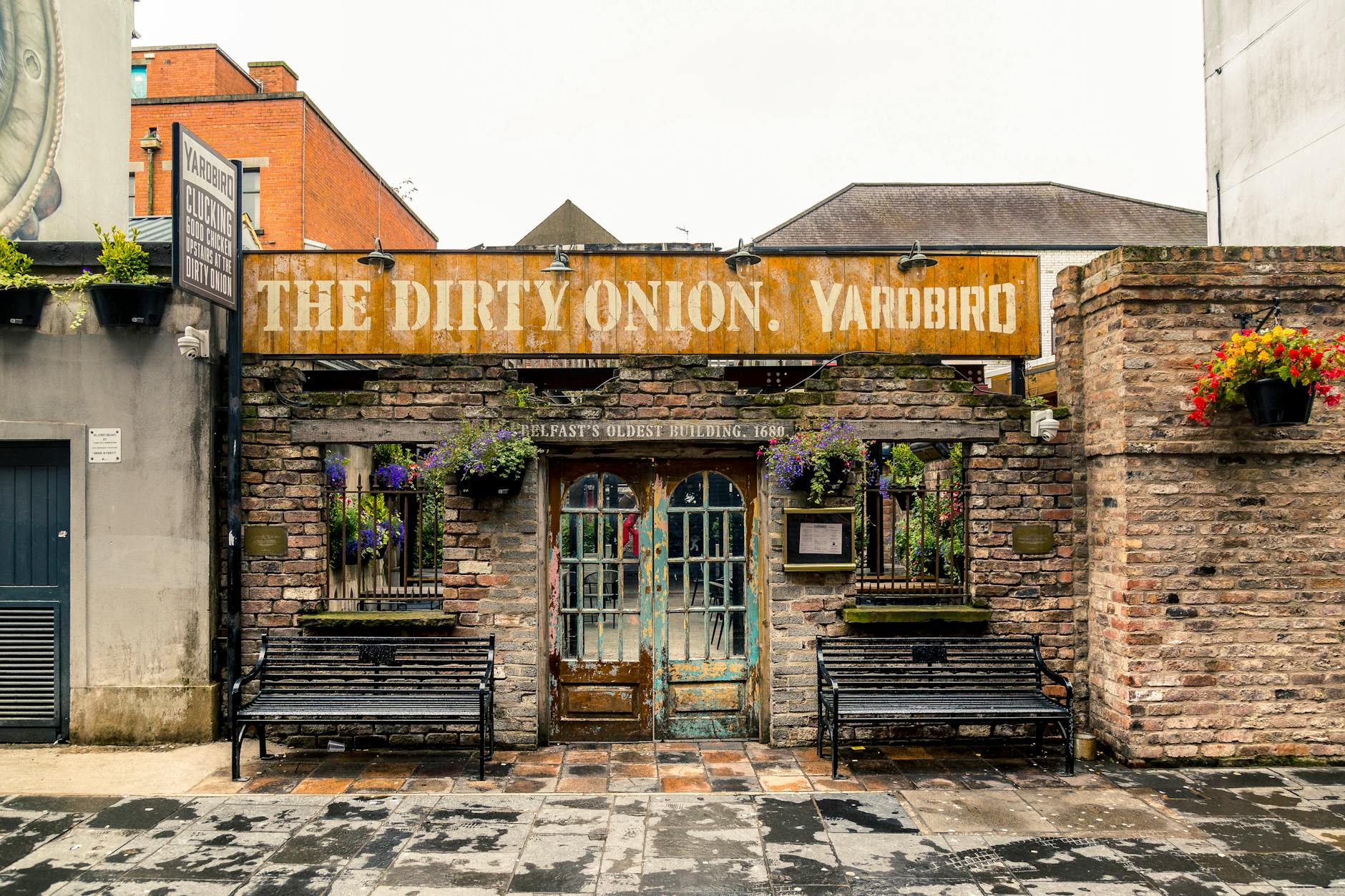
What Belfast Does Better Than People Think
Belfast is unusually good at concentrated seriousness. Some smaller cities feel charming but light. Belfast feels substantial quickly. Not because it overwhelms you with attractions, but because its layers have real weight.
It is also better than many first-time visitors expect at combining history with a good night out. Plenty of historically heavy cities can become dutiful. Belfast often avoids that. You can have a day of political or industrial history and still have an evening that feels warm, funny, and socially easy rather than solemn.
Another underrated strength is district variation relative to scale. The city centre, Titanic Quarter, the Cathedral Quarter, and the areas usually seen on political tours do not feel interchangeable. That variation gives the city more range than some visitors expect.
The city is also very strong at short breaks with actual depth. A two- or three-day Belfast trip can feel culturally and historically real if built well. That is not true of every smaller city.
Finally, Belfast does narrative tension well. That may sound abstract, but it matters. The city is more interesting because its old and new selves sit in dialogue rather than in perfect harmony.
Best Time to Visit Belfast
Belfast is a year-round city, but not a season-neutral one. Rain, daylight, events, and the appeal of walking versus sitting long in pubs all change the trip meaningfully.
Best Overall Months
May, June, and September are especially strong for first-time visitors. The city is active, days are longer, and walking between districts becomes more rewarding.
Summer
Summer is the easiest season in which to like Belfast quickly. Walking works well, evening spillover is stronger, and the city feels more outward-facing. The risk is not summer itself. The risk is assuming better weather removes the need for structure.
Autumn
Early autumn often suits Belfast very well. The city can feel a little more local and a little less purely visitor-facing, while still staying easy to use.
Winter
Winter narrows the city into pubs, museums, tours, and a compact social geography. This can be very good if you actively want a city break led by interiors, history, and conversation rather than broad scenic movement.
Spring
Spring is attractive because the city begins to loosen. More walking becomes appealing, and districts like Titanic Quarter and the city centre connect more gracefully.
Month-by-Month Guidance
January: compact, museum-and-pub Belfast. February: still wintry, but good for off-peak city travel. March: transitional and variable. April: increasingly workable for walking-heavy trips. May: one of the best overall choices. June: excellent for a first visit. July: lively and easy to enjoy quickly. August: still strong, with good evening energy. September: one of the smartest months to go. October: attractive for history-and-food city travel. November: quieter and more interior-facing. December: strong for winter city mood and social warmth.
How Many Days You Need
One Day
Enough for a clear first impression, not enough for a proper reading of the city.
Two Days
The minimum respectable stay. One day should be city-centre and social Belfast. The other should be industrial or political Belfast.
Three Days
Ideal for a first visit. This gives room for one major attraction, one serious history block, one district-led day, and some flexibility about how much emotional weight you actually want.
Four To Five Days
Very good if you want Belfast plus one or two Northern Ireland extensions without hollowing out the city itself.
One Week
Excellent if Belfast anchors a broader Northern Ireland route, provided the city still gets multiple days of direct attention.
Where to Stay in Belfast
Where you stay matters because Belfast is small enough that a good base simplifies everything and a weak one drains spontaneity.
Fast Answer
For most first-time visitors, stay in central Belfast within easy walking distance of City Hall, the Cathedral Quarter, and major transport connections. Choose the Cathedral Quarter edge if evening life matters most. Choose a clean central hotel if you want balance and easy movement in every direction.
Neighborhood Decision Table
| Traveler Type | Best Area |
|---|---|
| First-time visitor | Central Belfast near City Hall and transport |
| Couple weekend | Central or Cathedral Quarter-adjacent |
| Pub-and-music trip | Cathedral Quarter edge or central walkable base |
| History-first trip | Central with easy access to tours and Titanic Quarter |
| Rail traveler | Central station-to-core corridor |
| Quieter stay | Central but slightly outside the busiest nightlife lanes |
Central Core
Best for: first-timers, short stays, and all-purpose use. Why it works: City Hall, transport, walking, and proximity to multiple city faces. Tradeoff: some blocks feel more practical than atmospheric. Best use: the cleanest first Belfast stay.
Cathedral Quarter Edge
Best for: evenings, pubs, atmosphere, and travelers who want the city to feel socially immediate. Why it works: strong pub culture, food, and walkable evening life. Tradeoff: noise and busier nightlife energy. Best use: weekend trips where evenings matter.
Titanic Quarter Direction
Best for: travelers specifically interested in the industrial and maritime layer, or those who want a more contemporary district feel. Why it works: modern hotel stock and direct access to one of the city's major identity zones. Tradeoff: less intimate and less naturally social than staying in the center. Best use: travelers prioritizing Titanic and waterfront-modern Belfast.
Area Profiles
City Centre
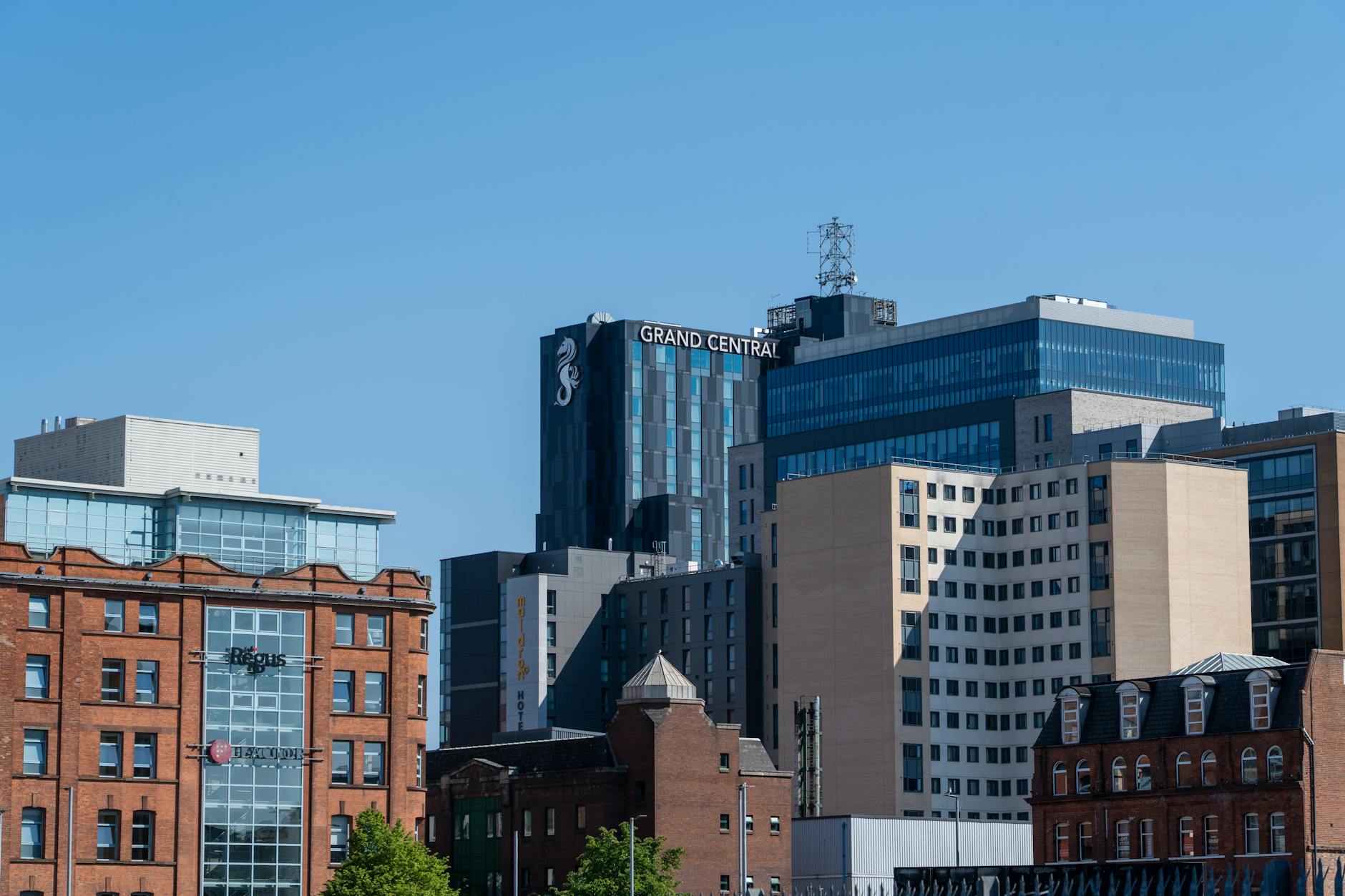
This is the most practical Belfast and the place where the city's civic shape becomes obvious fastest. It matters because it keeps the city from reading only as districts with stories attached.
Cathedral Quarter
This is where social Belfast often feels most concentrated: music, pubs, dining, and some of the city's easiest evening pleasure.
Titanic Quarter
This district matters because it shows how Belfast is packaging, preserving, and reinterpreting its industrial past in the present tense.
Around City Hall And Donegall Square
This is the ceremonial Belfast many first-timers need in order to understand the scale and confidence of the city at its peak imperial-industrial moment.
Political-Tour Belfast
This is not a single neat district, which is partly the point. It is the Belfast of murals, interfaces, guided narrative, and public memory.
Neighborhood Guide: Where to Explore, Not Just Sleep
Cathedral Quarter
Walk it in daylight and use it again at night. The district changes properly with the hour.
Around City Hall
This is useful when you want Belfast to make civic sense, not just emotional or historical sense.
Titanic Quarter
Do not only do the museum and leave. The district works better when read as urban landscape as well as attraction cluster.
Linen Quarter And Adjacent Central Streets
These parts help explain commercial Belfast and give the city its more ordinary business rhythm.
Guided-History Corridors
Whether by taxi or walking tour, some parts of Belfast are best understood through interpretation rather than casual wandering alone.
The Best Things to Do in Belfast
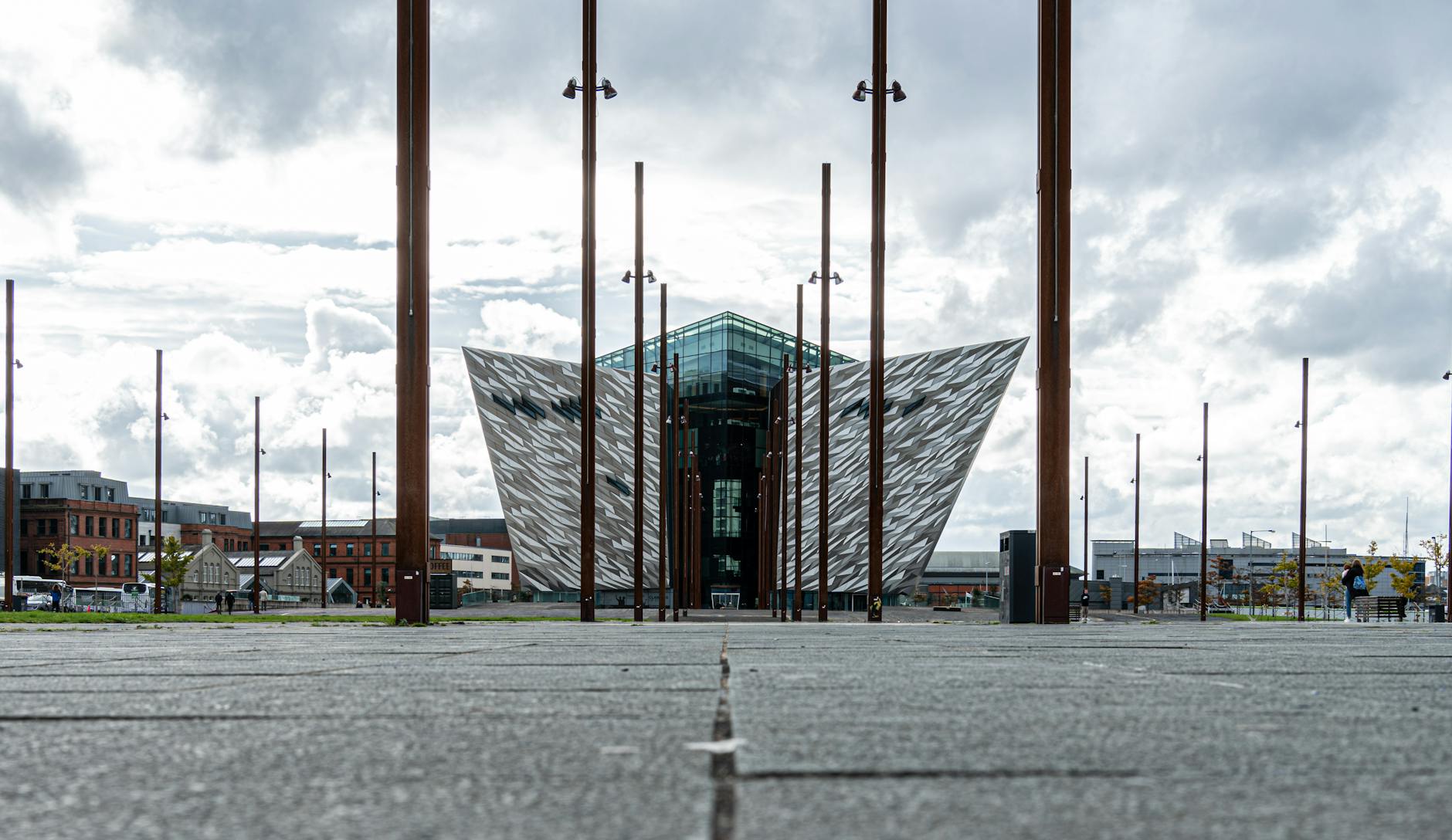
1. Give Titanic Belfast Real Time
If you go, let it be substantial. The city deserves at least one serious encounter with its shipbuilding and industrial identity.
2. Do One Strong Historical Tour
For most first-time visitors, one well-chosen political or historical tour is better than vague self-guided half-understanding.
3. Spend One Day Mostly On Foot
Belfast becomes more coherent when you actually connect the center, civic architecture, and evening districts physically.
4. Use City Hall As More Than A Photo Stop
It is one of the clearest ways to give central Belfast structure and scale.[10]
5. Build One Evening Around Pubs And Food
Belfast deserves at least one night that is about staying put in the city rather than merely recovering from sightseeing.
6. Let The City Be Funny As Well As Heavy
One of Belfast's strengths is that it rarely remains solemn for too long. Let that tonal range show itself.
7. Read The Industrial City Beyond Titanic Branding
The broader dockland and river logic matter, not just the most famous story.
8. Do Not Avoid The Hard History, But Do Not Make It The Whole Trip
That balance is usually the key to a strong first visit.
9. Notice The Ordinary City
Shopping streets, students, buses, cafés, and ordinary life matter. They stop Belfast from becoming a museum of itself.
10. Resist The Giant's Causeway Reflex
If you only have a short stay, do not automatically sacrifice the city to the coastline. Belfast can justify itself first.
Itineraries
One Excellent Day In Belfast
Start centrally with City Hall and the civic core. Move toward Titanic Quarter for a serious industrial-history block. Return to the centre for lunch and some looser walking. Use late afternoon to reset. Give the evening to Cathedral Quarter or another strong central food-and-pub zone.
Two Days
Day 1: civic and industrial Belfast, plus a good evening. Day 2: one strong historical tour, slower district walking, and a second evening that uses the city socially rather than historically.
Three Days
Day 1: centre and Titanic Quarter. Day 2: political-history Belfast and reflection space. Day 3: museum, ordinary city life, shopping or cafés, and a more relaxed read of the place.
Four To Five Days
This is the length at which Belfast can support one or two Northern Ireland extensions without turning the city into a staging point.
One Week
A week works very well if Belfast anchors a broader regional trip, but only if the city still gets several real urban days.
Itineraries By Traveler Type
First-Timer
Prioritize Titanic Quarter, one serious historical tour, the city centre, and one evening that belongs wholly to Belfast.
Couple Weekend
Spend more on the room, let food and pubs matter, and choose your history blocks with enough space between them.
History Traveler
Do not only do political history. Pair it with the industrial, civic, and maritime layers or the city will remain too one-dimensional.
Pub-And-Music Traveler
Use the city socially, but do not let social Belfast erase the reasons the city feels different from everywhere else.
Northern Ireland Starter
Let Belfast set the intellectual tone before you start collecting coast, castles, and scenery.
Food and Drink
What To Prioritize
Prioritize rooms with personality, not just generic pub volume. Belfast is best when your meals and drinks feel connected to the city's confidence rather than to pure visitor traffic.
The Real Food Logic
The strongest Belfast food trip usually includes one serious dinner, one more casual pub-or-bistro meal, and one café or lunch stop that proves the city is not only about evening alcohol logic.
Pubs Without Cliche
Pubs matter here because they are part of the city's social architecture, not because every one of them is automatically profound. Choose a few well.
Evening Rhythm
Belfast is often best in the handover from afternoon to evening, when the city stops explaining itself and starts simply being itself.
Getting Around
The Core Rule
Walk first. Use buses, Glider, rail, or taxis to solve specific problems, not to avoid ordinary urban movement.
Public Transport
Translink makes the city straightforward once you know whether you want single tickets, day products, or a visitor pass.[4][6]
Taxis
Taxis are useful here not only for convenience but sometimes for history, if you are doing a black taxi-style guided experience. Separate the two functions in your mind.
Cars
Do not rent a car for Belfast itself unless the wider route absolutely requires it. The city center is better used on foot and by transit.
The Troubles, Tours, And How To Do This Well
The Wrong Approach
Treating the conflict as edgy sightseeing content or as a quick box to tick usually produces a weak and unserious understanding.
The Better Approach
Choose one reputable guided experience, listen more than you perform understanding, and let the rest of the day stay a little quieter than usual if needed.[9]
What The City Needs From You
Belfast does not require expertise from a first-time visitor. It does require attention, respect, and a willingness to let complexity remain complexity.
Common Mistakes
- Reducing Belfast to Titanic only.
- Reducing Belfast to the Troubles only.
- Taking a history tour and then learning nothing else about the city.
- Staying too far from the center and draining the trip of spontaneity.
- Treating Cathedral Quarter as the whole social city.
- Automatically giving your best day to the Causeway Coast on a very short trip.
- Mistaking compactness for simplicity.
My Blunt Advice
Stay central. Do Titanic properly or not at all. Take one strong political or historical tour and then give yourself room to process it. Use City Hall to make the center legible. Let one evening belong to Belfast as a social city, not only a serious one. Stop looking for one sentence that explains the place. Belfast is better than one sentence.
That refusal of neat summary is part of the city's value. It is not a flaw. Belfast becomes more interesting the moment you stop asking it to resolve itself for you.
Where Belfast Fits in an Ireland And UK Trip
Belfast works best in a wider trip when you let it represent a version of these islands that is industrial, politically marked, socially generous, and still visibly unfinished in the best way. It is not Dublin's larger-capital confidence, not Edinburgh's stone drama, and not Liverpool's port-city theatricality. Belfast is more compressed, more historically charged, and often more direct.
For first-time Ireland visitors, Belfast can be a very good counterweight to Dublin because it changes the emotional and political register quickly. The city introduces Northern Ireland not as a scenic appendix but as a place whose twentieth-century history still shapes the built environment and public conversation. That gives the trip a seriousness that coastlines and castle-hopping alone cannot provide.
For UK-focused routes, Belfast is often strongest as the smaller city that punches above its size in consequence. It does not need five iconic districts to justify itself. It needs one good base, one industrial-history block, one well-handled political-history encounter, and one evening in which the city gets to be funny and social rather than purely interpretive.
The wrong use of Belfast is as a transfer point before the Causeway Coast or as a thin one-night add-on after Dublin. The right use is as a city that can anchor a short trip through compact depth rather than through simple charm.
Belfast Versus Dublin, Glasgow, And Liverpool
Belfast versus Dublin is not a matter of scale. Dublin is larger, fuller in museum and restaurant range, and more obviously set up to carry longer stays. Belfast usually wins when the traveler wants a denser collision of history, industrial identity, and night-out warmth in a smaller frame. Dublin can sometimes diffuse itself. Belfast often concentrates.
Belfast versus Glasgow is subtler. Both cities are socially strong, historically heavy, and more substantial than outsiders sometimes grant them. Glasgow tends to feel broader, more culturally expansive, and more metropolitan in its spread. Belfast is easier to grasp in a shorter time and often more sharply shaped by its recent political memory. If Glasgow gives you more city, Belfast often gives you more immediate narrative force.
Belfast versus Liverpool is useful because both are port cities with industry, music, and reinvention in their identities. Liverpool more often feels performative in a bright, extroverted way. Belfast can feel more inwardly complicated, less eager to summarize itself, and therefore more demanding but also more rewarding for attentive visitors.
That is the practical frame. Belfast is one of the strongest short city breaks in the British Isles when you want a city with real stakes rather than only surface pleasure.
First-Time Visitors Versus Repeat Visitors
First-time visitors often meet Belfast through a set of headline ideas: Titanic, murals, black taxi tours, City Hall, and the Cathedral Quarter. That can make a strong stay, but first-timers often still use the city in too schematic a way. They are checking its key topics rather than discovering how the city actually moves between them.
Repeat visitors usually become more selective and much more comfortable with Belfast's tonal range. They rely less on headline attractions, spend more time in neighborhood and pub life, choose their political-history exposure more carefully, and allow the ordinary central city to count for more. They also tend to appreciate how much warmth and humor the city can hold without becoming frivolous.
This matters because Belfast is not a city that improves by adding more icons. It improves by being read more patiently.
Why the Base Matters More Than It First Seems
Belfast is small enough that many travelers assume any central-looking hotel will do. That is only partly true. Because the city works through easy walking, one or two evening districts, transport convenience, and the ability to move between heavy and lighter chapters of the day, the exact base changes how naturally the trip unfolds.
A weak hotel outside the useful center can turn Belfast into a series of taxis and recoveries. A stronger central base makes the city feel intuitive. You can walk from City Hall to a good dinner, reset after Titanic Quarter, or move from an afternoon tour into an evening pint without feeling like the day has been cut into too many administrative pieces.
This matters especially on shorter stays. Belfast's strengths depend on concentration. A good hotel preserves that concentration.
Why One Proper Belfast Day Matters
Belfast is very easy to sample and very easy to underread. A few hours can give you the Titanic story, one mural, and one pub, and leave you thinking you have grasped the city. Usually you have only touched its best-known symbols.
A proper Belfast day needs three chapters. Morning should usually belong to one serious historical or industrial anchor while attention is sharp. Midday and afternoon should widen the city through civic walking, a museum, or a district-led reading that makes Belfast feel more lived than labeled. Evening should belong to the social city, with one dinner or pub block that lets Belfast become something other than a lesson.
Without that full-day arc, the city can remain instructive but not fully inhabited. With it, Belfast usually becomes much more persuasive.
Day Belfast Versus Evening Belfast
Daytime Belfast often feels most weighted by its subjects. Industrial history, political tours, civic architecture, and the visible traces of division or reinvention tend to structure the day. This is valuable, but it can give first-time visitors an impression of Belfast as a city that is always explaining itself.
Evening Belfast often reveals a crucial correction. Pubs, music, conversation, restaurant streets, and the city's dry social ease start carrying more of the experience. The place that felt serious in daylight often becomes funny, warm, and disarmingly open by night.
That is why at least one evening should be protected from overprogramming. Belfast needs one stretch of time in which you are no longer collecting interpretation and are simply in the city.
Why Titanic And The Troubles Should Not Own the Whole Trip
Titanic and the Troubles are the two great simplifications through which outsiders meet Belfast. Both matter. Both deserve real time. Neither should be asked to explain the entire city.
Titanic Belfast works best when it opens the industrial and maritime story rather than closing it into one branded narrative. Political-history tours work best when they complicate the city rather than reducing it to trauma tourism. In both cases, the next move matters. You need the civic core, the ordinary streets, the evening districts, and some portion of the city that is simply present rather than interpretive.
The stronger Belfast trip lets these two major stories be part of the city instead of the whole city.
Why Belfast Often Improves on the Second Visit
Belfast improves on return because the first visit often carries too much explanatory pressure. The traveler wants to understand the political history, test the social reputation, and decide how industrial or how contemporary the city really is. That is a lot to ask of a short stay.
By the second visit, some of that pressure falls away. Then the city can work through better hotels, more confidence in neighborhood choice, a lighter but still serious engagement with history, and more time given to meals, pubs, and the ordinary central grain that first-timers often rush past.
That is the second-visit reward. Belfast turns from an interesting city with big subjects into a city you can actually imagine returning to for itself.
How Belfast Changes Over the Course of a Stay
On arrival, Belfast often feels more straightforward than it really is. The center is compact, the civic buildings are legible, and the city can seem almost too easy to summarize. During the first serious historical encounter, though, the tone deepens quickly and the city begins to resist neat compression.
By the first evening, Belfast often becomes more attractive because the social register takes over. The city that seemed heavy by day starts feeling quicker, warmer, and more personal.
By the second day, the different Belfasts begin to link: industrial Belfast, political Belfast, civic Belfast, social Belfast, ordinary Belfast. This is where the city usually becomes more than a list of topics.
By the third day, if you stay that long, Belfast often feels surprisingly inhabitable. You know which kind of history you want more of, which districts you would return to, and how much stronger the city is once it stops needing to explain itself in one sentence. That is usually the point at which admiration becomes attachment.
Source Notes
- 1. Visit Belfast, "Getting Here." https://visitbelfast.com/plan/getting-to-belfast-travel-options/
- 2. Visit Belfast, "Belfast International Airport." https://visitbelfast.com/listing/belfast-international-airport/97704101/
- 3. Visit Belfast, "Belfast City Airport." https://visitbelfast.com/listing/belfast-city-airport/97707101/
- 4. Visit Belfast, "Belfast Visitor Pass." https://visitbelfast.com/plan/belfast-visitor-pass/
- 5. Visit Belfast, "Belfast Visitor Pass Guide." https://s3a.visitbelfast.com/app/uploads/2019/05/Belfast-Visitor-Pass-Guide.pdf_1557902131.pdf
- 6. Translink, "Ticket Types | mLink." https://www.translink.co.uk/ourapps/mlink-ticketing-app/tickettypes
- 7. Visit Belfast, "Titanic Belfast." https://visitbelfast.com/see-do/attractions/titanic-belfast/
- 8. Visit Belfast, "Titanic Quarter & Maritime Mile." https://visitbelfast.com/explore/city-areas/titanic-quarter/
- 9. Visit Belfast, "Historical Tours." https://visitbelfast.com/see-do/tours/historical/
- 10. Visit Belfast, "Belfast City Hall." https://visitbelfast.com/listing/belfast-city-hall/97302101/