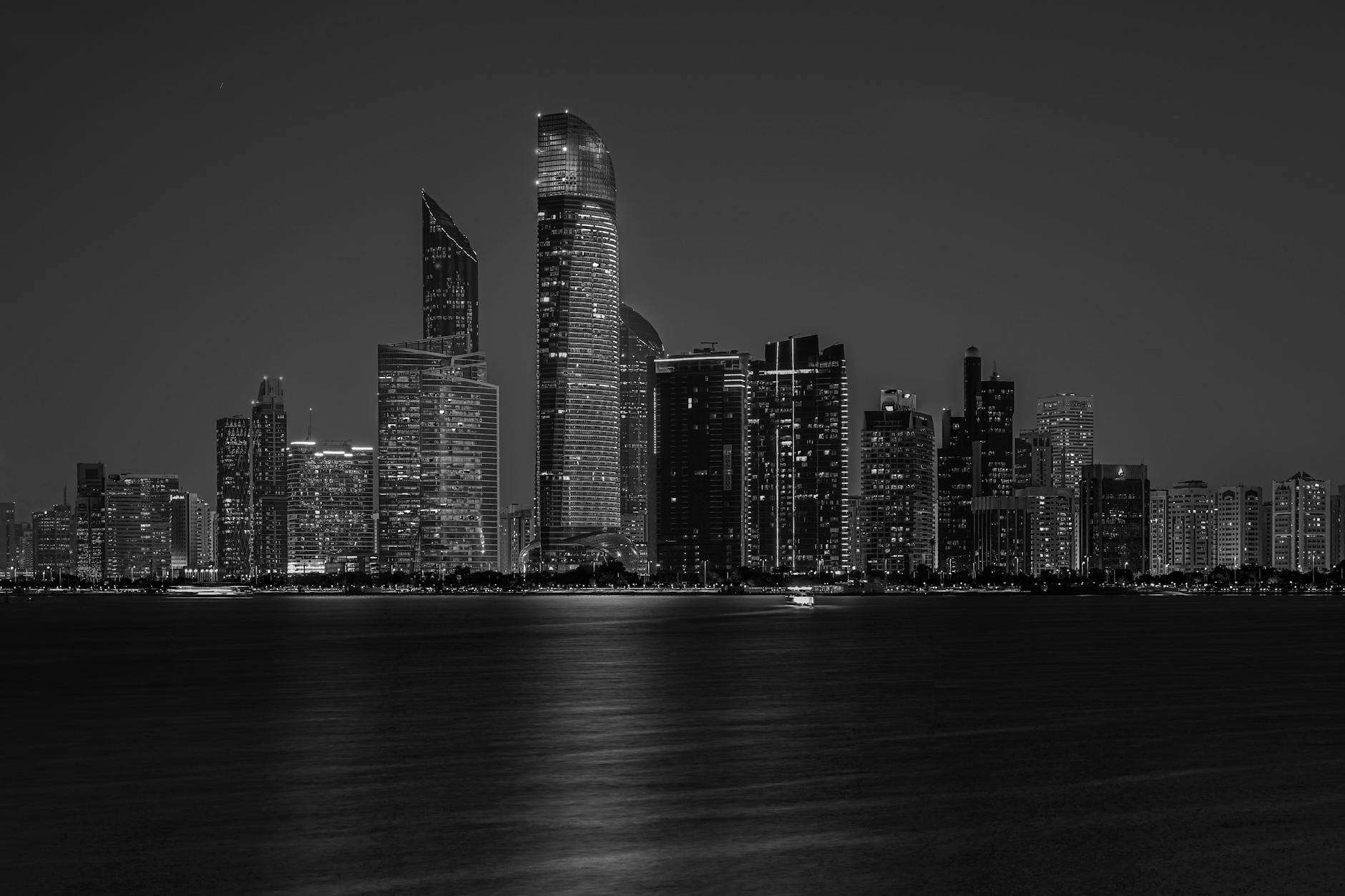
Abu Dhabi is one of the few rich modern cities in the world that still benefits from being underestimated. People who have not been often imagine it as either a quieter Dubai or a polished administrative capital that exists mainly to hold meetings, museums, and hotel lobbies in the desert. That is too thin to be useful. Abu Dhabi is not exciting in the same loud way some cities are, but it is far more coherent than many of them. It works through space, order, scale, water, cultural seriousness, and the confidence not to force its own image on you every second.
Start Here
That confidence is the key. Abu Dhabi does not really beg for attention. The Corniche stretches cleanly along the sea. The roads are broad. The hotels are usually excellent at the things that matter: calm, room quality, service, family competence, and the sense that arrival should lower your pulse rather than raise it. Cultural buildings sit in enough space to feel like they belong to a capital and not just to tourism. The city can be luxurious, but its strongest version is often not excess. It is composure.
This is why Abu Dhabi is so easy to use well and so easy to use badly. The weak trip assumes the city has no tension and therefore needs no thought. A traveler books a glamorous hotel on the wrong island, underestimates transfer times, treats all waterfronts as interchangeable, does one museum, one mosque, one mall, and leaves thinking the city was nice but somehow vague. The stronger trip understands that Abu Dhabi is not vague at all. It has structure. The central island, the Corniche, Saadiyat, Yas, the grand mosque axis, and the presidential/cultural monument layer all offer different versions of the capital. Once those versions are read correctly, the city becomes unusually satisfying.
Abu Dhabi is also one of the better examples anywhere of how a capital can be modern without becoming frantic. It is not anti-luxury, anti-spectacle, or anti-tourist. It simply tends to prefer fit over noise. That means it suits travelers who value space, architecture, clean logistics, and mood more than urban adrenaline.
The city in one sentence: Abu Dhabi is a sea-facing Gulf capital where the best first trip comes from combining cultural architecture, waterfront calm, smart hotel placement, and measured movement rather than chasing nonstop theatricality.
Quick Verdict
Best for: couples, first-time Gulf visitors, families, architecture travelers, museum travelers, warm-weather city breaks, stopovers that deserve more than a night, and travelers who value polish, room quality, and calm.
Not ideal for: people who want dense walkable urbanism all day, travelers who need visible chaos to feel a city is alive, or anyone looking for the most aggressively high-energy version of the Gulf.
Ideal first visit: 3 full days.
Minimum worthwhile stay: 2 full days.
Best overall months: November through March.
Best hotter-season case: shoulder months or a deliberately hotel-and-museum-led summer stay.
Biggest planning mistake: choosing a hotel for prestige alone without deciding whether you want city Abu Dhabi, beach Abu Dhabi, or leisure-island Abu Dhabi.
One thing to prioritize: the base. In Abu Dhabi, your hotel district largely determines the version of the destination you actually experience.
One thing to leave flexible: late-afternoon and evening waterfront time. Light and heat change the city dramatically.
The blunt version: Abu Dhabi is more rewarding than many first-time visitors expect, but only if they stop asking it to behave like Dubai and start using it as a composed Gulf capital with real cultural ambition.
Who Will Love Abu Dhabi?
Abu Dhabi suits travelers who like cities that remain in control of themselves. If you enjoy destinations where infrastructure works, hotels know what they are doing, and a city can look expensive without becoming shrill, Abu Dhabi is strong. It is particularly good for people who want warmth, comfort, architecture, and well-run logistics without having to buy into a constant frenzy of record-breaking attractions.
It is especially effective for couples because the city is built for smoothness. A very good day here can include a quiet breakfast, one major cultural site, a controlled transfer, an afternoon by the sea or pool, and an evening that feels refined rather than overprogrammed. Abu Dhabi is not a city that needs a heroic itinerary to justify itself.
Families also do well because the city has room. Beaches, promenades, resort compounds, cultural institutions, Yas entertainment, and large hotel operations all support trips where children and adults can want different things without the entire day collapsing. This is one of Abu Dhabi's quiet advantages over smaller, denser, more improvisational capitals.
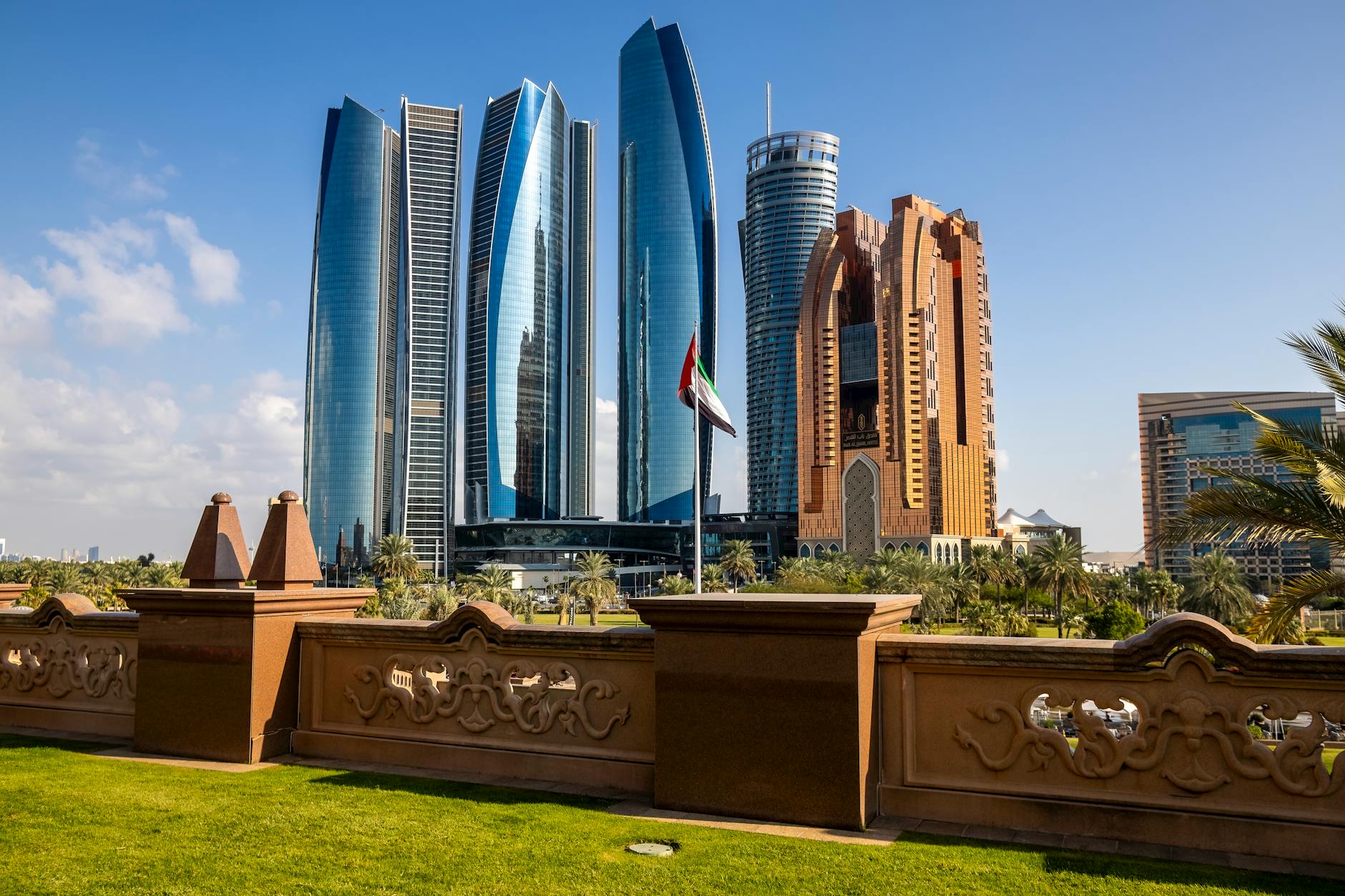
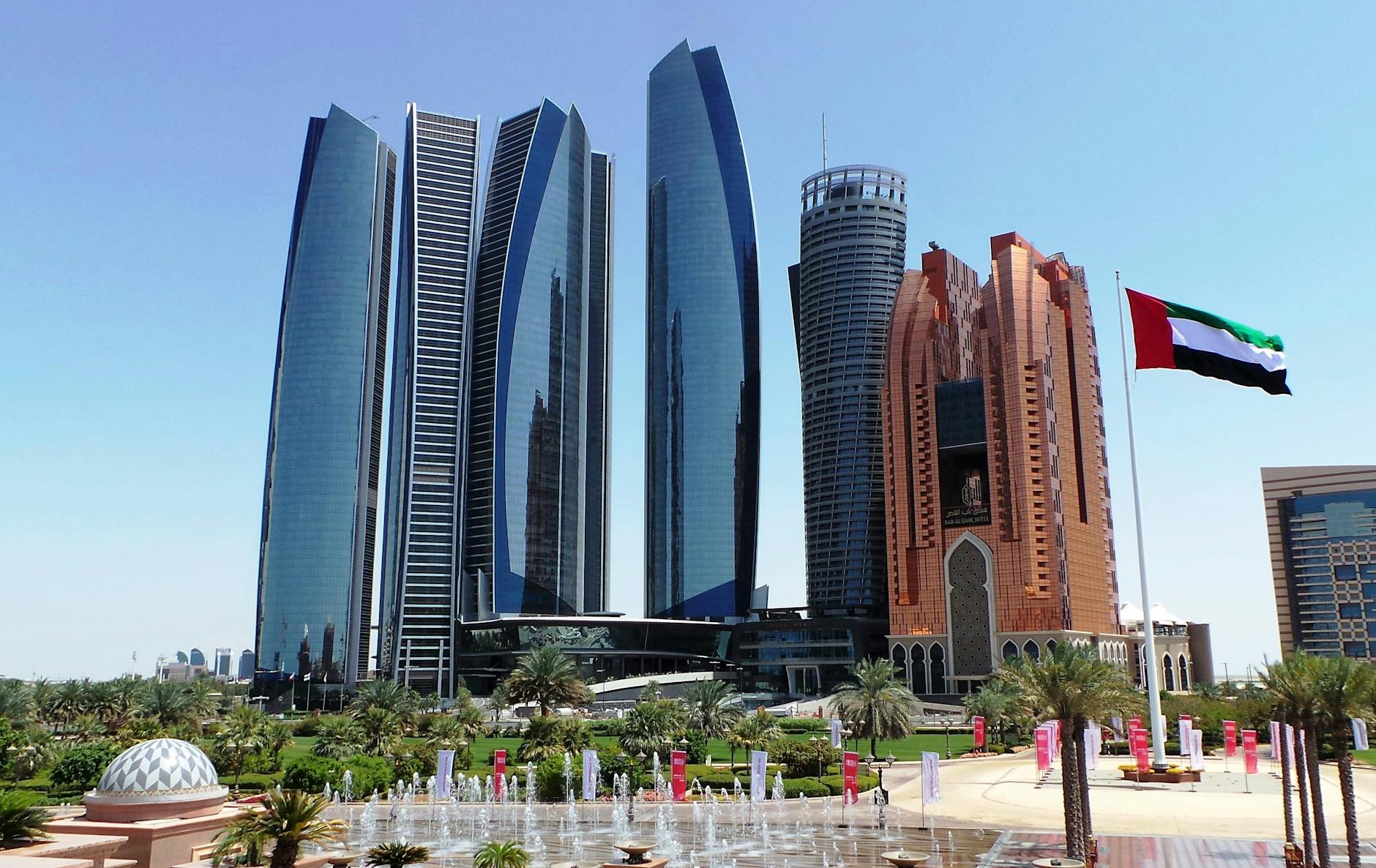
It also works well for architecture travelers. The city has enough monumentality and enough modern design seriousness to justify real attention: the Sheikh Zayed Grand Mosque, Louvre Abu Dhabi, Qasr Al Watan, the Corniche skyline, and Saadiyat's wider cultural ambition all express different versions of Emirati statecraft and self-presentation.
It is less ideal for travelers who define urban pleasure mainly through spontaneous walking and accidental discovery. Abu Dhabi can be discovered, but usually through well-chosen sequencing rather than through aimless drift. It is a city that rewards intention.
Abu Dhabi at a Glance
| Question | Practical Answer |
|---|---|
| Main airport | Zayed International Airport |
| Simplest airport move for most visitors | Taxi |
| Main city transport mix | Taxi plus selective buses |
| Public bus payment method | Hafilat card |
| Best first-time base | Corniche/central-island or Saadiyat depending on trip style |
| Best beach-and-city balance | Corniche or Saadiyat |
| Best resort/leisure island | Yas |
| Signature monumental site | Sheikh Zayed Grand Mosque |
| Signature museum anchor | Louvre Abu Dhabi |
| Signature capital-state site | Qasr Al Watan |
| Best way to understand the city | By district, not by attraction count |
| Car needed? | No, though taxi use is normal |
| Emergency number | 999 or 112 |
| Tap water | Generally treated, but many visitors still prefer bottled or filtered water |
| Currency | UAE dirham |
| Power plugs | Type G |
2026 Visitor Notes
Airport Taxis Are The Normal Smart Answer
AD Mobility's official taxi-fares page confirms a dedicated airport-taxi flagfall and clearly structured tariff system, which is exactly why most first-time visitors should simply take a taxi from the airport rather than turning arrival into a bus puzzle.[1] Abu Dhabi begins best when the transfer is clean.
Buses Are Useful, But They Are Not The City's Main Visitor Identity
Abu Dhabi's public buses use the Hafilat smart-card system, which is efficient enough if you plan to use buses regularly.[2] But for many first-time visitors, taxi use remains the more natural fit because the city is spread out, temperatures are significant, and many hotel-to-site moves are better solved directly.
The Grand Mosque Should Be Planned, Not Squeezed In
Experience Abu Dhabi and the mosque's own visitor guidance both make clear that Sheikh Zayed Grand Mosque is a structured, major visit with free guided tours, site rules, and dress expectations.[3][4] This is not a five-minute photo stop if you care about the city.
Louvre Abu Dhabi Is A Real Half-Day, Not A Symbolic Cultural Check
Louvre Abu Dhabi's official guidance shows substantial opening windows and a real museum-scale experience, not a token prestige outpost.[5][6] The city gets much better once you give it at least one institution in depth.
Qasr Al Watan Is More Than A Fancy Palace Facade
Experience Abu Dhabi and the palace's own visitor pages present Qasr Al Watan as both a working presidential environment and a major cultural landmark.[7][8] It helps explain Abu Dhabi as a state project, not only as a luxury destination.
The Corniche Is Core Abu Dhabi, Not Filler Space
Official Experience Abu Dhabi guidance describes an eight-kilometre waterfront with beaches, walking and cycling paths, and several distinct social zones.[9] That is exactly why the Corniche matters: it is one of the clearest places where the city's calm and public-facing identity become visible.
Saadiyat Is Not Just One Museum
Experience Abu Dhabi's Saadiyat Cultural District material makes clear that the island is intended as a concentration of major cultural institutions, with Louvre Abu Dhabi already in place and other globally significant sites gathering around it.[10] That means Saadiyat is a genuine city-shaping district, not a one-off excursion.
Abrahamic Family House Rewards Deliberate Cultural Interest
The Abrahamic Family House's own visitor guidance makes clear that this is an active interfaith complex with dress rules, ticketing requirements for broader visits, and a serious purpose beyond novelty.[11] For the right traveler, it adds real depth to a Saadiyat day.
How to Understand Abu Dhabi
Abu Dhabi works through five forces.
The first is capital calm. This is a seat-of-power city. It has room, control, and a preference for legibility over improvisational density.
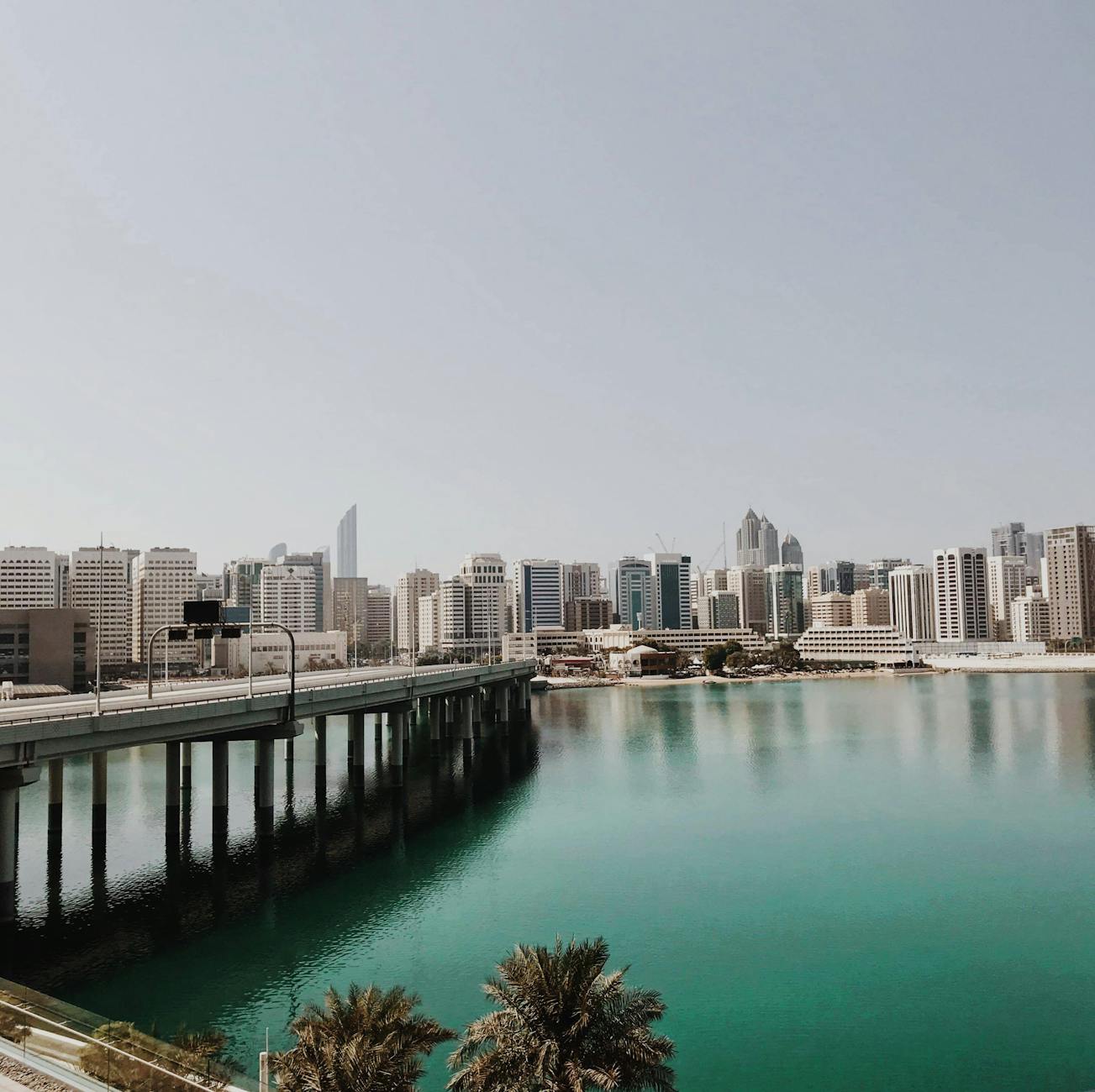
The second is waterfront structure. Corniche, islands, bridges, beaches, and sea-facing movement matter. Abu Dhabi is not just in the desert; it is arranged around water and shoreline.
The third is district separation. Central island Abu Dhabi, Saadiyat, Yas, and mosque or airport-facing corridors are not versions of the same place. They are different products.
The fourth is cultural architecture. The city increasingly explains itself through buildings whose purpose is larger than entertainment alone: mosque, museum, palace, and interfaith complex.
The fifth is hotel logic. In Abu Dhabi, where you sleep strongly shapes what the city becomes. The right hotel can align everything. The wrong one can make the trip feel oddly abstract.
The Five Abu Dhabis A Visitor Actually Meets
Capital Abu Dhabi: formal avenues, ministries, embassies, state confidence, and the city that behaves like a capital first.
Corniche Abu Dhabi: sea air, skyline, family promenade, public beach logic, and the most civic outdoor face of the city.
Cultural Abu Dhabi: Louvre Abu Dhabi, Saadiyat, the Abrahamic Family House, and the city's bid to be taken seriously beyond hospitality.
Monumental Abu Dhabi: Sheikh Zayed Grand Mosque and Qasr Al Watan, where scale and symbolism matter.
Leisure Abu Dhabi: Yas, resort compounds, beach hotels, and the more self-contained entertainment-facing version of the destination.
The Main Mental Shift
Do not ask, "What are the big attractions?" Ask, "Which Abu Dhabi am I staying inside?" Central-capital Abu Dhabi, cultural-island Abu Dhabi, or leisure-island Abu Dhabi. That question will improve your hotel choice, your transfers, and your entire understanding of the city.
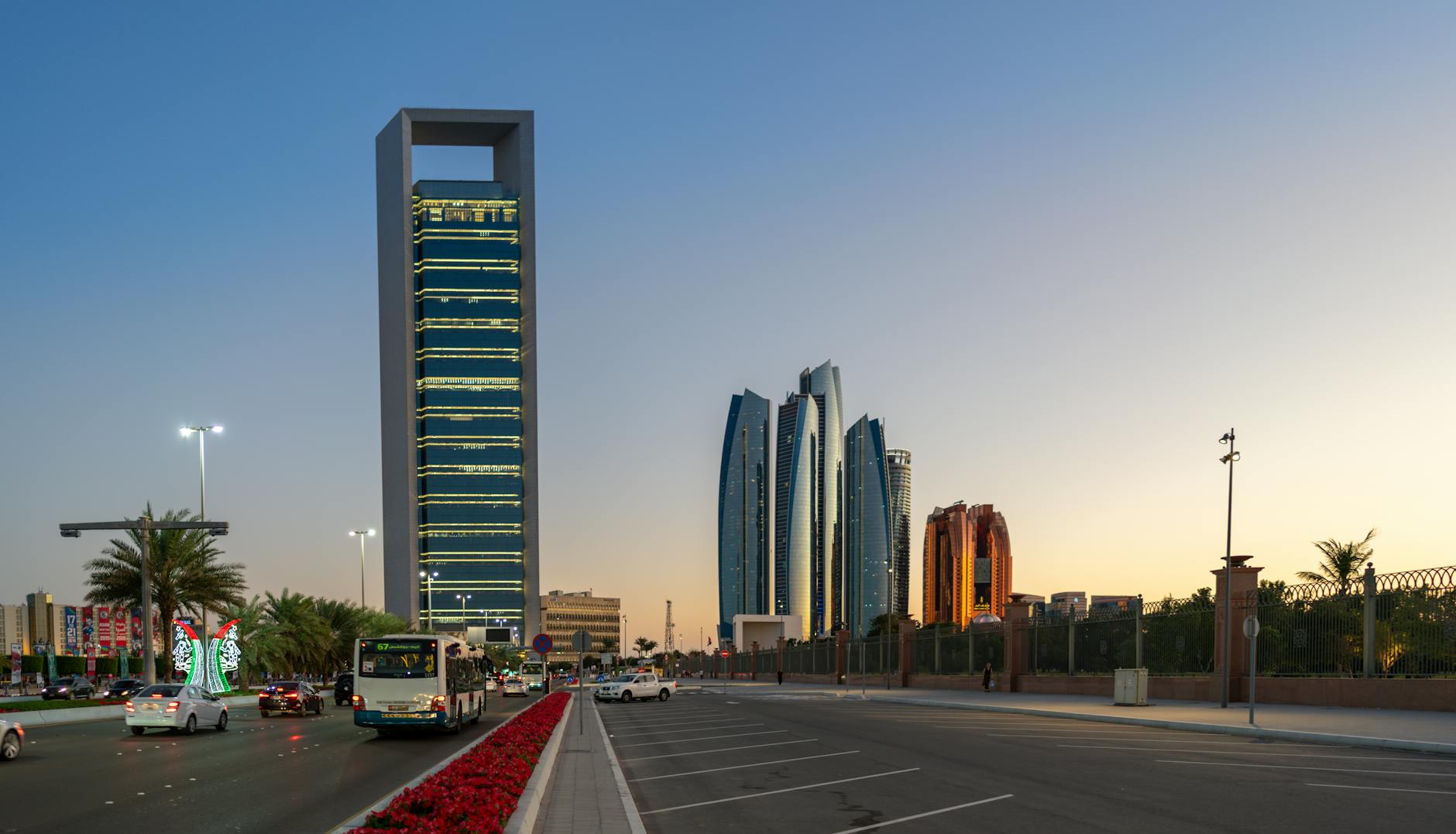
What Abu Dhabi Does Better Than People Think
Abu Dhabi is unusually good at high-comfort short stays. Many cities can provide luxury. Fewer can provide luxury that actually reduces friction rather than merely decorating it. Abu Dhabi often can. The airport is manageable, hotels are competent, transfers are simple, and the city usually feels in control of itself.
It is also stronger than many first-time visitors expect at cultural seriousness. Louvre Abu Dhabi alone would improve the city, but in combination with the mosque, Qasr Al Watan, Saadiyat, and the Abrahamic Family House, the capital starts to feel genuinely substantive.
Another underrated strength is public calm. The Corniche, beaches, promenades, and sea-facing urban order give the city room to breathe. That can be far more appealing than more visibly hyperactive Gulf destinations.
The city is also very good at family-grade polish. This is not a minor point. Hotels, roads, beaches, and attractions are often built with enough competence that a family trip can remain elegant rather than chaotic.
Finally, Abu Dhabi does restraint well. It can be lavish, but its best version is usually edited rather than maximal. Travelers who understand that often end up preferring it.
Best Time to Visit Abu Dhabi
Abu Dhabi is not season-proof. Heat changes the city's usable shape more than many first-time visitors realize.
Best Overall Months
November through March are the most comfortable months for most travelers. This is when beaches, promenades, outdoor terraces, and wider city movement all work together cleanly.
Winter
Winter is peak Abu Dhabi for good reason. Days are comfortable, evenings are pleasant, and the city becomes much more legible outdoors. This is the period when a cultural site in the morning and a Corniche or beach walk at sunset feels easy rather than aspirational.
Shoulder Months
October, April, and sometimes early May can still work well if you understand that midday exposure becomes more significant. These months often support a strong hybrid version of Abu Dhabi: museum mornings, hotel or indoor time in the hottest hours, and evenings outdoors.
Summer
Summer does not make Abu Dhabi impossible, but it changes the trip. The city becomes more hotel-led, more pool-led, more mall- and museum-based, and less about long waterfront movement. If you accept that version, it can still be good.
Month-by-Month Guidance
January: excellent, comfortable, peak-season logic. February: one of the best months overall. March: still strong, often ideal for first visits. April: warmer, but still workable with edited daytime planning. May: increasingly heat-shaped. June: indoor and pool-oriented. July: summer strategy required. August: very hot, best for resort-minded stays. September: still hot, though late month may soften slightly. October: shoulder season begins to return. November: excellent and highly recommended. December: excellent, festive, and often expensive.
How Many Days You Need
One Day
Enough for a stopover impression, not enough to understand the city.
Two Days
The minimum respectable stay. One day should be cultural or monumental. The other should be city-and-waterfront Abu Dhabi.
Three Days
Ideal for most first visits. This allows one mosque/palace day, one Saadiyat/cultural day, and one slower Corniche/beach/hotel day.
Four To Five Days
Very good if you want Abu Dhabi plus resort time, Yas, or a slower family rhythm without hollowing out the capital itself.
Where to Stay in Abu Dhabi
Where you stay matters enormously here because Abu Dhabi is not one unified walkable center. A hotel can place you inside the city, beside the city, or in a leisure bubble that only occasionally touches the city.
Fast Answer
For most first-time visitors, stay on the central island near the Corniche or on Saadiyat if culture and beach calm matter most. Stay on Yas only if leisure attractions or resort logic are central to your trip.
Neighborhood Decision Table
| Traveler Type | Best Area |
|---|---|
| First-time city break | Corniche / central island |
| Couple with culture focus | Saadiyat |
| Family with leisure focus | Yas |
| Executive or short luxury stay | central island or strong waterfront business hotel |
| Beach-and-city balance | Saadiyat or Corniche-adjacent waterfront |
Corniche / Central Island
Best for: first-timers, balanced city stays, and travelers who want the capital to feel present. Why it works: access to the waterfront, city restaurants, practical transfers, and a stronger sense of Abu Dhabi as an inhabited capital. Tradeoff: not every property is a resort in the lush, secluded sense. Best use: the cleanest first visit.
Saadiyat
Best for: couples, beach-and-culture travelers, and higher-end stays that still want intellectual substance. Why it works: Louvre Abu Dhabi, cultural district logic, quality beach hotels, and a calmer atmosphere. Tradeoff: it can feel more destination-planned and less everyday-urban. Best use: a refined first or second visit.
Yas Island
Best for: families, entertainment-heavy itineraries, and resort-style stays. Why it works: self-contained leisure, attractions, and hotel compounds. Tradeoff: you are farther from the emotional center of Abu Dhabi. Best use: travelers who actively want Yas, not those who happen to end up there.
Area Profiles
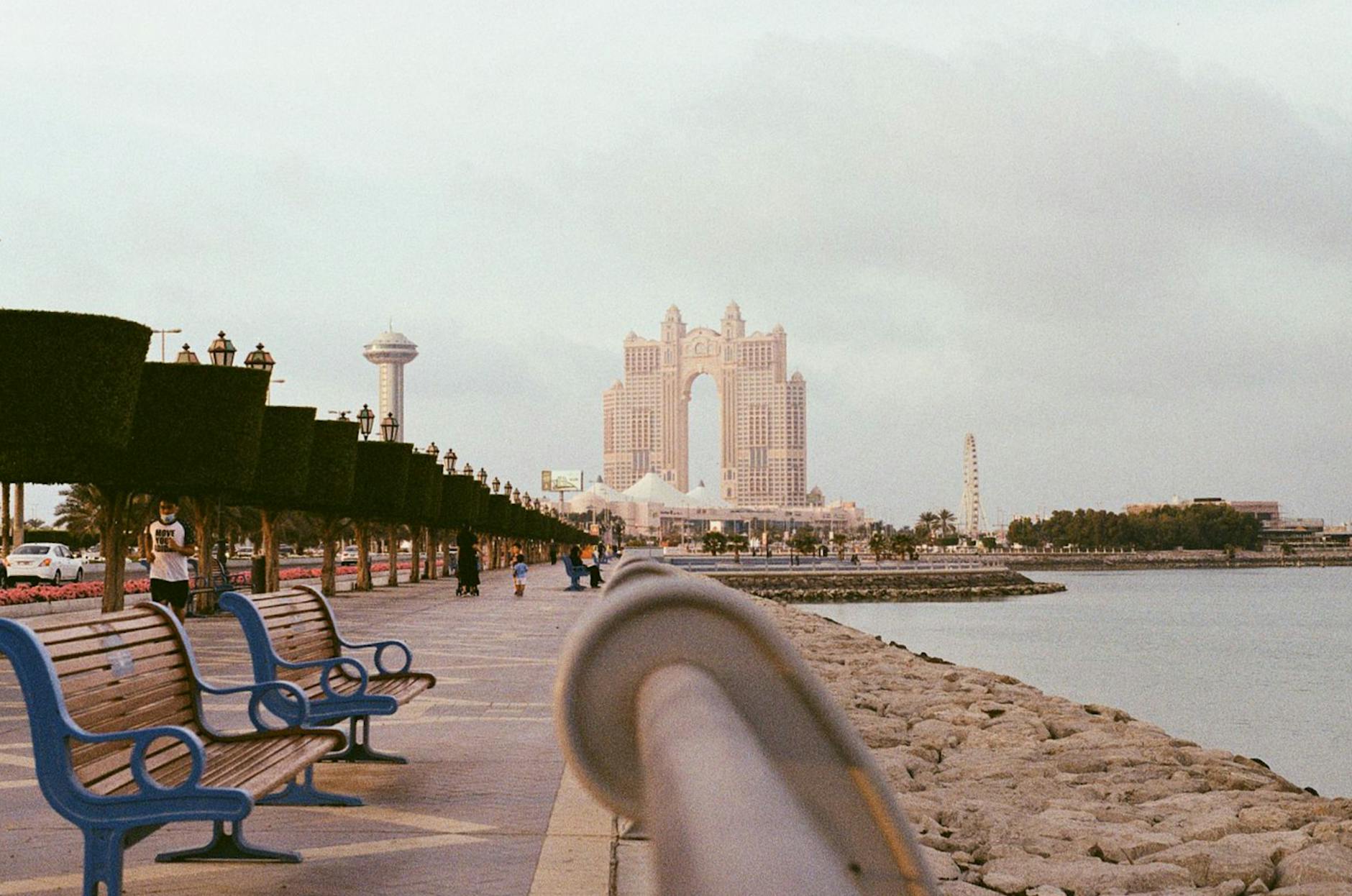
Corniche: best for first-time urban logic and sea-facing public life. Saadiyat: best for culture, beach calm, and architectural seriousness. Yas: best for leisure, theme-park, and family resort planning. Grand Mosque axis: best as a major site visit, not as a base strategy. Broader central island: useful for city hotels, dining, and capital rhythm.
Neighborhood Guide: Where to Explore, Not Just Sleep
The Corniche should be taken seriously because it gives Abu Dhabi much of its civic identity. This is where the city becomes public rather than purely hotel-based: promenade, beach, skyline, benches, paths, and a sense that the capital can be elegant without sealing itself off from ordinary urban life.[9]
Saadiyat is where Abu Dhabi's cultural ambition becomes explicit. Louvre Abu Dhabi already justifies the district, and the broader cultural concentration means the island should be understood as a city-shaping project rather than a single museum ride.[6][10] Add the Abrahamic Family House if you want the day to move from art to architecture to coexistence symbolism.[11]
The monumental city sits elsewhere. Sheikh Zayed Grand Mosque and Qasr Al Watan should not be lumped together simply because both are grand. The mosque is spiritual, civic, and visitor-facing in a distinct way. Qasr Al Watan is about statecraft, ceremonial identity, and political symbolism. Together they explain a lot about modern Abu Dhabi, but they still need separate emotional energy.
Yas belongs to another version of the destination. It can be excellent, but it is more leisure ecosystem than city reading. Use it if it fits your actual trip, not because it is famous.
The Best Things to Do in Abu Dhabi
- Visit Sheikh Zayed Grand Mosque with enough time and proper dress expectations.[3][4]
- Give Louvre Abu Dhabi a real half-day.[5][6]
- Walk or cycle part of the Corniche around sunset.[9]
- Visit Qasr Al Watan to understand Abu Dhabi's monumental state identity.[7][8]
- Spend time on Saadiyat as more than a beach or museum shuttle stop.[10]
- Visit the Abrahamic Family House if architecture and interfaith symbolism matter to you.[11]
Itineraries
If You Have Two Days
Use day one for the Grand Mosque plus either Qasr Al Watan or a calmer Corniche evening. Use day two for Saadiyat: Louvre Abu Dhabi, beach or lunch, and possibly the Abrahamic Family House if the pace still feels clean.
If You Have Three Days
Keep the first two days as above and use day three for the version of Abu Dhabi you actually want: resort recovery, Yas, more central-island dining and waterfront time, or a slower family day.
If You Have Four Days
Add one looser day on purpose. Abu Dhabi becomes better when at least one day is not fully instrumental.
Itineraries By Traveler Type
For Couples
Stay on Saadiyat or the Corniche, choose one major site per day, protect evenings, and let the city remain polished rather than overloaded.
For Families
Be honest about whether you want leisure Abu Dhabi or cultural Abu Dhabi. Both can work, but confusion between them creates the weakest trip.
For Architecture Travelers
Anchor the stay around the Grand Mosque, Louvre Abu Dhabi, Qasr Al Watan, and the Abrahamic Family House. These sites explain the city more clearly than many hours of generic driving.
For Stopovers
Do not try to force all of Abu Dhabi into a single sprint. Pick either monumental Abu Dhabi or Saadiyat/Corniche Abu Dhabi and do it properly.
Food and Drink
Abu Dhabi's food scene is stronger than it sometimes gets credit for, though it expresses itself differently from louder regional cities. The city rewards travelers who like polished rooms, hotel dining done properly, and a mix of international competence and regional confidence rather than only novelty.
The best approach is to use food as part of the city's calm. One good lunch attached to a cultural day, one well-chosen dinner, and one waterfront or hotel-bar evening often fit Abu Dhabi better than aggressive restaurant stacking.
Getting Around
Taxi first, bus second. This is not because the bus network is irrelevant, but because most visitors will use the city more naturally by taxi, especially between airport, hotel, mosque, Saadiyat, and evening destinations.[1][2]
If you do plan to use buses regularly, the Hafilat card is the relevant system and should be prepared in advance rather than improvised at the curb.[2]
The larger rule is simple: Abu Dhabi should feel smooth. Any transport choice that makes it feel fussy is probably the wrong one for a short first visit.
What To Skip
Skip the reflex to compare every experience to Dubai. Skip overcommitting Yas if you primarily wanted the capital. Skip turning the Corniche into filler between major tickets. Skip any hotel that looks glamorous but places the rest of the trip in the wrong geometry.
Common Mistakes
- Staying on the wrong island for the trip you actually want.
- Treating all waterfront Abu Dhabi as interchangeable.
- Underplanning dress and timing for the Grand Mosque.
- Giving Louvre Abu Dhabi too little time.
- Believing the city is so orderly that no sequencing is required.
My Blunt Advice
Abu Dhabi is not vague. It only looks vague to travelers who never decide which version of it they came for. If you want city Abu Dhabi, stay central. If you want culture-and-beach Abu Dhabi, stay on Saadiyat. If you want leisure-island Abu Dhabi, admit that and go to Yas. But do not blur them together and then blame the city for feeling diffuse.
Give the Grand Mosque proper respect. Give Louvre Abu Dhabi real time. Use the Corniche as part of the point, not as a transition zone. Let at least one evening remain elegant and underplanned. If you do that, Abu Dhabi stops looking like the restrained alternative and starts looking like one of the Gulf's most complete short breaks.
Where Abu Dhabi Fits in a Gulf Trip
Abu Dhabi occupies a very particular place in Gulf travel. It is not the destination people name first when they are chasing novelty, scale, or hyperactive urban spectacle. That is exactly why it often works so well. Where some Gulf cities sell themselves through acceleration, Abu Dhabi makes its case through calibration.
For a first Gulf trip, Abu Dhabi is strongest in one of three roles.
The first is as a capital-city anchor. If you want to understand the region through state architecture, monumental religion, museum ambition, and the relationship between sea, city, and national image, Abu Dhabi is one of the best places to start.
The second is as a corrective to louder Gulf cities. After Dubai especially, Abu Dhabi often feels more composed, more spacious, and more internally consistent. The pleasure here is not that there is "less to do," but that the city is less interested in proving itself at every second.
The third is as a high-comfort short break in its own right. Two or three days here can feel complete because the city has enough cultural seriousness, enough hotel quality, enough waterfront life, and enough well-managed atmosphere to carry a whole stay without requiring endless movement.
Abu Dhabi is slightly weaker only if you want the Gulf at its most visibly kinetic. It does not compete best on raw velocity. It competes on fit. For many travelers, that ends up being the more durable advantage.
Abu Dhabi Versus Dubai, Doha, and Muscat
Abu Dhabi becomes easier to love once you stop asking it to compete on the wrong axes.
Against Dubai, Abu Dhabi is calmer, more spatially generous, and often more coherent. Dubai overwhelms through accumulation: towers, districts, malls, spectacle, ambition, reinvention. Abu Dhabi is more edited. It is still luxurious and modern, but the city generally asks for less emotional noise from the traveler. If Dubai is a city of velocity and option overload, Abu Dhabi is a city of control and fit.
Against Doha, Abu Dhabi often feels more relaxed in its city-scale logic. Doha has its own strong museum and waterfront arguments, but it can feel more discontinuous in how districts relate to one another. Abu Dhabi's central-island, Saadiyat, and monument logic usually reads more clearly on a first visit. The city is easier to use without needing to decode it constantly.
Against Muscat, Abu Dhabi feels more formal, more state-scaled, and more hotel-forward. Muscat often wins on dramatic setting and a softer, lower-rise urban personality. Abu Dhabi wins when the traveler wants stronger institutional confidence, better integrated luxury infrastructure, and a more deliberate capital-city experience.
The point is not which city is "better." The point is what kind of Gulf trip you want. If you want peak spectacle, Dubai may win. If you want a calmer city of museums, monumental architecture, water, and polished logistics, Abu Dhabi is often the stronger answer.
First-Time Visitors Versus Repeat Visitors
Abu Dhabi tends to work well on a first visit and often works better on a second one, because the second visit is usually more exact.
First-time visitors sensibly begin with the obvious structure: Sheikh Zayed Grand Mosque, Louvre Abu Dhabi, Qasr Al Watan, the Corniche, perhaps Saadiyat, perhaps Yas depending on the trip. That is the correct first outline. These are not fake icons. They genuinely explain the city.
What first-timers often do not yet understand is how much the city changes depending on hotel base and daily geometry. A second visit usually fixes that. You may realize that Yas was excellent for a family-resort version of the trip but wrong for a cultural one. You may decide that the Corniche deserved more unstructured time. You may use Saadiyat not just as a museum destination but as a whole district atmosphere. You may stop trying to turn every day into a catalogue of major sites.
For first-timers, the key question is: which Abu Dhabi is the cleanest and most coherent introduction? For return visitors, the better question becomes: which Abu Dhabi do I want to live inside this time? City-capital Abu Dhabi, culture-and-beach Abu Dhabi, or leisure-island Abu Dhabi.
That shift usually makes the city better, because Abu Dhabi is not a place that rewards indiscriminate coverage. It rewards correct fit.
Winter Abu Dhabi Versus Shoulder-Season and Summer Abu Dhabi
Abu Dhabi is one of those cities where climate is not background. It changes the whole logic of the trip.
Winter Abu Dhabi is the version most first-time visitors should target. November through March gives the city its cleanest balance: the Corniche becomes fully usable, evenings are pleasant, beaches and promenades actually matter, and district movement feels like part of the pleasure rather than something to survive.
Shoulder-season Abu Dhabi can still work very well, particularly in October, April, and sometimes early May. But this is when the trip becomes more edited. Outdoor plans need stronger timing. Late afternoon grows more important. Museum-and-hotel chapters do more of the work.
Summer Abu Dhabi is not wrong, but it is a different product. The city becomes more indoor, more pool-led, more hotel-defined, and less about long waterfront or urban sequences. This can still be good, especially for travelers who want premium room time, resort logic, or a museum-heavy stay. It is simply not the same as cool-season Abu Dhabi.
The main mistake is to pretend these seasonal versions are interchangeable. They are not. Winter Abu Dhabi is an open city. Summer Abu Dhabi is a selectively air-conditioned city. Plan accordingly and it can still be strong.
Why the Base Matters More Than It First Appears
In Abu Dhabi, hotel choice is not mostly about prestige. It is about deciding what city you are actually using.
Because distances are real and the urban fabric is dispersed across islands and broad corridors, the wrong hotel can quietly turn every day into a transfer problem. A glamorous property can still be a poor fit if it places you inside the wrong version of the destination. This is especially true for first-time visitors who have not yet decided whether they want cultural-capital Abu Dhabi, beach-and-culture Abu Dhabi, or leisure Abu Dhabi.
That is why the Corniche and central island work so well as a first base. They give the clearest read of Abu Dhabi as a capital with public life, sea air, restaurant access, and manageable transfers. Saadiyat is often the more refined choice for couples or culture-and-beach travelers because it makes Louvre Abu Dhabi and the broader district part of the stay rather than side excursions. Yas is only the right answer when Yas is the point.
The right test is simple: when you leave the hotel, does the version of Abu Dhabi you actually wanted begin immediately? If yes, the base is probably right. If not, the city will seem more diffuse than it really is.
Why One Proper Abu Dhabi Day Matters
Abu Dhabi is often weakened by fragmentation. Travelers arrive, do the mosque, have a meal in a hotel, rush through one museum, and then say the city felt polished but indistinct. What they really experienced was a series of isolated high-quality environments with no coherent city logic connecting them.
One proper Abu Dhabi day changes that. By "proper," I mean a day in which the city itself becomes legible from morning through evening. That could mean a central-island and Corniche day where the capital's public face finally has time to register. It could mean a Saadiyat day that lets culture, beach, and architecture live in the same emotional frame. It could mean a mosque-plus-palace day that shows modern state symbolism with enough breathing room around it.
What matters is continuity. Abu Dhabi is not a city that reveals itself through attraction count. It reveals itself when one district or one capital idea is allowed enough time to feel whole.
If you only have one full day, choose a version of Abu Dhabi and do it properly. If you have two or three, let each day belong clearly to a different register of the city.
Day Abu Dhabi Versus Evening Abu Dhabi
Abu Dhabi is not identical by hour. The difference between afternoon and evening can decide whether the city feels inert or elegant.
Day Abu Dhabi is often the explanatory city. This is when the architecture reads most clearly, museum interiors make sense, and large monumental spaces can be understood in their full intended scale. It is also when heat can flatten bad plans quickly.
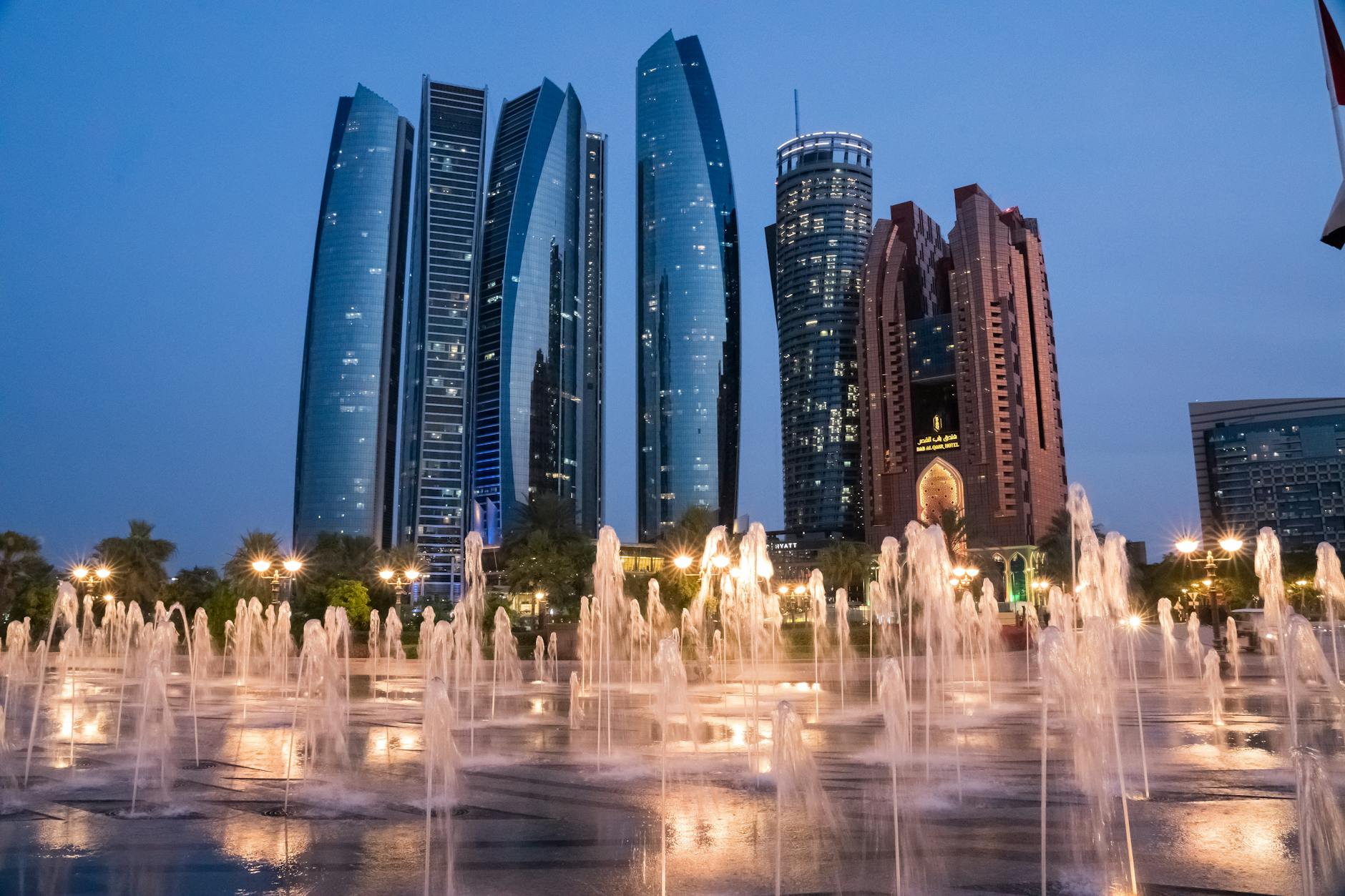
Evening Abu Dhabi is the persuasive city. The Corniche becomes more humane, the air softens, hotel terraces and waterfront sequences become more pleasurable, and the city feels less like a set of high-end sites and more like a place where people actually want to linger. This is especially important for first-timers, because daytime Abu Dhabi can seem too controlled if evening never gets a chance to do its work.
The best first visit therefore protects at least one proper evening that is not merely post-sightseeing recovery. Let the city show how it handles calm.
Why the Grand Mosque Should Not Own the Whole Trip
The Sheikh Zayed Grand Mosque is one of the most impressive modern religious monuments in the world. It absolutely deserves to dominate part of a stay. It should not dominate your entire understanding of Abu Dhabi.
Because it is so visually commanding and so famous, many travelers let the mosque stand in for the whole city. They see it, perhaps add a museum or the palace, and conclude they have understood Abu Dhabi. What they have actually understood is one of the city's strongest and most photogenic arguments.
But Abu Dhabi also needs its Corniche calm, its hotel logic, its museum seriousness, its Saadiyat ambition, and its slower evening rhythm if the trip is going to feel complete. Without those counterweights, the city risks looking like a sequence of immaculate icons floating in empty space. That is not what Abu Dhabi is at its best.
The mosque should anchor the trip. It should not monopolize it.
Why Abu Dhabi Often Improves on the Second Visit
Abu Dhabi often gets better the second time because the first visit is usually spent deciding what kind of city it is.
People arrive with preloaded comparisons, mostly to Dubai, and with vague expectations about luxury, calm, and modernity. During the first stay, they are often sorting out which parts of the destination actually matter to them. On the second visit, that sorting is already done. The city can then be used more precisely.
That usually means a better hotel choice, less time spent proving you've "seen" everything, more deliberate district use, and a calmer relationship to the city's scale. It also means that subtler pleasures start to register: the difference between Corniche and Saadiyat, the quality of a well-run evening, the way the capital reveals its seriousness through architecture rather than noise.
Abu Dhabi is one of those places where confidence improves the traveler more than novelty improves the city. The destination does not need reinvention between visits. It benefits from better fit.
How Abu Dhabi Changes Over the Course of a Stay
On arrival, Abu Dhabi often feels clean, broad, and a little abstract. The roads are large, the hotel is smooth, the skyline may look handsome but not urgent, and the city can seem more composed than emotionally legible.
By the second day, if the stay is working, districts start differentiating. The Corniche becomes more than "waterfront." Saadiyat becomes more than "where the museum is." The mosque becomes part of a larger capital story rather than a single massive image. Distances stop feeling vague and start feeling structured.
By the third day, Abu Dhabi often settles into its best version. You know whether you want another city hour or another beach hour. You know which part of the capital feels most convincing to you. The trip stops being about checking whether the city is more than a quieter Dubai and starts being about using its actual strengths.
That is why three days are so good here. The first day gives the image. The second gives the structure. The third, if you have it, gives the city.
Source Notes
- 1. AD Mobility, official taxi fares including airport taxi tariff: [https://admobility.gov.ae/en/taxi-fares](https://admobility.gov.ae/en/taxi-fares)
- 2. AD Mobility, official Hafilat card page: [https://admobility.gov.ae/en/Hafilat](https://admobility.gov.ae/en/Hafilat)
- 3. Experience Abu Dhabi, Sheikh Zayed Grand Mosque: [https://visitabudhabi.ae/en/what-to-see/national-attractions/sheikh-zayed-grand-mosque](https://visitabudhabi.ae/en/what-to-see/national-attractions/sheikh-zayed-grand-mosque)
- 4. Sheikh Zayed Grand Mosque Centre, visitor code of conduct: [https://visit.szgmc.gov.ae/documents/terms-conditions/terms_abudhabi_en.pdf](https://visit.szgmc.gov.ae/documents/terms-conditions/terms_abudhabi_en.pdf)
- 5. Louvre Abu Dhabi, official FAQ and opening information: [https://prod-cm.louvreabudhabi.ae/en/about-us/visitor-guidance/faq](https://prod-cm.louvreabudhabi.ae/en/about-us/visitor-guidance/faq)
- 6. Louvre Abu Dhabi, official visit page: [https://www.louvreabudhabi.ae/en/visit/](https://www.louvreabudhabi.ae/en/visit/)
- 7. Experience Abu Dhabi, Qasr Al Watan: [https://visitabudhabi.ae/en/what-to-see/iconic-landmarks/qasr-al-watan](https://visitabudhabi.ae/en/what-to-see/iconic-landmarks/qasr-al-watan)
- 8. Qasr Al Watan, official opening-hours page: [https://www.qasralwatan.ae/en/plan-your-visit/opening-hours](https://www.qasralwatan.ae/en/plan-your-visit/opening-hours)
- 9. Experience Abu Dhabi, Abu Dhabi Corniche: [https://visitabudhabi.ae/en/where-to-go/beaches/abu-dhabi-corniche](https://visitabudhabi.ae/en/where-to-go/beaches/abu-dhabi-corniche)
- 10. Experience Abu Dhabi, Saadiyat Cultural District: [https://visitabudhabi.ae/en/what-to-see/historical-and-cultural-attractions/saadiyat-cultural-district](https://visitabudhabi.ae/en/what-to-see/historical-and-cultural-attractions/saadiyat-cultural-district)
- 11. Abrahamic Family House, official visitor guidelines: [https://www.abrahamicfamilyhouse.ae/visitor-guidelines](https://www.abrahamicfamilyhouse.ae/visitor-guidelines)