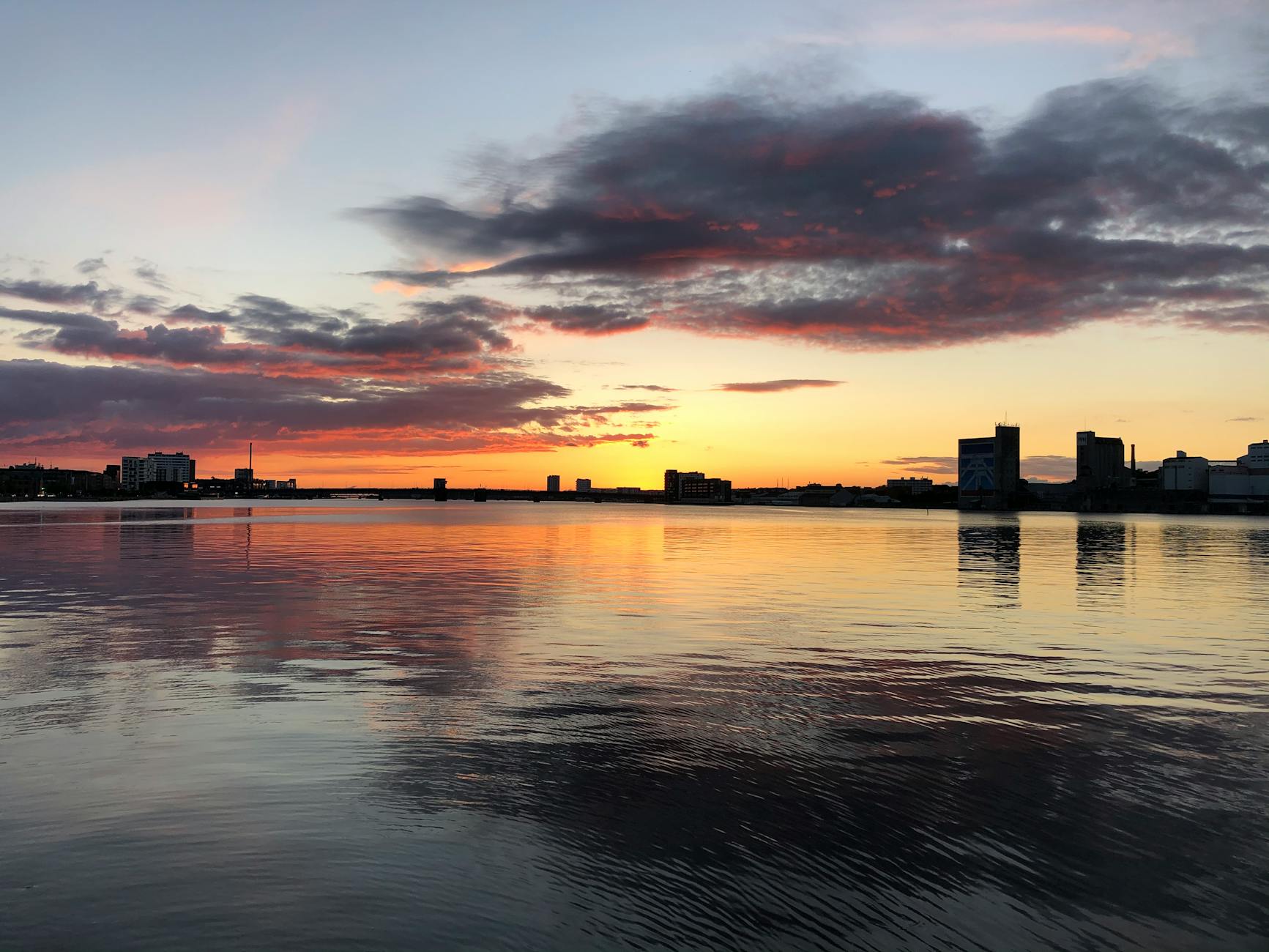
Aalborg is the kind of city people regularly misread in both directions. Some underestimate it because it is not Copenhagen and does not advertise itself internationally with much force. Others overpraise it in vague, forgiving language: compact, pleasant, waterfront, underrated, easy. That second group is closer to the truth, but only slightly. Aalborg is not merely easy. It is a real north-Danish city with industrial memory, student energy, a strong relationship to water, and just enough cultural substance to support a satisfying short stay when approached properly.
Start Here
The key is to stop asking whether Aalborg is "worth" a trip in the abstract and start asking what kind of trip it wants. This is not a city of relentless landmark density. It is a city of proportion. The old center is usable. The waterfront has been reshaped without feeling fake. Distances are short enough that a day can stay coherent. The city is large enough to feel urban, but small enough that a visitor can actually understand it inside a weekend. That is the appeal.
What Aalborg does especially well is combine compactness with enough difference between its parts to keep the trip from flattening out. There is a commercial core, but it is not the whole city. There is a harborfront, but it is not just decorative redevelopment. There are institutions, but they are close to daily life rather than stranded in a cultural quarter. The result is that Aalborg can feel more complete than many better-known secondary cities, especially if the traveler values rhythm over spectacle.
The weak visit is predictable. Someone arrives, walks a central shopping street, glances at the waterfront, has one meal in an overly obvious area, and leaves thinking Aalborg was "nice." Nice is not the goal. The stronger trip understands the city as a Limfjord place first, a North Jutland capital second, and a compact cultural city third. Once you read it that way, the waterfront, the architecture, the food, the streets around Budolfi and Algade, the museums, and even the pace of the evenings begin to connect.
The city in one sentence: Aalborg is a compact North Jutland waterfront city where the best trip comes from combining harbor logic, walkable center-city life, a few strong cultural anchors, and realistic expectations rather than chasing a bigger-city version of Denmark.
Basic data
| Population | About 120,000 in the city |
|---|---|
| Area | Large municipality; the visitor core is compact |
| Major religions | Christian heritage with a strongly secular contemporary public culture |
| Political system | Municipal government inside a parliamentary constitutional monarchy |
| Economic system | High-income mixed economy led by services, education, industry, and port activity |
Quick Verdict
Best for: couples, solo travelers, Scandinavia returners, Denmark visitors who want a smaller city that still feels real, architecture travelers, museum travelers, and anyone who likes compact cities with water, food, and clear daily rhythm.
Not ideal for: travelers who need capital-city monument density, people who want nonstop high-gloss Nordic cool, or anyone who expects medieval fantasy streets from morning to night.
Ideal first visit: 2 full days.
Minimum worthwhile stay: 1 full day and 1 night, but 2 nights is much better.
Best overall months: May, June, late August, and September.
Best winter case: December for compact cozy city energy, or late winter if you want museums, cafés, and a quieter urban break.
Biggest planning mistake: treating Aalborg like a filler stop and therefore never giving the waterfront, museums, or evening life enough time to feel connected.
One thing to prioritize: a central hotel within easy walking distance of the old center and the harborfront.
One thing to leave flexible: your waterfront time. Aalborg improves when light and weather can shape the walk.
The blunt version: Aalborg is not Denmark's most beautiful city, but it is one of its highest-return compact city breaks if you like coherence, design, and ordinary urban life more than headline attractions.
Who Will Love Aalborg?
Aalborg works well for travelers who enjoy cities that feel lived in before they feel performed. It does not overwhelm you with beauty or prestige. It wins by being usable, grounded, and more interesting than its size suggests. If you like a city where you can walk from coffee to church square to waterfront to museum to dinner without the day collapsing into logistics, Aalborg is strong.
It is especially good for travelers who are tired of cities that exist only as branding exercises. Aalborg still feels like a working place. The city has commercial streets, but it is not just shopping. It has a waterfront, but not one that feels entirely built for visitors. It has culture, but not culture sealed into a special zone that requires a separate personality to enter. That integration is one of the city's best qualities.
Couples tend to do well here because Aalborg supports a very specific type of trip: one good hotel, one good museum, one substantial walk, one evening built around dinner and bars rather than frantic sightseeing, and a second day that stays coherent without becoming repetitive. The city is not exhausting, which is often a greater luxury than travelers admit.
Solo travelers also do well. Aalborg is legible, calm, and easy to use. It has enough cafés, public space, waterfront walking, and casual cultural activity that being alone feels natural rather than conspicuous. A lot of smaller cities can feel inert or overly family-coded. Aalborg usually avoids both.
It is also appealing for architecture-minded travelers. The Utzon connection matters. So does the broader conversation between older mercantile Aalborg, post-industrial infrastructure, and contemporary waterfront change. The city is not a nonstop architecture set piece, but it offers enough to reward close attention.
Aalborg at a Glance
| Question | Practical Answer |
|---|---|
| Main airport | Aalborg Airport (AAL) |
| Typical airport-to-center logic | Bus or train-linked public transport, taxi, or rental car |
| Approximate airport distance | Very close to the city by airport standards |
| Best first-time base | Central Aalborg near Budolfi, Algade, Nytorv, or the inner waterfront |
| Best way to understand the city | Walking first, then selective bus use |
| Public transport operator | Nordjyllands Trafikselskab (NT) |
| Current transport detail visitors should know | Plusbus does not take cash on board |
| Signature cultural anchors | Kunsten, Utzon Center, and selected history sites |
| Best simple city walk | Old center to waterfront to westward cultural zone |
| Car needed? | No |
| Emergency number | 112 |
| Tap water | Safe to drink |
| Currency | Danish krone |
| Power plugs | Type C, E, and K compatibility in practice |
2026 Visitor Notes
Airport Access Is One Of Aalborg's Quiet Strengths
Aalborg Airport is unusually easy for a city break. Official airport guidance makes clear that bus and train options connect directly into airport access planning, and the airport is close enough to the city that arrival rarely becomes a major event.[1][2] That matters because some smaller-city breaks become inefficient before they begin. Aalborg usually does not.
NT Ticket Rules Matter More Than The City Size Suggests
Official NT guidance is clear that you can pay cash on their buses except on Plusbus in Aalborg, and that payment-card and app options are part of the normal system.[3][4] That is easy to manage, but it is still worth knowing before you board. A city this simple should stay simple.
Kunsten Is A Serious Museum, Not A Rain Backup
Kunsten has enough weight to justify building a half-day around it rather than treating it as leftover time.[5] If you like modern art and museum architecture, it is one of the strongest reasons Aalborg can support a city-led stay instead of a token overnight.
The Utzon Center Is More Than A Name Check
The Utzon Center's position on the waterfront and its architecture-design programming make it one of the clearest places where Aalborg's physical setting and cultural identity come together.[6][7] It is not just there because Jørn Utzon is a recognizable name.
The Waterfront Is Not Decorative
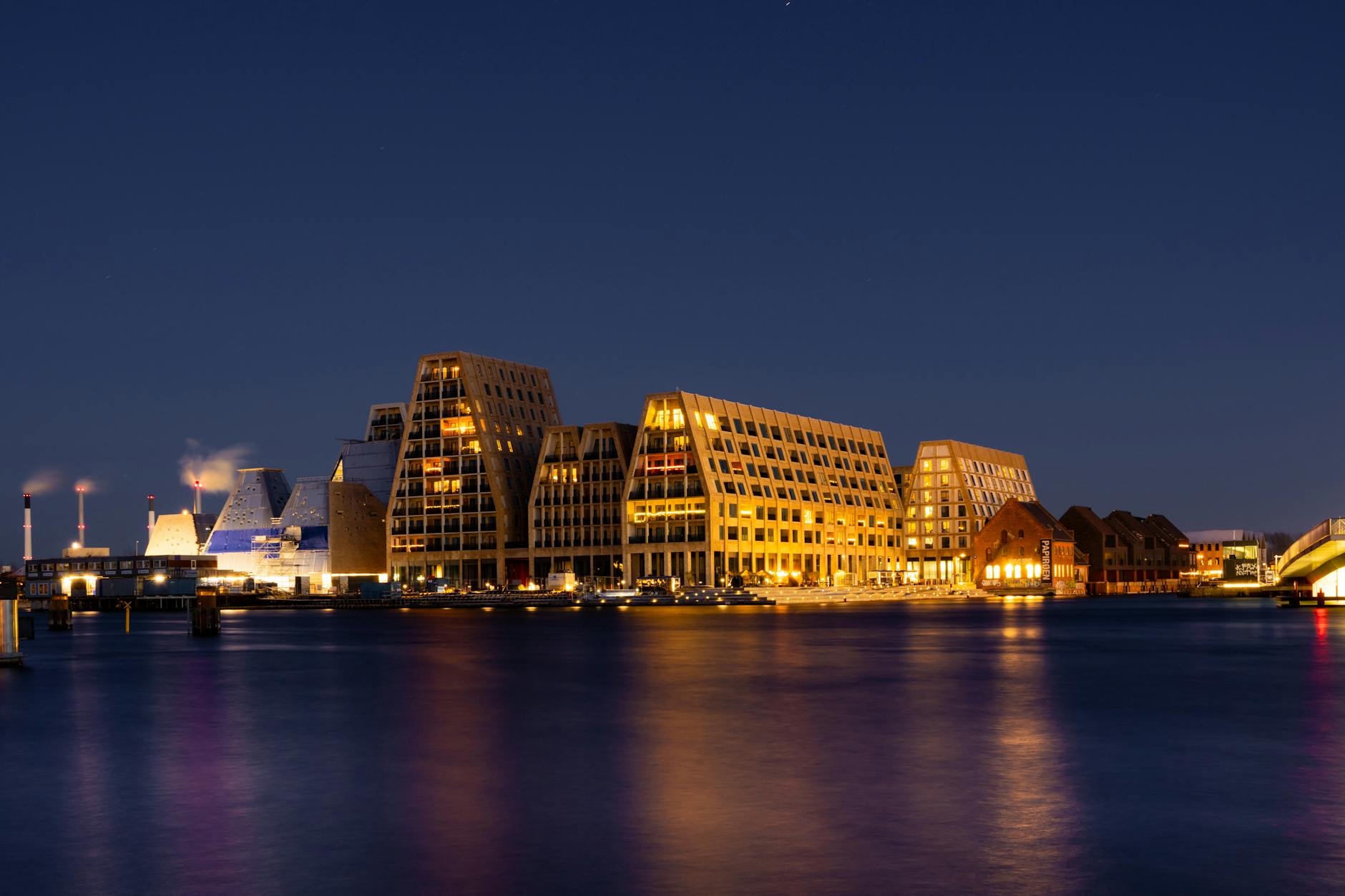
Aalborg's harborfront is not merely a place for a photograph. It helps explain the city's modern identity. The rebuilt public spaces around the Quay of Honour and nearby waterfront zones show how the city has turned industrial edge into civic space without entirely erasing the working-city memory underneath.[8]
Medieval Aalborg Still Exists, But In Fragments
If you expect an unbroken old-town fantasy, Aalborg will feel thinner than you hoped. If you understand that its history appears in fragments, squares, churches, and museum remnants such as the Franciscan Monastery Museum, the city becomes more interesting.[9]
Aalborg Is Best Used Selectively
This is not a city where every district is equally compelling. Aalborg becomes better when you edit aggressively and spend more time in the center, waterfront, and strongest cultural zones rather than chasing total coverage.
How to Understand Aalborg
Aalborg works through five forces.
The first is the Limfjord. This is the city's emotional and geographic anchor. Even when you are not directly beside the water, the city's sense of itself still depends on being a fjord-facing place of trade, movement, and openness.
The second is the compact center. Aalborg's core is small enough to be comprehensible quickly, which means the traveler spends less energy administering the day and more energy actually noticing the city.
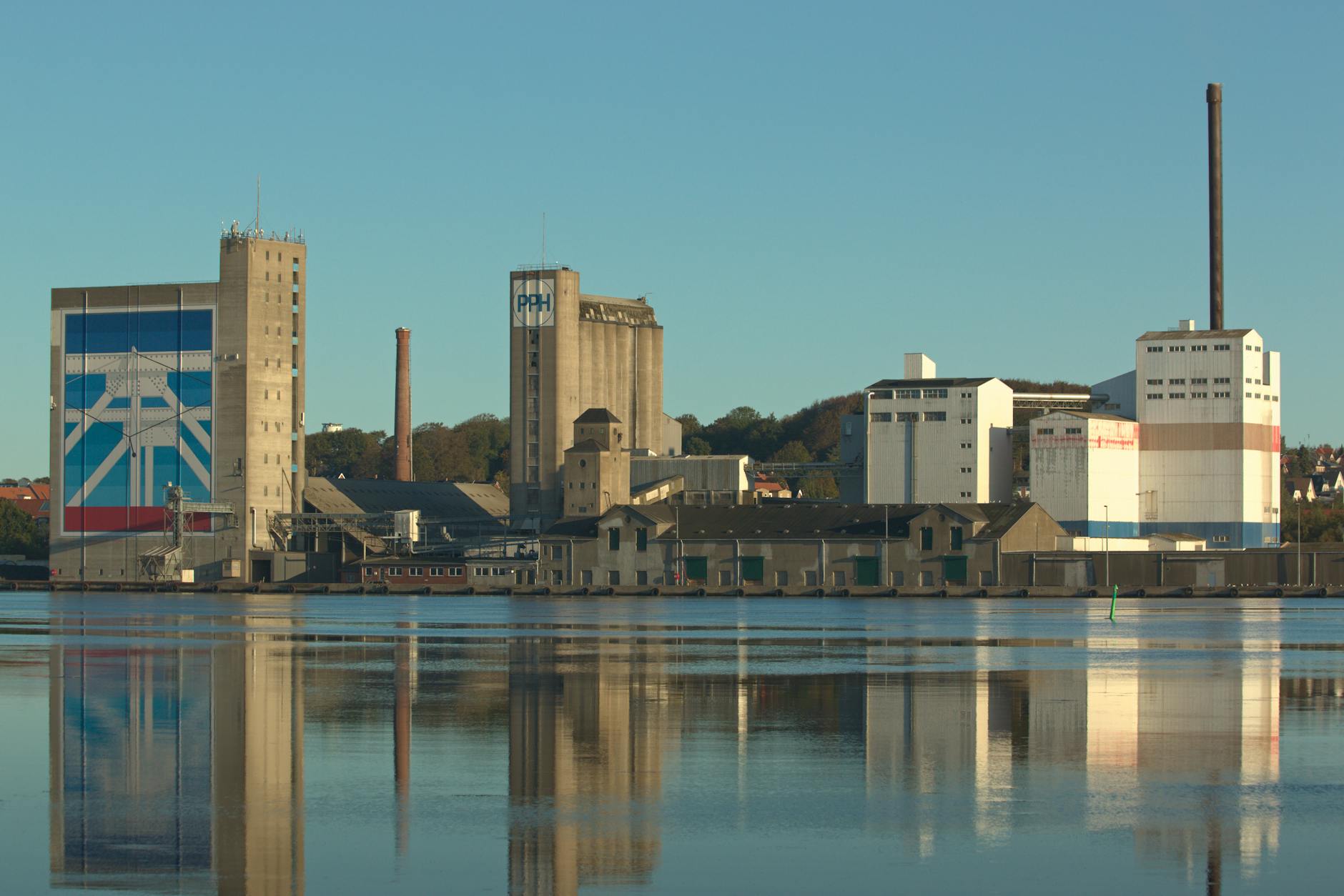
The third is the industrial-to-civic transition. Aalborg has not forgotten what kind of city it was. Waterfront redevelopment, cultural institutions, and better public space feel convincing partly because they sit on top of a grittier commercial and industrial past.
The fourth is the student and regional-capital layer. This is not just a tourist town or a provincial stop. Aalborg carries education, business, and regional importance, which gives it steadier everyday energy than outsiders often expect.
The fifth is controlled scale. Aalborg is large enough that a weekend does not feel trivial, but small enough that the traveler can build a satisfying mental map almost immediately.
The Five Aalborgs A Visitor Actually Meets
Historic-core Aalborg: church squares, shopping streets, older street lines, and the fragments that still carry premodern weight.
Waterfront Aalborg: harbor promenades, public steps, cultural buildings, and the cleaner contemporary face of the city.
Cultural Aalborg: Kunsten, Utzon Center, the monastery museum, architecture, and the institutions that give the city more substance than a casual visit reveals.
Student-and-evening Aalborg: bars, cafés, ordinary social life, and the looser younger energy that keeps the city from feeling too polished.
Working Aalborg: the part that still feels practical, commercial, northern, and unpretentious.
The Main Mental Shift
Do not ask, "What are the top sights?" Ask, "How do center, water, and culture fit into one compact city day?" Once that becomes the question, Aalborg becomes much easier to use well.
What Aalborg Does Better Than People Think
Aalborg is stronger than many travelers expect at complete short stays. A lot of small cities can occupy a day. Fewer can make two days feel balanced. Aalborg often can, because the city has just enough of several things at once: enough culture, enough waterfront, enough food, enough walkability, and enough evening life.
It is also better than people think at architecture and urban transition. The Utzon Center, the harborfront work, and the city's broader relationship between older structures and new public spaces give Aalborg more design interest than the usual "second-tier city" label suggests.
Another underrated strength is being Danish without becoming overcurated. Copenhagen can feel like a global capital with Danish characteristics. Aalborg often feels like Danish urban life first. That makes it useful for travelers who care about ordinary quality rather than only icons.
The city is also very good at human-scale movement. Because so much of the interesting visitor territory fits inside an intelligible walking zone, the day can stay relaxed without becoming empty.
Finally, Aalborg is better than people think at evening proportion. This is not a place for three-hour taxi rides, complex dinner reservations across town, or neighborhood-hopping as performance. It is a place for one deliberate dinner, a bar or two, a walk back through the center, and a sense that the city has remained in scale all day.
Best Time to Visit Aalborg
Aalborg is usable year-round, but the city's mood changes sharply with light, wind, and temperature.
Best Overall Months
May, June, late August, and September are the easiest months in which to understand why the city works. The waterfront is more enjoyable, walking is cleaner, and the center has enough energy without feeling crowded.
Summer
Summer gives Aalborg its most generous version of itself. The harborfront matters more, outdoor seating feels integral rather than optional, and the city's compactness becomes a virtue instead of a limitation. The risk is that the better weather can make some visitors plan too lazily.
Autumn
Early autumn suits Aalborg very well. The city often feels more local, more balanced, and slightly more serious once the brightest summer mood fades. This is a strong season for travelers who care about food, architecture, and museums.
Winter
Winter shrinks Aalborg in a way that can still be pleasant. If you like Nordic urban quiet, interior spaces, and early-evening city lights, the season works. If you are hoping for a major waterfront city break outdoors all day, it does not.
Spring
Spring is appealing because the city begins reopening outward. Even a modest improvement in light helps Aalborg significantly because so much of its charm depends on public space and water-facing walks.
Month-by-Month Guidance
January: quiet, compact, best for museum-and-café travelers. February: still wintry, but often useful for a low-key urban break. March: transitional and weather-sensitive. April: increasingly workable, though not yet fully open in mood. May: one of the best months to go. June: excellent for a first visit. July: easiest weather, but still best if you plan selectively. August: strong, especially in the latter part of the month. September: one of the smartest choices. October: cooler and often good for architecture and museum travelers. November: subdued and best for people who actively want a quieter city. December: festive enough to be pleasant, though not a major Christmas-destination city.
How Many Days You Need
One Day
Enough for a respectable first impression, not enough for Aalborg to feel complete.
Two Days
Ideal for most first visits. This allows one city-and-waterfront day and one more cultural or slower neighborhood day.
Three Days
Very good if you want to move more slowly, add a museum in depth, or include a looser schedule around light and weather.
Four Days Or More
Only really necessary if Aalborg is part of a broader North Jutland trip and you still want the city itself to receive real time.
Where to Stay in Aalborg
Where you stay matters because Aalborg's strength is continuity. A central base allows the city to feel compact in the best sense. A weak outer location turns it into a set of disconnected errands.
Fast Answer
For most first-time visitors, stay in central Aalborg near the old core or inner waterfront. You want easy walking access to Budolfi Church, Algade, Nytorv, the harborfront, and evening food options.
Neighborhood Decision Table
| Traveler Type | Best Area |
|---|---|
| First-time visitor | Central Aalborg near the old core |
| Couple weekend | Inner center or quiet edge of the waterfront |
| Museum-first trip | Center-west or central with easy walk to Kunsten |
| One-night stop | Central, not airport-adjacent |
| Quiet-but-connected stay | Edge of the center rather than the busiest bar streets |
Old Center / Budolfi / Algade Area
Best for: first-timers, walkers, and anyone who wants the city to feel immediately coherent. Why it works: you are close to the old commercial core, central squares, churches, cafés, and an easy walk to the water. Tradeoff: some blocks feel more functional than romantic. Best use: the standard first Aalborg stay.
Inner Waterfront
Best for: travelers who care about design, harbor mood, and newer public space. Why it works: you get direct access to one of the city's strongest visual assets without being far from the center. Tradeoff: not every waterfront-facing stretch has the same life after dark. Best use: design-minded couples and repeat Denmark visitors.
Station-Adjacent Practical Core
Best for: transport convenience and short stays. Why it works: arrival and departure stay simple. Tradeoff: this can feel more efficient than atmospheric depending on the exact property. Best use: one- or two-night visits where friction matters more than charm.
Area Profiles
Budolfi / central core: best first read of Aalborg, useful all day, practical and civic. Waterfront: best for walking, views, and understanding the modern city. Westward cultural stretch: best for Kunsten and a slightly more spacious city feel. Jomfru Ane Gade zone: useful in moderation, not worth building the whole trip around. Nørresundby-facing outlooks: useful for perspective, but not the core of a first stay.
Neighborhood Guide: Where to Explore, Not Just Sleep
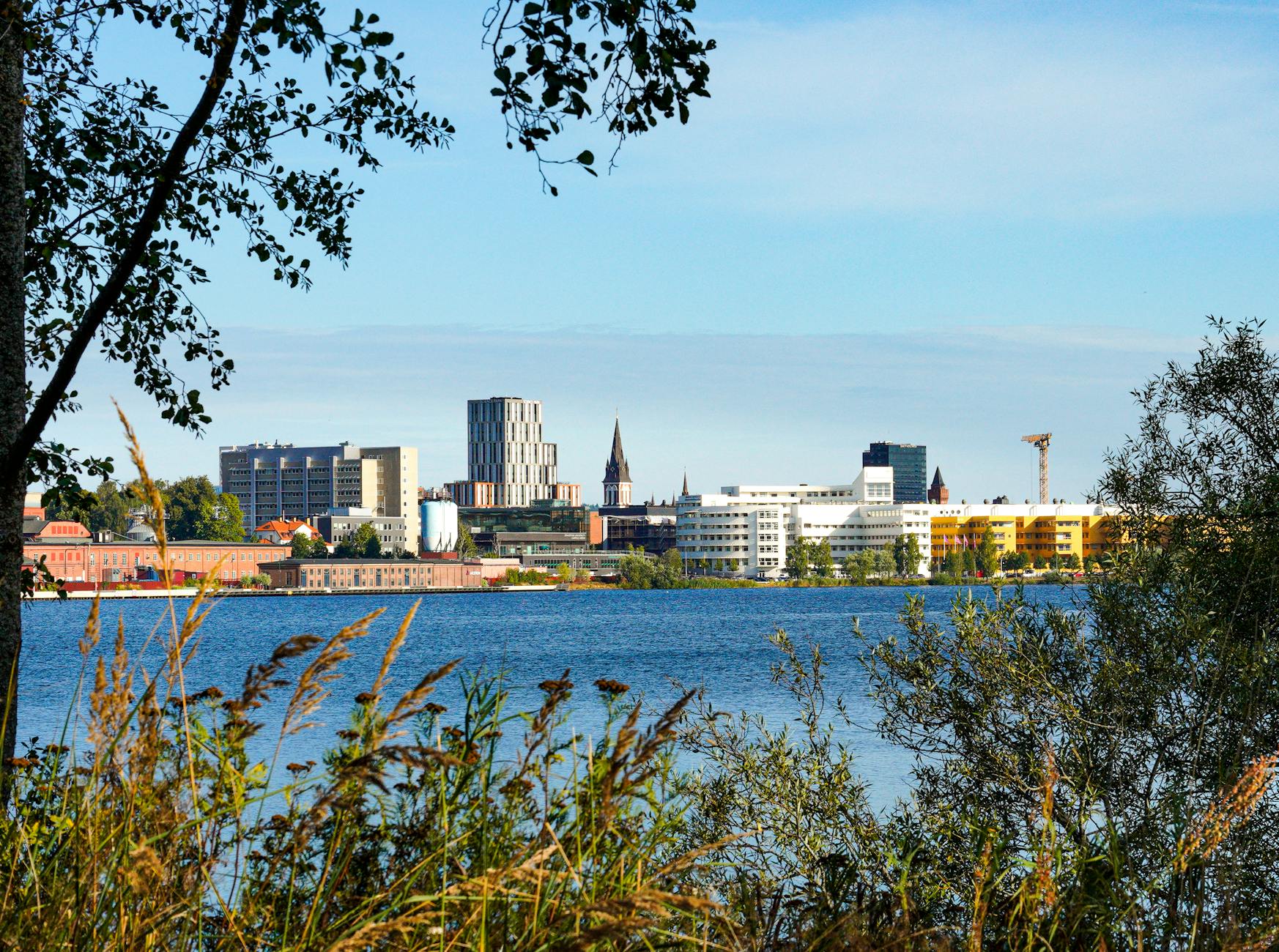
Start with the old center because it gives Aalborg its grammar. The streets are not uniformly magical, but they are useful. Budolfi Church, Algade, side lanes, and the commercial center give you the right baseline. From there, move toward the water rather than away from it. The harborfront is where Aalborg's contemporary self-understanding becomes visible.
The waterfront around the Quay of Honour and the Utzon area is one of the clearest reasons the city works. It is open, legible, and civic rather than merely decorative. This is where you understand how Aalborg has chosen to present itself now: public, walkable, less industrial than before, but not embarrassed by the fact that it used to be more industrial.[8][6]
The central social streets deserve some attention, but not blind faith. A visitor should understand that the city's best evening life is often about choosing one or two places with intention, not surrendering to the loudest cluster. Jomfru Ane Gade has local significance and obvious nightlife gravity, but it is not the whole case for Aalborg and can flatten the city if overemphasized.
The westward cultural zone around Kunsten provides a useful counterweight to the core. It gives the city a greener, more spacious, more contemplative mood. If you include it in the trip, Aalborg starts feeling more complete and less like a compact shopping-and-waterfront city.
The Best Things to Do in Aalborg
- Walk from the old center to the harborfront and let the city's scale reveal itself properly.
- Visit the Utzon Center and use it to understand Aalborg as a design-and-water city.[6][7]
- Give Kunsten real time if modern art matters to you.[5]
- Visit the Franciscan Monastery Museum if you want the medieval city in concentrated form.[9]
- Use the Quay of Honour and surrounding waterfront for an unhurried daylight walk.[8]
- Go up Aalborg Tower if you want a cleaner visual understanding of the city and its setting.[10]
- Build at least one evening around dinner and a slow walk back through the center instead of forcing extra sightseeing.
Itineraries
If You Have One Day
Start in the old center. Walk Budolfi, Algade, and the central shopping spine without lingering too long. Move toward the waterfront and continue through the Quay of Honour/Utzon stretch. Have lunch, then choose one serious cultural stop, ideally Kunsten or the Utzon Center depending on your interests. Finish with dinner and one drink in the center.
If You Have Two Days
Use day one for the center and waterfront, with the Utzon Center and general city-orientation logic. Use day two for Kunsten, a slower lunch, and one historical element such as the Franciscan Monastery Museum or an additional central-city walk. This is the strongest first-time pattern.
If You Have Three Days
Keep the first two days as above and use the third to slow down. Add Aalborg Tower, a more detailed architecture walk, extra waterfront time, or simply a less structured day of cafés, shopping, and public-space use.
Itineraries By Traveler Type
For Couples
Stay central, emphasize the harborfront, choose one museum only, and build the trip around proportion. Aalborg is more romantic when it remains low-pressure.
For Solo Travelers
Walk aggressively on the first day to build the city map. Use one museum, one long coffee stop, and an early evening waterfront pass to make the city feel familiar quickly.
For Architecture And Design Travelers
Anchor the trip around the Utzon Center, waterfront change, and Kunsten. Aalborg rewards visitors who read buildings as part of a broader civic transition.
For Denmark Returners
Do not compare every hour to Copenhagen or Aarhus. Aalborg is at its best when allowed to be a northern regional city with its own tone: less polished than one, less classically attractive than the other, and better because of that honesty.
Food and Drink
Aalborg is not a destination where you need a grand culinary plan to eat well, but it does reward discernment. The city suits travelers who prefer one good dinner and one good café or lunch rather than a full list of reservations. The best approach is to let the city stay modest in scale while still taking meals seriously.
Seafood and contemporary Danish cooking make sense here, but so does ordinary brasserie-level competence. What matters is avoiding the most obvious tourist autopilot. The center has enough options that you can usually find a meal that feels local, current, and proportional to the city. That is the point: proportion, not conquest.
Getting Around
Walk first. Aalborg's central strength is that so much of the city that matters to a visitor can be connected on foot. Use buses selectively when weather, timing, or a museum location makes it sensible.
Official NT guidance makes two practical points worth remembering: you can travel using cash, cards, and app-based options, but Plusbus in Aalborg does not accept cash, and standard zone-based pricing applies with a minimum two-zone fare.[3][4] If you know that, the city stays easy.
For airport arrivals, the simplest rule is not to improvise heroically. Use the official airport guidance and public-transport planners, then keep your hotel central.[2]
What To Skip
Skip the urge to treat every central block as equally interesting. Skip the assumption that nightlife concentration automatically equals the best evening. Skip overplanning regional movement at the expense of the city itself. Skip any itinerary that treats Aalborg only as a logistical bridge.
Common Mistakes
- Expecting a prettier city than Aalborg is trying to be.
- Treating the waterfront as a backdrop instead of part of the city's logic.
- Spending too much time in the loudest nightlife zone and too little in the quieter center-waterfront sequence.
- Compressing the city into a few hours because it looks manageable on a map.
- Using no museum at all and then concluding Aalborg lacks substance.
My Blunt Advice
Aalborg is worth taking seriously, but not worth inflating. The city does not need to be sold as a hidden masterpiece. It is better than that kind of praise anyway. What it offers is a compact, grounded, well-proportioned Danish city break with water, culture, and enough everyday urban confidence to feel satisfying.
Come for two days. Stay central. Walk the old core and the waterfront until the relationship between them feels obvious. Pick Kunsten or the Utzon Center with intention, not as leftover weather cover. Eat well once rather than indiscriminately several times. Let the city be northern, practical, and slightly understated. That is where Aalborg becomes itself.
Where Aalborg Fits in a Denmark Trip
Aalborg works best in a Denmark itinerary when you let it represent a version of the country that is smaller, more regional, more working, and less internationally polished than Copenhagen or Aarhus. It is not there to compete with the capital's breadth or with Denmark's most photogenic heritage settings. It is there to show what a compact North Jutland city can feel like when water, culture, everyday urban life, and post-industrial transition all stay in workable proportion.
For first-time Denmark visitors, Aalborg is often strongest as a second or third city rather than as the sole urban anchor. If Copenhagen gives you capital-city range and Aarhus gives you a stronger museum-and-university-city profile, Aalborg can provide a clearer regional contrast. It shows how Danish urban life functions outside the highest-profile circuits and does so without becoming sleepy or thin.
For repeat visitors, Aalborg can be even more attractive because it supports the kind of trip that values ordinary quality over icon collecting. You come for two days, stay central, walk the water, choose one or two strong cultural anchors, and let the city reveal itself through sequence rather than spectacle.
The wrong use of Aalborg is as a token overnight on the way elsewhere in Jutland. The right use is as a city that can justify a deliberate compact break if you approach it on its own scale.
Aalborg Versus Aarhus, Odense, And Malmö
Aalborg versus Aarhus is not mainly a matter of which city is "better." Aarhus is larger, more institution-heavy, and more obviously established as a cultural second city. Aalborg usually wins when the traveler wants a shorter, more controlled urban stay with a stronger waterfront-to-center relationship and less pressure to build a long attraction list. Aarhus can feel fuller; Aalborg can feel tidier and more breathable.
Aalborg versus Odense comes down to tone. Odense is easier to market through literary heritage and a softer urban image. Aalborg is more industrial, more northern, and often more interesting for travelers who prefer practical urban life to heritage-brand packaging. If Odense can feel more narratively polished, Aalborg often feels more real.
Aalborg versus Malmö is useful because both can attract travelers looking for a smaller Nordic city with culture and water. Malmö is broader, more metropolitan in its relationship to a larger region, and more visibly tied to Copenhagen's orbit. Aalborg feels more self-contained and more distinctly regional. That can make it less glamorous but also more coherent for a short stay.
That is the practical frame. Aalborg is one of Denmark's better short regional-city breaks when you want scale to work in your favor.
First-Time Visitors Versus Repeat Visitors
First-time visitors often experience Aalborg through a few clear signals: the old center, the harborfront, one museum, one evening street, and a general sense that the city is "pleasant." That can already make a worthwhile trip, but first-timers often still use the city too gently. They notice the city without yet understanding what gives it structure.
Repeat visitors tend to appreciate Aalborg more because they stop expecting headline beauty and start noticing how well the city actually fits together. They choose better bases, use the harborfront more deliberately, give the cultural institutions more weight, and understand that the city works best in a low-pressure sequence rather than through dramatic single reveals.
This matters because Aalborg is not a city that overwhelms. It accumulates. The second visit often makes the first one look more superficial than it felt at the time.
Why the Base Matters More Than It First Seems
Aalborg is small enough that many travelers assume any central-looking hotel will do. That is only partly true. Because the city works through continuity between center, water, museums, and evening life, the wrong base can quietly break the whole rhythm. A hotel that is technically reachable but outside the inner logic of the city turns every move into an unnecessary decision.
The best base is not only about map centrality. It is about how naturally the old center, the harbor, and one evening district connect on foot. Aalborg is strongest when you can leave the room and be in the city's working core almost immediately. That preserves the compactness as a strength rather than exposing it as a limitation.
This matters especially on one- or two-night stays. Aalborg's case depends on ease. A good central base preserves that ease all day.
Why One Proper Aalborg Day Matters
Aalborg is easy to sample and easy to underread. Because the distances are short, visitors often assume a few central streets plus a quick look at the waterfront amount to understanding the city. Usually they do not. They amount to recognizing its outline.
A proper Aalborg day needs three chapters. Morning should usually belong to the old center and its civic-commercial logic. Midday and afternoon should move toward the water and one serious cultural anchor. Evening should belong to food, one or two social streets, and a walk that lets the city contract into something more intimate than its daytime practicality suggests.
Without that full-day arc, Aalborg can remain merely agreeable. With it, the city becomes much more legible and much more satisfying.
Day Aalborg Versus Evening Aalborg
Daytime Aalborg often feels especially clear. The center is easy to read, the streets are manageable, and the city's practical Northern European competence is visible almost immediately. This can make the place seem less dramatic than it really is, especially if the traveler expects a more obviously theatrical Nordic city.
Evening Aalborg is where some of the city's restraint becomes an advantage. The scale tightens pleasantly, dinners and bars carry more emotional weight, and the harbor or central streets can feel more deliberately composed than they did in full daylight. The city is not a nightlife machine, but it does know how to end a day well.
That is why at least one evening should be used intentionally rather than treated as leftover time after sightseeing. Aalborg needs a little room to become social.
Why the Waterfront Should Not Own the Whole Trip
The waterfront is one of Aalborg's strongest assets, and it absolutely deserves real time. But if the whole trip is built as if the harborfront explains the city in full, Aalborg can start to feel thinner than it is. The old center, the museum layer, and the ordinary city streets are what stop the waterfront from becoming merely pleasant redevelopment.
What makes the harbor meaningful is that it sits in conversation with a city that was shaped by trade, industry, and regional capital status. The Quay of Honour, Utzon Center, and open public spaces make sense because they are not the entire story. They are one chapter in a city learning how to turn older working edges into contemporary civic space.
The right discipline is not to downplay the water. It is to keep letting the center and the cultural institutions answer it.
Why Aalborg Often Improves on the Second Visit
Aalborg improves on return because it is not a one-image city. The first visit usually proves that the city is more coherent and more enjoyable than outsiders expect. The second visit often reveals that its strengths are even more structural than scenic: better hotel placement, better use of the harbor, better timing of museums, and more confidence about what not to do.
Repeat visitors also tend to stop comparing the city so aggressively to Copenhagen or Aarhus. Once that pressure falls away, Aalborg becomes easier to appreciate as a regional capital with its own strong rhythm and unpretentious self-command.
That is the second-visit reward. Aalborg turns from "surprisingly good" into "quietly reliable."
How Aalborg Changes Over the Course of a Stay
On arrival, Aalborg often feels immediately manageable. The airport is close, the center is compact, and the city's main axes make sense quickly. During the first substantial walk, though, the place starts to separate into useful parts: center Aalborg, waterfront Aalborg, museum Aalborg, and the more ordinary city that keeps the place honest.
By the first evening, Aalborg usually becomes more convincing. The city that seemed merely efficient during the day starts feeling slightly warmer and more complete once food, bars, and the scale of the center settle into place.
By the second day, the different Aalborgs begin to link. The old core, the water, the cultural institutions, and the regional-capital everyday life no longer feel separate. This is when many visitors finally understand why the city works better than expected.
By the third day, if you stay that long, Aalborg often feels fully inhabitable. You know which part of the waterfront you want more of, which museum mattered most, and which sort of evening suits the city. That is usually the point at which respect turns into affection.
Source Notes
- 1. Aalborg Airport, homepage and practical visitor information: [https://aal.dk/](https://aal.dk/)
- 2. Aalborg Airport, bus and train information page: [https://www.aal.dk/practical/bus-and-train](https://www.aal.dk/practical/bus-and-train)
- 3. Nordjyllands Trafikselskab, travel rules, including Plusbus payment rules: [https://www.ntrejse.dk/priser-and-regler/regler](https://www.ntrejse.dk/priser-and-regler/regler)
- 4. Nordjyllands Trafikselskab, English prices and rules page: [https://www.en.ntrejse.dk/prices-and-rules](https://www.en.ntrejse.dk/prices-and-rules)
- 5. Kunsten Museum of Modern Art Aalborg, official visitor page and opening information: [https://kunsten.dk/en/visit-42](https://kunsten.dk/en/visit-42)
- 6. VisitDenmark / VisitAalborg listing for the Utzon Center: [https://www.visitdenmark.com/denmark/plan-your-trip/utzon-center-gdk596163](https://www.visitdenmark.com/denmark/plan-your-trip/utzon-center-gdk596163)
- 7. Utzon Center official visitor page and opening details: [https://utzoncenter.dk/en/visit-134](https://utzoncenter.dk/en/visit-134)
- 8. VisitDenmark / VisitAalborg listing for Quay of Honour: [https://www.visitdenmark.com/denmark/plan-your-trip/quay-of-honour-gdk802766](https://www.visitdenmark.com/denmark/plan-your-trip/quay-of-honour-gdk802766)
- 9. VisitDenmark / VisitAalborg listing for the Franciscan Monastery Museum: [https://www.visitdenmark.com/denmark/plan-your-trip/franciscan-monastery-museum-gdk596474](https://www.visitdenmark.com/denmark/plan-your-trip/franciscan-monastery-museum-gdk596474)
- 10. VisitDenmark / VisitAalborg listing for Aalborg Tower: [https://www.visitdenmark.com/denmark/plan-your-trip/aalborg-tower-gdk596481](https://www.visitdenmark.com/denmark/plan-your-trip/aalborg-tower-gdk596481)