National Infrastructure and Six City Case Studies for Visitors and Residents
Executive summary
The United Kingdom is not one transportation system. It is a layered set of national rail services, devolved transport policies, city transport authorities, private bus operators, local ticketing systems, taxis, coach networks, ferries, roads, airports, and clean-air rules. A visitor can move around very well without a car in the cities covered here, but the ease of travel depends heavily on understanding which system you are in at that moment.
The most important national pattern is this: intercity travel is usually rail-led; local travel is usually city-specific. A London visitor can use contactless payment almost everywhere on Transport for London services. A Manchester visitor can use Bee Network buses and trams with a growing contactless system. Edinburgh has integrated Lothian bus and tram capping, but the rules for tapping differ between bus and tram. Bath and York are compact walking cities where Park & Ride is often more useful than central driving. Liverpool has a metro-style rail network and ferries that matter in a way they do not in most UK cities.
The system works best when travelers follow a few principles:
For residents, the concerns are different: commuting costs, peak crowding, reliability, late-night service, bus frequency, parking permits, low-emission compliance, accessibility, school travel, concessionary passes, and whether new integrated ticketing reforms will actually simplify daily life.
- Use rail for most intercity trips. London-Edinburgh, London-Manchester, London-Bath, Manchester-Liverpool, and London-York are usually best planned by train, unless cost matters more than time.
- Do not assume one payment method works everywhere. Contactless bank cards are widely accepted, but the rules vary. In London, tap in and out on rail but only tap in on buses. In Manchester, tap in and tap out on trams. In Edinburgh, tap on buses but tap on and off on trams.
- Avoid driving into dense historic centers. London, Bath, York, Edinburgh, and central Liverpool are all easier by public transport, walking, taxi, or Park & Ride. Driving is useful for countryside, rural hotels, mobility needs, or multi-stop family travel, not for most city-center sightseeing.
- Check clean-air and road charging rules before driving. London has both the Congestion Charge and ULEZ. Bath has a Clean Air Zone that does not charge private cars or motorcycles unless they are taxis or private hire vehicles. Edinburgh has a Low Emission Zone enforced by penalty rather than prepayment. Manchester currently has no charging Clean Air Zone.
- Plan around disruption. UK rail and urban transport are vulnerable to weekend engineering works, strikes, weather, major events, and staff shortages. This is not a reason to avoid public transport. It is a reason to check before travel.
- Travel light where possible. UK stations and historic streets often involve stairs, narrow passages, short platforms, uneven paving, and small buses. National Rail generally allows luggage, but the practical limit is what you can carry.
- Accessibility has improved but is inconsistent. Step-free does not always mean level boarding. Historic cities can be physically difficult even when the transport vehicle is accessible.
1. The national mobility pattern
The UK transportation network is best understood as a combination of national corridors and local systems.
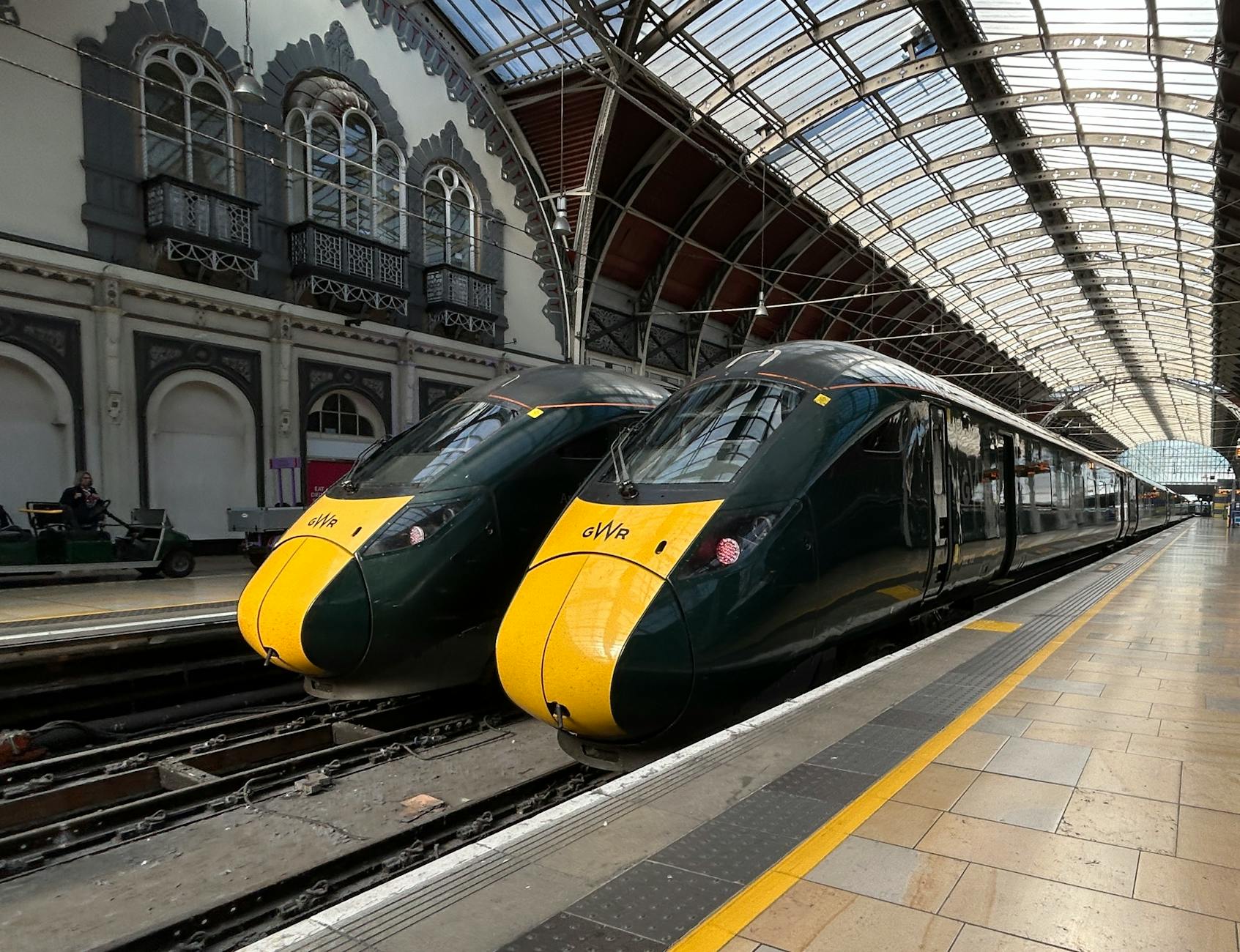
Great Britain has a dense National Rail network. National Rail is the umbrella for passenger rail services in England, Scotland, and Wales, but services are still operated by multiple train companies, public operators, open-access operators, devolved operators, and airport rail specialists. National Rail is the official journey-planning gateway for train times, fares, service changes, and station information.
Transport policy is devolved and local. London has Transport for London. Scotland has Transport Scotland and local bus/tram operators. Greater Manchester has Transport for Greater Manchester and the Bee Network. Liverpool City Region uses Merseytravel and its Combined Authority. Local bus and clean-air policies differ sharply between places.
The UK has strong city-center rail access but fragmented local ticketing. Intercity trains normally arrive near the center: London King’s Cross, Euston, Paddington, Waterloo, Liverpool Street, Victoria, and St Pancras; Edinburgh Waverley and Haymarket; Manchester Piccadilly and Victoria; Bath Spa; Liverpool Lime Street; York. Once you arrive, local transport rules change.
Buses matter more outside London than visitors expect. London’s buses are part of a single integrated TfL system. Outside London, buses may be run by multiple companies, though city-regions such as Manchester and Liverpool are moving toward more integrated, locally controlled models. The English national bus fare cap is currently a £3 cap on participating local bus single fares, extended to March 2027, but local schemes can be cheaper.
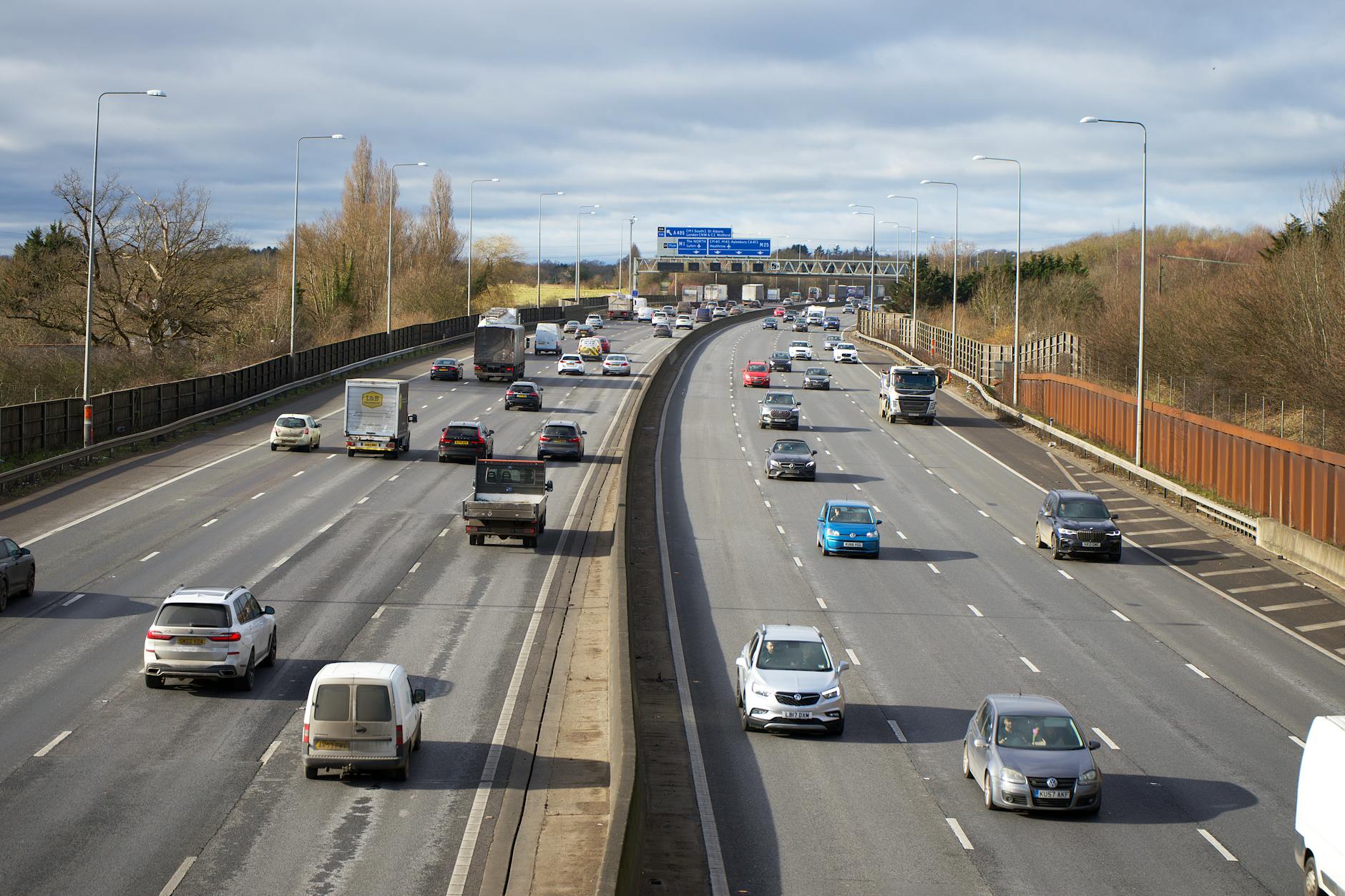
Driving is useful, but city driving is often the worst option. Roads are convenient for rural areas, castles, country houses, coastal areas, and multi-stop itineraries. They are less useful in London, Bath, York, Edinburgh Old Town/New Town, central Manchester, and central Liverpool, where congestion, parking costs, bus lanes, camera enforcement, pedestrian zones, and low-emission rules can overwhelm the convenience.
2. UK-wide trip planning: the practical toolkit
A traveler should normally combine several tools rather than relying on one app.
National Rail is the authoritative rail starting point for timetables, ticket rules, live departures, station facilities, and disruption notices. Use it especially when changing trains, traveling on Sundays, traveling during holidays, or making airport connections.
Operator apps are often best for buying specific tickets. Examples include TfL Go or Oyster/contactless accounts in London, Lothian/Transport for Edinburgh apps, Bee Network in Greater Manchester, First Bus for Bath and York, Merseyrail/Merseytravel in Liverpool, and individual train-company apps.
Traveline is useful for bus, train, tram, coach, and ferry planning across Great Britain, especially outside London where local bus information may be split across operators.
Google Maps, Apple Maps, and Citymapper are convenient for routing, but they can misread local ticket validity, platform changes, strike disruption, replacement buses, or weekend engineering works. Use them for navigation, not as the final word on ticket conditions.
Trainline and other third-party retailers are convenient, but users should understand that third-party apps may charge booking fees or handle refunds differently than the train operator. They are helpful for discovering prices, but the official operator or National Rail ticket source may be cleaner for complicated travel.
3. Rail: National Rail, intercity travel, and commuter travel
3.1 How the rail system is organized
The UK rail system is in transition. The government’s Great British Railways and public-ownership programme is transferring many passenger train operations into public ownership while a new rail structure is being established. For passengers, the immediate practical truth remains: tickets, routes, and disruption are still operator-specific in many cases.
A rail ticket may be valid:
This is the source of many traveler mistakes. UK rail is easy to use once the ticket is valid, but ticket validity itself can be subtle.
3.2 Ticket types
The three rail ticket families a visitor should understand are:
Advance tickets. These are usually cheaper but tied to a specific train. National Rail states that Advance tickets are non-refundable unless the train is delayed or cancelled and the passenger chooses not to travel; changes may be possible but can involve a fee or fare difference.
Off-Peak and Super Off-Peak tickets. These are more flexible but restricted to certain times. National Rail notes that they do not require travel on a specific train, only within valid time restrictions.
Anytime tickets. These are the most flexible and usually the most expensive. They are useful for business travel, uncertain arrival times, and trips where missing a specific train would be costly.
For locals, the key ticket category is often the season ticket. National Rail also offers Flexi Season tickets that provide 8 days of travel in 28 days, designed for hybrid commuters who travel to work some days but not every day.
3.3 Railcards and visitor passes
Railcards are a major way to cut rail costs. National Rail describes the main Railcards as generally giving one-third off eligible fares, with different cards for age groups, seniors, disabled travelers, veterans, families, and two named people traveling together.
Railcards are not just for locals. Many visitors can use them if they meet eligibility rules, but the savings depend on the number and timing of journeys. A Two Together Railcard can be very valuable for a couple doing several off-peak intercity trips. A 16-25, 26-30, Senior, Family & Friends, or Disabled Persons Railcard can also matter.
International visitors planning heavy rail use should compare individual tickets with a BritRail Pass. BritRail describes its Great Britain Pass as valid for travel in England, Wales, and Scotland on the National Rail network, with flexible or consecutive durations. It can be excellent for an open-ended rail itinerary, but it is not automatically cheaper than Advance tickets.
3.4 Seat reservations, luggage, and bicycles
Seat reservations are common on long-distance trains but not universal. Some tickets include reservations; some routes offer optional reservations; many commuter and regional trains have none. A valid ticket does not always mean a guaranteed seat.
National Rail says passengers are generally welcome to bring up to three pieces of luggage on board at no extra cost, but luggage must be secure and manageable, and train companies may have their own policies. In practice, large suitcases can be awkward on crowded trains, short commuter services, and stations without lifts.
Bicycles are allowed on many trains, but National Rail warns that reservations may be required and that folding bikes are normally allowed if they can be stored as luggage. Locals should learn their operator’s peak-hour cycle rules. Visitors should not assume a full-size bike can simply be rolled onto any train at rush hour.
3.5 Delay, cancellation, and compensation
If a train is delayed or cancelled, passengers may be entitled to compensation or a refund. National Rail states that passengers may be entitled to some or all of their money back, depending on whether the issue is a cancelled train, a delayed journey, or a decision not to travel. Keep the ticket, take screenshots of disruption, and claim from the responsible train company or retailer.
A visitor should know the difference between:
3.6 Rail accessibility
National Rail’s Passenger Assist system allows disabled and older passengers to request assistance in advance, including help navigating stations, boarding, alighting, meeting a connecting train, and arranging ramps.
This service is important but not perfect. A step-free station may still have a platform gap. A ramp may require staff availability. A short connection may be unrealistic for a wheelchair user, older traveler, stroller, or person with heavy luggage. A practical rule is to build in extra transfer time and verify both the origin and destination station accessibility pages.
- on a specific booked train only;
- on any train by a specific operator;
- on permitted routes between two stations;
- only outside peak times;
- only with a railcard;
- only on a specific route, such as “via Birmingham” or “not London.”
- refund: you did not travel or abandoned the journey because of cancellation/disruption;
- Delay Repay compensation: you did travel but arrived late;
- missed connection: rights depend on the ticket, connection, and whether the itinerary was valid.
4. Urban rail, subways, metros, trams, and light rail
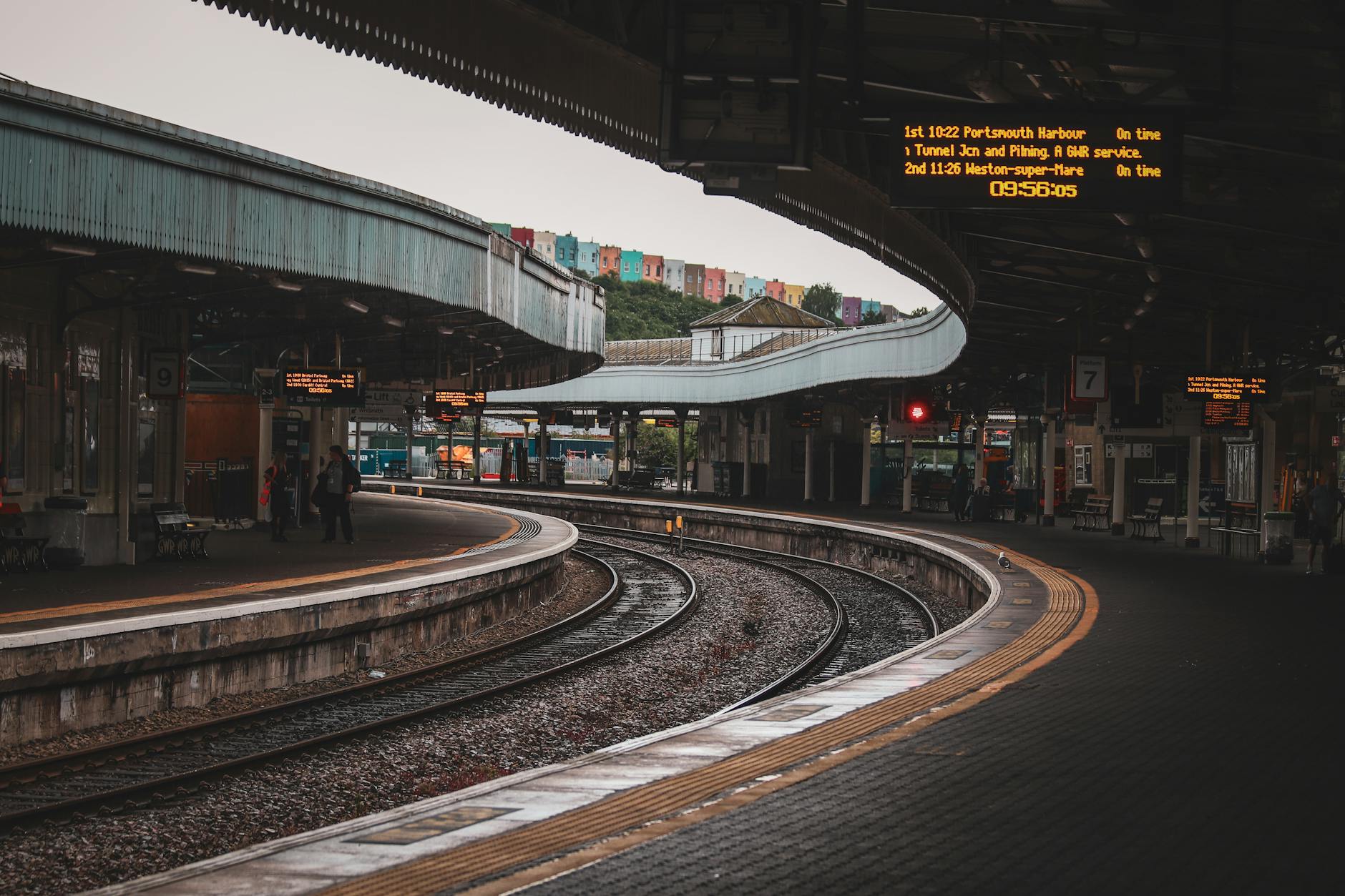
The UK does not have one national subway system. Each city’s urban rail evolved separately.
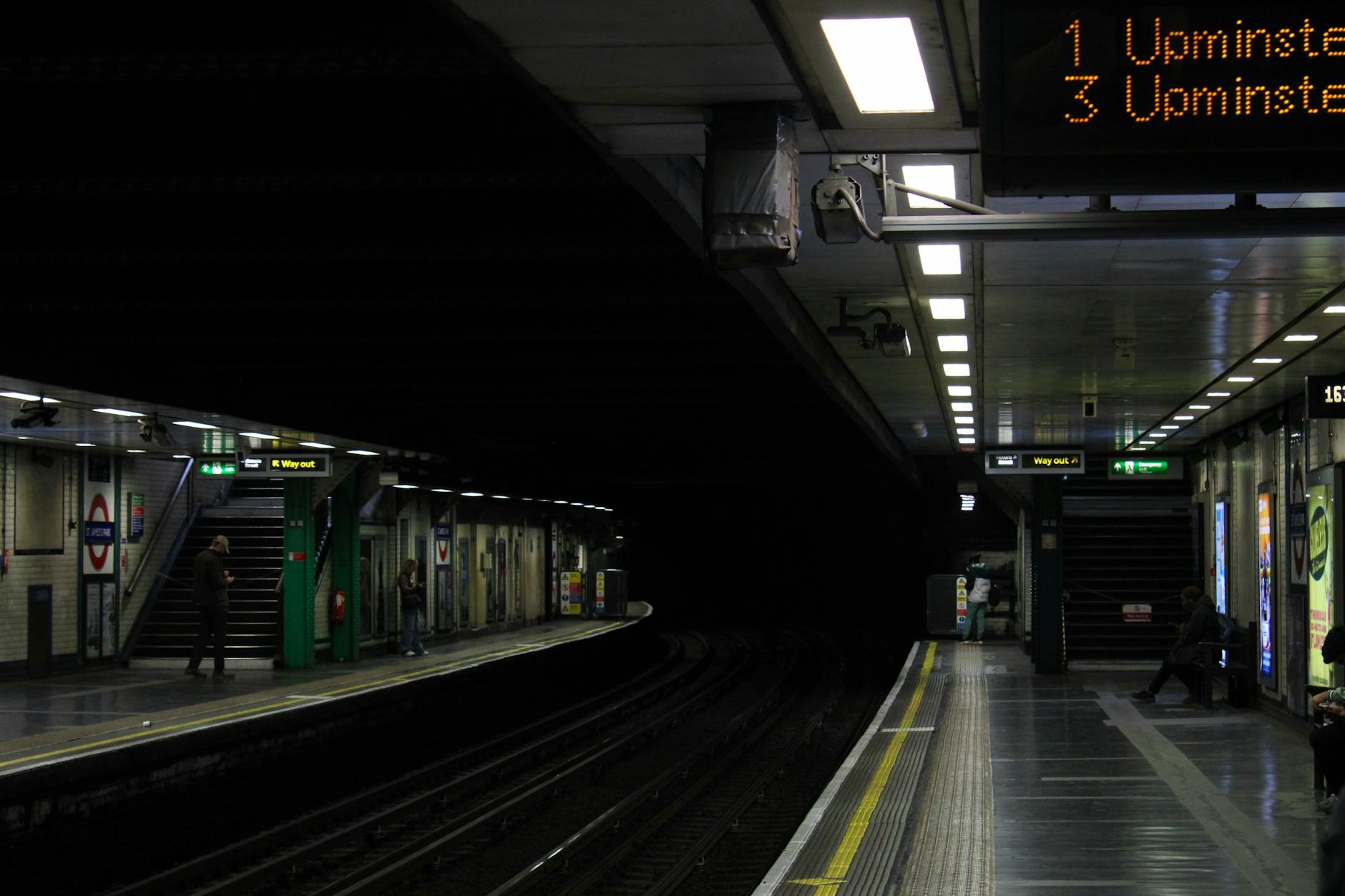
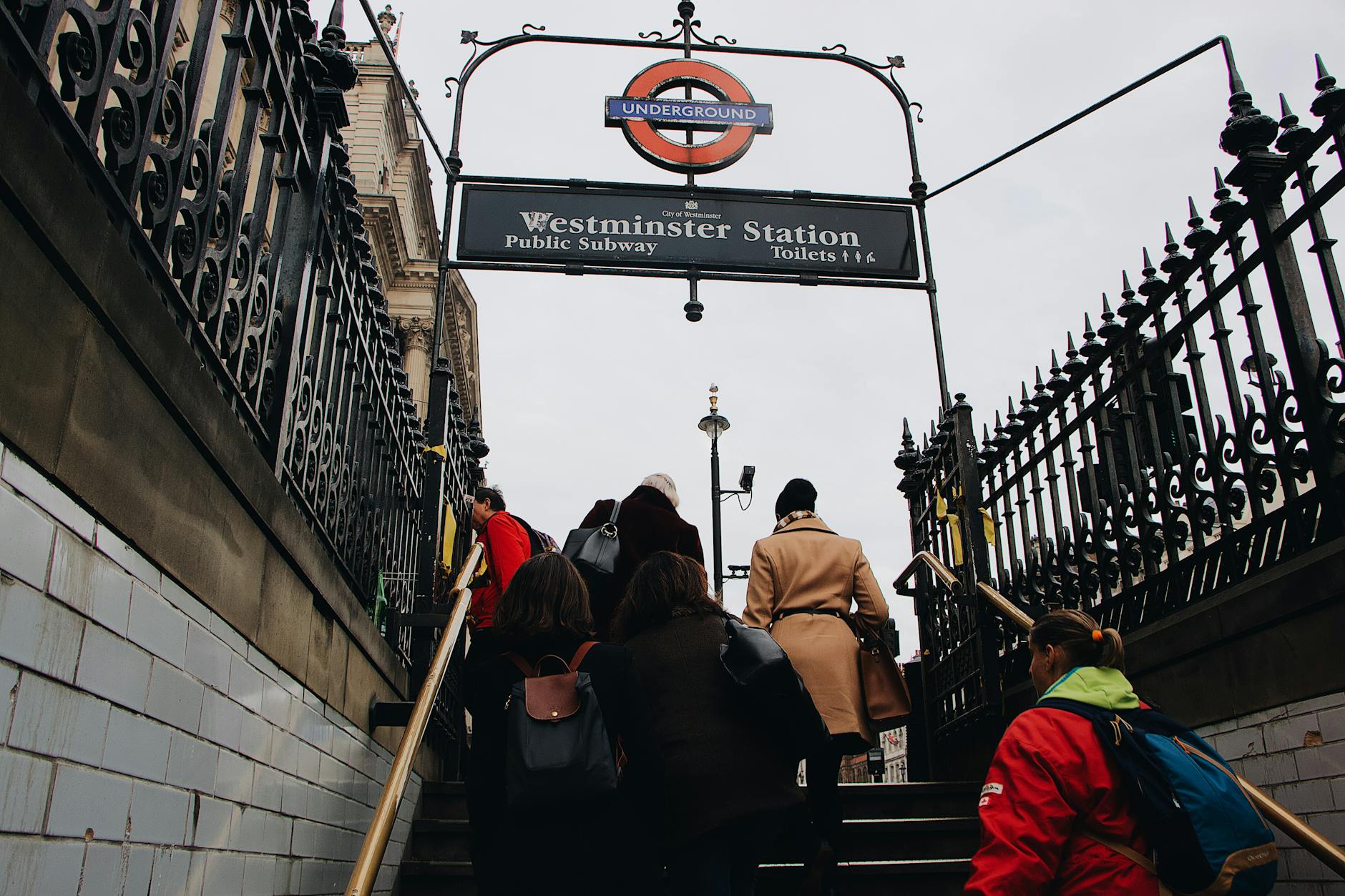
London has the Underground, Elizabeth line, DLR, London Overground, trams, National Rail suburban services, and buses under the TfL payment umbrella.
Manchester has Metrolink trams and the Bee Network, plus buses and National Rail services that are gradually moving toward stronger integration.
Edinburgh has one tram line, expanded to Newhaven, and a strong Lothian bus network.
Liverpool has Merseyrail, a metro-style third-rail urban rail network, plus ferries and buses.
Bath and York have no metro or tram. Their city mobility depends on walking, buses, taxis, rail arrival, and Park & Ride.
The most common visitor mistake is assuming “contactless works here like London.” Contactless may work, but the tap rules differ. London rail requires tap in and tap out. London buses require only tap in. Manchester trams require touch in and touch out. Edinburgh buses generally require tap when boarding, while trams require tap on and tap off. First Bus Tap On Tap Off in Bath and York requires tapping when boarding and alighting to calculate capped fares.
5. Local buses
5.1 England outside London
In most English cities outside London, local buses have historically been run by private operators with local authority support, but some city-regions are now moving toward franchising or public control. That means bus color, fare rules, contactless systems, and day tickets vary.
The national English bus fare cap is a useful baseline, but not a universal travel pass. The Department for Transport describes the £3 national fare cap as reimbursing participating operators and extending the cap to March 2027. Some local systems, including Greater Manchester and Liverpool City Region, have offered lower local caps or integrated products.
When boarding a bus outside London, visitors should look for:
5.2 London buses
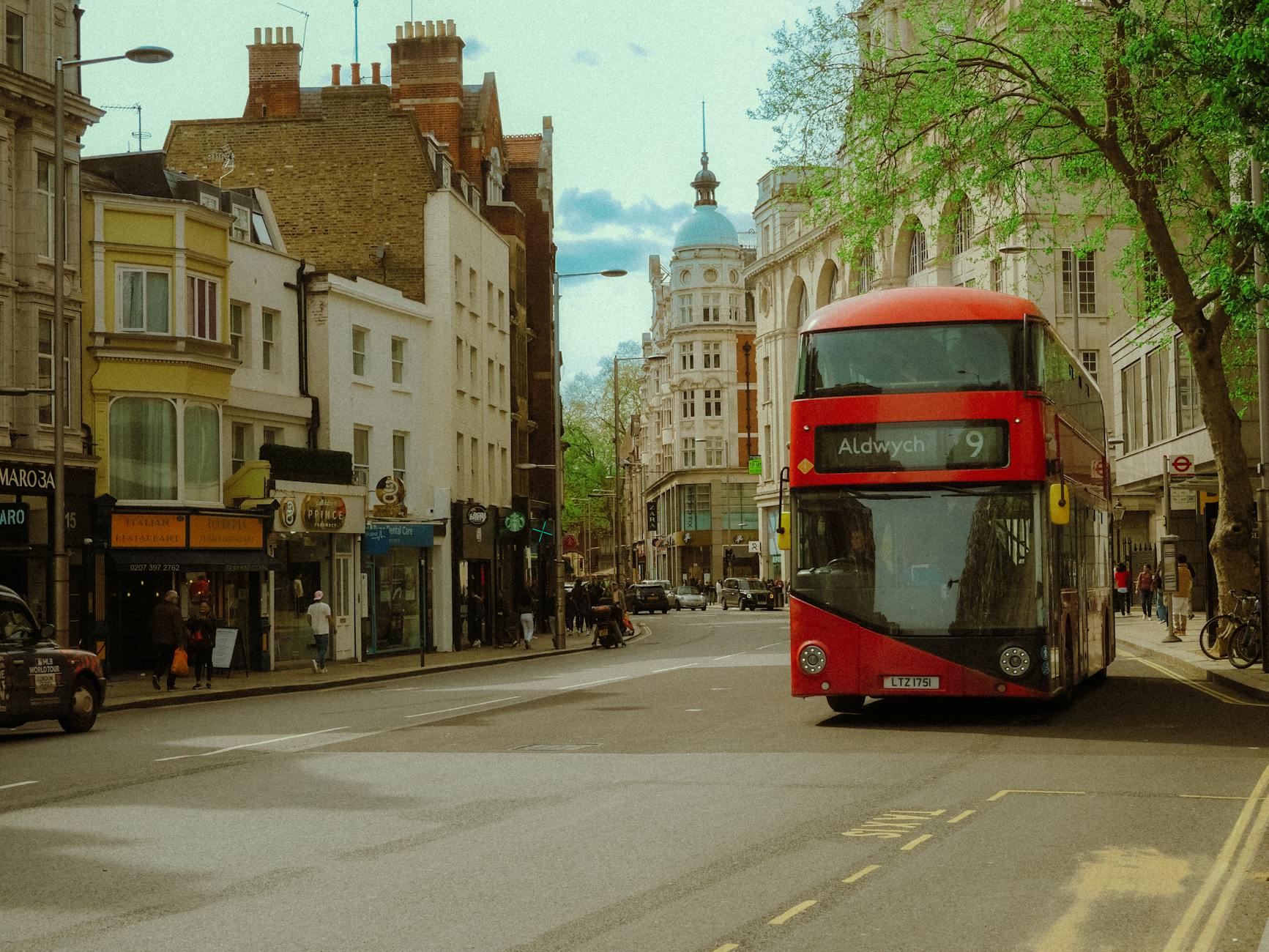
London buses are simpler because they are cashless and part of TfL. TfL’s Hopper fare gives unlimited bus and tram journeys made within one hour of first touching in, using the same contactless card/device or Oyster card. The key rule is: touch in only on buses and trams; do not touch out.
London buses are often slower than the Tube but better for short trips, step-free boarding, night travel, and sightseeing. They are also essential when the Underground is disrupted.
5.3 Scotland
Scotland’s bus policy differs from England’s. For residents, concessionary bus travel is a major issue. Transport Scotland states that people over 60 and eligible disabled people can access free bus travel in Scotland via the National Entitlement Card, and under-22s living in Scotland have a separate free bus travel scheme.
Visitors usually do not benefit from these resident schemes, but they affect local travel patterns, crowding, and social access.
- whether to ask the driver for a destination or ticket type;
- whether Tap On Tap Off is active;
- whether exact cash is needed;
- whether a day ticket covers only one operator or all operators;
- whether the ticket covers airport routes, night buses, or Park & Ride.
6. Coaches and long-distance buses
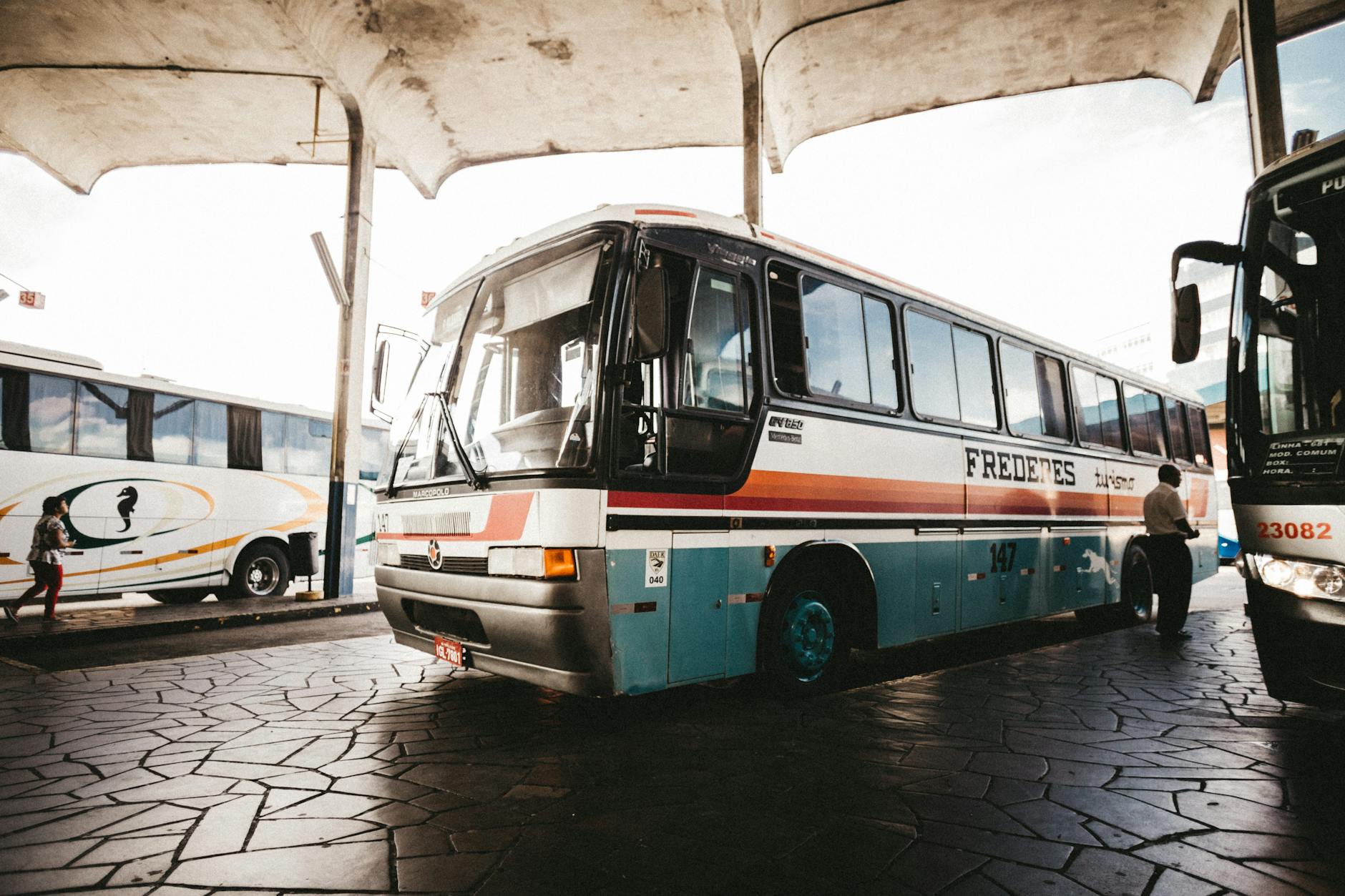
Coaches are often cheaper than trains and sometimes more direct to airports. National Express and other coach companies connect major cities, airports, universities, and towns. National Express advertises airport transfers, flexible options, and luggage allowances; its luggage policy allows either two medium suitcases or one large suitcase, plus small hand luggage, within size and weight limits.
Coaches are useful when:
They are less useful when a trip is time-sensitive, when congestion is severe, or when a traveler is prone to motion sickness. London coach departures often use Victoria Coach Station, which is not the same as Victoria railway station and requires a short walk.
- rail fares are high;
- airport transfer is the main goal;
- luggage is manageable;
- time matters less than cost;
- the destination has no convenient rail link.
7. Private vehicles, rental cars, and road rules
7.1 When a car is useful
A private car is useful for:
A car is usually a poor choice for:
7.2 Licences and rental requirements
Visitors should use the official GOV.UK tool to check whether they can drive in Great Britain on a non-GB licence. Rental companies may impose additional requirements, such as age limits, credit card deposits, proof of address, or International Driving Permit requirements for certain licence types. Automatic cars are available but can cost more; manual transmission is still common.
7.3 Driving side, speed limits, and road culture
The UK drives on the left. The Highway Code says drivers should keep to the left unless road signs or markings indicate otherwise, with exceptions such as overtaking or turning right.
Speed limits are shown in miles per hour, not kilometres per hour. GOV.UK states that a 30 mph limit usually applies on roads with street lighting in England, Scotland, and Northern Ireland, while Wales has a different default of 20 mph in many built-up areas.
Roundabouts are common. Give way to traffic from the right unless signs or road markings say otherwise. Many UK junctions, bus lanes, box junctions, and one-way streets are camera enforced.
7.4 Alcohol, seat belts, and child seats
Drink-drive limits differ. GOV.UK states that Scotland has lower alcohol limits than England, Wales, and Northern Ireland.
Seat belts are required when fitted, with limited exceptions, and GOV.UK notes fines can apply for non-use. Child-seat rules are also specific; children generally need an appropriate child car seat until they are 12 years old or 135 cm tall, whichever comes first.
7.5 Clean-air zones, low-emission zones, congestion charging, and tolls
Drivers should treat emissions and charging rules as a planning task, not an afterthought.
England has Clean Air Zones in several cities, and GOV.UK provides a service to check and pay charges for cities such as Bath, Birmingham, Bradford, Bristol, Portsmouth, Sheffield, and Tyneside. The general Clean Air Zone guidance notes that zones operate 24 hours a day, seven days a week, every day of the year, with a midnight-to-midnight charge period.
London is separate: TfL operates the Congestion Charge and the Ultra Low Emission Zone. TfL states that the Congestion Charge is an £18 daily charge when paid on the day or in advance, with set operating hours, and that ULEZ charges apply to non-compliant vehicles across the zone.
Scotland is separate again. The Scottish LEZ system is enforced through penalty charge notices, and the Scottish Government states that non-compliant vehicles cannot pre-pay to avoid a fine.
Tolls also exist. Liverpool’s Mersey tunnels are one local example; tolls and resident discounts are separate from public transport fares.
7.6 Parking and enforcement
UK parking is often more complicated than visitors expect. Key rules include:
In compact historic cities, Park & Ride is often cheaper and calmer than hunting for central parking.
- rural Scotland, Wales, the Lake District, Cornwall, Cotswolds villages, and rural Yorkshire;
- country houses and gardens with poor public transport;
- travelers with mobility constraints or children;
- late-night rural returns;
- multi-stop itineraries where buses are infrequent.
- central London;
- Edinburgh Old Town/New Town;
- Bath city center;
- York city center;
- central Manchester at peak times;
- Liverpool waterfront on event days.
- yellow lines and controlled parking zones;
- pay-and-display or pay-by-phone parking;
- residential permit zones;
- private car parks with automatic number-plate recognition;
- bus-lane cameras;
- loading restrictions;
- hotel parking that must be reserved in advance.
8. Taxis, private hire, and ride-hailing
The UK distinction matters:
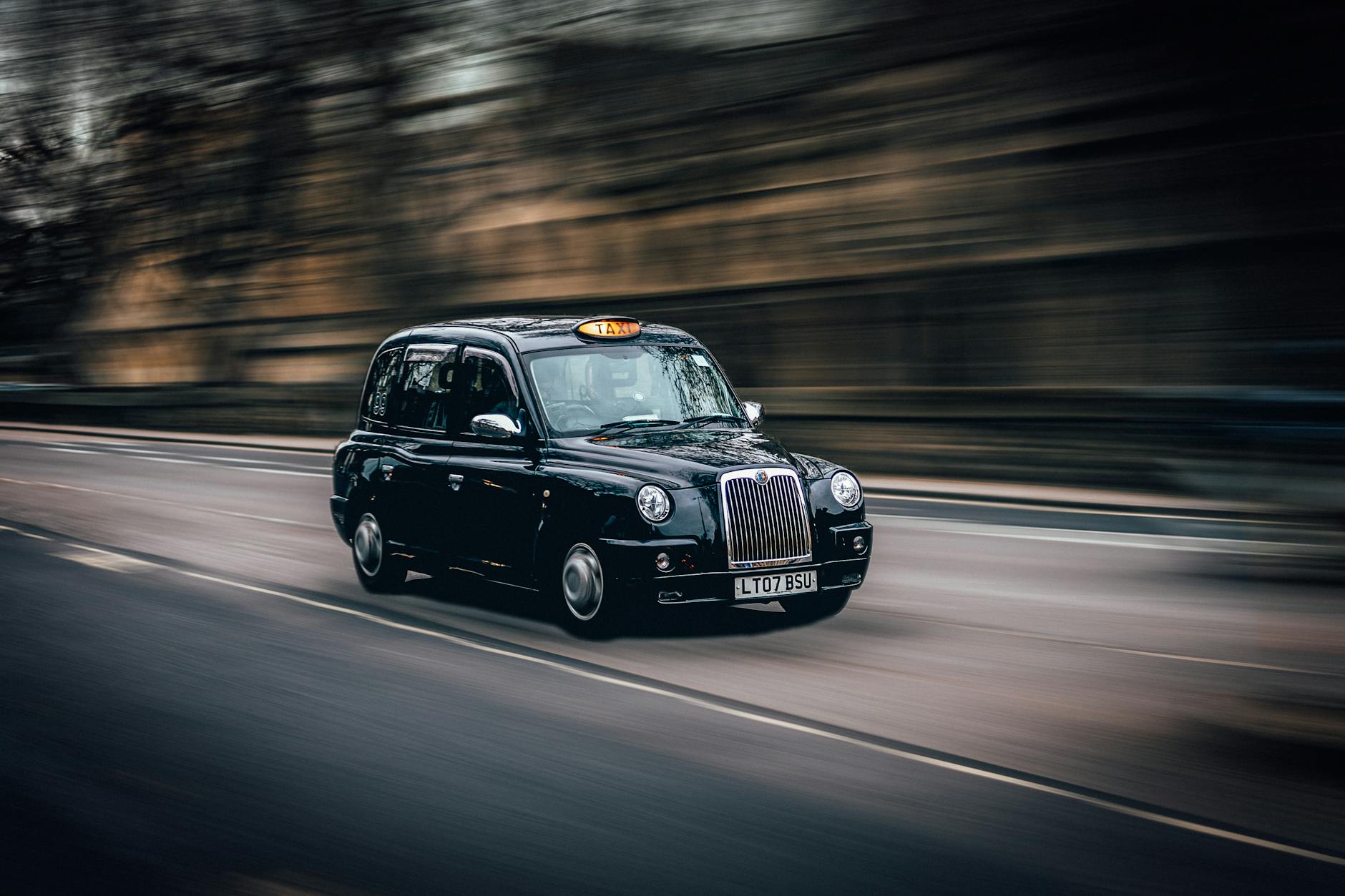
TfL’s London taxi guidance says black taxis can be hired when available, while private hire vehicles are licensed separately. VisitLondon’s taxi guidance warns that unbooked minicabs are illegal, unsafe, and uninsured.
For visitors, taxis are best for late nights, luggage, airport arrivals with groups, poor weather, mobility constraints, and routes with awkward transfers. For locals, taxi and ride-hailing concerns include surge pricing, driver supply, licensing, safety, and traffic congestion.
- Taxis/hackney carriages can usually be hailed in the street or found at ranks, depending on local rules.
- Private hire vehicles/minicabs must be pre-booked through an operator or app. Unbooked minicabs are unsafe and usually illegal.
9. Cycling, walking, and micromobility
Walking is often the best transport mode in London’s West End, Edinburgh Old Town/New Town, Bath, York, Liverpool waterfront, and central Manchester. The mistake is relying only on a rail map: two Tube stops in central London may be a ten-minute walk, and Bath or York can be more pleasant on foot than by bus.
Cycling varies by city. London has Santander Cycles, with TfL listing day passes and e-bike pricing options. Manchester, Edinburgh, York, and Liverpool all have cycling infrastructure, but the experience is mixed because of traffic, weather, hills, cobbles, narrow roads, and inconsistent lane continuity.
Private e-scooters remain legally restricted in many UK contexts, with rental trials and local rules changing over time. Do not assume a privately owned e-scooter can be ridden legally on public roads or pavements.
10. Accessibility and inclusive travel
10.1 Rail
Use National Rail Passenger Assist for planned support, but check station-specific information. Lifts can be out of service, platforms can be short, and replacement buses may be difficult for wheelchair users.
10.2 Buses and coaches
GOV.UK states that buses and coaches must have features for disabled people and that drivers must provide certain help. In practice, wheelchair space conflicts with buggies, broken ramps, driver training, and crowded vehicles remain common concerns.
10.3 London
TfL’s step-free access programme has improved many stations, and TfL states that all Elizabeth line stations are step-free from street to platform, although platform-to-train access can still vary.
10.4 Historic cities
Bath, York, and Edinburgh present a different kind of accessibility challenge: even when the transport vehicle is accessible, the destination may involve steep gradients, cobblestones, narrow pavements, crowds, steps, or old buildings.
11. Safety, etiquette, and social norms
Useful norms include:
For locals, the main stress points are peak crowding, unreliable buses, rail cancellations, high fares, unsafe cycling conditions, lack of late-night service, anti-social behaviour, and accessibility failures.
- Stand on the right on London Underground escalators; walk on the left.
- Let passengers off before boarding.
- Keep luggage out of aisles.
- Use headphones.
- Do not block bus doors or train doors.
- Offer priority seats to people who need them.
- On trams and buses, use the same card/device for all taps.
- Avoid unlicensed taxis or touts.
- Keep rail tickets or contactless records until the journey is complete.
12. A practical national strategy for visitors
For a first-time visitor covering the cities in this paper:
- Use train between London, York, Manchester, Liverpool, Edinburgh, and Bath.
- Use local contactless where available, but learn the local tap rule.
- Use Park & Ride in Bath and York if driving.
- Avoid driving in central London unless there is a strong reason.
- Check clean-air rules before taking a rental car into London, Bath, or Edinburgh.
- Book Advance rail tickets early when plans are fixed; use flexible tickets when flight arrival or day plans are uncertain.
- Consider a Railcard or BritRail Pass only after pricing the actual itinerary.
- Travel with luggage you can carry up stairs.
- Check service updates before major trips, especially on Sundays, bank holidays, and strike periods.
1. System overview
London has the most integrated urban transport system in the UK. Transport for London coordinates the Underground, buses, DLR, London Overground, Elizabeth line, trams, river services, cycle hire, major roads charging, taxi/private-hire licensing, and travel information. National Rail suburban services also form part of daily London mobility, although not all are operated by TfL.
For visitors, London is the easiest UK city in which to avoid a car. For residents, it is also the city where transport cost, crowding, reliability, and housing location are most tightly connected.
London’s key modes are:
- London Underground: the Tube, best for fast cross-city movement.
- Elizabeth line: high-capacity east-west railway, important for Heathrow, Paddington, Tottenham Court Road, Farringdon, Liverpool Street, Canary Wharf, and Abbey Wood/Shenfield/Reading branches.
- DLR: automated light railway serving Docklands, Greenwich, Canary Wharf, City Airport, and parts of east/southeast London.
- London Overground: orbital and suburban rail network.
- National Rail: commuter and intercity services from major terminals.
- Buses: dense network, cashless, often best for short trips and accessible boarding.
- Trams: mainly south London around Croydon and Wimbledon.
- River services: useful for scenic and some commuter trips but not a Tube substitute for most journeys.
- Taxis and private hire: black cabs, minicabs, and app-based services.
- Cycling and walking: increasingly important but uneven by borough.
2. Payment: contactless, Oyster, and capping
TfL says visitors can pay as they go using contactless, Oyster, or Visitor Oyster, and that pay as you go with daily capping is cheaper than buying a Day Travelcard for Zones 1-9.
The rules are simple but must be followed exactly:
TfL fare capping limits the total paid in a day or week when using contactless or Oyster pay as you go.
Oyster can still be useful for some concessions, children, and railcard discounts. TfL allows certain National Railcards to be added to Oyster for one-third off off-peak pay-as-you-go travel and discounted Off-Peak Day Travelcards. For most adult visitors with a modern contactless card, contactless is easiest.
- Use one card or device per person.
- A phone, watch, and physical card may be treated as different payment tokens even if linked to the same account.
- On Tube, Elizabeth line, DLR, London Overground, and most rail services within the TfL fare area: touch in and touch out.
- On buses and trams: touch in only.
- Use the same card/device for every journey if you want capping.
3. Tube, Elizabeth line, DLR, Overground, and National Rail
London’s rail map is dense but not geographically literal. The fastest route is not always the line that looks shortest. Walking between nearby stations is often faster than changing lines through a large interchange.
The Tube is divided into fare zones, with Zone 1 covering central London. Peak times matter for fares and crowding. Rush hours are worst roughly 7:30-9:30 and 16:30-18:30 on weekdays, but tourist corridors can be busy all day.
The Elizabeth line changed London travel by providing high-capacity east-west connections and a strong Heathrow route. TfL states that Elizabeth line trains offer fast, air-conditioned travel to and from Heathrow.
The DLR is essential for London City Airport, Canary Wharf, Greenwich, and Excel/Custom House. It is driverless, often elevated, and more accessible than many older Tube lines.
National Rail matters inside London. Routes to places such as Hampton Court, Windsor, Richmond, Greenwich, Gatwick Airport, Watford, and many suburbs may use National Rail, not the Underground.
4. Buses and night travel
London buses are cashless. TfL’s Hopper fare allows unlimited bus and tram journeys within one hour for the adult pay-as-you-go fare, provided the same payment method is used.
Buses are slower than the Tube but often better for:
The Night Tube runs on Friday and Saturday nights on the Central, Jubilee, Northern, Piccadilly, and Victoria lines, according to TfL. Night buses fill many gaps, but late-night journey times can be long.
- short trips where a Tube change is awkward;
- late-night travel;
- step-free boarding;
- seeing the city;
- routes not served by Tube;
- disruption days.
5. Airports
London’s “airports” are spread across a large region. For transport planning, treat each one separately.
TfL says pay as you go can be used to and from Heathrow on the Tube and Elizabeth line, Gatwick on Gatwick Express/Southern/Thameslink, and London City Airport on the DLR.
Typical strategies:
Do not book a tight same-day transfer between two different London airports unless the itinerary leaves substantial slack.
- Heathrow: Elizabeth line for speed/comfort across central London; Piccadilly line for lower cost and direct West End access; Heathrow Express for fastest Paddington-only link at a higher price.
- Gatwick: Thameslink for Farringdon/City/Blackfriars/St Pancras; Southern or Gatwick Express for Victoria.
- London City: DLR.
- Stansted: rail or coach; not part of the standard TfL Oyster/contactless area in the same way as Heathrow/Gatwick.
- Luton: rail plus airport shuttle/DART connection; check through-ticketing.
- Southend: rail from Liverpool Street or Stratford area.
6. Driving in London: usually avoid it
London driving is expensive and heavily regulated. TfL states that the Congestion Charge is £18 per day when paid on the day or in advance, with higher cost if paid later within the allowed window. TfL also states that non-compliant vehicles must pay the ULEZ daily charge.
Important distinctions:
A rental car in London is usually a burden. Use a car only if leaving London for rural areas, carrying equipment, serving mobility needs, or visiting places poorly served by rail.
- Congestion Charge: central London traffic-management charge during set hours.
- ULEZ: emissions charge for non-compliant vehicles over a much wider area.
- LEZ: separate London Low Emission Zone for heavier vehicles.
- Parking: separate and often expensive.
- Bus lanes and yellow box junctions: camera enforced.
7. Taxis, private hire, cycling, and walking
Black cabs are useful, safe, and expensive. They can be hailed when the light is on. Private hire vehicles must be booked. For visitors, the safest rule is simple: do not get into an unbooked minicab.
Cycling has improved but remains mixed. Santander Cycles cover central London and TfL lists day pass and e-bike options. Cycling is best in parks, protected lanes, low-traffic neighbourhoods, and along the Embankment cycle routes; it is less pleasant on fast multi-lane roads.
Walking is underrated. Covent Garden to Leicester Square, Oxford Circus to Bond Street, Embankment to Westminster, and South Bank routes can be faster and more pleasant on foot.
8. Accessibility
London accessibility is uneven. Newer systems such as the Elizabeth line and DLR are generally stronger. Older Tube lines can have stairs, escalators, platform gaps, and no lift access.
TfL says all Elizabeth line stations are step-free from street to platform, but platform-to-train access can still vary by station. Use TfL’s step-free maps and avoid assuming that a station with a lift has level boarding.
9. Local concerns
London locals experience the system through:
- peak crowding;
- high fares;
- strikes and industrial action;
- weekend engineering works;
- housing choices shaped by fare zones and rail reliability;
- bus speeds affected by congestion;
- cycling safety;
- step-free gaps;
- debate over ULEZ, road charging, and parking;
- night travel safety and cost.
10. London visitor strategy
For most visitors:
- Use contactless pay as you go.
- Stay near a Tube, Elizabeth line, or frequent bus corridor.
- Walk more in Zone 1 than the Tube map suggests.
- Avoid taxis in rush hour unless luggage or mobility demands it.
- Do not rent a car while staying in London.
- Check weekend works before airport or intercity rail trips.
1. System overview
Edinburgh is compact, scenic, hilly, historic, and heavily bus-oriented. It has no subway. Its main urban transport modes are Lothian Buses, Edinburgh Trams, taxis/private hire, walking, cycling, and National Rail at Waverley, Haymarket, Edinburgh Gateway, Edinburgh Park, and other suburban stations.
For visitors, the core city is walkable but physically demanding. The Royal Mile, Old Town closes, New Town, Princes Street, Leith, and the waterfront can involve steep grades, cobbles, stairs, and heavy crowds. For locals, buses are the daily backbone, while trams are crucial along the airport-city-Leith-Newhaven corridor.
2. Buses
Lothian Buses dominate the city and surrounding area. The network is extensive, with frequent service on major corridors. Lothian’s contactless TapTapCap provides daily and weekly capping across bus and tram products, with the important condition that each passenger uses the same card/device.
On Lothian city buses, passengers generally tap when boarding and do not tap off. On Airlink, East Coast Buses, or Lothian Country, passengers may need to state their destination before tapping.
Buses are usually the best option for:
- Old Town/New Town local trips when hills matter;
- Leith and Portobello depending on route;
- late-night travel where trams are not running;
- residential districts not on the tram line;
- airport trips via Airlink when the tram schedule is not convenient.
3. Trams
Edinburgh Trams run from Edinburgh Airport through the city centre and on to Leith, Ocean Terminal, and Newhaven. Trams connect with trains at Edinburgh Gateway, Edinburgh Park, and Haymarket, while Waverley is a short walk from St Andrew Square.
Edinburgh Trams says the service runs every 7 minutes through the daytime and every 10 minutes in early morning/evening periods.
Tram payment is different from bus payment. Edinburgh Trams’ Tap On, Tap Off system allows contactless card/device payment by tapping on at the platform validator before boarding and tapping off at the platform validator when leaving.
The tram is best for:
- airport to Haymarket/West End/Princes Street/St Andrew Square;
- Leith and Newhaven trips;
- avoiding road traffic on the airport corridor;
- step-free, luggage-friendly travel compared with some buses.
4. Airport access
Edinburgh Airport has two strong public transport choices.
Airlink 100 runs between the airport and Waverley Bridge. Edinburgh Airport states that Airlink 100 departs at least every 10 minutes during the day and every 15-20 minutes overnight, with an average journey time of about 30 minutes.
Tram links the airport with key west and central stops, then onward to Leith and Newhaven. The tram is less vulnerable to traffic but does not run 24 hours.
Choose Airlink for 24-hour service and direct Waverley Bridge access. Choose tram for Haymarket, West End, Princes Street/St Andrew Square, Leith, or better luggage predictability.
5. Rail stations
Edinburgh Waverley is the main intercity station and is central, but it is physically complex. It sits in a valley between Old Town and New Town, with multiple entrances, ramps, bridges, escalators, and exits. A route that looks short on the map may involve a climb.
Haymarket is often more convenient for the West End, Murrayfield, and airport transfers. It is less overwhelming than Waverley and has strong tram connections.
6. Driving and the Low Emission Zone
Edinburgh driving is awkward because of hills, one-way systems, bus lanes, roadworks, parking controls, festival closures, and the central Low Emission Zone.
The Scottish Government explains that Scottish LEZs are enforced by penalty charge notice and that drivers cannot pre-pay to avoid a fine. Edinburgh’s LEZ began full enforcement on June 1, 2024 after a grace period.
Visitors with rental cars should avoid entering the central zone unless they have checked compliance. Locals face the practical issue of whether older vehicles can be used for city-center work, caregiving, deliveries, or commuting.
7. Walking, cycling, and taxis
Walking is wonderful but strenuous. The Royal Mile, Castle, Grassmarket, Calton Hill, Arthur’s Seat, Dean Village, and Stockbridge all reward walkers, but gradients matter. Comfortable shoes are a transport tool here.
Cycling is possible but inconsistent. Leith Walk improvements, paths, and quieter routes help, but cobbles, hills, tram tracks, and traffic require caution.
Taxis are useful for luggage, hills, late nights, rain, and mobility needs. They are also useful during August festivals when buses and pavements are crowded.
8. Accessibility
Trams are generally strong for step-free movement. Buses are accessible, but crowded buses, hills, and old pavements can make the overall journey difficult. Waverley is accessible but complicated; travelers with mobility needs should plan the station exit, not just the train arrival.
9. Local concerns
Edinburgh locals face:
- bus congestion on key corridors;
- festival and Hogmanay crowding;
- debates over tram extensions;
- parking scarcity;
- LEZ compliance;
- tourist crowding in Old Town;
- affordability of commuting;
- tension between pedestrians, cyclists, buses, taxis, and delivery vehicles in narrow streets.
10. Edinburgh visitor strategy
- Use tram or Airlink from the airport.
- Use Lothian buses for most local trips beyond walking range.
- Use trams for Leith/Newhaven and the airport corridor.
- Avoid driving into the center.
- Plan hills and cobbles as real accessibility factors.
- During August festivals, add extra travel time.
1. System overview
Manchester is the center of Greater Manchester’s transport network. Its system is built around the Bee Network, Metrolink trams, buses, National Rail, city-center free buses, taxis/private hire, cycling, and walking.
Manchester is one of the most important UK cities for transport reform. Greater Manchester is trying to build a more integrated “London-style” system outside London, bringing buses into local control and integrating buses, trams, and eventually more rail services.
2. Bee Network buses
The Bee Network is Greater Manchester’s integrated transport brand. TfGM states that Bee Network bus fares include a single “hopper” bus fare of £2 adult and £1 child, allowing another Bee Network bus within 60 minutes for no extra cost.
This is a major local distinction. The national English cap is £3 for participating routes, but Greater Manchester has its own local fare policy.
Buses are essential for areas not served by Metrolink, including many orbital trips. They are also cheaper than trams for many local journeys.
3. Metrolink trams
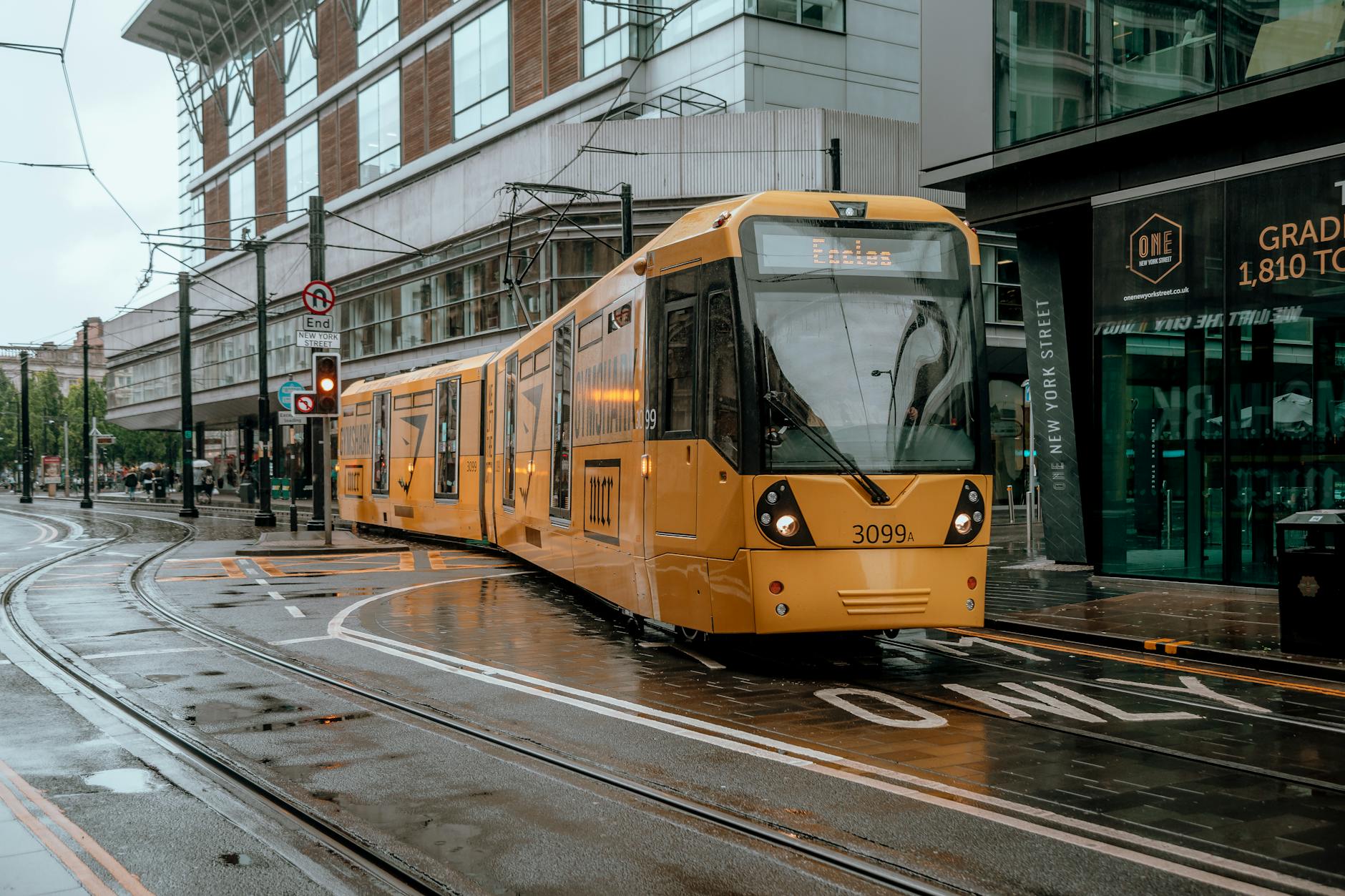
Metrolink is Manchester’s defining urban rail system. It links the city centre with Altrincham, Bury, Rochdale, East Didsbury, Eccles, MediaCityUK, Ashton, the Trafford Centre, and Manchester Airport. TfGM’s tram map lists routes including Manchester Airport-Victoria and Trafford Centre-Deansgate-Castlefield.
The critical rule: Metrolink uses zones, and passengers must have a ticket valid for all zones traveled through. TfGM states that travelers cannot travel through a zone without a ticket valid for that zone.
Metrolink has no ticket gates at many stops. Fare inspectors operate on board and at platforms. Visitors must not treat open platforms as free entry.
4. Contactless payment
TfGM says contactless tap and go works on bus and tram, with passengers tapping in at the start of a journey and touching out when they finish.
The practical rules:
- On trams, touch in and touch out.
- Use the same card or device.
- Do not mix phone, watch, and physical card.
- For buses, follow Bee Network instructions at the reader and driver.
- Keep the card/device available for inspection.
5. Rail stations and city-center movement
Manchester has several central rail stations:
The rail corridor through central Manchester can be congested. Intercity trips to Liverpool, Leeds, York, London, Sheffield, Birmingham, and Edinburgh often involve Piccadilly or Victoria. Always check which station your train uses.
Manchester’s free bus links city-center rail stations, shopping areas, and business districts. TfGM states that free bus services operate around the city centre and are wheelchair accessible.
- Piccadilly: main intercity and airport station.
- Victoria: north-side rail and tram hub.
- Oxford Road: university, theatre, and south/central rail corridor.
- Deansgate: Castlefield and west-central access.
6. Airport access
Manchester Airport is unusually well connected by UK standards. Manchester Airport states that trains from the airport to Manchester Piccadilly take around 20 minutes and run every 10 minutes, seven days a week.
Metrolink also serves Manchester Airport station, with a walk of about 5-15 minutes to terminals depending on the terminal.
Choose train for fastest city-center access. Choose tram for destinations along the airport tram route, Wythenshawe, or a direct no-change local trip.
7. Driving and clean-air rules
Manchester traffic is busy, but it is not London. The Greater Manchester Clean Air Plan states that the approved investment-led plan does not include a charging Clean Air Zone and that there is no charge for vehicles to drive anywhere in Greater Manchester.
That does not mean driving is easy. Central parking, event traffic, bus lanes, football matches, roadworks, and motorway congestion around the M60 can be serious.
8. Taxis, cycling, and walking
The city center is walkable, especially between Piccadilly, Northern Quarter, Market Street, St Peter’s Square, Deansgate, Castlefield, and Oxford Road. Distances to Salford Quays, MediaCity, Old Trafford, Etihad Campus, and airport areas are better by tram, bus, or taxi.
Cycling is improving but uneven. Rain, traffic, tram tracks, and incomplete infrastructure are practical concerns.
Taxis and ride-hailing are useful late at night and for areas not well connected by tram. For large events, surge pricing and road closures can make walking to a quieter pickup point worthwhile.
9. Local concerns
Manchester locals experience transport through:
- tram crowding after football, concerts, and commuter peaks;
- bus punctuality and route changes during Bee Network rollout;
- rail unreliability across the North;
- late-night travel gaps, though night bus expansion is a policy focus;
- airport employment access;
- city-center roadworks;
- affordability and fare integration.
10. Manchester visitor strategy
- Use the train from Manchester Airport to Piccadilly if going central.
- Use Metrolink for Old Trafford, Etihad Campus, MediaCityUK, Trafford Centre, and airport-line areas.
- Use the free bus for central station-to-station movement.
- Learn tap-in/tap-out rules before using trams.
- Avoid driving around match times.
1. System overview
Bath is a compact, historic, tourist-heavy city. It has no subway, metro, or tram. Its transport system is built around Bath Spa railway station, buses, walking, taxis, Park & Ride, and regional road access.
For visitors, Bath is one of the easiest UK cities to explore on foot once you arrive. For locals, the transport issues are congestion, hills, parking, bus reliability, school/university travel, tourist coaches, air quality, and access from surrounding villages.
2. Rail access
Bath Spa station is in the city center, close to the bus station and major sights. Visit Bath states that Bath is about 80 minutes from London by train and that Bath Spa railway station and Bath Bus Station are both in the heart of the city centre.
Great Western Railway lists London-Bath journeys as around 1 hour 20 minutes, with the fastest service around 1 hour 19 minutes.
Rail is usually the best way to reach Bath from London, Bristol, Cardiff, Reading, and many points on the Great Western route.
3. Local buses and Tap On Tap Off
First Bus operates many local services in Bath and the West of England. First Bus states that Tap On Tap Off uses contactless payment to cap adult bus fares so riders never pay more than the day ticket price for the day traveled in the chosen zone.
The key rule is to tap on when boarding and tap off when alighting, using the same contactless card/device. If you forget to tap off, you may pay more than expected.
Buses matter for:
- University of Bath;
- Bath suburbs and hills;
- regional villages;
- Park & Ride routes;
- Bristol connections;
- people who cannot comfortably walk steep streets.
4. Park & Ride
Bath is one of the clearest cases where Park & Ride is better than driving into the center. Visit Bath states that Bath has three Park & Ride services, operating seven days a week, with buses into the city centre up to every 15 minutes and journey times of about 10 minutes.
TravelWest describes Park & Ride as a cheap and easy alternative to driving into the centre of Bath or Bristol, and notes that sites sit outside the clean air zones so drivers can avoid charges by parking and riding.
For visitors with cars, use Park & Ride unless the hotel has guaranteed parking or there is a mobility reason to drive closer.
5. Clean Air Zone and driving
Bath has a Class C Clean Air Zone. Bath & North East Somerset Council states that charges do not apply to cars or motorbikes unless the vehicle is a taxi or private hire vehicle; charges apply to certain non-compliant taxis, private hire vehicles, vans, light goods vehicles, buses, coaches, and HGVs.
This is a major source of confusion. A private tourist car is usually not charged by Bath’s CAZ, but a van, campervan, minibus, taxi, or private-hire vehicle may be.
Driving problems in Bath are still significant even if the CAZ does not apply:
- narrow streets;
- hills;
- limited parking;
- tourist coaches;
- pedestrian-heavy streets;
- residents’ parking zones;
- road closures and event days.
6. Bristol Airport access
Bath does not have its own commercial airport. Bristol Airport is the nearest major airport. First Bus lists Airport Flyer services including the A4 Bath-Saltford-Keynsham-Brislington-Bristol Airport route, operating 24 hours a day, seven days a week, except Christmas Day.
For international visitors, the usual choices are:
- fly to London and train to Bath;
- fly to Bristol and use the A4/Air Decker-style airport bus;
- rent a car only if exploring countryside beyond Bath.
7. Walking, cycling, taxis, and accessibility
Bath is walkable but not flat. The Roman Baths, Bath Abbey, Pulteney Bridge, Royal Crescent, Circus, and shopping streets are close together, but some routes involve hills and uneven surfaces.
Cycling is pleasant on some river/canal routes and difficult on steep or busy roads. Taxis are useful for Lansdown, university trips, late nights, luggage, and mobility needs.
Accessibility is mixed because of topography and historic architecture. A step-free rail arrival does not guarantee a comfortable route to every attraction. Visitors with mobility concerns should plan routes by gradient and pavement surface, not just distance.
8. Local concerns
Bath locals deal with:
- congestion caused by limited road space;
- air-quality policy and CAZ compliance for businesses;
- bus reliability on hills and congested corridors;
- university term-time demand;
- tourist peaks;
- limited parking and permit pressure;
- conflicts between residents, visitors, taxis, cyclists, coaches, and delivery vehicles.
9. Bath visitor strategy
- Arrive by train if possible.
- Walk the central sights.
- Use Park & Ride if arriving by car.
- Use buses/taxis for hills, university, and mobility needs.
- Do not assume the CAZ charges private cars, but check if driving a van, camper, taxi, or hired vehicle.
1. System overview
Liverpool’s transport identity is shaped by rail, buses, ferries, tunnels, and the River Mersey. The city is compact enough to walk in the center, but the wider city region depends heavily on Merseyrail, buses, and cross-river connections.
For visitors, the most important hubs are Liverpool Lime Street, Liverpool Central, Moorfields, James Street, Liverpool ONE Bus Station, Pier Head, and Liverpool John Lennon Airport. For locals, transport concerns include bus affordability, Merseyrail reliability, cross-river access, football/event crowding, tunnel tolls, and city-region integration.
2. Merseyrail
Merseyrail is a metro-style urban rail system with the Northern and Wirral lines. It connects central Liverpool with Southport, Ormskirk, Kirkby/Headbolt Lane, Hunts Cross, New Brighton, West Kirby, Chester, Ellesmere Port, and other locations.
Merseyrail introduced Tap & Go smart ticketing, and Merseyrail states that passengers can use a MetroCard or contactless bank card to tap in and tap out, with the best value fare calculated automatically. In February 2026, Merseytravel announced that Tap & Go had been extended to contactless bank cards, watches, and smartphones across Merseyrail.
Important visitor rule: tap in and tap out. Do not assume an open station means no fare check.
3. Intercity rail
Liverpool Lime Street is the main intercity station, with services to London, Manchester, Birmingham, Leeds/York connections, Scotland connections via changes, and regional routes. Liverpool Central and Moorfields are more useful for Merseyrail local movement.
A common visitor mistake is arriving at Lime Street and then taking a taxi for a short central trip that could be walked or made by Merseyrail. Another is confusing Lime Street mainline with nearby underground Merseyrail stations.
4. Buses and city-region tickets
Merseytravel coordinates public transport information and ticketing. It lists ticket products for buses, ferries, tunnels, and trains, including bus and rail ticket types.
Useful products include:
Liverpool City Region has also used a local £2 bus fare cap as part of its affordability strategy; Merseytravel’s 2026 Tap & Go announcement references the city-region’s £2 bus fare cap as part of the wider integrated transport plan.
For visitors, the key is to use Merseytravel’s ticket finder or ask whether the ticket covers bus only, rail only, ferry only, or multiple modes.
- Solo: bus-only products across Merseyside.
- Saveaway: one-day off-peak tickets valid on buses, trains, and Mersey Ferries direct river crossings in chosen areas.
- Trio: season tickets covering buses, trains, and Mersey Ferries direct river crossings in selected zones/areas.
5. Mersey Ferries
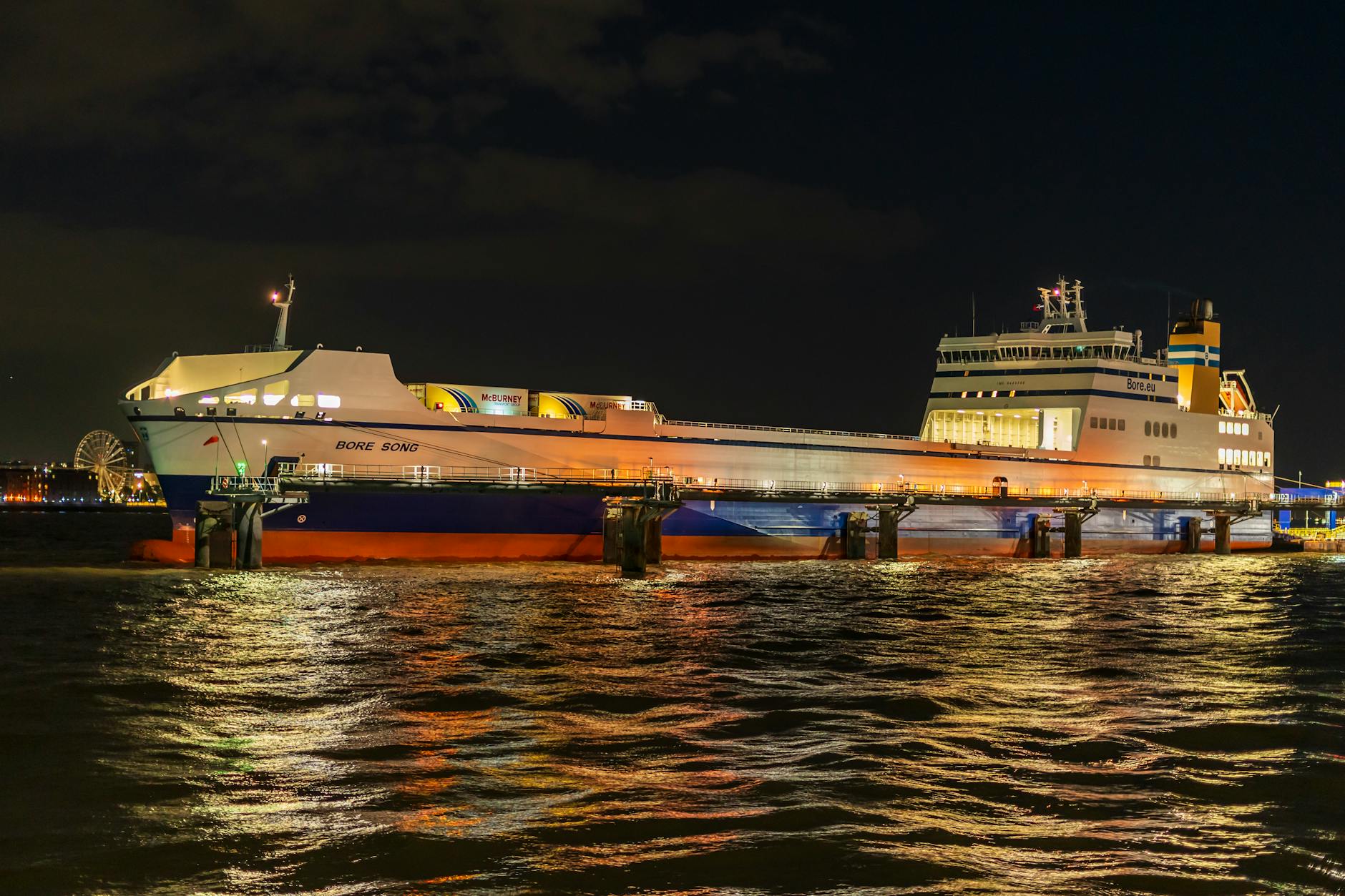
Liverpool is one of the few UK city destinations where a ferry is both a transport symbol and a visitor experience. Mersey Ferries describes the River Explorer Cruise as a 50-minute round trip from Liverpool or Seacombe, with the option to complete the full loop or hop off and rejoin later.
For locals, ferries are less central than rail and bus for daily commuting than they once were, but cross-river identity and transport remain important. For visitors, the ferry is a scenic orientation tool and a way to understand the geography of Liverpool and the Wirral.
6. Airport access
Liverpool John Lennon Airport is south of the city. Merseytravel states that buses run to the airport from Liverpool city centre and Liverpool South Parkway rail station, linking to the rest of the country.
The 86A and 500 are common airport bus routes. From a rail perspective, Liverpool South Parkway is the key interchange for many airport journeys.
7. Driving, tunnels, and parking
Driving in Liverpool is easier than central London but still not ideal for the waterfront, Cavern Quarter, university areas, and event days. The Mersey tunnels are critical for cross-river driving and have separate toll arrangements.
Use a car for Wirral, coastal trips, rural Merseyside/Cheshire/Lancashire combinations, or late-night multi-person travel. Use rail/bus for central movement.
8. Walking, cycling, taxis, and accessibility
Central Liverpool is walkable: Lime Street, St George’s Hall, Cavern Quarter, Liverpool ONE, Royal Albert Dock, Pier Head, and the museums are within practical walking range for many visitors. The city has hills, especially around the Georgian Quarter and university areas, but it is generally easier on foot than Bath or Edinburgh.
Cycling infrastructure is improving but inconsistent. Waterfront routes can be pleasant; wind and traffic can be unpleasant.
Taxis and private hire are useful for late nights, airport trips, football matches, and bad weather.
Accessibility varies by station and street. Newer public realm around the waterfront can be good; older stations, crowds, and event flows can be harder.
9. Local concerns
Liverpool locals face:
- bus affordability and franchising changes;
- Merseyrail reliability, especially during weather disruption;
- football match crowding around Anfield and Goodison-related travel patterns;
- waterfront event closures;
- tunnel tolls and cross-river commuting;
- integration between buses, trains, and ferries;
- late-night transport supply.
10. Liverpool visitor strategy
- Use Lime Street for intercity arrivals.
- Use Merseyrail for Southport, Wirral, and local rail trips.
- Use buses for airport and neighborhoods not on Merseyrail.
- Take the ferry if time allows; it is both transport and experience.
- Do not drive into the waterfront core on major event days.
1. System overview
York is a compact medieval city and major rail hub. It has no subway or tram. Its transport system is built around York railway station, local buses, Park & Ride, walking, cycling, taxis, and city-center access restrictions.
For visitors, York is best reached by train and explored on foot. For locals, transport concerns include congestion, bus reliability, tourism pressure, access for disabled residents, cycling safety, school travel, and managing deliveries and emergency access in a protected historic center.
2. Rail access
York station is one of northern England’s most important rail nodes, with frequent intercity and regional services. It connects naturally with London, Edinburgh, Newcastle, Leeds, Manchester, Liverpool, Sheffield, Birmingham, and Scarborough.
The station is just outside the city walls and within walking distance of the Minster, Shambles, museums, and central hotels. Taxis and buses are available for travelers with luggage or mobility needs.
3. Buses and fares
York’s buses are operated by several companies, with iTravel York providing ticket and fare information. iTravel York lists All York products valid on any bus in York, including day, week, and longer-period tickets.
First York also offers Tap On Tap Off, which First describes as a contactless payment system that caps adult bus fares at the day ticket price when riders tap on and tap off with the same card/device.
Because more than one bus operator serves York, visitors should check whether a ticket is operator-specific or valid on all buses.
4. Park & Ride
York is one of the best UK cities for Park & Ride. Visit York states that there are six Park & Ride sites, with free parking and frequent bus services into the city centre, using a fleet of electric zero-emission buses.
iTravel York lists Park & Ride fares, including a standard return fare. First York states that parking is free at the six Park & Ride sites when boarding the bus into the city centre.
For drivers, Park & Ride is usually the correct choice. It avoids footstreet restrictions, central parking scarcity, and tourist congestion.
5. Footstreets and vehicle access
York’s central streets are heavily pedestrianized. City of York Council states that vehicle restrictions apply on city-center footstreets, including bollard-controlled access during footstreet hours.
The council’s footstreets guidance notes that other vehicles are not allowed in the pedestrian zone during footstreet hours or 24 hours a day in some areas, and cycling is not permitted unless stated otherwise.
This is critical for visitors staying inside the walls. A hotel may be “central,” but that does not mean a taxi, rental car, or delivery vehicle can always stop directly outside.
6. Clean Air Zone
York’s Clean Air Zone is not like London ULEZ or Bath CAZ. City of York Council states that York’s CAZ applies to local bus services only and does not apply to coaches, HGVs, vans, private cars, or taxis.
Private drivers still face parking and access rules, but not a general private-car CAZ charge.
7. Walking, cycling, taxis, and accessibility
Walking is the main mode for visitors. The Minster, Shambles, city walls, museums, river, and central shopping streets are close together. However, medieval streets mean crowds, cobbles, narrow pavements, uneven surfaces, and steps.
Cycling is common for locals and students, but some central pedestrian streets restrict cycling. Visitors should not assume cycling is permitted everywhere inside the walls.
Taxis are useful for station transfers, late-night returns, mobility needs, or hotels outside the walls.
Accessibility is one of York’s hardest transport issues. The city walls are not broadly accessible, many historic buildings have steps, and footstreet restrictions have generated debate about disabled access. Travelers with mobility needs should check Blue Badge access, hotel drop-off instructions, and step-free routes before arrival.
8. Local concerns
York locals face:
- congestion on radial roads;
- limited central parking;
- tourist crowding;
- footstreet access and Blue Badge debates;
- bus reliability and evening frequency;
- student and school travel peaks;
- delivery access in a protected historic center;
- balancing tourism with resident mobility.
9. York visitor strategy
| City | Best arrival mode | Best local mode | Car usefulness | Main payment issue | Main visitor trap |
|---|---|---|---|---|---|
| London | Train/air rail links | Tube, Elizabeth line, buses, walking | Low in center | Use same contactless/Oyster; buses tap in only | Driving charges, wrong airport assumptions, weekend works |
| Edinburgh | Rail or airport tram/bus | Walking, Lothian buses, tram | Low in center | Bus tap differs from tram tap-on/tap-off | Hills, festival crowds, LEZ compliance |
| Manchester | Rail or airport train | Metrolink, Bee buses, walking | Moderate outside center | Tram zones; tap in/out | Forgetting to tap out; event tram crowding |
| Bath | Rail | Walking, bus, Park & Ride | Low in center, useful outside | First Bus Tap On Tap Off | Driving into center instead of Park & Ride |
| Liverpool | Rail | Walking, Merseyrail, buses, ferry | Moderate outside center | Merseyrail Tap & Go; multimodal tickets | Confusing Lime Street with Merseyrail stations; event traffic |
| York | Rail | Walking, Park & Ride, local buses | Low in center, useful outside | Operator-specific vs All York bus tickets | Footstreet vehicle access and central parking |
- Arrive by train if possible.
- Walk the central city.
- Use Park & Ride if driving.
- Check hotel access if staying inside the walls.
- Use taxis for luggage or mobility, not routine sightseeing.
- Remember that York’s CAZ applies to buses, not private cars.
For visitors
Use the UK’s transport strengths rather than fighting them. Rail is excellent for moving between the cities in this paper. London, Bath, York, Liverpool, central Manchester, and central Edinburgh are all better without a car. Rent a car only when the itinerary leaves the rail-and-city pattern.
The most productive travel habit is to check three things before each journey:
- Mode: train, tram, bus, taxi, walk, or car?
- Payment: contactless, app ticket, paper ticket, rail ticket, day pass, or cash?
- Rule: tap in/out, only tap in, ticket before boarding, clean-air charge, parking restriction, or footstreet restriction?
For locals
The UK’s transportation challenge is not simply building more services. It is making existing networks reliable, accessible, affordable, and legible. London has integration but high demand and high cost. Manchester and Liverpool are moving toward stronger city-region control. Edinburgh has good buses and a growing tram spine but suffers from constrained streets and festival pressure. Bath and York show that historic cities need strong Park & Ride, walking, and accessibility policy because road capacity cannot be expanded without damaging the places people are trying to reach.
The strongest future systems will be the ones that combine:
For both travelers and locals, the best approach is not to memorize every operator. It is to understand the pattern: national rail gets you between cities; local rules govern everything after arrival.
: National Rail, “The official source for trains in Great Britain,” https://www.nationalrail.co.uk/
: Department for Transport, “The government’s vision for buses and approach to delivery,” published April 2026, https://www.gov.uk/government/publications/the-governments-vision-for-buses-and-approach-to-delivery/the-governments-vision-for-buses-and-approach-to-delivery
: Traveline, “Plan Your Journey,” https://www.traveline.info/
: Department for Transport, “Great British Railways and the public ownership programme,” https://www.gov.uk/guidance/great-british-railways
: National Rail, “Advance Train Tickets,” https://www.nationalrail.co.uk/tickets-railcards-and-offers/ticket-types/advance-tickets/
: National Rail, “Off-Peak and Super Off-Peak Tickets,” https://www.nationalrail.co.uk/tickets-railcards-and-offers/ticket-types/off-peak-and-super-off-peak-tickets/
: National Rail, “Flexi Season Tickets,” https://www.nationalrail.co.uk/tickets-railcards-and-offers/ticket-types/flexi-season-tickets/
: National Rail, “Railcards,” https://www.nationalrail.co.uk/railcards/
: BritRail, “BritRail Great Britain Pass,” https://www.britrail.com/britrail-passes/britrail-pass/
: National Rail, “Train Travel with Luggage,” https://www.nationalrail.co.uk/on-the-train/luggage/
: National Rail, “Train Travel with Bicycles,” https://www.nationalrail.co.uk/on-the-train/train-travel-with-bicycles/
: National Rail, “Compensation and Refunds,” https://www.nationalrail.co.uk/help-and-assistance/compensation-and-refunds/
: National Rail, “Passenger Assist,” https://www.nationalrail.co.uk/help-and-assistance/passenger-assist/
: First Bus, “Tap On Tap Off,” https://www.firstbus.co.uk/buy-tickets/ways-pay/tap-tap
: Transport Scotland, “Eligibility and Conditions for the 60+ or Disabled Traveller,” https://www.transport.gov.scot/concessionary-travel/60plus-or-disabled-free-bus-travel/
: Transport Scotland, “Under 22s free bus travel,” https://www.transport.gov.scot/concessionary-travel/under-22s-free-bus-travel/
: National Express, “Our Luggage Policy,” https://www.nationalexpress.com/en/help/luggage-lost-property
: GOV.UK, “Driving in Great Britain on a non-GB licence,” https://www.gov.uk/driving-nongb-licence
: GOV.UK, “The Highway Code — Using the road, Rule 160,” https://www.gov.uk/guidance/the-highway-code/using-the-road-159-to-203
: GOV.UK, “Speed limits,” https://www.gov.uk/speed-limits
: GOV.UK, “The drink drive limit,” https://www.gov.uk/drink-drive-limit
: GOV.UK, “Seat belts: the law,” https://www.gov.uk/seat-belts-law
: GOV.UK, “Child car seats: the law,” https://www.gov.uk/child-car-seats-the-rules
: GOV.UK, “Drive in a clean air zone,” https://www.gov.uk/clean-air-zones
: GOV.UK, “Clean Air Zones,” https://www.gov.uk/guidance/driving-in-a-clean-air-zone
: Transport for London, “Congestion Charge,” https://tfl.gov.uk/modes/driving/congestion-charge
: Transport for London, “Ultra Low Emission Zone,” https://tfl.gov.uk/modes/driving/ultra-low-emission-zone
: mygov.scot, “About Low Emission Zones in Scotland,” https://www.mygov.scot/low-emission-zones
: Transport for London, “Taxis & minicabs,” https://tfl.gov.uk/modes/taxis-and-minicabs/
: Visit London, “London taxis, black cabs and minicabs,” https://www.visitlondon.com/traveller-information/getting-around-london/london-taxis
: Transport for London, “Santander Cycles — What you pay,” https://tfl.gov.uk/modes/cycling/santander-cycles/what-you-pay
: GOV.UK, “Buses and coaches: features and help for disabled people,” https://www.gov.uk/government/publications/buses-and-coaches-features-and-help-for-disabled-people/buses-and-coaches-features-and-help-for-disabled-people
: Transport for London, “Step-free access,” https://tfl.gov.uk/travel-information/improvements-and-projects/step-free-access
: Transport for London, “Best ways for visitors to pay,” https://tfl.gov.uk/travel-information/visiting-london/getting-around-london/best-ways-for-visitors-to-pay
: Transport for London, “Fare capping,” https://tfl.gov.uk/fares/find-fares/capping
: Transport for London, “National Railcard discounts,” https://tfl.gov.uk/fares/free-and-discounted-travel/national-railcard-discount
: Transport for London, “Getting to and from Heathrow on the Elizabeth line,” https://tfl.gov.uk/modes/elizabeth-line/getting-to-and-from-heathrow-on-the-elizabeth-line
: Transport for London, “Bus and tram fares,” https://tfl.gov.uk/fares/find-fares/bus-and-tram-fares
: Transport for London, “The Night Tube,” https://tfl.gov.uk/modes/tube/night-tube
: Transport for London, “London airports,” https://tfl.gov.uk/travel-information/visiting-london/getting-to-london/london-airports
: Lothian Buses, “Contactless / TapTapCap,” https://www.lothianbuses.com/contactless/
: Lothian Buses support, “What is TapTapCap and how does it work?” https://support.lothianbuses.com/hc/en-gb/articles/7204673240989-What-is-TapTapCap-and-how-does-it-work
: Edinburgh Trams, “Route Maps & Stops,” https://edinburghtrams.com/plan-journey/route-maps-stops
: Edinburgh Trams, “Timetables,” https://edinburghtrams.com/plan-journey/timetables
: Edinburgh Trams, “Tap On, Tap Off,” https://edinburghtrams.com/tap-tap
: Edinburgh Airport, “Edinburgh city bus links,” https://www.edinburghairport.com/transport-links/buses-and-coaches/edinburgh-city-bus-links
: City of Edinburgh Council, “Low Emission Zone,” https://www.edinburgh.gov.uk/low-emission-zone
: Transport for Greater Manchester, “Say yellow to the Bee Network,” https://tfgm.com/the-bee-network
: Transport for Greater Manchester, “Tram Map,” https://tfgm.com/ways-to-travel/tram/network-map
: Transport for Greater Manchester, “Metrolink fare zones,” https://tfgm.com/tickets-and-passes/fare-zones/tram
: Transport for Greater Manchester, “Tap and go with contactless on bus and tram,” https://tfgm.com/contactless
: Transport for Greater Manchester, “Free bus,” https://tfgm.com/ways-to-travel/bus/free-bus
: Manchester Airport, “Trains to Manchester Airport Train Station,” https://www.manchesterairport.co.uk/getting-to-and-from/by-train/
: Manchester Airport, “Travelling by Metrolink Tram,” https://www.manchesterairport.co.uk/getting-to-and-from/by-tram/
: Greater Manchester Clean Air Plan, “Clean Air Plan,” https://cleanairgm.com/clean-air-plan/
: Visit Bath, “Travelling to Bath,” https://visitbath.co.uk/plan-your-visit/travel-information/travelling-to-bath
: Great Western Railway, “Trains from London to Bath,” https://www.gwr.com/stations-and-destinations/popular-routes/london-to-bath
: Visit Bath, “Park and Ride in Bath,” https://visitbath.co.uk/plan-your-visit/travel-information/park-and-ride-in-bath
: TravelWest, “Park & Ride,” https://travelwest.info/park-ride/
: Bath & North East Somerset Council, “Check your vehicle and pay the charge,” https://www.bathnes.gov.uk/check-your-vehicle-and-pay-charge
: First Bus, “Airport Flyer services,” https://www.firstbus.co.uk/bristol-bath-and-west/your-services/airport-flyer-services
: Merseyrail, “Tap & Go,” https://www.merseyrail.org/tickets-passes/tap-and-go/
: Merseytravel, “New, easier-to-use era starts on Merseyrail as Tap & Go extended to bank cards, watches and smartphones,” https://www.merseytravel.gov.uk/news/new-easier-to-use-era-starts-on-merseyrail-as-tap-and-go-extended-to-bank-cards-watches-and-smartphones/
: Merseytravel, “Bus, Ferries, Tunnel, and Train Ticket Prices,” https://www.merseytravel.gov.uk/tickets-and-pricing/
: Merseytravel, “Solo Ticket,” https://www.merseytravel.gov.uk/tickets-and-pricing/ticket-types/solo-ticket/
: Merseytravel, “Saveaway Ticket,” https://www.merseytravel.gov.uk/tickets-and-pricing/ticket-types/saveaway-ticket/
: Merseytravel, “Trio Ticket,” https://www.merseytravel.gov.uk/tickets-and-pricing/ticket-types/trio-ticket/
: Mersey Ferries, “River Explorer Cruise,” https://www.merseyferries.co.uk/our-cruises/river-explorer-cruise/
: Merseytravel, “Travelling to and from Liverpool John Lennon Airport,” https://www.merseytravel.gov.uk/customer-information/liverpool-john-lennon-airport/
: iTravel York, “Bus fares and passes,” https://www.itravelyork.info/fares-passes
: First Bus York, “Tap On Tap Off,” https://www.firstbus.co.uk/york/tickets/tap-tap
: Visit York, “York Park & Ride,” https://visityork.org/visitor-information/travel-information/park-and-ride
: iTravel York, “Park & Ride fares and passes,” https://www.itravelyork.info/park-ride/fares-passes-3
: First Bus York, “Park & Ride Fares,” https://www.firstbus.co.uk/york/routes-and-maps/york-park-ride/park-ride-fares
: City of York Council, “City centre access for vehicles,” https://www.york.gov.uk/york-city-centre/city-centre-access-vehicles
: City of York Council, “Footstreets,” https://www.york.gov.uk/york-city-centre/footstreets
: City of York Council, “Clean Air Zone for buses,” https://www.york.gov.uk/air-pollution/clean-air-zone-buses
- integrated fares;
- frequent buses;
- reliable rail;
- honest accessibility information;
- safe walking and cycling;
- clean but fair vehicle policy;
- simple airport links;
- protection for residents in tourist-heavy centers.