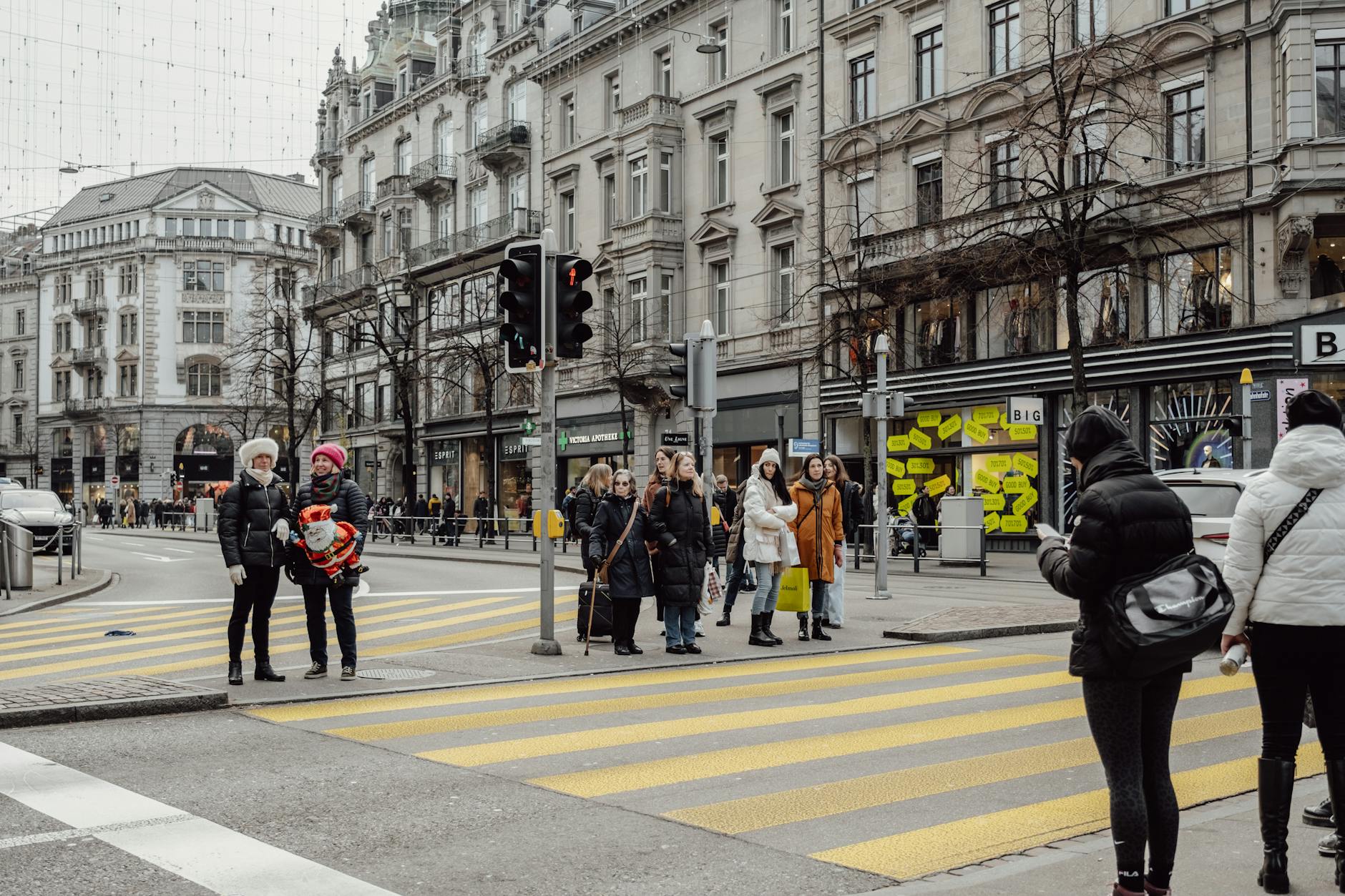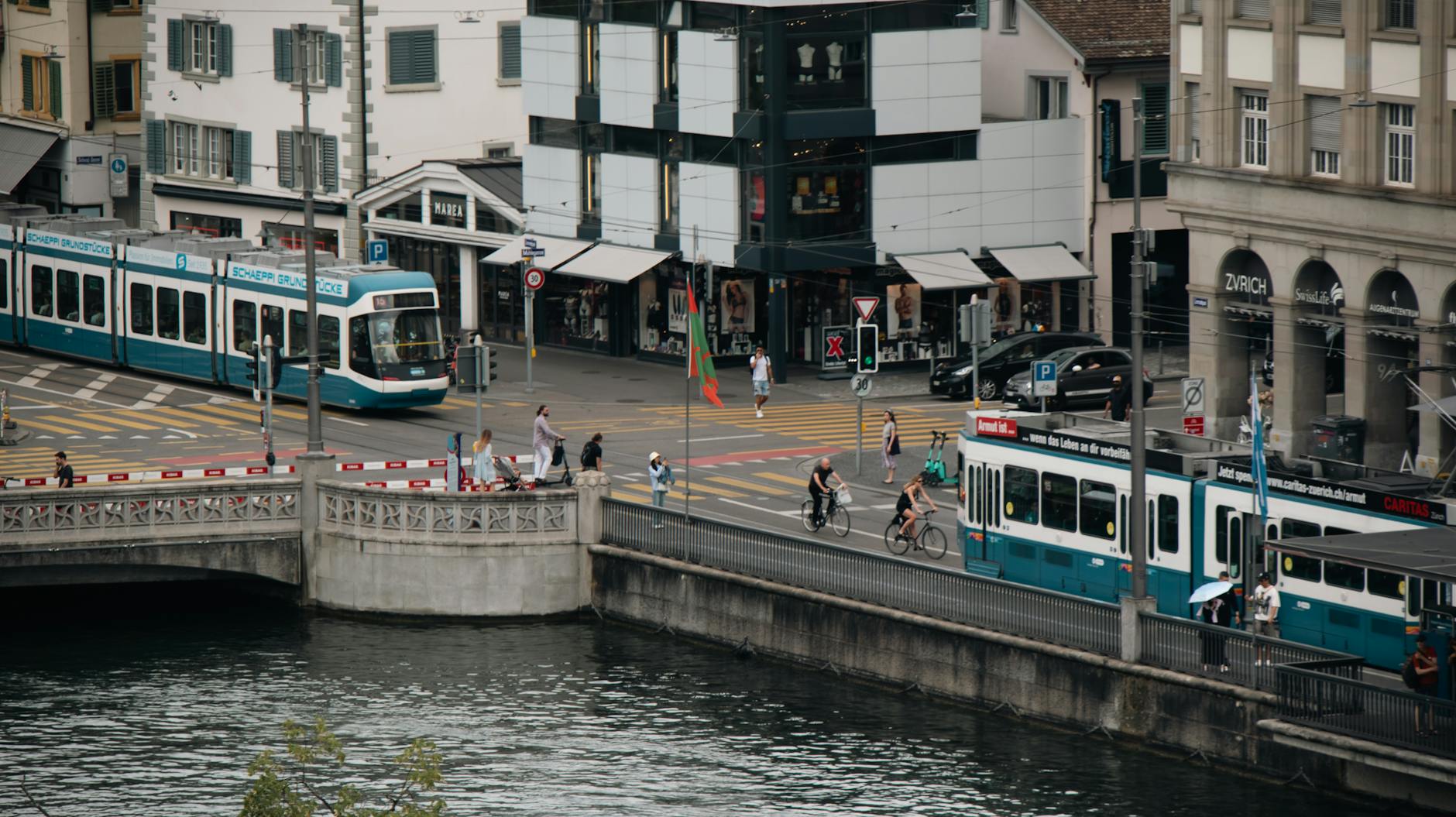
A short Zurich trip with mobility limitations should be planned around exact movements, not just attractive sights. The city has efficient transit, a compact center, river and lake routes, and strong rail connections, but cobblestones, hills, steps, bridge approaches, weather, station transfers, and hotel details can still shape the day. The right plan makes Zurich feel orderly without pretending every central route is equally easy.
Choose the hotel by access, not only location
A central Zurich hotel is not automatically easy for a traveler with mobility limitations. The booking should confirm step-free entrance, elevator size, bathroom layout, bed height, air conditioning if needed, luggage help, and the route from the nearest tram or rail stop. A hotel slightly outside the old town may be better if the approach is flatter and more predictable.
The best base is the one that reduces repeated access friction.
- Ask the hotel directly about entrance steps, elevator dimensions, bathroom setup, bed height, and luggage assistance.
- Map the route from Zurich Airport, Hauptbahnhof, or the nearest tram stop to the hotel entrance.
- Prefer a simple, repeatable route over a charming address with cobbles, slopes, or awkward stairs.
Audit the arrival transfer carefully
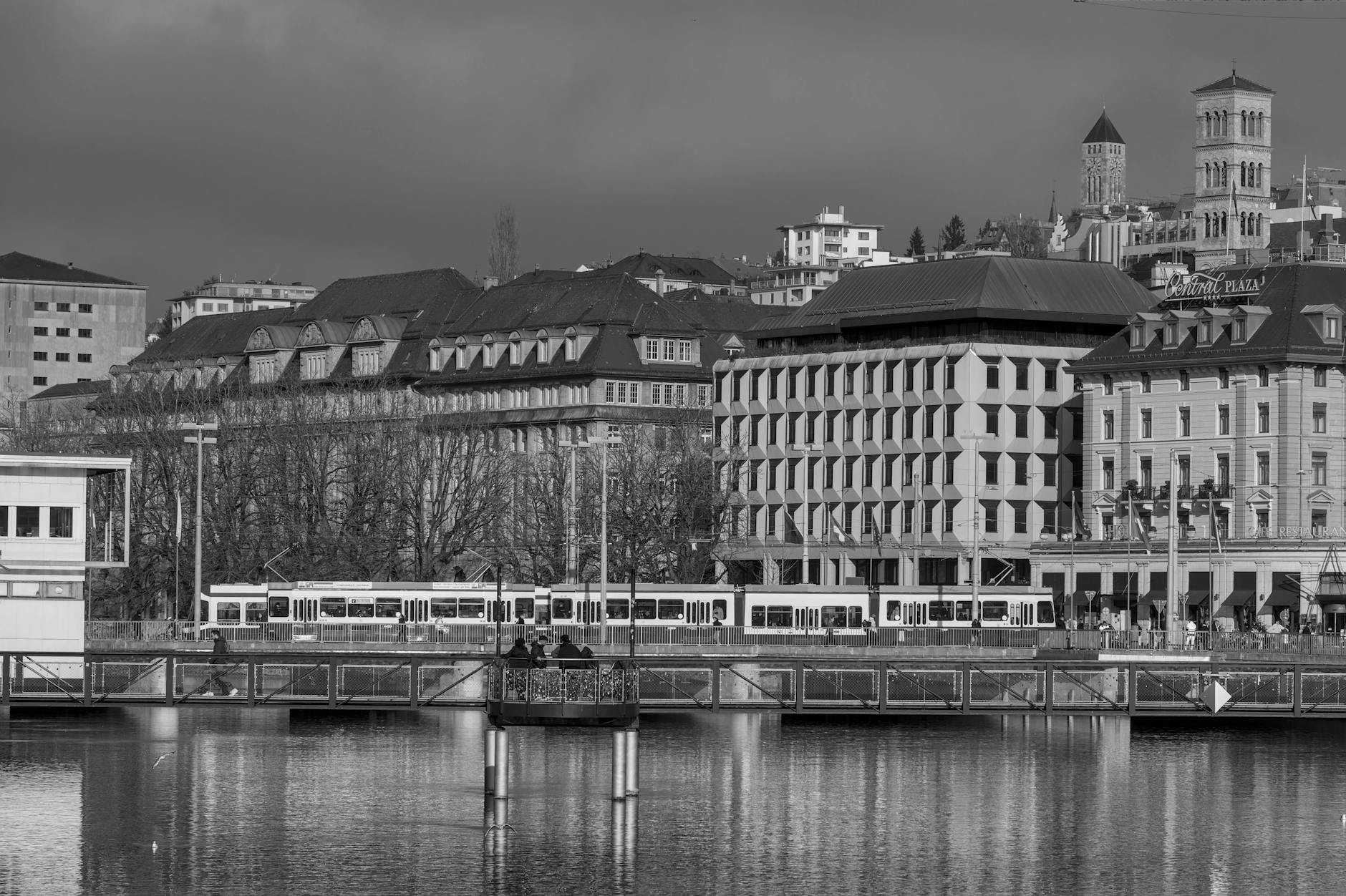
Zurich Airport and Hauptbahnhof can make arrival efficient, but a mobility-aware traveler should still verify elevators, platform changes, walking distance, luggage handling, and backup options. The first transfer often sets the tone for the trip. A private transfer or taxi may be worth it if fatigue, equipment, or timing makes rail too risky.
Arrival should be planned as a controlled movement, not a general instruction to take public transport.
- Check the exact airport or rail route, station lifts, platform changes, ticket zones, and walking distance to lodging.
- Keep a taxi or private transfer option available for late arrivals, heavy luggage, rain, or low energy.
- Build time for toilets, medication, rest stops, and equipment adjustments before the first city activity.
Use trams and trains with stop-level detail
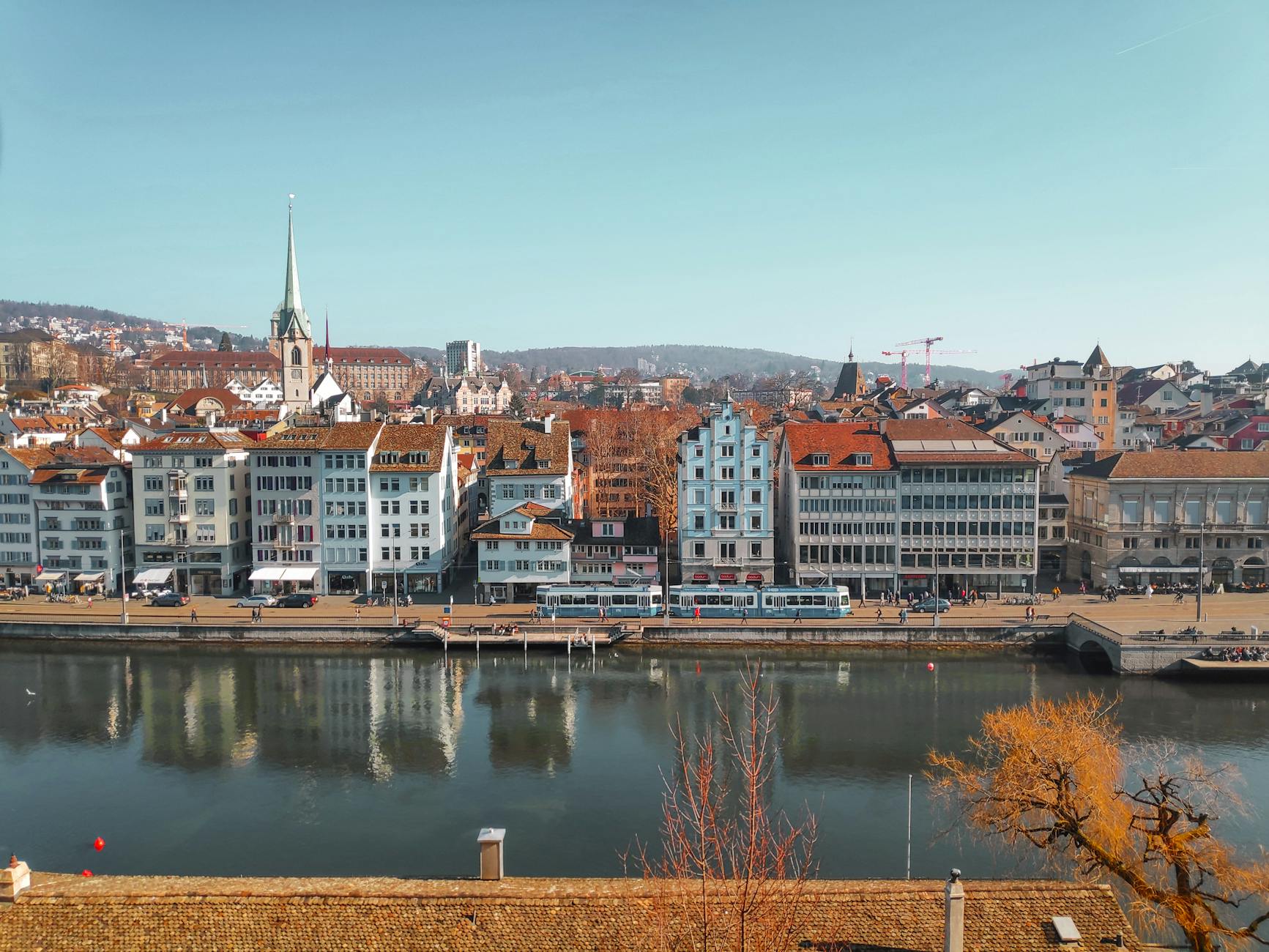
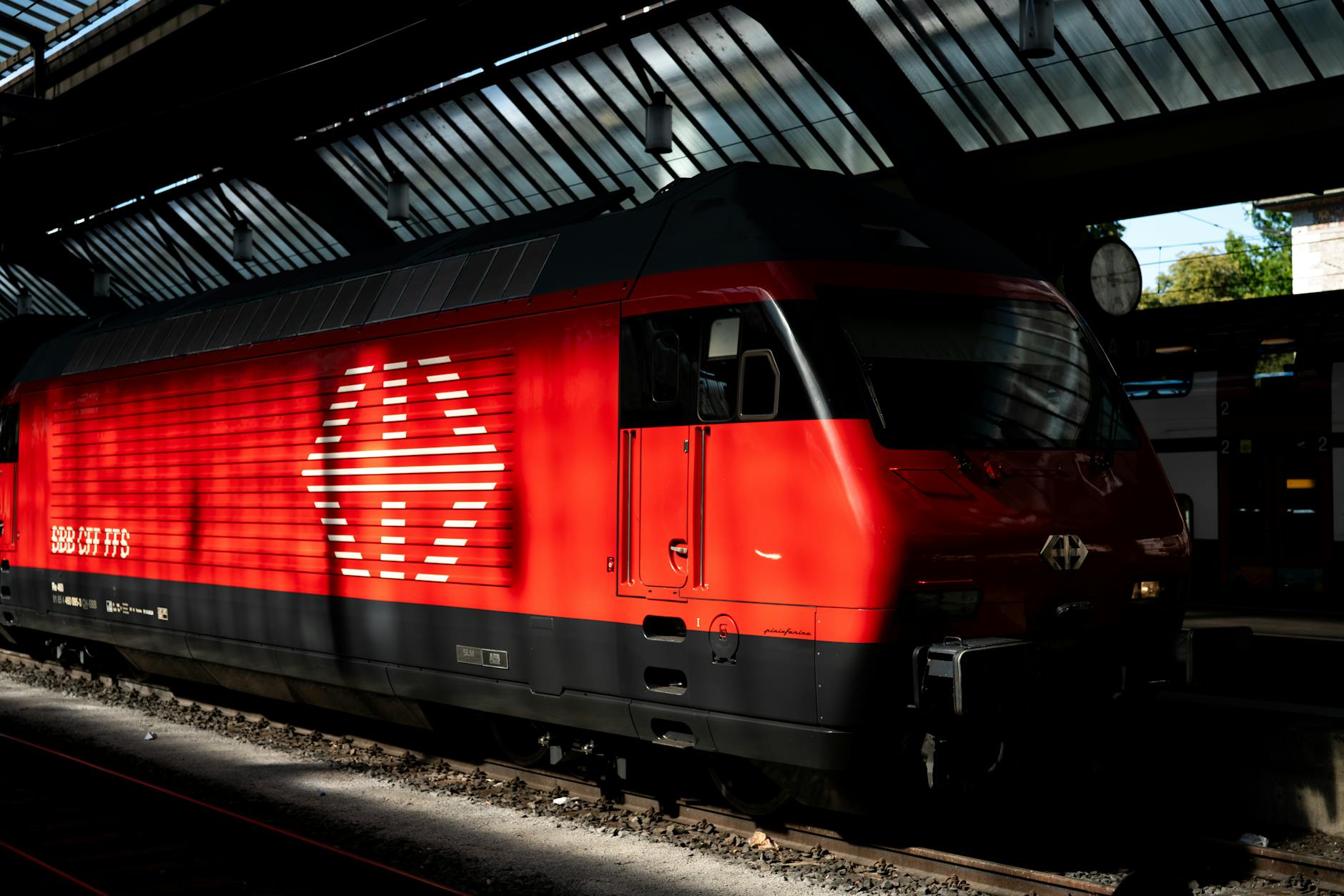
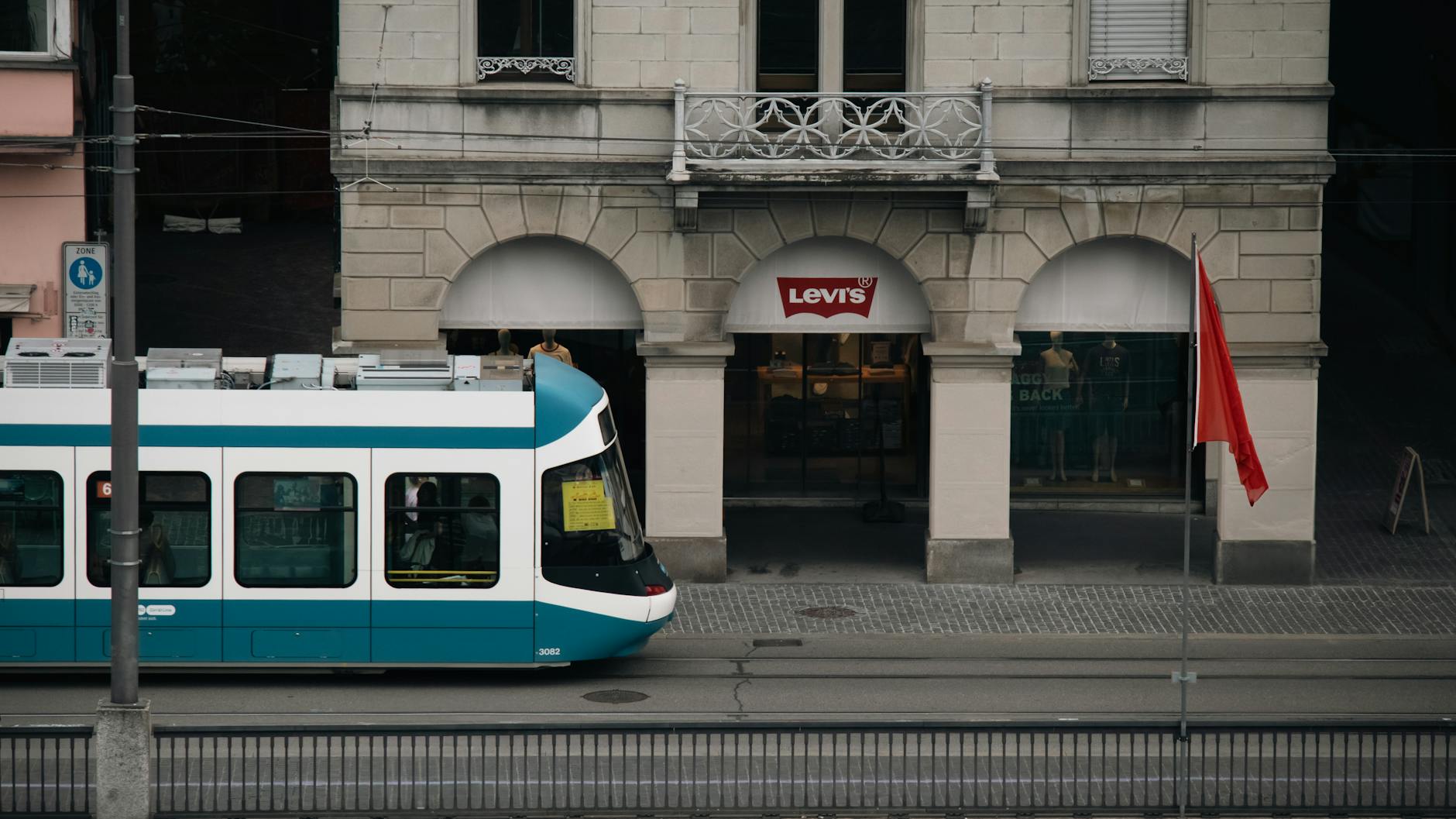
Zurich public transport can be helpful, but the traveler should plan at the level of stops, not just lines. Boarding height, elevator status, platform access, crowding, and the walk from the stop to the destination all matter. A route with one slightly longer ride may be easier than a route with multiple transfers.
Mobility planning succeeds when the last hundred meters are considered as seriously as the vehicle ride.
- Check accessible routing, station elevators, stop locations, ticket needs, and the walking surface after getting off.
- Limit transfers when possible and allow extra time around peak commuter periods or bad weather.
- Keep a written fallback route for the hotel, Hauptbahnhof, airport, and any fixed appointment.
Treat the old town selectively
Zurich's old town is appealing, but its lanes, stones, gradients, steps, and bridge approaches can be tiring. A traveler with mobility limitations should not try to cover every lane. The plan can still include the Limmat, church exteriors, squares, and views, but should choose the smoothest segments and avoid turning charm into strain.
A selective old-town route is usually better than a complete one.
- Identify which old-town streets, bridges, squares, and viewpoints are realistic for the traveler's equipment and stamina.
- Use trams or taxis to skip difficult connectors rather than forcing a continuous walking loop.
- Plan seated pauses at cafes, waterfront benches, hotel lobbies, or museums before fatigue becomes the main memory.
Use the lakefront as a lower-friction anchor
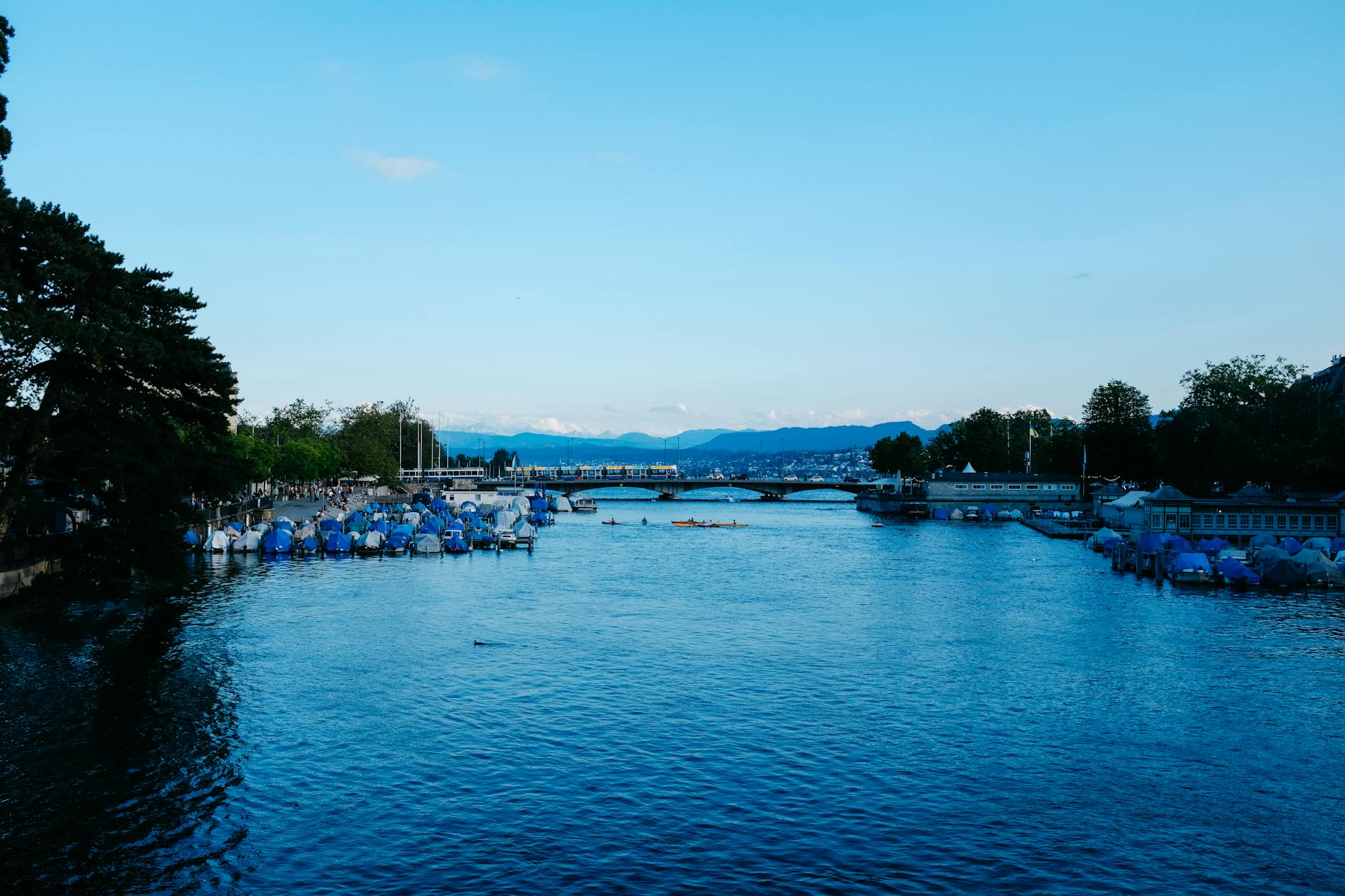
Lake Zurich and the riverfront can give the traveler a strong sense of the city with fewer complex interiors. Promenades, boat piers, riverside views, and nearby cafes may be easier than dense old-town wandering, though surfaces and access points still need checking. A lake or river segment can also support a slower day between arrival and departure.
The most accessible-feeling Zurich day may be one with fewer sights and better surfaces.
- Use the lakefront, Limmat views, and nearby cafes as scenic anchors when old-town surfaces are too demanding.
- Check boat boarding, pier access, toilets, weather exposure, and return routes before relying on a lake ride.
- Keep the day flexible enough to shorten the waterfront plan if wind, rain, heat, or crowding changes conditions.
Plan medical, equipment, and weather contingencies
Mobility limitations often interact with weather, fatigue, equipment, and medical needs. Zurich can have rain, winter cold, summer heat, and slippery surfaces. The traveler should know where to rest, how to repair or replace essentials, how to reach medical care, and when to stop rather than push through a schedule.
A good plan protects the traveler from small problems becoming trip-defining problems.
- Carry medications, device chargers, mobility equipment supplies, insurance details, and essential documents in an accessible bag.
- Identify nearby pharmacies, clinics, taxi options, accessible toilets, and a low-effort route back to the hotel.
- Build weather alternatives that reduce exposure, surfaces, stairs, and unnecessary transfers.
When to order a short-term travel report
A traveler with minor limitations and a central hotel may not need a custom Zurich report. A report becomes useful when step-free routing, station transfers, hotel access, old-town surfaces, lake or boat access, medical backup, or daily pacing need to be checked before arrival.
The report should test hotel access, airport or rail transfer, tram routes, stop approaches, old-town segments, lakefront options, weather alternatives, rest points, medical support, and departure logistics. The value is a Zurich trip that respects the traveler's real movement needs instead of relying on broad assumptions.
- Order when access details, fatigue, equipment, weather, station transfers, or hotel suitability could change the trip.
- Provide dates, mobility equipment, walking tolerance, hotel options, arrival details, medical needs, and must-see places.
- Use the report to separate realistic Zurich routes from attractive routes that would create unnecessary strain.