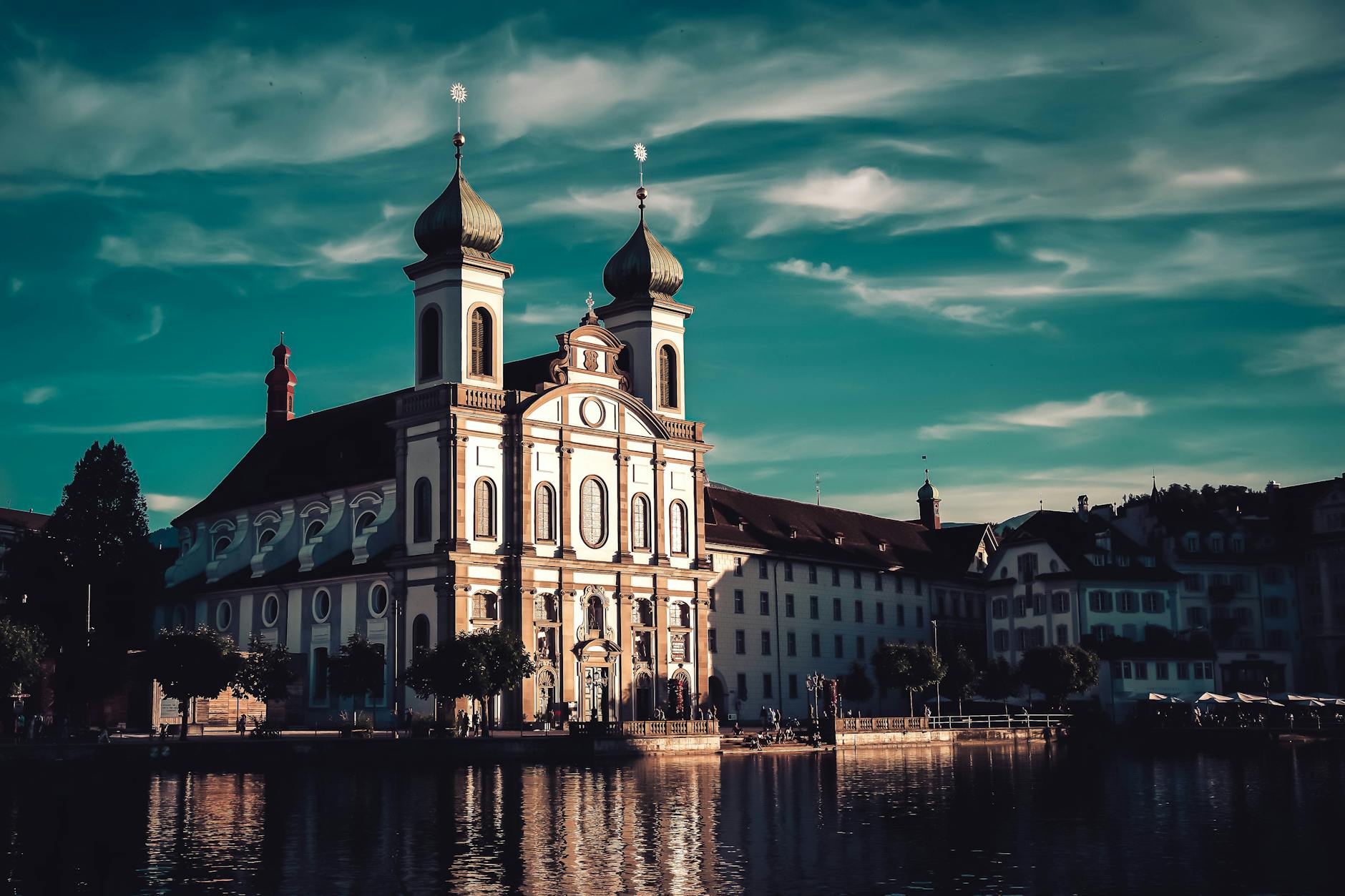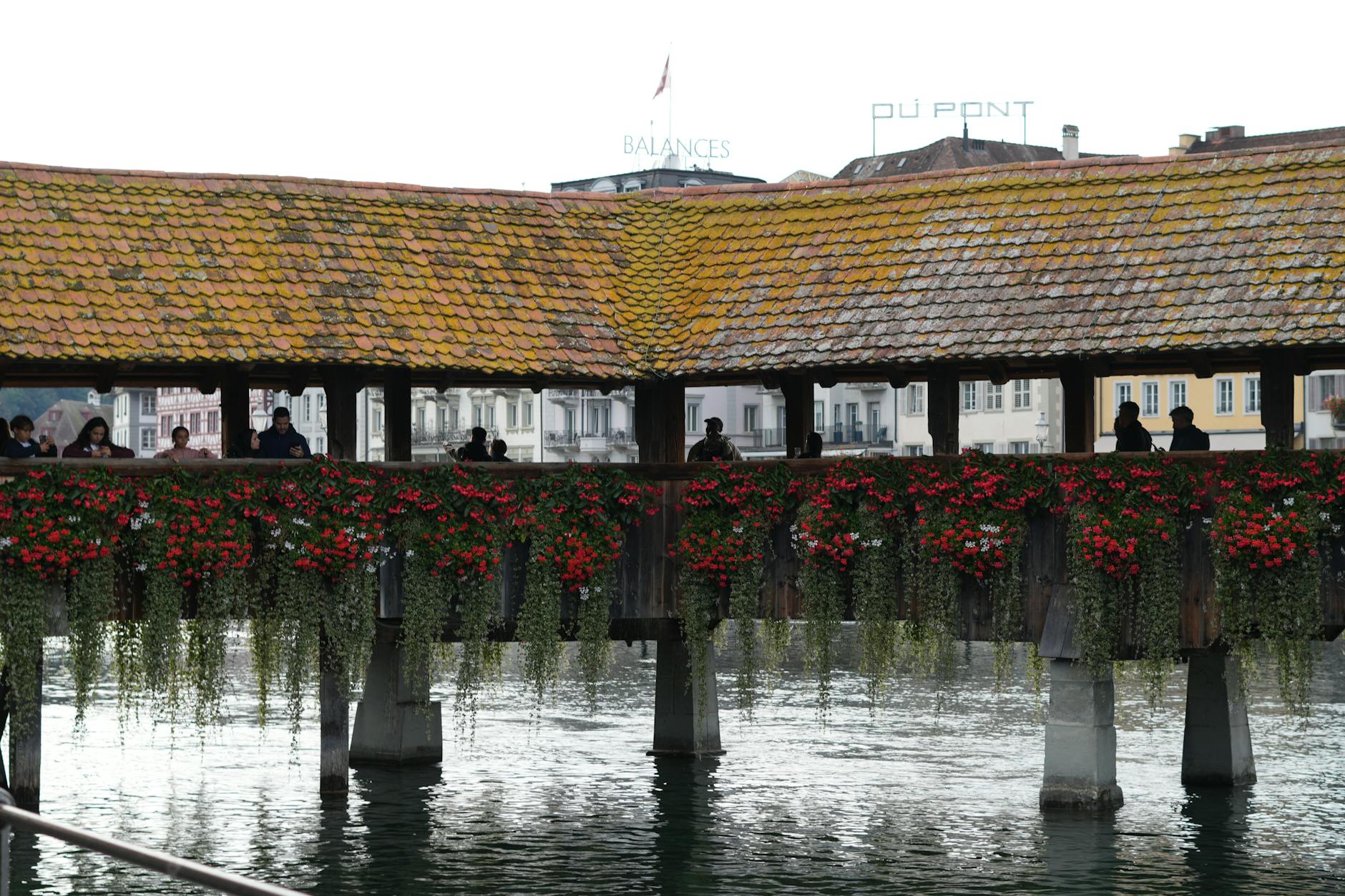
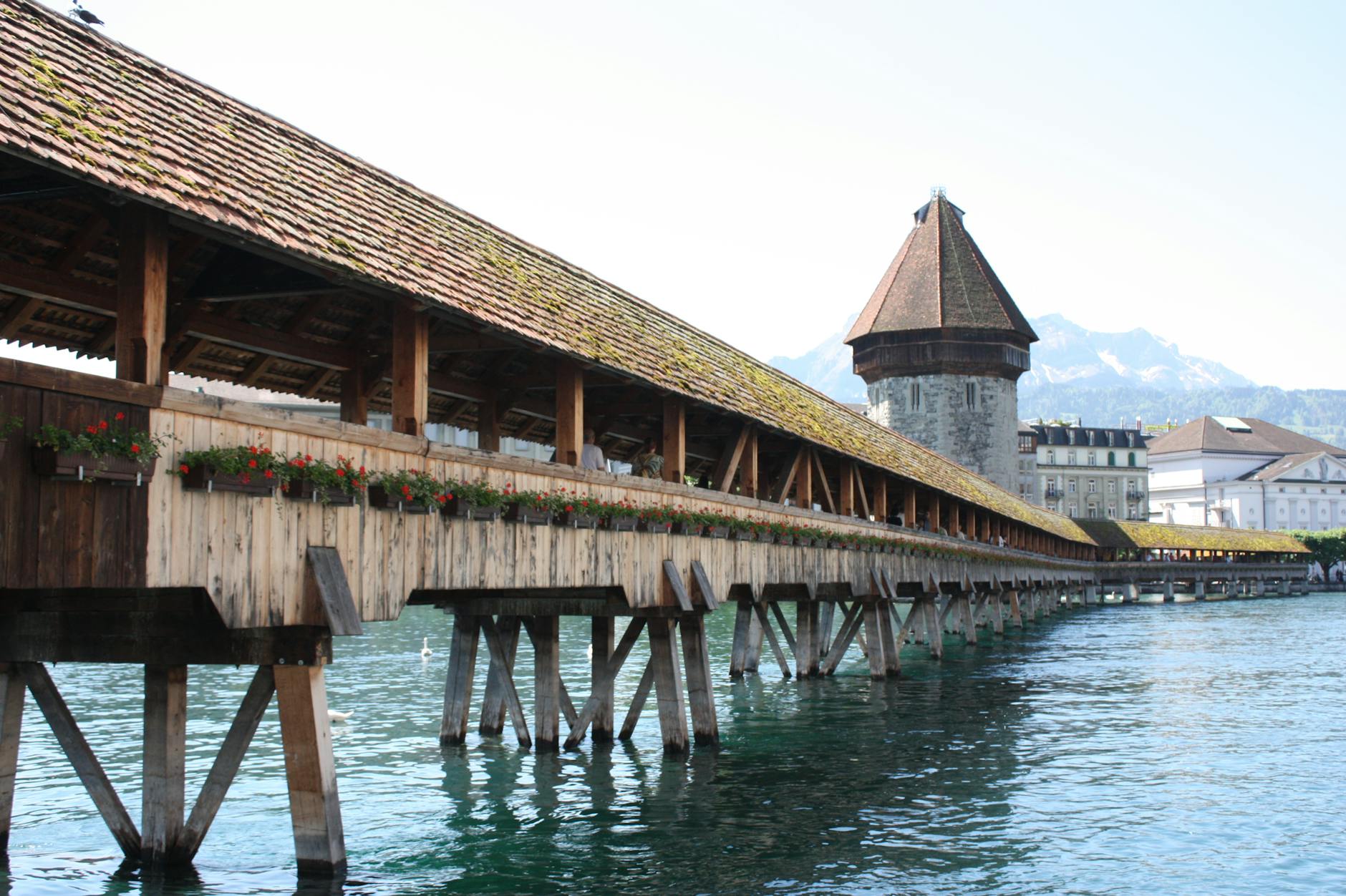
Lucerne is one of Switzerland's most rewarding short-stay tourist cities because the station, Chapel Bridge, Reuss River, lakefront, Old Town, Lion Monument, boats, and mountain excursions sit close enough to combine in a compact visit. That compactness can also create overconfidence. A strong tourist plan should decide what matters most, keep the first day walkable, protect weather flexibility, and avoid spending the whole trip reacting to crowds, prices, and timetable choices.
Choose the shape of the visit first
Lucerne can be a bridge-and-Old-Town visit, a lake visit, a mountain visit, a museum visit, or a gentle base for Swiss scenery. A tourist with only one or two days should decide which version of Lucerne matters most before buying tickets or filling every hour. The city rewards focus more than a checklist.
The first planning choice is the trip's center of gravity.
- Decide whether the trip is mainly Old Town, lakefront, mountain scenery, museums, photography, or a relaxed Swiss city break.
- Keep the first day centered on the station, Chapel Bridge, Reuss River, lakefront, and Old Town before adding distant plans.
- Avoid booking expensive excursions before checking weather, visibility, arrival time, and actual energy.
Make rail arrival and luggage simple
Most tourists reach Lucerne by rail, often through Zurich Airport or another Swiss city. That can be easy, but luggage still affects the first impression. The traveler should know whether the hotel is walkable from the station, whether storage is needed, and whether the first sightseeing loop makes sense with bags or after check-in.
A smooth arrival keeps the city from feeling harder than it is.
- Map the station, hotel, luggage storage, first meal, and first walking loop before arrival.
- Check whether the hotel route crosses bridges, cobblestones, steps, or crowded lanes that matter with luggage.
- Use the first hour for check-in, storage, food, and orientation before committing to longer sightseeing.
Walk the central loop deliberately
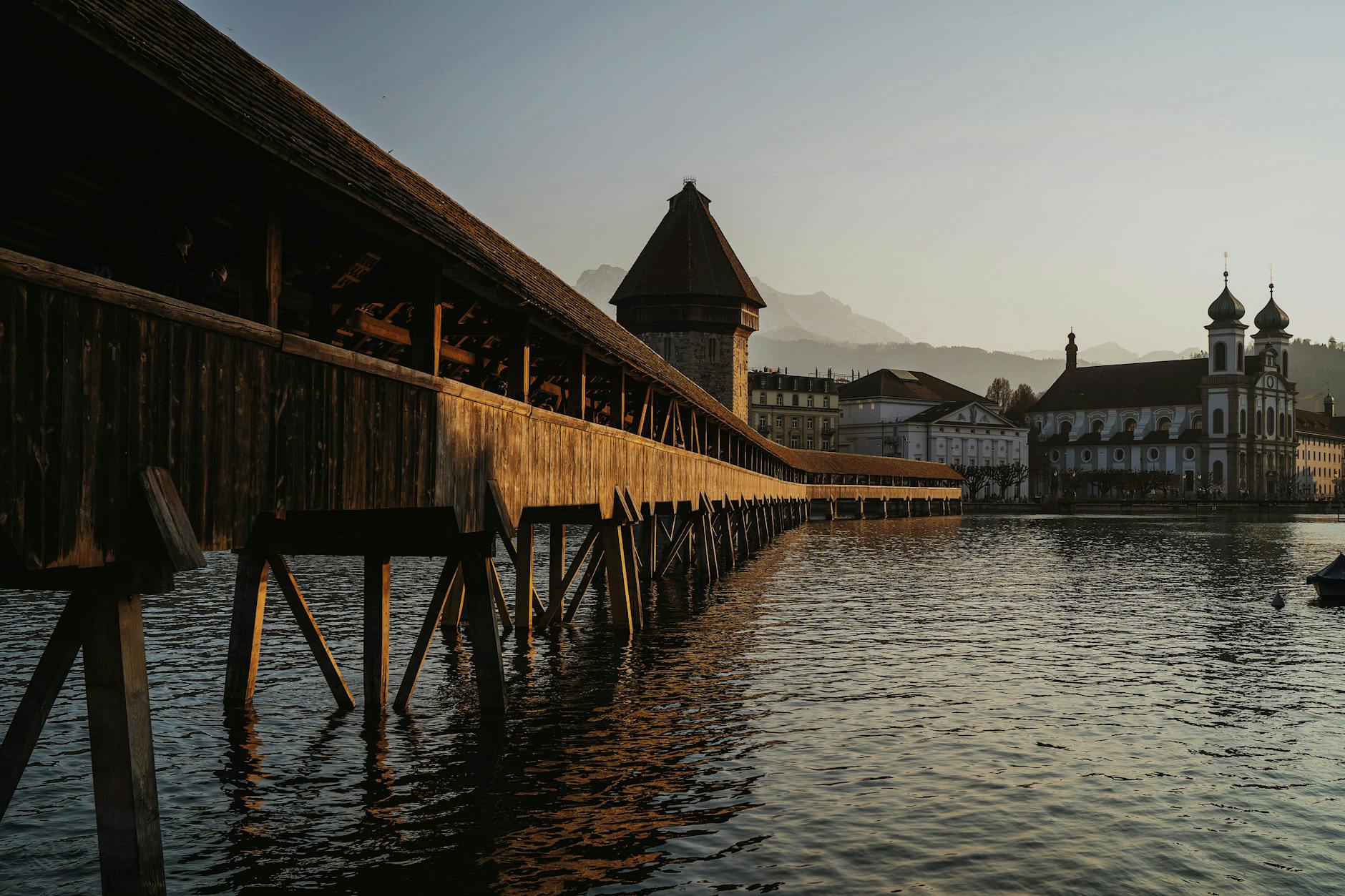
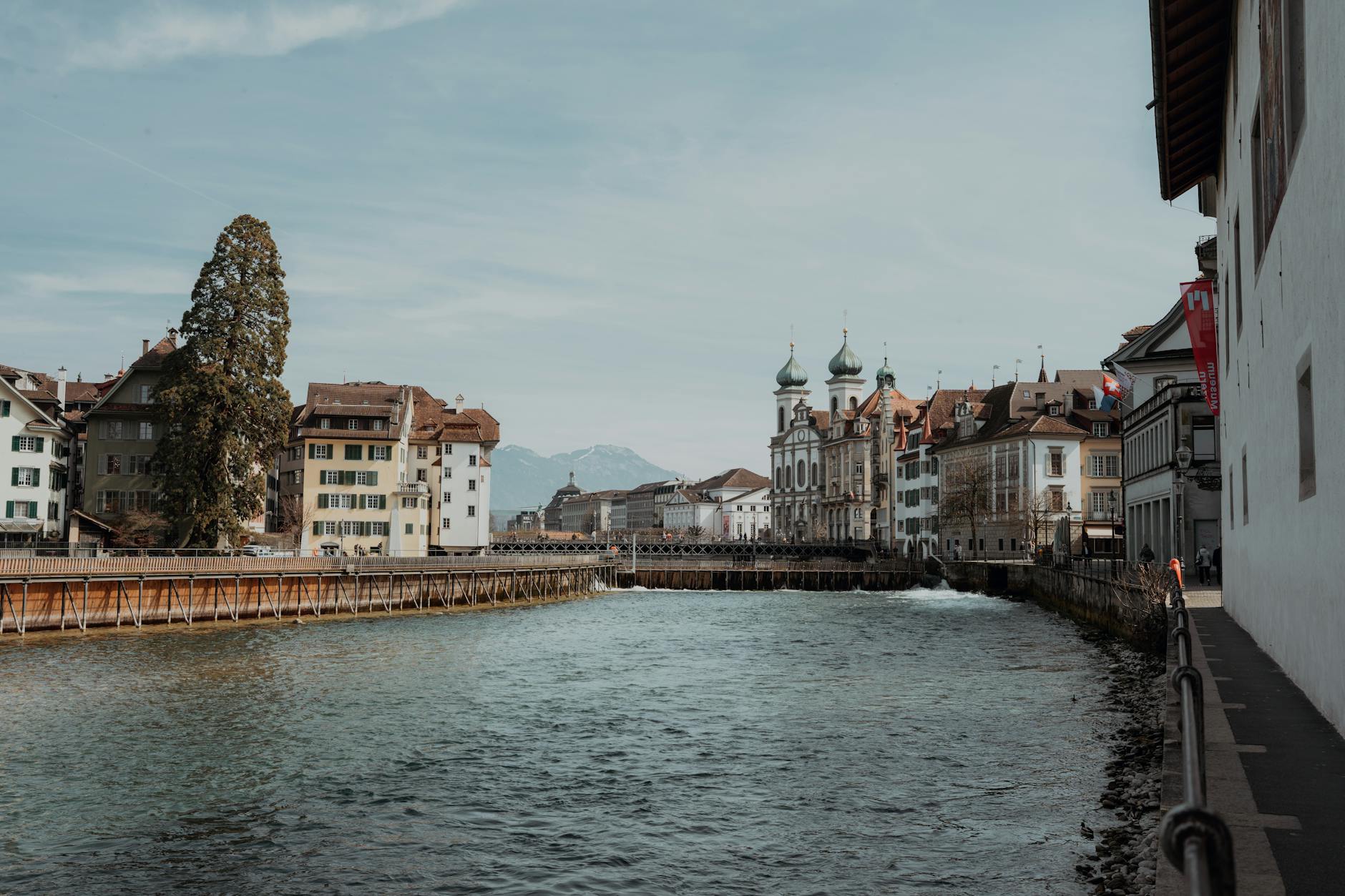
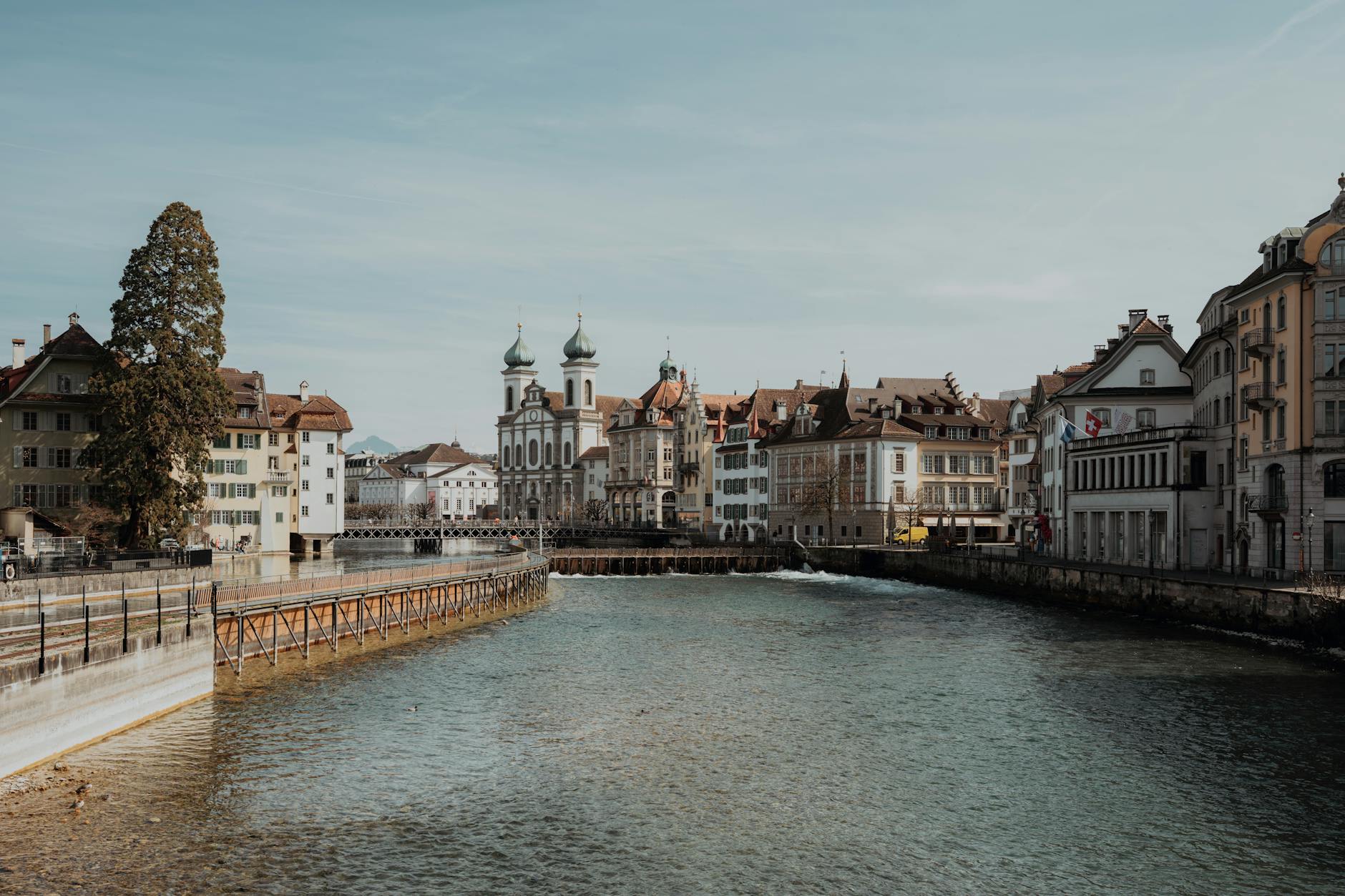
The classic Lucerne tourist loop is compact: station, lakefront, Chapel Bridge, Old Town, Reuss River, Spreuer Bridge, churches, and a cafe or meal stop. It is tempting to rush it because the distances are short. A better approach is to walk the loop once in daylight, note the crowds and photo points, and then decide what deserves a second pass later.
The central loop is the foundation of the trip.
- Walk the station, lakefront, Chapel Bridge, Old Town, and Reuss River in daylight before relying on the route at night.
- Use cafes, churches, riverfront benches, shops, and museums as planned pauses rather than accidental escapes from fatigue.
- Save the best photo stops for the light and crowd conditions that actually suit them.
Pick one bigger scenic commitment
A short Lucerne trip can include a boat ride, Mount Rigi, Mount Pilatus, a museum, or a lake village, but it usually should not include all of them. Paid excursions require time, weather, visibility, transport coordination, and meal planning. A tourist who chooses one larger scenic commitment can enjoy it properly and still return to the city without rushing.
Lucerne is better when the schedule leaves room to look around.
- Choose one major boat, mountain, museum, or village plan for a short stay rather than stacking several costly commitments.
- Check ticket rules, last return times, visibility, meal options, and weather before leaving central Lucerne.
- Keep a central fallback plan ready if clouds, rain, fatigue, or late arrival weakens the original excursion.
Respect crowds at famous sights
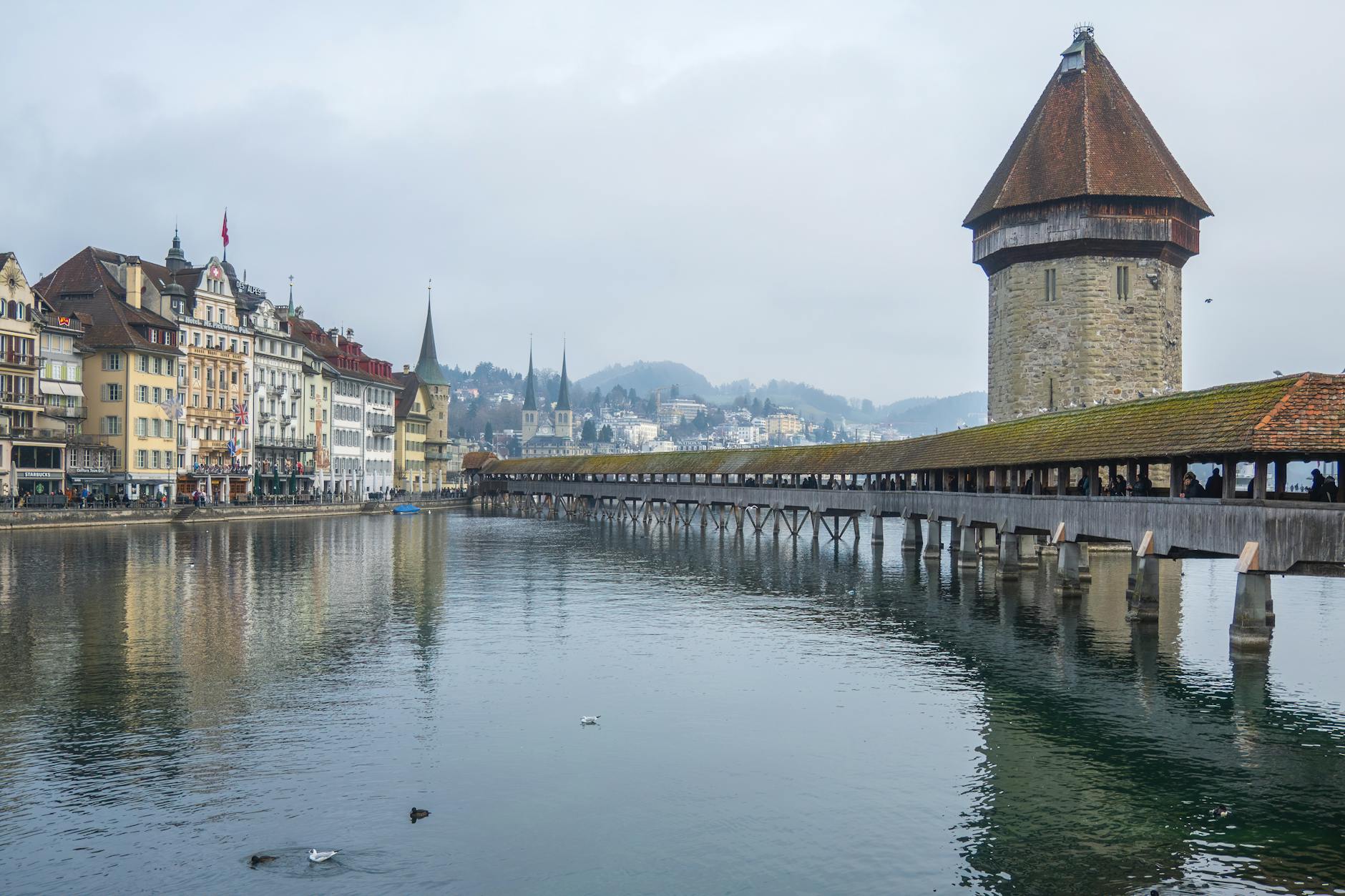
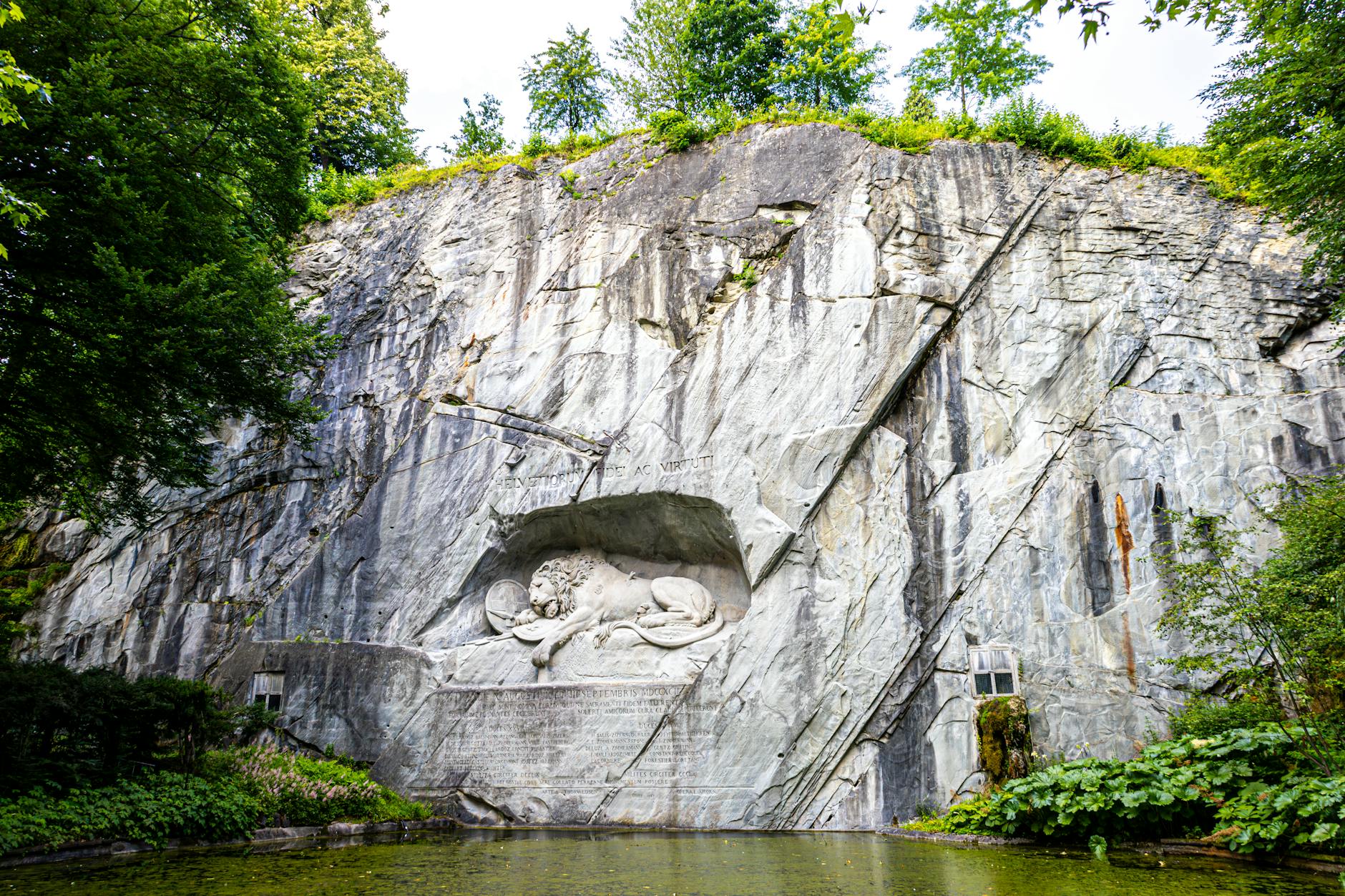
Chapel Bridge, the Water Tower, the Lion Monument, boat docks, and lakefront viewpoints are popular for good reason. They can also become congested, especially with group tours, summer visitors, and peak photo times. The tourist should use timing, patience, and bag control rather than expecting every major sight to feel quiet.
Popular places need practical habits, not avoidance.
- Visit the most famous sights early, late, or in bad-weather gaps when crowds may be easier to manage.
- Keep bags, phones, wallets, passports, and cameras controlled on bridges, docks, viewpoints, and narrow streets.
- Step away from the main photo crowd before checking maps, tickets, messages, or money.
Budget for Switzerland without dulling the trip
Lucerne is expensive enough that tourists should plan costs openly. Rail, boats, mountain tickets, hotels, restaurant meals, coffee, snacks, and impulse purchases can add up quickly. Budget control does not have to make the trip small; it means deciding which paid experience deserves money and which pleasures can stay free or modest.
A clear budget protects the best parts of the visit.
- Price rail, boat, mountain, museum, hotel, dining, and luggage-storage costs before finalizing the itinerary.
- Use bakeries, groceries, casual cafes, and picnic stops when they make the day easier and more affordable.
- Spend deliberately on the one experience that matters most instead of scattering money across rushed extras.
When to order a short-term travel report
A tourist with flexible dates, a central hotel, and a relaxed Lucerne plan may not need a custom report. A report becomes useful when the traveler is deciding between mountain routes, managing a tight Zurich Airport connection, visiting in winter, traveling with family or older companions, trying to control costs, or fitting Lucerne into a larger Swiss itinerary.
The report should test arrival route, hotel base, central loop, lake and mountain options, weather, costs, dining, crowd timing, and departure logistics. The value is a Lucerne tourist visit that feels scenic and calm without wasting short-trip time.
- Order when arrival timing, hotel choice, mountain plans, lake boats, costs, weather, or companion needs require exact sequencing.
- Provide dates, flight or rail details, hotel candidates, walking tolerance, budget, must-see sights, and departure plan.
- Use the report to choose the right Lucerne day rather than forcing every possible Lucerne day into one trip.