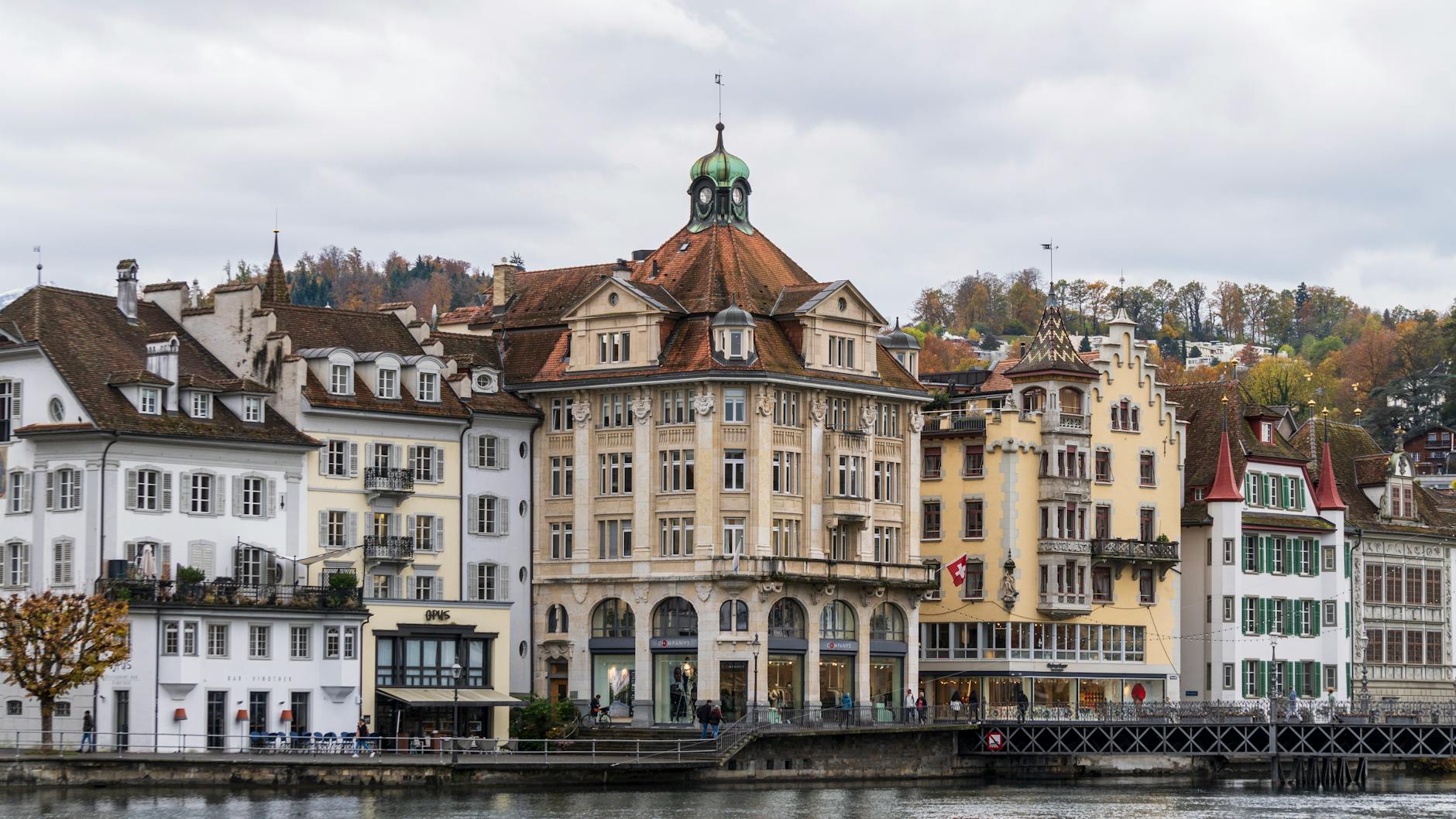
Lucerne can be expensive, but it does not have to be wasteful. A budget traveler can still have a strong short stay by using the compact center well, choosing lodging carefully, pricing transport before arrival, relying on free views and walks, buying simple food strategically, and spending only on the paid experience that genuinely changes the trip. The danger is not that Lucerne is impossible on a budget. The danger is arriving without a cost plan and letting small Swiss prices decide the itinerary one moment at a time.
Set the budget before the city sets it
Lucerne's daily costs can feel normal one decision at a time and surprisingly high at the end of the day. Hotels, rail, boats, mountain tickets, restaurant meals, coffee, luggage storage, and last-minute taxis should be priced before arrival. A budget traveler should separate essentials, one possible splurge, and avoidable friction.
The budget should be a working plan, not a vague hope.
- Estimate lodging, rail, local transport, meals, coffee, snacks, attractions, luggage storage, and emergency buffers before arrival.
- Choose one paid experience that matters most and protect money for it.
- Decide in advance which costs are convenience choices and which are avoidable.
Treat rail value as part of the itinerary
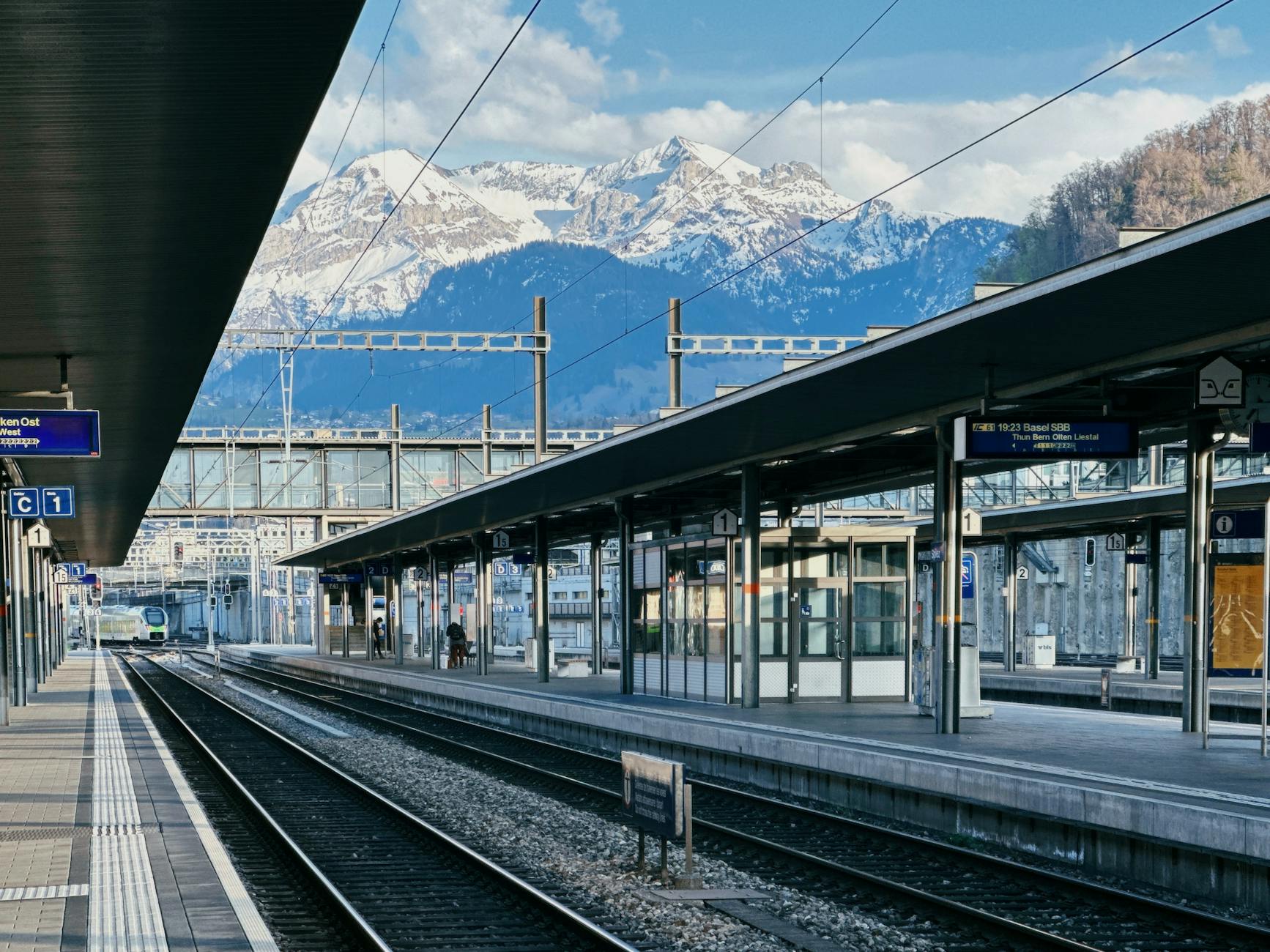
For many budget travelers, the biggest Lucerne savings come from transport decisions made before the trip. Swiss rail passes, saver tickets, regional cards, hotel guest cards, and point-to-point fares should be compared against the actual itinerary. The cheapest ticket is not always the best value if it removes flexibility, but casual last-minute buying can be costly.
Transport value depends on the whole route.
- Compare pass, saver fare, and point-to-point options against the actual arrival, departure, lake, and mountain plans.
- Check whether hotel guest benefits, local transport cards, or included discounts apply.
- Avoid buying expensive scenic transport until the weather and visibility justify it.
Use the free central sights well
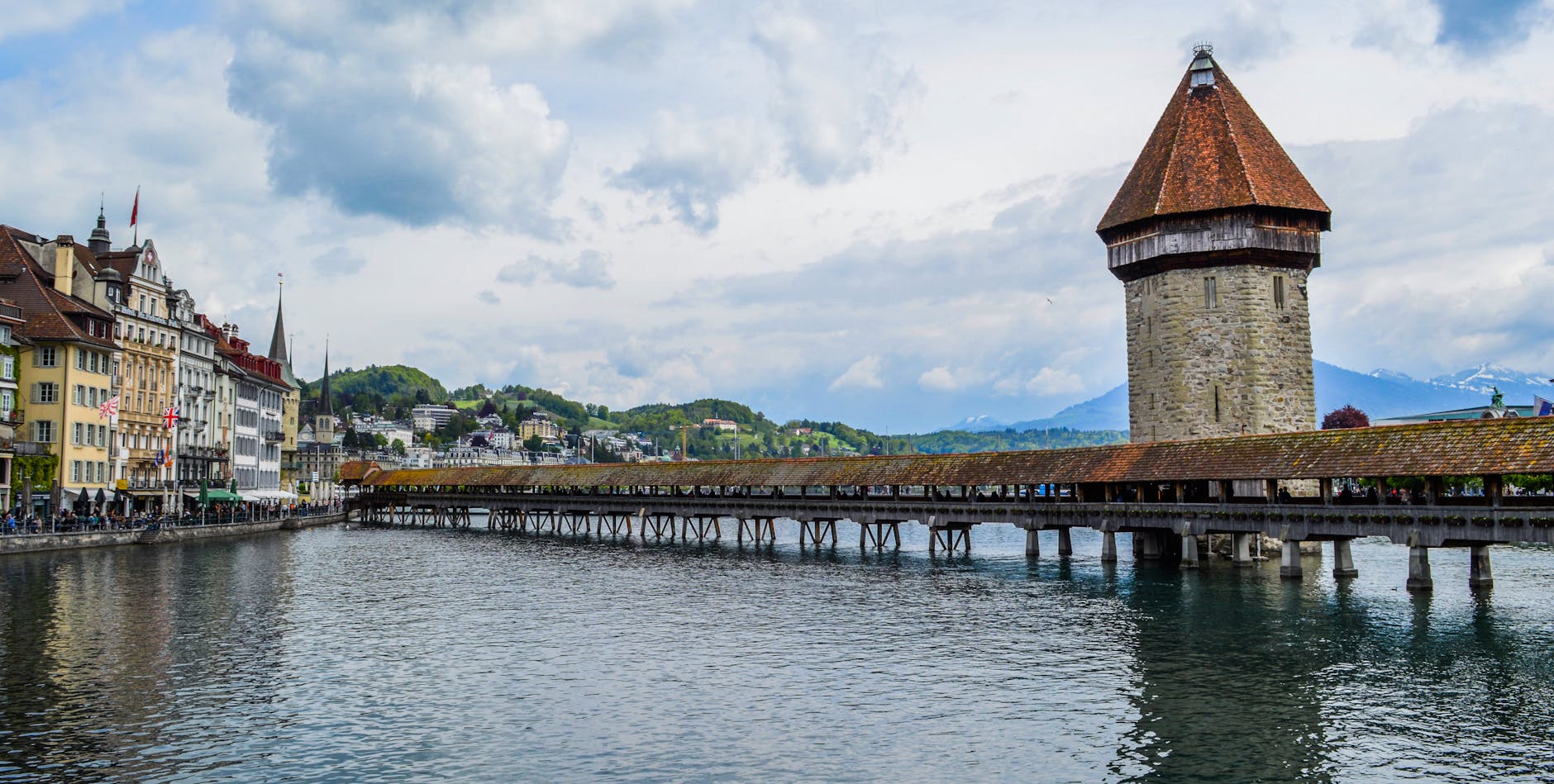
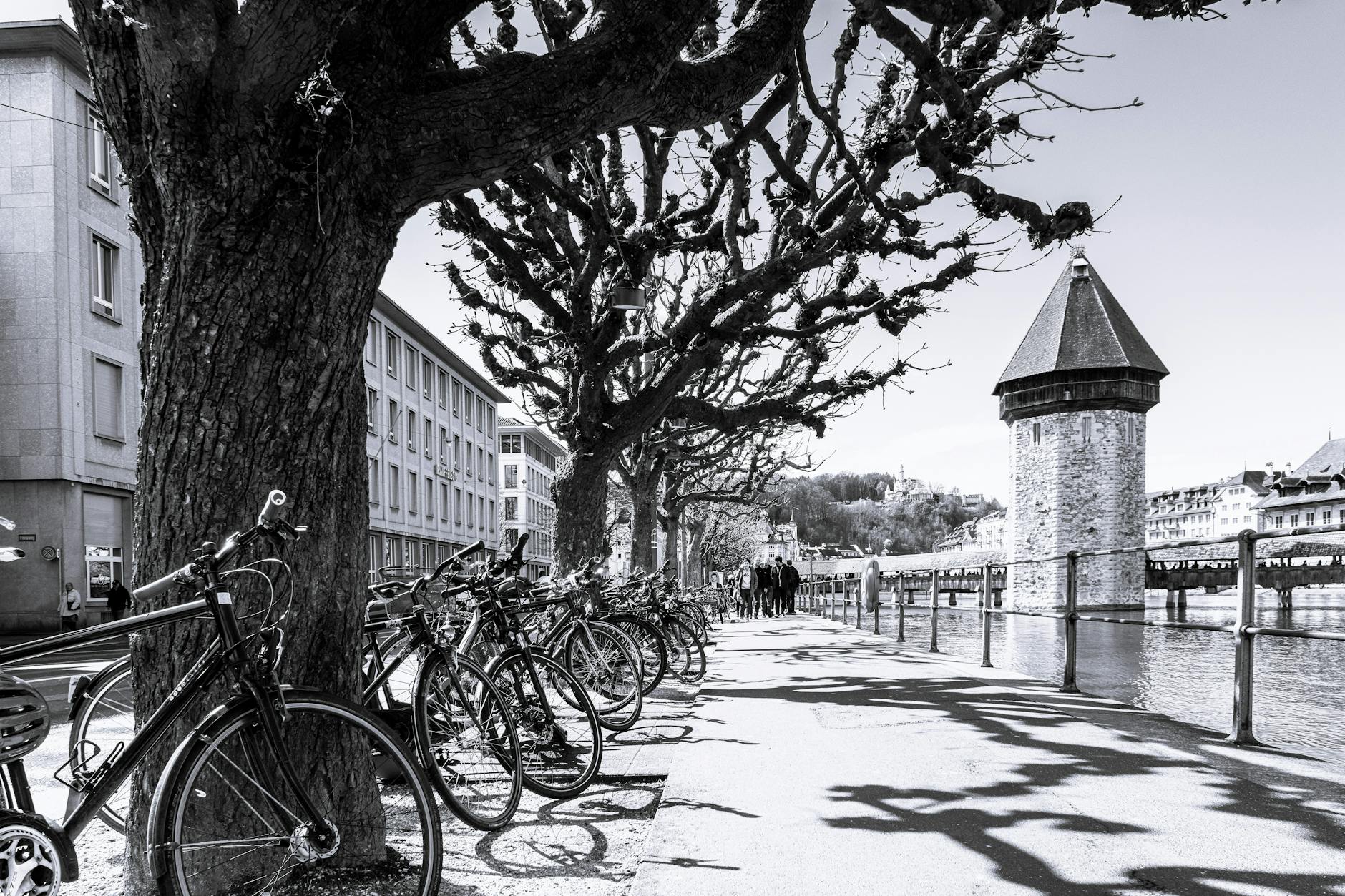
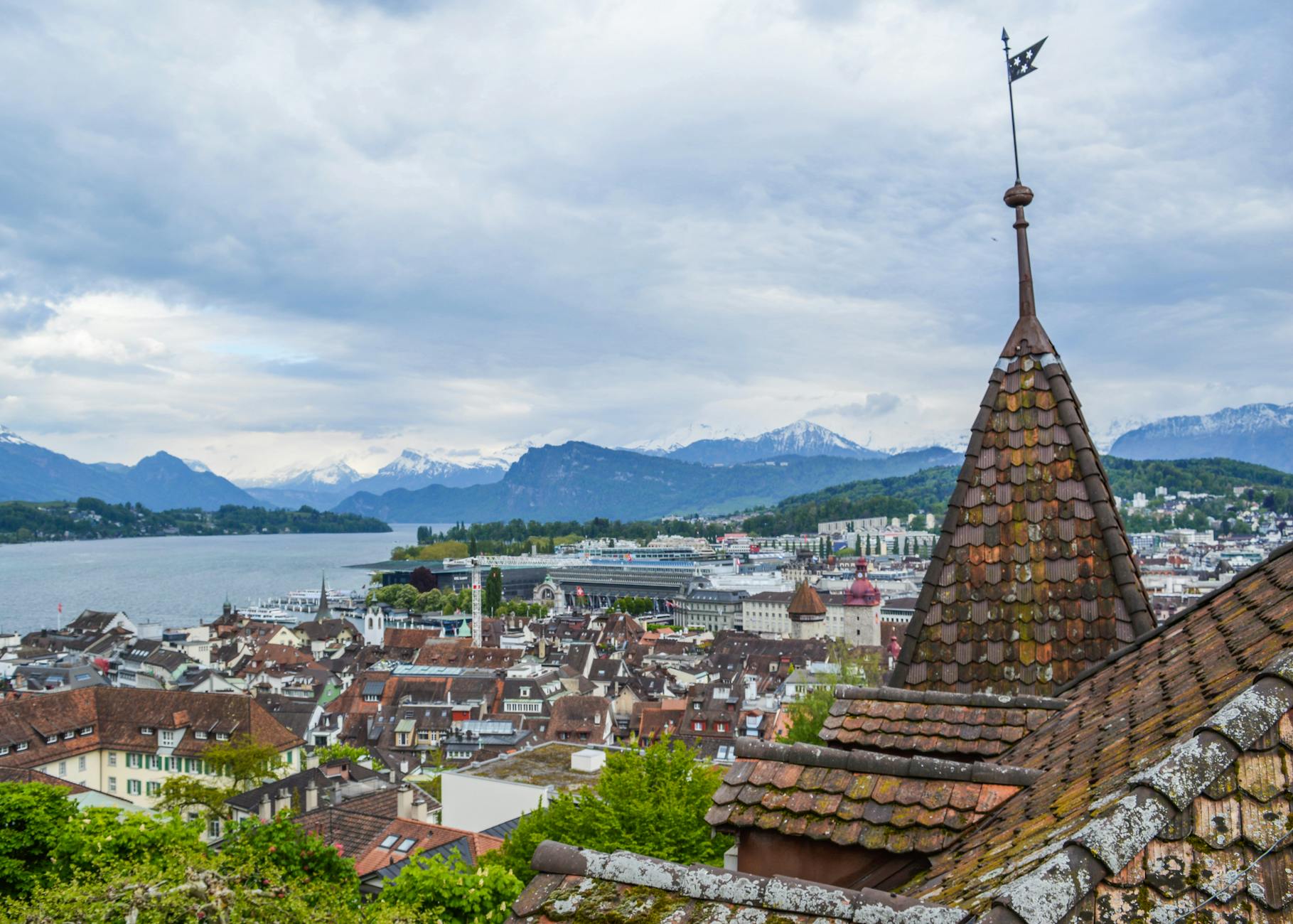
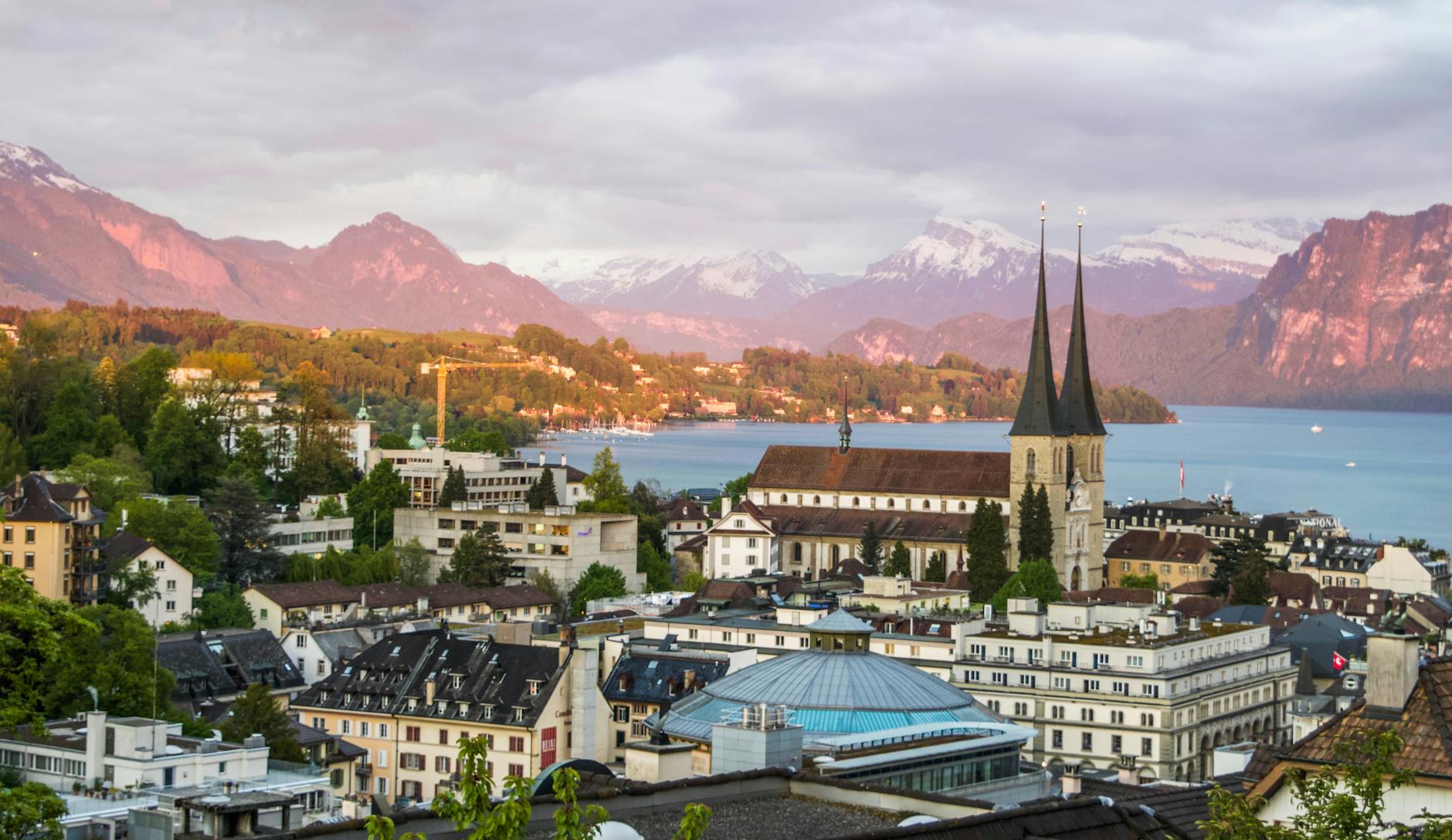
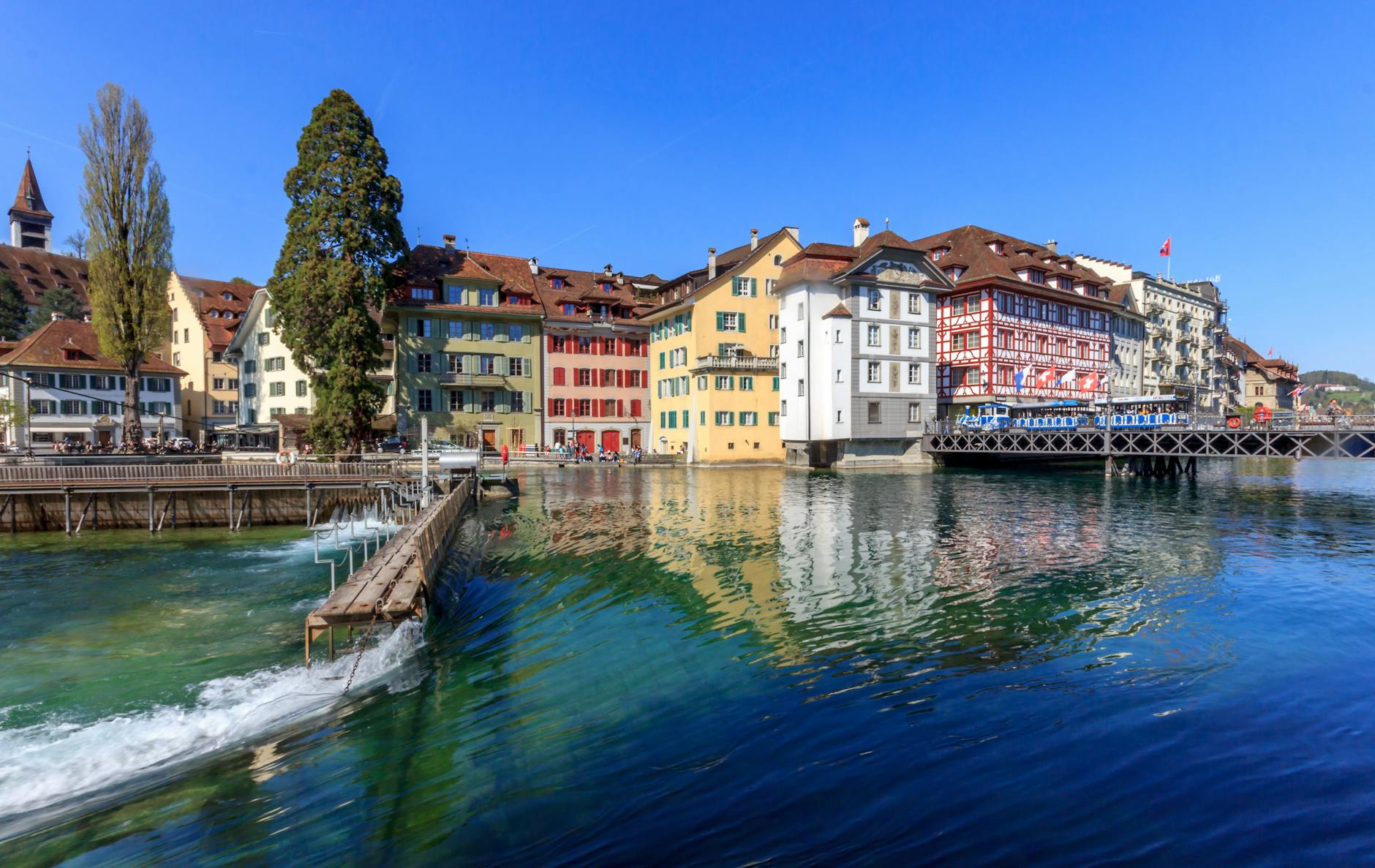
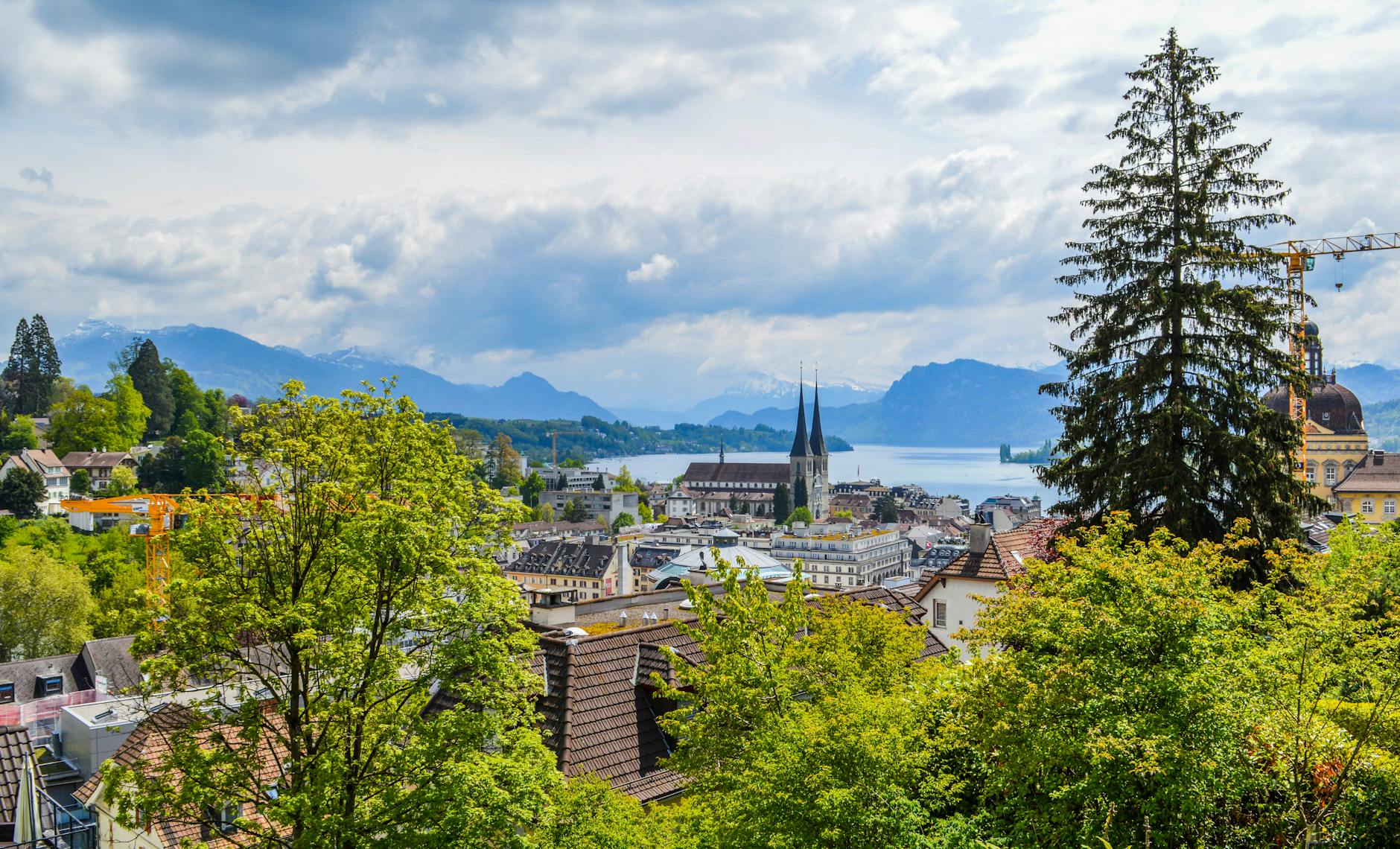
Lucerne gives budget travelers a lot before tickets enter the plan. Chapel Bridge, the Water Tower exterior, Reuss River walks, Old Town lanes, churches, lakefront promenades, viewpoints, and seasonal street life can fill a satisfying day. The key is to organize the free sights as a good route rather than treating them as leftovers after paid attractions.
Free does not have to mean thin.
- Build a walking loop around Chapel Bridge, Old Town, the Reuss, churches, the lakefront, and free viewpoints.
- Use daylight, early morning, and evening light to make familiar free sights feel more special.
- Add a museum, boat, or mountain only when it improves the day enough to justify the cost.
Choose lodging by total cost, not nightly rate
A cheaper room can become expensive if it adds transport, taxis, luggage storage, lost time, or uncomfortable late returns. A budget traveler should compare the room price against breakfast, kitchen access, transit, walking distance, reception hours, baggage support, and whether the location makes the main Lucerne loop easy.
The lowest rate is only useful when the day still works.
- Compare hotel, hostel, guesthouse, and apartment options by total cost across transport, meals, luggage, and time.
- Check breakfast, kitchen access, supermarket proximity, reception hours, lockers, elevators, and walking route from the station.
- Pay slightly more for a base that prevents repeated transport costs or late-night inconvenience.
Plan food before hunger gets expensive
Food can quietly break a Lucerne budget. The traveler should know where bakeries, supermarkets, casual cafes, takeaway options, picnic spots, and affordable meals sit near the hotel and walking route. A simple breakfast, grocery lunch, or lakefront picnic can leave room for one more memorable meal without turning every stop into a price shock.
Meal planning is one of the easiest savings tools.
- Mark bakeries, supermarkets, casual restaurants, takeaway counters, water refill points, and picnic spots before arrival.
- Use hotel breakfast or groceries strategically when they reduce repeated cafe and restaurant spending.
- Check opening hours around Sundays, holidays, evenings, and excursion days before relying on cheap meals.
Spend carefully on lake and mountain plans
Lake and mountain experiences are often the Lucerne costs budget travelers most want to justify. The decision should be based on weather, visibility, time, return logistics, and whether the traveler has already paid for a pass or discount. A short boat ride, a lower-cost viewpoint, or a free lakefront walk may be a better fit than an ambitious mountain day in poor conditions.
The best splurge is the one chosen with evidence.
- Check weather, visibility, ticket cost, pass discounts, meal costs, and return timing before paying for scenic transport.
- Choose shorter boat rides, lower-cost viewpoints, or free lakefront routes when the budget or weather argues against a full excursion.
- Avoid buying mountain tickets just because they are famous; buy them because the day supports them.
When to order a short-term travel report
A budget traveler with flexible dates and simple plans may not need a custom report. A report becomes useful when the trip includes tight rail timing, uncertain pass value, expensive lodging tradeoffs, weather-sensitive excursions, family or group costs, or a need to fit Lucerne into a larger Swiss itinerary without overspending.
The report should test the arrival route, lodging options, pass math, free sightseeing loop, food strategy, paid-sight priorities, weather backup, luggage plan, and departure timing. The value is a Lucerne trip that keeps costs deliberate while still preserving the reason for going.
- Order when rail fares, passes, lodging, food, lake boats, mountain tickets, or timing need cost-aware comparison.
- Provide dates, arrival and departure points, hotel candidates, budget ceiling, pass options, walking tolerance, and must-see priorities.
- Use the report to decide where to save, where to spend, and where Lucerne's compact geography can do the work for free.