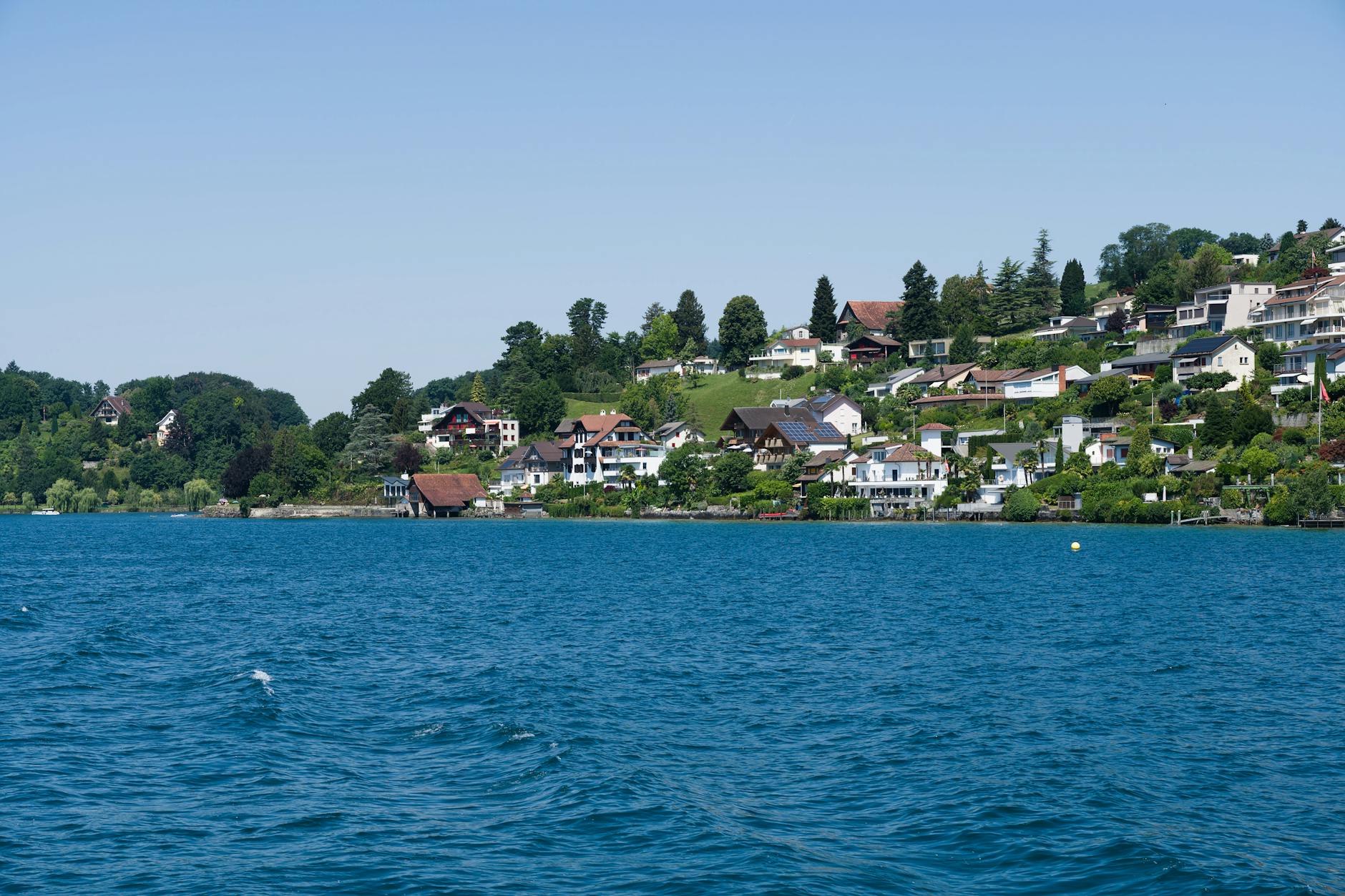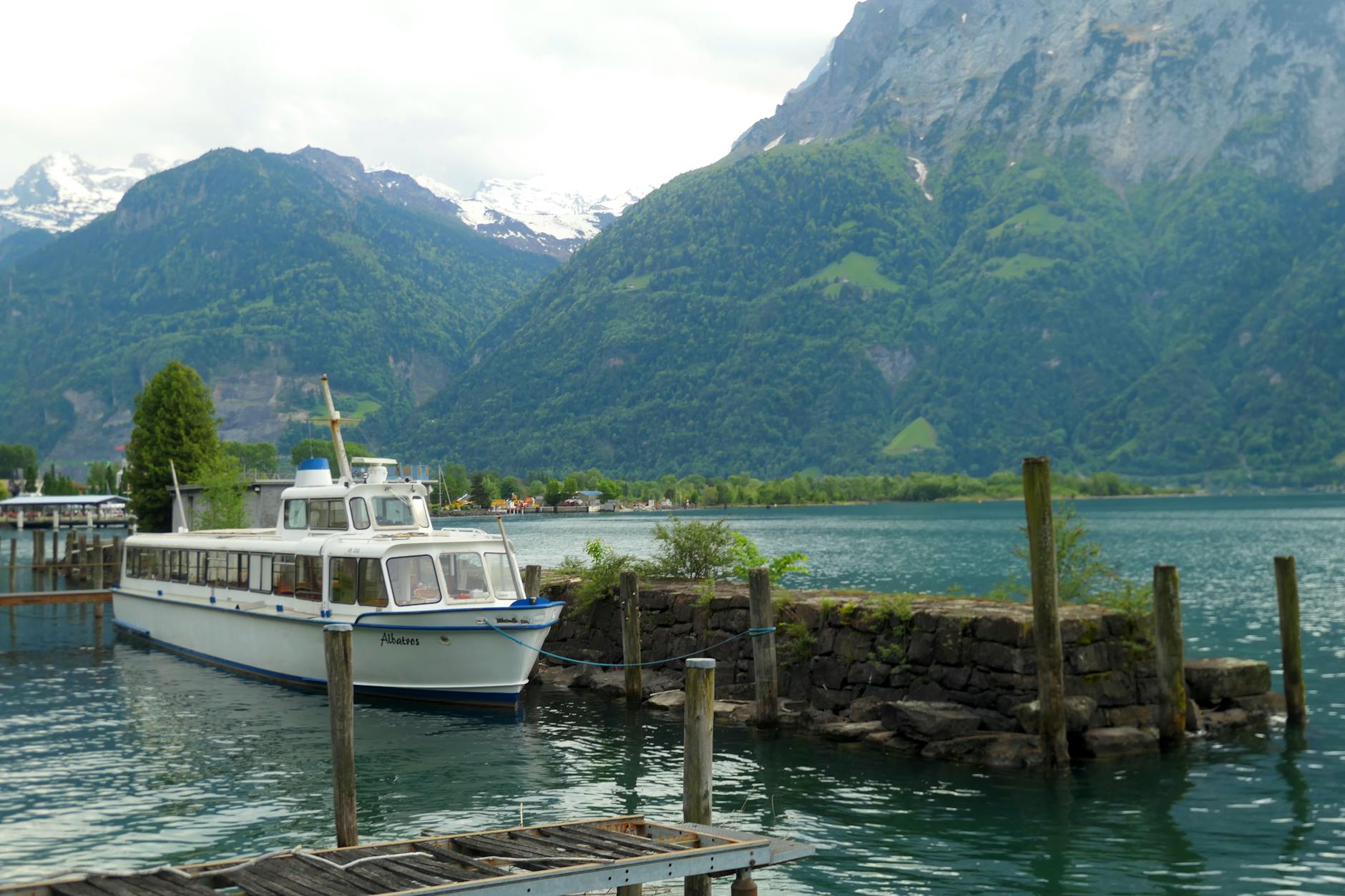
A repeat leisure visit to Lucerne can be richer than the first one if the traveler does not simply repeat Chapel Bridge photos, a rushed lake walk, and a vague mountain plan. The advantage of returning is familiarity. The traveler can use that familiarity to slow down, choose a more interesting base, test a different shoreline, revisit a favorite view at the right time of day, and spend money only where it improves the stay.
Do not copy the first visit by default
The repeat visitor already knows Lucerne's headline beauty. The risk is using that knowledge lazily: the same hotel area, the same rushed bridge walk, the same undecided lake plan, and the same expensive meals chosen at the last minute. A better second or third visit starts with the question of what felt unfinished last time.
The return trip should have a new purpose.
- List what was missed, rushed, overpriced, too crowded, or worth repeating from the previous Lucerne visit.
- Choose one fresh theme: lake villages, better food, a slower Old Town stay, photography, museums, or a specific mountain day.
- Keep one familiar anchor, such as a favorite hotel area or walk, but do not let it consume the whole itinerary.
Use the lake for depth, not decoration
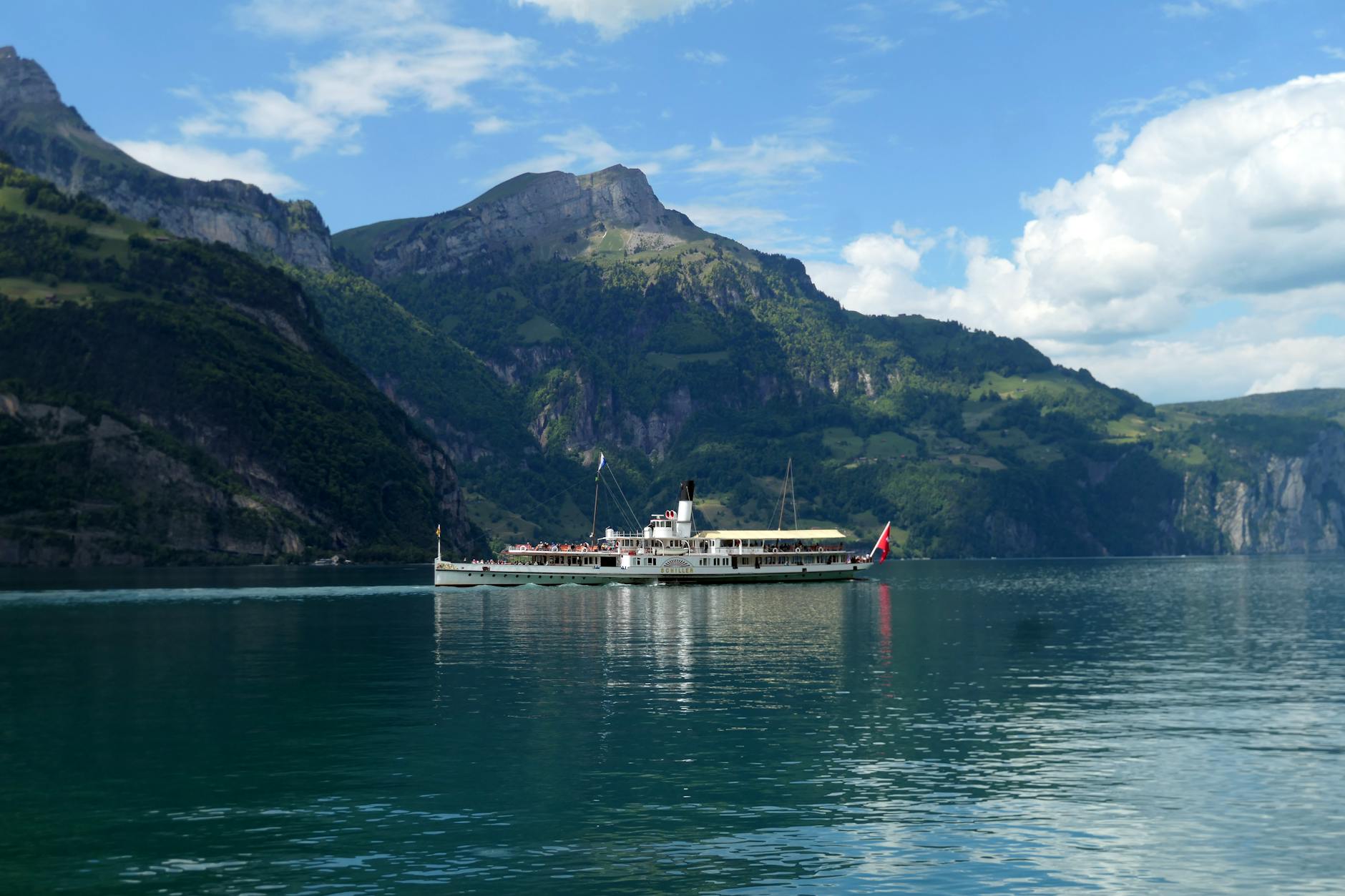
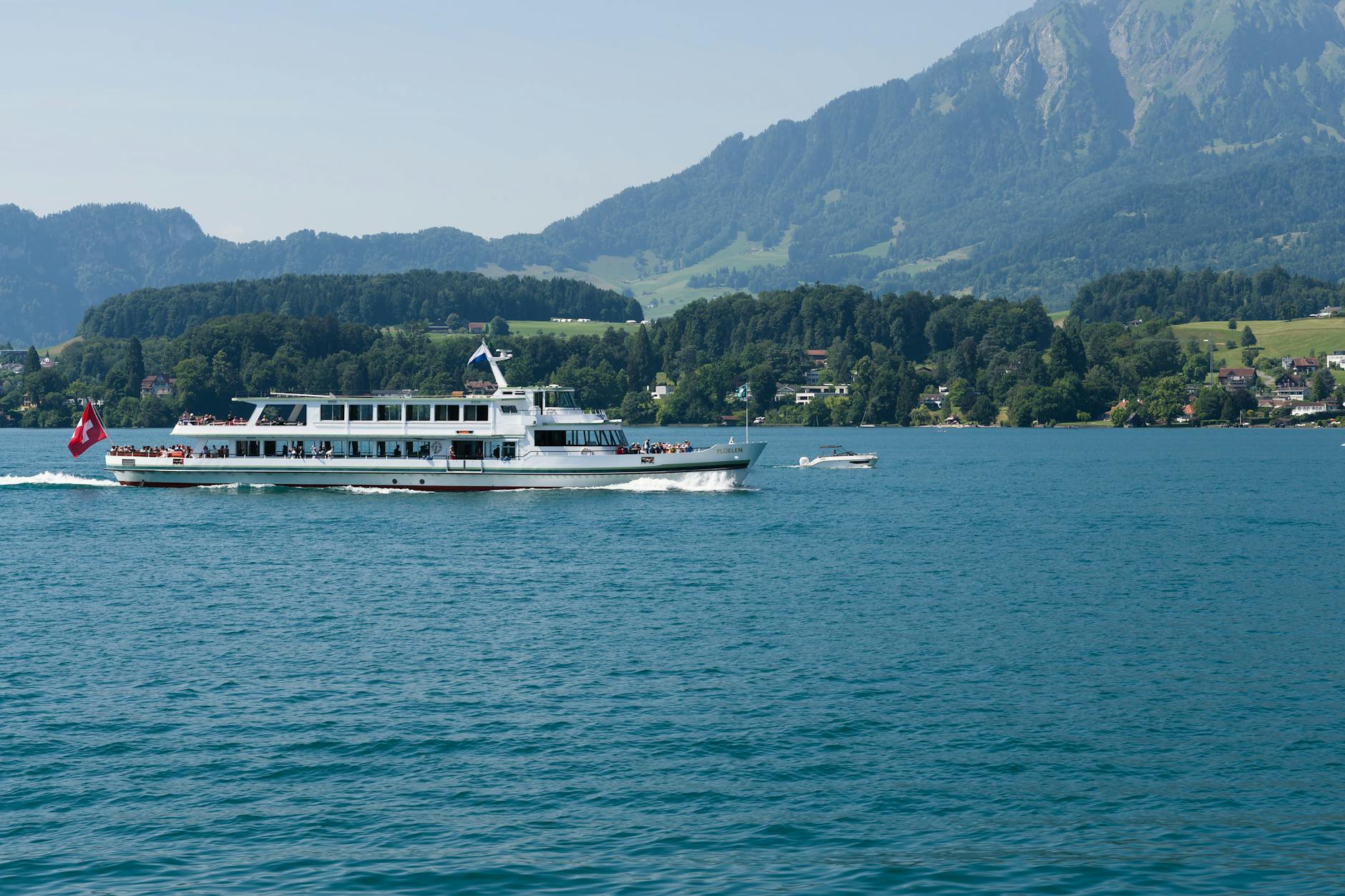
Many first visits treat Lake Lucerne as scenery beside the city. A repeat visitor can make the lake a real part of the trip. Boats, shore villages, viewpoints, swimming season, lunch stops, and quiet late-day returns can turn Lucerne from a compact city break into a fuller landscape stay.
The lake deserves its own plan when time is short.
- Compare short lake rides, longer boat routes, village stops, and return times before choosing a ticket.
- Build a lake plan around one meal, viewpoint, village, or walk instead of riding without a purpose.
- Keep weather, wind, season, and last boat times in the same decision as scenery.
Choose one shore or village properly
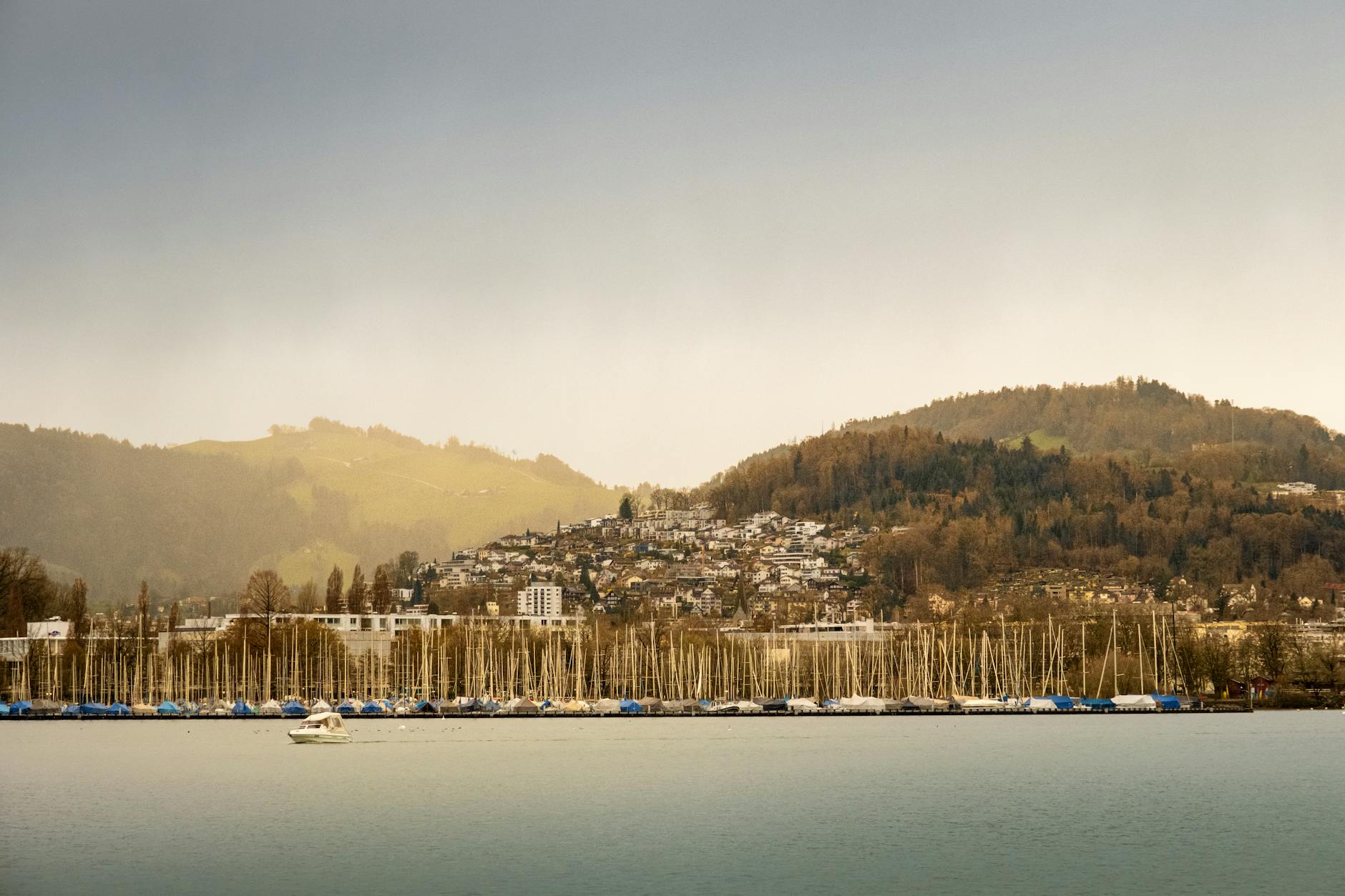
A return visit is a good time to leave central Lucerne for a specific shore segment or village, but the choice should be deliberate. The traveler should know what the stop offers, how much walking is involved, when food is available, and how the return works. A village that looks simple on a map can still become awkward if the timing is loose.
One well-chosen side trip beats three vague ones.
- Pick a single village, shore walk, museum, viewpoint, or meal stop and build the day around it.
- Check boat, rail, bus, walking distance, restaurant hours, bathrooms, and return options before leaving Lucerne.
- Avoid adding a remote stop late in the day unless the return path is clear.
Let weather decide the scenic order
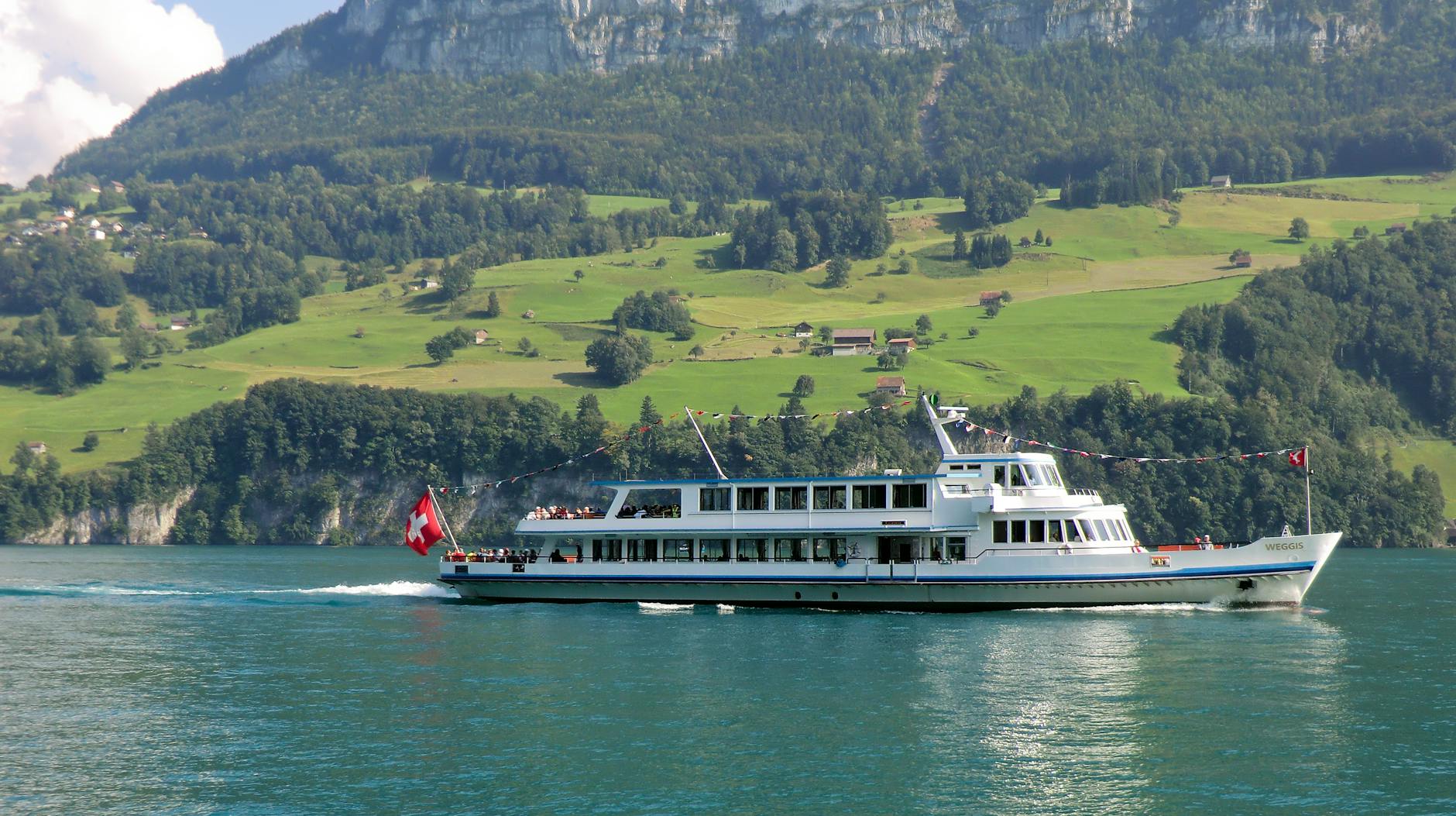
A repeat visitor may already know that Lucerne can change quickly with cloud, rain, fog, heat, or winter conditions. The itinerary should keep scenic commitments movable where possible. If visibility is excellent, use the mountain or lake window. If clouds settle in, use the city, museums, cafes, hotel spa, shopping, churches, or shorter waterfront walks.
Returning gives the traveler permission to be flexible.
- Check visibility and weather before paying for mountain tickets or committing to long lake routes.
- Keep city-based plans ready for cloudy or wet periods rather than forcing poor-value scenery.
- Use early mornings, late afternoons, and clear windows for favorite views and photography.
Upgrade selectively, not automatically
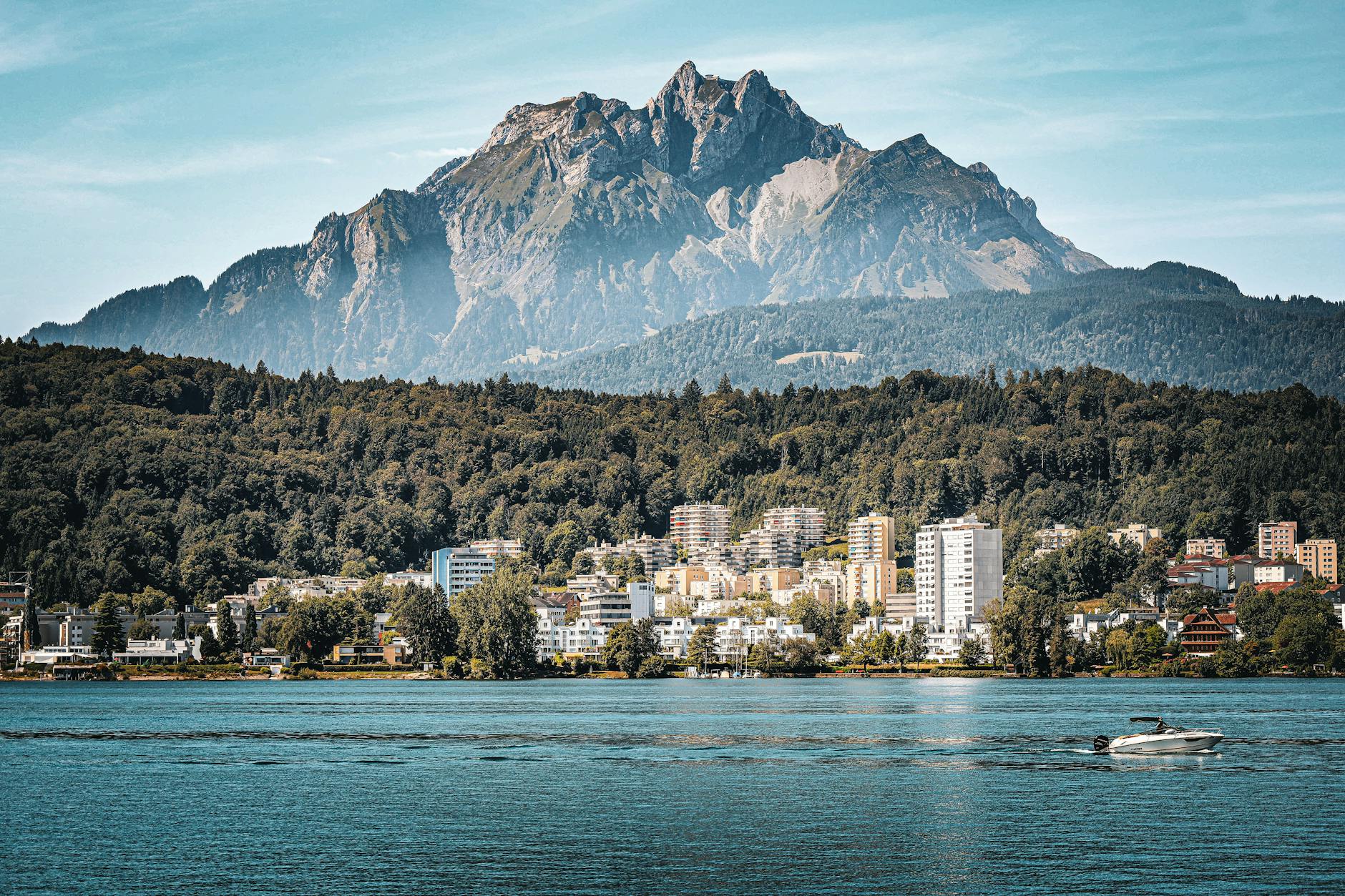
A repeat leisure visitor may want a better hotel, a lake-view room, a finer meal, a private transfer, or a more expensive excursion. Those upgrades can be worthwhile, but only when they solve a real problem or improve the specific trip. Spending more without a clear purpose can simply recreate the first visit at a higher price.
The best upgrade changes how the day feels.
- Pay more for hotel location, view, quiet, spa access, breakfast, or transport only when it supports the planned rhythm.
- Reserve one meaningful meal or experience instead of allowing every decision to drift upward in cost.
- Check cancellation rules and weather sensitivity before committing to expensive scenic plans.
Keep the return logistics crisp
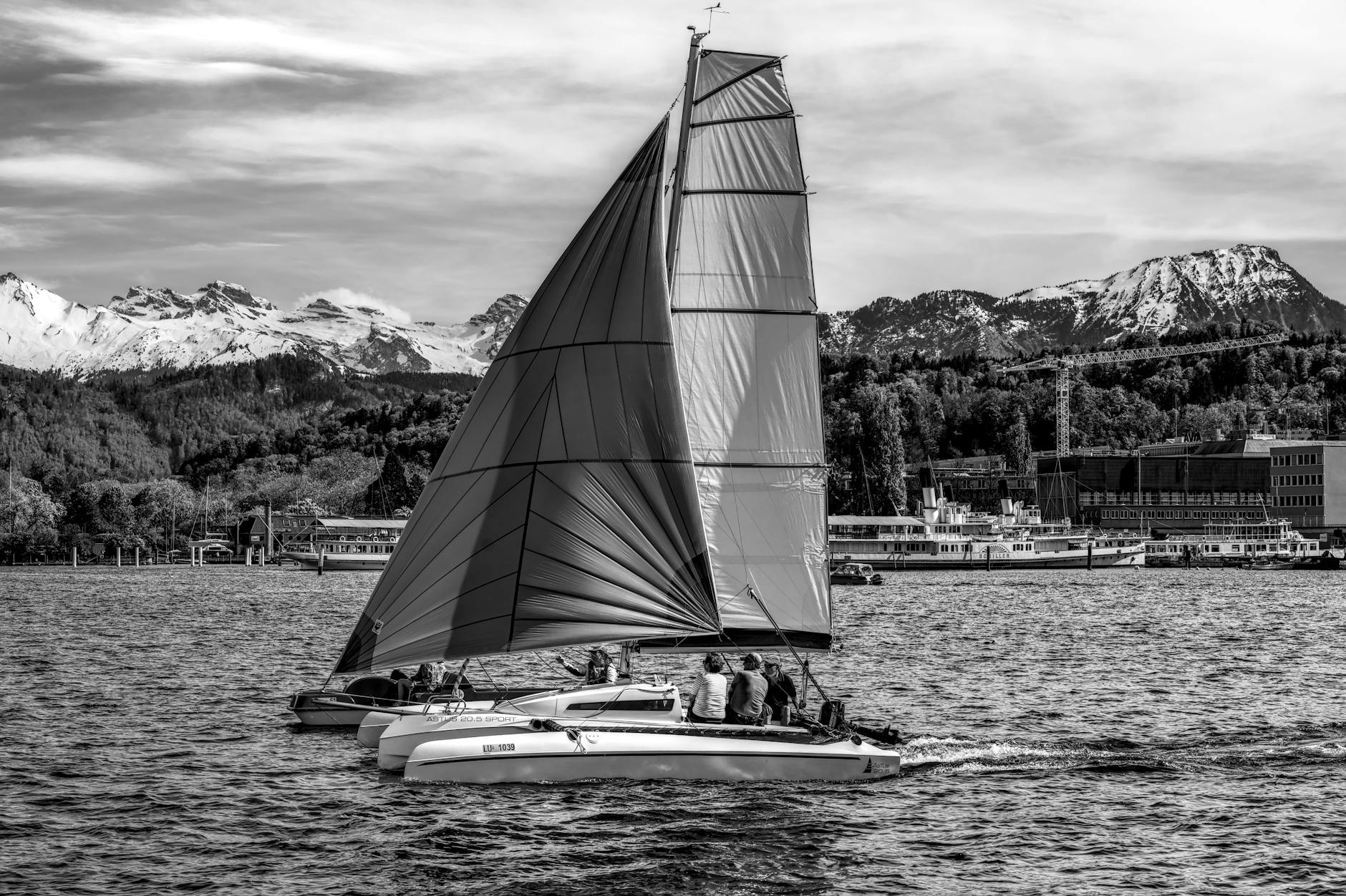
Familiarity can make repeat visitors too casual about departure. Lucerne's rail links are strong, but a tight airport connection, luggage storage mistake, late boat return, or slow hotel checkout can still create stress. The final day should protect the departure before adding one more view or meal.
A good return trip ends cleanly.
- Check rail departure, platform changes, Zurich Airport timing, luggage storage, checkout, and last scenic activity together.
- Keep final-day plans close to the station or hotel when the onward connection matters.
- Do not let a lake or mountain return sit too close to an international flight or fixed appointment.
When to order a short-term travel report
A repeat leisure visitor who already has a favorite hotel and a flexible weekend may not need a custom report. A report becomes useful when the traveler wants a different lake route, better-value hotel choice, a mountain decision, restaurant planning, a seasonal visit, a multi-city Swiss sequence, or a trip that avoids repeating old mistakes.
The report should test what changed since the last visit, which familiar pieces are worth keeping, which new routes are worth the time, how weather affects the plan, and where money improves the experience. The value is a Lucerne return that feels intentional rather than automatic.
- Order when the return visit needs new lake, village, hotel, dining, weather, or departure decisions.
- Provide previous-trip notes, dates, hotel preferences, favorite and disliked areas, budget, walking tolerance, and must-repeat items.
- Use the report to turn familiarity into a sharper, calmer, and more satisfying Lucerne stay.