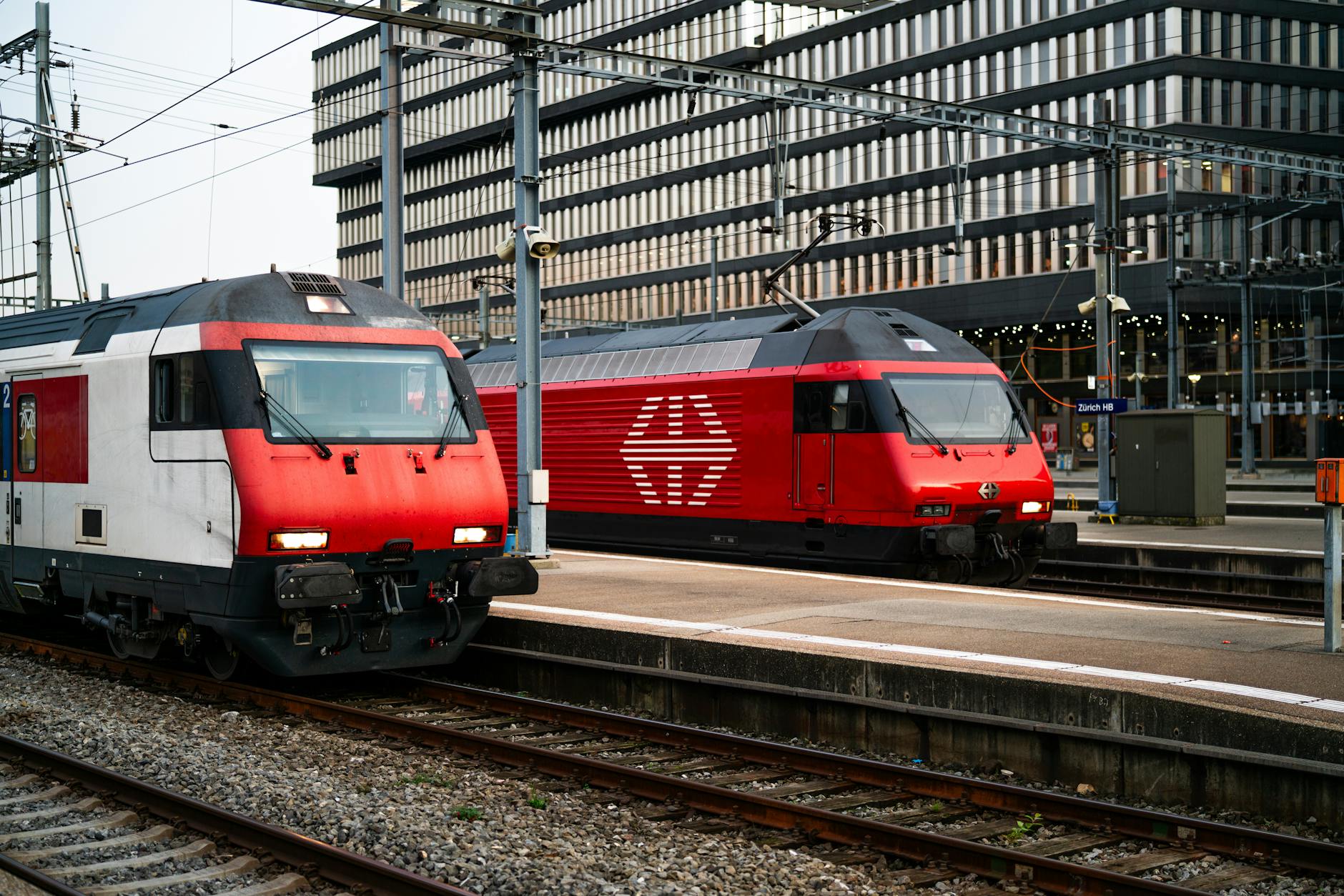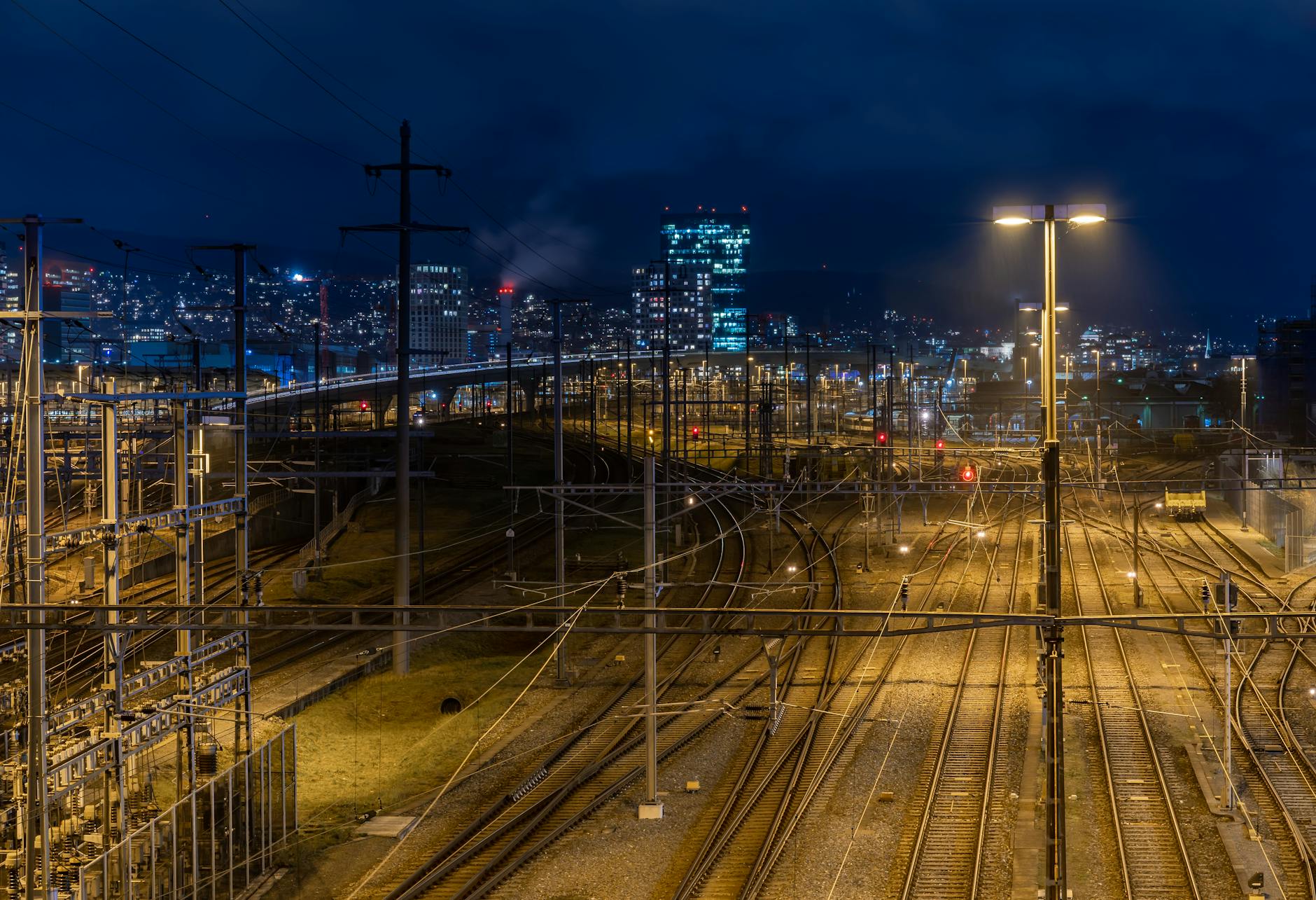
A short trade-show trip to Zurich is shaped by more than the show floor. The attendee may need to handle Zurich Airport arrival, Oerlikon or central hotel choices, booth setup, badge pickup, client dinners, shipping, sample rules, high lodging costs, and precise transit. Zurich's efficiency helps when the plan is specific and becomes expensive when the attendee assumes the city will simply absorb mistakes.
Confirm the venue before choosing the hotel
Zurich trade-show attendees should not book only by downtown appeal. A show may be at Messe Zurich in Oerlikon, a hotel venue, a university space, an airport-area facility, or another business location. The correct hotel depends on the venue, booth setup time, client meetings, evening events, and final departure.
The hotel should shorten the hardest repeated movement, not just look convenient on a city map.
- Confirm the exact venue, hall entrance, badge area, freight or sample rules, and setup schedule before booking lodging.
- Compare Oerlikon, airport-area, Hauptbahnhof, and central Zurich hotels by real routes and event timing.
- Check whether evening meetings or client dinners make a central hotel more practical than a venue-adjacent one.
Plan airport arrival around booth and badge timing
Zurich Airport can connect efficiently to the city, but trade-show arrival often includes more than reaching a hotel. The attendee may need to collect a badge, reach a setup window, meet a colleague, receive samples, or attend a welcome event. Checked materials and delayed luggage can create more risk than a normal business trip.
The first day should be built around the first obligation that cannot slip.
- Map flight arrival, immigration, luggage, rail or taxi transfer, hotel bag drop, badge pickup, and booth setup windows.
- Carry essential documents, badges, chargers, business cards, presentation files, and one day of show clothes onboard.
- Leave margin before client dinners, exhibitor briefings, sponsor events, or appointment-heavy opening sessions.
Separate show-floor logistics from normal travel
A trade-show attendee has practical needs that a regular visitor does not: booth materials, product samples, printed collateral, lead capture tools, demo equipment, comfortable shoes, storage, and shipping. Zurich's high service costs make improvising these items expensive. The attendee should know what is coming by freight, what is carried, and what can be sourced locally.
Show-floor reliability starts before the traveler leaves home.
- Confirm sample rules, freight deadlines, booth access, storage, power adapters, display equipment, and printed material needs.
- Carry small essentials that would be costly to replace, including adapters, labels, tape, chargers, and backup files.
- Know where materials are stored overnight and who can access them if the attendee is delayed.
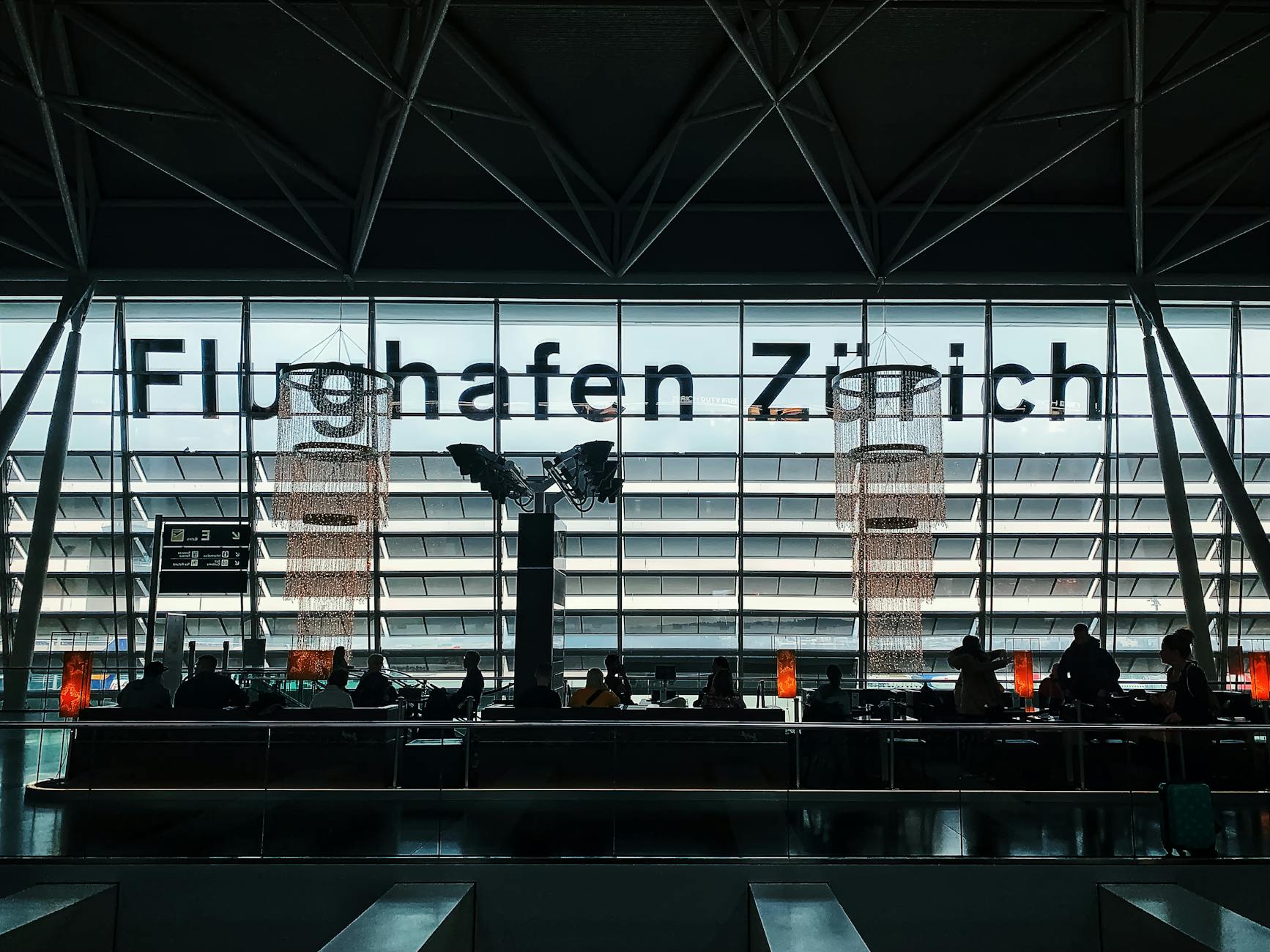
Use Zurich transit without cutting timing too close
The city can make movement between airport, Oerlikon, Hauptbahnhof, hotels, and central meeting areas efficient. Trade-show days, however, involve queues, coat checks, hall walking, crowded departures, and conversations that run long. The attendee should build buffer into every fixed meeting, especially when moving between the show floor and off-site appointments.
Punctual transit is useful only when the schedule allows real-world friction.
- Check routes from hotel to venue, venue to client meetings, evening events, Hauptbahnhof, and Zurich Airport.
- Allow time for hall exits, badge checks, coat storage, crowded trams, rain, and unfamiliar station exits.
- Use taxis or private transfers selectively for senior meetings, samples, late nights, or tight departures.
Budget for the professional version of Zurich
Zurich is expensive for leisure travelers and can be sharper for trade-show attendees. Hotels rise around events, restaurant reservations matter, taxis can be justified but costly, and last-minute printing or shipping can be painful. The attendee should clarify what the company, client, sponsor, or association will cover before making convenience decisions.
Cost discipline helps the traveler spend where reliability matters.
- Clarify reimbursement for hotel, meals, taxis, samples, shipping, printing, storage, laundry, and event fees.
- Book hotels early around major events and track cancellation deadlines carefully.
- Keep receipts by category so the expense report does not become another post-show burden.
Plan networking beyond the booth
Trade-show value often comes from meetings that happen away from the stand: breakfast near the hotel, coffee near the venue, a client dinner in central Zurich, a reception, or a quick office visit. These plans should be mapped by route, dress, cost, reservation status, and return timing. The attendee also needs enough recovery to be useful on the show floor the next day.
Networking works better when logistics are quiet in the background.
- Map client meetings, receptions, dinners, office visits, and informal coffee slots by venue and return route.
- Check reservations, dietary needs, dress expectations, payment norms, and transit after evening events.
- Protect sleep and foot recovery during multi-day shows with heavy floor time.
When to order a short-term travel report
A trade-show attendee with a simple venue hotel and no materials may not need a custom Zurich report. A report becomes useful when venue geography, hotel cost, setup timing, samples, shipping, client meetings, airport transfers, or evening events need to fit into a short professional schedule.
The report should test venue location, hotel base, airport transfer, setup and badge timing, daily routes, meeting geography, cost exposure, backup transport, material logistics, and departure day. The value is a Zurich trade-show trip where the attendee can focus on the floor instead of managing preventable friction.
- Order when venue access, Oerlikon versus central lodging, setup timing, samples, meetings, or departure logistics need testing.
- Provide dates, venue, hall details, flight times, hotel options, booth duties, meeting list, and material requirements.
- Use the report to make the trade-show schedule realistic from arrival through final airport transfer.