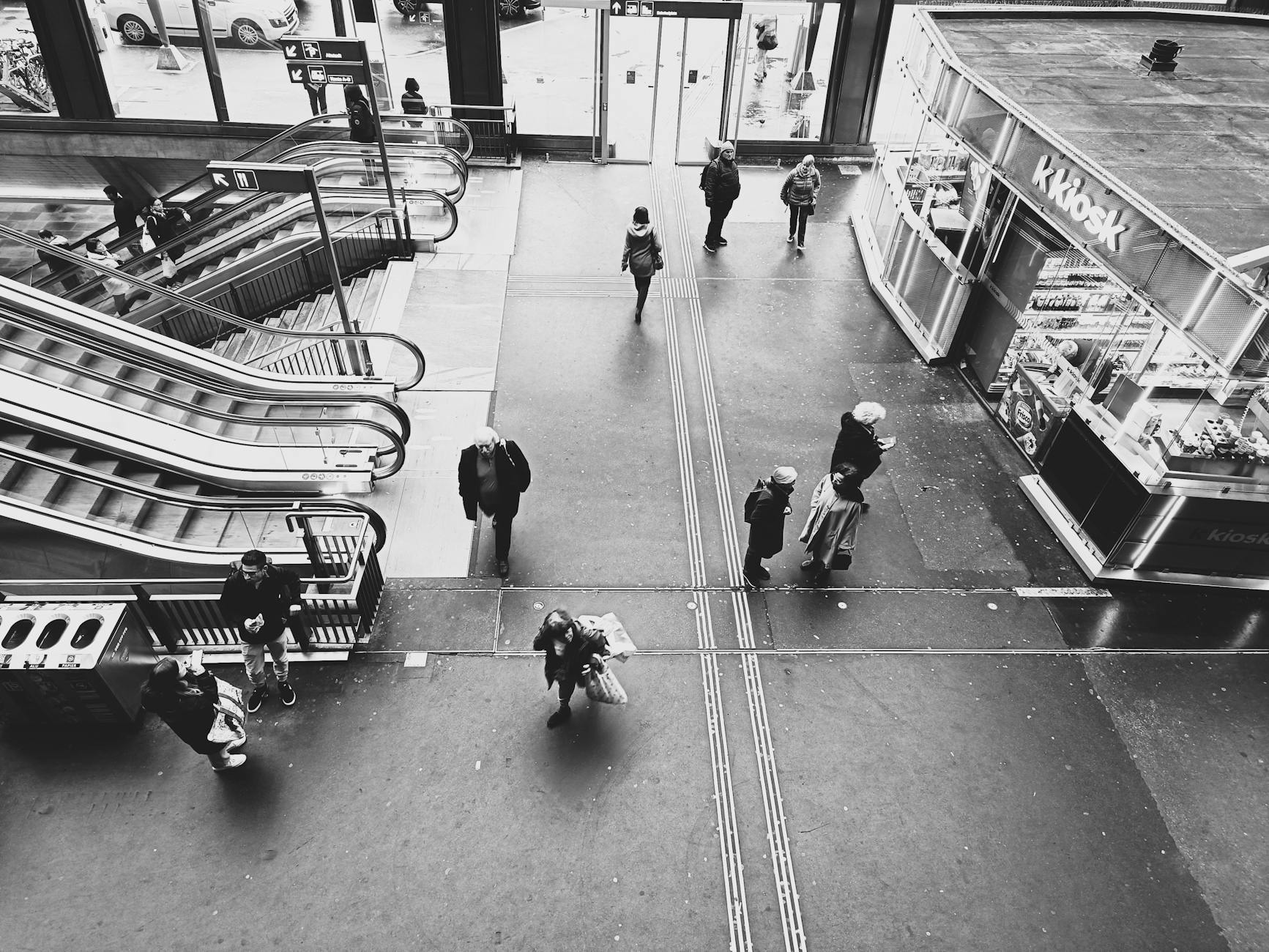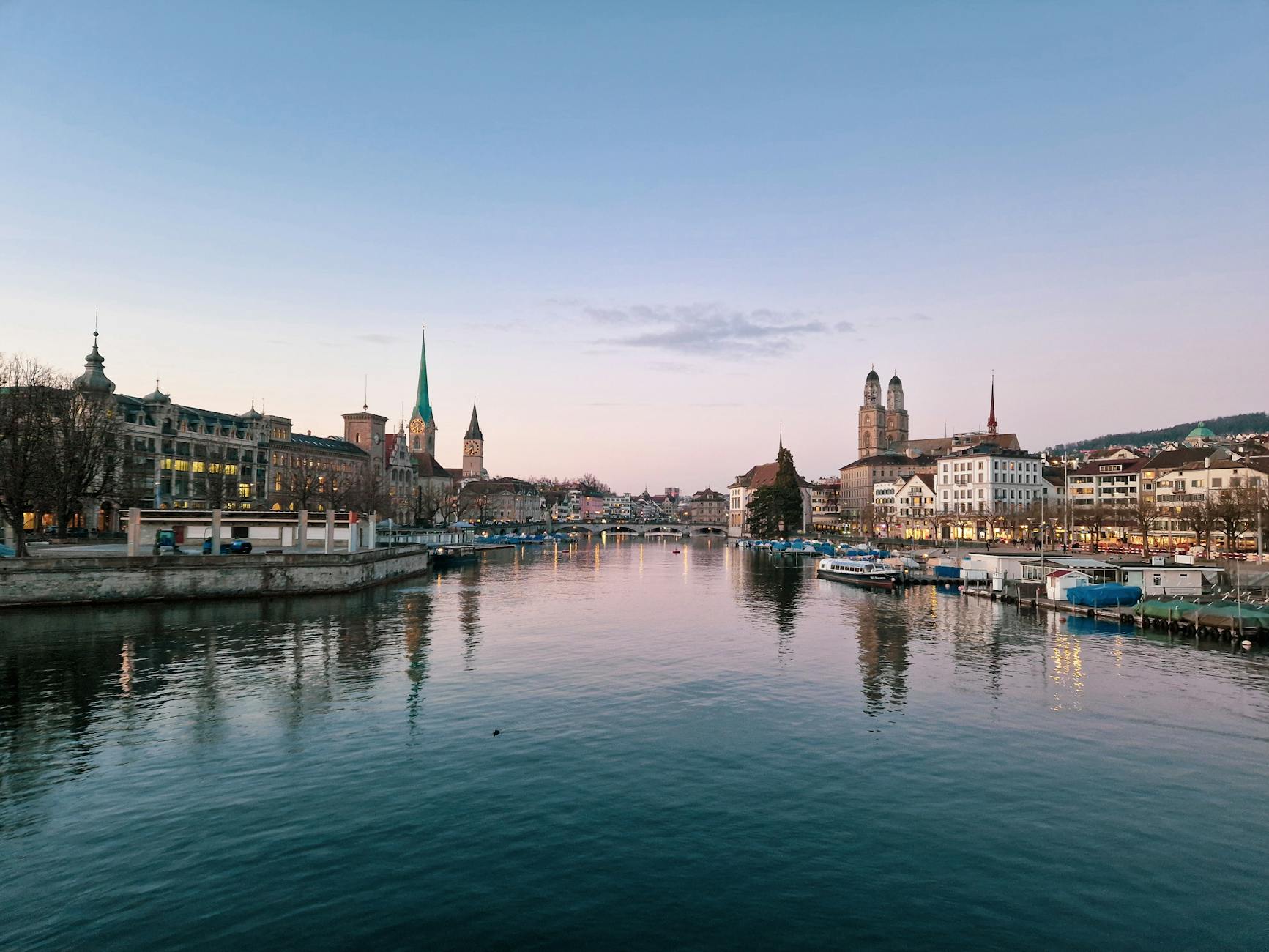
A short consulting trip to Zurich can be very productive when the traveler treats logistics as part of the engagement. Client sites may sit near Paradeplatz, Zurich West, Oerlikon, the university area, the airport, or outside the core. Zurich's trains, trams, high costs, tidy business culture, and compact center help when the consultant plans the day around punctuality, work equipment, privacy, and recovery rather than sightseeing.
Map the client site before booking the hotel
A consultant should not assume the useful Zurich base is the most central one. The client may be near Paradeplatz, Zurich West, Oerlikon, Enge, a university area, the airport, or a suburban office. The hotel should support the first morning, the final departure, confidential work, and any dinners or workshops.
The right hotel is the one that protects the assignment's fixed moments.
- Map the client site, hotel options, Zurich Airport, Hauptbahnhof, dinner locations, and any secondary offices.
- Compare central, Oerlikon, airport-area, lake-adjacent, and Zurich West lodging by actual meeting routes.
- Check room desk quality, Wi-Fi, quiet, breakfast timing, laundry, and late check-in before booking.
Build punctual transfers with real buffers
Zurich rewards punctuality, but a consultant still needs margin for luggage, unfamiliar exits, weather, reception desks, security, and client-site navigation. Airport rail can be excellent, yet a tight first meeting after a long flight may still be fragile. The consultant should know the primary route and the paid backup route.
Reliability matters more than shaving a few minutes from the schedule.
- Check exact transfer timing from airport or station to hotel and from hotel to client site.
- Allow margin for reception, visitor badges, elevators, weather, station exits, and carrying presentation materials.
- Use taxis or private transfers when the cost protects a workshop, executive meeting, or final departure.
Protect workability and confidentiality
Consulting travel often requires calls, document review, sensitive materials, and focused evening work. The hotel room, lobby, train, and cafe are not equally suitable for every task. The consultant should plan where confidential work will happen, how devices will be charged, and how files will be protected while moving through the city.
Workability is a travel requirement, not an afterthought.
- Confirm reliable Wi-Fi, desk space, power outlets, quiet, secure storage, and suitable call locations.
- Keep chargers, adapters, VPN access, offline files, presentation backups, and client documents organized.
- Avoid confidential calls or visible documents in crowded trams, cafes, hotel lobbies, and airport lounges.
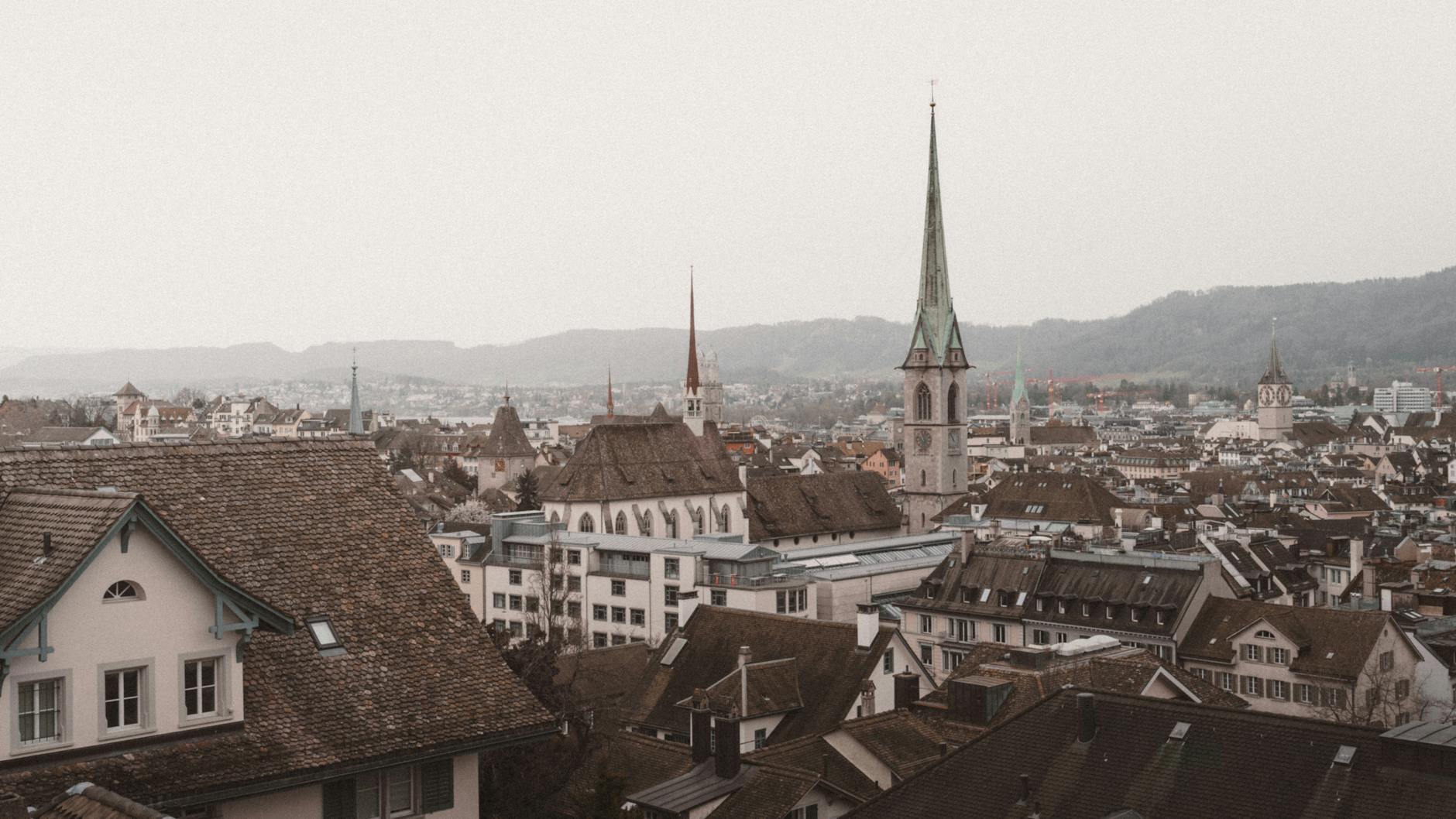
Plan meals around the workday
A Zurich consultant may need breakfast before an early workshop, quick lunch near the client site, coffee between meetings, and dinner with the client or team. Swiss prices and reservation pressure make it risky to leave all meals to chance. The food plan should support energy, discretion, and timing.
Meals should help the engagement rather than interrupt it.
- Identify breakfast options, client-site lunch choices, coffee locations, and dinner reservations before the first workday.
- Check dietary needs, payment expectations, reimbursement rules, and whether client meals require reservations.
- Keep snacks and water available for long workshops, back-to-back interviews, or delayed meals.
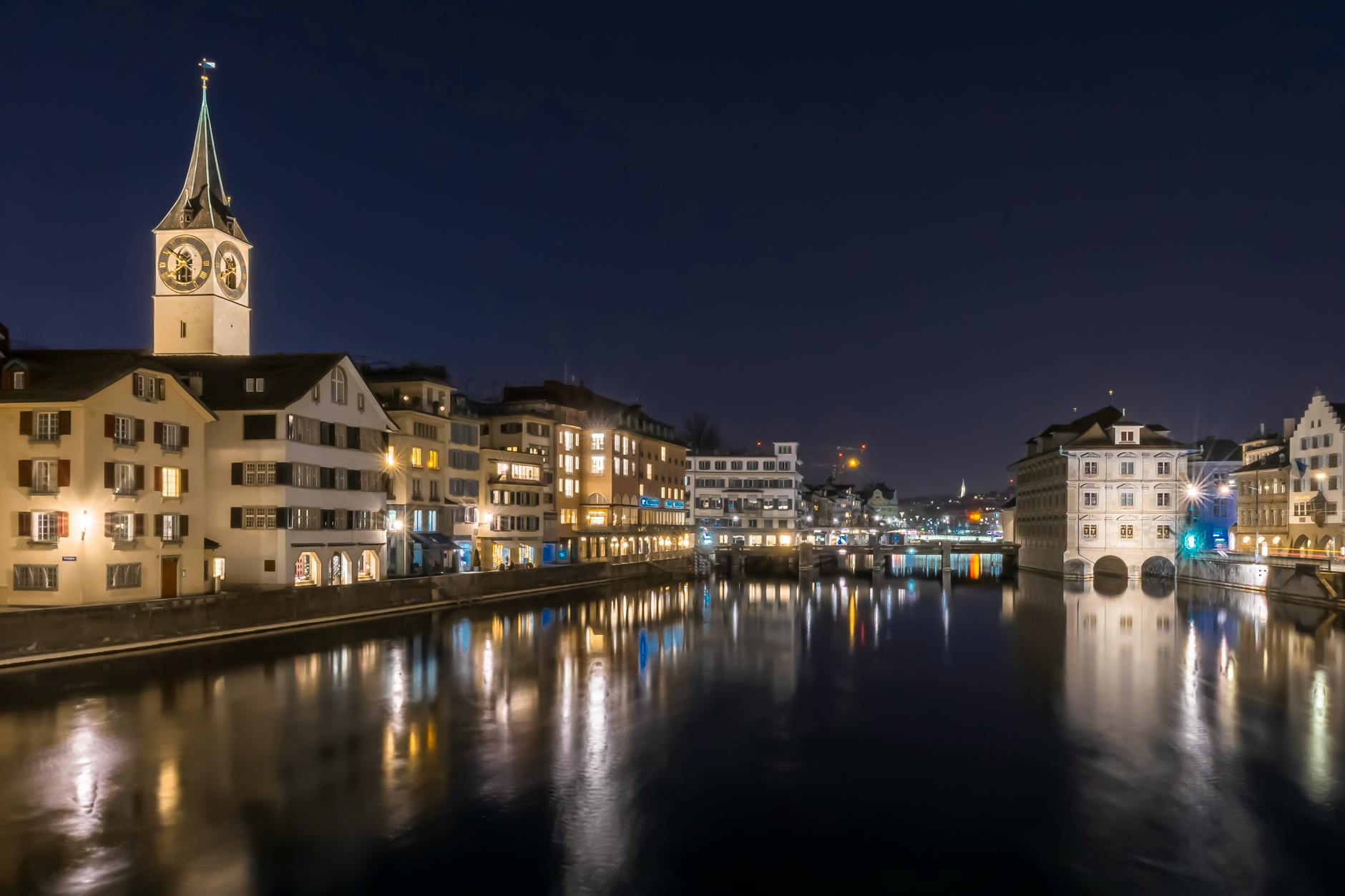
Control costs without weakening the assignment
Zurich can make consulting expenses climb quickly through hotels, taxis, meals, printing, laundry, and late booking. The traveler should know what the firm or client will reimburse and where convenience is justified. Saving money on the wrong hotel or transfer can cost more in lost time, fatigue, or missed preparation.
The budget should support reliability first and economy second.
- Clarify reimbursement for hotel, meals, taxis, printing, laundry, luggage storage, and last-minute changes.
- Book lodging early around conferences, financial events, holidays, and major local demand periods.
- Reserve premium spending for the movements and work conditions that protect the engagement.
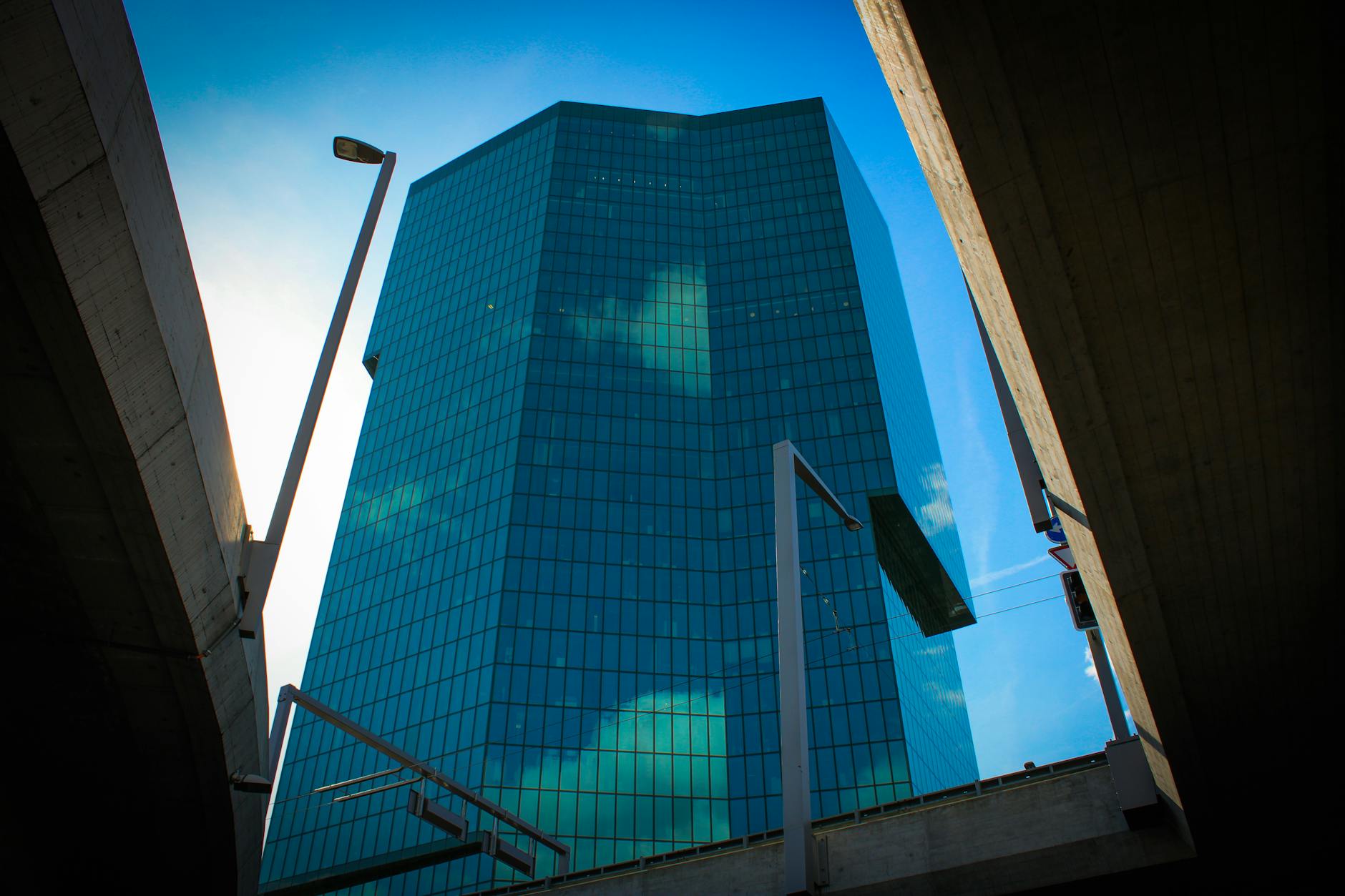
Add city time only where it fits
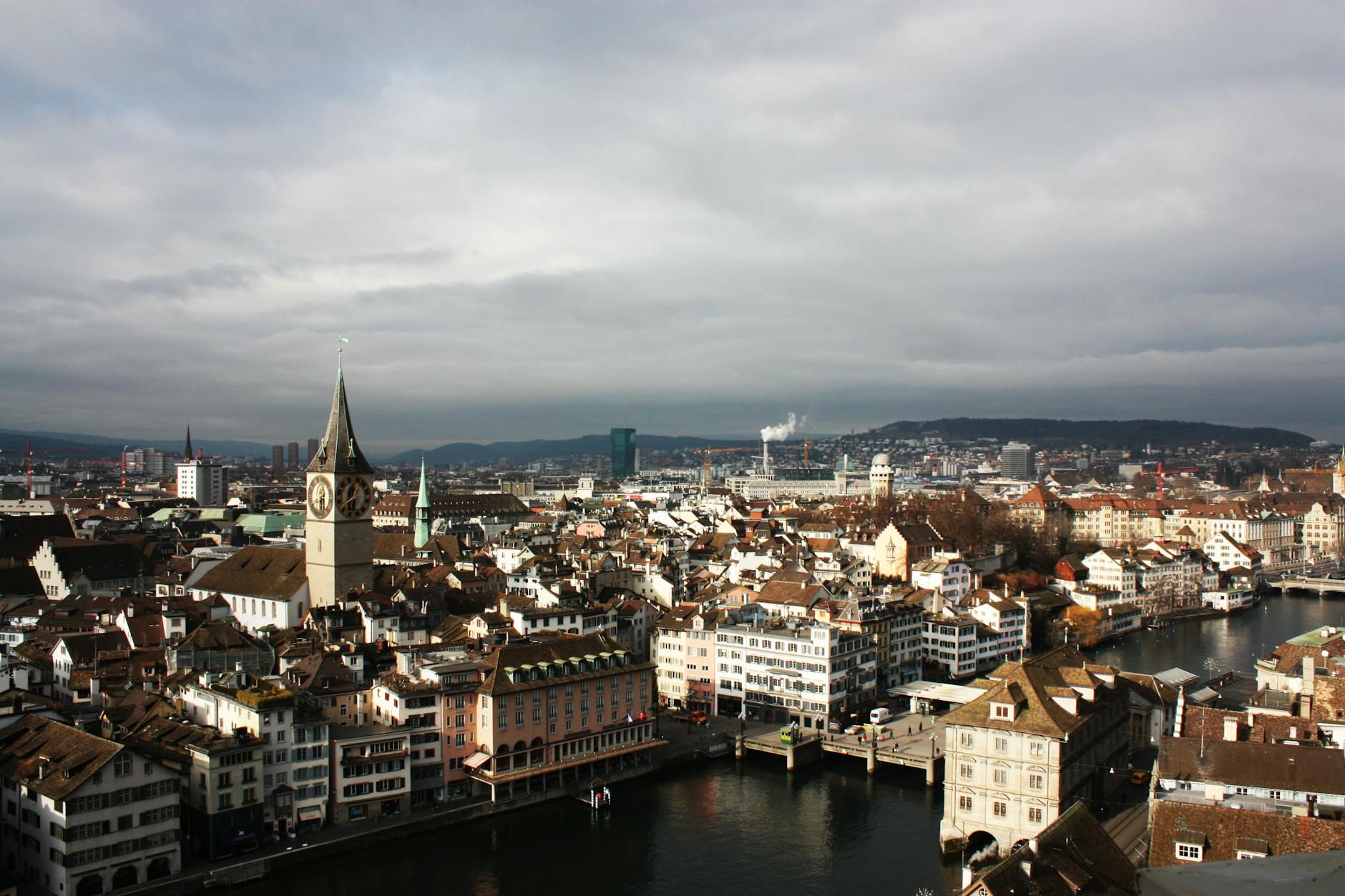
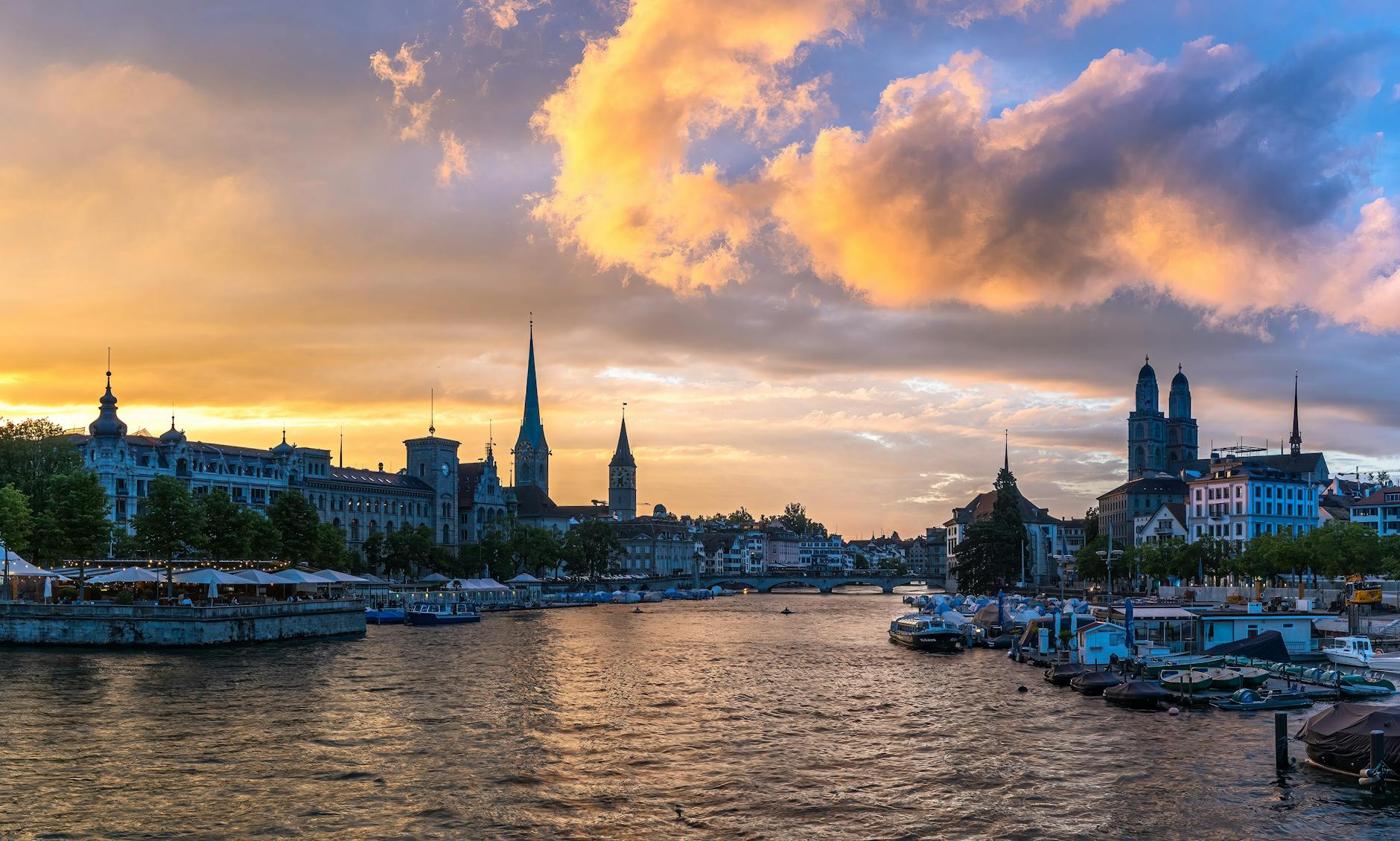
Zurich can give a consultant a useful short reset: a walk along the Limmat, a lakefront pause, a quick tram ride, or a quiet dinner. The city time should be close to the hotel, client site, or station so it can be shortened if work expands. A distant add-on rarely belongs in a compressed consulting visit unless the schedule has real slack.
The city should support recovery, not compete with delivery.
- Use the Limmat, lakefront, old town edge, or a short tram ride for compact recovery time.
- Keep optional city time near the hotel, client site, Hauptbahnhof, or dinner location.
- Avoid long excursions when preparation, sleep, or departure timing would suffer.
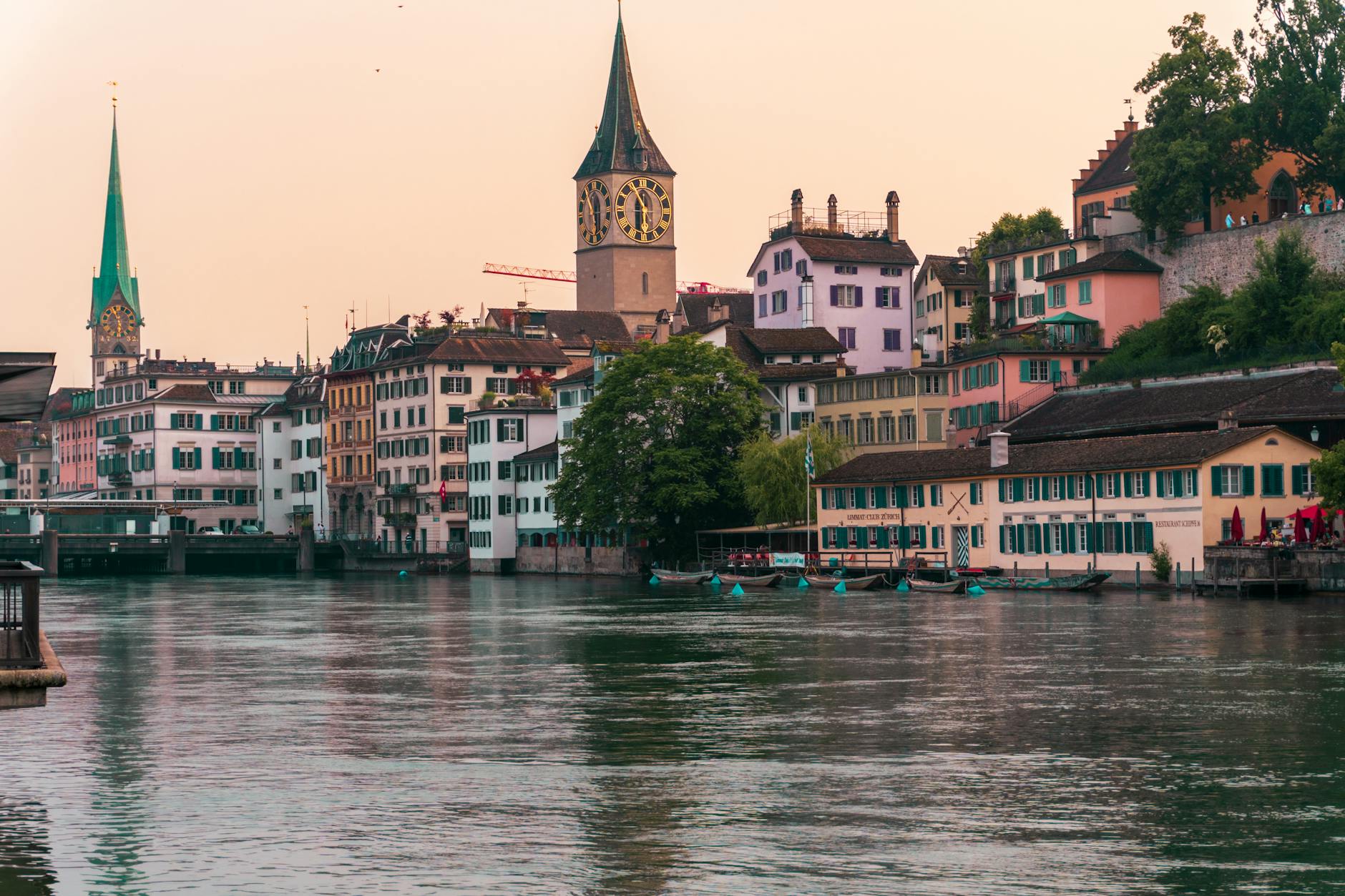
When to order a short-term travel report
A consultant with one central client site and a familiar hotel may not need a custom Zurich report. A report becomes useful when the client location is unfamiliar, the first meeting is tight, hotel prices are high, confidentiality matters, multiple offices are involved, or departure day must follow a full work session.
The report should test client-site geography, hotel base, airport transfer, daily routes, workability, confidential call locations, meal timing, cost exposure, recovery windows, and final departure logistics. The value is a Zurich consulting trip that keeps attention on the client problem instead of travel friction.
- Order when client-site routing, hotel workability, first-morning timing, confidentiality, or departure logistics need testing.
- Provide dates, client addresses, flight times, hotel options, meeting schedule, reimbursement rules, and work requirements.
- Use the report to make the assignment reliable while leaving only realistic space for Zurich itself.