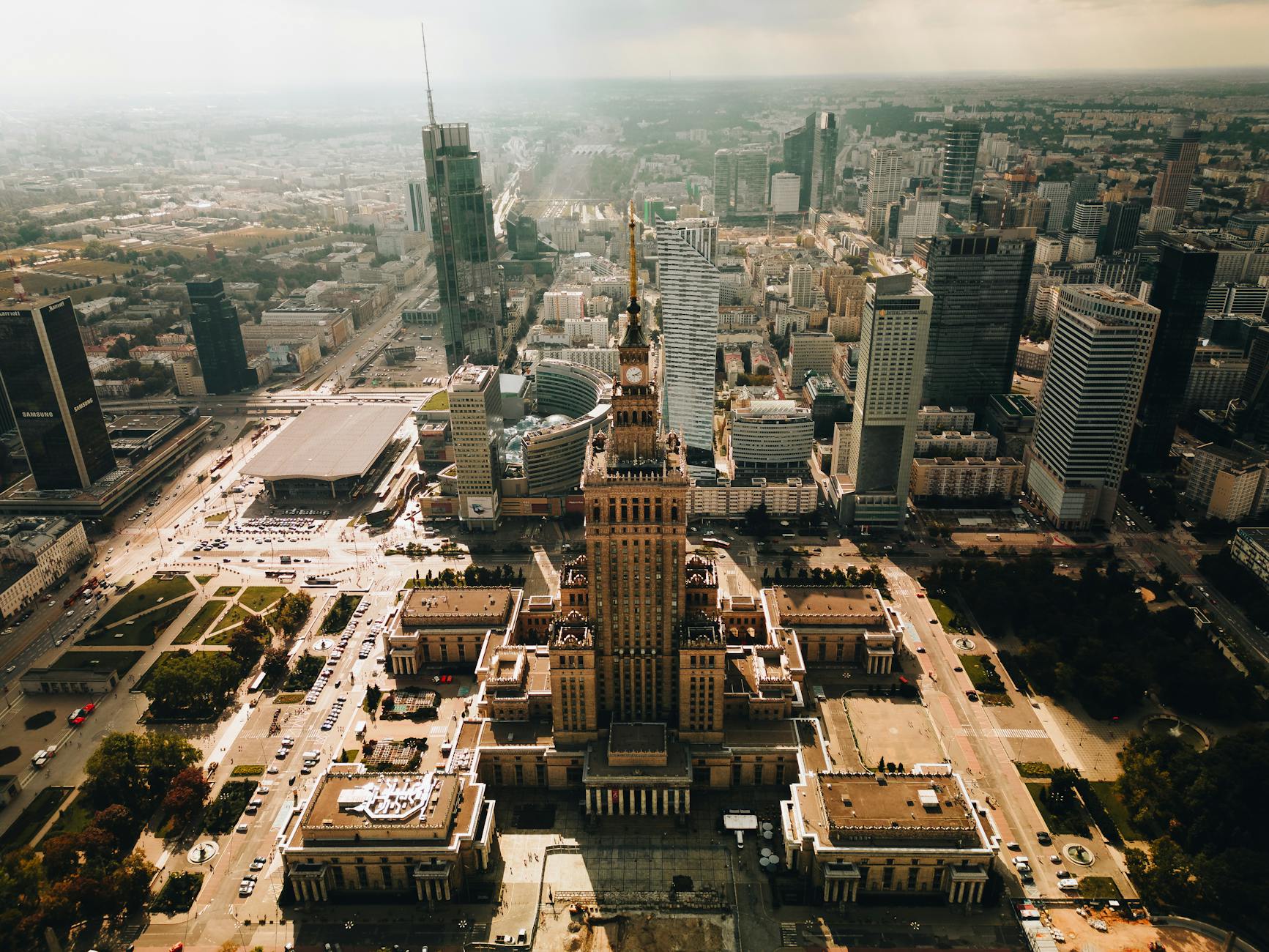
Warsaw can be workable for a traveler with medical constraints when the short stay is built around practical support, not wishful pacing. The city has hotels, pharmacies, transport, parks, museums, and medical services, but the traveler should plan medications, access, rest, weather exposure, and emergency steps before arrival.
Start with medical clearance and documentation
A traveler with medical constraints should confirm with a qualified clinician that the Warsaw trip, flight length, walking load, weather, and schedule are appropriate. Documentation should be practical: prescriptions, diagnosis summary if relevant, medication names, allergy information, insurance details, and emergency contacts.
The trip should be built around known limits.
- Discuss flights, walking, stairs, temperature exposure, diet, sleep disruption, and planned activities before travel.
- Carry prescriptions, medication names, allergy information, insurance details, and emergency contacts.
- Keep critical documents offline and in paper form when access matters.
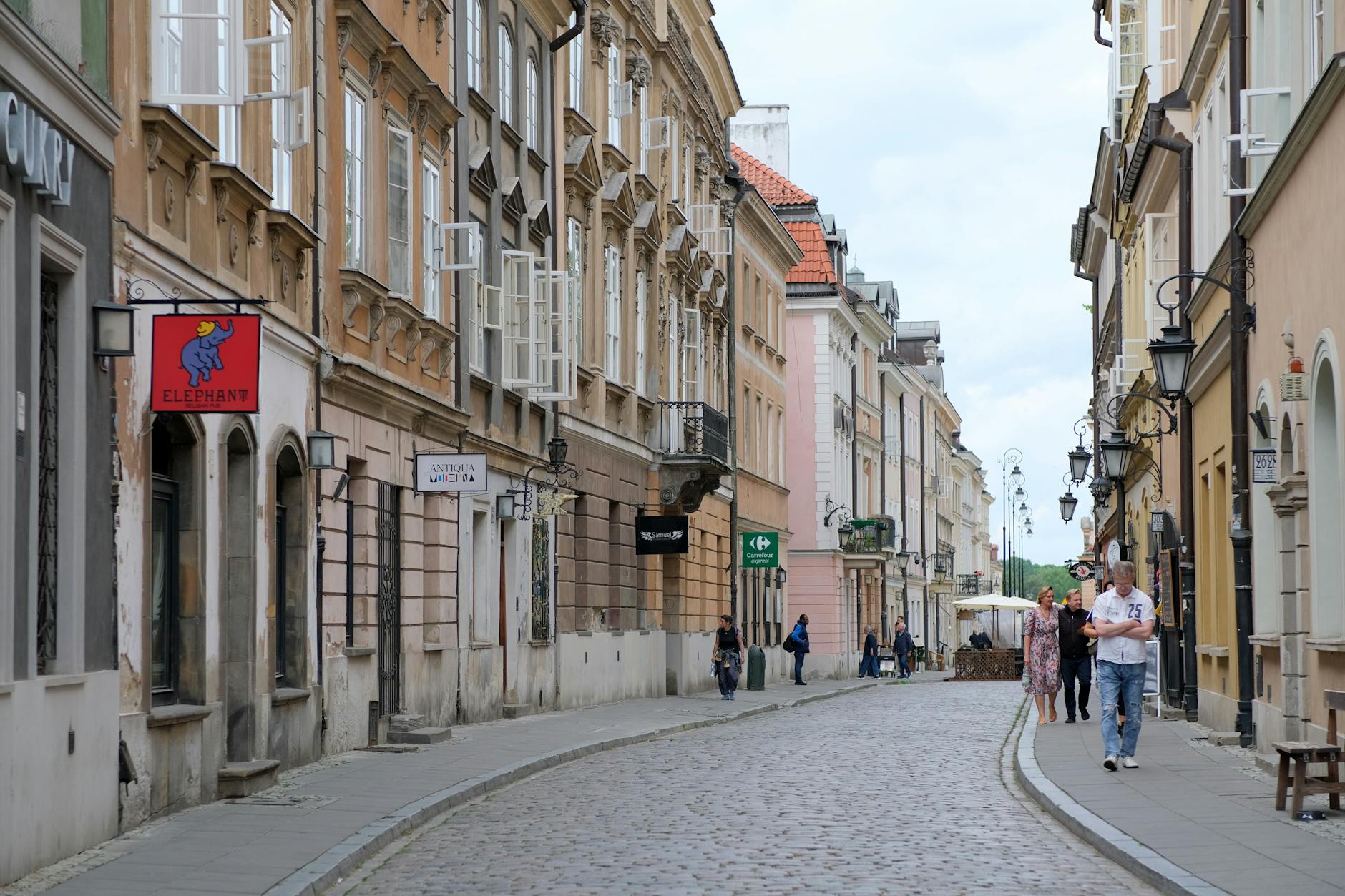
Choose lodging for access and recovery
The hotel should support the medical reality of the trip. Elevator access, room layout, shower style, nearby food, quiet, heating or cooling, pharmacy proximity, taxi pickup, and the ability to rest between outings can matter more than brand or room size.
The room is part of the care plan.
- Confirm elevators, step-free access, shower setup, bed type, climate control, and quiet-room options.
- Check distance to meals, pharmacies, transport, and the main planned activities.
- Choose a hotel that allows midday rest instead of forcing every day to run from morning to night.
Plan medication and supplies conservatively
Medication planning should not depend on finding an exact replacement after arrival. The traveler should carry enough supply for delays, keep essential medication in hand luggage, and understand storage needs. If refrigeration, injections, oxygen, mobility aids, or special supplies are involved, those details need confirmation before departure.
Do not leave essential treatment to chance.
- Carry medication in original packaging where possible and keep essentials out of checked luggage.
- Bring extra supply for delays and know storage requirements during flights and hotel stays.
- Confirm airline, airport, and hotel handling for medical devices, cooling needs, or mobility aids.
Use transport to reduce strain
Warsaw has useful taxis, rideshare, metro, tram, bus, and rail, but the best option depends on the medical constraint, weather, stairs, luggage, walking distance, and fatigue. A route that is efficient for a healthy traveler may not be appropriate for this trip.
The right route is the one that preserves function.
- Check walking distance, stairs, elevators, transfers, and waiting conditions before choosing public transport.
- Use door-to-door transport when fatigue, pain, breathing limits, weather, or medication timing makes it wiser.
- Keep hotel and clinic addresses saved offline for quick routing.

Build short days with rest points
Warsaw's museums, Old Town, parks, and restaurants can be arranged into manageable days if the traveler plans rest before it is needed. A medical constraint may make two well-paced activities more successful than five rushed stops. The itinerary should include seated breaks and easy exits.
Rest is part of the route.
- Group activities by district and avoid repeated cross-city movement.
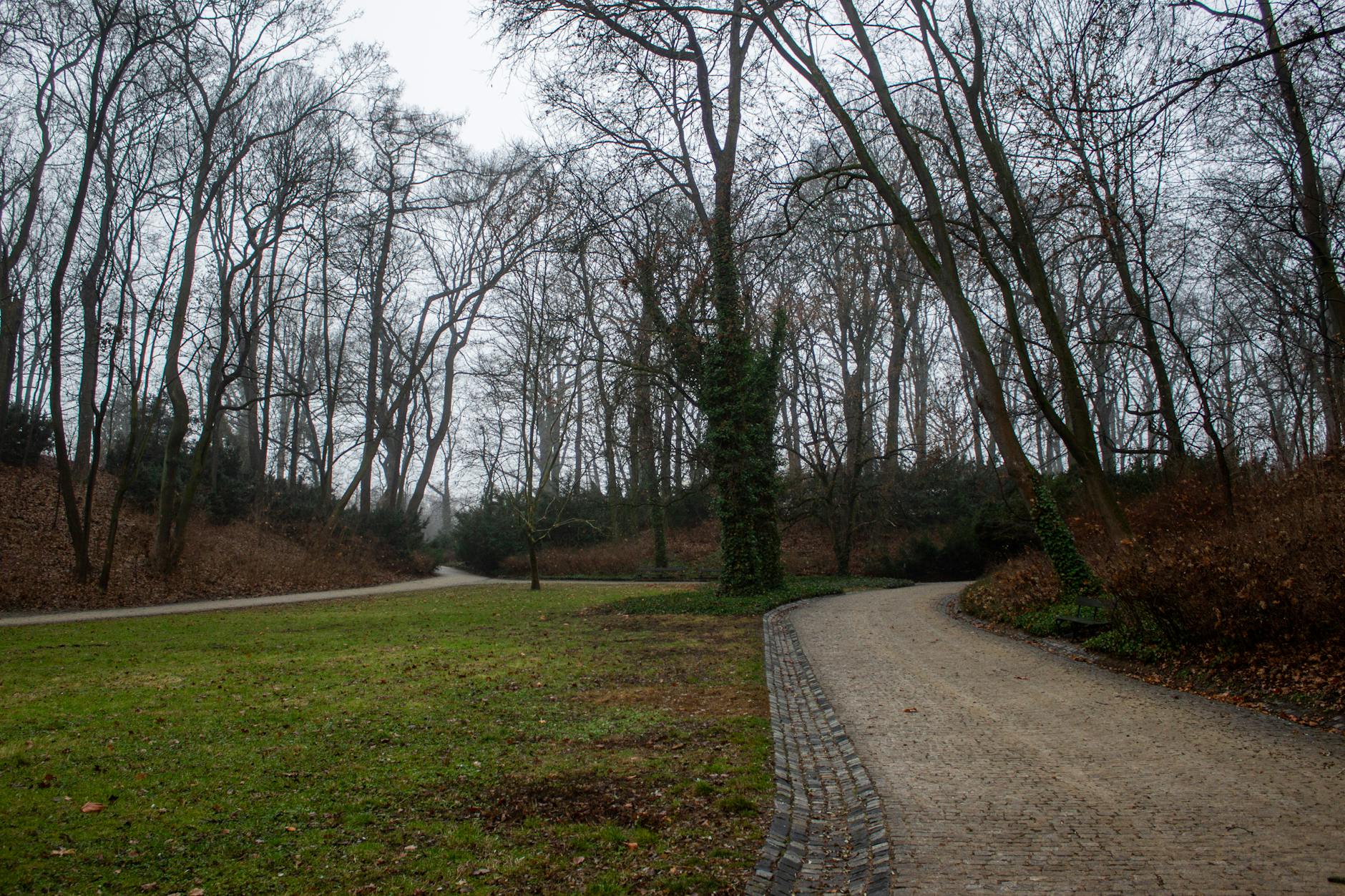
- Identify cafes, hotel returns, benches, park stops, and taxi pickup points before long walks.
- Keep indoor alternatives ready for heat, cold, rain, snow, or low-energy days.
Check food, hydration, and evening limits
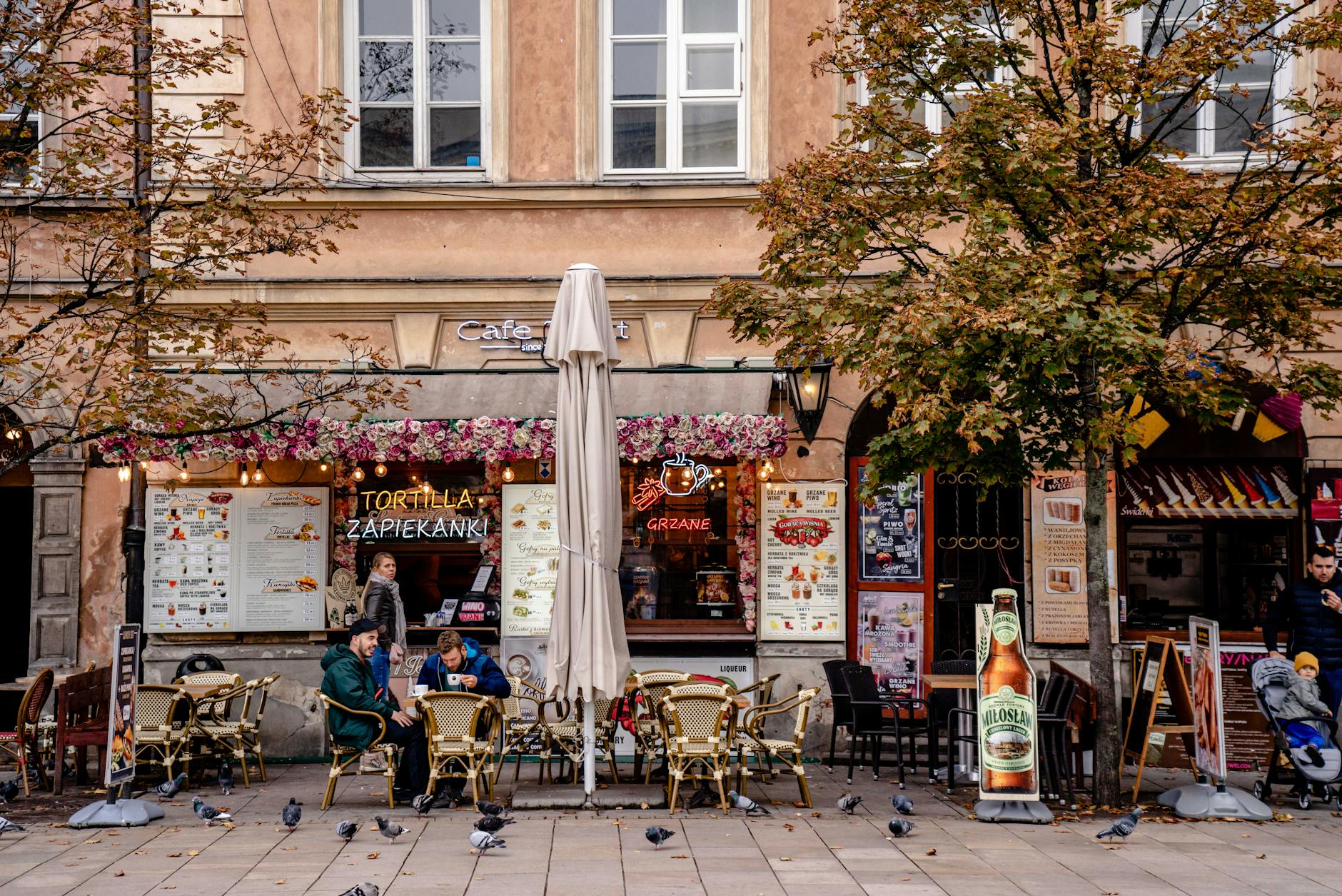
Food restrictions, medication timing, hydration, alcohol limits, and late nights can affect the whole trip. Warsaw has many dining options, but the traveler should not wait until symptoms or fatigue appear to choose a meal. Evening plans should be close, simple, and easy to leave.
Daily comfort depends on ordinary logistics.
- Identify suitable meals near the hotel and each main district before leaving for the day.
- Carry water, snacks, medication, and any supplies needed for timing-sensitive care.
- Keep evening plans near the hotel or along a direct route when medical needs make late movement harder.
When to order a short-term travel report
A traveler with stable needs, a simple hotel, and flexible time may not need a custom report. A report becomes useful when medication, access, weather, walking limits, food restrictions, medical devices, insurance, or emergency planning need to be checked before a short Warsaw stay.
The report should test hotel access, arrival route, medication logistics, transport, pharmacies, clinic options, daily pacing, food, weather, rest points, and departure buffers. The value is a Warsaw trip that fits the traveler rather than forcing the traveler to fit the trip.
- Order when medication, hotel access, transport, weather, food, insurance, or emergency planning need exact review.
- Provide dates, medical constraints, clinician restrictions, medication needs, hotel candidates, mobility notes, food needs, and arrival details.
- Use the report to reduce uncertainty before the itinerary is fixed.