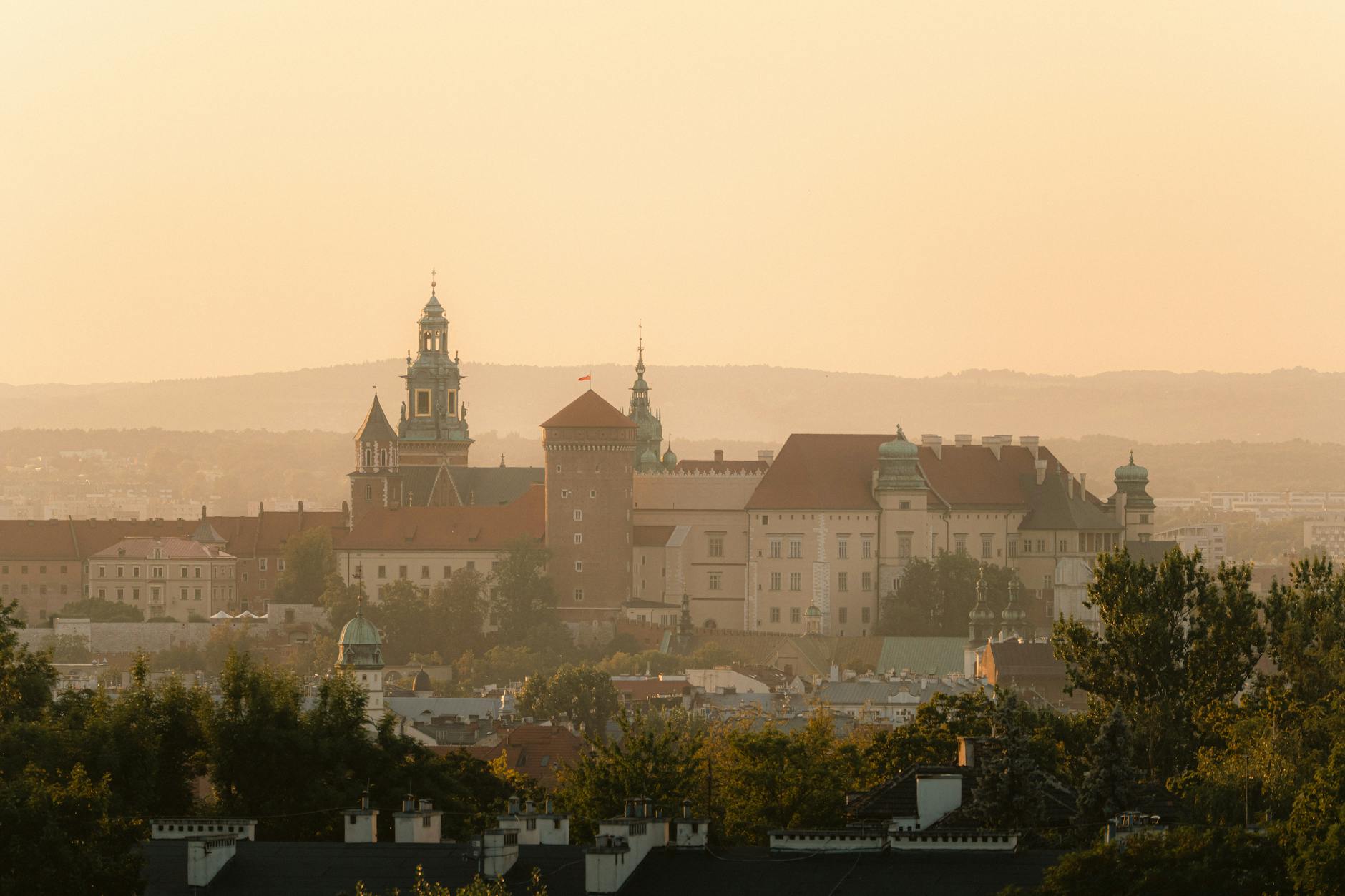
Krakow can be rewarding for older travelers because many core experiences sit near Old Town, Wawel, Kazimierz, hotels, cafes, churches, and river walks. The same compactness can hide practical issues: cobblestones, stairs, uneven entries, crowds, cold or hot weather, long museum visits, and physically demanding day trips. A better trip starts with comfort and pacing.
Choose a base for comfort first
An older traveler should choose a Krakow base by comfort and access, not only by romance or view. Old Town proximity can reduce transfers, but a quiet room, elevator, reliable heating or cooling, breakfast, luggage help, and easy taxi access may matter more than being on the busiest square.
A good hotel lowers the physical cost of the visit.
- Check elevator access, room location, bathroom setup, air conditioning or heating, noise, and breakfast timing.
- Confirm whether taxis can reach the door or whether pedestrian streets require walking with luggage.
- Choose lodging that allows mid-day rest without a long return route.
Check surfaces, stairs, and walking load
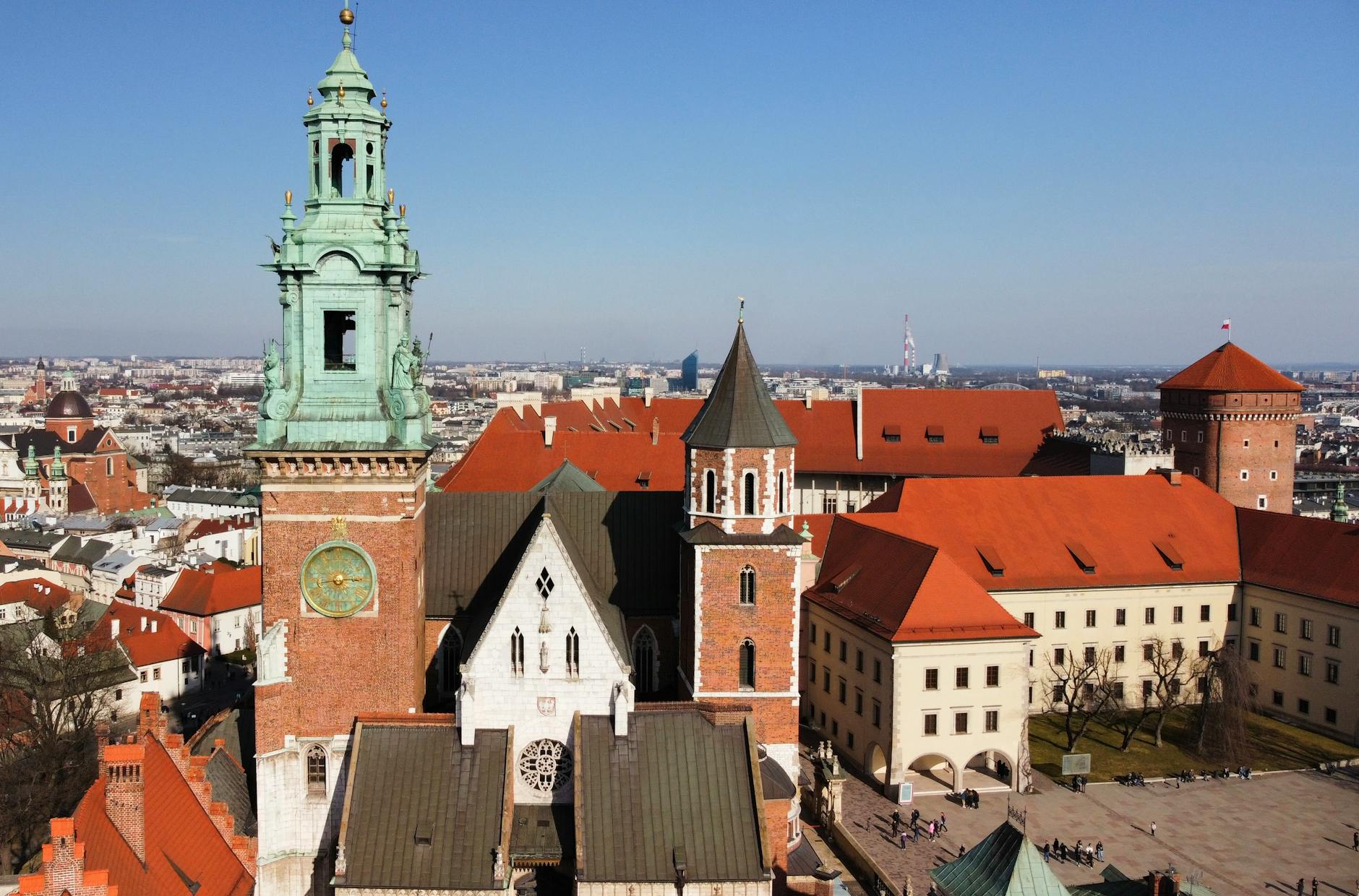
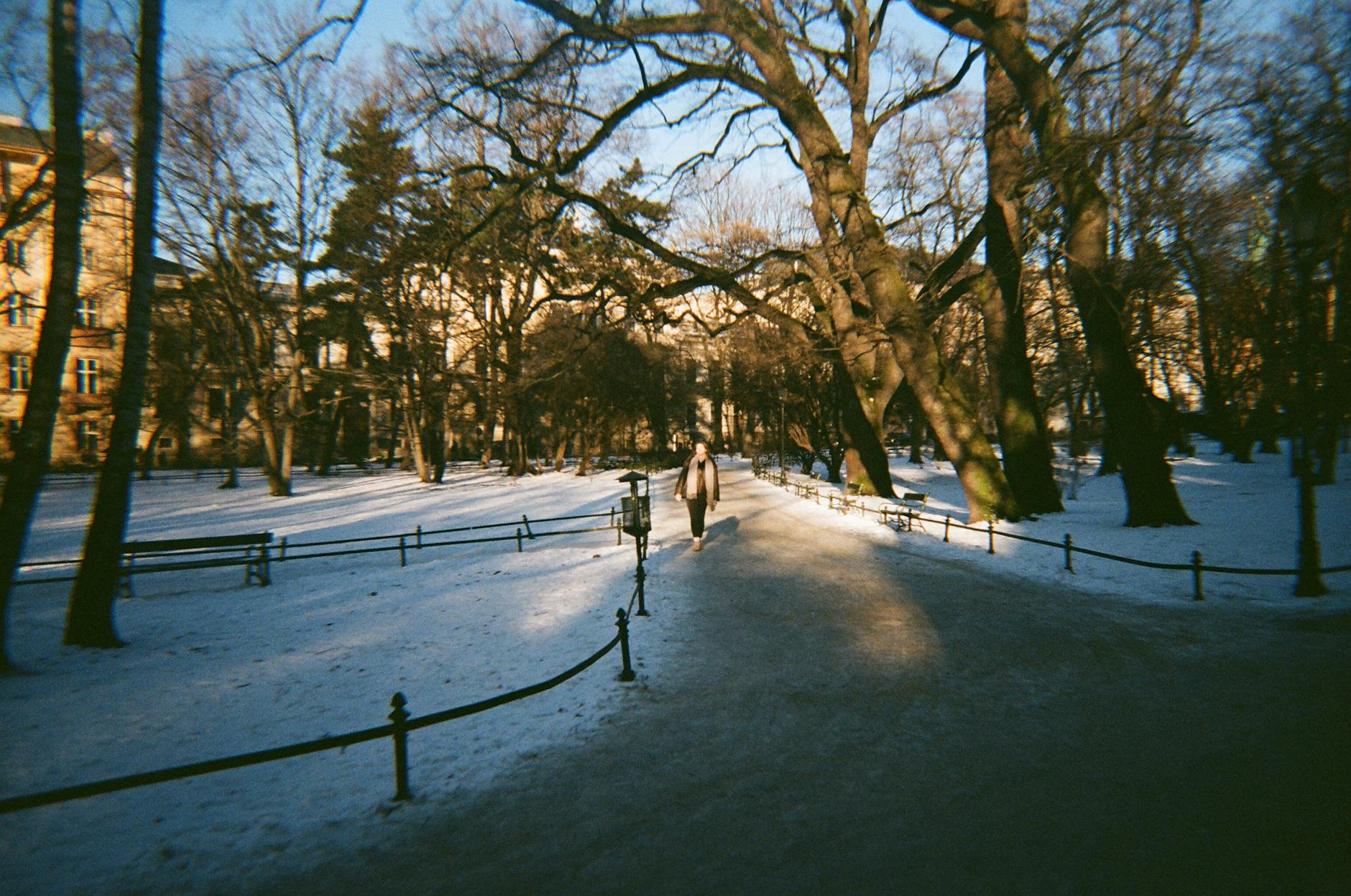
Krakow's central beauty often includes cobblestones, curbs, stairs, courtyards, hills, museum floors, and crowded pedestrian zones. Older travelers do not need to avoid these areas, but they should know where the hardest walking blocks occur and where to pause.
Small route details can decide how the day feels.
- Review walking distances by segment rather than only total daily distance.
- Ask about stairs, elevators, seating, restroom access, and taxi drop-off points for major stops.
- Use supportive shoes and avoid overloading the first full day.
Pace Old Town, Wawel, and Kazimierz
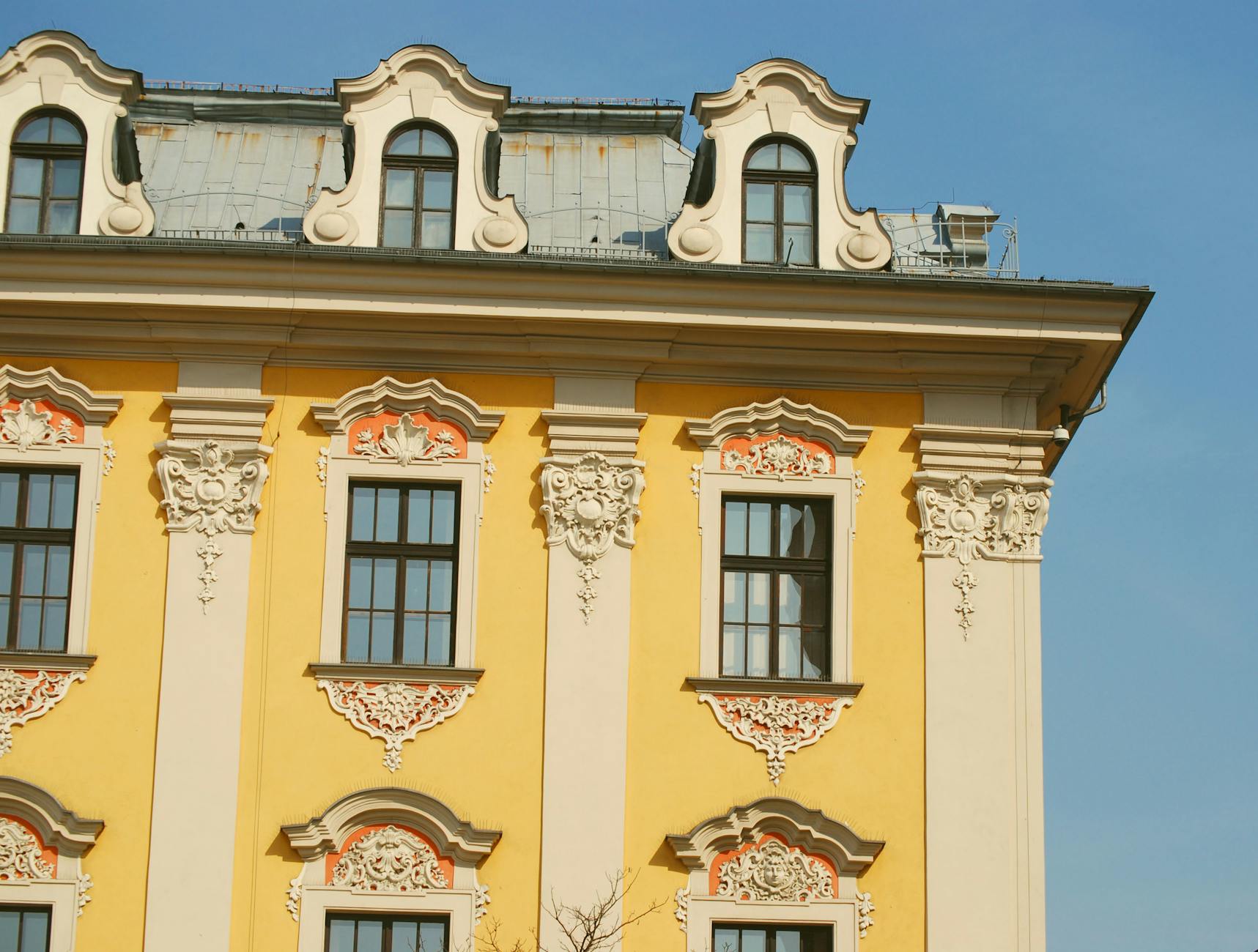
Old Town, Wawel, Kazimierz, churches, museums, and cafes can make a short Krakow stay rich, but older travelers may enjoy them more with a slower route. The goal is not to do less automatically; it is to place demanding sections between breaks, meals, and easy transport.
Pacing protects attention.
- Group nearby sights and avoid unnecessary backtracking across the center.
- Place seated stops after stairs, cobblestones, or long museum visits.
- Keep one optional stop that can be dropped if energy or weather changes.
Protect medical routines and rest
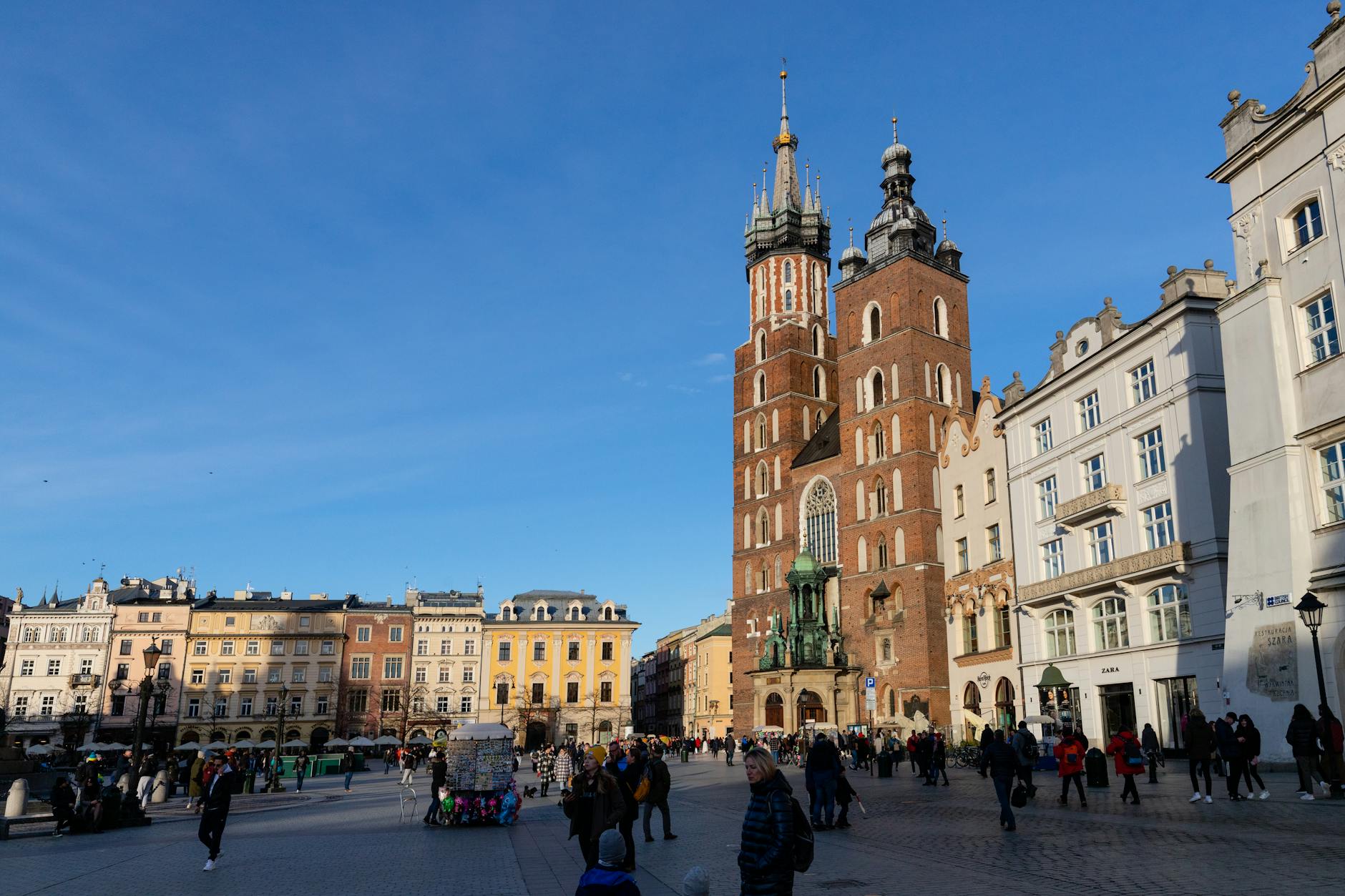
Short trips can disrupt medication timing, hydration, meals, sleep, blood-sugar routines, mobility aids, and appointment recovery. Krakow planning should include the ordinary health details that keep the traveler steady, especially when crossing time zones or arriving after a long journey.
Health routines should be part of the itinerary.
- Keep medication, prescriptions, glasses, chargers, and essential supplies in hand luggage.
- Plan regular meals, water, restroom access, and hotel rest blocks.
- Know the nearest pharmacy or medical option near the hotel before it is needed.
Use transport and drivers strategically
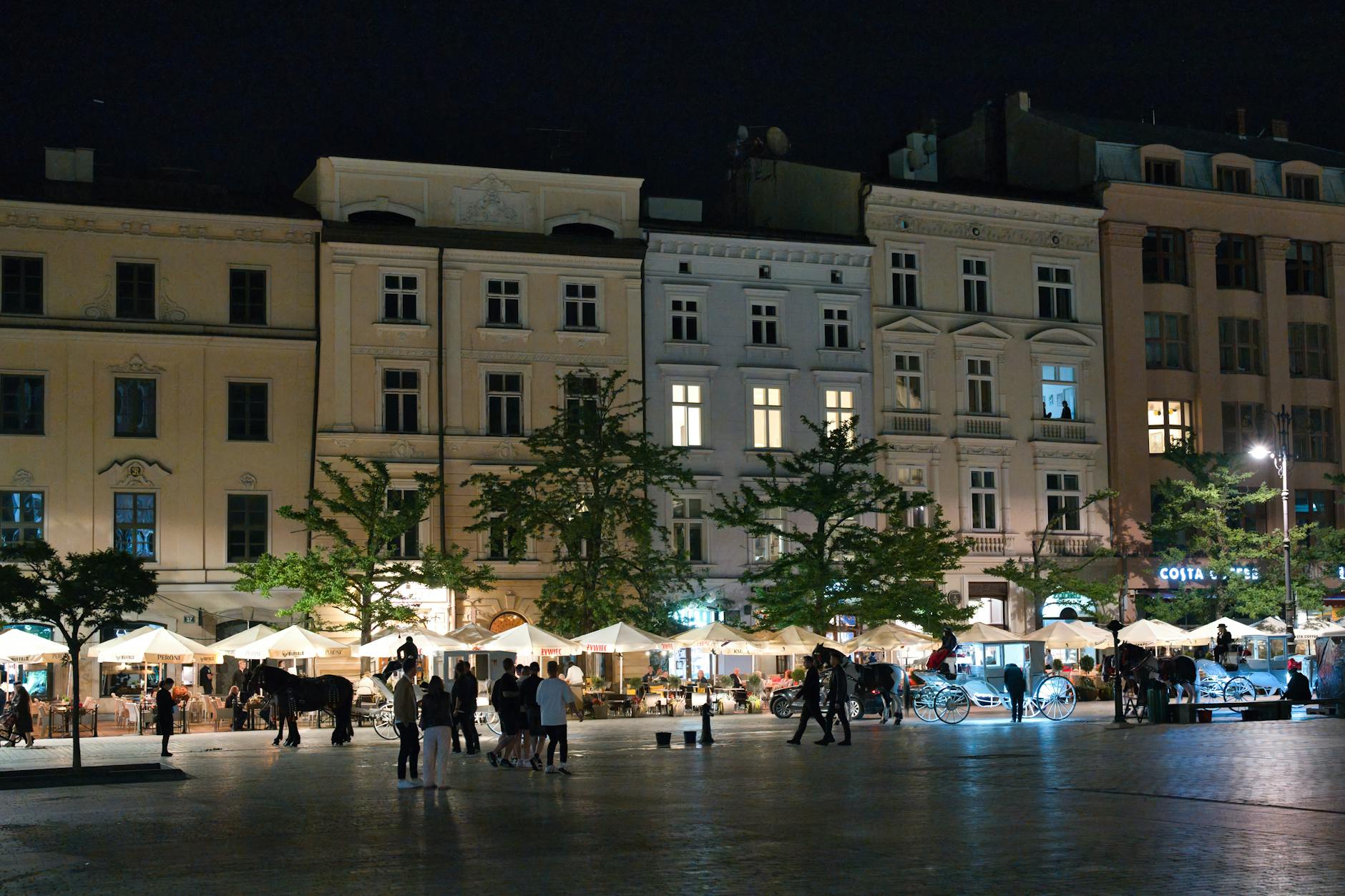
Krakow is walkable, but older travelers should not treat walking as the only valid way to experience it. Trams, taxis, hotel drivers, and private transfers can preserve energy for the sites that matter. The right vehicle at the right moment can improve the whole day.
Transport is an energy tool.
- Use taxis or drivers for airport transfers, bad weather, late evenings, and luggage movement.
- Check tram stops and walking distance from stops before relying on public transport.
- Save hotel addresses and pickup points offline for easier returns.

Be selective with day trips and evenings
Some Krakow day trips and evening plans are worthwhile, but they can be physically and emotionally demanding. Older travelers should check vehicle time, walking surfaces, stairs, restroom access, food, weather, guide pace, and return timing before committing.
A strong short stay may need fewer big blocks.
- Choose day trips only when the pickup, walking load, seating, and return time fit the traveler's energy.
- Keep evening meals close to the hotel after demanding tour days.
- Avoid pairing an intense excursion with an early departure the next morning.
When to order a short-term travel report
An older traveler with a central hotel and relaxed schedule may not need a custom report. A report becomes useful when the trip includes mobility concerns, medication routines, airport or rail transfers, day trips, stairs, cobblestones, restaurant planning, medical backup needs, or a tight departure.
The report should test lodging, walking surfaces, transport, rest stops, medical routines, meals, weather, day-trip demands, and departure buffers. The value is a Krakow stay that preserves comfort without flattening the experience.
- Order when lodging, walking load, stairs, transport, medical routines, meals, day trips, or departure timing need exact planning.
- Provide dates, hotel candidates, mobility limits, medical considerations, walking tolerance, interests, budget, and arrival details.
- Use the report to make Krakow manageable, comfortable, and still meaningful.