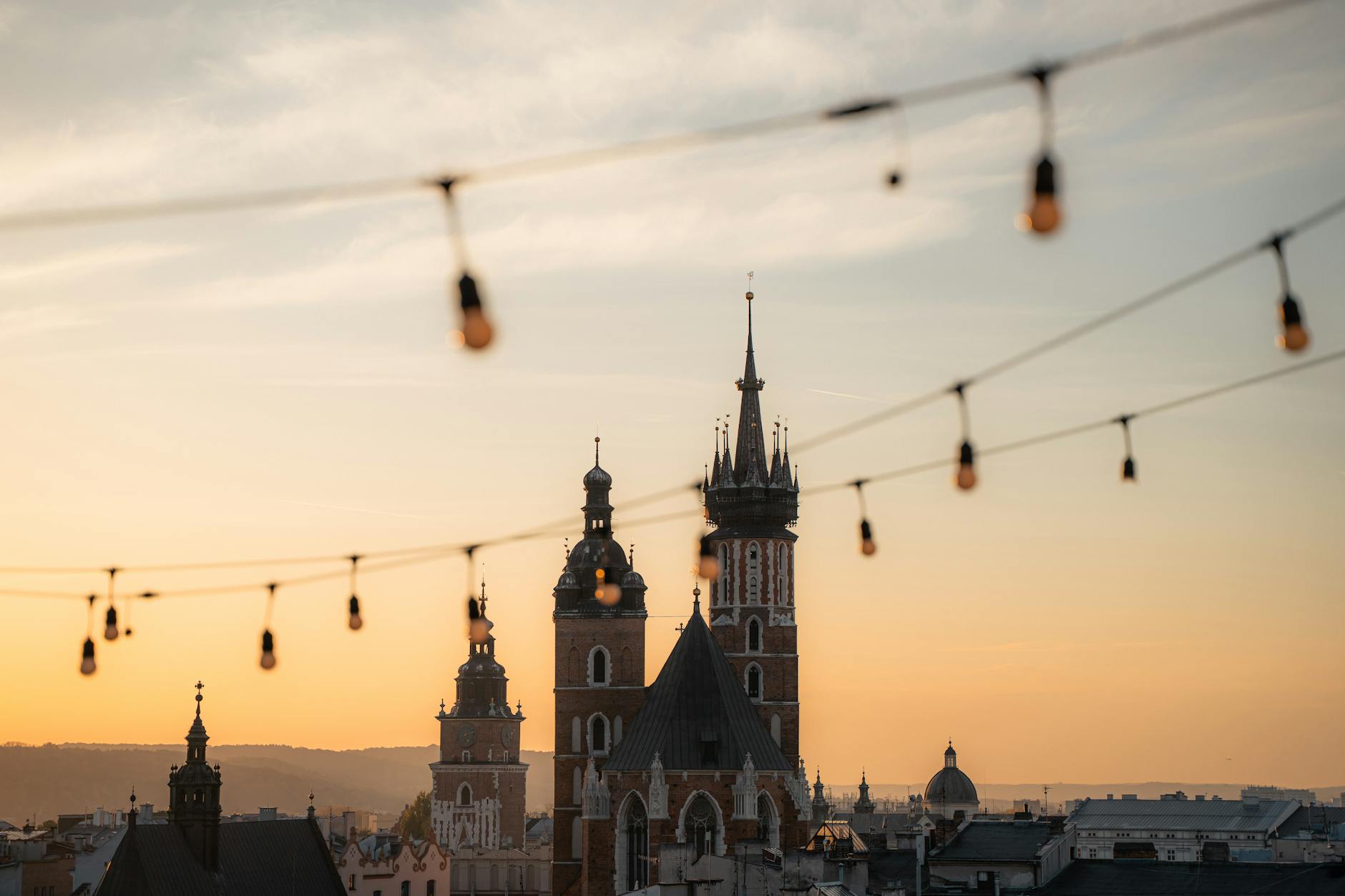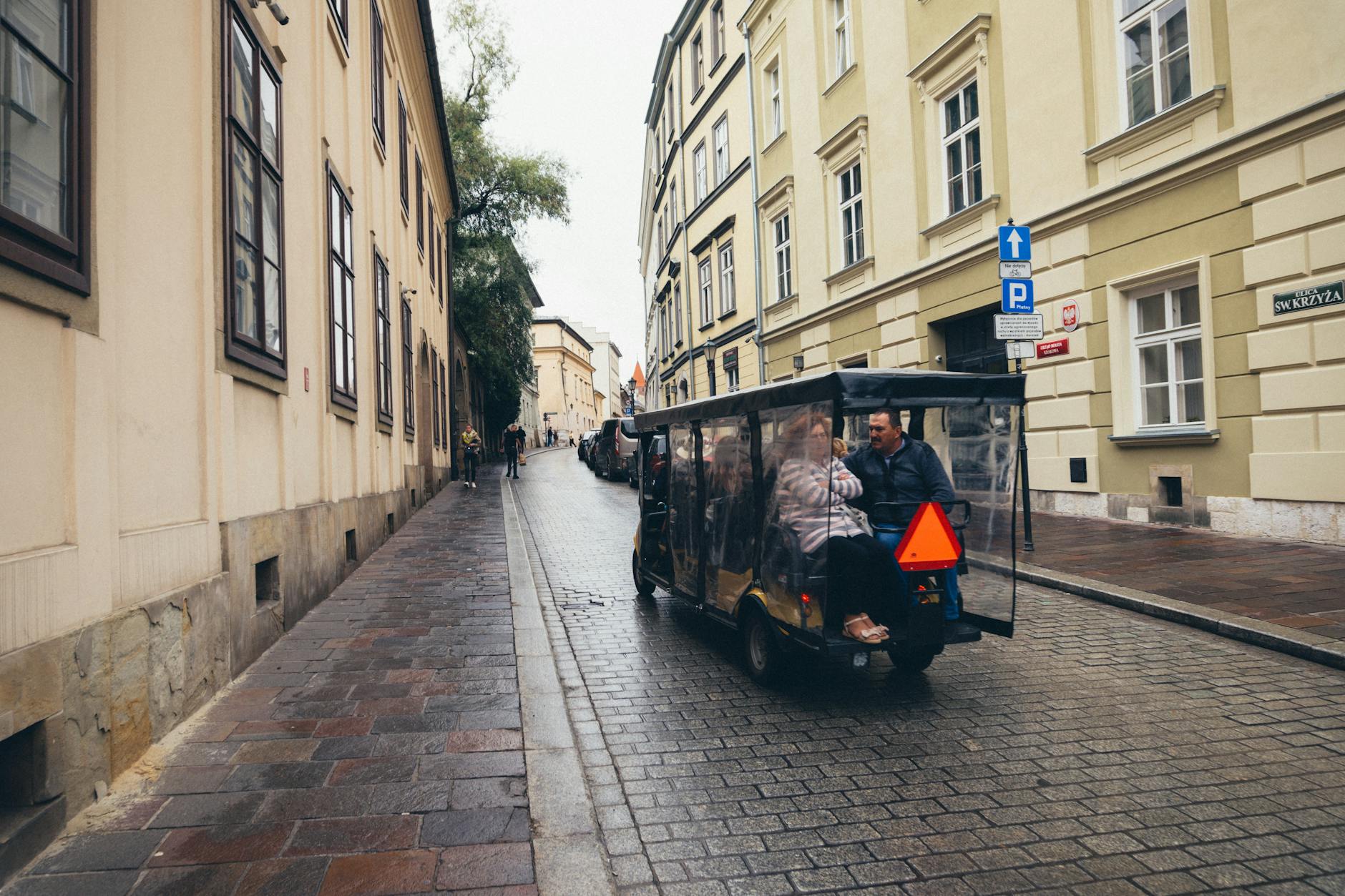
Krakow is friendly to first-time visitors because many major experiences sit close together: the Main Market Square, Old Town streets, Wawel, Kazimierz, cafes, churches, museums, and river walks. The risk is assuming compact means effortless. Cobblestones, crowds, weather, heavy-history day trips, restaurant timing, and airport or rail logistics still need a plan.
Set expectations for a layered city
Krakow is compact enough for a short stay, but it is not simple in meaning. A first-time visitor may encounter royal history, Catholic sites, Jewish heritage, university life, wartime memory, nightlife, and tourist crowds in the same day. The trip works better when the traveler accepts depth instead of chasing a checklist.
The first visit should have a clear shape.
- Decide whether the trip should emphasize history, food, architecture, Jewish heritage, museums, nightlife, or relaxed walking.
- Choose a few essential experiences instead of filling every hour.
- Leave space after emotionally heavy sites or long walking blocks.
Choose a base before choosing attractions
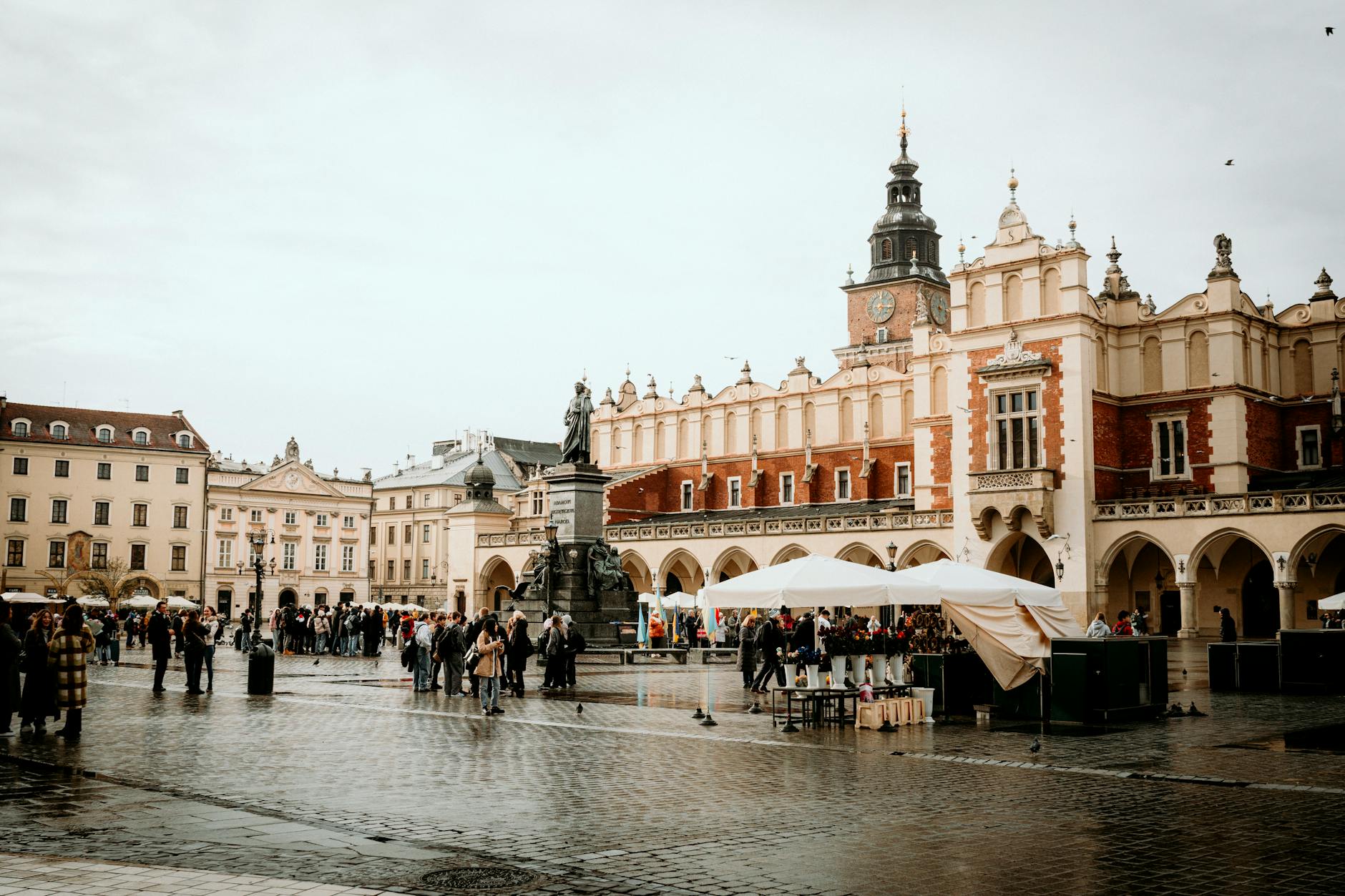
A first-time visitor may be tempted to book the prettiest hotel near a landmark, but the base should fit arrival, walking comfort, noise tolerance, and evening plans. Staying in or near Old Town can be convenient, while other areas may offer quieter rooms or better access to specific routes.
The hotel location sets the rhythm of the visit.
- Check walking distance to Old Town, Wawel, Kazimierz, transit, restaurants, and airport or rail connections.
- Look for elevator access, quiet-room options, luggage storage, and clear taxi pickup points.
- Avoid lodging that makes every meal or attraction require a separate transfer.
Build around Old Town, Wawel, and Kazimierz
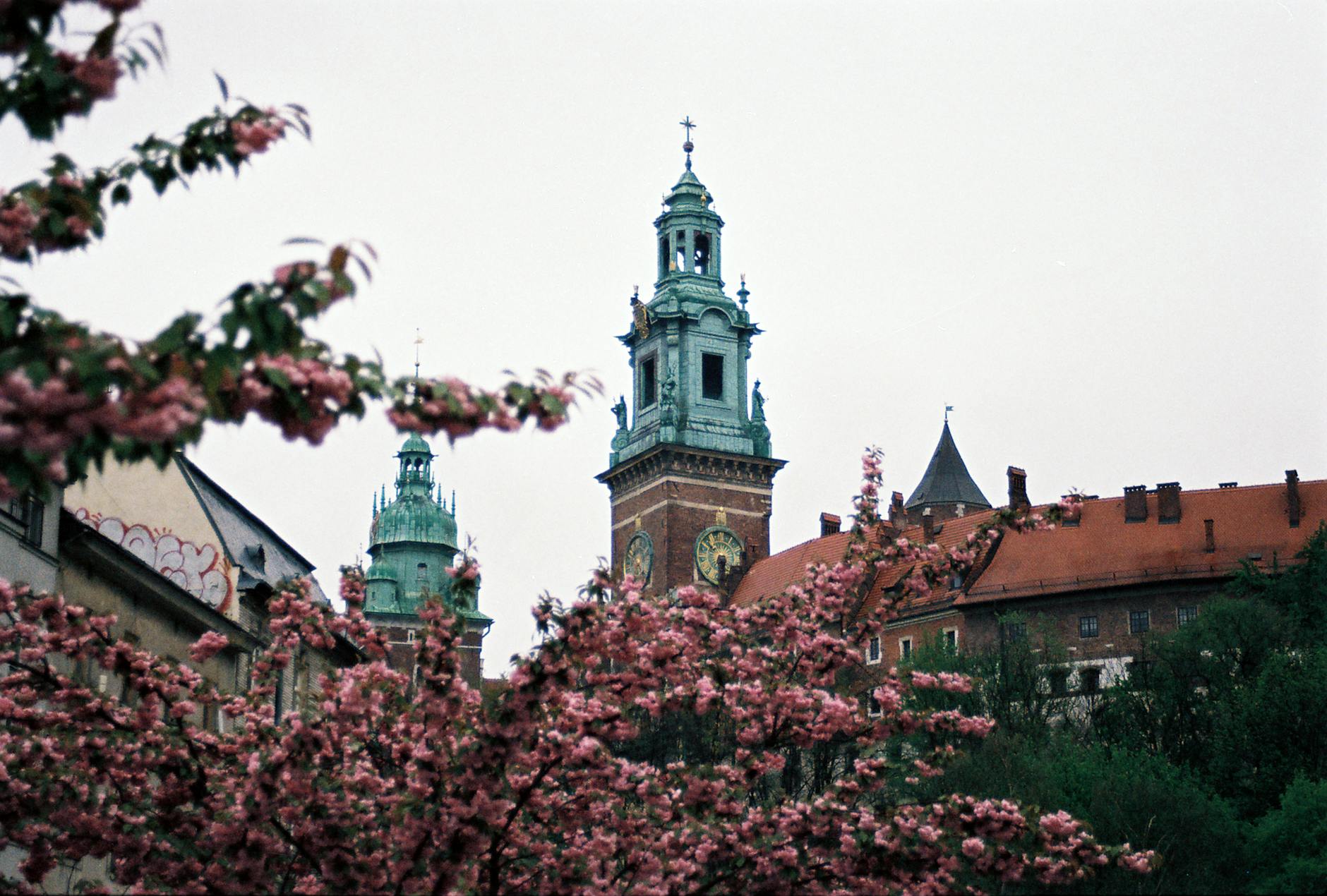
For many first-time visitors, the core route will include Old Town, Wawel, Kazimierz, and perhaps the river. These areas are close enough to combine, but they still need pacing. Long museum visits, church interiors, hills, courtyards, and meal stops can add up quickly.
A good route connects the city without rushing it.
- Group nearby sights instead of crossing back and forth through the center.
- Check ticket needs, opening hours, church access, and seasonal crowd patterns before the day starts.
- Pair structured visits with open walking time so the city does not feel like a sequence of queues.
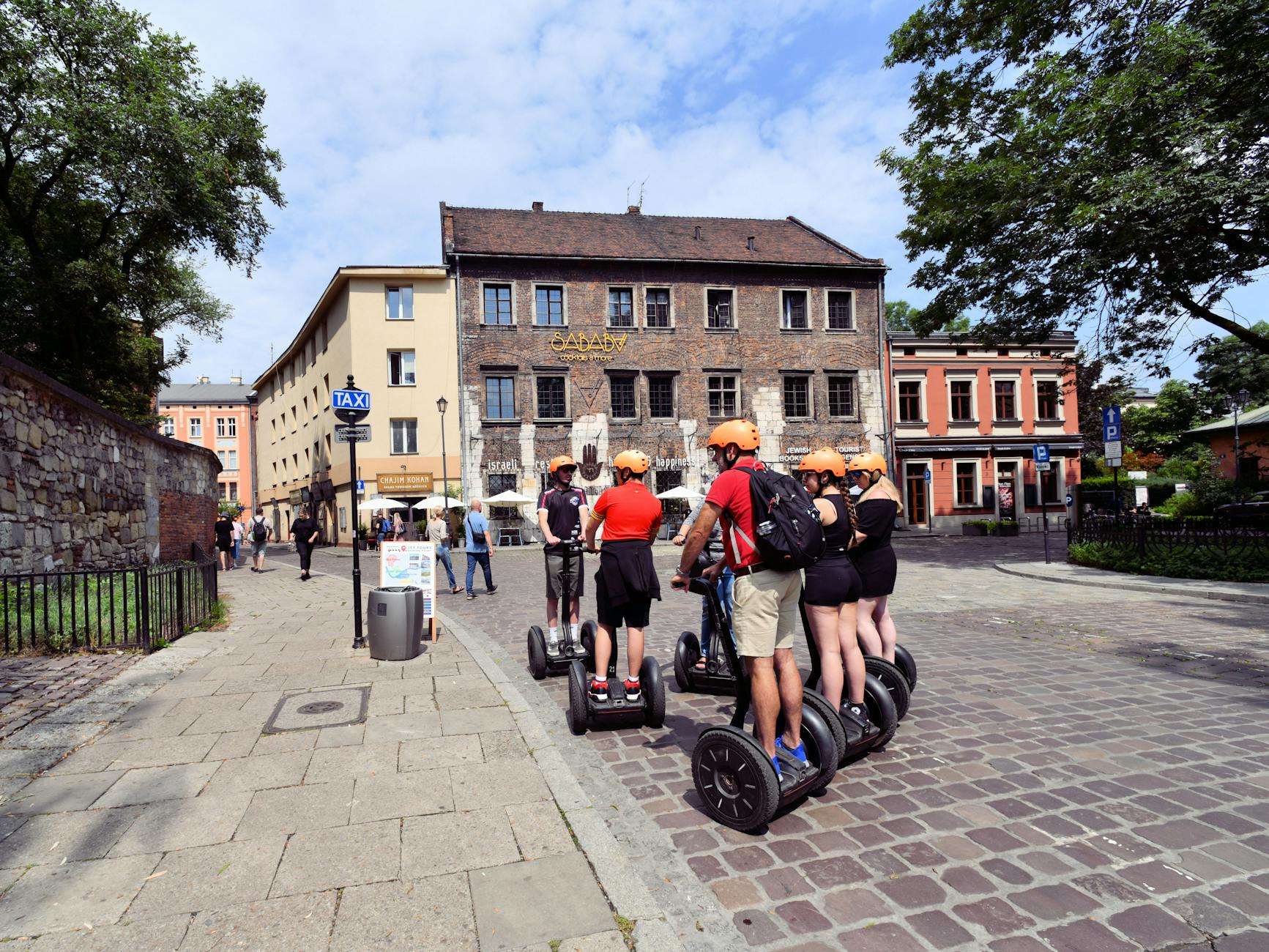
Treat heavy-history day trips carefully
Some first-time visitors consider day trips connected to wartime history, mines, or nearby landscapes. These can be meaningful, but they should not be added casually to a very short Krakow stay. Travel time, emotional weight, guide timing, weather, and next-day departure all matter.
A day trip should earn its place.
- Confirm pickup points, return times, ticket rules, food access, and the physical demands of the excursion.
- Avoid placing a demanding day trip between late arrival and early departure.
- Leave quiet time afterward when the site is emotionally intense.
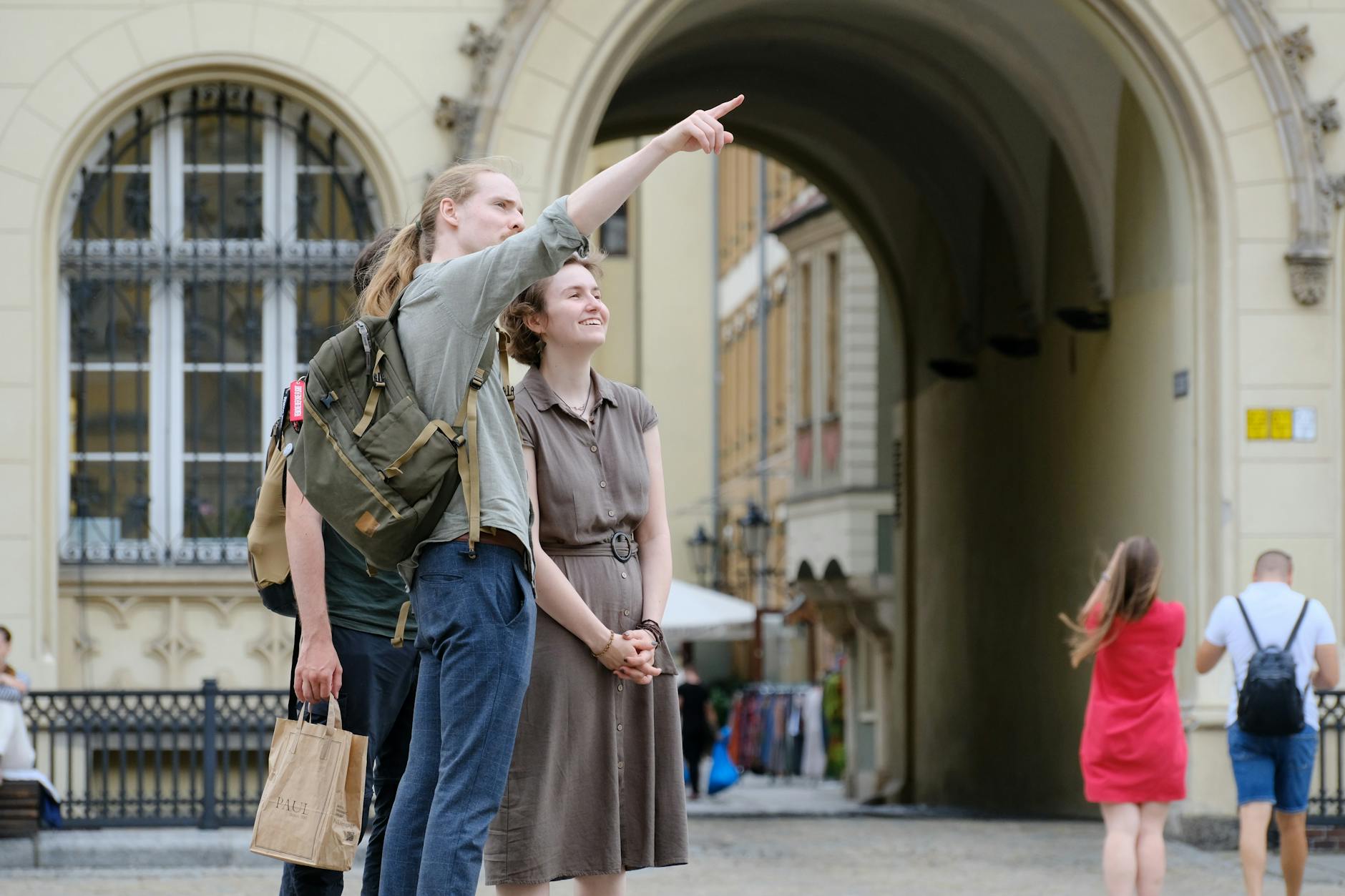
Handle walking, weather, and local transport
Krakow rewards walking, but a first-time visitor should still plan for cobblestones, stairs, tram routes, taxi pickup points, rain, heat, winter cold, and crowds. The shortest route on a map may not be the easiest route in practice.
Comfort keeps the first visit enjoyable.
- Wear shoes that can handle cobblestones, museum floors, and long central walks.
- Check tram, taxi, and walking options before late evenings or bad weather.
- Carry layers, rain cover, water, and a battery backup for maps and tickets.
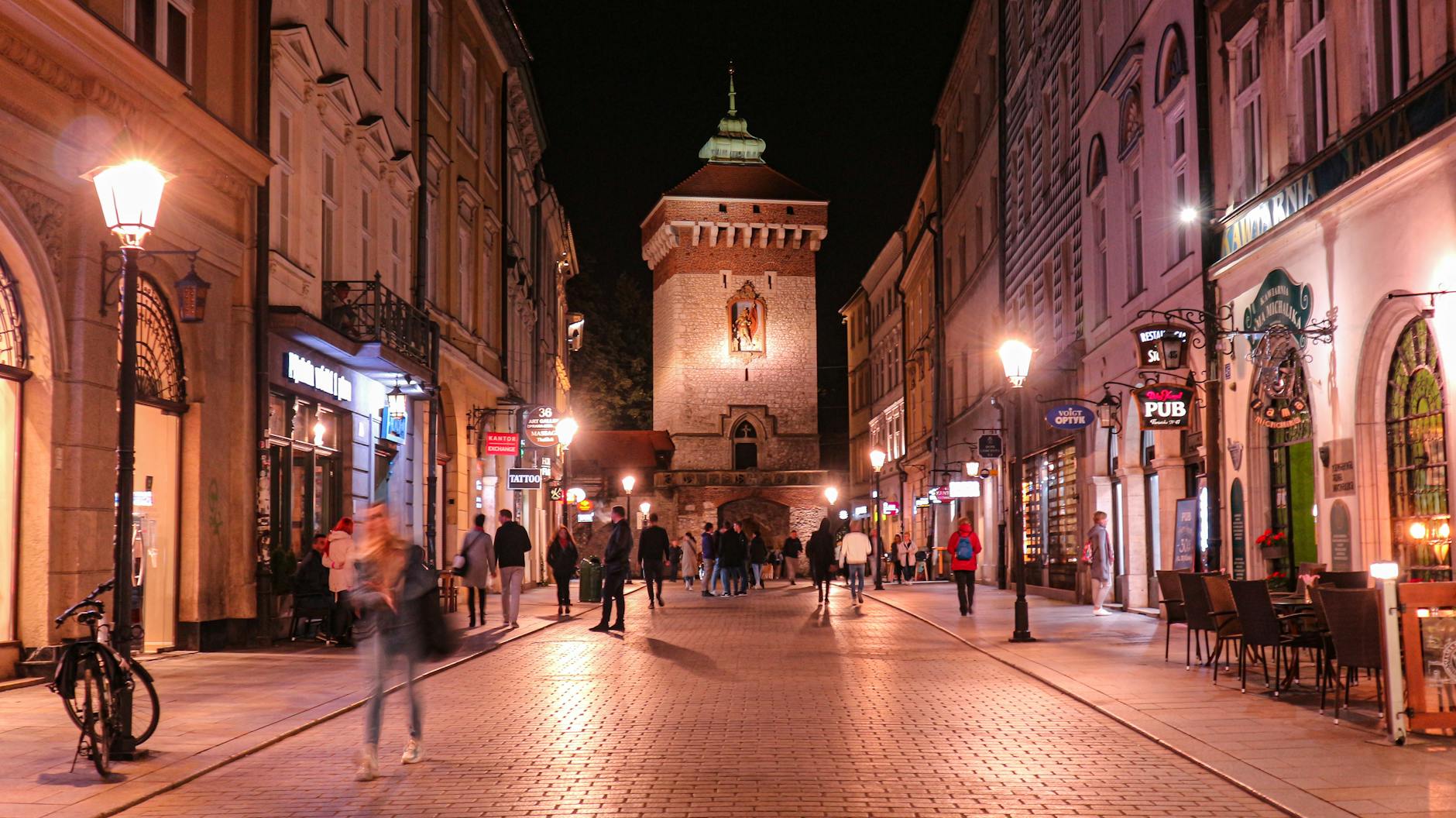
Plan meals and evenings deliberately
Meals can be a major part of a first Krakow visit, from cafes and bakeries to Polish restaurants, Kazimierz dinners, and late drinks. The traveler should match food plans to the day's route instead of chasing recommendations across town when tired.
Evenings need the same discipline as sightseeing.
- Reserve key dinners when timing or group size matters.
- Keep simple meal options near the hotel for arrival night or after a long day trip.
- Plan the route back before late drinks, especially in poor weather or after a tiring day.
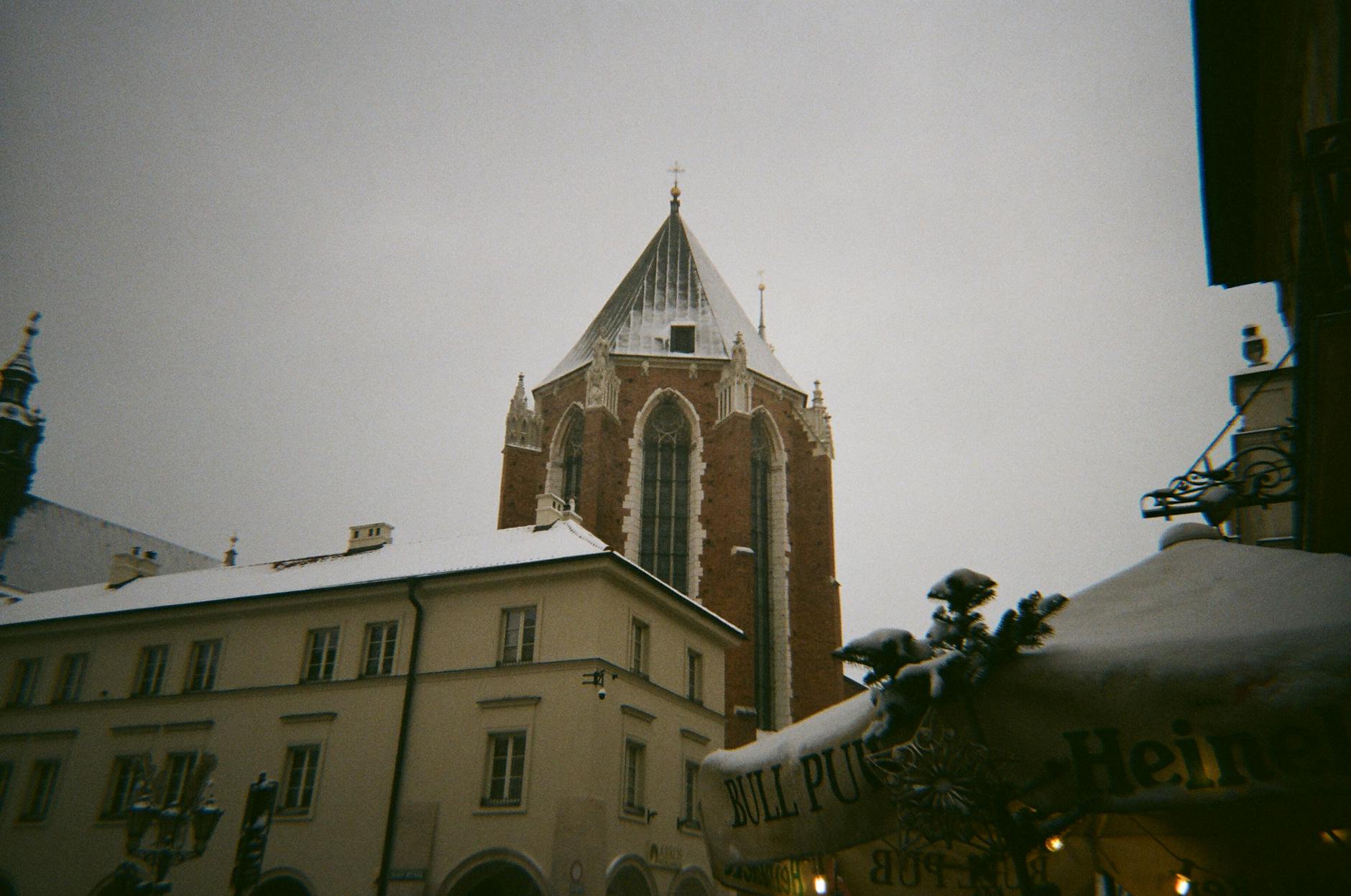
When to order a short-term travel report
A first-time visitor with a relaxed weekend and central hotel may not need a custom report. A report becomes useful when the stay is short, the traveler wants Old Town, Wawel, Kazimierz, day trips, specific restaurants, accessibility support, airport or rail timing, or a route that avoids wasting the first visit.
The report should test lodging, arrival timing, walking routes, ticket needs, day-trip tradeoffs, meals, weather, rest points, and departure buffers. The value is a first Krakow visit that feels full without becoming overloaded.
- Order when lodging, routes, tickets, day trips, restaurants, weather, accessibility, or departure timing need exact planning.
- Provide dates, interests, hotel candidates, arrival details, walking tolerance, budget, dietary needs, and must-see sites.
- Use the report to turn the first visit into a coherent short stay.