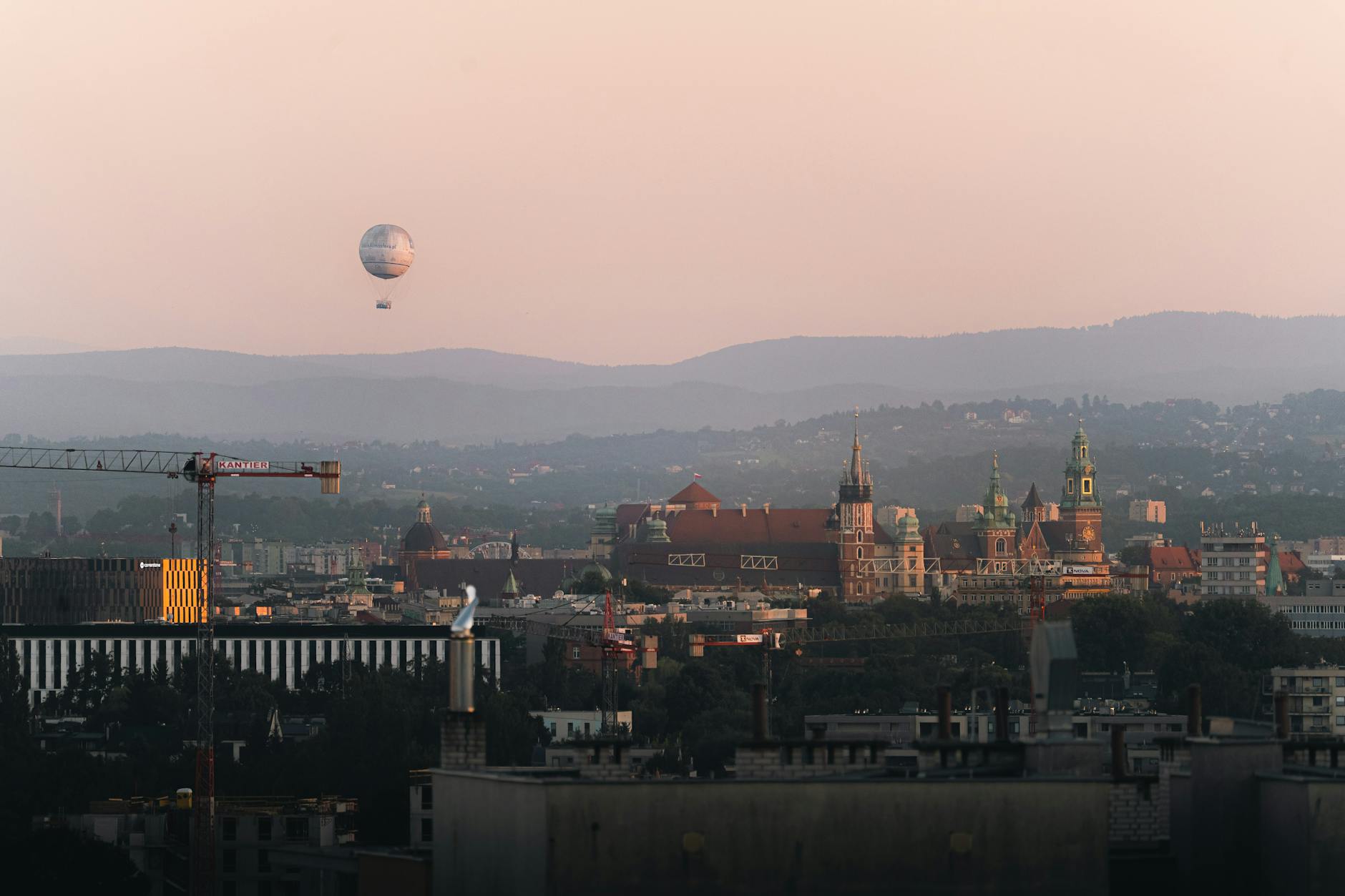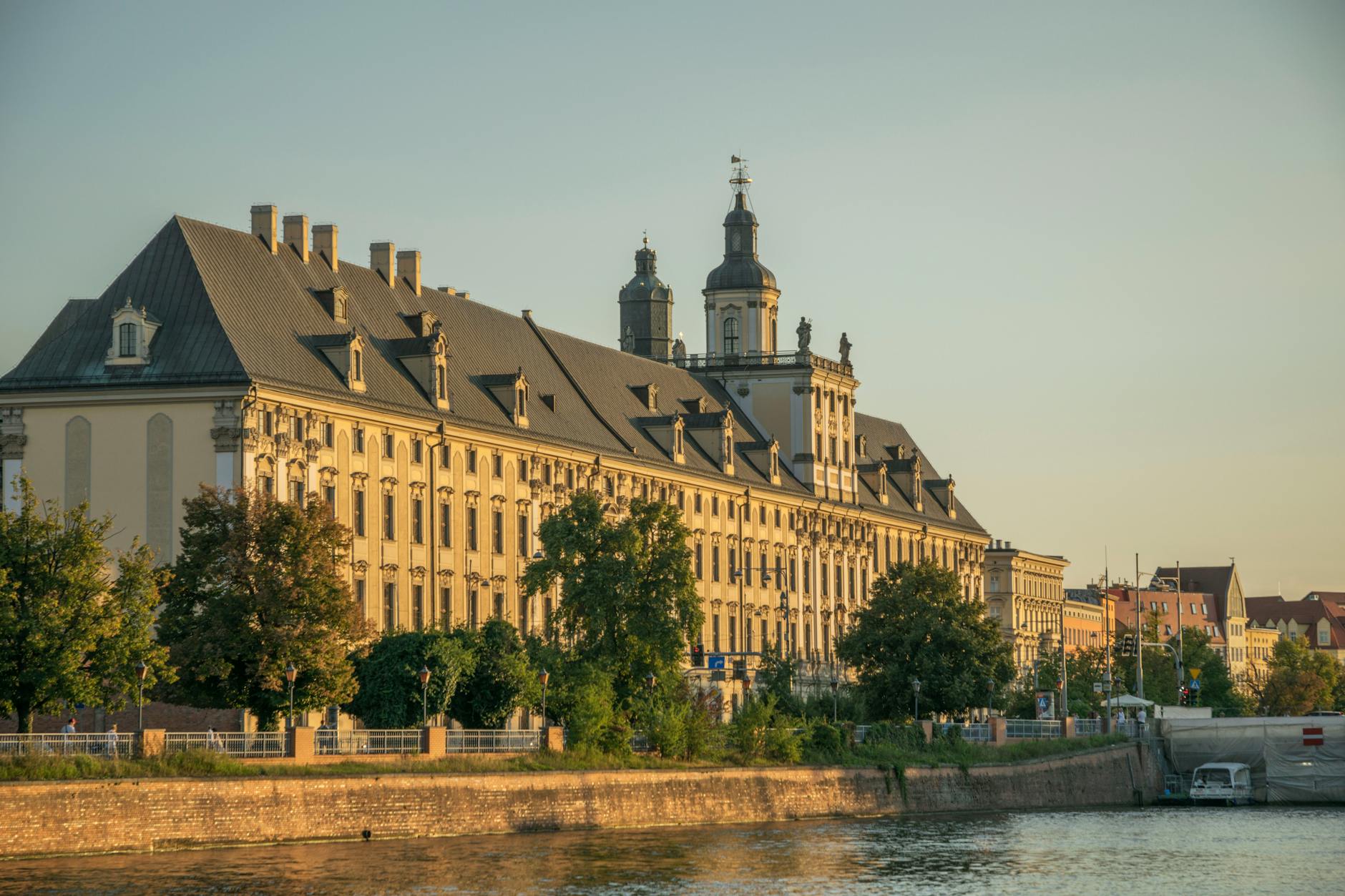
Krakow can work very well for an academic conference because the city combines universities, hotels, rail access, airport links, historic districts, and strong places for informal discussion. The challenge is that a short academic trip can easily become overloaded with sessions, reception events, Old Town sightseeing, Kazimierz dinners, and preparation work unless the traveler protects the calendar.
Locate the conference before choosing the base
A Krakow conference trip should begin with the exact venue, not with a general idea of staying near Old Town. University buildings, hotel conference rooms, cultural venues, and business sites can sit in different parts of the city. The right base depends on where the attendee must be each morning.
The conference map should lead the hotel decision.
- Confirm the main venue, workshop rooms, reception locations, and any off-site events before booking lodging.
- Check walking time, tram access, taxi pickup, and weather exposure from the hotel to the venue.
- Avoid a charming base that turns every morning session into a rushed transfer.
Protect arrival and registration time
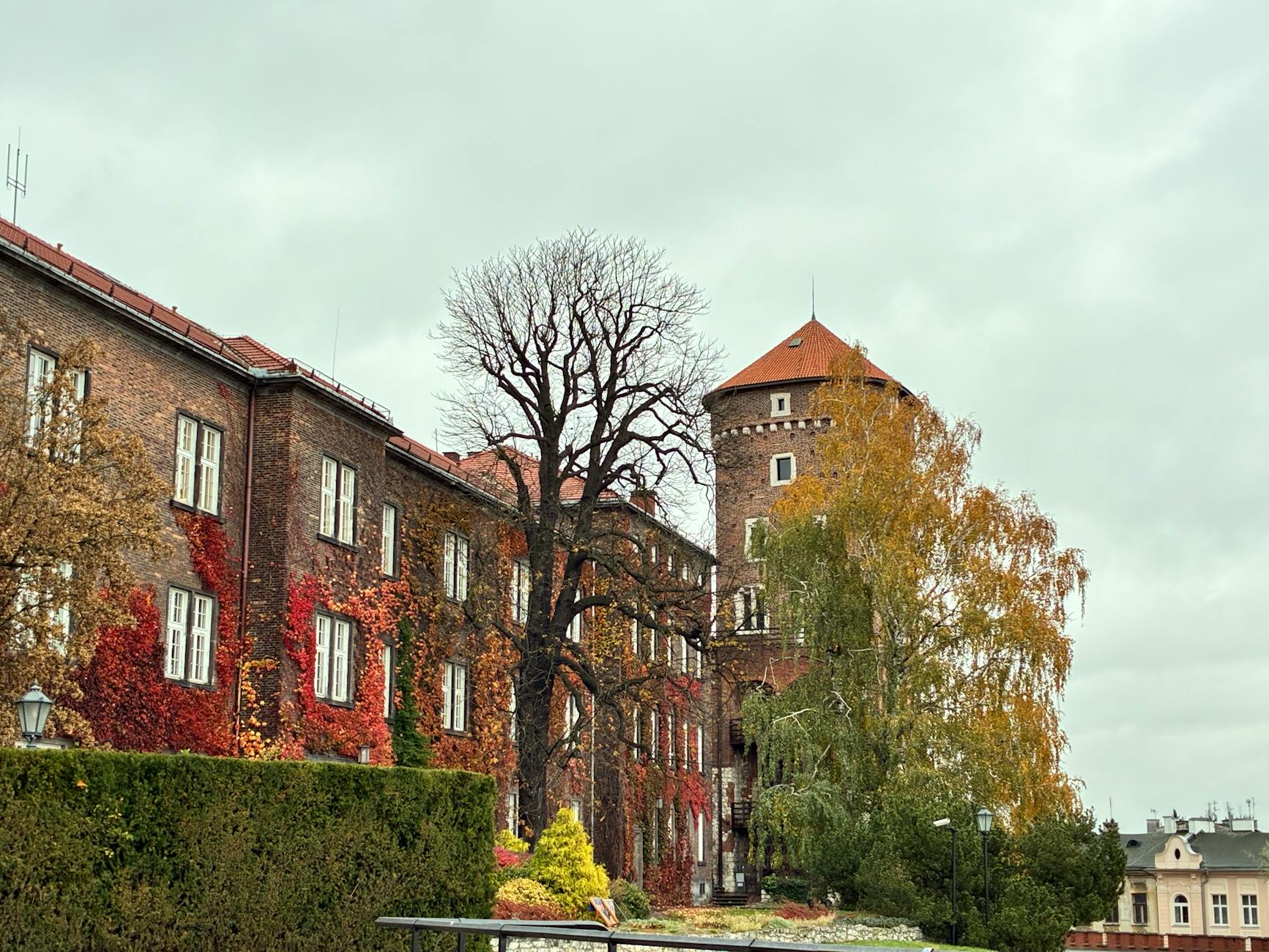
Academic conferences often begin with registration, badges, welcome talks, poster setup, or early networking before the first formal session. A traveler arriving through the airport, rail station, or a long connection from another Polish city should not count on a perfect transfer.
Arrival margin protects the professional purpose of the trip.
- Build time between landing or train arrival, hotel check-in, badge pickup, and the first required session.
- Carry slides, poster files, chargers, medication, and a change of clothes in hand luggage.
- Confirm late arrival procedures if registration or accommodation starts before the traveler can reach the venue.
Choose lodging for sessions and work
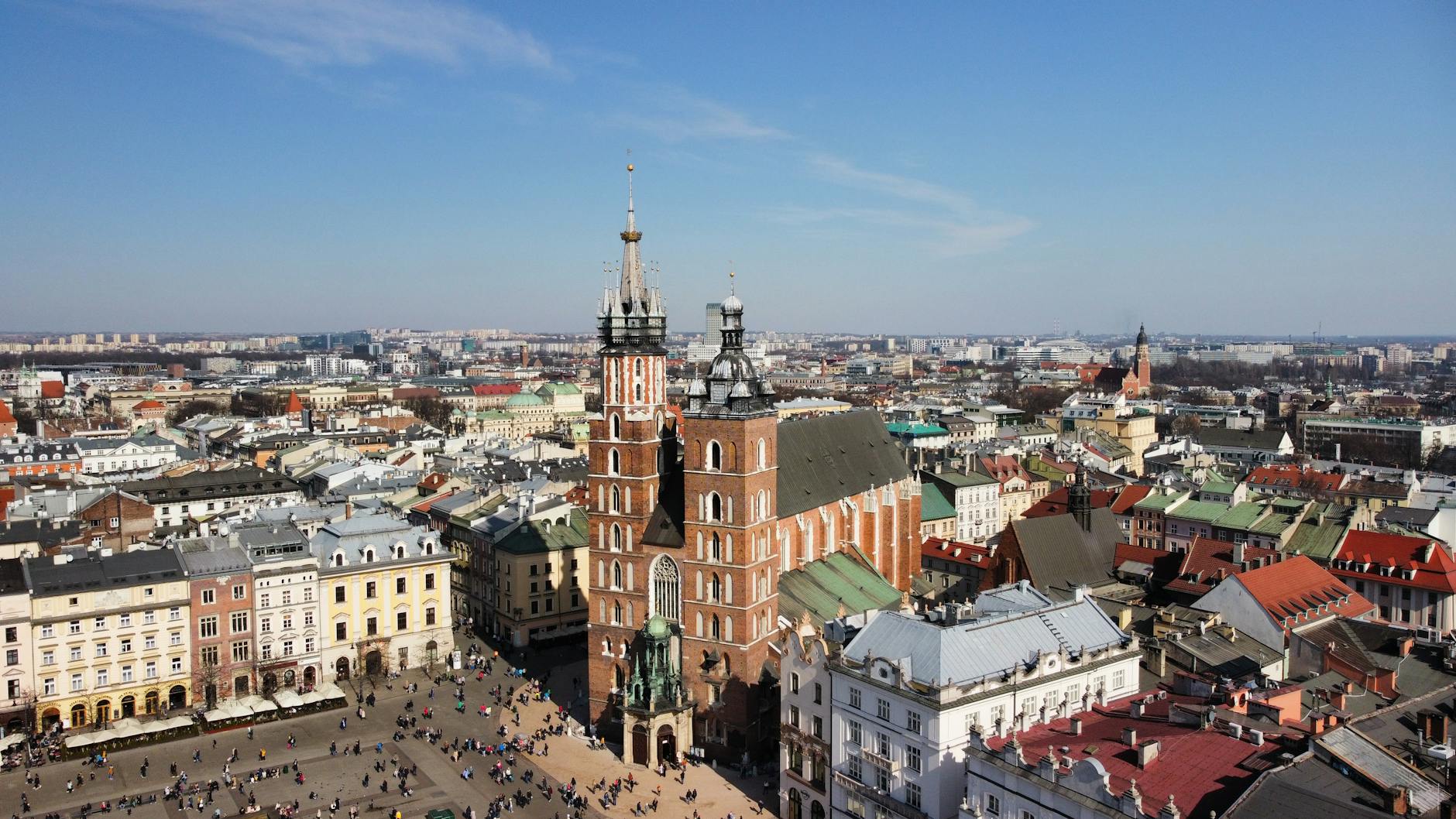
A conference hotel needs to support more than sleep. The attendee may need quiet space to revise slides, take calls, prepare questions, meet coauthors, recover between panels, or answer students and colleagues back home. A beautiful location loses value if the room is noisy or the desk is unusable.
The room should help the academic work continue.
- Check desk space, Wi-Fi, breakfast hours, quiet-room options, elevator access, and late check-in rules.
- Choose a base that makes morning sessions and evening networking both realistic.
- Leave room in the schedule for email, reading, and follow-up notes after important panels.
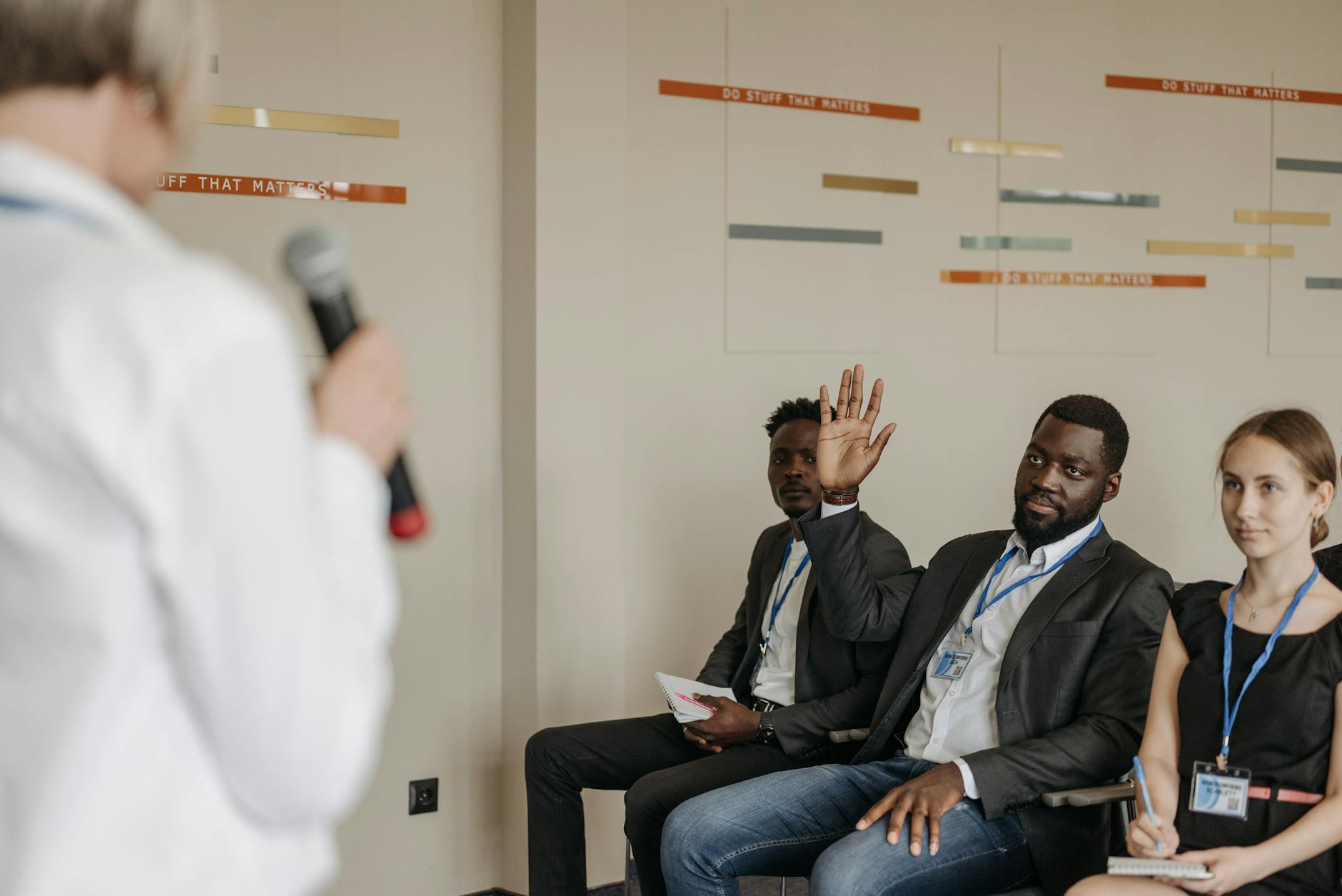
Fit Old Town and Kazimierz around the program
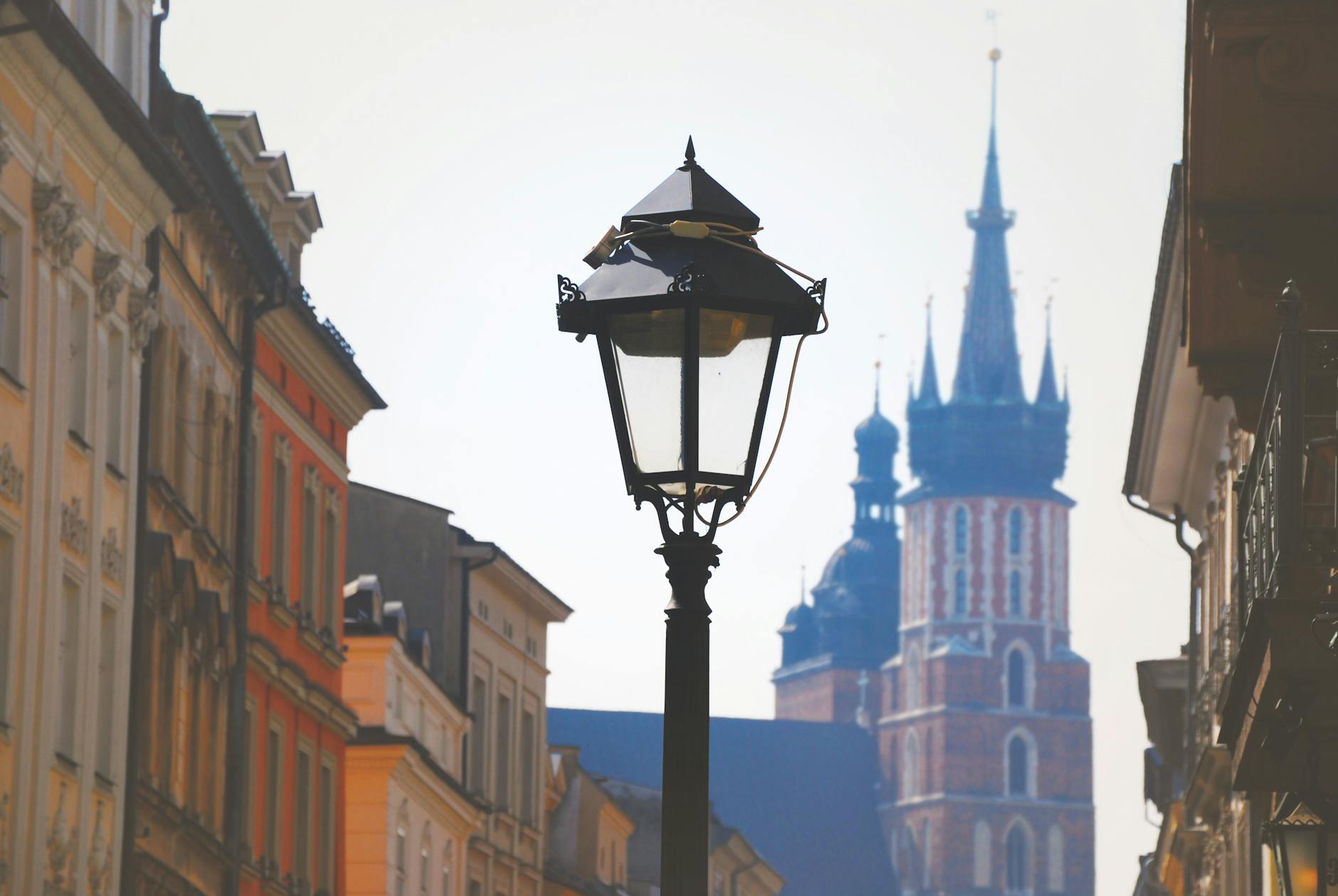
Krakow's Old Town, Wawel area, Kazimierz, cafes, and museums are tempting between sessions, but they should not crowd out the reason for travel. A conference attendee can enjoy the city more by choosing a few precise windows instead of trying to tour during every break.
The academic program should remain the spine of the trip.
- Use short walks or meals near the venue when breaks are limited.
- Save longer Old Town, Wawel, or Kazimierz time for a free evening or post-conference block.
- Avoid scheduling emotionally heavy heritage visits immediately before presenting or chairing a session.
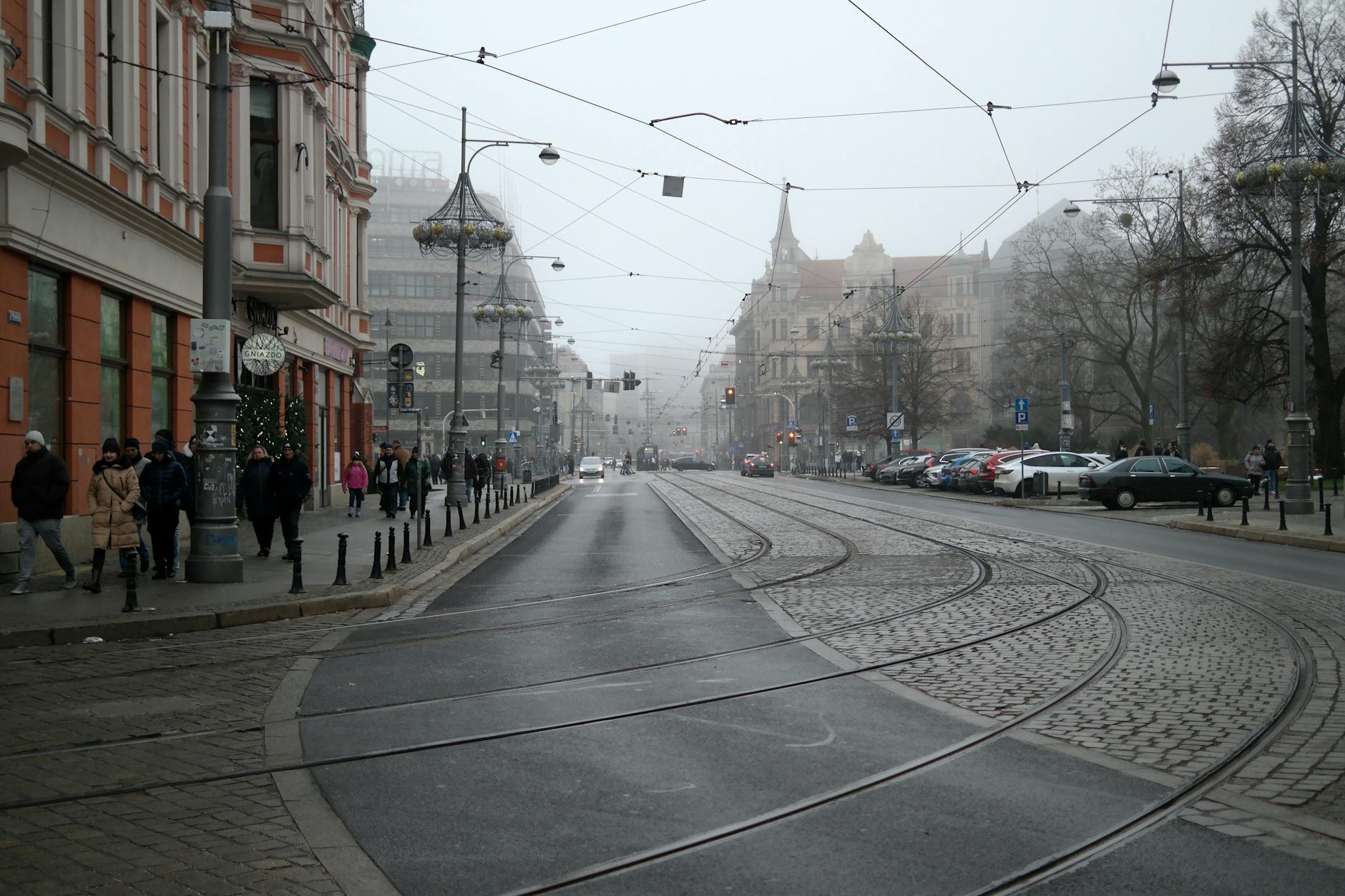
Plan networking without draining the trip
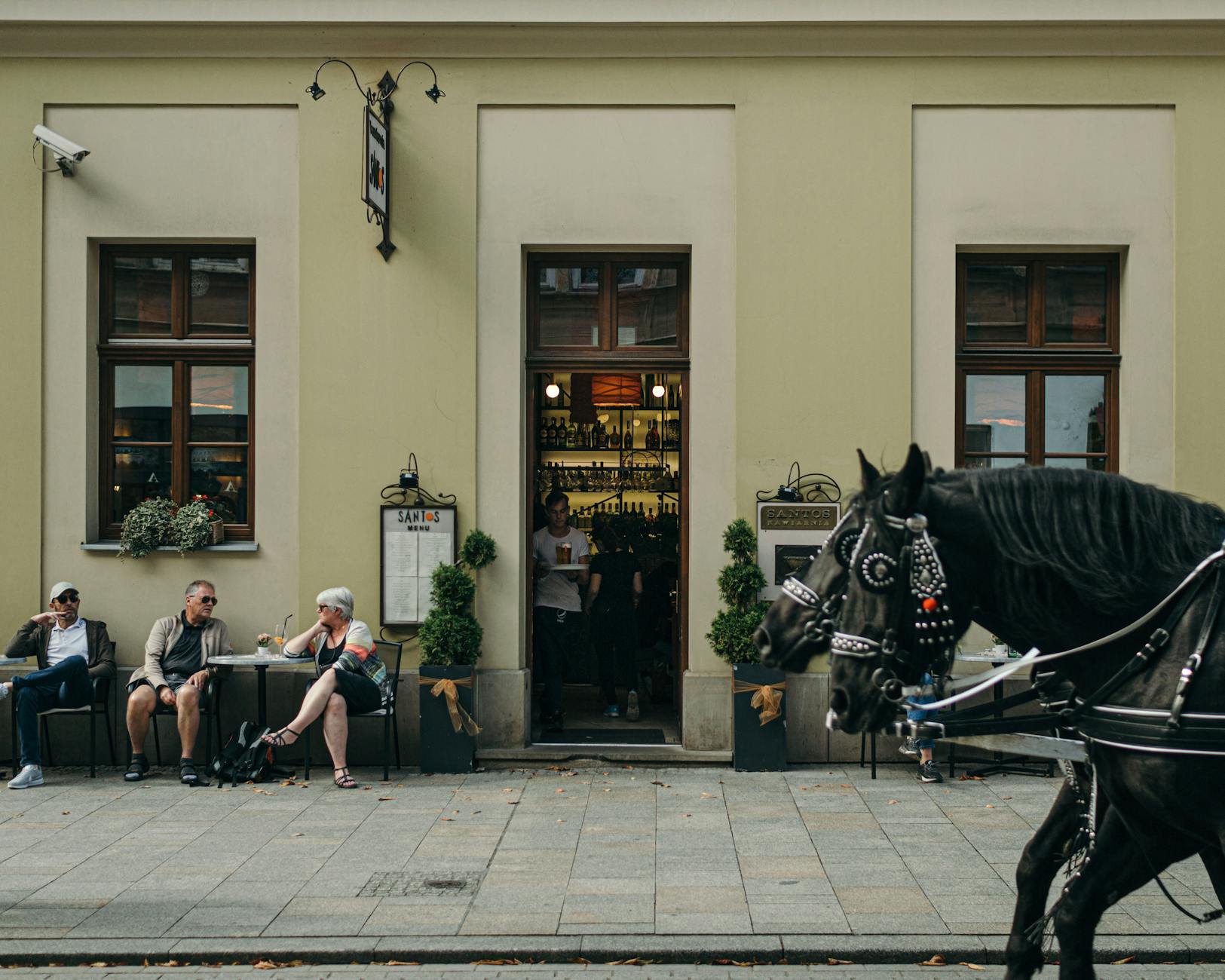
The useful part of a conference often happens outside formal rooms: coffee, hallway talks, dinners, publisher meetings, and small-group walks. Krakow is good for those conversations, but the attendee still needs sleep, preparation time, and a clear route back to the hotel.
Networking should be intentional, not endless.
- Prioritize the receptions, dinners, and one-on-one meetings that matter most.
- Choose restaurants or cafes that are easy to reach from the venue or hotel.
- Leave one evening lighter if the trip includes a presentation, early panel, or long departure day.
Prepare presentation and tech logistics
Presentation details can cause avoidable stress: adapters, slide formats, poster tubes, room layout, microphone needs, clickers, recording rules, and speaker timing. The attendee should confirm requirements before arrival and bring backups because short trips leave little room for repair.
The talk should not depend on one device or one file.
- Carry slides in multiple formats and store them both locally and online.
- Check adapter needs, poster handling, session timing, room equipment, and recording permissions.
- Arrive early for the session if presenting, chairing, interpreting, or handling accessibility needs.
When to order a short-term travel report
An academic conference attendee with a single venue and generous schedule may not need a custom report. A report becomes useful when the trip includes multiple venues, a presentation, tight arrival timing, heavy networking, lodging tradeoffs, accessibility needs, heritage visits, or a departure soon after the final session.
The report should test venue geography, airport or rail timing, hotel access, work blocks, meals, networking routes, presentation logistics, weather, and departure buffers. The value is a Krakow conference trip where the city supports the academic purpose instead of pulling attention away from it.
- Order when venues, lodging, transfers, presentations, networking, meals, accessibility, or departure timing need exact planning.
- Provide conference venues, session times, presentation duties, hotel candidates, arrival details, budget, and mobility constraints.
- Use the report to protect the conference work while still making intelligent use of Krakow.