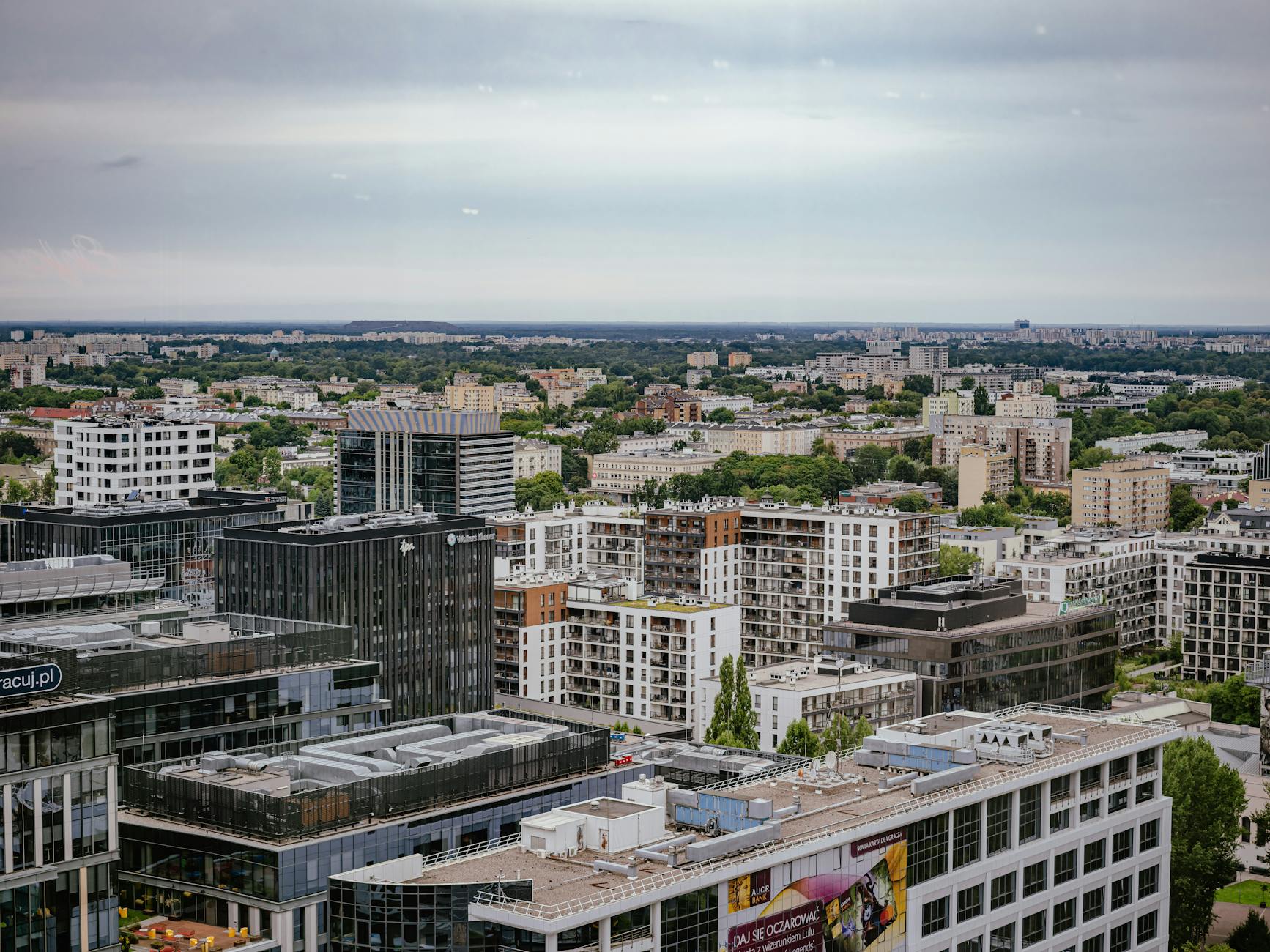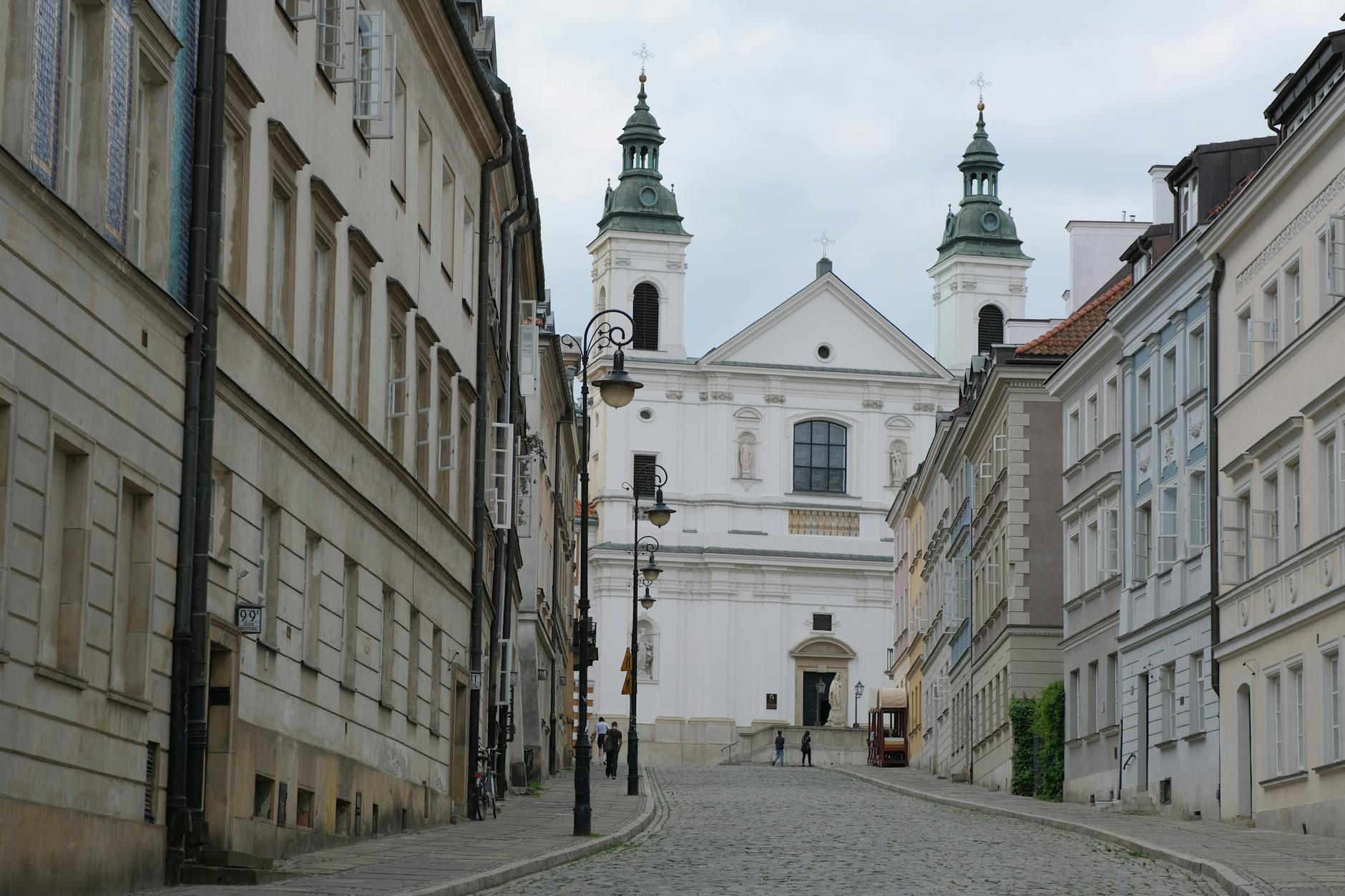
Warsaw can be a strong solo city because it offers museums, parks, cafes, restaurants, public transport, and walkable districts without requiring a group to make the trip work. The solo traveler still needs a clear base, simple arrival, weather-aware movement, and evening plans that feel easy rather than improvised.
Pick a base that makes solo movement easy
A solo traveler should choose lodging by daily ease: arrival route, transit access, nearby meals, evening return, and the ability to rest between activities. Warsaw has several workable bases, but the best one depends on whether the traveler wants Old Town, museums, food, nightlife, business, or parks nearby.
The hotel area should reduce decision load.
- Check the walking route from transit stops, restaurants, and evening areas back to the hotel.
- Favor a base with nearby food, clear streets, and simple airport or rail access.
- Avoid isolated lodging just because the room price is attractive.
Make arrival straightforward
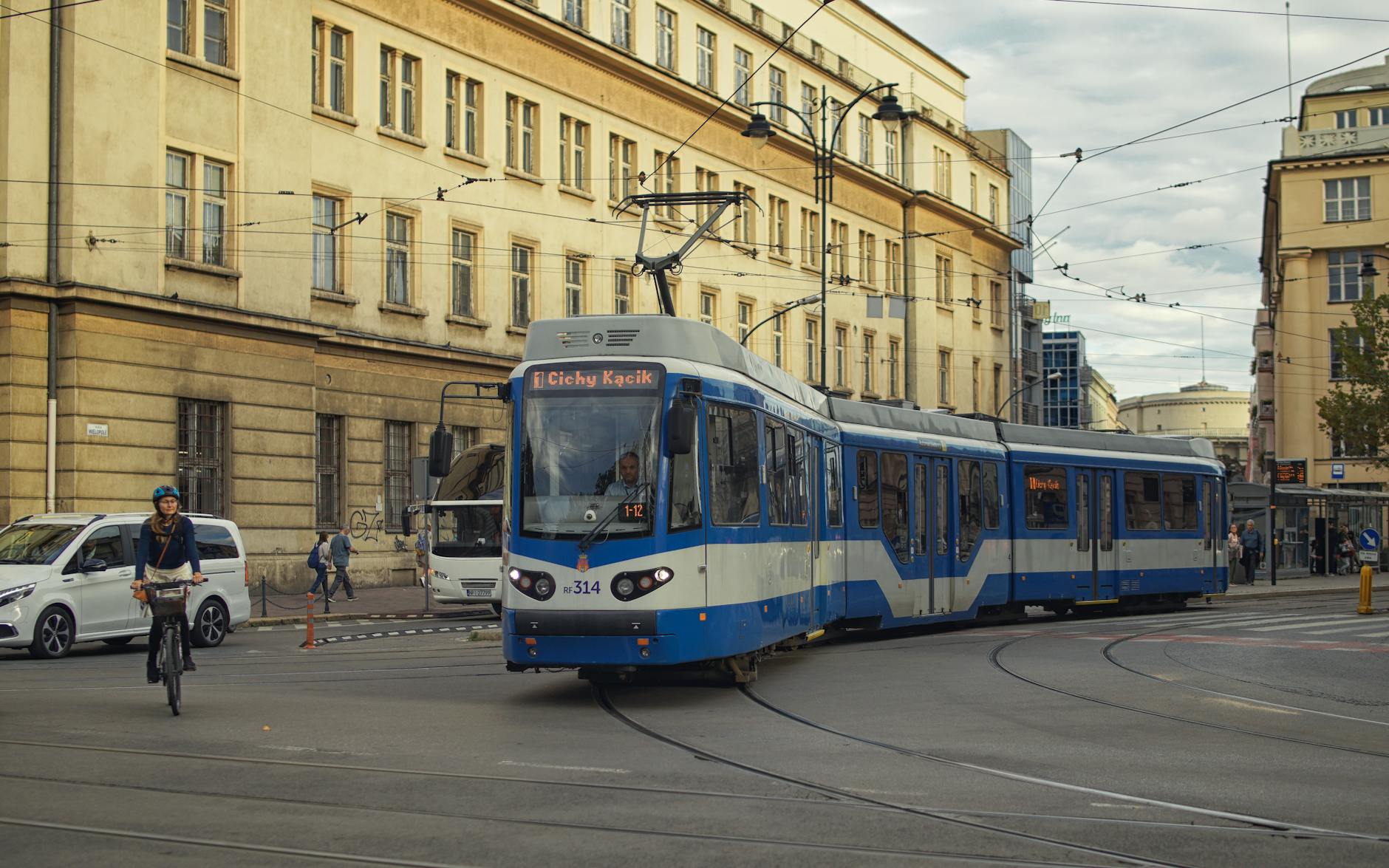
Solo arrival is the moment when tiredness, bags, phone battery, and unfamiliar transport combine. Warsaw is manageable, but the traveler should know the route from airport or station to hotel before landing. A direct route is worth more than a clever one late at night.
The first transfer should be simple.
- Save the hotel address, transit route, taxi or rideshare option, and check-in details offline.
- Use a taxi or rideshare when late arrival, luggage, weather, or fatigue makes public transport less comfortable.
- Keep phone battery, payment card, and backup cash accessible before leaving the airport or station.
Group the city into calm days
Solo travel can tempt a visitor to fill every gap, but Warsaw works better when the day has a clear shape. One museum, one district walk, one meal focus, and one flexible stop can be enough. A solo traveler should leave room to change pace without disappointing anyone else.
Flexibility is a solo advantage.
- Group Old Town, Royal Route, parks, museums, Praga, or riverside time into sensible clusters.
- Avoid crossing town repeatedly unless the route itself is part of the day.
- Build in a cafe or hotel pause before evening plans.
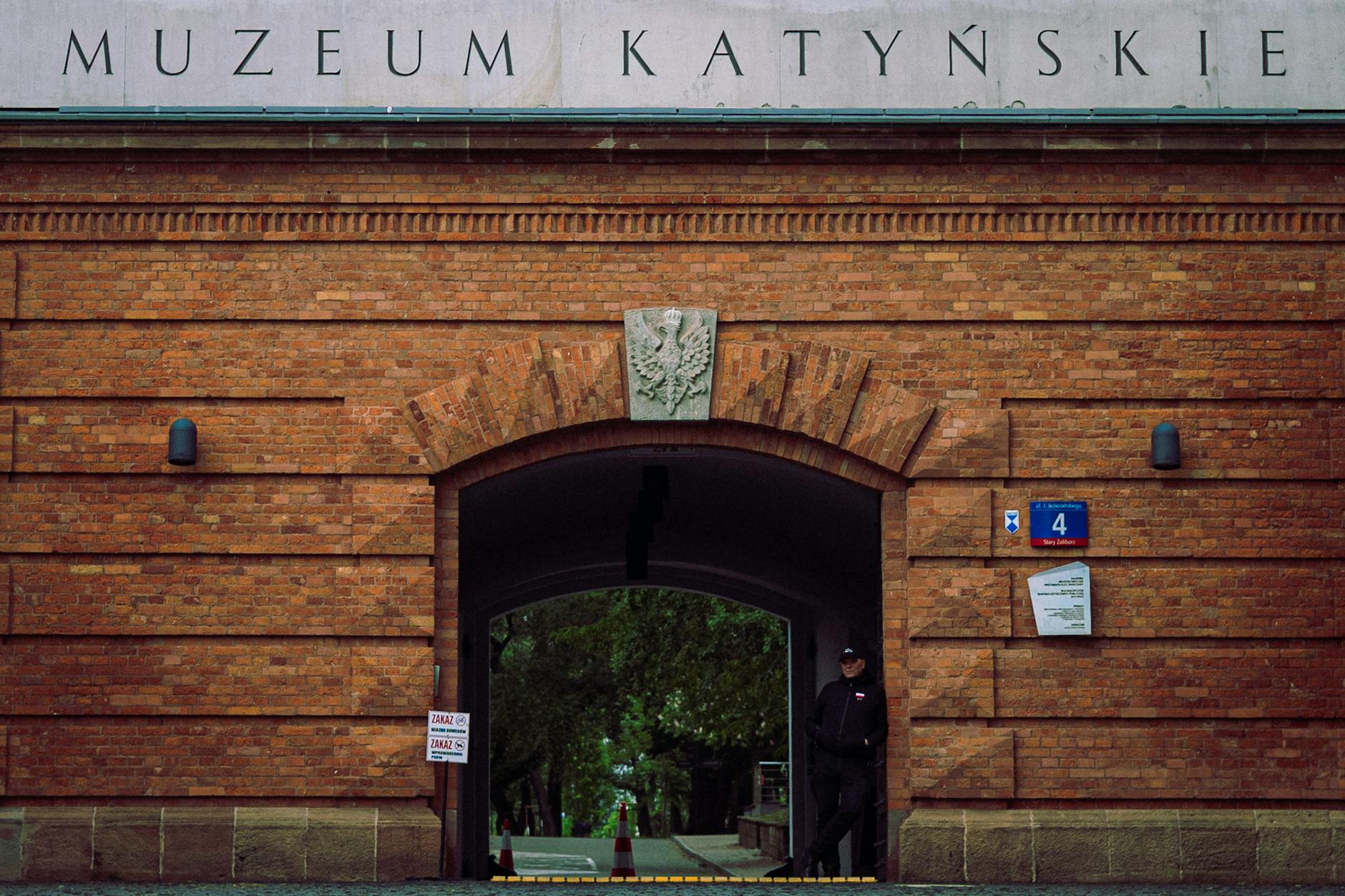
Use public space confidently but selectively
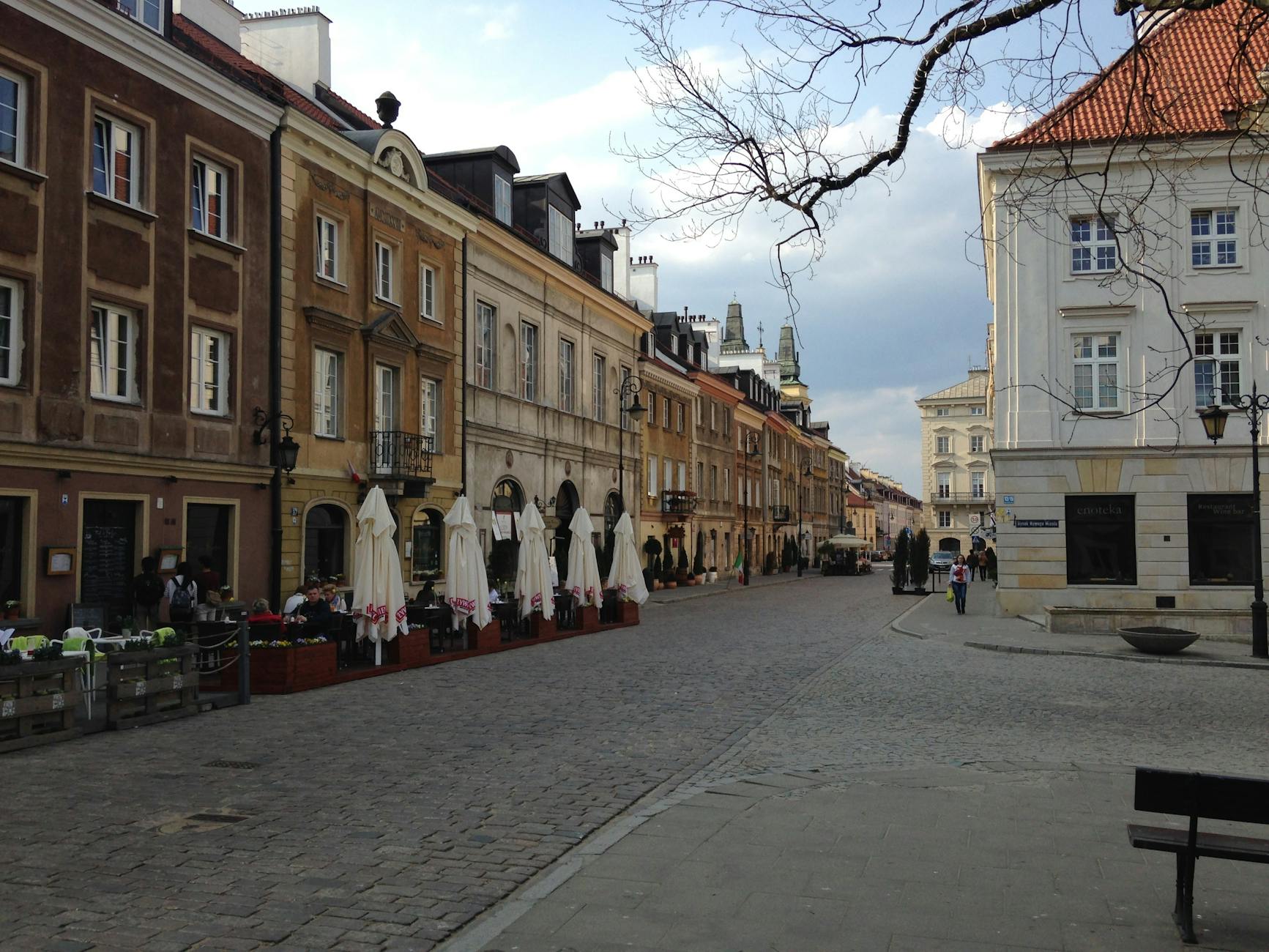
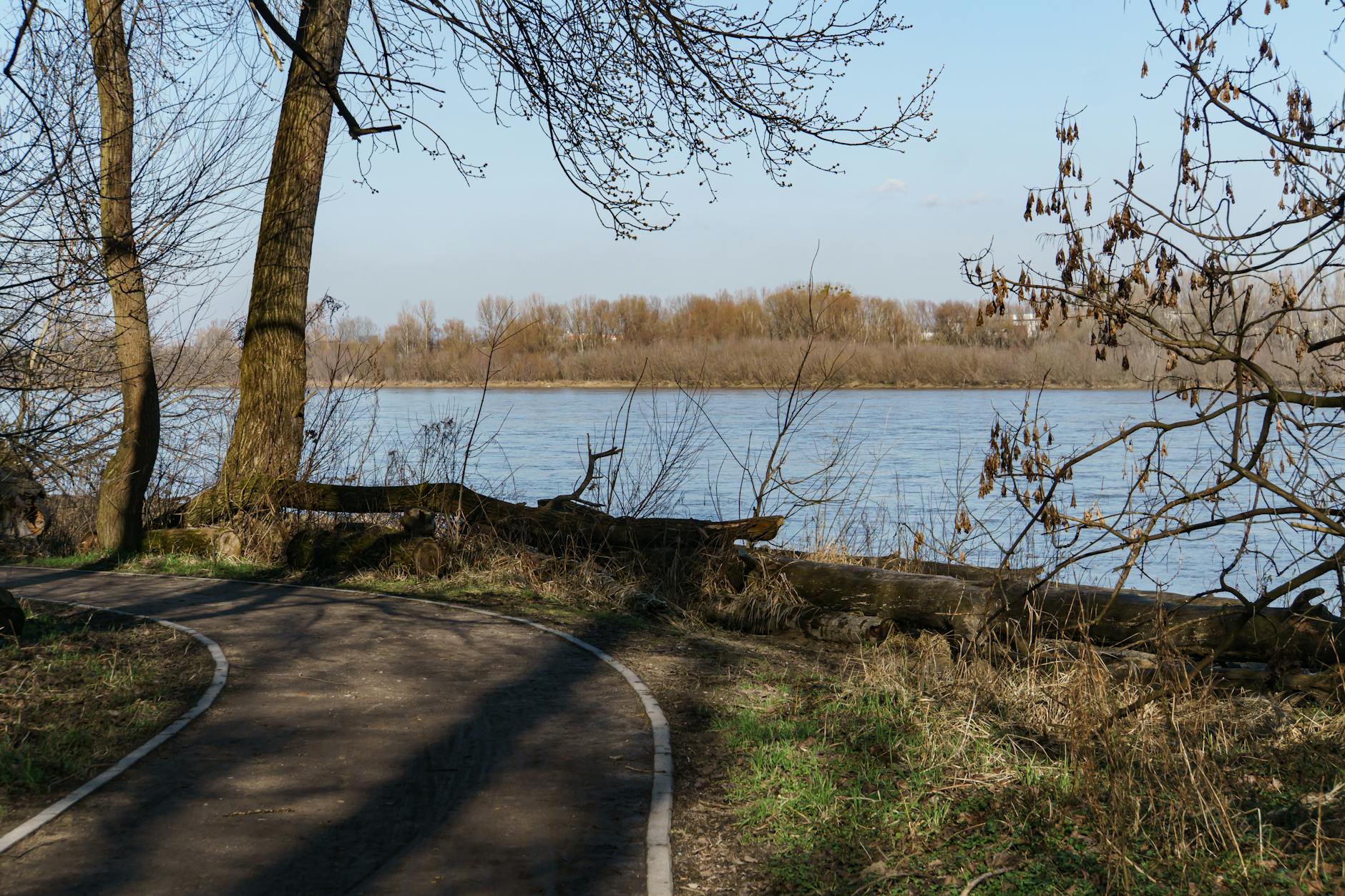
Warsaw has parks, river areas, cafes, and streets that can be pleasant alone. The solo traveler should still pay attention to lighting, weather, crowds, and the return route, especially after dark or in unfamiliar districts. Confidence and selectivity can coexist.
Solo comfort comes from knowing the exit.
- Use parks, river walks, and cafes during times that feel active and easy to navigate.
- Check the return route before committing to a long walk or late meal.
- Keep valuables controlled in stations, crowded transport, cafes, and busy viewpoints.
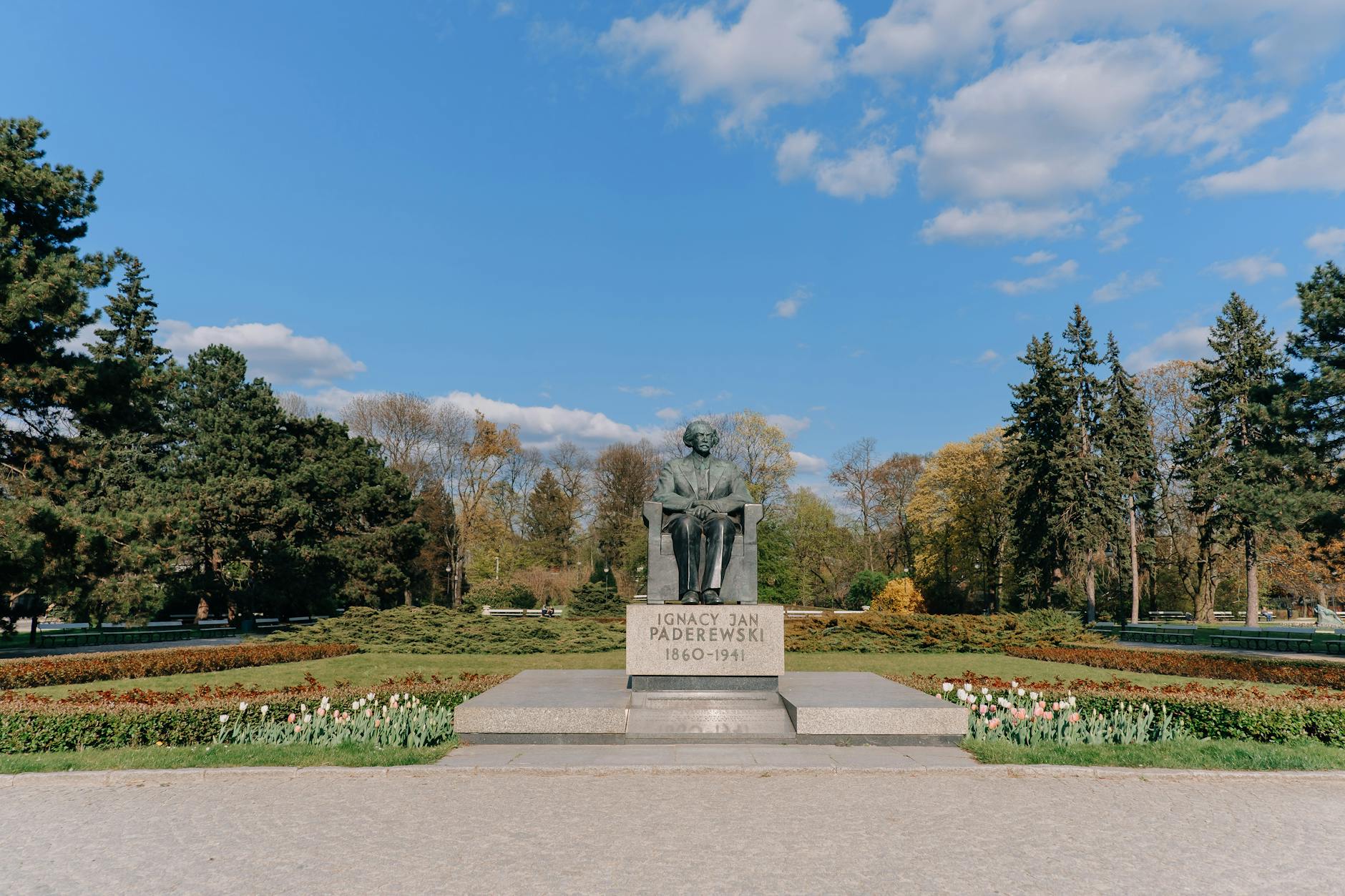
Let meals be part of the plan
Solo dining in Warsaw can be easy if the traveler chooses the format deliberately. Cafes, bakeries, casual Polish food, bar seating, modern restaurants, food halls, and hotel restaurants all have a place. The main mistake is waiting until tired and hungry to choose across town.
A solo meal should feel intentional, not leftover.
- Plan one or two meals near the day's main district before leaving the hotel.
- Use reservations for restaurants where solo walk-ins may be less reliable at peak times.
- Keep a nearby casual option for bad weather, late arrival, or low energy.
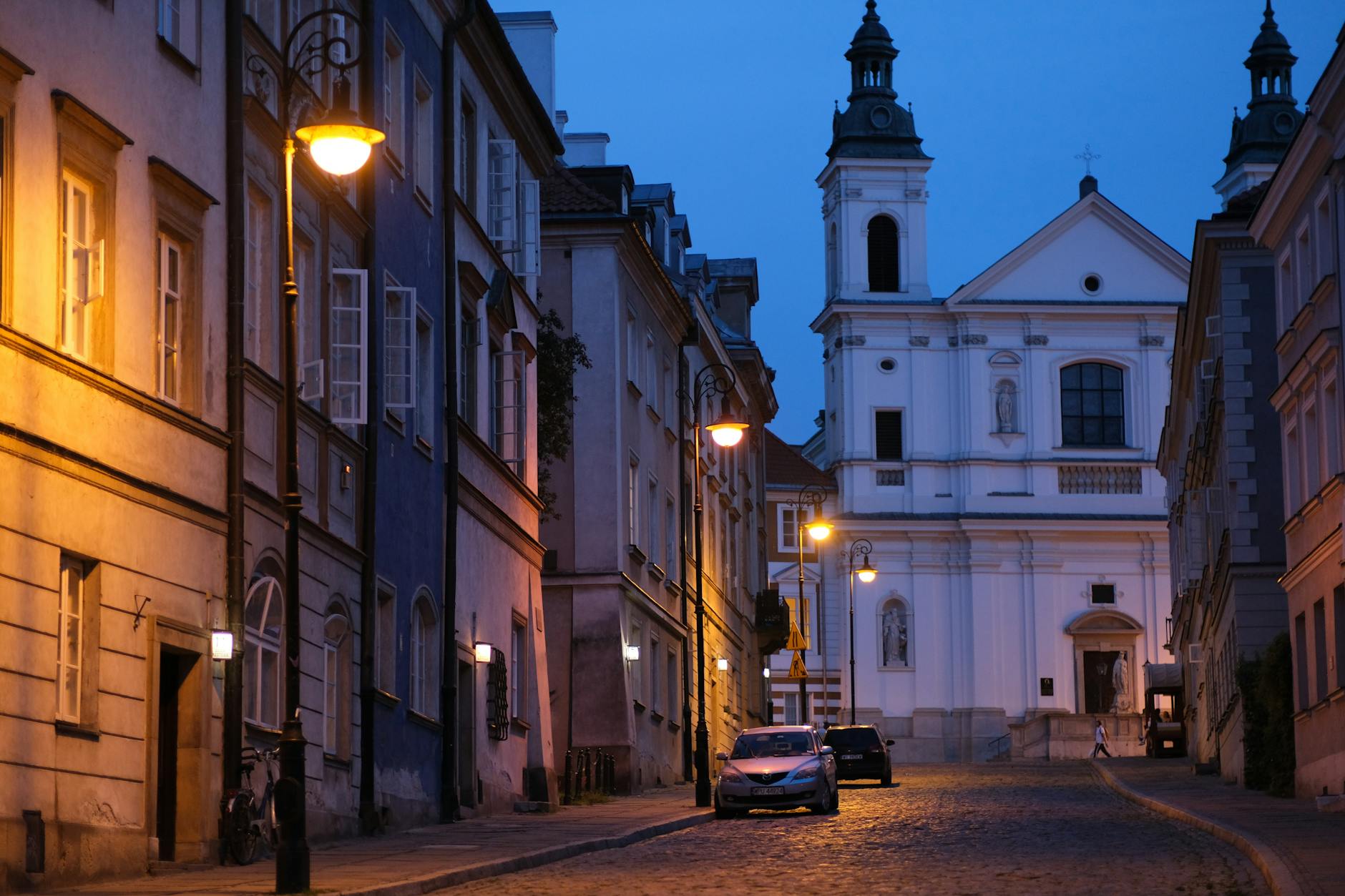
Be deliberate after dark
Warsaw evenings can be rewarding for a solo traveler, but the plan should be more specific than wandering until something appears. Choose a district, a dinner, a concert, a bar, or a short walk with a known way back. Weather and fatigue should have veto power.
The night should not depend on improvisation.
- Choose evening areas with clear transport, visible activity, and a simple hotel return.
- Avoid long late walks through unfamiliar areas when a taxi or rideshare would be simpler.
- Keep someone trusted aware of the rough plan if the evening runs late.
When to order a short-term travel report
A solo traveler with flexible time and simple interests may not need a custom report. A report becomes useful when the traveler wants a strong hotel area, specific museums, food planning, winter routing, safer evening structure, mobility support, or a tight arrival and departure.
The report should test arrival route, lodging area, day clusters, solo dining, transport, weather, device and document controls, evening routes, and departure buffers. The value is a Warsaw solo trip that stays independent without feeling vague.
- Order when hotel area, arrival, solo meals, museums, evenings, weather, or transport need exact planning.
- Provide dates, arrival mode, hotel candidates, interests, walking tolerance, budget, food preferences, and comfort concerns.
- Use the report to keep independence while reducing preventable friction.