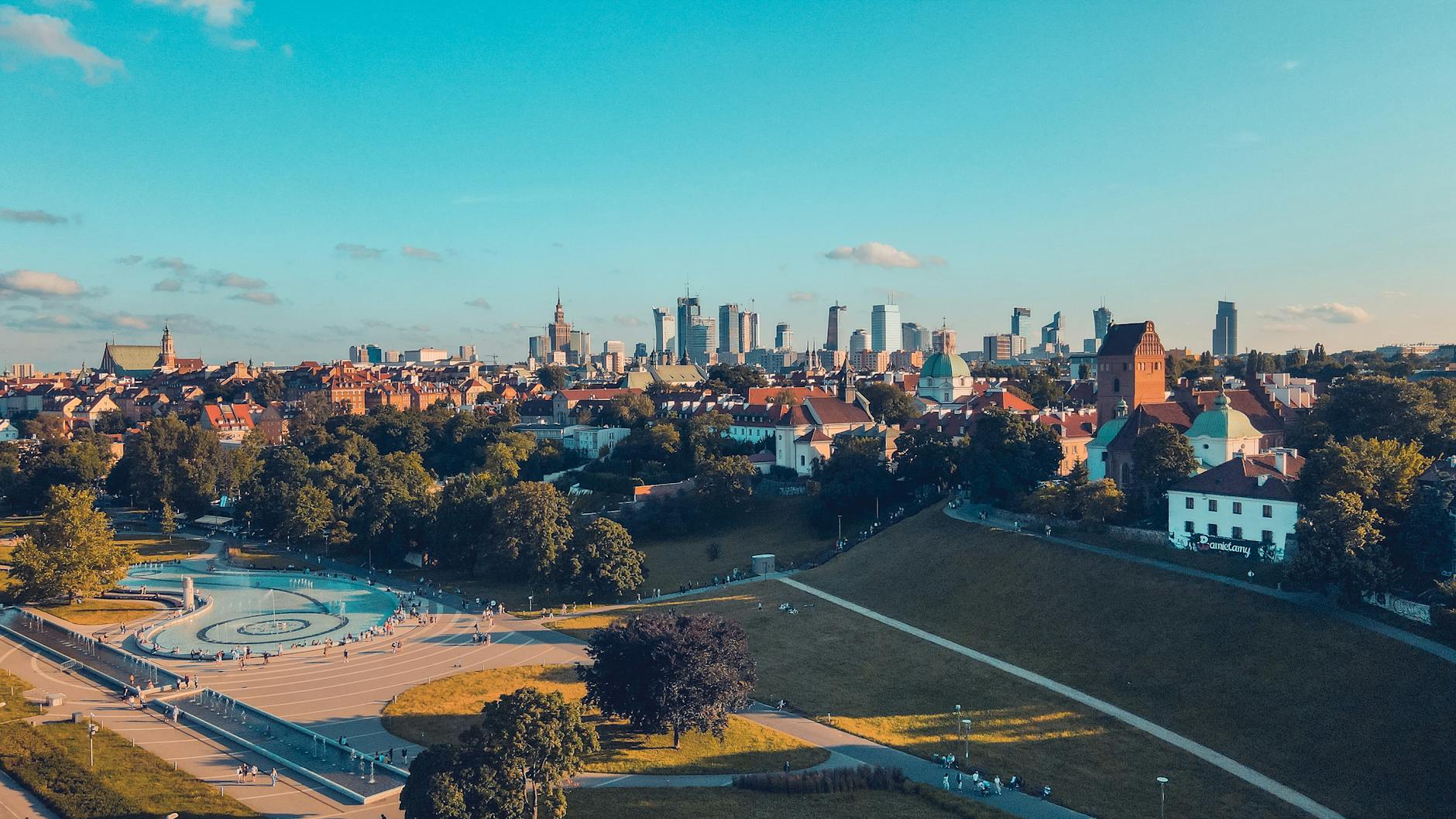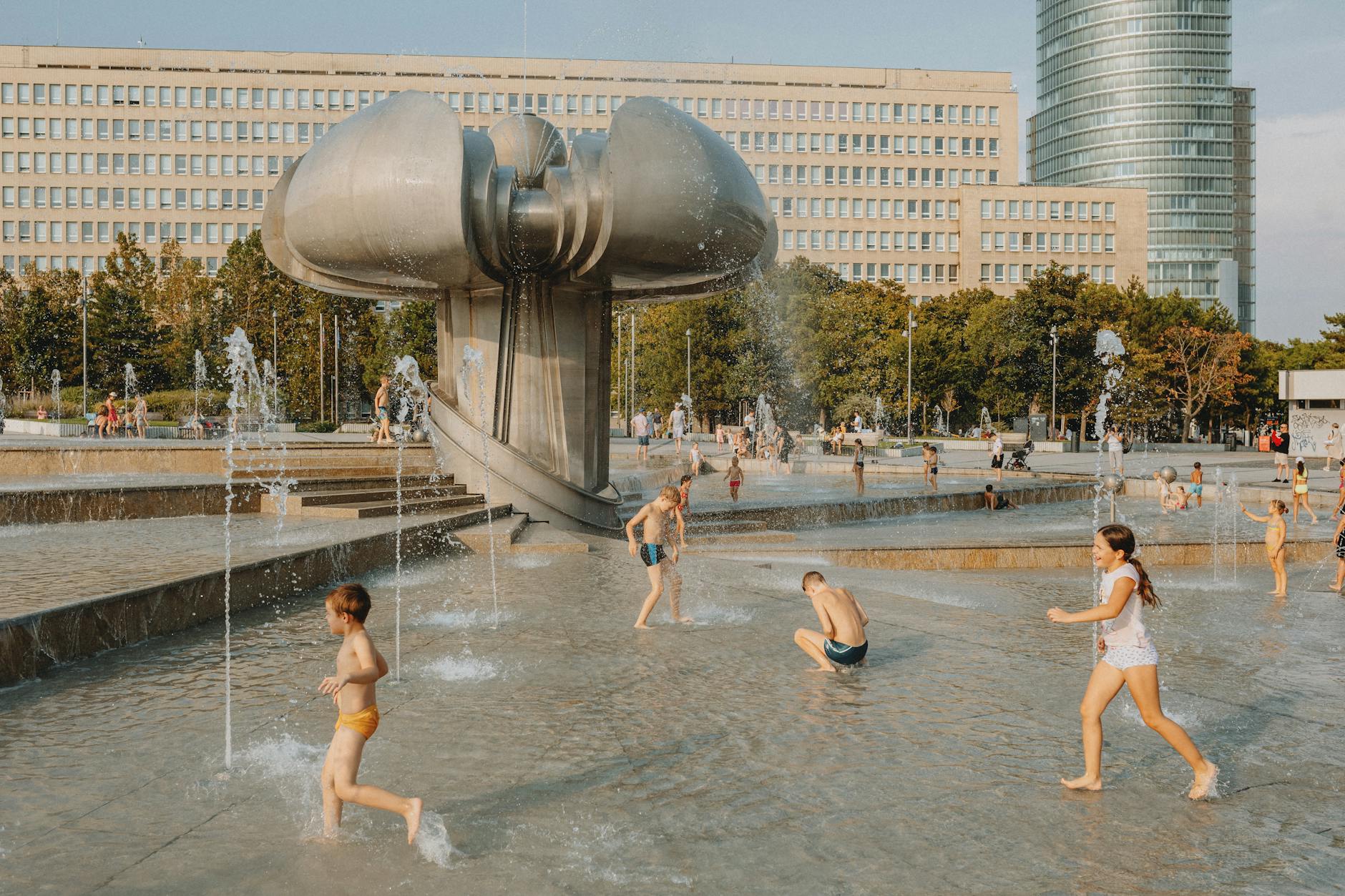
Warsaw can work well for families when the itinerary balances history with parks, science, food, short moves, and rest. The city has strong family-friendly pieces, but distances, weather, museum length, cobblestones, and transit choices can make a short visit harder if each day is built like an adult sightseeing checklist.
Choose a hotel for the family day, not only the room
A Warsaw family hotel should solve more than beds. Breakfast, elevators, room layout, nearby food, transit access, quiet, laundry, stroller storage, and a manageable return after dinner can shape the whole visit. A cheaper room far from every plan may cost energy quickly.
The base should make the day easier.
- Check room configuration, elevators, breakfast, crib or extra bed options, and nearby casual meals.
- Choose a base near the main daily districts rather than making every outing a transfer.
- Confirm luggage storage and early or late room support around flights and trains.
Balance history with interactive stops
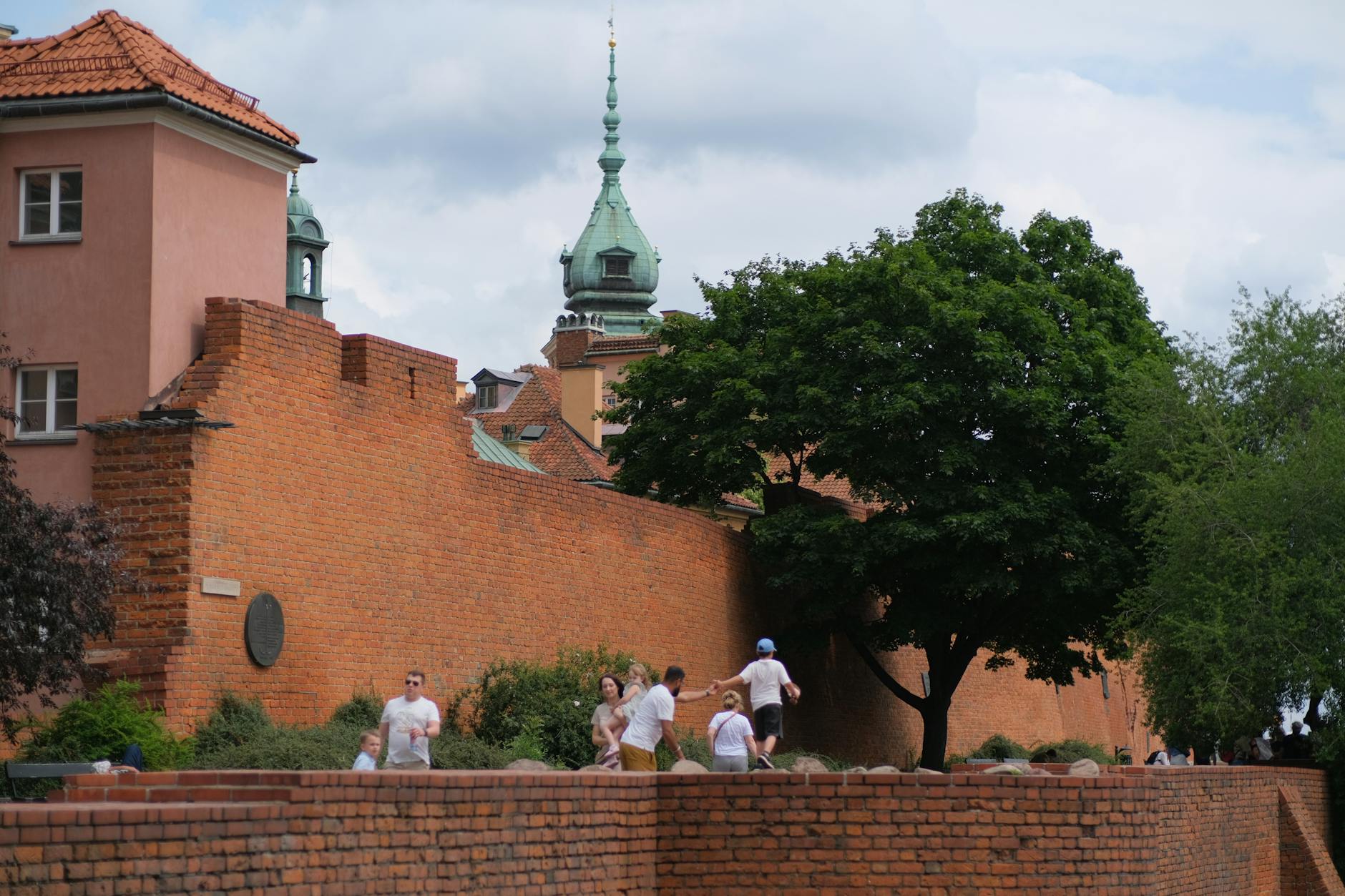
Warsaw's history is important, but children and teens may need context, breaks, and variety. A family should choose serious sites carefully and pair them with parks, science, viewpoints, food, or hands-on activities. The goal is understanding, not endurance.
A family day needs contrast.
- Choose a limited number of museums or historical sites based on ages, attention span, and visit length.
- Check timed tickets, exhibits, cloakrooms, stroller rules, and language support before arrival.
- Pair heavier content with parks, snacks, or a lighter neighborhood walk.
Use parks as real itinerary anchors
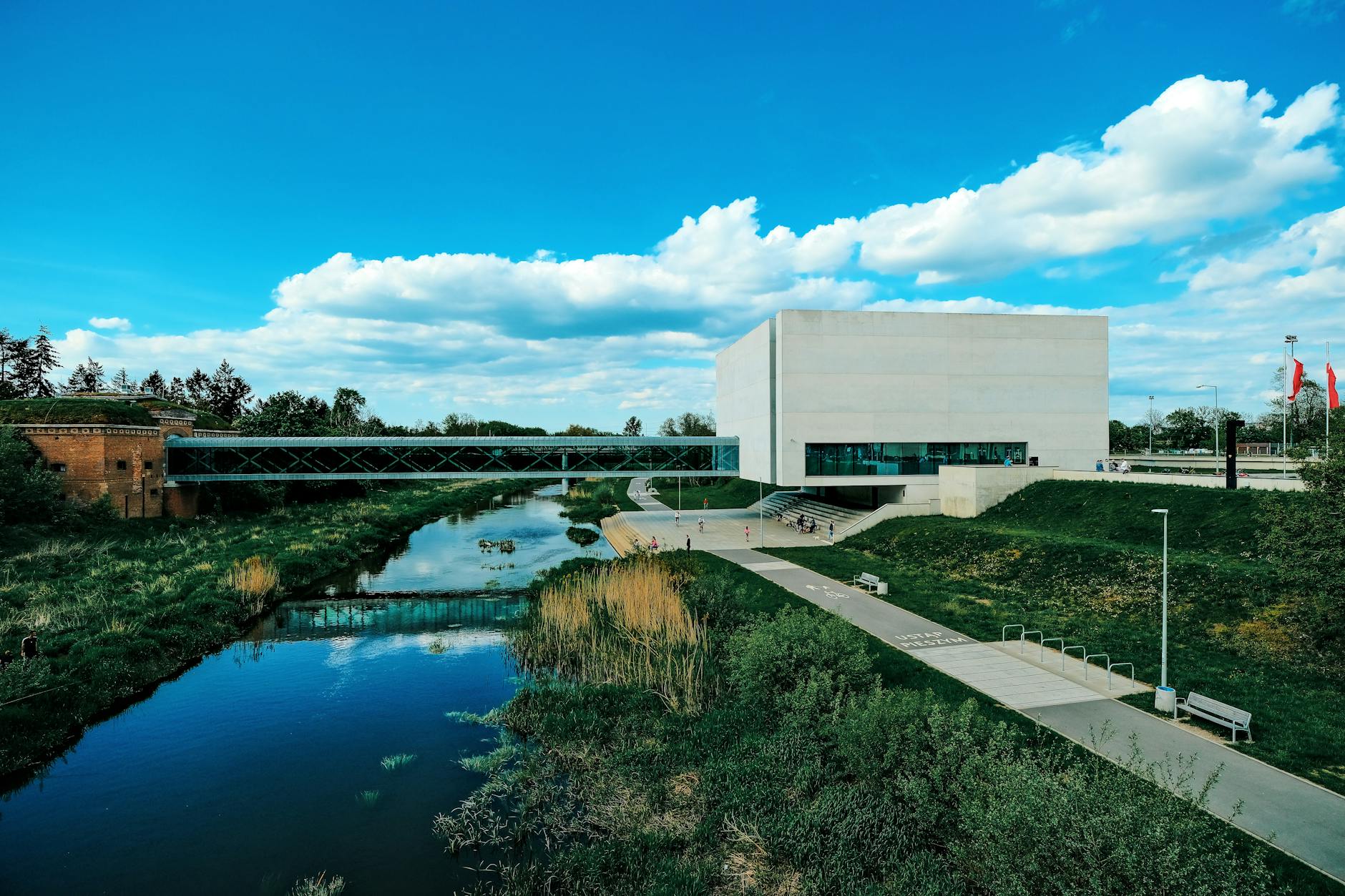
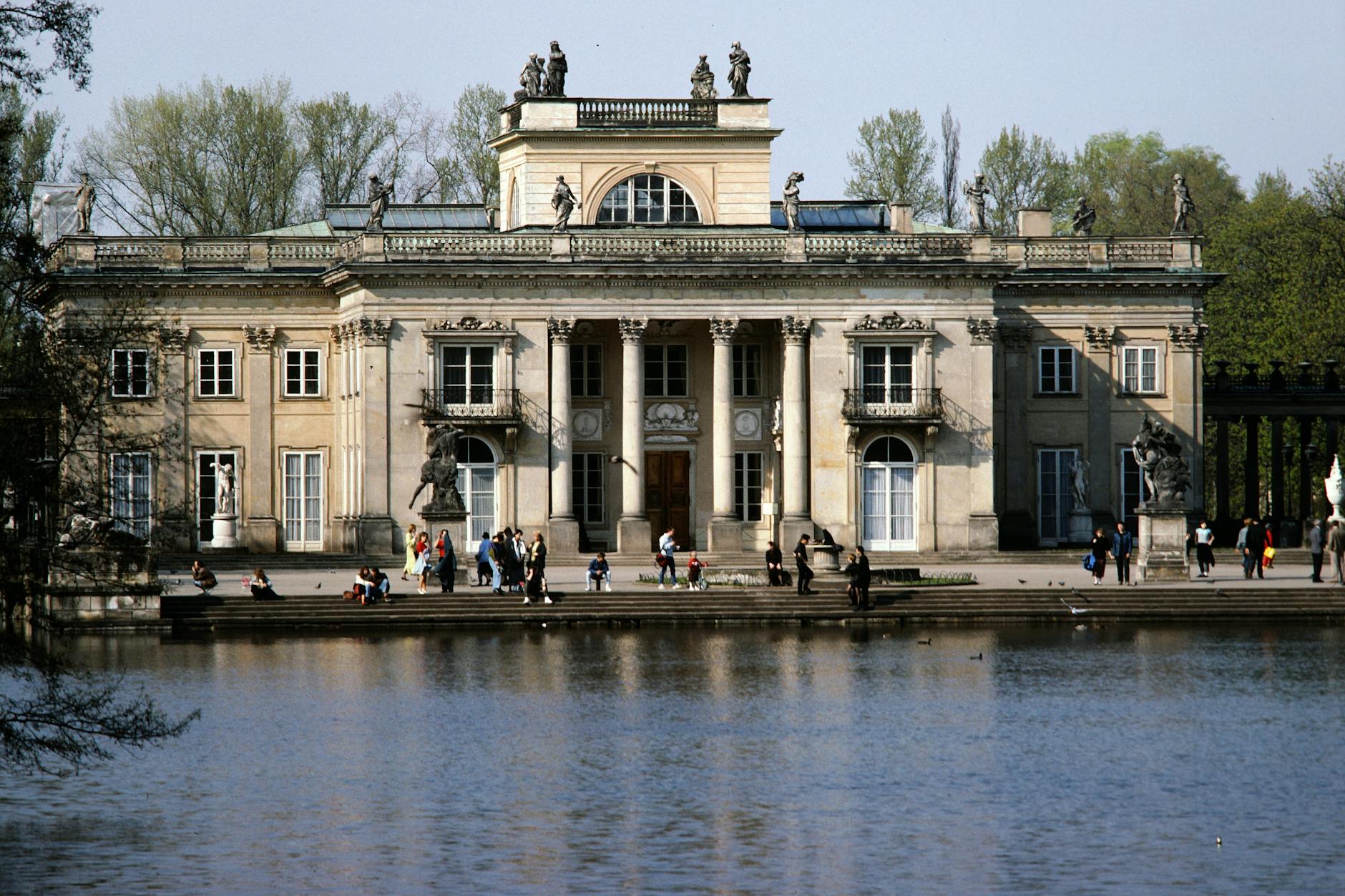
Warsaw's parks can rescue a short family trip from becoming too dense. Lazienki Park, Saxon Garden, riverside areas, and neighborhood green spaces offer movement, rest, and a reset between structured visits. Parks should be planned, not treated as leftovers.
Open space can be the difference between a good day and a forced day.
- Build a park or riverside break into each full sightseeing day when weather allows.
- Use green space after museums, long meals, or transport-heavy mornings.
- Check walking distances, toilets, snacks, shade, and seasonal conditions before relying on a park stop.
Make transport simple with children
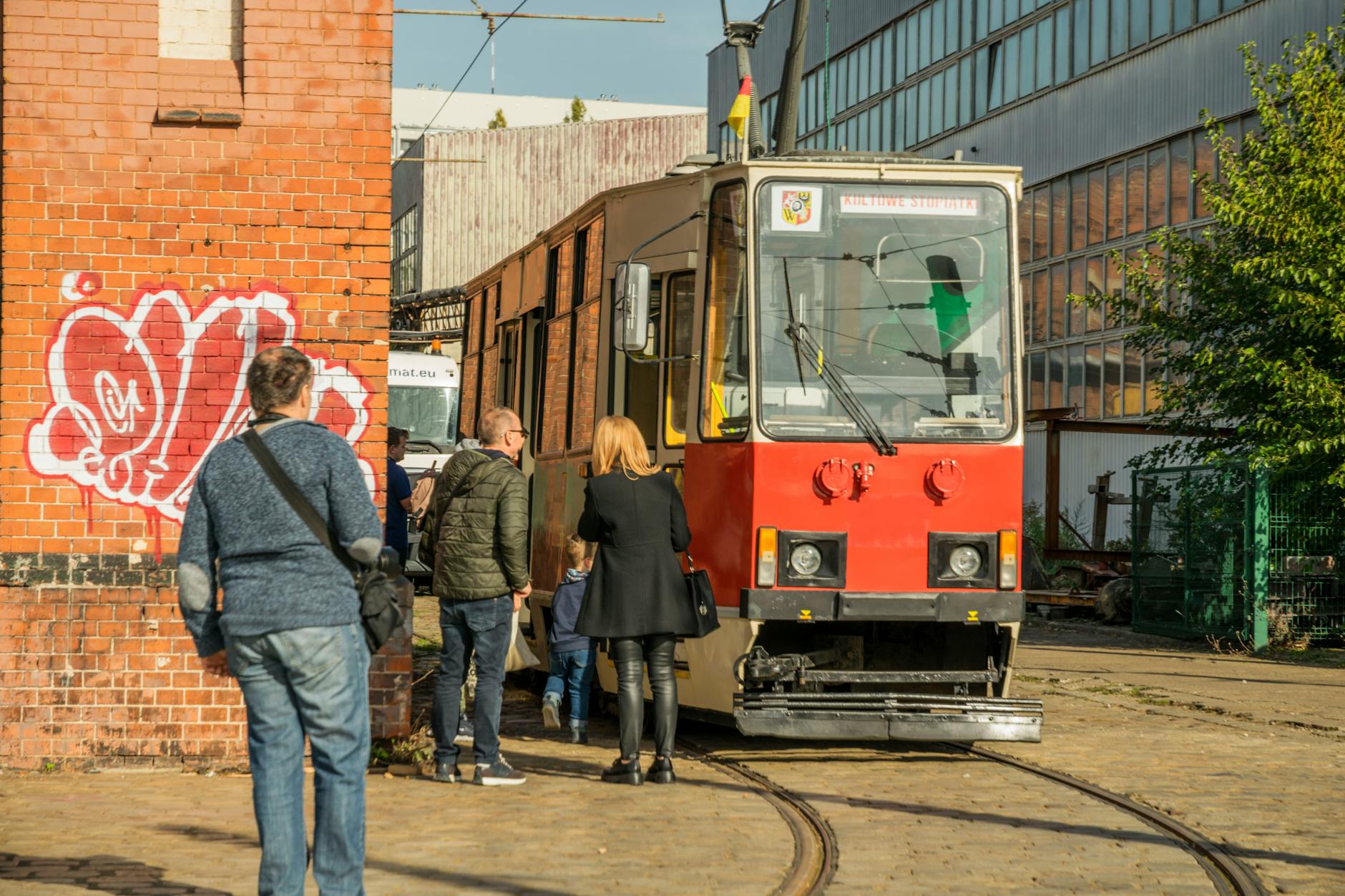
Warsaw transport can work well for families, but the best option depends on age, stroller needs, luggage, weather, and distance. Public transport is useful when direct; taxis or rideshare may be easier after dinner, in bad weather, or with tired children.
The route should match the family, not the map ideal.
- Check elevators, platform access, transfer distance, and stroller practicality before choosing public transport.
- Use direct taxis or rideshare when fatigue, rain, snow, luggage, or late hours make transit awkward.
- Keep snacks, water, layers, and a small activity ready for waiting time.
Plan food before everyone is tired
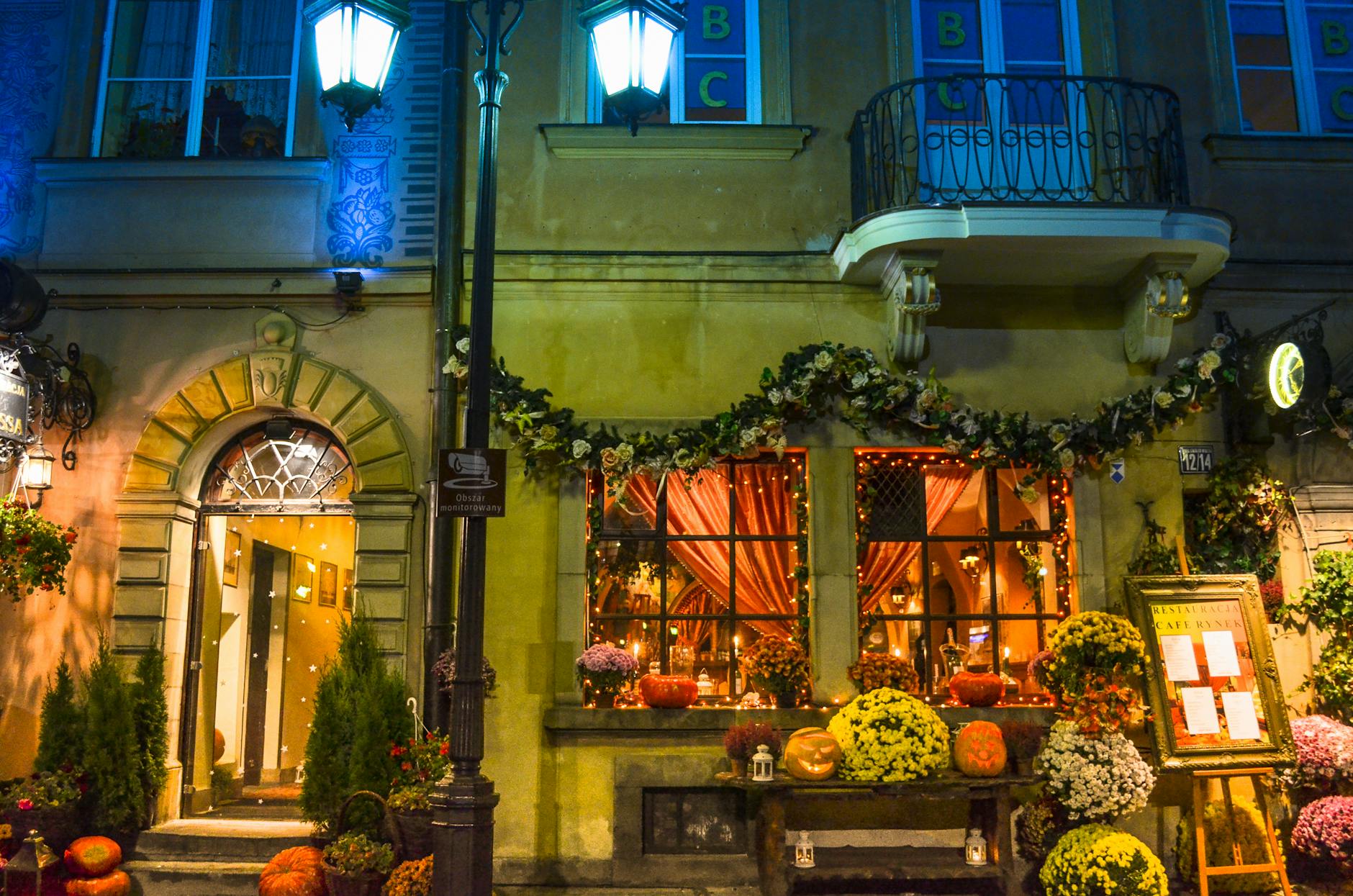
Family meals in Warsaw are easier when the traveler chooses options by district and timing. Casual Polish food, bakeries, cafes, hotel restaurants, food halls, and reservations can all help. Waiting until children are hungry often turns a good plan into a search.
Food planning is energy planning.
- Identify lunch and dinner options near the day's main districts before leaving the hotel.
- Check opening hours, kid-friendly menus, reservation needs, and whether the route requires extra walking.
- Keep a simple backup near the hotel for arrival night or bad weather.
Respect bedtime, weather, and daily limits
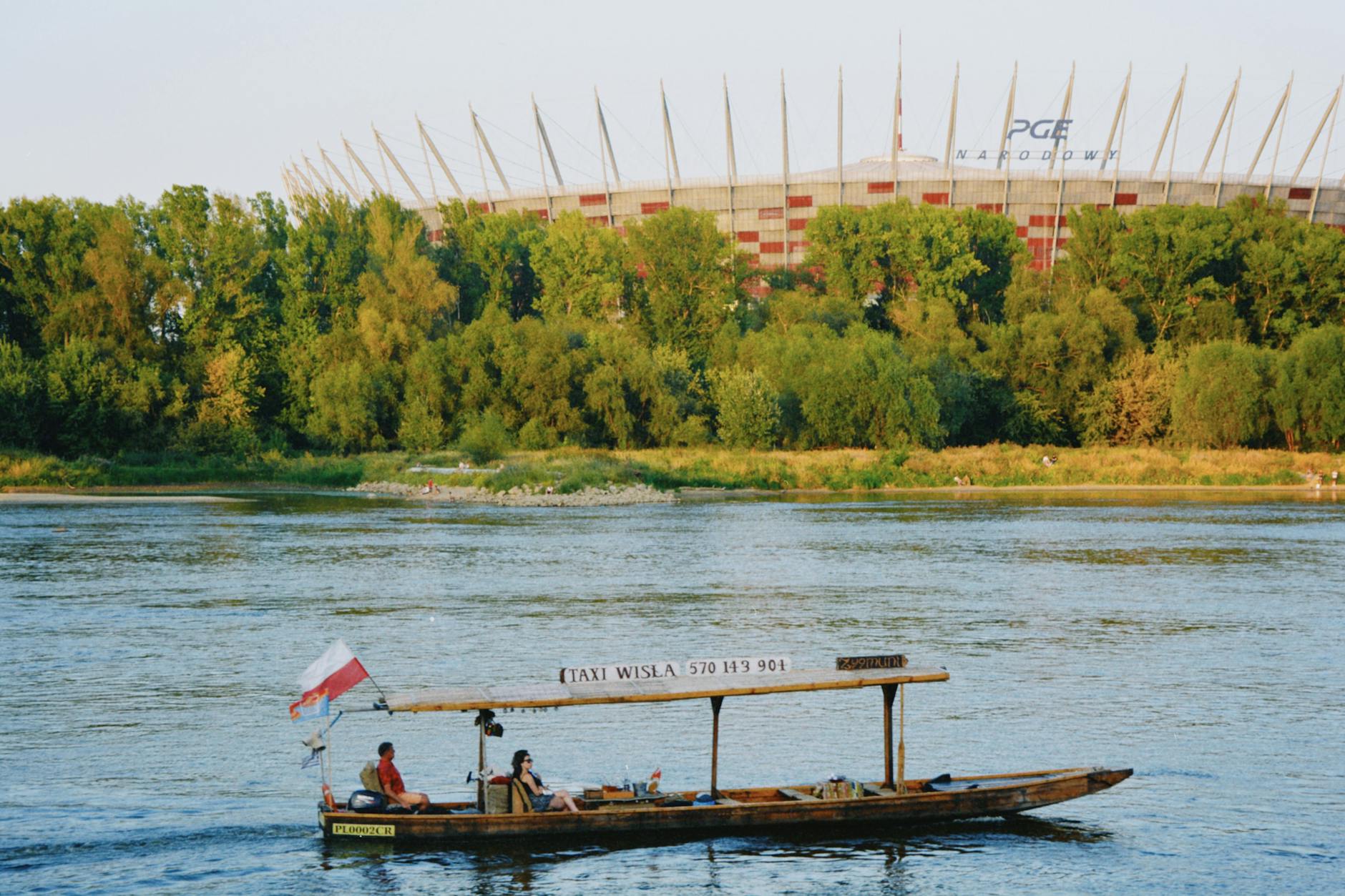
A family trip can fall apart when the plan ignores sleep, weather, and walking load. Warsaw can be cold, wet, hot, or windy depending on the season, and a short stay should not depend on perfect conditions. The family should keep indoor alternatives and earlier evenings available.
A realistic day is not a weaker day.
- Pack layers, comfortable shoes, medication, chargers, and small essentials in the day bag.
- Limit late evenings before early flights, trains, tours, or museum bookings.
- Keep one indoor option ready for rain, snow, heat, or low energy.
When to order a short-term travel report
A family with older children, flexible time, and a simple hotel may not need a custom report. A report becomes useful when the trip includes young children, strollers, grandparents, museum priorities, winter weather, food constraints, tight flights, or multiple districts in a short stay.
The report should test hotel setup, arrival route, daily grouping, stroller exposure, parks, museums, food, weather alternatives, evening limits, and departure buffers. The value is a Warsaw family trip that has enough structure to stay calm and enough flexibility to remain enjoyable.
- Order when hotel setup, stroller needs, museums, food, weather, transport, or daily pacing need exact planning.
- Provide dates, ages, hotel candidates, arrival details, mobility needs, food constraints, interests, and budget.
- Use the report to keep the trip practical without flattening the fun parts.