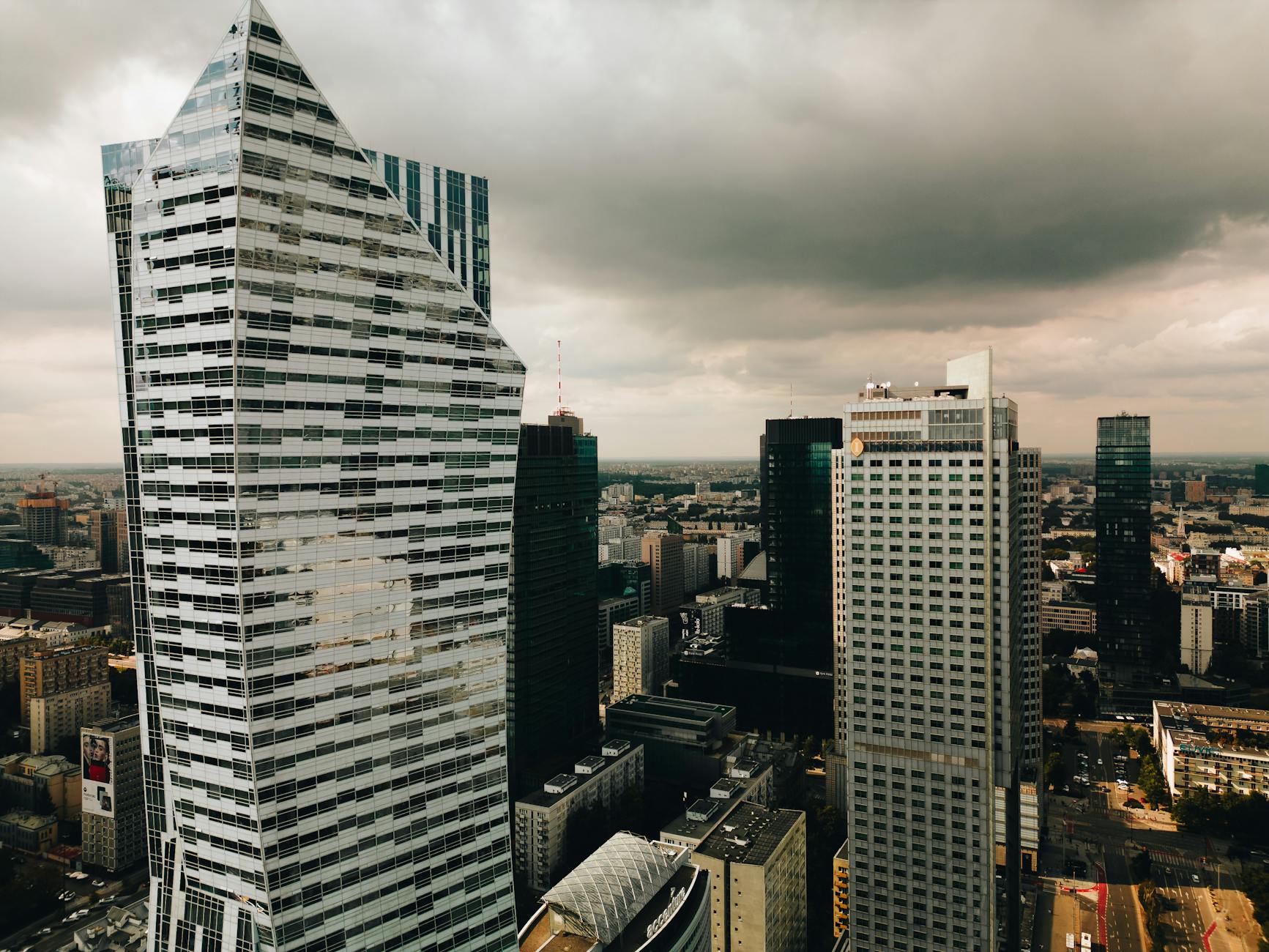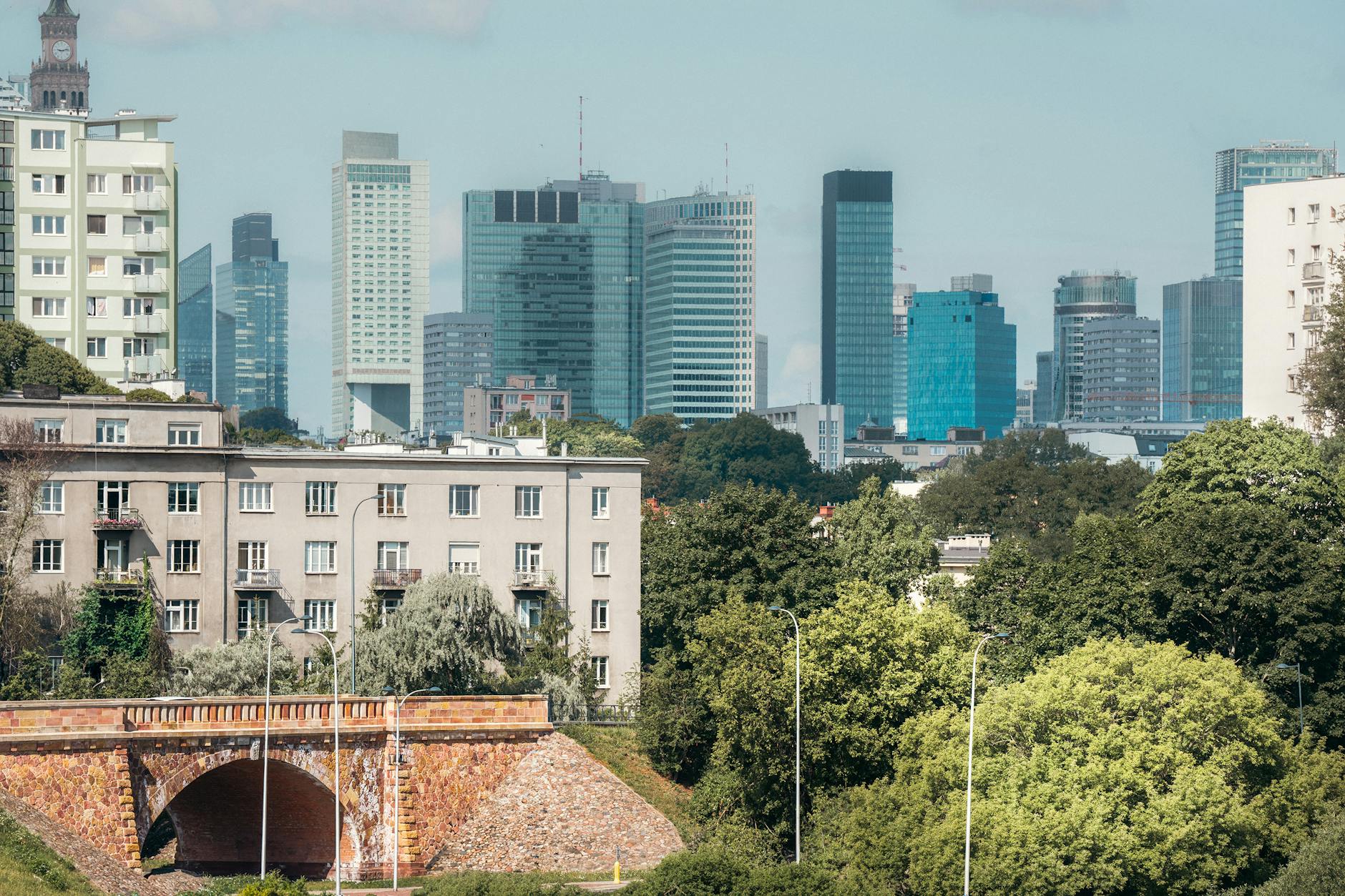
Warsaw can be efficient for a short conference trip if the attendee plans around the exact venue and calendar. The city has strong airport, rail, hotel, and public transport options, but conference travel often fails in the gaps: late arrival, wrong hotel area, rushed registration, weak dinner planning, or underestimating weather and cross-city movement.
Confirm the real conference geography
The venue name is not enough. A Warsaw conference attendee should confirm the exact address, entrance, registration area, session rooms, evening reception location, and any off-site events. Hotels and transfer plans should follow that map.
The venue pattern decides the trip.
- Check whether sessions, registration, receptions, and dinners are in one building or multiple locations.
- Confirm the correct entrance and badge pickup time before arrival.
- Choose lodging that supports the first session and the last evening event.
Build arrival around registration
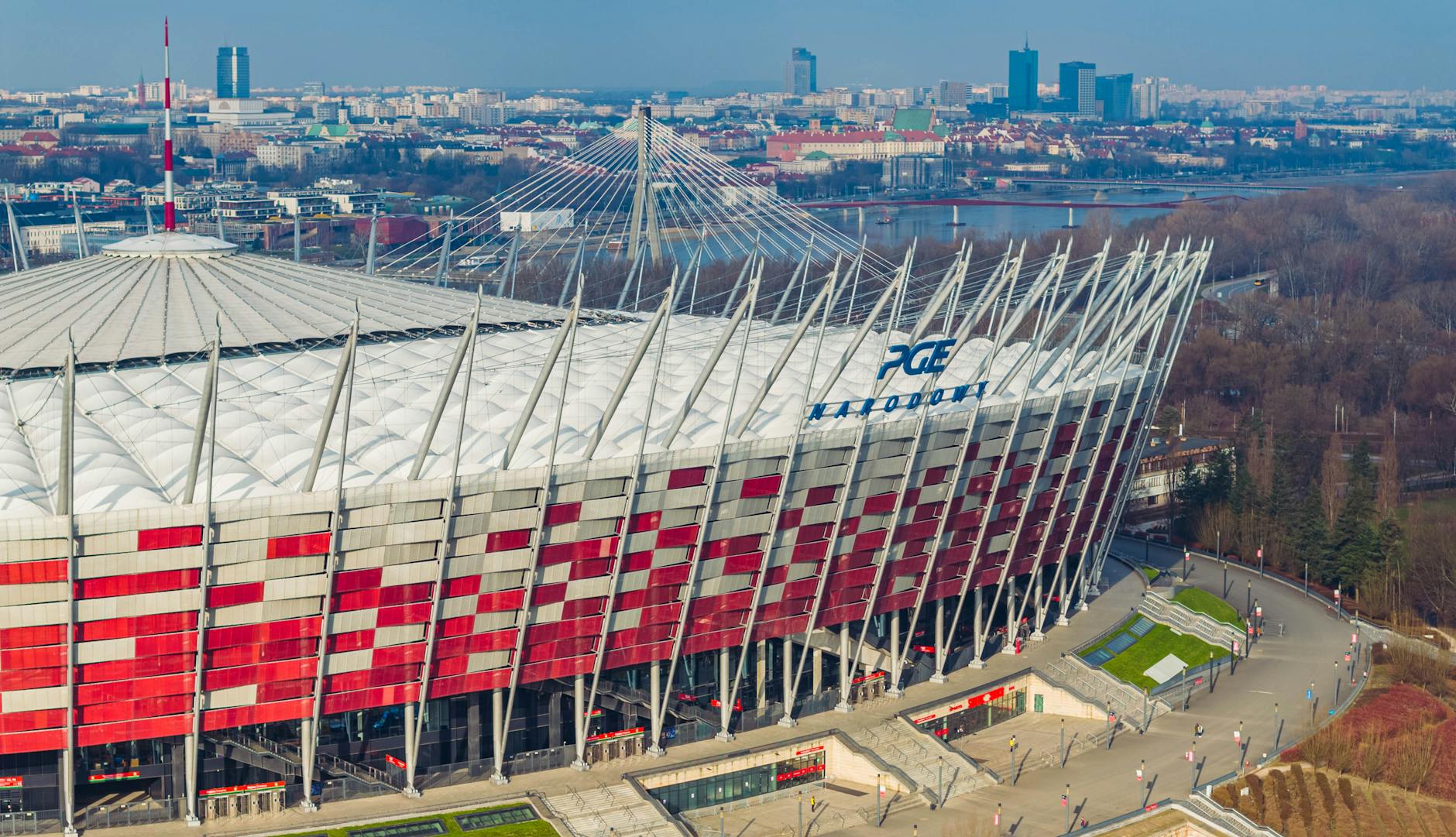
Conference arrival should be planned backward from registration, the opening session, speaker checks, exhibitor setup, or the first networking event. Warsaw Chopin Airport is convenient for many attendees, while rail can work well from other Polish or European cities. The best choice is the one that protects the first fixed obligation.
The opening day needs a buffer.
- Leave time for baggage, transfer, hotel check-in, badge pickup, and venue orientation.
- Arrive the previous evening if presenting, staffing a booth, hosting clients, or attending an early session.
- Keep flight or rail details flexible enough to absorb moderate delays.
Make the hotel an operating base
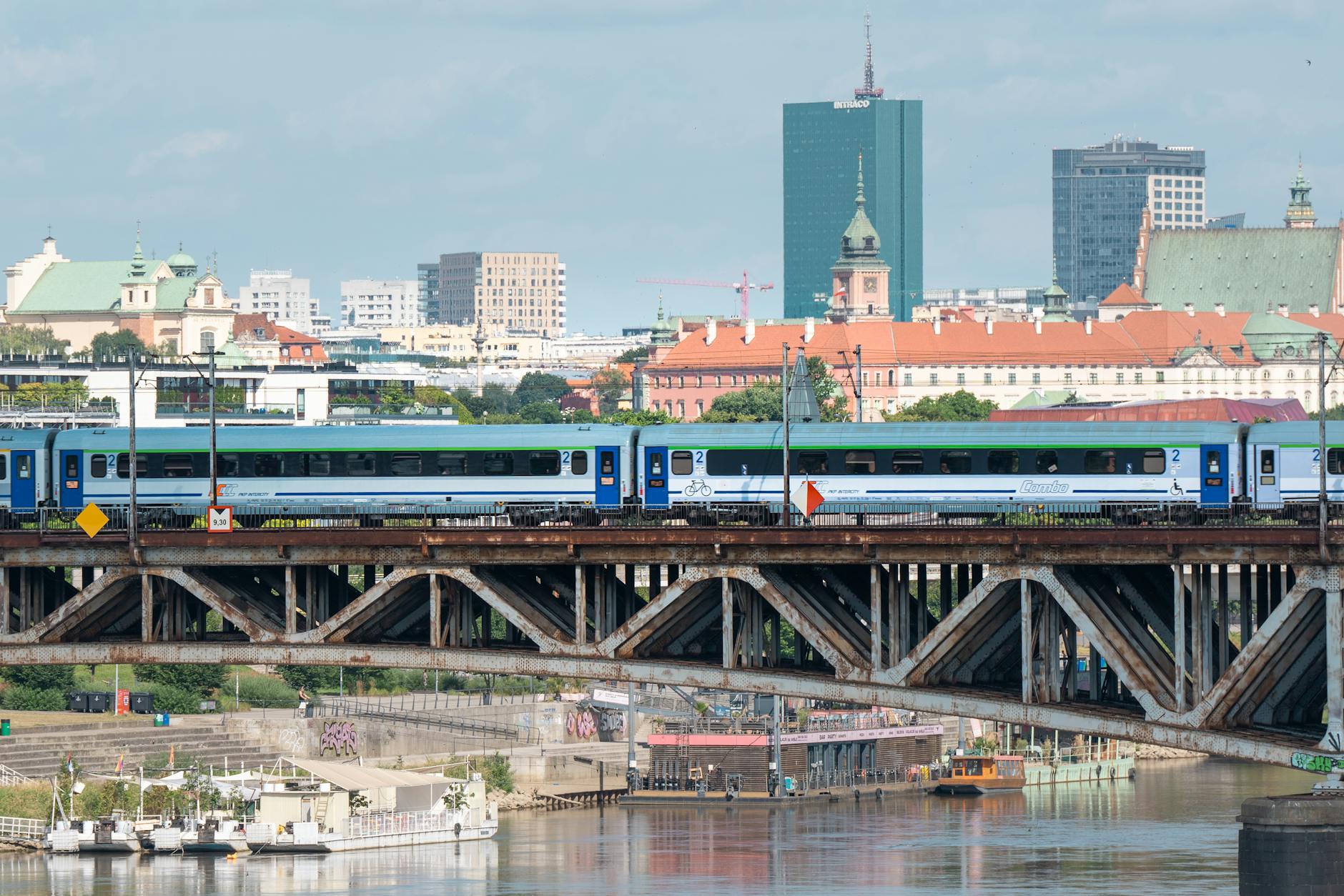
A conference hotel should support the working day. The attendee may need breakfast before sessions, a quiet room for calls, storage for materials, easy taxi pickup, reliable Wi-Fi, and a simple return after receptions. A cheaper hotel can be expensive if it weakens the schedule.
The hotel should reduce conference friction.
- Check walking or transit time to the venue at session start and reception end times.
- Confirm Wi-Fi, desk space, breakfast hours, luggage storage, and late checkout.
- Prioritize proximity when carrying samples, conference bags, presentation materials, or formal clothes.
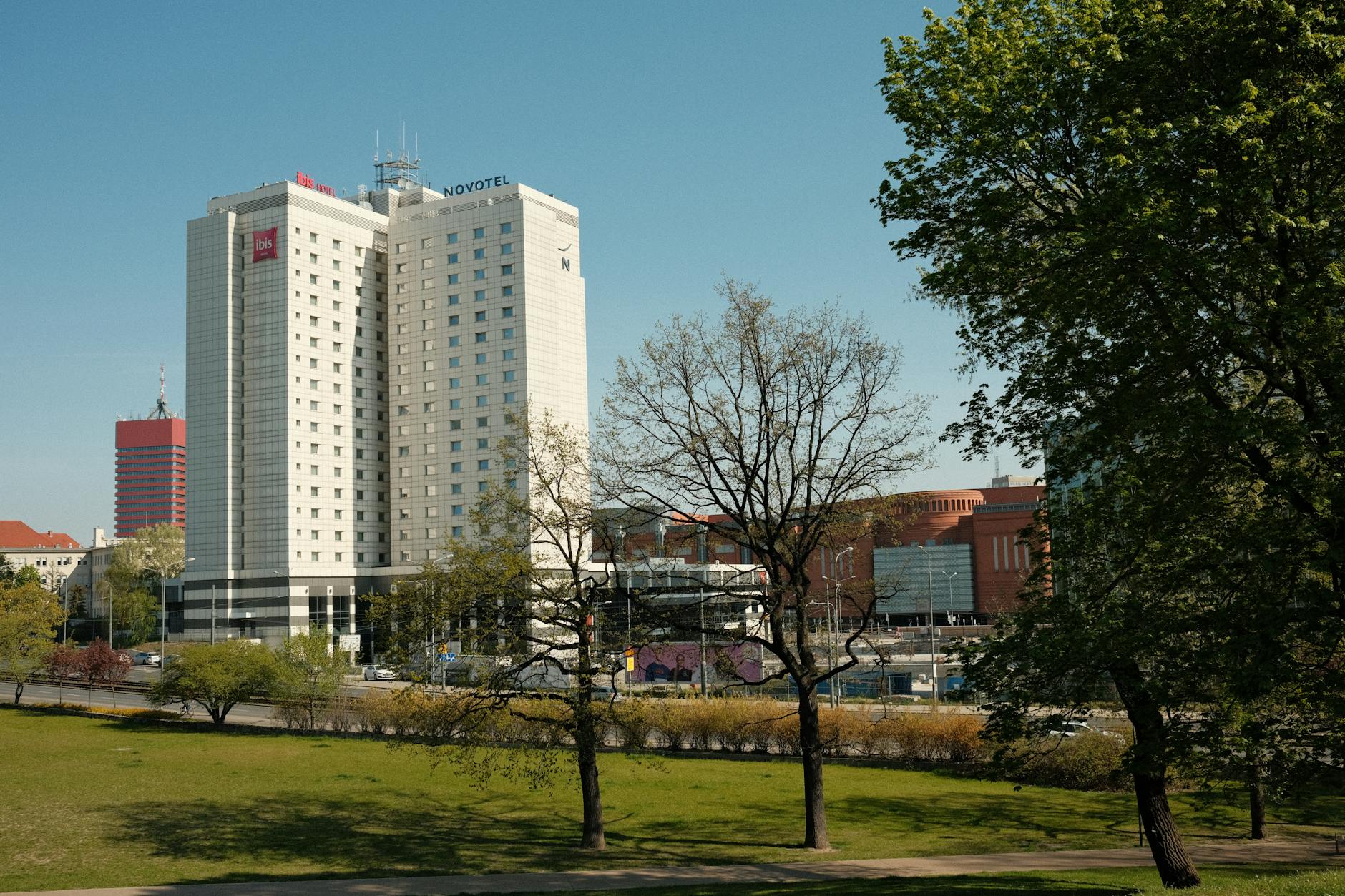
Plan session movement and weather
Conference days are often tighter than ordinary leisure days. Weather, venue security, coat check, crowded elevators, transit delays, and long corridors can all affect timing. Warsaw is manageable, but the attendee should not stack commitments as if every route will be frictionless.
The calendar needs movement time.
- Add buffers between sessions, off-site meetings, meals, and evening events.
- Check weather before choosing shoes, coats, bags, and walking-heavy routes.
- Know taxi, rideshare, metro, tram, and walking options between the hotel, venue, and receptions.
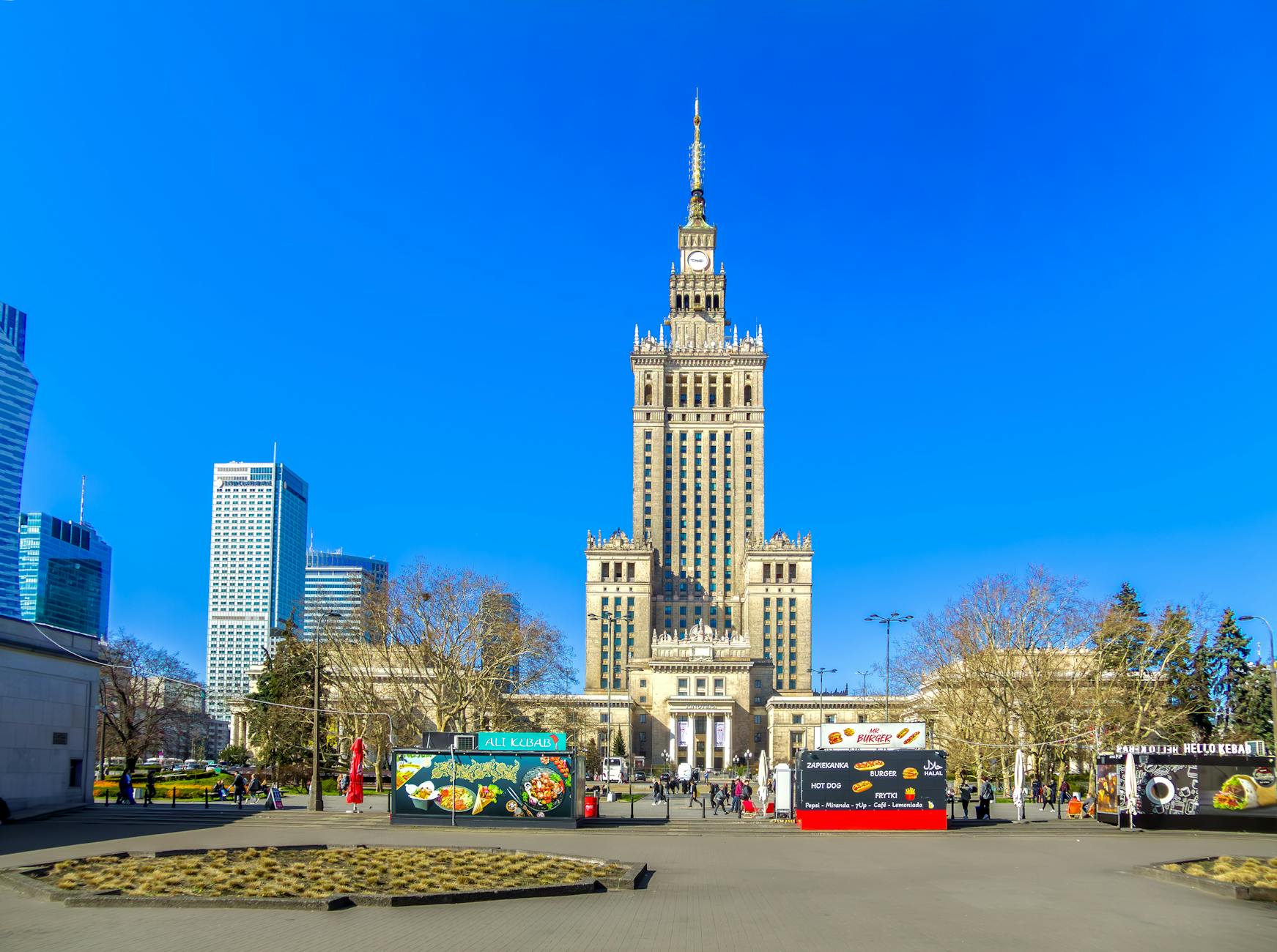
Treat networking as part of the itinerary
Conference value often comes from meetings, dinners, receptions, and informal conversations rather than only sessions. The attendee should decide which events are essential, where follow-up conversations might happen, and how much recovery time is needed between long days.
Networking needs structure, not just availability.
- Prioritize the receptions, meetings, dinners, and side events that support the trip purpose.
- Keep space for notes, follow-up messages, and preparation before the next day.
- Avoid late plans that weaken a presentation, client meeting, or early panel.
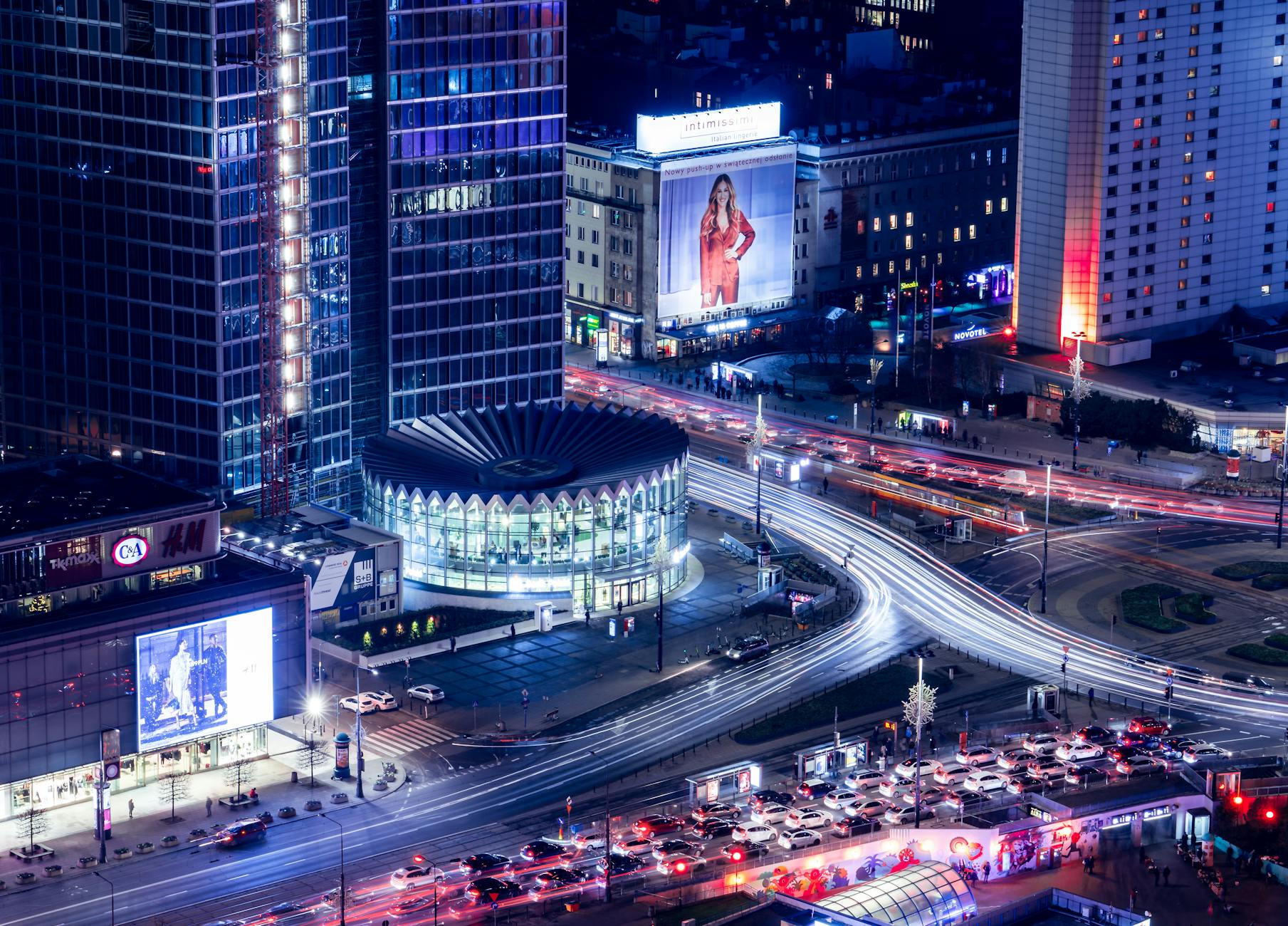
Handle meals and evenings practically
Warsaw has good dining options for client meals, solo meals, team dinners, and casual recovery, but conference attendees should book by district and timing. A meal across town can be worthwhile, but only if it does not collide with the next session or departure.
Meals should support the event schedule.
- Reserve important dinners near the venue, hotel, or next planned stop.
- Keep a simple meal option for late arrival, bad weather, or session overruns.
- Confirm the return route after receptions and dinners before the evening begins.
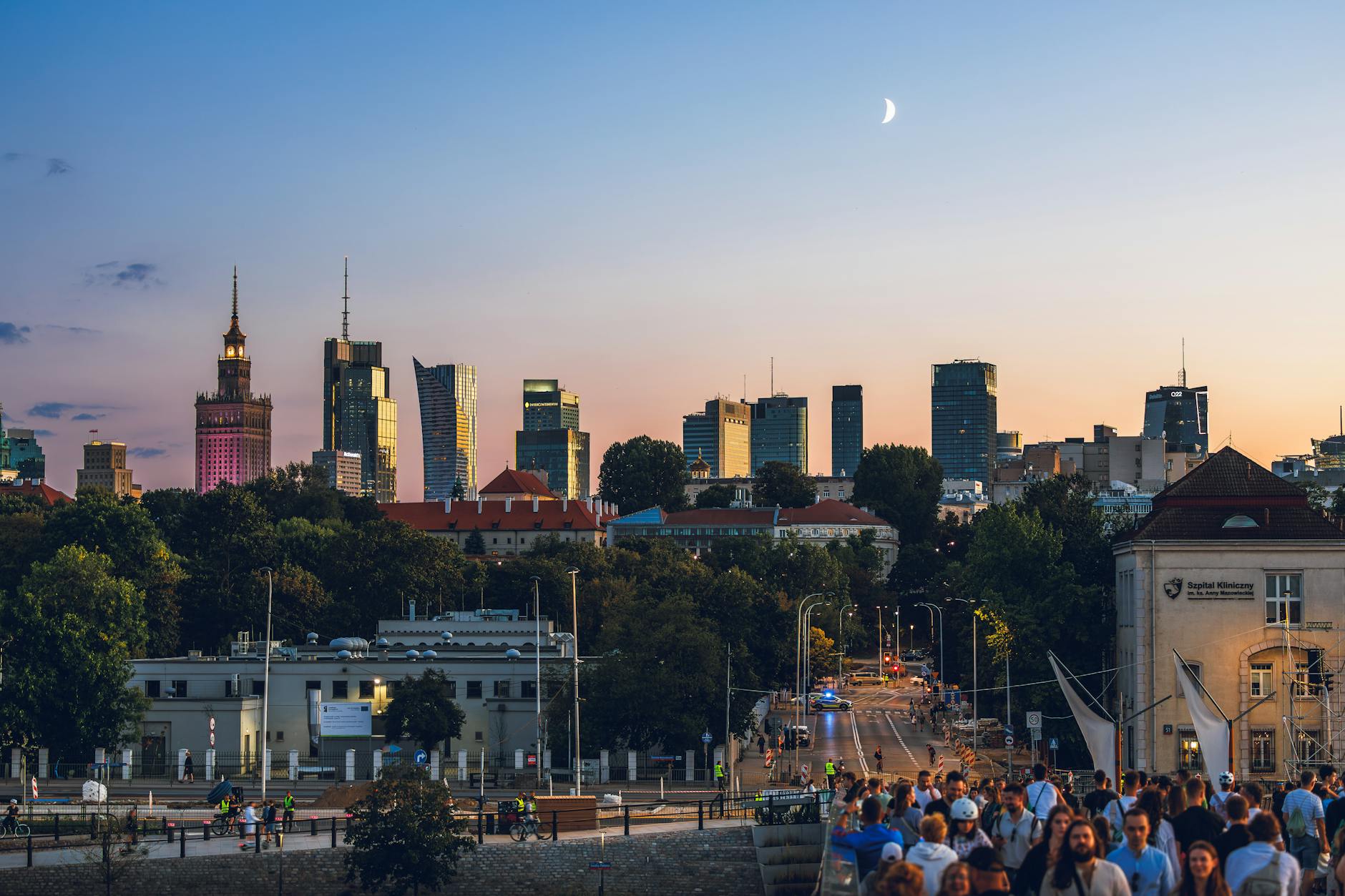
When to order a short-term travel report
A conference attendee with one venue, hosted transport, and flexible evenings may not need a custom report. A report becomes useful when the attendee has a tight arrival, multiple venues, client dinners, exhibitor obligations, presentation materials, winter weather, or a same-day departure after sessions.
The report should test venue geography, arrival options, hotel placement, registration timing, daily movement, networking commitments, meals, weather, and departure buffers. The value is a Warsaw conference trip that keeps the attendee focused on the event instead of logistics.
- Order when venue layout, arrival, hotels, materials, meetings, meals, weather, or departure timing need exact planning.
- Provide dates, venue addresses, conference schedule, hotel candidates, arrival mode, meeting list, budget, and mobility needs.
- Use the report to keep the conference trip efficient from badge pickup to departure.