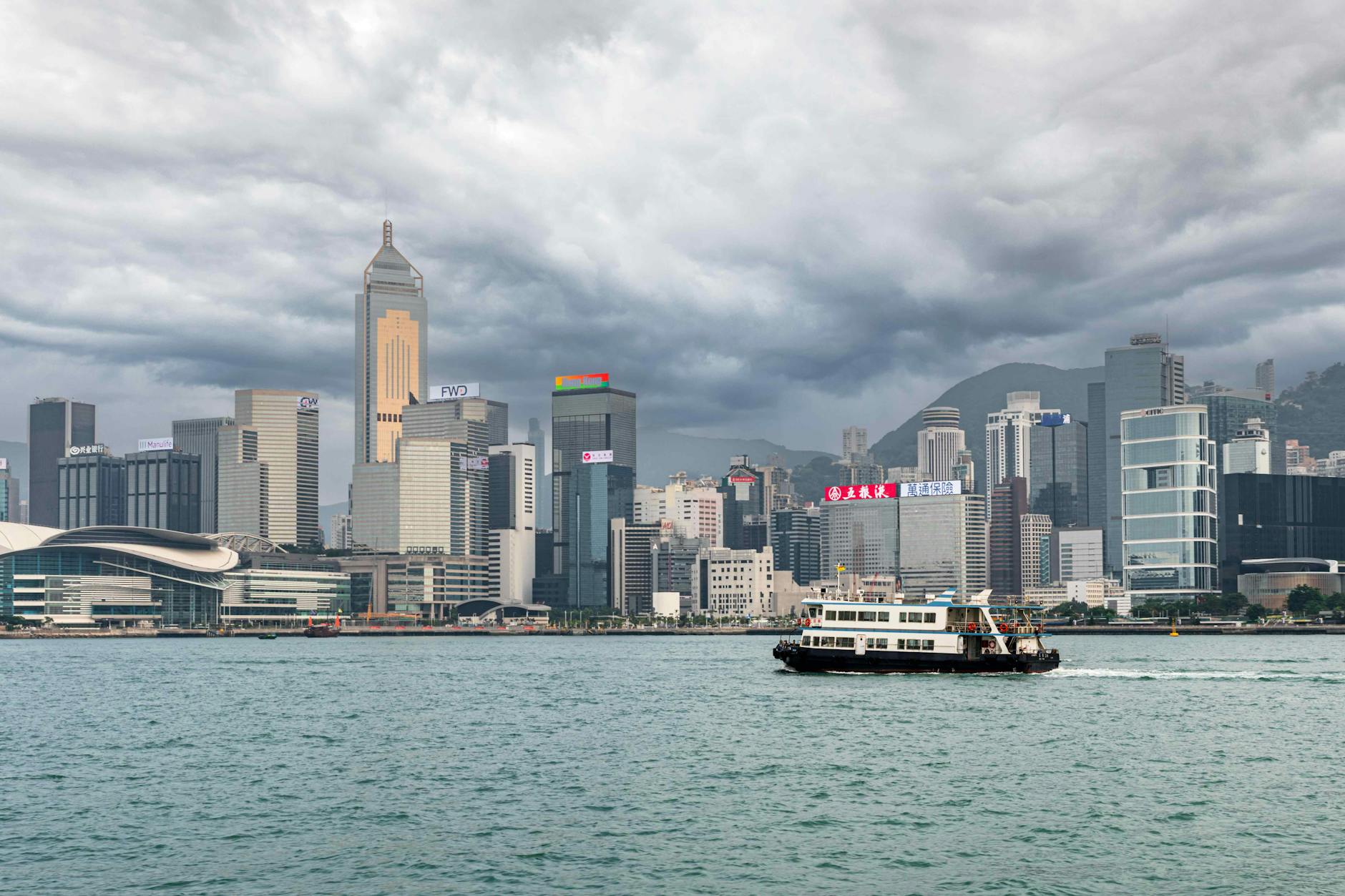
Wan Chai can work for a traveler with mobility limitations because it has hotels, taxis, MTR access, trams, harborfront areas, convention-centre routes, restaurants, and short links to Central, Admiralty, and Causeway Bay. It can also be difficult when step-free access, crossings, station exits, sidewalk crowding, tram boarding, footbridges, rain, and heat are treated as minor details. A short stay should be planned around the route the traveler can actually operate. The best Wan Chai plan does not only identify interesting places. It identifies entrances, exits, lifts, taxi points, places to sit, and what gets cut when a route becomes too hard.
Choose a hotel by step-free access
Hotel choice is the core decision for a traveler with mobility limitations in Wan Chai. The traveler should check step-free entrance, lift reliability, room layout, bathroom setup, taxi pickup, curb design, lobby seating, breakfast access, nearby meals, and distance to the right MTR exit or tram stop. A hotel can look central and still be physically awkward.
The traveler should test the hotel against airport arrival, rainy returns, tired evenings, and the need to rest between outings. The best base may be the one that reduces repeated friction rather than the one with the lowest rate or best view.
- Check step-free entrance, lifts, room layout, bathroom setup, taxi pickup, curb design, and seating.
- Compare hotels by airport arrival, rainy returns, tired evenings, meals, and rest access.
- Choose the base that reduces repeated physical friction.
Check station exits, crossings, and gradients
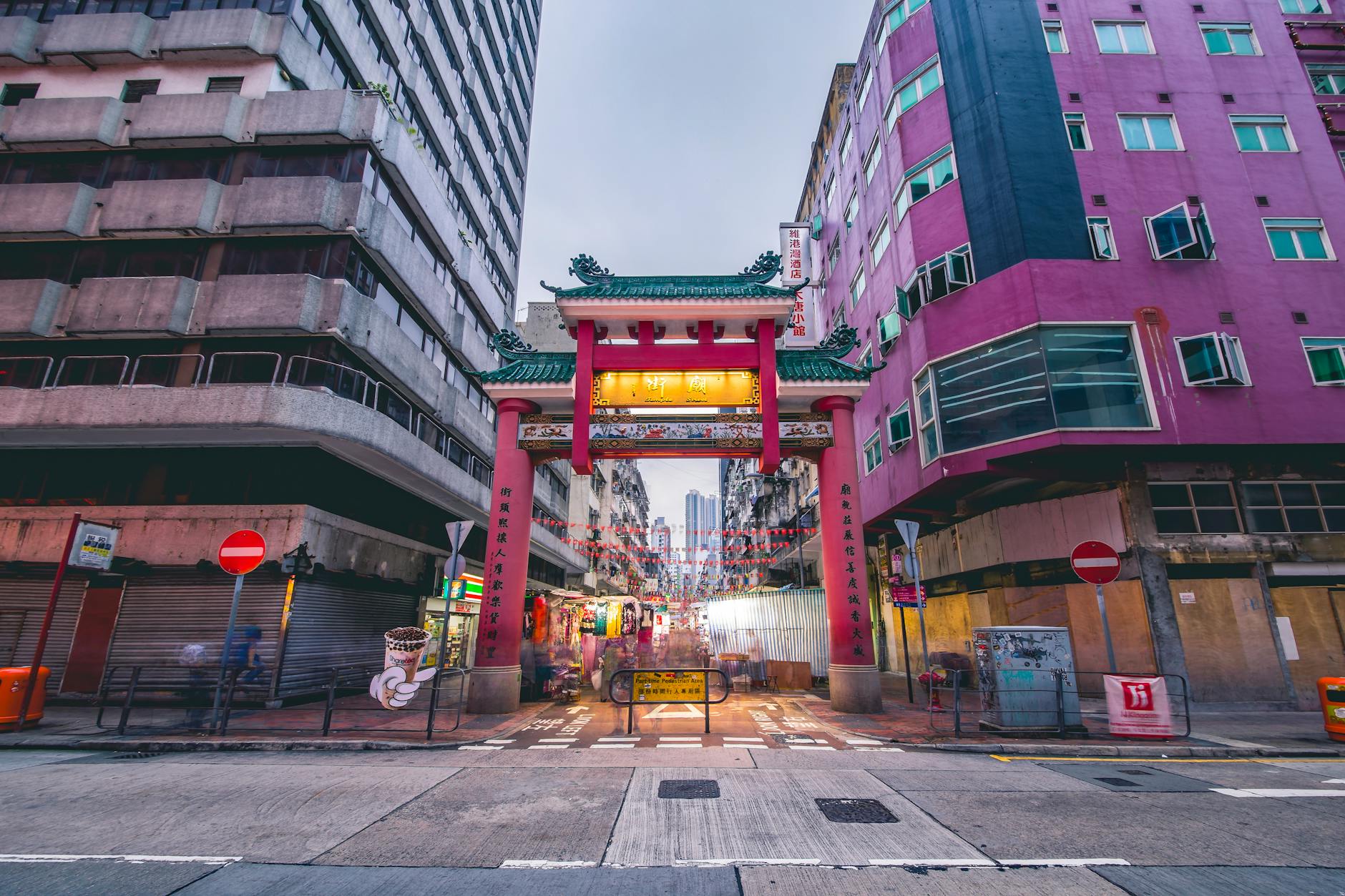
Wan Chai distances can be misleading because crossings, station exits, footbridges, construction, sidewalk crowding, kerbs, and gradients can matter more than map length. A route that appears short may involve the wrong exit, a crowded crossing, or a final block that is much harder than expected.
The traveler should identify usable MTR exits, lift locations, taxi points, seated pauses, and indoor alternatives before leaving. The route should be tested both outward and back, because the return is often when fatigue is highest.
- Account for exits, lifts, crossings, footbridges, kerbs, crowds, construction, and gradients.
- Identify taxi points, seated pauses, indoor alternatives, and the return route before leaving.
- Measure the route by physical friction, not only distance.
Use taxis, trams, and MTR by physical friction
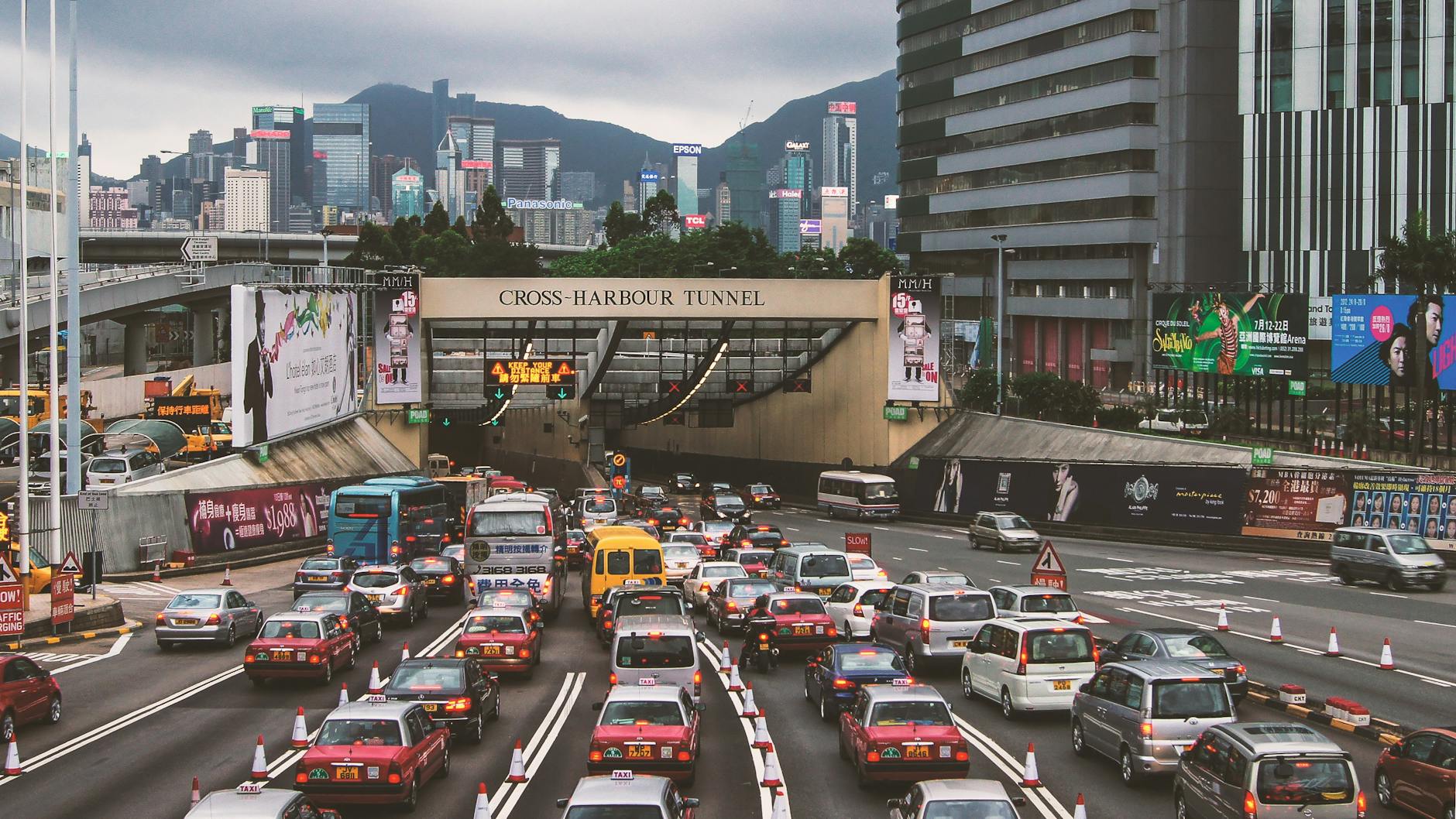
Wan Chai gives travelers several transport choices, but each has different physical demands. MTR can be efficient when the right exit works. Trams can be memorable and useful for short Hong Kong Island movement, but boarding, steps, waits, and crowding matter. Taxis or hotel cars can be worth using when they prevent difficult crossings, long station corridors, or weather exposure.
The traveler should choose transport by access, not habit. A slower or more expensive option can be the better decision when it preserves energy for the activity itself.
- Choose MTR, tram, taxi, or hotel car by exits, boarding, waits, weather, and fatigue.
- Check tram stop distance, taxi pickup points, accessible exits, and hotel return paths.
- Spend on direct movement when it protects the main reason for the outing.
Plan harbor and convention-area routes carefully
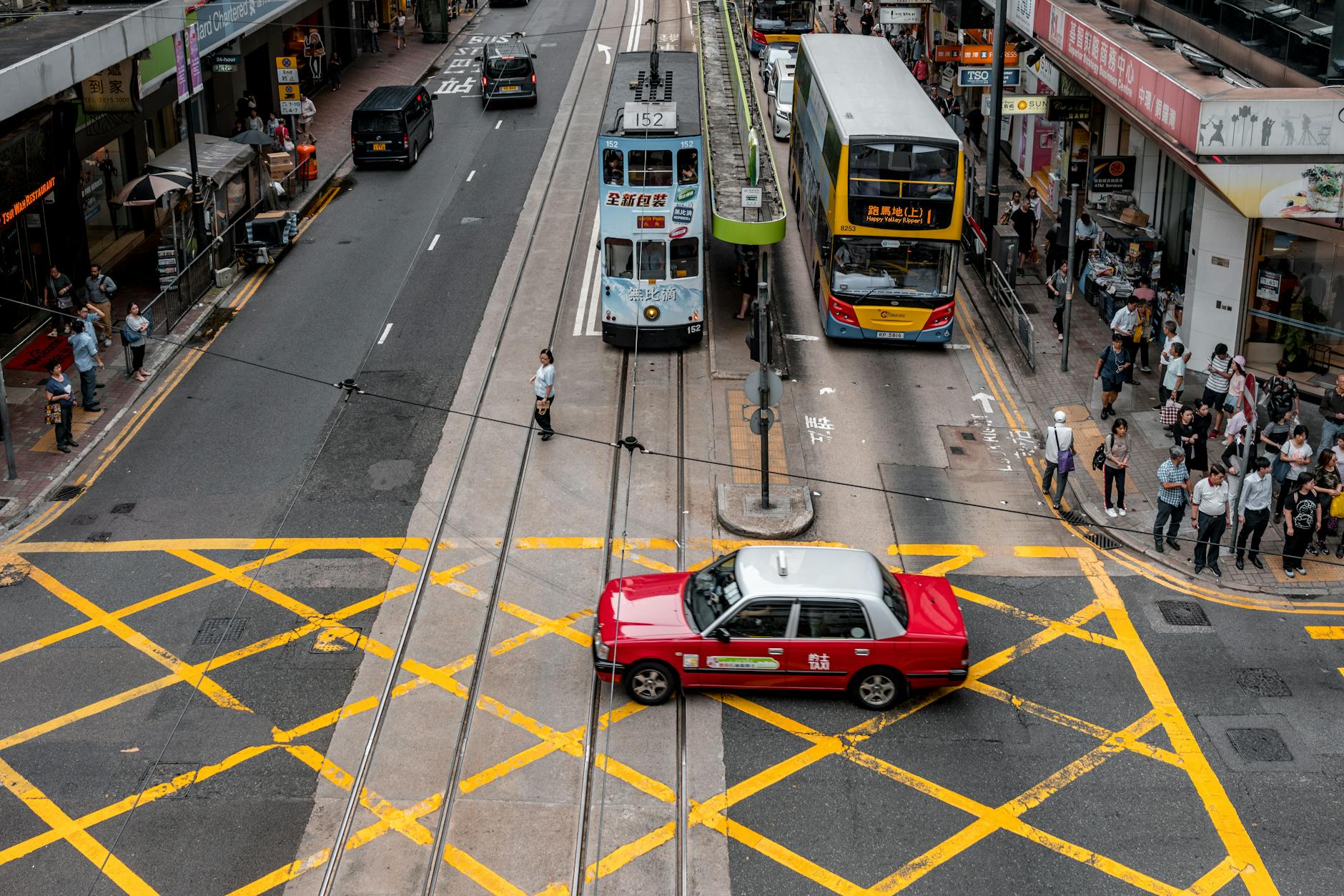
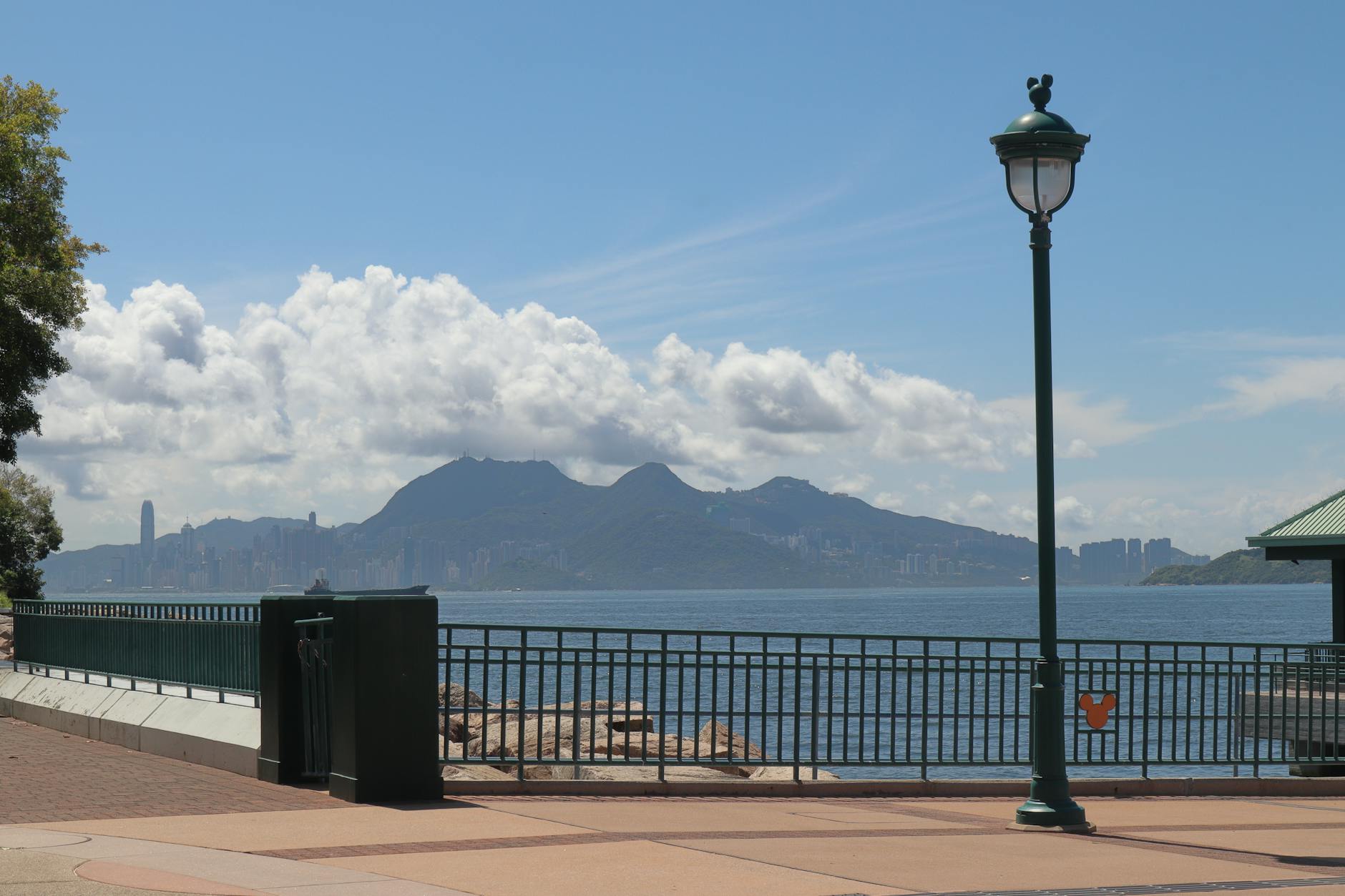
Wan Chai's harbor and convention-centre edge can be useful because it may offer wider spaces, views, hotels, taxis, and a different walking environment from dense street corridors. It still requires route testing. Road crossings, weather exposure, event crowds, construction, and the distance back to the hotel can change the experience quickly.
The traveler should decide whether the harbor is a main outing, a short view stop, a meal setting, or a practical route. It should not become an accidental long movement just because it looks close on a map.
- Check harbor access, crossings, construction, event crowds, weather exposure, and taxi options.
- Use the harbor for a main outing, short view, meal setting, or practical route when it fits.
- Avoid turning waterfront time into an unplanned long route.
Choose meals by seating, restrooms, and arrival path
Restaurant choice matters when mobility is limited. In Wan Chai, the traveler should check step-free approach, seating comfort, queue risk, restroom access, noise, table spacing, payment, dietary fit, and whether the restaurant is easy to reach from the hotel or transport point. A better-known meal can be poor value if the access path is difficult.
The traveler should keep reliable low-friction meals near the hotel and along planned routes. Food should support the day, not become the hardest movement of the day.
- Check step-free approach, seating, queues, restrooms, noise, table spacing, payment, and diet.
- Keep reliable low-friction meals near the hotel and planned routes.
- Avoid restaurants where access is harder than the meal is worth.
Build rest, weather, and cut points into the day
Heat, humidity, rain, cold interiors, crowds, and fatigue can change a Wan Chai day quickly. A traveler with mobility limitations should build rest points, indoor backups, taxi alternatives, and cut points into the itinerary before leaving the hotel. The plan should say what gets skipped first if the route becomes too hard.
This makes the trip more resilient. It also helps companions understand that cutting a route is not a failure. It is part of protecting the activity that matters most.
- Plan rest points, indoor backups, taxi alternatives, weather gear, and shorter route versions.
- Decide what gets cut first if heat, rain, crowds, pain, or fatigue changes the day.
- Use cut points to protect the highest-value part of the trip.

When to order a short-term travel report
A traveler with mild mobility limits, a well-tested hotel, and flexible plans may not need a custom Wan Chai report. A report becomes useful when step-free access is uncertain, walking tolerance is limited, the trip includes companions with different stamina, or the traveler needs to combine meals, harbor time, trams, MTR, taxis, and rest without avoidable strain.
The report should test hotel access, airport arrival, station exits, crossings, tram and taxi choices, restaurant access, harbor routes, rest points, weather, budget, and what to cut. The value is a short Wan Chai stay that remains realistic under the traveler's actual mobility limits.
- Order when hotel access, exits, crossings, meals, transport, harbor routes, or cut points need testing.
- Provide dates, hotel options, mobility details, walking tolerance, priorities, constraints, and budget.
- Use the report to make Wan Chai workable without stripping out the best parts of the trip.