
Wan Chai can be tempting during a Hong Kong transit or stopover because it offers a concentrated version of the city: trams, dense streets, harbor access, restaurants, hotels, MTR, and quick movement toward Admiralty, Central, Causeway Bay, and Kowloon. It can also be a mistake if the traveler treats a layover as normal city time. Airport distance, immigration, baggage, weather, and return uncertainty can shrink the usable window quickly. A short stopover should be planned by the clock. The traveler should know whether leaving the airport is worth it, whether Wan Chai is the right target, how luggage is handled, and exactly when the return to the airport begins.
Calculate the real stopover window
The first question is whether Wan Chai fits the actual available time. The traveler should subtract arrival delay risk, immigration, baggage or luggage storage, airport transfer, return transfer, security, airline check-in rules, and a conservative buffer. A six-hour layover is not six hours in the city.
If the usable window is small, a simpler airport hotel, airport-area meal, or Central-focused plan may be better. Wan Chai makes sense only when the time math supports it.
- Subtract immigration, bags, storage, transfers, security, check-in rules, and delay risk from the layover.
- Compare Wan Chai against airport hotels, airport-area meals, Central, or staying airside.
- Do not leave the airport unless the real city window is worth the risk.
Handle luggage before choosing the route
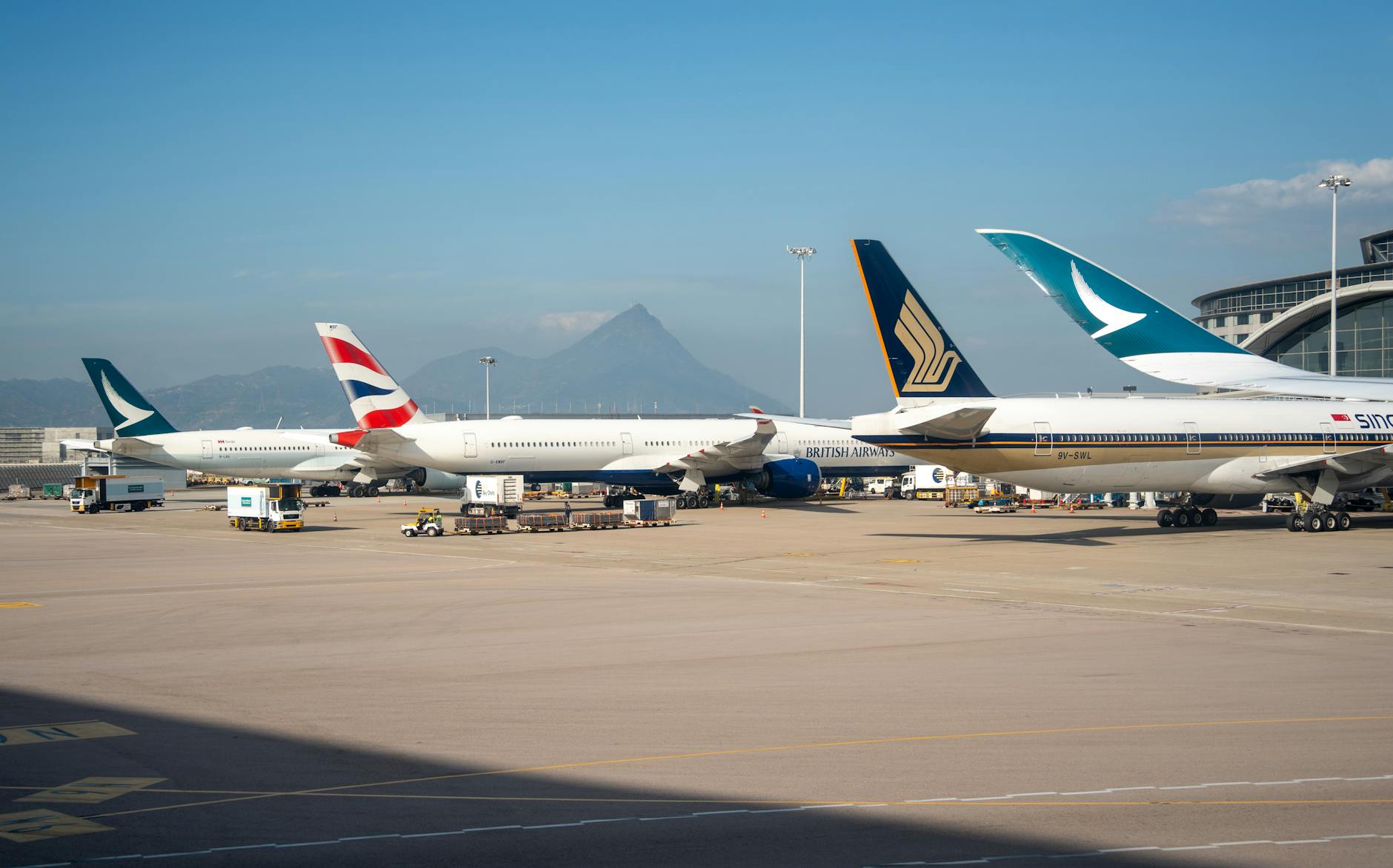
Luggage determines the stopover more than many travelers expect. Checked-through bags, cabin bags, luggage storage, hotel day rooms, airport lockers, and what must be carried on the MTR all change the plan. Wan Chai streets, station exits, footbridges, stairs, crowds, and rain can make even a small roller bag irritating.
The traveler should decide whether the stopover is bag-free, light-bag, or luggage-heavy. Only the first two versions usually make Wan Chai feel easy.
- Confirm checked-through bags, cabin bags, luggage storage, day rooms, lockers, and carry weight.
- Account for MTR exits, footbridges, stairs, crowds, rain, and narrow sidewalks.
- Choose a lighter plan if luggage would turn the stopover into work.
Choose Airport Express, MTR, taxi, or a hotel base
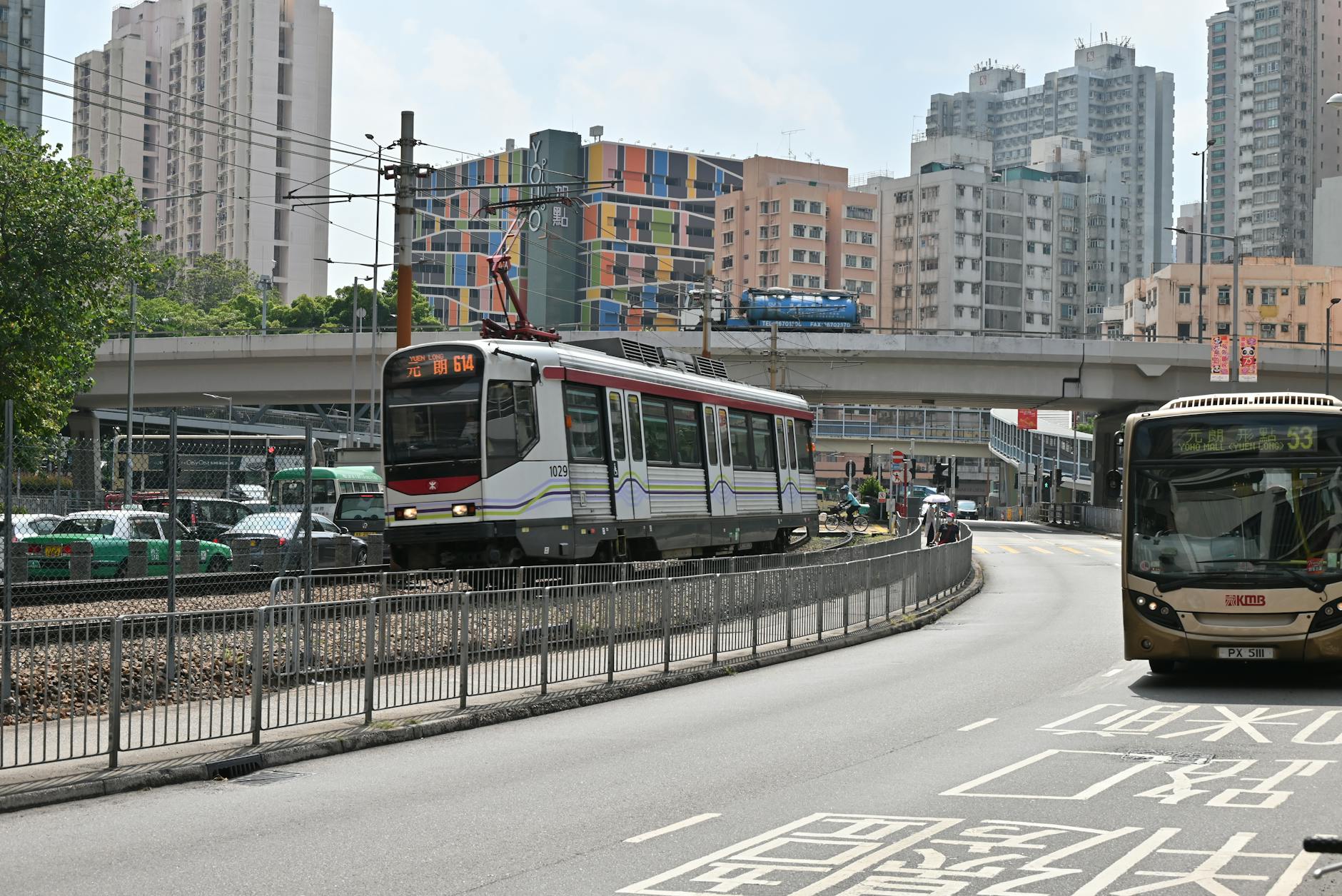
Wan Chai is reachable from the airport by combining Airport Express, MTR, taxi, or hotel-based movement, but the best route depends on time of day, bags, fatigue, rain, group size, and the penalty for delay. Airport Express to Hong Kong Station with onward movement may be predictable. A taxi can be simpler but can expose the traveler to traffic and pickup uncertainty.
The traveler should know the exact station exits, taxi drop-off, and backup route before leaving the airport. A stopover has less tolerance for wandering.
- Compare Airport Express, MTR, taxi, and hotel-based movement by time, bags, fatigue, rain, and group size.
- Know station exits, drop-off points, payment, and backup routes before leaving the airport.
- Use the simplest reliable route, not the most scenic one, when time is tight.

Pick one compact Wan Chai plan
A stopover traveler should not treat Wan Chai as the start of a full Hong Kong itinerary. A good compact plan might include a tram ride, one meal, a harbor walk, a short street route, or a hotel lounge pause. Adding Central, Causeway Bay, Tsim Sha Tsui, shopping, and a skyline stop can quickly make the day fragile.
The traveler should choose the one experience that justifies leaving the airport. Everything else should be optional.
- Choose one compact plan: tram, meal, harbor walk, short street route, or rest stop.
- Avoid stacking several districts unless the stopover is genuinely long.
- Make every optional add-on easy to cut without ruining the day.

Use food and rest to make the stop worthwhile
A short stopover can be successful if it produces one good meal, a short walk, a clean reset, and a controlled return. Wan Chai has restaurants, cafes, bakeries, convenience stores, hotel spaces, and quick routes to nearby dining areas, but the traveler should choose food by time, bags, comfort, dietary needs, and return route.
Rest matters. If the traveler is between long flights, a shower, quiet room, or hotel coffee may be more valuable than another street segment.
- Choose meals by time, luggage, comfort, dietary needs, payment, and return route.
- Consider a hotel lounge, day room, shower, or quiet cafe if flight fatigue is high.
- Use the stopover to reset, not only to prove the traveler entered the city.

Protect against weather and return risk
Hong Kong weather can quickly change a stopover. Heavy rain, humidity, wet pavements, taxi demand, crowded MTR exits, and airport traffic can all add friction. The traveler should also consider phone battery, roaming data, payment method, boarding-pass access, and what happens if the inbound flight arrives late.
The return should begin earlier than feels necessary. A stopover is successful when the traveler gets back through security calmly, not when the city plan uses every possible minute.
- Plan for rain, humidity, wet pavements, taxi demand, crowded exits, and airport traffic.
- Keep phone battery, data, payment, passport, and boarding-pass access protected.
- Start the return earlier than a normal city transfer would require.

When to order a short-term travel report
A transit traveler with a long stopover, checked-through luggage, and flexible expectations may not need a custom Wan Chai report. A report becomes useful when the time window is tight, luggage is awkward, the traveler has a specific meal or sight in mind, weather could affect movement, or a missed flight would be expensive.
The report should test arrival timing, entry rules, luggage handling, Wan Chai fit, Airport Express, MTR, taxi and walking routes, meals, rest options, weather, return margin, budget, and what to cut. The value is a stopover that is worth leaving the airport for and still gets the traveler back calmly.
- Order when timing, bags, entry rules, weather, food, rest, or return margin needs testing.
- Provide flight times, airline rules, luggage status, priorities, constraints, and budget.
- Use the report to make the stopover efficient, realistic, and flight-safe.