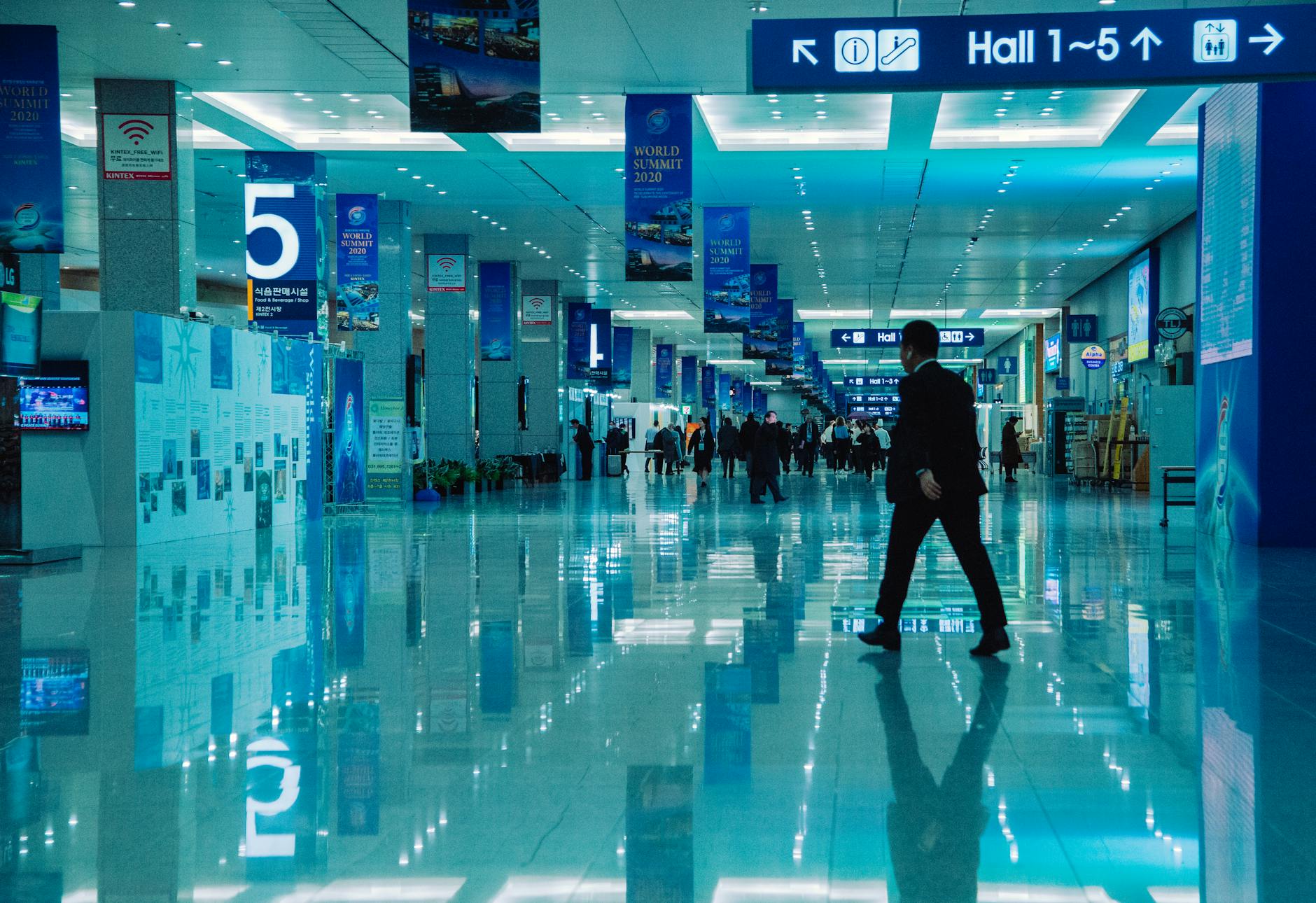
Wan Chai is a serious trade-show base because the Hong Kong Convention and Exhibition Centre sits on the harbor edge and nearby hotels, restaurants, taxis, MTR, trams, and business districts can all support event travel. The district is convenient, but trade-show trips fail when the traveler treats the event like a normal city break. A short trade-show stay should protect hall access, setup, materials, badge timing, client meetings, meals, and recovery. The attendee should know where the show actually happens, how to move between hotel and hall, what must be carried, and where the trip has no margin for improvisation.
Map the hall, hotel, and loading reality
A trade-show attendee should start with exact hall geography. HKCEC is not a single simple room. Registration, exhibitor check-in, booth location, loading, meeting rooms, storage, restrooms, food areas, taxi points, and hotel entrances may all sit differently from the traveler's assumptions. A hotel that is close to the district may still be wrong for the booth day.
The attendee should map the real path between hotel, hall, materials, meetings, and evening events before committing to a base. The first morning and final teardown usually expose weak planning.
- Map hall, registration, exhibitor check-in, booth, loading, storage, restrooms, taxis, and hotel entrance.
- Check whether the hotel supports the first morning and final teardown.
- Choose the base around actual booth movement, not the broad Wan Chai label.
Choose a hotel around booth-day movement
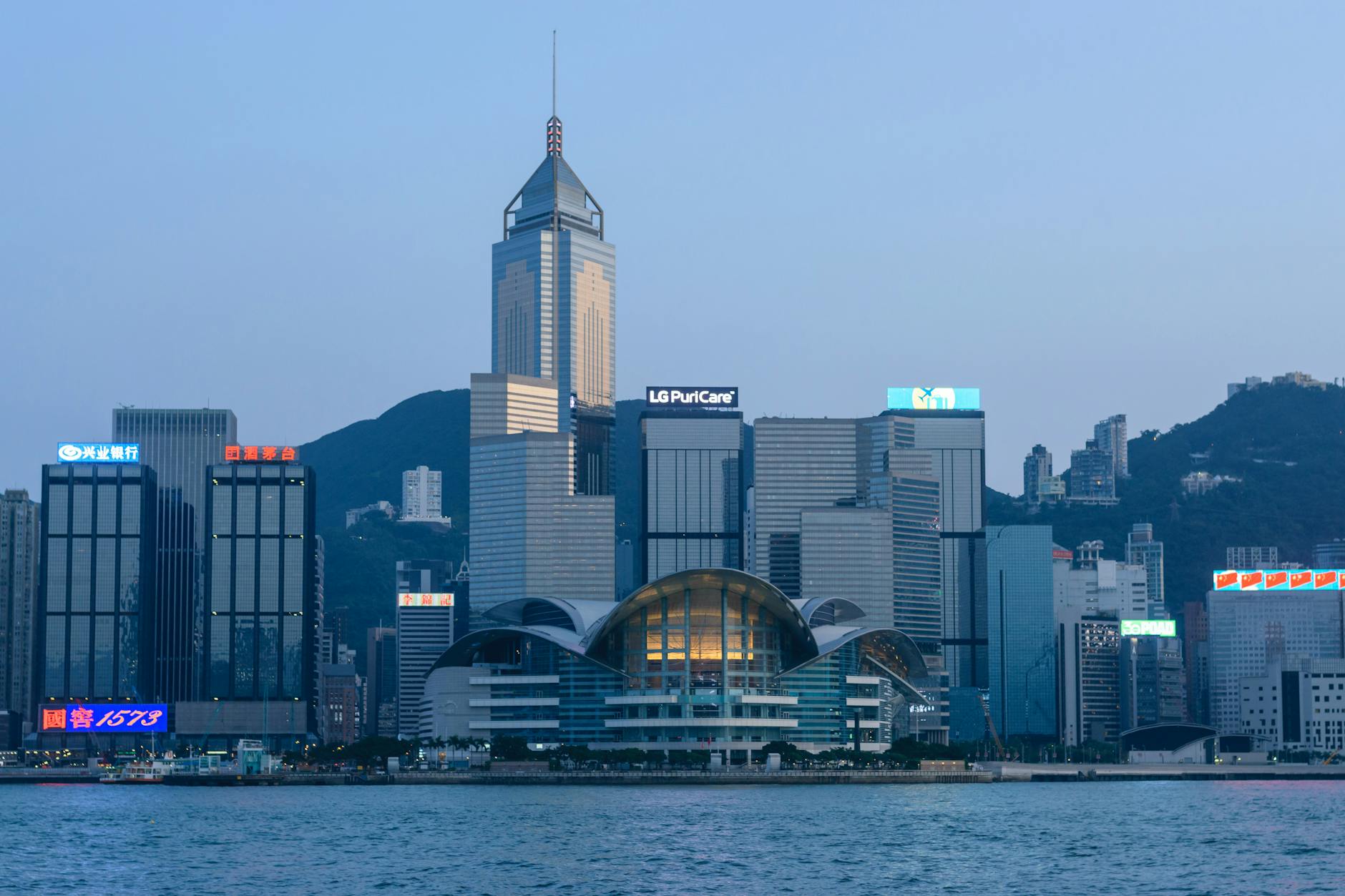
The hotel should be chosen for workdays, not only for comfort. A trade-show attendee should check walking time to the hall, covered route options, taxi pickup, breakfast timing, lift speed, room desk, Wi-Fi, laundry, material storage, shipping support, and how easy it is to return between shifts or meetings.
If the traveler will carry samples, catalogues, display items, formal clothing, or a laptop bag, route friction matters. A more convenient hotel can save more than it costs when time and materials are involved.
- Check hall walk time, covered routes, taxi pickup, breakfast, lifts, desk, Wi-Fi, laundry, and storage.
- Plan for samples, catalogues, display items, formal clothing, and laptop bags.
- Treat hotel convenience as part of event operations, not a luxury extra.
Protect badges, samples, and booth materials
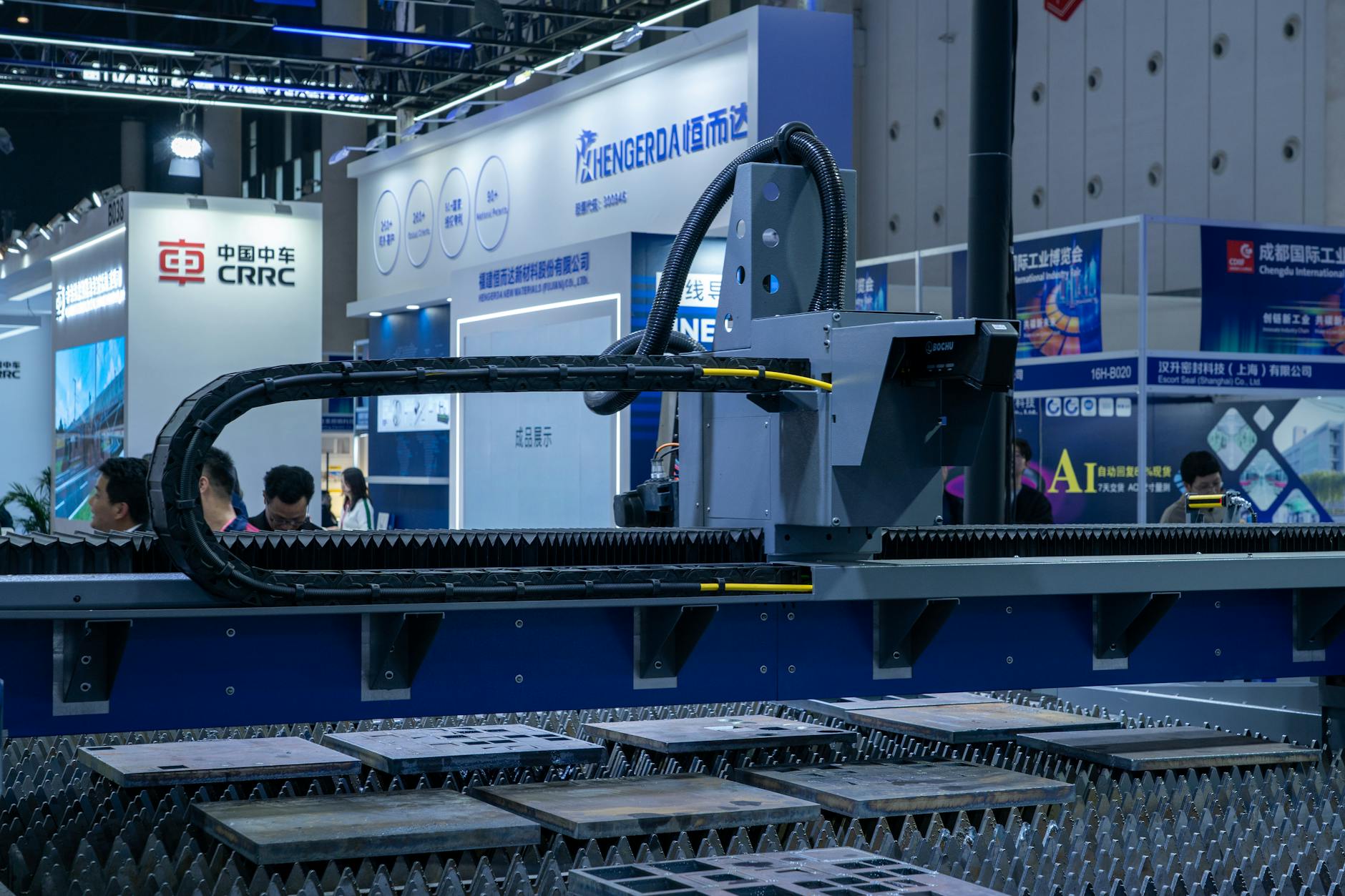
Trade-show trips often depend on small operational details. Badge pickup, exhibitor credentials, booth kit, QR codes, business cards, chargers, adapters, samples, printed material, customs paperwork, shipping status, and storage should be settled before the first show day. Wan Chai is convenient, but last-minute errands can still consume the schedule.
The attendee should decide what travels in the hand luggage, what ships ahead, what stays in the hotel, and what must be carried into the hall each day. Materials planning protects sales conversations and staff stamina.
- Prepare badges, credentials, booth kit, QR codes, cards, chargers, adapters, samples, and paperwork.
- Decide what ships ahead, what stays at the hotel, and what must be carried daily.
- Resolve material issues before the first show day, not during a narrow setup window.
Plan meetings and client meals around the show
Wan Chai can support trade-show meetings through hotel lounges, restaurants, coffee shops, bars, and quick movement toward Admiralty, Central, and Causeway Bay. The attendee should choose meeting locations by purpose, privacy, noise, table size, timing, dietary needs, and the route back to the hall.
Not every meal should become a client meal. Show days are tiring, and overbooking evenings can weaken the next day. The traveler should separate sales conversations, team debriefs, recovery meals, and simple food.
- Choose meeting meals by privacy, noise, timing, table size, diet, payment, and hall return route.
- Separate client meals, team debriefs, recovery meals, and simple food.
- Protect the next show day from an overfilled evening schedule.
Handle cross-harbor and supplier movement
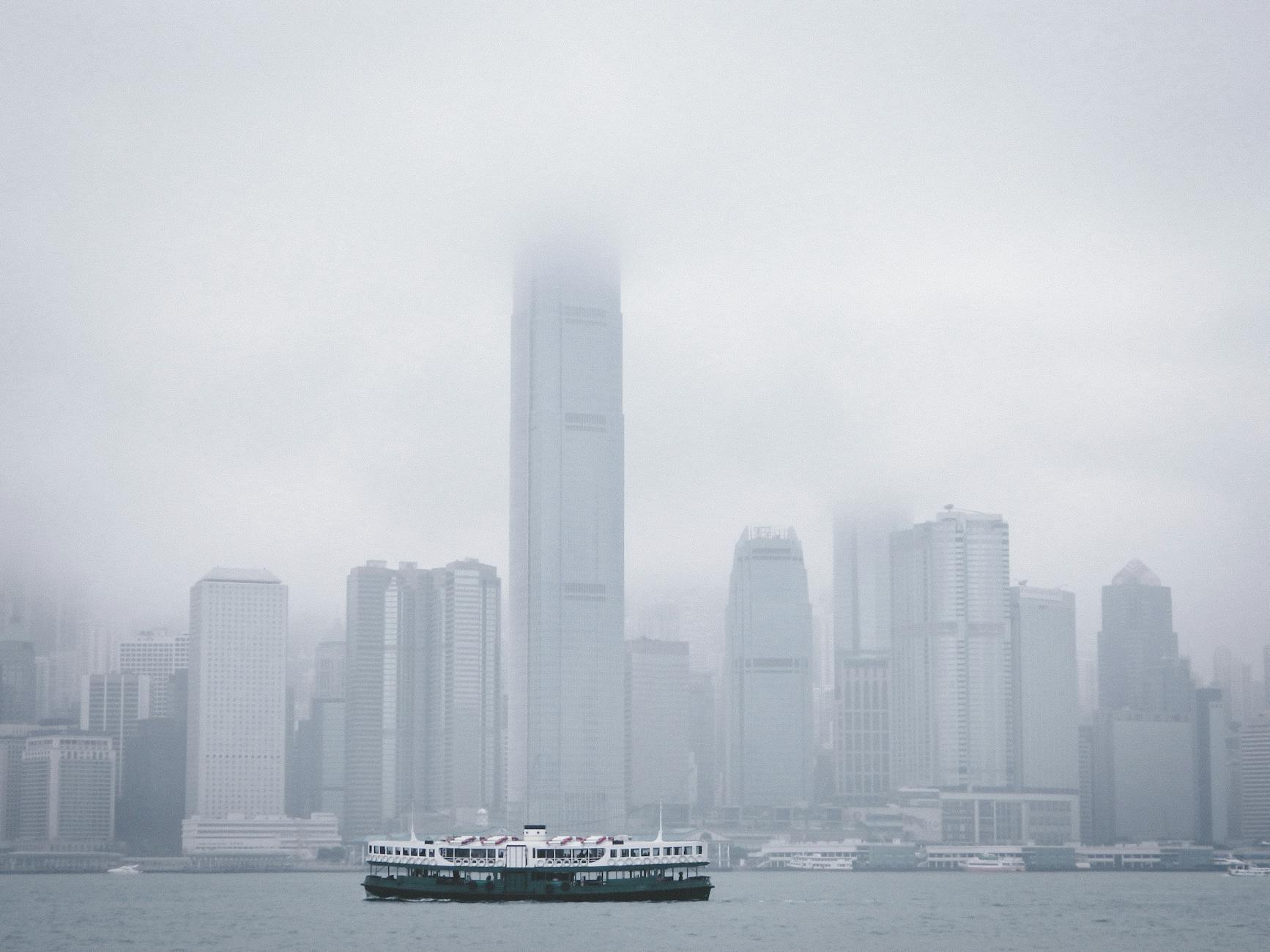
Trade-show travel may require movement beyond Wan Chai for suppliers, client dinners, retail checks, hotel meetings, or site visits. Cross-harbor movement to Tsim Sha Tsui or other districts can be simple when planned and punishing when added at the last minute. MTR, taxi, ferry, and car service each have a different role.
The attendee should choose routes by obligation, materials, formality, weather, and lateness risk. Scenic movement is fine when the schedule allows it. Critical client movement needs more conservative planning.
- Plan supplier, client, retail, hotel, and site-visit movement beyond Wan Chai in advance.
- Choose MTR, taxi, ferry, or car by materials, formality, weather, and lateness risk.
- Use conservative routing before senior meetings, hosted dinners, and booth obligations.
Add buffers for crowds, weather, and teardown
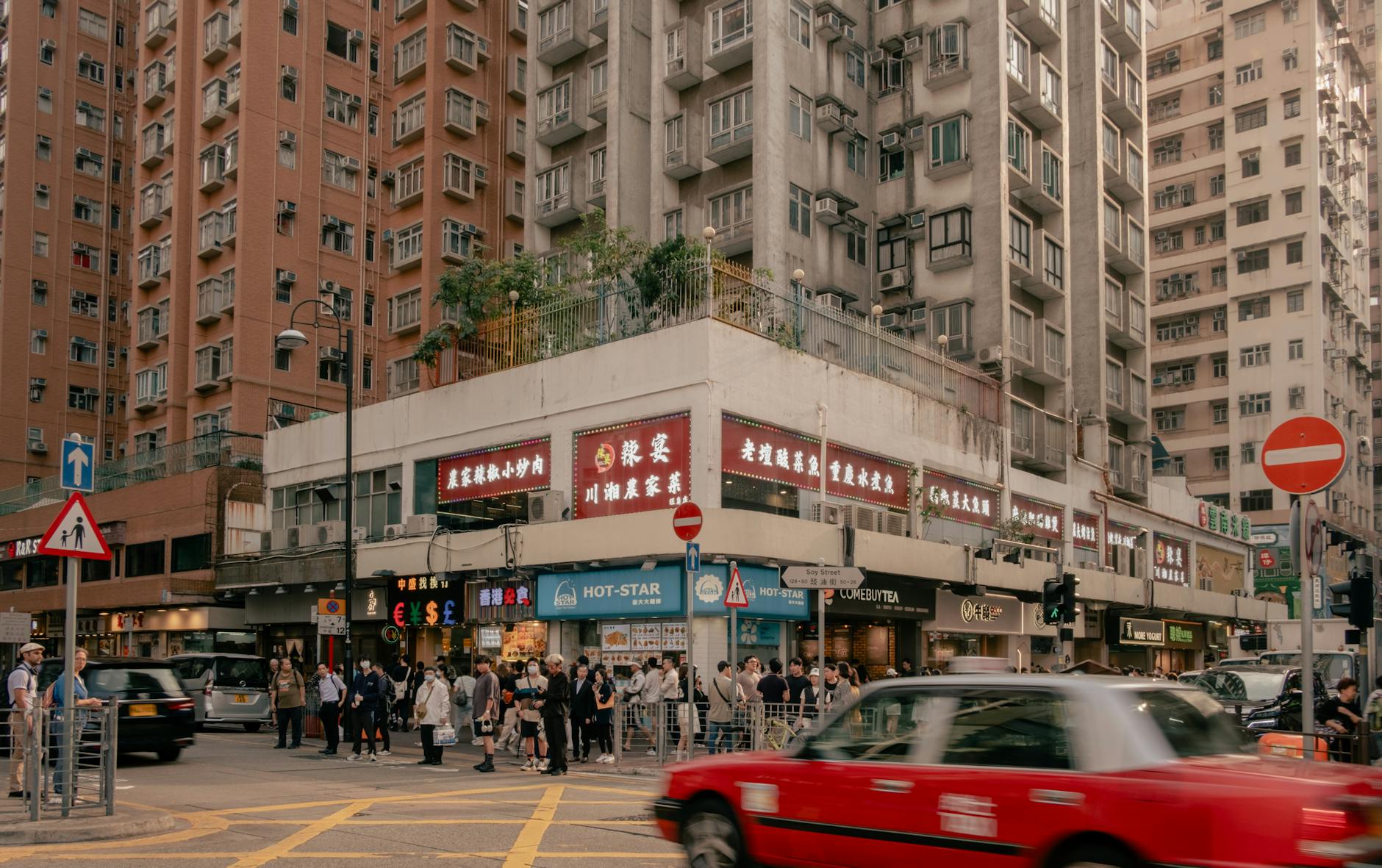
Wan Chai can be hot, humid, rainy, cold indoors, and crowded around HKCEC, hotels, taxis, MTR exits, tram stops, and restaurants. Trade-show clothing, samples, badges, booth items, and formal shoes make these conditions more difficult. Setup and teardown also compress time at the exact moment when people are tired.
The attendee should build buffers into arrival, hall movement, meals, meetings, and departure. Water, umbrella, light layer, battery backup, and a taxi reserve are practical tools, not extras.
- Plan for heat, rain, cold interiors, event crowds, samples, badges, booth items, and formal shoes.
- Build buffers around setup, hall movement, meetings, meals, teardown, and departure.
- Keep water, umbrella, light layer, battery backup, and taxi reserve available.
When to order a short-term travel report
A trade-show attendee with one hosted hotel, one light bag, and a simple visitor pass may not need a custom Wan Chai report. A report becomes useful when the traveler is exhibiting, carrying materials, coordinating staff, choosing a hotel, arranging client meals, moving across districts, or managing tight setup, teardown, and airport timing.
The report should test hall geography, hotel fit, arrival timing, badges, materials, shipping, MTR, tram, taxi and ferry routes, meals, meetings, weather, recovery blocks, budget, and what to cut. The value is a Wan Chai trade-show trip that protects the commercial reason for the travel.
- Order when hall geography, hotel fit, materials, client meals, cross-harbor movement, or teardown needs testing.
- Provide show dates, hall details, hotel options, duties, material needs, meetings, constraints, and budget.
- Use the report to keep the trade-show trip operational and commercially focused.