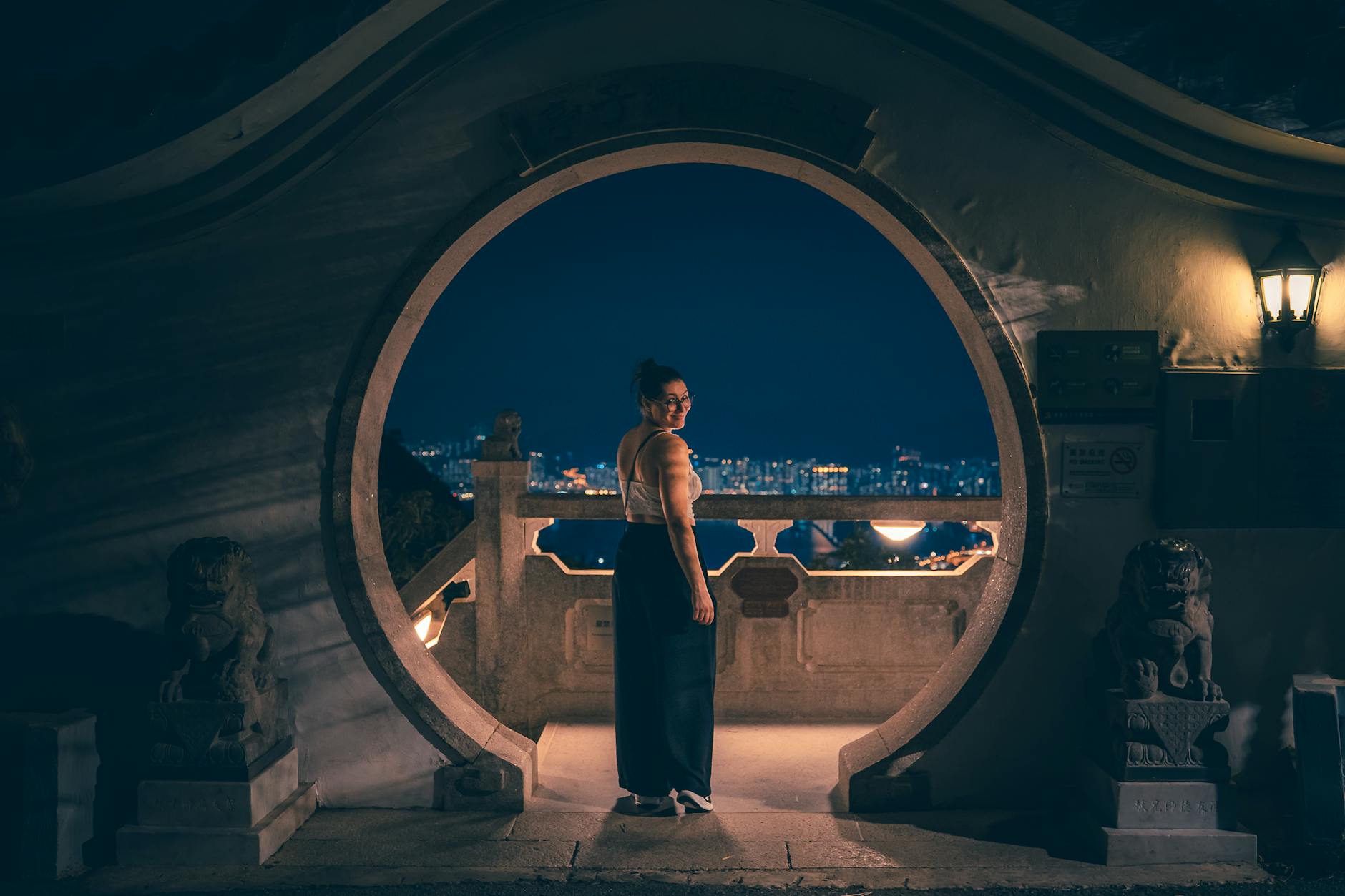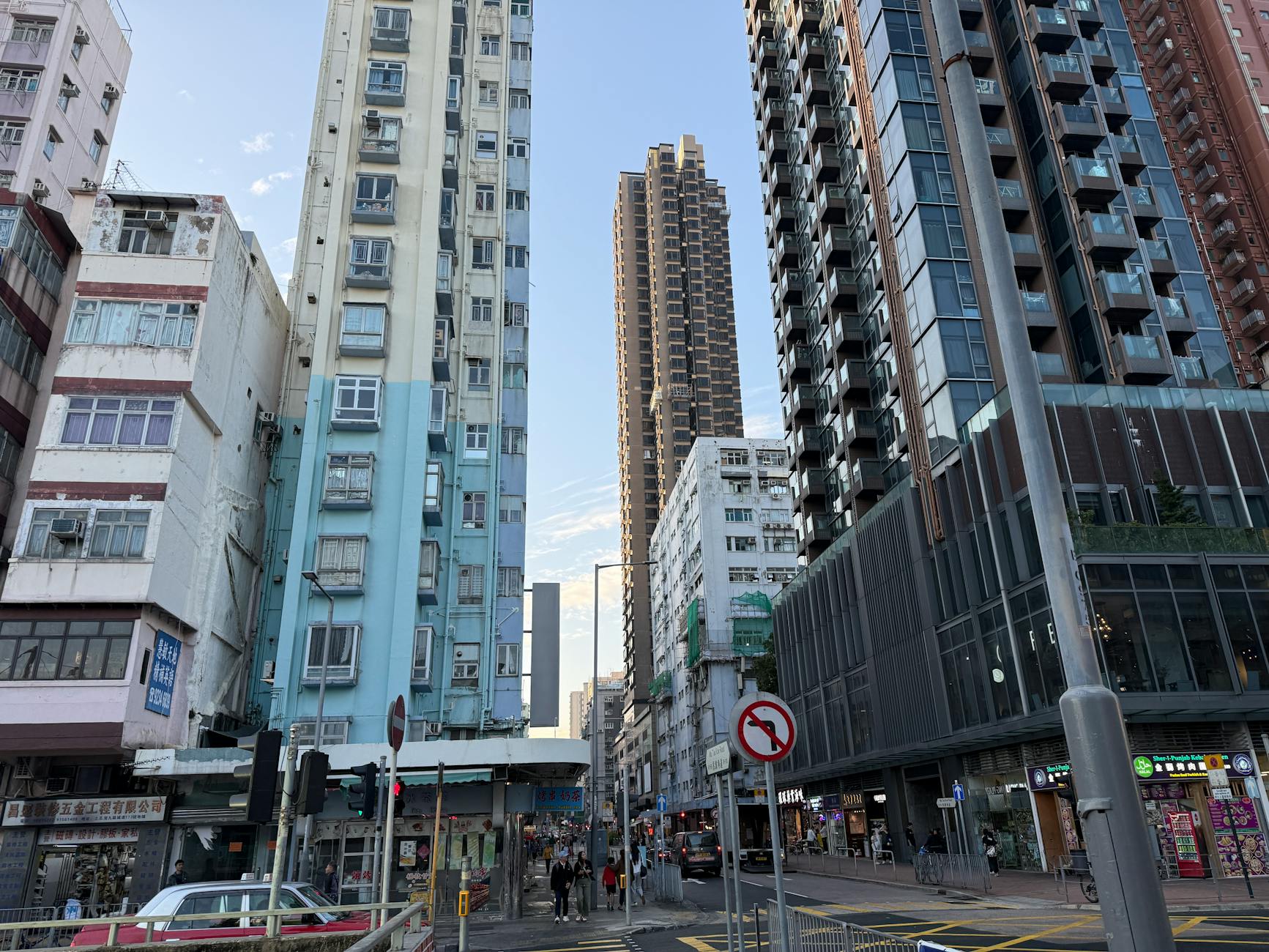
Wan Chai can be a useful tourist base because it gives quick access to trams, MTR, taxis, harborfront paths, the convention centre edge, restaurants, bars, markets, and nearby Central, Admiralty, and Causeway Bay. It is also easy to misunderstand. The district is not only a sightseeing zone, not only a nightlife area, and not only a business district. Its value depends on how the traveler uses it. A short tourist stay should make Wan Chai practical rather than accidental. The traveler should know whether the district is the base, the evening area, a tram corridor, a harbor stop, or a way to keep Hong Kong Island movement simple.
Decide what Wan Chai is for in the trip
A tourist should decide whether Wan Chai is the main base, a convenient Hong Kong Island midpoint, a dining and evening area, or a short stop between bigger sights. That choice changes everything. A visitor who expects postcard sightseeing from every block may be disappointed, while a traveler who understands Wan Chai as a working district with useful transport, meals, harbor access, and local texture can get strong value from it.
The district should not be used as filler. It should have a defined job in the trip, especially when the stay is short and the traveler is also considering Central, Tsim Sha Tsui, Causeway Bay, the Peak, museums, ferries, and island routes.
- Decide whether Wan Chai is the base, evening area, tram corridor, harbor stop, or midpoint.
- Compare it against Central, Causeway Bay, Tsim Sha Tsui, and the trip's top sights.
- Use the district for a clear purpose rather than treating it as generic Hong Kong filler.
Choose a base that matches daily movement
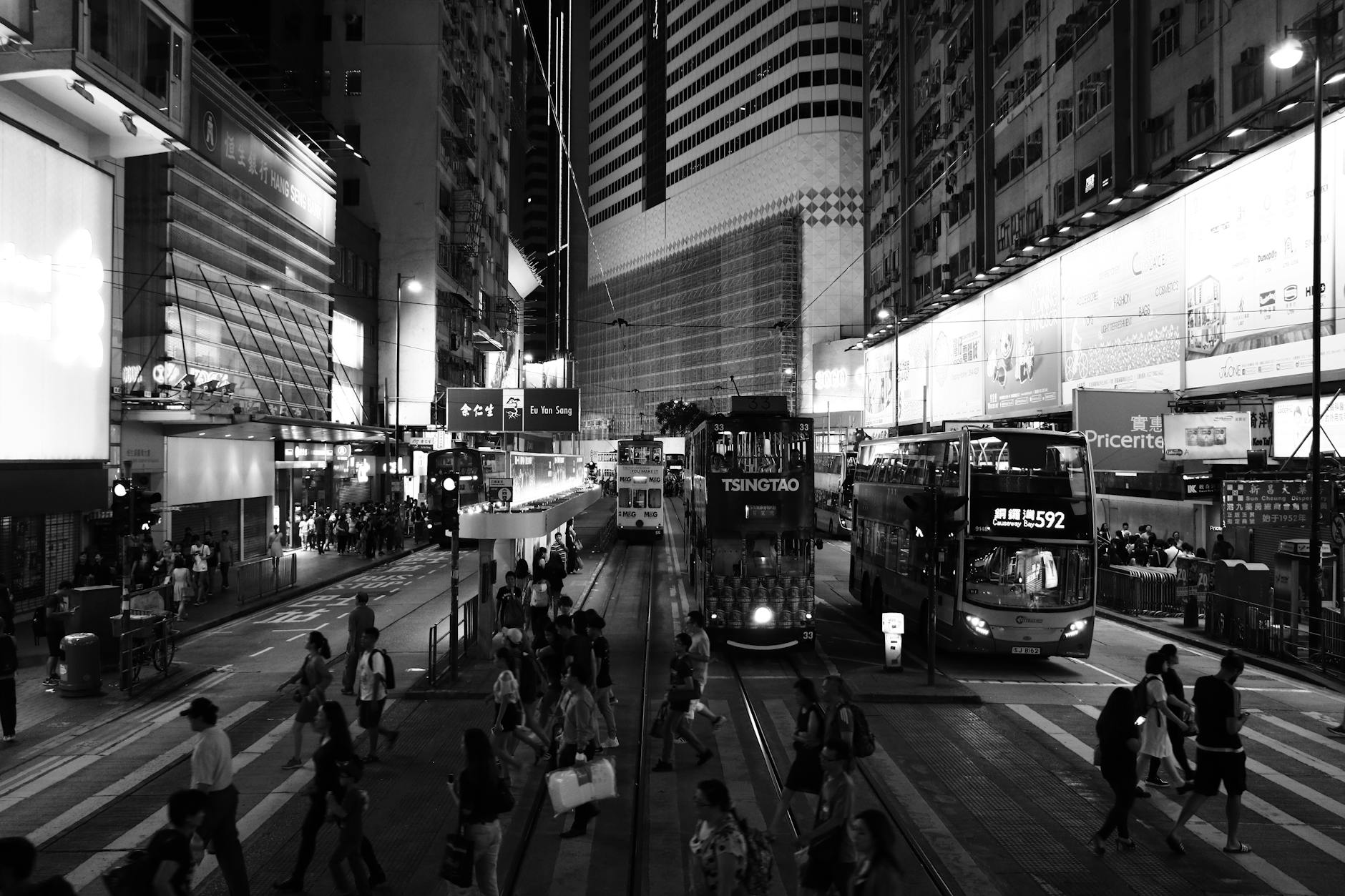
A tourist hotel in Wan Chai should be chosen around the day's actual movement. MTR exits, tram stops, taxi pickup, harbor access, lobby staffing, breakfast, nearby casual meals, late return comfort, and the final block back to the hotel all matter. A cheaper or more stylish room can become a poor choice if every day begins with awkward crossings or tired station walks.
The traveler should test hotel options against arrival from the airport, first-night orientation, early sightseeing departures, rainy returns, and whether the hotel makes it easy to rest before dinner.
- Check MTR exits, tram stops, taxi pickup, harbor access, breakfast, meals, and late return comfort.
- Compare hotels by airport arrival, rainy movement, first-night orientation, and midday rest.
- Choose the base that supports the trip's routes, not only the room photograph.
Use trams, MTR, taxis, and walking selectively
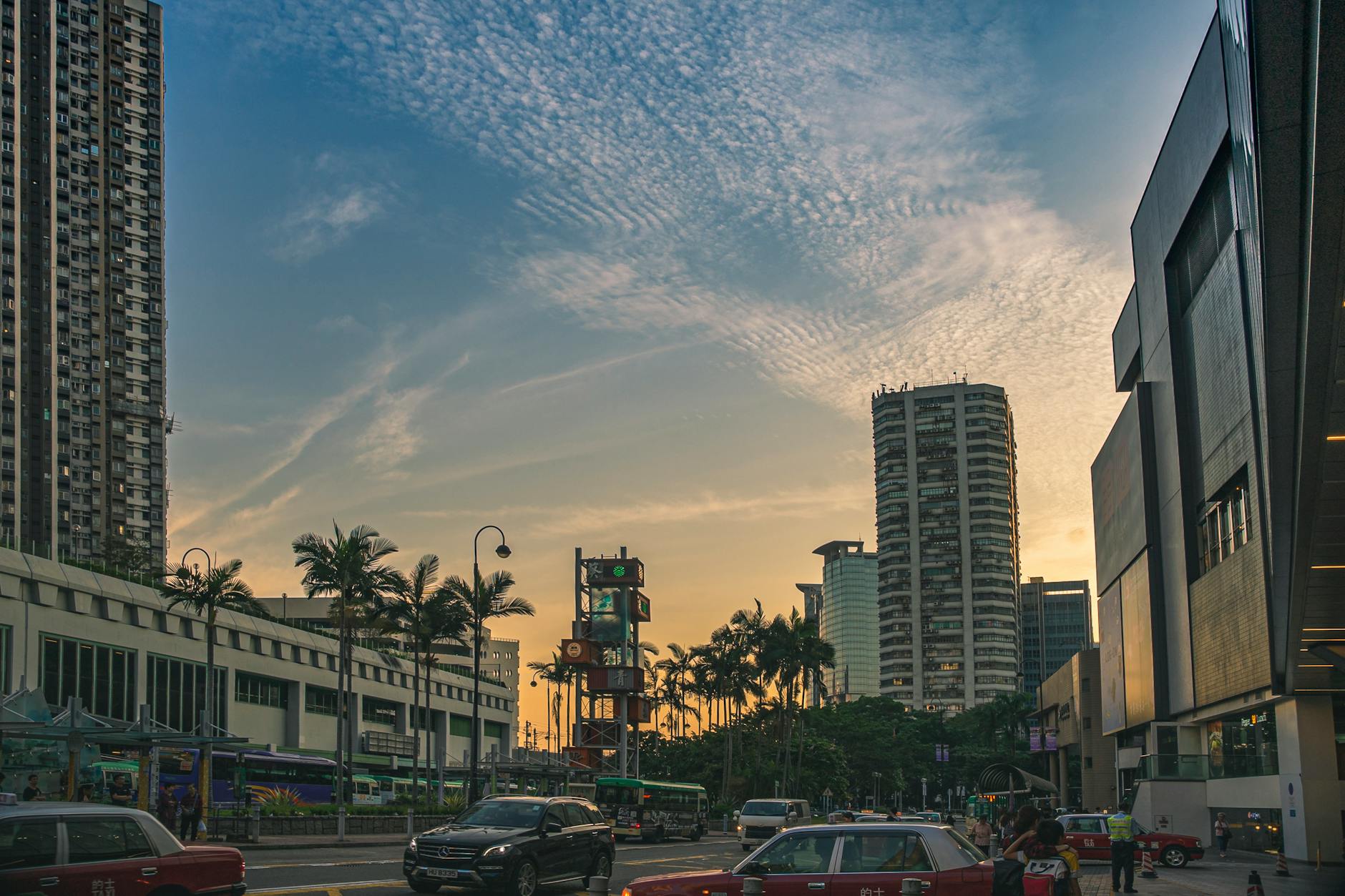
Wan Chai gives tourists useful transport choices, but none should be automatic. Trams are memorable and simple for certain Hong Kong Island movements. MTR is faster for wider city travel but can involve station corridors and busy exits. Taxis help in rain, heat, late evenings, or when carrying bags. Walking is rewarding when the route is short, clear, and not fighting the weather.
The tourist should choose transport by route purpose, time of day, crowd level, footwear, weather, and energy. A scenic tram ride may be perfect for one outing and wrong when the traveler needs to reach a timed booking.
- Use trams for legible island movement, MTR for speed, taxis for weather, and walking selectively.
- Choose transport by timing, weather, bags, footwear, crowds, and the cost of being late.
- Separate scenic movement from time-sensitive movement.
Build short sightseeing blocks
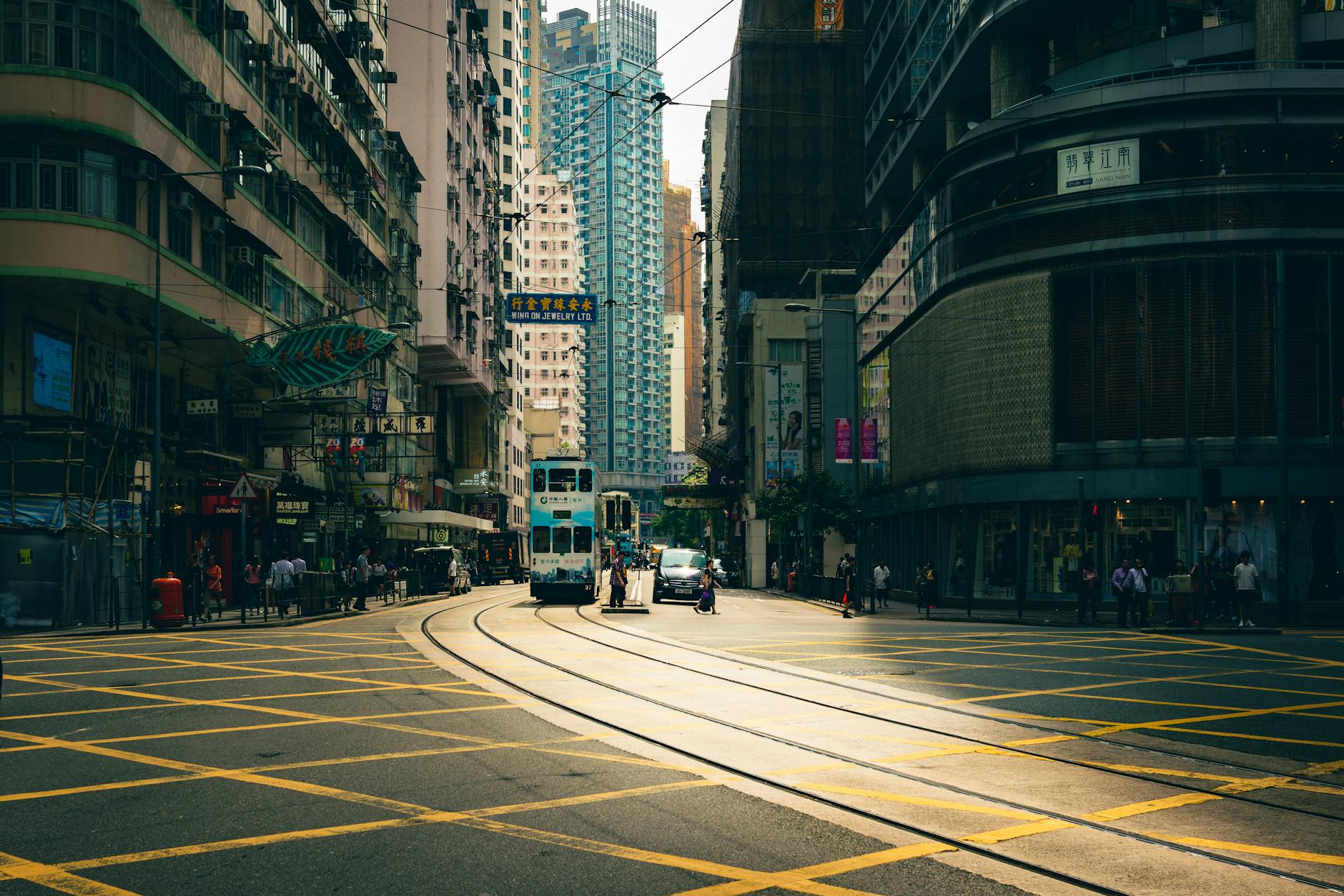
Tourists can use Wan Chai for short, useful blocks instead of forcing it to carry the whole sightseeing day. A tram segment, market walk, harborfront stop, convention-centre view, casual meal, or quick move toward Admiralty and Central can all work. The problem comes when the traveler combines too many districts without enough rest or weather margin.
A good plan should have a short version and an exit route. If heat, rain, crowds, or jet lag hit, the traveler should know whether to use a taxi, return to the hotel, shift indoors, or cut the less important stop.
- Build blocks around trams, markets, harborfront views, meals, and nearby district links.
- Keep a shorter version, taxi option, indoor backup, or hotel return near each plan.
- Avoid making one tourist day depend on too many cross-district moves.
Plan meals before the day gets crowded
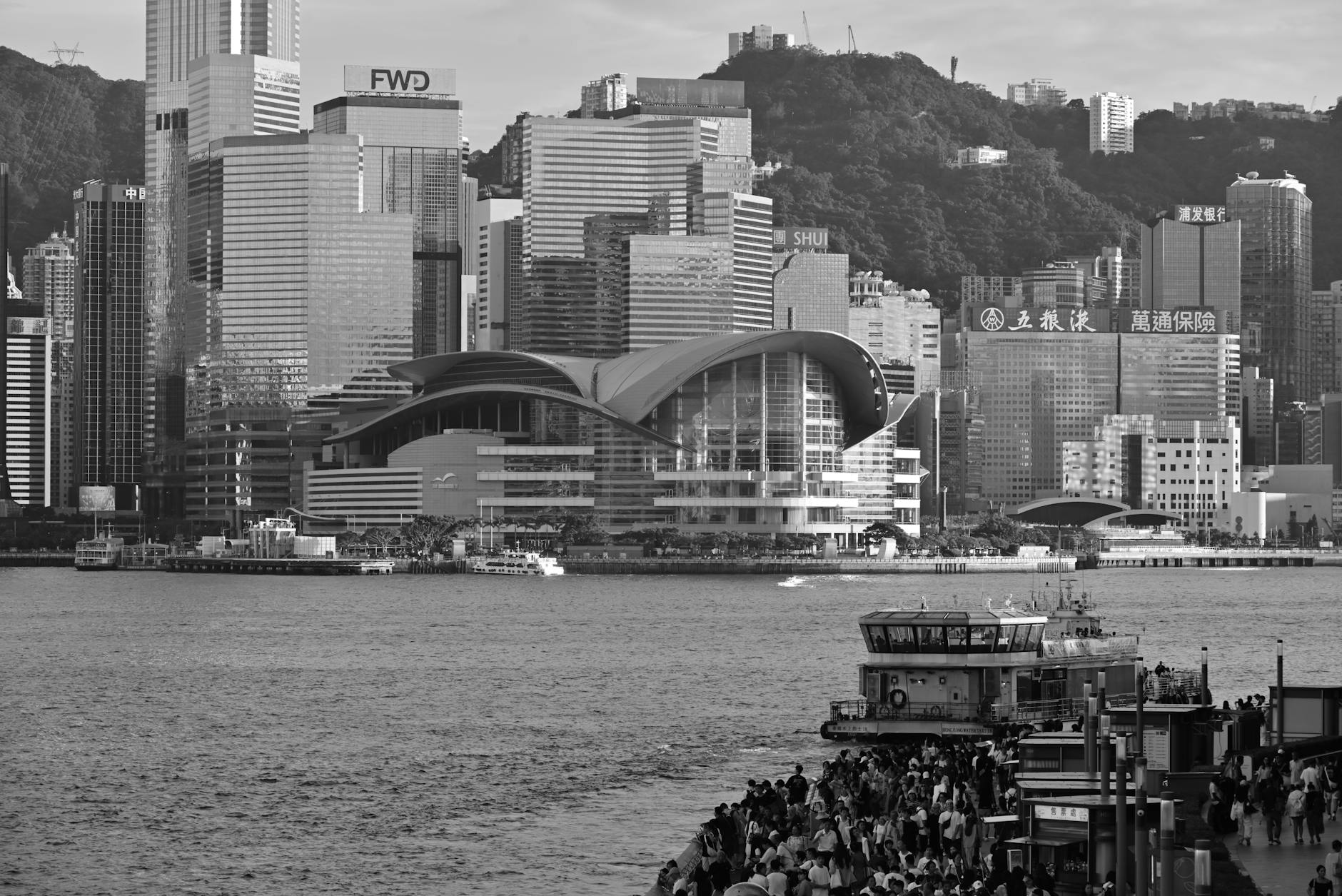
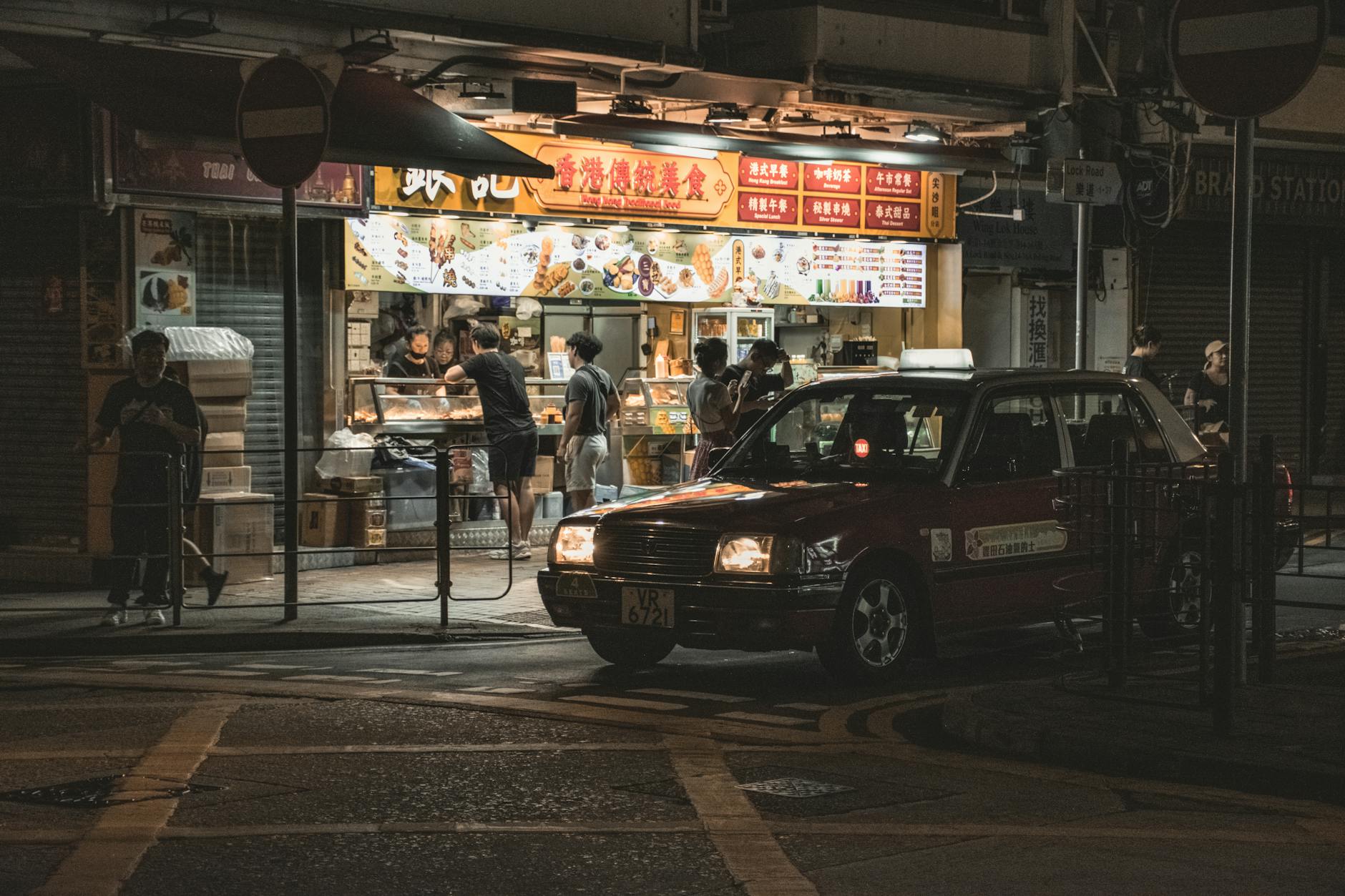
Wan Chai has restaurants, cafes, bars, bakeries, hotel dining, and casual local food, but a tourist should not leave every meal to chance. The traveler should identify options near the hotel, near tram stops, near MTR exits, near the harbor, and near evening plans. Meal choice affects walking, budget, comfort, and whether the next move feels easy.
The traveler should check queues, seating, noise, dietary fit, payment, opening hours, and the route afterward. A practical meal in the right location can be more valuable than a famous recommendation that forces an awkward detour.
- Preselect hotel-area, tram-area, MTR-area, harbor, casual, and late-arrival meal options.
- Check queues, seating, noise, dietary fit, payment, opening hours, and the next route.
- Use meals as anchors instead of solving food while tired or hungry.
Handle evenings with intention
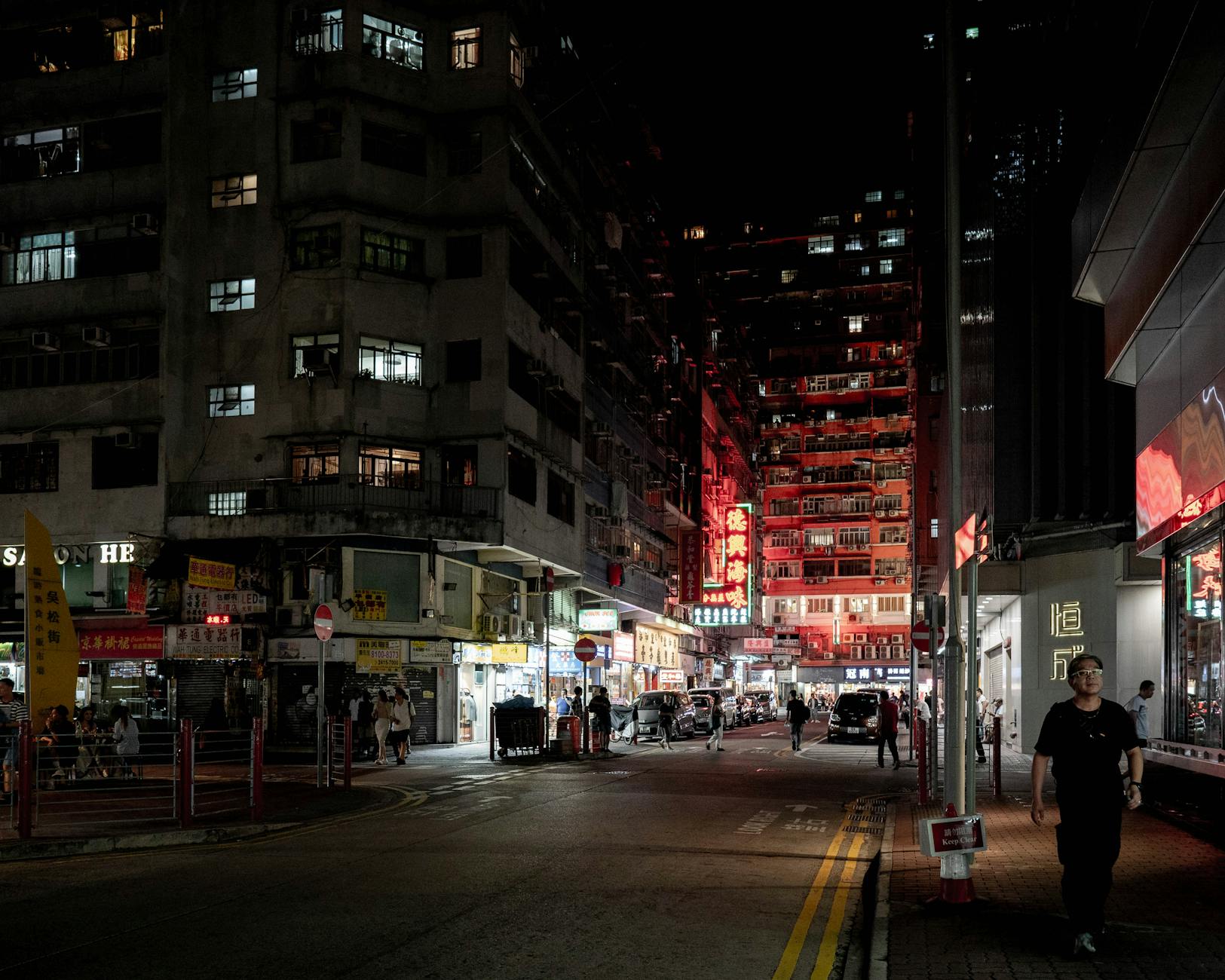
Wan Chai changes after dark. Some streets are restaurant-led, some are nightlife-heavy, some are practical transit routes, and some become quieter than expected. A tourist should decide whether the evening is for dinner, a drink, a tram ride, a harbor view, a nearby walk, or an early return.
Evening plans should match next-day priorities, jet lag, weather, and comfort level. A strong tourist evening in Wan Chai can be short, specific, and easy to exit. It does not need to turn into open-ended wandering.
- Decide whether the evening is for dinner, drinks, a tram ride, harbor views, or rest.
- Match evening ambition to jet lag, weather, next-day plans, and comfort level.
- Keep hotel address, payment backup, phone battery, and taxi options ready.
When to order a short-term travel report
A tourist with flexible time, a clear hotel, and strong Hong Kong familiarity may not need a custom Wan Chai report. A report becomes useful when the stay is short, the traveler is choosing between districts, first-time Hong Kong movement feels confusing, hotel access is uncertain, or the itinerary needs to balance sightseeing, meals, evenings, weather, and rest.
The report should test hotel fit, airport arrival, first evening, trams, MTR, taxis, walking routes, meal options, harbor use, cross-harbor choices, weather, budget, and what to cut. The value is a Wan Chai tourist stay that feels lively without becoming improvised from hour to hour.
- Order when hotel choice, district role, transport, meals, evenings, weather, or pacing needs testing.
- Provide dates, flight times, hotel options, interests, constraints, walking tolerance, and budget.
- Use the report to make the tourist stay selective, practical, and easy to operate.