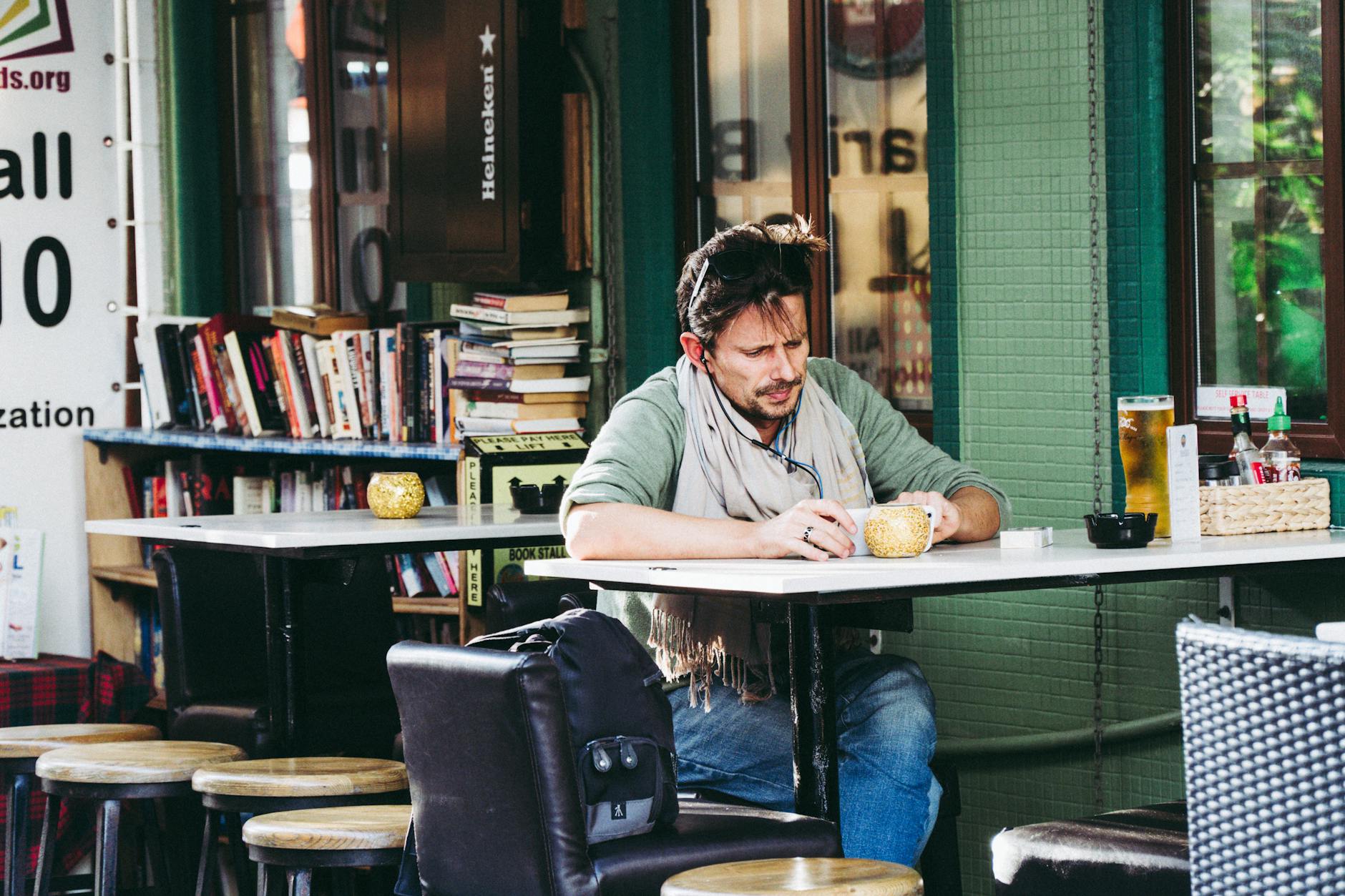
Wan Chai can be a strong solo base because it gives one traveler immediate access to MTR, trams, restaurants, cafes, hotels, harbor routes, markets, office streets, nightlife, and quick movement toward Central or Causeway Bay. It is also a district where tone changes quickly, so a solo traveler benefits from knowing which blocks are useful at which times. A short solo stay should be built around confidence and route clarity. The traveler should know how to arrive, where to eat without overthinking, when to use MTR, tram, taxi, or walking, how to return after dark, and which parts of Wan Chai support the trip rather than simply filling time.
Choose a base that makes solo returns easy
Solo travelers should choose a Wan Chai hotel by access and return comfort. Entrance placement, lobby staffing, taxi pickup, MTR exits, tram stops, street lighting, lift access, nearby food, and the final block back to the hotel matter more when there is no companion to share decisions.
The traveler should compare hotel options against stressful moments: late arrival, rain, luggage, tired evenings, and confusing exits. A slightly more expensive or less stylish hotel can be the smarter choice if it makes solo movement calmer every day.
- Check entrance, lobby staffing, taxi pickup, MTR exits, tram stops, lighting, lifts, and nearby food.
- Compare hotels by late arrival, rain, bags, tired evenings, and route simplicity.
- Choose the base that keeps solo decisions easy at the end of the day.
Plan arrival and the first evening before landing
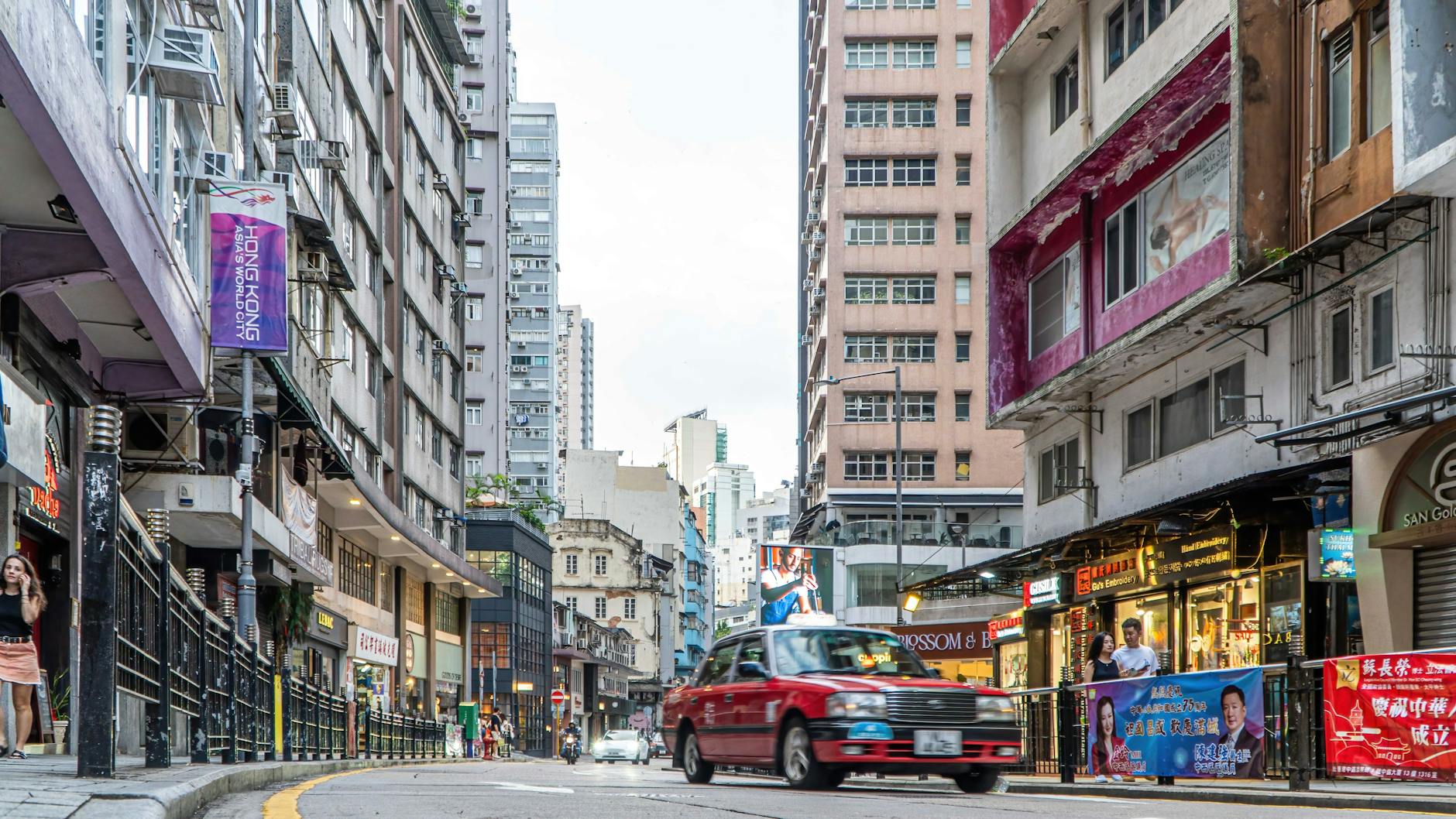
A solo arrival should be deliberately simple. The traveler should decide whether to use Airport Express plus taxi, direct taxi, MTR transfer, or a hotel car before landing. The hotel address, phone data, payment method, and backup route should be ready before leaving the airport.
The first evening should not require decoding all of Wan Chai. A nearby meal, a short orientation walk, a check of the nearest MTR exit or tram stop, and an easy return can build confidence without adding unnecessary fatigue.
- Choose the airport route, hotel address, data access, payment method, and backup plan before landing.
- Keep the first evening close to the hotel with a simple meal and orientation route.
- Avoid making arrival day depend on distant reservations or complicated transfers.
Use MTR, tram, taxi, and walking by situation
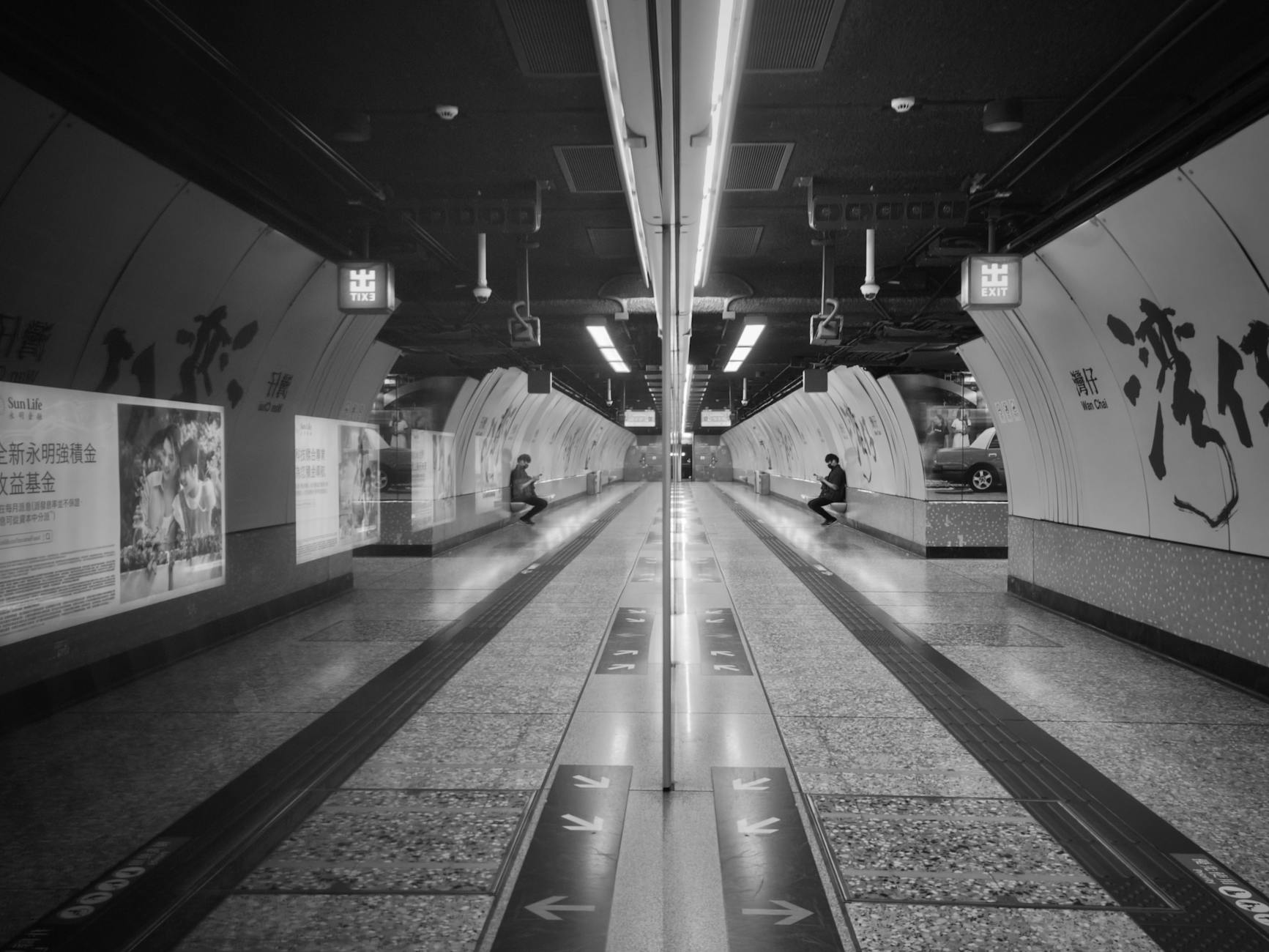
Wan Chai gives solo travelers several useful movement choices. The MTR is efficient for wider Hong Kong, the tram is slower and more legible for Hong Kong Island, taxis help with weather or late returns, and walking can be rewarding when the route is clear. None should be used by habit.
The traveler should choose each mode by time of day, weather, bags, footwear, crowd level, and energy. A solo plan works best when the return route is known before the outing begins.
- Use MTR for speed, trams for orientation, taxis for weather or late returns, and walking selectively.
- Choose transport by time, weather, bags, footwear, crowds, and energy.
- Know the return route before starting the outing.
Make eating alone easy
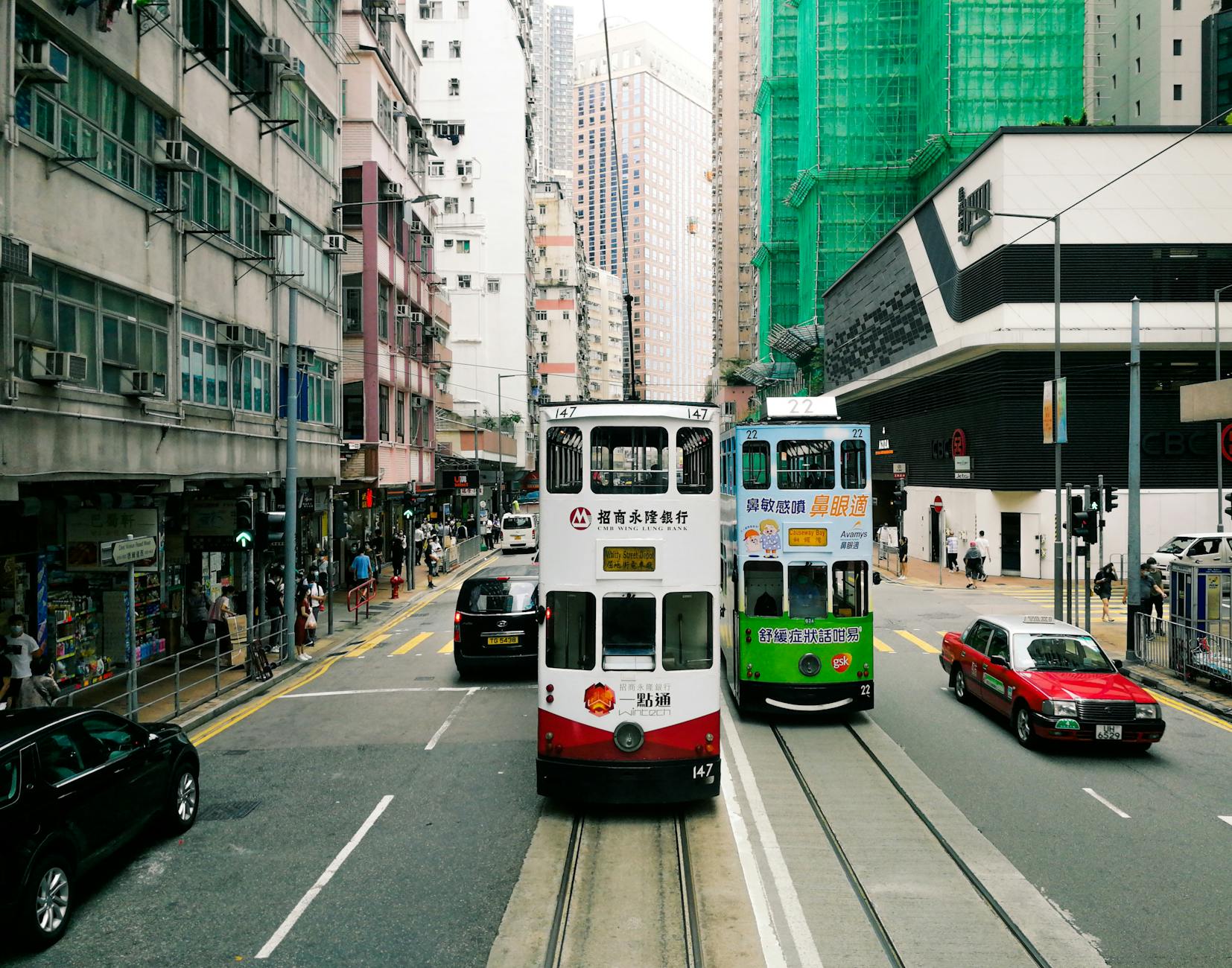
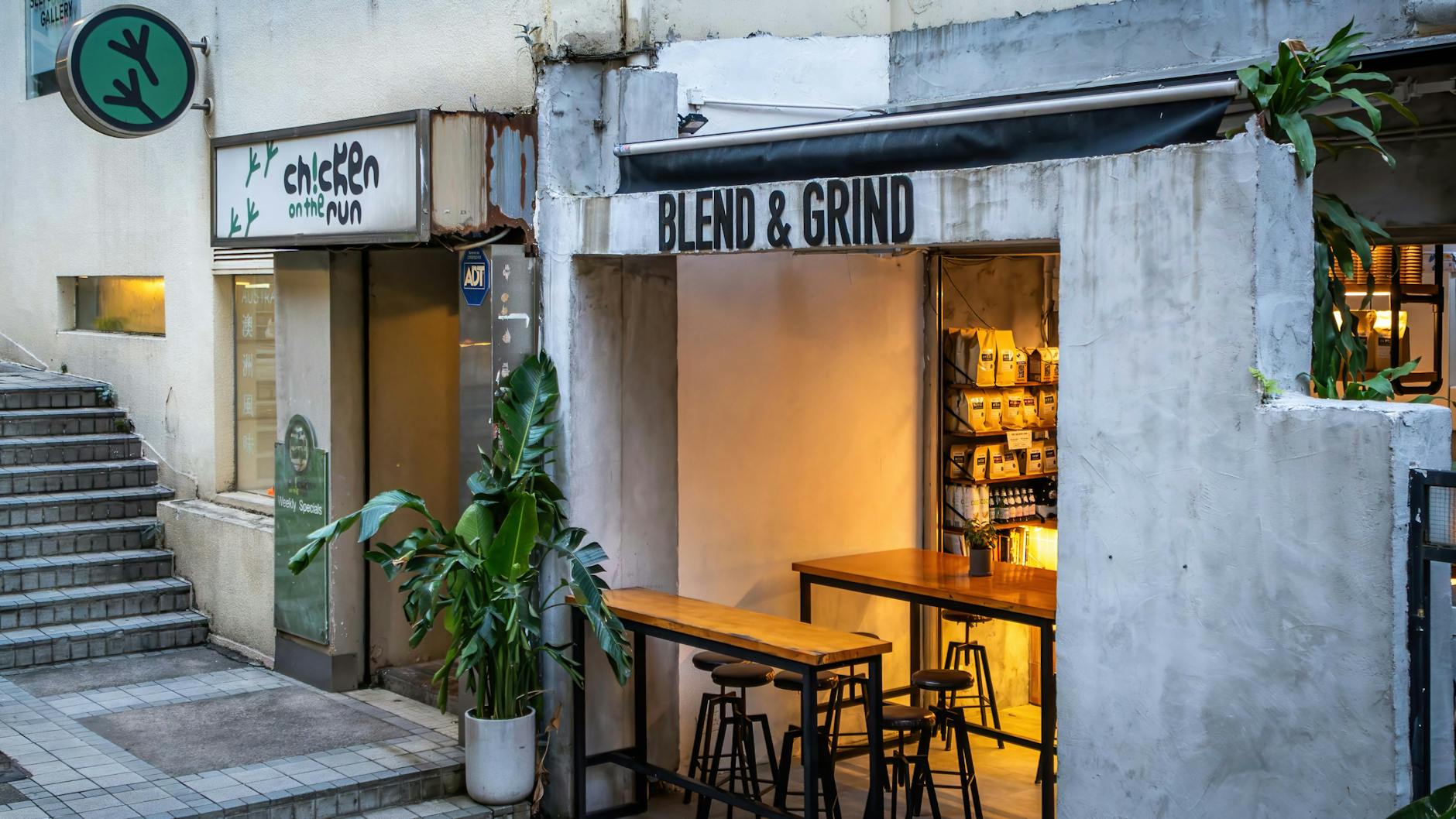
Wan Chai is useful for solo meals because it has cafes, casual local food, hotel restaurants, bars, bakeries, and nearby Causeway Bay options. Choice can still become tiring. The traveler should identify a few comfortable solo meals near the hotel, one or two stronger food goals, and fallback options for rain, late arrival, or low energy.
Solo dining should support the trip rather than become a daily negotiation. The traveler should also consider queues, seating, noise, payment, dietary needs, and whether the meal makes the next move easier.
- Preselect hotel-area meals, casual solo options, one food goal, and low-energy fallbacks.
- Check seating, queues, noise, payment, dietary fit, and return route.
- Use meals to anchor the day instead of making every evening an open question.
Use personal safety as a practical filter
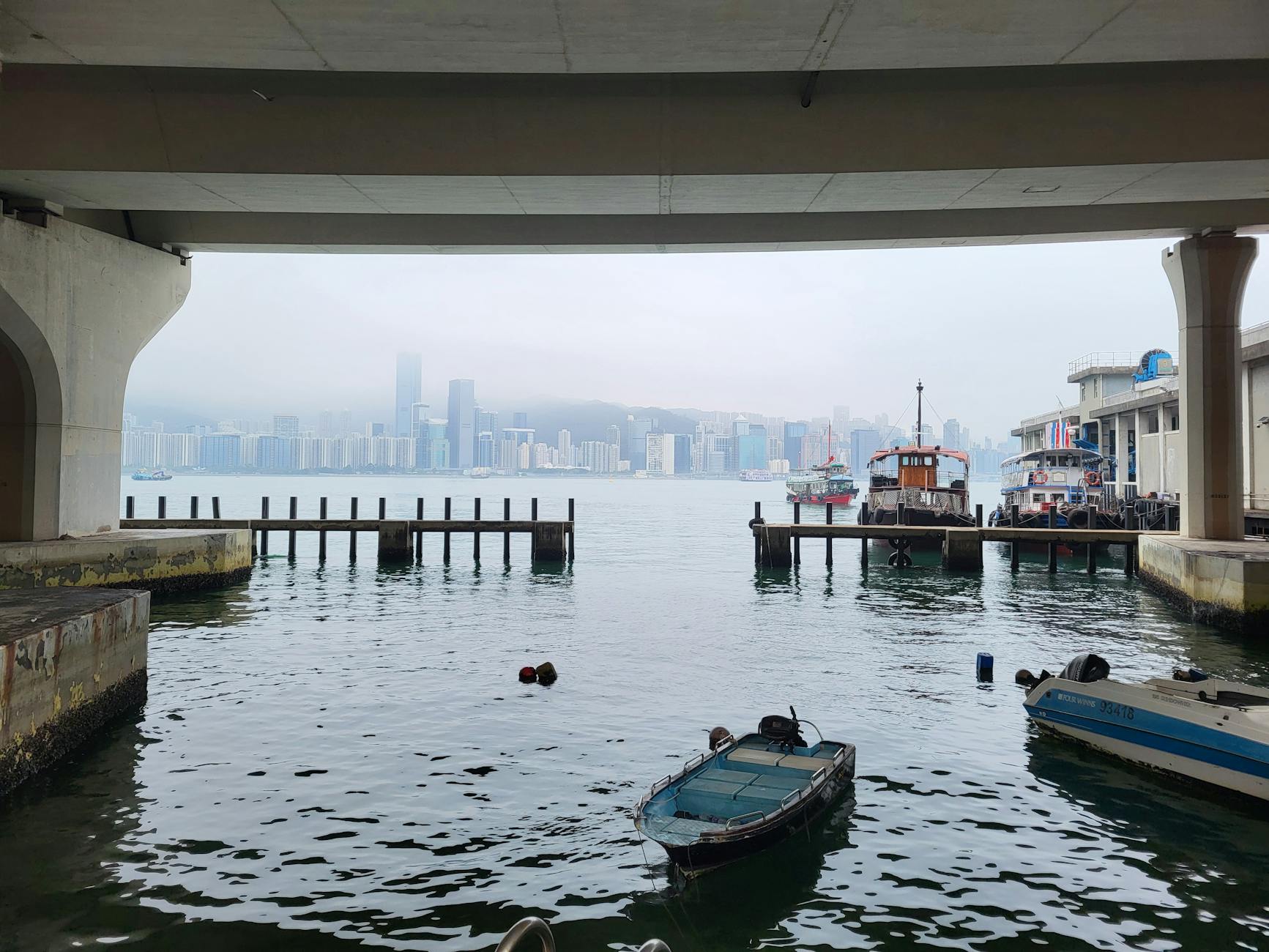
Solo travel in Wan Chai can be comfortable, but the traveler should still plan around practical safety. That means knowing late routes, keeping phone battery available, controlling valuables in dense streets and transit, using taxis when tired, and choosing bars or restaurants with a clear return path.
Safety planning should not shrink the trip. It should make the traveler more comfortable using the harbor, trams, markets, cafes, and evening streets because the exit plan is already clear.
- Know late routes, taxi points, phone battery, payment backup, and hotel return paths.
- Control valuables in dense streets, stations, markets, bars, and tram stops.
- Choose evening plans with a simple route back to the hotel.
Handle evening tone deliberately
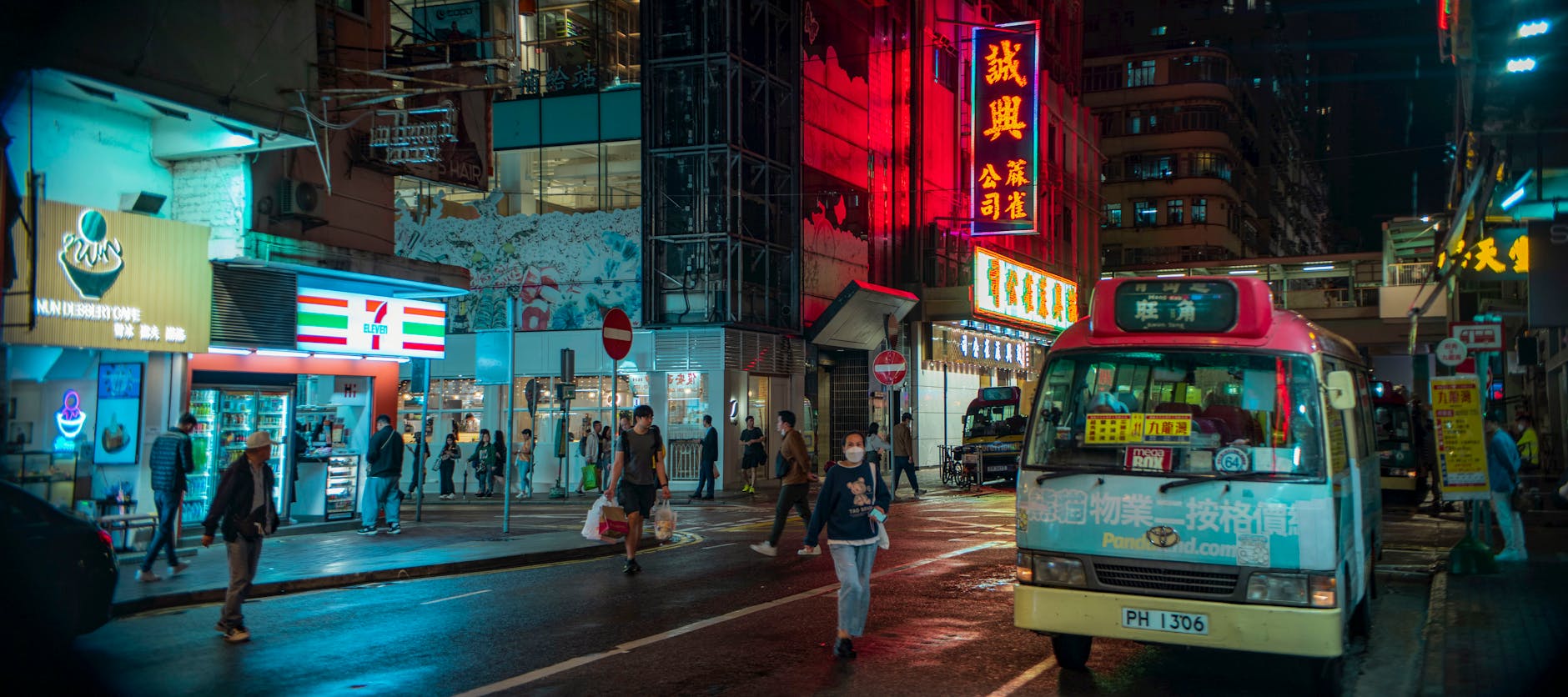
Wan Chai after dark is not one thing. Some blocks are restaurant-led, some are nightlife-heavy, some are quiet, and some are simply transit routes. A solo traveler should decide which evenings are for dinner, a drink, a tram ride, a harbor walk, or an early return. The district should not make that decision by accident.
The traveler should match the evening to next-day plans and energy. A strong solo night can be short, specific, and easy to exit.
- Choose whether each evening is for dinner, a drink, tram, harbor walk, or rest.
- Match evening ambition to next-day plans, jet lag, weather, and energy.
- Keep hotel address, payment backup, and taxi options ready after dark.
When to order a short-term travel report
A confident solo traveler with flexible time and a clear hotel choice may not need a custom Wan Chai report. A report becomes useful when the stay is short, arrival is late, the traveler is choosing between districts, personal safety planning matters, meals for one are a concern, or the itinerary needs to balance independence with fewer avoidable mistakes.
The report should test hotel access, airport transfer, first evening, solo meals, MTR and tram routes, nighttime returns, harbor options, weather, rest blocks, budget, and what to cut. The value is a solo Wan Chai stay that feels confident without requiring constant improvisation.
- Order when arrival, hotel choice, solo meals, evening safety, or route design needs testing.
- Provide dates, flight times, hotel options, comfort level, interests, constraints, and budget.
- Use the report to make solo movement confident, efficient, and flexible.