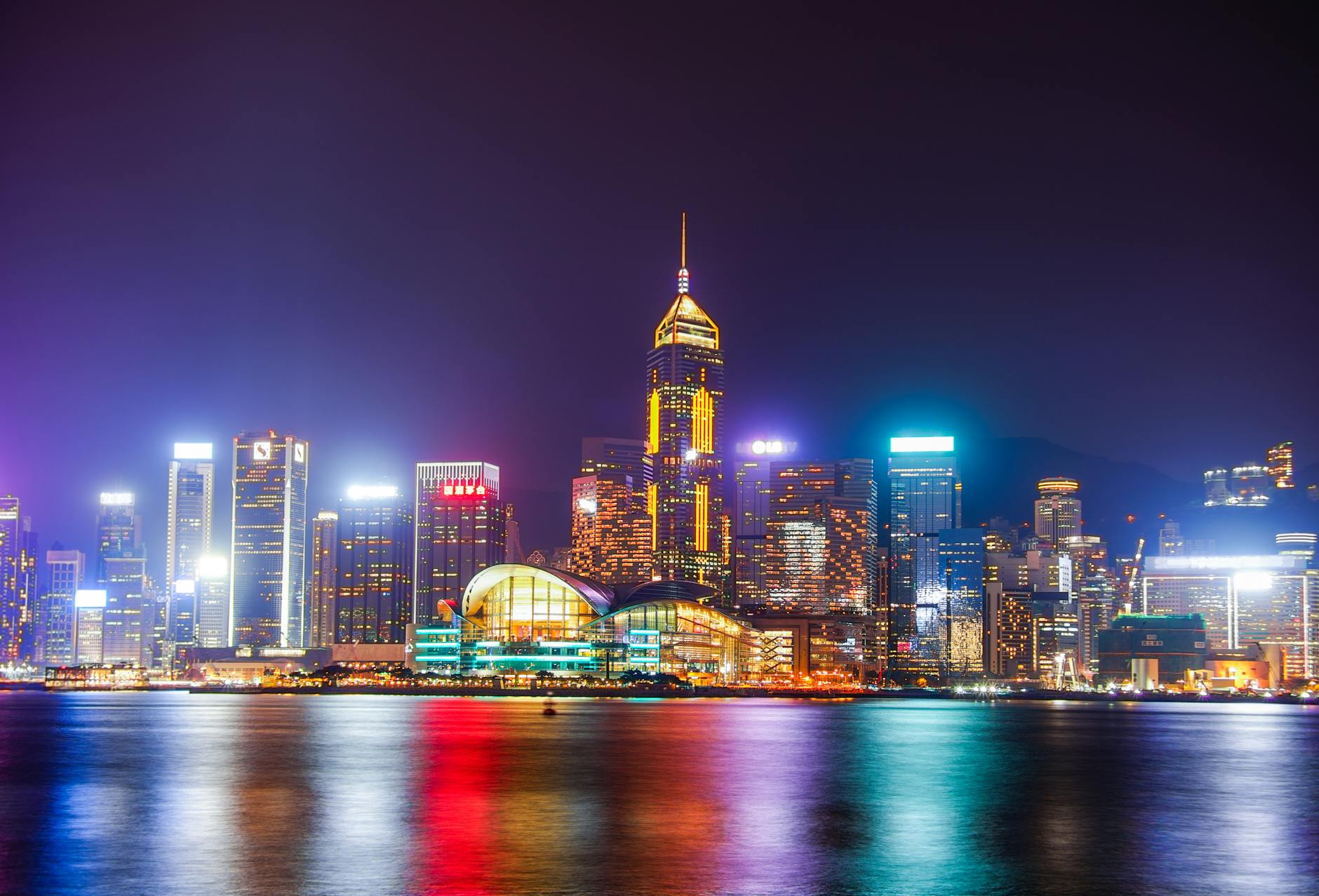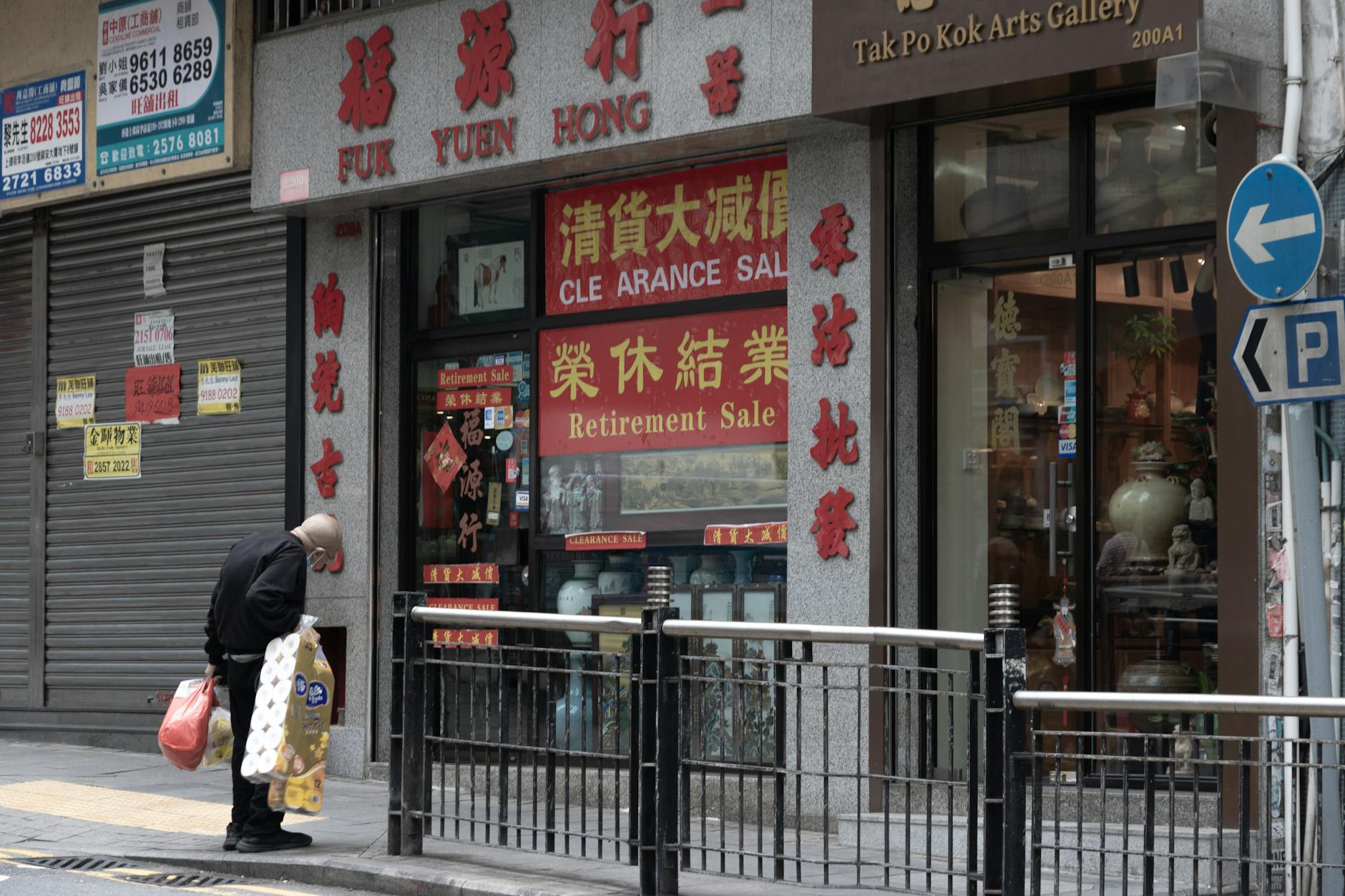
Wan Chai can work well for a sales traveler because it sits close to offices, hotels, HKCEC, restaurants, taxis, MTR, trams, Admiralty, Central, and Causeway Bay. It can also become inefficient if the traveler treats every Hong Kong Island meeting as equally easy. The district has real route friction, event crowds, weather exposure, and evening tone changes that can affect client work. A short sales trip should be planned around account value, punctuality, materials, follow-up, and recovery. The traveler should know which meetings need conservative routing, which meals are worth hosting, where to work between appointments, and what to cut when late changes appear.
Map accounts by district and meeting type
A sales traveler should start by mapping accounts precisely. A meeting in Wan Chai is different from one in Admiralty, Central, Causeway Bay, Quarry Bay, Tsim Sha Tsui, or an HKCEC event space. The traveler should separate prospect meetings, existing account reviews, demos, channel partner visits, hosted meals, and informal follow-ups because each has a different timing and preparation risk.
The daily route should put the highest-value meetings in the most protected time slots. A short Hong Kong sales trip should not depend on optimistic transfers between districts.
- Map prospects, existing accounts, demos, partner visits, hosted meals, and follow-ups by exact location.
- Separate Wan Chai, Admiralty, Central, Causeway Bay, Kowloon, and HKCEC obligations.
- Place the highest-value meetings in protected time slots with conservative routing.
Choose a hotel that protects meeting days
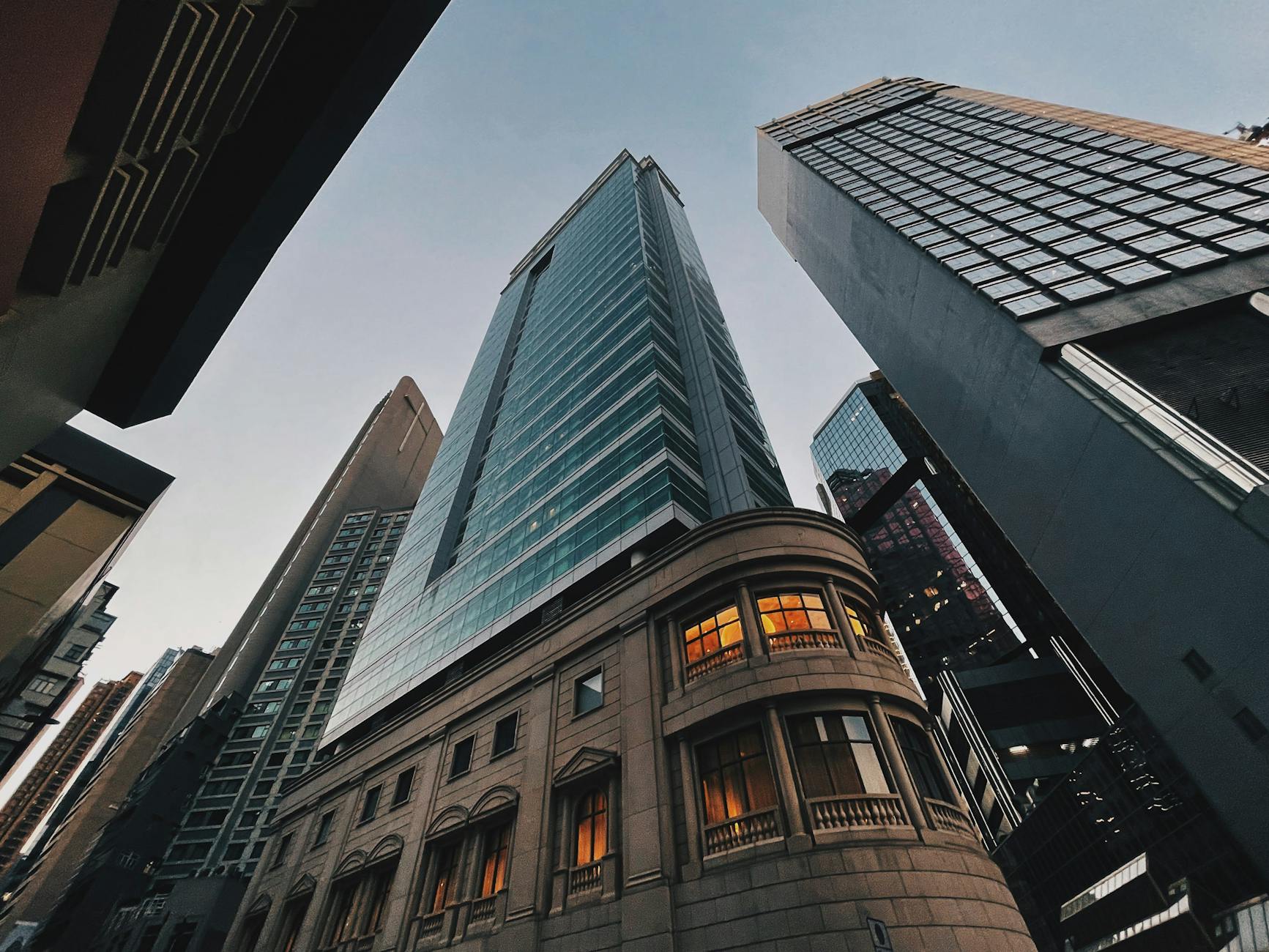
The hotel should support sales performance, not only sleep. Desk space, Wi-Fi, quiet, ironing, laundry, breakfast timing, lobby meeting options, taxi pickup, MTR access, tram access, and proximity to account clusters all matter. A good room can be poor value if the morning route creates stress before the first client meeting.
The traveler should also consider where follow-up work happens. A sales day often needs notes, CRM updates, deck revisions, quick calls, and a short reset before evening meetings.
- Check desk, Wi-Fi, quiet, ironing, laundry, breakfast, lobby space, taxi pickup, MTR, and trams.
- Choose the base around account clusters, first meetings, and evening obligations.
- Make room for CRM updates, calls, deck revisions, and recovery between appointments.
Plan transport around punctuality and materials
Sales travelers should choose transport by meeting value, materials, weather, and lateness risk. MTR may be efficient for predictable routes, trams may work for lower-pressure island movement, and taxis or cars may be smarter before senior meetings, demonstrations, rain, or when carrying samples. Walking can be useful only when the route is clear and the traveler will arrive composed.
The trip should include conservative routes for major accounts and lighter routes for informal follow-ups. The cost of a direct ride can be small compared with the cost of arriving late or visibly rushed.
- Choose MTR, tram, taxi, car, or walking by meeting value, materials, weather, and lateness risk.
- Use conservative routing before senior meetings, demos, and hosted meals.
- Protect arrival condition as well as arrival time.
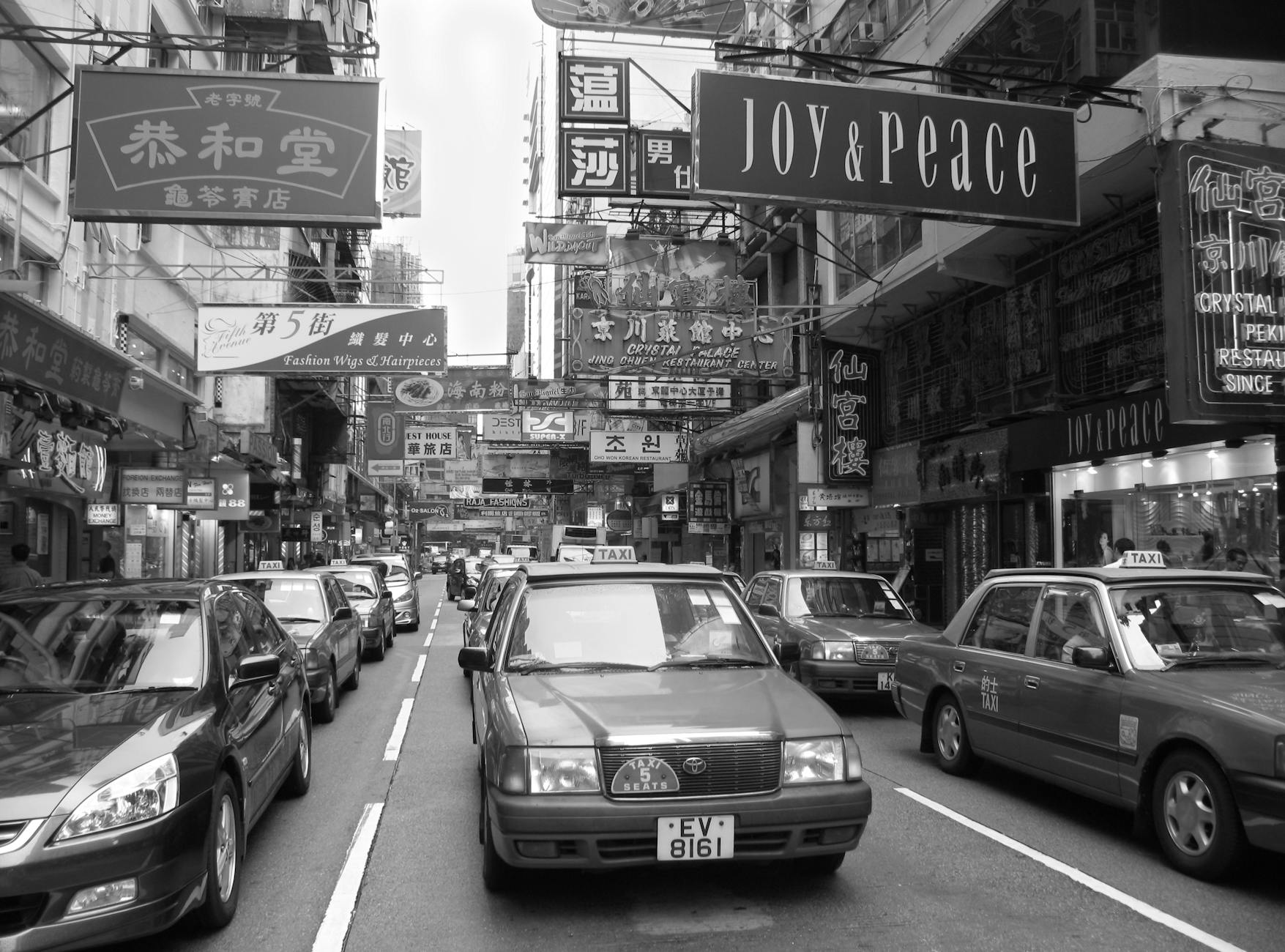
Use meals and coffee meetings deliberately
Wan Chai can support sales meals through hotel restaurants, Cantonese dining, cafes, bars, private rooms, and quick movement toward Admiralty and Central. The traveler should choose each meal by purpose: first conversation, renewal discussion, partner debrief, casual coffee, internal reset, or solo recovery. A noisy venue can weaken an important conversation.
Sales meals should also match the next obligation. A strong lunch that makes the afternoon late, tired, or overfull is not a strong sales decision.
- Choose meals by purpose, privacy, noise, timing, group size, dietary needs, payment, and route.
- Separate prospect meals, account reviews, partner debriefs, coffee meetings, and recovery meals.
- Avoid meal choices that weaken the next meeting or follow-up block.
Protect samples, decks, and follow-up work
Sales travel often depends on practical materials. Samples, product sheets, decks, adapters, chargers, demo files, QR codes, business cards, pricing notes, and contract documents should be prepared before the day starts. Wan Chai has supply options, but last-minute fixes can still consume the margin needed for client work.
The traveler should also decide where private calls and follow-up can happen. Notes written while details are fresh may be more valuable than another low-priority stop.
- Prepare samples, product sheets, decks, adapters, chargers, demos, QR codes, cards, and pricing notes.
- Know where private calls, notes, CRM updates, and follow-up emails can happen.
- Protect follow-up time while meetings are still fresh.
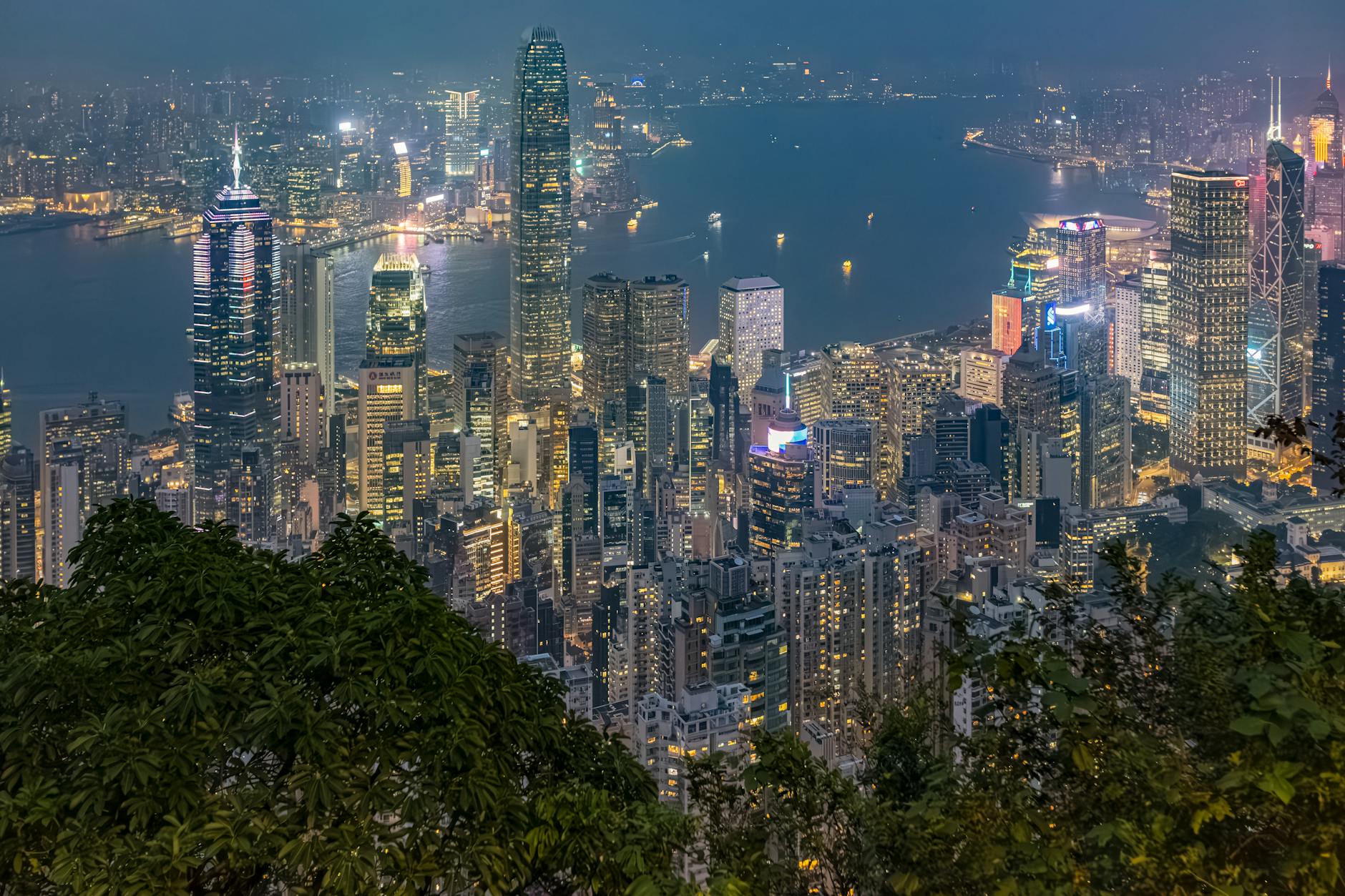
Build buffers around weather, crowds, and late changes
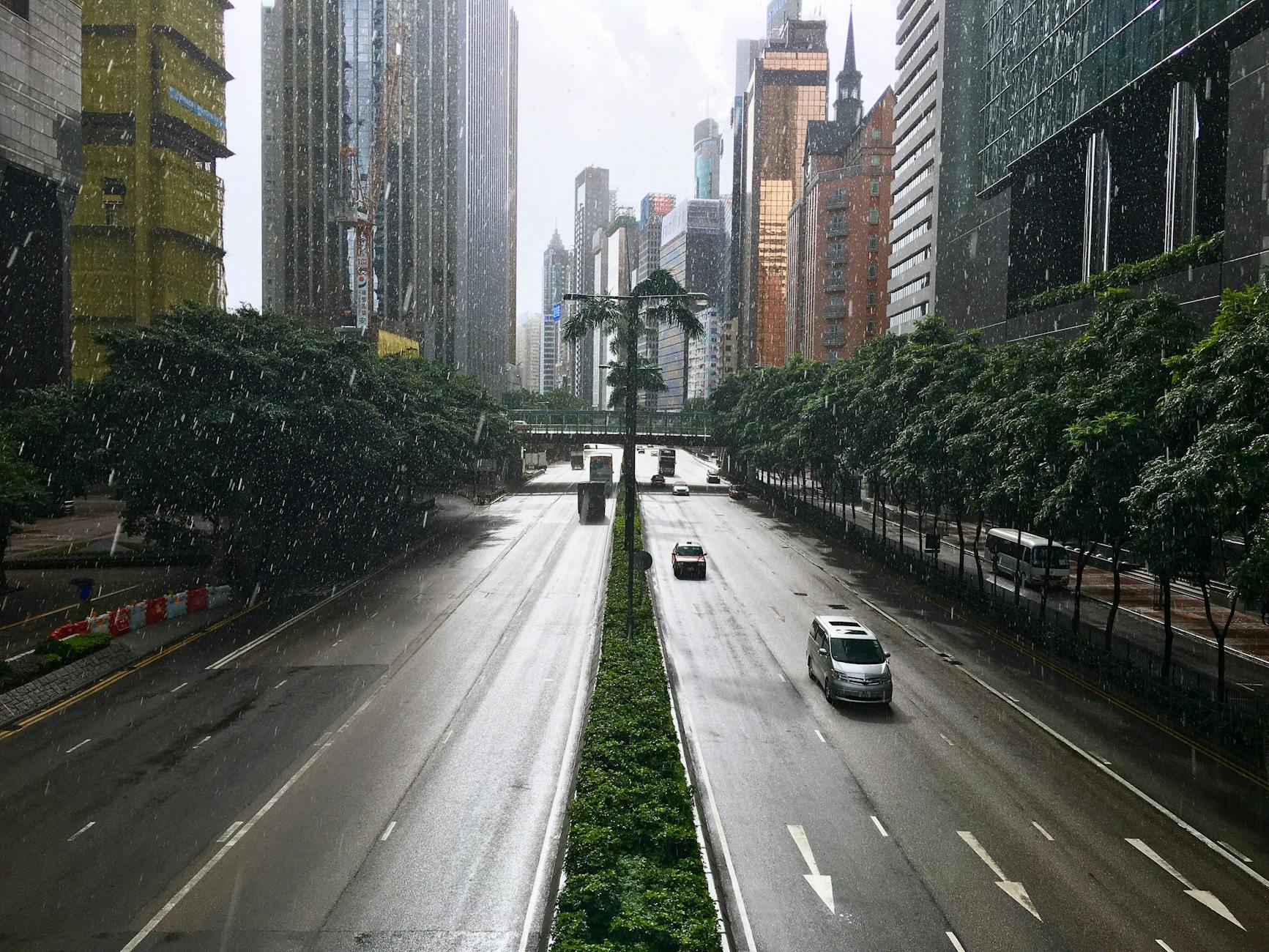
Wan Chai can be humid, rainy, cold indoors, crowded around HKCEC, busy at MTR exits, and slow when taxis are in demand. Client schedules can also change late. A sales traveler should keep buffers around high-value meetings, presentation setup, meals, and airport departure.
The plan should include a cut list for optional meetings, sightseeing, shopping, and evening plans. Sales trips fail when optional activity consumes the time needed for the next client obligation.
- Plan for humidity, rain, cold interiors, HKCEC crowds, MTR exits, taxi demand, and schedule changes.
- Keep buffers around major accounts, demos, meals, and airport departure.
- Cut optional activity before it threatens client work.
When to order a short-term travel report
A sales traveler with one hosted meeting, a known hotel, and flexible timing may not need a custom Wan Chai report. A report becomes useful when the trip has several account locations, important demos, materials, hosted meals, tight airport timing, or a need to combine sales work with limited personal time.
The report should test account geography, hotel fit, airport arrival, meeting routes, MTR, tram, taxi and car choices, meal locations, materials, follow-up blocks, weather, budget, and what to cut. The value is a Wan Chai sales trip that protects revenue work rather than merely filling the calendar.
- Order when account geography, hotel fit, transport, meals, materials, or follow-up time needs testing.
- Provide dates, account locations, hotel options, meeting types, materials, constraints, and budget.
- Use the report to keep the sales trip punctual, practical, and commercially focused.