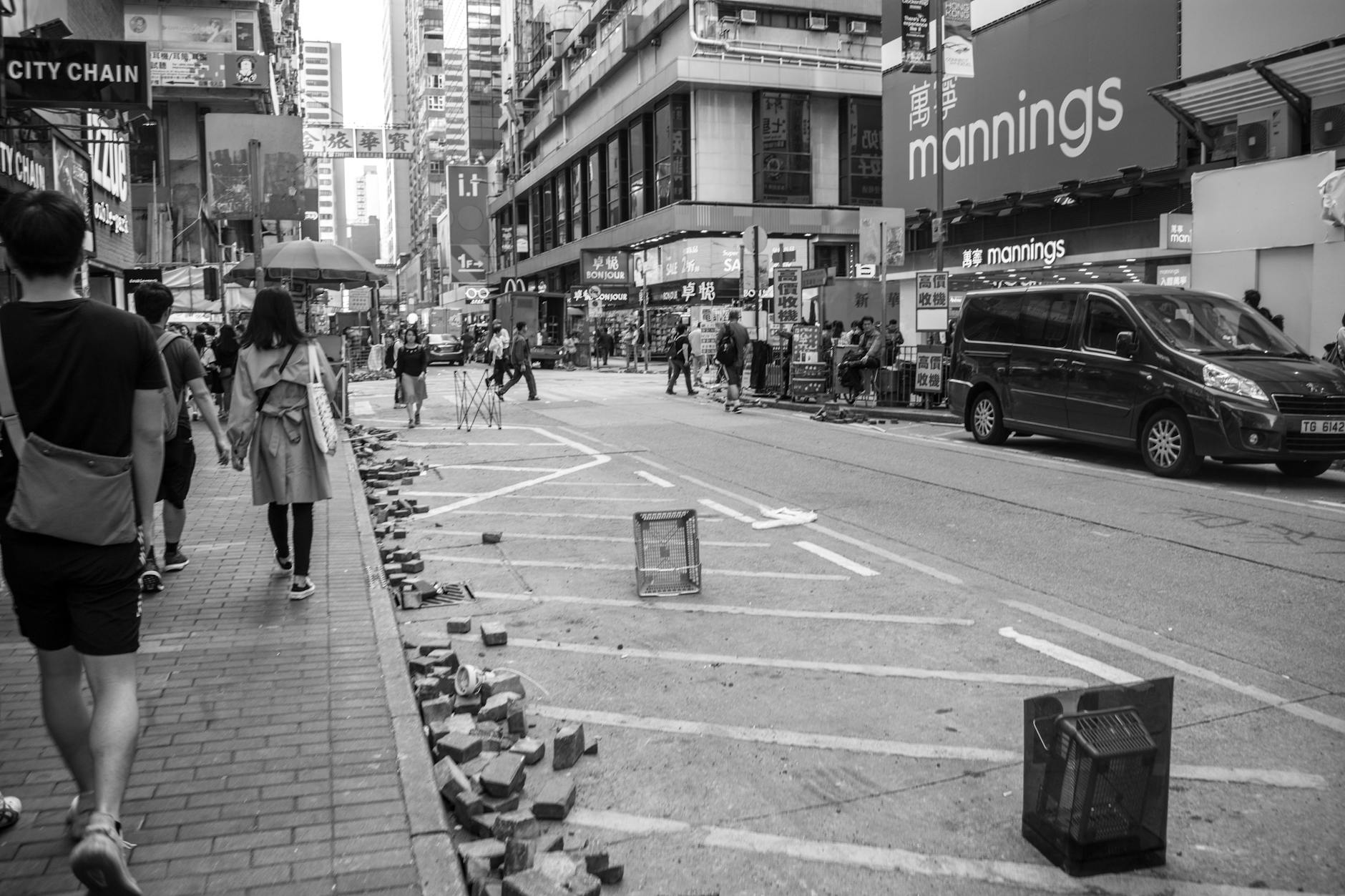
Wan Chai can be especially useful for a repeat Hong Kong visitor because it rewards travelers who already understand that the city is not one experience. The district can serve as a more textured Hong Kong Island base, a tram corridor, a restaurant and evening area, a harbor access point, or a practical midpoint between Central, Admiralty, and Causeway Bay. The risk for repeat visitors is different from the risk for first-timers. The problem is not basic orientation. The problem is relying on old habits, familiar districts, and outdated assumptions until the short trip becomes less interesting or less efficient than it should be.
Avoid repeating old Hong Kong habits by default
Repeat visitors often return to the same hotel areas, ferry routines, restaurant lists, shopping streets, and evening plans because those choices once worked. Wan Chai can break that pattern, but only if the traveler decides what should change. The district can add local street life, tram movement, harbor access, and practical Hong Kong Island positioning without requiring a full reinvention of the trip.
The visitor should identify which old habits still serve the trip and which are only familiar. A repeat stay is short enough that automatic choices can consume most of the useful time.
- Separate useful old habits from choices that are only familiar.
- Use Wan Chai to vary hotel area, tram movement, meals, harbor access, and evening tone.
- Do not let previous Hong Kong trips decide the current itinerary by default.
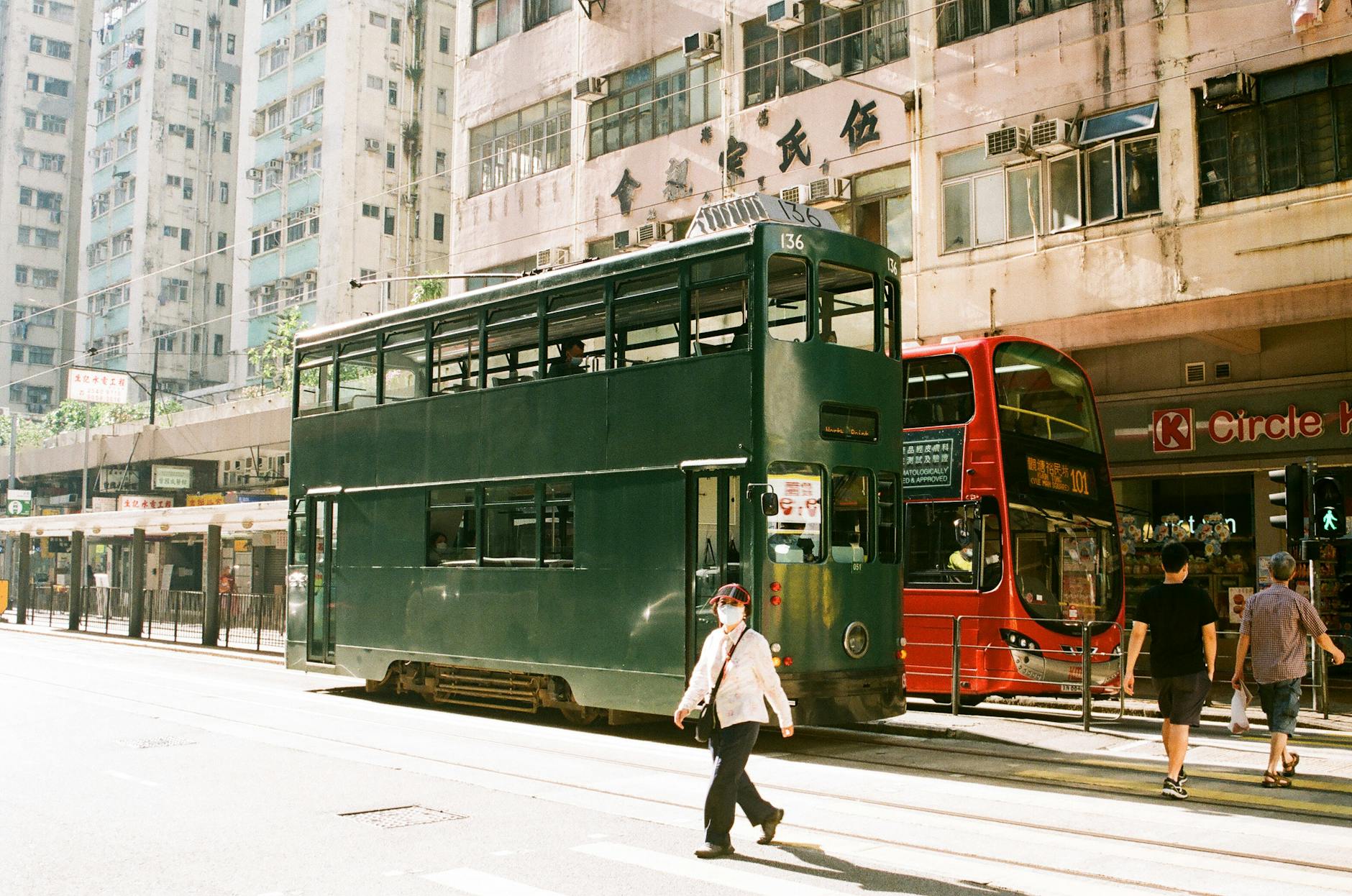
Use Wan Chai as a different Hong Kong Island base
A repeat visitor should choose Wan Chai only if its position improves the trip. It may work better than Central when the traveler wants slightly more local texture, better tram use, convention-area harbor access, or easier movement toward Causeway Bay. It may work worse if the trip is mostly luxury shopping, Kowloon waterfront time, or late nights concentrated elsewhere.
The hotel decision should be tied to this base logic. The traveler should test MTR exits, tram stops, taxi pickup, nearby meals, room quiet, and whether the district makes the intended daily routes easier.
- Use Wan Chai when trams, local texture, harbor access, or Causeway Bay links improve the trip.
- Choose another base if most plans cluster in Central, Kowloon, or a different evening district.
- Test hotel access against the actual repeat-visit routes.
Choose familiar places only when they still serve the trip
Familiar restaurants, bars, shops, and walks can be part of the value of returning to Hong Kong. They should still be chosen deliberately. A favorite place may now sit poorly against the hotel, weather, reservation timing, budget, or the traveler's current energy. A repeat visitor should not spend a short trip crossing the city for nostalgia unless the payoff is real.
The traveler should keep a small number of anchors and leave room for new Wan Chai meals, tram stops, harbor routes, or nearby district edges. Familiarity works best when it supports the trip rather than crowds it.
- Keep favorite places only when they still fit location, weather, budget, timing, and energy.
- Limit nostalgia detours unless the payoff is clearly worth the movement.
- Leave room for new Wan Chai meals, tram stops, harbor routes, and district edges.
Add one new route or district edge each day
Repeat visitors do not need to fill every hour with novelty. A better approach is to add one new route, meal area, market walk, harbor segment, tram stretch, or nearby district edge each day. Wan Chai makes this easy because it sits between several useful parts of Hong Kong Island and connects naturally by tram, MTR, taxi, and walking.
The traveler should define the new element clearly and keep the rest of the day manageable. That protects the trip from becoming either too repetitive or too scattered.
- Add one new route, meal area, market walk, harbor segment, tram stretch, or district edge each day.
- Use Wan Chai's position between Central, Admiralty, and Causeway Bay deliberately.
- Keep novelty specific so the trip does not become scattered.
Plan around changes in crowds, prices, and weather
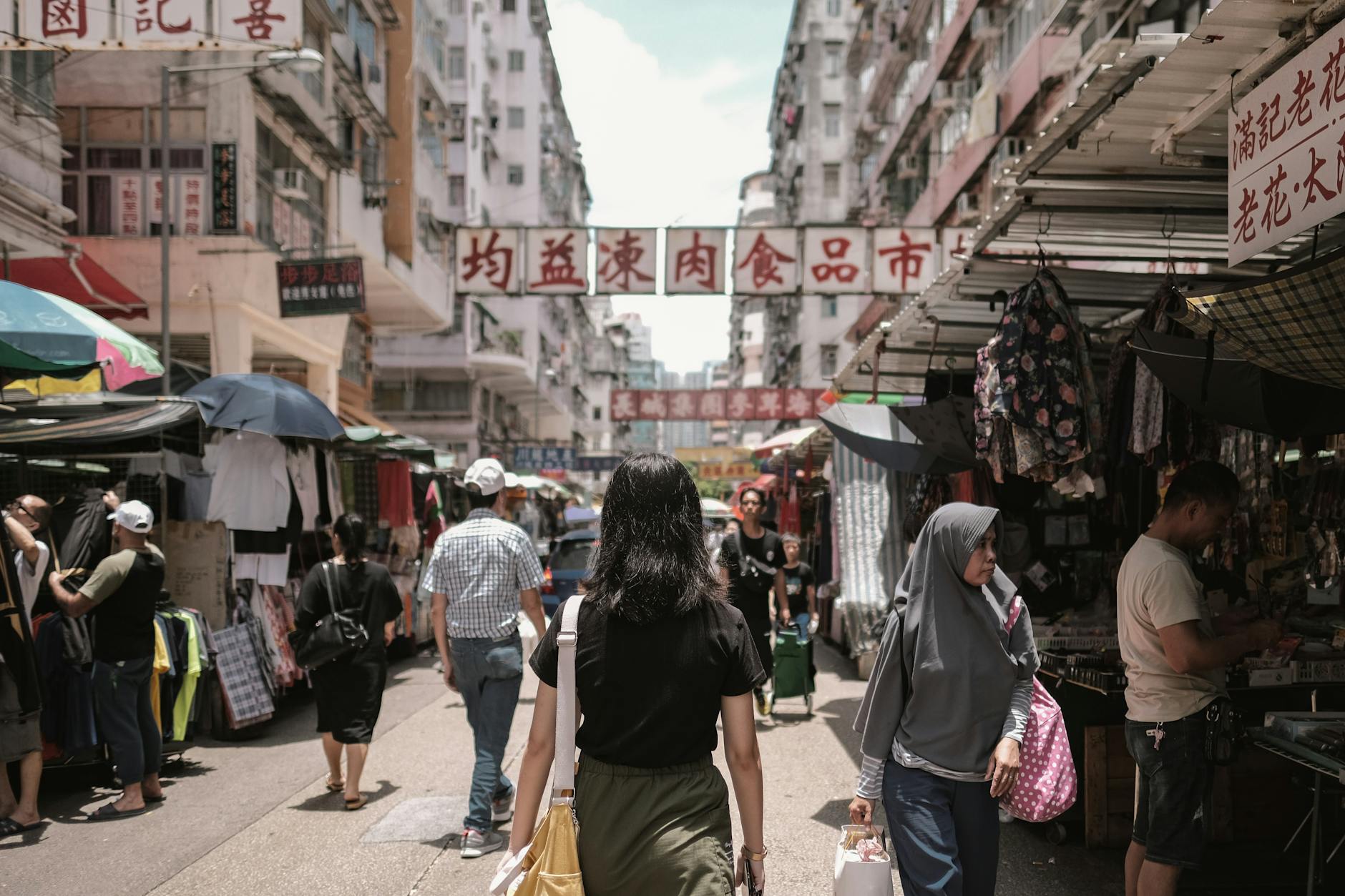
A repeat visitor may remember a previous Hong Kong rhythm that no longer matches the current trip. Hotel prices, restaurant demand, MTR crowding, event calendars, retail patterns, weather, and construction can change the feel of Wan Chai quickly. The traveler should not assume a familiar route will work exactly as it did before.
Before the trip, the visitor should check event pressure around HKCEC, restaurant booking needs, hotel value, weather exposure, and whether old transport habits still make sense. Small updates can prevent the trip from feeling stale or unexpectedly difficult.
- Check hotel prices, event calendars, restaurant demand, construction, weather, and crowd pressure.
- Update old routes around current MTR, tram, taxi, and harbor conditions.
- Do not assume a previous Hong Kong rhythm still fits this stay.
Protect rest instead of chasing novelty
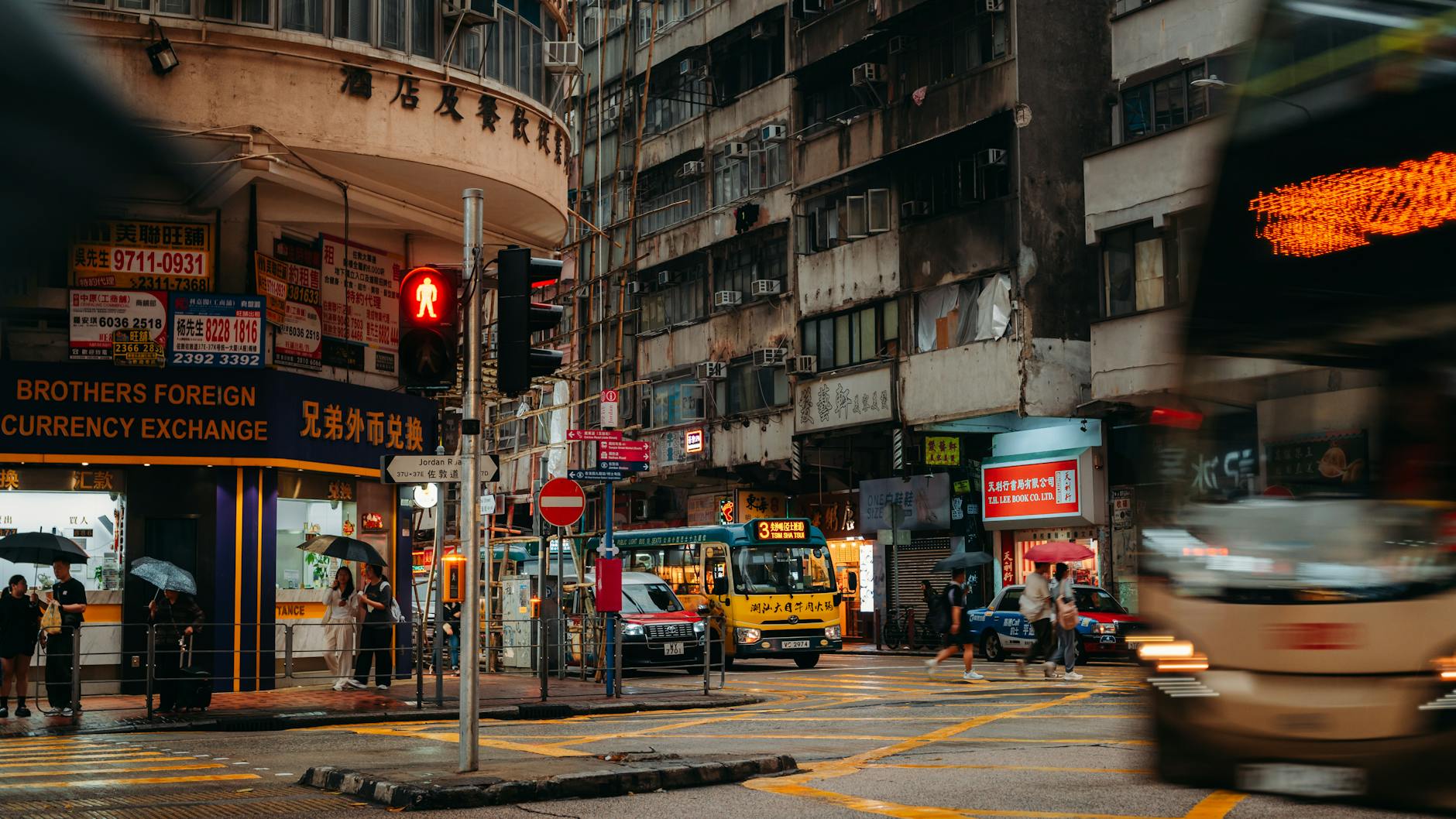
Repeat visitors often try to use familiarity to pack in more. That can backfire in Wan Chai because heat, rain, hills nearby, station exits, tram waits, and evening meals still take energy. A return trip can be stronger when it includes slow mornings, hotel breaks, one focused outing, and a deliberate evening rather than a long list of corrections to previous trips.
The traveler should protect rest as part of the itinerary. Hong Kong rewards alert, selective movement more than exhausted coverage.
- Use slow mornings, hotel breaks, focused outings, and deliberate evenings as real itinerary value.
- Account for heat, rain, station exits, tram waits, crowds, and late meals.
- Avoid turning a repeat visit into a checklist of missed items from previous trips.
When to order a short-term travel report
A repeat leisure visitor who already knows where to stay, what to skip, and how to move may not need a custom Wan Chai report. A report becomes useful when the traveler wants a sharper version of Hong Kong, is choosing between familiar and new districts, has limited time, is bringing companions with different expectations, or wants to avoid repeating an old itinerary by habit.
The report should test hotel fit, new route choices, old favorites, tram and MTR movement, meal updates, harbor access, event pressure, weather, rest blocks, budget, and what to cut. The value is a return trip that feels current, selective, and worth the repeat.
- Order when district choice, old favorites, new routes, meals, companions, or pacing needs testing.
- Provide dates, previous Hong Kong experience, hotel options, priorities, constraints, and budget.
- Use the report to make another Hong Kong trip feel current and deliberate.