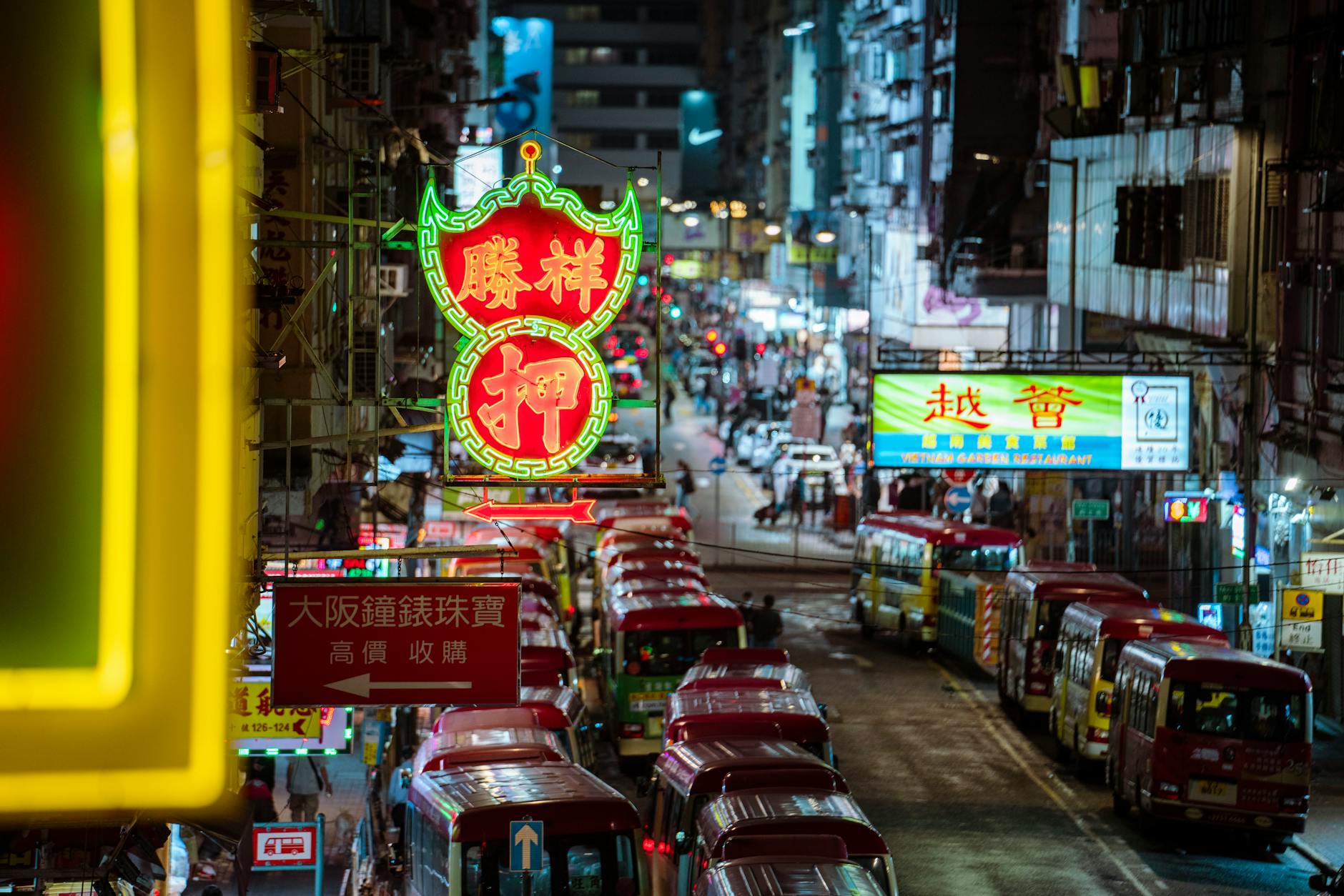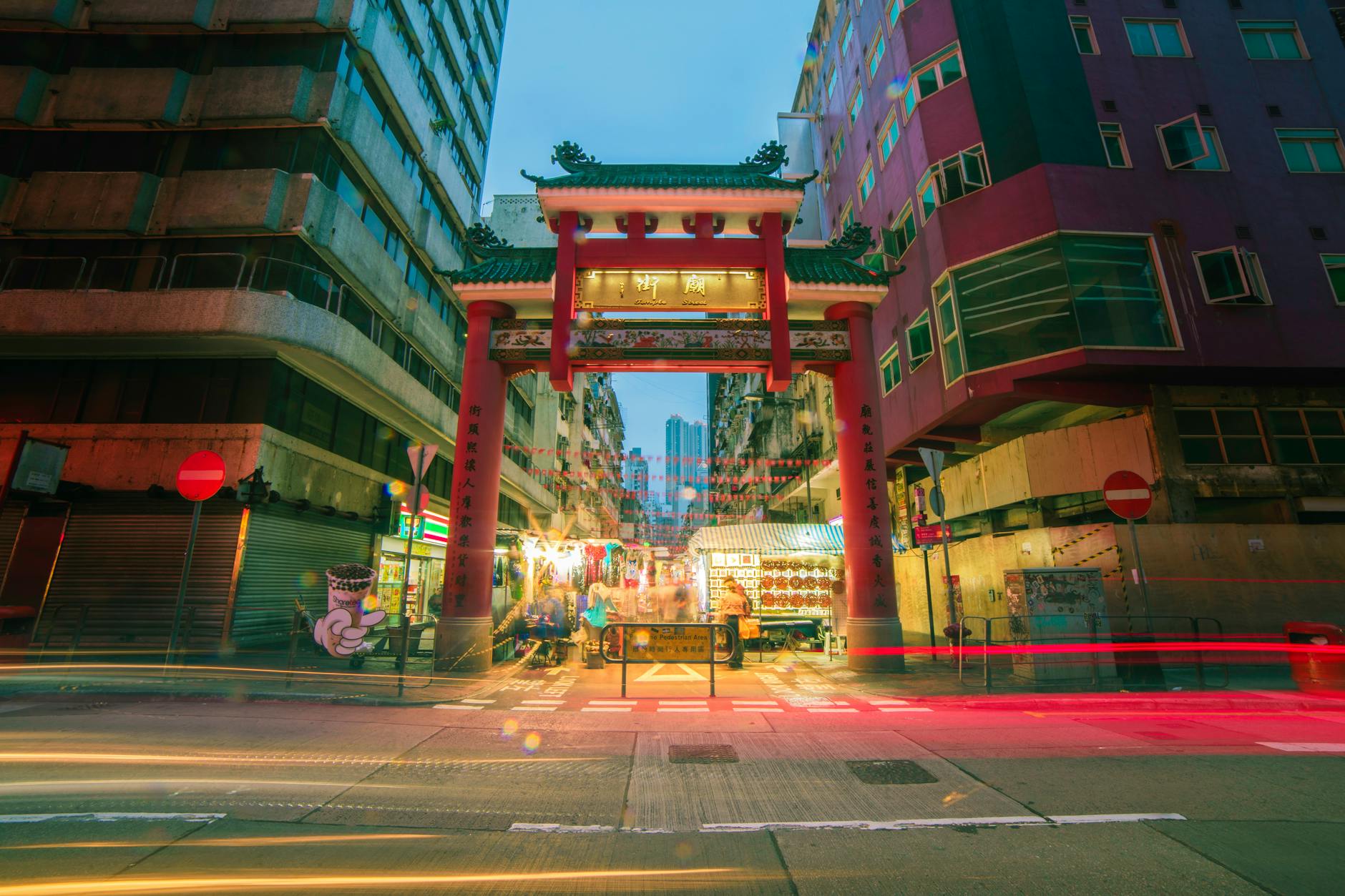
Wan Chai can be a useful base for a religious or pilgrimage traveler, but it should be understood as an urban operating point rather than a single-purpose pilgrimage district. The traveler may be using Wan Chai for churches, temples, Islamic facilities, Sikh or other community institutions, interfaith meetings, hotel access, or transport to important sites elsewhere in Hong Kong. The district's convenience is real, but it does not remove the need to plan exact locations and timing. A short religious trip should protect worship, reflection, and community obligations from avoidable friction. The traveler should know where services or visits happen, how to dress and move appropriately, where food and prayer needs can be met, and what parts of the itinerary should stay quiet rather than crowded.
Confirm the purpose of the religious trip
The traveler should first define whether the trip is built around worship, pilgrimage, community meetings, clergy or lay leadership work, charity activity, religious education, a family ritual, or quiet personal reflection. Wan Chai can support several of these purposes, but each one requires a different rhythm.
A worship-led trip should protect service times and recovery. A community visit may need introductions, privacy, and meal planning. A pilgrimage-style visit may need more quiet and less nightlife exposure than a normal city stay.
- Separate worship, pilgrimage, community meetings, education, family rituals, charity work, and reflection.
- Plan the schedule around the religious purpose rather than filling gaps randomly.
- Decide which parts of the trip should remain quiet, private, or flexible.
Map worship sites and service times precisely
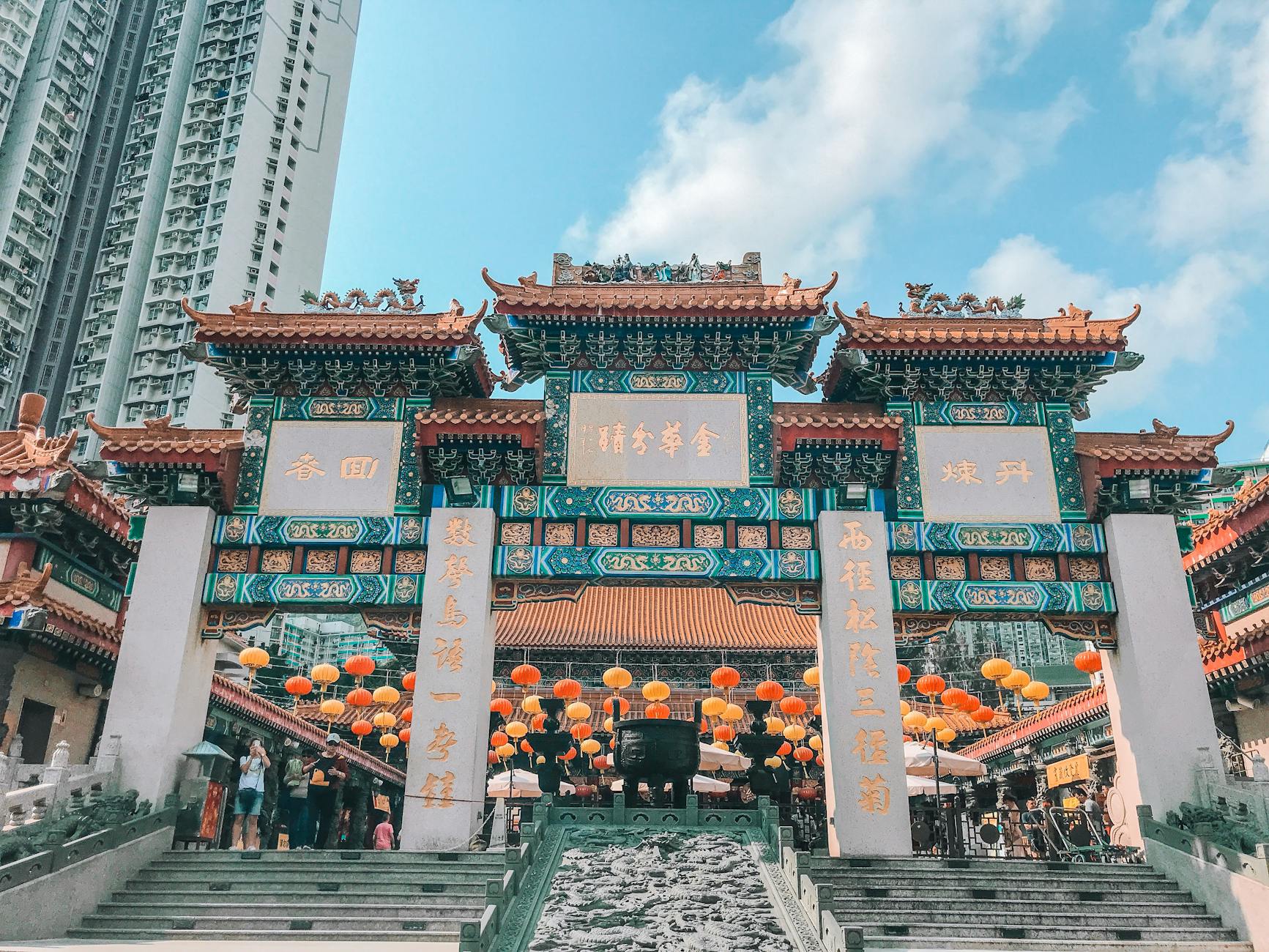
Wan Chai and nearby districts can place the traveler within reach of temples, churches, Islamic facilities, community institutions, and interfaith meeting points, but names and district labels are not enough. Entrances, service times, visiting hours, language, dress expectations, holiday schedules, and transit exits should be checked before arrival.
The traveler should also decide which sites are central to the trip and which are optional. Hong Kong's density can tempt visitors to add too much, especially when sacred sites sit near shopping, dining, or sightseeing routes.
- Confirm exact addresses, entrances, service times, visiting hours, languages, and dress expectations.
- Separate must-visit religious sites from optional cultural stops.
- Check whether key visits are in Wan Chai, Central, Causeway Bay, Kowloon, or elsewhere.
Choose lodging for worship access and calm
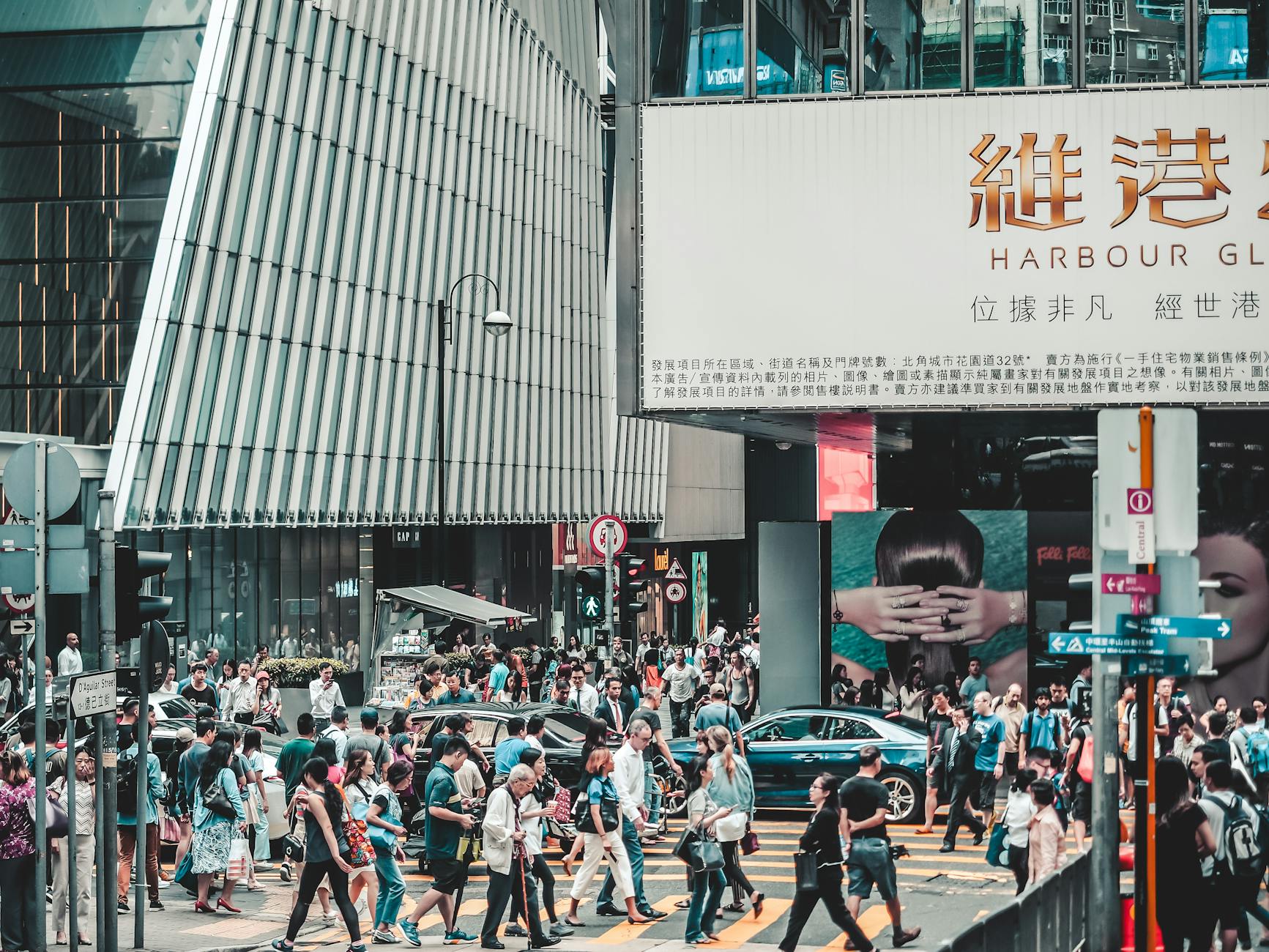
The hotel or short-stay base should support worship obligations as well as normal logistics. Distance to the relevant site, MTR access, taxi pickup, walking exposure, room quiet, breakfast timing, nearby appropriate meals, laundry, elevator reliability, and late or early return comfort can all matter. A lively Wan Chai block may be convenient for transport but wrong for a traveler who needs quiet mornings or modest evening movement.
The traveler should also think about prayer, rest, family needs, and clothing care. A short trip can feel much more respectful when the base supports preparation instead of constant improvisation.
- Check worship-site distance, transit, taxi pickup, quiet, breakfast, meals, laundry, and lift reliability.
- Choose lodging that supports prayer, preparation, clothing care, and rest.
- Avoid a nightlife-heavy block if the trip needs calmer evenings or early services.
Plan food, dress, and daily routine
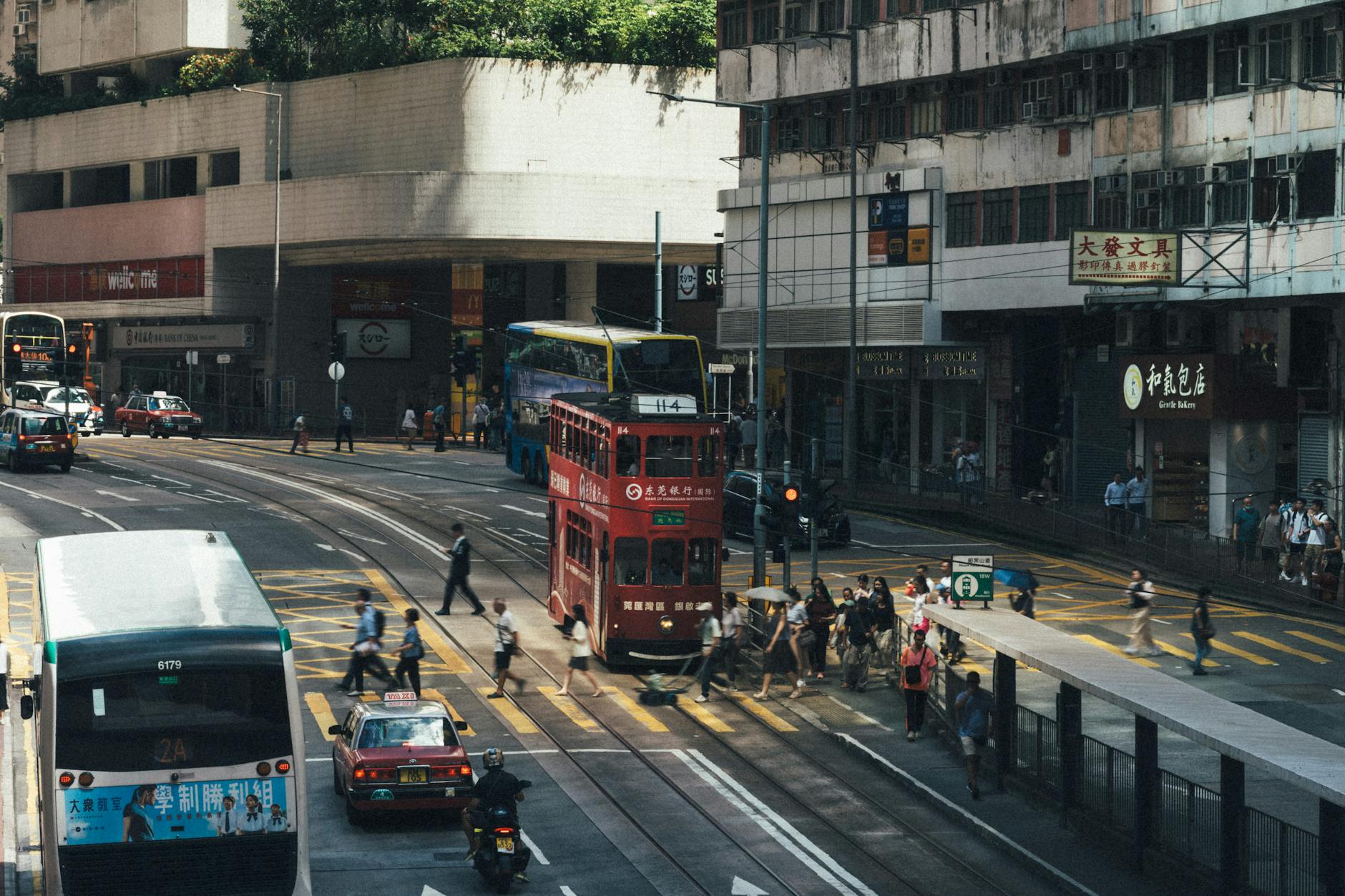
Food and dress can shape the whole stay. A religious traveler may need halal, vegetarian, fasting-aware, alcohol-free, simple, or family-appropriate meals. Wan Chai has many food options, but the right option may not be next to the hotel or the site. The traveler should identify meals near lodging, worship sites, and transit before the day becomes rushed.
Dress should also be planned by context. Sacred spaces, community meetings, humid streets, rain, cold interiors, and long walks can pull clothing needs in different directions.
- Identify halal, vegetarian, fasting-aware, alcohol-free, simple, or family-appropriate meals as needed.
- Plan clothing for sacred spaces, humidity, rain, cold interiors, walking, and community meetings.
- Keep daily routines simple enough to protect worship and rest.
Move respectfully between sacred and secular spaces
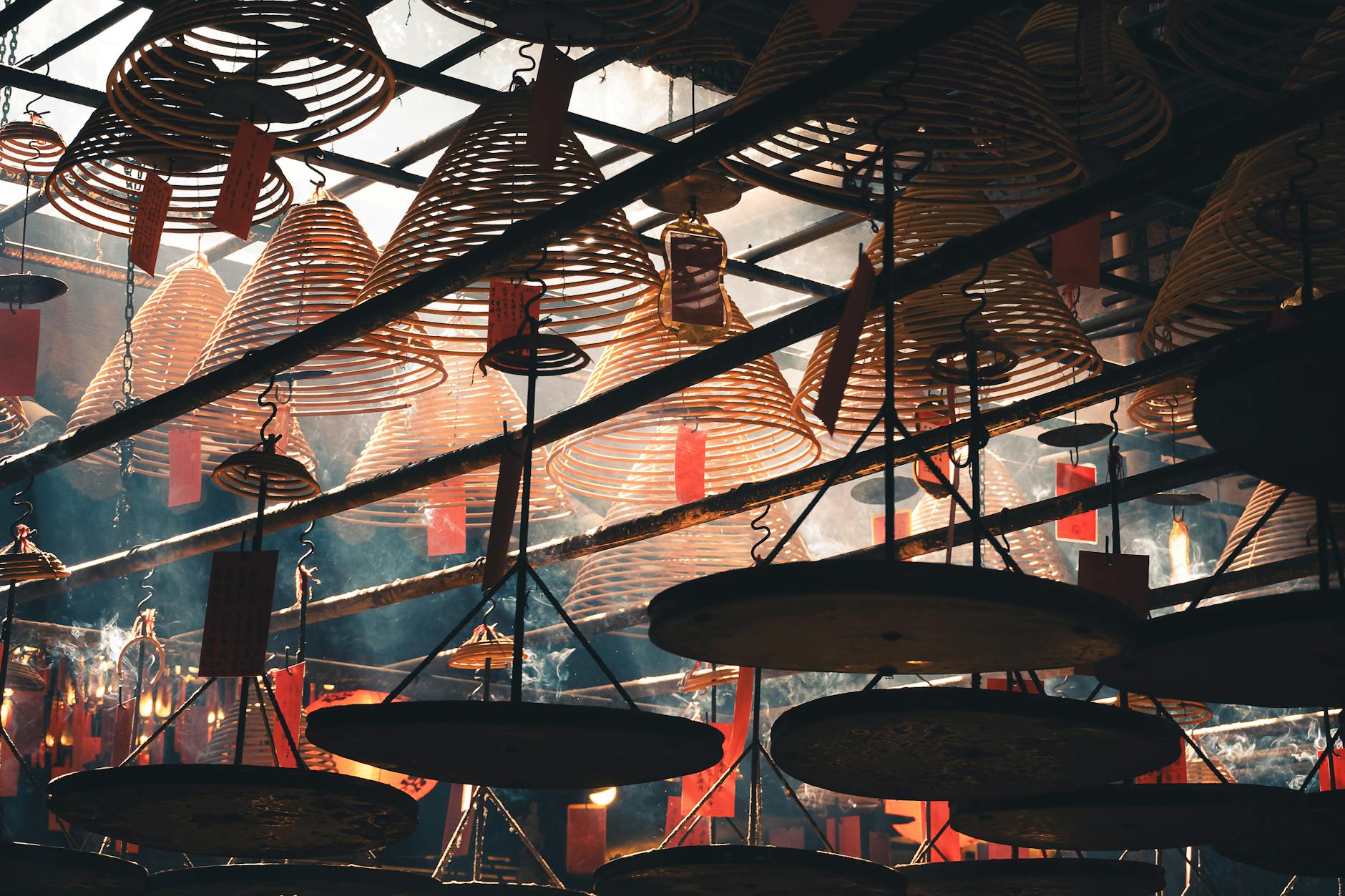
Wan Chai moves quickly between offices, transport, restaurants, nightlife, homes, and worship or community spaces. The traveler should be ready for that contrast. MTR, trams, taxis, and walking can all work, but route choice should respect dress, weather, family members, mobility, and the mood of the visit.
Photography and social posting should be handled with restraint. A sacred site may be photogenic and still not be a place for casual content, especially during worship, private ceremonies, or community activity.
- Choose MTR, tram, taxi, or walking by dress, weather, timing, family needs, and site context.
- Be careful with photography, filming, and social posting in sacred or community settings.
- Leave enough transition time between worship, meals, transport, and secular attractions.
Protect reflection time and weather margin
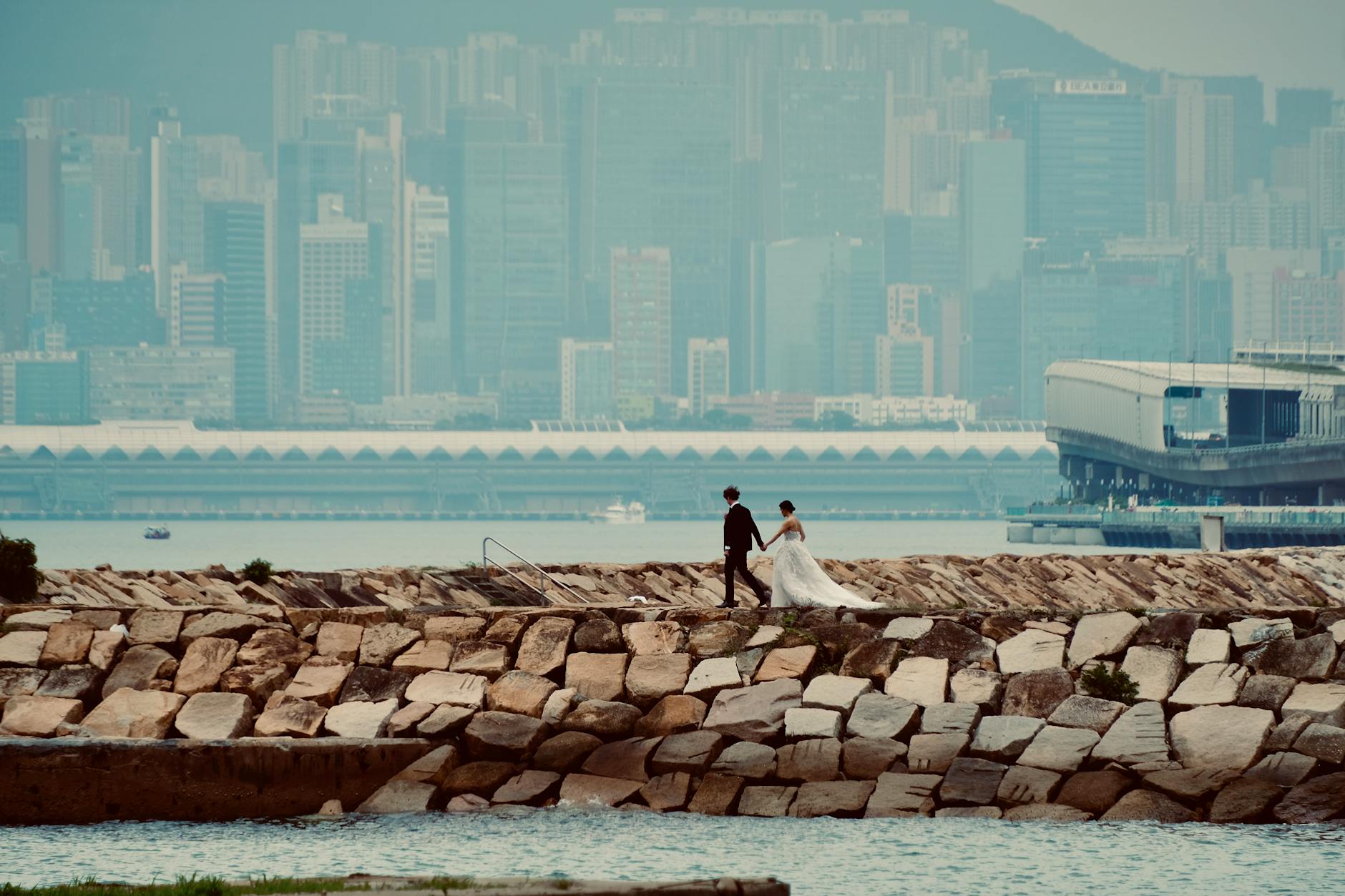
A short religious trip can lose its meaning if every gap becomes another attraction. Wan Chai's location makes it easy to add harbor walks, museums, meals, shopping, and other districts, but the traveler should preserve quiet time if reflection is part of the purpose. Weather can also change the day quickly through heat, rain, wet pavements, cold interiors, and crowded transit.
The traveler should decide what will be cut first if the day becomes too full. Optional sightseeing should not crowd out worship, community obligations, rest, or family care.
- Keep margin for reflection, rest, prayer, family needs, and slower meals.
- Plan for heat, rain, wet pavements, cold interiors, and crowded transport.
- Cut optional sightseeing before it weakens the religious purpose of the trip.
When to order a short-term travel report
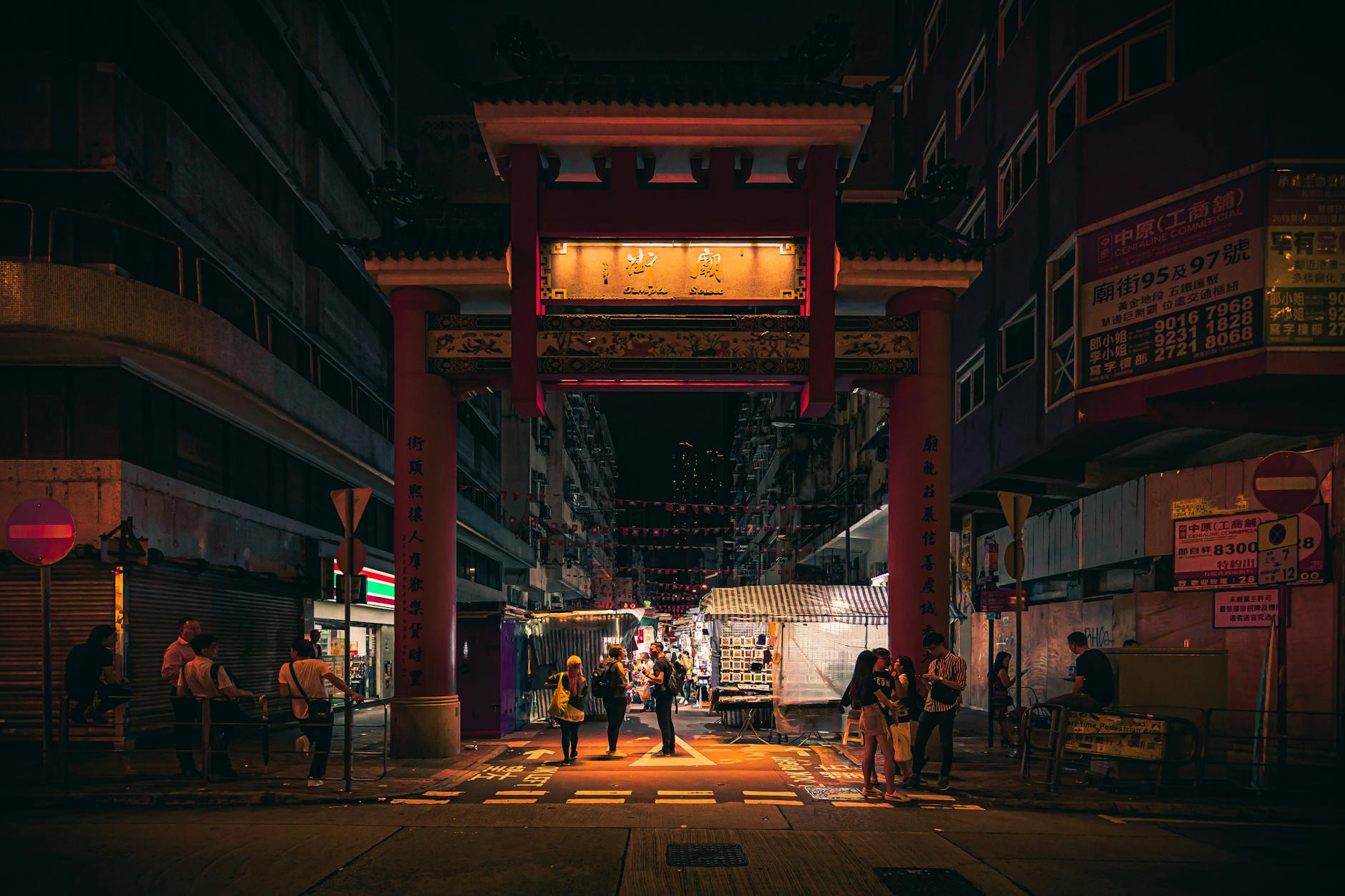
A religious or pilgrimage traveler with a single hosted event and assigned lodging may not need a custom Wan Chai report. A report becomes useful when worship sites are scattered, service times are fixed, food or dress needs are specific, family members have constraints, mobility matters, or the traveler wants to combine faith obligations with careful city time.
The report should test worship-site geography, hotel fit, airport arrival, MTR, tram, taxi and walking routes, meal options, dress and weather planning, etiquette, quiet time, family needs, budget, and what to cut. The value is a short Wan Chai religious trip that protects purpose as well as logistics.
- Order when worship geography, service times, food, dress, mobility, or family needs require testing.
- Provide dates, sites, service times, lodging options, dietary needs, constraints, and budget.
- Use the report to keep the religious trip purposeful, respectful, and manageable.