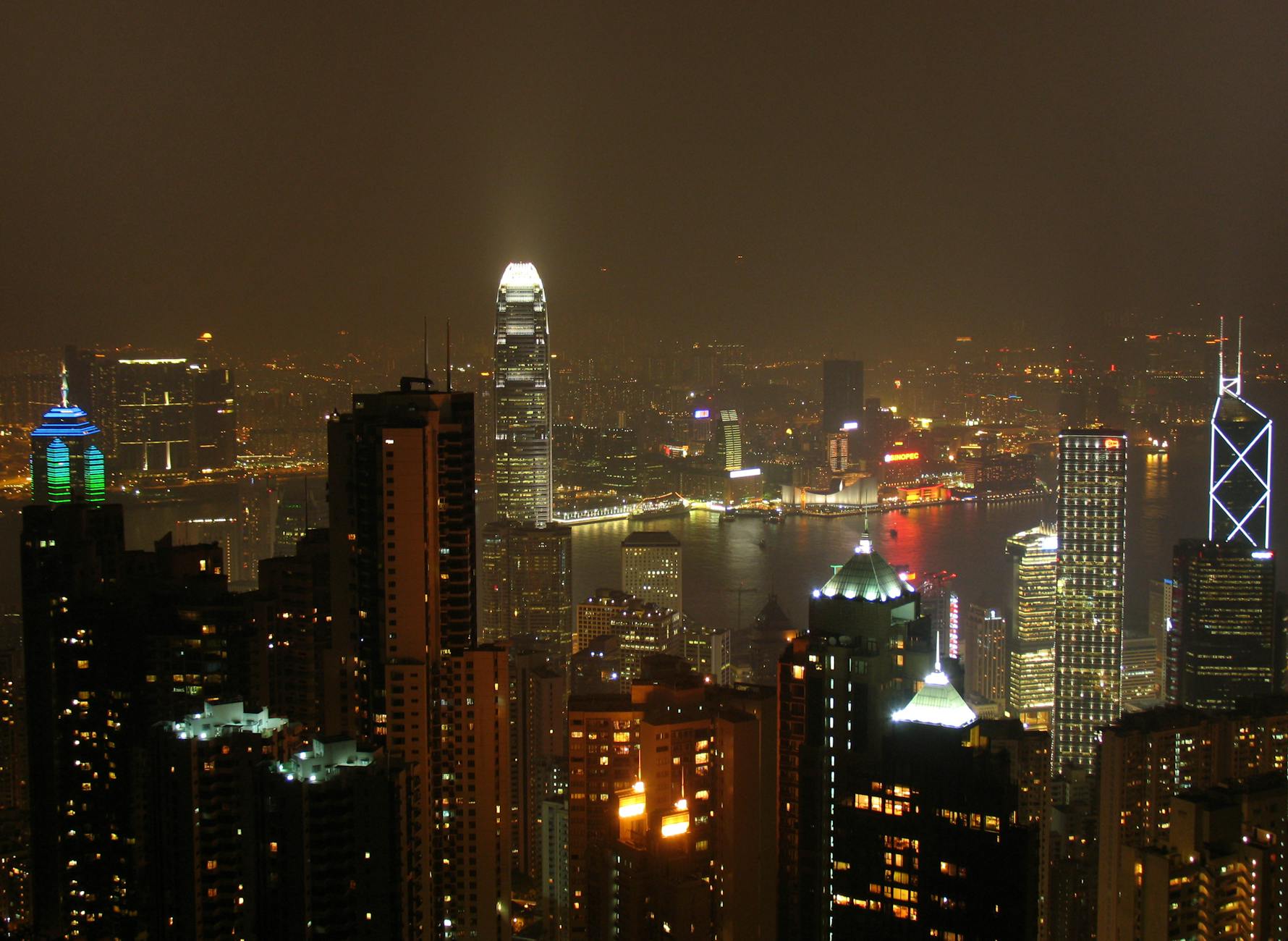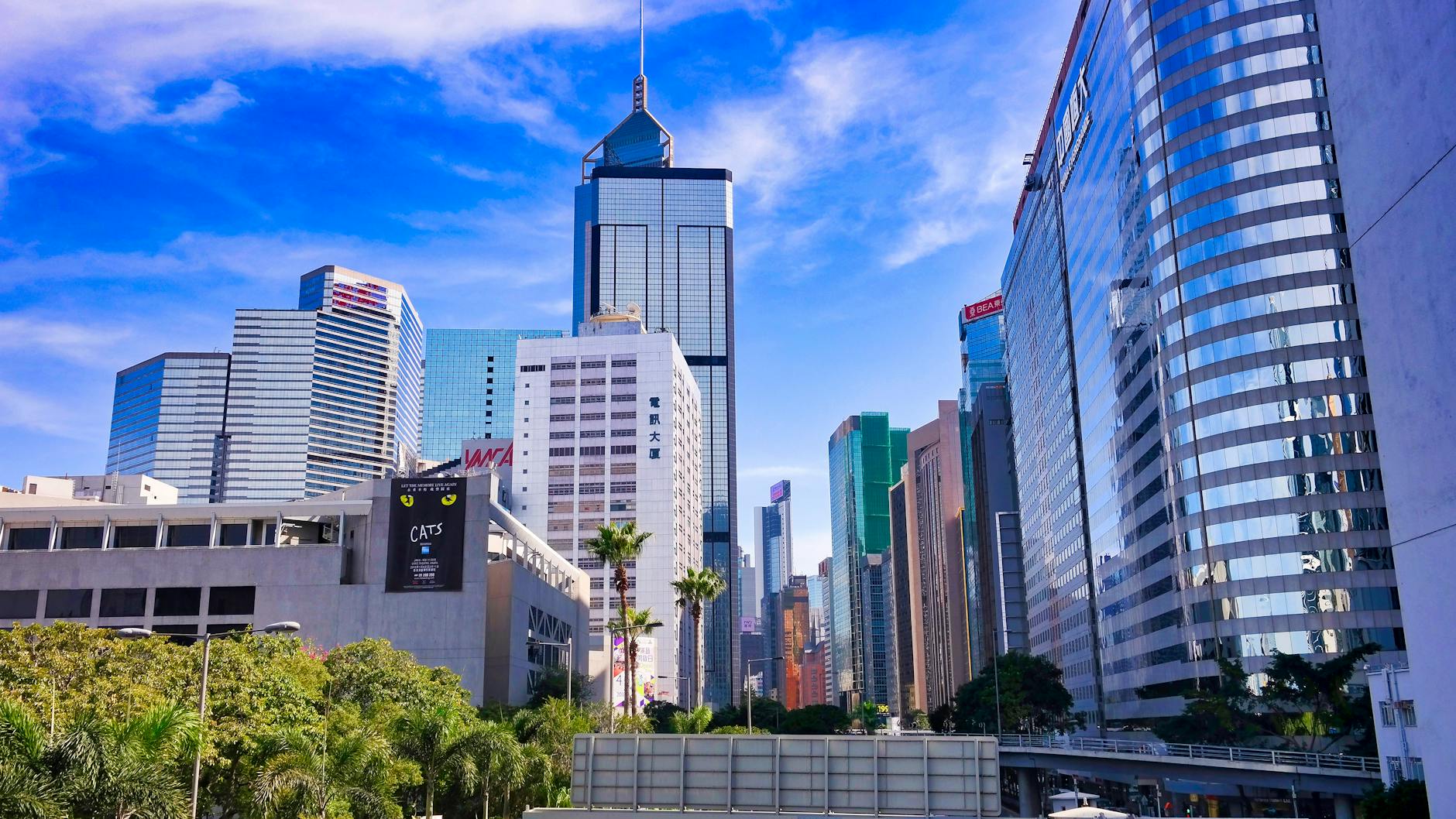
Wan Chai can work well for an older traveler because it offers hotels, restaurants, trams, MTR access, taxis, harborfront routes, convention-area facilities, and short trips to Central, Admiralty, and Causeway Bay. It can also be harder than it looks because the district has busy crossings, uneven route quality, humid weather, crowded sidewalks, and blocks that change tone quickly. A short Wan Chai stay should be designed around access and pacing. The goal is not to remove interest from the trip. The goal is to make the best parts of Wan Chai reachable without requiring long walks, confusing station exits, or improvised late-day decisions.
Choose the hotel around access and rest
Older travelers should treat hotel access as a central Wan Chai decision. Entrance placement, taxi pickup, lifts, lobby seating, room quiet, bathroom design, breakfast access, nearby practical meals, laundry, and proximity to the right MTR exit can matter more than a better view. A hotel can be in a convenient district but still create tiring daily movement.
The traveler should test the hotel against the hardest moments: airport arrival with luggage, returning after dinner, leaving in rain, reaching the tram or MTR, and getting back to the room when tired. The right base makes the whole district more comfortable.
- Check entrance, taxi access, lifts, lobby seating, room quiet, bathroom design, breakfast, and meals.
- Compare hotels by airport arrival, rainy exits, dinner returns, and tired end-of-day movement.
- Choose access and rest over a room that only looks better in photographs.

Measure walks by crossings and exits, not map distance
Wan Chai map distances can be misleading for older travelers. Crossings, station exits, footbridges, construction, crowds, heat, rain, and the final approach to a hotel or restaurant can make a short route feel longer. The traveler should not assume that every nearby place is equally easy to reach.
A good day should identify seated breaks, indoor links, taxi points, tram stops, MTR exits with lifts where needed, and places to pause. The trip can still include lively streets and harbor walks, but it should not depend on uninterrupted walking.
- Account for crossings, exits, footbridges, construction, crowds, heat, rain, and final approaches.
- Identify seats, indoor links, taxi points, tram stops, and practical MTR exits before leaving.
- Break routes into manageable segments rather than one long push.
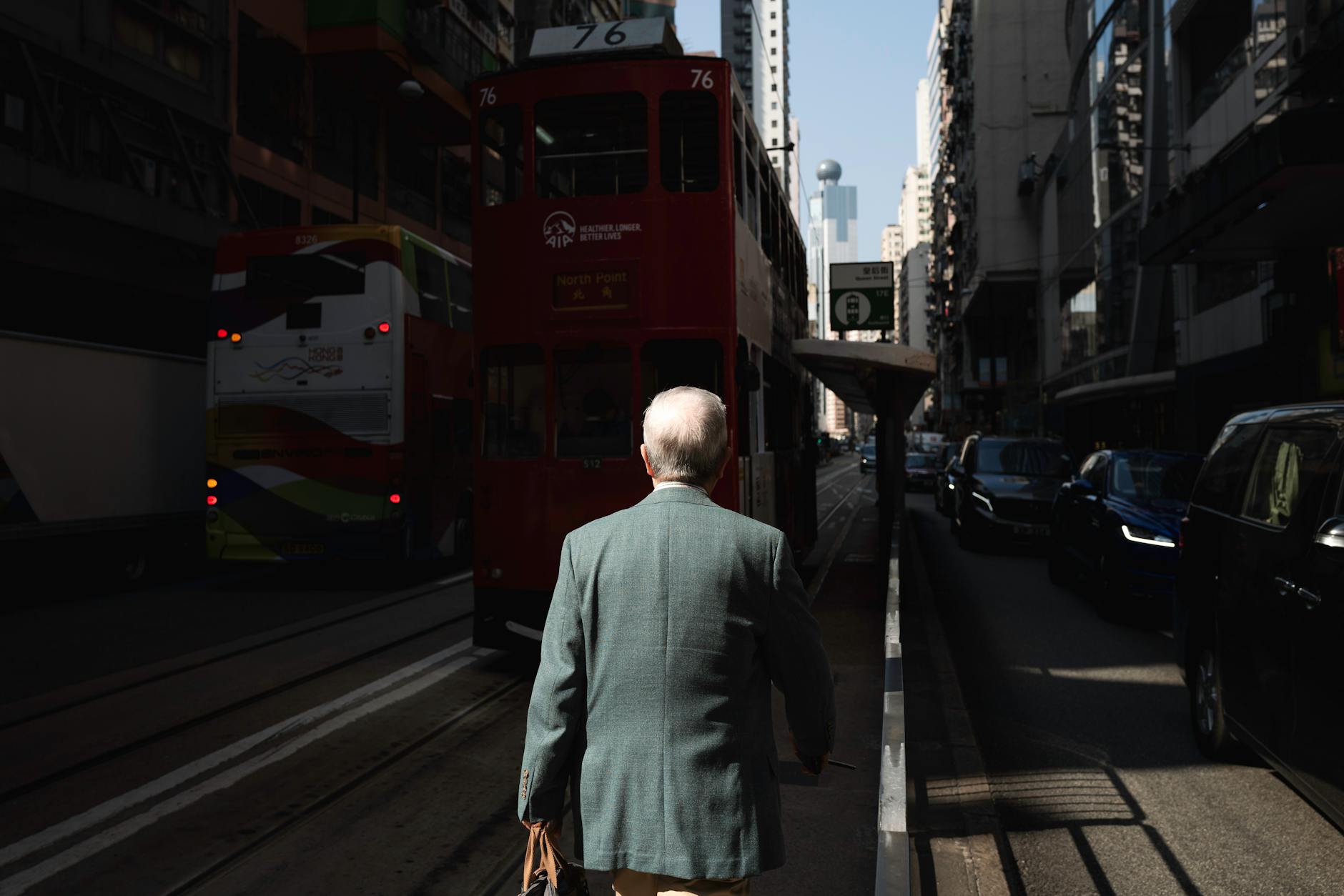
Use trams, MTR, and taxis by comfort
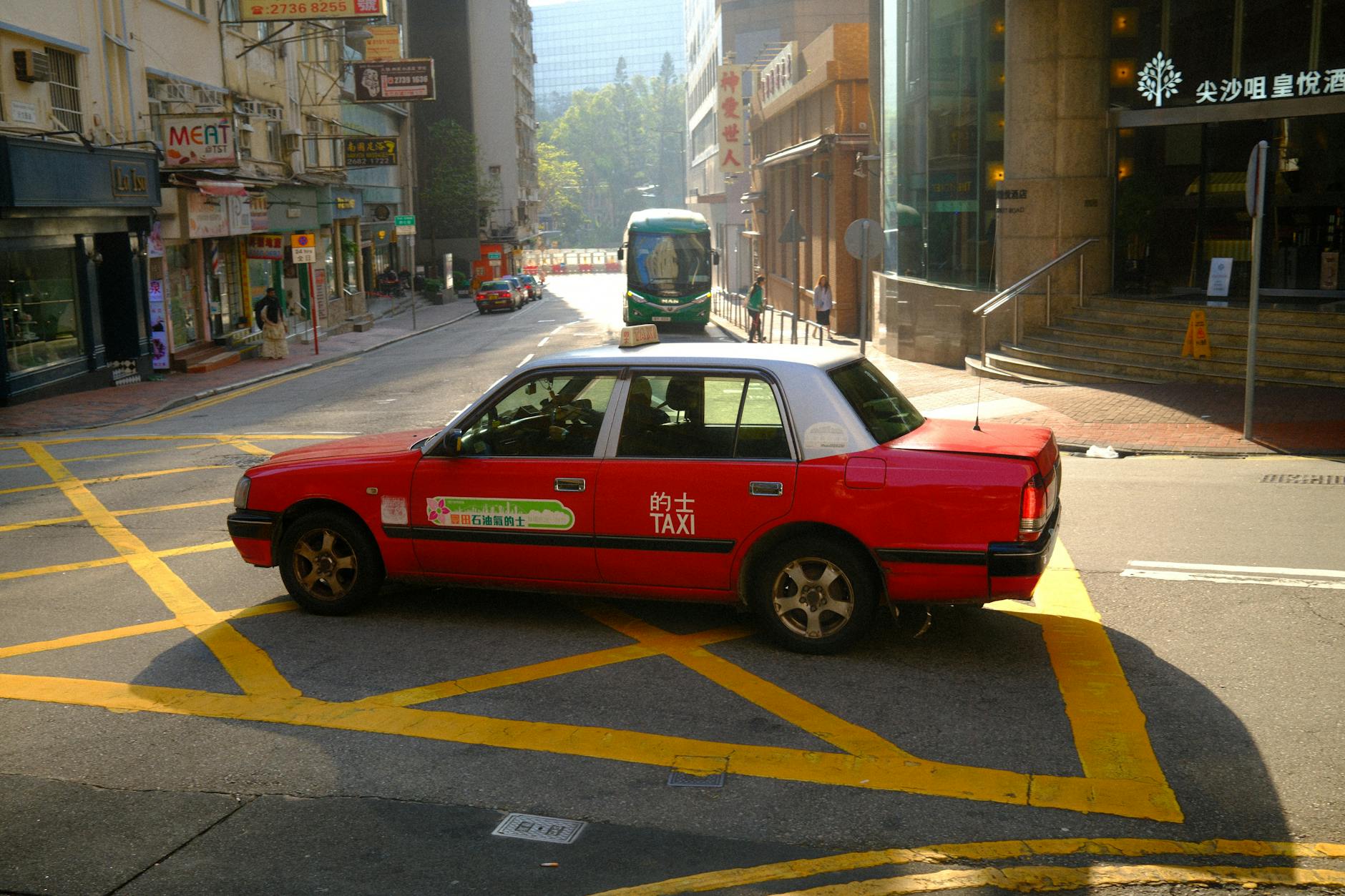
Wan Chai gives older travelers several useful transport choices. Trams can be atmospheric and simple for certain Hong Kong Island movements, but boarding, steps, and time should be considered. MTR can be efficient but may involve station corridors and exits. Taxis can reduce walking, especially in rain, heat, late evenings, or when carrying bags.
The traveler should choose transport by comfort as well as speed. A slower but easier route can be the better decision during a short stay.
- Choose tram, MTR, taxi, or walking by steps, exits, weather, fatigue, luggage, and timing.
- Check accessible exits, taxi stands, tram stop distance, and hotel return routes.
- Use taxis when they preserve energy for the activity that matters.
Plan meals for seating, timing, and simplicity
Wan Chai has many restaurants, but older travelers should choose meals by more than reputation. Seating comfort, noise, stairs, restroom access, dietary fit, queues, payment, meal timing, and distance from the hotel can matter more than a famous recommendation. A good short trip should include convenient options for low-energy moments.
The traveler should avoid long gaps between meals and keep snacks or water available when heat or medication timing matters. Reservations, hotel dining, early meals, and simple nearby restaurants can all be smart tools.
- Choose meals by seating, noise, stairs, restrooms, diet, queues, payment, and distance.
- Keep reliable hotel-area or low-energy options ready.
- Plan meal timing around medication, heat, rest, and evening return comfort.
Use the harbor and convention edge selectively
The Wan Chai harborfront and convention area can be useful for an older traveler because they provide views, wider spaces, taxis, hotel facilities, and a different pace from dense street corridors. Access still needs to be checked. Crossings, weather exposure, construction, event crowds, and walking distance can make the route less simple than it appears.
The traveler should decide whether the harbor is a main outing, a short walk, a meal setting, or a rest break. It should not become an accidental long route when the day is already full.
- Check harbor access, crossings, weather, construction, event crowds, taxis, and walking distance.
- Use the harbor for views, a short walk, a meal, or a quieter break when it fits.
- Avoid turning waterfront time into an unplanned long walk.

Make medical and weather planning explicit
Older travelers should prepare for medication timing, prescriptions, travel insurance, pharmacy access, nearby clinic options, hydration, air conditioning, humidity, rain, and sleep. Wan Chai is not remote, but short trips leave little room for problems that could have been planned around.
The traveler should know the nearest pharmacy, how to contact the hotel desk, when to rest indoors, and which activities should be cut first if heat, rain, illness, or fatigue changes the day. A clear cut list protects the trip from becoming physically punishing.
- Plan medication, prescriptions, insurance, pharmacy access, hydration, air conditioning, and sleep.
- Know hotel contact procedures, nearby support, and practical taxi options before they are needed.
- Decide which activities to cut first during heat, rain, illness, or fatigue.
When to order a short-term travel report
An older traveler with an accessible hotel, flexible dates, and local family support may not need a custom Wan Chai report. A report becomes useful when hotel access is uncertain, walking tolerance is limited, the traveler has medical constraints, the itinerary includes mixed-stamina companions, or the trip needs to balance lively Hong Kong experiences with comfort.
The report should test hotel access, step-free movement, walking distances, tram, MTR and taxi choices, meals, medical planning, harbor routes, weather, pacing, airport transfers, budget, and what to cut. The value is a short Wan Chai stay that feels full without becoming physically draining.
- Order when hotel access, walking tolerance, transport, medical needs, meals, or pacing needs testing.
- Provide dates, hotel options, mobility details, medical constraints, priorities, flight times, and budget.
- Use the report to make Wan Chai comfortable, selective, and worthwhile.